









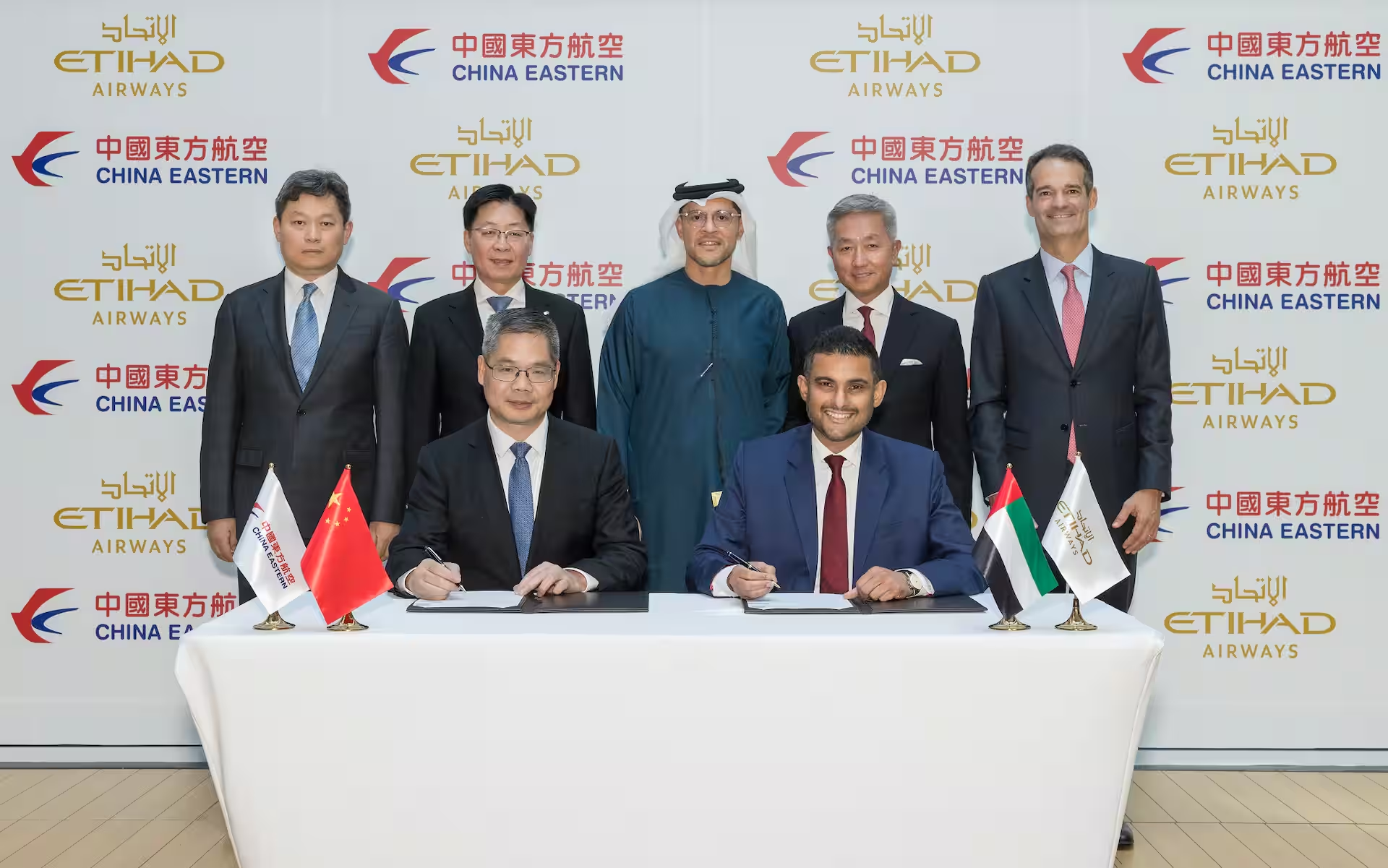

On Wednesday, Etihad Airways published an announcement about inking an agreement on a joint venture with China Eastern Airlines. The event follows a Memorandum of Understanding (MOU) signed by both airlines in December 2023 in Shanghai.
The Strategic Alliance
Present at the ceremony Chief Executive Officer of Etihad Airways Antonaldo Neves, Chairman of Etihad Aviation Group His Excellency Mohamed Ali Al Shorafa, and China Eastern Airlines Chairman Wang Zhiqing all expressed their content with the next step of the cooperation between the airlines.
A joint venture is a special kind of airline cooperation. It goes beyond the scope of interlining and codeshare agreements which are the most popular ways for airlines to offer interoperability. The carriers are able to closely cooperate on deploying capacity and managing traffic.
Etihad and China Eastern will implement the joint venture cooperation in early 2025 when both secure all necessary regulatory clearances. Additionally, both airlines will introduce full reciprocity to their existing frequent flyer programs in the final quarter of 2024, allowing passengers to seamlessly earn points and redeem rewards when flying with either airline.
The Chinese Mega Carrier
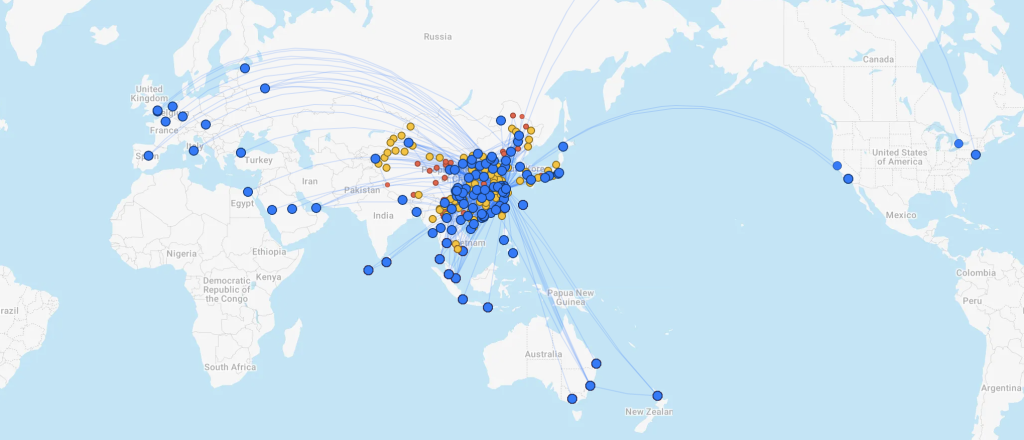
China Eastern Airlines is one of the big three Chinese carriers with a strong domestic network in China as well as a global presence in Asia, Europe, the United States, and Australia. With a fleet of more than 600 airframes serving a portfolio of more than 200 destinations, it is one of the biggest carriers in the world measured by fleet size.
The airline operates out of many airports in mainland China, including both Shanghai–Pudong and Shanghai–Hongqiao airports in Shanghai, where its headquarters is also located. The partnership will allow China Eastern to offer seamless connectivity between any major Chinese city to all significant destinations in the Middle East, India, and other regions.
Middle Eastern Champion of Growth
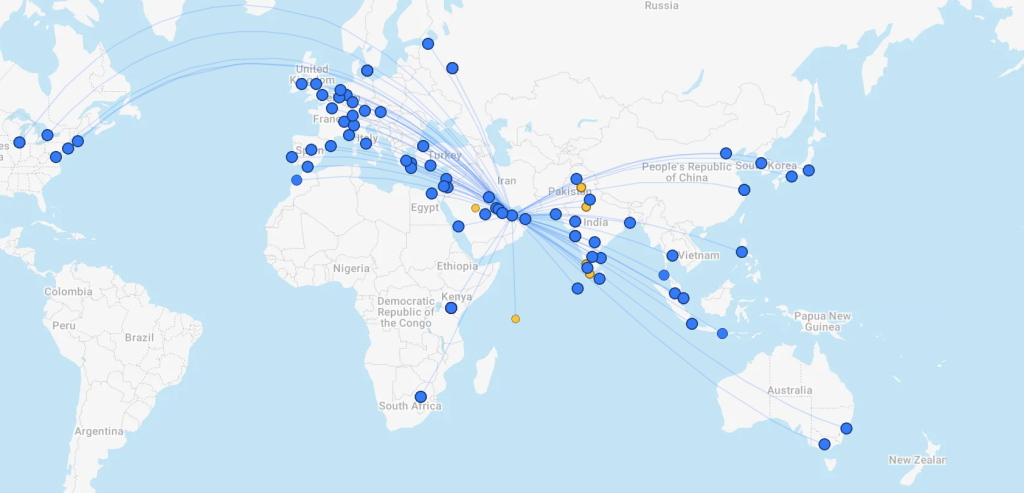
Etihad Airways operates out of its hub in Abu Dhabi, the capital of the United Arab Emirates. After the pandemic, it is looking to strengthen its presence in one of the key growing markets, which is China. Likely, the Shanghai–Pudong airport that the airline is currently serving will become a major gateway for the carrier to channel the Middle Eastern local traffic to China, including China domestic, and other destinations in the proximity.