










Alaska Airlines has published a report detailing what the carrier has learned and changed one year after one of its Boeing 737s had a door plug blow out while in flight.
The report stated that on Jan. 5, 2024, Alaska temporarily grounded its fleet of 65 737 MAX 9 aircraft after the incident occurred during flight 1282 from Portland, Oregon, to Ontario, California. All passengers and crew members survived the incident, though there were several non-fatal injuries reported.
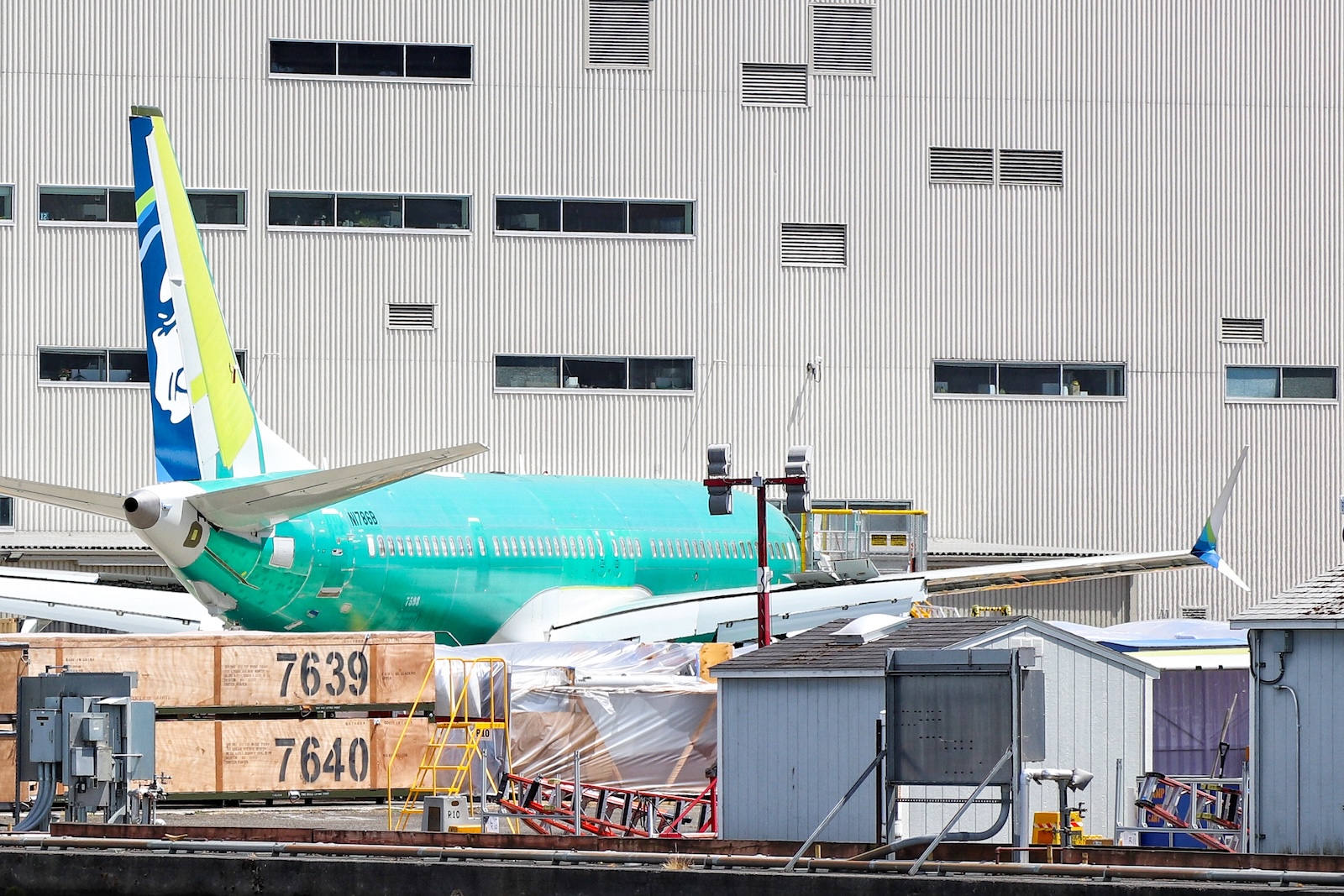
Right after the incident, Alaska’s quality and audit team reviewed Boeing’s production quality and control systems. The carrier said it also added “experienced members” of its team to “validate work and quality on the Boeing 737 production line.”
Brooke Vatheuer, Alaska’s vice president of audit programs, said that the company’s leadership has spent a lot of time with Boeing leaders over the past year reviewing their improvement plans, sharing safety management systems best practices and monitoring their progress.
“In addition to oversight from the FAA, our visits to Spirit AeroSystems in Wichita (which makes the fuselage) and the Boeing factory in Renton have allowed us to directly observe the ongoing improvements and offer an additional ‘second set of eyes,’” Vatheuer wrote. “Our audit team is actively engaged with Boeing’s production quality and control systems. By walking the factory floor and interacting with management and frontline employees, we have fostered transparency and openness, providing us with the necessary information and access to execute our oversight activities.”
Inspectors in Renton and North Charleston
Alaska has also added three monitoring and evaluation employees who are experts in aircraft maintenance and inspection at Boeing’s Renton factory. The three Aircraft Acquisition Representatives (AARs) are on-site at Boeing five days a week covering different shifts and remain on call to conduct inspections per Alaska’s standards.
“We have also seen improvements in Boeing’s Mechanic Training Program, which now includes extended training periods and increased hands-on opportunities,” Vatheuer wrote. “There has been a focus on communicating the importance of safety and compliance, with a strong emphasis on voluntary reporting. Furthermore, we have observed positive changes in work processes, particularly regarding traveled work, where a SMS risk assessment framework is now employed to manage tasks effectively. We are encouraged to see Boeing leadership’s focus on safety and their commitment to cultural change.”
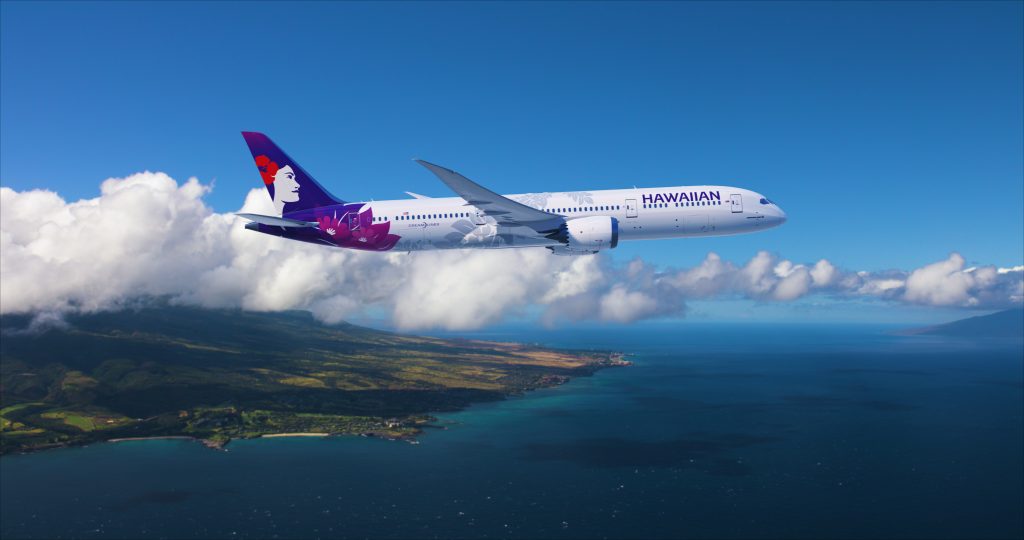
Vatheuer wrote that Alaska is “optimistic” about Boeing’s dedication and movement toward making significant improvements so far. She said that Alaska has planned several visits to Boeing in 2025 for further aircraft inspections, and the carrier will also extend its efforts to Boeing’s 787 line in North Charleston, South Carolina, as it prepares more deliveries.
“Safety is not just a policy – it is our core value that guides our actions every single day,” Vatheuer said. “Each of us plays a role in maintaining the safety for each other and our guests. Thank you for your ongoing commitment to safety and your dedication and pride toward ensuring our aircraft are safe and our operations are reliable. ”
