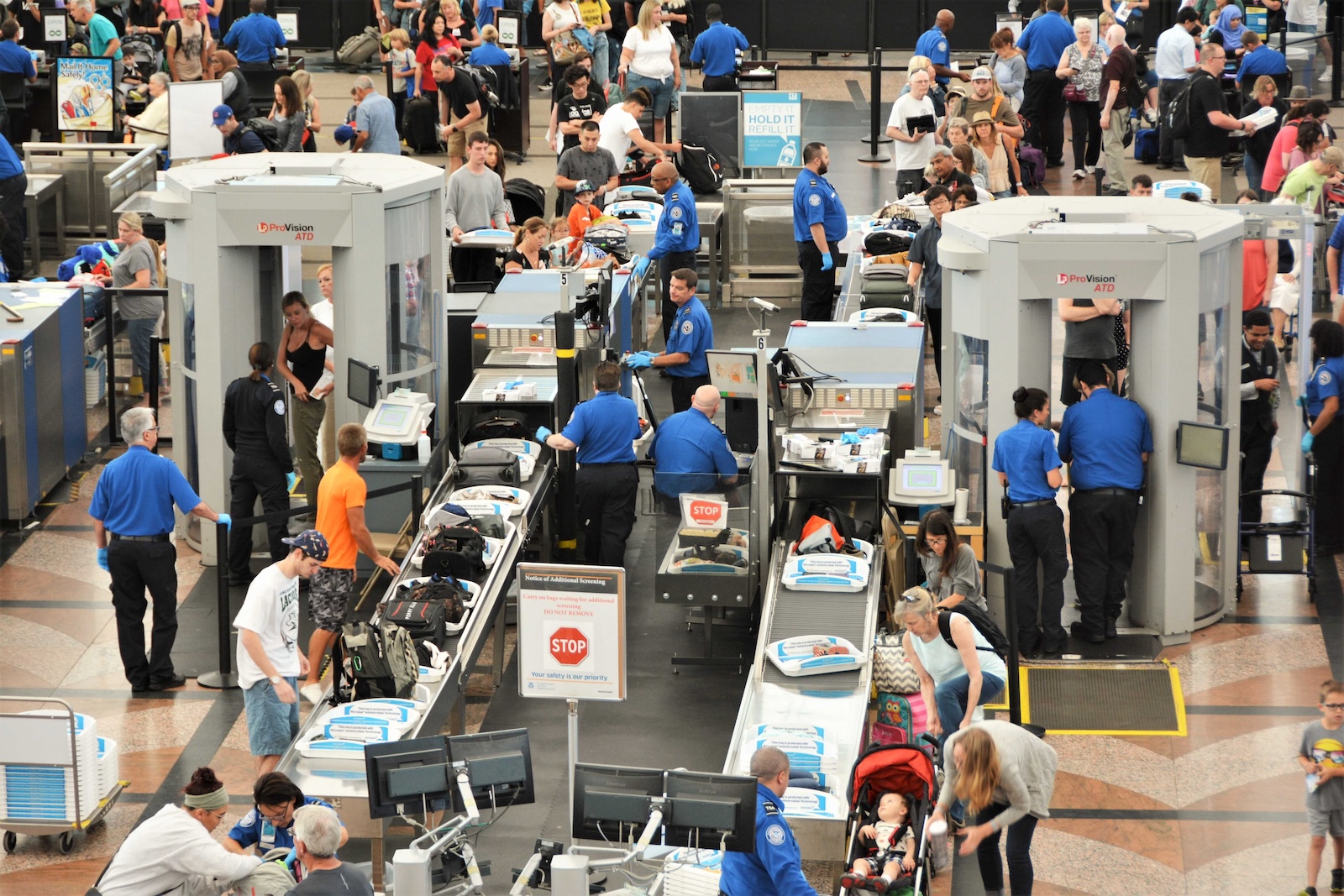
A TSA checkpoint. (Photo: Shutterstock | Jim Lambert)
The TSA is pulling the plug on a recently launched program that would have allowed airports to use private contractors for passenger screenings and other security operations.
The agency on Monday announced its “Horizon 25 Strategy,” which calls for modernizing security checkpoints, improving the customer experience, and streamlining the acquisition of new technology. As part of the new plan, Gold+, which debuted in May, will be abandoned.
“An evolved Screening Partnership Program will replace TSA Gold+ to better harness the role of the private sector in delivering a safer, more secure, and more efficient aviation system,” the agency said.
The SSP, which has been in place since 2004, allows qualifying airports to use private companies for checkpoint screenings. Gold+ would have gone a step further by placing broader operations and specialized technology in the hands of private firms, though federal oversight would have remained in place and private staff would have been required to meet official TSA standards and use approved equipment.
As of July, at least two airports had joined Gold+, and a third was strongly considering it. Tampa International Airport in Florida and Charleston International Airport in South Carolina both confirmed to AirlineGeeks that they had opted in to the program, and Des Moines International Airport said it was “exploring participation.”
Gold+ was still in development prior to Monday’s announcement, and no airport had formally transitioned to its privatized model.
Just hours before the program was spiked, Tampa International Airport said it would continue to use TSA officers for security operations. Opting in to Gold+ allowed the airport to evaluate the program’s requirements and provisions in detail, it said, and after a careful review, a decision was made not to join.
“We approached Gold+ carefully and deliberately, with a focus on our passengers, employees, airline partners, and long-term operational excellence,” airport CEO Michael Stephens said in a news release. “We are thankful to the TSA for bringing us the opportunity to learn more about a program with the potential to enhance operational resiliency and innovation, and to reach an informed decision.”
The American Federation of Government Employees (AFGE), which represents around 47,000 TSA officers, strongly opposed Gold+ and sharply criticized the airports that expressed interest in it. The union said the kind of privatization envisioned by Gold+ would undermine airport security and put TSA officers’ jobs at risk. Earlier this month, AFGE sued the TSA for records about the development of the program, which it said was put together with minimal transparency.
On Monday, the union applauded Tampa’s withdrawal and said the other airports that had opted in to Gold+ should follow its lead.
The TSA has not said what an “evolved” SSP might look like, or if it would incorporate some aspects of Gold+.
In a statement, Administrator David P. Cummins said the agency will not sacrifice advances in one area for progress in others.
“TSA does not have to choose between a secure checkpoint, an efficient checkpoint, and an elevated passenger experience,” Cummins said. “Through Horizon 25, TSA can, and will, deliver all three at once.”
Zach Vasile is a writer and editor covering news in all aspects of commercial aviation. He has reported for and contributed to the Manchester Journal Inquirer, the Hartford Business Journal, the Charlotte Observer, and the Washington Examiner, with his area of focus being the intersection of business and government policy.
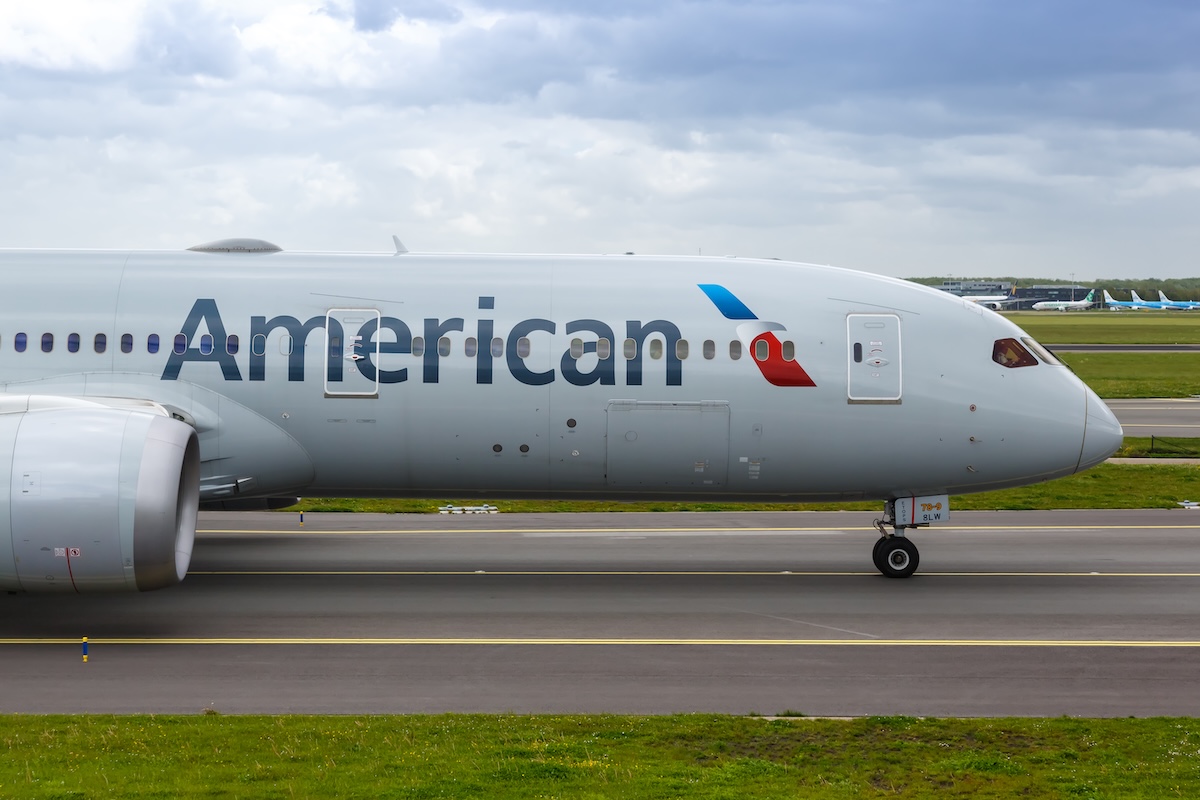
An American Boeing 787-9 Dreamliner (Photo: Shutterstock | Markus Mainka)
American Airlines expected to announce as many as 13 new long-haul routes for summer 2027, but aircraft delivery delays forced the carrier to scale back its plans, a senior executive told AirlineGeeks.
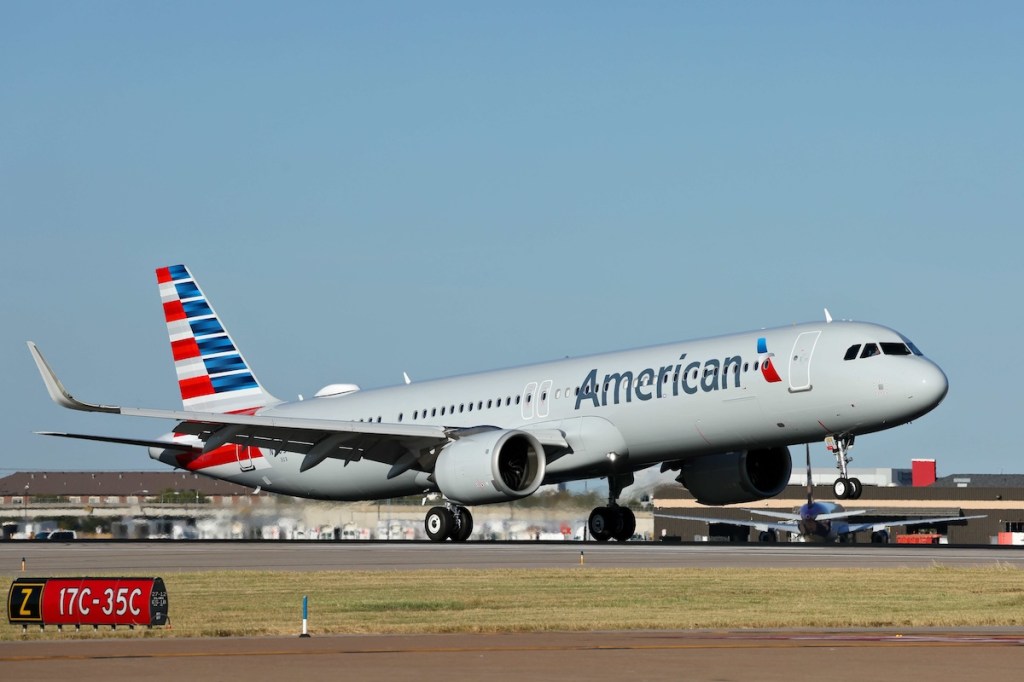
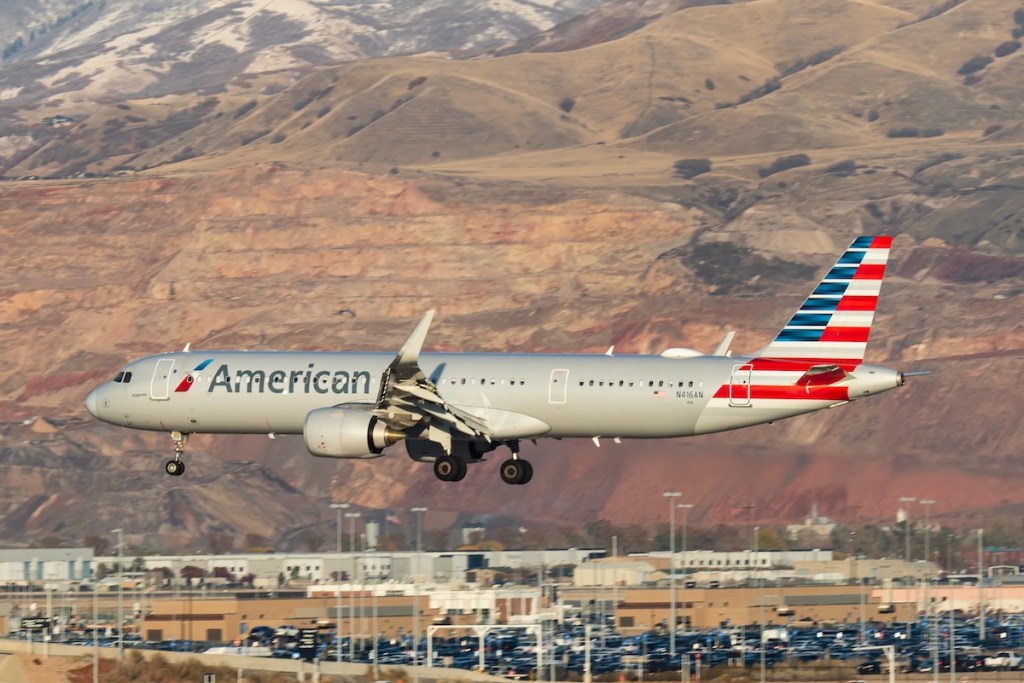
The finalized schedule includes seven new routes: Philadelphia to Vienna, Porto and Reykjavik; New York-JFK to Amsterdam and Nice; Charlotte to Barcelona; and Chicago O’Hare to Tokyo Narita. American will also restore a fourth daily flight between New York-JFK and London Heathrow.
“In February of this year, I was at an internal conference here for American, and I was really getting the crowd excited about the potential for 10 to 13 new long-haul routes being announced at this time for summer 2027,” Brian Znotins, American’s senior vice president of network planning, told AirlineGeeks on Wednesday.
“We are absolutely constrained by the number of airplanes that we have,” he added.
At the time, American expected to have approximately 13 additional long-haul aircraft available year over year, Znotins said. Delivery delays have since reduced that figure to five aircraft.
“I’ve been really disappointed in Boeing and Airbus for a number of years now, and they continue to disappoint me this year,” he said. “If Boeing and Airbus had delivered on their promises, this would be a huge route expansion for us for summer 2027 as well.”
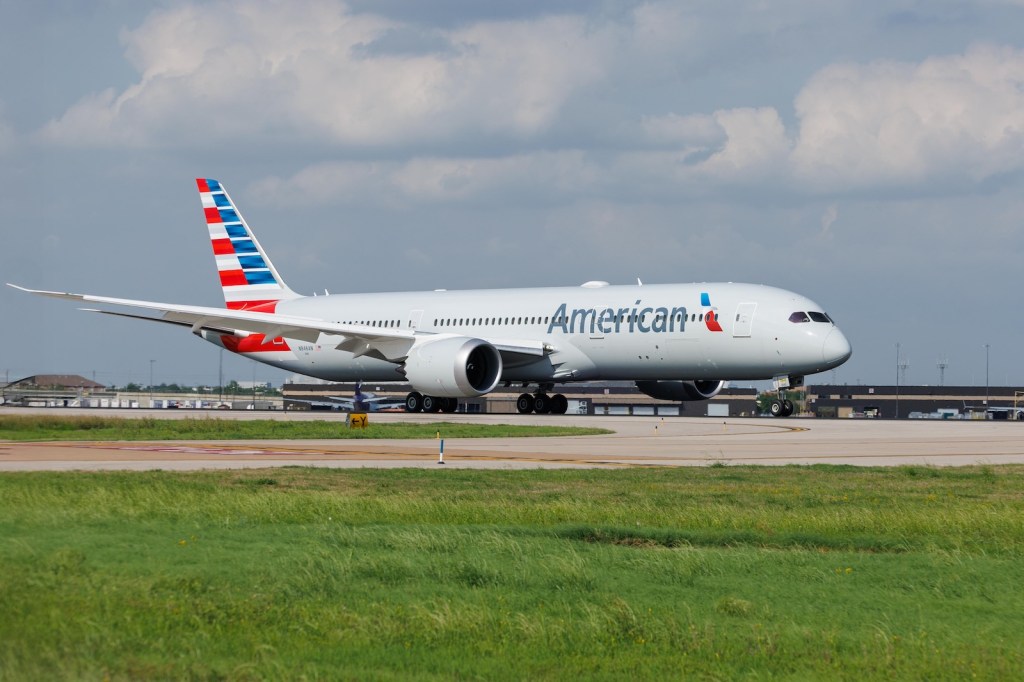
A brand-new American Boeing 787 Dreamliner. (Photo: American Airlines)
Znotins said the seven routes will likely represent American’s complete summer 2027 long-haul expansion, barring an unexpected improvement in aircraft availability.
“This will pretty much be it for summer 2027,” he said. “There’s a possibility, if we squeeze another airplane out of a flow or something like that, we can do something else.”
Some aircraft previously expected during the first half of 2027 are now projected to arrive later in the year. Znotins said those deliveries could create opportunities for winter 2027, while summer 2028 will represent another chance for broader expansion.
“I’m not really excited about adding new trans-Atlantic flying in September,” he said. “Usually, you want to do that in May and June when the demand is strong.”
American has also used operational data from partner Iberia, which already flies the type across the Atlantic, to better understand the aircraft’s performance. That information helped give the airline confidence to schedule Vienna, which will be one of American’s longer A321XLR routes at just over 4,300 miles.
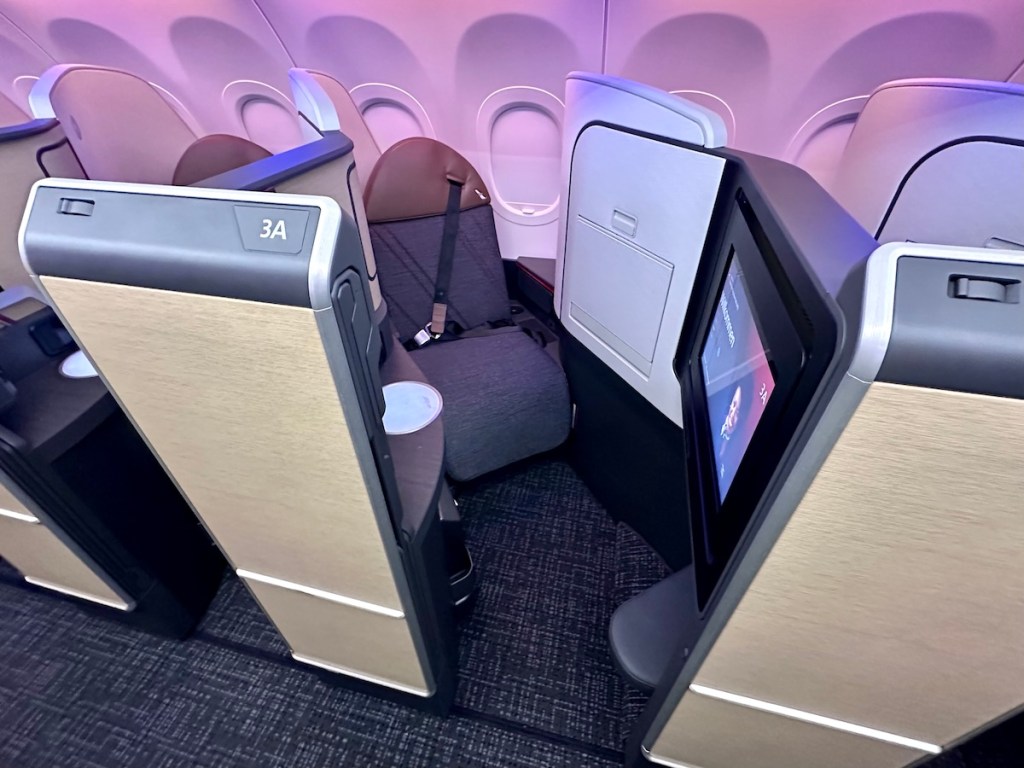
American’s Flagship Suites on the A321XLR (Photo: AirlineGeeks | Ryan Ewing)
Still, Znotins acknowledged that the aircraft does not deliver the range American originally expected.
“At the end of the day, while the XLR range isn’t what we were sold when we bought the airplane from Airbus, and that’s disappointing to any network planner, we are confident in its capabilities now, and thus we’re planning our routes accordingly,” he said.
Znotins did not specify the size of the range shortfall.
American initially prioritized its A321XLR deliveries for replacing the aging Airbus A321T fleet used on premium transcontinental routes. As more of that replacement work is completed, the airline will be able to allocate additional XLRs to international service.
“What you saw was mostly transcon with the XLR for the last year and a half, and it will become mostly trans-Atlantic for the future,” Znotins said.
For the next several years, American expects to concentrate its XLR growth at New York-JFK and Philadelphia. Znotins said the aircraft could eventually move between Europe in the summer and South America during the winter, when demand shifts south, but described that strategy as several years away.
Vienna Joins American’s Network
Vienna will be a new destination for American when service from Philadelphia begins May 6. American says it will be the only U.S. airline serving the Austrian capital.
Znotins said Vienna had been under consideration for years, but the A321XLR finally gives American an aircraft with the appropriate capacity for the market. Philadelphia will provide connections throughout the U.S., helping offset the lack of a oneworld partner hub in Vienna.
An American A321XLR. (Photo: DFW Airport)
“Vienna has always been on the radar, but just never seemed to make the list,” he said. “Having an airplane that allows us to go into another alliance’s hub with the right level of capacity and offer the only U.S. carrier service to Vienna — that schedule differentiation is a big deal for us.”
Unlike many seasonal European routes, the Vienna service will continue through the Christmas market season and operate into early January 2028. Delta was the last U.S. carrier flying to Vienna before ending service in 2008.
American also sees Vienna as complementary to its recently launched Philadelphia routes to Budapest and Prague. According to Znotins, approximately 20% of customers arriving in one of those two cities return from the other.
Adding Vienna will give passengers a third option for multi-city itineraries along the Danube, potentially supporting all three routes.
“There’s a halo effect that you get where other cities get stronger as you add other ones to the mix,” Znotins said.
Reykjavik Returns Without the XLR
American will return to Reykjavik for the first time since 2019, operating the Philadelphia route with a standard Airbus A321neo rather than the longer-range XLR.
Znotins said that decision was driven by limited XLR availability. American preferred to assign the aircraft to longer routes such as Porto and Nice while using the A321neo on the shorter Reykjavik flight.
“We didn’t have enough XLRs, obviously, to add Reykjavik on an XLR,” he added. “The only way we could do that is with the NEO, and so we’re pretty happy to do that.”
The route will also give American experience operating its standard A321neo across the Atlantic. Znotins left open the possibility of using the aircraft on other short trans-Atlantic markets but cautioned that destinations substantially farther than Iceland could exceed its practical capabilities.
An American A321neo. (Photo: Shutterstock | Robin Guess)
Elsewhere, Amsterdam is intended to fill what Znotins described as a gap in American’s New York business network. The airline will also add Nice from JFK and restore a fourth daily London flight using a Boeing 787-9 equipped with Flagship Suite seats.
The previously-announced Chicago-Tokyo flight will begin March 19, while the new European routes will launch between March 28 and May 27. Tickets will be available beginning Aug. 31.
Origin
Destination
Start Date
Aircraft
ORD
NRT
March 19, 2027
Boeing 787-9
JFK
AMS
March 28, 2027
Airbus A321XLR
PHL
OPO
March 28, 2027
Airbus A321XLR
JFK
NCE
May 6, 2027
Airbus A321XLR
PHL
VIE
May 6, 2027
Airbus A321XLR
CLT
BCN
May 27, 2027
Boeing 777-200ER
PHL
KEF
May 27, 2027
Airbus A321neo
Editor’s Note: This story was updated on Thursday, Aug. 27, 2026, at 11:04 a.m. ET to clarify the number of available long-haul aircraft.
Ryan founded AirlineGeeks.com in February 2013 and has spent more than a decade covering the airline business. His work has been featured by CNN, WJLA, CNET, and Business Insider. His aviation experience spans airport operations, Part 135 regulatory compliance, and airline crew workforce planning, along with time behind the yoke of a Cessna 172 and interviews with airline executives. Ryan now serves as Group President of Firecrown Media’s Aviation Group. He holds a B.S. in Air Transportation Management and an MBA from Arizona State University and teaches Airline Management at Embry-Riddle Aeronautical University.
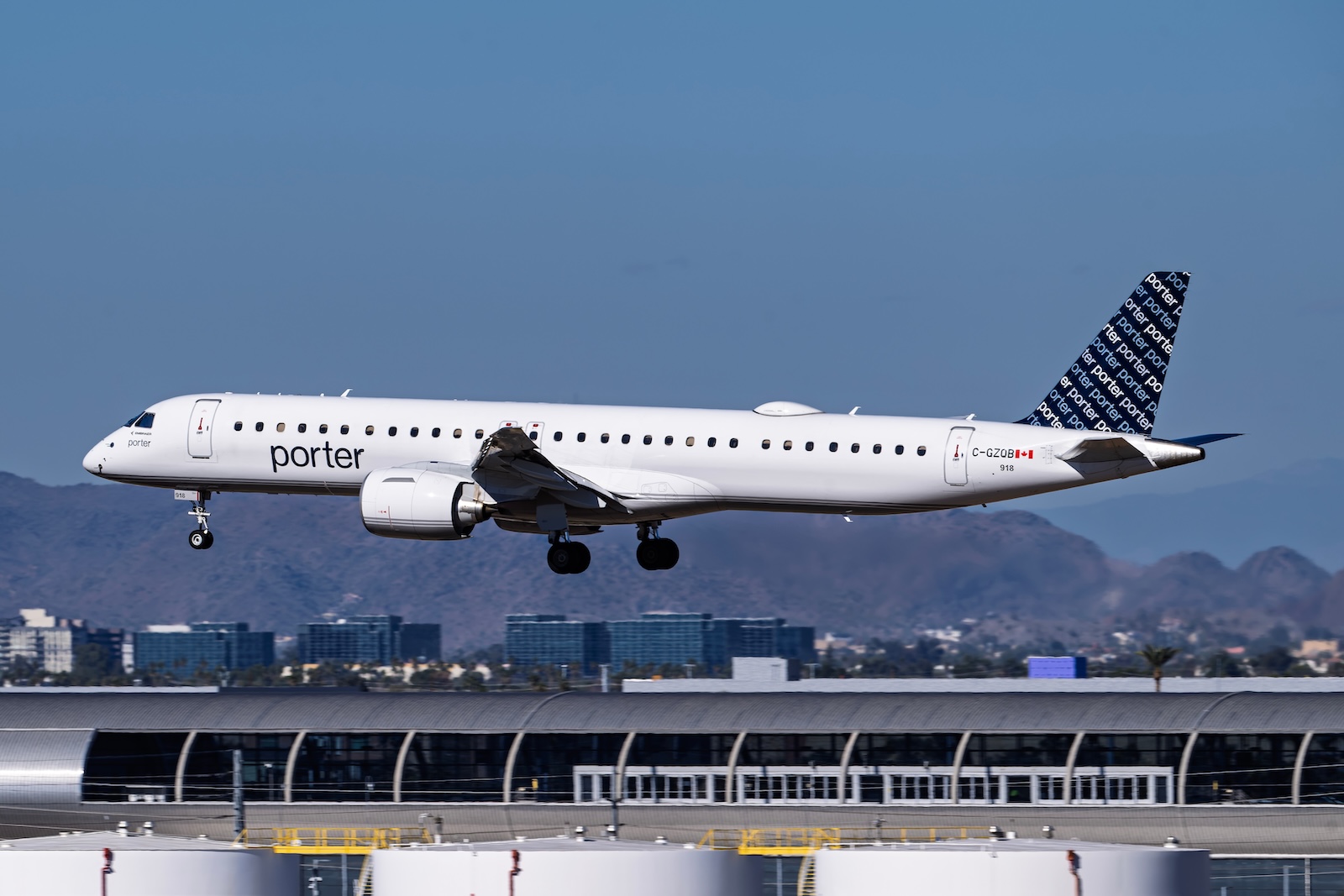
A Porter Airlines Embraer jet. (Photo: Shutterstock | Robin Guess)
Canadian airline Porter is bringing a new city into its network.
The carrier announced Wednesday that it will serve London, Ontario, for the first time later this year. Porter plans to launch four seasonal routes, linking London to Orlando and Fort Lauderdale in Florida; Cancun, Mexico; and Montego Bay, Jamaica.
Service to Fort Lauderdale will start first, on Nov. 18. Flights will operate four times weekly, on Mondays, Wednesdays, Fridays, and Sundays.
One day later, on Nov. 19, service to Orlando will commence, with flights operating on Tuesdays, Thursdays, and Saturdays.
The following month, on Dec. 17, Porter will start flights between London and Cancun. That route will operate four times weekly, on Tuesdays, Thursdays, Saturdays, and Sundays.
Finally, on Dec. 18, the carrier will launch twice weekly service to Montego Bay. Flights will operate on Mondays and Fridays.
All four winter routes will use new, 132-seat Embraer E195-E2 aircraft.
Porter also said that it is building a year-round domestic schedule for London. No destinations or dates were announced, but the airline expects to have those flights operating by the summer of 2027.
“The introduction of Porter service at YXU will benefit more than two million people in the Greater London area who can now fly from their local airport,” Porter CEO Michael Deluce said in a news release. “Travelers throughout the region deserve seamless, elevated travel options closer to home. The combination of southern and domestic flights is an opportunity to introduce them to Porter’s award-winning passenger experience, delivered with genuine care and hospitality.”
Porter serves destinations across Canada and the U.S., as well as some markets in Mexico, Central America, and the Caribbean.
Zach Vasile is a writer and editor covering news in all aspects of commercial aviation. He has reported for and contributed to the Manchester Journal Inquirer, the Hartford Business Journal, the Charlotte Observer, and the Washington Examiner, with his area of focus being the intersection of business and government policy.
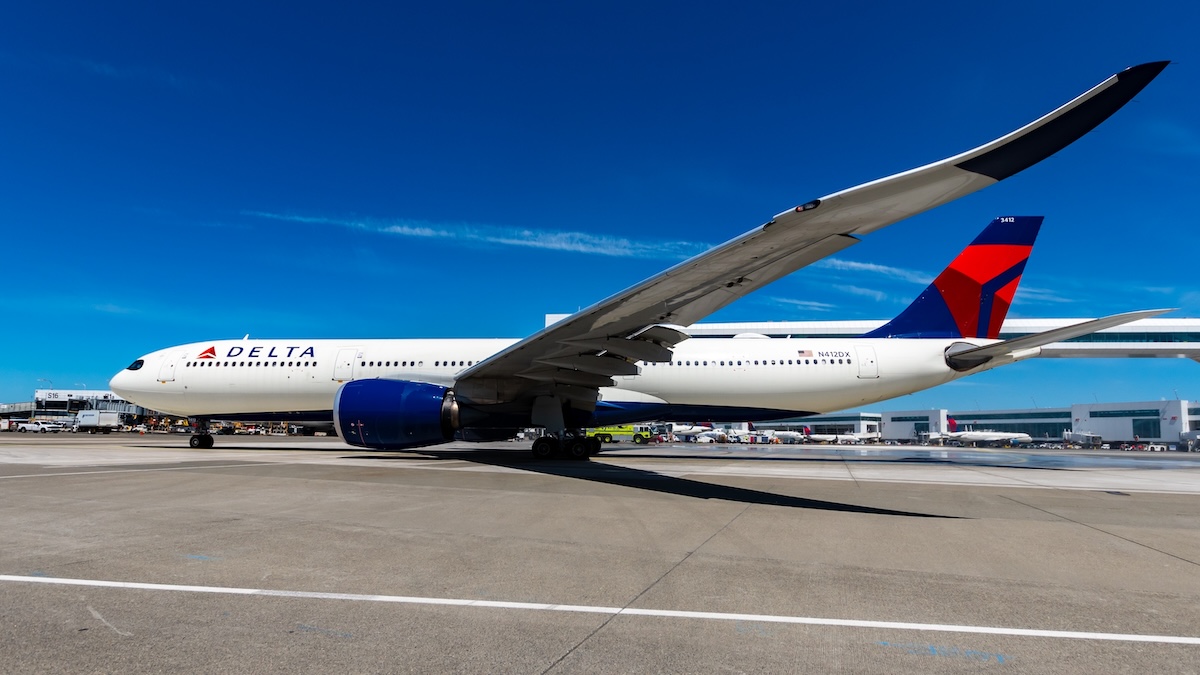
Delta set Sept. 6 as a potential restart date earlier this summer but did not formally announce the resumption of flights until this week.
Delta suspended service between New York and Tel Aviv in February after the outbreak of fighting between the U.S., Israel, and Iran. It also pushed back a planned connection between Atlanta and Tel Aviv; that route is on hold until at least December.
“The resumption of service follows a thorough review of the evolving security environment in the region,” the carrier said in a statement. “The safety and security of our customers and employees remain our top priority, and Delta will continue to monitor the situation closely in coordination with aviation authorities and government agencies.”
U.S. and Israeli airlines are rebuilding connectivity now that the conflict with Iran appears to have calmed. United, for instance, plans to resume service between Newark, New Jersey, and Tel Aviv in early September. It will restart flights from San Francisco in March 2027.
American Airlines has not served Israel since October 2023, when fighting started between Israel and Gaza.
Zach Vasile is a writer and editor covering news in all aspects of commercial aviation. He has reported for and contributed to the Manchester Journal Inquirer, the Hartford Business Journal, the Charlotte Observer, and the Washington Examiner, with his area of focus being the intersection of business and government policy.
Facing a Vueling A320 on the taxiway. (Photo: AirlineGeeks | William Derrickson)
Spanish discount airline Vueling will drop its connections to Wales later this year.
The carrier plans to suspend service between Cardiff and Malaga, Spain, on Oct. 22, and between Cardiff and Alicante, Spain, two days later, on Oct. 24.
Vueling said in a statement that it continuously reviews its network and makes changes to accommodate consumer demand and connectivity needs. The airline did not rule out returning to Cardiff and said it will “evaluate any opportunities that may arise in the future.”
Cardiff Airport said it is disappointed in Vueling’s decision but pointed out that Ryanair and British carrier TUI will continue to connect Cardiff and Alicante.
Vueling is part of International Airlines Group, a British-Spanish airline consortium that also includes British Airways, Aer Lingus, and Iberia. It has served Cardiff since 2012.
Zach Vasile is a writer and editor covering news in all aspects of commercial aviation. He has reported for and contributed to the Manchester Journal Inquirer, the Hartford Business Journal, the Charlotte Observer, and the Washington Examiner, with his area of focus being the intersection of business and government policy.
Qatar Hits New Milestones in 787 Starlink Rollout
The carrier expects to have all of its Dreamliners equipped by the end of the year.
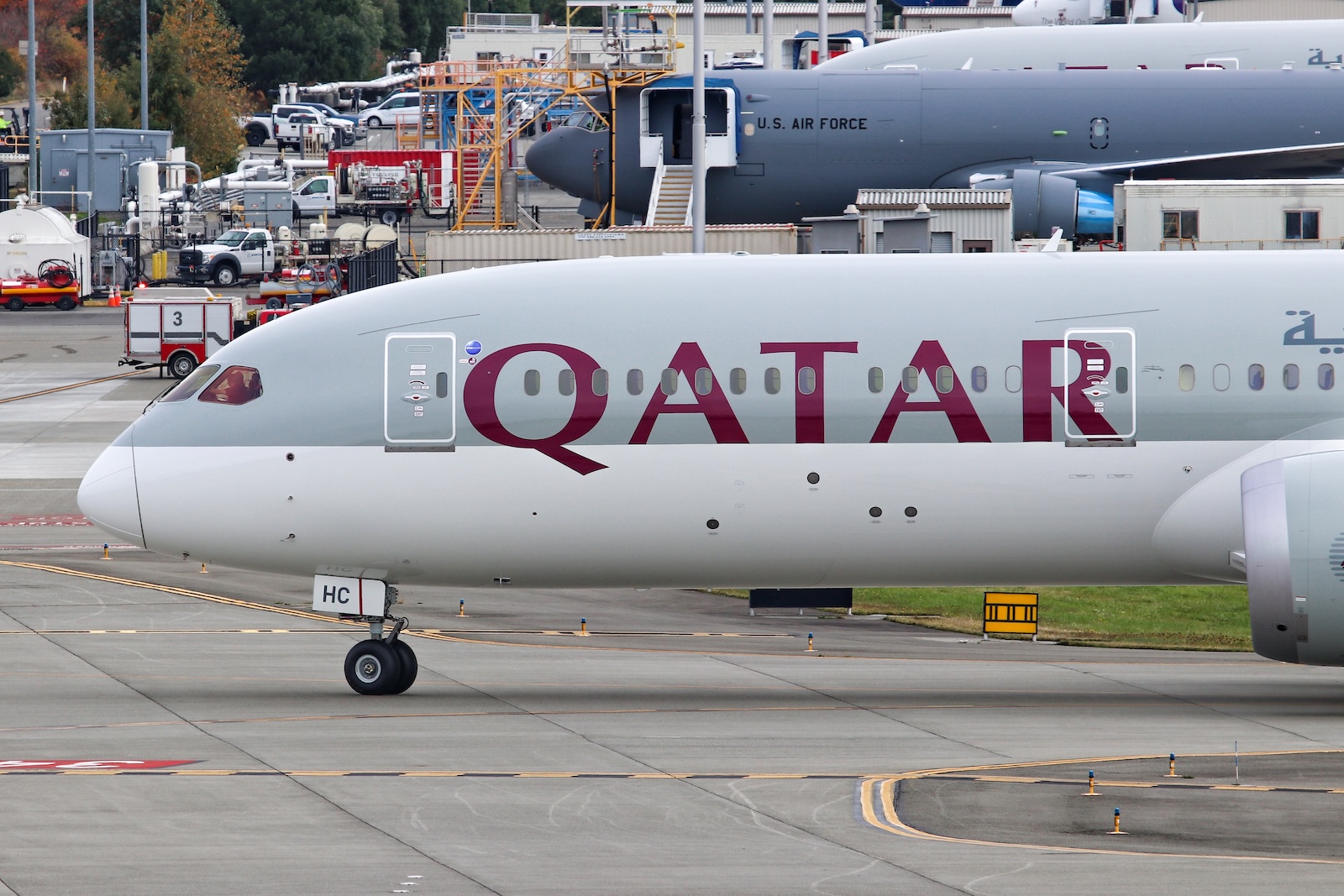
The aircraft reentered commercial service on July 5 after undergoing installation work, Qatar officials said. They did not specify which route the widebody jet is now serving.
The Doha-based airline also said it has completed Starlink installations on all of its 787-8s, comprising about 150 aircraft. The carrier is now on pace to have Starlink installed on all of its Dreamliners by the end of the year.
Qatar first selected Starlink as its in-flight wireless internet service provider in 2023. In the years since, it has completed installations on the 777 and the Airbus A350.
As of August, about 83% of Qatar’s widebody fleet is equipped with Starlink.
Qatar makes Starlink Wi-Fi available free of charge to all members of its frequent flyer program, Privilege Club.
Zach Vasile is a writer and editor covering news in all aspects of commercial aviation. He has reported for and contributed to the Manchester Journal Inquirer, the Hartford Business Journal, the Charlotte Observer, and the Washington Examiner, with his area of focus being the intersection of business and government policy.
Air France Adds Premium Seats on U.S. Route
The carrier is using a Boeing 777-300ER with upgraded luxury suites.
The airline said it is using a Boeing 777-300ER with La Première suites installed for the first daily service between the two cities. The second daily service uses an Airbus A350-900 without the suites.
According to Air France, La Première passengers are welcomed by airline staff upon their arrival at the airport at a dedicated check-in area. They are then shown to a private area within the airport’s Air France lounge. When it is time to board, these guests are personally escorted to the aircraft.
La Première suites include an armchair and chaise lounge that transform into a fully lie-flat 6.5-foot-long bed. Also inside are a wardrobe, a sliding drawer that fits up to two carry-on bags, a shoe drawer, power outlets and wireless charging stations, comfortware, an amenity kit, and two 32-inch 4K screens.
Central suites come with a divider that allows neighboring passengers to effectively combine their spaces or remain completely separate.
La Première is now available to and from seven U.S. cities: San Francisco, Atlanta, Houston, Los Angeles, Miami, New York-JFK, and Washington Dulles.
Zach Vasile is a writer and editor covering news in all aspects of commercial aviation. He has reported for and contributed to the Manchester Journal Inquirer, the Hartford Business Journal, the Charlotte Observer, and the Washington Examiner, with his area of focus being the intersection of business and government policy.
Ground Worker Hit, Killed By Aircraft at Montreal-Trudeau
The airport called the incident a “tragic workplace accident.”
French bee A350 sits at Paris-Orly Airport (Photo: Taylor Rains | AirlineGeeks)
A ground worker at Montreal-Trudeau International Airport has died after being hit by an aircraft operated by French low-cost carrier French Bee.
According to the CBC, the aircraft was moving in reverse when it struck the worker around 7:30 p.m. local time on Monday. The employee was transported to a hospital but died from their injuries.
The deceased’s name has not been made public.
In a statement, the airport called the incident a “tragic workplace accident.”
“The loss of a member of our airport community affects us all deeply,” it said.
The French Bee aircraft was scheduled to depart for Paris around 6 p.m., but was delayed, the CBC reported.
Authorities have not disclosed the type of aircraft involved. French Bee operates an all-Airbus A350 fleet, with two variants – the -900 and -1000.
The airline operates only long-haul flights from Orly Airport. Montreal is its only destination in Canada.
The Transportation Safety Board of Canada and Employment and Social Development Canada, which oversees the nation’s social programs and labor regulations, are now investigating the incident.
Zach Vasile is a writer and editor covering news in all aspects of commercial aviation. He has reported for and contributed to the Manchester Journal Inquirer, the Hartford Business Journal, the Charlotte Observer, and the Washington Examiner, with his area of focus being the intersection of business and government policy.
JetBlue to Open Second ‘BlueHouse’ Lounge
The carrier is also expanding lounge access for Mint customers.
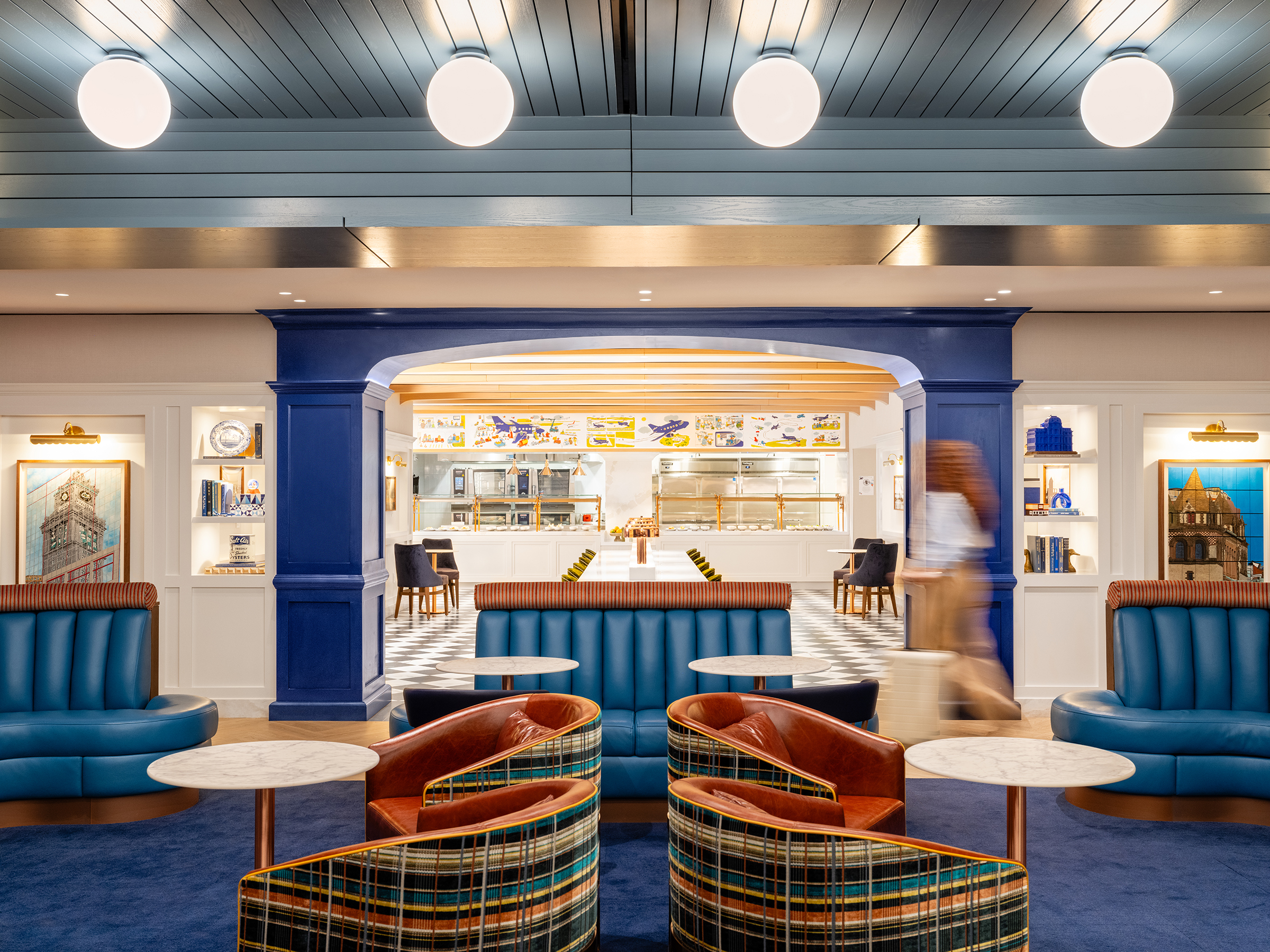
The 12,000-square-foot space, situated in Terminal C, will open to eligible JetBlue customers at 5 a.m. on Thursday, the airline said. This is JetBlue’s second BlueHouse lounge; the first opened at New York-JFK late last year.
The BlueHouse brand represents JetBlue’s first ever foray into airport lounges, which it previously eschewed under its low-cost business model.
The Boston lounge will include a central bar, dining rooms, a game room, and a quiet work area modeled on Boston Public Library. The bar incorporates regional materials and design elements, officials said, including a “Nantucket Blue” wood-slatted ceiling, copper finishes, and a custom lighting feature inspired by Boston’s historic street lamps. Similarly, the game room will nod to the city’s sports culture, with artifacts and memorabilia provided by local partners.
The lounge’s menu will also reflect eastern Massachusetts. A draft shared by JetBlue includes roast beef sliders, crab and shrimp rolls, cocktails developed by Jackson Cannon of Boston cocktail bar Equal Measure, specialty brewed coffee and espresso from George Howell Coffee, a selection of New England craft beers from The Publick House, and sweets from Madeleine’s Candy Shop.
JetBlue also said Monday that it will expand lounge access to include all departing customers traveling on Mint or Mint Flex fares. Previously, access was limited to certain loyalty members, cardholders, and transatlantic Mint customers.
“BlueHouse Boston brings our customers a new way to experience the thoughtful hospitality and elevated amenities they’ve come to expect from JetBlue, both on the ground and in the air,” JetBlue President Marty St. George said in a news release. “We’re excited to extend that experience to more customers, while being thoughtful about access so our lounges remain comfortable, welcoming spaces where customers can truly relax and enjoy their time before a flight.”
JetBlue describes Boston as its “second-largest focus city.” It currently operates more than 130 daily departures from Boston to 68 destinations.
Zach Vasile is a writer and editor covering news in all aspects of commercial aviation. He has reported for and contributed to the Manchester Journal Inquirer, the Hartford Business Journal, the Charlotte Observer, and the Washington Examiner, with his area of focus being the intersection of business and government policy.
United Details A321XLR Debut, 757 Phaseout
The long-range single-aisle aircraft is scheduled to begin international service in December.
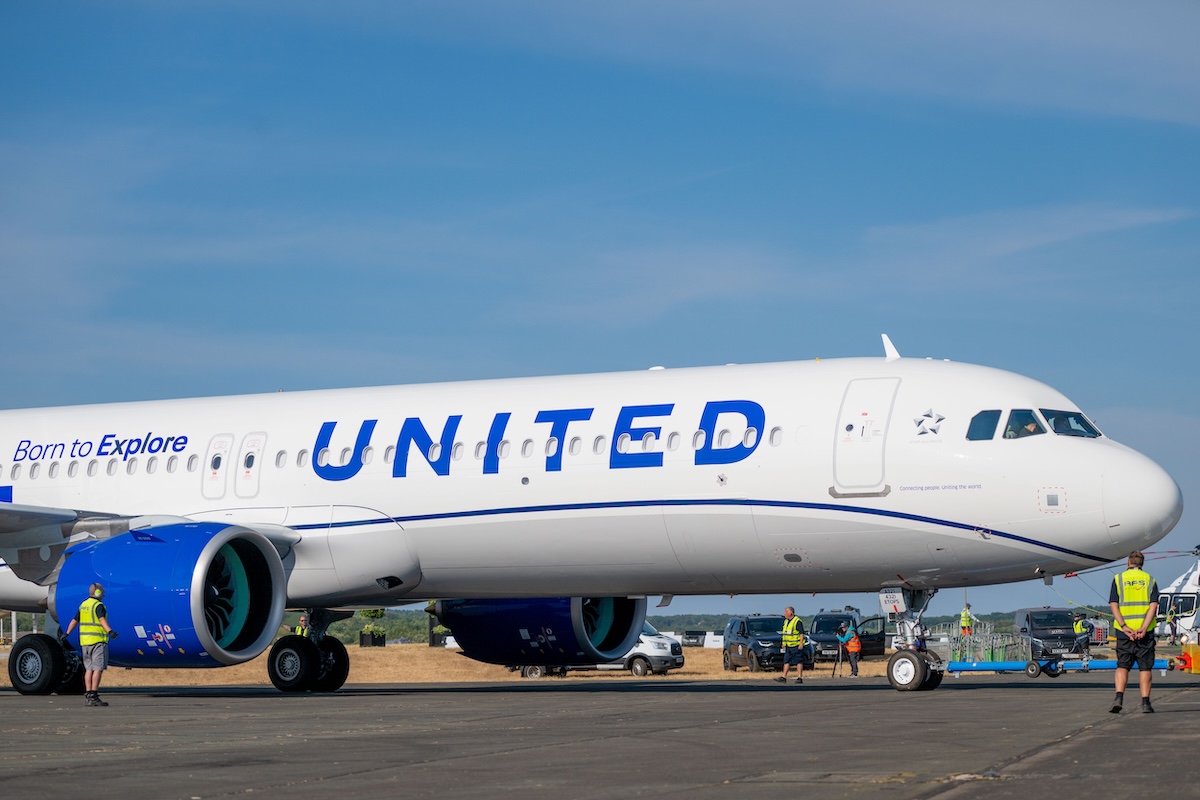
A United A321XLR on display at the Farnborough Airshow (Photo: Airbus)
United is preparing to put its Airbus A321XLR into international service this winter, with the aircraft scheduled to begin transatlantic flying on Dec. 1.
The jet will initially operate from Washington Dulles to Amsterdam and Dublin. Tickets for the first international flights are scheduled to go on sale Thursday, Aug. 27.
Before its international debut, the A321XLR is expected to operate select domestic routes beginning in September. United has not identified those routes.
“The XLR is a niche airplane that is really good at operating long-haul missions,” Patrick Quayle, United’s senior vice president of global network planning and alliances, said during a news conference Monday.
United’s configuration will include 20 Polaris suites and 12 Premium Plus seats, giving the aircraft 32 premium seats. Each Polaris suite will feature a privacy door. According to the carrier, the A321XLR will have 16 more premium seats than its Boeing 757-200.
Other features include 4K OLED entertainment screens with Bluetooth connectivity, complimentary Starlink Wi-Fi for MileagePlus members and a snack bar in economy. United is also introducing an Economy Plus option with additional space and access to a shared table across an open middle seat.
“Any airline flying that XLR today does not have our seat and does not have our product,” Quayle said. He added that the combination of the onboard product and nonstop service to cities that otherwise require a connection makes United “quite bullish” on the aircraft.
Range Concerns Loom
Still, Quayle acknowledged that the aircraft’s range is below what Airbus initially advertised.
“Originally, when Airbus marketed it, it was a lot further than what it is right now as constructed and as built,” he said. “I feel like we’re very conservative with the range of the aircraft.”
United ordered the A321XLR in 2019. Asked whether the airline will receive enough aircraft to support its planned schedule, Quayle said United is confident in the revised delivery stream from Airbus.
The carrier took delivery of its first A321XLR in June.
“We feel confident that we will have the number of aircraft needed in order to operate the schedule,” he said.
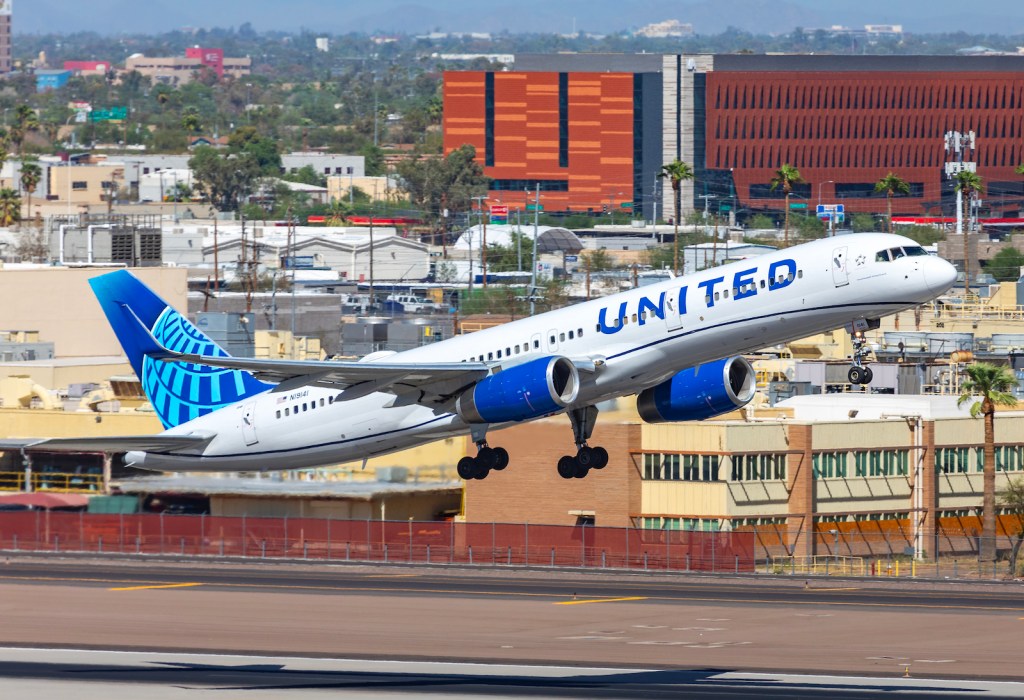
The aircraft will also support the retirement of United’s aging Boeing 757 fleet. Quayle said the airline plans to phase out the older aircraft as additional A321XLRs enter service.
A United 757-200 aircraft (Photo: AirlineGeeks | William Derrickson)
“As the one fleet is building up, the other fleet will be draining down,” he said.
During summer 2027, United plans to operate the A321XLR from Newark to Luxembourg, Ibiza, Valencia and Marseille, along with service between Washington Dulles, and Toulouse, France. Luxembourg and Toulouse will operate year-round, while the three other routes will run into October.
Ryan founded AirlineGeeks.com in February 2013 and has spent more than a decade covering the airline business. His work has been featured by CNN, WJLA, CNET, and Business Insider. His aviation experience spans airport operations, Part 135 regulatory compliance, and airline crew workforce planning, along with time behind the yoke of a Cessna 172 and interviews with airline executives. Ryan now serves as Group President of Firecrown Media’s Aviation Group. He holds a B.S. in Air Transportation Management and an MBA from Arizona State University and teaches Airline Management at Embry-Riddle Aeronautical University.