Stories

‘Biggest Step We’ve Taken Yet:’ United Adds 10 Cities

The carrier says it will retain its existing network while adding new flights from five U.S. hubs.

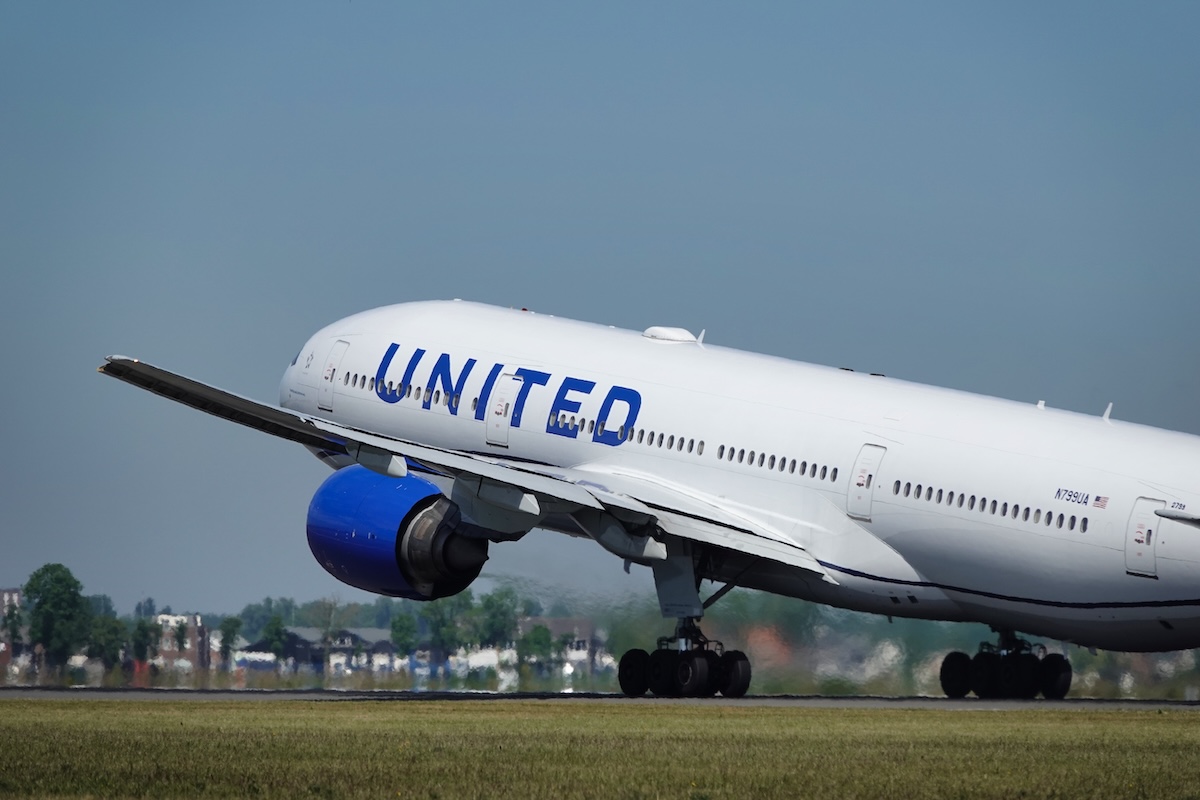
A United 777-200
A United 777-200 (Photo: Shutterstock | Ellen Bones)

United is adding 10 international cities and three additional routes in 2027, marking what the carrier describes as the largest international network expansion in its 100-year history.

The new destinations include Okinawa, Japan, from San Francisco; Toulouse, France, from Washington Dulles; and eight cities from Newark: Luxembourg City; Marseille, France; Ibiza and Valencia, Spain; Terceira, Portugal; Ljubljana, Slovenia; and the Italian cities of Olbia and Catania.

Eight of the destinations are not served by another U.S. airline, while seven currently have no nonstop service to the U.S., according to United.

Three weekly flights between San Francisco and Okinawa will begin March 27 and operate with a Boeing 777-200 through Oct. 27.

“When you put all this together, summer 2027 represents the biggest step we’ve taken yet in building United’s international network,” Patrick Quayle, United’s senior vice president of global network planning and alliances, said during a news conference. “Next year, we will serve 53 destinations across the Atlantic and 34 destinations across the Pacific. That’s more than any airline on earth across both oceans.”

Daily, year-round Newark-Luxembourg service will begin April 2, followed by daily, year-round Washington Dulles-Toulouse flights on April 26. Both routes will use United’s new Airbus A321XLR.

During the Monday news conference, Quayle said the Toulouse route is partly designed to connect Airbus’ North American headquarters near Dulles with the manufacturer’s global headquarters in France.

United will add four weekly Newark-Ljubljana flights on May 12, three weekly flights to Olbia on May 27, and four weekly flights to Catania on May 28. The routes will operate through late September or October using Boeing 767 aircraft.

Four-times-weekly service from Newark to Ibiza will begin May 31, followed by three weekly Valencia flights on June 2 and daily service to Marseille on June 4. All three will use the A321XLR and operate into October.

The final new destination, Terceira in Portugal’s Azores, will receive three weekly Boeing 737 MAX 8 flights from Newark between June 9 and Sept. 5.
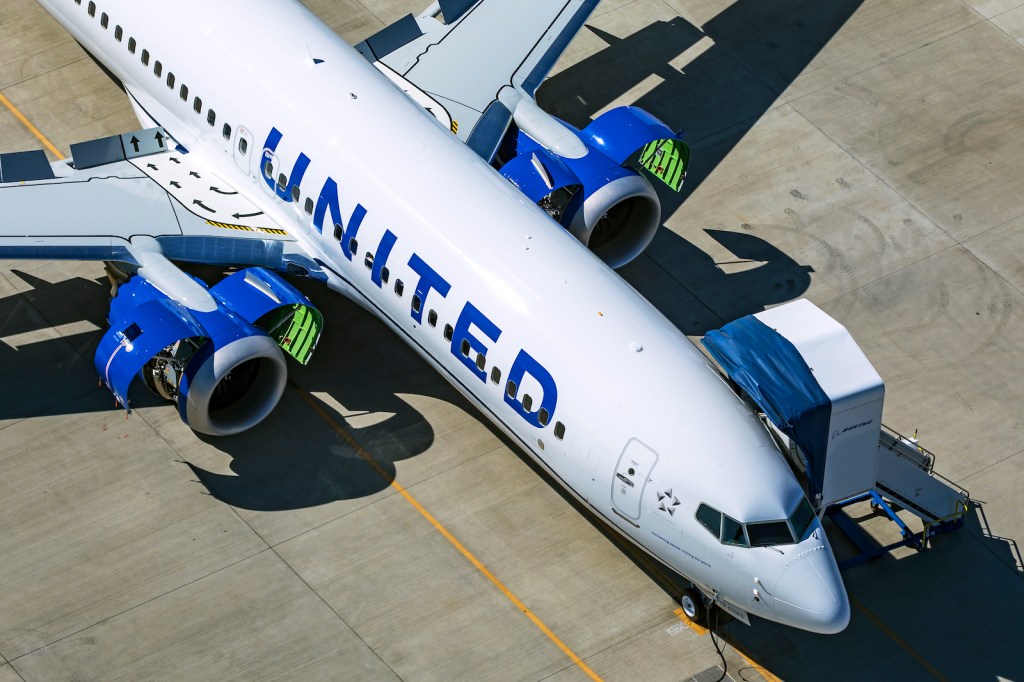
United 737 MAX 8
A United 737 MAX 8. (Photo: AirlineGeeks | William Derrickson)

More New Routes

Beyond the 10 new cities, United will add daily, year-round service from Los Angeles to Osaka, Japan, beginning March 27. The route will use a Boeing 787-9 and complement existing Osaka flights from San Francisco and Guam.

Quayle said favorable exchange rates are contributing to U.S.-originating demand for Japan, along with broader interest in the country.

“The yen does play a factor into that and the fact that it’s very affordable, very much so versus the past,” he said.

United will also add daily, year-round Denver-Paris service on May 27 and three weekly flights between Washington Dulles and Milan beginning May 28. Quayle described Milan as the largest unserved international market from Dulles.

The airline is separately planning to restart year-round service between San Francisco and Tel Aviv on March 28. Flights will operate three times weekly with a Boeing 787-9.

United said the expansion will not come at the expense of existing international routes.

“Everything is coming back,” Quayle said. “We’re not dropping any routes in order to fund this.”

Eight of the 10 new destinations will operate from Newark. Asked whether the airport could accommodate the additional flying, Quayle pointed to the FAA’s enforcement of flight caps and Newark’s recent operating performance.

“Newark has been the most reliable of the big three New York airports,” he said. “The FAA has been enforcing the caps, and it’s operating incredibly well.”

United will also bring back four destinations introduced from Newark during summer 2026: Split, Croatia; Bari, Italy; Glasgow, Scotland; and Santiago de Compostela, Spain.

The carrier said it will serve 53 destinations across the Atlantic and 34 across the Pacific in 2027.

OriginDestinationStart DateFrequency
SFOOKAMarch 27, 20273x weekly
LAXKIXMarch 27, 2027Daily
EWRLUXApril 2, 2027Daily
IADTLSApril 26, 2027Daily
EWRLJUMay 12, 20274x weekly
EWROLBMay 27, 20273x weekly
DENCDGMay 27, 2027Daily
EWRCTAMay 28, 20274x weekly
IADMXPMay 28, 20273x weekly
EWRIBZMay 31, 20274x weekly
EWRVLCJune 2, 20273x weekly
EWRMRSJune 4, 2027Daily
EWRTERJune 9, 20273x weekly

Ryan Ewing

Ryan founded AirlineGeeks.com in February 2013 and has spent more than a decade covering the airline business. His work has been featured by CNN, WJLA, CNET, and Business Insider. His aviation experience spans airport operations, Part 135 regulatory compliance, and airline crew workforce planning, along with time behind the yoke of a Cessna 172 and interviews with airline executives. Ryan now serves as Group President of Firecrown Media’s Aviation Group. He holds a B.S. in Air Transportation Management and an MBA from Arizona State University and teaches Airline Management at Embry-Riddle Aeronautical University.

Court Saves Delta-Aeroméxico Joint Venture

The Trump administration attempted to dissolve the partnership in 2025.

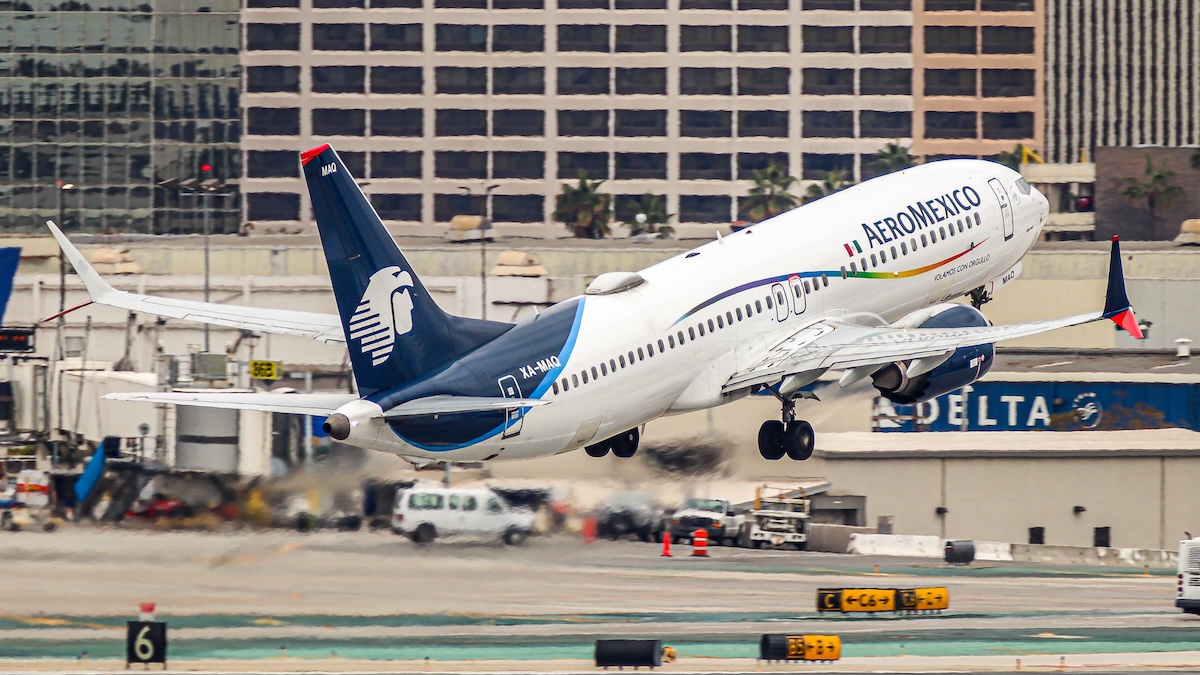
An Aeromexico Boeing 737 MAX
An Aeromexico Boeing 737 MAX. (Photo: Shutterstock | Bradley Caslin)

Delta and Mexican flag carrier Aeroméxico will not have to end their extensive, decade-old joint venture, a federal appeals court has ruled.

The 11th U.S. Circuit Court ​of Appeals on Thursday overturned a 2025 order from the Department of Transportation that would have blocked almost all forms of cooperation between Delta and Aeroméxico, including coordinating on routes. The DOT argued that the alliance was harming competition and helping Mexico impose protectionist policies, but the court found that regulators acted in an “arbitrary” manner by evaluating the partnership differently than other joint ventures in the U.S. airline industry.

The department’s original order would have given Delta and Aeroméxico until October 2025 to demonstrate they still deserved the antitrust waiver that makes their joint venture possible. If their replies were not satisfactory, the DOT reserved the right to revoke authorization, which would make it much more difficult for the venture to operate in its current form.

Both Delta and Aeroméxico sued to block the order, and the court put it on hold until it could review the case.

“For nearly a decade, Delta’s joint cooperation agreement with Aeroméxico has provided greater choice, more seamless travel, and increased connectivity for consumers while supporting U.S. jobs and economic growth,” Delta said in a statement. “We appreciate the 11th Circuit’s careful review and remain focused on ensuring our customers, employees, and communities continue to benefit from this longstanding partnership.”

The Trump administration first moved to cancel the joint venture in July 2025, citing Mexico’s alleged violations of a 2015 air transportation agreement with the U.S. government. Those violations allegedly included seizing slots from U.S. carriers at Mexico City International Airport and forcing U.S. cargo carriers out of the Mexico City market.

Attorneys for the DOT said that continued legal protections for Delta and Aeroméxico would only reinforce Mexico’s poor behavior and help the two carriers retain unfair control over U.S.-Mexico passenger and cargo traffic.

The two airlines defended their relationship and argued that unwinding it would cause “significant harm” to travelers, crossborder trade, and communities reliant on U.S.-Mexico air service.

Delta and Aeroméxico, which is headquartered in Mexico City, have had a close relationship since the 1990s. In the 2010s, the two airlines began codesharing and coordinating on some operations, including maintenance and repairs. An expanded partnership, which allowed the carriers to share information and jointly determine routes, was approved by Mexican regulators in 2015 and U.S. Transportation officials one year later, during the closing days of the Obama administration.

The deal set the stage for Delta to acquire up to 49% of Aeroméxico’s shares, and gave Delta a seat on Grupo Aeroméxico’s board. That stake was reduced after Aeroméxico’s restructuring, and Delta currently owns about 20% of the airline.

Following the 11th Circuit’s ruling, the Department of Transportation told Reuters that it will evaluate its options and “continue to work with the Mexican government to ensure it fulfills its obligations and ​treats all U.S. carriers fairly.”

“We are encouraged by recent conversations with the ​government of ⁠Mexico and look forward to Mexico’s full compliance with the agreement,” the department added.

Zach Vasile

Zach Vasile is a writer and editor covering news in all aspects of commercial aviation. He has reported for and contributed to the Manchester Journal Inquirer, the Hartford Business Journal, the Charlotte Observer, and the Washington Examiner, with his area of focus being the intersection of business and government policy.

Israir Gets Green Light for U.S. Flights

Service could start as soon as October.

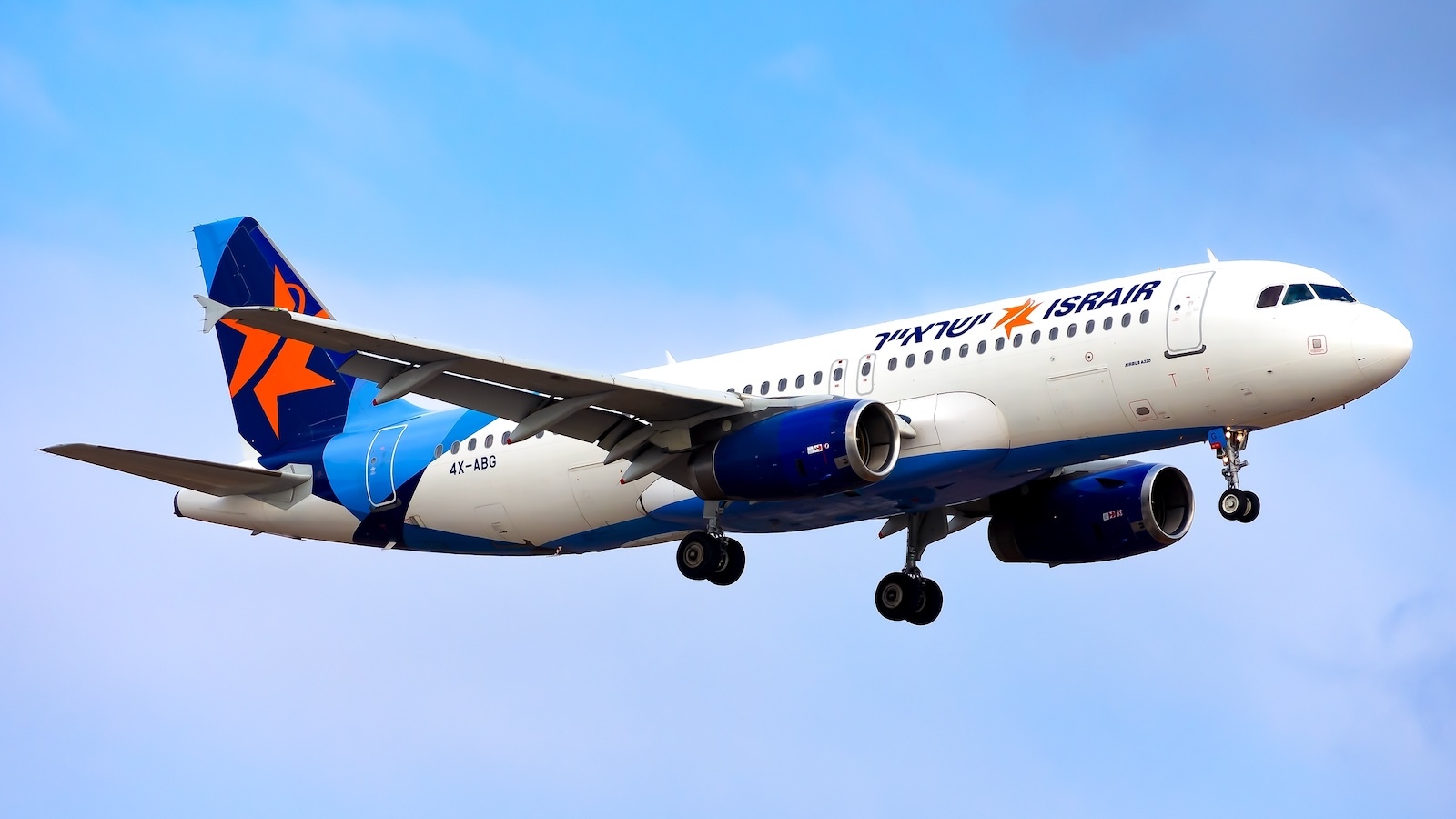
An Israir Airbus A320 registered as 4X-ABG seen landing at Tel Aviv Ben Gurion Airport.
An Israir Airbus A320 registered as 4X-ABG seen landing at Tel Aviv Ben Gurion Airport. (Photo: Shutterstock | Ronen Fefer)

Israeli budget carrier Israir has been cleared to start flights to and from the U.S.

The airline announced Monday that it received final authorization from the FAA for scheduled passenger service. According to The Jerusalem Post, tickets will be on sale “soon,” and flights could start by Oct. 19.

Israir earlier this month said it is planning to connect Tel Aviv and New York. It did not clarify which of the three major New York-area airports it plans to serve.

Currently, Israeli flag carrier El Al serves JFK and Newark, New Jersey, and Arkia, the country’s second largest airline, flies nonstop to JFK.

As for U.S. carriers, United and Delta plan to resume service between New York and Tel Aviv in September.

Israir is headquartered in Tel Aviv and serves over 30 destinations in Europe from Ben Gurion International Airport. It also offers flights to Morocco, Tanzania, the United Arab Emirates, the Caucasus, and Kazakhstan.

Zach Vasile

Zach Vasile is a writer and editor covering news in all aspects of commercial aviation. He has reported for and contributed to the Manchester Journal Inquirer, the Hartford Business Journal, the Charlotte Observer, and the Washington Examiner, with his area of focus being the intersection of business and government policy.

BermudAir Adds New Caribbean Route

Service starts in December.

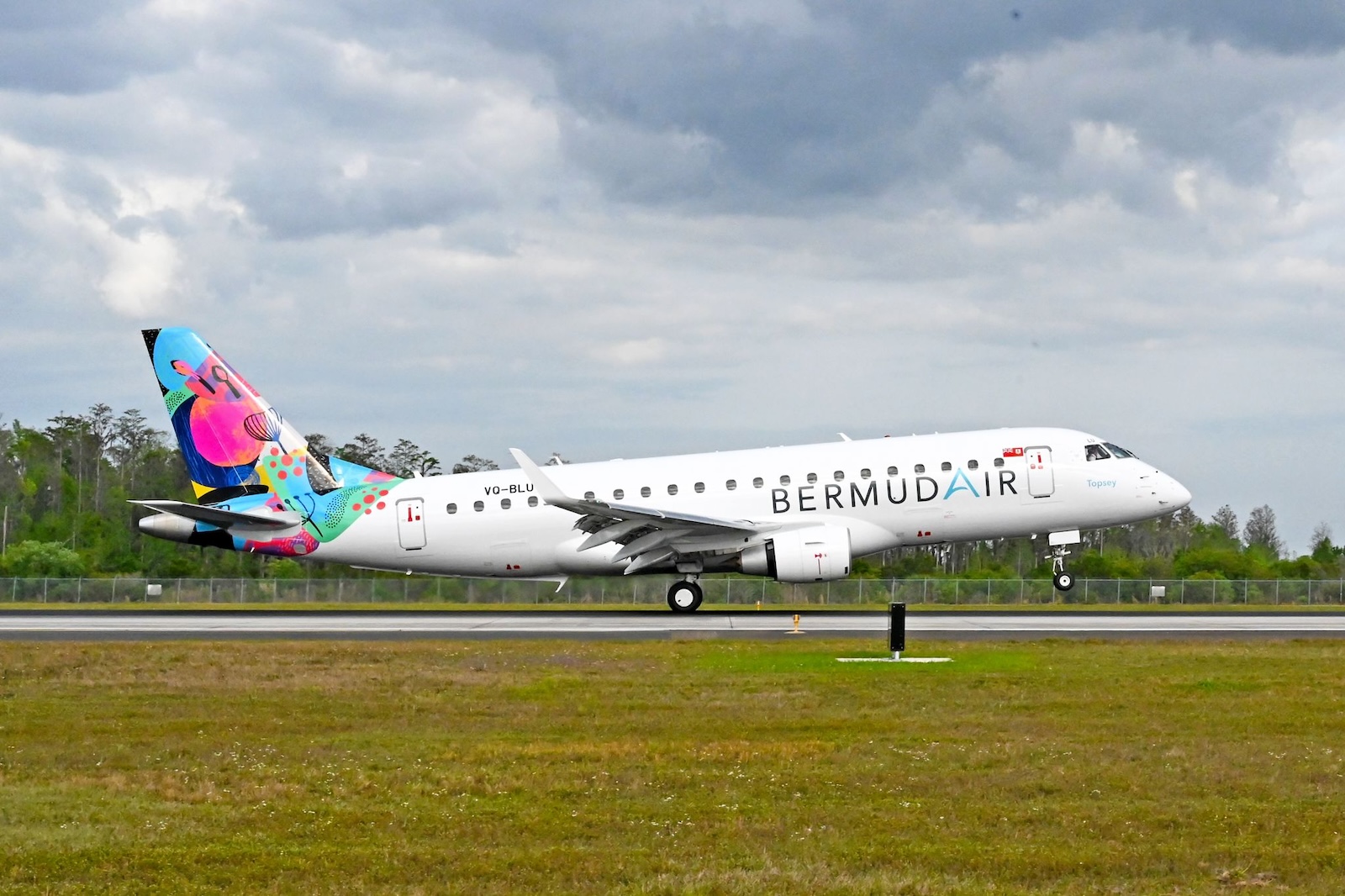
BermudAir E175
A BermudAir E175 aircraft. (Photo: Orlando International Airport)

BermudAir is launching a new route between the New York metro area and the Caribbean.

Starting Dec. 20, the airline will connect Newark, New Jersey, and South Caicos, part of Turks and Caicos. BermudAir will fly into Norman B. Saunders Sr. International Airport, formerly known as South Caicos Airport.

The carrier did not say how frequently flights will operate.

BermudAir currently connects Newark and other major East Coast cities with Providenciales in Turks and Caicos, as well as Bermuda and Anguilla. It also offers service to Belize, Guatemala City, and the Cayman Islands.

Zach Vasile

Zach Vasile is a writer and editor covering news in all aspects of commercial aviation. He has reported for and contributed to the Manchester Journal Inquirer, the Hartford Business Journal, the Charlotte Observer, and the Washington Examiner, with his area of focus being the intersection of business and government policy.

United Aims to Grow at JFK

The airline could return to the Queens airport as soon as next year through its partnership with JetBlue.

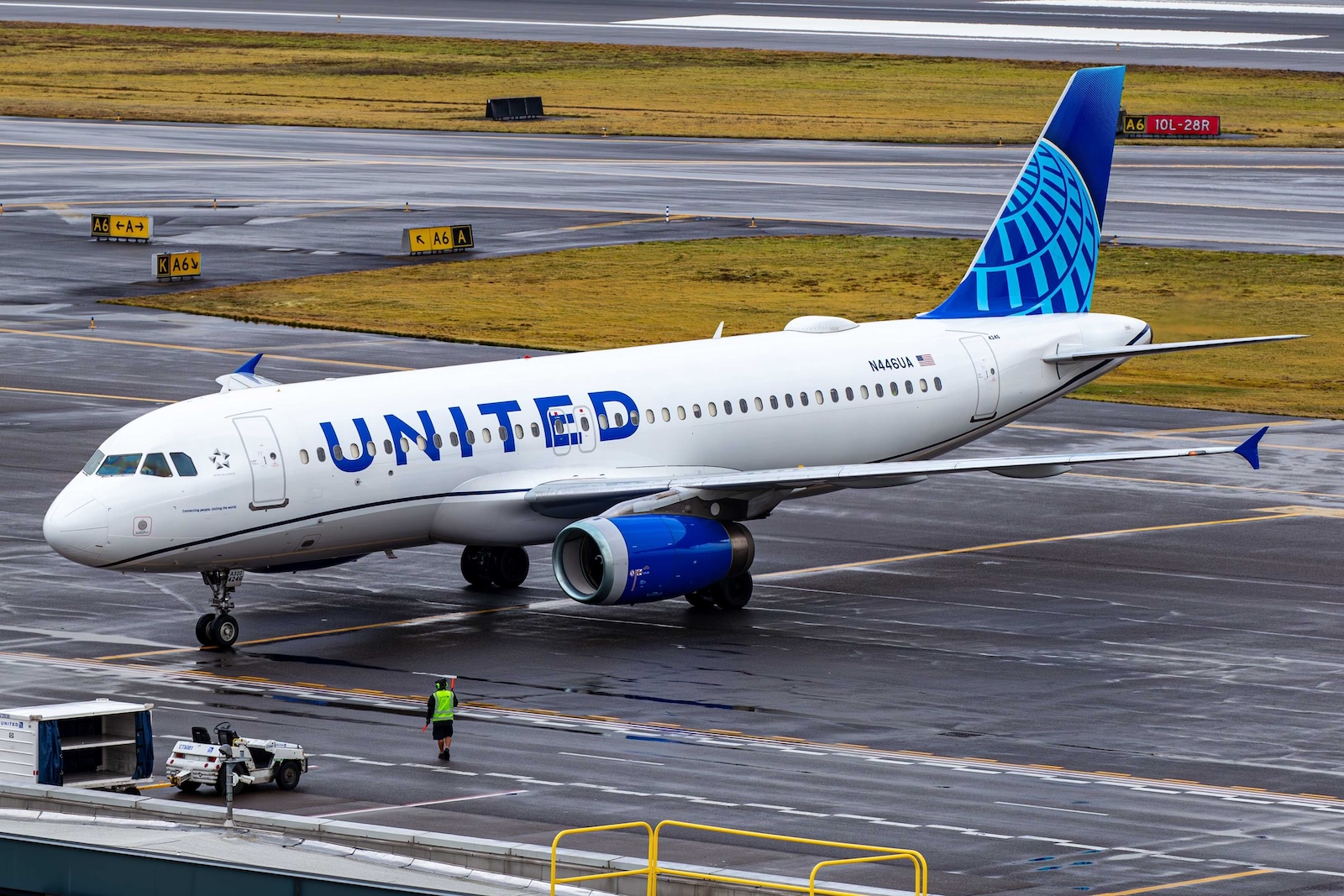
United A320
A United Airbus A320. (Photo: Shutterstock | Wenjie Zheng)

About four years after withdrawing from New York-JFK, United is looking at ways to reestablish itself at the bustling airport.

United will get access to slots for up to seven daily round trips at JFK through its “Blue Sky” partnership with New York-based JetBlue, but CEO Scott Kirby sees the airline growing its operations beyond that. In an interview with CNBC published on Sunday, Kirby said United could eventually acquire slots from carriers whose connections are no longer turning a profit.

“We got a bunch of irons in the fire to try to find ways to do it,” he told the outlet.

Kirby did not say how many slots United might look to acquire, or what routes it might serve from JFK.

United has not had a substantial presence at JFK in years. It first terminated service there in 2015, shifting transcontinental and international long-haul operations to Newark, New Jersey. The airline returned to JFK in 2021 using slots it acquired during the COVID-19 pandemic, but it withdrew once again in late 2022.

JFK is one of three fully slot-controlled airports in the U.S., the others being LaGuardia and Reagan National. Because the airports are tightly regulated, it can be especially difficult for carriers to establish or grow a presence there.

Kirby touched on several other topics with CNBC, including United’s embrace of artificial intelligence and proposed mergers with Delta and American Airlines, both of which came to light earlier this year. He confirmed that both rival carriers turned down his approaches, but said the business logic behind such large-scale linkups is sound.

The CEO said a merger would be one way for United to expand in the Southeast U.S. and South America.

United is also expected to announce several new international routes later this week. Kirby did not give any hints about those connections and said his team does not tell him ahead of time about route announcements because “they’re afraid I’ll spill the beans, which is fair.”

Zach Vasile

Zach Vasile is a writer and editor covering news in all aspects of commercial aviation. He has reported for and contributed to the Manchester Journal Inquirer, the Hartford Business Journal, the Charlotte Observer, and the Washington Examiner, with his area of focus being the intersection of business and government policy.

Flight Attendants Oppose Sale of Spirit’s Data to Google

The AFA-CWA raised confidentiality concerns.

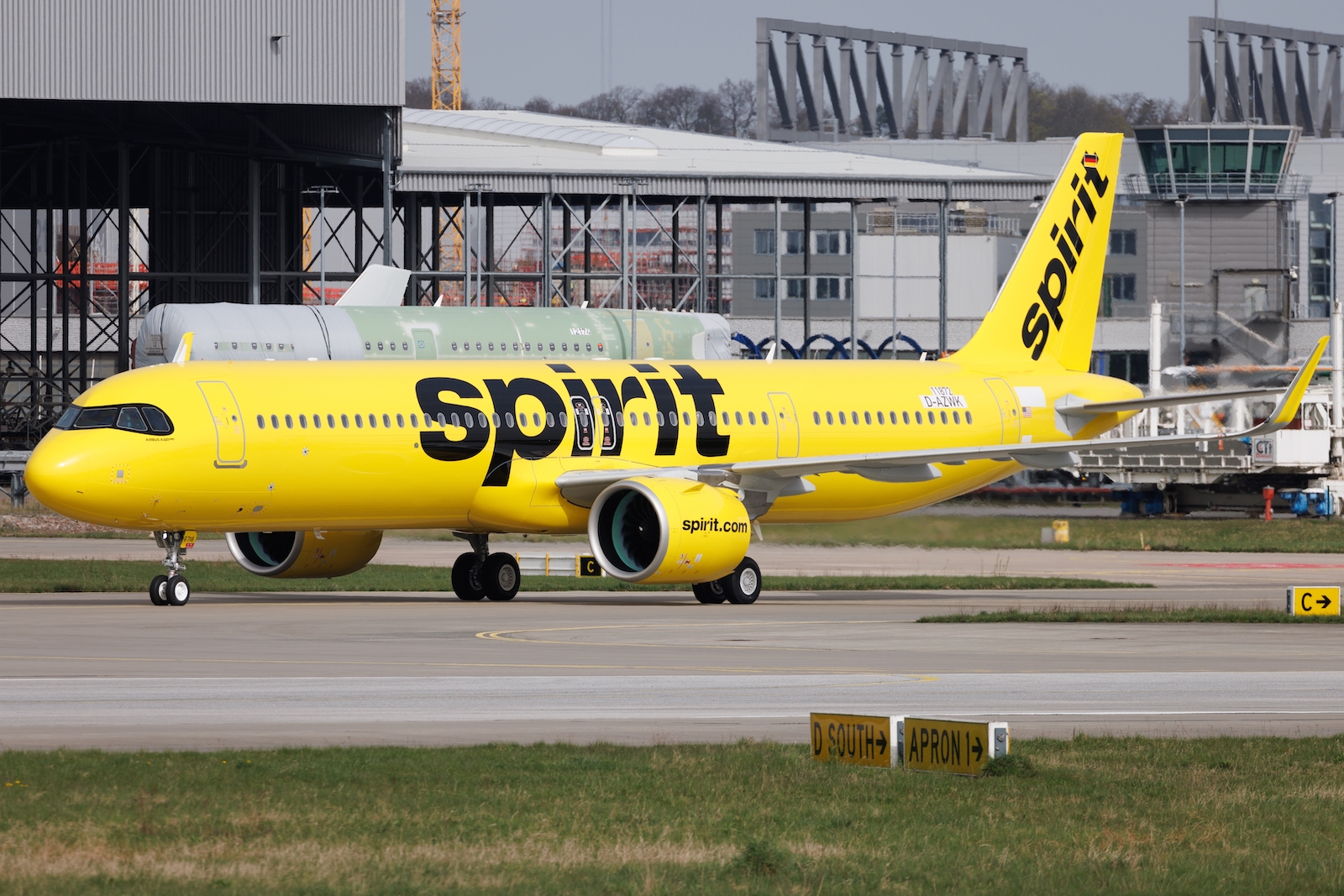
Spirit A320neo jet
A Spirit Airbus A321neo aircraft. (Photo: Shutterstock | Kevin Hackert)

The Association of Flight Attendants-CWA is challenging the proposed sale of Spirit Airlines’ data to tech giant Google.

In a recent filing with the U.S. bankruptcy court overseeing Spirit’s liquidation, AFA argued that a proposed “deidentification” process for the data would not necessarily redact confidential worker information.

“A flight attendant’s disciplinary correspondence, a crew training deficiency, a leave or accommodation request, an internal Teams exchange about staffing or scheduling grievances, and a payroll adjustment history each remain sensitive employment information whether or not the employee’s name has been stripped from it,” the union wrote. “The sale agreement nowhere requires that anyone screen for, segregate, or restrict the use of confidential employee information as such.”

The filing goes on to note that while almost all consumer-facing data categories are shielded under the agreement’s current language, most “team member” information, such as time cards, travel records, and tax forms, are not.

“The privacy architecture of this transaction is consumer-facing; its payload is disproportionately employee-facing,” the union said. “Hence, the employee data is far more confidential than the customer data, yet receives far less protection than the customer data.”

AFA is asking the court to exclude all flight attendant data as a condition of the deal. It said it will continue to oppose the sale unless that condition is met.

Google last week won a court-supervised auction for nearly all of Spirit’s remaining internal records, including millions of emails and Microsoft Teams chats, software code, and data related to revenue, operations, productivity, and other areas. According to Bloomberg, employment records going back decades are part of the dataset.

Google agreed to pay $10 million for the information, besting tech startup Mercor. It said it will use the data to train its AI systems.

The bankruptcy court must sign off on the deal before any data can be transferred to Google.

Zach Vasile

Zach Vasile is a writer and editor covering news in all aspects of commercial aviation. He has reported for and contributed to the Manchester Journal Inquirer, the Hartford Business Journal, the Charlotte Observer, and the Washington Examiner, with his area of focus being the intersection of business and government policy.

Frontier Returns to Oakland

The carrier is now offering 11 flights per week to Las Vegas.

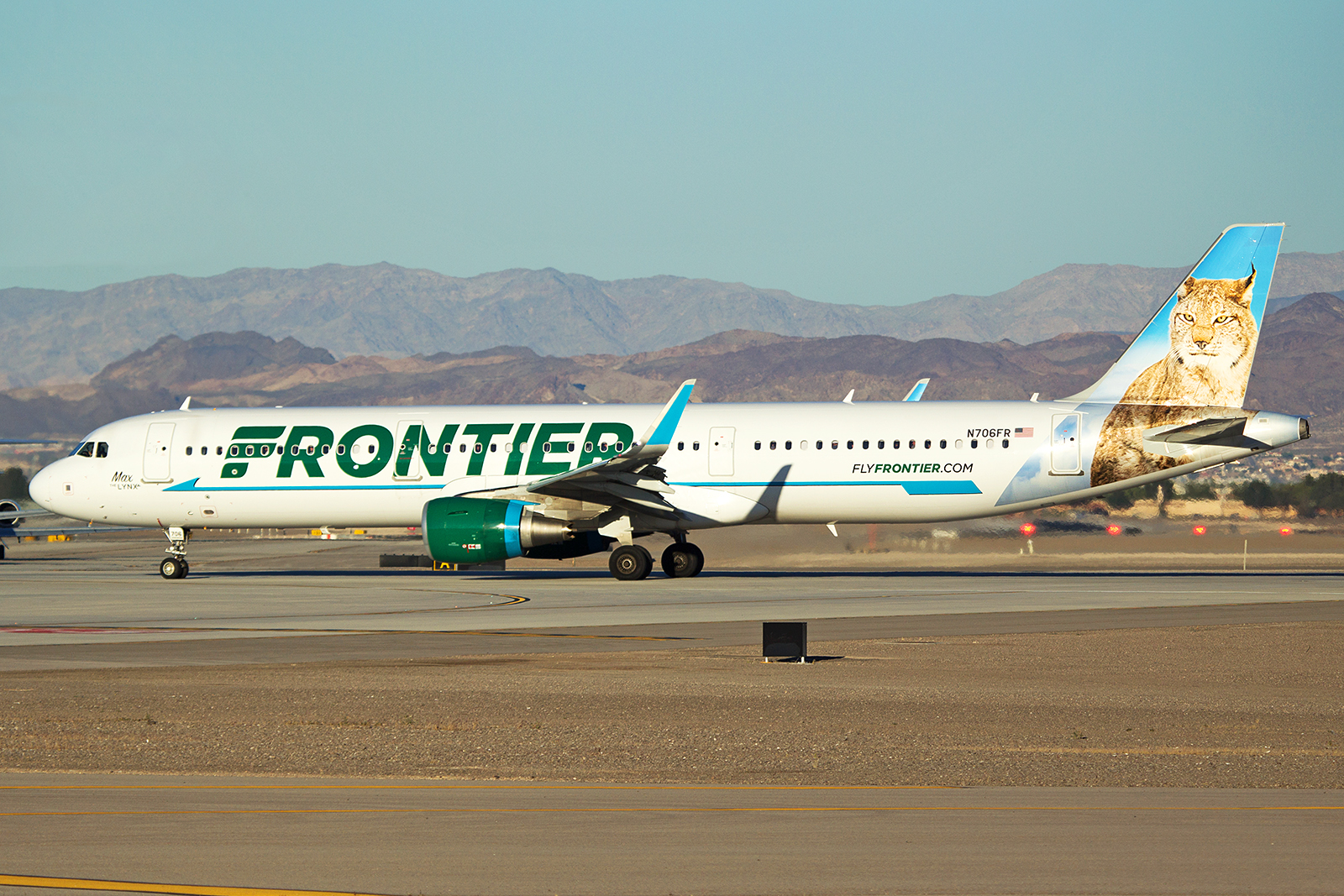
A Frontier A321 in Las Vegas. (Photo: AirlineGeeks | William Derrickson)

Frontier officially returned to Oakland San Francisco Bay Airport on Thursday after a roughly three-year absence.

The carrier this week started nonstop service between Oakland and Las Vegas. Flights will operate 11 times per week.

Frontier last served Oakland in 2023. In the Bay Area, it also serves San Francisco and San Jose.

“We couldn’t be more thrilled to be back at OAK, providing new affordable flight options to tourists visiting the Bay Area as well as locals traveling to Las Vegas and beyond,” Tyri Squyres, vice president of public and consumer affairs at Frontier, said in a news release.

The airline is set to launch another new service, between Las Vegas and Boise, Idaho, next month.

Zach Vasile

Zach Vasile is a writer and editor covering news in all aspects of commercial aviation. He has reported for and contributed to the Manchester Journal Inquirer, the Hartford Business Journal, the Charlotte Observer, and the Washington Examiner, with his area of focus being the intersection of business and government policy.

Livery of the Week: Singapore Airlines

The carrier’s blue-and-gold design has remained remarkably consistent through more than five decades of fleet changes.

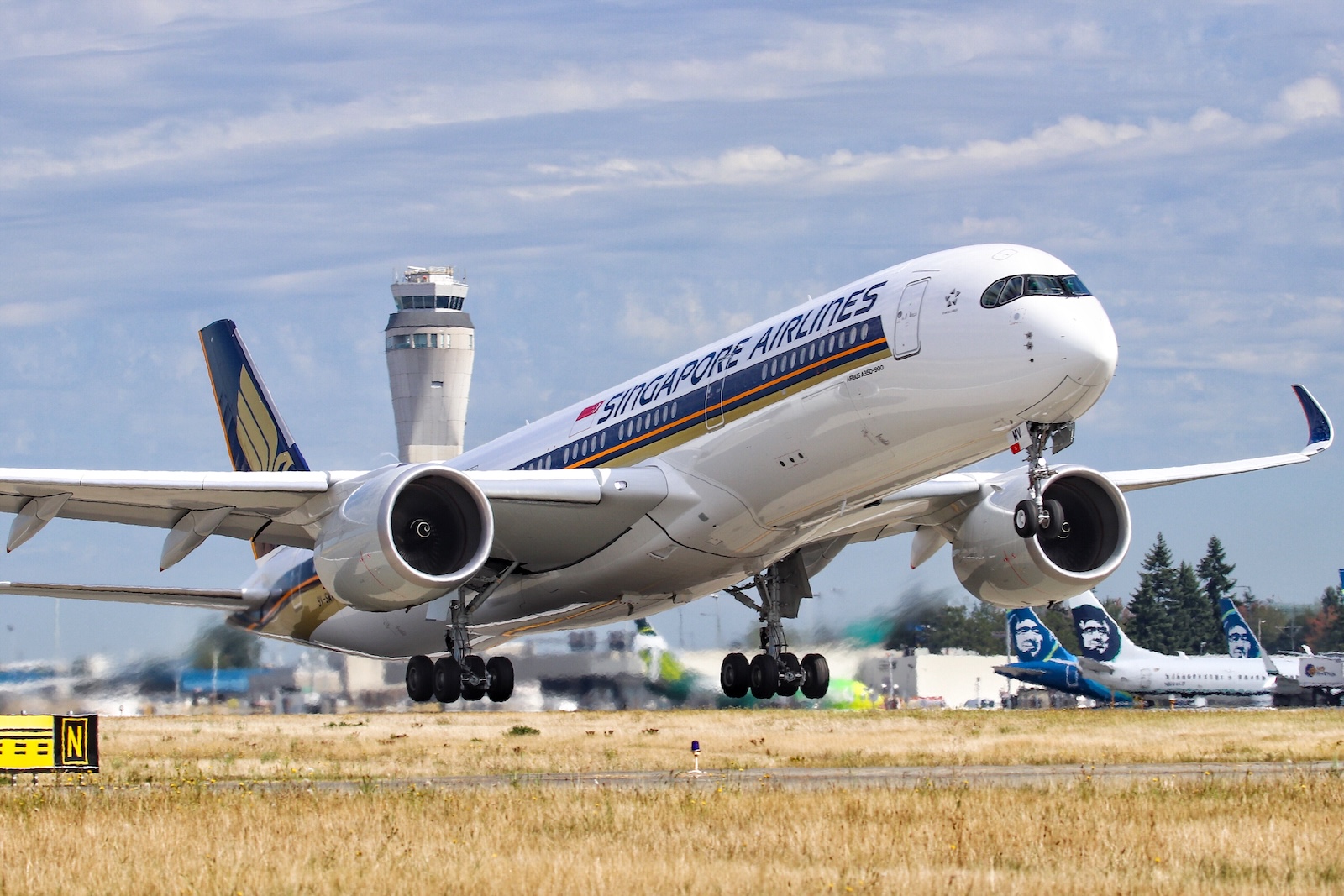
A Singapore Airlines Airbus A350
A Singapore Airlines Airbus A350-900. (Photo: AirlineGeeks | Katie Zera)

Editor’s Note: AirlineGeeks is proud to present our ‘Livery of the Week’ series. Every Friday, a team member will share an airline livery, which can be from the past, present, or even a special scheme. Some airline liveries are works of art. The complexity associated with painting around critical flight components and the added weight requires outside-the-box thinking from designers. The average airliner can cost upwards of $200,000 to repaint, creating a separate aircraft repainting industry as a result. 

Have an idea for a livery that we should highlight? Drop us a line.

Singapore Airlines’ standard livery is one of the more enduring designs in commercial aviation. Built around a dark blue and gold color palette and the carrier’s distinctive bird logo, the basic look has remained largely recognizable since Singapore Airlines emerged as an independent carrier in 1972.

The centerpiece of the design is the airline’s yellow bird emblem, which appears against a dark blue vertical stabilizer. Often referred to as the “SilverKris,” the stylized bird has roots extending back to Singapore Airlines’ predecessor, Malaysia-Singapore Airlines, and became part of the new carrier’s identity following the breakup of MSA.

The fuselage is predominantly white, with large “SINGAPORE AIRLINES” titles displayed in dark blue along the forward section. Running the length of the aircraft is a pair of blue and gold cheatlines, a design element that has survived an era in which many other airlines have eliminated traditional fuselage stripes in favor of more minimalist liveries.

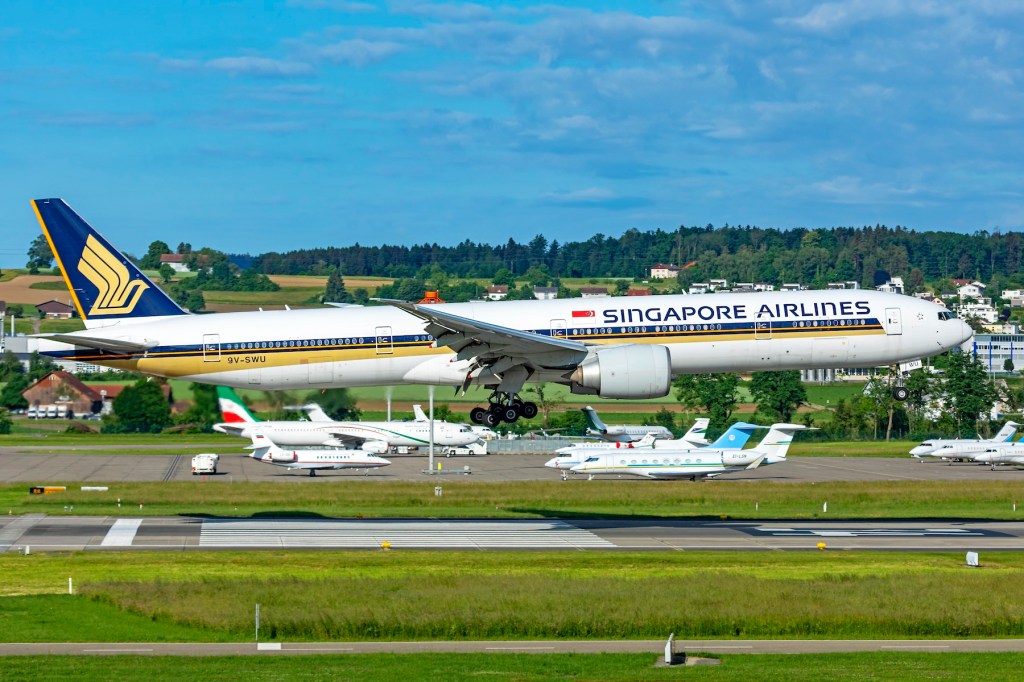
A Singapore Boeing 777-300ER )Photo: AirlineGeeks | William Derrickson)

The same basic scheme has appeared on several generations of Singapore Airlines aircraft. Boeing 747s, 777s, and 787 Dreamliners have all carried variations of the design, along with Airbus A310s, A340s, A350s and A380s.

Perhaps the most significant change has been scale. The airline’s titles, tail logo, and cheatlines have been adjusted over the years to accommodate aircraft ranging from narrowbody Boeing 737s to the double-deck Airbus A380, but the core elements remain immediately recognizable.

The livery also became part of aviation history in 2007, when Singapore Airlines became the launch operator of the Airbus A380. The airline’s blue-and-gold colors adorned the first A380 to enter scheduled passenger service, which operated from Singapore to Sydney.

Looking for a new airplane model? Head over to our friends at the Midwest Model Store for a wide selection of airlines and liveries.


Ryan Ewing

Ryan founded AirlineGeeks.com in February 2013 and has spent more than a decade covering the airline business. His work has been featured by CNN, WJLA, CNET, and Business Insider. His aviation experience spans airport operations, Part 135 regulatory compliance, and airline crew workforce planning, along with time behind the yoke of a Cessna 172 and interviews with airline executives. Ryan now serves as Group President of Firecrown Media’s Aviation Group. He holds a B.S. in Air Transportation Management and an MBA from Arizona State University and teaches Airline Management at Embry-Riddle Aeronautical University.

Chicago O’Hare to Break Ground on New Concourse E

The project will add 24 gates by 2034.

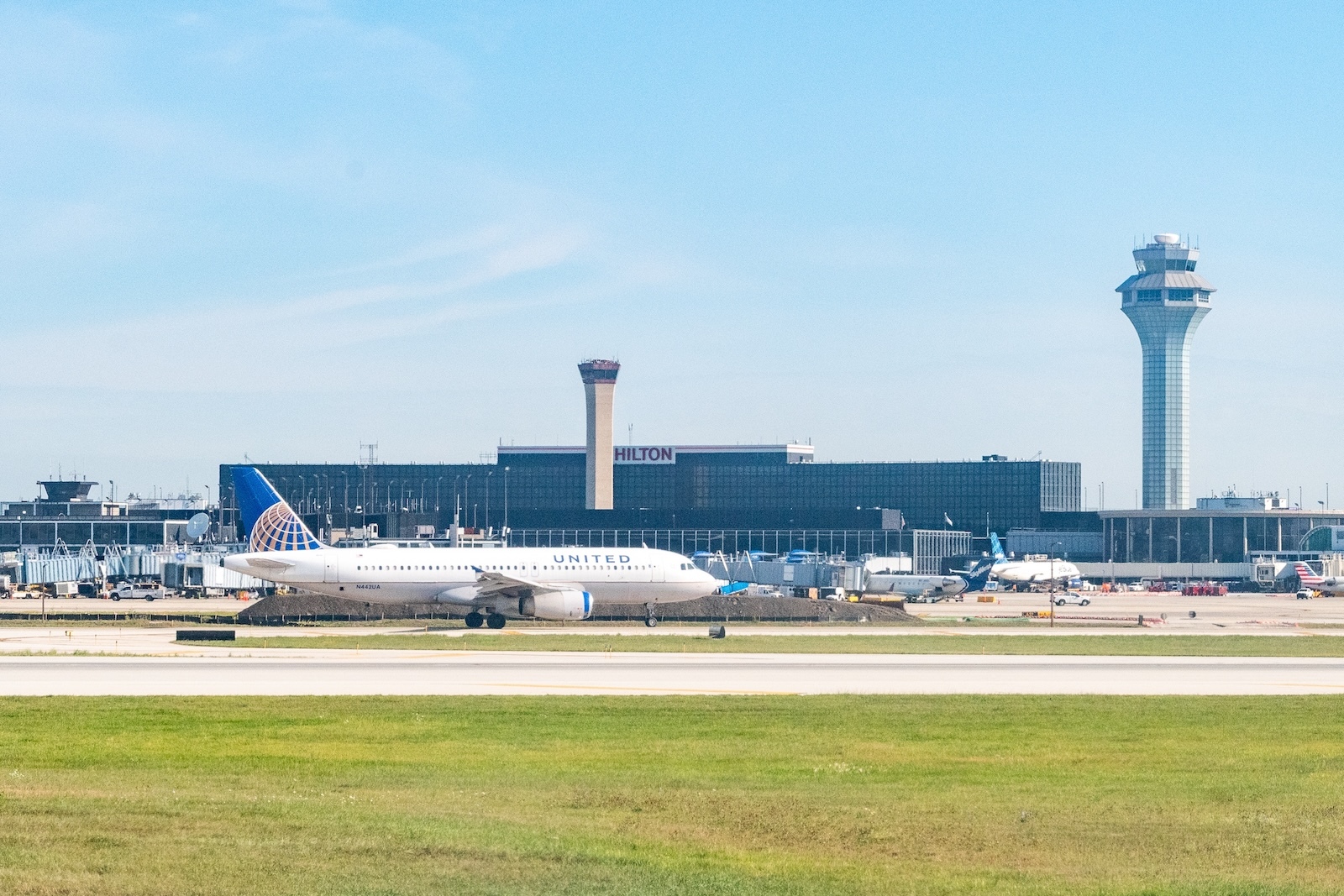
Chicago O'Hare International Airport.
Chicago O'Hare International Airport. (Photo: Shutterstock | John McAdorey)

The Chicago Department of Aviation is moving forward with plans to construct O’Hare’s new Concourse E.

Chicago Mayor Brandon Johnson announced Thursday that the city will break ground on the first phase of the project later this year. The development is part of the broader, $8.8 billion ORDNext airport modernization project.

The first phase of the “New Concourse E” will add 14 new gates by 2030 and create the capacity needed to support the construction of the O’Hare Global Terminal – considered the centerpiece of the ORDNext initiative – in a single phase beginning in 2029 and reaching completion in 2033. Following the completion of the Global Terminal, a second phase of the Concourse E project will add 10 more gates, bringing the concourse to 24 total gates by 2034.

The city said it revised phasing for the project in coordination with O’Hare’s hub carriers, including United and American Airlines. The new timeline will allow the Global Terminal to be completed more quickly while adding square footage and additional gates to the terminal’s design.

“Chicago is not waiting to build the O’Hare our residents, businesses, and visitors will need for the next generation,” Johnson said in a news release. “By moving forward with New Concourse E this year, we are adding gates where they are needed, keeping this historic modernization moving, and creating a clear path to deliver the O’Hare Global Terminal, the centerpiece of ORDNext, as quickly as possible.”

Concourse E will cover approximately 460,000 square feet over multiple stories. Its gates will be designed to accommodate a mix of regional, narrowbody, and widebody aircraft serving domestic and international routes.

The facility will feature airline lounges, passenger amenities, and dining and retail space. The concourse will connect directly to the new Concourse D and the Global Terminal through an underground passenger tunnel.

Construction of Concourse D broke ground about a year ago and is progressing on schedule, officials said. That project is expected to be complete by 2028.

Zach Vasile

Zach Vasile is a writer and editor covering news in all aspects of commercial aviation. He has reported for and contributed to the Manchester Journal Inquirer, the Hartford Business Journal, the Charlotte Observer, and the Washington Examiner, with his area of focus being the intersection of business and government policy.

ANA, Riyadh Air Sign Network Development Deal

The carriers will work to expand connectivity between Japan and Saudi Arabia.

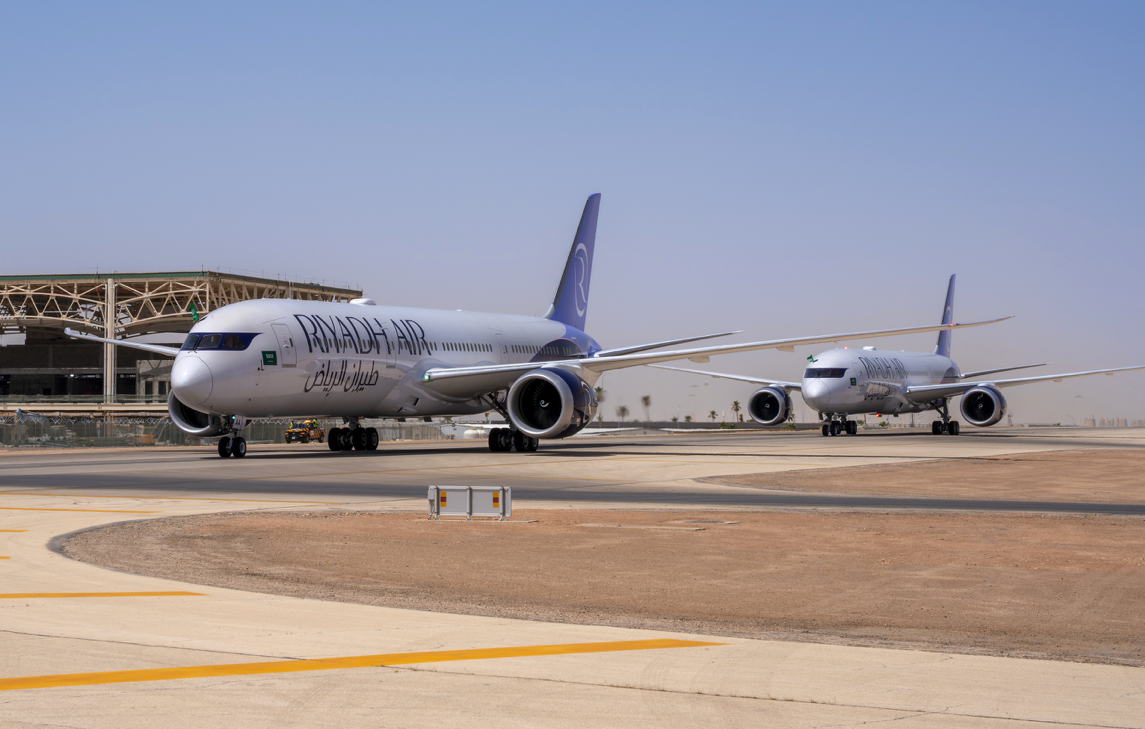
Riyadh Air’s first two 787 Dreamliners arrive in Riyadh. (Photo: Riyadh Air)

All Nippon Airways and start-up Riyadh Air will work together to expand their respective networks and improve connectivity between Japan and Saudi Arabia.

The two carriers this week signed a memorandum of understanding centering on potential new routes. The deal also opens the door to other forms of cooperation, including interline connectivity, codeshare arrangements, and loyalty program reciprocity, officials said.

The MoU envisions leveraging Riyadh Air’s hub in Riyadh and ANA’s dual hub in Tokyo to expand travel options between the two markets, and beyond. No new routes were formally announced, but could be on the way soon, the partners said.

Currently, Riyadh Air does not fly nonstop to Japan, and ANA does not serve Saudi Arabia. Saudia, Saudi Arabia’s first flag carrier, will be the only airline linking the two countries when it launches Riyadh-to-Tokyo service later this year.

“This unique agreement with ANA reflects Riyadh Air’s ambition to build meaningful global partnerships that expand choice and deliver long-term value to our guests,” Riyadh Air CEO Tony Douglas said in a news release. “The MoU with ANA will provide a seamless premium experience for our passengers while laying the groundwork for stronger connectivity between Riyadh and Tokyo, and supporting broader commercial, operational, and guest experience opportunities as we continue to grow our network.”

Riyadh Air began scheduled commercial service earlier this summer and now flies to over a dozen destinations, including London, Dubai, Cairo, Madrid, and Mumbai. More routes will come online in late August and September, including connections to Bangkok, Manila, and Manchester.

Zach Vasile

Zach Vasile is a writer and editor covering news in all aspects of commercial aviation. He has reported for and contributed to the Manchester Journal Inquirer, the Hartford Business Journal, the Charlotte Observer, and the Washington Examiner, with his area of focus being the intersection of business and government policy.
Sign-up for newsletters & special offers!

Get the latest stories & special offers delivered directly to your inbox

SUBSCRIBE