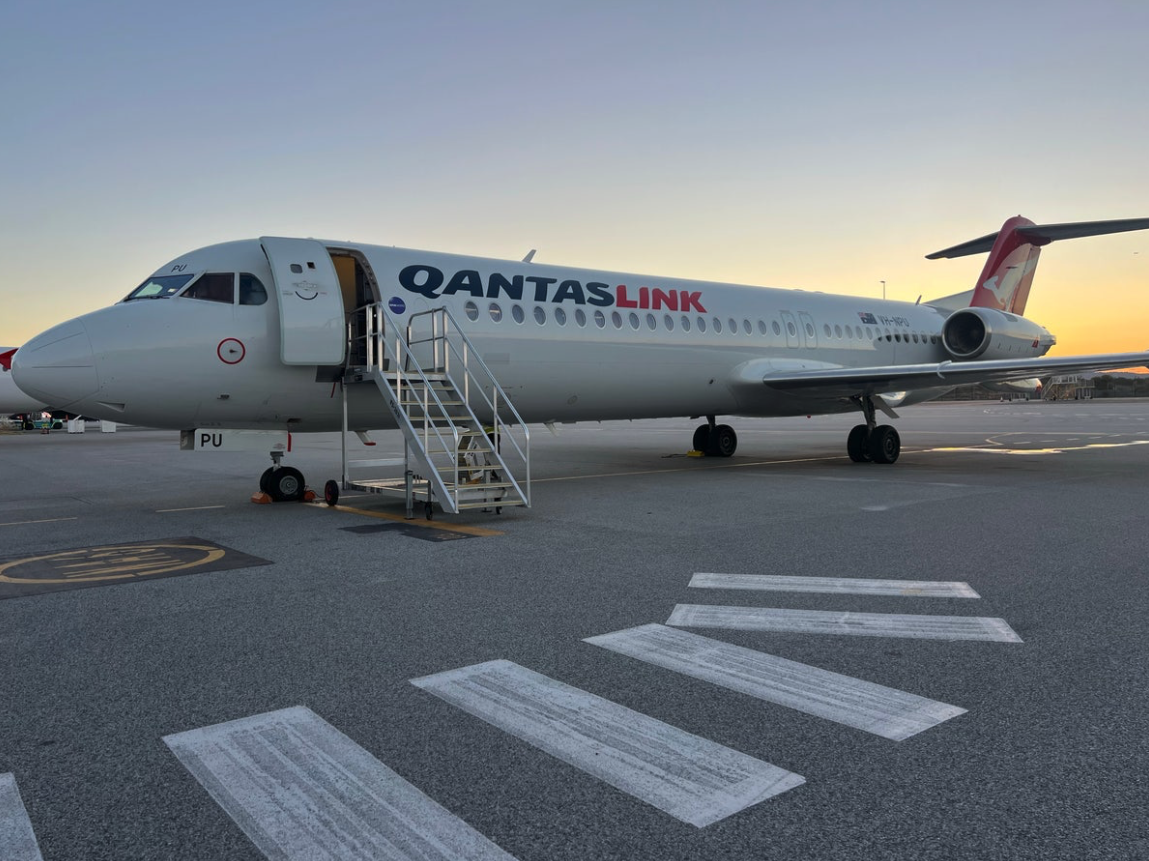
Qantas donated this F100, registered as VH-NPU, for restoration and preservation. (Photo: Qantas)
Qantas this week donated a retired Fokker F100 regional jet to Australia’s Historical Aircraft Restoration Society for long-term preservation and display.
The jet, nicknamed “Meekatharra,” entered service with QantasLink in 2016 and was the final F100 to be added to the regional carrier’s fleet. It was recently flown to Shellharbour Airport, where it was delivered to HARS.
This is the second F100 donated by Qantas to the restoration society; another was delivered to HARS’ Parkes Museum in February.
The carrier said Meekatharra will sit alongside Qantas’ first Boeing 747- 400, which was donated in 2015. That aircraft, known as “City of Canberra,” is one of HARS’ most visited attractions.
Qantas is phasing out its F100s in favor of the Embraer E190, which officials described as more reliable, fuel efficient, and comfortable for passengers. The first of the carrier’s E190s will be delivered to Perth next month.
“Meekatharra played an important role connecting regional communities across Western Australia for close to a decade, and we’re thrilled it will now be preserved by HARS for the future generations of aviation enthusiasts,” QantasLink CEO Mark Dal Pra said in a news release.
Introduced in the 1980s, the F100 was for a time a popular regional jet, with operators including American Airlines, US Airways, and Swissair. Most carriers began to retire their F100s in the 2000s, but the type endured in Australia, mainly due to QantasLink and Alliance Airlines. Other current operators include Iran Air and Air Niugini, the flag carrier of Papua New Guinea.
Zach Vasile is a writer and editor covering news in all aspects of commercial aviation. He has reported for and contributed to the Manchester Journal Inquirer, the Hartford Business Journal, the Charlotte Observer, and the Washington Examiner, with his area of focus being the intersection of business and government policy.
United Completes Phase One of Training Facility Expansion
The 700,000-square-foot campus now hosts 86 CAE training devices.
A training device at United's pilot training center in Denver. (Photo: United Airlines)
United has added 40 new CAE flight training devices at its sprawling pilot training facility in Denver.
The airline announced Thursday that it has completed phase one of an ongoing project to expand and improve the facility, known as the Flight Training Center. The 22-acre campus now has eight buildings, nearly 700,000 square feet of training space, and a total of 86 CAE training devices. Of those units, 52 are full-motion flight simulators, and 34 are fixed training devices.
United officials said that, with the new devices, the Flight Training Center can train up to 860 pilots per day, for a total of around 32,000 “training events” annually.
The center is United’s only training facility, and all of the carrier’s roughly 18,000 current and newly hired pilots have or will undergo training there.
“United pilots are the best aviators in the world, and the pace at which our team has completed this project is an example of making investments that support our high standard of excellence,” United CEO Scott Kirby said in a statement.
All United pilots complete simulator training with pilot instructors and evaluators during their initial qualification process, then every nine months after to maintain their certifications.
The next phase of the expansion project involves the development of property United purchased in 2023 near Denver International Airport. The airline said it is planning to build an “additional flight training center” on the land, and expects to break ground in 2027. The site should be up and running by 2030, and will operate in conjunction with the current Flight Training Center, United added.
The airline hired over 1,400 people in Denver last year, and plans to bring on about 1,300 more this year.
Zach Vasile is a writer and editor covering news in all aspects of commercial aviation. He has reported for and contributed to the Manchester Journal Inquirer, the Hartford Business Journal, the Charlotte Observer, and the Washington Examiner, with his area of focus being the intersection of business and government policy.
Loganair to Close Operating Base
The carrier said flights to and from the small airport are no longer financially viable.
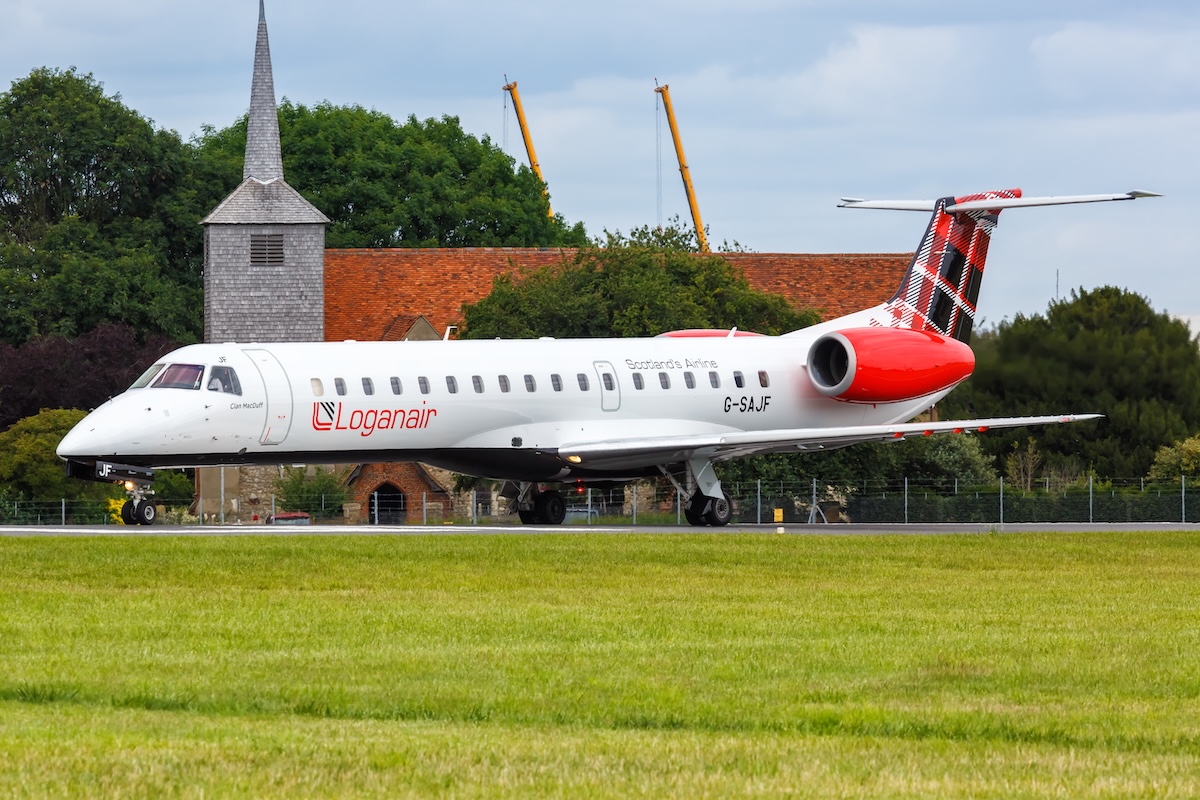
A Loganair Embraer regional jet (Photo: Shutterstock |
Markus Mainka)
Scottish regional carrier Loganair confirmed this week that it is withdrawing from Dundee Airport.
According to the BBC, Loganair will terminate service between Dundee and London Heathrow on Oct. 23, then shut down its operating base at the small airport. Onward connections to the Shetland Islands and Orkney will also cease as a result of the base closure.
Loganair told the BBC that service between Dundee and London was becoming “financially unsustainable.” The route is currently supported by the local government, the Scottish government, and the U.K. government as a public obligation route, which is similar to Essential Air Service in the U.S.
Loganair said it will help employees at the Dundee base explore alternative jobs. It was not immediately clear how many people, if any, will be permanently let go from the airline.
Dundee will be left without scheduled commercial air service. Loganair has been operating there since 2008.
Loganair flies mainly within the U.K., connecting Scottish destinations to England and numerous small islands to the British mainland. It also offers service to France, Ireland, Denmark, and Norway.
Zach Vasile is a writer and editor covering news in all aspects of commercial aviation. He has reported for and contributed to the Manchester Journal Inquirer, the Hartford Business Journal, the Charlotte Observer, and the Washington Examiner, with his area of focus being the intersection of business and government policy.
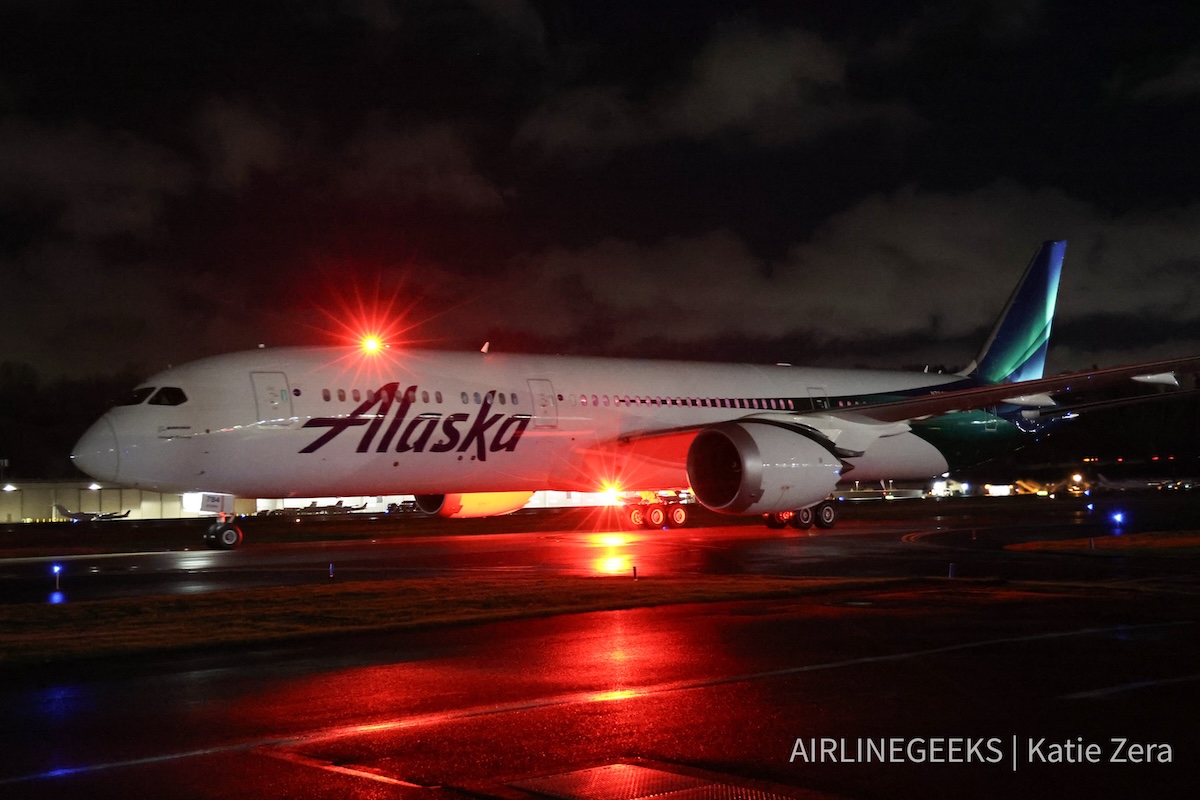
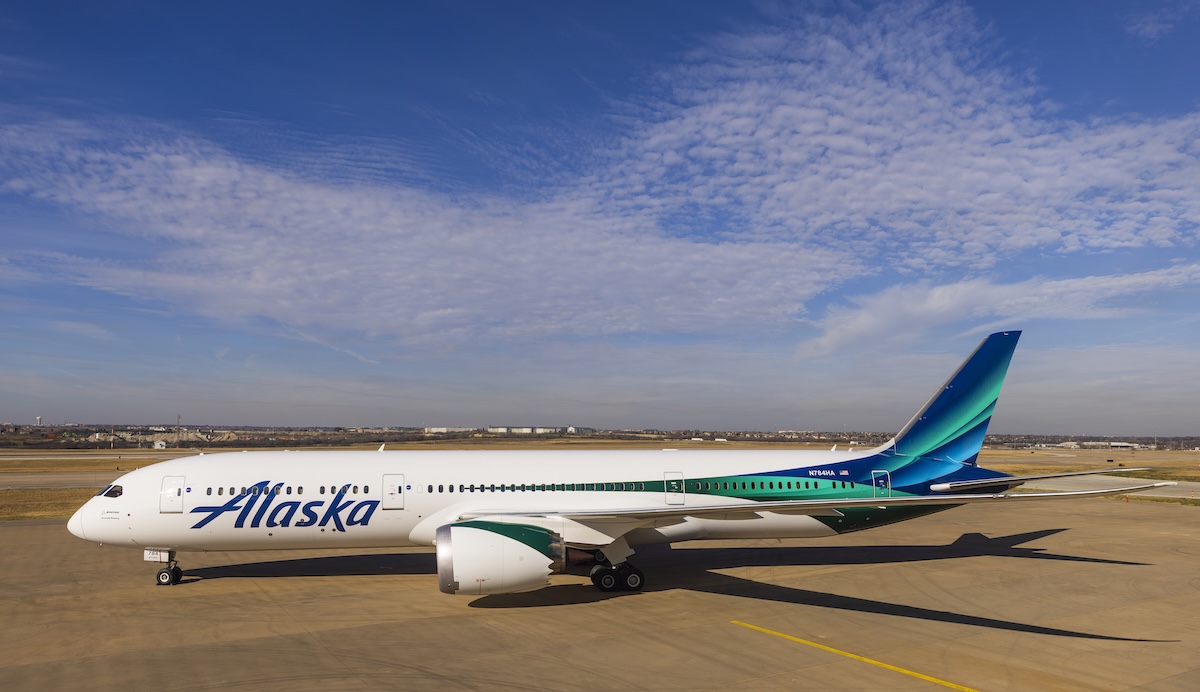
An Alaska 787-9 (Photo: AirlineGeeks | Katie Zera)
Alaska is expanding its footprint in Europe.
The carrier announced Thursday that it will serve Paris and Athens from Seattle in 2027.
Service to Athens will start first, on May 12, and run through October 2027. Flights will operate three times weekly.
Alaska said it will be the only carrier in the world with flights between the U.S. West Coast and the Greek capital. The route will also be Alaska’s longest in any market.
Service to Paris starts on May 25. Flights will operate five times weekly through October 2027.
Both connections will use the Boeing 787-9 Dreamliner.
Tickets for Paris and Athens are now available for purchase.
Alaska launched its inaugural service to Europe earlier this year with nonstop flights between Seattle and Rome. It added London and Reykjavík, Iceland, to its network later in the spring.
Zach Vasile is a writer and editor covering news in all aspects of commercial aviation. He has reported for and contributed to the Manchester Journal Inquirer, the Hartford Business Journal, the Charlotte Observer, and the Washington Examiner, with his area of focus being the intersection of business and government policy.
Lufthansa Operates First Starlink Flight
A mainline Lufthansa A320neo equipped with the satellite internet technology flew from Frankfurt to Rome.
Lufthansa Airlines CEO Jens Ritter was on board the flight and activated the Starlink system at an altitude of around 10,000 meters, or roughly 32,800 feet.
“We are investing more than ever in our guests: in new aircraft, new services, greater choice on board, and, of course, state-of-the-art and innovative technology,” Ritter said in a news release. “With Starlink, we will offer the fastest connectivity from take-off to landing, over oceans and deserts, and on short- and long-haul routes… The introduction of this service marks another milestone in the modernization of Lufthansa.”
Lufthansa said it will install Starlink antennas on another 10 Lufthansa mainline and Lufthansa City Airlines jets by the end of the year. Most of the installation work is taking place at Lufthansa Technik in Berlin.
In 2027, installations will expand across Lufthansa Group’s numerous subsidiaries, including SWISS, Austrian Airlines, Brussels Airlines, and ITA Airways. The company has said that all of its approximately 850 aircraft should be outfitted with Starlink by 2029.
Lufthansa has made the service free for all members of its frequent flyer and Travel ID programs.
Zach Vasile is a writer and editor covering news in all aspects of commercial aviation. He has reported for and contributed to the Manchester Journal Inquirer, the Hartford Business Journal, the Charlotte Observer, and the Washington Examiner, with his area of focus being the intersection of business and government policy.
Grounded: Pacific Southwest Airlines
The carrier carved out a lane for discount operators and served as an early model for Southwest, but struggled after deregulation.
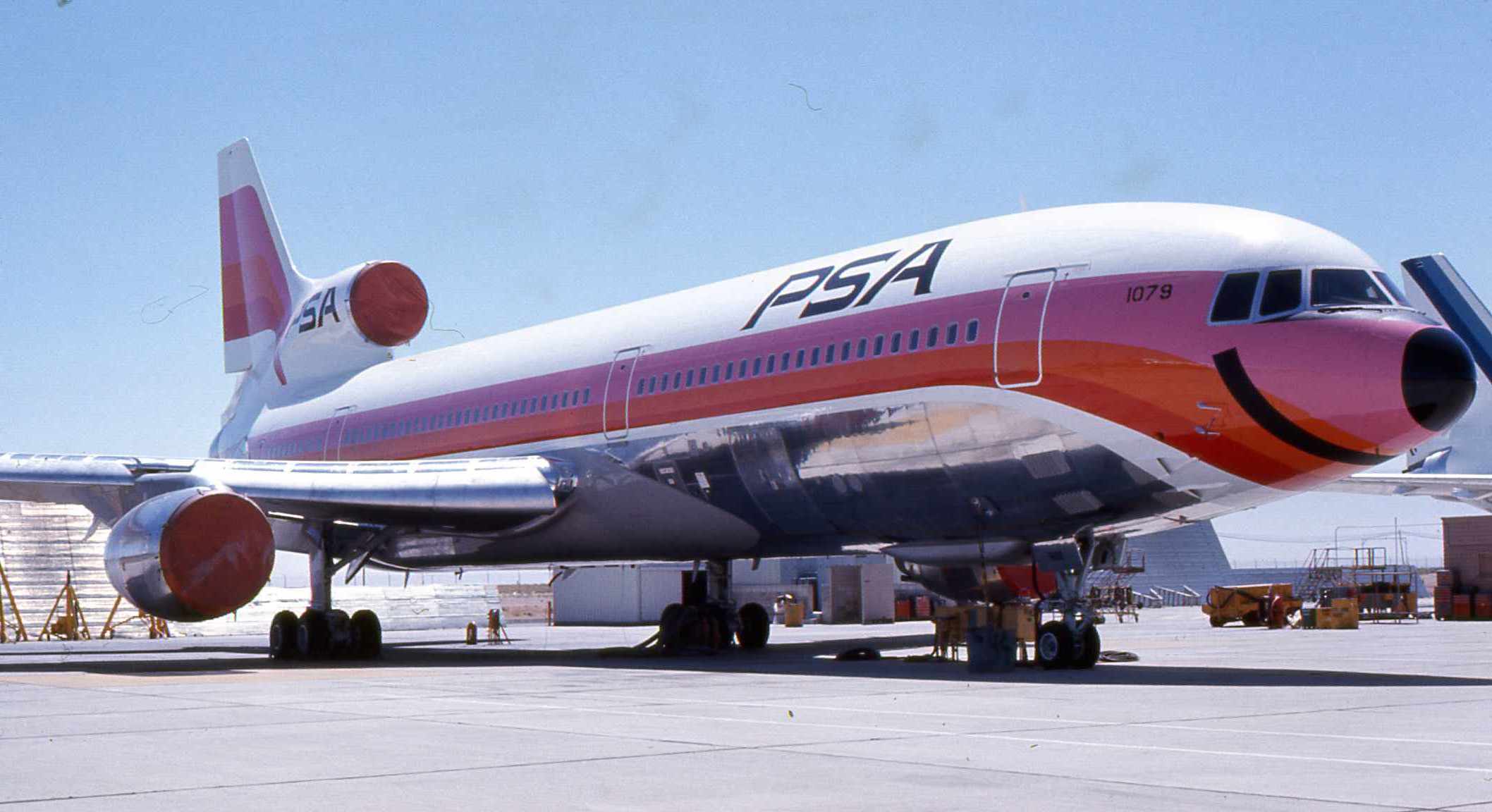
A PSA L-1011. (Photo: Piergiuliano Chesi via Wikimedia Commons)
Grounded is AirlineGeeks.com’s look back at airlines that once shaped the industry but no longer take to the skies. Each story revisits a carrier that influenced routes, fleets, or fares—and explores what ultimately led to its final descent.
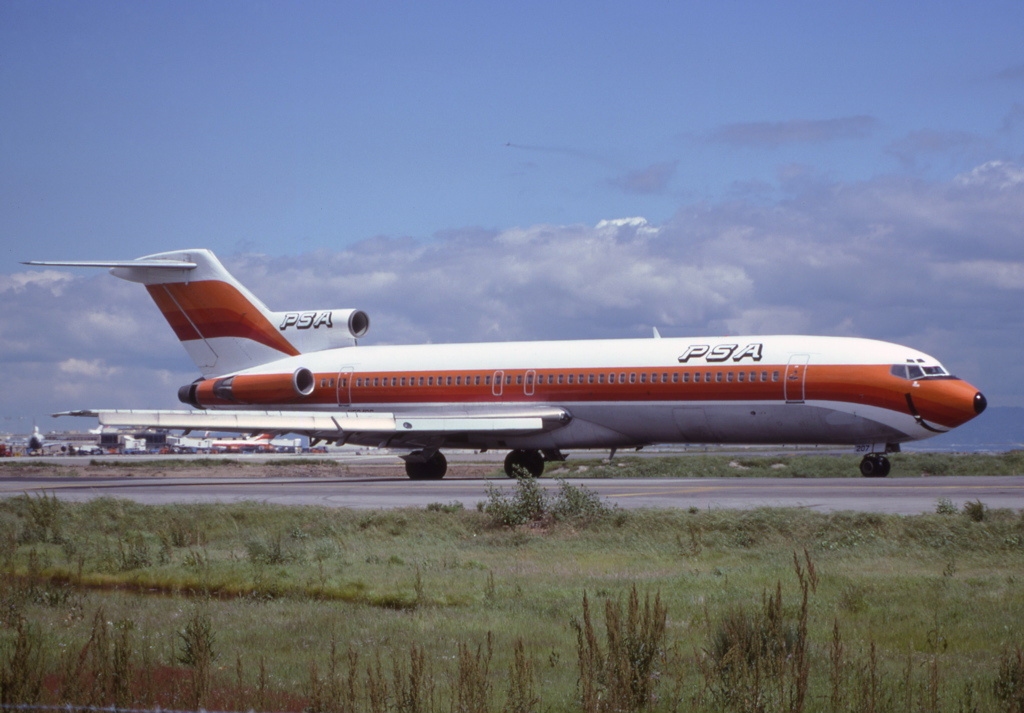
Known across the U.S. for its “smiling” aircraft liveries and low prices, Pacific Southwest Airlines was arguably the first true discount carrier.
Confined to California for decades due to the Civil Aeronautics Board’s tight regulations, the airline established itself as the Golden State’s unofficial “flag carrier,” embodying West Coast leisure and hospitality. At the same time, it influenced intrastate airlines in other regions, including Southwest Airlines, which emerged from Texas to become a national name.
But Pacific Southwest struggled to adapt to a post-deregulation marketplace, and it could not replicate its earlier success on a national scale. It was acquired by US Airways in 1987, and merged out of existence the following year.
Beginnings
Pacific Southwest Airlines was formed in 1949 as an offshoot of Kenny Friedkin’s flight training school in San Diego. Using a leased Douglas DC-3, the carrier flew first to Oakland, then to other major cities in California.
In the frenzied years following World War II, no less than eight separate passenger airlines cropped up in California, and because federal laws made it extremely difficult for new carriers to fly nationally, all eight ended up competing for market share inside the Golden State. Pacific Southwest emerged as the winner, outlasting all of its competitors while strengthening its hold in cities such as Los Angeles, Burbank, and San Francisco.
By the late 1950s and early ‘60s, PSA was still small but completely dominant in California, and its brand identity began to coalesce. It dubbed itself “The World’s Friendliest Airline,” and outfitted its flight attendants in colorful, daring uniforms. Management encouraged a friendly, bon vivant attitude on board, looking to mirror the “California lifestyle” that was contemporaneously shaping popular culture. Frequent passengers baked cookies and other treats for the crew, and they were often rewarded with free drinks.
Around 1970, the airline introduced its famous smiling livery, applying the design to its new Boeing and Lockheed aircraft. The “smile,” really just a curved line under the nose of the jet, became a marketing hit, and reinforced the carrier’s friendly reputation.
A big part of PSA’s success came from its consistently low prices. A one-way flight between Burbank and San Francisco, for instance, cost $13.50, with tax, in coach. U.S. Navy personnel in San Diego, carrier’s main hub, affectionately nicknamed PSA the “Poor Sailor’s Airline.”
A PSA Boeing 727. (Photo: Jon Proctor via Wikimedia Commons)
PSA operated a mix of aircraft in the 1960s and ‘70s, including the Boeing 727-100, 727-200, and 737-200, the Lockheed Electra and L-1011 (used briefly), and the Douglas DC-9. The carrier eventually settled on the 727-200, and the type became the backbone of PSA’s fleet through the 1970s.
Influence on Southwest
It would not be inaccurate to say that Southwest stole PSA’s playbook.
Founder Rollin King acknowledged that Southwest looked to PSA for inspiration, and Southwest president Lamar Muse said he didn’t mind being called a “copycat” of PSA’s operation. According to Muse, PSA officials actually handed him a copy of the airline’s operating manuals at a meeting in 1971; the documents were adapted for use by Southwest.
At the time, there was no risk of PSA aiding a competitor, since Southwest was limited to Texas. That would change, however, with the deregulation of the airline sector in 1978.
New Era and Decline
With the old federal limits on routes gone, PSA looked to expand outside of California. Its first destination outside its home state was Reno, followed by Las Vegas, Salt Lake City, and Phoenix. In the mid-1980s it would make inroads into the Pacific Northwest.
The carrier also had its eyes set on Texas, and in 1982 it struck a unique deal with Dallas/Fort Worth-based Braniff to begin service there. Under the agreement, Braniff would operate PSA-branded flights from Texas, using its own aircraft and personnel. PSA saw the alliance as a low-cost way to enter a new market, but Braniff pilots refused to fly at PSA’s lower rates, or to accept seniority below PSA pilots in the event of a merger. The deal collapsed in 1983.
Initially, PSA’s management expected that the airline would thrive with deregulation, but performance actually deteriorated. Larger rivals consolidated and moved west, while PSA struggled to upgrade its fleet from the 727 to the BAe 146-200. Executives also had their attention diverted away from the airline by numerous side projects and subsidiaries, including a rental car company, an energy outfit, and four radio stations.
By the middle of the decade, PSA was struggling. It cut wages and reshuffled its network, but to no avail. In 1986, the airline agreed to a $400 million takeover by US Airways, giving the larger carrier a significant presence in California for the first time. The deal closed in 1987, and PSA was officially absorbed by US Airways in 1988.
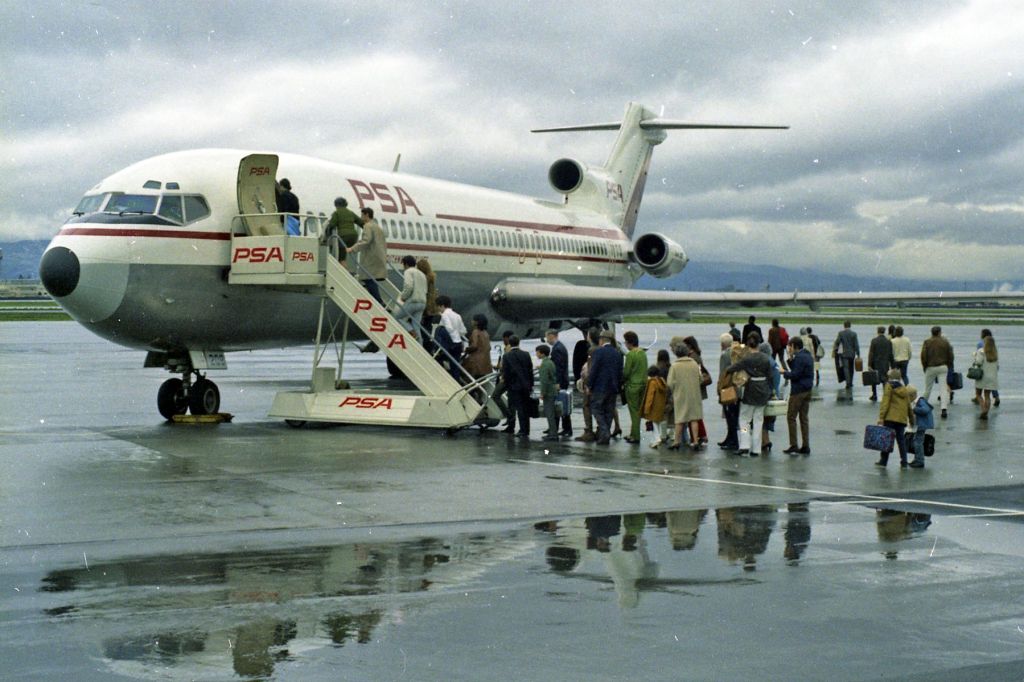
Passengers queue to board a PSA aircraft. (Photo: GeorgeLouis via Wikimedia Commons)
In an ironic twist, US Airways was forced to give up much of its West Coast network in the early 1990s due to fare wars with PSA’s protégé carrier, Southwest.
US Airways kept the PSA name alive by using it for its regional subsidiary, formerly known as Jetstream International. The brand remained intact after American Airlines acquired US Airways in 2013, and PSA became a subsidiary of American Airlines Group.
While probably little remembered, Pacific Southwest Airlines helped establish the low-cost market as we know it today. It played a key role in the development of Southwest, and Southwest’s success has spurred the creation of budget carriers around the world.
Zach Vasile is a writer and editor covering news in all aspects of commercial aviation. He has reported for and contributed to the Manchester Journal Inquirer, the Hartford Business Journal, the Charlotte Observer, and the Washington Examiner, with his area of focus being the intersection of business and government policy.
Study: Pilots, Flight Attendants At Highest Risk of Death from Radiation-Linked Cancers
An analysis of over 12 million death certificates found that flight attendants had the highest percentage of deaths from radiation-connected cancers, and pilots the second highest.
Among more than 500 professions, commercial air crew face the highest risk of dying from radiation-linked cancers, according to a study published this week.
An analysis of over 12 million death certificates found that flight attendants had the highest percentage of deaths from radiation-connected cancers, and pilots the second highest. The study, published by JAMA Internal Medicine, found that both professions saw an unusually high fatality rate from those cancers compared to other lines of work, including ones involving the handling of radioactive materials.
Overall, the odds of a flight attendant dying from a radiation-related cancer were about 50% higher than the general working population, and pilots had higher odds of about 36%.
The researchers narrowed their focus to cancers that are known to be connected to radiation exposure, including leukemia, lymphoma, skin cancer, breast cancer, and thyroid cancer.
Interestingly, pilots and flight attendants did not show higher death rates for cancers that are not connected to radiation.
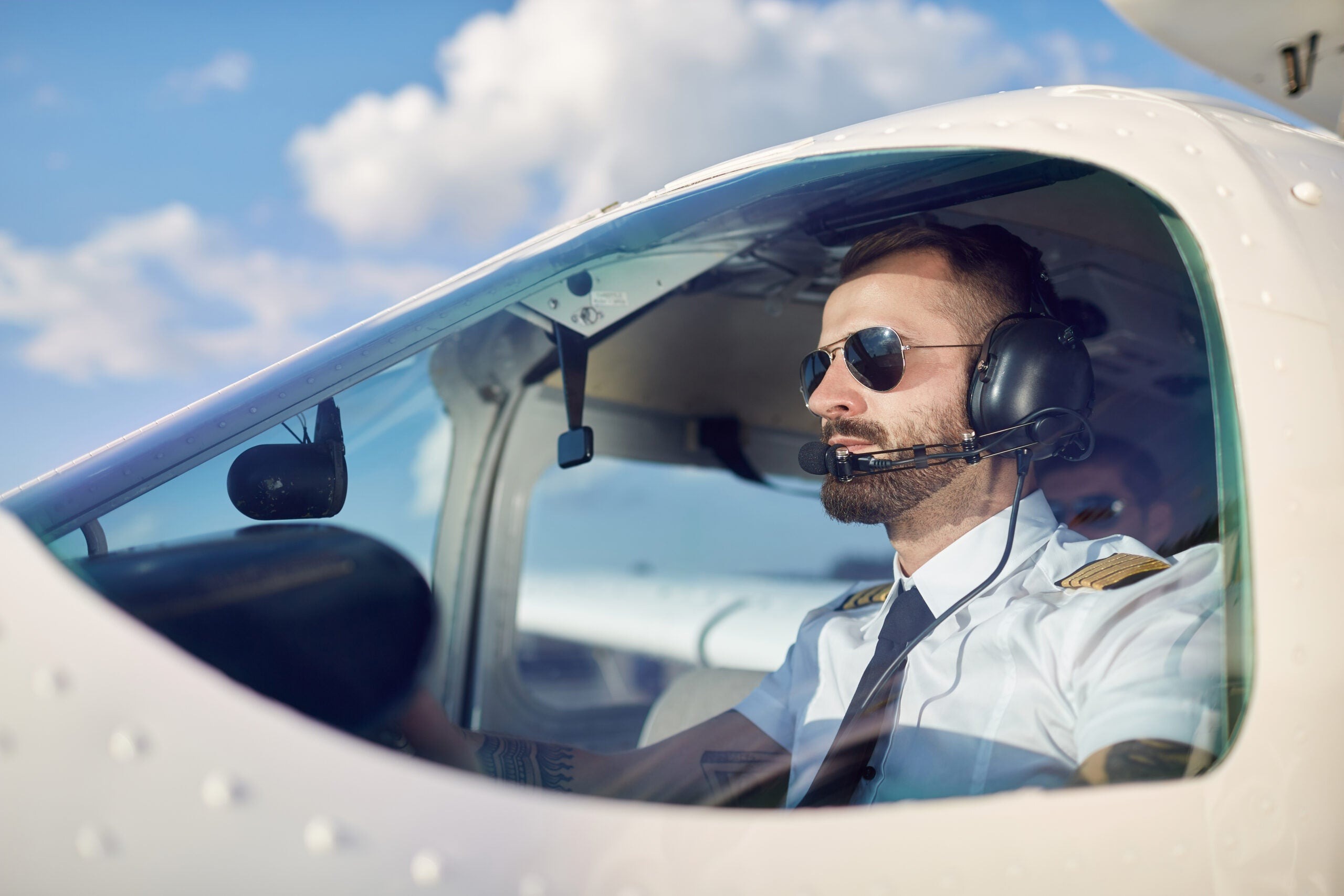
Pilots and flight attendants are exposed to significantly more cosmic radiation than the general public due to their frequent flights. Smaller studies have suggested a potential link between that radiation and higher rates of cancer in those jobs, but the data is not definitive, and the elevated risk, if any, is generally not well publicized.
The FAA acknowledges that air crew face higher levels of radiation but does not currently measure or track that exposure.
Sara Nelson, president of the Association of Flight Attendants-CWA, told ABC News this week that the issue must be taken more seriously.
“The risk is known, but crew are not educated or informed. And no one is taking responsibility,” Nelson said.
The authors acknowledged some limitations on their study, including a lack of information about the amount of radiation pilots and flight attendants are exposed to. They also noted that lifestyle factors that come with those jobs, including irregular schedules, sleep disruption, and jet lag, can negatively affect overall health.
Zach Vasile is a writer and editor covering news in all aspects of commercial aviation. He has reported for and contributed to the Manchester Journal Inquirer, the Hartford Business Journal, the Charlotte Observer, and the Washington Examiner, with his area of focus being the intersection of business and government policy.
AFA: Flight Attendants Overextended on Alaska’s 787 Flights
The flight attendants are asking the airline to either increase staffing or reduce service.
At the onset of Alaska-branded 787 international service in April, the airline’s management agreed to a 30-day observation period that would including gathering flight attendant feedback and implementing service flow improvements, the union said. But that observation period ended May 28, and months later Alaska has “offered no resolutions to ease the demands of an operation they refuse to resource properly, citing claims of needing more data.”
AFA argued that Alaska can and does respond quickly to customer feedback, proving that the carrier could make needed changes, “but they simply choose not to.”
“Instead, management’s response to flight attendants has consistently been: Make it work,” the union said.
Alaska took delivery of its first mainline 787 in January and now uses the type on long-haul routes to destinations such as London, Rome, and Tokyo. Hawaiian Airlines has its own 787s, flying to markets including New York-JFK and San Francisco; while technically part of Alaska Air Group’s combined fleet, they continue to use Hawaiian branding and mainly operate from Hawaii.
The AFA did not include Hawaiian flight attendants in its grievance, though they are also represented by the union.
“At its core, this grievance is about one simple principle: If management expects a certain level of service, it must provide the staffing necessary to deliver it,” AFA said. “They face a clear choice: increase staffing to meet their service goals, or work with our Inflight Service Committee to establish realistic service standards that actually reflect the staffing provided. Until they choose one, we will not accept being set up for failure.”
Zach Vasile is a writer and editor covering news in all aspects of commercial aviation. He has reported for and contributed to the Manchester Journal Inquirer, the Hartford Business Journal, the Charlotte Observer, and the Washington Examiner, with his area of focus being the intersection of business and government policy.
Court Throws Out Lawsuit Over 737 MAX Door Plug Blowout
A group of investors sued Boeing, alleging not enough had been done to prevent the accident.
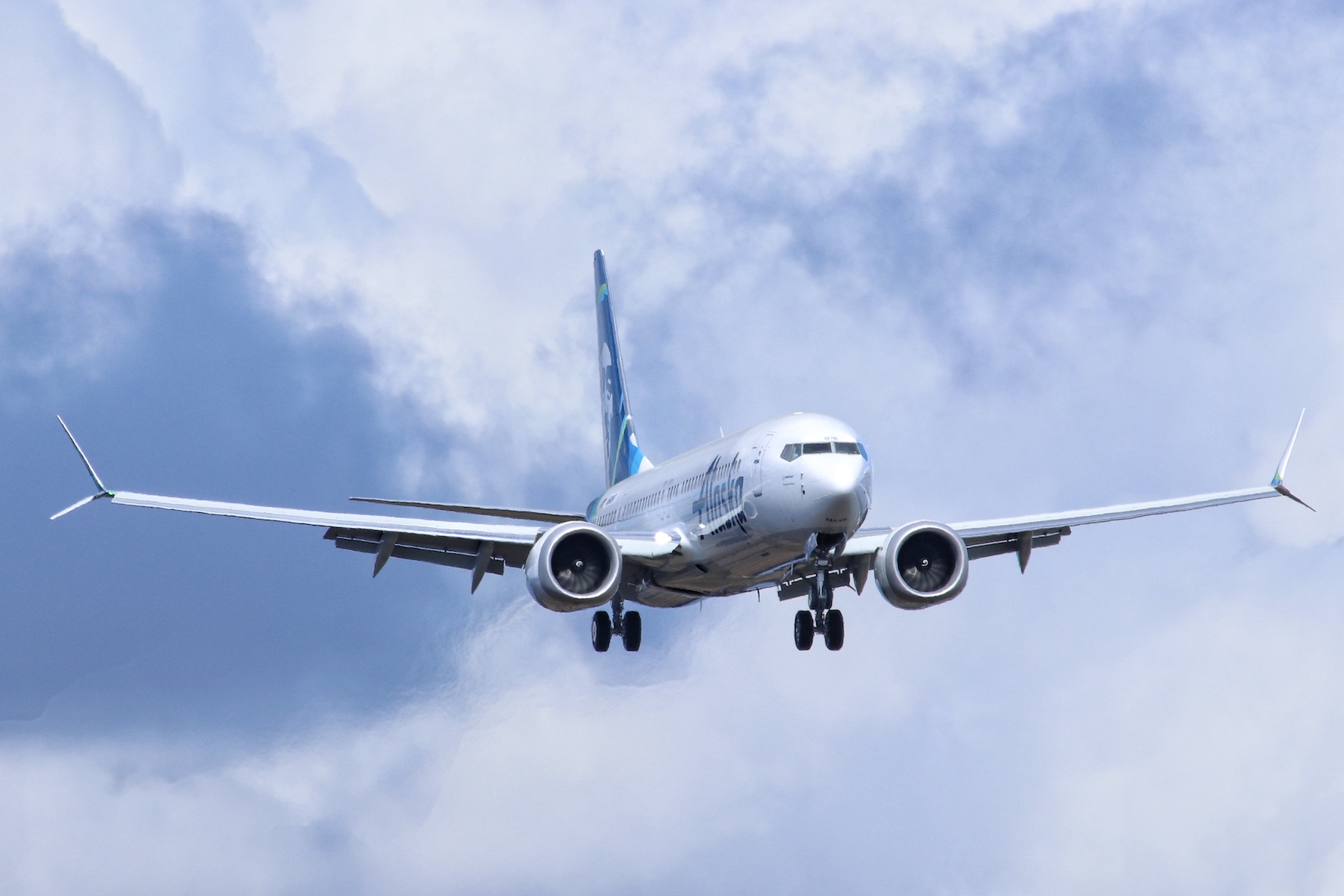
An Alaska Boeing 737 MAX 9 approaches Paine Field. (Photo: AirlineGeeks | Katie Bailey)
A court in Delaware has dismissed a lawsuit brought by Boeing investors against the company’s executives over a door plug blowout on a 737 MAX 9 in 2024.
A group of pension funds holding Boeing shares accused the manufacturer of ignoring safety-related red flags in the months leading up to the blowout, which happened on an Alaska Airlines flight from Portland, Oregon, to Ontario, California. But the Delaware Chancery Court found that Boeing’s management handled safety and quality control information appropriately and worked to improve the company’s safety culture. The court noted that the safety reports the executives regularly received did not indicate “serious misconduct or an impending corporate trauma,” according to law firm Sullivan & Cromwell, which defended Boeing’s leadership.
The pension funds filed their case in November 2024. It was not immediately clear if they will have an avenue to appeal.
The door plug blowout caused an uncontrolled decompression inside the aircraft, injuring three people. The 737 MAX returned to Portland and landed safely; there were no fatalities.
The NTSB’s final report on the incident, released last summer, found that the jet’s left mid exit door plug was missing four critical installation bolts. It faulted Boeing’s safety and quality processes for not catching the problem and failing to properly document every person who worked on the door plug and the surrounding fuselage.
The report encouraged the FAA to step up oversight of Boeing’s safety programs.
Zach Vasile is a writer and editor covering news in all aspects of commercial aviation. He has reported for and contributed to the Manchester Journal Inquirer, the Hartford Business Journal, the Charlotte Observer, and the Washington Examiner, with his area of focus being the intersection of business and government policy.
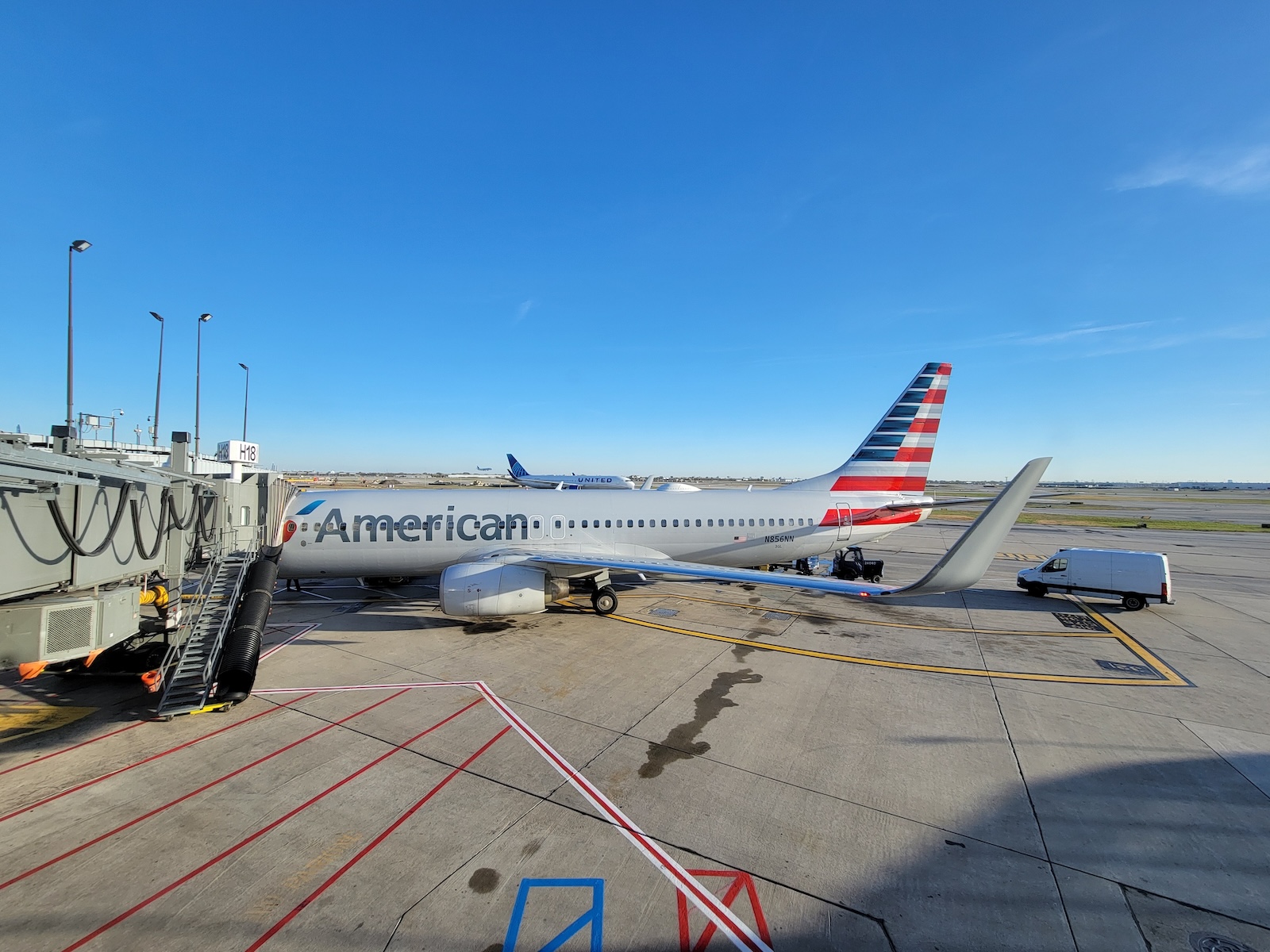
American 737 Blows Two Tires Landing at O’Hare
There were no injuries, and passengers deplaned via stairs.
Zach Vasile is a writer and editor covering news in all aspects of commercial aviation. He has reported for and contributed to the Manchester Journal Inquirer, the Hartford Business Journal, the Charlotte Observer, and the Washington Examiner, with his area of focus being the intersection of business and government policy.
Sign-up for newsletters & special offers!
Get the latest stories & special offers delivered directly to your inbox