










Stories

American to Install Seatback Screens Across Narrowbody Fleet

The carrier will also add more premium seating.

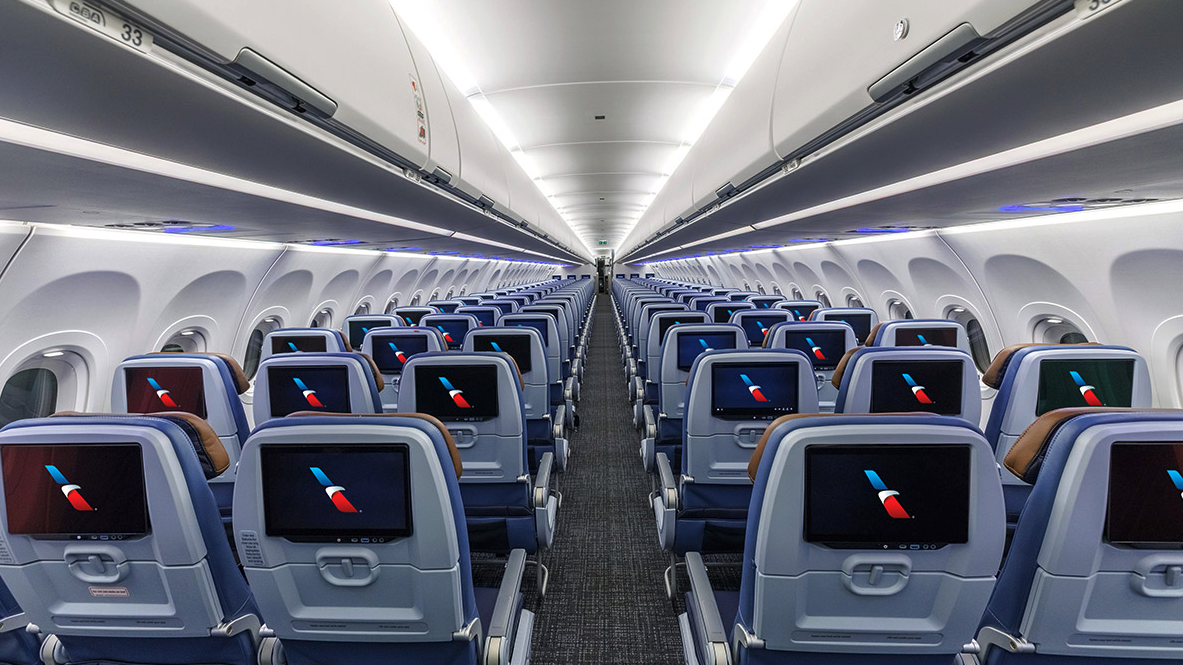
Seatback screens on an American Airlines aircraft. (Photo: American Airlines)

American Airlines announced Tuesday that it will install seatback entertainment screens across its entire narrowbody fleet, bringing its offering more in line with competitors United and Delta.

The airline said it will install the screens on every new Airbus and Boeing aircraft delivered starting in 2028, while also performing retrofits on older airplanes. The screens will be among the largest offered on any narrowbody aircraft, American said, with 4K technology, USB-C charging ports, Bluetooth audio connectivity, and access to a broad selection of movies, television shows, music, games, and content through the airline’s media partnerships.

More Premium Seats

The announcement came alongside news that American will add more premium seats on its narrowbody jets. The carrier will add an additional row of First Class seats on its Airbus A319s and A320s, install 24 First Class seats on its upcoming Boeing 737 MAX 10s, and add more Main Cabin Extra seats across all narrowbody types.

“We’re making one of the most significant investments in the onboard experience in our history,” American Chief Customer Officer Heather Garboden said in a news release. “From next-generation seatback entertainment at every seat to substantially more premium seating options, these enhancements will give our customers more ways to relax, stay connected and enjoy their journey.”

American signaled in March that it was considering re-adding seatback screens on its single-aisle aircraft. It began removing the devices from its narrowbody fleet in 2017, reasoning that customers would rather use their own phones, laptop computers, or tablets for entertainment. Foregoing screens also reduced the weight of the aircraft, which translated to savings over time.

United and Delta went in the opposite direction, investing in newer and larger screens, especially for their premium products. According to a report from CNBC, American felt pressure to bring the screens back in order to compete with its two main rivals.

The airline said it will install the screens as quickly as possible. Installation work should be completed by the early 2030s, it said.

Zach Vasile

Zach Vasile is a writer and editor covering news in all aspects of commercial aviation. He has reported for and contributed to the Manchester Journal Inquirer, the Hartford Business Journal, the Charlotte Observer, and the Washington Examiner, with his area of focus being the intersection of business and government policy.

Somali Airlines to Fly Again After 35-Year Pause

Service has been suspended since 1991.

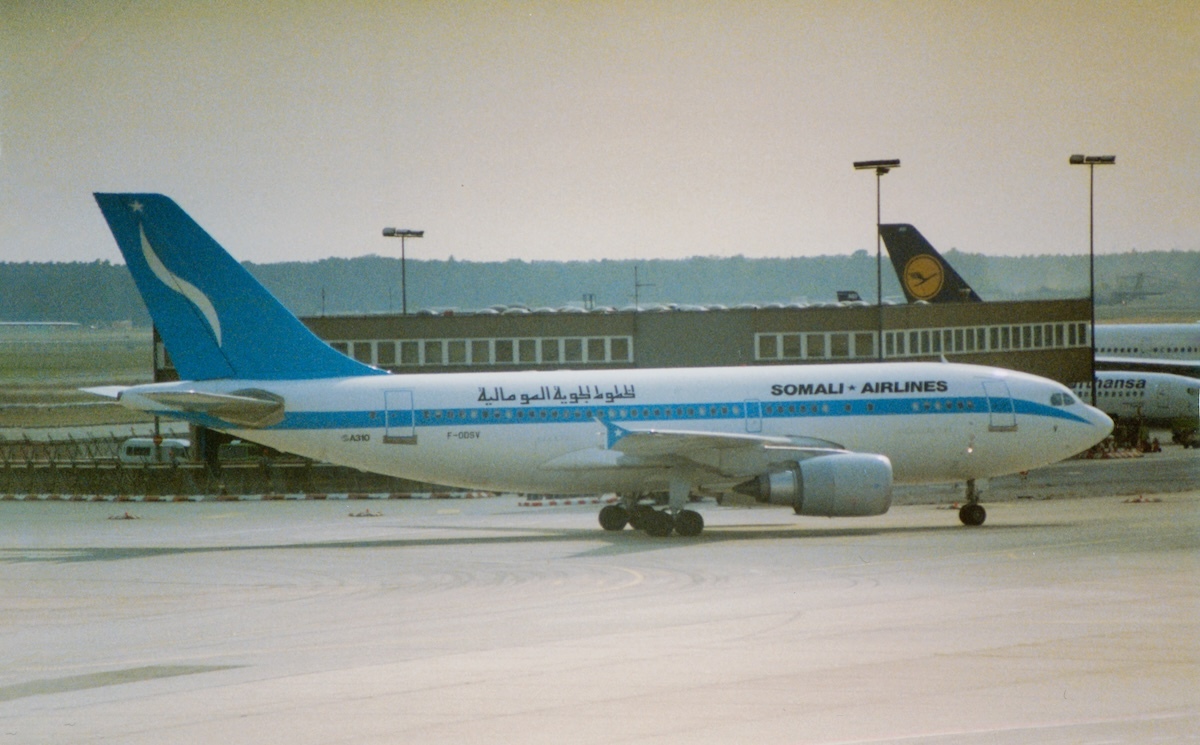
A Somali Airlines Airbus A310. (Photo: Shutterstock - Airlinephoto)

The flag carrier of Somalia – inactive since the peak of that country’s civil war about 35 years ago – is set to resume regular scheduled service next month.

Somalia’s government announced the upcoming return of Somali Air on Sunday, according to Bloomberg. Officials have been attempting to revive the defunct airline for over a decade, but it was only in 2025 that the Ministry of Transport and Civil Aviation committed to bringing back the brand. A new chief executive officer was named around the same time.

It was not immediately clear which destinations Somali Air will serve. It will more than likely operate from Mogadishu International Airport.

So far, Somali Air has ordered two Airbus A320s.

Formed in the 1960s, Somali Air once connected Somalia to destinations such as Frankfurt, Cairo, the Seychelles, and Dubai. It initially used the Douglas D-3, then the Boeing 707 and 720 and Airbus A310, along with several types of smaller turboprop aircraft.

The carrier suspended operations in 1991 when the government of Siad Barre was violently overthrown. The conflict continues to this day, with various armed groups asserting control over different regions of Somalia. However, the country has made some progress toward stability, and the central government is gradually rebuilding its authority.

Smaller, private airlines have filled the void left behind by Somali Air, but most operate regionally within Somalia, and there are relatively few avenues for international travel by air.

Zach Vasile

Zach Vasile is a writer and editor covering news in all aspects of commercial aviation. He has reported for and contributed to the Manchester Journal Inquirer, the Hartford Business Journal, the Charlotte Observer, and the Washington Examiner, with his area of focus being the intersection of business and government policy.

Report: Google Buys Spirit Data for $10M

The information will be used to refine the company’s artificial intelligence systems.

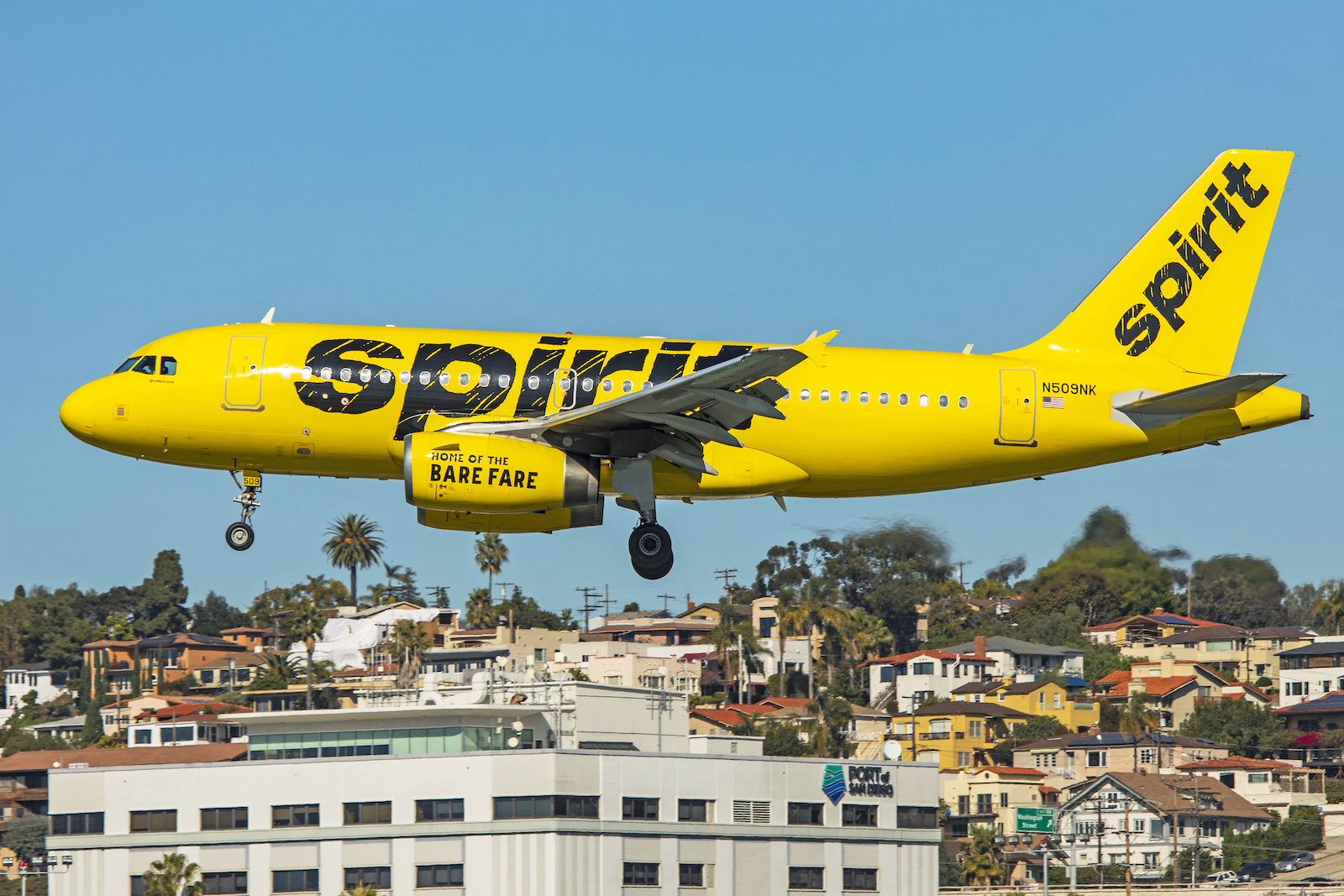
A Spirit A319.
A Spirit A319. (Photo: AirlineGeeks | William Derrickson)

Google has agreed to pay $10 million for a trove of business data from the now-defunct Spirit Airlines, according to a report from Bloomberg Law.

The tech giant will acquire millions of emails and Microsoft Teams chats, software code, and data related to revenue, operations, productivity, and other areas, the legal news outlet said. Google has said it will use the data to improve its artificial intelligence.

“We acquired part of an enterprise dataset from Spirit Airlines, which can be helpful in improving our products and AI models,” the company said in a statement to Bloomberg Law.

All personal information will be scrubbed from the records before they are transferred to Google.

Google beat out a competing $7.5 million offer from AI startup Mercor. The company has been designated as a potential backup if Google’s deal falls apart for some reason.

Spirit went out of business in May as spiraling fuel costs undermined its long-term bankruptcy recovery plan. About 17,000 workers were let go, but a small core of employees have remained to oversee the liquidation of the carrier’s assets, including aircraft, airport gates, real estate, and equipment. The airline’s former headquarters in Dania Beach, Florida, was just recently sold to an affiliate of a Boston-based investment firm.

Zach Vasile

Zach Vasile is a writer and editor covering news in all aspects of commercial aviation. He has reported for and contributed to the Manchester Journal Inquirer, the Hartford Business Journal, the Charlotte Observer, and the Washington Examiner, with his area of focus being the intersection of business and government policy.

Controller Prevents Conflict Between American Jets Sharing Same Callsign

One flight was arriving from Chicago O'Hare, while the other was departing for O'Hare.

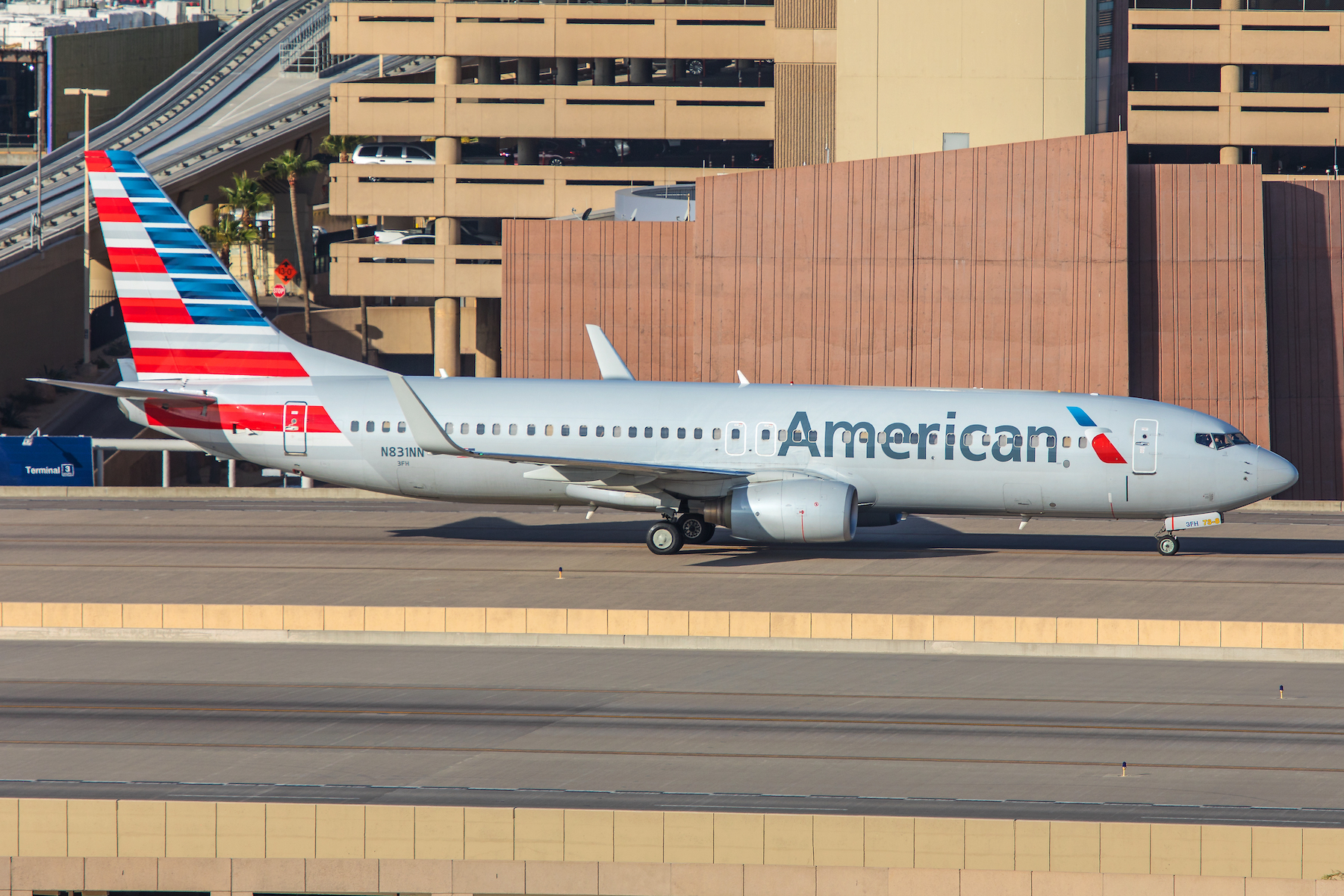
American 737 aircraft
An American 737-800 in Phoenix. (Photo: AirlineGeeks | William Derrickson)

A fast-thinking air traffic controller in Phoenix stepped in Friday to make sure two American Airlines aircraft operating with the same call signs maintained proper separation.

According to a report from CBS News, two American jets – one flying from Phoenix to Chicago O’Hare, and the other arriving in Phoenix from Chicago O’Hare – were using not only the same flight number but the same radio frequency. The controller realized the airplanes were on potentially converging paths and began giving them instructions as “American 2842 departing” and “American 2482 arriving.”

The aircraft maintained separation at all times, and both landed at their destinations safely.

“I’ve been working air traffic for 25 years,” the controller said to the pilots, according to ATC recordings obtained by CBS News. “I’ve never seen two aircraft pretty much merge with the same call sign. That’s pretty incredible.”

American told the news outlet that the flight arriving from Chicago was delayed; it was supposed to land in Phoenix, let off its passengers, take on new ones, and fly back to Chicago using the same call sign. But because of the delay, American brought in another aircraft so that the passengers waiting in Phoenix could depart. As a result, the two flights ended up using identical call signs.

“The diligence and professionalism of air traffic controllers and our pilots ensured required separation was always maintained and the issue was identified and addressed,” American said in a statement. “Both flights continued safely and without incident.”

Zach Vasile

Zach Vasile is a writer and editor covering news in all aspects of commercial aviation. He has reported for and contributed to the Manchester Journal Inquirer, the Hartford Business Journal, the Charlotte Observer, and the Washington Examiner, with his area of focus being the intersection of business and government policy.

Allegiant Adds Nine New Routes

One connection will operate year-round, while the others are seasonal.

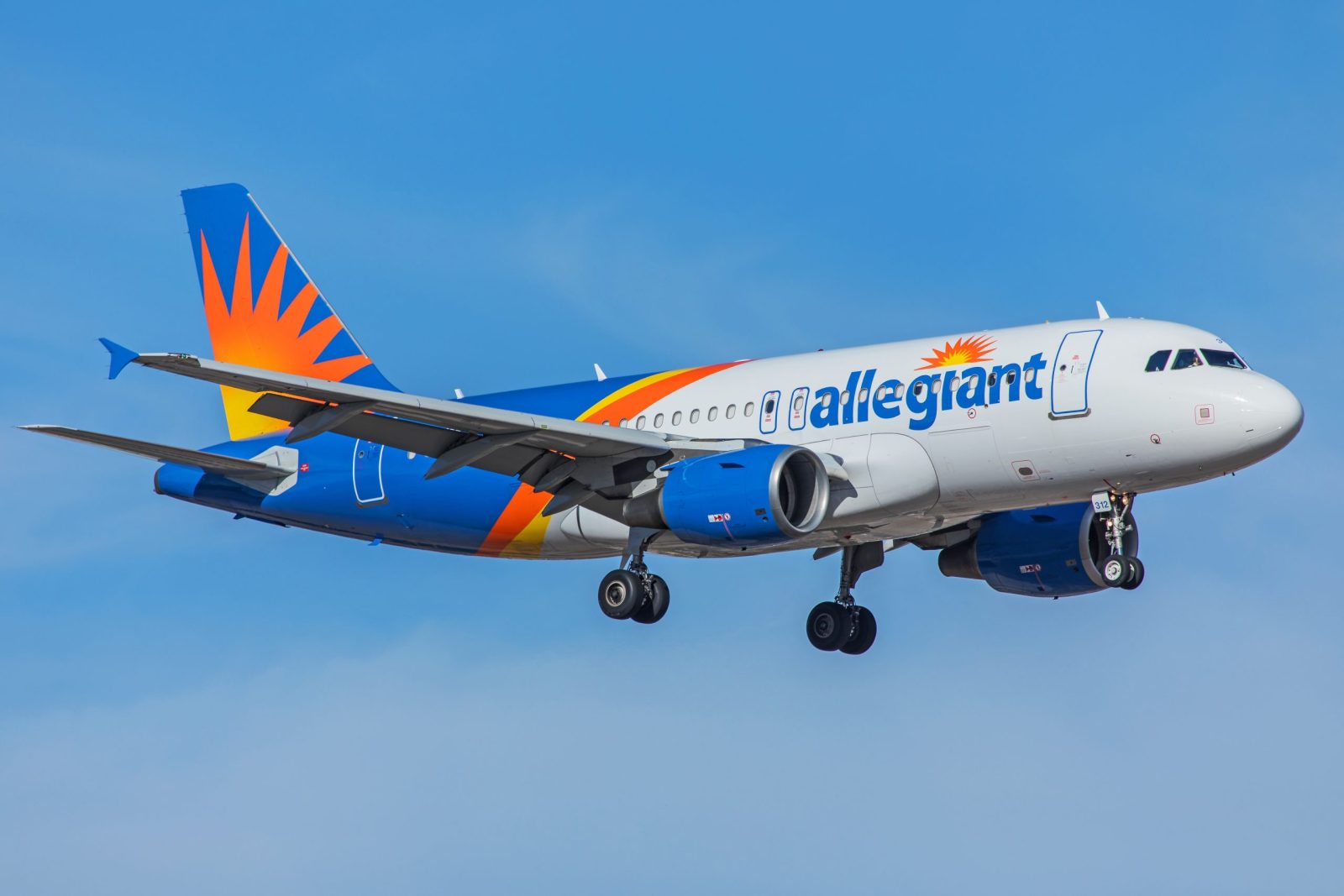
Allegiant A319
An Allegiant A319 in Las Vegas. (Photo: AirlineGeeks | William Derrickson)

Allegiant will add nine new routes early next year, most of them “hyper-seasonal” and designed to connect northern markets with warm weather destinations.

The carrier said Monday that the routes will help accommodate demand during the spring break period.

“We’re excited to announce these new routes into our growing network and will continue to look for opportunities to connect travelers with the destinations they want to visit most,” Drew Wells, Allegiant’s chief commercial officer, said in a news release. “These new routes reflect the flexibility of our unique business model, allowing us to respond to demand and provide more options during peak leisure periods.”

The only new year-round connection is between Cincinnati, Ohio, and Orlando, Florida. Flights on that route will start Feb. 12, 2027.

Seasonal service between Grand Forks, North Dakota, and Sanford, Florida, will commence Feb. 10 and run through April 17.

The seven other routes are described by Allegiant as “hyper-seasonal,” and link points in New England with Florida. They are:

  • Boston to Sanford; Feb. 13 through April 24
  • Boston to Punta Gorda, Florida; Feb. 13 through April 24
  • Boston to St. Pete-Clearwater, Florida; Feb. 13 through April 24
  • Providence, Rhode Island, to Fort Lauderdale, Florida; Feb. 13 through April 24
  • Providence to Sanford; Feb. 13 through April 25
  • Providence to Sarasota, Florida; Feb. 13 through April 24
  • Portsmouth, New Hampshire, to Fort Lauderdale; Feb. 20 through May 1

Zach Vasile

Zach Vasile is a writer and editor covering news in all aspects of commercial aviation. He has reported for and contributed to the Manchester Journal Inquirer, the Hartford Business Journal, the Charlotte Observer, and the Washington Examiner, with his area of focus being the intersection of business and government policy.

Report: Air India A320 Briefly Lost Flight Controls

The aircraft suddenly dropped 300 feet, injuring 24 people.

An Air India A320 jet. (Photo: Venkat Mangudi [CC0])

An Air India Airbus A320 that suddenly dropped 300 feet while in flight earlier this month briefly lost key flight controls, according to Reuters.

The outlet said it viewed a preliminary report on the incident from Airbus showing that the aircraft registered a loss of hydraulic pressure, which left the flight controls unresponsive. All three hydraulic systems on board registered a loss of pressure, Airbus found, though it was not clear what caused the loss.

The A320 was flying from Phuket, Thailand, to Delhi on Aug. 4 when it suddenly dropped, injuring 24 people on board. The report determined that the jet experienced forces beyond specified limits during the altitude change.

For around four seconds, the pilots were unable to use the airplane’s elevators and ailerons, Reuters reported. The first officer applied a node-down input, but there was no “direct response” from the flight-control surfaces until the hydraulic systems recovered seconds later.

The flight continued on to Delhi and landed safely there.

Air India initially said the flight experienced severe turbulence. It later revised its statement and said there was a sudden altitude change.

Airbus asked Air India to run tests on the aircraft’s hydraulic system, and it requested certain sensors be removed and sent to Europe for further analysis.

Both Air India and Airbus are continuing to investigate the incident.

Zach Vasile

Zach Vasile is a writer and editor covering news in all aspects of commercial aviation. He has reported for and contributed to the Manchester Journal Inquirer, the Hartford Business Journal, the Charlotte Observer, and the Washington Examiner, with his area of focus being the intersection of business and government policy.

United Adds New Winter Route

Service starts in February 2027.

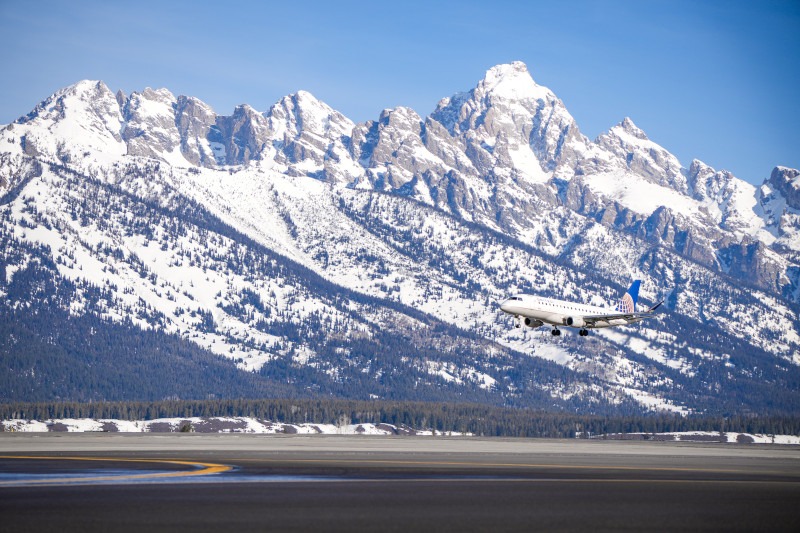
A United aircraft flying into Jackson Hole. (Photo: United Airlines)

United is adding a new service linking New England with a popular resort area in Wyoming.

Starting Feb. 13, 2027, the carrier will operate Saturday-only flights between Jackson Hole, Wyoming, and Boston Logan. The announcement came from United and Jackson Hole Air Improvement Resources (JH AIR), a non-profit organization that manages air service options for the valley.

The Jackson Hole-Boston connection will operate through March 20, the group said, using a 126-seat Boeing 737-700.

United will be the only airline operating this route, JH AIR added.

In addition to Boston, United offers service to Jackson Hole from all seven of its U.S. hubs. The carrier operates year-round flights from Denver and winter seasonal connections from Chicago O’Hare, Houston, Los Angeles, Newark, New Jersey, San Francisco, and Washington Dulles.

JH AIR said Boston has historically been a strong market for Jackson Hole, despite the lack of nonstop flights.

As a promotion, customers traveling on the new route will be eligible for a complimentary lift ticket and demo package, which, according to JH AIR, includes skis, boots, and poles on the day of their arrival with a valid boarding pass or proof of flight purchase. The offer will be available at Jackson Hole Sports in Teton Village.

“United is proud to operate the largest schedule in Wyoming and further expand our presence in the state with new seasonal nonstop service between Jackson Hole and Boston,” Mark Weithofer, managing director of domestic network planning at United, said in a news release. “This new route reflects our long-standing commitment to Wyoming and builds on our extensive service to Jackson Hole, giving customers in Boston direct access to one of America’s premier outdoor destinations.”

Zach Vasile

Zach Vasile is a writer and editor covering news in all aspects of commercial aviation. He has reported for and contributed to the Manchester Journal Inquirer, the Hartford Business Journal, the Charlotte Observer, and the Washington Examiner, with his area of focus being the intersection of business and government policy.

Livery of the Week: SriLankan Airlines

The island nation’s flag carrier combines a colorful tail emblem with a clean white fuselage and distinctive blue underbelly.

A SriLankan Airlines Airbus
A SriLankan Airlines Airbus (Photo: Shutterstock | Media_works)

Editor’s Note: AirlineGeeks is proud to present our ‘Livery of the Week’ series. Every Friday, a team member will share an airline livery, which can be from the past, present, or even a special scheme. Some airline liveries are works of art. The complexity associated with painting around critical flight components and the added weight requires outside-the-box thinking from designers. The average airliner can cost upwards of $200,000 to repaint, creating a separate aircraft repainting industry as a result. 

Have an idea for a livery that we should highlight? Drop us a line.

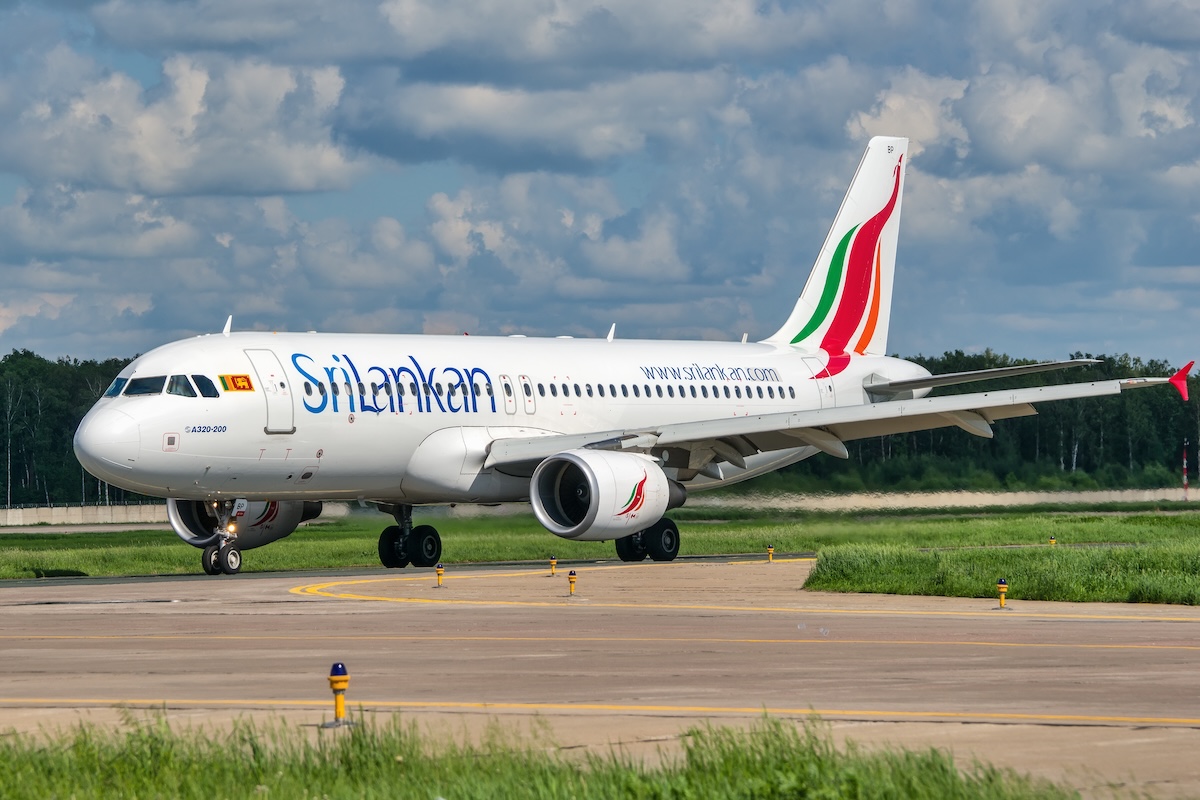
SriLankan Airlines’ standard livery is centered on a colorful bird emblem that has represented the carrier since its rebranding from Air Lanka in 1999. The design features sweeping red, orange, and green elements on the vertical stabilizer, creating a visual identity closely tied to Sri Lanka’s national colors and cultural heritage.

The tail logo is a modern interpretation of the peacock imagery historically associated with the airline. Air Lanka’s earlier branding also used a stylized peacock before the carrier adopted the SriLankan Airlines name following a strategic partnership with Emirates in the late 1990s.

The aircraft’s fuselage is predominantly white, with “SriLankan” titles displayed prominently along the forward section in dark blue and turquoise lettering. Rather than using a conventional cheatline, the livery relies on the combination of the colorful tail and large wordmark to create its primary visual identity.

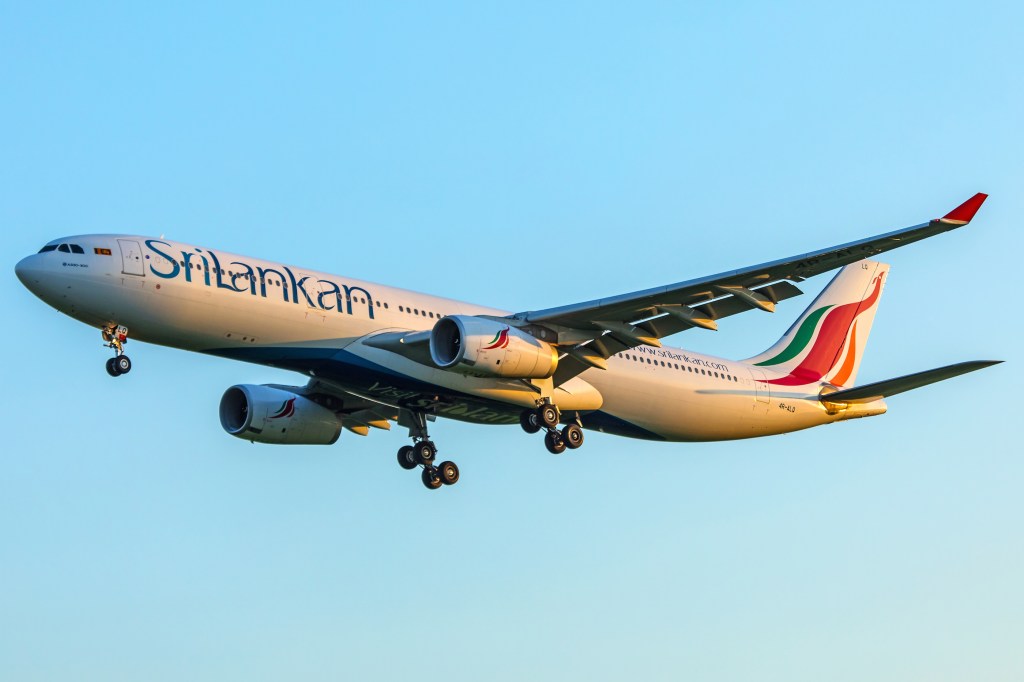
Another distinguishing feature can be found underneath many of the airline’s aircraft. A blue treatment along the lower fuselage resembles the waters surrounding the island nation and has been paired with “Visit Sri Lanka” branding, reinforcing the airline’s connection to the country’s tourism sector.

A Sri Lankan Airlines A330-300 lands at London Heathrow (Photo: AirlineGeeks | William Derrickson)

The livery is used throughout SriLankan Airlines’ all-Airbus fleet, including Airbus A320-family aircraft and A330 widebodies. Despite differences in aircraft size and proportions, the colorful bird emblem and blue-accented branding remain consistent across the fleet.

The current visual identity dates back more than two decades. SriLankan unveiled the new branding with the arrival of an Airbus A340 in 1999, replacing the red-and-white Air Lanka scheme and establishing the core design elements that remain visible today.

While SriLankan Airlines has periodically added promotional decals and special liveries to individual aircraft, its standard scheme has remained largely unchanged. The combination of the colorful tail, white fuselage, and blue accents continues to provide the flag carrier with a recognizable identity across its network in Asia, Europe, and the Middle East.

Looking for a new airplane model? Head over to our friends at the Midwest Model Store for a wide selection of airlines and liveries.

Ryan Ewing

Ryan founded AirlineGeeks.com in February 2013 and has spent more than a decade covering the airline business. His work has been featured by CNN, WJLA, CNET, and Business Insider. His aviation experience spans airport operations, Part 135 regulatory compliance, and airline crew workforce planning, along with time behind the yoke of a Cessna 172 and interviews with airline executives. Ryan now serves as Group President of Firecrown Media’s Aviation Group. He holds a B.S. in Air Transportation Management and an MBA from Arizona State University and teaches Airline Management at Embry-Riddle Aeronautical University.

Lufthansa Nears Starlink Rollout

The new wireless internet service will debut on board an Airbus A320neo.

Installation of Starlink equipment on a Lufthansa aircraft. (Photo: Lufthansa)

Lufthansa is only days away from officially launching Starlink in-flight wireless internet service.

The service, branded as “Lufthansa Group Wi-Fi,” will be available for the first time on an Airbus A320neo starting Aug. 19, the carrier said.

Lufthansa’s namesake parent company, Lufthansa Group, announced in January that it would partner with Starlink for wireless internet service for customers.

Starlink’s higher bandwidth and speed makes it possible for customers to work, shop, stream content, game, and browse the internet much as they would at work or home. Lufthansa said it will make the service free for all members of its frequent flyer and Travel ID programs.

Over the coming months, installations of Starlink equipment will continue across Lufthansa’s fleet and at Lufthansa Group’s other subsidiary airlines, including SWISS, Austrian Airlines, Brussels Airlines, ITA Airways, Edelweiss, Discover Airlines, Air Dolomiti, Lufthansa City Airlines, and Eurowings.

Lufthansa Group Chief Commercial Officer Dieter Vranckx said all of the company’s approximately 850 aircraft should be outfitted with Starlink by 2029.

Lufthansa’s selection of Starlink was a major coup for the SpaceX-owned company as it continues to sign deals with carriers across Europe, North America, and the Middle East. Lufthansa is the second-largest airline group in Europe, behind Ireland’s Ryanair.

Zach Vasile

Zach Vasile is a writer and editor covering news in all aspects of commercial aviation. He has reported for and contributed to the Manchester Journal Inquirer, the Hartford Business Journal, the Charlotte Observer, and the Washington Examiner, with his area of focus being the intersection of business and government policy.

NTSB: Engine Fragments Shattered Window on Ryanair Aircraft

A passenger was partially sucked through an open window before being pulled back inside the cabin.

A Ryanair Boeing 737-800.
A Ryanair Boeing 737-800. (Photo: AirlineGeeks | William Derrickson)

U.S. investigators are filling in the pieces of a cabin decompression event on a Ryanair flight that caused a passenger to be partially sucked through an open window portal.

The NTSB said Thursday that broken components from the Boeing 737-800’s right engine burst the window next to the passenger, causing the decompression.

Media sources in Greece, where the flight originated, have speculated that some kind of engine failure occurred, but until this week no official investigative body had confirmed it.

The incident took place on July 10, during a short-haul flight from Thessaloniki in Greece to Memmingen, Germany.

Passengers told media outlets that they heard a loud bang, then saw a male passenger being pulled through the smashed window frame. His head and shoulders were briefly outside the aircraft fuselage, they said, but his seatbelt kept him in place, and other passengers helped pull him fully back inside the cabin.

The NTSB said the individual suffered “serious injuries.”

Investigators in Greece found bird remains inside the right engine, but the exact cause of the failure is still under review.

Greece officially handed over the investigation to the NTSB.

Zach Vasile

Zach Vasile is a writer and editor covering news in all aspects of commercial aviation. He has reported for and contributed to the Manchester Journal Inquirer, the Hartford Business Journal, the Charlotte Observer, and the Washington Examiner, with his area of focus being the intersection of business and government policy.
Sign-up for newsletters & special offers!

Get the latest stories & special offers delivered directly to your inbox

SUBSCRIBE

Uh-oh! It looks like you're using an ad blocker.

Our website relies on ads to provide free content and sustain our operations. By turning off your ad blocker, you help support us and ensure we can continue offering valuable content without any cost to you.

We truly appreciate your understanding and support. Thank you for considering disabling your ad blocker for this website