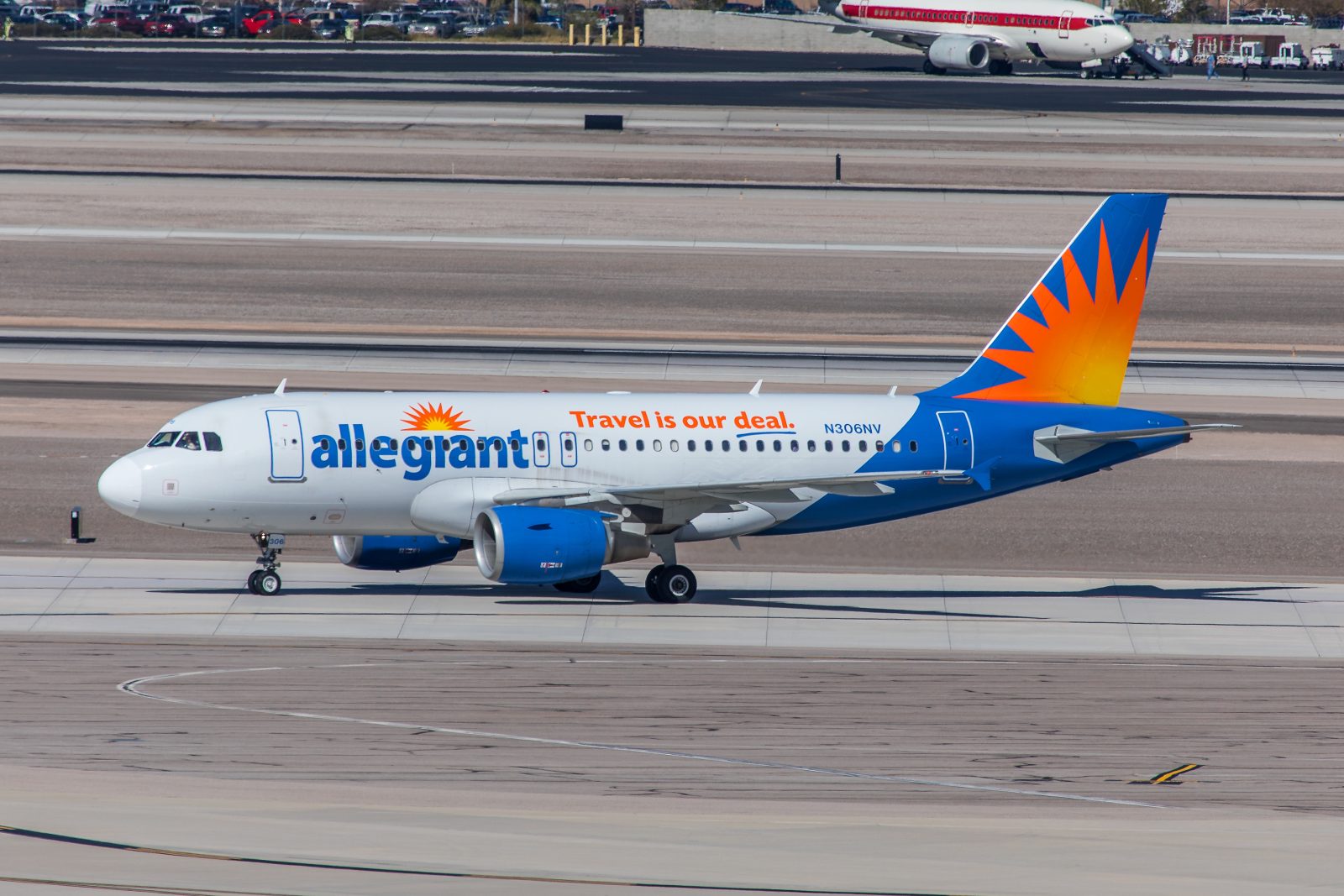
An Allegiant A319 in Las Vegas. (Photo: AirlineGeeks | William Derrickson)
Pilots at Allegiant Air voted to ratify a new, two-year labor agreement that will provide an immediate average hourly wage increase of around 40% and unlock approximately $300 million in accrued retention bonuses.
Besides the immediate pay increases and bonuses, the agreement also includes a company-funded 15% direct 401(k) contribution; company-paid long-term disability through age 65; a five-hour minimum pay credit for each flight duty period; expanded leave protections; increased premium pay for open time, voluntary flying, and junior assignments; minimum days-off guarantees; displacement and fleet transition protections; and furlough protections connected to scheduling efficiencies.
“This agreement represents a major leap forward for our pilots,” Local 2118 President Ryan Joseph said in a news release. “It delivers approximately 54% in wage increases by January 2027 and meaningful improvements to retirement, benefits, work rules, and quality of life over our previous contract… That’s exactly what this agreement was designed to accomplish.”
Local 2118 said it will now turn its focus to joint collective bargaining and senior list integration as Allegiant absorbs Minnesota-based Sun Country. Allegiant officially completed its acquisition of Sun Country in May.
Zach Vasile is a writer and editor covering news in all aspects of commercial aviation. He has reported for and contributed to the Manchester Journal Inquirer, the Hartford Business Journal, the Charlotte Observer, and the Washington Examiner, with his area of focus being the intersection of business and government policy.
Sun Country, ALPA Trade Lawsuits Over Instructor Pilot Pay
The dispute centers on a 2025 arbitration board ruling in favor of the instructors.
A Sun Country Boeing 737-800 sporting the airline's new livery touching down. (Photo: AirlineGeeks | Winston Shek)
The Air Line Pilots Association said Monday that it will fight a lawsuit from ultra-low-cost carrier Sun Country dealing with compensation for its instructor pilots.
ALPA said Sun Country is suing in federal court to void a binding arbitration award that found the airline owes premium pay to the instructor pilots. ALPA has countersued and is seeking to enforce the award.
According to the union’s narrative of events, an independent arbitration board ruled late last year that Sun Country “improperly withheld override pay owed to training pilots.” The board’s decision requires the airline to pay instructor pilots in back pay and continue a contractually required premium moving forward.
ALPA said Sun Country sued in March. The carrier is reportedly arguing that the arbitration body exceeded its jurisdiction when it made the award.
Sun Country and its new parent company, Allegiant Air, did not immediately respond to a request for comment Monday morning.
ALPA said Sun Country’s legal maneuver is hypocritical because the airline has blamed recent route cuts on a lack of pilots willing to relocate outside Minneapolis, where Sun Country is based, or become a captain.
“Sun Country can’t have it both ways,” Sun Country Master Executive Council Chair Sam Larson said in a statement. “It can’t claim a pilot and captain shortage while simultaneously fighting a multimillion-dollar award compensating the very instructor pilots who stepped up to train new first officers and captains to ease that shortage.”
ALPA did not disclose the total amount of the award.
“Our training pilots continue to assume additional responsibilities to prepare the next generation of Sun Country aviators,” Larson added. “The arbitration board ruled in their favor, recognizing their entitlement to compensation withheld by Sun Country. Rather than honoring the ruling, management has chosen to fight its own instructor pilots in federal court, even as it cites a shortage of pilots as a reason for reducing service from Minneapolis.”
Zach Vasile is a writer and editor covering news in all aspects of commercial aviation. He has reported for and contributed to the Manchester Journal Inquirer, the Hartford Business Journal, the Charlotte Observer, and the Washington Examiner, with his area of focus being the intersection of business and government policy.
WestJet, Flight Attendants Reach ‘Tentative’ Deal to End Strike
The flight attendants walked off the job on Sunday, forcing hundreds of cancellations.
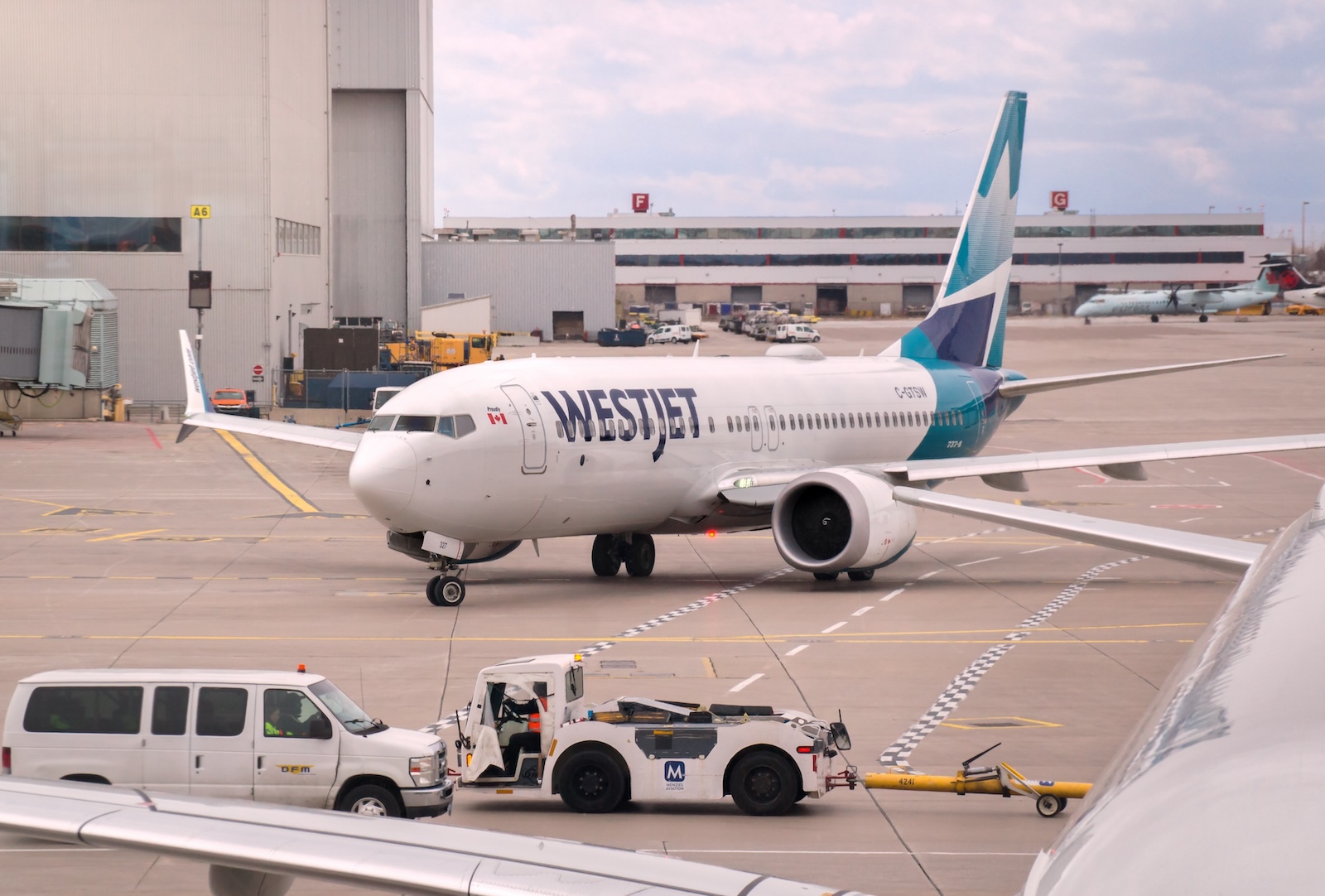
A WestJet Boeing 737 MAX. (Photo: Shutterstock | Vadim Rodnev)
Flight attendants at WestJet will return to work Monday after reaching a “tentative” labor agreement with the airline.
Both the Canadian Union of Public Employees Local 8125, which represents the flight attendants, and WestJet confirmed early Monday that the day-old strike is over, though it was not immediately clear when flights will resume. WestJet will likely need some time to fully restore normal operations.
The flight attendants walked off the job on Sunday after negotiations between WestJet and CUPE stalled. According to FlightAware, WestJet canceled 496 flights, or 100% of its schedule, on Sunday, representing a serious blow to air travel in Canada on what is traditionally a busy holiday weekend.
The carrier and its flight attendants have clashed over the issue of compensation for duties and hours worked outside of flights. CUPE said it is fighting to end “unpaid work” and wants its members compensated for responsibilities such as boarding, deplaning, handling delays, and safety checks.
WestJet has acknowledged that salaries will have to rise to keep pace with inflation but argued that it already pays for extra hours with an above-standard “credit hour” system.
Neither side provided exact details of the new agreement, but CUPE officials suggested that at least some of their conditions have been met.
“This tentative agreement represents meaningful progress,” CUPE 8125 President Alia Hussain said in a news release. “It evolves the flight credit system by recognizing more of the work cabin crew are required to perform and with general increases to compensation for that work. Most importantly, this agreement was achieved through collective bargaining at the negotiating table.”
The deal will have to be presented to the membership and ratified before it can come into effect.
“We are pleased to have reached a tentative agreement that reflects the hard work and professionalism of our cabin crew,” WestJet CEO Alexis von Hoensbroech said in a statement. “We know this disruption has been frustrating for our guests and WestJetters and we’re sorry for that. Our teams are working hard to restore service and get our guests on their way to their destinations as quickly as possible and we appreciate everyone’s patience as we get back to normal.”
Zach Vasile is a writer and editor covering news in all aspects of commercial aviation. He has reported for and contributed to the Manchester Journal Inquirer, the Hartford Business Journal, the Charlotte Observer, and the Washington Examiner, with his area of focus being the intersection of business and government policy.
DFW Trails American’s Other Hubs in First Quarter of New Schedule
The carrier's systemwide on-time rate climbed sharply in the second quarter, but its busiest hub improved only slightly and stayed near the bottom of the national rankings.
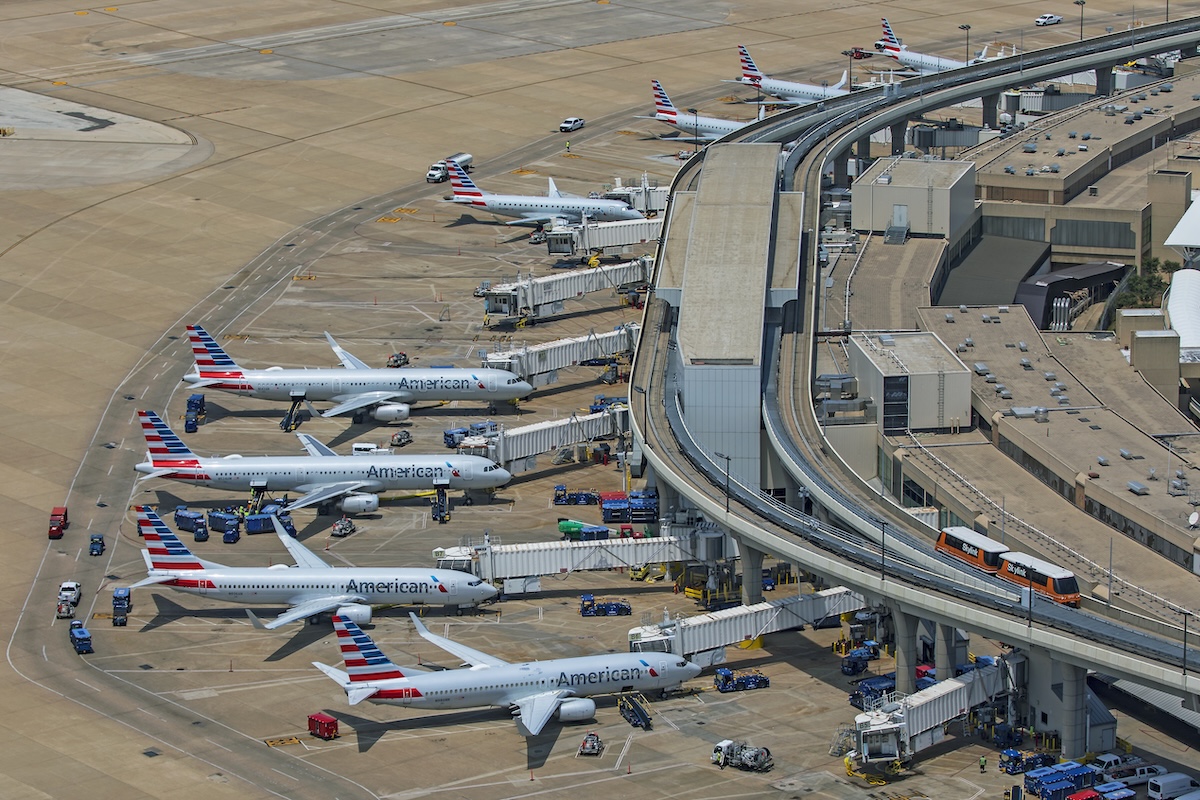
American Airlines aircraft at Dallas/Fort Worth (Photo: AirlineGeeks | William Derrickson)
American’s on-time performance rose across its network in the second quarter, its first full quarter under a rebuilt schedule at Dallas/Fort Worth International Airport. At DFW itself, the improvement was slim.
Departures from the airline’s largest hub left the gate on time 67.1% of the time from April through June, up from 66% a year earlier, according to aviation analytics firm OAG. The 1.1-point gain roughly matched the improvement at other major U.S. airports and trailed several of American’s other hubs. DFW remained the second-worst departure performer among the country’s busiest airports, ahead of only nearby Dallas Love Field.
In April, American scrapped the nine-bank schedule it had run at DFW for more than a decade and moved to 13 smaller banks, spreading its roughly 930 peak daily departures more evenly across the day. The carrier has said the change would ease congestion and improve reliability.
In a statement, an American spokesperson told AirlineGeeks that the airline “delivered strong operational performance in the second quarter, with our significant operational enhancements delivering strong momentum and some of our best Q2 reliability and customer experience results in recent years.”
The spokesperson added: “While part of the quarter was impacted by an increase in severe weather events that made it difficult — and at times impossible — to operate, we are confident that the changes we’ve made are driving real, meaningful results.”
Network Lift
American’s systemwide arrival rate reached 76.6% in the April-to-June quarter, up from 72.6% a year earlier, OAG data show. Cancellations fell to 1.9% from 2.1%. American said May was its second-best month for on-time arrivals in a decade and its best May ever for baggage handling.
The other major carriers improved by similar margins. Delta rose to 82.2% from 78.3%. Alaska climbed to 82.3% from 78.3%. United gained less, reaching 78.2% from 76.3%. American again finished behind all three.
DFW’s gain lagged most of American’s network. Across the roughly 140 U.S. airports OAG tracked, on-time departures improved about a point from a year earlier, so DFW roughly matched the field. American’s own hubs moved in both directions:
Hub
2025
2026
Change
Charlotte (CLT)
72.8%
77.6%
+4.8
Philadelphia (PHL)
75.6%
79.9%
+4.3
New York JFK
77.9%
81.3%
+3.4
Washington National (DCA)
72.5%
73.8%
+1.2
Dallas Fort Worth (DFW)
66.0%
67.1%
+1.1
Miami (MIA)
76.4%
77.3%
+0.9
New York LaGuardia (LGA)
75.1%
75.3%
+0.2
Los Angeles (LAX)
81.7%
79.4%
−2.3
Chicago O’Hare (ORD)
76.5%
73.4%
−3.0
Phoenix (PHX)
78.9%
75.3%
−3.6
Charlotte and Philadelphia improved about four times as much as DFW. Phoenix, Chicago O’Hare, and Los Angeles declined. American said Philadelphia, which it also rebanked, improved further in May, when it reported on-time arrivals up 18 points and departures up nearly 7 points year over year, and that Philadelphia was its highest-rated hub for customer satisfaction that month.
DFW is American’s largest hub, with about 930 departures and 100,000 travelers on peak days, and the country’s second-busiest airport. Its cancellation rate rose slightly, to 2.9% from 2.8%.
Weather
Thunderstorms battered North Texas through the spring. The Federal Aviation Administration ordered ground stops at DFW several times in May and June, canceling or delaying hundreds of flights in singleevents. Storms in the Dallas/Fort Worth Metroplex ripple across American’s network, stranding connecting passengers far from Texas. American said June brought a significant number of severe weather events across several hubs, especially DFW, but that it still improved on-time arrivals year over year.
American cited weather when it announced the rebank. The nine-bank schedule packed flights into peaks that strained the operation during storms and congestion, the carrier said. Smaller banks give the hub room to recover when a delay hits, it said.
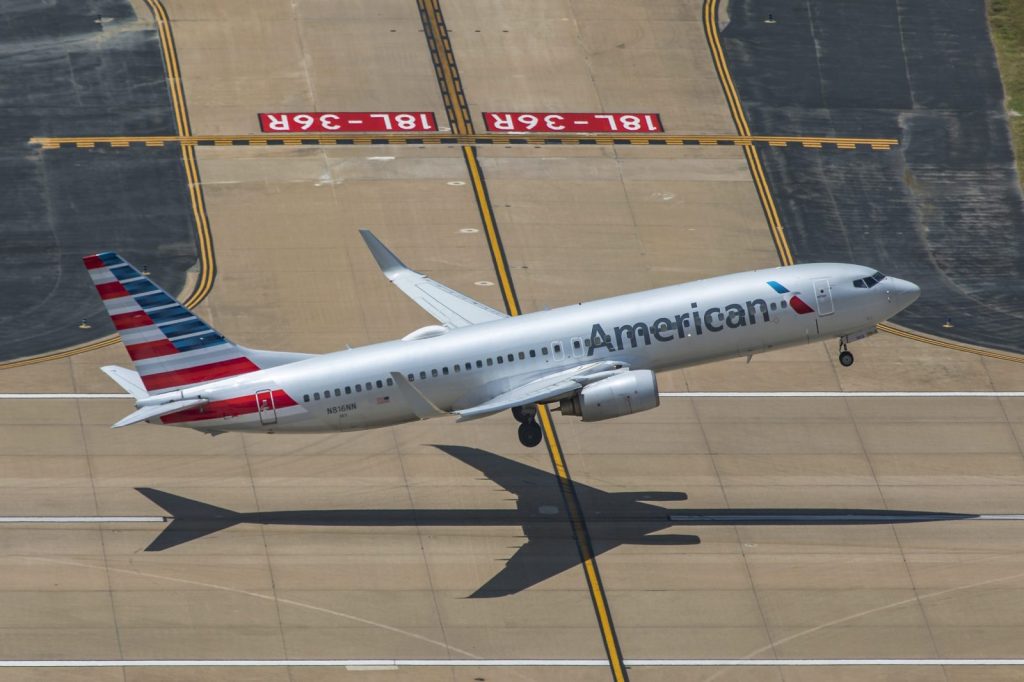
An American 737 departs from Dallas/Fort Worth. (Photo: AirlineGeeks | William Derrickson)
OAG’s data do not separate weather delays from other causes, so whether the spring ran rougher or calmer than 2025 is not clear.
American also lengthened scheduled block times — the planned gate-to-gate time — on DFW flights, a change it said would improve on-time performance.
On-time rates are measured against the published schedule, so longer block times can lift arrival numbers without a change in how fast aircraft leave the gate. American said its block-time investment, which it called historic, continued to support its arrival performance through the quarter. Its systemwide arrival rate rose about four points from a year earlier. Its DFW departure rate rose about 1%.
The 13-bank plan, which surfaced in American’s timetables in late December, thins the early-morning departure bank and adds connections through the day.
American pointed to the schedule’s first month as evidence it is working. On-time arrivals at DFW improved by nearly 10 points year over year in April, the airline said, while missed connections fell by nearly half and customer satisfaction more than doubled.
The hub recorded its best-ever April for baggage handling, including the best single baggage day in its history. Those figures measure arrivals rather than gate departures and cover April alone, the schedule’s first month, before the May and June storms; the OAG data track departures across the full quarter.
Chief Operating Officer David Seymour said in April that early results showed better on-time arrivals and less congestion.
Ryan founded AirlineGeeks.com in February 2013 and has spent more than a decade covering the airline business. His work has been featured by CNN, WJLA, CNET, and Business Insider. His aviation experience spans airport operations, Part 135 regulatory compliance, and airline crew workforce planning, along with time behind the yoke of a Cessna 172 and interviews with airline executives. Ryan now serves as Group President of Firecrown Media’s Aviation Group. He holds a B.S. in Air Transportation Management and an MBA from Arizona State University and teaches Airline Management at Embry-Riddle Aeronautical University.
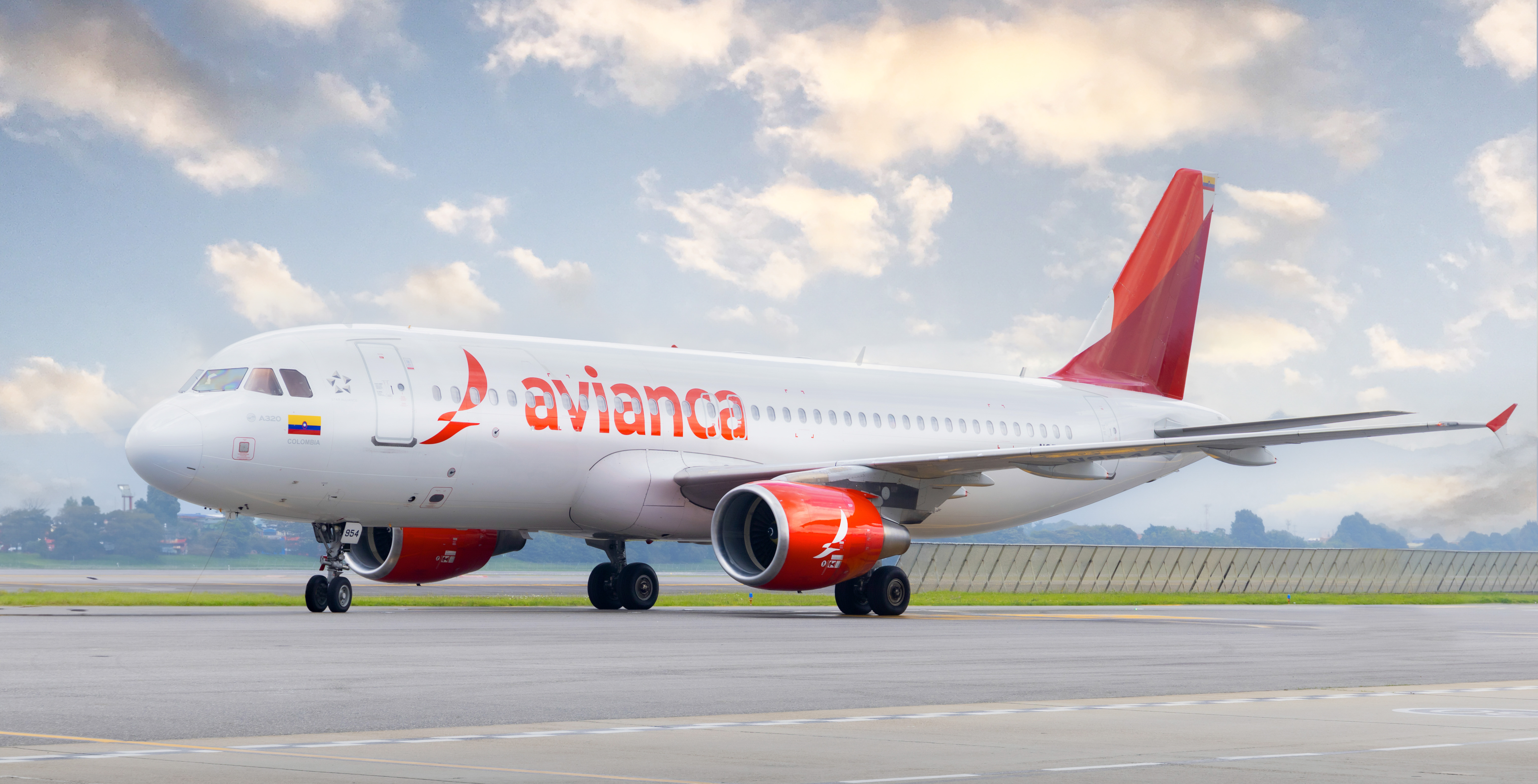
An Avianca aircraft with the carrier's standard white and red livery. (Photo: Avianca)
Editor’s Note: AirlineGeeks is proud to present our ‘Livery of the Week’ series. Every Friday, a team member will share an airline livery, which can be from the past, present, or even a special scheme. Some airline liveries are works of art. The complexity associated with painting around critical flight components and the added weight requires outside-the-box thinking from designers. The average airliner can cost upwards of $200,000 to repaint, creating a separate aircraft repainting industry as a result.
Have an idea for a livery that we should highlight? Drop us a line.
Avianca’s current livery is centered on a bold red color scheme that has become synonymous with the airline since its rebranding in 2013. The design replaced the carrier’s previous cream-colored fuselage with a cleaner, more contemporary appearance while retaining its connection to the airline’s long history.
The aircraft features a predominantly white fuselage with large red “Avianca” titles positioned along the forward section. The vertical stabilizer is painted entirely in the airline’s signature red and carries a stylized white bird emblem that represents flight and movement. The same red color extends to the engine nacelles, creating a consistent visual identity across the aircraft.
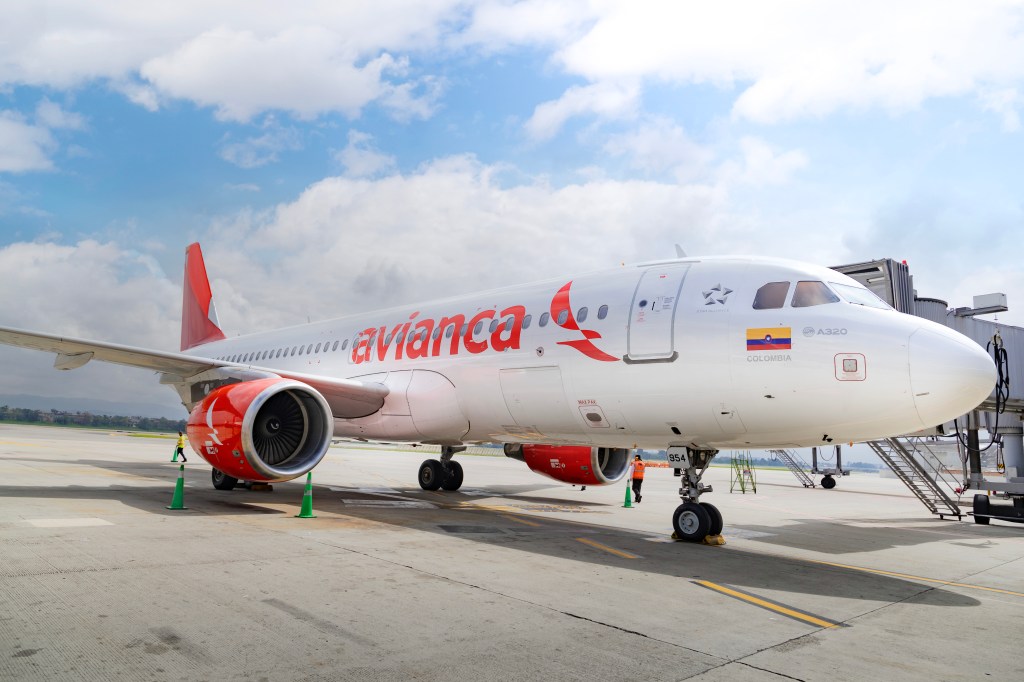
An Avianca aircraft. (Photo: Avianca)
Unlike many legacy airlines that rely on cheatlines or multiple accent colors, Avianca’s livery embraces simplicity. The current design is applied consistently across Avianca’s Airbus A320-family aircraft, Boeing 787 Dreamliners, and Airbus A330 freighters.
The rebranding coincided with Avianca’s integration into the Avianca holdings group and was intended to unify the airline’s image across its growing network. Although the carrier has undergone significant operational and corporate changes in recent years, the red-and-white livery has remained largely unchanged.
Looking for a new airplane model? Head over to our friends at the Midwest Model Store for a wide selection of airlines and liveries.
Ryan founded AirlineGeeks.com in February 2013 and has spent more than a decade covering the airline business. His work has been featured by CNN, WJLA, CNET, and Business Insider. His aviation experience spans airport operations, Part 135 regulatory compliance, and airline crew workforce planning, along with time behind the yoke of a Cessna 172 and interviews with airline executives. Ryan now serves as Group President of Firecrown Media’s Aviation Group. He holds a B.S. in Air Transportation Management and an MBA from Arizona State University and teaches Airline Management at Embry-Riddle Aeronautical University.
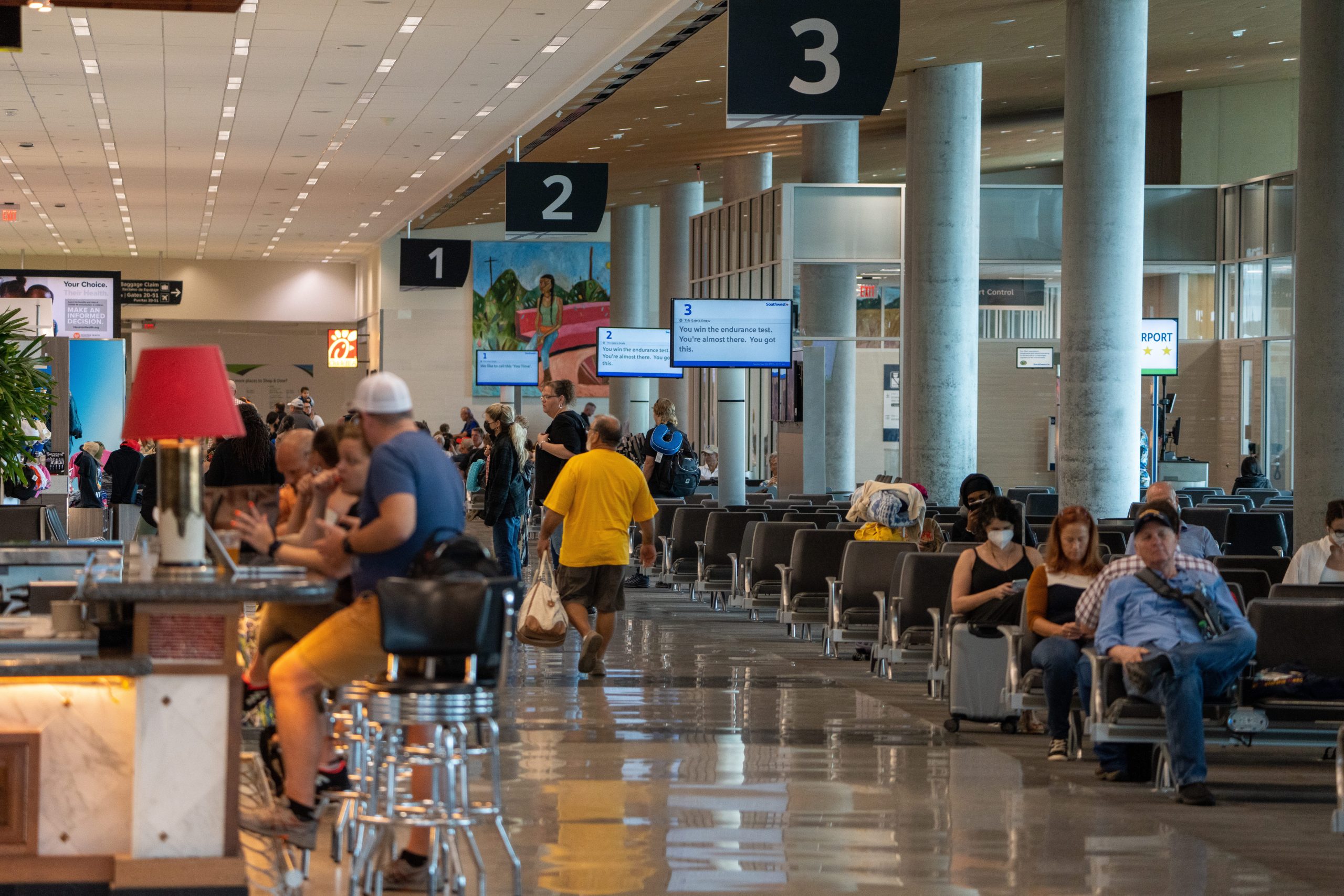
The Dallas Business Journal reported this week that the airport’s Public Facility Improvement Corp. board voted unanimously to acquire Hyatt Regency DFW International Airport, located near Terminal C. Officials proposed spending up to $193.6 million for the building and its leasehold interest. Hyatt would continue to operate the hotel.
The proposal will be considered by the airport’s full board of directors on Aug. 6. The cities of Dallas and Fort Worth would also have to sign off on the deal.
According to WFAA, the airport already owns Grand Hyatt DFW, Hyatt Place DFW, and Hyatt House, which is under construction and expected to open in 2027.
Dallas/Fort Worth is currently undergoing a $12 billion expansion. The project includes the construction of a new terminal, Terminal F, and renovations to Terminal C.
Zach Vasile is a writer and editor covering news in all aspects of commercial aviation. He has reported for and contributed to the Manchester Journal Inquirer, the Hartford Business Journal, the Charlotte Observer, and the Washington Examiner, with his area of focus being the intersection of business and government policy.
DOT Proposal Could Change How Air Fares Are Advertised
Carriers would be able to display ticket prices without taxes and fees more prominently than the “all in” cost.
Currently, under the 2011 “Full Fare Rule,” airlines must display the total ticket price – combining the fare, taxes, and fees – more prominently than any single component, but a Notice of Proposed Rulemaking issued earlier this year would do away with this requirement. The change would give carriers “greater flexibility,” the department said, while also ensuring that “information is presented clearly to consumers.”
In theory, the NPRM would allow airlines to display the fare alone, without taxes and fees, more prominently than the total price.
The proposal would also scrap nine air fare price advertising guidance documents that it said have become outdated.
Somewhat surprisingly, the DOT left the door open to rescinding the Full Fare Rule in its entirety.
“Today, the department is proposing a minor, but certainly meaningful, revision to the Full Fare Rule’s prominence provision,” the NPRM reads. “However, as an alternative, the department is considering repealing the Full Fare Rule in whole.”
The DOT said this week that it is extending the public comment period for the NPRM to give individuals and stakeholders more time to weigh in on a “complex” set of issues. The original deadline was July 31, but that has been pushed back to Aug. 21.
Department documents show Airlines For America, the nation’s largest airline trade association, and Southwest both asked for more time to review the case. A4A has not voiced a position on the proposal, but Southwest appeared to have some misgivings.
“Southwest indicated that it believes that the repeal of the full fare rule 14 years after it has gone into effect would be extremely disruptive and preliminarily opposes the rescission of the nine guidance documents, but notes that additional time is necessary for the carrier to study the impact of each guidance document,” the filings state.
Some comments submitted so far have questioned why the change is needed at all.
“Please continue to require airlines [to] post prices that include any and all taxes and fees,” one person wrote. “This has helped customers such as myself compare prices more easily. Who would benefit from a change to exclude taxes and/or fees from the up front stated price? It certainly would not be airline customers.”
Another person expressed concern that airlines could manipulate shoppers and price comparison tools by listing artificially low fares, then tacking on large fees later in the check-out process to make up the difference.
If approved, the NPRM would continue the Trump administration’s push to relax regulations for the airline industry. The DOT in 2025 rescinded or canceled a number of consumer protection rules issued by the Biden administration, including one that required airlines to pay fixed cash refunds to passengers whose flights are delayed by three hours or more. None of the Biden-era rules had gone into effect, with most being tied up in court after legal challenges from airlines.
Zach Vasile is a writer and editor covering news in all aspects of commercial aviation. He has reported for and contributed to the Manchester Journal Inquirer, the Hartford Business Journal, the Charlotte Observer, and the Washington Examiner, with his area of focus being the intersection of business and government policy.
Boeing’s 737 MAX 10 Completes Final Test Flight
The company is working toward certification within the current year.
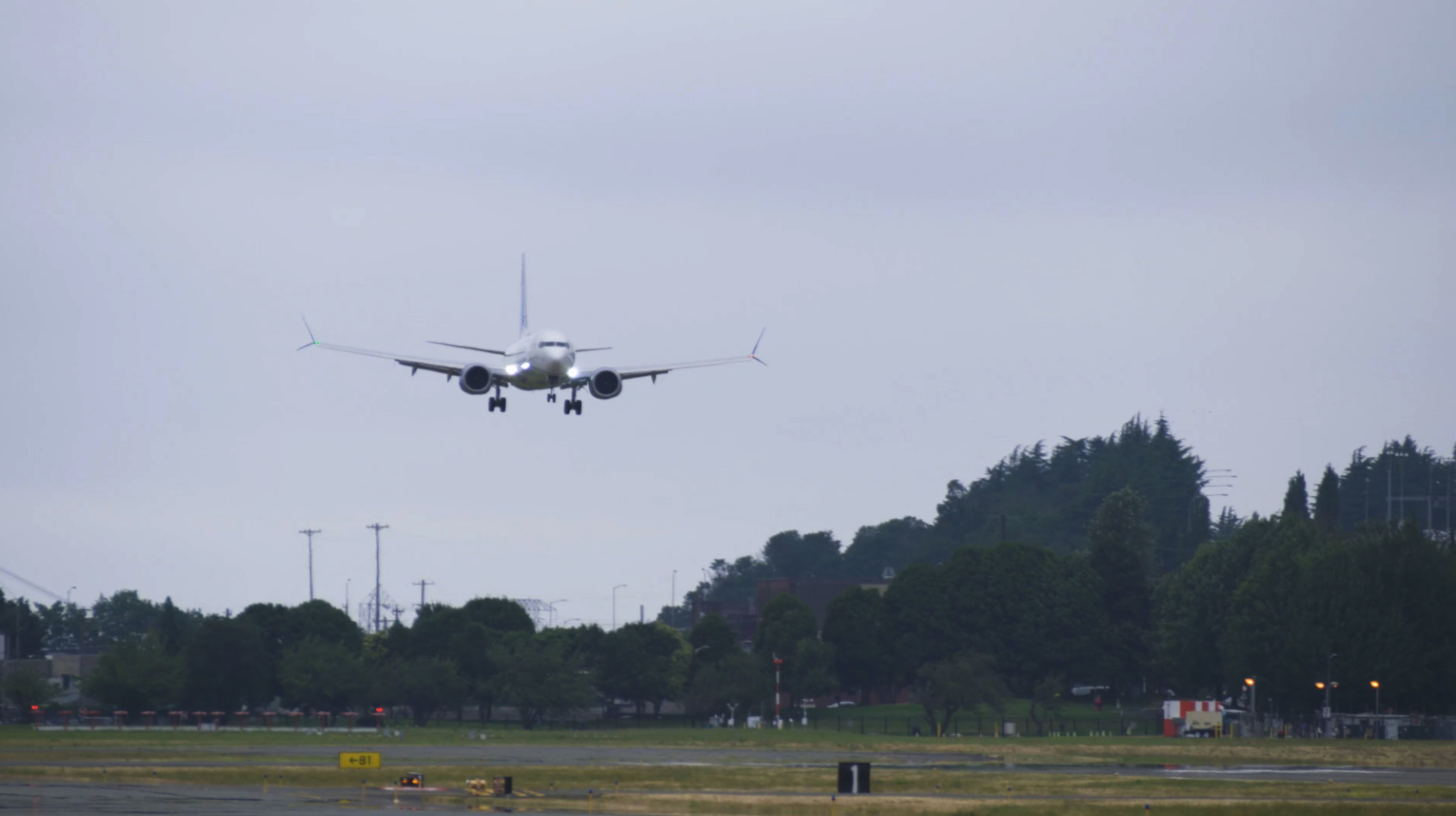
The aerospace manufacturer said the final test flight confirmed audibility of the aircraft’s lavatory smoke detector and cabin speaker system, ensuring crews can detect and respond to onboard alerts. The airplane took off from and landed at Boeing Field in Washington.
The MAX 10 has now logged 976 flights totaling more than 2,060 flight hours and about 1,040 ground test hours. The yearslong campaign successfully validated the full spectrum of aircraft certification requirements, Boeing said, including main landing gear, brakes on wet runways and maximum‑energy stops, the 737 engine anti‑ice solution, and the enhanced angle of attack system.
The 737 MAX 10 team will now focus on closing the remaining development assurance reviews and system safety assessments and submitting final deliverables to the FAA for regulatory review. Boeing said the team is working toward certification in 2026, with commercial deliveries expected to begin in 2027.
“Reaching this milestone is a huge testament to the commitment and dedication of the entire team,” Chris Payne, vice president and general manager of 737 development programs at Boeing, said in a news release. “Thank you to everyone who gave so much of themselves to get us here. This is an important step on our journey, and we’re focused on building on it as we move forward.”
Boeing initially planned to deliver the first MAX 10s in 2020, but the global grounding of all MAX variants in 2019, heightened regulatory scrutiny, and persistent problems with the type’s anti-ice system caused repeated delays. Progress toward certification has picked up over the last two years, though the target delivery date has continued to slip back, most recently to early 2027.
Zach Vasile is a writer and editor covering news in all aspects of commercial aviation. He has reported for and contributed to the Manchester Journal Inquirer, the Hartford Business Journal, the Charlotte Observer, and the Washington Examiner, with his area of focus being the intersection of business and government policy.
NTSB Releases Final Report on Bering Air Crash That Killed 10
Investigators cited excess aircraft weight and improper airspeed management.
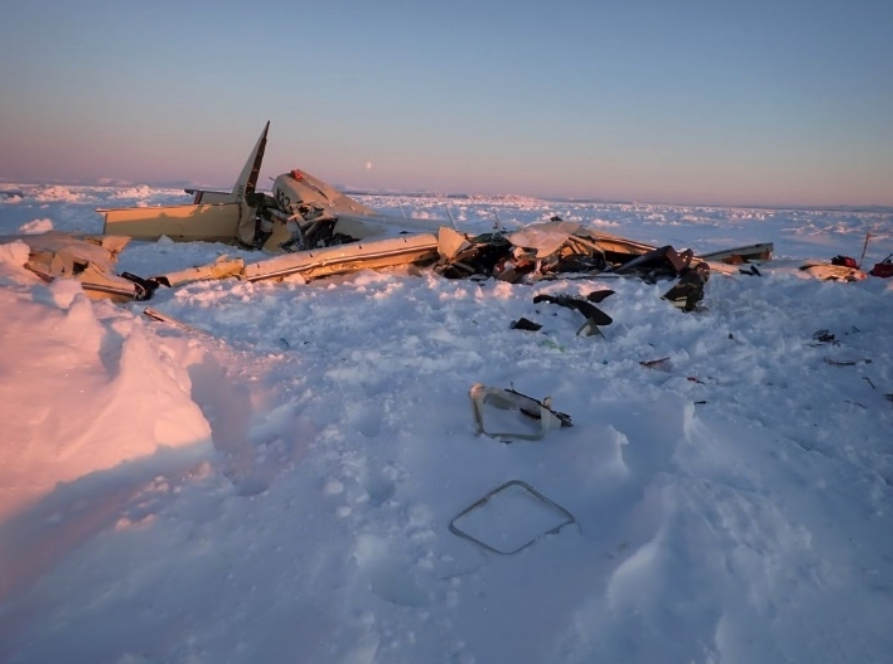
The NTSB on Thursday released its final report on the crash of Bering Air Flight 445 last year, which killed all 10 people on board.
The agency determined that competing demands on the pilot’s attention degraded their situational awareness, leading to airspeed decay until the airplane operating the flight, a Cessna 208B Caravan, entered an aerodynamic stall, from which the pilot did not recover.
The Cessna Caravan was also above its maximum gross weight, the NTSB found, which left “less room for recovery.”
Flight 445 was on the final leg of a scheduled commuter service to Nome, Alaska, on Feb. 6, 2025, when it lost altitude and crashed into pack ice in Norton Sound. The pilot and all nine passengers were killed.
After analyzing archived electronic data from the airplane’s avionics systems, the NTSB determined that the flight encountered more severe icing conditions than were initially forecast. While the onboard ice protection system worked as intended and prevented dangerous buildup, investigators said, managing the system increased the pilot’s workload and contributed to their reduced awareness of the airspeed.
The NTSB also found that Bering Air’s flight risk assessment and operational control procedures failed to prevent “routine overweight operations” at the airline. Officials identified a pattern of “underreported aircraft weights on company load manifests,” with several flights operating above weight limitations.
Another contributing factor was the FAA’s failure to step up oversight of Bering Air. Increased scrutiny would have been warranted by the airline’s rapid growth in the period leading up to the crash, and the increasing complexity of its operations, the NTSB said.
The agency issued several new safety recommendations to the FAA stemming from the crash, including a call for most charter, air taxi, and fractional ownership operators to provide pilots with training on how to prevent and recover from a loss of control in flight.
The NTSB also restated previous recommendations calling for certificated dispatchers for most Part 135 operators; expanded use of flight data monitoring programs; broader load manifest requirements for Part 135 operations; and crash-resistant flight recorder systems for certain aircraft.
“The tragedy of Flight 445 was not the result of a single failure, but a series of preventable breakdowns that eroded critical safety margins,” NTSB Chairwoman Jennifer Homendy said in a statement. “I’ve seen how Alaskan communities use aviation as a lifeline. Once implemented, our recommendations will make that lifeline safer and prevent other communities from experiencing similar heartbreak.”
Bering Air is headquartered in Nome and operates short-haul commuter flights within Alaska.
Zach Vasile is a writer and editor covering news in all aspects of commercial aviation. He has reported for and contributed to the Manchester Journal Inquirer, the Hartford Business Journal, the Charlotte Observer, and the Washington Examiner, with his area of focus being the intersection of business and government policy.
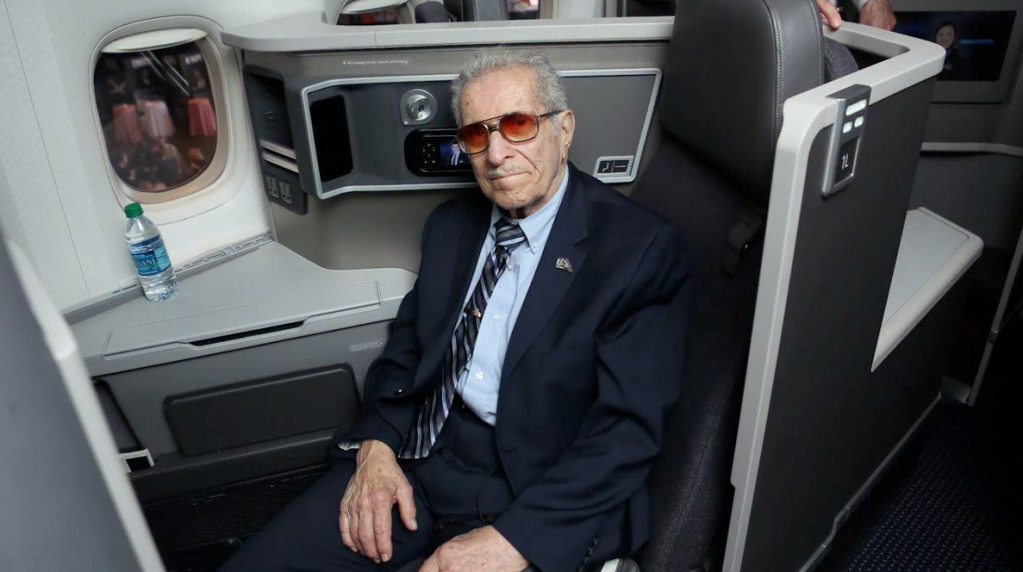
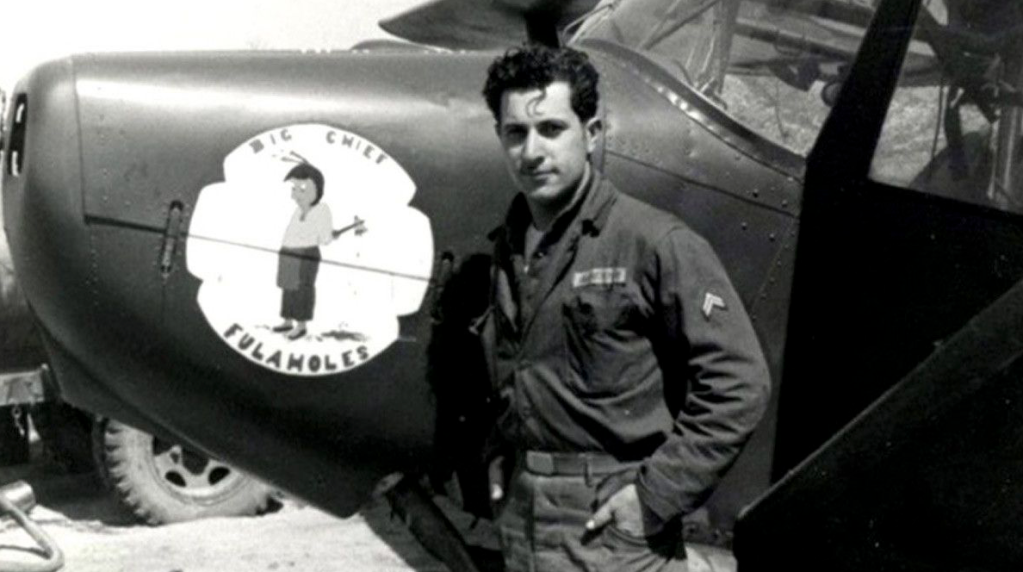
American, Colleagues Remember Long-Serving Mechanic Al Blackman
Blackman was recognized by Guinness World Records for the “longest career as an airline mechanic.”
“From starting his career in 1942 to earning a Guinness World Record as the longest-serving airline mechanic, his impact on our airline and industry is immeasurable,” the carrier said. “Thank you, Al, for your service, mentorship, and the legacy you leave behind. Your legacy will continue to soar.”
“Over his unmatched eight-plus decades in commercial aviation, Blackie was a respected friend, colleague, mentor, and family man to countless people,” the union said. “From all of us at TWU Local 591, thank you, Blackie, for all you have done. Farewell – you will be missed by generations of aviation professionals you inspired.”
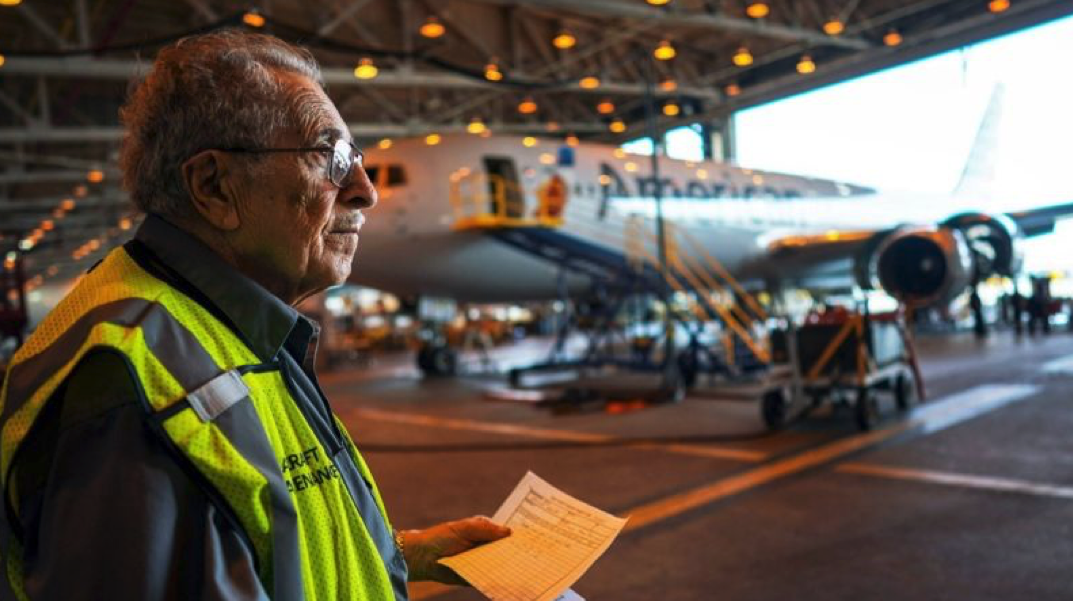
Blackman was just 16 years old when he graduated from Aviation High School in New York and joined American Export Airlines in 1942. According to American, his first job was in a sheet metal shop, and he made 50 cents an hour. For a time, he worked on American Export’s flying boats at LaGuardia.
The carrier was later acquired by American.
Al Blackman. (Photo: American Airlines)
Blackman went on to become an aviation maintenance technician crew chief at New York-JFK. Longtime American executive Doug Parker said Blackman worked on nearly every aircraft the airline had flown, from flying boats to the Boeing 777.
While Blackman’s regular shift started at 5 a.m., he was well known for showing up before 3 a.m. most days.
American honored Blackman’s record of service in 2017, when he hit the 75-year mark. At a ceremony at JFK, the airline dedicated a 777 to him, and had Guinness World Records on hand to recognize him with the title of “longest career as an airline mechanic.”
“When you like what you do, it’s not work,” Blackman said at the time.
He retired from American five years later, in 2022, in his mid-90s.
Zach Vasile is a writer and editor covering news in all aspects of commercial aviation. He has reported for and contributed to the Manchester Journal Inquirer, the Hartford Business Journal, the Charlotte Observer, and the Washington Examiner, with his area of focus being the intersection of business and government policy.
Sign-up for newsletters & special offers!
Get the latest stories & special offers delivered directly to your inbox