










Stories

Rival Hiring Surge Drains Sun Country Pilot Ranks

Allegiant says most attrition involves junior Minneapolis pilots, forcing schedule cuts while the airline expands cargo flying.

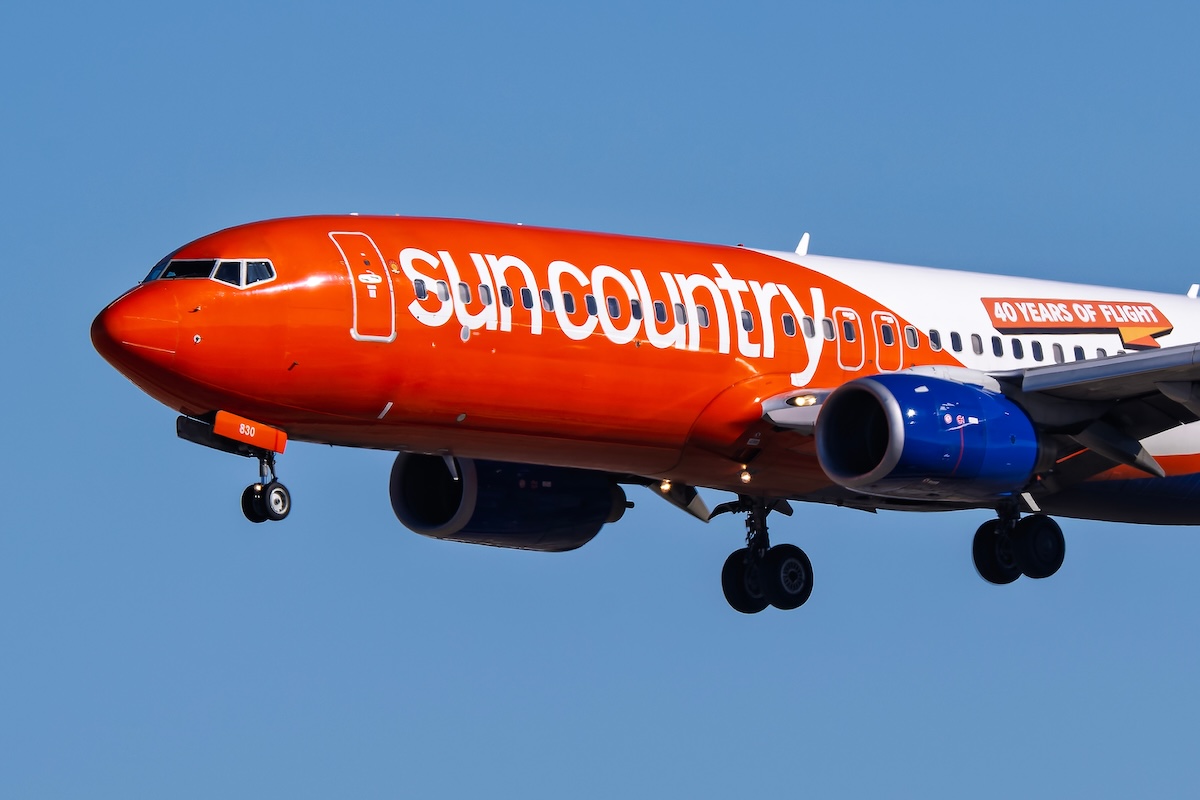
A Sun Country Boeing 737
A Sun Country Boeing 737 (Photo: Shutterstock | Robin Guess)

Sun Country is losing junior pilots to the dominant carrier in its home market at a rate that has forced the airline to cut passenger flying, parent company Allegiant acknowledged Tuesday.

Speaking during Allegiant’s second-quarter earnings call, CEO Greg Anderson said the elevated attrition is concentrated among Sun Country pilots based in Minneapolis/St. Paul. The “vast majority” of those leaving joined the airline within the past three years, he said.

According to Anderson, the pilots are moving to the “largest full-service carrier in MSP” after that airline increased hiring by “maybe double or more.”

He stopped short of naming Delta during the call, which is the airport’s largest airline. 

The comments represent Allegiant’s most detailed public explanation yet of the staffing woes at Sun Country, which Allegiant acquired in May.

“In general … we have a number of pilots across both airlines that ultimately, it’s a small number—but ultimately, they want to work for a full-service carrier,” Anderson said.

In a statement provided to AirlineGeeks last month, the company attributed its fall schedule reductions to seasonal demand, higher-than-expected cargo flying, and an expanded pilot pathway program that required experienced pilots to become instructors.

But an internal memo obtained by AirlineGeeks offered a more direct explanation. In the July 3 message, Anderson told employees the cuts were caused by “higher-than-expected front-line crew attrition combined with increased cargo flying.”

Sun Country subsequently removed roughly 348 September departures, equal to about one-third of its previously planned flying for the month. Seven routes were suspended, while several others received significant frequency reductions.

During Tuesday’s call, Anderson confirmed that the attrition and schedule reductions extend beyond a routine seasonal adjustment.
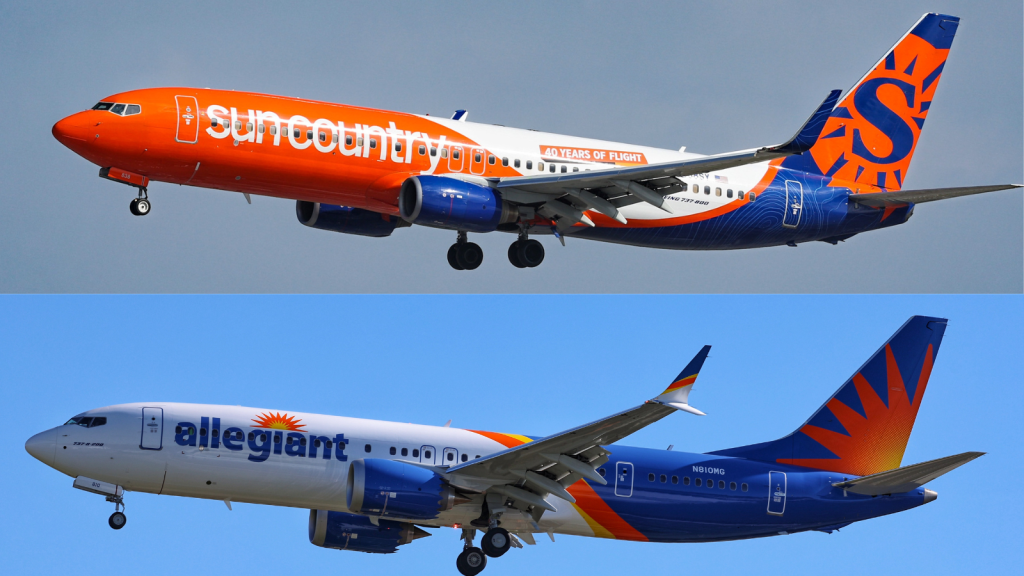
Sun Country and Allegiant aircraft
Sun Country and Allegiant 737 aircraft. (Photo: AirlineGeeks | Katie Zera)

“Over the past few months, Sun Country has experienced elevated pilot attrition, concentrated among its junior MSP pilots and largely driven by increased hiring at the largest carrier in the Twin Cities,” he said.

“In response to this attrition and elevated fuel prices, we are reducing off-peak capacity in the Twin Cities during the back half of the year,” Anderson added. 

Cargo Flying 

Although Anderson described the number of departing pilots across Allegiant and Sun Country as relatively small, the operational impact at Sun Country has been substantial enough to reshape its schedule.

The airline’s growing cargo operation compounds the problem.

Sun Country generated a record $50.6 million in cargo revenue during the second quarter and recently added two more aircraft to its Amazon flying.

Allegiant executives said the cargo operation is less efficient on a crew-hour basis during the expansion period and typically draws pilots away from scheduled passenger service.

“As a reminder, at standalone Sun Country and in the current state of integration, cargo flying is less efficient on a crew-hour basis and will typically draw from scheduled service resources during the ramp-up period as additional aircraft enter the cargo program,” Chief Commercial Officer Drew Wells said.

The company expects cargo revenue to increase slightly again in the third quarter.
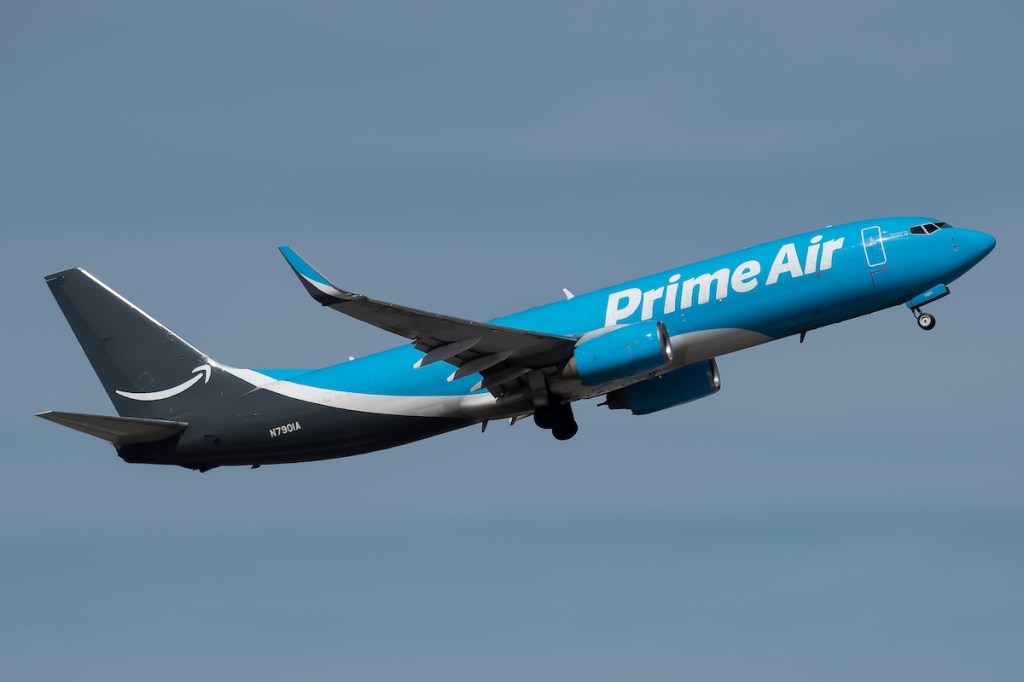
A Prime Air 737 operated by Sun Country
A Prime Air 737 operated by Sun Country (Photo: Shutterstock | Robin Guess)

Combined scheduled-service capacity at Allegiant and Sun Country is expected to fall approximately 5.5% year over year during the quarter. Executives said Sun Country’s reductions are tied specifically to pilot attrition, increased cargo flying, elevated fuel prices, and broader cuts to off-peak capacity.

“Sun Country additionally pulled down the September capacity in response to elevated pilot attrition and the planned increases in cargo flying,” Wells said.

The staffing problem is emerging during the early stages of Allegiant’s integration of Sun Country. Allegiant completed the acquisition on May 13, meaning Sun Country’s results were included in the combined company’s financial statements for only part of the second quarter.

The two airlines continue to operate under separate certificates, pilot groups, and labor agreements. Allegiant submitted a transition plan to the Federal Aviation Administration and is targeting approval of a single operating certificate during the first half of 2028.

Executives repeatedly emphasized that maintaining stability at both airlines is the company’s immediate priority.

“First and foremost, stability above all,” Anderson said during the call. “Both airlines are performing well operationally and financially.”

But the pilot situation also highlights the different labor environments facing the two carriers.

Legacy Allegiant pilots recently ratified a new collective bargaining agreement, with nearly 80% voting in favor. The deal includes improvements to pay, benefits, quality of life, and scheduling, along with the payout of an approximately $275 million retention bonus that the company had been accruing since 2023.

“We’re very happy to have a deal ratified by our pilots,” Anderson said. “It improves pay, benefits, [and] quality of life.”

Sun Country pilots, meanwhile, remain covered by a separate agreement that became amendable in December 2025. The airline’s approximately 670 pilots are represented by the Air Line Pilots Association.

The union previously called the spike in departures “deeply concerning” and urged management to address its underlying causes rather than rely on a short-term response.

Anderson said the airline’s training classes are full and that the supply of qualified applicants remains strong. The company has expanded training in preparation for 2027, with newly hired pilots expected to enter service later this year.

“Our schoolhouse is full,” Anderson said. “It’s full on the Sun Country side. We have multiple classes.”

“The number of applications for candidates, cadets, and pilots is off the charts—very highly qualified—and they value what we offer,” he added.

Allegiant expects to restore growth in Minneapolis in 2027 using a combination of Sun Country- and Allegiant-operated flights. Executives specifically pointed to March 2027 as the period when they want staffing and flying positioned for recovery.

“We’re confident we’ll manage through it,” Anderson said. “It’s a headwind in the near term.”

Still, he stopped short of declaring that attrition has peaked.

“The recent trends over the past couple of weeks have been encouraging, but we’re planning for the worst,” he said. “We’re going to continue to hire and try and get ahead of it as quickly as we can.”

Anderson added that attrition remains “out of our control to a degree.”
Ryan Ewing

Ryan founded AirlineGeeks.com in February 2013 and has spent more than a decade covering the airline business. His work has been featured by CNN, WJLA, CNET, and Business Insider. His aviation experience spans airport operations, Part 135 regulatory compliance, and airline crew workforce planning, along with time behind the yoke of a Cessna 172 and interviews with airline executives. Ryan now serves as Group President of Firecrown Media’s Aviation Group. He holds a B.S. in Air Transportation Management and an MBA from Arizona State University and teaches Airline Management at Embry-Riddle Aeronautical University.

Southwest Adds Routes, Flights for College Football Season

The carrier is also expanding service for NFL games, music festivals, and other events this fall.

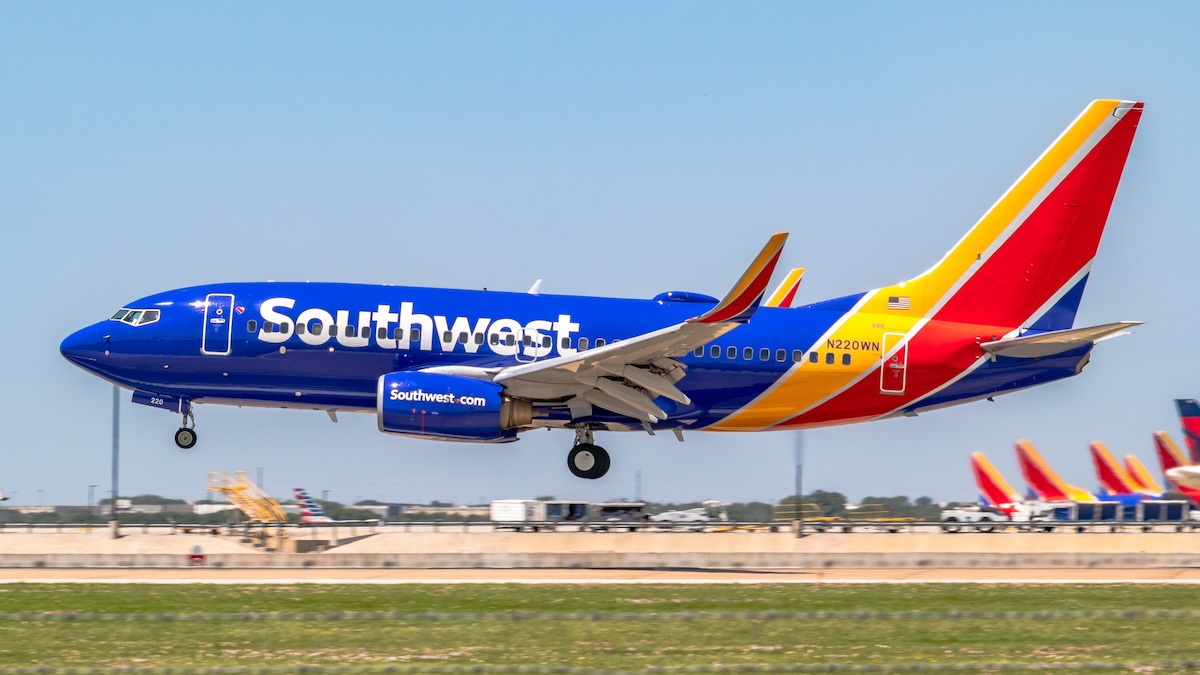
A Southwest 737 in Austin, Texas
A Southwest 737 in Austin, Texas. (Photo: Shutterstock | lorenzatx)

Southwest this week announced a slew of new flights and temporary routes for events this autumn, including college and professional football games.

The carrier on Tuesday released its full, expanded schedule for the college football season, which starts later this month. Temporary connections and additional flights on existing routes will operate on the days preceding and following the games, Southwest said.

The complete schedule is:

  • Baylor vs. Auburn, Sept. 5 in Atlanta: Dallas Love Field-Atlanta increased service
  • Arizona State at Texas A&M, Sept. 12: Phoenix-Houston increased service
  • Ohio State at Texas, Sept. 12: Cleveland-Austin, Texas, new service; Columbus, Ohio-Austin increased service
  • Oklahoma at Michigan, Sept. 12: Oklahoma City-Detroit new service
  • Florida State at Alabama, Sept. 19: Tampa, Florida-Birmingham, Alabama, increased service
  • LSU at Ole Miss, Sept. 19: Dallas-Memphis, Tennessee, increased service; Houston-Memphis increased service
  • Oklahoma at Georgia: Oklahoma City-Atlanta new service
  • Sam Houston at Texas Tech, Sept. 26: Austin-Lubbock, Texas, increased service; Dallas-Lubbock increased service; Houston-Lubbock increased service
  • Texas at Tennessee, Sept. 26: Austin-Knoxville, Tennessee, new service; Dallas-Knoxville increased service
  • Texas A&M at LSU, Sept. 26: Austin-New Orleans increased service; Dallas-New Orleans increased service
  • Utah State at Boise State, Oct. 3: Oakland-Boise, Idaho, increased service; Sacramento-Boise increased service; San Jose, California-Boise increased service
  • LSU at Kentucky, Oct. 10: New Orleans-Louisville, Kentucky, increased service
  • Nebraska at Oregon, Oct. 17: Omaha-Eugene, Oregon, new service
  • Kentucky at Oklahoma, Oct. 17: Louisville-Oklahoma City new service
  • Florida at Texas, Oct. 17: Tampa-Austin increased service
  • Texas A&M at Alabama, Oct. 24: Dallas-Birmingham increased service; Houston-Birmingham increased service
  • Ole Miss at Texas, Oct. 24: Memphis-Austin increased service
  • Oklahoma at Florida, Nov. 7: Oklahoma City-Jacksonville, Florida, new service
  • Texas at LSU, Nov. 14: Austin-New Orleans increased service; Dallas-New Orleans increased service
  • Tennessee at Texas A&M, Nov. 14: Nashville, Tennessee-Austin increased service; Nashville-Houston increased service; Knoxville-Austin new service
  • Ohio State at Nebraska, Nov. 21: Columbus-Omaha new service
  • SMU at Notre Dame, Nov. 21: Dallas-Chicago Midway increased service

Southwest did not release a similarly detailed schedule for the NFL season but said it will serve around 19 matchups. The airline said it will operate some city pairs that are not on its regular schedule, including Minneapolis/St. Paul and New Orleans; Kansas City and Seattle; Miami and Boston; Cleveland and New Orleans; and Milwaukee and Boston.

Southwest also said it will add flights for volleyball games in Omaha, Nebraska (late August and early September); music festivals in Columbus and Las Vegas (both during the weekend of Sept. 19); a hot air balloon festival in Albuquerque, New Mexico (October); Austin City Limits Music Festival (October); and a half-marathon in Orlando, Florida (October).

Tickets for the special event flights are now available for purchase.

Zach Vasile

Zach Vasile is a writer and editor covering news in all aspects of commercial aviation. He has reported for and contributed to the Manchester Journal Inquirer, the Hartford Business Journal, the Charlotte Observer, and the Washington Examiner, with his area of focus being the intersection of business and government policy.

Qatar Resumes Service to U.S. East Coast Destination

Flights are now operating daily.

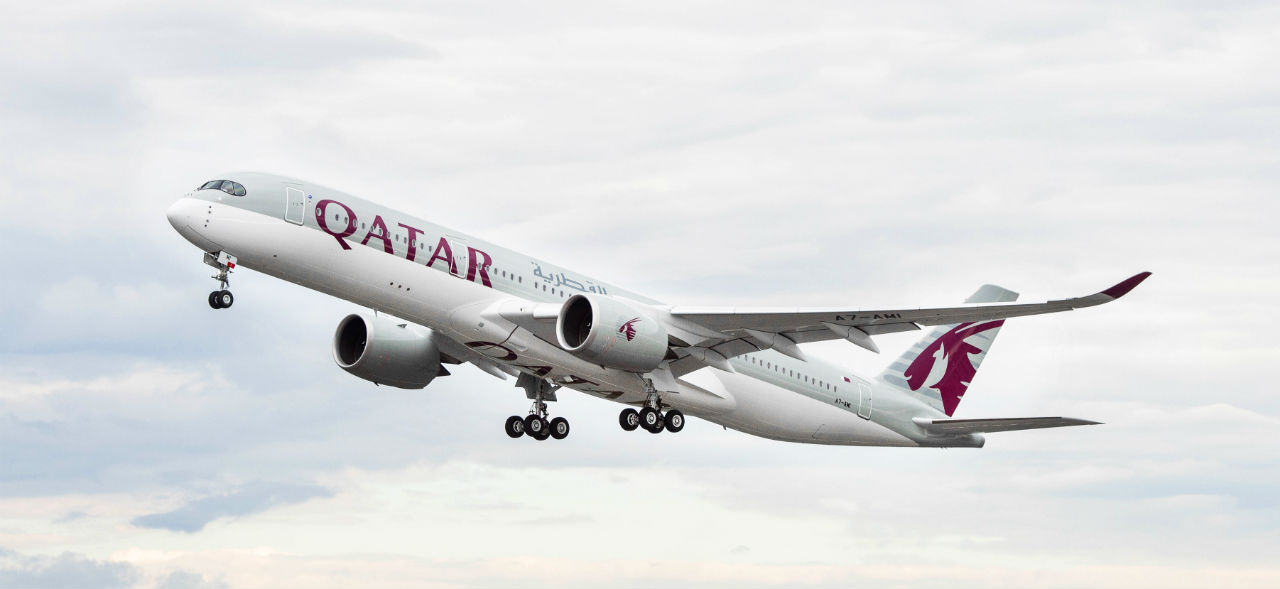
A Qatar Airways aircraft. (Photo: Qatar Airways)

Qatar Airways has restarted service to a U.S. destination it last served in 2023.

The Qatari flag carrier reconnected Hamad International Airport in Doha with Philadelphia on Saturday. Flights are now operating daily, using Airbus A350-900 aircraft.

Qatar Airways announced its planned return to Philadelphia in June. Officials said the connection will strengthen connectivity in the region and allow American Airlines customers to book single-itinerary connecting flights via Philadelphia. Qatar Airways and American are both members of the oneworld alliance.

With the addition of Philadelphia, Qatar Airways now serves 14 destinations in North America, including Atlanta, New York-JFK, Dallas/Fort Worth, Chicago O’Hare, and Toronto.

Zach Vasile

Zach Vasile is a writer and editor covering news in all aspects of commercial aviation. He has reported for and contributed to the Manchester Journal Inquirer, the Hartford Business Journal, the Charlotte Observer, and the Washington Examiner, with his area of focus being the intersection of business and government policy.

22 Flights Diverted After Hitting Severe Weather, Turbulence Near Denver

Five passengers were injured, and one was hospitalized.

The unique architecture of the Denver Airport (Photo: AirlineGeeks | Joey Gerardi)

Twenty-two flights bound for Denver International Airport on Monday were forced to divert to Colorado Springs after encountering severe weather.

KMGH-TV reported that 18 of the affected flights were domestic, and four international. Each hit significant turbulence as a cold front in the Denver area caused high winds above ground level.

According to the Colorado Springs Fire Department, first responders provided medical assistance to five passengers, each from a different airplane. One of those people was transported to a local hospital.

“We basically staged our medical teams at the airport, one on the tarmac and another at the gate as planes continued to divert so we did not have to drive back and forth as planes landed,” Colorado Springs Fire Department spokesperson Ashley Franco told CNN.

Flights into and out of Denver are often bumpy due to the airport’s location on the leeward side of the Rocky Mountains. The early morning hours are usually calmer, before daytime heating begins.

Denver International and Colorado Springs Airport both remained open through Monday.

Zach Vasile

Zach Vasile is a writer and editor covering news in all aspects of commercial aviation. He has reported for and contributed to the Manchester Journal Inquirer, the Hartford Business Journal, the Charlotte Observer, and the Washington Examiner, with his area of focus being the intersection of business and government policy.

Southwest Rolls Out New Corporate Travel Product

“Business Priority” will become available early next year.

Southwest
A Southwest 737 landing at Chicago O'Hare. (Photo: AirlineGeeks | Joey Gerardi)

Southwest on Monday announced a new business travel offering, “Business Priority,” which it said will give corporate customers more flexibility and access to upgrades.

Passengers covered by a Business Priority plan will get preferred reaccommodation, standby, and boarding benefits. The product includes day-of-travel assistance and is intended to maximize customer choice, the carrier said.

Companies will have the option of including the offering in their travel agreements with Southwest. Financial details were not disclosed.

“Southwest is focused on elevating the travel experience to meet the expectations of today’s and tomorrow’s business customers through initiatives like assigned and extra legroom seating, cabin upgrades, including in-seat power, Starlink ultra-fast WiFi, larger overhead bins, and international partnerships,” Aileen Furlong, Southwest’s vice president of sales, said in a news release. “And Southwest Business is building on that by making it easier for corporate buyers to access these enhancements through expanded distribution options and priority travel from booking to boarding.”

The airline plans to make Business Priority available in early 2027.

Southwest has been expanding its premium, business travel, and loyalty programs as it moves away from its former low-cost model. It is currently working to set up its first airport lounges, though none have been formally announced so far.

Zach Vasile

Zach Vasile is a writer and editor covering news in all aspects of commercial aviation. He has reported for and contributed to the Manchester Journal Inquirer, the Hartford Business Journal, the Charlotte Observer, and the Washington Examiner, with his area of focus being the intersection of business and government policy.

American to End Landline Service at O’Hare

One connection will be discontinued, while another will switch to scheduled air service.

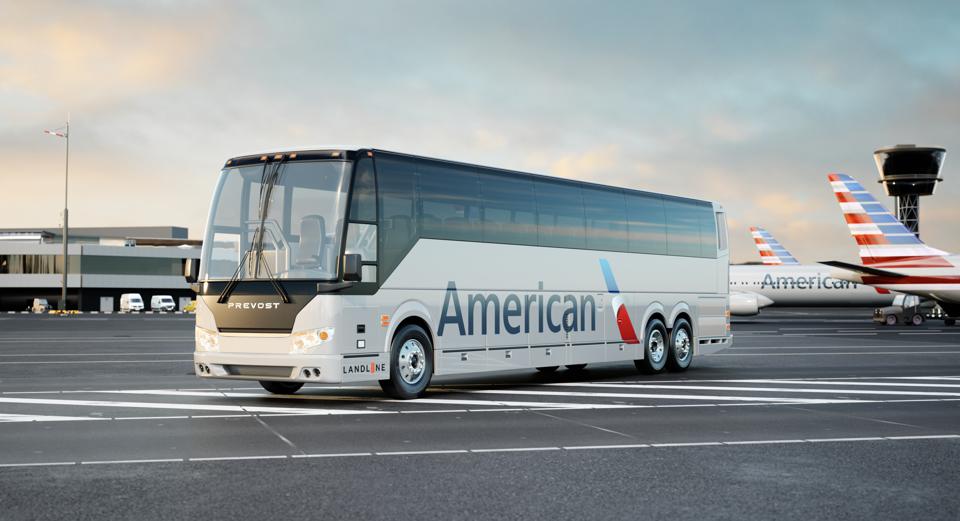
An American-branded Landline bus. (Photo: Landline)

American Airlines will wind down its Landline motorcoach service at Chicago O’Hare later this year.

The carrier confirmed Monday that it will no longer offer ground transportation between O’Hare and South Bend, Indiana, and Rockford, Illinois.

American said its connection to South Bend will transition to scheduled air service, launching Oct. 5. Flights will operate three times daily, using regional aircraft.

Service to Rockford, meanwhile, will be discontinued, and customers will be offered refunds or alternate travel arrangements.

“American routinely evaluates ​its ​regional network to provide optimal connections for our ​customers traveling ​across our ​global ​network,” the carrier said in a statement. “As ​part ​of this, we will be ​winding ​down our operations ​with Landline at Chicago O’Hare International ​Airport ​this ​fall. We ​thank Landline ​for ​their partnership connecting customers to one ​of our largest hubs.”

American said it will continue its partnership with Landline at Philadelphia International Airport. The company currently offers motorcoach service between Philadelphia and Allentown/Bethlehem, Pennsylvania, Atlantic City, New Jersey, Trenton-Mercer, New Jersey, Wilmington, Delaware, and Wilkes-Barre/Scranton, Pennsylvania.

Zach Vasile

Zach Vasile is a writer and editor covering news in all aspects of commercial aviation. He has reported for and contributed to the Manchester Journal Inquirer, the Hartford Business Journal, the Charlotte Observer, and the Washington Examiner, with his area of focus being the intersection of business and government policy.

Lufthansa Adjusts Guidance as Fuel Shock Continues

The carrier cautioned that operating profits could fall this year.

A Lufthansa A321 in Frankfurt. (Photo: AirlineGeeks | Fabian Behr)

Germany’s Lufthansa Group broadened its full-year guidance on Tuesday in response to continuing jet fuel price volatility.

The airline conglomerate now expects to close 2026 with adjusted pre-tax earnings between €1.7 billion and €2.2 billion, or about $2 billion to $2.5 billion. Lufthansa Group previously predicted profits “significantly above” its 2025 result of €1.96 billion.

“The upper end of the range continues to represent a result significantly above the prior year and thus remains in line with the previous earnings ambition,” the company said in a statement. “The range reflects the heightened uncertainty stemming from high kerosene price volatility and shortened booking cycles in the passenger business.”

Lufthansa Group has spent much of the year so far working to stay ahead of rising fuel prices. In May, its airlines cut 20,000 flights through October and temporarily suspended service to three European destinations. The group also reworked and consolidated elements of its European network across its subsidiary carriers to improve efficiency.

Lufthansa Group CEO and Chairman Carsten Spohr said the company was unable to fully offset the rise in fuel costs in the second quarter. But global demand for air travel remains strong, he added, and the company’s investments in premium products such as Allegris and Swiss Senses are beginning to pay off. Spohr also called attention to positive second-quarter results at the core Lufthansa brand, Lufthansa Cargo, and Lufthansa Technik, the group’s maintenance, repair, and overhaul division.

Jet fuel prices effectively doubled in February and March after Iran shut down the Strait of Hormuz in response to attacks from the U.S. and Israel. Since then, prices have tracked with the course of the conflict, falling when the U.S. and Iran agreed to a ceasefire and climbing again when the deal broke down and fighting resumed. Prices for early August are up compared to June and early July but could plateau or trend down now that the U.S. has suspended air strikes on Iran.

U.S. Treasury Secretary Scott Bessent said Tuesday that talks with Iran are currently underway, and a deal permanently reopening Hormuz could be announced as early as Tuesday or Wednesday.

Zach Vasile

Zach Vasile is a writer and editor covering news in all aspects of commercial aviation. He has reported for and contributed to the Manchester Journal Inquirer, the Hartford Business Journal, the Charlotte Observer, and the Washington Examiner, with his area of focus being the intersection of business and government policy.

JSX Plans Double-Digit Fleet Growth, Eyes New Regions

The operator plans to add 11 aircraft this year, expand its ATR fleet, and push into regions where it has little or no presence.

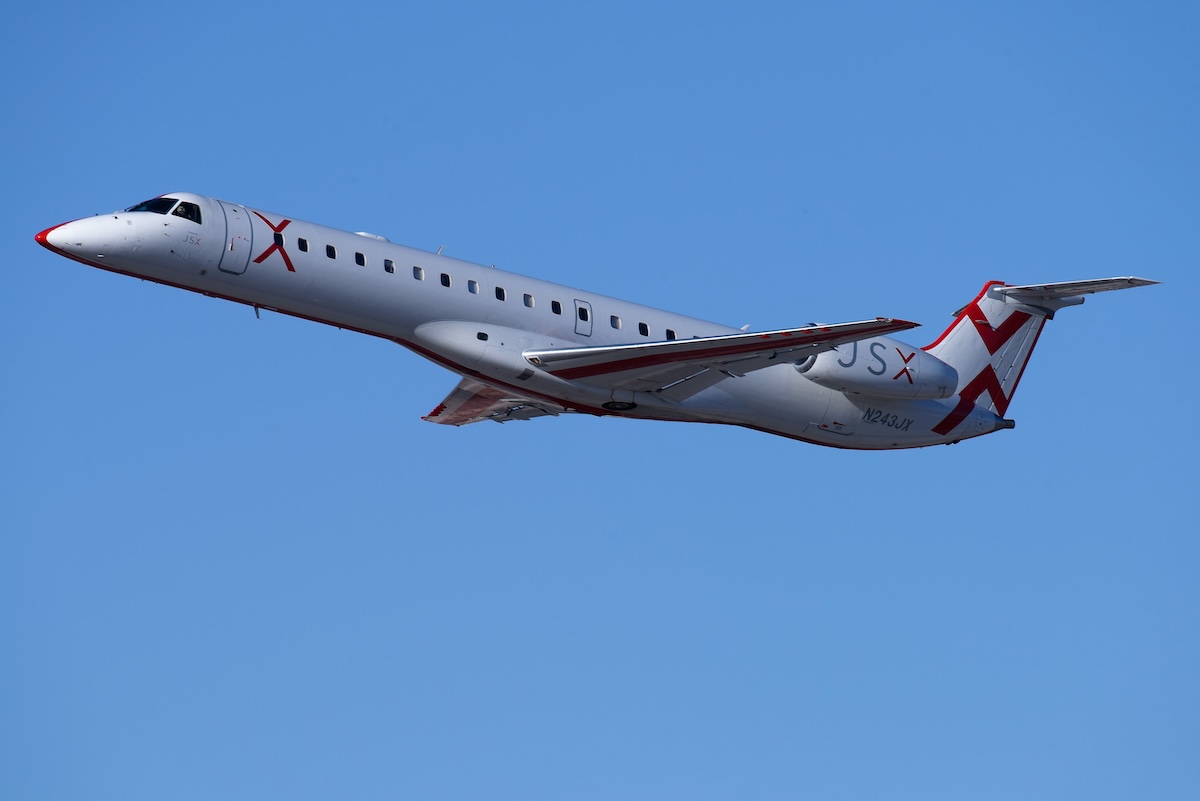
A JSX Embraer jet
A JSX Embraer jet (Photo: Shutterstock | Robin Guess)

JSX plans to grow its fleet by more than 20% this year as the public charter operator prepares to enter new markets and shift more short-haul flying to ATR turboprops.

The company expects to end 2026 with 64 aircraft, up from 53 at the beginning of the year, JSX President David Drabinsky told AirlineGeeks in an interview last week. The year-end fleet will include four ATRs, with the remaining aircraft split between Embraer E135 and E145 jets.

JSX expects a similar pace of fleet growth in 2027.

“We have considerable fleet growth this year, and we’re anticipating similar growth for 2027 as well,” Drabinsky said.

The expansion represents more than an increase in aircraft count. JSX is beginning to divide its network between two distinct fleet types, using ATRs on shorter routes while shifting its Embraer jets to routes with longer stage lengths.

Drabinsky said the ATRs will ideally operate routes of approximately 350 miles or less. The E135s and E145s would then be freed up for longer point-to-point service.

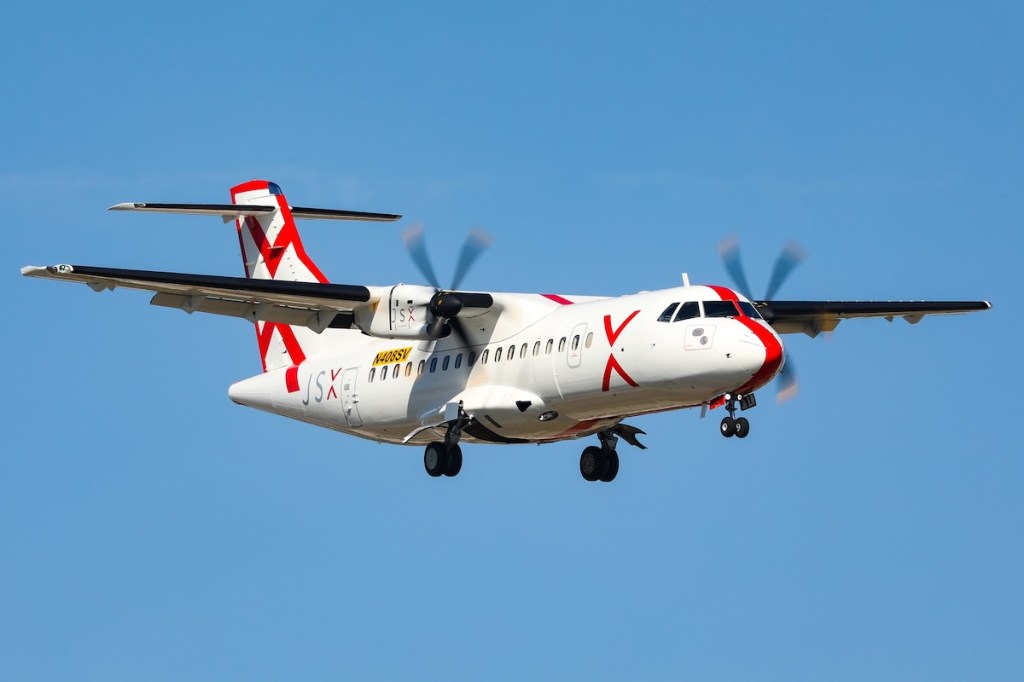
JSX's first ATR 42 on approach to Dallas Love Field
JSX’s first ATR 42 on approach to Dallas Love Field (Photo: Adam Baker)

The strategy could allow JSX to expand without relying exclusively on aging regional jets that were not designed for every market the company wants to serve.

JSX currently operates its ATR from Santa Monica, California. Drabinsky said the company has been pleased with passenger reception and intends to deploy the turboprop beyond Southern California as more aircraft arrive.

The pace of that expansion will depend on deliveries.

“We definitely do” see a path for the ATR outside Southern California, Drabinsky said. “It’s just going to be dependent on the delivery schedule of how and when we get more of these airplanes.”

The carrier has an agreement in place for up to 25 ATR aircraft. Since taking delivery of its first earlier this year, the carrier now has three in its fleet.

The ATR is central to JSX’s next phase of growth because it can reach airports that the company’s Embraer jets cannot serve. Drabinsky pointed to shorter runways and high-elevation airports as two areas where the turboprop gives JSX more flexibility.

“It provides a number of opportunities for growth that we can’t do, quite frankly, with any jet that’s flying today,” he said.

Network Growth

According to Drabinsky, the aircraft could open access to scores of additional airports. Many of those facilities do not have scheduled air service, even though they may sit closer to population centers than larger commercial airports.

The turboprop also carries lower operating costs and burns less fuel than JSX’s regional jets on shorter flights. Those savings could translate into lower fares in some markets, Drabinsky said.

“Our costs will be lower, so we could, in some cases, charge less for it,” he said. “That will then allow our service — our unique service — to be available to more people.”

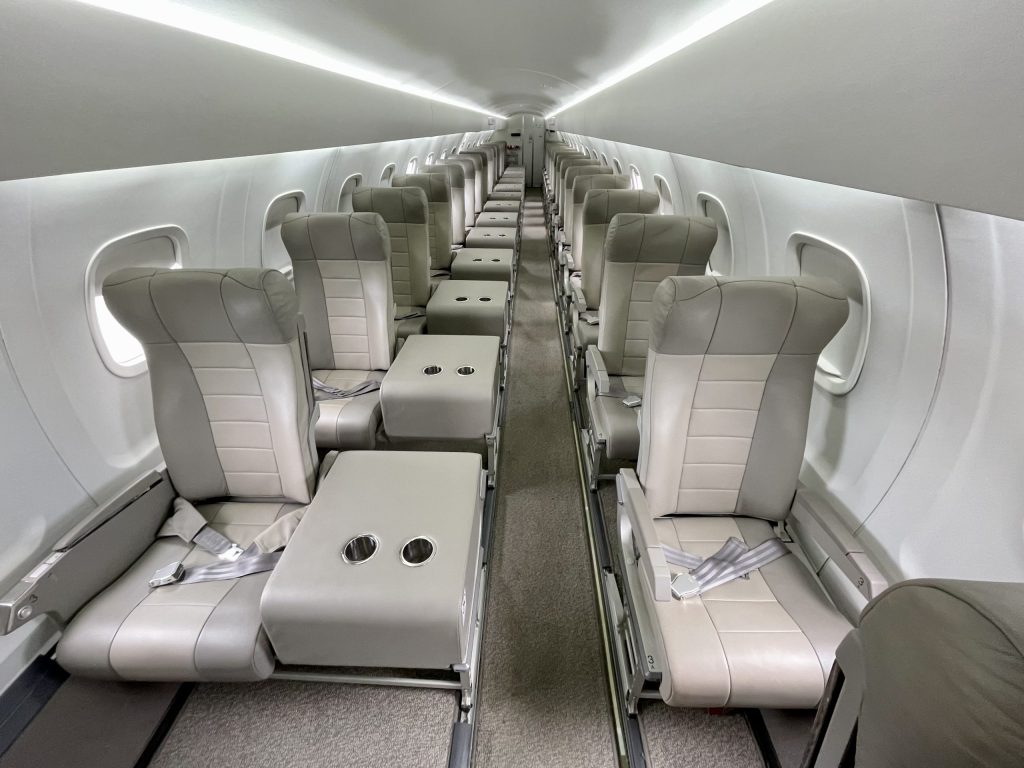
With no overhead bins and new lighting, the JSX cabin feels spacious and modern. (Photo: AirlineGeeks | Mateen Kontoravdis)

That would mark an important shift for JSX, which has traditionally positioned itself between private aviation and conventional airline service. Lower operating costs could allow the company to pursue markets that may not support its current pricing or jet operations.

Drabinsky also highlighted the ATR’s lower noise levels during arrival and departure. That could be significant at smaller airports surrounded by residential development, where noise concerns can restrict or complicate new service.

The fleet expansion will support a broader geographic push. JSX currently has only a limited East Coast presence and does not serve any cities in the Midwest.

Drabinsky said the East Coast is a primary focus for growth, while the Midwest remains a major untapped region.

“We only serve a handful of cities on the East Coast, so there’s a lot of opportunity in a number of cities on the East Coast that we’re really focusing that growth on,” he said.

The company is also studying the Midwest, though Drabinsky did not identify specific markets or provide a timeline for launching service.

“The Midwest for us is still very interesting,” he said. “We don’t serve any cities in the Midwest, and there’s a huge appetite from people living there who just want the differentiated service that we offer.”

‘Every Major City’

JSX’s longer-term goal is more ambitious. Drabinsky said the company wants to establish a presence in every major U.S. city while continuing to operate from airports that are often used primarily by private aircraft.

“We have desires to be in every major city across the U.S.,” he added.

That growth will depend on whether JSX can secure enough aircraft and identify airports that fit its operating model. For now, the company is preparing to add 11 aircraft in one year, quadruple its ATR fleet, and begin laying the groundwork for expansion into regions where it has little or no presence.

“We’re able to take these federally funded airports and put them to use for more people than ever before,” Drabinsky said.

Ryan Ewing

Ryan founded AirlineGeeks.com in February 2013 and has spent more than a decade covering the airline business. His work has been featured by CNN, WJLA, CNET, and Business Insider. His aviation experience spans airport operations, Part 135 regulatory compliance, and airline crew workforce planning, along with time behind the yoke of a Cessna 172 and interviews with airline executives. Ryan now serves as Group President of Firecrown Media’s Aviation Group. He holds a B.S. in Air Transportation Management and an MBA from Arizona State University and teaches Airline Management at Embry-Riddle Aeronautical University.

Citing Payment Problems, Southern Airways Express Suspends Flights at PA Airport

Service between Williamsport and Washington Dulles came to a halt on Saturday.

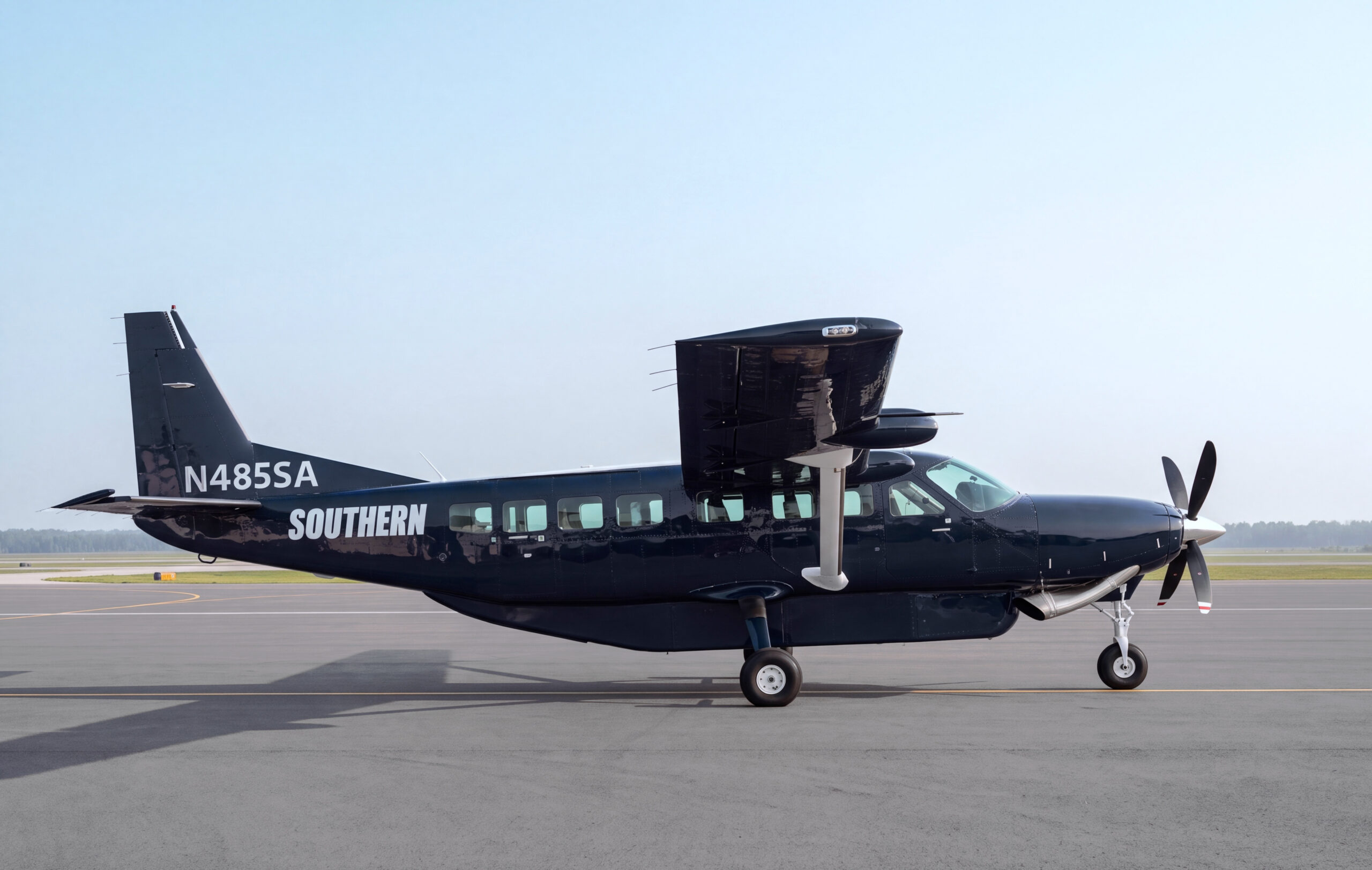
A Southern aircraft on the ramp.
A Southern aircraft on the ramp. (Photo: Southern Airways Express)

Williamsport Regional Airport in Pennsylvania is without a commercial service provider this week following the abrupt withdrawal of Southern Airways Express.

The commuter airline confirmed to AirlineGeeks that it suspended service at Williamsport on Saturday over “outstanding payment issues.” The carrier formerly connected Williamsport with Washington Dulles.

Southern Airways Express said it recognizes the “disruption and uncertainty” created for residents of Williamsport, Lycoming County, and the surrounding region, but added that it ultimately ran out of options.

“Despite good-faith efforts over many months, including making the deliberate choice to operate every scheduled flight while working closely with the Williamsport Municipal Airport Authority to resolve their outstanding payment issues, Southern Airways Express suspended scheduled service between Williamsport Regional Airport and Washington Dulles International Airport effective August 1, 2026,” a spokesperson for the airline said. “This is a decision we did not want to make. Our immediate focus is caring for affected passengers.”

All customers whose flights were canceled will receive full refunds. Southern Airways Express said it will work directly with customers who need alternate transportation.

The Williamsport Municipal Airport Authority did not immediately respond to a request for comment from AirlineGeeks on Monday.

According to Southern Airways Express, the connection to Dulles was set up with a U.S. Department of Transportation Small Community Air Service Development Program (SCASDP) grant, which funded a minimum revenue guarantee for the airline. Under the agreement, the airport authority paid the difference between Southern Airways Express’ operating costs and passenger ticket revenue collected each month.

In February, the airport authority advised Southern Airways Express that federal and state reimbursements were taking longer than usual, and invoices went unpaid. The airline said it gave the airport authority extensions and continued to operate its scheduled service, believing that the issue would be resolved. As time went on, however, payment remained paused, and there were periods when the airport authority was unresponsive to emails, phone calls, and other forms of outreach, Southern Airways Express said. When the agency did communicate, it gave repeated assurances that payment was coming soon.

As recently as July 30, the airline said, the airport authority advised that a payment would be made on July 31. When that date came, however, the airport authority changed its story and said the payment could not be made.

It was not immediately clear what caused the problem with the SCASDP reimbursement.

Zach Vasile

Zach Vasile is a writer and editor covering news in all aspects of commercial aviation. He has reported for and contributed to the Manchester Journal Inquirer, the Hartford Business Journal, the Charlotte Observer, and the Washington Examiner, with his area of focus being the intersection of business and government policy.

FAA Certifies Boeing 737 MAX 7

The manufacturer is now authorized to begin commercial production of the aircraft.

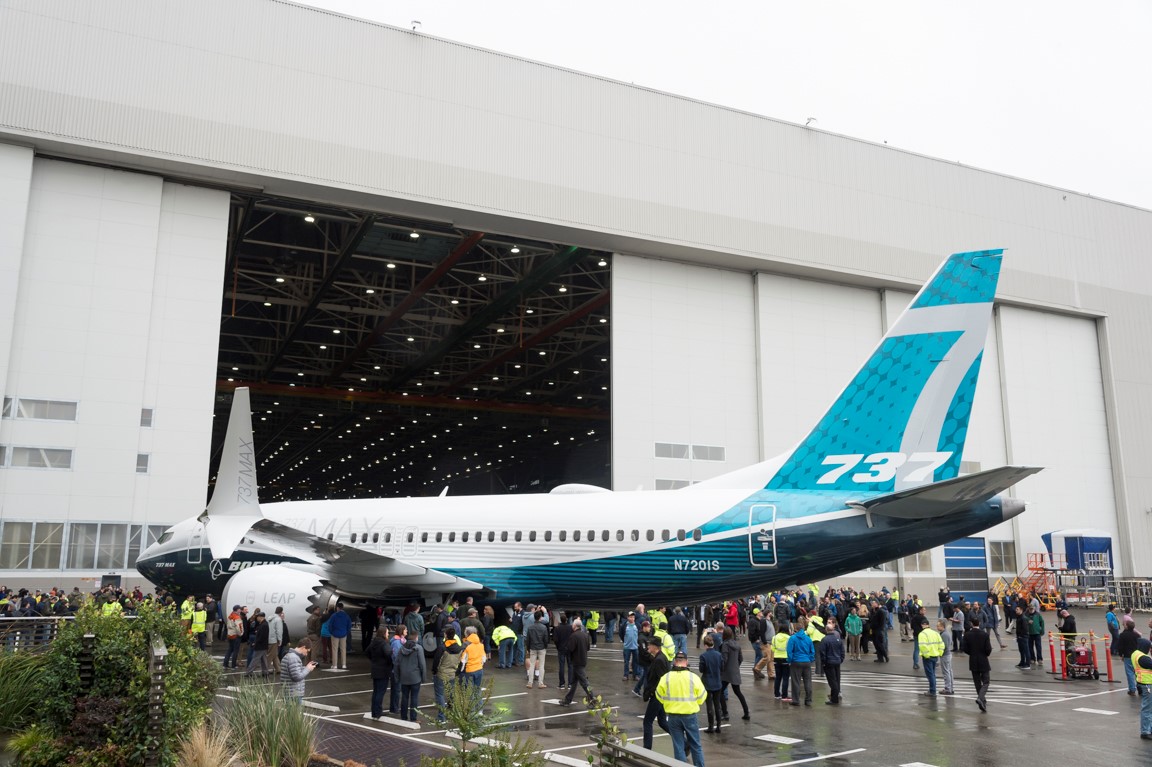
The 737 MAX 7, being unveiled for the first time in 2018. (Photo: Boeing)

After years of delays, Boeing’s smallest 737 MAX variant, the MAX 7, has been certified by the FAA.

The agency announced Wednesday that it issued an amended type certificate and updated production limitation record for the type, which was initially expected to enter commercial service in 2019.

“The approval reflects years of sustained work to resolve complex technical issues and complete a thorough review of the airplane’s design and supporting safety analyses,” the FAA said in a news release. “Throughout the process, the FAA performed or directly reviewed significant work involving flight controls, system safety assessments, human factors, flight crew alerting, and other novel, complex, or safety-critical areas, while also requiring testing, design changes, and additional analysis where necessary.”

The agency said that, before granting approval, it required Boeing to incorporate improvements spelled out in the Aircraft Certification, Safety, and Accountability Act, and in NTSB recommendations following two fatal 737 MAX crashes in 2018 and 2019. These enhancements included updates to the MAX 7’s flight control software and crew alerting system, and a redesigned engine anti-ice system.

The changes “provide pilots clearer information and warnings and prevent the engine inlet from overheating and potentially weakening the surrounding structure,” the FAA said.

Boeing is now authorized to begin commercial production of the aircraft. The company had not issued its own statement on the certification as of Monday afternoon.

Boeing first announced the MAX 7 in 2016, and flight testing began two years later. But plans to get the aircraft certified and delivered within 2019 fell by the wayside after the worldwide grounding of the MAX series between 2019 and 2020. Later, serious problems with the type’s engine anti-ice system emerged, requiring a complete redesign. Boeing was also stripped of its ability to self-certify aircraft during this time, which further slowed the testing and approval process.

The FAA said its inspectors will remain on site at Boeing production facilities to closely monitor the company’s manufacturing process, including its safety management system and broader safety culture.

Zach Vasile

Zach Vasile is a writer and editor covering news in all aspects of commercial aviation. He has reported for and contributed to the Manchester Journal Inquirer, the Hartford Business Journal, the Charlotte Observer, and the Washington Examiner, with his area of focus being the intersection of business and government policy.
Sign-up for newsletters & special offers!

Get the latest stories & special offers delivered directly to your inbox

SUBSCRIBE

Uh-oh! It looks like you're using an ad blocker.

Our website relies on ads to provide free content and sustain our operations. By turning off your ad blocker, you help support us and ensure we can continue offering valuable content without any cost to you.

We truly appreciate your understanding and support. Thank you for considering disabling your ad blocker for this website