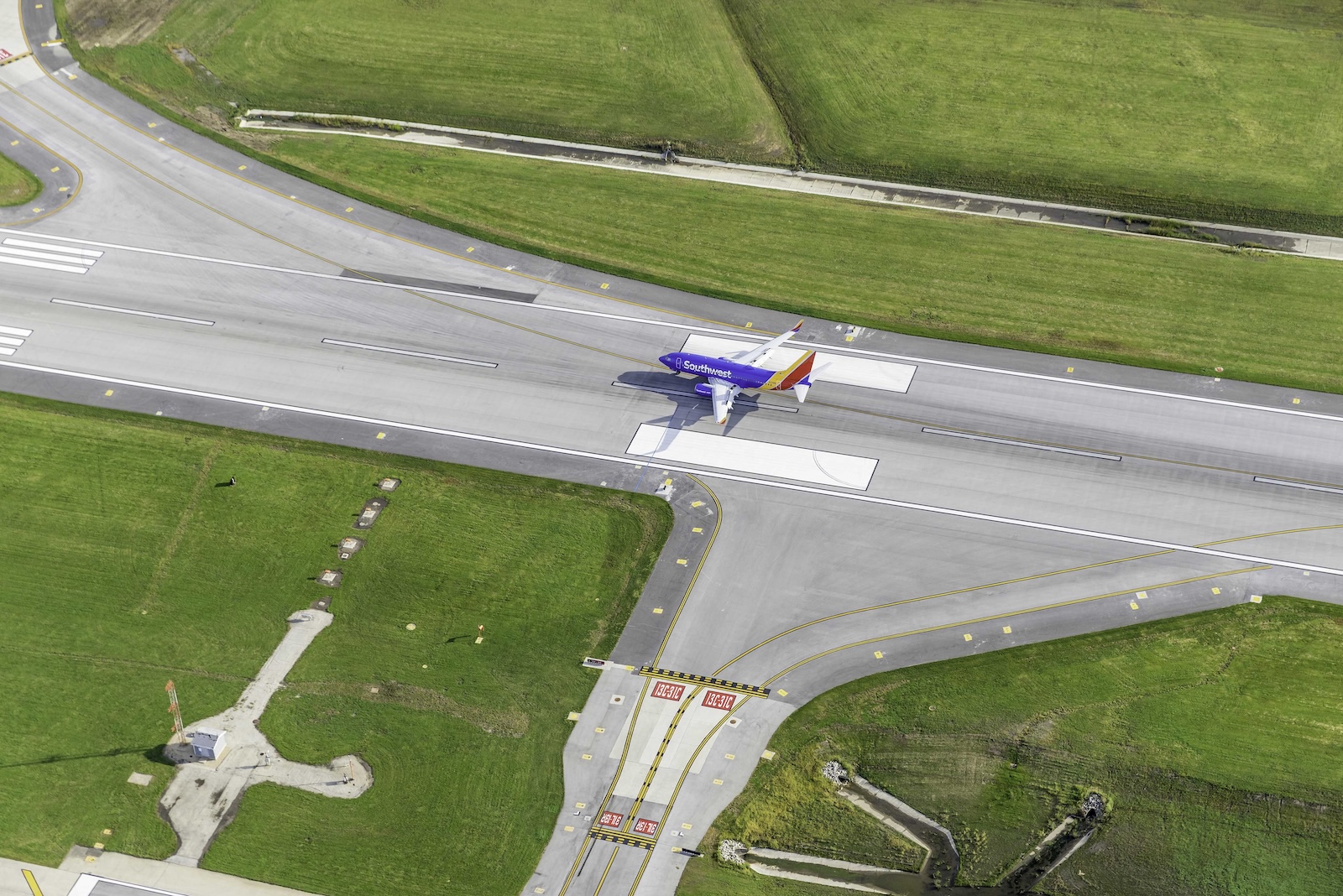
A Southwest 737 at Chicago Midway Airport (Photo: Shutterstock | marchello74)
A Southwest Boeing 737 and Flexjet Challenger 350 aircraft were involved in a close call on Tuesday. The incident occurred around 8:50 a.m. local time at Chicago Midway Airport.
According to air traffic control audio recordings, the Flexjet crew was instructed to cross Runway 31L and hold short of 31C. The Southwest 737-800 – operating flight 2504 from Omaha, Nebraska – was already over Runway 31C and had been cleared to land.
Surveillance footage shared on X shows the Challenger crossing Runway 31C directly in front of the landing Southwest aircraft. The Southwest crew opted to go around.
INCIDENT: Southwest #WN2504 (Boeing 737-800 N8517F) in near miss 1448UTC/0848CST today @ Chicago/Midway as FlexJet #LXJ560 (Challenger 350) crosses Runway 31C.
An FAA spokesperson said the agency will investigate the incident.
“The crew of Southwest Airlines Flight 2504 initiated a go-around when a business jet entered the runway without authorization at Chicago Midway Airport,” the spokesperson shared as part of an email statement.
A Brasher Warning was subsequently issued to the Flexjet crew. The Southwest 737 landed safely several minutes later, and the Flexjet aircraft continued to its destination of Knoxville, Tennessee.
“The crew followed safety procedures and the flight landed without incident,” a Southwest spokesperson told CNN. “Nothing is more important to Southwest than the safety of our customers and employees.”
The National Transportation Safety Board also said Tuesday afternoon that it will investigate.
Ryan founded AirlineGeeks.com in February 2013 and has spent more than a decade covering the airline business. His work has been featured by CNN, WJLA, CNET, and Business Insider. His aviation experience spans airport operations, Part 135 regulatory compliance, and airline crew workforce planning, along with time behind the yoke of a Cessna 172 and interviews with airline executives. Ryan now serves as Group President of Firecrown Media’s Aviation Group. He holds a B.S. in Air Transportation Management and an MBA from Arizona State University and teaches Airline Management at Embry-Riddle Aeronautical University.
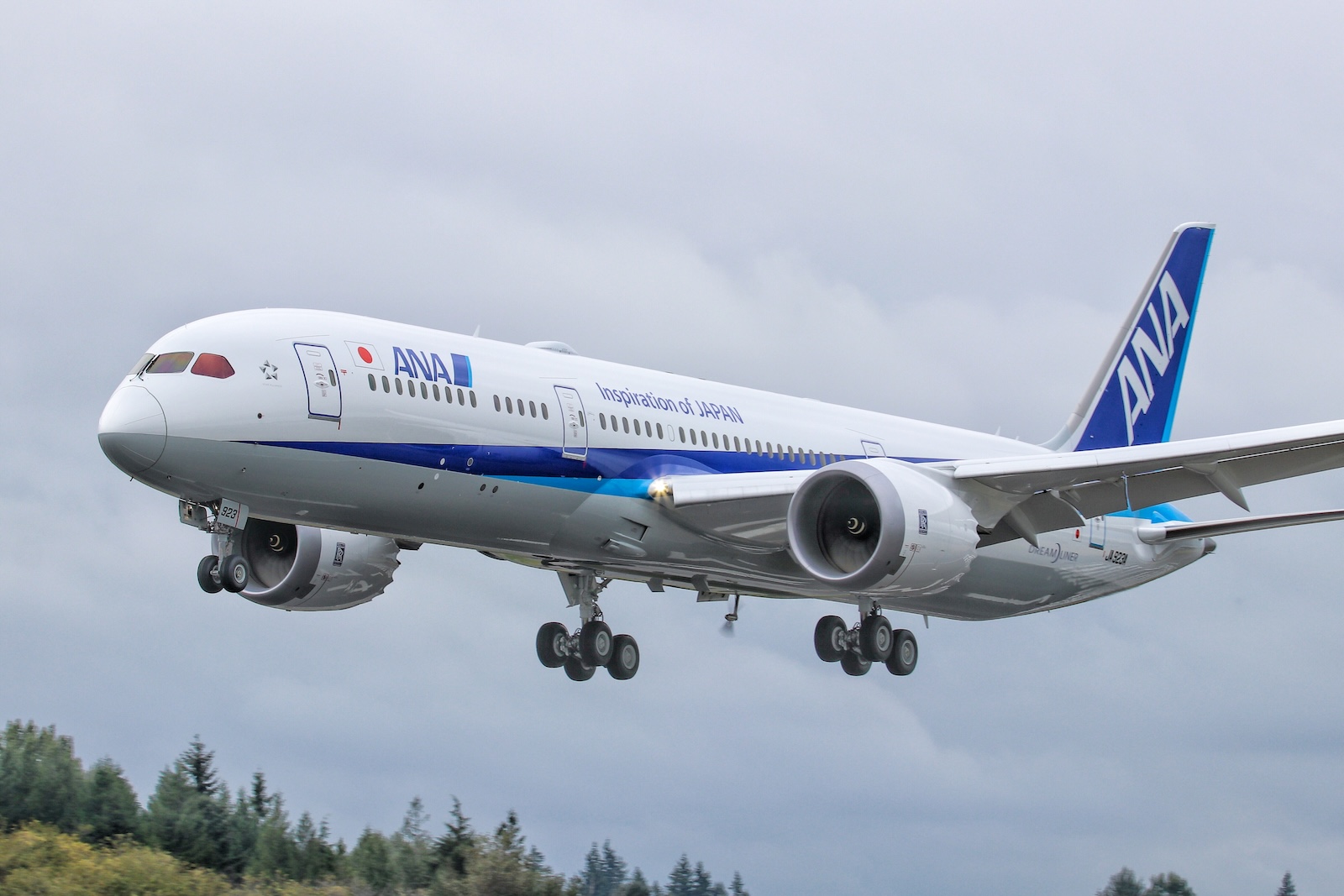
An ANA Boeing 787-9 Dreamliner (Photo: AirlineGeeks | Katie Zera)
After years of suspending fleet growth, All Nippon Airways Holdings confirmed plans to enhance its fleet by adding 77 aircraft, including 68 confirmed orders and nine small and medium jets. The new orders range from Boeing 787-9s to Embraer E192-E2s.
In the wake of the COVID-19 pandemic, the largest airline in Japan has paused its fleet expansion. Recently, the airline revealed a record high revenue, a strong demand for inbound travel to Japan, and robust demand from Japan to North America and Europe.
For the ANA brand, the group placed an order for 18 Boeing 787-9s with GE engines in anticipation of strong demand to North America in the future and the re-expansion of Tokyo’s Narita International Airport.
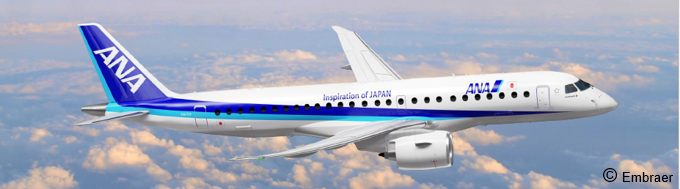
For the domestic services, the group will introduce 20 100-seat Embraer E190-E2, with 15 confirmed orders and five options, for the first time in Japan. In addition, the group will order 14 Airbus A321neo and 12 Boeing 737 MAX 8 aircraft (eight confirmed orders and four options).
ANA’s E190-E2 aircraft (Photo: ANA)
Peach, the group’s low-cost carrier, will also update its fleet with 10 Airbus A321neos and three Airbus A321XLRs capable of medium to long-haul operations.
Plans for 320 Aircraft by 2030
The group is expected to own a fleet of 320 aircraft by 2030, with approximately 120 Boeing 787 series and the ratio of more efficient aircraft will increase to 91%.
“This order will be the catalyst for improving the profitability of domestic flights and the expansion of international flights which is an area of future growth of our airline business. We will fully utilize this opportunity in order to become an industry-leading airline with sustainable growth,” Koji Shibata, President and CEO of ANA Holdings, said in a statement.
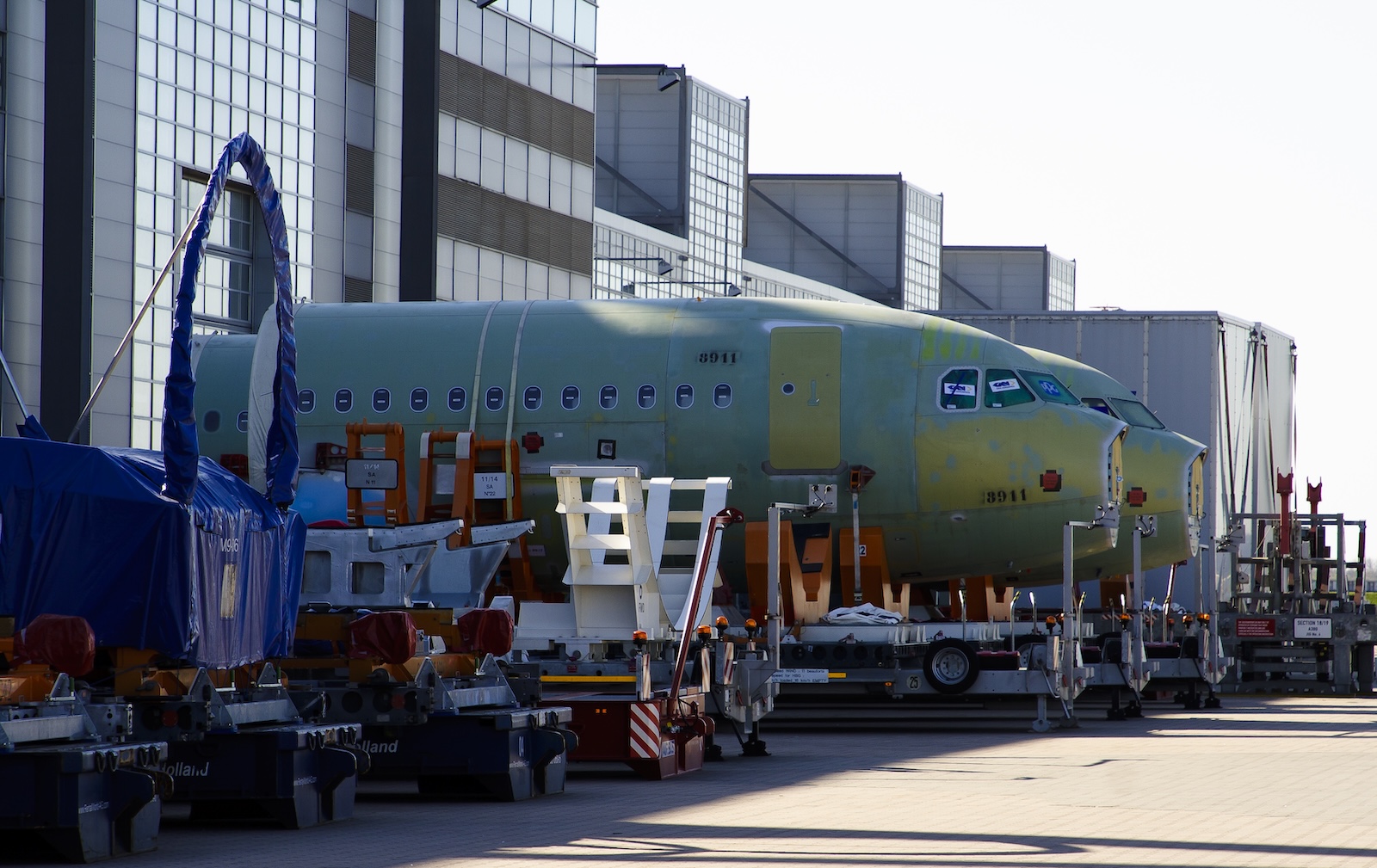
Airbus' manufacturing facility in Hamburg, Germany. (Photo: Fabian Behr)
Airbus CEO Guillaume Faury said the company could prioritize deliveries to its non-U.S. customers if tariffs impacted its American imports.
The European aircraft manufacturer spoke about the potential impacts of tariffs last week during its recent earnings call.
“When it comes to U.S. tariffs, well, we have all our sensors on,” Faury said during Thursday’s call. “We’re trying to fully understand and try to reasonably anticipate what could happen, but it’s obviously very difficult.”
He added that while Airbus has “very strong demand from outside the U.S.,” the company also has a production system in the U.S. and has tried to break into the market as a “major U.S. player.”
Later on Thursday during an interview with CNBC, Faury suggested that Airbus could adapt to tariffs by “bringing forward deliveries to other customers.”
Several U.S. carriers, including American, Delta, United, and JetBlue, are on the waiting list for Airbus deliveries. According to Airbus’ website, the company employs over 5,000 workers in the U.S. and supports over 275,000 American jobs through its annual spending of $15 billion.
During the earnings call, Faury said Airbus is aiming to deliver around 820 commercial aircraft in 2025.
AirlineGeeks.com was founded in February 2013 as a one-person blog in Washington D.C. Since then, we’ve grown to have 25+ active team members scattered across the globe. We are all here for the same reason: we love deep-diving into the fascinating realm of the airline industry.
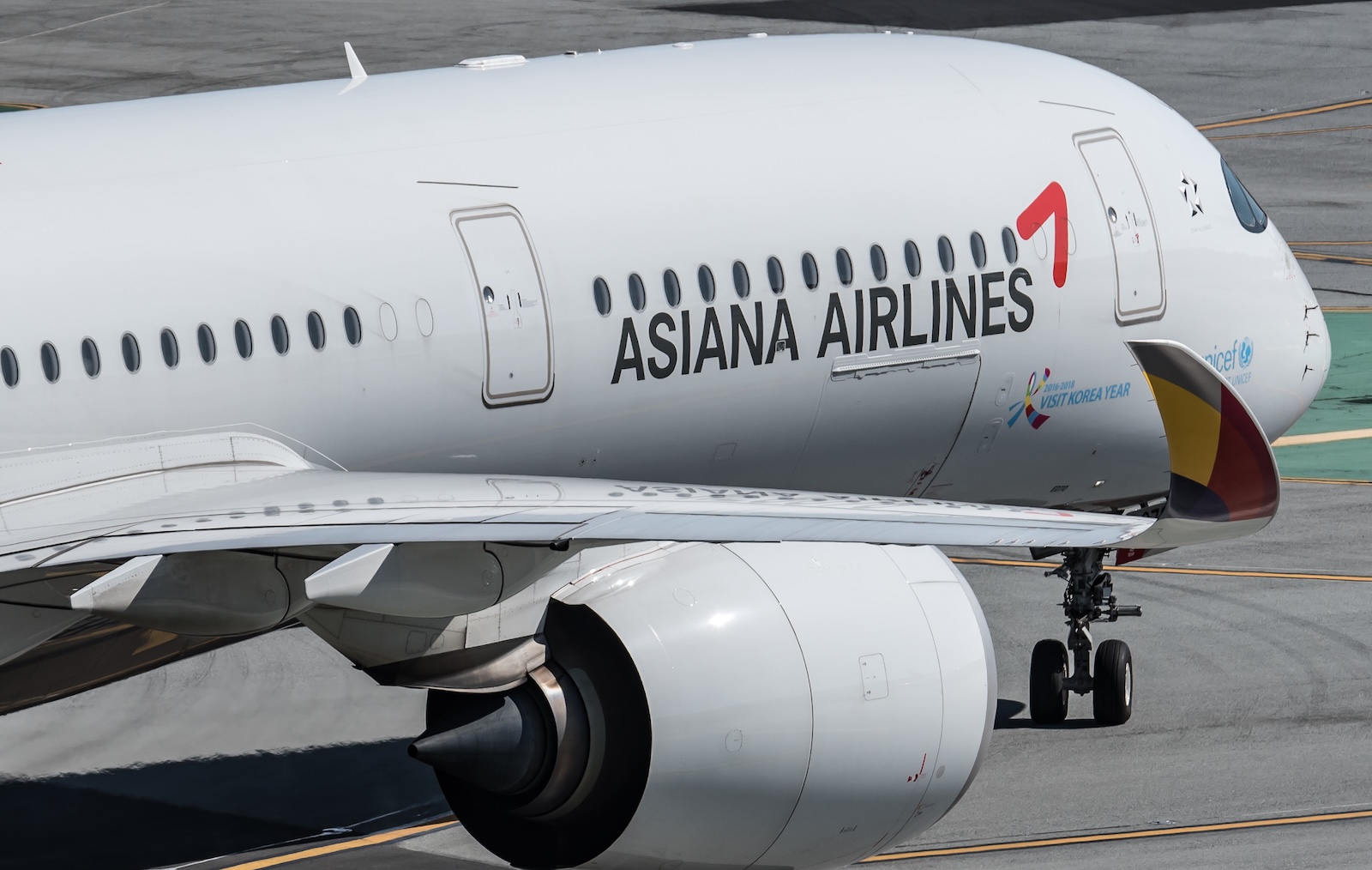
Air traffic controllers warned an Asiana Airlines flight of its low altitude on Sunday. The A350-900 was approximately 700 feet below the published altitude while on approach to San Francisco.
ADS-B data shows the aircraft was around 325 feet above the bay before the crew executed a go-around. Per AvHerald, the A350 should have been at 1,000 feet just over three nautical miles from the runway threshold.
Flight 212 from Seoul Incheon was cleared to land on Runway 28L at 2 p.m. local time.
Local weather conditions were also clear at the time of the incident. The Federal Aviation Administration did not immediately comment.
Investigators later determined that the crew had mismanaged the aircraft’s final approach, including incorrectly set airspeed control. This resulted in the 777 being hundreds of feet below its glide path.
Ryan founded AirlineGeeks.com in February 2013 and has spent more than a decade covering the airline business. His work has been featured by CNN, WJLA, CNET, and Business Insider. His aviation experience spans airport operations, Part 135 regulatory compliance, and airline crew workforce planning, along with time behind the yoke of a Cessna 172 and interviews with airline executives. Ryan now serves as Group President of Firecrown Media’s Aviation Group. He holds a B.S. in Air Transportation Management and an MBA from Arizona State University and teaches Airline Management at Embry-Riddle Aeronautical University.
Financial firms JPMorgan Chase and HSBC Holdings have been using unnamed commercial airlines to move gold bars from London to New York City. The flights, reported on by the Wall Street Journal, are part of a strategic business move to capitalize on shifting gold prices in U.S. and European markets.
The report stated President Donald Trump’s tariff threats on Europe have caused disarray in the precious metals market, with gold prices hitting record highs. Of the two major gold trading hubs in London and New York, gold in Manhattan is currently worth more.
This has spurred banks to move gold bars across the Atlantic from the United Kingdom to the U.S. to sell for higher yields.
In late January, Bloomberg reported that JP Morgan Chase planned to deliver over $4 billion in gold from the United Kingdom to the U.S. for the month of February. The company was one of several financial institutions to announce plans to move gold from London to New York City.
The report noted that the three million troy ounces being delivered will be the second-largest movement of gold since 1994.
AirlineGeeks.com was founded in February 2013 as a one-person blog in Washington D.C. Since then, we’ve grown to have 25+ active team members scattered across the globe. We are all here for the same reason: we love deep-diving into the fascinating realm of the airline industry.
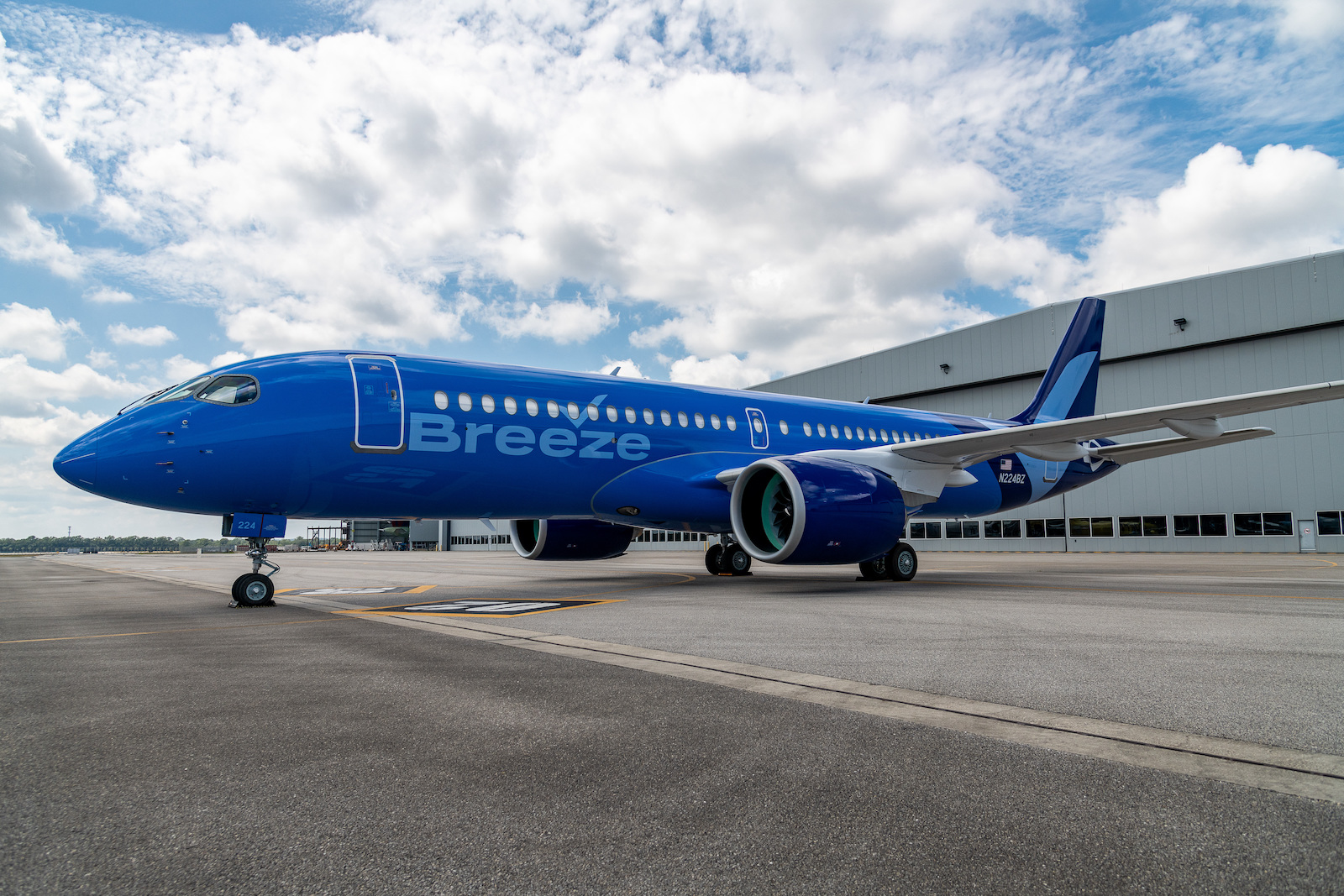
The carrier’s 11th base will bring over 60 pilot, flight attendant, and maintenance jobs to the region over the next three years.
“The Akron-Canton community continues to show high demand for Breeze’s premium, convenient service, so establishing a base in the community is a natural fit,” said David Neeleman, Breeze Airways’ founder and CEO, in a news release. “We are grateful for the incredible support of our partners at JobsOhio, Team NEO, and the Akron-Canton airport as we continue to invest in Breeze’s future growth at CAK.”
The Akron-Canton area will join Breeze’s other bases in Providence, Rhode Island; Tampa, Fort Myers, Vero Beach, and Orlando, Florida; Charleston, South Carolina; Norfolk, Virginia; Bradley, Connecticut; Provo, Utah; and New Orleans.
Currently, Breeze connects the Ohio city to several destinations, including Charleston, Las Vegas, Orlando, Los Angeles, and Raleigh, North Carolina.
Ryan founded AirlineGeeks.com in February 2013 and has spent more than a decade covering the airline business. His work has been featured by CNN, WJLA, CNET, and Business Insider. His aviation experience spans airport operations, Part 135 regulatory compliance, and airline crew workforce planning, along with time behind the yoke of a Cessna 172 and interviews with airline executives. Ryan now serves as Group President of Firecrown Media’s Aviation Group. He holds a B.S. in Air Transportation Management and an MBA from Arizona State University and teaches Airline Management at Embry-Riddle Aeronautical University.
Amid a shortage of aviation maintenance technicians, organizations are working more closely with airlines to get these much-needed workers trained and hired.
The aviation industry is working to address a shortage of aviation maintenance technicians.
A 2024 Pipeline Report by the Aviation Technician Education Council projects a 20% shortfall in maintenance techs by 2028 – in part caused by an aging workforce nearing retirement.
While there is a strong demand from employers to create more competitive salaries, the career path remains underfilled. That’s why organizations like the Aviation Institute of Maintenance (AIM) are working more closely with airlines to get these much-needed workers trained and hired.
Currently teaching over 7,000 aspiring mechanics, AIM is the largest educational institution for aircraft mechanics in the U.S. AIM operates in 15 locations across the country from San Francisco to New Jersey.
AIM is responsible for recruiting, training, and helping graduates find employment. AIM President Jason Pfaff told AirlineGeeks in a virtual interview that in 2024, the institute graduated over 2,000 of the 7,000 aircraft mechanics entering the industry.
“At any given time, about 25% of the nation’s aircraft maintenance technicians have an AIM diploma,” Pfaff said.
Training a new aircraft mechanic at AIM takes around 21 months. Pfaff said that AIM acts as the “tip of the spear” in recruiting and supporting the nation’s next generation of maintenance technicians.
“Learning aviation maintenance is tough,” he said. “The job can be tough. Folks are on a tarmac or in a hangar, and there’s a lot to learn. So we really want to support and surround our students with support while they’re in school with us.”
Then there’s the critical responsibility of getting students who graduate placed in the field. To do this, AIM helps students develop their skills and resumes, and helps open up career opportunities with prospective employers.
“This is where our partnerships with British Airways or United or Piedmont really come into play,” Pfaff said. “Our students don’t exactly come to learn aviation as much as they come for a job – and learning aviation is really part of that journey.”
Who Are Today’s Aircraft Mechanics?
Pfaff said there is “a meaningful percentage” of incoming aircraft maintenance technicians who choose the career due to a familial connection to the industry.
“A brother, an uncle, a father or a mother – they’ve got someone [already] in the industry,” Pfaff said. “What we talk about internally is there’s this ‘miracle of aviation’ that once you’re hooked, you’re captivated. A lot of folks get introduced to that very early in life.”
Whether that be piloting, working on the business side of commercial aviation or working as a mechanical engineer, Pfaff said around a third of the folks he sees entering the industry do it because of that.
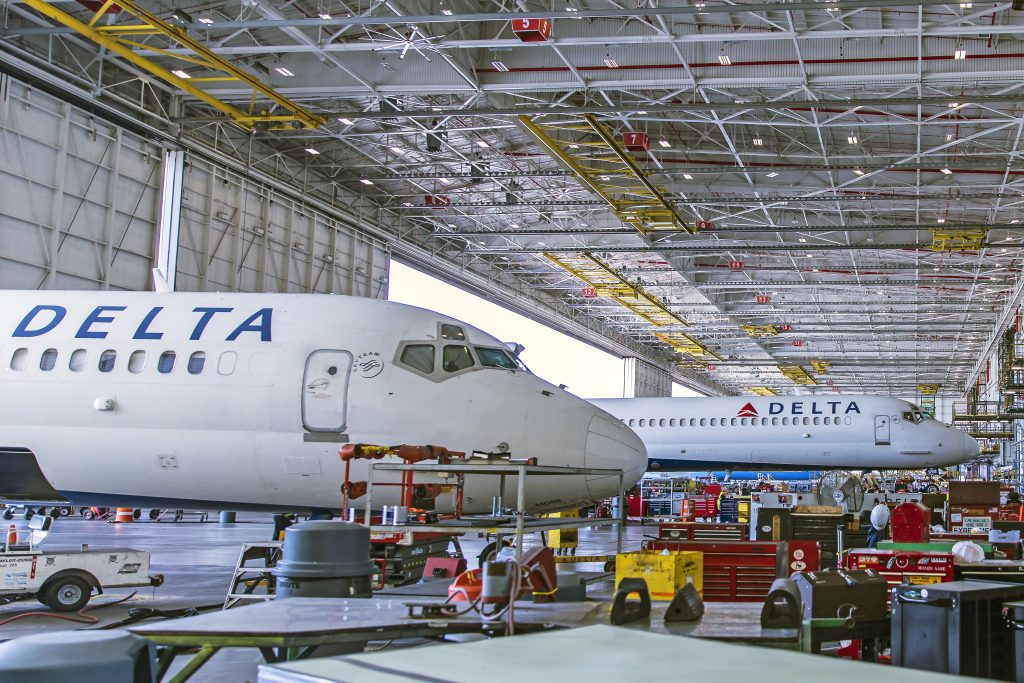
Delta McDonnell-Douglas aircraft at the carrier’s Atlanta maintenance base (Photo: AirlineGeeks | William Derrickson)
“Another one-third is, increasingly we’re seeing students that are more interested in trade-oriented programs,” he said. “[In] this rising generation that’s graduating high school now, there’s a segment that’s like ‘the toolbelt generation.’ They’re more interested and more predisposed to these types of mechanical careers than we saw over the last 10 to 15 to 20 years.”
Instead of going to college, Pfaff said this “toolbelt generation” of students is opting for a quicker return on investment with a solid career path.
“As young adults pursue that path, I think aviation speaks to that population very well,” he said.
The last third is made up of workers who may have been working for several years post-high school and are looking for better, more long-term career opportunities.
Tackling the Shortage
A 2023 Oliver Wyman report stated fears of an aircraft maintenance tech shortage started as early as 2017. As the COVID-19 pandemic swept the globe, these fears were put at the backburner of industry conversation.
“But anxiety over a dearth of aircraft maintenance workers was pushed to the forefront again as the pandemic waned and the raft of early retirements during COVID began to put a squeeze on the labor market,” the report stated. “Aviation executives ranked a potential mechanics’ shortage MRO’s No. 1 headache in Oliver Wyman’s annual survey earlier this year [2023].”
As of the report, most aircraft maintenance techs were over 40 years old – with the percentage of ages 18 to 30 in the single digits.
“One key to improving the outlook is engaging with prospective workers, getting them interested in aviation again,” the report continued. “But in today’s highly competitive climate, targeting high school and college students is probably too late. That education campaign needs to start early with programs that introduce both children and their parents to what’s possible in aviation.”
Pfaff said that the industry is aware that there is an “accelerating” problem regarding aviation’s shortage of aircraft maintenance techs.
“We’re not to the depths of how challenging it can get, but I think everyone sees that on the horizon,” he said. “The shortfall gap is accelerating annually and that’s starting to compound. So I think we’re in this unique time where folks understand the shortage is real. It’s not going to get better on its own, and we’re going to have to take tactical [and] intelligent steps to solve that problem.”
AIM’s partnerships with employers and carriers increasing wages have been some of the ways the industry has sought to address the shortage.
“If it’s a nine inning game, I’d say we’re probably in the third inning,” Pfaff said. “It will get more challenging. But again, from our perspective, at least from some of the conversations we’re having, this could also be a catalyst for a lot of really exciting change in our industry as well.”
Pfaff said he hopes that catalyst will take the form of more people starting careers in the aviation industry – which could come from growing partnerships between AIM and airlines.
AirlineGeeks.com was founded in February 2013 as a one-person blog in Washington D.C. Since then, we’ve grown to have 25+ active team members scattered across the globe. We are all here for the same reason: we love deep-diving into the fascinating realm of the airline industry.
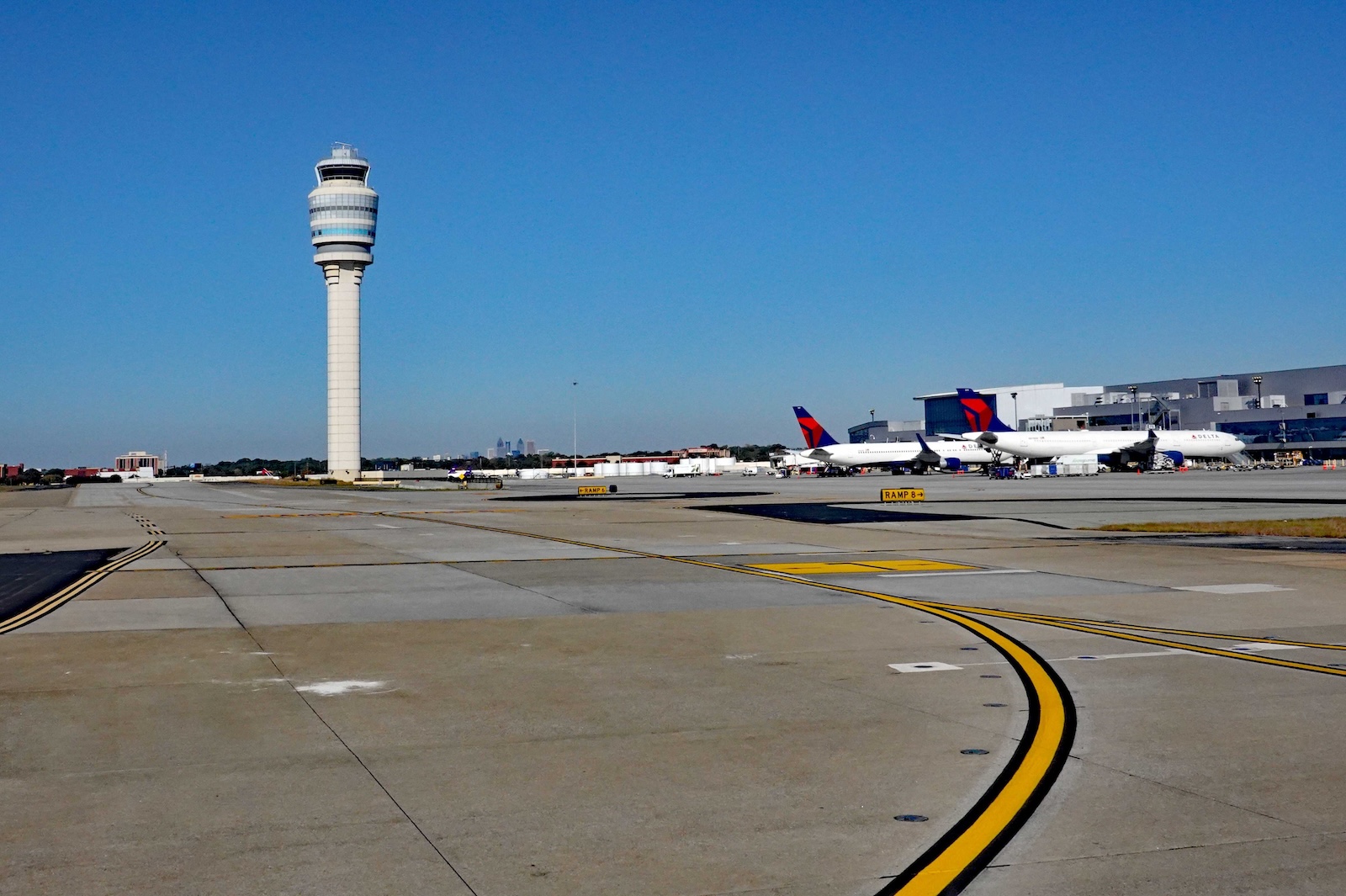
Hartsfield-Jackson Atlanta International Airport (Photo: Shutterstock } Thomas Barrat)
All 57,000 Department of Transportation employees were advised Monday to respond to Elon Musk’s email to federal workers, according to a Reuters report. This includes the around 21,000 air traffic controllers at the Federal Aviation Administration.
Musk’s memo instructed all federal workers to list five accomplishments from the past week by 11:59 p.m. ET on Monday. Failure to do so could be seen as a resignation, he said on social media.
NEW: The Department of Transportation has ordered *all employees* to respond to Elon Musk’s “What did you do last week?” email by the 11:59 p.m. deadline, according to an internal memo shared with me.
That includes the FAA’s chronically understaffed air traffic controller corps. pic.twitter.com/96mEE8qPgX
Duffy listed his accomplishments on X, which included a visit to the FAA’s Command Center in Virginia and a tour of the air traffic control tower in Burbank, California.
Ryan founded AirlineGeeks.com in February 2013 and has spent more than a decade covering the airline business. His work has been featured by CNN, WJLA, CNET, and Business Insider. His aviation experience spans airport operations, Part 135 regulatory compliance, and airline crew workforce planning, along with time behind the yoke of a Cessna 172 and interviews with airline executives. Ryan now serves as Group President of Firecrown Media’s Aviation Group. He holds a B.S. in Air Transportation Management and an MBA from Arizona State University and teaches Airline Management at Embry-Riddle Aeronautical University.
The airline recorded a profit after tax of AED 1.7 billion ($476 million) for the full year 2024, marking a threefold increase over the previous year and the airline’s largest annual profit to date. This growth was driven by increased revenue, operational efficiency, and cost management.
Total revenue increased by 25% year-on-year, reaching AED 25.3 billion ($6.9 billion). Passenger revenue accounted for AED 20.8 billion ($5.7 billion), reflecting a 25% increase compared to 2023. This was supported by a 32% rise in passenger numbers, reaching 18.5 million, and a 28% increase in Available Seat Kilometres (ASK). The passenger load factor also improved to 87%, up from 86% in 2023.
Cargo revenue totaled AED 4.2 billion ($1.1 billion), a 24% increase year-on-year, supported by increased capacity and a 12% rise in cargo leg tonnes carried. Improved yields in the second half of the year further contributed to revenue growth.
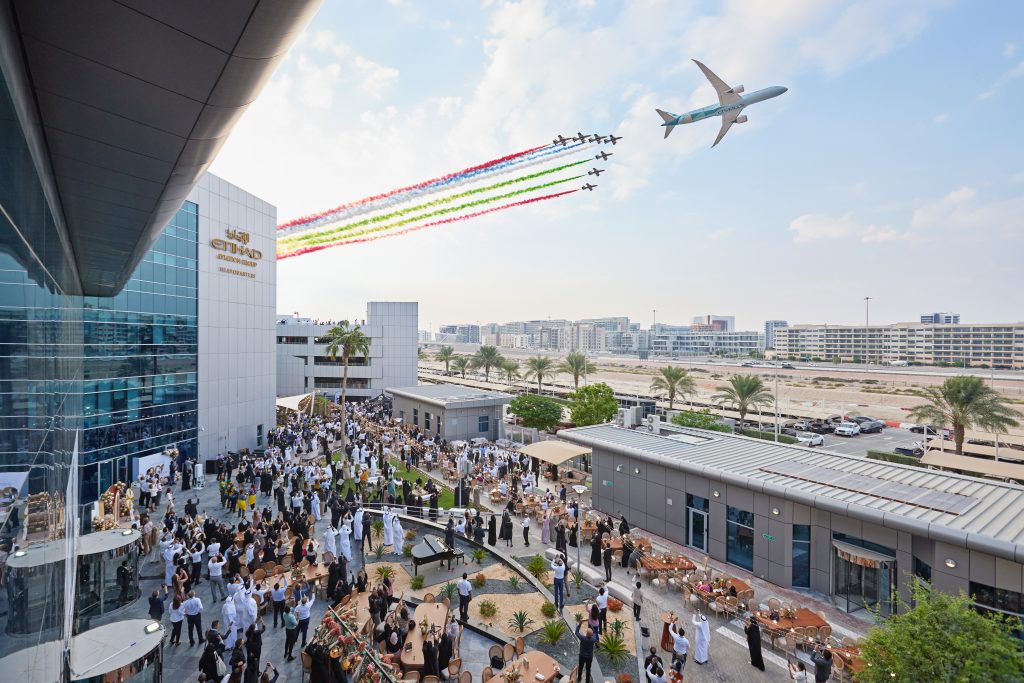
Etihad Airways Boeing 787 Dreamliner celebratory fly-by over the company’s headquarters in Abu Dhabi (Photo: Etihad)
The airline’s operating result was strengthened by an EBITDA of AED 4.7 billion ($1.3 billion), a 32% increase year-on-year. Net finance costs decreased by 80%, contributing to improved profitability. Cash flow from operations nearly doubled to AED 5.8 billion ($1.6 billion).
Sustainable Growth
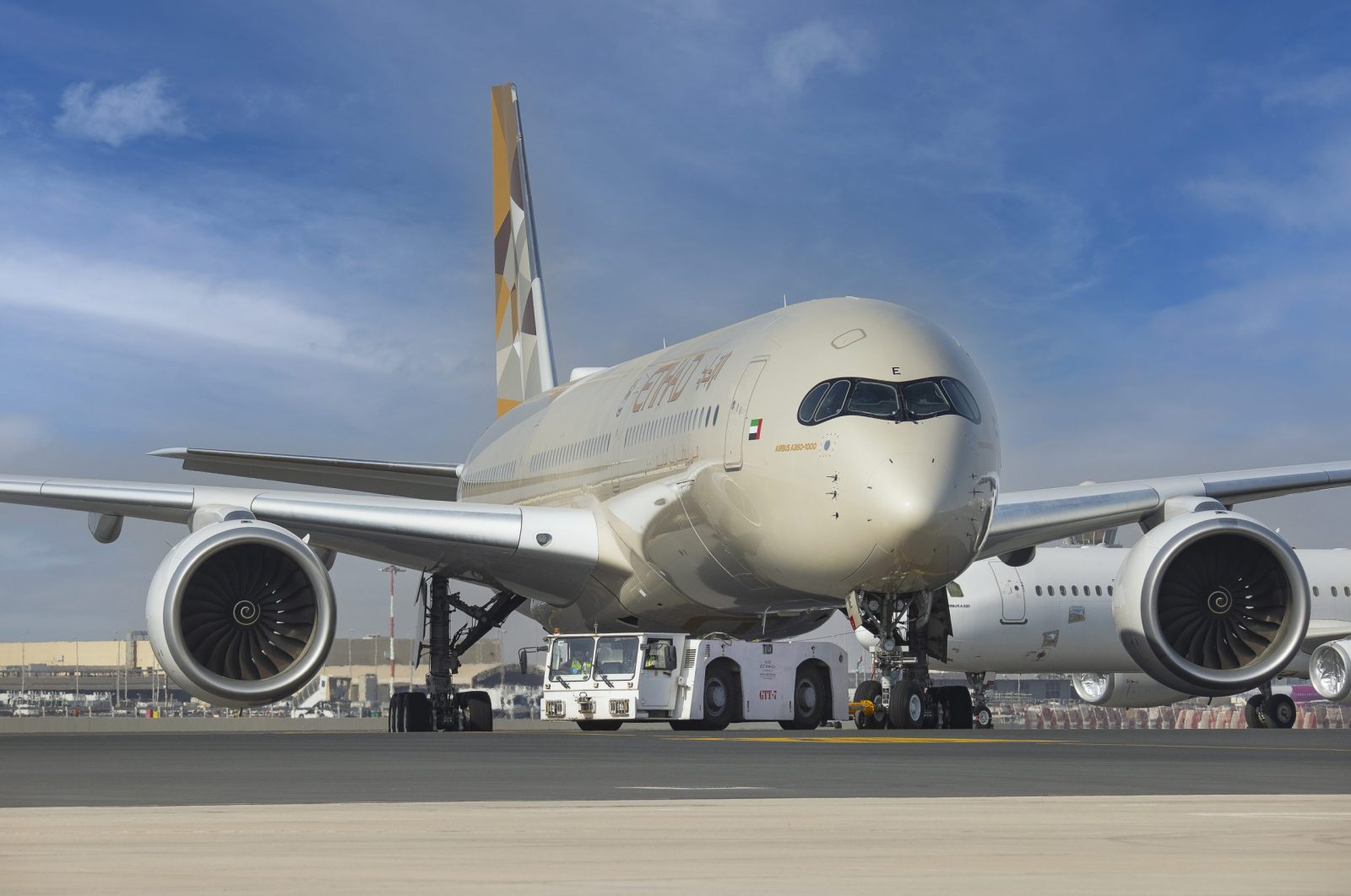
Etihad Airways expanded its operations in 2024, increasing capacity and improving efficiency while maintaining a focus on cost control. The airline added 12 new aircraft to its fleet, including six A320neos and the reintroduction of its fifth A380. As of December 2024, Etihad operated 97 aircraft.
The airline increased flight frequencies on 25 routes and launched more than 20 new destinations, including Boston, Jaipur, Bali, and Nairobi. Seasonal destinations such as Antalya, Nice, and Santorini were also introduced, with over 10 additional cities planned for 2025. By the end of 2024, Etihad operated flights to 80 destinations, strengthening its global network and enhancing connectivity through its Abu Dhabi hub.
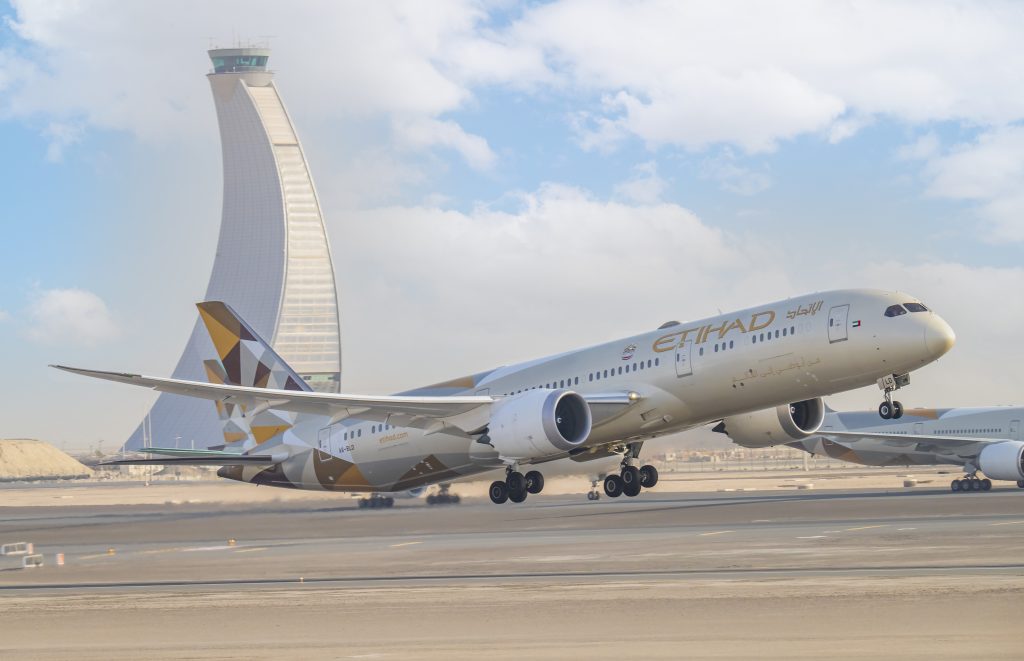
An Etihad Airways Boeing 787 Dreamliner taking off at Abu Dhabi International Airport (Photo: Etihad)
Operational efficiency improvements contributed to cost reductions, with Cost per Available Seat Kilometre (CASK) decreasing by 3% and CASK excluding fuel decreasing by 4% year-on-year. The airline continued optimizing its network through 126 interline, codeshare, and strategic partnerships, including agreements with China Eastern and SF Airlines, supporting both passenger and cargo operations.
These measures resulted in a 28% increase in ASK, higher aircraft utilization, and improved financial and operational performance.
Etihad Airways CEO Antonoaldo Neves highlighted the airline’s commitment to efficiency and customer satisfaction, stating:
“These results are testament to the dedication of our people who have worked together for a purpose, delivering our strategy. Their efforts have driven improvements in customer satisfaction measured across all cabin classes and numerous other touchpoints. Equally, they have delivered sustainable, profitable growth while maintaining disciplined efficiency and a steadfast commitment to safety.”
A passionate aviation enthusiast that started off his career as an aerospace engineer, but found his true calling on the commercial side of the airline business. Now as a finance guy among avgeeks and an avgeek among finance guys, he has experience working in the Revenue Divisions of three airlines. In his spare time he enjoys traveling, but admittedly sometimes is more about the journey than the destination.
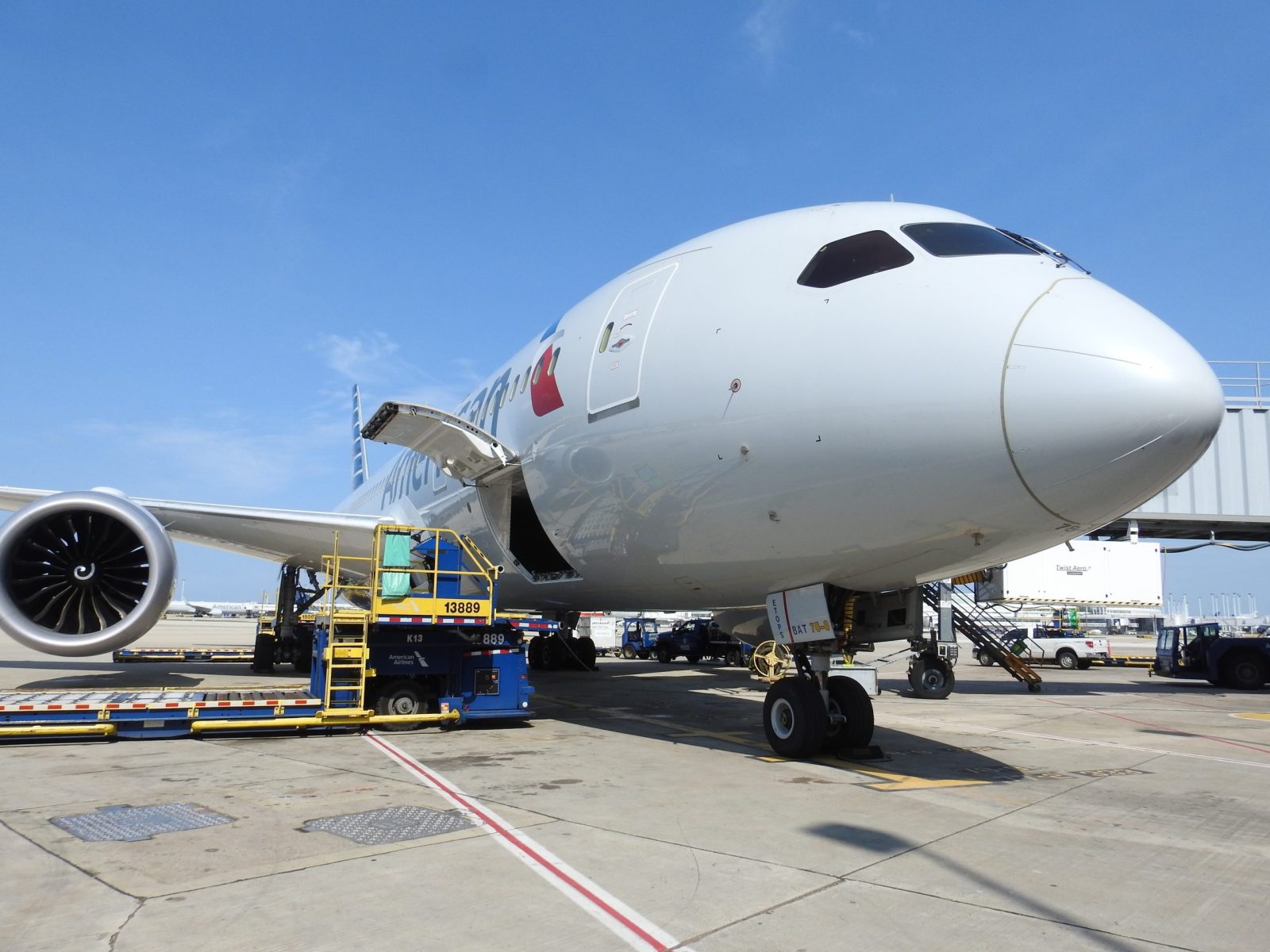
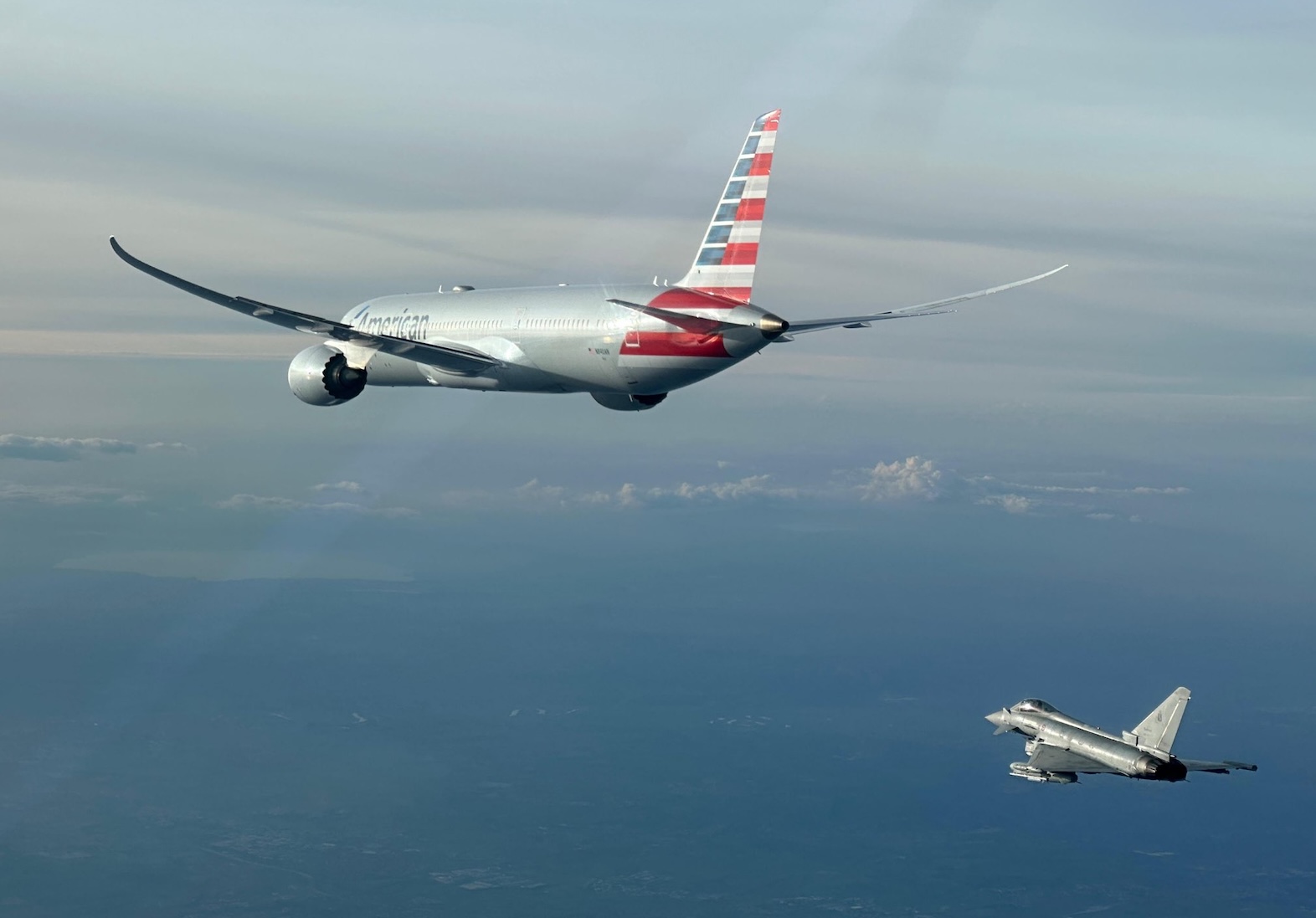
American 787 Intercepted by Fighter Jets
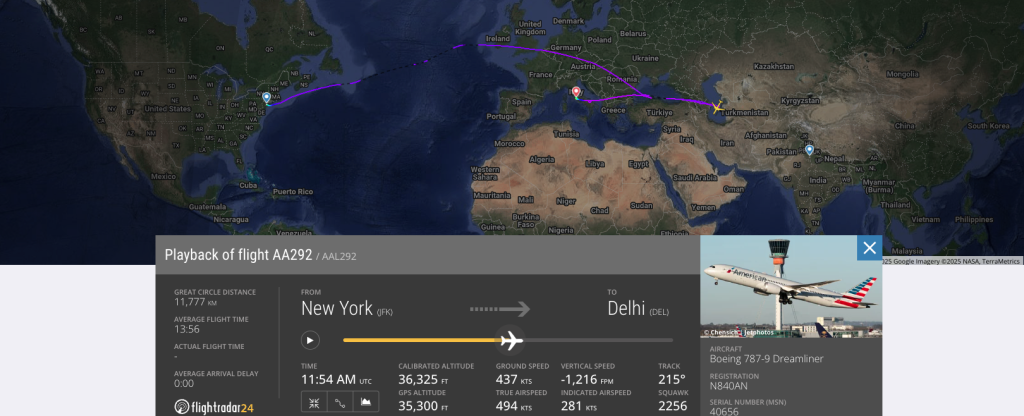
The flight made a U-turn near Turkmenistan about 10 hours into its trip. It was later escorted by Italian Eurofighter aircraft.
#Scramble: nel pomeriggio due #Eurofighter dell’#AeronauticaMilitare sono decollati su allarme per identificare e scortare un aereo di linea diretto a Delhi che aveva invertito rotta verso l’aeroporto di Fiumicino (RM) per una segnalazione di un presunto ordigno esplosivo a bordo pic.twitter.com/qocq43lC6H
According to the Associated Press, an airline spokesperson said the diversion was due to a security concern. It was later confirmed to be “non-credible.”
Local law enforcement in Rome inspected the aircraft, which is registered as N840AN. “The flight will stay in Rome overnight to allow for required crew rest before continuing to Delhi as soon as possible tomorrow,” the spokesperson added.
AA292 flight data (Photo: Flightradar24)
The flight made a U-turn near Turkmenistan about 10 hours into its trip. It was later escorted by Italian Eurofighter aircraft.
Ryan founded AirlineGeeks.com in February 2013 and has spent more than a decade covering the airline business. His work has been featured by CNN, WJLA, CNET, and Business Insider. His aviation experience spans airport operations, Part 135 regulatory compliance, and airline crew workforce planning, along with time behind the yoke of a Cessna 172 and interviews with airline executives. Ryan now serves as Group President of Firecrown Media’s Aviation Group. He holds a B.S. in Air Transportation Management and an MBA from Arizona State University and teaches Airline Management at Embry-Riddle Aeronautical University.