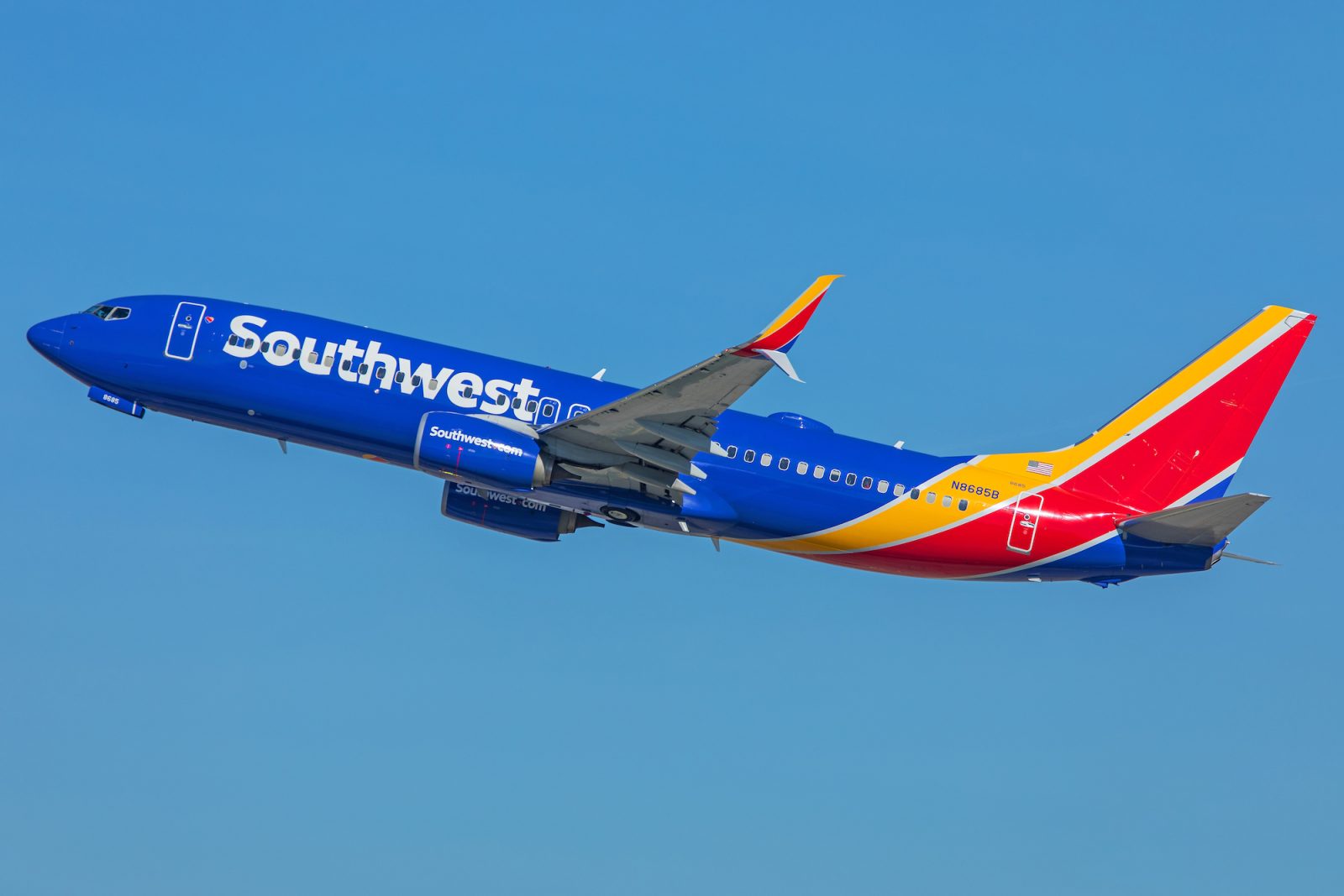
A Southwest 737-800 takes off from Los Angeles. (Photo: AirlineGeeks | William Derrickson)
Southwest plans to sell some of its older 737NG aircraft. These will eventually be replaced by newer 737 MAX 8 aircraft, outgoing CFO Tammy Romo said during the carrier’s fourth-quarter earnings call on Thursday.
In 2025, the airline plans to retire 51 aircraft with a goal of operating an all-MAX fleet by 2031. In addition, Romo shared, the carrier is weighing whether to sell 10 737-800 aircraft.
All of this would be dependent on Boeing delivering 38 new jets to the airline.
“These are midlife aircraft that currently have highly favorable market valuations,” she added. The airline currently has around 200 -800NG aircraft in its fleet.
“The current market setup and our order book economics combined to create an opportunity to replace these midlife -800s with new [MAX 8s],” Romo continued. “This creates value for Southwest as we plan to realize the lower maintenance and fuel costs, enhanced customer experience, and better reliability associated with [MAX 8] aircraft, all with reduced capital spending.”
Southwest is contractually set to take delivery of 136 new Boeing jets this year, including the yet-to-be-certified MAX 7. However, the airline is conservatively planning to receive only 38.
“So you can understand that our strong preference is to execute sales. The -800 sales facilitate capital-efficient fleet modernization, and for the [MAX 8] the opportunity is to harvest significant embedded value,” Romo said.
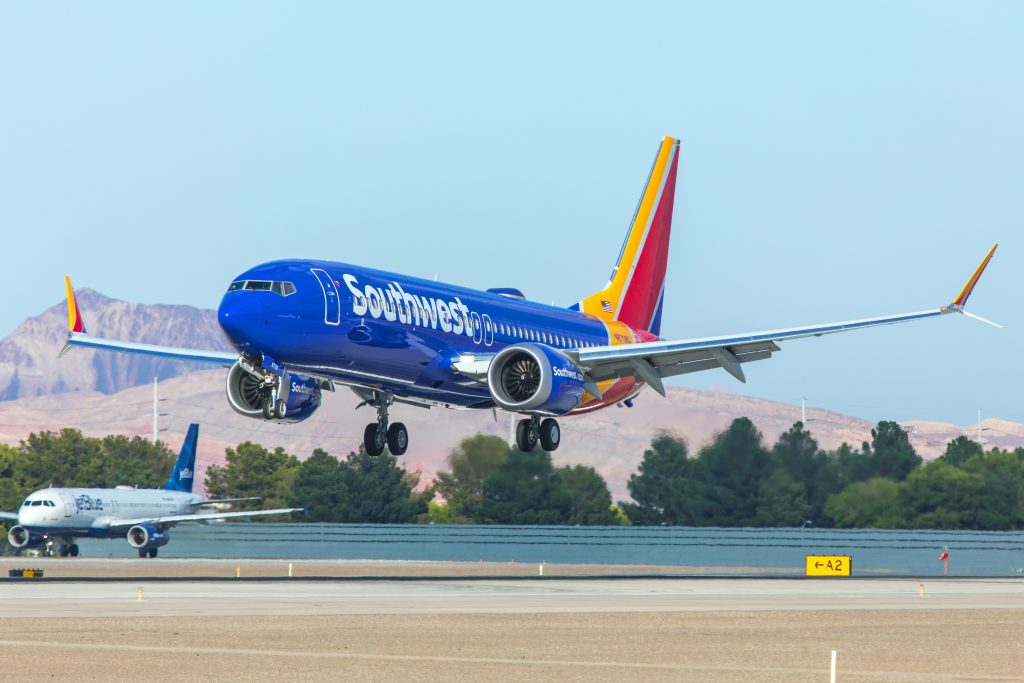
A Southwest 737 MAX 8 in Las Vegas. (Photo: AirlineGeeks | William Derrickson)
Boeing Optimism
Even with conservatively planned delivery numbers, Southwest CEO Bob Jordan said the beleaguered manufacturer “appears to be on a good path.”
Jordan visited Boeing’s Renton, Washington, factory last week, he said.
“They have clearly been hard at work, and I was pleased with the progress that I saw. Everyone was engaged and focused, and while they still have much work to do, they appear to be on a good path and we’re feeling more optimistic,” he shared.
But Jordan added that “we think it’s prudent to hedge our bets.”
Ryan founded AirlineGeeks.com in February 2013 and has spent more than a decade covering the airline business. His work has been featured by CNN, WJLA, CNET, and Business Insider. His aviation experience spans airport operations, Part 135 regulatory compliance, and airline crew workforce planning, along with time behind the yoke of a Cessna 172 and interviews with airline executives. Ryan now serves as Group President of Firecrown Media’s Aviation Group. He holds a B.S. in Air Transportation Management and an MBA from Arizona State University and teaches Airline Management at Embry-Riddle Aeronautical University.
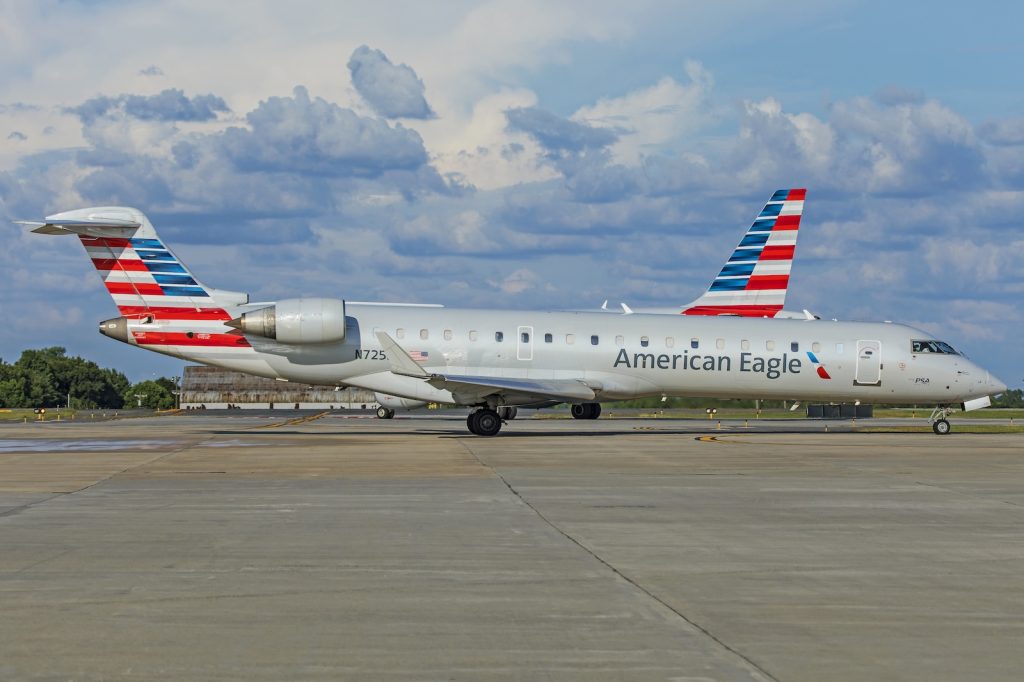
The CRJ-700 – which was operated by American Airlines’ regional subsidiary PSA – was flying from Wichita, Kansas, to Washington, D.C., on Wednesday evening. The jet and an Army Black Hawk helicopter collided over the Potomac River.
Lilley had been with PSA for two years, American CEO Robert Isom said during a press conference. Campos had six years of tenure at the regional carrier.
EXCLUSIVE: The father of the pilot onboard the American Airlines Plane identifies him as 28 Year-old- Sam Lilley. His father, who is also a pilot, says he was engaged to be married, started his training in 2019 and was the first officer on the flight Wednesday. @FOX5Atlantapic.twitter.com/HVRwORvpRk
“This is undoubtedly the worst day of my life,” his father, Timothy Lilley, told Fox 5.
Timothy Lilley added that he had been a U.S. Army helicopter pilot for two decades.
“The irony is that I was a Black Hawk helicopter pilot for 20 years and I used to fly that exact same route that the helicopter that crashed was flying,” he shared. Timothy is now a private jet pilot.
An investigation into the accident remains ongoing and is in the hands of the National Transportation Safety Board.
Ryan founded AirlineGeeks.com in February 2013 and has spent more than a decade covering the airline business. His work has been featured by CNN, WJLA, CNET, and Business Insider. His aviation experience spans airport operations, Part 135 regulatory compliance, and airline crew workforce planning, along with time behind the yoke of a Cessna 172 and interviews with airline executives. Ryan now serves as Group President of Firecrown Media’s Aviation Group. He holds a B.S. in Air Transportation Management and an MBA from Arizona State University and teaches Airline Management at Embry-Riddle Aeronautical University.
A PSA Airlines CRJ-700 (Photo: Shutterstock | BravoKiloPhoto)
President Donald Trump said during a Thursday press conference that DEI hiring policies were to blame for Wednesday’s aircraft collision over the Potomac River in Washington, D.C.
He said the Federal Aviation Administration, the National Transportation Safety Board, and the U.S. military were carrying out a systematic investigation into the cause of the incident.
“The work has now shifted to a recovery mission,” Trump said. “Sadly there were no survivors. … As one nation we grieve for every precious soul that was taken from us so suddenly.”
Trump lambasted former Transportation Secretary Pete Buttigieg’s policies at the Department of Transportation.
“Do you know how badly everything’s run since [Buttigieg] has run the Department of Transportation?” Trump said. “He’s a disaster. He was a disaster as a mayor, he ran his city into the ground. And he’s a disaster now, he’s just got a good line of bulls***.”
Trump said that under Buttigieg, the Federal Aviation Administration was prioritizing recruiting workers who “suffer severe intellectual disabilities, psychiatric problems and other mental and physical conditions.”
“Last week, long before the crash I signed an executive order restoring our highest standards for air traffic controllers and other important jobs throughout the country,” Trump said. “… . My administration will set the highest possible bar for aviation safety. We have to have our smartest people [doing that job].”
Buttigieg posted a response to Trump’s comments on X saying the president “should be leading, not lying.”
“Despicable,” Buttigieg wrote. “As families grieve, Trump should be leading, not lying. We put safety first, drove down close calls, grew Air Traffic Control, and had zero commercial airline crash fatalities out of millions of flights on our watch.”
Despicable. As families grieve, Trump should be leading, not lying. We put safety first, drove down close calls, grew Air Traffic Control, and had zero commercial airline crash fatalities out of millions of flights on our watch.
President Trump now oversees the military and the…
During the press conference, Trump speculated that the CRJ-700 pilot was “doing everything right,” whereas the Black Hawk helicopter had a “pilot problem.”
“We had a situation where we had a helicopter that had the ability to stop,” Trump said. “… The turn it made was not the correct turn, obviously. And it did somewhat the opposite of what it was told.”
“You had a confluence of bad decisions that were made,” he continued.
Transportation Secretary Sean Duffy said during the conference that when it comes to safety, the DOT can only accept the “best and the brightest.” The recently appointed DOT head has been on the job for just two days now.
“We will have the best and brightest in every position possible,” added Secretary of Defense Pete Hegseth. “… . The era of DEI is gone at the defense department, and we need the best and the brightest, whether it’s in our air traffic control, or whether it’s in our generals or whether it’s throughout government.”
All 64 people aboard American Airlines flight 5342 are presumed to be dead. Hegseth identified the ranks of the three soldiers killed in the crash as a captain, a staff sergeant, and a chief warrant officer.
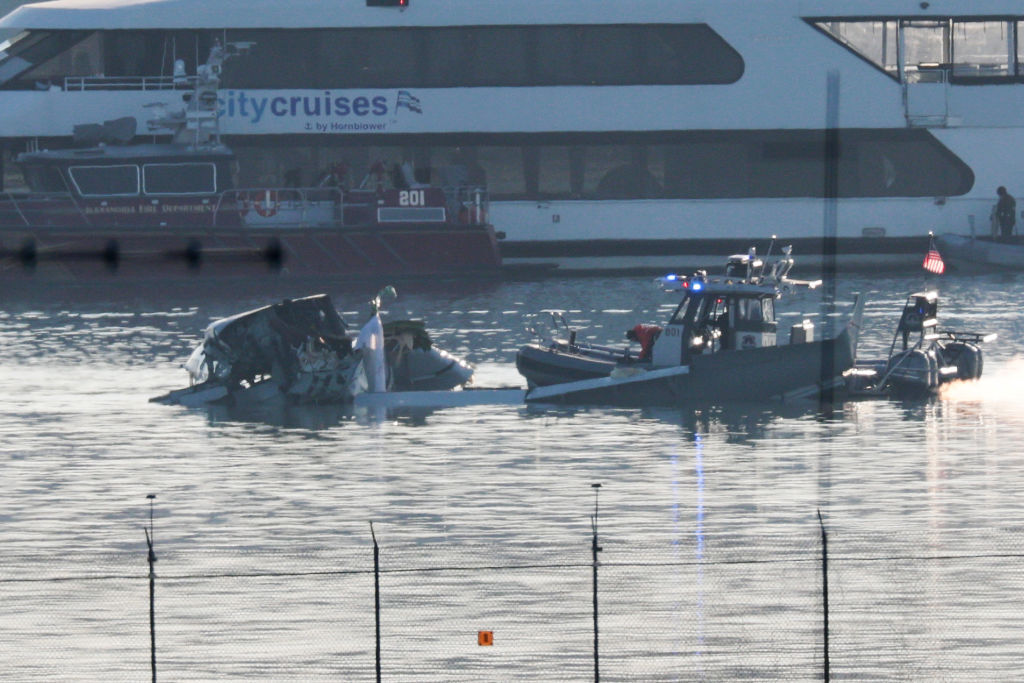
Crash site in the Potomac River (Photo: Getty Images | Win McNamee)
A ‘Preventable’ Accident
In an earlier press conference hosted by D.C. Mayor Muriel Bowser Thursday morning, Duffy said he believed the deadly crash was “absolutely” preventable.
His comment aligned with President Trump’s social media post stating that the crash “should have been prevented.”
Duffy told reporters that both the U.S. Army Black Hawk helicopter and American flight were operating “standard” flight patterns when they crashed into each other near Ronald Reagan Washington National Airport.
“Last night, if you live in the D.C. area, you would know that this was a clear night last night,” Duffy said. “The helicopter was in a standard pattern. If you live in the D.C. area, you’ll see helicopters up and down the river … The American Airlines flight coming in to land was in a standard flight pattern as it was coming into DCA.”
He said it was common for the two types of aircraft to operate simultaneously over the river and near the airport. He also said that safety is paramount.
“Safety is our expectation,” Duffy said. “Everyone who flies in American skies expects that we fly safely – that when you depart an airport, you get to your destination. That didn’t happen last night. And I know that President Trump, his administration, the FAA and DOT, we will not rest until we have answers for the families and for the flying public. You should be assured that when you fly, you are safe.”
AirlineGeeks.com was founded in February 2013 as a one-person blog in Washington D.C. Since then, we’ve grown to have 25+ active team members scattered across the globe. We are all here for the same reason: we love deep-diving into the fascinating realm of the airline industry.
A PIA A320 aircraft (Photo: Aasif Azaan / CC BY-SA (https://creativecommons.org/licenses/by-sa/4.0))
Delegates from the U.K.’s Department of Transportation and Civil Aviation Authority have arrived in Pakistan this week to discuss resuming flights of Pakistan’s flag carrier, Pakistan International Airlines (PIA), to London.
The move comes just under three weeks after PIA resumed flights to Paris, marking the end of a four-year-long hiatus. This was due to safety concerns, with the EASA, the European Aviation Safety Agency, having suspended the ban on flying over its airspace.
According to Arab News, the U.K.’s team is in the South-Asian nation’s largest city, Karachi, to determine whether they deem the Pakistani Civil Aviation Authority’s (PCAA) safety standards as being fit to resume flights.
The ban originally came into effect in 2020 in the wake of a PIA Airbus A320 crashing into a Karachi suburb, leaving 97 passengers dead and a further eight on the ground. Following the crash, an investigation raised concerns regarding the validity of several Pakistani pilot’s licenses, and so PIA was banned from flying to, from, or over European Union and British airspace.
Over the four years, the ban was in effect, the PCAA grounded 262 pilots, a move that the EASA deemed acceptable in order to pause the ban.
According to Flightradar24, only one airline currently flies non-stop between the U.K. and Pakistan. British Airways operates flights between the capitals of both Pakistan and the U.K., London and Islamabad, using a Boeing 777-200.
Sam Jakobi is a young aviation journalist based in London, U.K. A lifelong Airbus fan, he has adored aviation for as long as he can remember. Sam writes articles and conducts interviews with members of the aviation community.
Lufthansa Group Takes Minority Stake in airBaltic
Lufthansa Group is deepening its strategic partnership with airBaltic by acquiring a 10% convertible stake in the Latvian national airline for €14 million.
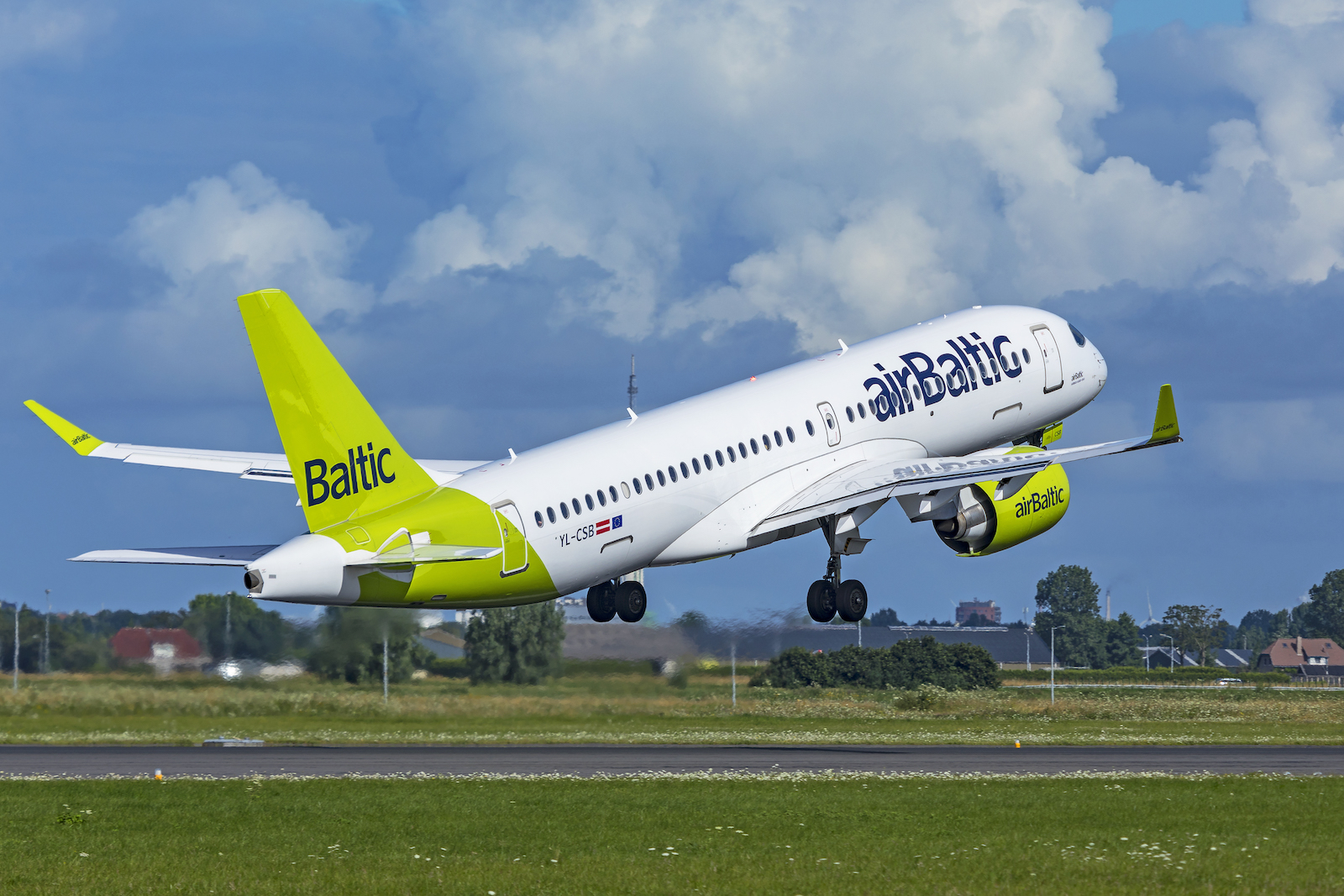
An airBaltic Airbus A220. (Photo: AirlineGeeks | William Derrickson)
Two European aviation entities, airBaltic and the Lufthansa Group, informed about a new strategic knot on Wednesday.
Capital Injection
The Lufthansa Group has taken a significant step in expanding its strategic partnership with airBaltic, signing an agreement to acquire a 10% convertible stake in the Latvian national airline. The investment, valued at EUR 14 million, also grants Lufthansa Group a seat on airBaltic’s Supervisory Board.
The convertible share will be transformed into ordinary shares upon a potential IPO of airBaltic. While the final stake size will be determined by market pricing, Lufthansa Group’s holding will not fall below 5% post-IPO. This puts one of the estimates for airBaltic’s future market valuation at EUR 280 million. The number would be close to one-third of the current market capitalization of Norwegian Air Shuttle, a close competitor to airBatlic.
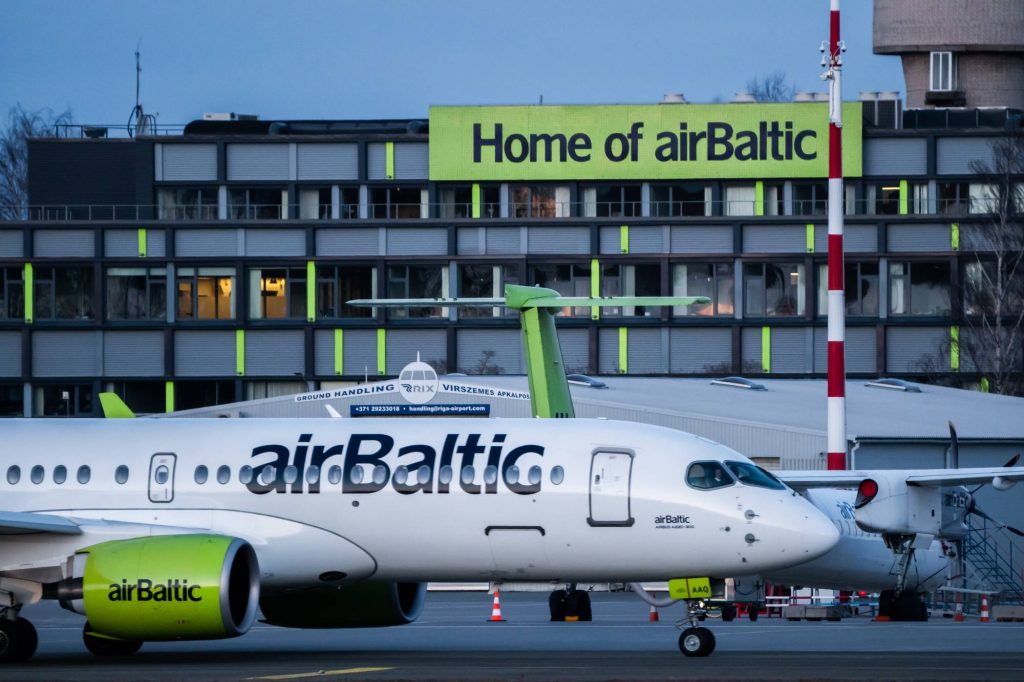
airBaltic Airbus A220-300 at Riga Airport (Photo: airBaltic)
Next Step in the Partnership
This move builds upon the existing wet-lease agreement between the two airlines, aiming to enhance Lufthansa Group’s network quality and market reach. It also supports the development of wet lease services, ensuring alignment with customer expectations.
The transaction is expected to close in Q2 2025, pending antitrust approval. Meanwhile, Lufthansa Group and airBaltic have extended their wet-lease agreement for three more years, enabling Lufthansa Group to flexibly deploy up to 21 Airbus A220-300 aircraft in the summer and five in the winter across its hubs.
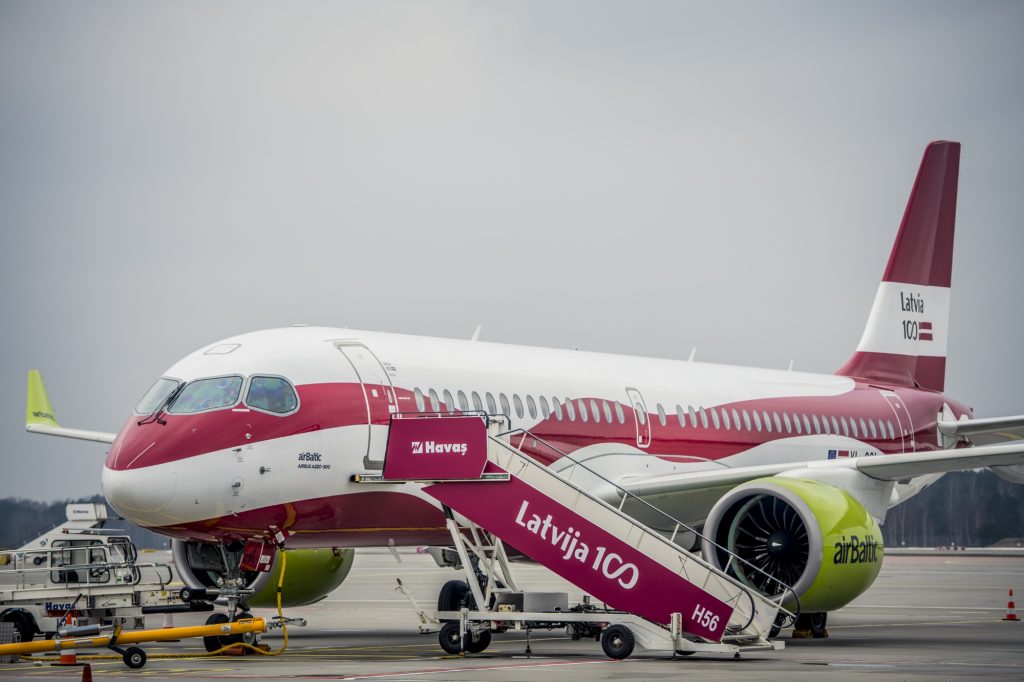
Airbaltic Airbus A220 in the Latvian national flag livery (Photo: Airbaltic)
Beyond Europe
In addition to strengthening ties with Lufthansa Group, airBaltic is expanding its global presence through a newly announced partnership with SUA Líneas Aéreas, a Latin American startup airline. As part of the agreement, airBaltic will wet lease up to five Airbus A220-300 aircraft to SUA, beginning in October 2025.
Beyond aircraft leasing, airBaltic will support SUA’s operational setup, offering expertise in pilot training, IT and automation, and sustainability initiatives.
A passionate aviation enthusiast that started off his career as an aerospace engineer, but found his true calling on the commercial side of the airline business. Now as a finance guy among avgeeks and an avgeek among finance guys, he has experience working in the Revenue Divisions of three airlines. In his spare time he enjoys traveling, but admittedly sometimes is more about the journey than the destination.
No Survivors in D.C. Crash: Officials
D.C. Fire Chief John Donnelly said Thursday that no survivors are expected after an American Eagle CRJ-700 and helicopter collided near Reagan National Airport.
Crews are switching from a rescue to a recovery operation with the D.C. Medical Examiner’s leading. 64 passengers and crew members were on the regional jet with three troops on the helicopter.
So far, 27 bodies have been recovered from the jet along with one from the helicopter.
The National Transportation Safety Board is taking control of the crash site, Donnelly added.
Emergency response teams including Washington, DC Fire and EMS respond after an American Airlines flight from Wichita, Kansas collided with an Army helicopter while approaching National Airport on January 30, 2025 in Arlington, Virginia. (Photo by Andrew Harnik/Getty Images) pic.twitter.com/CvvrhOpt3y
Secretary of Transportation Sean Duffy ‒ who was just appointed this week ‒ said the regional jet is in three pieces in waist-deep water. “Something went wrong here,” he added during a press conference Thursday.
American CEO Robert Isom added that the captain had six years of tenure with PSA, while the first officer had been with the regional carrier for two years.
Reagan National is set to open at 11 a.m. local time Thursday.
Ryan founded AirlineGeeks.com in February 2013 and has spent more than a decade covering the airline business. His work has been featured by CNN, WJLA, CNET, and Business Insider. His aviation experience spans airport operations, Part 135 regulatory compliance, and airline crew workforce planning, along with time behind the yoke of a Cessna 172 and interviews with airline executives. Ryan now serves as Group President of Firecrown Media’s Aviation Group. He holds a B.S. in Air Transportation Management and an MBA from Arizona State University and teaches Airline Management at Embry-Riddle Aeronautical University.
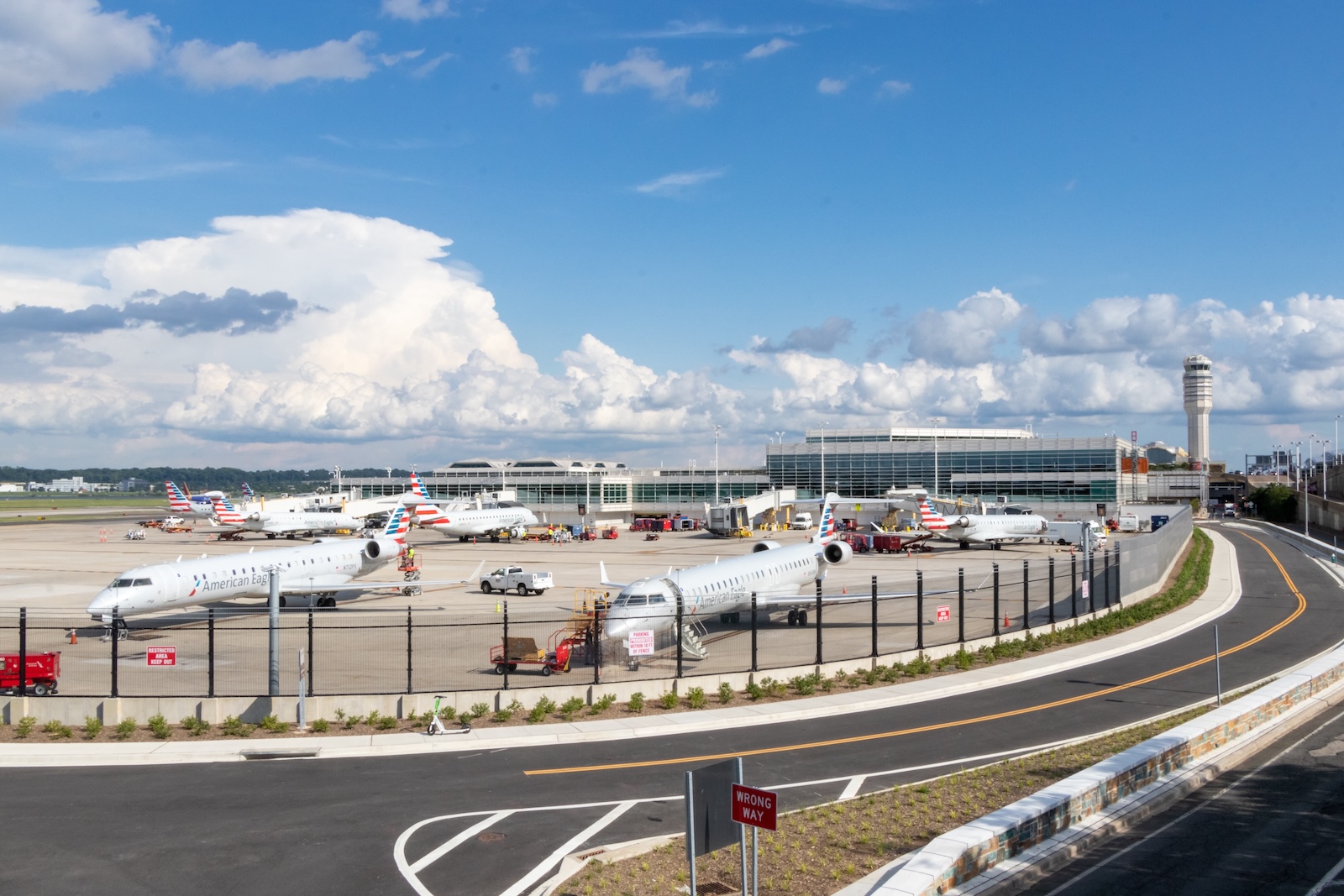
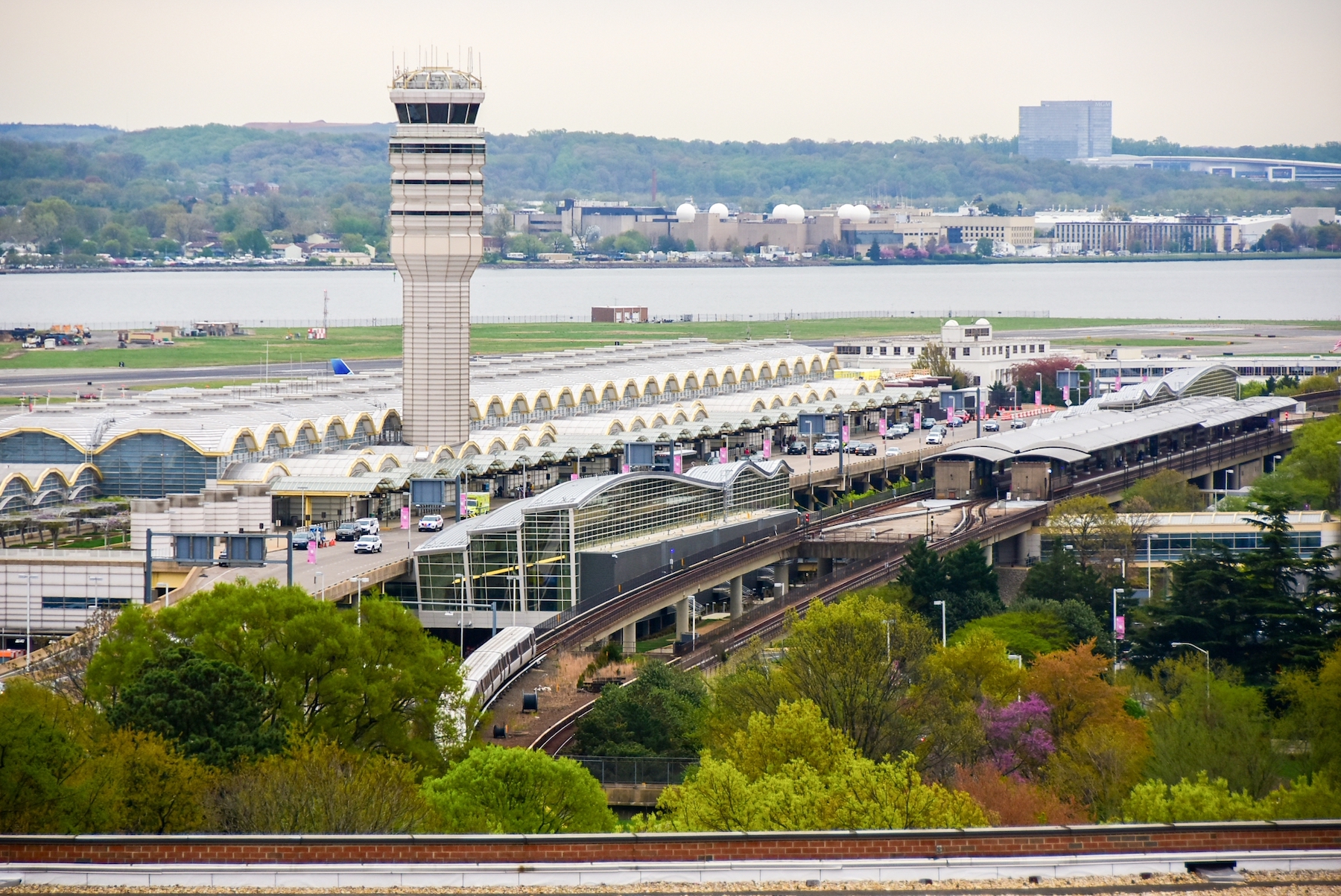
Ronald Reagan Washington National Airport. (Photo: Shutterstock | TJ Brown)
Two aircraft have reportedly collided near Reagan National Airport in Washington, D.C. One of the aircraft was an American Eagle CRJ-700 operated by PSA Airlines, while the other was a Black Hawk helicopter, according to the Federal Aviation Administration.
The agency confirmed the incident in a statement: “A PSA Airlines Bombardier CRJ700 regional jet collided in midair with a Sikorsky H-60 helicopter while on approach to Runway 33 at Reagan Washington National Airport around 9 p.m. local time. PSA was operating as Flight 5342 for American Airlines. It departed from Wichita, Kansas.”
American Airlines also confirmed a PSA Airlines CRJ-700 (N709PS) was involved. PSA is a wholly-owned regional subsidiary of the American Airlines Group.
The airline’s CEO, Robert Isom, says he is headed to D.C. shortly. American’s CARE Team has also been activated.
An American Eagle CRJ-700 (Photo: AirlineGeeks)
Flight 5342 was operating from Wichita, Kansas, to Washington, D.C., with 64 passengers and crew members onboard, the carrier said.
Multiple agencies are conducting search and rescue operations. Over 300 responders are working in near-freezing conditions with murky river water, officials said. No rescue operations are taking place on land.
Air traffic control recordings can be found below:
Audio between PAT25 and DCA tower asking if they have the CRJ in sight. Affirms and requests visual separation. pic.twitter.com/6VAxx9zmv5
The airport said it is closed until at least 11 a.m. Thursday. President Trump has also been briefed.
“I have been fully briefed on the terrible accident which just took place at Reagan National Airport. May God Bless their souls. Thank you for the incredible work being done by our first responders. I am monitoring the situation and will provide more details as they arise,” the President said in a statement.
This is a developing story and will be updated as information becomes available.
Ryan founded AirlineGeeks.com in February 2013 and has spent more than a decade covering the airline business. His work has been featured by CNN, WJLA, CNET, and Business Insider. His aviation experience spans airport operations, Part 135 regulatory compliance, and airline crew workforce planning, along with time behind the yoke of a Cessna 172 and interviews with airline executives. Ryan now serves as Group President of Firecrown Media’s Aviation Group. He holds a B.S. in Air Transportation Management and an MBA from Arizona State University and teaches Airline Management at Embry-Riddle Aeronautical University.
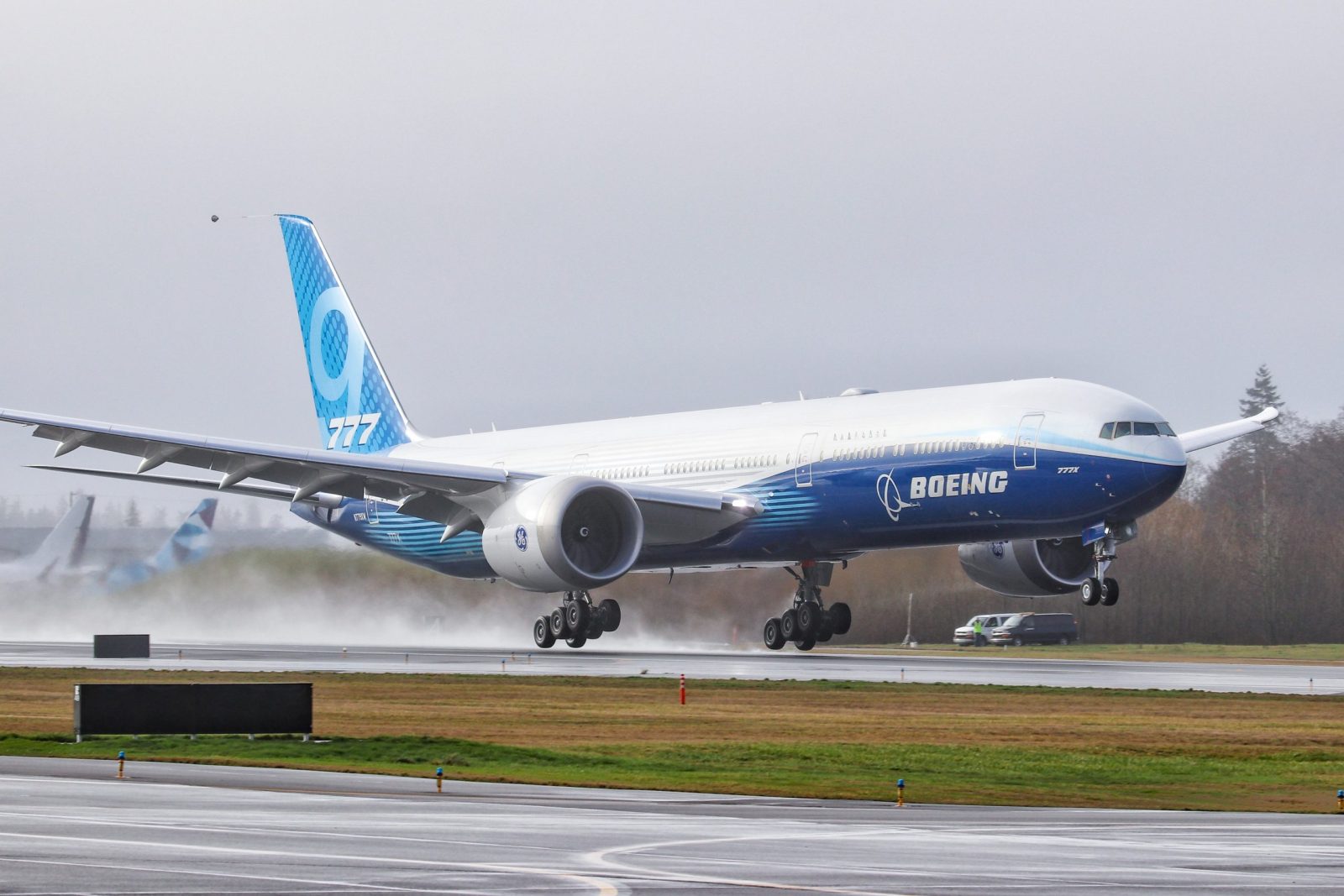
German carrier Lufthansa will be the first customer to receive Boeing’s 777X after it completes certification with the Federal Aviation Administration.
Boeing's 777X departs on its maiden test flight (Photo: AirlineGeeks | Katie Zera)
German carrier Lufthansa will be the first customer to receive Boeing’s 777-9 aircraft after it completes certification with the Federal Aviation Administration.
Boeing CEO Kelly Ortberg confirmed the news when asked about the 777X’s first-class cabin seat certifications during Boeing’s Q4 earnings call.
“So, actually, the first delivery – 777X delivery is also to Lufthansa, which is where I just mentioned, we have had seat and continue to have seat challenges,” he said. “So, I guess the good news, bad news is we’ve had seat challenges, but we do know what those challenges are for Lufthansa deliveries.”
Analysts previously speculated that Qatar Airways would receive the first 777X aircraft. In July 2024, the carrier ordered 20 additional 777X aircraft, totaling 94 orders. Qatar Airways was also the launch customer for Boeing’s 777-8 freighter.
Earlier in the call with investors, Ortberg said Boeing is continuing to focus on getting the 777X through certification. The long-delayed aircraft has hit several snags in its certification due to various technical issues, but test flights have resumed as of this month.
“Now, [the] 777X interior in general is a more complex interior, but that’s baked into our overall certification program for the aircraft,” Ortberg said. “So, we [have] time to go work [on] the seat certification issues, and we’ve learned from our 787, what those issues are. So, I think we’ll be able to manage that for the initial deliveries.”
Boeing CFO Brian West confirmed in the call that Boeing still expects to make its first 777X delivery in 2026, and will continue to follow the lead of the FAA as the company moves through certification.
AirlineGeeks reached out to Lufthansa for comment.
AirlineGeeks.com was founded in February 2013 as a one-person blog in Washington D.C. Since then, we’ve grown to have 25+ active team members scattered across the globe. We are all here for the same reason: we love deep-diving into the fascinating realm of the airline industry.
Trump Telework Reversal Undermines Aviation Security, Ex-TSA Official Says
The new Trump administration’s directive that federal employees return to the office will drive away professionals who are protecting the aviation system.
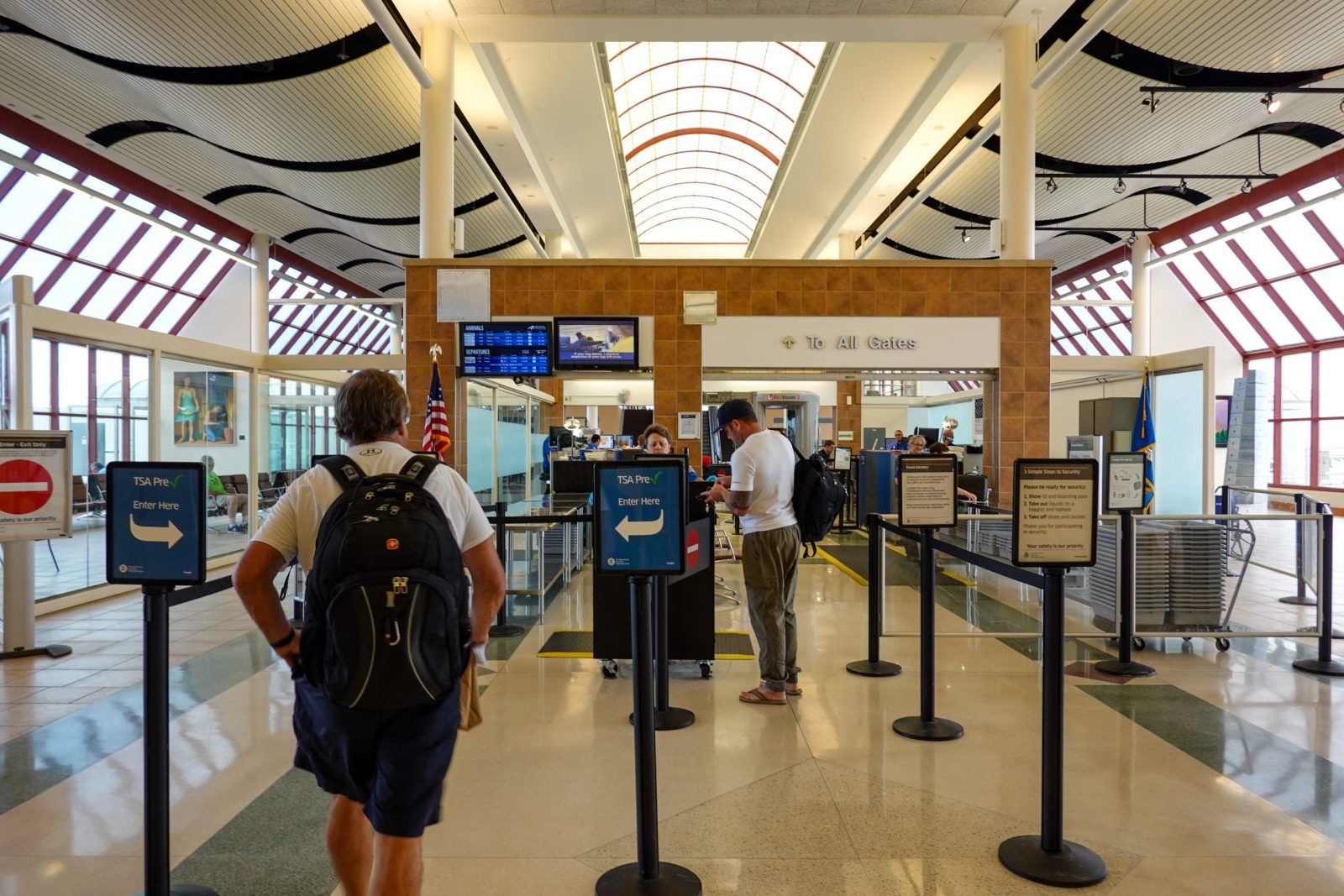
The new Trump administration’s directive that federal employees return to the office full time will drive away skilled professionals who are protecting the aviation system from terrorist threats, a former Transportation Security Administration (TSA) official warned Friday.
Douglas Brittin, who headed the TSA’s air cargo division a decade ago, said in a letter to the House Homeland Security Committee that the the mandate to phase out remote work without sufficient planning or accommodation will lead to “significant attrition, including the loss of irreplaceable institutional knowledge and expertise” and undermine the agency’s ability to recruit and retain specialized personnel.
A self-inflicted brain drain would hurt current air cargo security programs, such as third-party canine inspections, as well standard security screening processes and adoption of new screening technologies for passenger checkpoints and cargo, that the TSA is working to upgrade and improve with the Airforwarders Association and other industry stakeholders, Brittin said.
“Losing experienced personnel during these important initiatives will jeopardize their success and, by extension, our national security,” he said.
Aviation remains a high-profile target for terrorists and rogue nations. Air cargo security recently came under scrutiny after Western intelligence agencies alleged Russia’s military intelligence unit was behind a plot to smuggle booby-trapped incendiary devices onto DHL Express cargo jets in Europe last summer. The packages caught fire on the ground at DHL’s air facility in Leipzig, Germany, and a logistics hub in Birmingham, United Kingdom. U.S. and European security officials say they believe the parcel bombs were a test run for future attacks against U.S.-bound aircraft.
Skilled professionals experienced at security operations, planning and risk mitigation are needed to address such threats to cargo and passenger security, Brittin stressed.
He urged chairman Mark Green (R-Tenn.) and ranking member Bennie Thompson (D-Miss.) to press the administration to extend the return-to-office deadline by six months for key divisions such as air cargo and canine inspections so the TSA can retain talent and ensure program continuity.
President Trump last week signed an executive order instructing agencies to stop remote work practices and directing workers to return to their desks. A subsequent directive from the Office of Personnel Management provides details on how agency heads are to implement the return to in-person work. Trump campaigned on a platform of increasing federal workforce efficiency and accountability. According to the administration, telework has resulted in empty offices, diminished performance, and challenges in supervision and training.
Many federal workers disagree that they aren’t working hard or doing quality work for taxpayers.
The previous rules allowed subject-matter experts to build careers on flexible work arrangements and TSA to recruit and retain specialized personnel, according to Brittin.
He added that the recent relocation of TSA’s headquarters from Arlington, Virginia—across the Potomac River from downtown Washington, D.C.—to Springfield, Virginia, makes it more difficult to house an influx of workers.
“The new facility lacks the capacity to accommodate the volume of personnel currently teleworking, making the return-to-office transition logistically impractical and likely to create an untenable work environment,” Brittin said.
Homeland Security Advisory Committees Put on Freeze
The security situation, he added, is also undermined by the recent departure of the Air Cargo Division director and the vacancy left by Trump’s firing of TSA Administrator David Pekoske. The deputy administrator’s position at TSA is also vacant.
Ben Currier served as executive director of TSA’s air cargo security division until his abrupt departure three weeks ago to take a position at the Department of Defense. Currier’s successor has yet to be named.
Meanwhile, the Department of Homeland Security has effectively suspended the operation of key federal advisory committees involved in aviation and cross-border freight security. Private-sector members of the Aviation Security Advisory Committee (ASAC) and the Commercial Operations Advisory Committee (COAC), which supports Customs and Border Protection, were advised in a January 20 memo from then-DHS Acting Secretary Benjamine Huffman that the department is revoking membership in all advisory committees as part of a “commitment to eliminating the misuse of resources and ensuring that DHS activities prioritize our national security.” The Federal Railroad Administration also has an advisory committee.
The ASAC was mandated by Congress in 1988 after the Pan Am Flight 103 bombing. Congress also established COAC.
The decision on the TSA’s advisory body “eliminates a vital platform for collaboration between government and industry stakeholders, undermining efforts to safeguard the flying public and protect our nation’s commerce,” the Airforwarders Association said in a statement. “Disbanding this committee at such a critical time weakens our collective ability to respond to evolving threats. We urge the president and his administration to reconsider this decision immediately and reinstate ASAC as an essential advisory body.”
Editor’s Note: This article first appeared on FreightWaves.
AirlineGeeks.com was founded in February 2013 as a one-person blog in Washington D.C. Since then, we’ve grown to have 25+ active team members scattered across the globe. We are all here for the same reason: we love deep-diving into the fascinating realm of the airline industry.
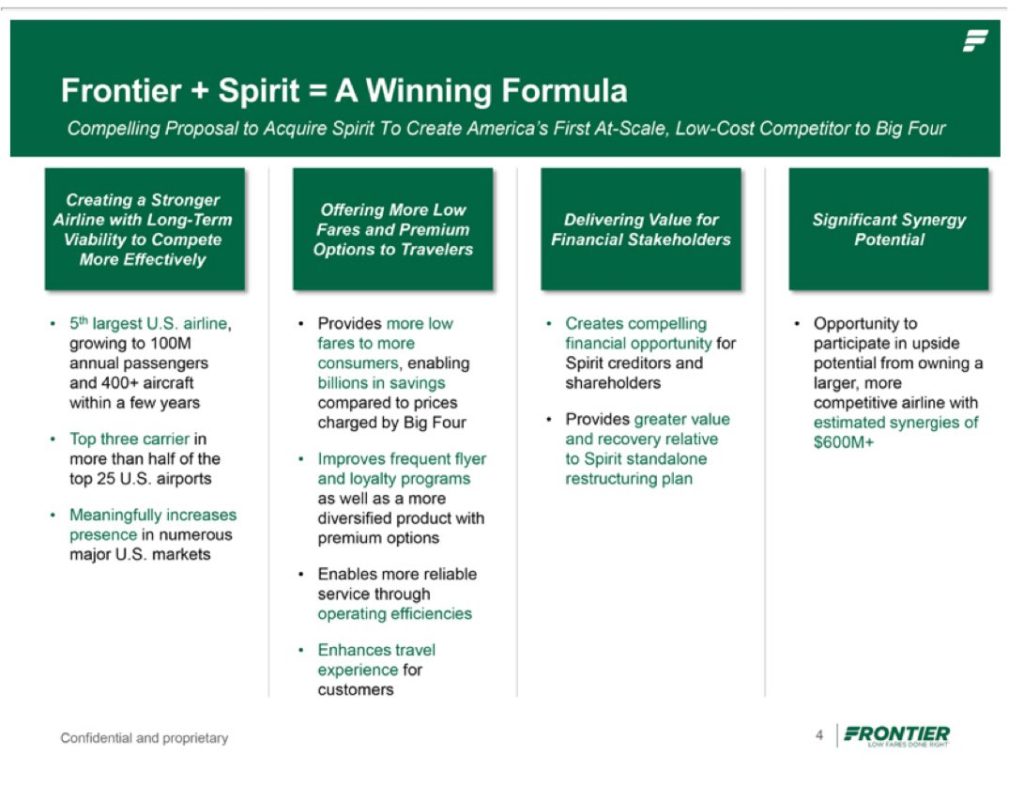
Should a transaction be finalized, Frontier and Spirit would become the fifth-largest U.S. airline with plans to serve 100 million passengers per year.
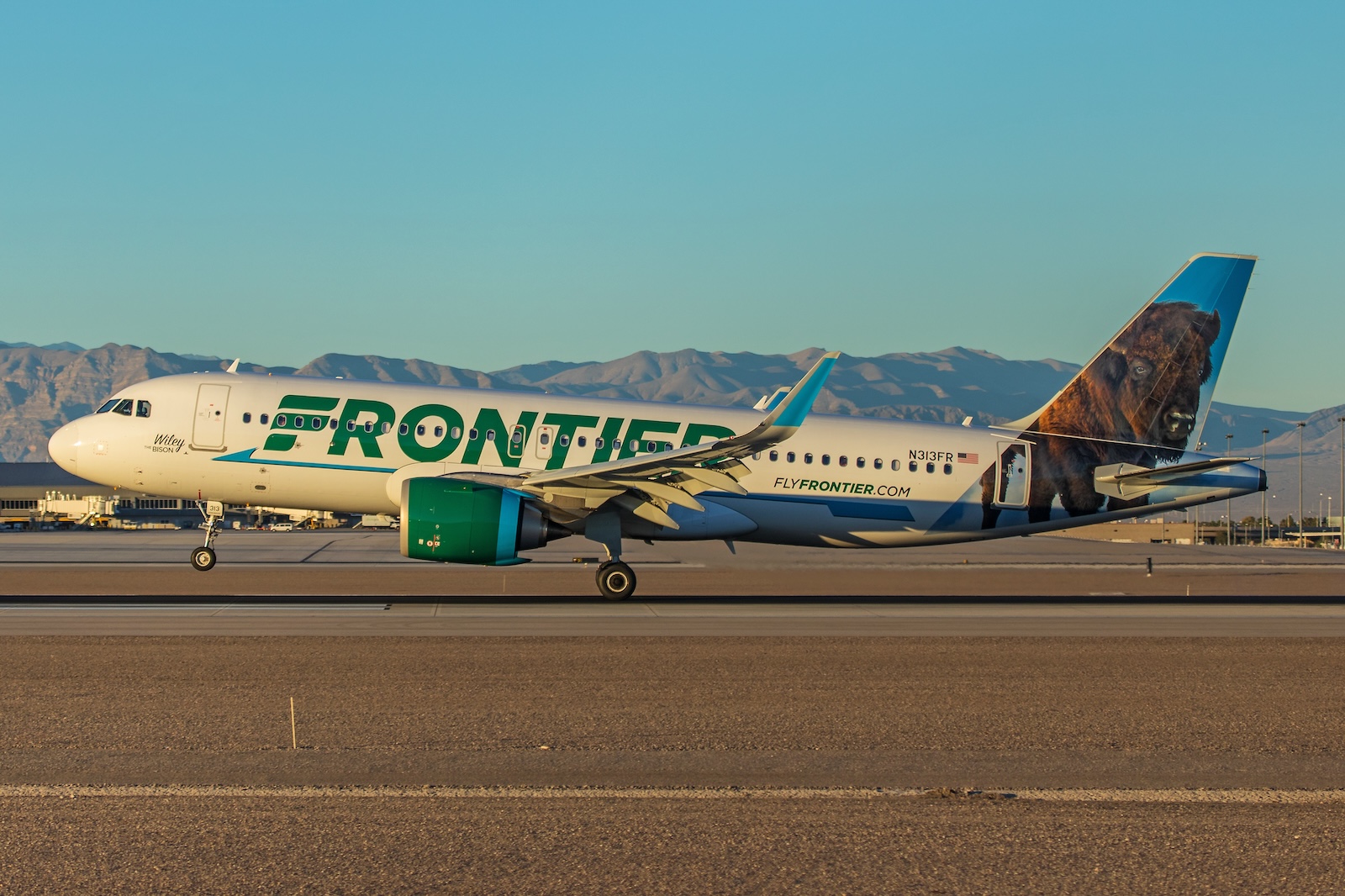
A Frontier Airbus A320neo (Photo: AirlineGeeks | William Derrickson)
Frontier is looking to acquire Spirit again. In SEC filings on Wednesday, the two ultra-low-cost carriers said they resumed merger talks on Jan. 7.
As part of the deal, Frontier offered the issuance of a $400 million principal amount of debt and 19% of the carrier’s common equity to holders of Spirit’s secured notes. Frontier added that a combination with Spirit would bring “unmatched benefits.”
“Our Proposal represents a compelling opportunity for your creditors and stockholders to receive a significant premium for their investment in Spirit, with greater value than the proposed transaction as described in the Plan,” a letter said. “We firmly believe that our Proposal is in the best interests of your creditors and stockholders and that they will benefit from your cooperation with us to allow them to realize the benefits of our Proposal.”
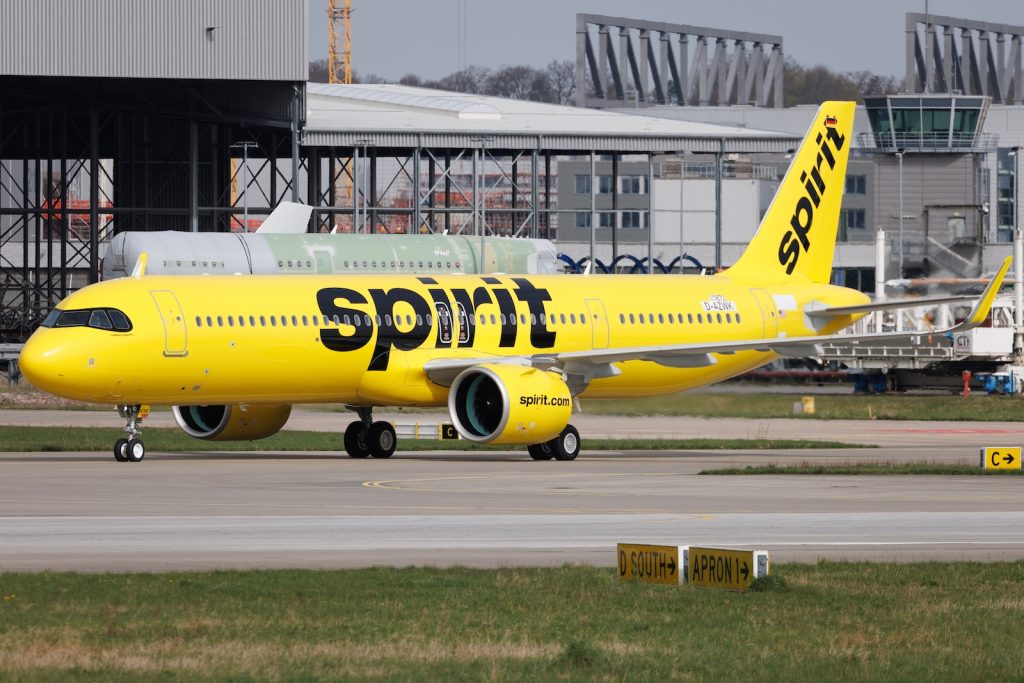
A Spirit Airbus A321neo aircraft (Photo: Shutterstock | Kevin Hackert)
A Third Attempt
Frontier and Spirit have engaged in merger talks before and as recently as November 2024. The two airlines confirmed reports of these discussions in their respective filings.
A slide from Frontier’s latest proposal to purchase Spirit. (Photo: Frontier Airlines SEC Filing)
In a Jan. 11 response to Frontier’s initial letter, Spirit said the offer “fell short.” $400 million in debt is less than half of what would be provided to creditors under its reorganization plan, the company said.
Frontier noted that no agreement has been reached between the two airlines. Ongoing discussions may not result in a deal, the carrier added in its filing.
Should a transaction be finalized, Frontier and Spirit would become the fifth-largest U.S. airline, with plans to serve 100 million passengers per year.
Ryan founded AirlineGeeks.com in February 2013 and has spent more than a decade covering the airline business. His work has been featured by CNN, WJLA, CNET, and Business Insider. His aviation experience spans airport operations, Part 135 regulatory compliance, and airline crew workforce planning, along with time behind the yoke of a Cessna 172 and interviews with airline executives. Ryan now serves as Group President of Firecrown Media’s Aviation Group. He holds a B.S. in Air Transportation Management and an MBA from Arizona State University and teaches Airline Management at Embry-Riddle Aeronautical University.