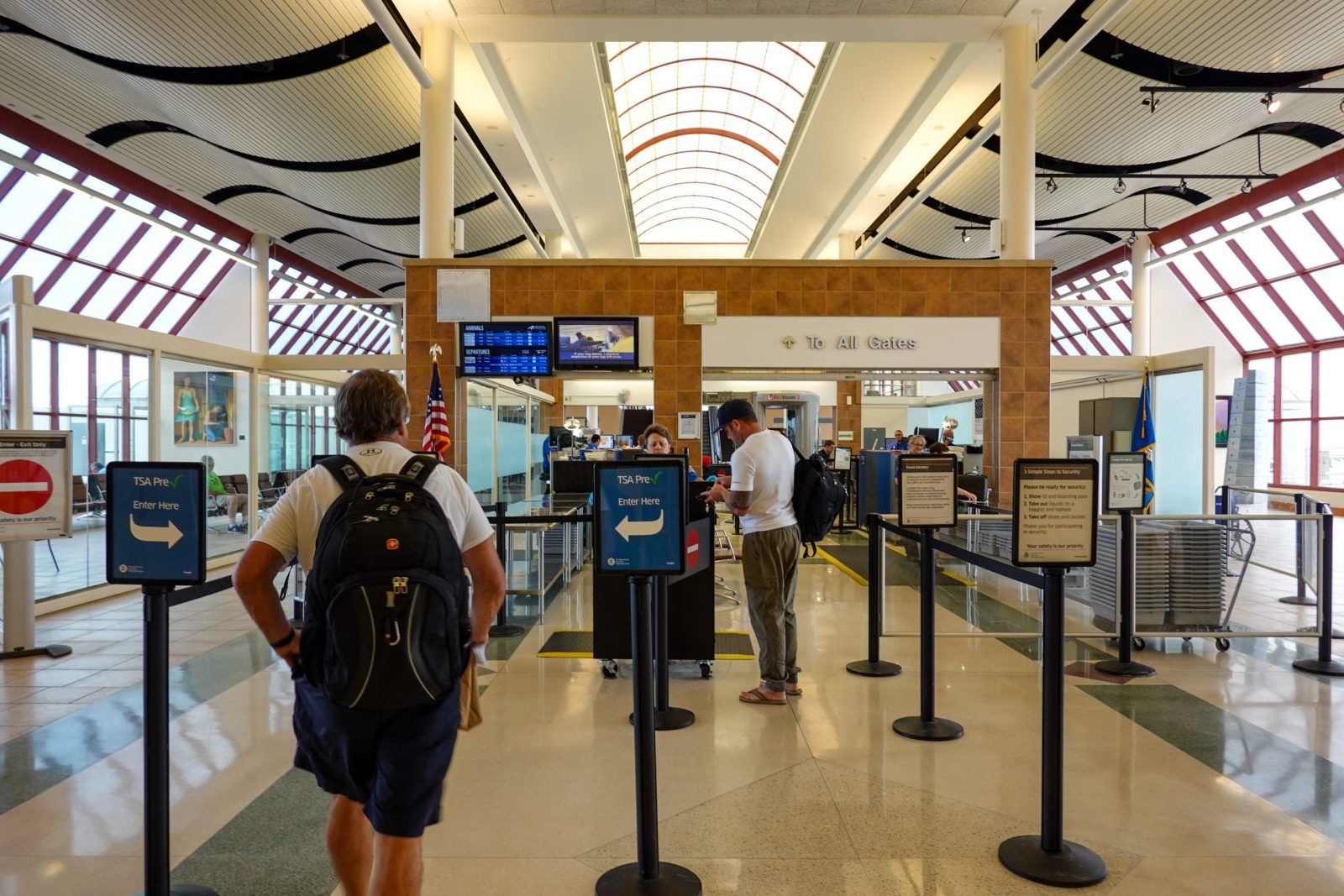
Sen. Mike Lee floated abolishing the Transportation Security Administration (TSA) in a recent social media post blasting the agency for being handsy with travelers.
“Tired of being groped every time you travel?” the senator from Utah said Friday in a post on X. “Abolish TSA.”
In another X post, Lee suggested letting airlines do their own screening instead of a government agency.
“They can secure their own assets better than the government,” he said in the post. “Warrantless searches by government are wrong.”
Two months after the September 11, 2001, terror attacks, Congress signed the Aviation and Transportation Security Act establishing the TSA. According to the agency’s website, its mission is to “[p]rotect the nation’s transportation systems to ensure freedom of movement for people and commerce.”
No legislation has been proposed to formally abolish the agency.
AirlineGeeks.com was founded in February 2013 as a one-person blog in Washington D.C. Since then, we’ve grown to have 25+ active team members scattered across the globe. We are all here for the same reason: we love deep-diving into the fascinating realm of the airline industry.
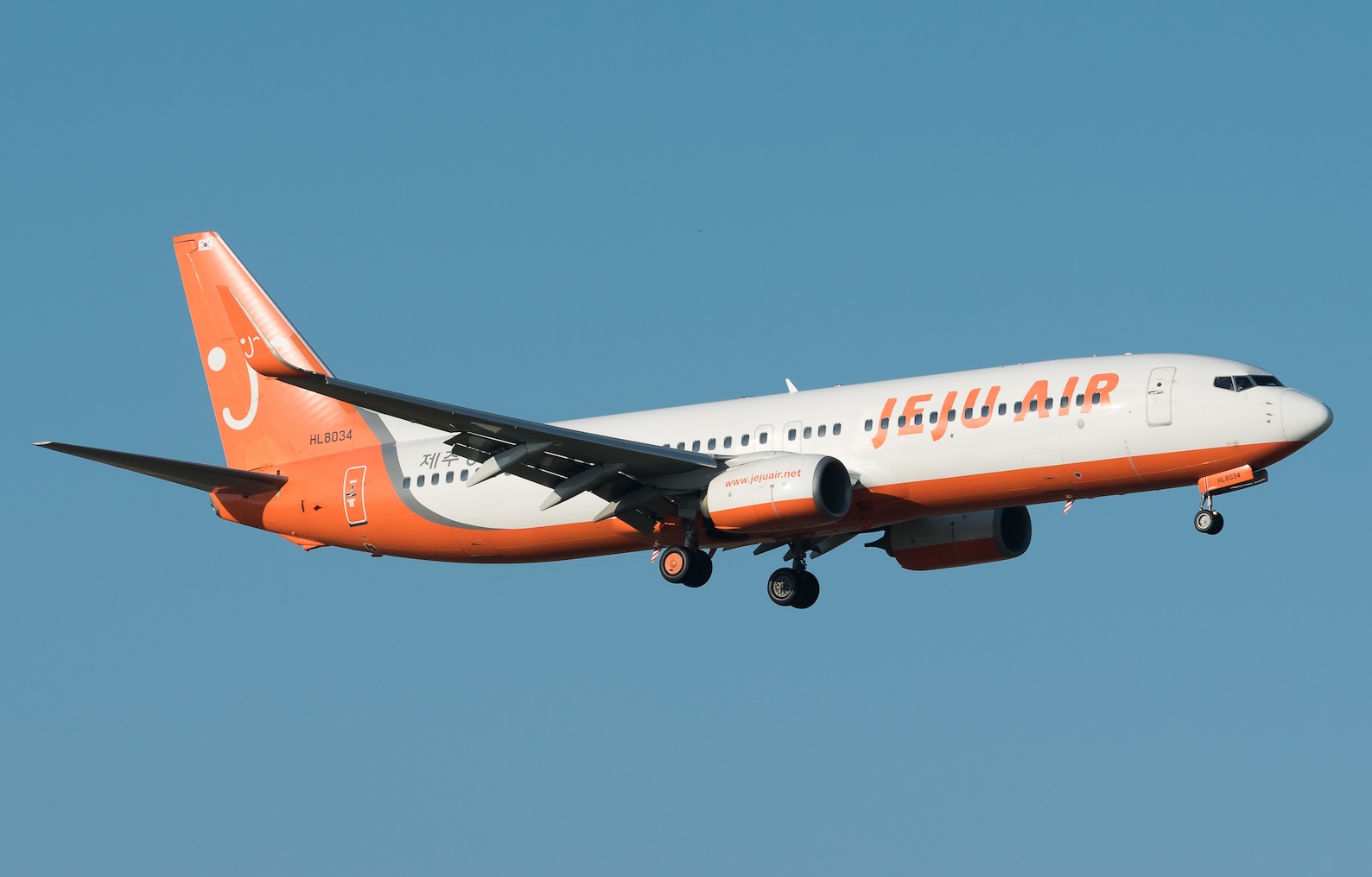
A preliminary accident report from the South Korean government has identified duck feathers and blood in both engines of the Jeju Air aircraft that crashed at Muan Airport on Dec. 29.
The full preliminary report, originally published in Korean, stated that the duck remains were genetically analyzed and found to be Baikal Teals. The report did not indicate what may have caused the aircraft to land without its landing gear deployed.
The report stated that authorities plan to study the impact birds and a concrete mound on the runway had in the incident. According to a Reuters report on the matter, vital clues about what caused the crash are unavailable to investigators due to the Boeing 737-800 aircraft’s flight recorders malfunctioning just before the crash.
The preliminary report stated that at 08:58:50 local time, flight data recording and cockpit voice recording were simultaneously suspended. This occurred four minutes prior to the crash at a 498-foot altitude. At 08:58:56, the pilot made an emergency “Mayday” declaration due to a bird collision.
The deadly Jeju Air crash killed all but two of the aircraft’s occupants and prompted the South Korean government to start air safety reforms across the country. At the request of Muan Airport operator Korea Airport Corporation, the airport will be closed until April 18.
The investigation into the official cause of the incident is still ongoing.
AirlineGeeks.com was founded in February 2013 as a one-person blog in Washington D.C. Since then, we’ve grown to have 25+ active team members scattered across the globe. We are all here for the same reason: we love deep-diving into the fascinating realm of the airline industry.
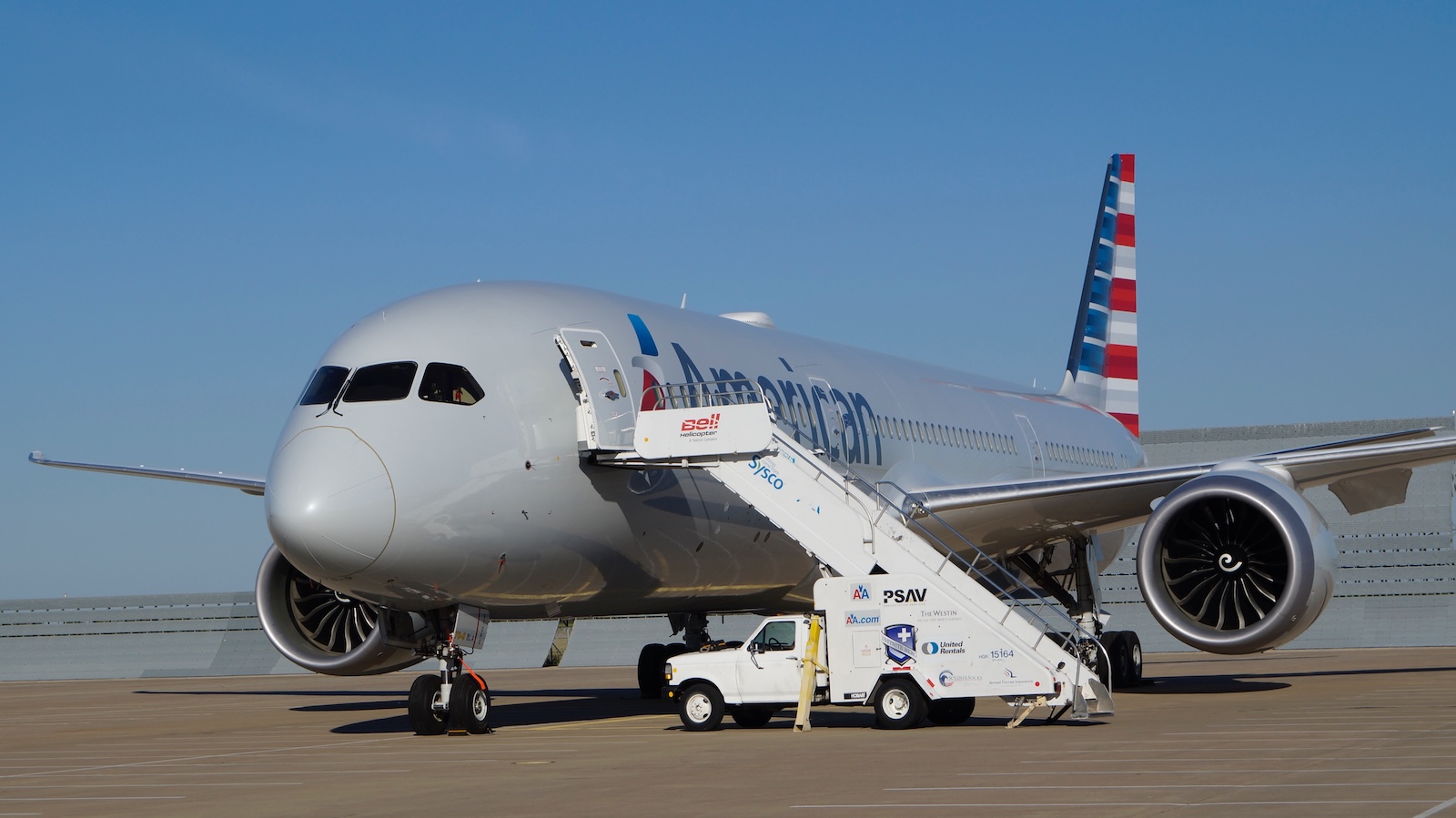
An American 787-9 (Photo: AirlineGeeks | Parker Davis)
American is blaming Boeing for more service cuts this summer. The Fort Worth, Texas-based airline continues to face delivery delays on 787 Dreamliner aircraft, including its 787-9s with new Flagship Suites.
In a company memo shared by JonNYC on X, the airline will reduce service on some long-haul routes this summer. The carrier’s previously planned year-round route from Miami to Paris will be suspended in June and July.
Between June and August, the airline will cut frequencies on its Philadelphia to Rome and Dallas/Fort Worth to Honolulu routes. Both will drop from twice to once daily service.
In addition, service from American’s Dallas/Fort Worth and New York-JFK hubs to London will see one fewer daily flight in May. The airline initially planned to operate five daily flights from Dallas/Fort Worth to London with British Airways exiting the market in March.
Service Suspensions
American will also suspend service on some international routes. In June, the airline’s Dallas/Fort Worth to Frankfurt route will pause for the month.
Ryan founded AirlineGeeks.com in February 2013 and has spent more than a decade covering the airline business. His work has been featured by CNN, WJLA, CNET, and Business Insider. His aviation experience spans airport operations, Part 135 regulatory compliance, and airline crew workforce planning, along with time behind the yoke of a Cessna 172 and interviews with airline executives. Ryan now serves as Group President of Firecrown Media’s Aviation Group. He holds a B.S. in Air Transportation Management and an MBA from Arizona State University and teaches Airline Management at Embry-Riddle Aeronautical University.
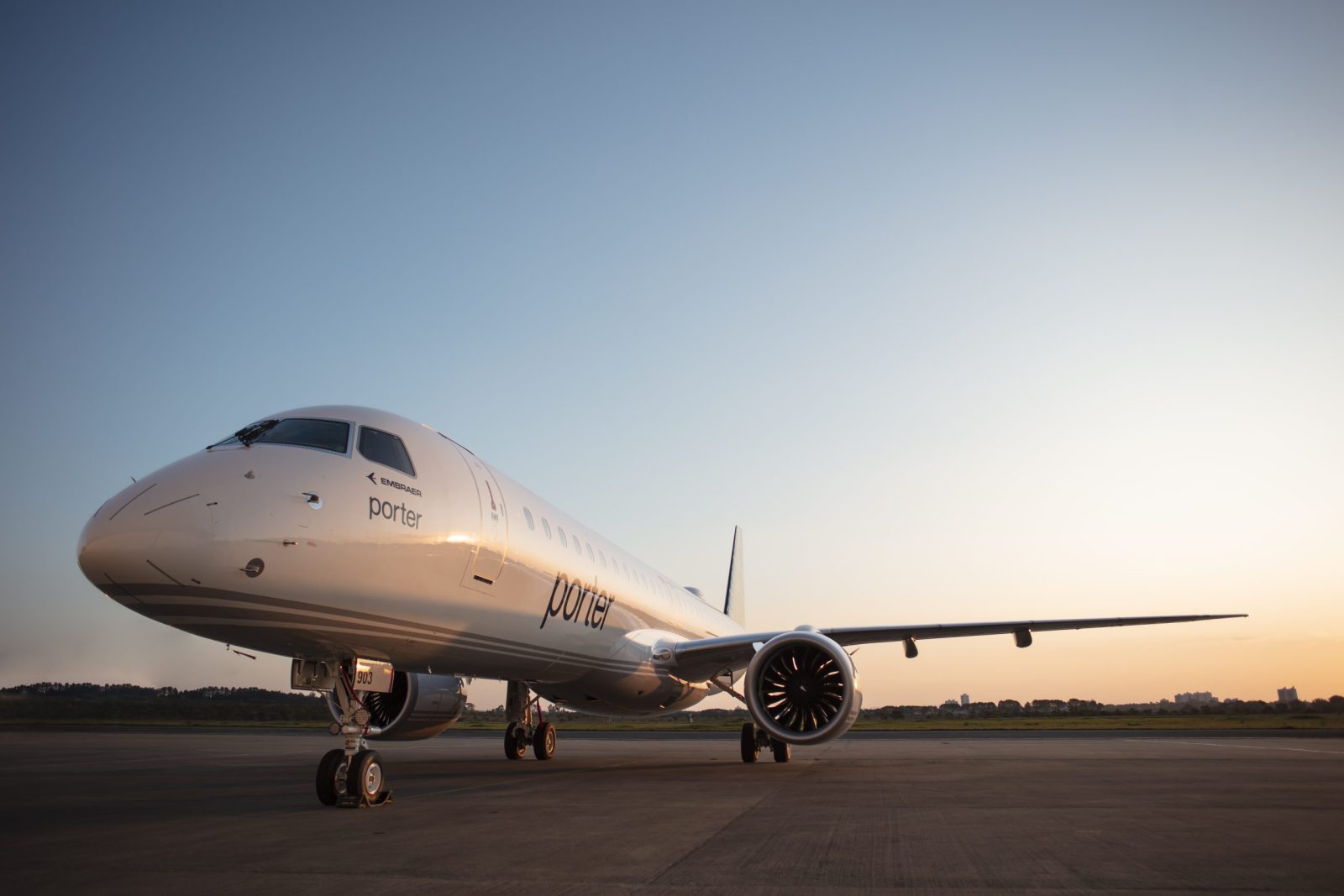
A Porter Airlines Embraer E195-E2 (Photo: Embraer)
New York’s LaGuardia Airport is set to get a new airline later this year. The airport has not seen a new carrier since 2017.
Beginning on May 1, Porter Airlines will start service between Toronto Pearson and LaGuardia. The route will be operated by Embraer E195-E2 aircraft up to three times per day.
“We have built a strong passenger base over more than 15 years for those travelling between Canada and the New York metropolitan area,” said Andrew Pierce, vice president of network planning and reporting at Porter, in a news release. “The addition of LaGuardia introduces a new dimension to our network, opening more options for existing customers and the ability to attract new ones within the busiest air service corridor connecting Canada and the U.S.”
Porter has served Newark since 2008 with flights to Toronto’s Billy Bishop Airport. In 2023, the Canadian carrier added service from Newark to Ottawa.
The airline will go head-to-head with American, Air Canada, and Delta, which connect LaGuardia and Toronto multiple times per day.
According to Cirium Diio schedule data, the last time LaGuardia saw a new airline was eight years ago when Alaska Airlines started serving the airport following the Virgin America merger. This service was short-lived, however, with the airline pulling out of LaGuardia in 2018.
Ryan founded AirlineGeeks.com in February 2013 and has spent more than a decade covering the airline business. His work has been featured by CNN, WJLA, CNET, and Business Insider. His aviation experience spans airport operations, Part 135 regulatory compliance, and airline crew workforce planning, along with time behind the yoke of a Cessna 172 and interviews with airline executives. Ryan now serves as Group President of Firecrown Media’s Aviation Group. He holds a B.S. in Air Transportation Management and an MBA from Arizona State University and teaches Airline Management at Embry-Riddle Aeronautical University.
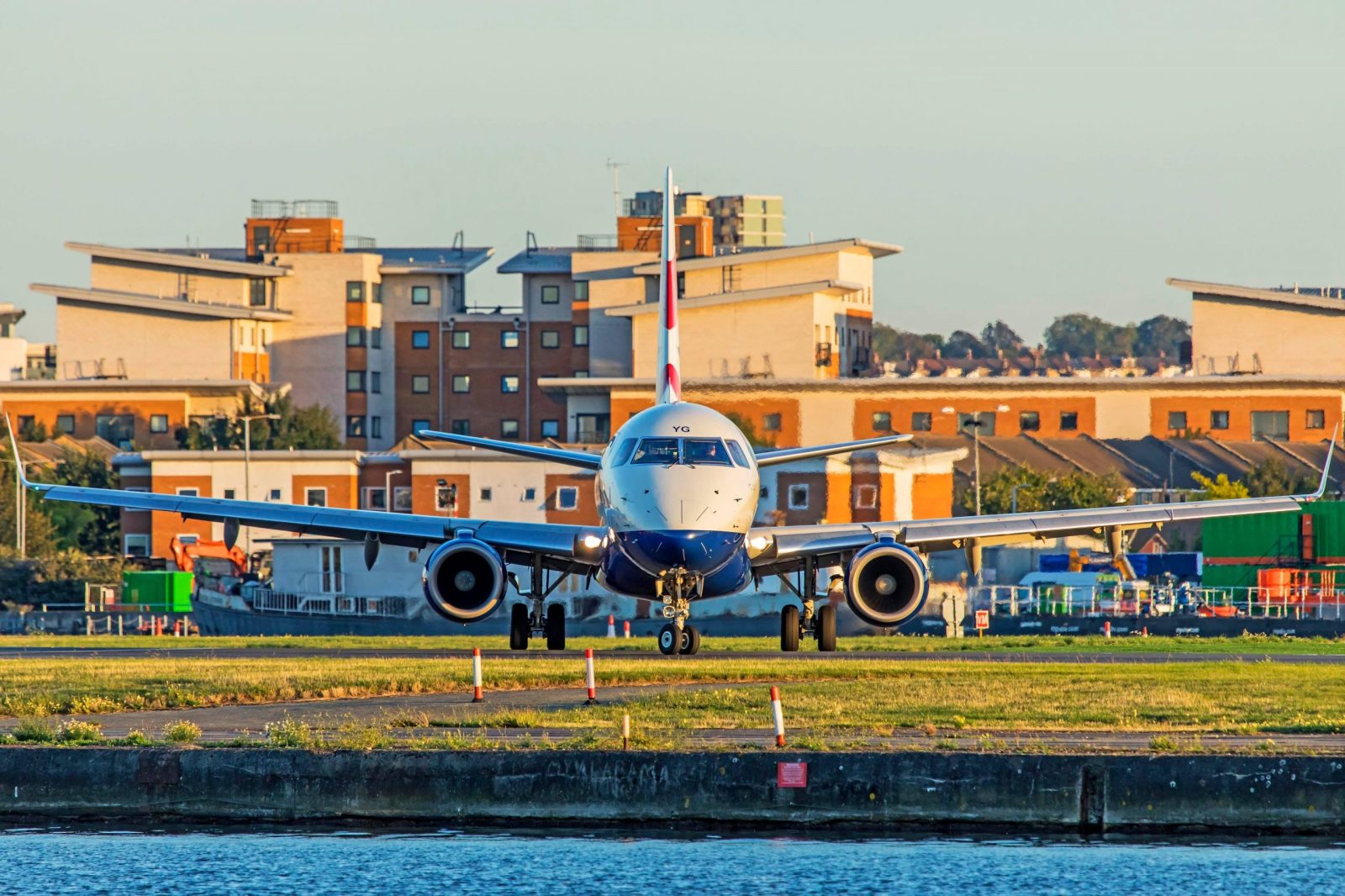
A British Airways Embraer at London City Airport. (Photo: AirlineGeeks | William Derrickson)
London City Airport submitted an application to the U.K.’s Civil Aviation Authority (CAA) to allow the operation of the Airbus A320neo jet at the single-runway airport.
According to the airport, the application seeks approval for a new flight procedure (RNP AR) that would adjust the approach angle for the A320neo, overcoming current limitations that restrict the types of aircraft that can operate at LCY. Currently, only aircraft as large as the Embraer E190 and Airbus A220 regularly serve London City.
“The potential introduction of the A320neo aircraft at London City Airport is incredibly exciting,” said Alison FitzGerald, CEO of London City Airport, in a news release. “It would broaden the range of leisure destinations for our passengers, enable growth without increasing the number of flight movements, deliver much needed economic growth and accelerate refleeting to cleaner, quieter, new generation aircraft.”
The introduction of the A320neo would enable the airport to expand its leisure destinations and serve a wider range of European markets, it said. This aligns with the approval in August 2024 for London City to increase its annual passenger cap to nine million by 2031 while maintaining the current number of flights and infrastructure.
Ryan founded AirlineGeeks.com in February 2013 and has spent more than a decade covering the airline business. His work has been featured by CNN, WJLA, CNET, and Business Insider. His aviation experience spans airport operations, Part 135 regulatory compliance, and airline crew workforce planning, along with time behind the yoke of a Cessna 172 and interviews with airline executives. Ryan now serves as Group President of Firecrown Media’s Aviation Group. He holds a B.S. in Air Transportation Management and an MBA from Arizona State University and teaches Airline Management at Embry-Riddle Aeronautical University.
One of Singapore Airlines' mock-up cabin trainers. (Photo: Singapore Airlines)
Becoming a flight attendant is among the most exciting things people can do in the aviation world, and doing so fulfills many people’s lifelong dreams of traveling the world for a living. Starting a career as a flight attendant can feel intimidating, and many people wonder what to expect when they arrive at the training center.
Flight attendants play a critical position in maintaining the safety of flight, and they also play important customer service roles to make sure passengers are comfortable and happy throughout the flight. Training covers a variety of topics to satisfy all these requirements, and completing training successfully can be challenging. Airlines are aware of this, however, and make an effort to support and assist flight attendant hopefuls throughout class.
Basic Flight Attendant Requirements
Airlines often require flight attendant hopefuls to meet basic requirements. All must be at least 18 years old with a high school diploma, GED, or equivalent. Many airlines give special consideration to applicants with post-secondary education or work experience in aviation or customer service.
Applicants must pass a background check and must be in good physical condition so they can move around, operate equipment, and be maneuverable in turbulence, and while the aircraft is taxiing.
How Long Does Training Last?
Programs vary slightly based on the company and fleet, but training can take anywhere from four to ten weeks. New trainees can expect a combination of classroom and simulator training in life-sized cabins, often located at the same training center where pilots do their own simulator training.
Some airlines send flight attendant applicants materials to prepare before they arrive at the training facility, such as announcements to learn and procedures to memorize. These procedures will be implemented into the in-person training accomplished by the airline.
Class usually runs for about eight hours per day. Class sizes may range from a handful to a few dozen, again depending on the company and fleet type in question. Bigger companies tend to need more flight attendants, and bigger airplanes require more regardless of airline size.
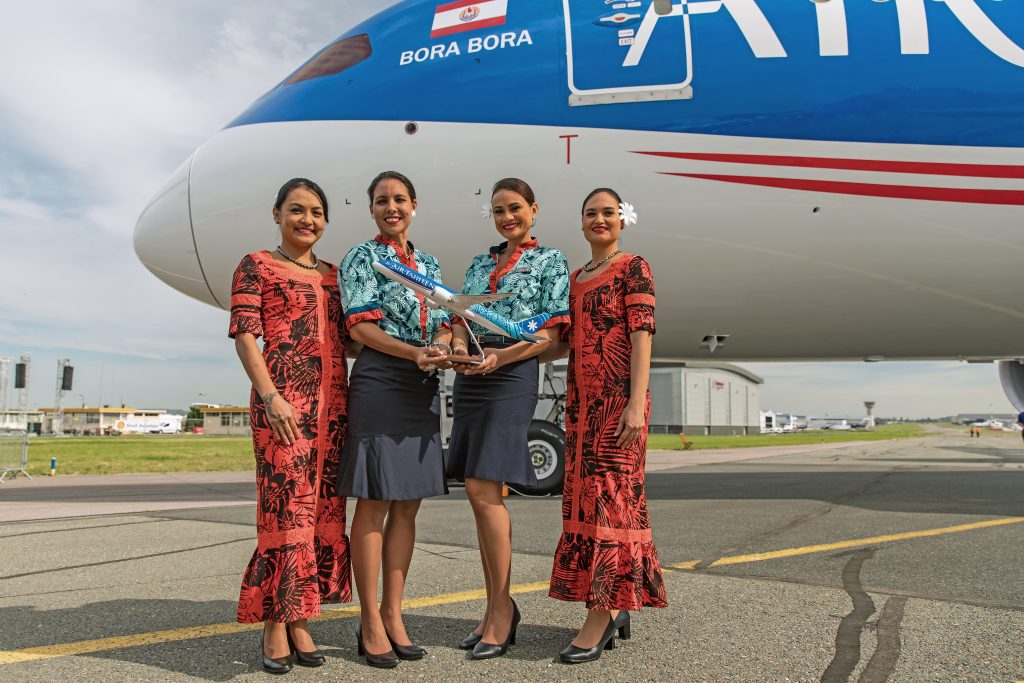
Flight attendants pose with a model of a new 787-9 and the real aircraft behind them at the 2019 Paris Air Show. (Photo: AirlineGeeks | William Derrickson)
What Information Is Covered?
The most important items an airline must cover in flight attendant training are the safety requirements and the procedures for the operated aircraft. These are the most critical items that flight attendants must get right to ensure a successful flight and guarantee passenger safety.
Critical items include emergency procedures, evacuations and ditching, basic first aid, and security threats, as well as how to apply these topics to the specific aircraft type the flight attendants will operate.
Also included are cabin service and appearance standards; basic aviation terms such as airport codes, time conversions, and airline terminology; company policies, regulations, and bidding; and PA announcements.
How Much Do Trainees Get Paid?
Different airlines pay varying wages to flight attendant trainees. Some airlines have unpaid training, others provide completion bonuses, and some pay during the entire training period. SkyWest Airlines pays out 65 flight hours per month during training, while Endeavor Air gives trainees a monthly stipend. Mainline carriers tend to offer full pay during training, while low-cost carriers and smaller commuter airlines tend to pay less during training.
However, all airlines offer basic amenities, such as putting up all flight attendants in hotels near the training center. Trainees are also given transportation to the training center to begin work. Other benefits may also be conferred; many airlines offer trainee flight attendants flight benefits so they can travel to see friends and family during time off.
After training, flight attendants can make as little as $40,000 or upwards of $90,000 per year. In addition to company and fleet, company seniority also plays a role in flight attendant pay, as longer tenures tend to bring more pay.
How to Succeed During Training
Airlines want flight attendants who can handle the high workload of training. Being adaptable and focused will go a long way towards success. Equally, honesty and punctuality are critical traits that flight attendants must have.
Applicants who show up with pre-training packets studied, ask questions, and are ready to learn tend to be the most successful during training. Ultimately, though there is a lot of information to absorb during training, becoming a flight attendant is an attainable goal for anyone who sets their mind to it and offers an adequate amount of focus.
Flight attendant training can be long and challenging, but the payoff is rewarding. Many enjoy the thrill and excitement of traveling around the country and the world for work, and being able to help passengers so directly is an added benefit.
John McDermott is a commercial pilot pursuing a career in professional flight. His passion for aviation began in an Ann Arbor bookstore with a tale of enemy pilots during World War 2, and he hasn't looked back. Besides flying and writing for AirlineGeeks, John volunteers with Professional Pilots of Tomorrow and travels whenever he gets the chance.
Aeromexico Adds 26th U.S. Destination
Recently, the Mexican carrier has added and resumed several routes, including between Mexico City and Phoenix, along with Cancun to Miami.
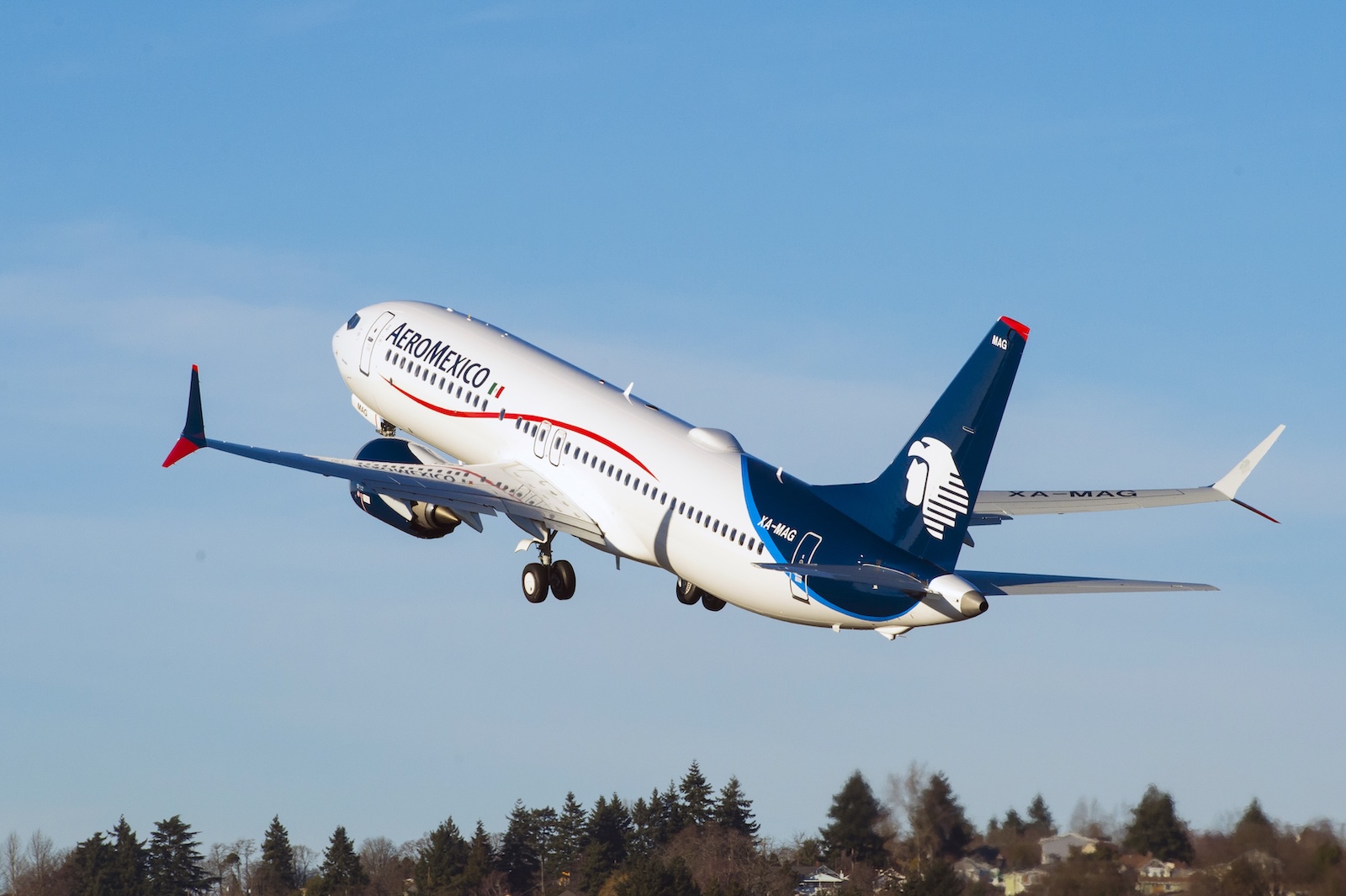
Aeromexico plans to grow its U.S. network this year with yet another new route. Recently, the Mexican carrier has added and resumed several routes, including between Mexico City and Phoenix, along with Cancun to Miami.
According to this week’s schedule update from aviation analytics company Cirium, the carrier will add Philadelphia to its route map. Flights are slated to begin on June 5, 2025, with daily service from Mexico City.
The route will be operated by a Boeing 737 MAX 8 aircraft. American last connected its Philadelphia hub and Mexico City in 2019.
Philadelphia will become Aeromexico’s 26th U.S. destination. The carrier currently serves the following markets:
Atlanta
Austin, Texas
Boston
Chicago O’Hare
Dallas/Fort Worth
Denver
Detroit
Fresno, California
Houston Bush
Las Vegas
Los Angeles
McAllen, Texas
Miami
Newark, New Jersey
New York-JFK
Orlando, Florida
Raleigh/Durham
Sacramento, California
Salt Lake City
San Antonio
San Francisco
Seattle
Tampa, Florida
Washington Dulles
Phoenix (begins March 2025)
Other Route Additions
The airline also plans to add more U.S. capacity, per Ishrion Aviation. On June 5, Aeromexico will begin flights from San Luis Potosi to Atlanta with an Embraer E190 aircraft.
In addition, the airline will add second daily flights from Mexico City to Austin and Dallas/Fort Worth beginning on June 26.
Ryan founded AirlineGeeks.com in February 2013 and has spent more than a decade covering the airline business. His work has been featured by CNN, WJLA, CNET, and Business Insider. His aviation experience spans airport operations, Part 135 regulatory compliance, and airline crew workforce planning, along with time behind the yoke of a Cessna 172 and interviews with airline executives. Ryan now serves as Group President of Firecrown Media’s Aviation Group. He holds a B.S. in Air Transportation Management and an MBA from Arizona State University and teaches Airline Management at Embry-Riddle Aeronautical University.
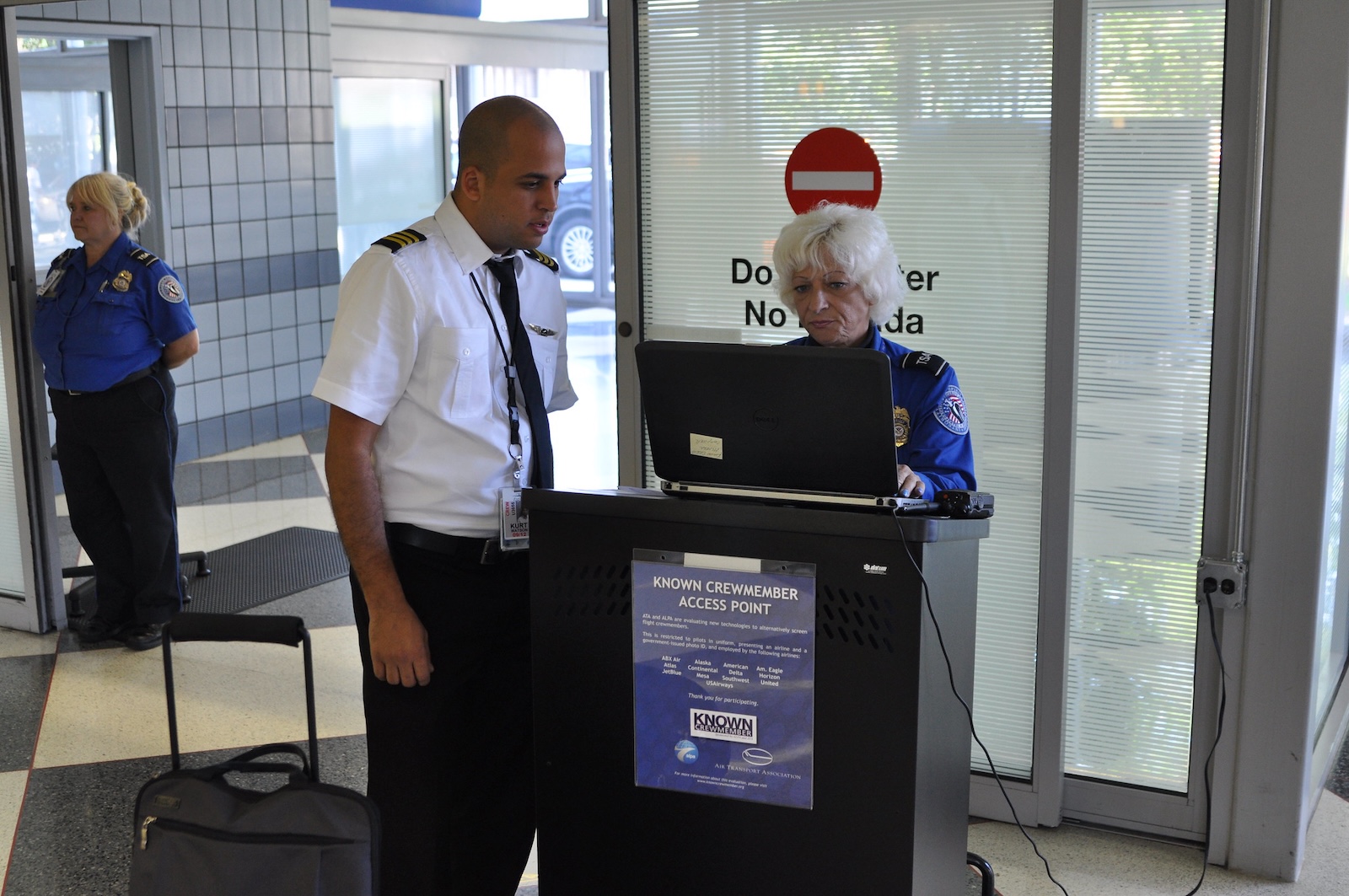
The Transportation Security Administration will transition away from the Known Crewmember program by the end of 2025, an agency spokesperson confirmed Friday. The program ‒ which allows registered flight crew to bypass the typical TSA screening process ‒ was first established in 2011.
In a statement to AirlineGeeks, the TSA spokesperson added that this change “represents a broad security enhancement that has been in development for years.” There are nearly 200 dedicated KCM access points at 112 airports throughout the U.S.
Following the late 2025 transition, crew members will still have access to a tailored and expedited screening process.
Crew members, including pilots and flight attendants, at both approved scheduled and charter carriers can participate in KCM following a background check. Crew are able to use these access points while on duty and for personal domestic travel.
While only an identity verification is required to enter the airside area, crew members are subject to random screening.
NATA ‒ an industry security services provider ‒ also confirmed the pivot away from KCM.
“NATA CS is actively working with TSA to ensure a smooth and streamlined transition from KCM® to CMAP within its safety and security platform,” the firm said on its website.”Our team is proactively updating our training, compliance and data management systems to meet CMAP requirements, ensuring you can participate in both KCM® and CMAP programs effortlessly until the transition to the CMAP; there is no need for you to complete a new enrollment.”
The TSA spokesperson added: “TSA plans to implement the Crewmember Access Point program (CMAP), which is a security improvement and successor to the current Known Crewmember Program. The new CMAP, when implemented, will provide opted-in, eligible crew members with expedited access to the sterile areas at participating airports.”
KCM was jointly developed by the Air Line Pilots Association and trade group Airlines for America. The TSA later approved the program.
Airlines for America declined to comment on the change, instead directing inquiries to the TSA. The agency spokesperson shared that it is working with the group on CMAP.
Representatives from ALPA and the Association of Flight Attendants-CWA also did not provide comment.
Editor’s Note: This story was updated on Sunday, Jan. 26, 2025, at 7:16 p.m. ET to clarify that crew will still have access to an expedited screening process following the transition.
Ryan founded AirlineGeeks.com in February 2013 and has spent more than a decade covering the airline business. His work has been featured by CNN, WJLA, CNET, and Business Insider. His aviation experience spans airport operations, Part 135 regulatory compliance, and airline crew workforce planning, along with time behind the yoke of a Cessna 172 and interviews with airline executives. Ryan now serves as Group President of Firecrown Media’s Aviation Group. He holds a B.S. in Air Transportation Management and an MBA from Arizona State University and teaches Airline Management at Embry-Riddle Aeronautical University.
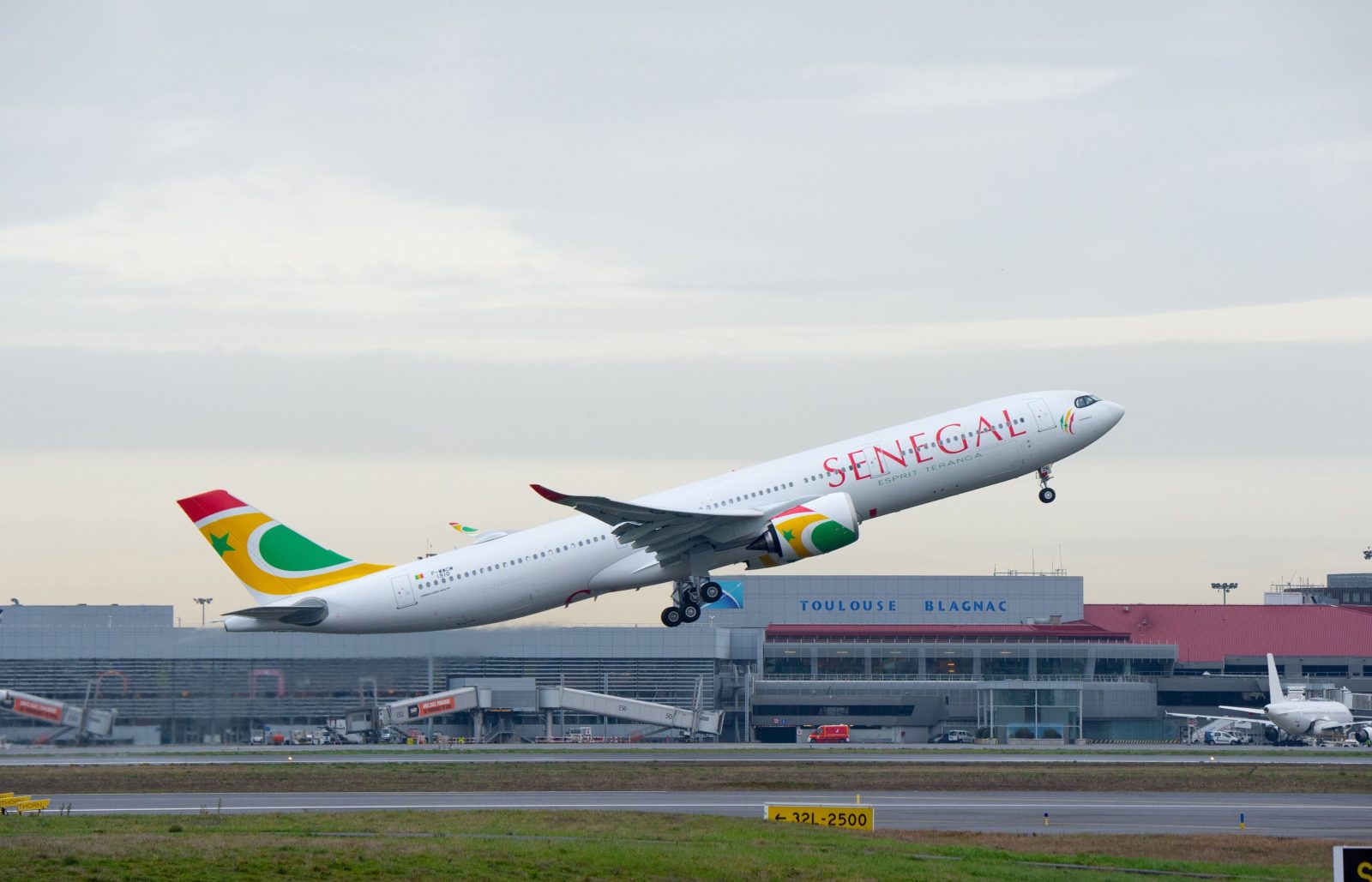
Carlyle Aviation Partners, a U.S.-based aircraft leasing company, is reportedly demanding 20 billion FCFA (approximately $32 million) for the purchase of four aircraft leased to Air Senegal. This demand comes despite Air Senegal having already paid 57.96 billion FCFA ($88.04 million) since 2018.
According to Senenews, Air Senegal is grappling with a severe operational crisis as the registrations for its leased aircraft expired on Jan. 18. Carlyle, which leases two Airbus A319s and two A321s to the airline, has refused to release the documents required for registration renewal. Additionally, Carlyle has requested an immediate payment of 11.45 billion FCFA ($17.67 million), adding to the financial strain on the Senegalese national carrier.
The situation is particularly challenging for Air Senegal, as two of the leased aircraft have been grounded for an extended period. The airline has labeled Carlyle’s demands as both “unrealistic and unfair,” with the newly appointed CEO Tidiane Ndiaye emphasizing in a letter on Jan. 13, that the delay is crippling operations. Despite the urgency conveyed, Carlyle has yet to respond.
Amid this standoff, Air Senegal is considering legal action against Carlyle, accusing the lessor of exploitative practices. The airline has also expressed concerns about Carlyle’s insistence on a letter of intent to purchase the aircraft at a price far beyond its financial capacity. Meanwhile, the airline is exploring temporary solutions to maintain its flight schedules, but the threat of bankruptcy looms large.
Compounding the financial difficulties is the prolonged grounding of an A330neo undergoing repairs in Europe. The airline has been forced to evaluate its fleet strategy, even hinting at a possible switch from Airbus to Boeing for future acquisitions.
Air Senegal recently resolved a similar dispute with Carlyle Aviation, clearing outstanding debts of $10 million. Reports from Senegalese media on September 2, 2024, indicated that this payment allowed the airline to avoid a potential legal battle in the United States, which could have jeopardized its operations.
The earlier conflict escalated when Carlyle secured a U.S. court order on August 21, 2024, to ground four of the leased aircraft due to unpaid debts. These aircraft include two A319s and two A321s leased between 2018 and 2021, as reported by Africa Intelligence.
The CEO discussed its challenges and plans in an interview with the Agence de Presse Sénégalaise (APS) earlier this month. Air Senegal, which inherited a debt of over 100 billion FCFA (approximately $153 million), faced significant hurdles in 2024, primarily due to an overambitious route network. Several international destinations, including New York, Milan, Barcelona, Lyon, Marseille, Douala, and Libreville, were cut.
Victor Shalton's love for aviation can be traced to when he was 11-years-old. As a seasoned aviation writer, he takes pride in providing the best aviation coverage around the globe and is passionate about advancing his skills in the aviation space. In addition, he loves travelling, writing, arts and while his speaking engagements have taken him around the world, he is proud to call Nairobi home.
A United Boeing 787-8 Dreamliner (Photo: Noah Escobar)
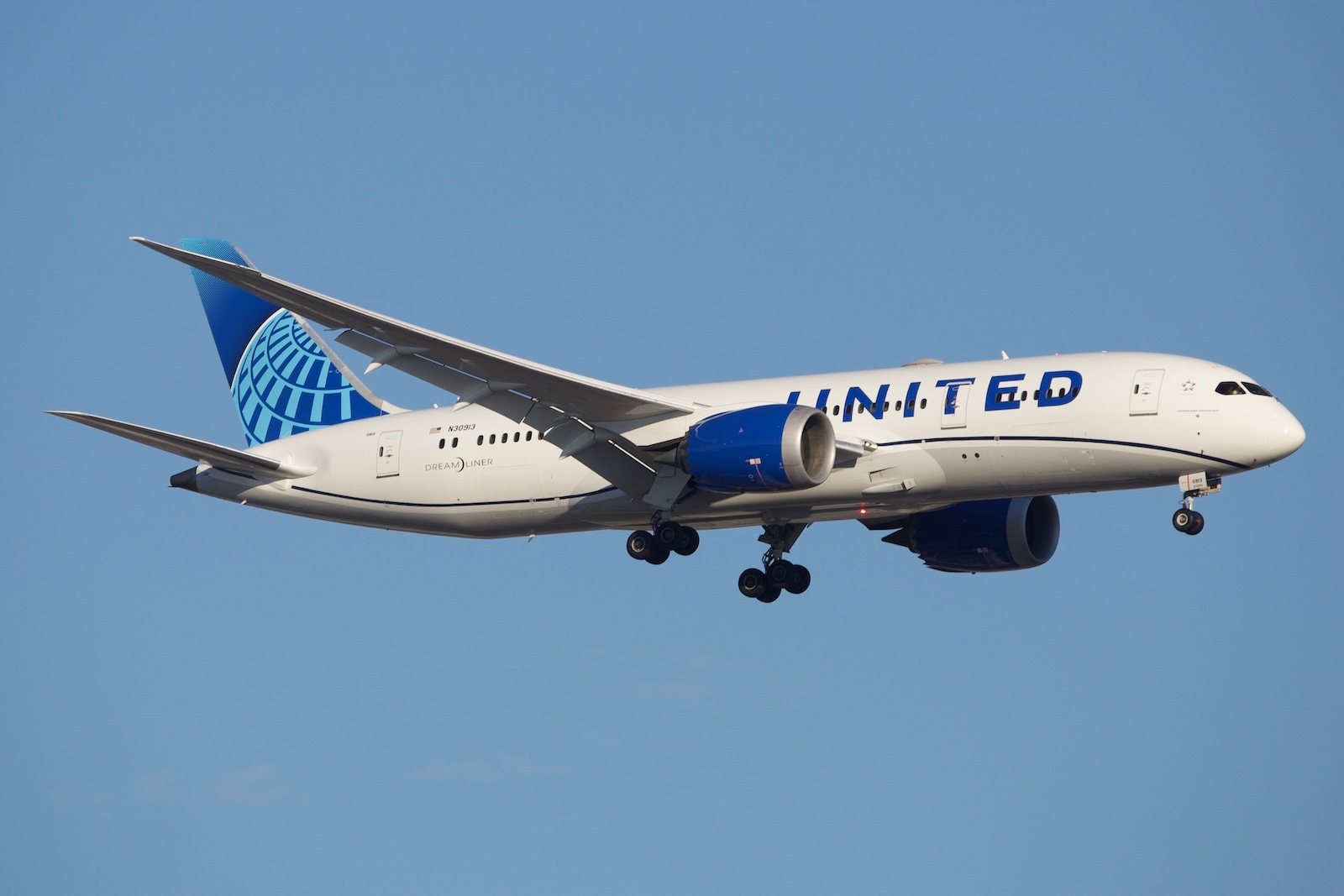
A United Boeing 787-8 Dreamliner flying from Lagos, Nigeria, to Washington Dulles made an emergency landing Friday after an inflight incident. Flight 613 returned to Lagos where four passengers and two flight attendants were evaluated for minor injuries, the airline said.
The aircraft ‒ registered as N27903 ‒ suffered a “technical issue and an unexpected aircraft movement,” a United spokesperson stated. There were 245 people onboard, including eight flight attendants and three pilots.
Many inj¥red as U.S.-bound flight with 245 passengers makes emergency return to Lagos
United Airlines flight UA613, en route from Lagos to Washington, declared an emergency and returned to Lagos shortly after takeoff. pic.twitter.com/t8PpisuosU
According to ADS-B data reviewed by the Aviation Safety Network, the Dreamliner was cruising at 36,000 feet over the Ivory Coast. The aircraft initially dropped by around 200 feet and had further changes in altitude before returning to 36,000 feet.
On Tuesday, N27903 was operated the same Lagos to Washington flight when it diverted to Accra, Ghana. Although the reason for the diversion earlier this week remains unknown, the aircraft was on the ground in Accra for nearly 24 hours.
“We are working with aviation authorities in the U.S. and Nigeria to understand the cause,” the spokesperson added.
Ryan founded AirlineGeeks.com in February 2013 and has spent more than a decade covering the airline business. His work has been featured by CNN, WJLA, CNET, and Business Insider. His aviation experience spans airport operations, Part 135 regulatory compliance, and airline crew workforce planning, along with time behind the yoke of a Cessna 172 and interviews with airline executives. Ryan now serves as Group President of Firecrown Media’s Aviation Group. He holds a B.S. in Air Transportation Management and an MBA from Arizona State University and teaches Airline Management at Embry-Riddle Aeronautical University.