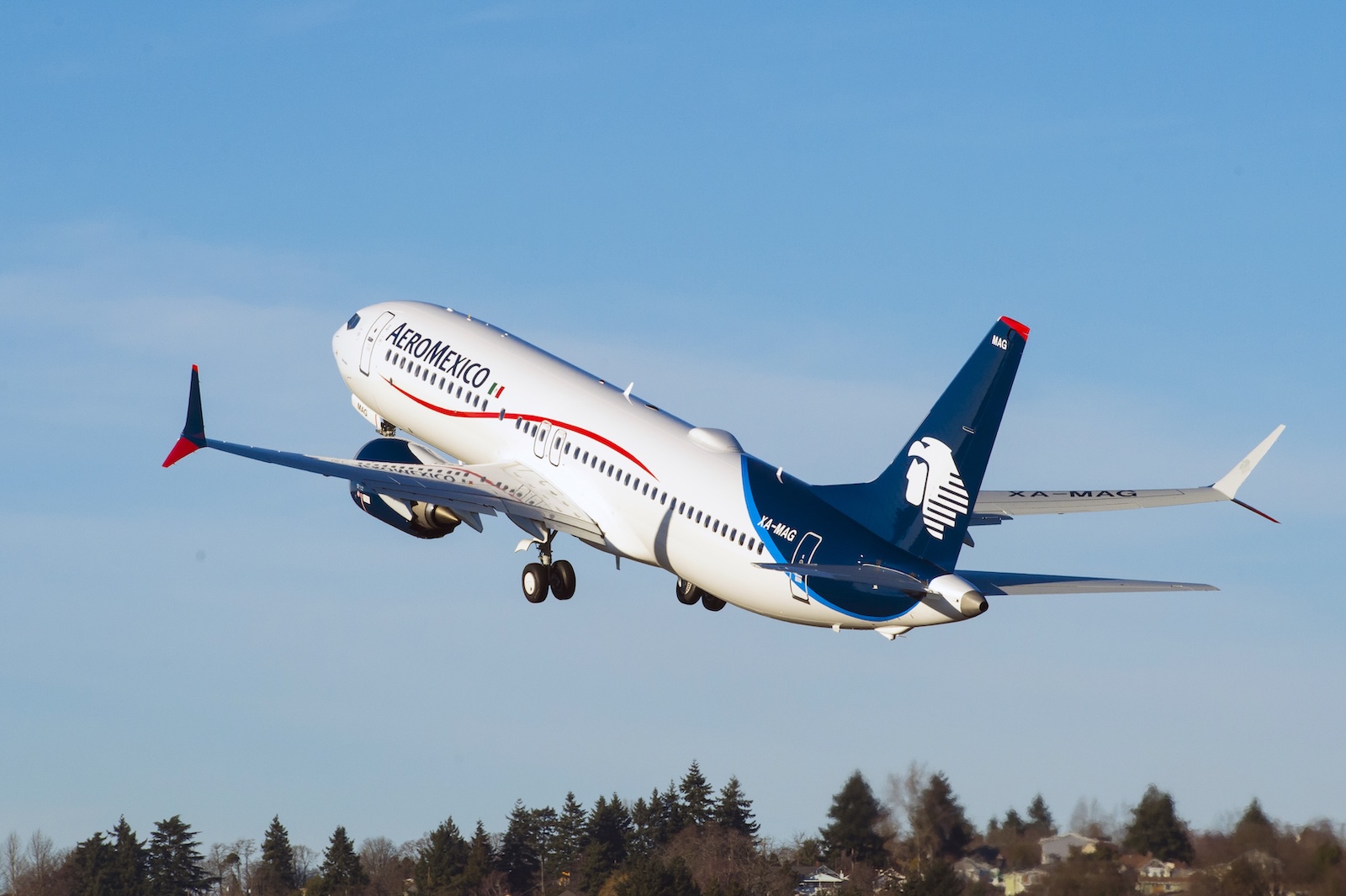
Aeromexico plans to grow its U.S. network this year with yet another new route. Recently, the Mexican carrier has added and resumed several routes, including between Mexico City and Phoenix, along with Cancun to Miami.
According to this week’s schedule update from aviation analytics company Cirium, the carrier will add Philadelphia to its route map. Flights are slated to begin on June 5, 2025, with daily service from Mexico City.
The route will be operated by a Boeing 737 MAX 8 aircraft. American last connected its Philadelphia hub and Mexico City in 2019.
Philadelphia will become Aeromexico’s 26th U.S. destination. The carrier currently serves the following markets:
Atlanta
Austin, Texas
Boston
Chicago O’Hare
Dallas/Fort Worth
Denver
Detroit
Fresno, California
Houston Bush
Las Vegas
Los Angeles
McAllen, Texas
Miami
Newark, New Jersey
New York-JFK
Orlando, Florida
Raleigh/Durham
Sacramento, California
Salt Lake City
San Antonio
San Francisco
Seattle
Tampa, Florida
Washington Dulles
Phoenix (begins March 2025)
Other Route Additions
The airline also plans to add more U.S. capacity, per Ishrion Aviation. On June 5, Aeromexico will begin flights from San Luis Potosi to Atlanta with an Embraer E190 aircraft.
In addition, the airline will add second daily flights from Mexico City to Austin and Dallas/Fort Worth beginning on June 26.
Ryan founded AirlineGeeks.com in February 2013 and has spent more than a decade covering the airline business. His work has been featured by CNN, WJLA, CNET, and Business Insider. His aviation experience spans airport operations, Part 135 regulatory compliance, and airline crew workforce planning, along with time behind the yoke of a Cessna 172 and interviews with airline executives. Ryan now serves as Group President of Firecrown Media’s Aviation Group. He holds a B.S. in Air Transportation Management and an MBA from Arizona State University and teaches Airline Management at Embry-Riddle Aeronautical University.
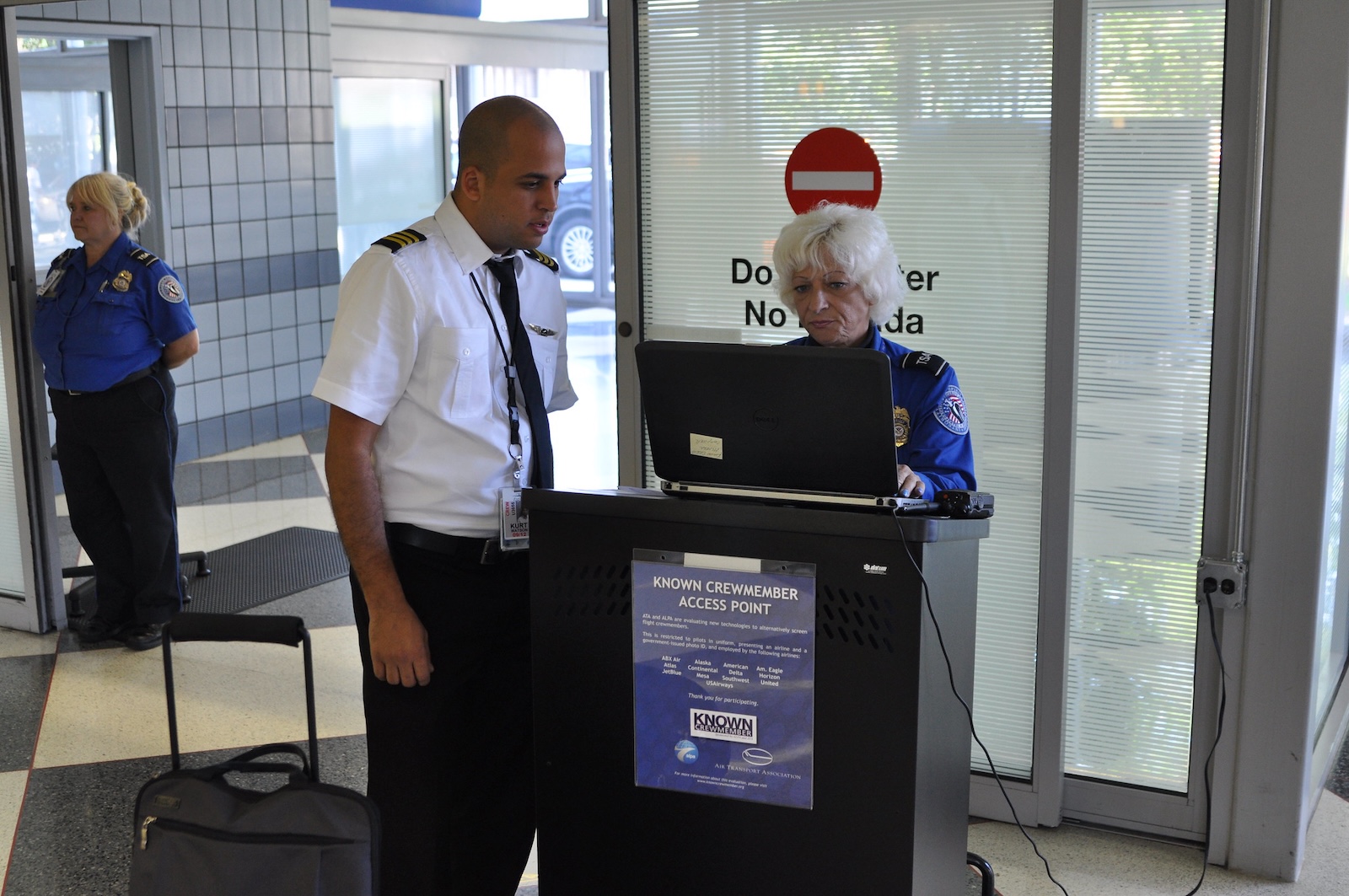
The Transportation Security Administration will transition away from the Known Crewmember program by the end of 2025, an agency spokesperson confirmed Friday. The program ‒ which allows registered flight crew to bypass the typical TSA screening process ‒ was first established in 2011.
In a statement to AirlineGeeks, the TSA spokesperson added that this change “represents a broad security enhancement that has been in development for years.” There are nearly 200 dedicated KCM access points at 112 airports throughout the U.S.
Following the late 2025 transition, crew members will still have access to a tailored and expedited screening process.
Crew members, including pilots and flight attendants, at both approved scheduled and charter carriers can participate in KCM following a background check. Crew are able to use these access points while on duty and for personal domestic travel.
While only an identity verification is required to enter the airside area, crew members are subject to random screening.
NATA ‒ an industry security services provider ‒ also confirmed the pivot away from KCM.
“NATA CS is actively working with TSA to ensure a smooth and streamlined transition from KCM® to CMAP within its safety and security platform,” the firm said on its website.”Our team is proactively updating our training, compliance and data management systems to meet CMAP requirements, ensuring you can participate in both KCM® and CMAP programs effortlessly until the transition to the CMAP; there is no need for you to complete a new enrollment.”
The TSA spokesperson added: “TSA plans to implement the Crewmember Access Point program (CMAP), which is a security improvement and successor to the current Known Crewmember Program. The new CMAP, when implemented, will provide opted-in, eligible crew members with expedited access to the sterile areas at participating airports.”
KCM was jointly developed by the Air Line Pilots Association and trade group Airlines for America. The TSA later approved the program.
Airlines for America declined to comment on the change, instead directing inquiries to the TSA. The agency spokesperson shared that it is working with the group on CMAP.
Representatives from ALPA and the Association of Flight Attendants-CWA also did not provide comment.
Editor’s Note: This story was updated on Sunday, Jan. 26, 2025, at 7:16 p.m. ET to clarify that crew will still have access to an expedited screening process following the transition.
Ryan founded AirlineGeeks.com in February 2013 and has spent more than a decade covering the airline business. His work has been featured by CNN, WJLA, CNET, and Business Insider. His aviation experience spans airport operations, Part 135 regulatory compliance, and airline crew workforce planning, along with time behind the yoke of a Cessna 172 and interviews with airline executives. Ryan now serves as Group President of Firecrown Media’s Aviation Group. He holds a B.S. in Air Transportation Management and an MBA from Arizona State University and teaches Airline Management at Embry-Riddle Aeronautical University.
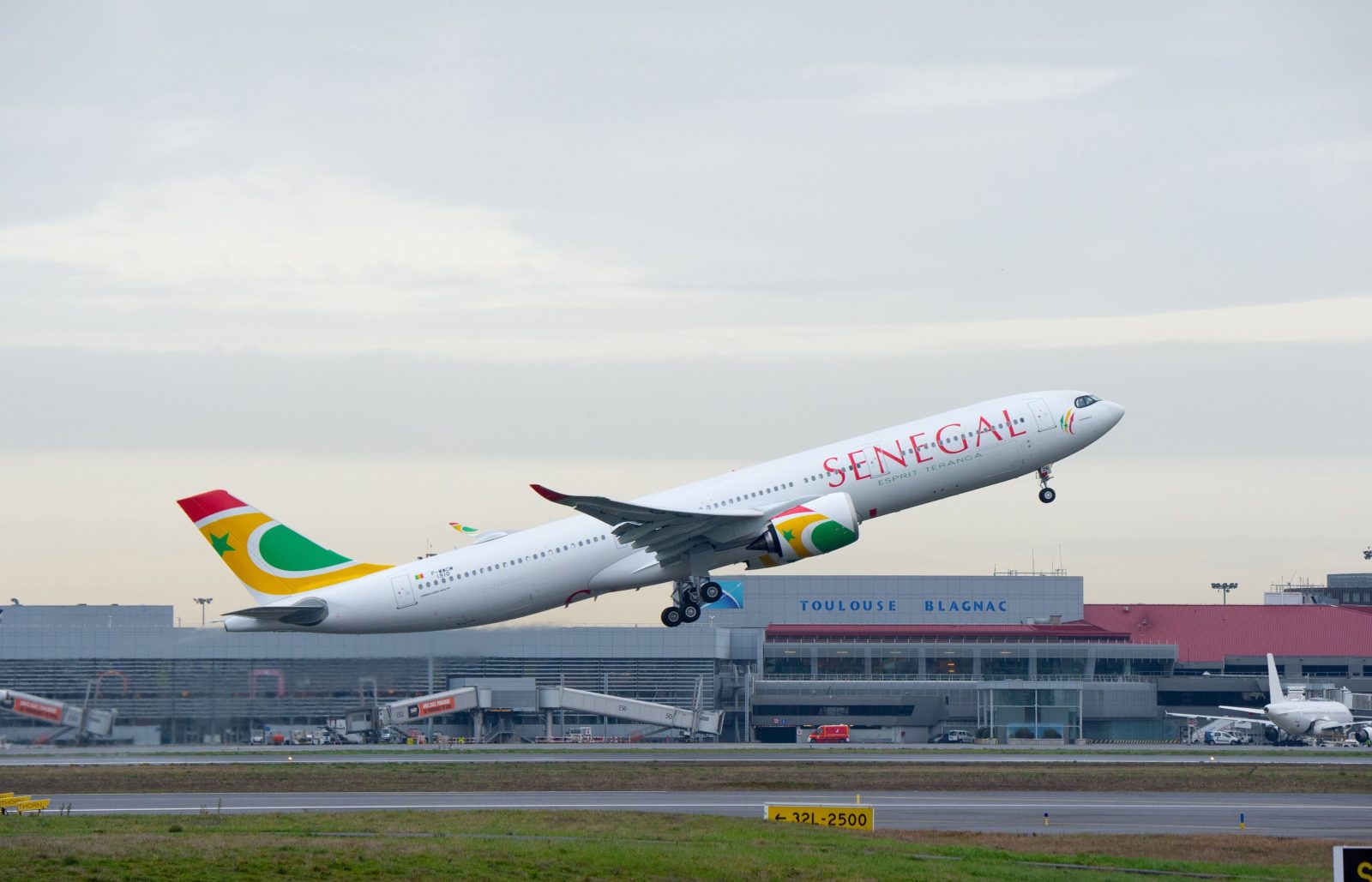
Carlyle Aviation Partners, a U.S.-based aircraft leasing company, is reportedly demanding 20 billion FCFA (approximately $32 million) for the purchase of four aircraft leased to Air Senegal. This demand comes despite Air Senegal having already paid 57.96 billion FCFA ($88.04 million) since 2018.
According to Senenews, Air Senegal is grappling with a severe operational crisis as the registrations for its leased aircraft expired on Jan. 18. Carlyle, which leases two Airbus A319s and two A321s to the airline, has refused to release the documents required for registration renewal. Additionally, Carlyle has requested an immediate payment of 11.45 billion FCFA ($17.67 million), adding to the financial strain on the Senegalese national carrier.
The situation is particularly challenging for Air Senegal, as two of the leased aircraft have been grounded for an extended period. The airline has labeled Carlyle’s demands as both “unrealistic and unfair,” with the newly appointed CEO Tidiane Ndiaye emphasizing in a letter on Jan. 13, that the delay is crippling operations. Despite the urgency conveyed, Carlyle has yet to respond.
Amid this standoff, Air Senegal is considering legal action against Carlyle, accusing the lessor of exploitative practices. The airline has also expressed concerns about Carlyle’s insistence on a letter of intent to purchase the aircraft at a price far beyond its financial capacity. Meanwhile, the airline is exploring temporary solutions to maintain its flight schedules, but the threat of bankruptcy looms large.
Compounding the financial difficulties is the prolonged grounding of an A330neo undergoing repairs in Europe. The airline has been forced to evaluate its fleet strategy, even hinting at a possible switch from Airbus to Boeing for future acquisitions.
Air Senegal recently resolved a similar dispute with Carlyle Aviation, clearing outstanding debts of $10 million. Reports from Senegalese media on September 2, 2024, indicated that this payment allowed the airline to avoid a potential legal battle in the United States, which could have jeopardized its operations.
The earlier conflict escalated when Carlyle secured a U.S. court order on August 21, 2024, to ground four of the leased aircraft due to unpaid debts. These aircraft include two A319s and two A321s leased between 2018 and 2021, as reported by Africa Intelligence.
The CEO discussed its challenges and plans in an interview with the Agence de Presse Sénégalaise (APS) earlier this month. Air Senegal, which inherited a debt of over 100 billion FCFA (approximately $153 million), faced significant hurdles in 2024, primarily due to an overambitious route network. Several international destinations, including New York, Milan, Barcelona, Lyon, Marseille, Douala, and Libreville, were cut.
Victor Shalton's love for aviation can be traced to when he was 11-years-old. As a seasoned aviation writer, he takes pride in providing the best aviation coverage around the globe and is passionate about advancing his skills in the aviation space. In addition, he loves travelling, writing, arts and while his speaking engagements have taken him around the world, he is proud to call Nairobi home.
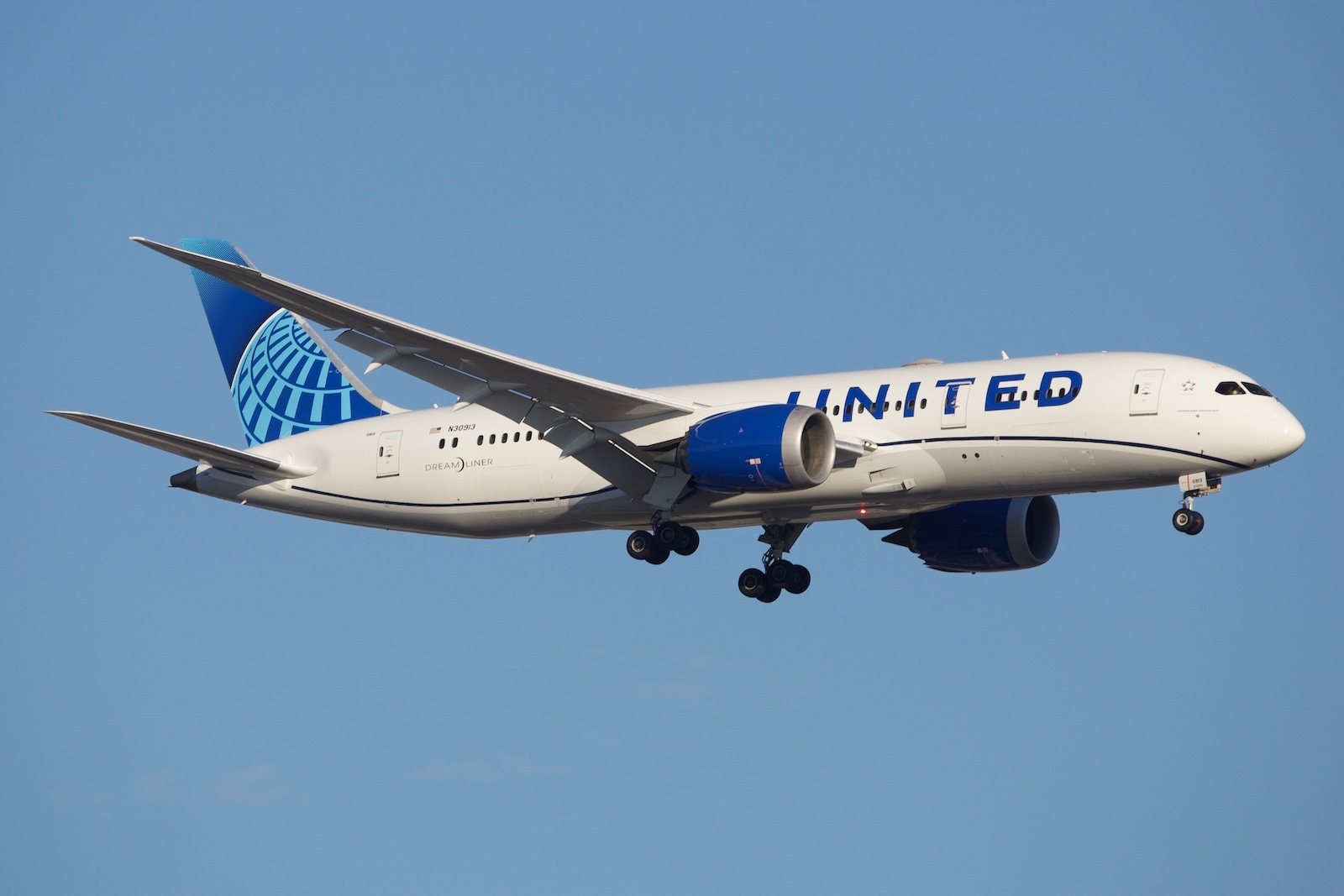
A United Boeing 787-8 Dreamliner (Photo: Noah Escobar)
A United Boeing 787-8 Dreamliner flying from Lagos, Nigeria, to Washington Dulles made an emergency landing Friday after an inflight incident. Flight 613 returned to Lagos where four passengers and two flight attendants were evaluated for minor injuries, the airline said.
The aircraft ‒ registered as N27903 ‒ suffered a “technical issue and an unexpected aircraft movement,” a United spokesperson stated. There were 245 people onboard, including eight flight attendants and three pilots.
Many inj¥red as U.S.-bound flight with 245 passengers makes emergency return to Lagos
United Airlines flight UA613, en route from Lagos to Washington, declared an emergency and returned to Lagos shortly after takeoff. pic.twitter.com/t8PpisuosU
According to ADS-B data reviewed by the Aviation Safety Network, the Dreamliner was cruising at 36,000 feet over the Ivory Coast. The aircraft initially dropped by around 200 feet and had further changes in altitude before returning to 36,000 feet.
On Tuesday, N27903 was operated the same Lagos to Washington flight when it diverted to Accra, Ghana. Although the reason for the diversion earlier this week remains unknown, the aircraft was on the ground in Accra for nearly 24 hours.
“We are working with aviation authorities in the U.S. and Nigeria to understand the cause,” the spokesperson added.
Ryan founded AirlineGeeks.com in February 2013 and has spent more than a decade covering the airline business. His work has been featured by CNN, WJLA, CNET, and Business Insider. His aviation experience spans airport operations, Part 135 regulatory compliance, and airline crew workforce planning, along with time behind the yoke of a Cessna 172 and interviews with airline executives. Ryan now serves as Group President of Firecrown Media’s Aviation Group. He holds a B.S. in Air Transportation Management and an MBA from Arizona State University and teaches Airline Management at Embry-Riddle Aeronautical University.
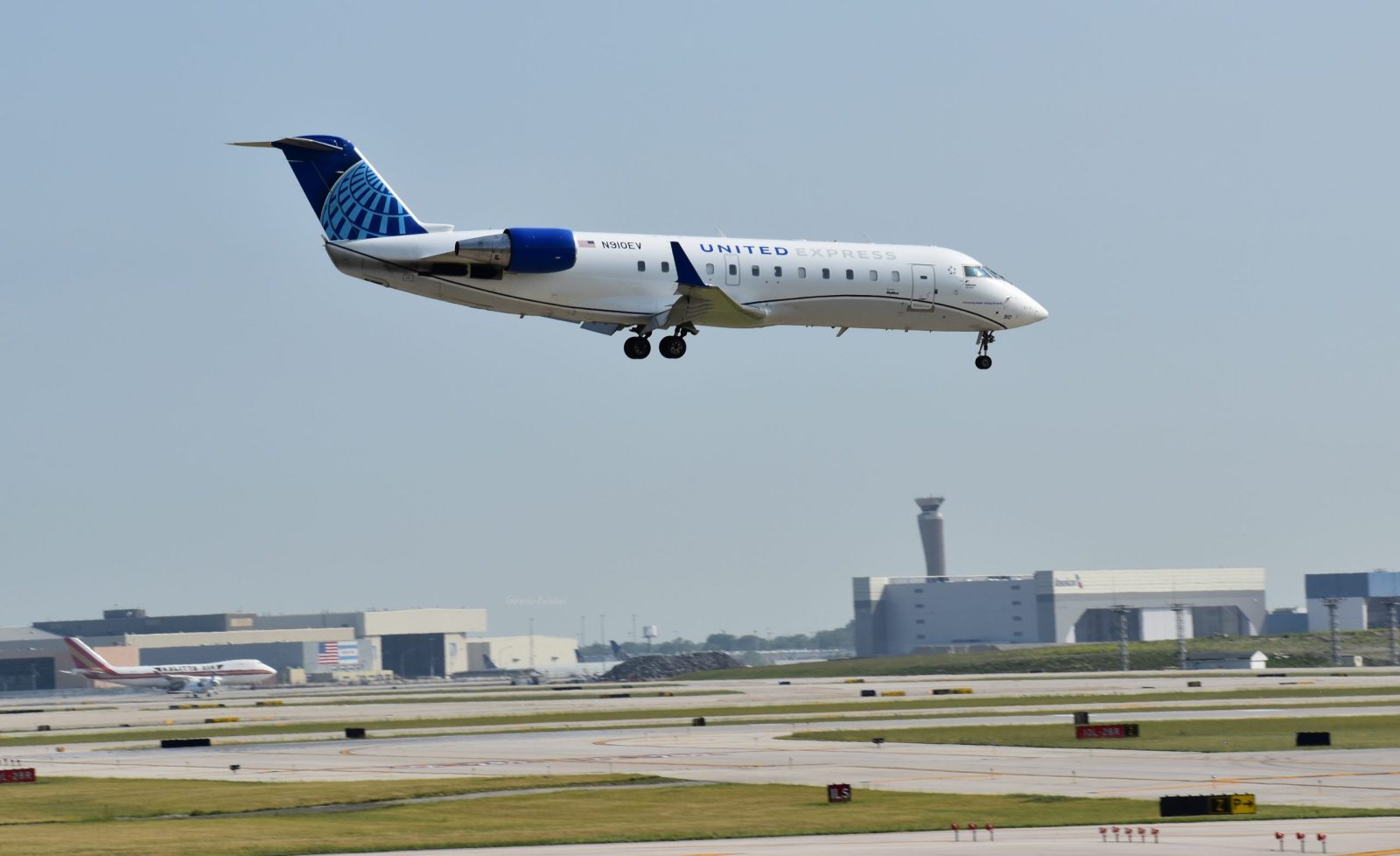
A United Express CRJ-200 arriving into Chicago O'Hare. (Photo: AirlineGeeks | Joey Gerardi)
Farmington, New Mexico, a city in the state’s northwestern corner, will be regaining air service after nearly eight years. The last time the airport had regular flights was back in 2017 with Great Lakes Airlines, which ended service just five months before the airline collapsed entirely.
Farmington calls its partnership with SkyWest a “risk-sharing agreement,” in which they will pay $6.9 million to the airline over a two-year period to guarantee airline service and revenue to the carrier.
Unlike other government programs like Essential Air Service in which the airline gets the grant with few stipulations, there is an interesting note for this service: “If passenger revenue is greater than costs, no subsidy is owed for the quarter.”
Even with the 50-seat CRJ-200 that SkyWest and United will bring to the airport, it’s still a big step up from what the market used to receive for air service in the 2010s and will be the biggest aircraft to regularly service the airport since Frontier flew Boeing 737-200s for a brief two years from 1982 to 1984. Since then, the only aircraft with scheduled service to Farmington were small propeller aircraft such as the Beechcraft 1900, Dash-8, Embraer E120, and Saab 340, among others.
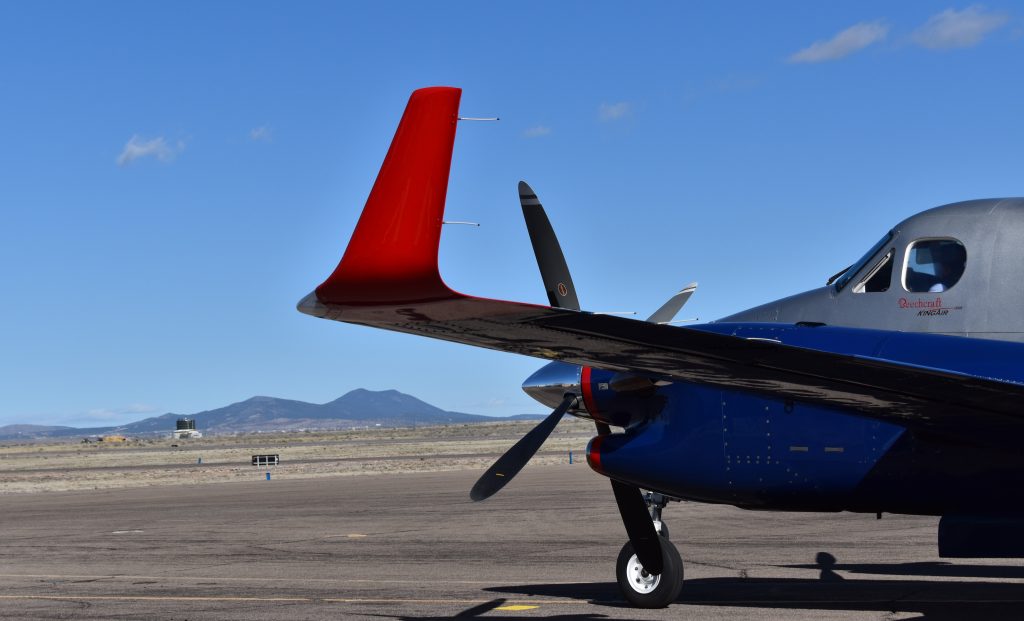
One of Advanced Air’s King Air 350s in Silver City, N.M. (Photo: AirlineGeeks | Joey Gerardi)
More New Mexico Service
Farmington isn’t the only city in the state that has benefited from the New Mexico Rural Air Service grant, and the state has seen more of its cities rejoin the air network than anywhere else in the country, with Farmington bringing that number up to five. The other four airports in the state that have rejoined the network are the following.
Angel Fire, which regained service in December of 2024 with Advanced Air to Alburquerque, after 38 years without scheduled flights.
Gallup regained service in August of 2022 also with Advanced Air to Albuquerque, after being without flights from 2008 to 2022. Advanced has since expanded flights to include Las Vegas.
Las Cruces regained service in January 2023, again with Advanced Air to Albuquerque, after being without service for 18 years.
Taos regained air service in 2018 with Taos Air, a virtual airline operated by the ski resort in the town. First, it was operated by Ultimate Air Shuttle, followed by Advanced Air. The Taos Air name was retired and now is currently served by JSX. The city was without air service from 2005 to 2018.
The new service with SkyWest under the United Express brand will begin on May 8, 2025, with the flight occurring once a day to the airline’s Denver hub.
Joey has always been interested in planes for as long as he can remember. He grew up in Central New York during the early 2000s when US Airways Express turboprops ruled the skies. Being from a non-aviation family made it harder for him to be around planes and would only spend about three hours a month at the airport. He was so excited when he could drive by himself, the first thing he did with his driver's license was get ice cream and go plane spotting for the entire day. He graduated from Western Michigan University in 2022 with a B.S. in Aviation Management & Operations and a Minor in Business, and currently works for a major airline in his hometown.
Alaska Bets on 787s for Long-Haul Routes
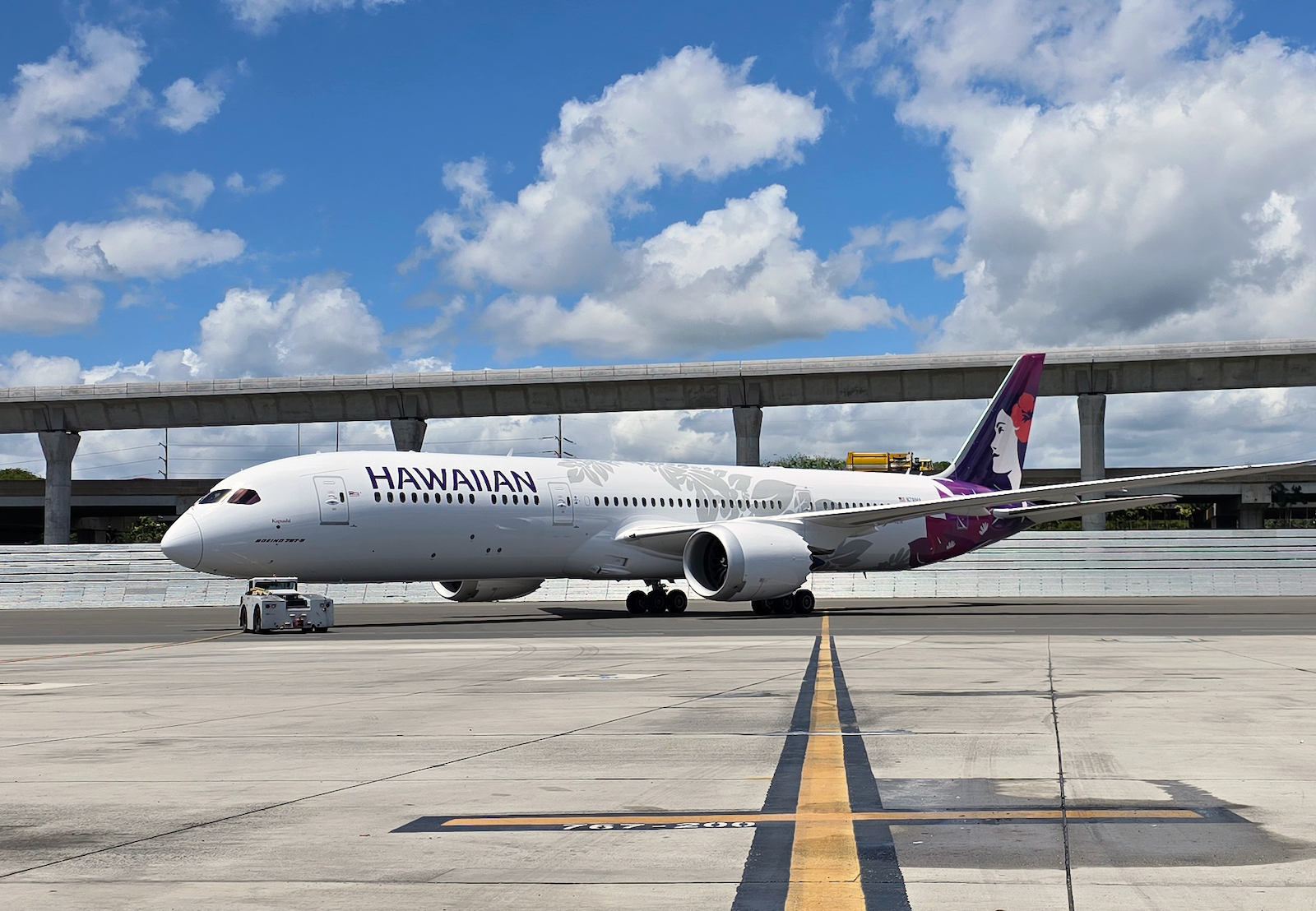
Alaska plans to stretch the Hawaiian Boeing 787-9 Dreamliner fleet in the coming years as it adds more long-haul destinations.
A Hawaiian Boeing 787 Dreamliner (Photo: Hawaiian Airlines)
Alaska plans to stretch the Hawaiian Boeing 787-9 Dreamliner fleet in the coming years as it adds more long-haul destinations. With just two 787s in its fleet so far, the aircraft will fly its longest route to date from Honolulu to New York-JFK in April.
Since the fleet’s introduction nearly a year ago, Hawaiian has deployed the 787s on West Coast routes, including Los Angeles, San Francisco, and Phoenix. With the $1.9 billion acquisition now complete, Alaska says it will “better utilize” the Hawaiian fleet.
2025 Fleet Growth
The now-merged airlines plan to expand their widebody fleet in 2025, despite ongoing delivery delays at Boeing. During a Thursday earnings call, airline leadership said it expects to take delivery of three 787s this year for a total of five.
“We expect flat growth across our Alaska assets given assumed delivery timing and retirement of our oldest 737-900 aircraft and expect a material increase in Hawaiian asset utilization particularly within the A321 fleet,” Alaska Air Group finance chief Shane Tackett said.
A visual mock-up image of Hawaiian’s first 787-9 (Photo: Hawaiian Air)
Network Expansion
Hawaiian’s long-haul workhorse — the Airbus A330-200 — operate the majority of the carrier’s routes connecting the Mainland and Hawaii along with Oceania and Asian markets. The carrier has just over 30 A330s in its fleet.
By 2030, the carrier says it will offer service to 12 long-haul international destinations from Seattle. While these routes will launch with the A330s, company leadership said, the plan is to utilize the 787s for long-haul service.
“Eventually, we’ll be moving to 787s in the full year,” said Andrew Harrison, Alaska’s chief commercial officer, during the call.
Alaska now has an orderbook that includes 10 more 787s. Hawaiian first ordered the Dreamliner in 2018.
Ryan founded AirlineGeeks.com in February 2013 and has spent more than a decade covering the airline business. His work has been featured by CNN, WJLA, CNET, and Business Insider. His aviation experience spans airport operations, Part 135 regulatory compliance, and airline crew workforce planning, along with time behind the yoke of a Cessna 172 and interviews with airline executives. Ryan now serves as Group President of Firecrown Media’s Aviation Group. He holds a B.S. in Air Transportation Management and an MBA from Arizona State University and teaches Airline Management at Embry-Riddle Aeronautical University.
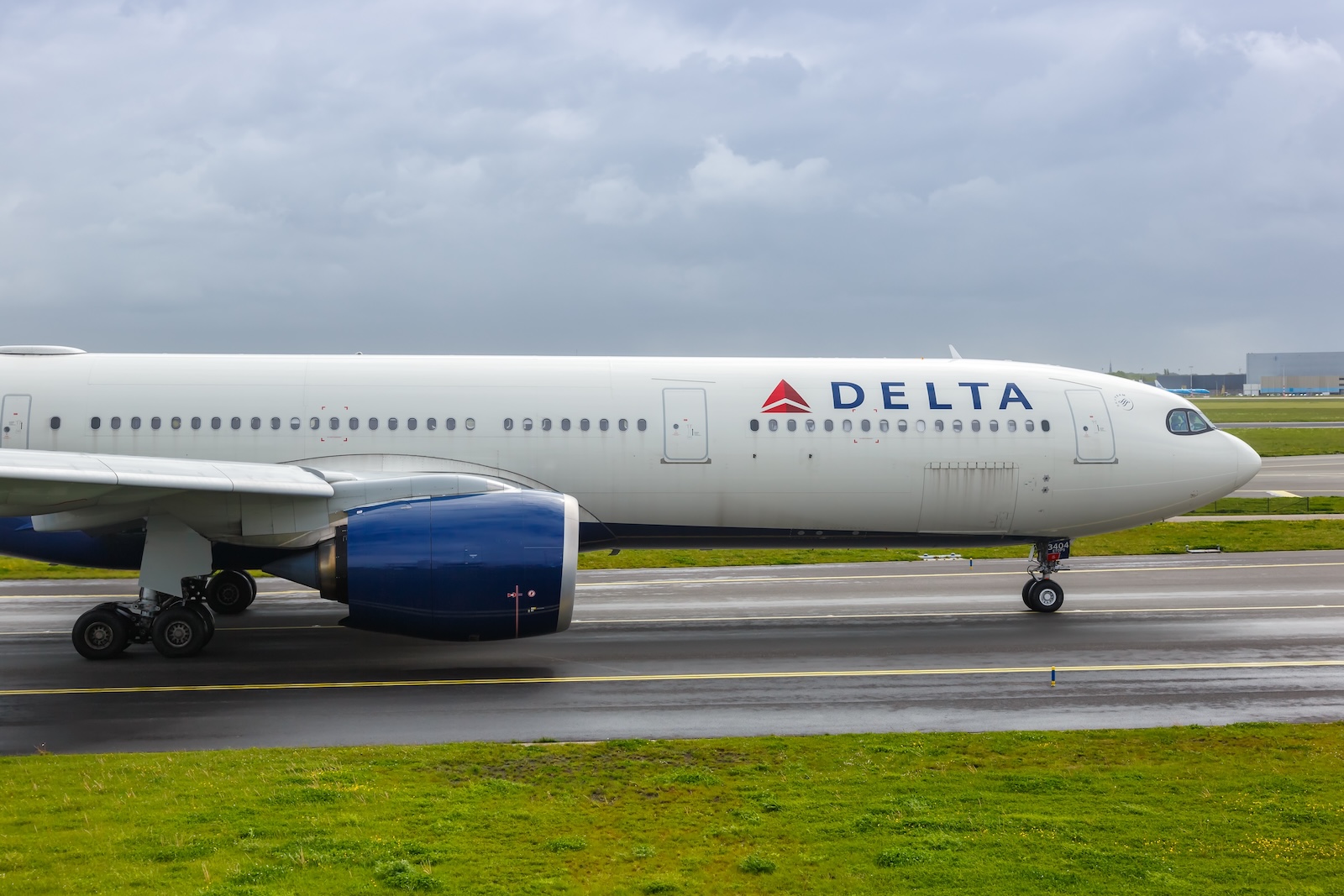
A Delta A330neo (Photo: Shutterstock | Markus Mainka)
Delta plans to resume flights to Tel Aviv, Israel, later this year. The Atlanta-based carrier becomes the first U.S. airline to publicly announce plans to restart regular service following the October 2023 attacks.
The airline briefly resumed service to Tel Aviv beginning in June 2024, but later halted flights again. American has suspended service to the region until at least September 2025, while United has yet to firm up a plan to resume its flights.
In a Friday news release, Delta said its route between New York-JFK and Tel Aviv would resume on April 1. Flights will operate daily on an Airbus A330-900neo aircraft.
“Delta’s decision to resume service follows a comprehensive security review, conducted in close coordination with government and private-sector partners,” the release stated. “The airline continues to prioritize the safety of its customers and crews and has implemented additional precautions for operations to and from Tel Aviv.”
Ryan founded AirlineGeeks.com in February 2013 and has spent more than a decade covering the airline business. His work has been featured by CNN, WJLA, CNET, and Business Insider. His aviation experience spans airport operations, Part 135 regulatory compliance, and airline crew workforce planning, along with time behind the yoke of a Cessna 172 and interviews with airline executives. Ryan now serves as Group President of Firecrown Media’s Aviation Group. He holds a B.S. in Air Transportation Management and an MBA from Arizona State University and teaches Airline Management at Embry-Riddle Aeronautical University.
Editor’s Note: AirlineGeeks is proud to present our ‘Livery of the Week’ series. Every Friday, a team member will share an airline livery, which can be from the past, present, or even a special scheme. Some airline liveries are works of art. The complexity associated with painting around critical flight components and the added weight requires outside-the-box thinking from designers. The average airliner can cost upwards of $200,000 to repaint, creating a separate aircraft repainting industry as a result.
Have an idea for a livery that we should highlight? Drop us a line.
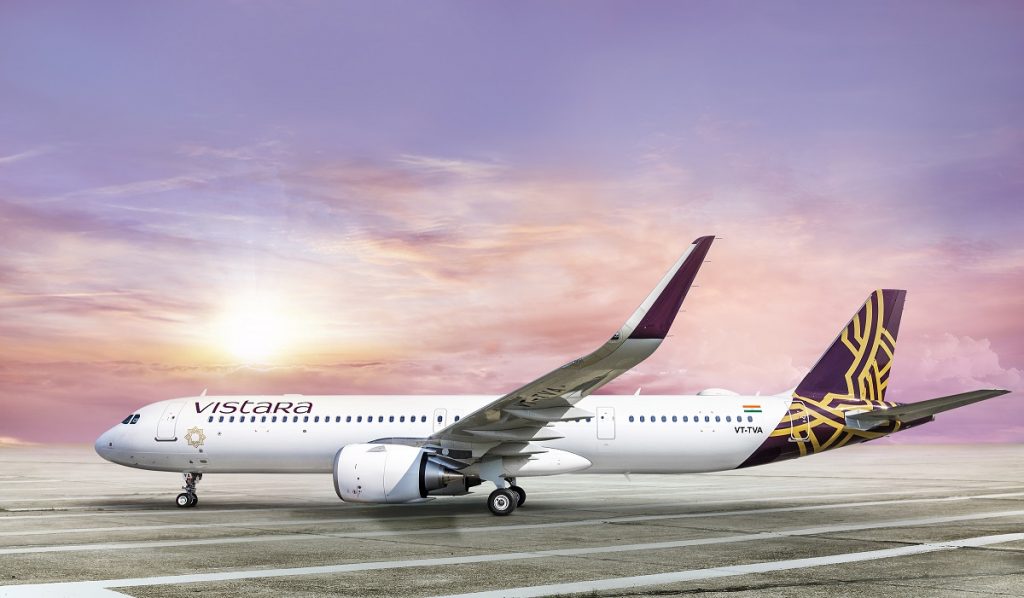
Vistara, a joint venture between Tata Sons and Singapore Airlines, has established a distinct brand identity in the Indian aviation market through its aircraft liveries. These designs have evolved over time, reflecting both modern aesthetics and the rich history of the Tata Group’s involvement in aviation.
The airline’s primary livery is characterized by a color palette of aubergine (a shade of purple), gold, and white. The fuselage is predominantly white, with a stylized “V” logo in gold near the front. The tail is painted in aubergine.
Vistara A321neo (Photo: Vistara)
In 2018, Vistara introduced a special “retro” livery to commemorate 150 years of the Tata Group. This design paid homage to the Tata Airlines of the 1940s, a precursor to Air India. The retro livery featured a metallic silver fuselage, reminiscent of the original Tata Airlines’ aircraft.
Vistara’s liveries effectively communicate the airline’s brand values and heritage. The primary livery represents modernity and premium service, while the retro livery connects the airline to the Tata Group’s rich aviation history.
Looking for a new airplane model? Head over to our friends at the Midwest Model Store for a wide selection of airlines and liveries.
Ryan founded AirlineGeeks.com in February 2013 and has spent more than a decade covering the airline business. His work has been featured by CNN, WJLA, CNET, and Business Insider. His aviation experience spans airport operations, Part 135 regulatory compliance, and airline crew workforce planning, along with time behind the yoke of a Cessna 172 and interviews with airline executives. Ryan now serves as Group President of Firecrown Media’s Aviation Group. He holds a B.S. in Air Transportation Management and an MBA from Arizona State University and teaches Airline Management at Embry-Riddle Aeronautical University.
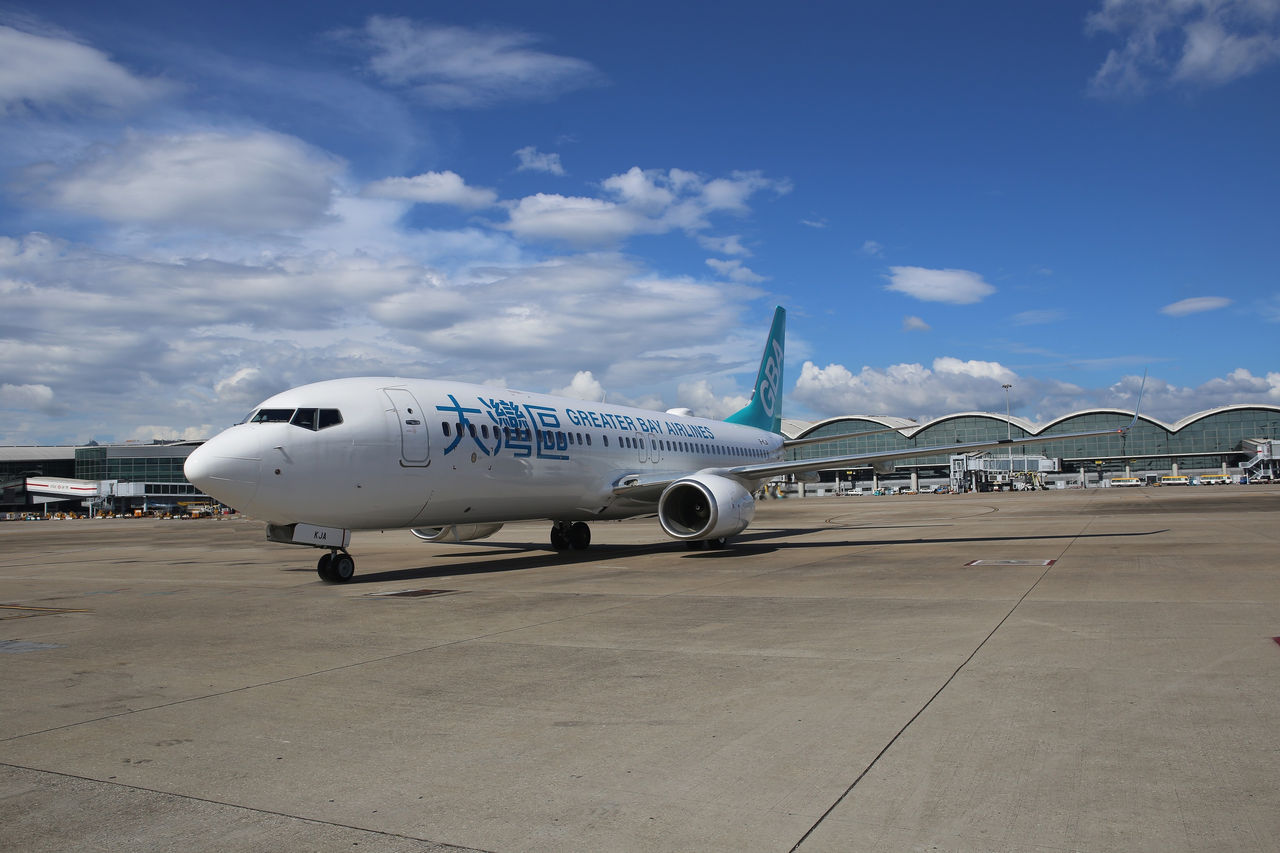
A Greater Bay Airlines Boeing 737 (Photo: Greater Bay Airlines)
Hong Kong-based Greater Bay Airlines has scrapped more than 100 flights in the coming months due to the delay in delivery of the new aircraft. The cancellations will not affect the Lunar New Year holiday starting on Jan. 29.
“Due to the delay in new aircraft delivery and the need of regular inspection for some of our existing aircraft, our overall flight schedule has been impacted, resulting in cancellations of 128 flights or 64 round trip flights in February and March 2025 involving approximately 5,500 passengers,” the airline said in a statement.
Schedule Process Negligence
In response to “unsatisfactory” demand, the airline has also cancelled flights to Seoul, South Korea. The cancellations are all too familiar.
The new start-up recently axed services to Singapore and Haikou, China, after launching the flights just months ago. Also, flights to Ho Chi Minh City were cancelled after seven months.
Earlier, the airline expanded its route map by launching flights to second-tier Japanese destinations, such as Yonago and Tokushima. However, the carrier said that it had found negligence over its schedule process, slashing several flights to Yonago and Tokushima as a result.
Moreover, the airline has also axed the number of flights to Tokyo, Osaka, and Sendai. The Hong Kong government has expressed concern over the cancellations.
Greater Bay launched its service in 2022 with three Boeing 737s, acquiring 15 Boeing 737 MAXs in 2023.
Many seek entry-level airline positions as a way to put themselves through training while still having the perks and excitement of working for an airline.
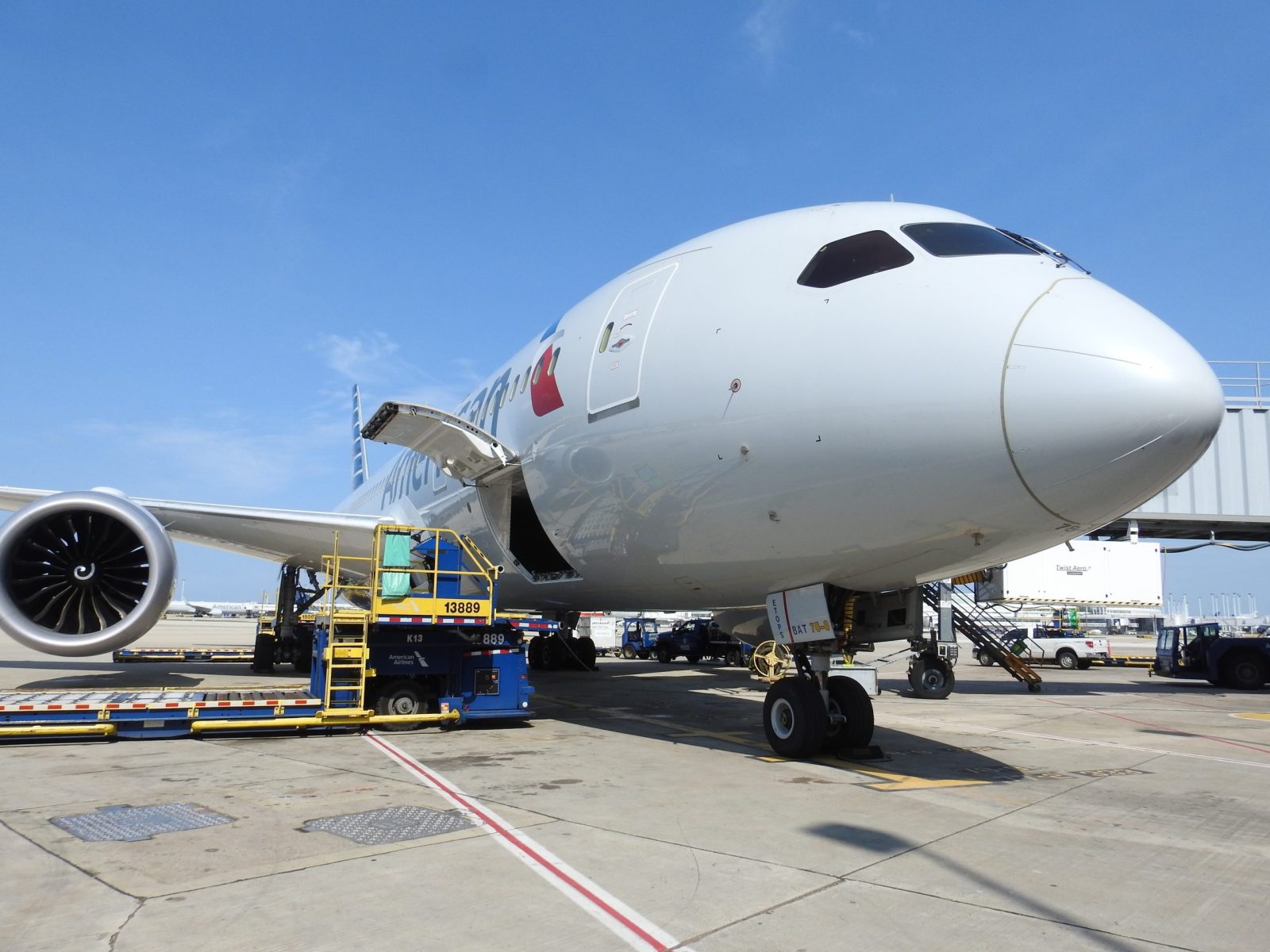
An American Airlines 787-8 prepares to load cargo in Chicago (Photo: AirlineGeeks | Ian McMurtry)
Working for an airline is a dream for many around the world. Different people have various hopes, but many desire to work as cabin crew, getting paid to travel around the world. Others work as dispatchers, crew schedulers, recruiters, and management to keep an airline running smoothly and safely day-to-day.
However, getting hired in many of these roles requires time and dedication. Becoming a pilot, flight attendant, or dispatcher takes training that may or may not be provided by the airline. Many seek entry-level airline positions as a way to put themselves through training while still having the perks and excitement of working for an airline. Though not the flashiest of jobs, entry-level positions are still critical roles that are essential to the efficient operation of aircraft.
Customer Service Agent
Many begin their aviation careers as customer service agents for airlines. These employees book and check-in passengers, process bags, and monitor the boarding process to ensure passenger safety. Agents also assist lost passengers and rebook travelers when a flight is delayed, cancelled, or missed.
Customer service work is a great way to get to know airline procedures and policies, especially relating to the booking process and ground security. It also helps employees learn many of the regulations regarding passenger rights and airline liability in a variety of irregular operations such as poor weather, maintenance issues, and crew scheduling.
Some customer service agents, instead of working at the airport, work in call centers to remotely help customers that call in before even making it to the airport. These calls may cover anything from making a booking to rescheduling a flight and even looking for lost baggage.
Phone agents work with station employees across the region or the country to coordinate a variety of tasks, and they work with the booking department to confirm reservations and make changes. This offers the skill to be focused and flexible with a variety of people to ensure the best outcome for a customer.
Most customer service agents are paid starting salaries between $15 and $18 per hour, though some can make $20 or more depending on location and employer. Raises usually come with seniority, and many airlines even offer health insurance and retirement benefits after working for the company for a certain amount of time.
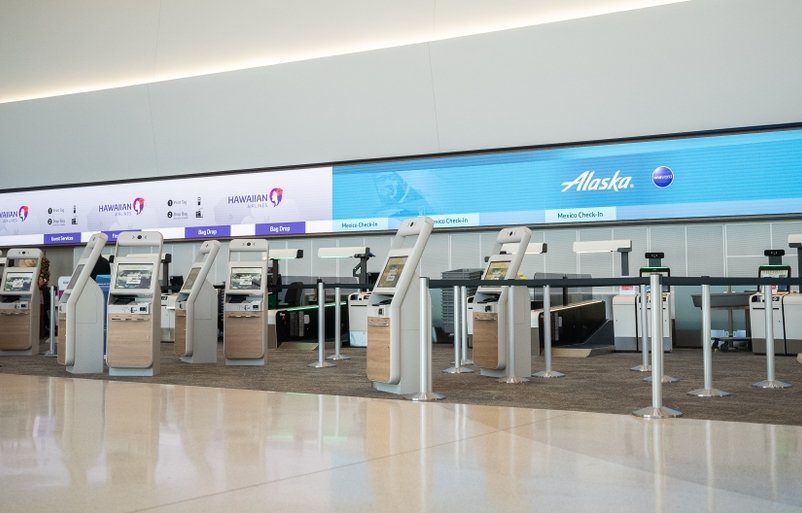
Alaska and Hawaiian check-in counters in San Francisco (Photo: Hawaiian Airlines)
Ramp Agent
In addition to customer service agents, airlines also hire ramp agents. These employees load and unload bags; marshall, push back, and tow airplanes; and maintain safe, clean, and secure parking ramps to ensure aircraft safety. Keeping a constant pace and a vigilant watch is essential to continuing aircraft operations.
Ramp agents do difficult work and are expected to lift up to 50 pounds at any given time while handling bags. Still, their work is important and requires attention, as it is important to ensure bags are safe and undamaged during handling.
Equally, ramp agents play a particularly important role in aviation safety, as they must closely monitor the environment around them for unauthorized persons and suspicious activity. This may be one of the last lines of defense against aircraft damage from a variety of people, from passengers who snuck onto the ramp to catch a flight to security breaches.
Maintaining cleanliness is also an important role, as debris on the ramp, taxiways, and runways can damage aircraft if ingested into tires or engines. Ramp agents must be vigilant of their surroundings in order to protect airlines’ most valuable physical assets.
Many people choose to become ramp agents because they want to work hands-on with aircraft and speak directly with pilots and flight attendants during preflight checks, inspections, and walkarounds. Ramp agents even get first-hand interactions with mechanics doing changes out in the field. Making these connections can be critical for those pursuing careers in aviation and looking for experienced mentors and their guidance and advice.
Ramp agents usually make slightly more money because of the added physical demands of their jobs. Still, base salaries usually start just above $15 per hour and rise with seniority. As with customer service agents, benefits such as insurance and travel perks will be granted the longer a ramp agent works for the company.
Some airlines combine the roles of customer service and ramp agents at certain airports, especially those with less service where it does not make sense to hire, train, and pay multiple employees. Rather, one group of agents will check in passengers and send bags to screening before heading to the ramp to welcome and park the aircraft. Afterward, they return to the terminal to help with boarding and finally push back the airplane for its onward journey.
Employees that double dip like this tend to make more money thanks to their increased responsibility. Working multiple roles allows an employee to maximize what they know and learn about a wider range of steps in an airline’s operation.
Maintenance Apprentice
While many people go to school to become aviation mechanics, some instead work as an apprentice under mechanics to build experience instead. Airlines often hire these apprentices to work underneath more senior technicians to learn and aid with tasks en route to full licensure. People interested in working as a mechanic can pursue such a role, often found at larger hubs where more mechanics tend to be needed.
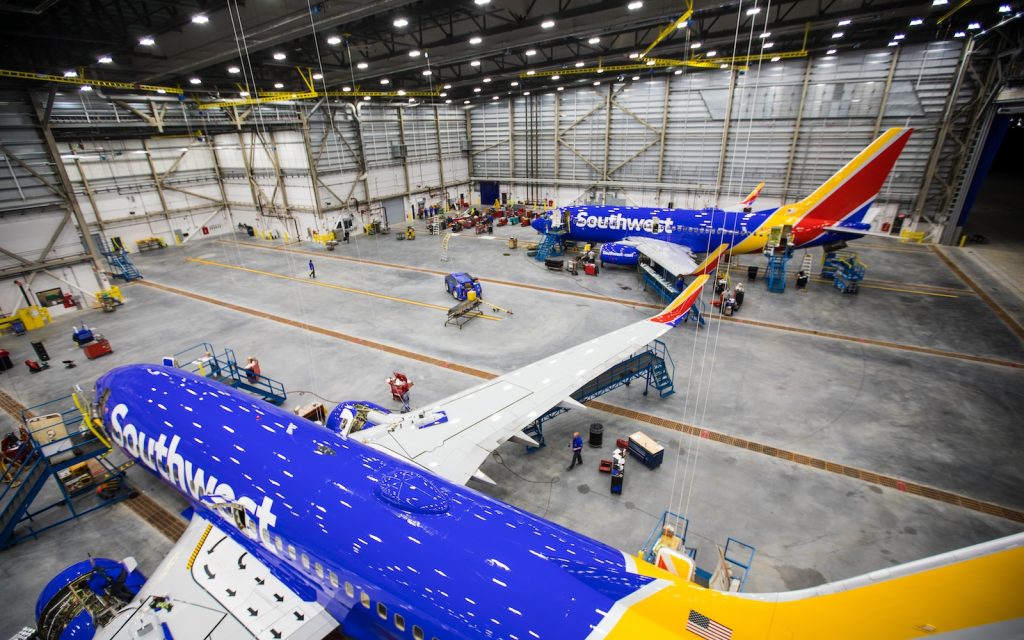
Southwest aircraft at the airline’s Houston Hobby hangar (Photo: Southwest Airlines)
Different airlines handle apprentices differently, though it is possible to work on the line fixing aircraft in active service or spend time in a workshop performing heavy maintenance, overhauls, and completing bigger tasks. Some apprentices even get to help with contract maintenance that their airline does on behalf of other airlines and companies flying through the airport without their own maintenance presence.
How to Find Entry-Level Jobs
Airlines post listings for entry-level positions on job boards such as Indeed and Glassdoor. You can also search on airlines’ websites to apply with them directly. In addition to looking at major airlines such as American, Delta, and United, look as well for regional subsidiaries such as Envoy Air, Republic Airways, and Skywest Airlines.
Most jobs have basic requirements, such as a minimum age of 18 years and a high school diploma or GED. Airlines often look for employees within commutable distance from the appropriate airport or base, though some customer service jobs – such as agents who answer phones and texts from customers – are offered as remote positions.
Entry-level jobs can be rewarding for new aviators looking to launch their career in flight. These jobs provide real-world hands-on experience in the airline world and can give valuable insights into life as a professional crewmember. This is a great way to get started and find your way in aviation.
John McDermott is a commercial pilot pursuing a career in professional flight. His passion for aviation began in an Ann Arbor bookstore with a tale of enemy pilots during World War 2, and he hasn't looked back. Besides flying and writing for AirlineGeeks, John volunteers with Professional Pilots of Tomorrow and travels whenever he gets the chance.
Sign-up for newsletters & special offers!
Get the latest stories & special offers delivered directly to your inbox