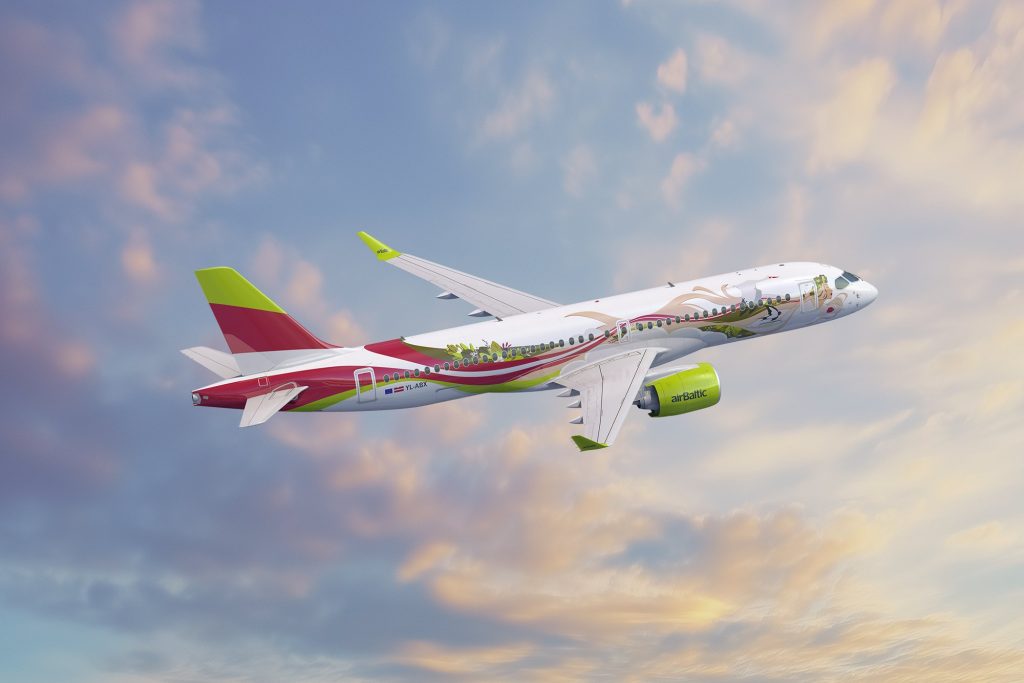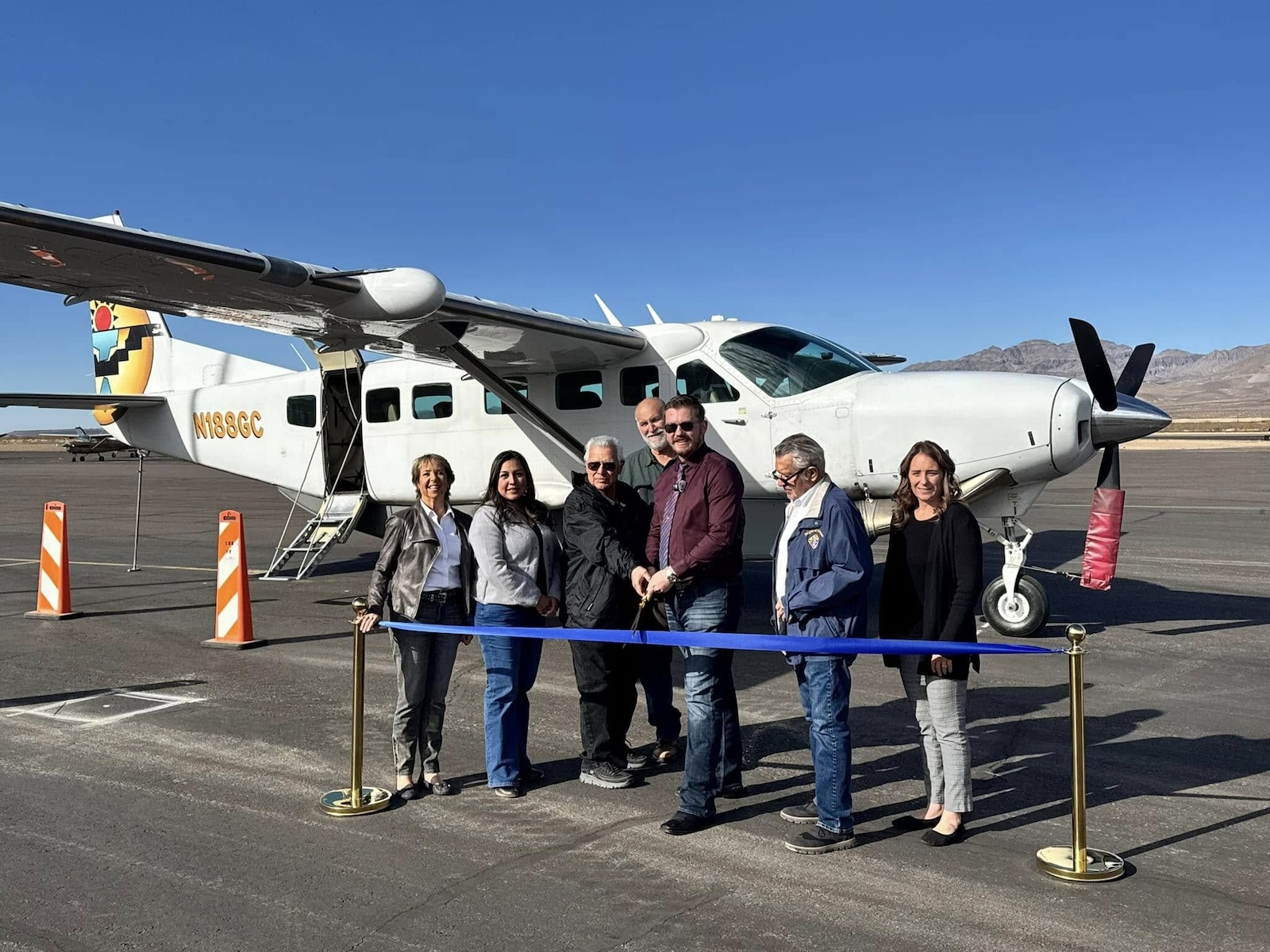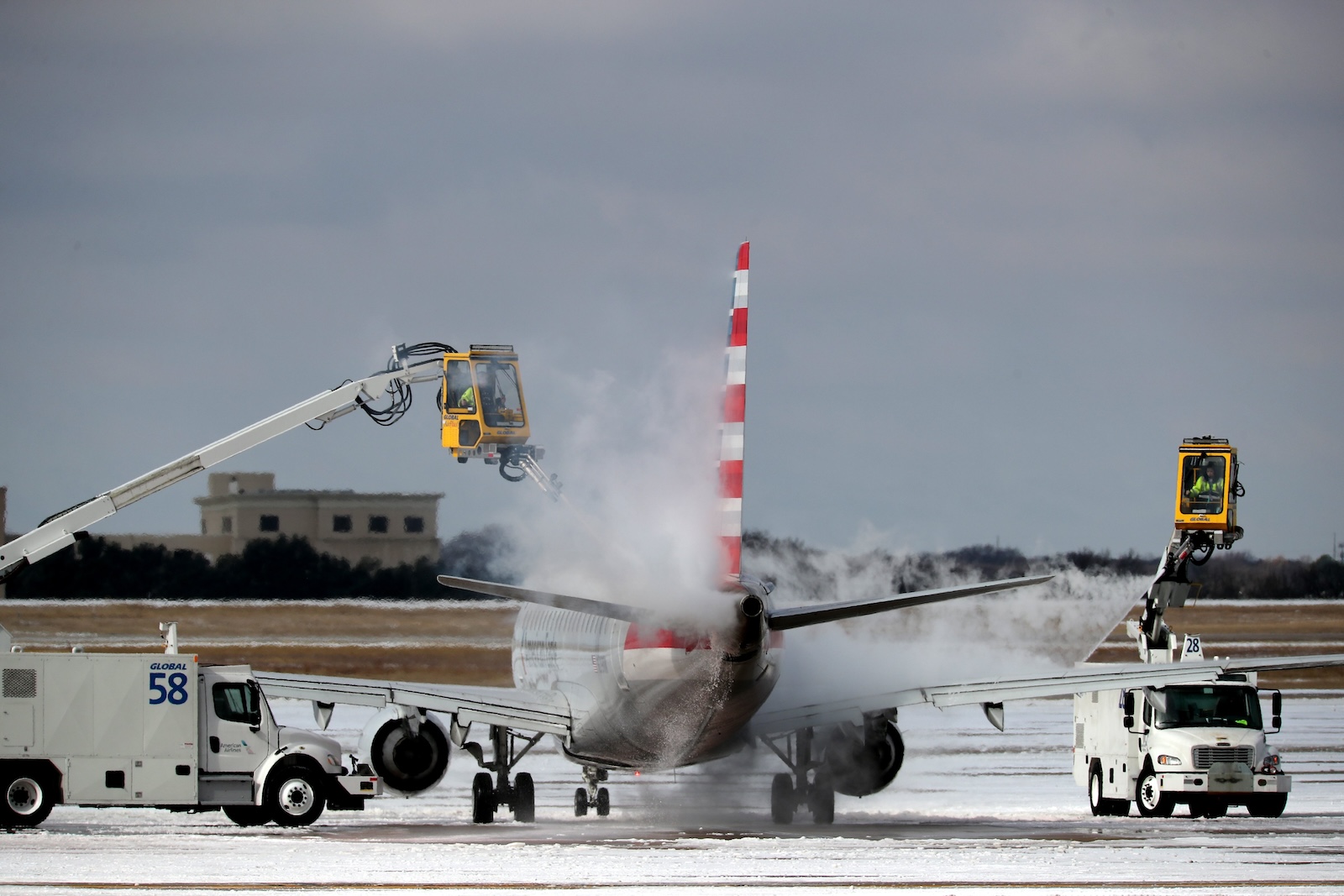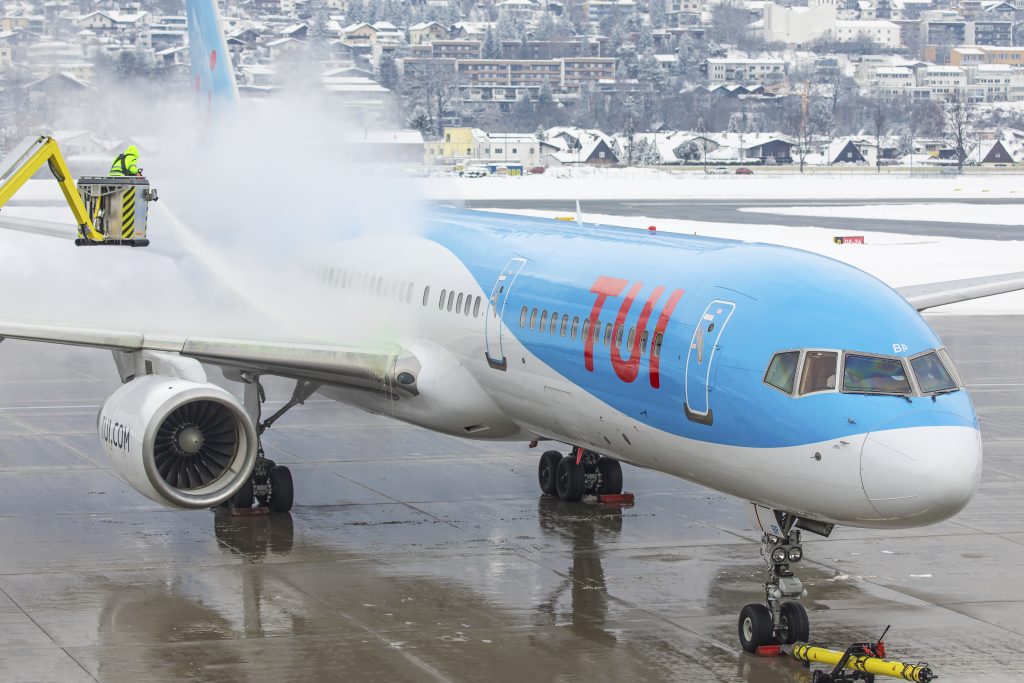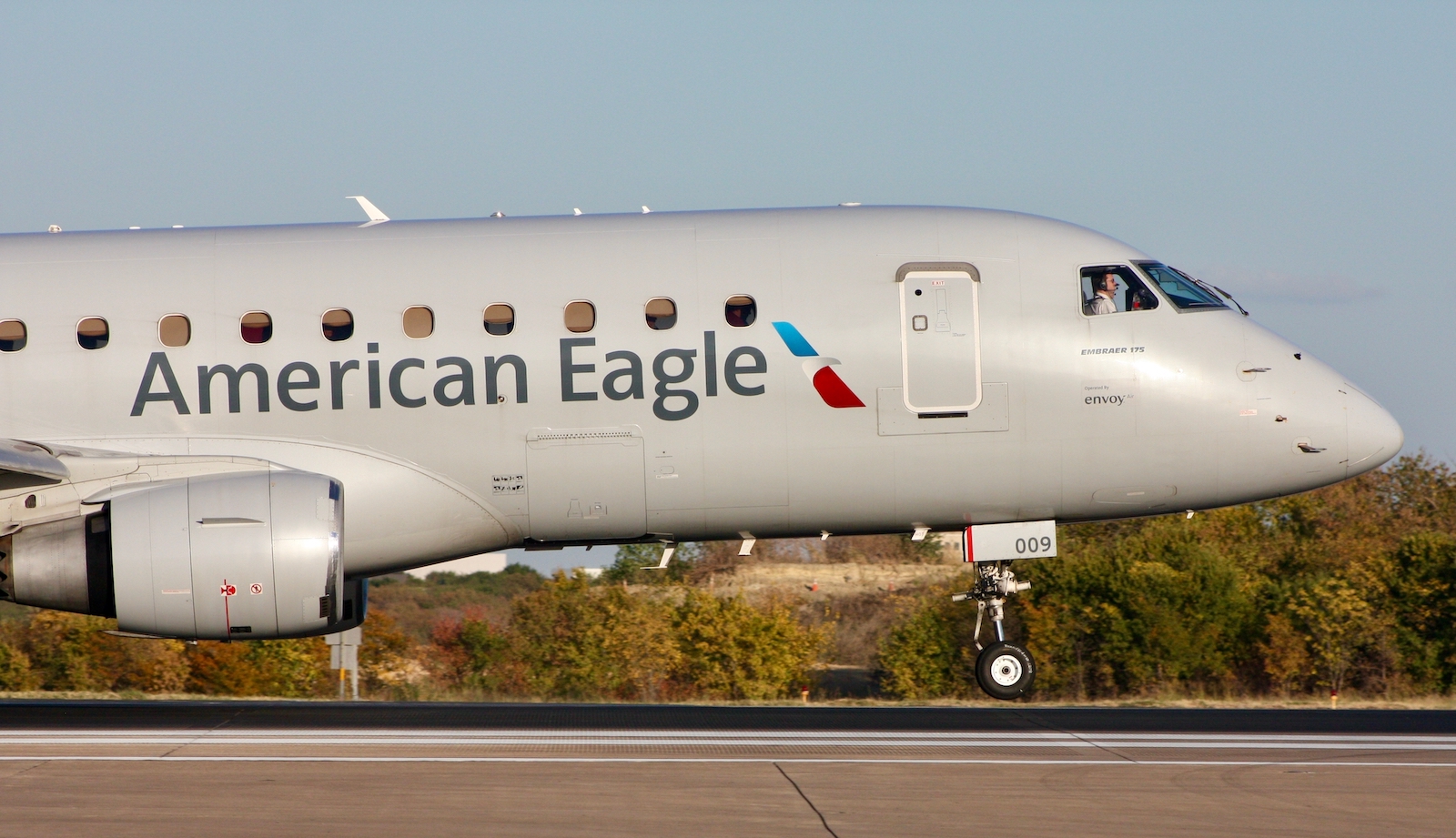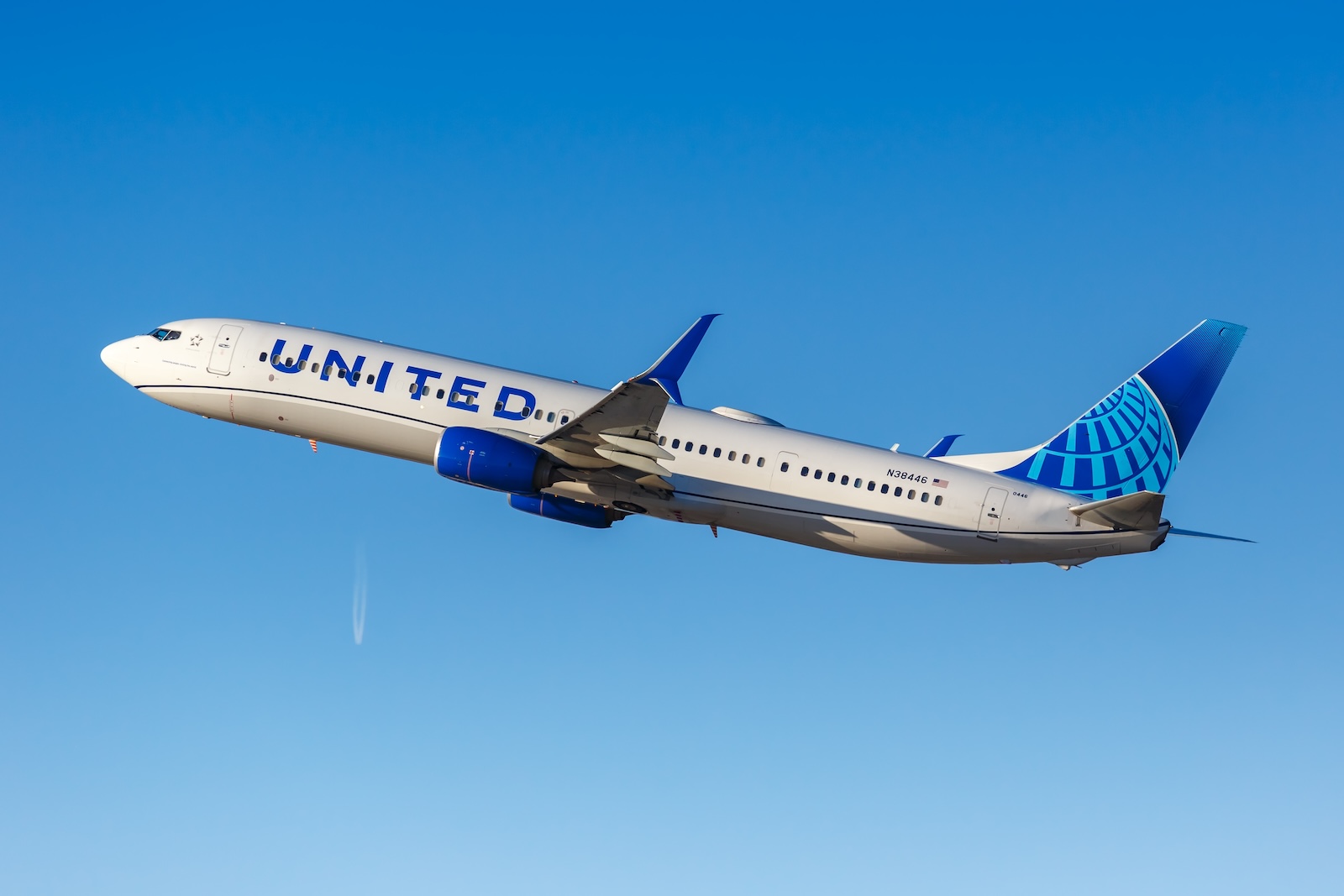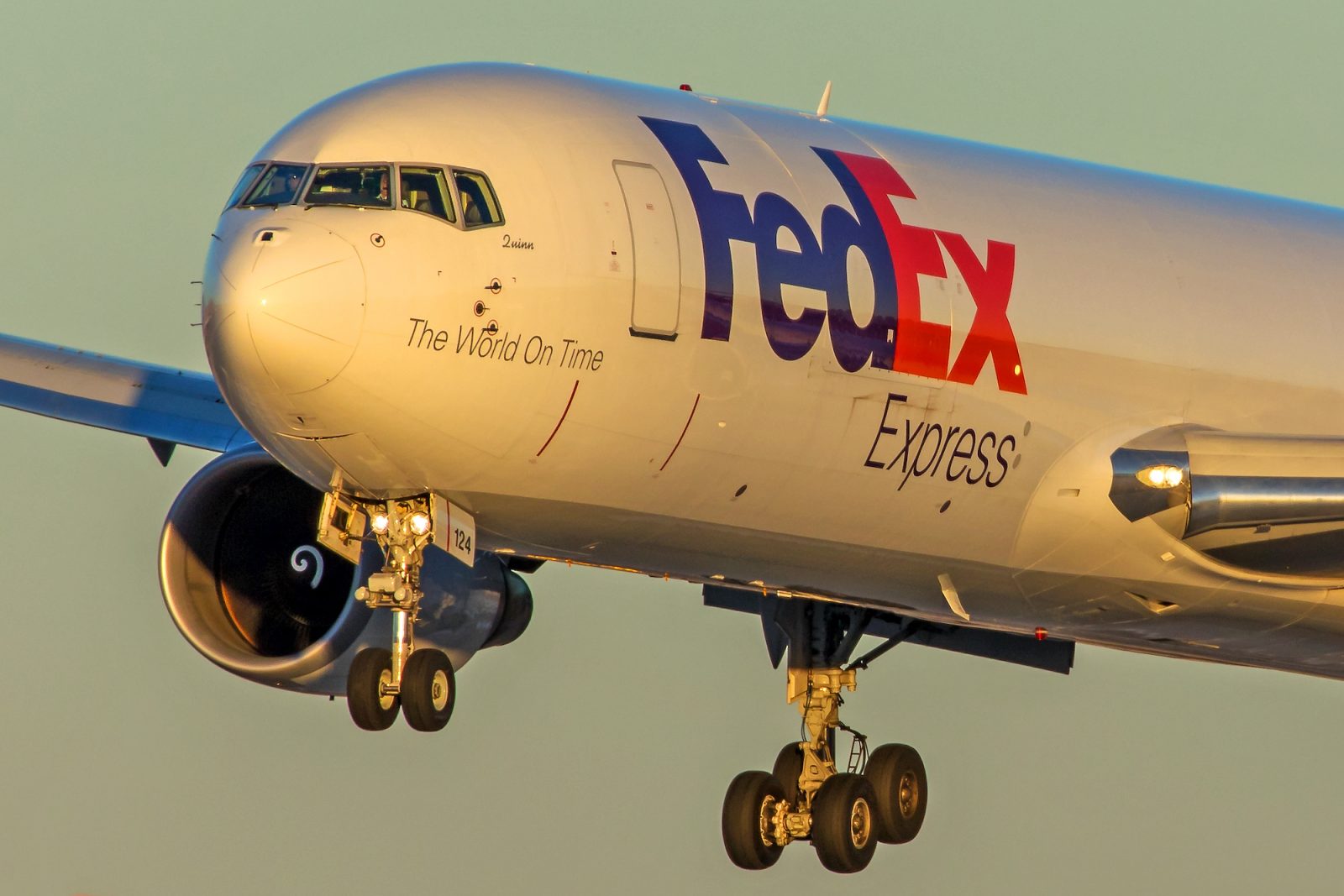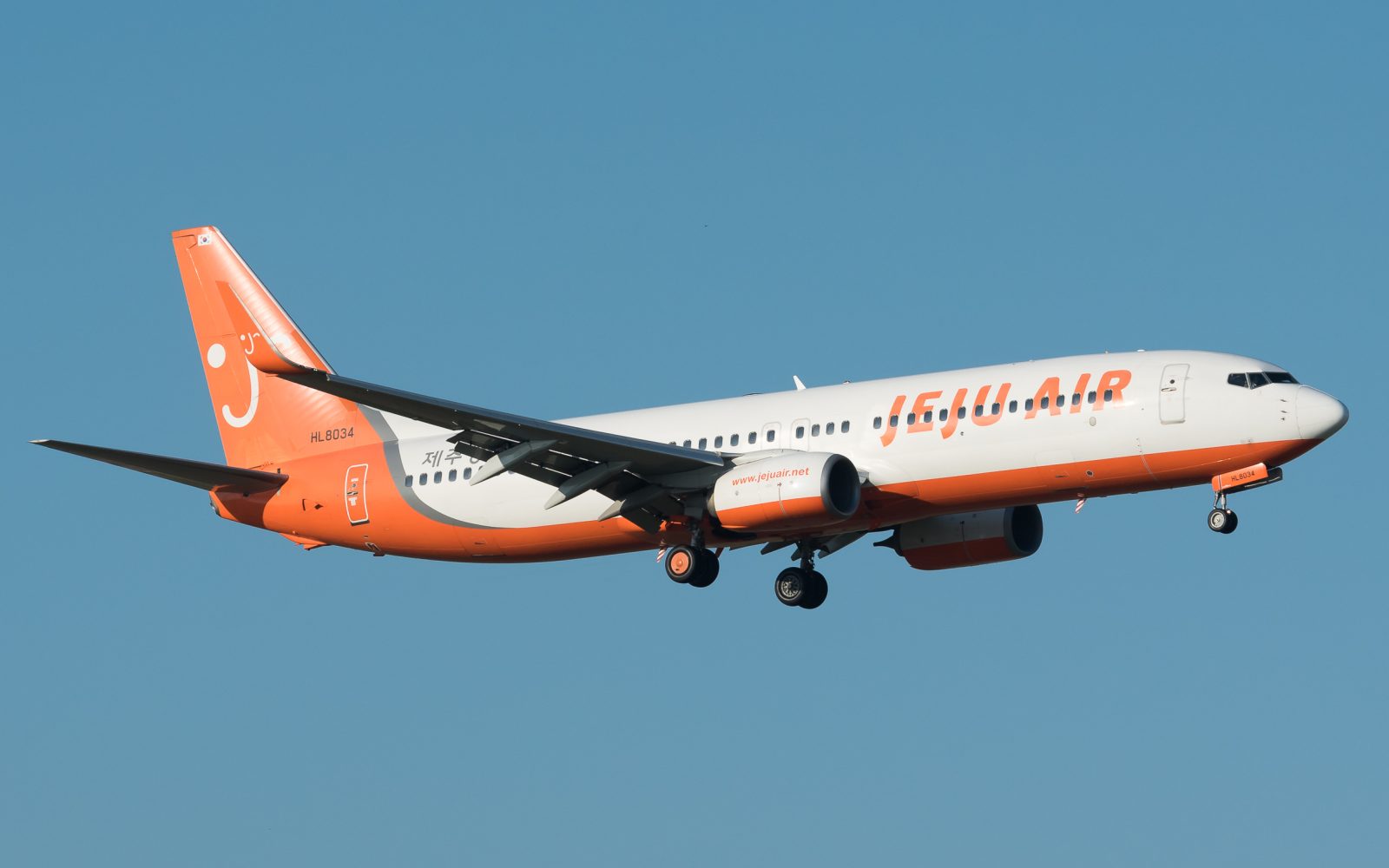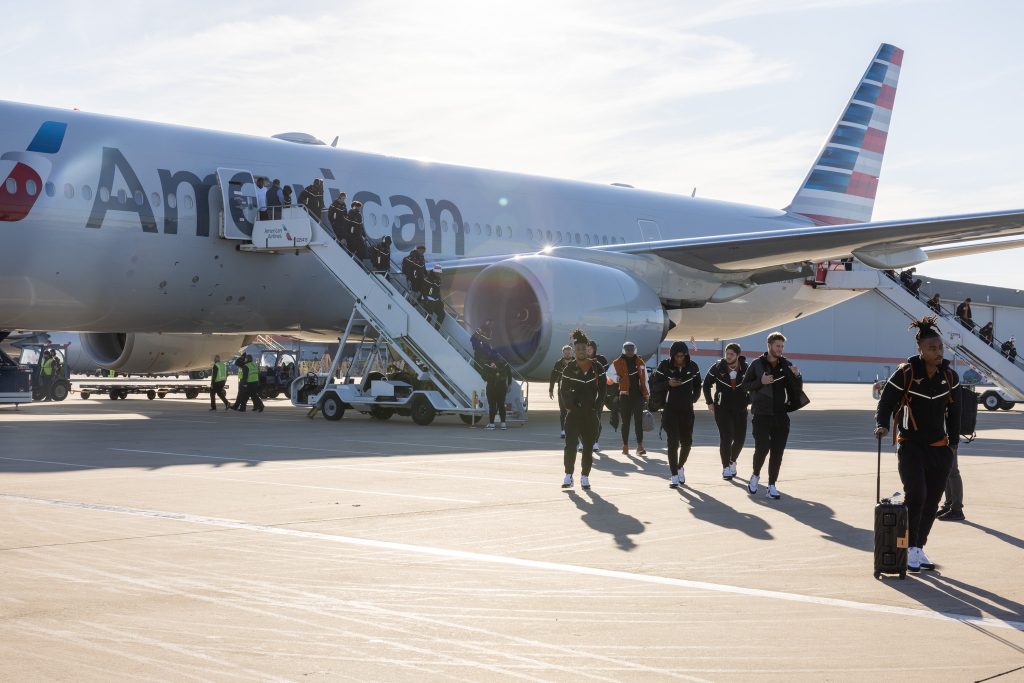










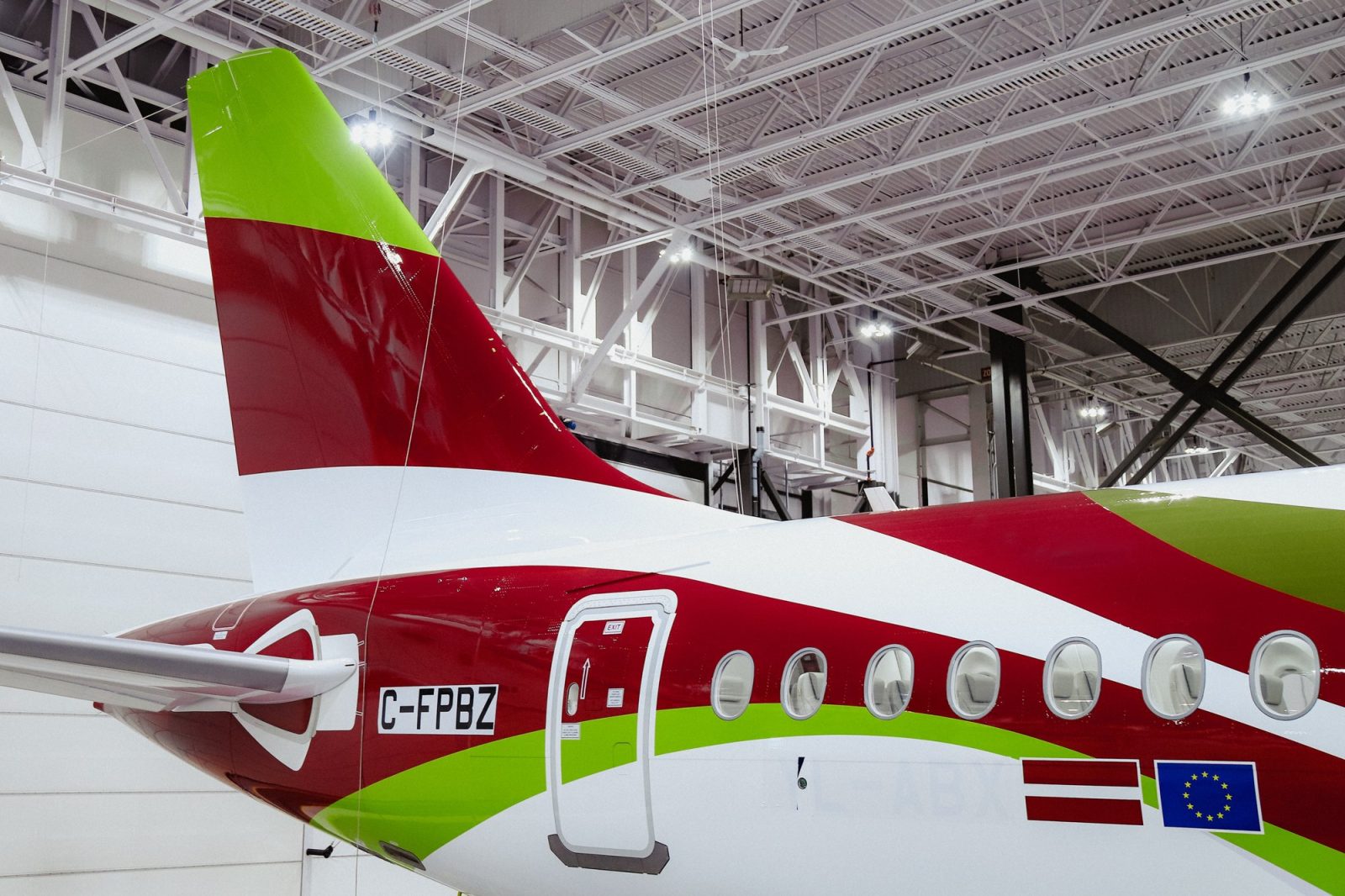
Aircraft at Bristol Airport in the U.K. (Photo: Bristol Airport)
Britain’s eighth busiest airport is getting a makeover, with the southern English hub undertaking a 150-metre runway extension. According to UK Aviation News, the move was revealed as a part of Bristol’s plan to boost passenger numbers to 15 million a year.
Not only will this improve efficiency, but it should also allow much larger aircraft to serve the airport. The extension brings the total runway length to 2,161 meters, up from the current 2011.
While currently Boeing 787s and A330s can fly there, their appearances are rare, and it’s hoped that the new extension will provide for more of these aircraft.
With larger aircraft, Bristol Airport is hoping to open routes to the U.S. and the Caribbean, which are typically offered from other U.K. regional airports by low-cost airline TUI.
The airport is also hoping to serve flights to Dubai and Doha, allowing passengers to connect on to much of Asia and Africa. This would be a similar style to Birmingham Airport, which currently has daily flights from both Emirates and Qatar Airways.
However, the news hasn’t only had the warmest reception it had hoped for, being met with a few protests from groups and pushback from the local council. This isn’t the only time the council attempted to stop the plans from going ahead, with the Government previously having had to step in to ensure that the extension could take place.
The airport also promises that the new plans will bring 1,000 extra jobs, and bring the indirect total to 37,000.
Sam Jakobi is a young aviation journalist based in London, U.K. A lifelong Airbus fan, he has adored aviation for as long as he can remember. Sam writes articles and conducts interviews with members of the aviation community.
Why Delta’s Austin ‘Hub’ Makes Sense
With meaningful investment already and likely more on the way, the airline seems dead set on maintaining its status as the city’s No. 2 carrier.
Delta A321s in Austin. (Photo: Shutterstock | lorenzatx)
Once dubbed as the Texas boomtown, Austin has lost some of its momentum in recent years, driven primarily by softening in the tech sector. But that hasn’t stopped Delta, which is positioning the Texas capital as a key gateway.
For over a decade, Austin held the No. 1 spot for the U.S.’s fastest-growing large metro area. However, the city slipped to second in 2022 and 2023, according to recent census data.
More people are moving out of the city, too, with a net loss of 2,500 individuals when comparing July 2022 and July 2023. This hasn’t happened for around two decades.
Austin Bergstrom International Airport became one of the fastest-growing U.S. airports, seeing a 63% rise in passenger numbers over the last decade. Recently, some airlines have reduced their schedules in the city.
With former commercial chief Vasu Raja leading the charge, American made a bad bet in Austin, dumping capacity into the city with several point-to-point routes. These quickly became some of the airline’s worst-performing routes, underpinned by the ousting of Raja earlier this year.
“We added these routes with our customers top of mind to bring them closer to the places they value the most when conducting business,” Raja said in a 2019 press release. “While it’s not our traditional hub and spoke routing, we understand the importance of travel for the tech community and look forward to offering these new flights to our loyal customers.”
Comparing 2019 and 2022, American added nearly 50% more seats in Austin, quickly becoming the airport’s second-biggest airline at the time. In just two years, this changed, and American cut scheduled capacity by 34% between 2022 and 2024, per Cirium Diio schedule data.
By May 2025, the airline is planning to operate only 42 peak daily departures from Austin, a far cry from the 76 it scheduled in 2022. With the exception of a few leisure routes to Mexico and Aspen, Colorado, American cut all of its point-to-point flights from Austin.
An American Airlines jet landing on runway 18R with the Austin skyline in the background. (Photo: AirlineGeeks | Mateen Kontoravdis)
The jury might still be out on why American fell flat in Austin. Indeed, its timing in the market wasn’t ideal, especially as the tech boom let up post-pandemic.
American’s largest hub – Dallas/Fort Worth – is also just 200 miles up Interstate 35.
But perhaps the biggest issue was that American never established a clear strategy in the Texas capital, instead taking more of a “spaghetti-on-the-wall” approach. The airline added plenty of routes to various spoke markets but didn’t establish a crew base or make any other investments in airport infrastructure.
The carrier also seemingly pushed SkyWest into opening a crew base in Austin for the Embraer E175. SkyWest overwhelmingly operates Embraer aircraft on behalf of Delta from Austin.
In 2019, Delta opened a sleek new SkyClub in Austin that includes an outdoor patio. The 9,000-square-foot lounge is near the airport’s newer gates, which Delta primarily uses.
Views of Delta’s Austin operations from the lounge’s work stations in the quiet section of the Sky Club. (Photo: AirlineGeeks | Mateen Kontoravdis)
Finally, and perhaps most notably, Delta seems giddy over Bergstrom’s new midfield concourse. The 20-gate terminal is set to open in 2030, and Delta is already lining up for a substantial number of gates, according to some reports.
So, with a regional crew base and a meaningful investment in airport infrastructure, the airline is already laying the groundwork for an even larger presence in Austin.
Looking Back at History
The Sunbelt boomed post-pandemic and, with its Phoenix, Dallas/Fort Worth, and Charlotte, North Carolina, hubs, American capitalized on it. But Delta fell short in some of these markets, mostly because it lacks a South-Central hub.
That wasn’t always the case, though. Before Dallas/Fort Worth became American’s largest hub, Delta long maintained a large operation there. In 1991, the carrier maintained a 35% market share at the North Texas airport.
At the time, the airline was operating over 250 daily flights from Dallas/Fort Worth, including some long-haul markets. This quickly changed in 2004 when Delta gutted its operations at Dallas/Fort Worth to approximately 21 daily flights as part of a restructuring.
Delta’s Dallas/Fort Worth hub in September 2003 (Photo: Cirium Diio)
Since then, Delta has lacked a hub in Texas, instead focusing on its fortress in Atlanta. Having a South-Central hub, like American in Dallas/Fort Worth or United in Houston, allows for reduced stage lengths while feeding connections between the East and West coasts along with Latin America.
While Atlanta is undoubtedly massive, with nearly 1,000 daily Delta flights, it lacks the geographic positioning of Dallas/Fort Worth. Delta’s other Midwest hubs – Minneapolis and Detroit – are too far north to feed connections across the Sunbelt markets.
All in all, we shouldn’t be so quick to write off Delta’s posturing in Austin. With meaningful investment already and likely more on the way, the airline seems dead set on maintaining its status as the city’s No. 2 carrier.
Ryan founded AirlineGeeks.com back in February 2013 and has amassed considerable experience in the aviation sector. His work has been featured in several publications and news outlets, including CNN, WJLA, CNET, and Business Insider. During his time in the industry, he's worked in roles pertaining to airport/airline operations while holding a B.S. in Air Transportation Management from Arizona State University along with an MBA. Ryan has experience in several facets of the industry from behind the yoke of a Cessna 172 to interviewing airline industry executives. Ryan works for AirlineGeeks' owner FLYING Media, spearheading coverage in the commercial aviation space.
Qantas' A321XLR at Airbus' final assembly line (Photo: Qantas)
Qantas has announced a milestone in its ongoing fleet renewal program as the carrier’s first Airbus A321XLR enters the final assembly line in Hamburg, Germany. The new aircraft, set for delivery in April 2025, will be the first of 28 on firm order, gradually replacing the airline’s older Boeing 737 fleet over the next decade.
According to Qantas, the extended-range Airbus jet will initially operate on domestic routes. While Qantas Group subsidiary Jetstar operates some A320 Family aircraft, the A321XLR will be Qantas’ first and only Airbus narrowbody jet.
Qantas’ A321XLR during assembly in Hamburg (Photo: Qantas)
“The A321XLR is a fantastic aircraft, which provides a more comfortable flight for customers, and the longer range will in time give us the opportunity to explore more non-stop routes and operate them more efficiently,” said Qantas Group CEO Vanessa Hudson in a news release.
Crew Training
Qantas says its engineering team is actively preparing for the A321XLR’s arrival, while pilots undergo training to familiarize themselves with the new aircraft type. Qantas’ employees are also invited to participate in naming the A321XLR fleet, with suggestions focused on iconic Australian landmarks.
Qantas’ first A321XLR takes shape (Photo: Qantas)
Over the next three years, the carrier adds that it will be training more than 240 pilots on the new type. With a range of nearly 4,700 nautical miles, Qantas’ A321XLRs will be powered by Pratt & Whitney PW1100G-JM engines.
Ryan founded AirlineGeeks.com back in February 2013 and has amassed considerable experience in the aviation sector. His work has been featured in several publications and news outlets, including CNN, WJLA, CNET, and Business Insider. During his time in the industry, he's worked in roles pertaining to airport/airline operations while holding a B.S. in Air Transportation Management from Arizona State University along with an MBA. Ryan has experience in several facets of the industry from behind the yoke of a Cessna 172 to interviewing airline industry executives. Ryan works for AirlineGeeks' owner FLYING Media, spearheading coverage in the commercial aviation space.
A Boeing 737 MAX 7 aircraft (Photo: Shutterstock | Andreas Zeitler)
Boeing CEO Kelly Ortberg grounded much of the company’s corporate fleet used for travel by its 19-member executive council in mid-September, according to a recent Bloomberg report.
The report stated that executives were told to fly economy on scheduled airline flights instead of the Challenger 650s and VIP-configured 737s. This cost-cutting move came in the wake of September’s machinist union strikes at manufacturing plants in the Pacific Northwest.
Aviation consultant Brian Foley told Bloomberg that the savings from Boeing flying its executives – estimated to be $15 million per year – wouldn’t help with much of Boeing’s $58 billion debt load.
Bloomberg reported that Boeing’s executive fleet operated at an 85% decrease from last year with just 29 flights in October, down 56 from September and 146 in August.
In addition to trimming back on executive flights, Boeing also announced in October that it would lay off 17,000 workers – roughly 10% of its workforce – by early next year. Over 400 of these employees were engineers and technical workers in the Society of Professional Engineering Employees in Aerospace (SPEEA) union.
AirlineGeeks.com was founded in February 2013 as a one-person blog in Washington D.C. Since then, we’ve grown to have 25+ active team members scattered across the globe. We are all here for the same reason: we love deep-diving into the fascinating realm of the airline industry.
An EL AL 737-800 (Photo: AirlineGeeks | William Derrickson)
Editor’s Note: AirlineGeeks is proud to present our ‘Livery of the Week’ series. Every Friday, a team member will share an airline livery, which can be from the past, present, or even a special scheme. Some airline liveries are works of art. The complexity associated with painting around critical flight components and the added weight requires outside-the-box thinking from designers. The average airliner can cost upwards of $200,000 to repaint, creating a separate aircraft repainting industry as a result.
Have an idea for a livery that we should highlight? Drop us a line.
El Al, Israel’s national carrier, has a distinctive aircraft livery. The airline’s signature blue and white color scheme is instantly recognizable, reflecting the colors of the Israeli flag.
The current livery features a bold blue stripe that runs along the length of the fuselage, with the airline’s name and logo prominently displayed. The tail fin is painted in a darker shade of blue and features the Israeli flag.
El Al has occasionally introduced special liveries for specific aircraft or events, such as a Boeing 787 retro livery paying homage to the airline’s history. These special liveries add a touch of variety to the airline’s fleet while maintaining its core branding.
El Al’s sixth Boeing 787-9 Dreamliner in the airline’s first retro livery. (Photo: Timothy Stake | Boeing)
Earlier this year, the airline unveiled a slightly updated livery, which includes darker shades of blue throughout the aircraft.
Looking for a new airplane model? Head over to our friends at the Midwest Model Store for a wide selection of airlines and liveries.

Ryan founded AirlineGeeks.com back in February 2013 and has amassed considerable experience in the aviation sector. His work has been featured in several publications and news outlets, including CNN, WJLA, CNET, and Business Insider. During his time in the industry, he's worked in roles pertaining to airport/airline operations while holding a B.S. in Air Transportation Management from Arizona State University along with an MBA. Ryan has experience in several facets of the industry from behind the yoke of a Cessna 172 to interviewing airline industry executives. Ryan works for AirlineGeeks' owner FLYING Media, spearheading coverage in the commercial aviation space.
Beginning on Sept. 12, 2025, the airline will add service between Copenhagen, Denmark, and Seoul Incheon, a major hub for fellow SkyTeam member Korean Air. Flights will operate four times weekly during the summer season and three times during the winter.
The new route will be operated by the airline’s Airbus A350-900XWB aircraft. SAS announced the service on Thursday, making Seoul the latest SkyTeam hub to join the carrier’s network.
“As a proud SkyTeam member, this route further strengthens the seamless connectivity we provide, linking Scandinavia to key destinations across the globe. We are excited to welcome passengers on board this landmark service,” said Anko van der Werff, president and CEO of SAS, in a news release.
Ryan founded AirlineGeeks.com back in February 2013 and has amassed considerable experience in the aviation sector. His work has been featured in several publications and news outlets, including CNN, WJLA, CNET, and Business Insider. During his time in the industry, he's worked in roles pertaining to airport/airline operations while holding a B.S. in Air Transportation Management from Arizona State University along with an MBA. Ryan has experience in several facets of the industry from behind the yoke of a Cessna 172 to interviewing airline industry executives. Ryan works for AirlineGeeks' owner FLYING Media, spearheading coverage in the commercial aviation space.
Malaysia Airlines' first A330-900neo (Photo: Malaysia Airlines)
Malaysia Airlines has taken delivery of its first Airbus A330neo aircraft. The airline continues to expand its fleet with newer jets, including the Airbus A350 and Boeing 737 MAX.
According to a news release from the manufacturer, the new jet will be used on routes to Asia, the Pacific, and the Middle East.
The A330-900, leased from Avolon, is the first of 20 to join the carrier’s fleet. The aircraft is configured with a two-class layout, offering 297 seats, including 28 fully flat business class suites and an economy cabin accommodating 269 passengers.
Malaysia Airlines takes delivery of first A330neo. (Photo: Airbus)
With the delivery of this aircraft, Malaysia Airlines becomes the 20th global carrier to operate the A330neo. Airbus has delivered over 140 A330neo aircraft to airlines worldwide.
In addition to the newly delivered aircraft, the airline’s Airbus widebody fleet includes seven A350-900s and older A330-200s and A330-300s. The carrier received its last A330-200 in 2018, per Cirium Fleet Analyzer data.
Ryan founded AirlineGeeks.com back in February 2013 and has amassed considerable experience in the aviation sector. His work has been featured in several publications and news outlets, including CNN, WJLA, CNET, and Business Insider. During his time in the industry, he's worked in roles pertaining to airport/airline operations while holding a B.S. in Air Transportation Management from Arizona State University along with an MBA. Ryan has experience in several facets of the industry from behind the yoke of a Cessna 172 to interviewing airline industry executives. Ryan works for AirlineGeeks' owner FLYING Media, spearheading coverage in the commercial aviation space.
Pilot executing pre-flight procedures in a commercial airliner cockpit before takeoff. (Photo: Shutterstock | l i g h t p o e t)
Many aspiring aviators have a childhood dream of flying through the skies for a major international carrier. Although some pilots achieve this goal by staying within their country, others choose to work for a foreign airline.
There is a certain allure and mystique about moving abroad to work as a pilot. Living and working internationally can be extremely rewarding and lucrative but can also come with unique obstacles and challenges.
Researching and Understanding the Global Aviation Market
When considering the option of flying for an international airline, pilots should take the time to do their research about the company that they want to work for and the respective country. Many overseas carriers post job postings open to foreign pilots on their English-language websites. Other pilot career websites also have job listings for expat pilots.
Airlines that hire pilots from abroad typically look for type-rated and/or direct entry pilots. This means that pilots will generally need to have a substantial amount of flight experience – either with an airline or through the military – to be hired by a foreign airline.
Companies that hire foreign pilots are most commonly found in the Middle East, Asia, and Africa. Although there are always exceptions, European and American carriers tend to hire from within their borders.
Etihad pilots with an A380 (Photo: Etihad Airways)
Obtaining the Required Qualifications and Certifications
When a company hires pilots from abroad, they have to undertake additional administrative tasks such as processing immigration paperwork or covering licensing fees. As such, airlines typically only hire foreign pilots with substantial flying experience.
There is some variation between the exact requirements of each overseas airline and position, but typical qualifications include anywhere from 2,000 to 5,000 hours of flight time, a valid Air Transport Pilot Licence (ATPL) from an International Civil Aviation Organization (ICAO) member state, and a valid Class 1 Medical Certificate from an ICAO state.
English language proficiency (ICAO Level 4) is also generally required. For pilots who completed their flight training in the United States, Class 1 Medical Certificates and ATPLs issued by the Federal Aviation Administration (FAA) generally meet these requirements.
Some airlines will have additional qualifications for their pilot jobs, including a minimum number of pilot-in-command (PIC) hours or instrument flight time. There are also airlines that require pilots to have a type rating for a certain type of aircraft.
Going Through the Application Process
The first step in getting hired by an international airline is typically to submit an online application. The rest of the selection process depends on the airline, but stages are generally similar to those used by airlines in the United States.
There is typically at least one interview, a medical check, and a simulator assessment. Some airlines also have other types of assessments like written testing. Airlines often cover the travel and accommodation costs of foreign pilots traveling to complete the selection process.
Visa and Immigration Requirements
International airlines typically require their foreign pilots to have a valid passport and the ability to travel (or obtain a visa) to any destination in their network. Newly hired foreign pilots will also have to obtain work authorizations for the country that they will be working in. Airlines will typically assist with this process, either by directly sponsoring the pilot or by providing supporting documentation, cost reimbursement, or advice and guidance.
Pilots may also need to convert their existing ATPL to the local equivalent. Again, airlines will typically support pilots in this process.
Considerations for Living Overseas
Pilots looking to fly for a foreign airline need to consider how such a career choice would impact their personal lives. Working for an international airline typically means moving abroad, and pilots need to reflect on their willingness to live overseas. Many countries that hire large amounts of foreign pilots are situated in Asia, Africa, and the Middle East, where the culture, language, and lifestyle are very different from what pilots are used to in Western countries.
Different countries also have different laws surrounding taxation, rights, and working conditions. Although international airlines will often have very attractive salary packages for foreign pilots, the worker protections and benefits may differ greatly than those found in the United States or Europe.
Some overseas carriers – such as EVA Air in Taiwan and Emirates in the United Arab Emirates – also provide company housing for expat pilots. There are also some airlines that do not require their pilots to relocate and allow them to commute to and from work. This means that working for a foreign airline does not necessarily require moving overseas.
Frequently Asked Questions
How much do pilots get paid at foreign airlines?
Salaries and pay scales vary between airlines, but foreign carriers typically offer attractive compensation packages to attract expat pilots. For example, Cathay Pacific offers approximately 897,000 Hong Kong Dollars ($115,000) annually to first officers with an additional 20,000 Hong Kong Dollars ($2,500) monthly allowance, while Emirates offers direct entry captains a base salary of around 481,200 United Arab Emirates Dirham ($132,000) – with no income tax in Dubai. Additional benefits offered by airlines can include travel benefits, pension contributions, and housing allowances.
Can Americans work for foreign airlines?
Yes, there are many American pilots working abroad at international airlines.
What is the best international airline to work for?
There is no “best” airline for everyone, and each pilot should consider which airline would be the best fit for their individual situation. Factors include the airline’s home country, the proposed living situation, future opportunities for career progression, and the pilot’s family and personal situation.
Andrew is a lifelong lover of aviation and travel. He has flown all over the world and is fascinated by the workings of the air travel industry. As a private pilot and glider pilot who has worked with airlines, airports and other industry stakeholders, he is always excited to share his passion for aviation with others. In addition to being a writer, he also hosts Flying Smarter, an educational travel podcast that explores the complex world of air travel to help listeners become better-informed and savvier travelers.
A Uganda Airlines Airbus A330neo.
(Photo: AirlineGeeks | William Derrickson)
Uganda Airlines is enhancing its operational capacity with the addition of an Airbus A320 (MSN 6733) acquired on a short-term wet lease from Danish Air Transport (DAT), a Lithuanian carrier based in Karmelava. The nine-year-old aircraft will temporarily join the airline’s fleet to address capacity challenges during its winter schedule, supplementing its existing four CRJ-900LR regional jets and two A330-800neo widebodies.
The A320-200, configured with 12 business-class and 144 economy-class seats, comes with its crew, maintenance, and insurance under the ACMI (Aircraft, Crew, Maintenance, and Insurance) lease. Uganda Airlines CEO, Ms. Jenifer Bamuturaki, expressed optimism about the aircraft’s role in bolstering performance during the high-demand festive season.
“This partnership with DAT allows us to maintain schedule integrity, particularly as part of our fleet undergoes routine maintenance,” Ms. Bamuturaki said. “The increased capacity will resolve operational bottlenecks on routes like Johannesburg and Kinshasa, where our CRJs have struggled with volume and weight limitations, and will augment services to Nairobi, Lagos, and Abuja.”
Regulatory Compliance and Future Plans
Uganda’s regulations limit ACMI leases to six months, prompting the airline to carefully manage these short-term arrangements. This move follows the end of a previous lease involving Global Aviation, the parent company of Lift Airlines based in Johannesburg, South Africa, A320 aircraft (MSN 53) whose lease ended last month, in accordance with the Uganda Civil Aviation Authority (UCAA) regulations, and served a similar role.
During the 56th Annual General Assembly of the African Airlines Association (AFRAA) in Cairo (from November to November 19), Egypt Ms. Bamuturaki unveiled Uganda Airlines’ strategic plans for fleet expansion. The carrier intends to introduce two Airbus A320neos on dry lease starting in June 2025 while placing an order for four additional A320neos and two Boeing 787-9 Dreamliners for delivery between 2029 and 2030.
Strengthening Entebbe as a Regional Hub
The airline continues to pursue its vision of positioning Entebbe as a key hub for connecting Africa and beyond. Recent expansions have included securing foreign operator permits for destinations such as Jeddah, Riyadh, Lusaka, and Harare.
“We are committed to expanding our network and enhancing Uganda’s tourism and business connectivity,” Ms. Bamuturaki added.
Despite its growth aspirations, Uganda Airlines remains under scrutiny due to recurring losses. Earlier this year, the Parliamentary Budget Committee approved an additional UGX 34.9 billion ($9.2 million) for the airline, raising questions about its financial sustainability. The airline, however, argues that continued investment is necessary to scale its operations and achieve profitability.
Victor Shalton's love for aviation can be traced to when he was 11-years-old. As a seasoned aviation writer, he takes pride in providing the best aviation coverage around the globe and is passionate about advancing his skills in the aviation space. In addition, he loves travelling, writing, arts and while his speaking engagements have taken him around the world, he is proud to call Nairobi home.
A Delta 767-400. (Photo: AirlineGeeks | William Derrickson)
A reported stowaway aboard a Delta flight from New York to Paris may not have had a ticket on Tuesday.
According to a post by aviation insider JonNYC on X/Twitter Wednesday, an individual snuck aboard Delta flight DL264 from New York-JFK to Paris-CDG. The individual reportedly hid inside the restroom onboard during takeoff of the 100% full flight.
“Apparently the [flight attendants] became suspicious during the flight because this woman kept leaving one lavatory and then just going into a different one and staying inside for a long time,” JonNYC wrote.
JonNYC also shared a video on Bluesky with some audio of the captain addressing the incident after landing in Paris.
Delta did not confirm or deny if the incident occurred but told AirlineGeeks that it was investigating the situation aboard a Boeing 767-400ER aircraft traveling from New York to Paris on Tuesday.
“Nothing is of greater importance than matters of safety and security,” the Delta spokesperson said. “That’s why Delta is conducting an exhaustive investigation of what may have occurred and will work collaboratively with other aviation stakeholders and law enforcement to that end.”
In order to be present at an airline departure gate for boarding, an individual must have cleared a TSA security checkpoint. It is currently unclear how this individual made it aboard the aircraft without a ticket.
The TSA reportedly confirmed that an individual without a boarding pass completed the airport security screening without any prohibited items, Paddle Your Own Kanoo reported.
“The individual bypassed two identity verification and boarding status stations and was able to board the aircraft,” the TSA said to Paddle Your Own Kanoo in an emailed statement.
AirlineGeeks.com was founded in February 2013 as a one-person blog in Washington D.C. Since then, we’ve grown to have 25+ active team members scattered across the globe. We are all here for the same reason: we love deep-diving into the fascinating realm of the airline industry.