South Korean Transport Ministry to Revamp Air Safety
The South Korean Ministry of Land, Infrastructure and Transport announced plans Monday for safety reforms across the country’s aviation sector this year.
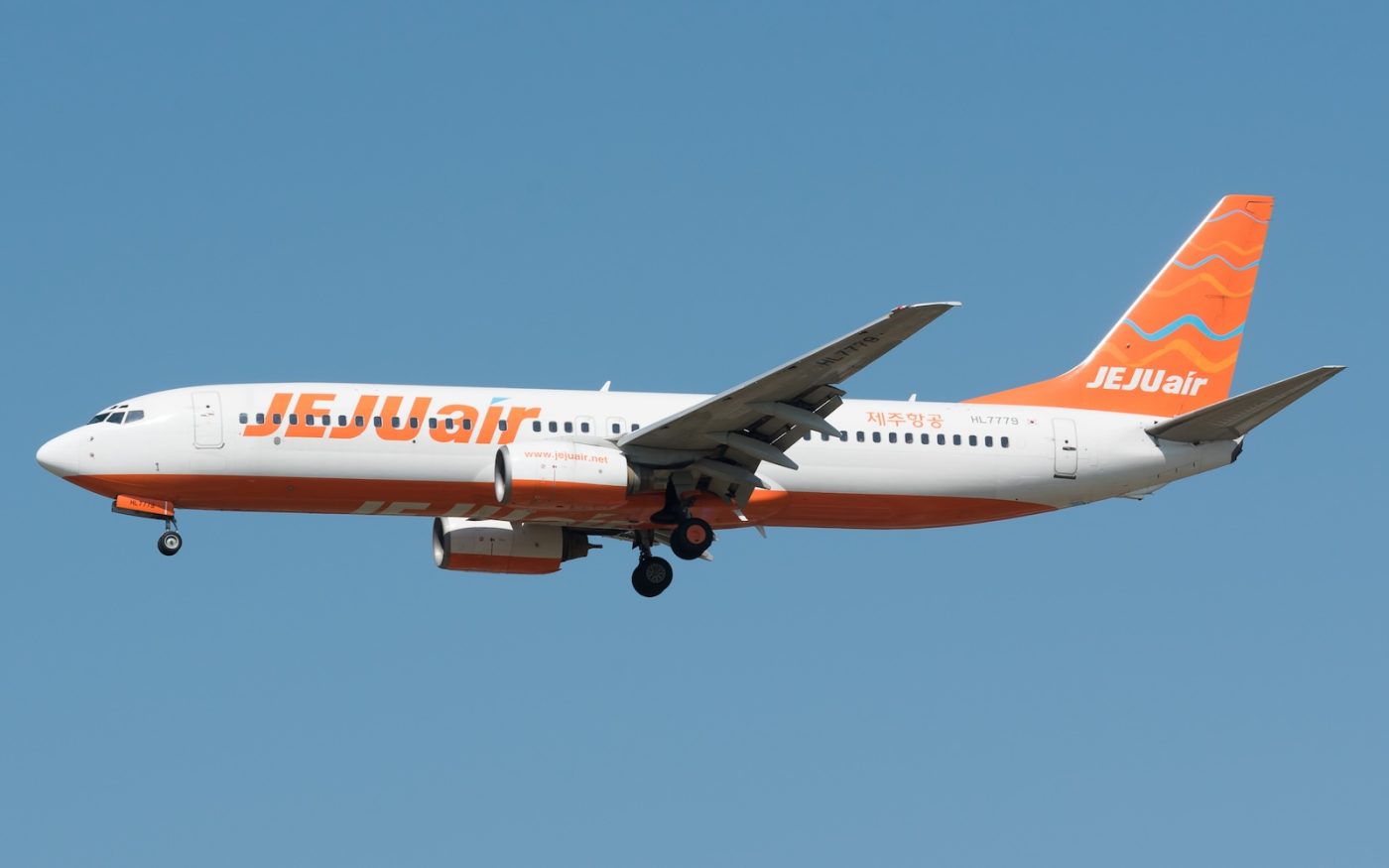
A Jeju Air Boeing 737 aircraft. (Photo: AirlineGeeks | Ben Suskind)
The South Korean Ministry of Land, Infrastructure and Transport announced plans Monday for safety reforms across the country’s aviation sector this year.
According to a report by South Korea’s Yonhap News Agency, the ministry’s plans will focus on preventing accidents and enhancing safety standards. The report stated that structures, like the two-meter-high concrete mound at Muan International Airport, will be removed or rebuilt as part of the plan.
The concrete structure at Muan – which is also present at three other airports in South Korea – was cited as a possible cause for the deadly Jeju Air crash that killed 179 of the 181 people on board in late December.
The ministry said that 18 air traffic control facilities will also be inspected for possible risks, including staffing shortages, by the end of this month, according to the report. The ministry will announce an aviation safety innovation plan by April.
The announcement comes days after it was reported that the flight recorders aboard Jeju Air’s Boeing 737-800 aircraft stopped working just before the crash.
AP News reported on Saturday that the U.S. National Transportation Safety Board analyzed the devices and concluded both the flight data and cockpit voice recorders stopped working about four minutes before the crash.
AirlineGeeks.com was founded in February 2013 as a one-person blog in Washington D.C. Since then, we’ve grown to have 25+ active team members scattered across the globe. We are all here for the same reason: we love deep-diving into the fascinating realm of the airline industry.
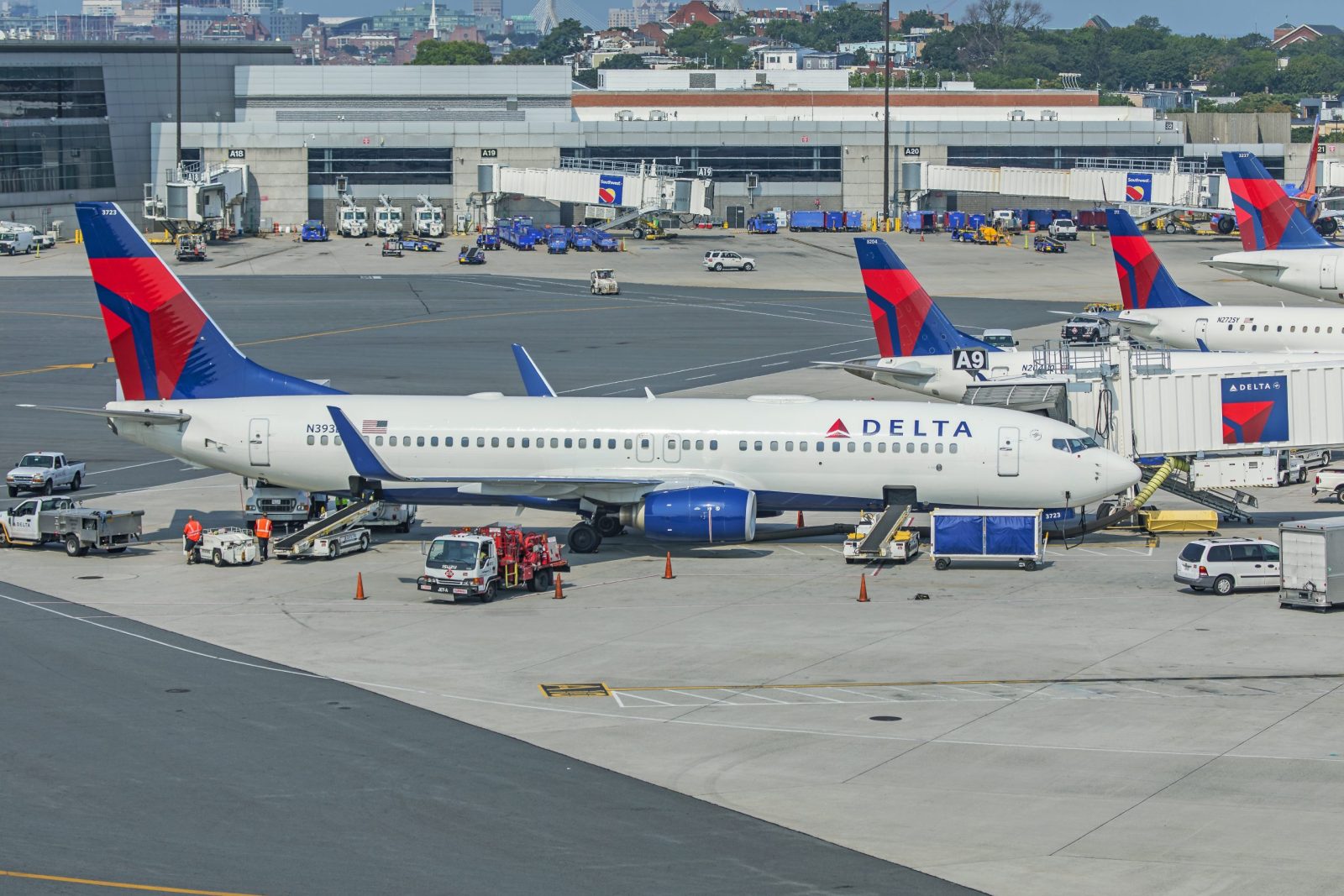
Delta aircraft parked on the ramp in Boston.
(Photo: AirlineGeeks | William Derrickson)
Delta leaders say corporate policies around diversity, equity, and inclusion, along with sustainability, are “critical” to its business. With many companies scaling back these policies in recent months, the Atlanta-based airline reaffirmed its commitment during a recent earnings call.
The carrier’s executive vice president of external affairs, chief legal officer, and corporate secretary, Peter Carter, responded to a question regarding whether Delta was reevaluating these policies during the Friday call.
Carter said the airline isn’t taking another look at its DEI or environmental, social, and governance frameworks.
“We are steadfast in our commitments because we think that they are actually critical to our business,” he shared. “Sustainability is about being more efficient in our operations.”
Several U.S. companies – including Boeing – have scaled back or axed their DEI departments. Boeing reaffirmed its commitment to a “merit-based performance system” last year.
Carter added that DEI is “about talent and that’s been our focus. And of course, the key differentiator at Delta is our people.”
Ryan founded AirlineGeeks.com in February 2013 and has spent more than a decade covering the airline business. His work has been featured by CNN, WJLA, CNET, and Business Insider. His aviation experience spans airport operations, Part 135 regulatory compliance, and airline crew workforce planning, along with time behind the yoke of a Cessna 172 and interviews with airline executives. Ryan now serves as Group President of Firecrown Media’s Aviation Group. He holds a B.S. in Air Transportation Management and an MBA from Arizona State University and teaches Airline Management at Embry-Riddle Aeronautical University.
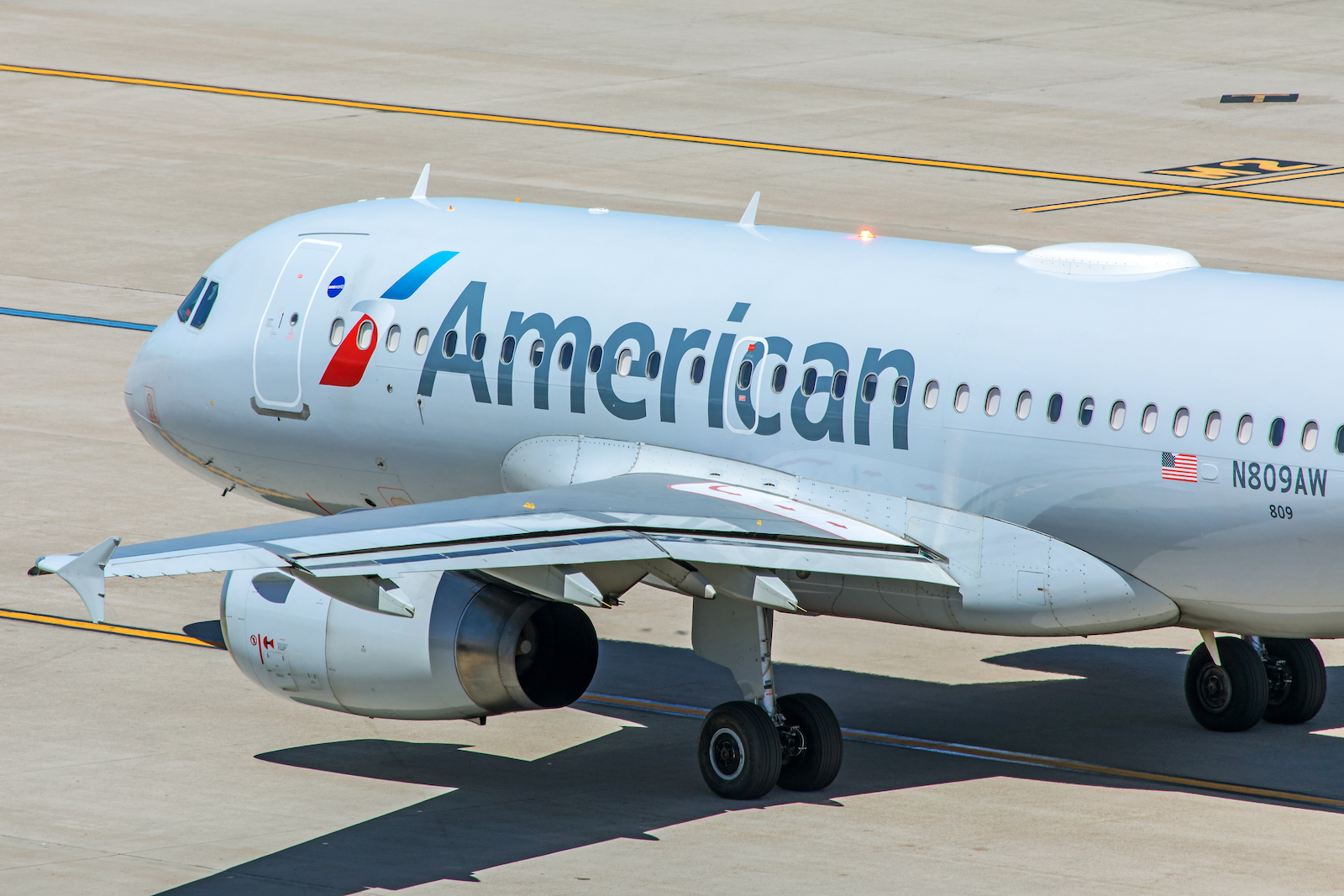
An American A319 in Phoenix. (Photo: AirlineGeeks | William Derrickson)
American Airlines flight attendant Celinda Levno was killed Saturday night during a Denver layover. The Association of Professional Flight Attendants called the act a “senseless crime” in a statement to Denver 7 News.
Levno was Phoenix-based and had been flying since 1989 starting with America West.
“We are heartbroken and mourning the tragic loss of our colleague who was the victim of a senseless crime last night,” the airline shared in a statement. “Our thoughts and support are with her family, loved ones and colleagues, and we are doing all we can to assist law enforcement in its investigation.”
A suspect was arrested following four weekend stabbings in downtown Denver, the news outlet reported. Two of the attacks were deadly.
Police have yet to identify victims, but a friend of Levno’s told News 7 that she was stabbed while walking near a mall on Saturday evening. However, neither the airline nor the union has confirmed the nature of her death.
“This is a devastating loss to everyone who knew her,” the friend said.
In the wake of the incident, the APFA says Denver layover hotels will be temporarily relocated from downtown to near the airport.
Ryan founded AirlineGeeks.com in February 2013 and has spent more than a decade covering the airline business. His work has been featured by CNN, WJLA, CNET, and Business Insider. His aviation experience spans airport operations, Part 135 regulatory compliance, and airline crew workforce planning, along with time behind the yoke of a Cessna 172 and interviews with airline executives. Ryan now serves as Group President of Firecrown Media’s Aviation Group. He holds a B.S. in Air Transportation Management and an MBA from Arizona State University and teaches Airline Management at Embry-Riddle Aeronautical University.
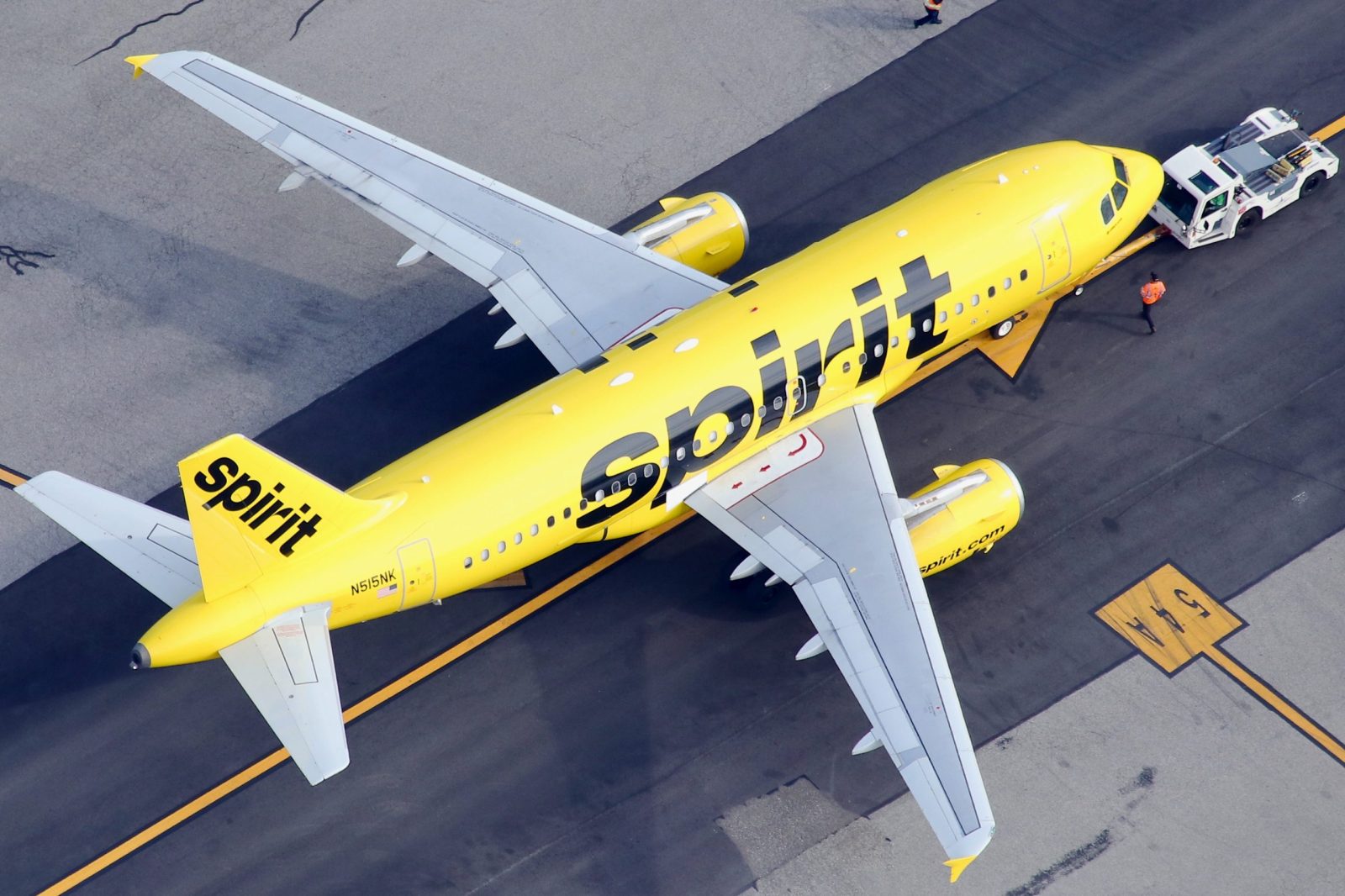
A Spirit Airbus A319 pushing back at LAX. (Photo: AirlineGeeks | James Dinsdale)
In its latest cost-cutting move, Spirit has phased out its remaining Airbus A319s earlier than planned. Initially, the ultra-low-cost carrier planned to axe the small fleet during the second quarter of 2025.
The last aircraft ‒ N535NK ‒ operated its final revenue flight on Jan. 6 from San Juan, Puerto Rico, to Fort Lauderdale, Florida, according to Flightradar24 data. The aircraft then ferried to Coolidge, Arizona, on Jan. 10.
Per Cirium Fleet Analyzer data, the airline’s current fleet count includes 163 active A320 and A321 series aircraft.
N536NK ended revenue operations on Jan. 2. It later ferried to Coolidge on Jan. 8. Both aircraft are just over 14 years old.
Ryan founded AirlineGeeks.com in February 2013 and has spent more than a decade covering the airline business. His work has been featured by CNN, WJLA, CNET, and Business Insider. His aviation experience spans airport operations, Part 135 regulatory compliance, and airline crew workforce planning, along with time behind the yoke of a Cessna 172 and interviews with airline executives. Ryan now serves as Group President of Firecrown Media’s Aviation Group. He holds a B.S. in Air Transportation Management and an MBA from Arizona State University and teaches Airline Management at Embry-Riddle Aeronautical University.
American is slated to become the latest U.S. airline to remove the CRJ-200 from its network. The carrier is planning a regional shake-up later this year.
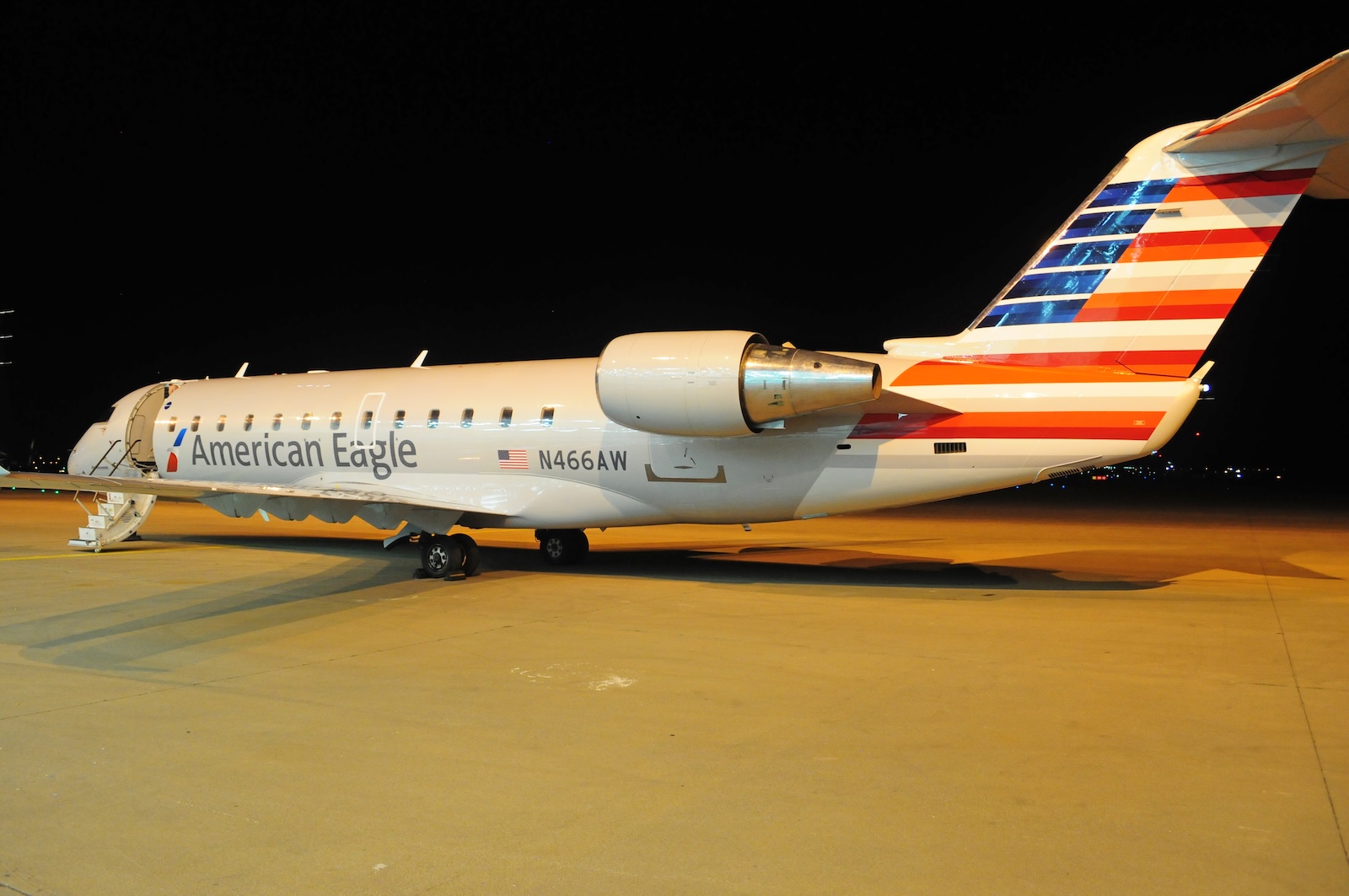
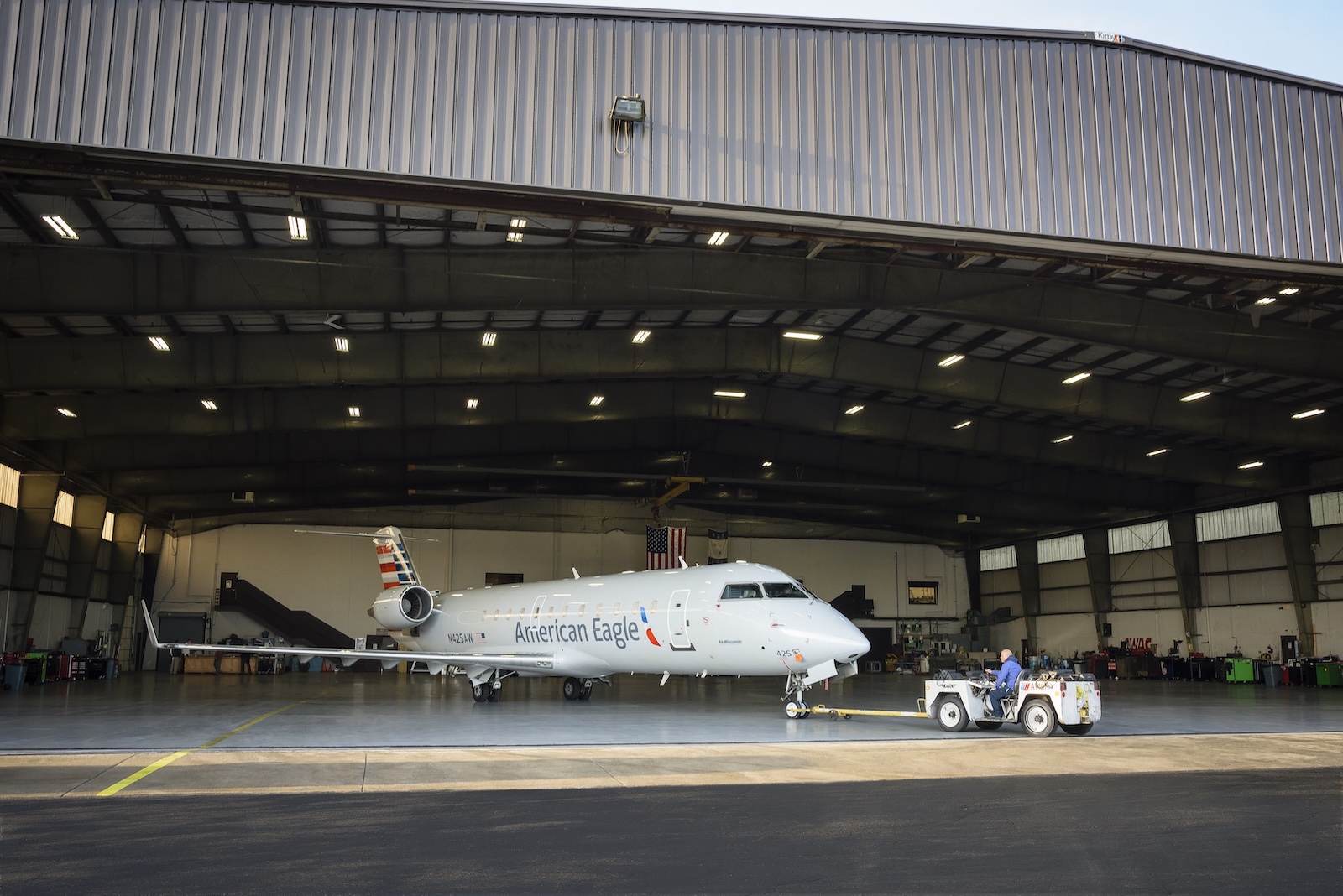
An American Eagle CRJ-200 aircraft (Photo: Air Wisconsin)
American is slated to become the latest U.S. airline to remove the CRJ-200 from its regional network. On Friday, the carrier and Air Wisconsin announced plans to terminate their partnership after less than two years.
Air Wisconsin was American’s only CRJ-200 operator, serving several markets primarily from Chicago O’Hare. For the regional carrier, American was its only mainline partner.
The Appleton, Wisconsin-based airline says it will focus on charters and government-subsidized flying with its fleet of over 60 CRJ-200 jets after the contract ends in April.
Who Picks Up the Flying?
According to Cirium Fleet Analyzer data, Air Wisconsin operates around 35 CRJ-200s under the American Eagle banner at the time of writing. The aircraft have an average age of 22 years old.
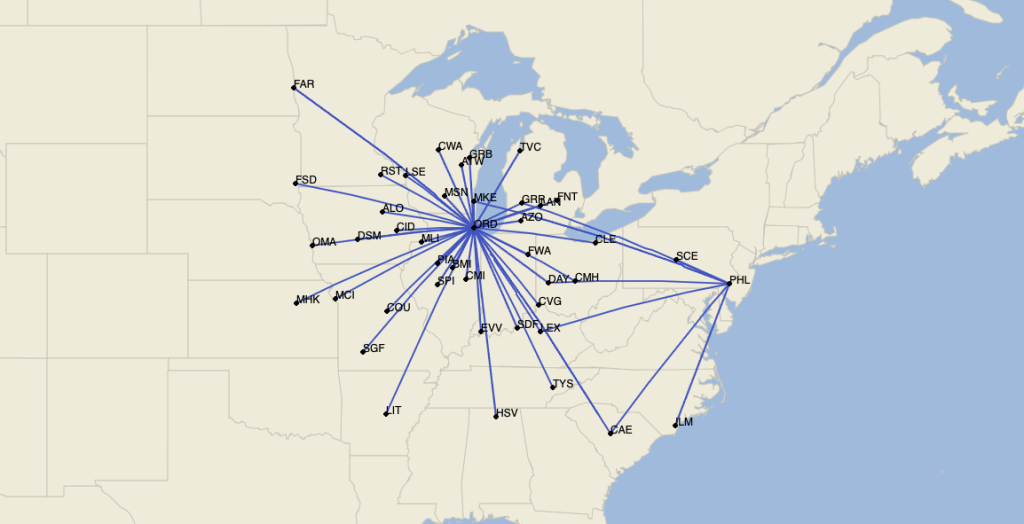
Air Wisconsin’s January 2025 network (Photo: Cirium Diio)
The latest Cirium Diio schedule update provides some visibility on how American will backfill the flying. Per this weekend’s update, Air Wisconsin is currently scheduled to stop flying for American on April 3, 2025.
American’s final CRJ-200 flight is slated to depart Chicago O’Hare at 8:40 p.m. local time, arriving in Kalamazoo, Michigan, at 10:45 p.m. as flight 6102. Of course, this is subject to change.
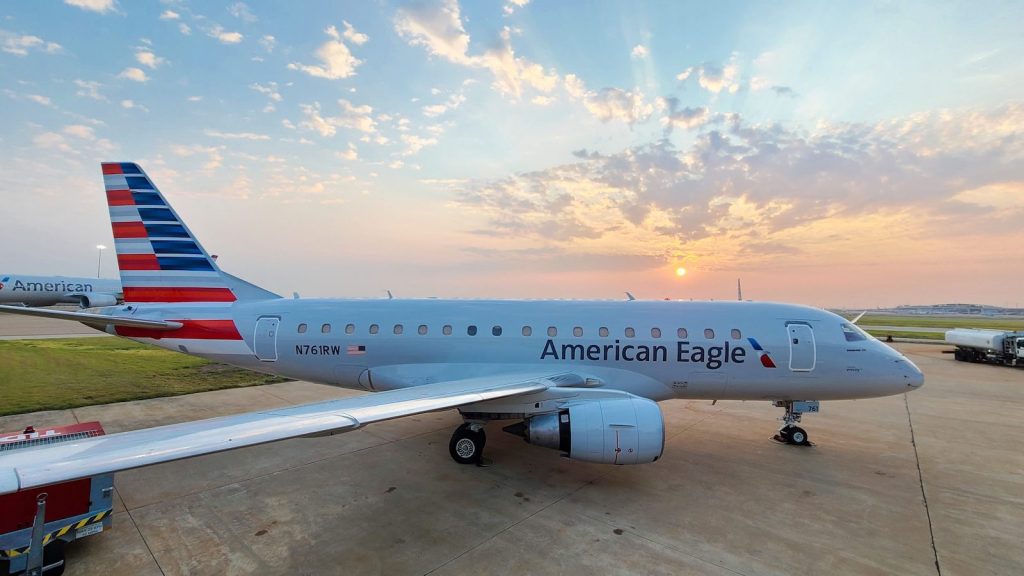
As an example, the return flight from Kalamazoo on April 4 is scheduled on a Piedmont Embraer E145.
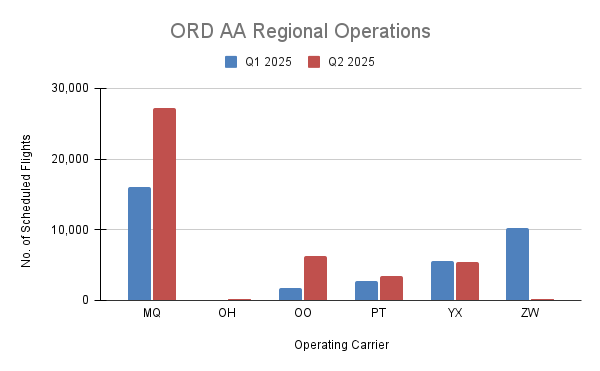
American’s regional operations from Chicago O’Hare (Photo: Cirium Diio)
American’s wholly-owned regional subsidiaries ‒ Envoy, Piedmont, and PSA ‒ are scheduled to pick up a considerable amount of flying from Chicago in the second quarter. SkyWest will also add around 73% more flights on behalf of American from its O’Hare hub.
Ryan founded AirlineGeeks.com in February 2013 and has spent more than a decade covering the airline business. His work has been featured by CNN, WJLA, CNET, and Business Insider. His aviation experience spans airport operations, Part 135 regulatory compliance, and airline crew workforce planning, along with time behind the yoke of a Cessna 172 and interviews with airline executives. Ryan now serves as Group President of Firecrown Media’s Aviation Group. He holds a B.S. in Air Transportation Management and an MBA from Arizona State University and teaches Airline Management at Embry-Riddle Aeronautical University.
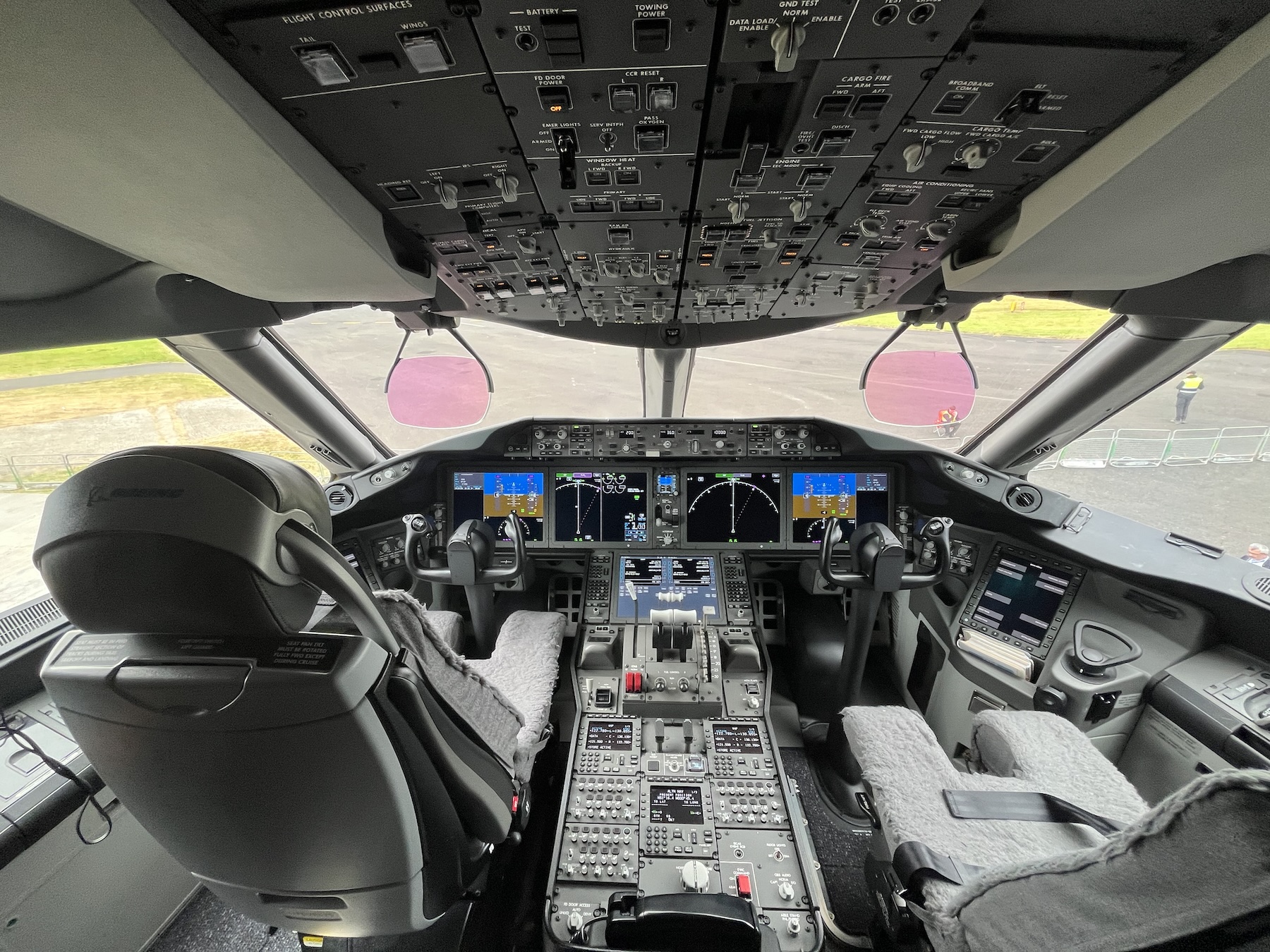
Inside a Boeing 787 Dreamliner flight deck at the Farnborough Airshow (Photo: AirlineGeeks | William Derrickson)
Scheduling is critical to every airline pilot’s career, as aviation is a time-sensitive industry. Whether you are preparing to take off for your next work trip or attend annual flight training, planning and scheduling elements dictate your every move.
Furthermore, work is just one element of your busy life, and balancing your job and life schedules effectively is essential. In today’s digital era, calendar apps bring order to chaos, allowing you to manage time more effectively and enhance schedule coordination even on the go.
So, let us explore the best calendar apps to integrate with your demanding schedule and bring order to your work and life as we approach another new year.
Quick Look: 5 Calendar Apps to Help Pilots With Managing Schedules
Best for users who prioritize Apple devices: Apple Calendar
Best for users who prioritize Android devices: Google Calendar
Best for users who prioritize integration: Outlook Calendar
Best for users who prioritize collaboration: TimeTree
Best for users who prioritize family organization: Cozi
Apple Calendar
Best for: Users who prioritize Apple devices
Apple Calendar is a digital calendar app that was created by Apple. It lets users keep track of their schedules and share them with others.
Integration: Google Calendar, Microsoft Outlook, and other compatible calendars
Reminders and alerts: Default and custom notifications (e.g., event reminders, shared calendar message notifications, etc.)
Collaboration: Shared calendar and event capability
Additional features: Manage multiple calendars with color-coded events; join FaceTime calls through app events; use Siri to add/view events; add File app attachments to events
Disadvantages:
The app is built specifically for the Apple ecosystem, which can have limited compatibility. However, it is still accessible on other non-Apple devices.
Some individuals prefer paper alternatives to electronic scheduling apps. Therefore,products like the Amazon Echo Show 15 are a great middle ground between paper calendars and mobile devices.
Price: Free app to use with an Apple account
Google Calendar
Best for: Users who prioritize Android devices
Google Calendar is a digital calendar app developed by Google. It is a widely used time-management and scheduling calendar service.
Integration: Apple Calendar, Microsoft Outlook, and other compatible calendars
Reminders and alerts: Default and custom notifications (e.g., event reminders, location-based alerts, etc.)
Collaboration: Shared calendar and event capability
Additional features: Manage multiple calendars with color-coded events; see other users’ availability side by side; automatically add new events from Gmail; automatically add video conferencing to events
Disadvantages:
The app is built specifically for the Google ecosystem, which has limited integration capabilities but can still be synchronized with other non-Google digital calendars.
Some individuals prefer paper alternatives to electronic scheduling apps. Therefore,products like the Skylight Calendar are a great middle ground between paper calendars and mobile devices.
Price: Free app to use with a Google account
Outlook Calendar
Best for: Users who prioritize integration
Outlook Calendar is a Microsoft-created digital calendar app commonly used by airlines and businesses. As a result, it offers a fantastic opportunity to integrate with personal needs.
Integration: Apple Calendar, Google Calendar, and other compatible calendars
Reminders and alerts: Default and custom notifications (e.g., event reminders, location-based alerts, etc.)
Collaboration: Shared calendar and event capability via Microsoft 365 Group
Additional features: Create dedicated calendar folders for specific needs; automatically add events from Outlook email; share calendars with others; set permissions for others to manage events
Disadvantages:
The cost of the Microsoft 365 plans is higher than most other digital calendar apps.
Price: Free app; upgrade to Microsoft 365 Basic for $19.99/year; upgrade to Microsoft 365 Personal for $69.99/year; upgrade to Microsoft 365 Family for $99.99/year (upgrade available as in-app purchase)
TimeTree
Best for: Users who prioritize collaboration
TimeTree is a digital calendar app and collaborative planning tool. It was designed to allow households to streamline their scheduling.
Integration: Apple Calendar, Google Calendar, Microsoft Outlook, and other compatible calendars
Reminders and alerts: Default and custom notifications (e.g., event reminders, real-time schedule updates, message notifications, etc.)
Collaboration: Shared calendar and event capability, in-app messaging available
Additional features: Create shared calendars for distinct groups; set event priority settings; enjoy in-app file sharing; vertical calendar view available in TimeTree Premium version
Disadvantages:
The TimeTree app involves a learning curve, especially when setting it up for the first time.
Some individuals prefer paper alternatives to electronic scheduling apps. Therefore,products like the APOFIAL Digital Calendar are a great middle ground between paper calendars and mobile devices.
Price: Free plan available with basic functions; upgrade to TimeTree Premium for $4.49/month or $44.99/year (upgrade available as in-app purchase)
Cozi
Best for: Users who prioritize family organization
Cozi is one of the best family organizer apps to help households stay organized and connected. Its main focus is on shared calendars and innovative list-making functions.
Integration: Apple Calendar, Google Calendar, Microsoft Outlook, and other compatible calendars
Reminders and alerts: Default and custom notifications (e.g., event reminders, schedule updates, real-time message notifications, etc.)
Collaboration: Shared calendar and event capability, in-app messaging available
Additional features: Ability to create and share grocery lists; ability to manage do-to lists; ability to plan meals and store recipes; enjoy a user-friendly interface accessible to users of all ages
Disadvantages:
The Cozi app was designed to accommodate the demanding schedules of families, which may not suit everyone’s needs.
Price: Free plan available with basic functions; upgrade to Cozi Gold for $19.49/year for the first year, then $39/year (upgrade available as in-app purchase)
Key Features to Consider in Calendar Apps
Many apps and tools are available on the market to assist you withmanaging your flying schedule, from systems that allow you to bid smarter and be more confident in your bidding choices to online portals and apps where you can view your schedule and any changes. However, once the flying schedule is posted for the upcoming month, it is just as important to integrate it into your calendar and ensure a well-balanced timetable for your demanding life.
Here are some key features to consider when choosing the calendar app to integrate between work and life:
Flight scheduling integration of calendar apps
Calendar apps should allow you to seamlessly integrate withflight scheduling software, allowing flying schedules to be imported directly into the calendar app.
Flexibility and customization of calendar apps
Calendar apps should allow you to customize views (e.g., day, week, month) and color-code different schedules, individuals, and events.
Notifications and collaboration of calendar apps
Calendar apps should be able to send and receive scheduling updates and include real-time notifications for schedule changes.
Data security and privacy of calendar apps
The aviation industry is safety and security conscious, so calendar apps should have robust security measures to protect sensitive personal and flight data.
Ease of use and simplicity of calendar apps
Calendar apps should be simple to use and should easily integrate with the intricacies of airline scheduling.
Choosing the Right App for Your Needs
Choosing the right calendar app for your needs requires you to consider your and your family’s unique needs and preferences. Most apps are available for free or offer free trials before requiring you to commit to a long-term subscription, so sign up for free and check out each mobile app to see if it is right for you. Visit the App Store or Google Play.
The internet is also a bottomless pit of information, so read user reviews and compare the top features of each app to determine which one best suits your demanding lifestyle. Lastly, consult with other aviators for recommendations, as many of them have been in your situation before, and can aid you in providing product options and recommendations.
Inside the flight deck on Honeywell’s 757 (Photo: AirlineGeeks | Ryan Ewing)
FAQ
What apps do most pilots use?
Pilots use many apps to conduct their tasks, from LogTen (i.e., digital logbook) for digitally logging their flight time, currency, and endorsements to CloudAhoy (i.e., digital flight log) for assisting them in postflight debriefing. Pilots also use weather apps, electronic flight bag apps, document viewing apps, and more for preflight, in-flight, and postflight purposes.
How do pilots know their schedule?
Pilots are made aware of their schedules depending on the airline or organization they work for, including via company scheduling systems, crew scheduling departments, monthly rosters, etc.
What is a pilot scheduler?
A pilot scheduler is a professional responsible for creating and managing the schedules of pilots and flight crews (e.g., flight attendants) while monitoring other aspects of the operation, including aircraft scheduling, maintenance operations, passenger considerations, airport procedures, and more.
How do I add flights to my calendar automatically?
Calendar apps like Apple Calendar, Google Calendar, and Outlook Calendar can automatically add flights to your calendar, depending on how and where you access your flight information and what settings you have set up on your device.
Is Flight Schedule Pro free?
Flight Schedule Pro is not free. This comprehensive software solution is designed to manage various aspects of flight operations and operates on a subscription-based model with different pricing plans. It is widely used among flight schools, pilot training centers, general aviation flying organizations, and more.
How do I save flight details to my calendar?
Calendar apps like Apple Calendar, Google Calendar, and Outlook Calendar can automatically add flights to your calendar, depending on how and where you access your flight information and what settings you have set up on your device. Flight details can also be added to your calendar manually.
AirlineGeeks.com was founded in February 2013 as a one-person blog in Washington D.C. Since then, we’ve grown to have 25+ active team members scattered across the globe. We are all here for the same reason: we love deep-diving into the fascinating realm of the airline industry.
Shanghai Airlines, a subsidiary of China Eastern Airlines, is set to inaugurate a new route connecting Shanghai and Casablanca on January 19, 2025.
This long-haul service will operate three times a week — on Tuesdays, Fridays, and Sundays — linking Shanghai Pudong International Airport with Mohammed V International Airport in Casablanca, with a stopover in Marseille.
Approved by the Civil Aviation Administration of China in Q3 2024, Shanghai Airlines is authorized to operate up to five weekly flights on this route, reports Aviation Week.
The service will utilize Boeing 787-9 aircraft, configured with 285 seats, including 26 in business class. This new route is the airline’s second African service, following the Shanghai-Cairo connection launched in December 2024, which is operated using Airbus A350-900 aircraft.
The launch aligns with China Eastern Airlines’ strategic expansion into Africa, as Chinese tourism to the continent continues to grow. This development coincides with Royal Air Maroc’s (RAM) announcement to resume direct Casablanca-Beijing flights on January 20, 2025, also with three weekly flights.
Victor Shalton's love for aviation can be traced to when he was 11-years-old. As a seasoned aviation writer, he takes pride in providing the best aviation coverage around the globe and is passionate about advancing his skills in the aviation space. In addition, he loves travelling, writing, arts and while his speaking engagements have taken him around the world, he is proud to call Nairobi home.
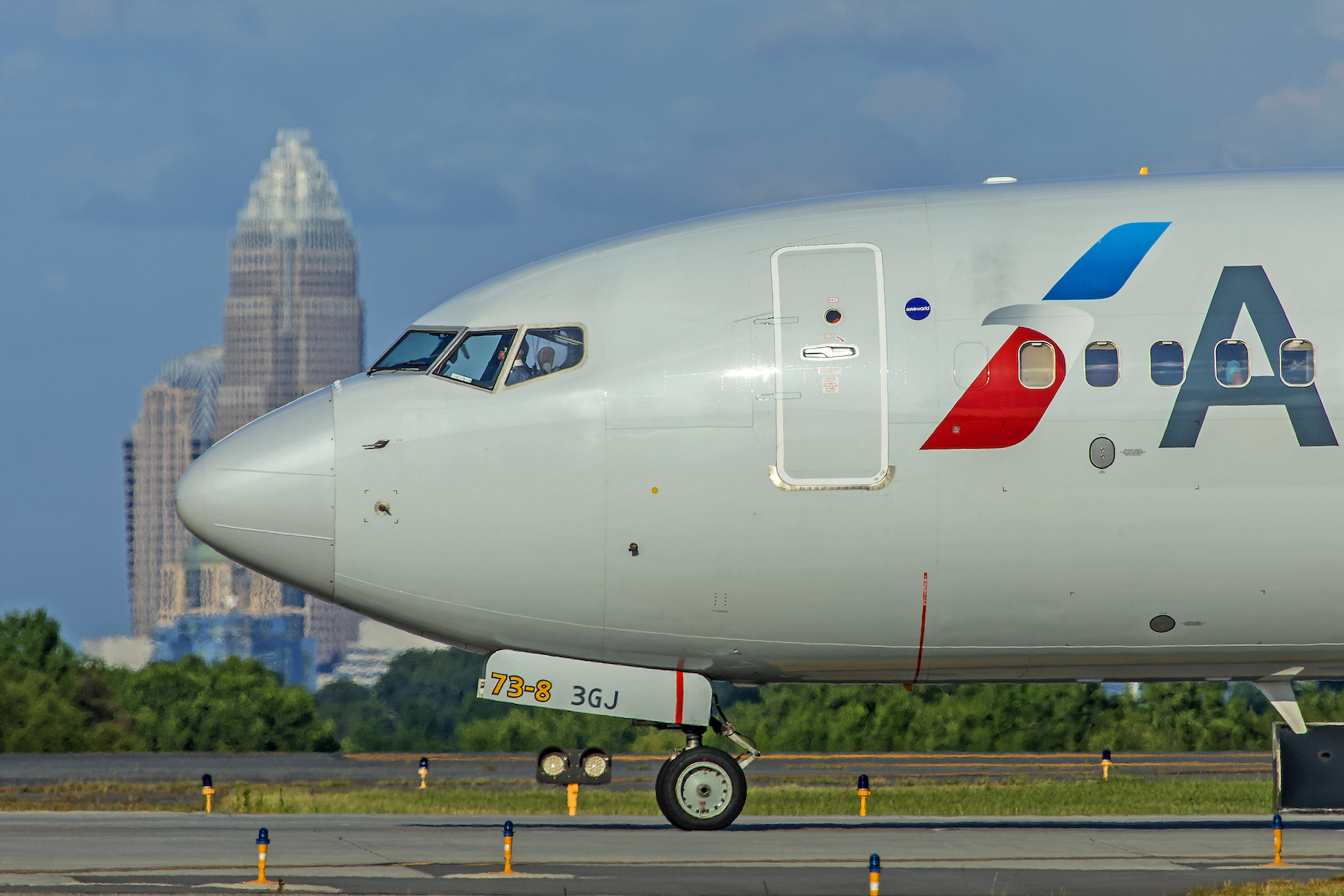
An American 737-800 aircraft in Charlotte (Photo: AirlineGeeks | William Derrickson)
A U.S. district judge for the northern district of Texas has ruled that American Airlines violated federal law by investing its employee 401(k) plans with a focus on social activism rather than the financial benefit of its workers.
According to a Reuters report, Judge Reed O’Connor said Friday that the carrier breached its legal duty to make investment decisions based only on the financial interests of beneficiaries when it allowed its asset manager, BlackRock, to focus on environmental, social, and corporate governance (ESG) criteria.
American pilot Bryan Spence reportedly sued the carrier in 2023 over the ESG investments in a class action involving over 100,000 participants in the retirement plan. O’Connor said Friday that the carrier had breached its duty of loyalty to retirement plan participants, Reuters reported.
It is currently unclear if American will be penalized due to this ruling. According to a report by the Financial Times, O’Connor deferred judgment on whether plan participants suffered any losses.
AirlineGeeks.com was founded in February 2013 as a one-person blog in Washington D.C. Since then, we’ve grown to have 25+ active team members scattered across the globe. We are all here for the same reason: we love deep-diving into the fascinating realm of the airline industry.
Delta announced Friday that its employees will receive $1.4 billion as their share of the carrier’s 2024 profits as it celebrates its centennial anniversary.
Delta announced Friday that its employees will receive $1.4 billion as their share of the carrier’s 2024 profits as it celebrates its centennial anniversary this year.
The airline estimated that the payout will be 10% of employees’ eligible earnings, representing an average of five weeks in additional pay, according to a news release from the carrier. Eligible employees across the company will be paid bonuses on Feb. 14 – Delta’s profit-sharing day.
“Every day, Delta people prove themselves to be difference makers in this industry,” said CEO Ed Bastian in the release. “I’m proud to recognize their unmatched professionalism, teamwork and dedication to excellence with one of our strongest profit sharing years in Delta’s history.”
Delta has rewarded employees with over $10 billion in profit sharing in the last 10 years. The release stated Delta also offers monthly shared rewards for achievable operational goals, contributions to 401(k) retirement savings along with other employee benefits.
“This year’s profit sharing payout is a testament to the hard work of Delta people,” said Chief People Officer Allison Ausband in the release. “They recognize that our commitment to safety and world-class service builds trust with our customers – who in turn reward Delta with their loyalty.”
The company earned an adjusted operating revenue of $57 billion in 2024, 4.3% higher than the full year 2023, according to Delta’s full-year 2024 results. The carrier also reported a record December quarter with $14.4 billion in adjusted operating revenue.
“2024 was a great year for Delta with our results reflecting differentiation from the industry and increased durability,” Bastian said in Delta’s annual revenue report. “Our people finished the year strong, delivering industry-leading operational and financial performance. Sharing Delta’s success is core to our culture, and I’m excited to recognize our people’s outstanding efforts with $1.4 billion in profit sharing payments next month.”
AirlineGeeks.com was founded in February 2013 as a one-person blog in Washington D.C. Since then, we’ve grown to have 25+ active team members scattered across the globe. We are all here for the same reason: we love deep-diving into the fascinating realm of the airline industry.
Air Wisconsin is ending its regional capacity agreement with American in what it calls a “strategic shift.” The regional carrier announced the shake-up on Friday. It includes a broader focus on government-subsidized service.
The Appleton, Wisconsin-based airline says its capacity purchase agreement with American will end by April. The regional carrier currently operates around 30 CRJ-200s under the American Eagle brand, mostly from Chicago O’Hare.
In addition, the company says it will focus on charter operations.
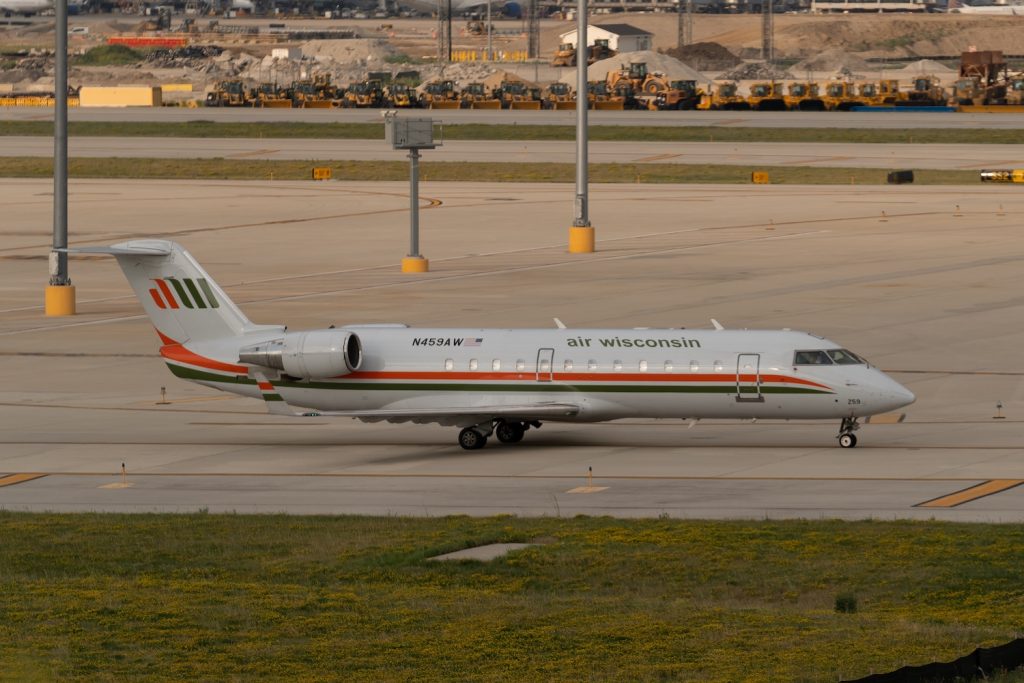
An Air Wisconsin CRJ-200 aircraft (Photo: Shutterstock | Nathan Klemstein)
“This strategic shift underscores our adaptability and commitment to delivering reliable, customized air travel solutions where they are most needed,” said Robert Binns, president and CEO of Air Wisconsin, in a statement. “As we diversify into EAS and grow our charter operations, we remain committed to delivering safe, efficient, and quality service to every community and customer we serve.”
In 2022, the regional carrier announced a five-year agreement to fly up to 60 CRJ-200s for American Eagle, which began in March 2023. American is Air Wisconsin’s only mainline partner.
“American continually evaluates its regional network and makes strategic decisions that will benefit our airline and customers. As a result, we have begun reducing our schedule operated by Air Wisconsin starting in March, with the final Air Wisconsin-operated flights for American on April 3,” a spokesperson from American said in a statement. “We sincerely appreciate the hard work and dedication of the Air Wisconsin team over the past two years. Their contributions have been instrumental in supporting our regional operation, and we wish them continued success in the future. As we move forward, we remain committed to optimizing our network and ensuring the best possible service for our customers, and we’re working closely with our regional partners to minimize disruptions to our customers’ travel plans.”
Ryan founded AirlineGeeks.com in February 2013 and has spent more than a decade covering the airline business. His work has been featured by CNN, WJLA, CNET, and Business Insider. His aviation experience spans airport operations, Part 135 regulatory compliance, and airline crew workforce planning, along with time behind the yoke of a Cessna 172 and interviews with airline executives. Ryan now serves as Group President of Firecrown Media’s Aviation Group. He holds a B.S. in Air Transportation Management and an MBA from Arizona State University and teaches Airline Management at Embry-Riddle Aeronautical University.