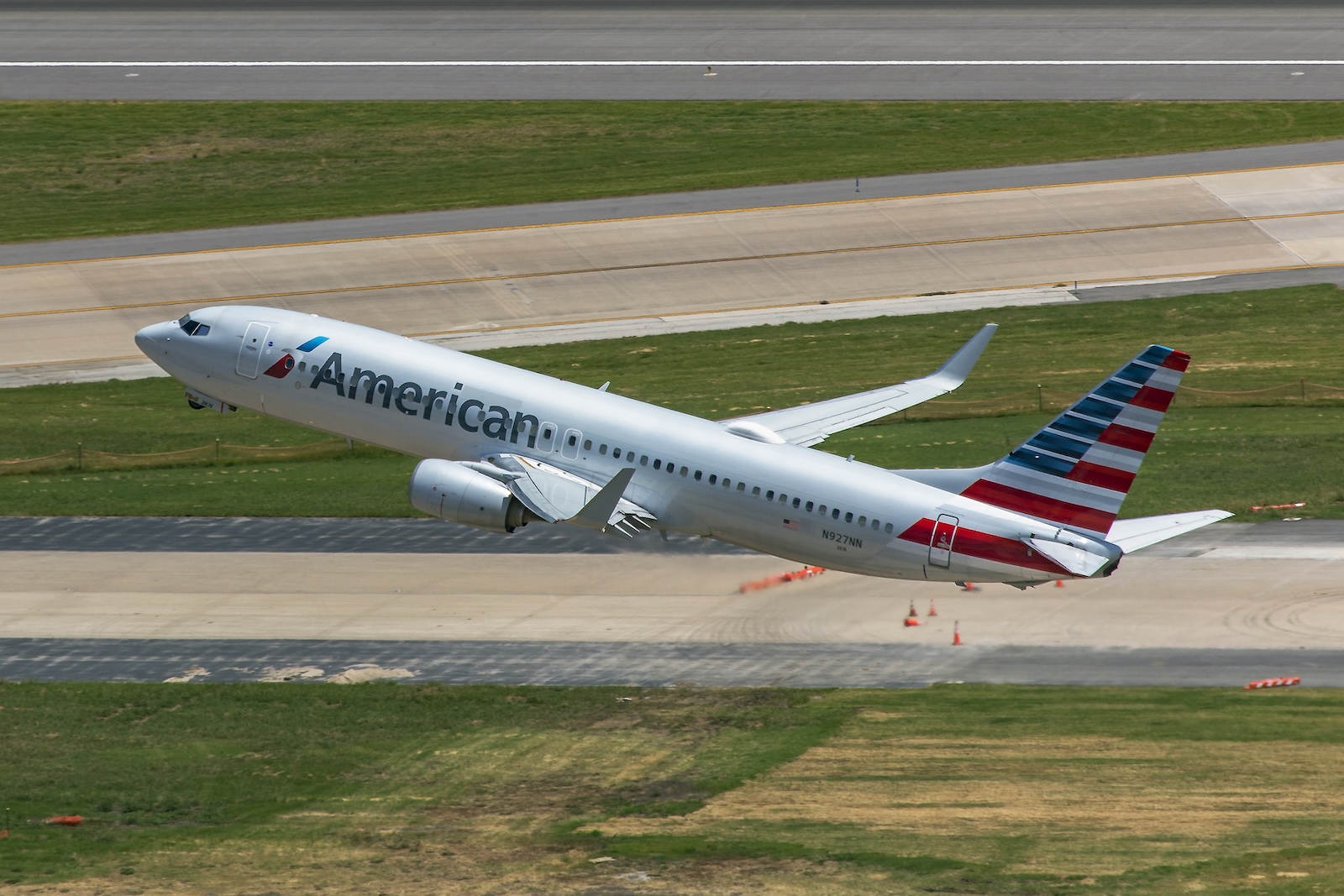
An American Boeing 737-800 (Photo: AirlineGeeks | William Derrickson)
American is slated to restart service on a mainline route for the first time in roughly seven years. The flights will begin next year.
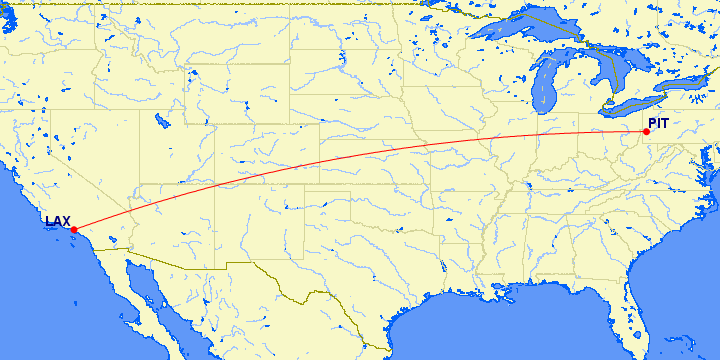
According to the most recent Cirium Diio schedule update, the Fort Worth, Texas-based airline plans to resume flights between Los Angeles and Pittsburgh. The new route will be offered as a daily service.
The airline’s Boeing 737-800 aircraft are planned to operate the 2,136-mile route. Flights will start on April 4, 2025.
While Pittsburgh is served from the carrier’s other hubs, Los Angeles has remained the exception with no non-stop service for several years. American last served the Los Angeles-Pittsburgh market in February 2017.
Currently, ultra-low-cost carrier Breeze also serves the route.
American resumes service from Los Angeles to Pittsburgh (Photo: GCMap)
More Resuming Routes
American plans to resume a handful of routes next year, including several flights from its Chicago O’Hare hub. These include Chicago to Boise, which will begin in June 2025.
In addition, the carrier plans to add flights between Chicago and Spokane, Washington, a route last served in 2021. Envoy Air Embraer E175s will operate the daily service beginning in June.
Ryan founded AirlineGeeks.com in February 2013 and has spent more than a decade covering the airline business. His work has been featured by CNN, WJLA, CNET, and Business Insider. His aviation experience spans airport operations, Part 135 regulatory compliance, and airline crew workforce planning, along with time behind the yoke of a Cessna 172 and interviews with airline executives. Ryan now serves as Group President of Firecrown Media’s Aviation Group. He holds a B.S. in Air Transportation Management and an MBA from Arizona State University and teaches Airline Management at Embry-Riddle Aeronautical University.
During the past week, commercial air transport celebrated an important milestone in its history. Exactly 80 years ago, on Dec. 7, 1944, at the Stevens Hotel in Chicago, 52 states signed the Chicago Convention, the document that established the general principles regulating commercial air transport up to this day.
The Convention became effective on April 4, 1947, when it was ratified by the 26th signatory country, and later that year the United Nations formed the International Civil Aviation Organization (ICAO), a specialized agency responsible for the international coordination of all norms and principles regulating air transportation across the world.
On Dec. 5, the 36 members forming the ICAO Council held an Extraordinary Session in the very same room of the Chicago Hilton (formerly Stevens Hotel) where the diplomatic conference was held in 1944, while World War II was still in progress. The ICAO President, Salvatore Sciacchitano, in his speech reminded all the delegates of the significance of the Chicago Convention: “Eighty years ago, as the Second World War still raged, 54 States came together in this very city to imagine a different future – one where aviation would serve as a bridge between nations rather than an instrument of conflict.”
“Those delegates in 1944 could not have imagined the scale and complexity of today’s aviation system. Yet they created a framework flexible enough to accommodate technologies they could never have dreamed of, and robust enough to guide aviation’s development through decades of unprecedented change,” he said.
The convention has been revised eight times so far, the last of which was in 2006, and it is supported by 19 Annexes that provide guidelines and technical specifications for every aspect of commercial aviation, from operations to communications, from airport infrastructures to safety management.
Currently, there are 193 signatories to the Convention, which is all members of the United Nations except Liechtenstein (because it does not have an international airport, but it has delegated Switzerland to enter the agreement on its behalf), and with the addition of the Cook Islands.
The Birth of the ‘Freedoms of the Air’
The Convention on International Aviation — as the document signed in Chicago is officially called — constitutes the backbone of today’s structure of commercial aviation.
Article 1 of the Convention establishes that “every State has complete and exclusive sovereignty over the airspace above its territory.” This constitutes the basis for what is established in the following article and especially in Article 6, which states that “no scheduled international air service may be operated over or into the territory of a contracting State, except with the special permission or other authorization of that State, and in accordance with the terms of such permission or authorization.”
A British Airways Airbus A380 taxis in Los Angeles. (Photo: AirlineGeeks | William Derrickson)
This was one of the key outcomes of the Conventions. In fact, there were two opposing schools of thought going into the meeting: the “traditional” view, supported by most European and colonial powers, who regarded traffic rights as a national asset and as a way to protect national security; and the “open skies” view, led by the United States, who preferred a much more open approach that would allow every airline to enter any market worldwide as they saw fit.
The Chicago Convention established the basis for the need of bilateral “Air Services Agreements” that would be needed for any international flight connecting two countries, as well as which conditions airlines had to satisfy in order to be recognized as airlines of a certain State. These Air Services Agreements are still very much part of today’s landscape in international commercial services, regulating routes, frequencies, and sometimes even capacity and fares.
In Chicago, only the first five so-called “Freedoms of the Air” were included in the Air Services Agreements. These are:
First Freedom: The right to fly over a foreign country without landing;
Second Freedom: The right to refuel or carry out maintenance in a foreign country without embarking or disembarking passengers;
Third Freedom: The right to fly from one’s own country to another country;
Fourth Freedom: The right to fly from another country to one’s own;
Fifth Freedom: The right to fly between two foreign countries on a flight originating or ending in one’s own country (e.g. if a U.S. airline were to fly Atlanta-Tokyo-Seoul)
The remaining freedoms are those more commonly used nowadays due to more liberal Air Services Agreements
Sixth Freedom: The right to fly from a foreign country to another (or between two places in a foreign country) while stopping in one’s own country for non-technical reasons (e.g. Lufthansa transporting a passenger from Paris to Athens via Frankfurt, or Air Canada transporting a passenger from Honolulu to Denver via Vancouver)
Seventh Freedom: The right to fly between two foreign countries where the flights do not touch one’s own country (e.g. Ryanair flying between Madrid and Rome)
Eighth Freedom: The right to fly inside a foreign country with or without continuing to one’s own country (e.g. Wizz Air flying between Rome and Milan)
The Ownership and Control Clause
The Air Service Agreements template produced in Chicago were mainly two-freedom or five-freedom agreements, and each of them contained a provision that has been tying the aviation industry’s hands for almost a century.
In Section 5 of two-freedom agreements and in Section 6 of five-freedom agreements it was stated:
“Each contracting State reserves the right to withhold or revoke a certificate or permit to an air transport enterprise or another State in any case where it is not satisfied that substantial ownership and effective control are vested in nationals of a contracting State, or in case of failure of such air transport enterprise to comply with the laws of the State over which it operates, or to perform its obligations under this Agreement.”
In other words, if airline XYZ of country A is operating a service between country A and country B under an Air Services Agreement, it may have its license to operate that service revoked if country B is not satisfied that the airline is “substantially owned and effectively controlled” by individuals or entities from country A.
This provision has blocked most cross-national mergers and acquisitions in the airline industry, leading to a much higher fragmentation of the market and reducing efficiencies of scope and scale for many operators.
Other Articles
Chapter III of the Conventions contains articles pertaining to the conditions to be satisfied to determine the nationality of an aircraft.
Chapter IV deals with air navigation and air transportation facilities, with Article 24 being particularly important because it establishes the exemption of duty of everything that is being carried on an aircraft when performing an international flight.
Chapter V pertains to the conditions to be fulfilled with respect to aircraft, while Chapter VI sets some international standards and recommended practices to be followed.
The remaining chapters deal with the establishment of ICAO and its functions, as well as provisions regarding airports and air navigation facilities.
Vanni fell in love with commercial aviation during his undergraduate studies in Statistics at the University of Bologna, when he prepared his thesis on the effects of deregulation on the U.S. and European aviation markets. Then he pursued his passion further by obtaining a Master’s Degree in Air Transport Management at Cranfield University in the U.K. followed by holding several management positions at various start-up carriers in Europe (Jet2, SkyEurope, Silverjet). After moving to Canada, he was Business Development Manager for IATA for nine years before turning to his other passion: sports writing.
Southwest Takes Swipe at Delta
Southwest is looking to hang on to its No. 1 spot in the Texas capital, adding a new route in 2025. The carrier will go head-to-head with Delta.
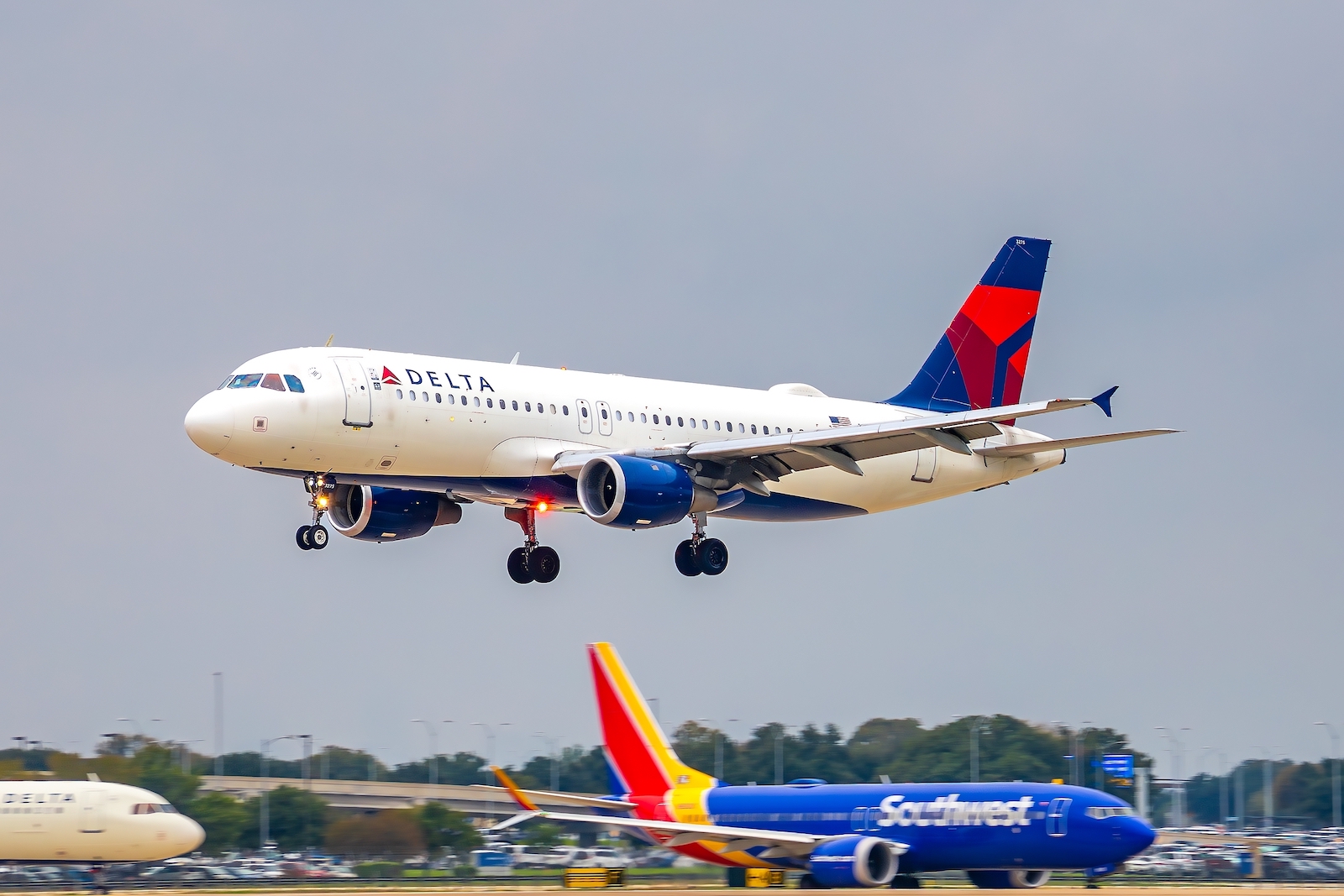
Delta and Southwest aircraft in Austin. (Photo: Shutterstock | lorenzatx)
Southwest is looking to hang on to its No. 1 spot in the Texas capital, adding a new route in 2025. The carrier will go head-to-head with Delta.
In September, Delta announced new mainline service between Austin and San Francisco. The Airbus A220-operated route is slated to begin on June 8, 2025, with daily service.
Delta will join Alaska and United, which both operate the same route.
Now, Southwest is planning to join the mix. Starting on Aug. 5, the Dallas-based airline will also fly between Austin and San Francisco with daily service.
A Resuming Route
Austin to San Francisco isn’t completely new to Southwest’s network. The carrier previously served the market through December 2019.
According to Cirium Diio schedule data, Southwest remains the largest airline in Austin. The carrier operates up to 125 peak daily departures from the city.
Next year, Delta will clinch the No. 2 spot in Austin, booting American from that position. The Atlanta-based carrier will offer nearly 60 peak-day departures from the Texas capital next summer.
Ryan founded AirlineGeeks.com in February 2013 and has spent more than a decade covering the airline business. His work has been featured by CNN, WJLA, CNET, and Business Insider. His aviation experience spans airport operations, Part 135 regulatory compliance, and airline crew workforce planning, along with time behind the yoke of a Cessna 172 and interviews with airline executives. Ryan now serves as Group President of Firecrown Media’s Aviation Group. He holds a B.S. in Air Transportation Management and an MBA from Arizona State University and teaches Airline Management at Embry-Riddle Aeronautical University.
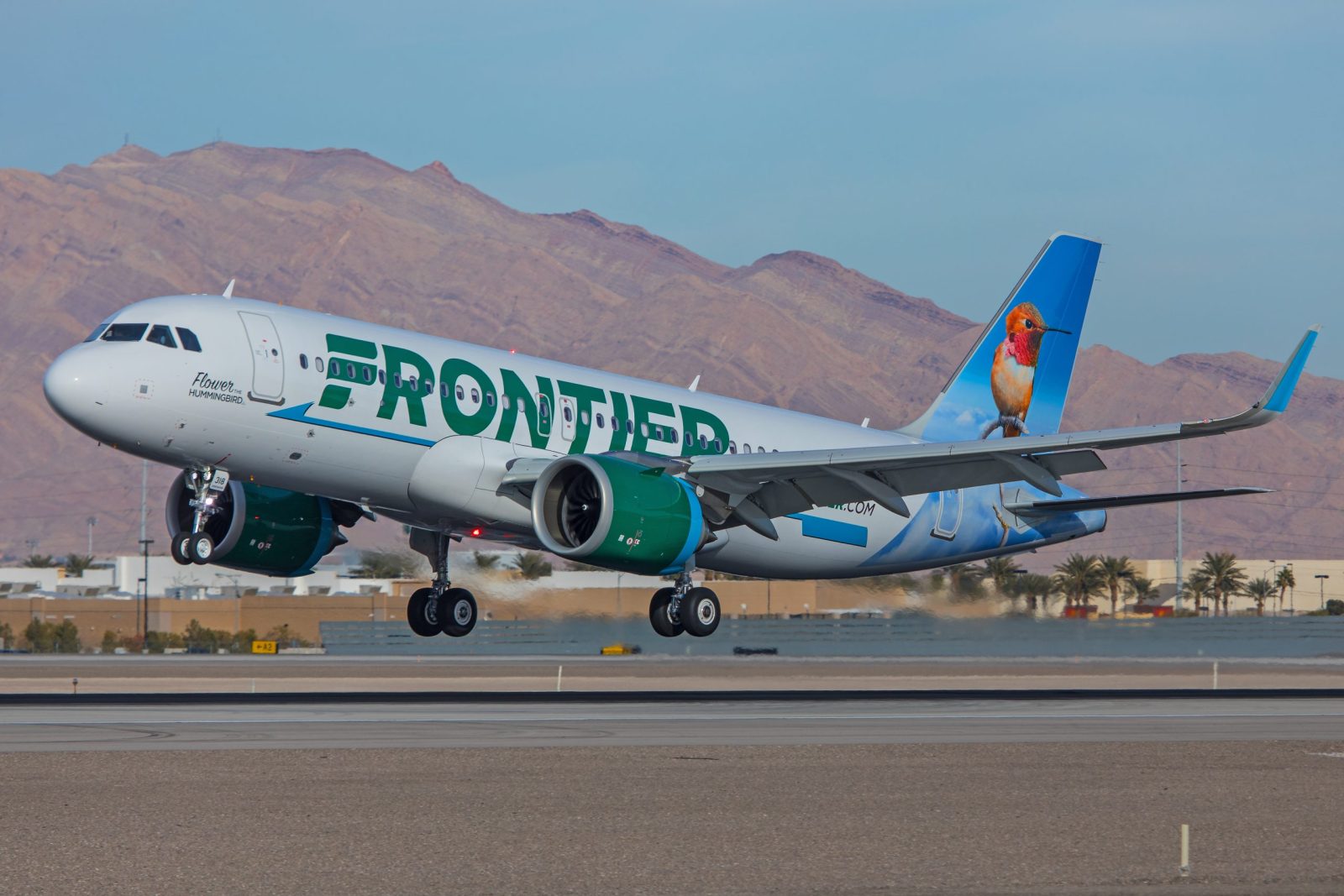
A Frontier Airbus A320neo in Las Vegas. (Photo: AirlineGeeks | William Derrickson)
Editor’s Note: AirlineGeeks is proud to present our ‘Livery of the Week’ series. Every Friday, a team member will share an airline livery, which can be from the past, present, or even a special scheme. Some airline liveries are works of art. The complexity associated with painting around critical flight components and the added weight requires outside-the-box thinking from designers. The average airliner can cost upwards of $200,000 to repaint, creating a separate aircraft repainting industry as a result.
Have an idea for a livery that we should highlight? Drop us a line.
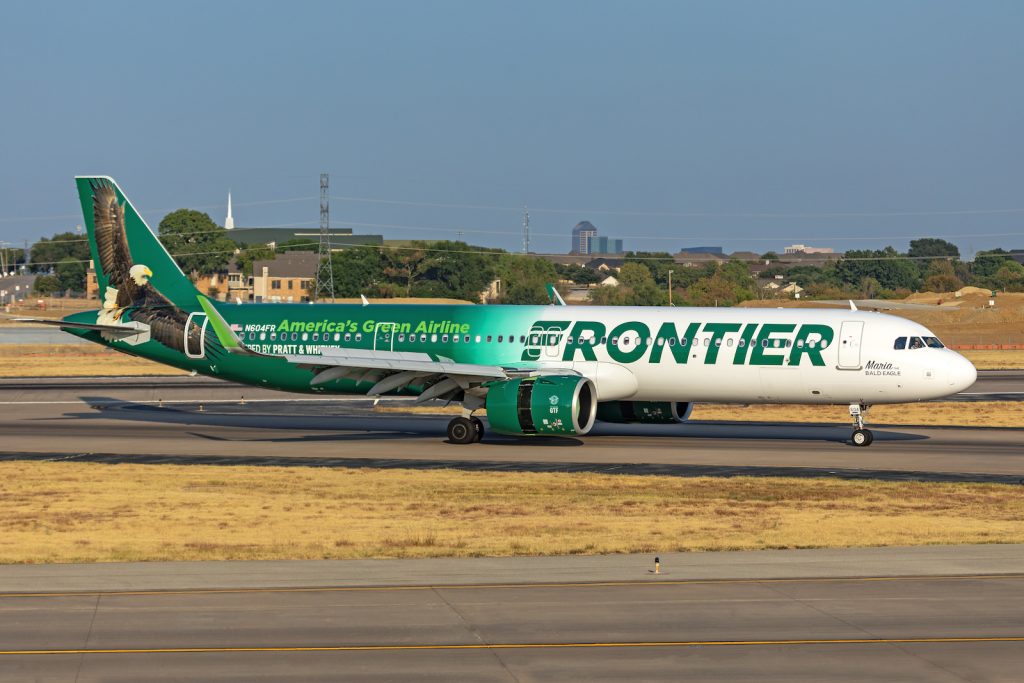
Frontier Airlines’ distinctive livery, featuring animal designs on the tails of its aircraft, has become a hallmark of the carrier’s brand identity. Introduced in the mid-1990s, this unique approach to aircraft painting has captured the attention of aviation enthusiasts and the general public alike.
Each aircraft showcases a different animal, often representing a specific region or species. The animal designs are typically large and colorful, making Frontier’s fleet easily recognizable.
This livery strategy has helped the airline establish a strong brand presence.
A Frontier Airbus A321neo (Photo: AirlineGeeks | William Derrickson)
Beyond its aesthetic appeal, the animal-themed livery has also played a significant role in the airline’s marketing efforts. The airline has incorporated the animal designs into advertising campaigns, merchandise, and social media initiatives.
Even as the carrier has updated its livery a few times over the last several years, the hallmark animal-themed tails have remained. The airline debuted its last paint scheme in 2014.
Looking for a new airplane model? Head over to our friends at the Midwest Model Store for a wide selection of airlines and liveries.
Ryan founded AirlineGeeks.com in February 2013 and has spent more than a decade covering the airline business. His work has been featured by CNN, WJLA, CNET, and Business Insider. His aviation experience spans airport operations, Part 135 regulatory compliance, and airline crew workforce planning, along with time behind the yoke of a Cessna 172 and interviews with airline executives. Ryan now serves as Group President of Firecrown Media’s Aviation Group. He holds a B.S. in Air Transportation Management and an MBA from Arizona State University and teaches Airline Management at Embry-Riddle Aeronautical University.
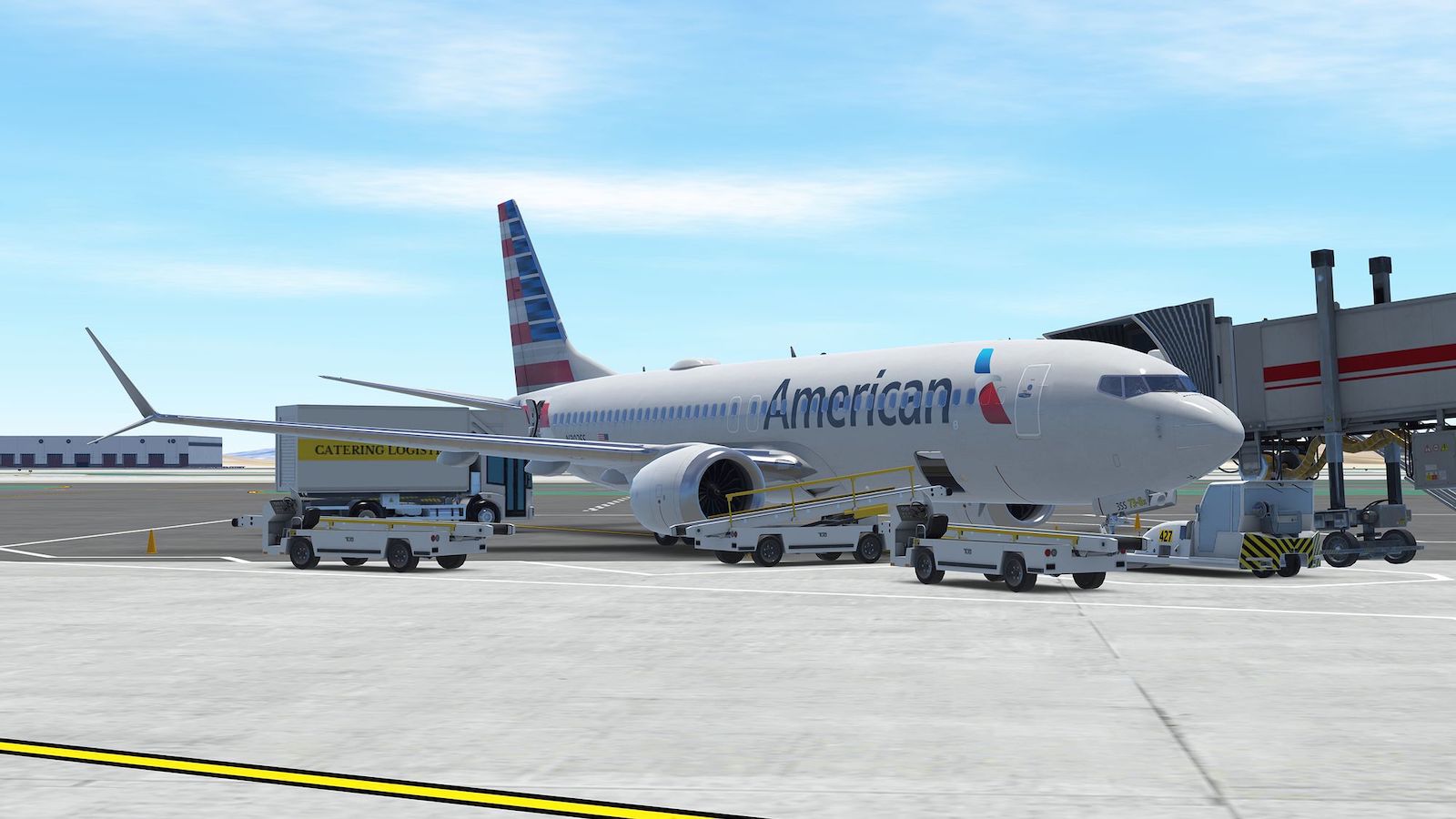
Thursday’s update, according to a blog post by developers, includes the brand-new model with a fully animated flight deck, the new MAX 8 glass panel, roll spoilers, and a complete cabin with galleys.
Other additions in this update include a new auto-pushback feature for easier ground operations, 118 new 3D airports, updates to over 90 current airports, and winds aloft visualization on the map.
The pause menu interface also has been improved along airport runways and procedure pages. According to Infinite Flight, this update fixed bugs for various multiplayer synchronization and connection issues, missing call signs in ATC messages, and other various crashes.
Editor’s Note: This story appeared first on FlyingMag.com.
AirlineGeeks.com was founded in February 2013 as a one-person blog in Washington D.C. Since then, we’ve grown to have 25+ active team members scattered across the globe. We are all here for the same reason: we love deep-diving into the fascinating realm of the airline industry.
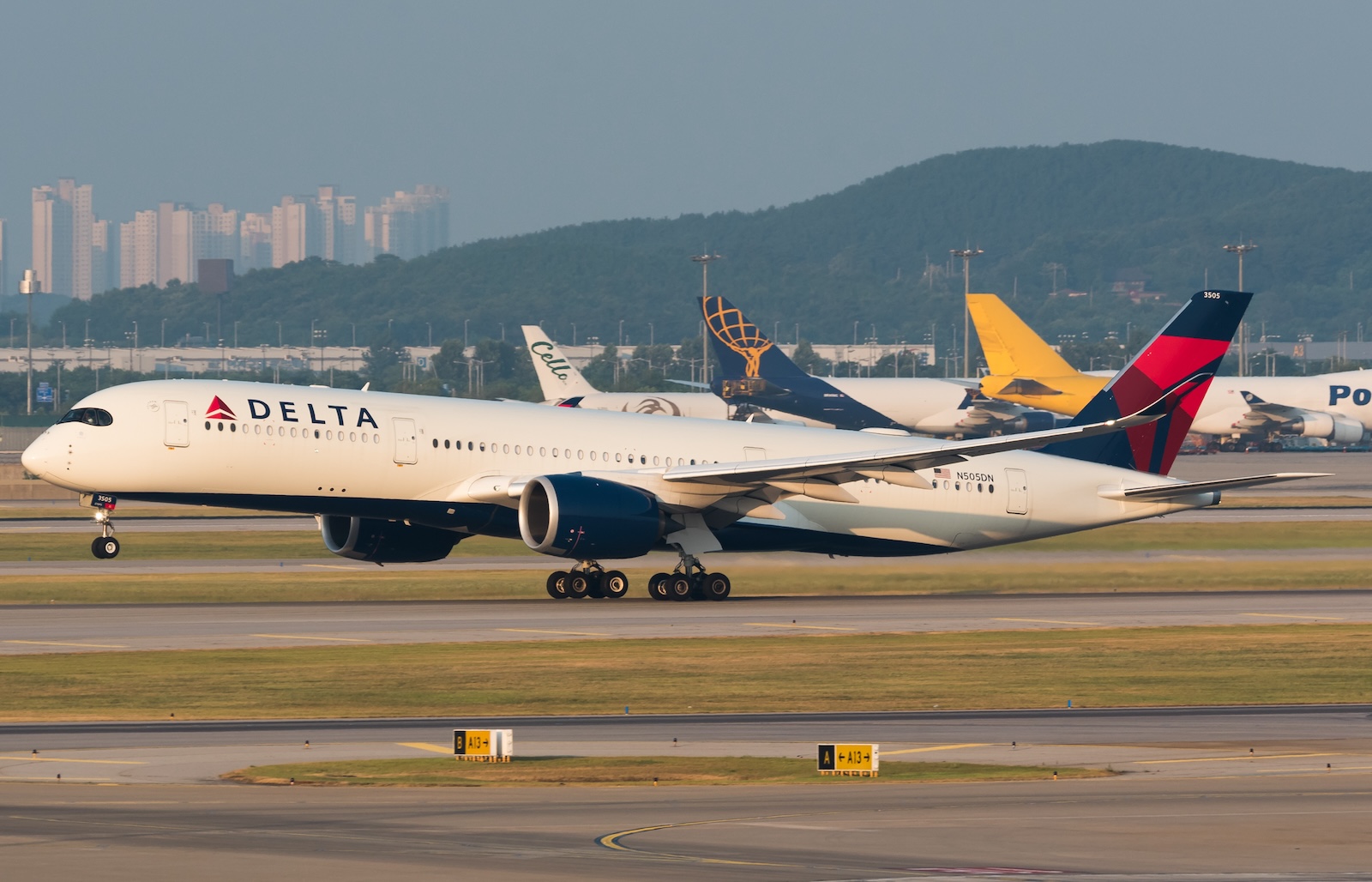
A Delta Airbus A350-900XWB (Photo: AirlineGeeks | Ben Suskind)
Delta plans to shift some Airbus A350 aircraft to Seattle next year. The airline typically uses its A330-900neos on long-haul flights from the Pacific Northwest.
As first reported by Aeroroutes, scheduled A350 flights from Seattle will begin on March 29, 2025. The aircraft will initially operate flights to Seoul Incheon in South Korea and to Taipei, Taiwan.
Beginning on May 23, the A350 will replace the A330 on flights between Seattle and Tokyo Haneda. A Delta spokesperson confirmed the new A350 routes on Friday.
Delta’s A350 fleet has flown from Seattle in the past, with the last regularly scheduled route ending in 2022. In 2019, the aircraft type flew to Tokyo Narita, and in 2020 and 2022, it operated some flights to Atlanta, according to Cirium Diio schedule data.
The airline serves several long-haul markets from its Seattle hub, including Amsterdam, Paris, London Heathrow, Tokyo Haneda, Seoul Incheon, Shanghai, and Taipei. Currently, all of these routes are operated by the A330-900.
Ryan founded AirlineGeeks.com in February 2013 and has spent more than a decade covering the airline business. His work has been featured by CNN, WJLA, CNET, and Business Insider. His aviation experience spans airport operations, Part 135 regulatory compliance, and airline crew workforce planning, along with time behind the yoke of a Cessna 172 and interviews with airline executives. Ryan now serves as Group President of Firecrown Media’s Aviation Group. He holds a B.S. in Air Transportation Management and an MBA from Arizona State University and teaches Airline Management at Embry-Riddle Aeronautical University.
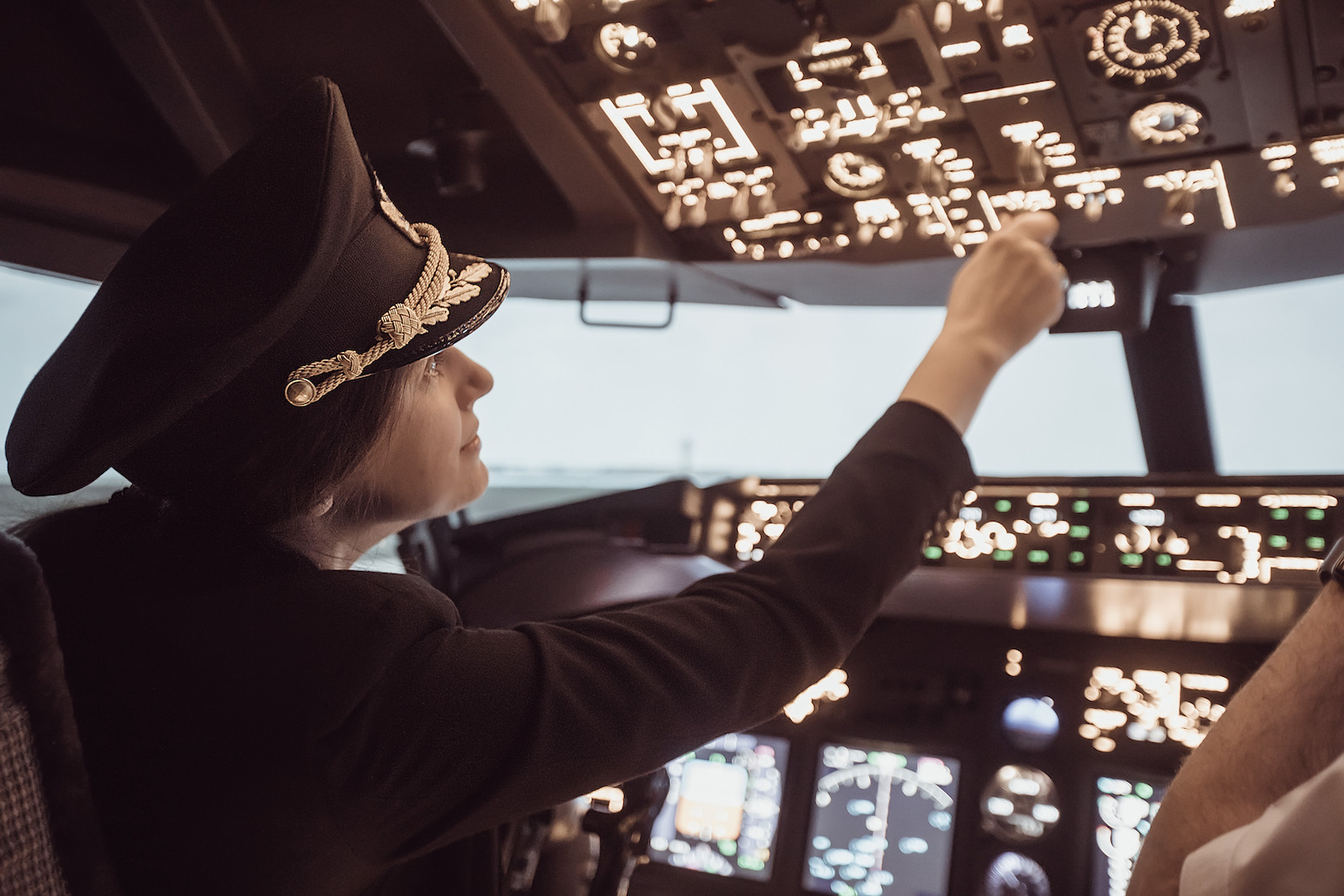
Pilot prepares aircraft for departure (Photo: Shutterstock | Demkat)
Airline pilots undergo extensive training to earn their licenses and build flight time before they take the controls of a passenger aircraft. However, training and evaluation for pilots does not stop when they reach the airlines.
Throughout a pilot’s airline career, they will go through continuous training and testing to make sure that they maintain the necessary skills and knowledge for the job. These processes also ensure that pilots are complying with procedures and rules set out by the company and government.
Since safety is a top priority in the airline industry, airlines have check pilots who conduct checks, training, and evaluation for their pilots. Proper practices and adherence to regulations are critical to maintaining a safe operation, meaning that these check pilots are a key part of the aviation safety landscape.
What Does a Check Pilot Do?
Check pilots – also known as check airmen – are pilots who are approved to evaluate and certify the skills and knowledge of other pilots. In the United States, check pilots are approved by both their company and the Federal Aviation Administration (FAA).
A check pilot can conduct checks and training in a simulator or other flight training device, or in an actual aircraft. They observe and evaluate pilots to ensure compliance and standardization throughout the company and industry.
What Are the Types of Check Pilots?
There are two main types of check pilots: aircraft check pilots and simulator check pilots. The names are self-explanatory. Aircraft check pilots can conduct flight checks or instruction in a particular type of aircraft. These pilots will join pilots in the flight deck for proficiency checks or “line checks,” and also carry out initial operating experience (IOE) flights for new pilots on a particular aircraft type.
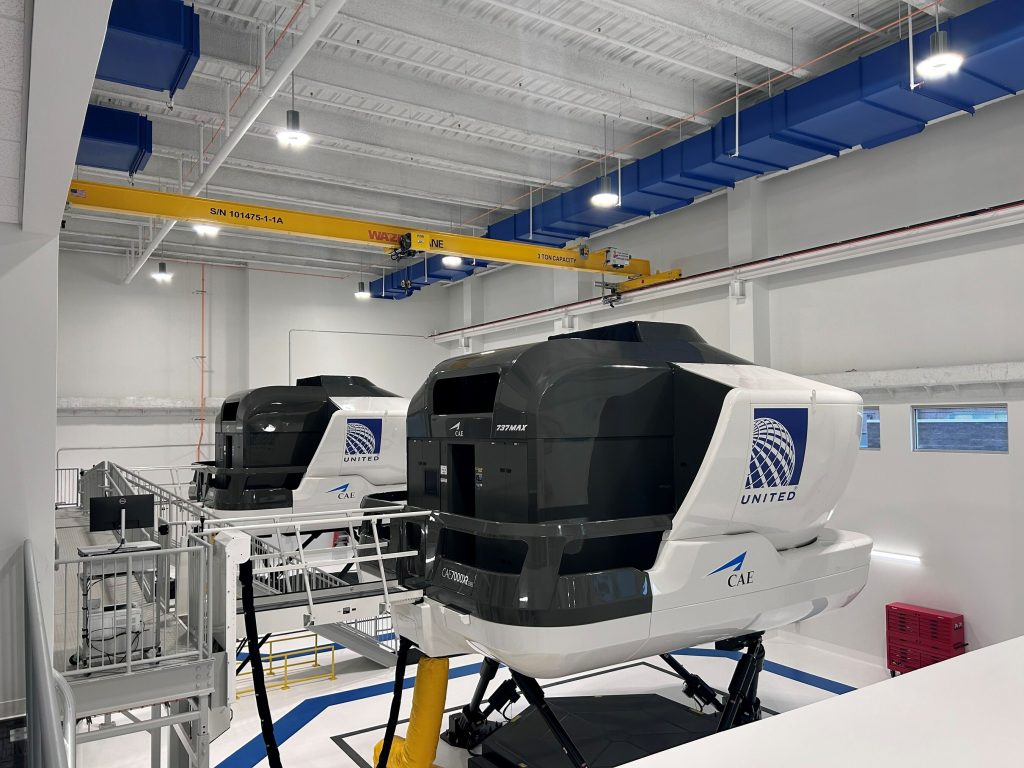
Meanwhile, simulator check pilots are approved to perform instruction and evaluations in flight simulators. Airlines use simulators for a variety of purposes including initial and recurrent training. Pilots are required to undergo training and testing on normal and emergency procedures on a regular basis under the supervision of check pilots.
United’s new building at its Flight Training Center in Denver. (Photo: United Airlines)
In many cases, check pilots will be approved to perform their duties in both aircraft and simulators. Some companies will also have “lead check pilots,” who oversee, train, and evaluate a group of check pilots.
What Qualifications Do Check Pilots Have?
The qualifications for a check pilot in the United States are set out in the Federal Aviation Regulations. Firstly, pilots have to have the required certificates, ratings, and training to serve as a pilot in command of the applicable type of aircraft.
Check pilots then have to complete a training program that meets FAA requirements. Elements that have to be covered in this training include regulatory requirements, methods and techniques for conducting checks, and the approved procedures and limitations for performing normal and emergency procedures.
Pilots also have to be approved by the FAA in order to be a check pilot. Simulator check pilots also have to receive training on the operation and limitations of the simulator that they will be using. They also have to meet requirements involving real-world flight experience.
How Do You Become a Check Pilot?
Check pilots are skilled pilots who are often some of the top pilots in a company. Not only do they have extensive flight experience, but they also possess strong skills in areas like communication, leadership, and teaching. Prospective pilots can build these attributes throughout their careers.
The path to becoming a check pilot varies depending on the airline and an individual pilot’s experience and circumstances. Pilots interested in becoming a check pilot can make their interests known and network with other pilots and personnel within the company. They can also ensure that they have relevant experience like prior time as a flight instructor.
Frequently Asked Questions
What is a line check? What is the purpose of a line check?
A line check is an evaluation of a pilot during a regular flight. Check pilots will accompany crews during a segment or trip and observe their flying skills, decision-making, and compliance with regulations and procedures.
What is the difference between a check pilot and a check airman?
There is no difference between a check pilot and a check airman. These terms are used interchangeably.
How much do check pilots make?
A check pilot’s salary will depend on their airline, experience, and aircraft type. Check pilots are typically given an additional hourly rate to compensate them for the additional responsibilities. Since check pilots tend to be experienced captains, their salary can be in the hundreds of thousands of dollars at major airlines.
Andrew is a lifelong lover of aviation and travel. He has flown all over the world and is fascinated by the workings of the air travel industry. As a private pilot and glider pilot who has worked with airlines, airports and other industry stakeholders, he is always excited to share his passion for aviation with others. In addition to being a writer, he also hosts Flying Smarter, an educational travel podcast that explores the complex world of air travel to help listeners become better-informed and savvier travelers.
A British Airways 747-400 lands in Las Vegas (Photo: AirlineGeeks | William Derrickson)
Long-haul flights can be a killer for the mind. You’re sitting in your seat for upwards of six hours at a time, and if you’re squished in between two other people, you’re probably not going to have a relaxing time at all!
That makes staying sane a little on the tricky side. You need to have time and space to yourself, but when you’re crammed into a plane with loads of other passengers and limited room, there’s not really anywhere you can go or anything you can do.
It’s why so many people save up for the business class tickets when they’re going to be in the air for a long time! More legroom and a bit more privacy go a long way!
But no matter where you’re going to be sitting on your next long-haul adventure, we’ve got a few things you can try to help maintain your sense of equilibrium and touch down with all your brain cells on the other side.
(Photo: Pexels Image – CC0 Licence)
Don’t Dress to Impress
Long-haul flights are not the place to wear your best outfits. You need to be dressed in clothing that’s comfortable to wear and you’re not going to feel stuffed into or constricted by.
Nothing too tight, and try to forego accessories like belts, but don’t feel you have to go too loose either. Whatever clothing you feel the most comfortable in, wear it onto the plane, even if that means you’ve got loungewear on.
If you’ve got an internet signal while you’re up in the air, you’re going to have a much better time of things! Flight mode is good for anyone who wants to switch off when they’re traveling, but for anyone who has long hours on the plane ahead, that lack of signal might just be the final straw.
So even if it’s pricey, pay for access to the in-flight Wi-Fi. Once you’re logged on and can access your favorite sites, apps, and games, you’re not going to run out of ways to stay entertained.
You can play a few rounds of spider solitaire first, then switch to check what’s been uploaded to YouTube, then spend some time in that idle farming app you’ve been playing for at least ten years now.
And even better, you’ll be able to stay up to date and in the loop on social media too. You can even message a friend to vent about the experience and they’ll be able to answer you.
Have Noise Canceling Headphones with You
Noise-canceling headphones mean you can literally block the rest of the plane out. You can pop them in or over your ears, turn on the thing you want to watch or listen to, and forget that you’re even surrounded by other passengers.
This way you can get some peace and quiet without having to section yourself away from anyone else. Bye-bye to the sound of the passenger in the seat behind snoring their head off!
Of course, if you want to stay updated on what the cabin crew are saying, you’ll have to pop an ear out, but otherwise you can get blissfully caught up in what you’re focusing on. Honestly, never approach an airport without a pair of these in your carry-on.
Get an Aisle Seat
If you’re in an aisle seat, you can get up and wander around at your leisure. That can make long-haul flights all the more bearable simply because you get to stretch your legs.
Get up out of your seat as and when you like – of course, if it’s night time you need to be respectful about the noise level – and take some time to pace.
If parts of your body have been going numb since you’ve been sitting, a little exercise like this every couple of hours will really help. It’s also quite good for the brain, as it provides a small change of scenery and helps the blood to flow all the way around the body.
Long Haul Flights Get Us All Down!
If you want to make sure you’re feeling A-OK the next time you’re booked in for a hefty few hours in the air, use these four tips. They’re not magical, and your mileage may vary with all of them, but they can make a difference to how enjoyable the flight feels overall.
AirlineGeeks.com was founded in February 2013 as a one-person blog in Washington D.C. Since then, we’ve grown to have 25+ active team members scattered across the globe. We are all here for the same reason: we love deep-diving into the fascinating realm of the airline industry.
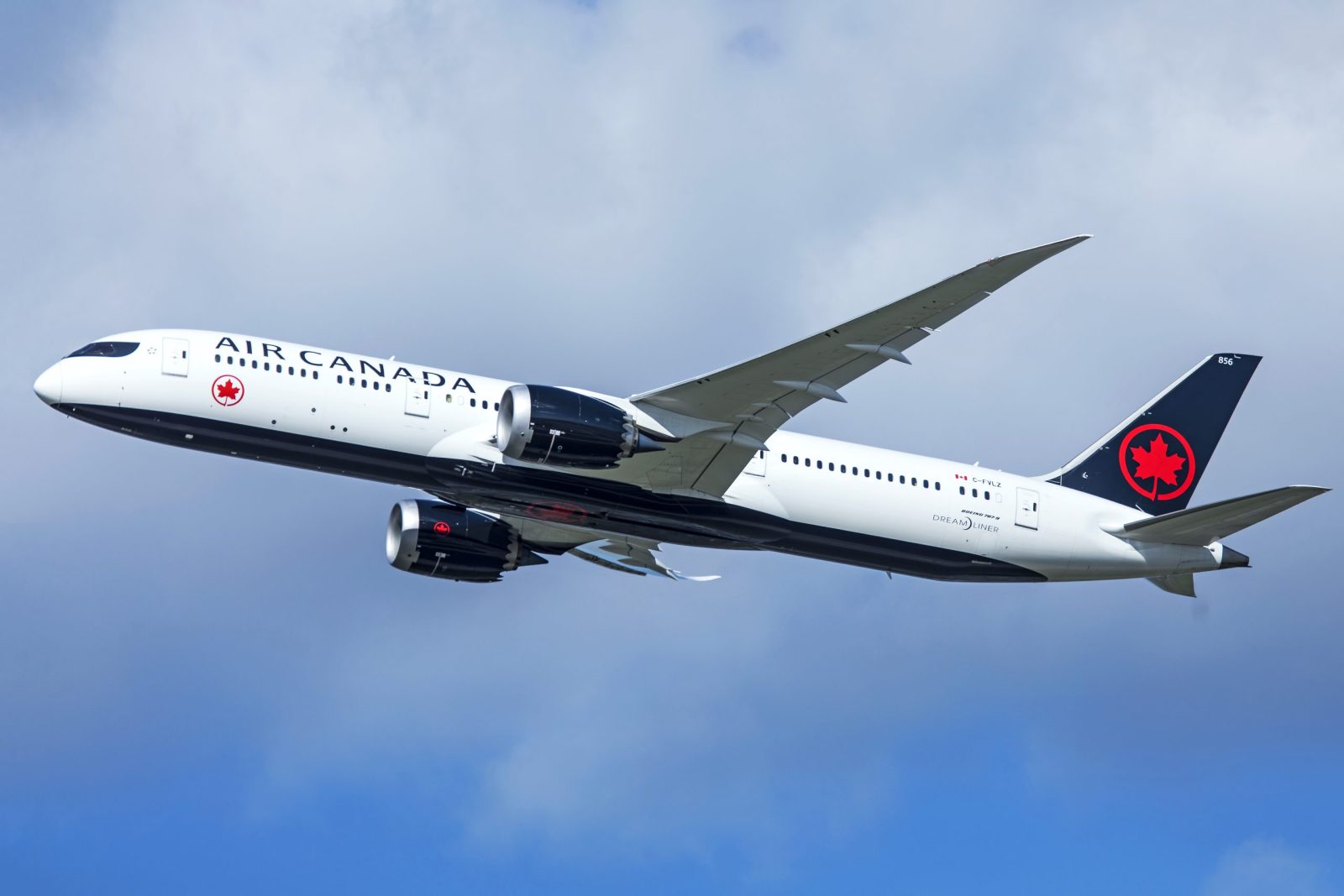
An Air Canada Boeing 787-9 Dreamliner. (Photo: AirlineGeeks | William Derrickson)
Air Canada announced a significant upgrade to its in-flight services, revealing plans to roll out fast, free streaming-quality Wi-Fi across its fleet. Sponsored by Bell, this complimentary service will be available to Aeroplan members starting May 2025 on Wi-Fi-equipped aircraft for flights within North America and the Caribbean. The initiative will expand to long-haul international routes in 2026.
The service will be available across Air Canada, Air Canada Rouge, and most Air Canada Express aircraft. Over 85% of aircraft will be equipped with the service by its launch in May 2025, with the remainder to follow shortly after. Q400 aircraft, frequently used for regional routes such as Toronto Billy Bishop Airport to Montreal or Ottawa, will also feature the service—a first for these aircraft types.
Aeroplan members can log in to access the free Wi-Fi, while non-members can join Aeroplan for free to enjoy the service.
A Growing Trend
Air Canada joins a growing list of airlines offering complimentary Wi-Fi to passengers. Delta offers free Wi-Fi for SkyMiles members on most domestic U.S. flights and plans to extend this to international flights in the coming months.
Tolga is a dedicated aviation enthusiast with years of experience in the industry. From an early age, his fascination with aviation went beyond a mere passion for travel, evolving into a deliberate exploration of the complex mechanics and engineering behind aircraft. As a writer, he aims to share insights , providing readers with a view into the complex inner workings of the aviation industry.
Boeing Looks to Boost 787 Production
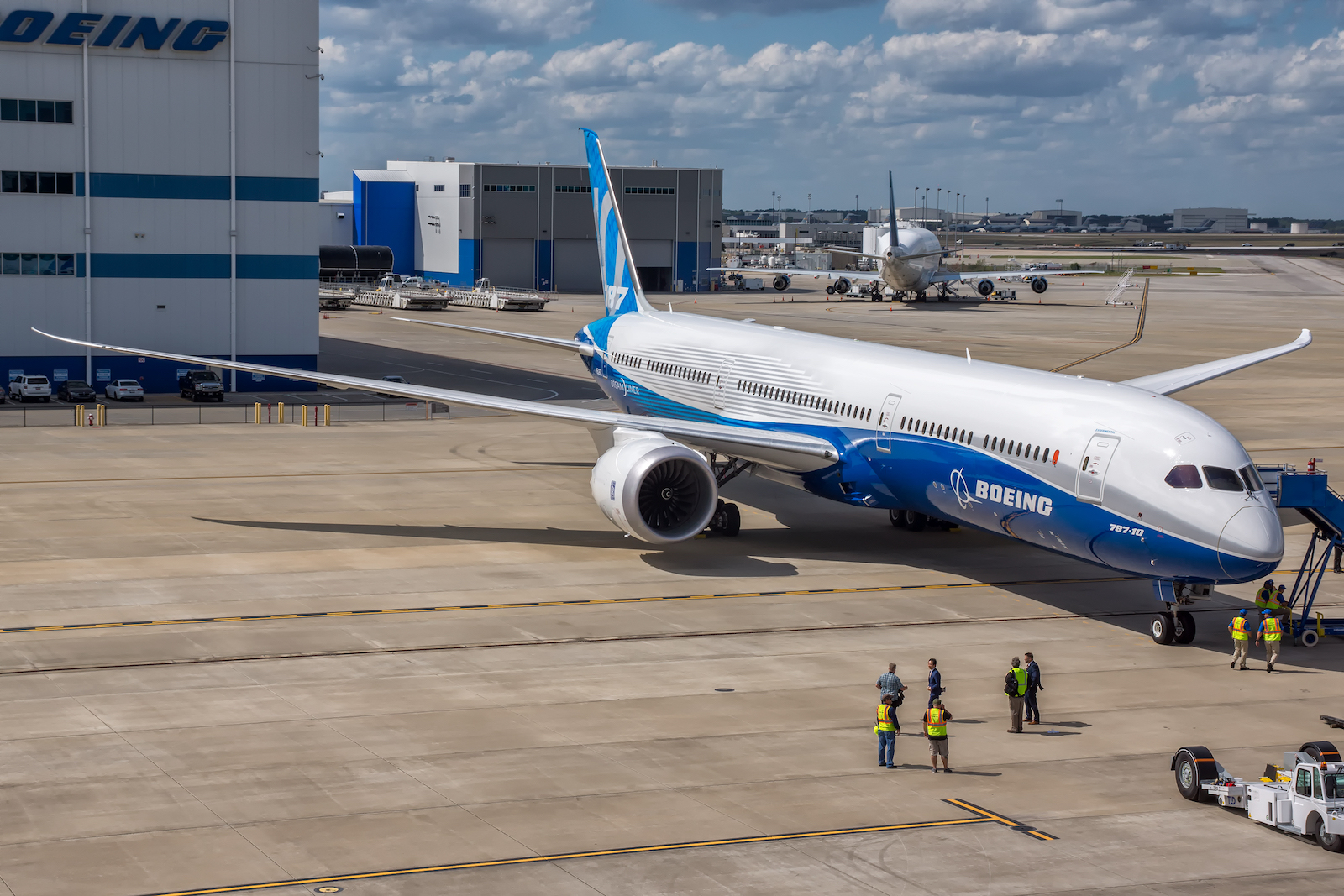
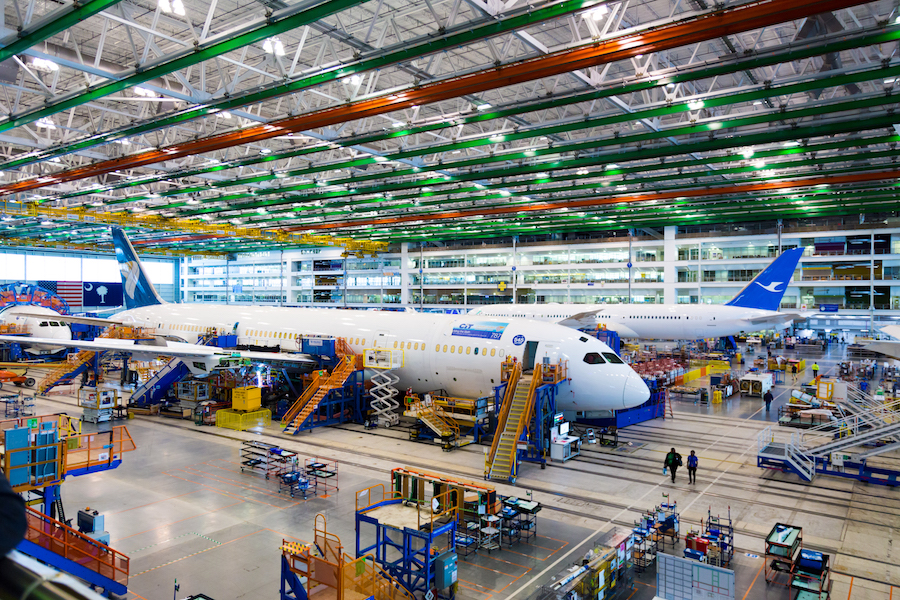
Boeing is aiming to boost its 787 Dreamliner production by expanding operations in South Carolina with a $1 billion infrastructure investment.
A Boeing 787-10 in North Charleston (Photo: AirlineGeeks | Chuyi Chuang)
Boeing is aiming to boost its 787 Dreamliner production by expanding operations in South Carolina with a $1 billion infrastructure investment.
The company announced in a news release on Thursday that its investment will create 500 new jobs over the next five years. South Carolina is home to Boeing’s full 787 Dreamliner production cycle, which fabricates, assembles, and delivers the 787-8, 787-9, and 787-10 to airlines around the world.
“Since the creation of Boeing South Carolina in 2009, we’ve marked many important milestones – including consolidating 787 Dreamliner production to South Carolina,” said Scott Stocker, vice president and general manager of Boeing’s 787 program, in the release. “I’m thrilled for this next phase of growth, which is made possible by our incredible teammates and the confidence our customers have in our airplanes. This decision reflects Boeing’s commitment to the workforce, the 787 program and the community.”
Inside the 787 Dreamliner Final Assembly Building at Boeing South Carolina (Photo: Hisham Qadri
The release stated that Boeing will expand both of its North Charleston campuses to boost 787 Dreamliner production and potential rate increases driven by market demand. The 787 Dreamliner program plans to increase to a rate of 10 airplanes per month by 2026.
According to the company’s Q3 2024 financial results, Boeing delivered 14 787s totaling 36 deliveries year-to-date.
Boeing currently employs over 7,800 people across its Airport and North Campuses in North Charleston, and its West Campus in Orangeburg. The company acquired its manufacturing plant in Orangeburg earlier this year, though the release stated those facilities will not be affected by expansion plans.
“Boeing’s decision to expand in Charleston County further solidifies South Carolina’s position as a leader in the aerospace industry,” said South Carolina Gov. Henry McMaster. “This significant investment and the 500 new jobs it will bring to the Lowcountry reflect Boeing’s confidence in our workforce and highlights the strength of our pro-business environment. We look forward to continuing to build our partnership and the opportunities this expansion will bring to our state.”
AirlineGeeks.com was founded in February 2013 as a one-person blog in Washington D.C. Since then, we’ve grown to have 25+ active team members scattered across the globe. We are all here for the same reason: we love deep-diving into the fascinating realm of the airline industry.