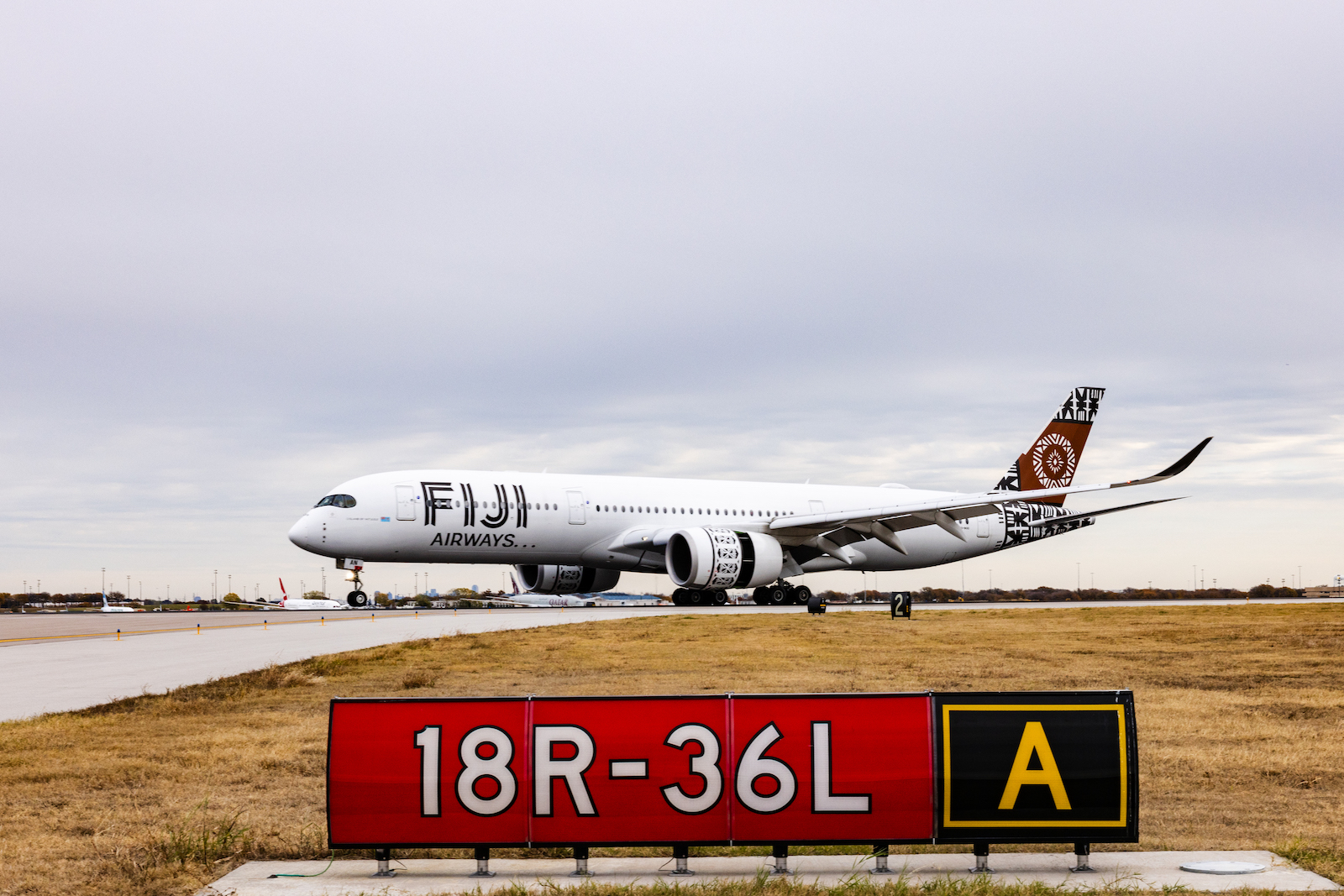
Fiji Airways arrives in Dallas/Fort Worth (Photo: Fiji Airways)
Fiji Airways began its newest route on Tuesday. The new Nadi to Dallas/Fort Worth flight —the carrier’s longest scheduled service — clocked in at around 6,625 miles or 13 hours.
The airline first announced the route in August, with plans to operate it three times per week: Tuesdays, Thursdays, and Saturdays. Fiji Airways will operate an A350-900XWB between Nadi and Dallas/Fort Worth.
“This new route significantly enhances Fiji Airways’ connectivity in North America, making it easier than ever for Texans and U.S. travelers to explore Fiji’s pristine landscapes, rich culture, and warm hospitality, while also providing seamless access to the wider South Pacific region, Australia, New Zealand and beyond,” said the carrier’s CEO and managing director, Andre Viljoen in a news release.
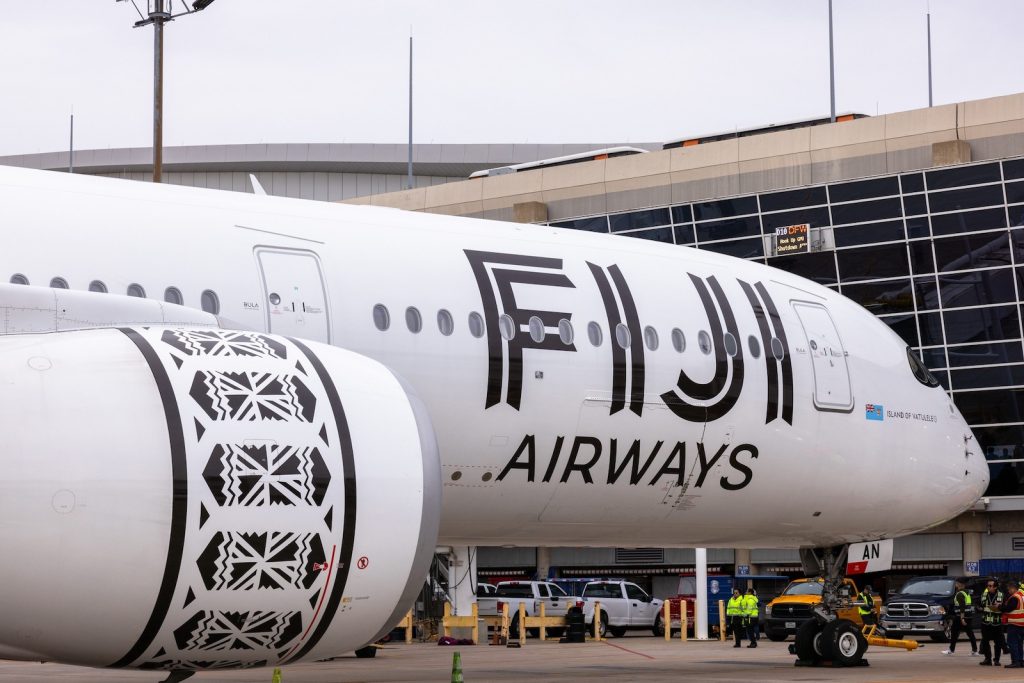
Fiji Airways’ A350 in Dallas/Fort Worth (Photo: DFW Airport)
The Texas airport will become Fiji Airways’ fifth North American destination, joining San Francisco, Los Angeles, Honolulu, and Vancouver, British Columbia. Dallas/Fort Worth to Nadi is approximately 760 miles longer than the carrier’s second-longest route to Vancouver.
Fiji Airways’ first flight to Dallas/Fort Worth touched down on Tuesday at 3:25 p.m. local time.
Ryan founded AirlineGeeks.com in February 2013 and has spent more than a decade covering the airline business. His work has been featured by CNN, WJLA, CNET, and Business Insider. His aviation experience spans airport operations, Part 135 regulatory compliance, and airline crew workforce planning, along with time behind the yoke of a Cessna 172 and interviews with airline executives. Ryan now serves as Group President of Firecrown Media’s Aviation Group. He holds a B.S. in Air Transportation Management and an MBA from Arizona State University and teaches Airline Management at Embry-Riddle Aeronautical University.
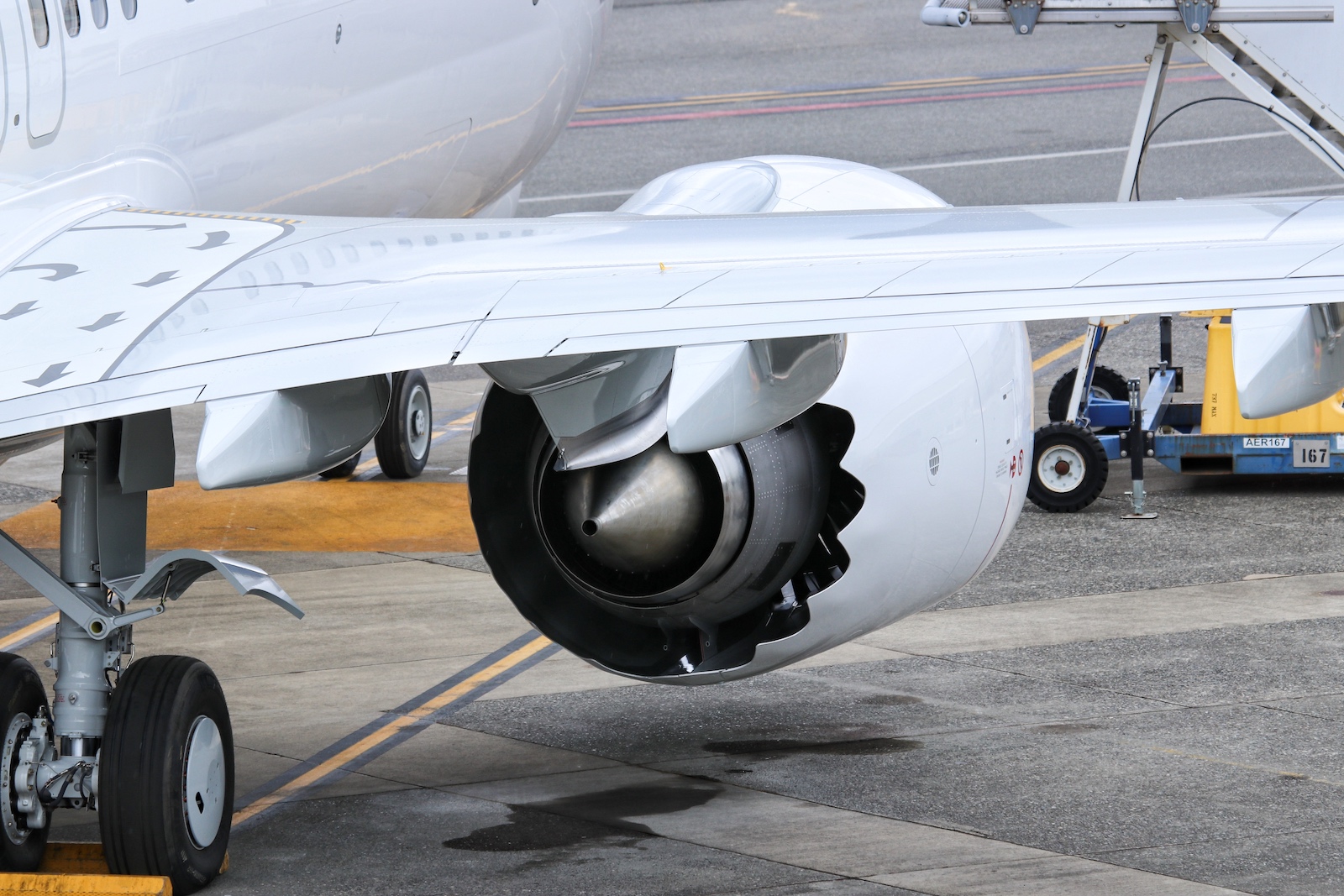
A CFM LEAP-1B engine on a 737 MAX (Photo: AirlineGeeks | Katie Zera)
Hungary Airlines recently signed a memorandum of understanding (MOU) with Boeing in Beijing last month for Boeing 737 MAX aircraft. The new Hungarian carrier is reportedly interested in purchasing 100 737 MAX aircraft from the troubled U.S. planemaker.
Much is Unknown About Hungary Airlines
Hungary Airlines is funded by Chinese businessman Wu Jiang and is majority-owned by Chinese businesses. Originally named Universal Translink Airline Hungary, the carrier was established in May 2021 as a cargo airline.
The airline is reportedly planning on its first flight later this month, in the form of cargo operations between Hungary and several Chinese cities. However, the airline also does not seem to have its AOC (Air Operator’s Certificate) yet.
Filling a Long-Haul Gap in Hungary?
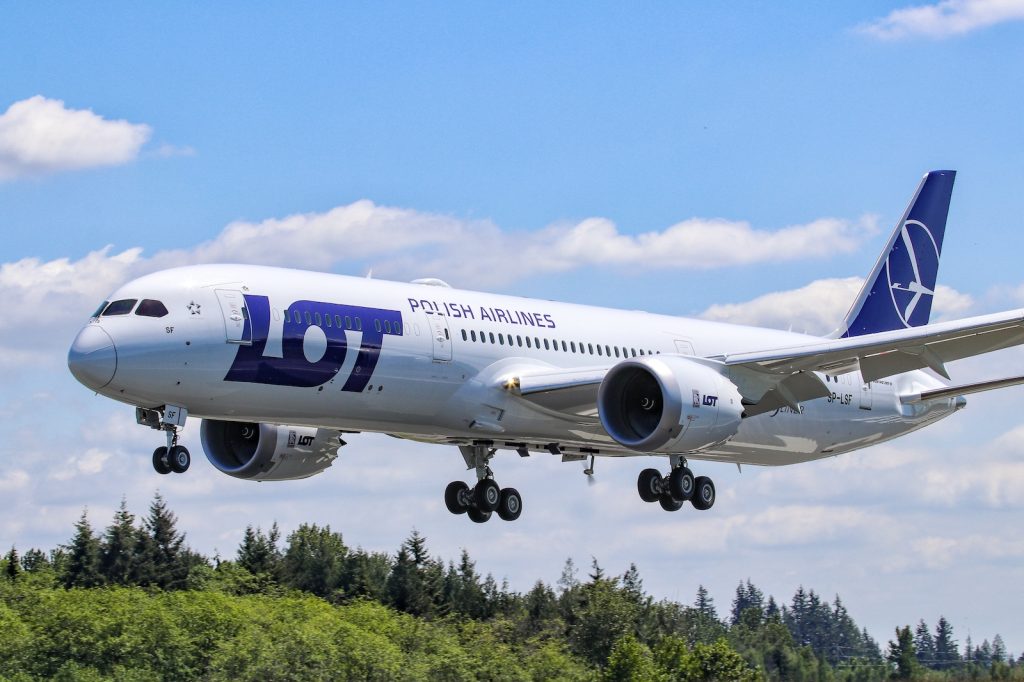
Hungary currently lacks a long-haul national airline, and the country’s entire intercontinental network is served by foreign carriers. LOT Polish Airlines is the only E.U. airline that flies long-haul from Hungary, with three weekly connections to Seoul in South Korea. LOT also previously connected Budapest with New York JFK as recently as 2022.
A LOT Boeing 787 in Everett, Washington (Photo: AirlineGeeks | Katie Zera)
The country and the airport of Budapest have been targeting more direct long-haul destinations and increased connectivity. The country currently lacks connection with North America, with the U.S. last served by LOT in 2022 and Canada last served by Air Canada in the summer of 2022.
Hungary-China Market Booming
The country has seen an exponential rise in services to the Chinese mainland in the past few years. In 2024 alone, China Southern launched flights to the Hungarian capital from Guangzhou, Shanghai Airlines started flying from Xi’an, and Hainan Airlines launched a connection with Shenzhen.
At present, Budapest is connected non-stop with seven Chinese cities, namely Beijing, Chongqing, Guangzhou, Ningbo, Shenzhen, Shanghai, and Xi’an, by Shanghai Airlines, China Southern, Air China, and Hainan Airlines.
The current bilateral air service agreement between the countries allows for 21 weekly flights from each country. Chinese carriers fly 19 flights in the winter season of 2024, while no Hungarian carrier connects the two countries.
Reports suggest that the agreement is being renegotiated, with the number of weekly frequencies set to increase and new routes being launched as travel demand between the two countries hikes up and ties deepen. The routes discussed include a connection to Xiamen by SkyTeam carrier Xiamen Airlines, as well as a connection to Chengdu on Sichuan Airlines.
Anthony is an aviation enthusiast who grew up around the world from St. Louis to Singapore, and now lives in Amsterdam. He loves long-haul flying and finds peace in the sound of engine cruising. He aspires to share his passion for the sky though writing and providing another angle on the stories.
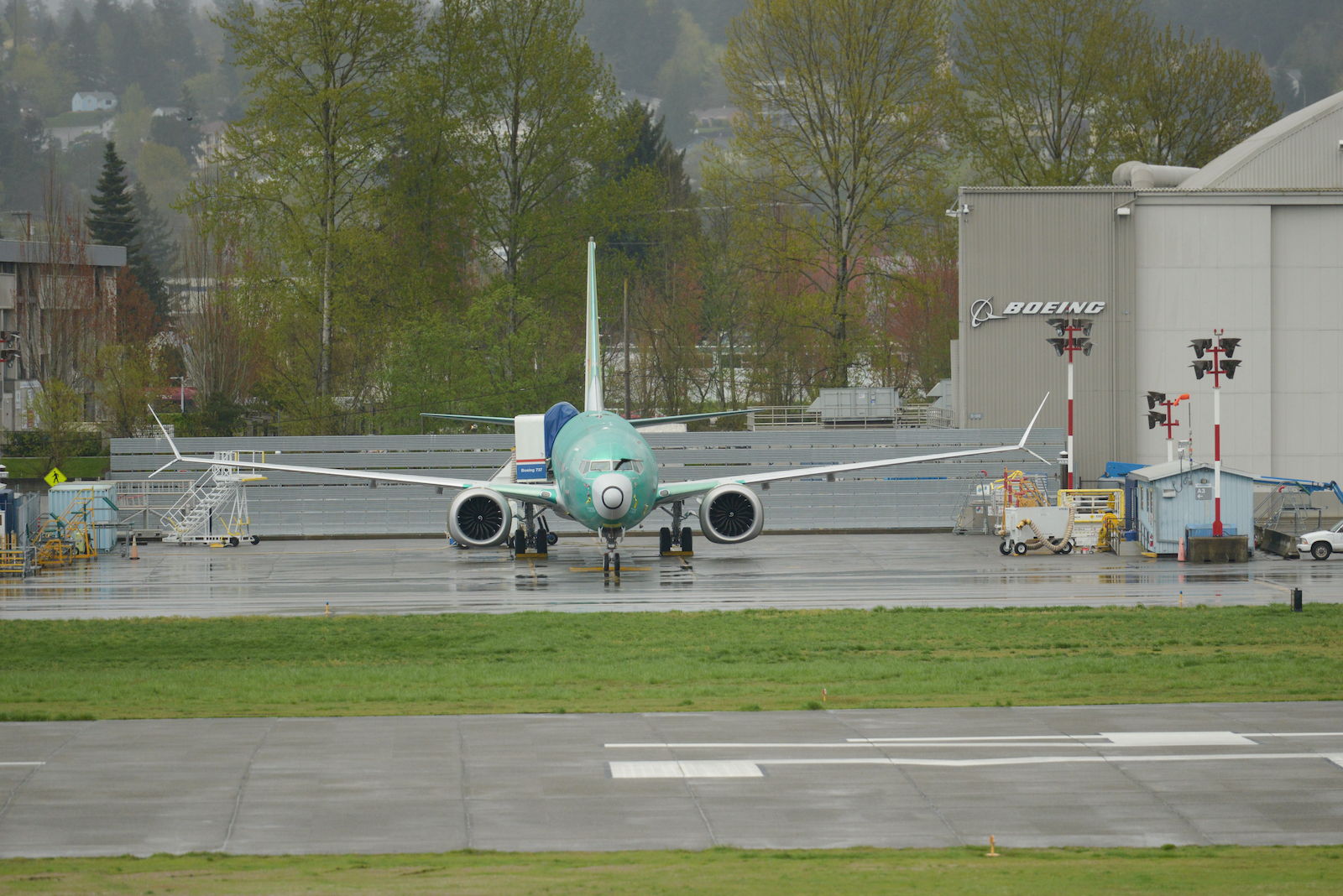
Boeing Confirms 737 Production Has Resumed After Over Two Months
After over two months of stunted production due to a 53-day machinists strike, Boeing has resumed building 737 MAX aircraft.
A Boeing 737 MAX in Renton, Washington. (Photo: Shutterstock | Stephen Mark Dunmore)
Boeing has resumed building 737 MAX aircraft after over two months of stunted production due to a 53-day machinists strike.
A Reuters report stated Monday that Boeing had restarted production of its 737 MAXs on Friday, about a month after strikes ended at the company’s manufacturing plants in the Pacific Northwest.
A Boeing spokesperson confirmed with AirlineGeeks that operations have restarted in the region.
“Our team has worked methodically to restart factory operations in the Pacific Northwest,” the spokesperson said in an email. “We have now resumed 737 production in our Renton factory, with our Everett programs on plan to follow in the days ahead.”
The spokesperson said Boeing had spent the last several weeks preparing to resume production.
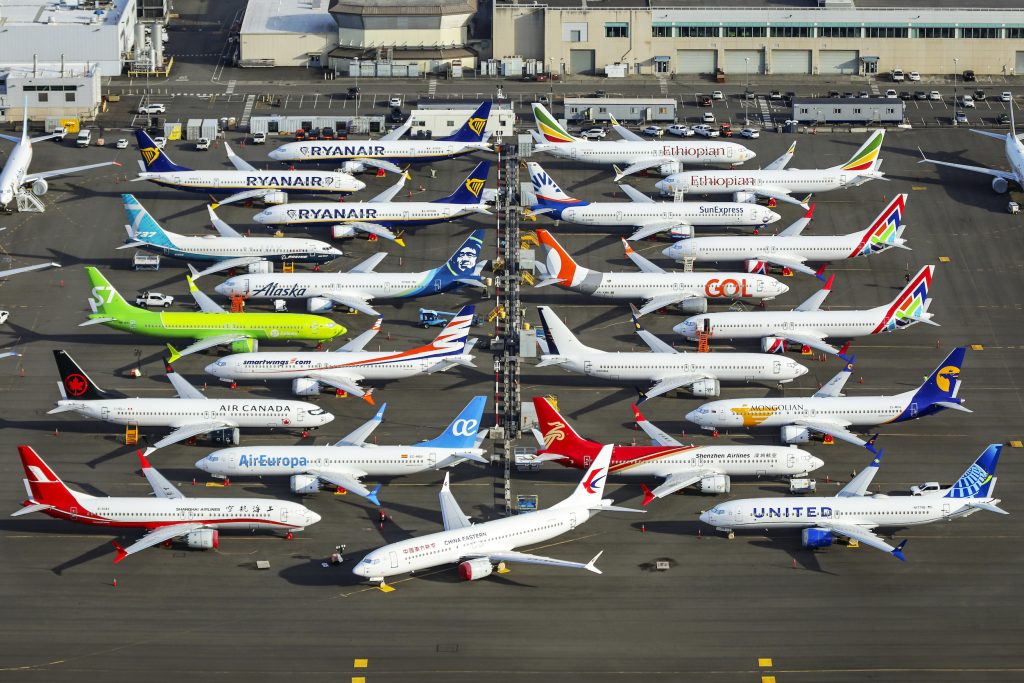
Boeing 737 MAX aircraft in storage at Boeing Field (Photo: AirlineGeeks | William Derrickson)
“We used our Safety Management System to create program-specific plans to identify, evaluate, and mitigate potential risks at each stage of the restart,” they continued. “Over the last several weeks, we dedicated time toward training and certification, ensuring parts and tools are ready, and completing work on airplanes in inventory to prepare for the resumption of production at pre-work stoppage levels.”
33,000 machinists with the International Association of Machinists and Aerospace Workers (IAM) union brought 737 MAX production to a halt in September when they went on strike demanding better pay and benefits.
Boeing was aiming to produce 38 of its 737 MAX jets per month prior to the strikes, down from 42 a month before January’s Alaska 1282 incident. Reuters reported that analysts from the Jefferies investment firm expect Boeing to produce an average of 29 737 MAX jets per month in 2025.
The company delivered 92 737s in Q3 2024, bringing the total to 229 year to date. Its competitor, Airbus, announced in its Q3 earnings report that it aims to produce 75 A320-series jets per month by October 2027.
AirlineGeeks.com was founded in February 2013 as a one-person blog in Washington D.C. Since then, we’ve grown to have 25+ active team members scattered across the globe. We are all here for the same reason: we love deep-diving into the fascinating realm of the airline industry.
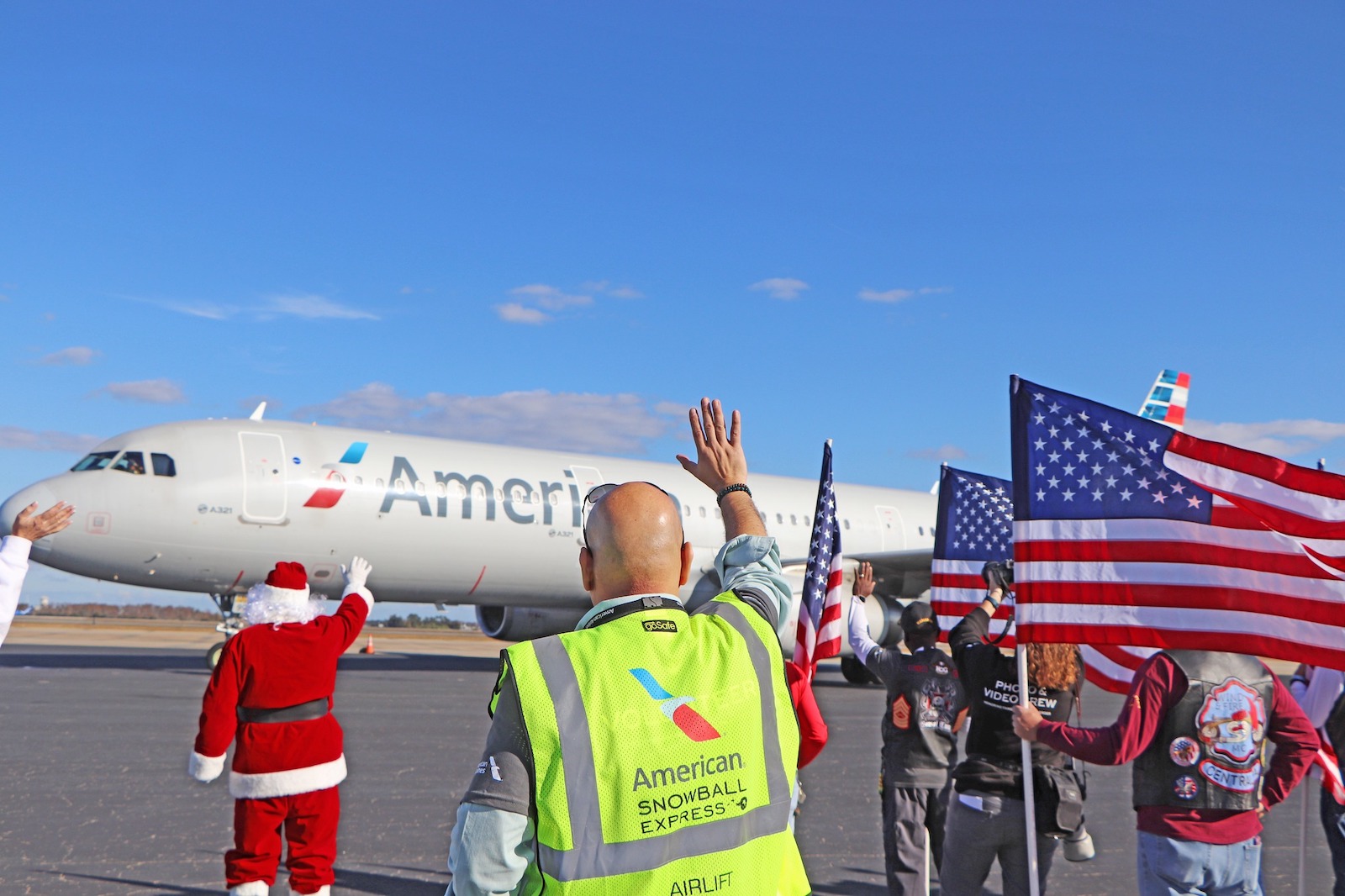
American transports Gold Star families to Disney World (Photo: Orlando International Airport)
American Airlines and the Gary Sinise Foundation (GSF) brought over 1,700 family members of fallen military service men and women to Orlando, Florida, on Saturday for an all-expense paid holiday retreat at Disney World.
Dubbed “Snowball Express,” the five day event honored families of those who sacrificed their lives in service to the nation. American donated over 20 chartered aircraft and thousands of seats on commercial flights throughout its global network to fly these families from over 90 U.S. cities and international locations in and out of Disney.
American’s 2024 Snowball Express event (Photo: American Airlines)
“Snowball Express offers a memorable experience, featuring special send-off ceremonies and engaging activities during flights, and while at Disney World, aiming to uplift the spirits of these resilient families during the holiday season,” a spokesperson for American said in an emailed statement to AirlineGeeks.
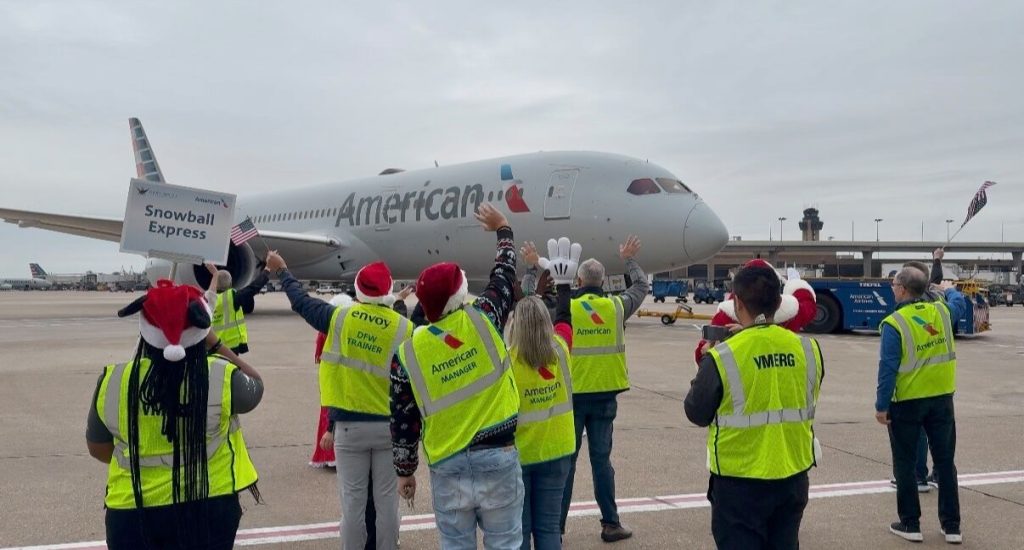
Snowball Express has been supported by American since 2006, and over 17,000 children and surviving parents or guardians of fallen heroes have participated since then. Over 1,000 American employees, including pilots and flight attendants, volunteer to ensure the success of the event.
American employees volunteer to transport Gold Star families to Disney World (Photo: American Airlines)
Next weekend, American will transport over 1,000 additional passengers from families of fallen first responders on six charter aircraft to Orlando in coordination with GSF. In total, over 2,700 families will experience the Snowball Express this year.
AirlineGeeks.com was founded in February 2013 as a one-person blog in Washington D.C. Since then, we’ve grown to have 25+ active team members scattered across the globe. We are all here for the same reason: we love deep-diving into the fascinating realm of the airline industry.
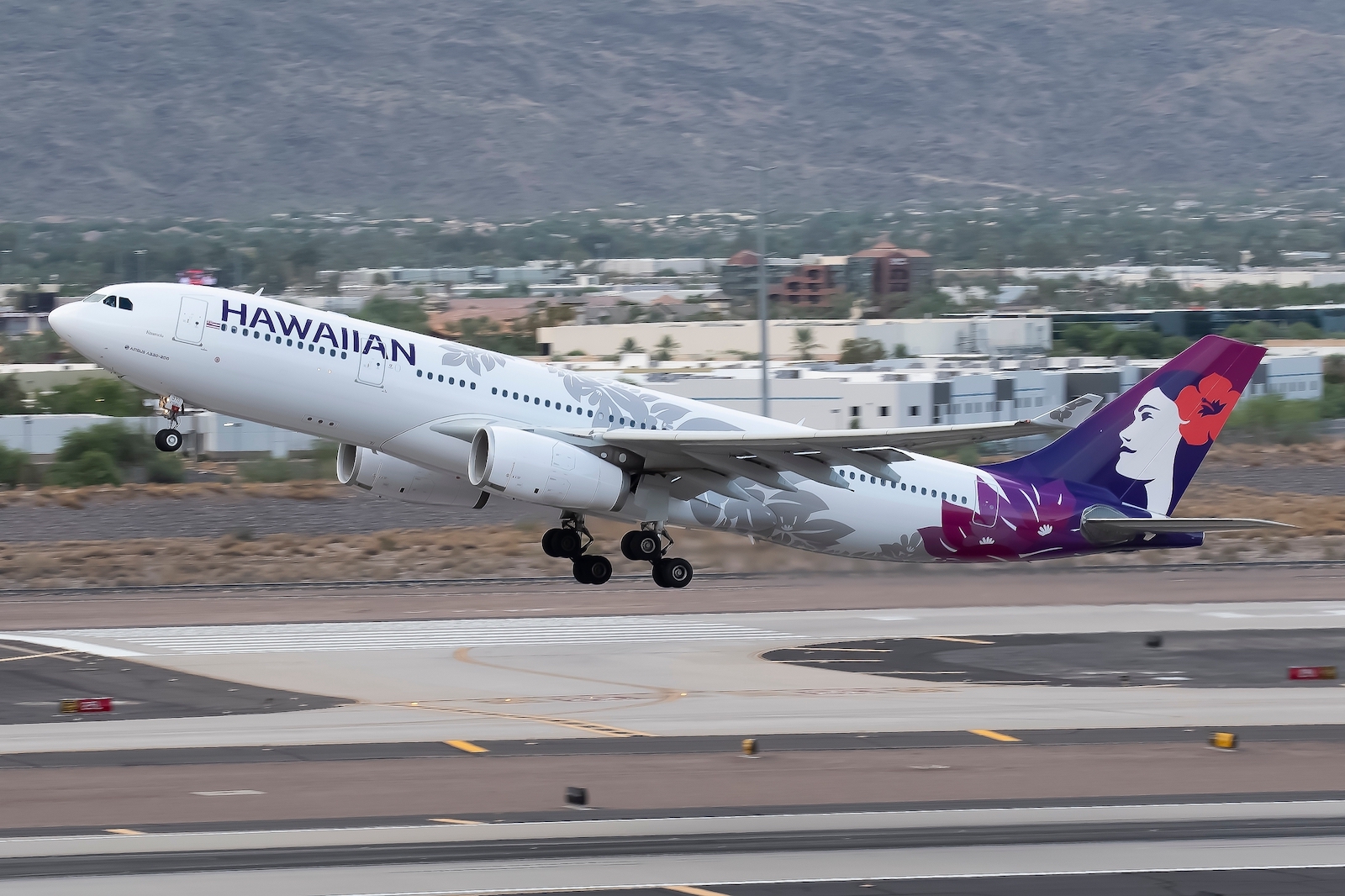
A Hawaiian Airbus A330 (Photo: Shutterstock | Robin Guess)
Ahead of Alaska Air Group’s Investor Day on Tuesday, Alaska and Hawaiian announced plans to shake up their widebody networks. Next year, Hawaiian’s Airbus A330 aircraft will begin operating flights from Seattle to Asia and Alaska.
The airline said Hawaiian’s widebody jets will be deployed to Seattle in a move to “right-size” capacity to softened leisure demand between Hawaii and Japan. Starting in May 2025, Hawaiian’s A330s will operate flights from Alaska’s Seattle hub to Tokyo Narita.
Hawaiian currently serves Honolulu to Tokyo Narita, but the carrier says the aircraft used on this route will be “repositioned” to Seattle. Instead, the airline will boost capacity from Honolulu to Tokyo Haneda from 12 to 14 weekly flights.
Alaska Widebody Service
In addition, Hawaiian’s A330s will operate between Seattle and Anchorage during the summer season. Beginning on June 12, these aircraft will serve the route twice daily.
Alaska says the change was made “to take advantage of the aircraft’s higher seating and cargo capacity.” The A330s will operate between Seattle and Anchorage through Aug. 20.
Next summer, Alaska plans to offer at least 18 daily round-trip flights between the two cities. On the domestic front, Hawaiian will also utilize A330s between Honolulu and Sacramento, California.
More Seattle Long-Haul Routes
The recently merged airlines also have plans for more long-haul routes from Seattle. Along with Tokyo Narita, service between Seattle and Seoul, South Korea, is slated to begin in October 2025.
“We believe our guests will be as excited as we are about these new nonstop flights to Tokyo and Seoul – two of the world’s most dynamic cities. From our global gateway in Seattle, we can conveniently connect travelers from across our network as they head to Asia and beyond,” Alaska Air Group CEO Ben Minicucci said in a news release. “Hawaiian’s spacious widebody aircraft, along with its excellent onboard service and amenities, will make for a terrific trip from one side of the Pacific Rim to the other.”
By 2030, the carrier notes, it plans to offer service from Seattle to at least 12 long-haul destinations.
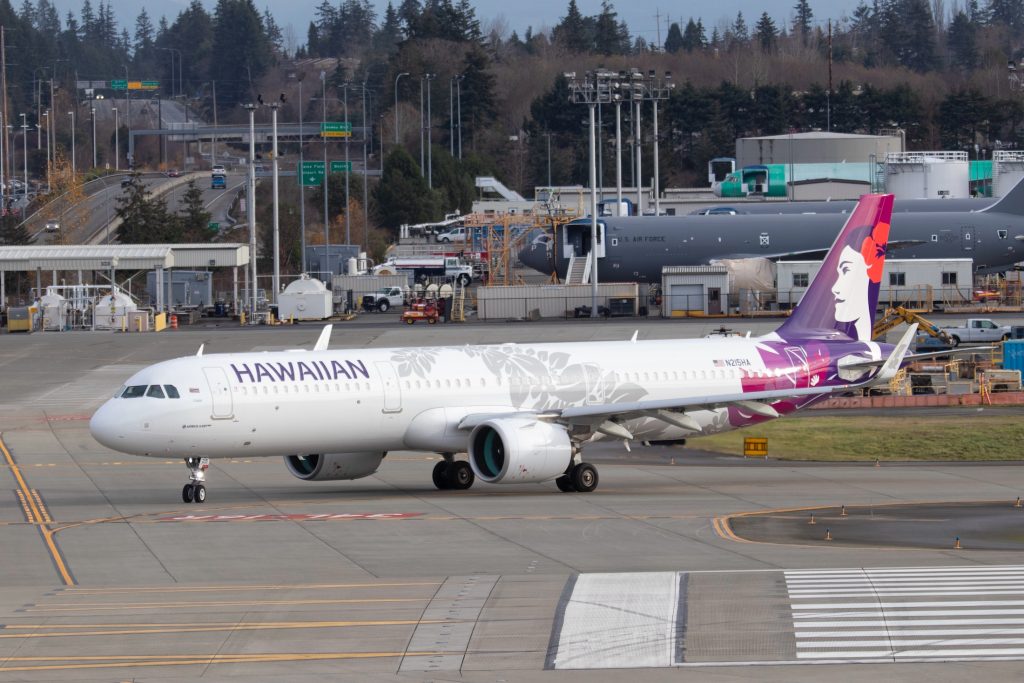
A Hawaiian A321neo (Photo: AirlineGeeks | Katie Zera)
Hawaiian’s Boeing 787-9 and Airbus A321neo aircraft will fly more hours, the carrier stated in the release.
“The A321s will fly 25% more than they did before,” the airline notes. “This strategy mitigates the impact of delayed Boeing 737 deliveries while enabling us to expand our overall network reach.”
Hawaiian has two Boeing 787s in its fleet, with more on order. The airline also has 18 A321neos.
Ryan founded AirlineGeeks.com in February 2013 and has spent more than a decade covering the airline business. His work has been featured by CNN, WJLA, CNET, and Business Insider. His aviation experience spans airport operations, Part 135 regulatory compliance, and airline crew workforce planning, along with time behind the yoke of a Cessna 172 and interviews with airline executives. Ryan now serves as Group President of Firecrown Media’s Aviation Group. He holds a B.S. in Air Transportation Management and an MBA from Arizona State University and teaches Airline Management at Embry-Riddle Aeronautical University.
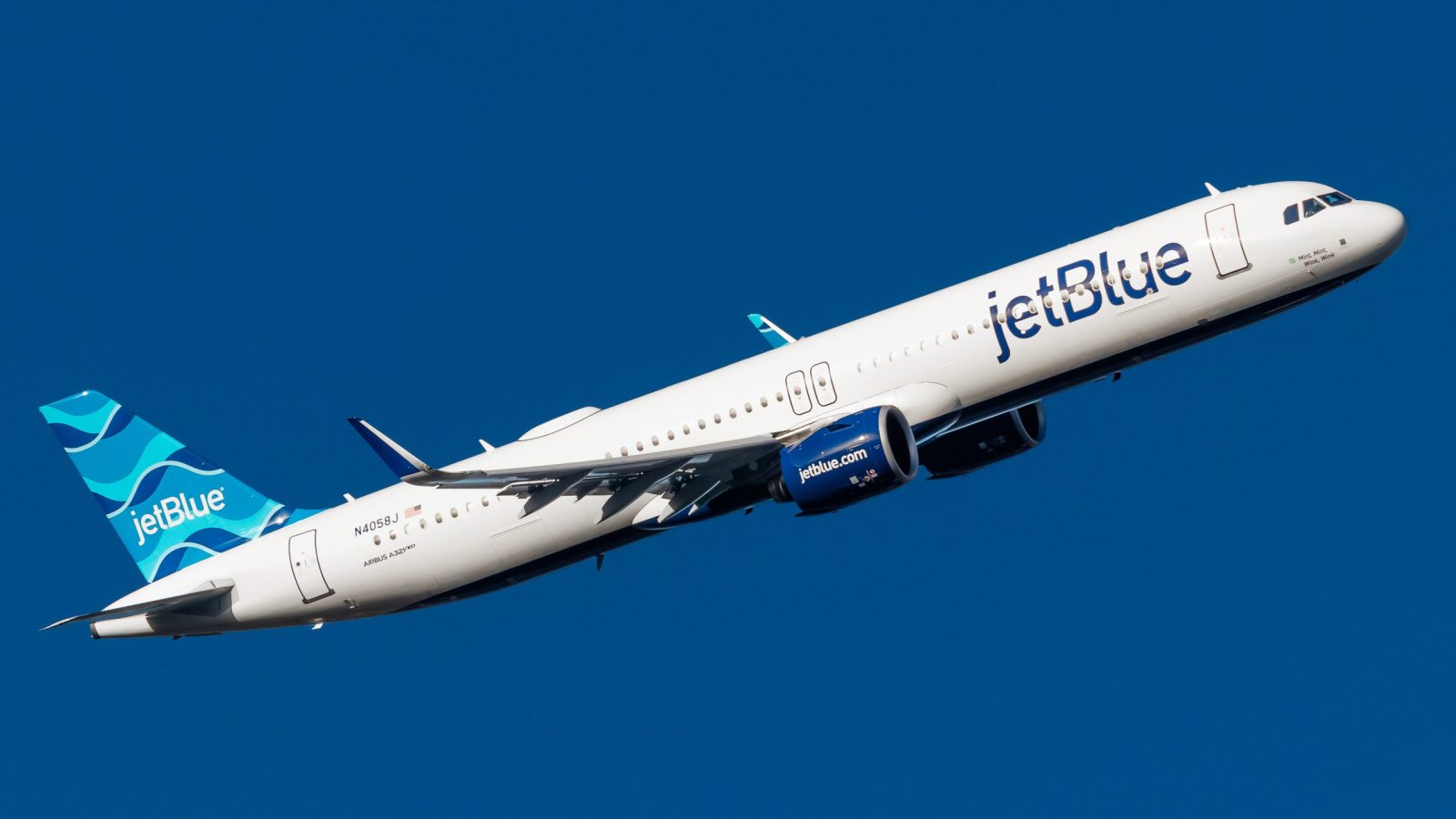
Beginning on May 22, 2025, the airline will offer flights from Boston to Madrid and Edinburgh, Scotland. Both routes are seasonal, operating on a daily basis.
Madrid is a brand-new destination for JetBlue, while Edinburgh is served seasonally from New York-JFK.
From Boston, the carrier serves Amsterdam, Dublin, and London-Gatwick seasonally, along with year-round flights to London-Heathrow and Paris. From its New York-JFK hub, JetBlue serves Dublin and Edinburgh seasonally, while Amsterdam, London-Heathrow, and Paris are flown year-round.
The new routes from Boston will operate from May 22 to Oct. 24.
“Madrid and Edinburgh represent two of Europe’s most exciting and popular destinations, and we’re happy to offer even more transatlantic travel options for our customers from Boston and New England,” said Daniel Shurz, head of revenue, network and enterprise planning at JetBlue, in a news release. “Europe continues to be part of our network strategy, as our loyal customers look for JetBlue’s signature service and low fares to bring them to top leisure destinations, including across the Atlantic.”
Seasonal Extensions
In addition, JetBlue says it will extend two seasonal routes. Flights from New York to Dublin and Edinburgh will operate through the end of October, which is a one-month extension over the previous schedule.
Ryan founded AirlineGeeks.com in February 2013 and has spent more than a decade covering the airline business. His work has been featured by CNN, WJLA, CNET, and Business Insider. His aviation experience spans airport operations, Part 135 regulatory compliance, and airline crew workforce planning, along with time behind the yoke of a Cessna 172 and interviews with airline executives. Ryan now serves as Group President of Firecrown Media’s Aviation Group. He holds a B.S. in Air Transportation Management and an MBA from Arizona State University and teaches Airline Management at Embry-Riddle Aeronautical University.
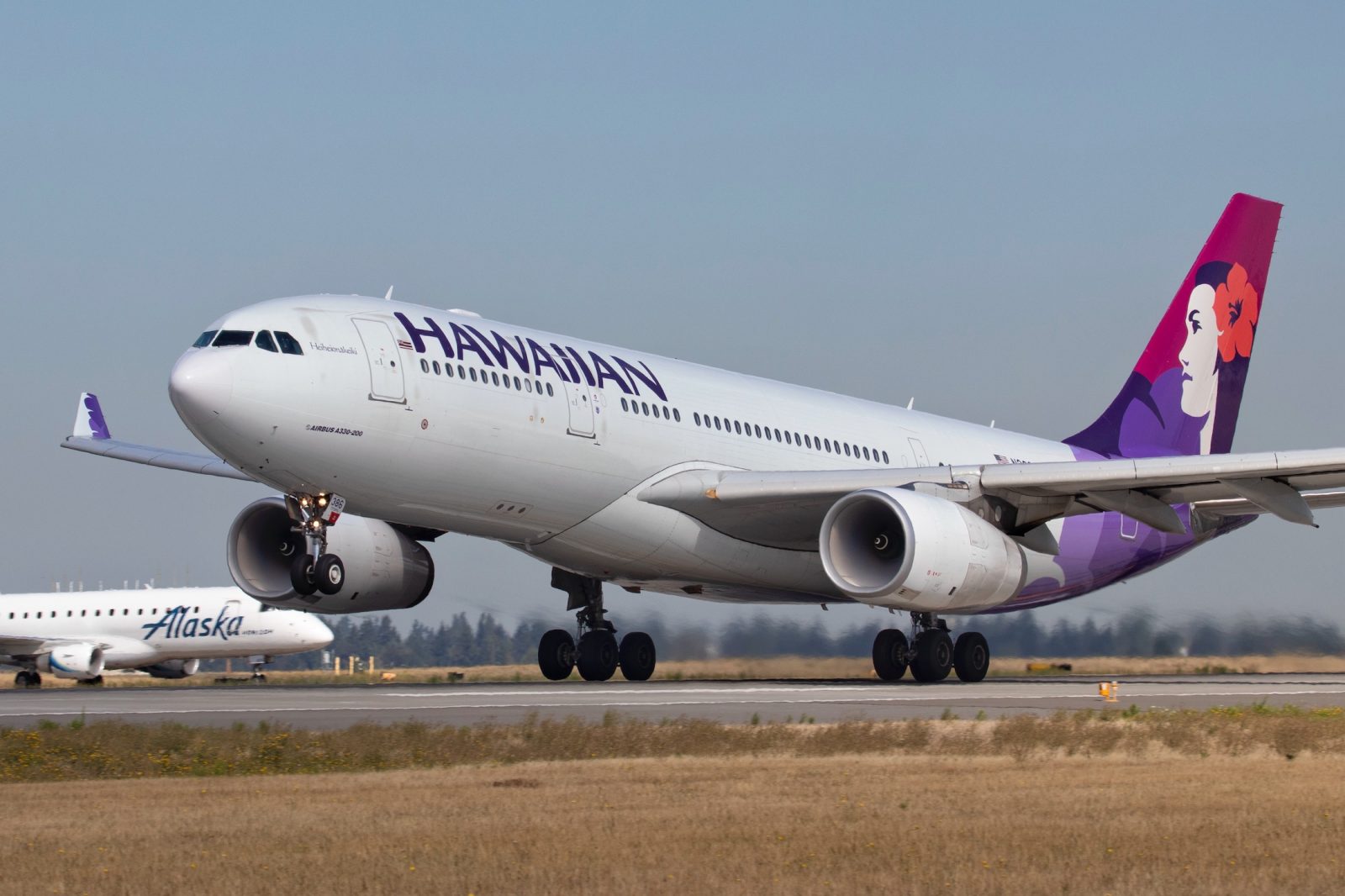
A Hawaiian A330-200 in Seattle. (Photo: AirlineGeeks | Katie Zera)
The recently-merged Alaska and Hawaiian have started coordinating schedules in recent weeks. In its latest network shake-up, Alaska will deploy Hawaiian’s widebody aircraft on long-haul flights from its Seattle hub.
According to Ishrion Aviation, the first such service will be Seattle to Tokyo Narita, with Hawaiian operating the route on an Airbus A330-200. The daily service is slated to begin on May 12, 2025.
In addition, the airline will begin flights from Seattle to Seoul in October 2025.
While Alaska has shared plans to keep the two airlines’ brands separate, their fleets may be used interchangeably on some routes. Before the merger, Hawaiian’s long-haul operations were confined to its namesake state with flights to the U.S. Mainland, Asia, and Oceania.
Ryan founded AirlineGeeks.com in February 2013 and has spent more than a decade covering the airline business. His work has been featured by CNN, WJLA, CNET, and Business Insider. His aviation experience spans airport operations, Part 135 regulatory compliance, and airline crew workforce planning, along with time behind the yoke of a Cessna 172 and interviews with airline executives. Ryan now serves as Group President of Firecrown Media’s Aviation Group. He holds a B.S. in Air Transportation Management and an MBA from Arizona State University and teaches Airline Management at Embry-Riddle Aeronautical University.
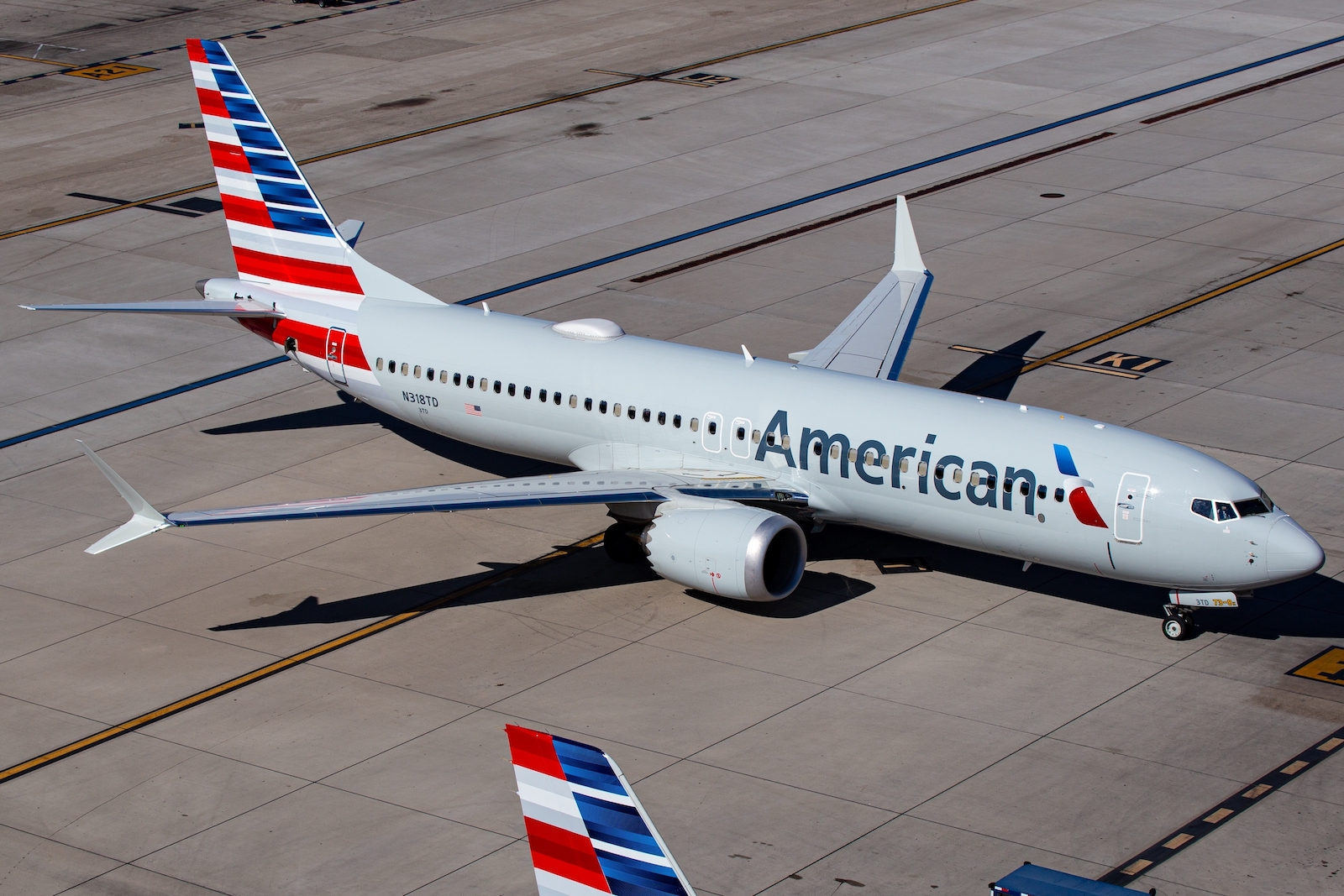
An American Airlines Boeing 737 MAX 8. (Photo: Shutterstock | Wenjie Zheng)
American Airlines has indefinitely suspended daily service between Miami and Haiti after an aircraft was struck by a bullet last month.
The airline had suspended flights to Port-au-Prince until Feb. 12 after the incident but announced this week that it would suspend all flights until further notice. The Federal Aviation Administration on Nov. 12 prohibited all U.S. airlines from flying to Haiti for 30 days.
“American has made the difficult decision to suspend daily service between Miami (MIA) and Port-au-Prince, Haiti (PAP),” a spokesperson from the carrier said in a statement. “We are proud of our more than 50-year-commitment to Haiti and we will continue to monitor the situation, assessing safety, security, and customer demand, in evaluating a return of service. We will proactively reach out to impacted customers to offer a full refund of their travel itinerary.”
The airline had operated one daily flight on a Boeing 737 MAX 8 between Miami International Airport and Aeroport International Toussaint Louverture until the incident.
The United Nations temporarily suspended flights to the country, which limited humanitarian aid. Operations at PAP were suspended through at least Wednesday.
The shootings occurred during turmoil and violence in the wake of the country swearing in a new prime minister.
The U.S. Embassy in Haiti cancelled all visa appointments on Dec. 5 until further notice “due to continued violence throughout Port-au-Prince and near the U.S. Embassy.” The Embassy urged Americans to not travel to Haiti, to avoid crowds and to keep a low profile if already in the country.
Brinley Hineman covers general assignment news. She previously worked for the USA TODAY Network, Newsday and The Messenger. She is a graduate of Middle Tennessee State University and is from West Virginia. She lives in Brooklyn with her poodle Franklin.
Aeroflot to Harvest Parts From Freighters Amid Sanctions
Russian airline Aeroflot plans to scrap five Boeing 737-800BCF cargo jet for parts to outfit commercial passenger aircraft amid ongoing sanctions.
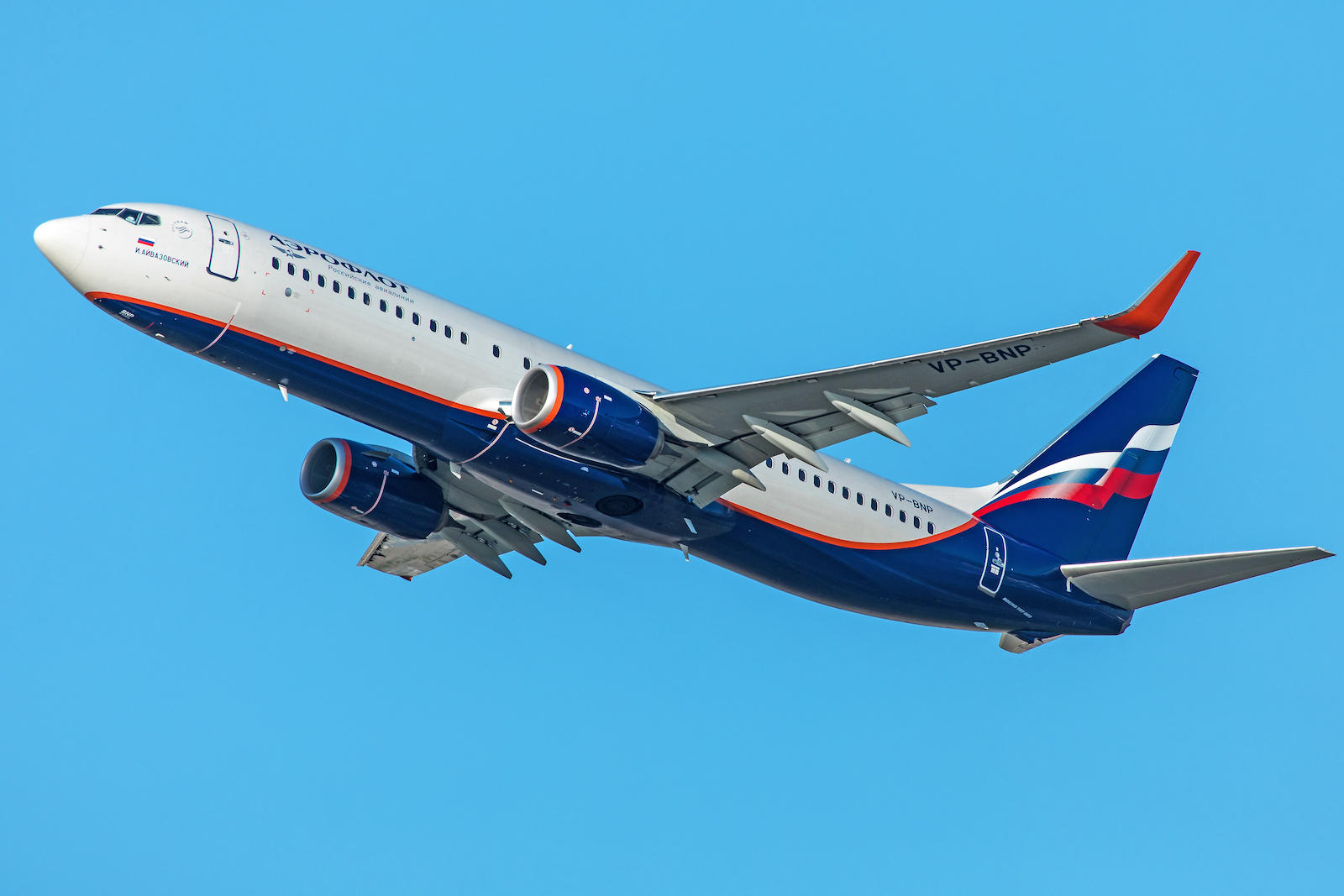
An Aeroflot Boeing 737-800. (Photo: AirlineGeeks | William Derrickson)
Russian airline Aeroflot plans to scrap five Boeing 737-800BCF cargo aircraft for parts to outfit commercial passenger jets amid ongoing sanctions, according to a report by Russian news agency Kommersant.
Kommersant reported Friday that Aeroflot is primarily interested in the engines, landing gear racks, avionics, and other components of the Boeing jets, which are roughly valued at around $80 to $90 million altogether.
The aircraft were acquired from Irish lessor AerCap through one of several “insurance settlements” now being used by Russian airlines to indirectly purchase leased Western-origin aircraft.
Crippling Sanctions
A Wilson Center analysis stated that as of the start of February 2022, over 80% of the fleet of the twenty largest Russian airlines – accounting for 97% of all passenger traffic – consisted of foreign-origin aircraft.
U.S. and European-imposed sanctions on Russia following the invasion put sweeping export controls on items related to the aviation industry and their required licenses, according to an analysis by Pillsbury’s Global Trade and Sanctions Blog.
Russian news agency Izvestia reported in November that 36 small and medium-sized airlines providing 26% of passenger traffic within Russia may go bankrupt in 2025 due to debts from leasing foreign aircraft.
The Russian government will let carriers write off their debts in 2025, but these amounts will still be subject to a 25% income tax. Izvestia reported that Russia’s Association of Air Transport Operators is working with airlines on amendments to this tax code to protect carriers from potential bankruptcies.
An Aeroflot A321 in London (Photo: AirlineGeeks | William Derrickson)
No Give-Backs
Sanctions by Western nations banned exporting all aircraft and parts to Russia and saw international lessors like AerCap terminate their leasing agreements with Russian airlines. But Russian carriers were able to hold on to over 500 leased airplanes when the state banned exporting foreign-owned jets outside of the country.
These airlines survived on government subsidies until the state switched its strategy and began buying the leased aircraft outright through a legal loophole in 2023.
“Although the sanctions prohibited such transactions, resourceful Russian lawyers found a loophole and turned the buyout into an insurance settlement,” the Wilson Center analysis stated. “By the end of 2023, Russia had bought 150 airplanes out of more than 500 required to be returned. Aeroflot accounted for more than half of the purchased planes. Negotiations on further ‘insurance settlement’ of the situation around the leased aircraft are reportedly ongoing.”
AirlineGeeks.com was founded in February 2013 as a one-person blog in Washington D.C. Since then, we’ve grown to have 25+ active team members scattered across the globe. We are all here for the same reason: we love deep-diving into the fascinating realm of the airline industry.
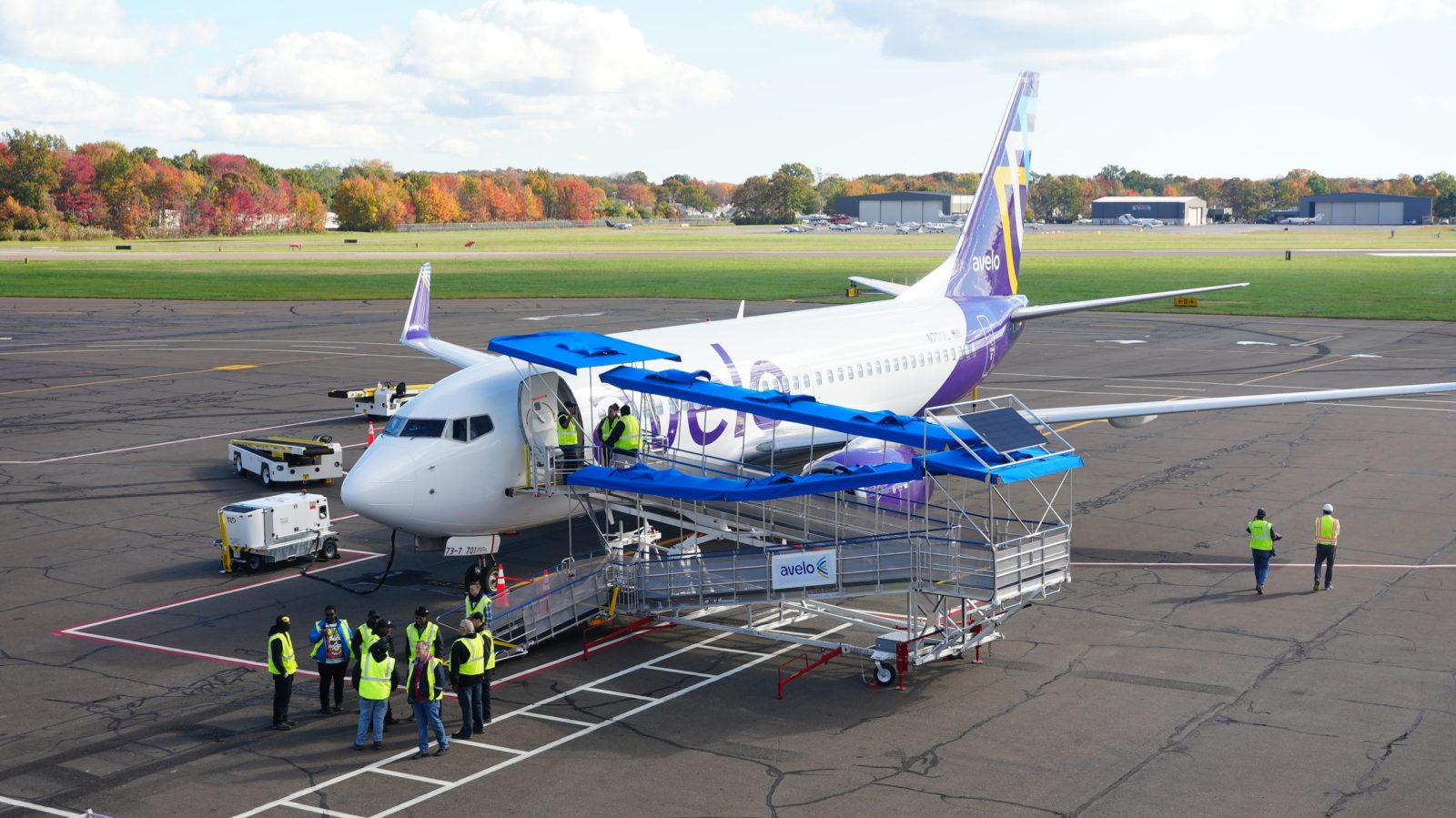
An Avelo Airlines Boeing 737-700 at Tweed-New Haven. (Photo: Avelo Airlines)
Avelo is expanding again with a handful of new destinations. The ultra-low-cost carrier – which began flying in 2021 – is set to add more routes from its New Haven, Connecticut, base in 2025.
According to Ishrion Aviation on Twitter/X, the airline will add four destinations, including Dallas/Fort Worth; Detroit; Jacksonville, Florida; and Portland, Maine. The new routes will operate from New Haven twice weekly.
Flights to Jacksonville begin on Feb. 15, 2025, and service to Dallas/Fort Worth kicks off on March 7. Detroit and Portland will begin on April 4 and May 22, respectively.
Last week, the carrier launched international flights from Bradley International Airport. It also opened two new bases in North Carolina.
Ryan founded AirlineGeeks.com in February 2013 and has spent more than a decade covering the airline business. His work has been featured by CNN, WJLA, CNET, and Business Insider. His aviation experience spans airport operations, Part 135 regulatory compliance, and airline crew workforce planning, along with time behind the yoke of a Cessna 172 and interviews with airline executives. Ryan now serves as Group President of Firecrown Media’s Aviation Group. He holds a B.S. in Air Transportation Management and an MBA from Arizona State University and teaches Airline Management at Embry-Riddle Aeronautical University.