In recent years, Hainan has also introduced several special liveries, including those featuring characters from the popular "Kung Fu Panda" film series.
A Hainan 787 Dreamliner in Los Angeles. (Photo: AirlineGeeks | William Derrickson)
Editor’s Note: AirlineGeeks is proud to present our ‘Livery of the Week’ series. Every Friday, a team member will share an airline livery, which can be from the past, present, or even a special scheme. Some airline liveries are works of art. The complexity associated with painting around critical flight components and the added weight requires outside-the-box thinking from designers. The average airliner can cost upwards of $200,000 to repaint, creating a separate aircraft repainting industry as a result.
Have an idea for a livery that we should highlight? Drop us a line.
Hainan Airlines, a major Chinese carrier, has long maintained a distinctive livery. The airline’s standard livery features a white fuselage with a red and yellow tail fin.
The red and yellow design symbolizes the cultural colors of the country’s Hainan Province, the airline’s home base. In addition, the carrier’s name is printed in red on the predominantly white fuselage.
In recent years, Hainan Airlines has also introduced several special liveries, including those featuring characters from the popular “Kung Fu Panda” film series.
The airline has a fleet of over 200 aircraft, including Boeing 787 Dreamliners, 737s, Airbus A320s, and A330s.
Looking for a new airplane model? Head over to our friends at the Midwest Model Store for a wide selection of airlines and liveries.
Ryan founded AirlineGeeks.com in February 2013 and has spent more than a decade covering the airline business. His work has been featured by CNN, WJLA, CNET, and Business Insider. His aviation experience spans airport operations, Part 135 regulatory compliance, and airline crew workforce planning, along with time behind the yoke of a Cessna 172 and interviews with airline executives. Ryan now serves as Group President of Firecrown Media’s Aviation Group. He holds a B.S. in Air Transportation Management and an MBA from Arizona State University and teaches Airline Management at Embry-Riddle Aeronautical University.
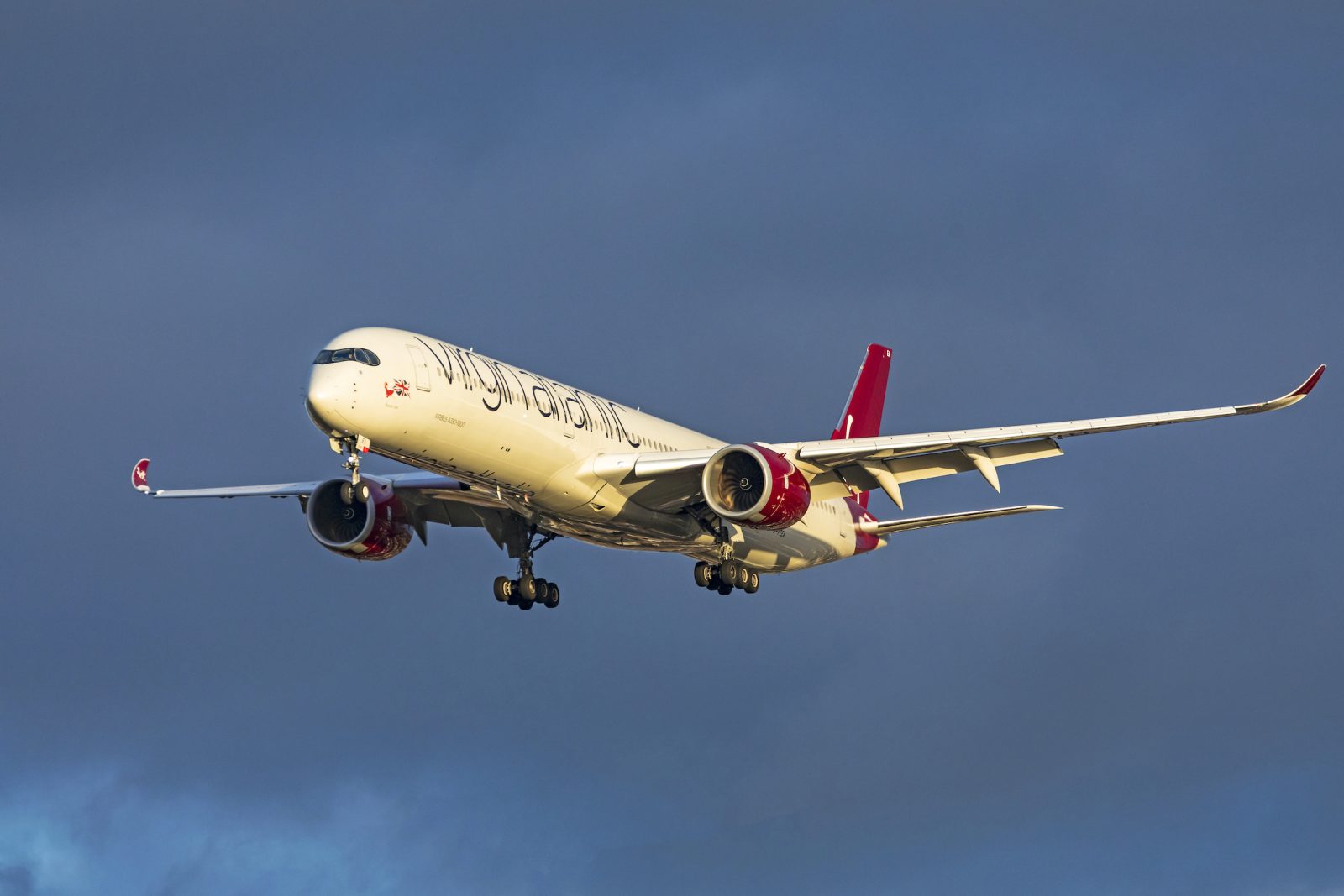
A Virgin Atlantic A350-1000. (Photo: AirlineGeeks | William Derrickson)
Virgin Atlantic announced on Friday that it will resume flights to Mexico with flights between London Heathrow and Cancun. The service will begin on Oct. 19, 2025, operating three times weekly.
The route will be the only nonstop flight between the two airports. British Airways and TUI Airways both serve Cancun from London Gatwick.
Flights will be operated by the airline’s 397-seat Airbus A350-1000, which includes 16 Upper Class seats. The route is scheduled to operate on Wednesdays, Fridays, and Sundays.
Virgin Atlantic last served Cancun in 2019 from London Gatwick.
“We’re delighted to be returning to Cancun, offering customers a new destination for some winter sun. Cancun has an amazing nightlife and dining scene, dreamy sandy beaches, plus it’s the perfect gateway to Mayan ruins and adventure travel in the region,” said Virgin Atlantic commercial chief Juha Jarvinen in a news release. “Our new route also offers increased connectivity to the region with our codeshare partner LATAM and SkyTeam partner Aeromexico. We can’t wait for more of our customers to enjoy Virgin Atlantic’s trademark fiesta and flair, on their way to Mexico.”
Tickets for the new London-Cancun route will go on sale Dec. 4, 2024.
Ryan founded AirlineGeeks.com in February 2013 and has spent more than a decade covering the airline business. His work has been featured by CNN, WJLA, CNET, and Business Insider. His aviation experience spans airport operations, Part 135 regulatory compliance, and airline crew workforce planning, along with time behind the yoke of a Cessna 172 and interviews with airline executives. Ryan now serves as Group President of Firecrown Media’s Aviation Group. He holds a B.S. in Air Transportation Management and an MBA from Arizona State University and teaches Airline Management at Embry-Riddle Aeronautical University.
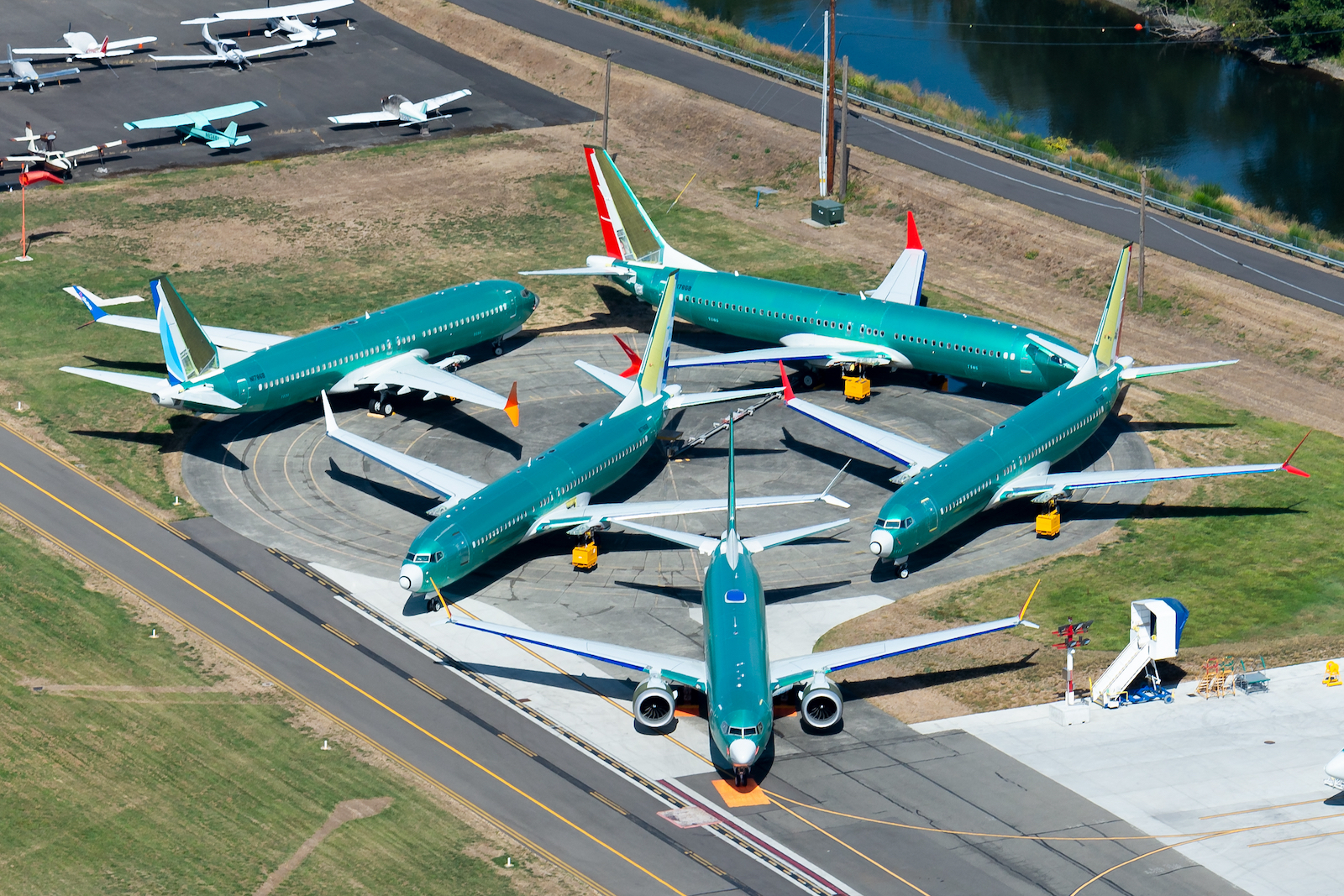
With the approval of a new contract, Reuters reported that Boeing will now take weeks to continue producing 737s in the single digits per month range for some time, citing two unnamed sources briefed on the matter.
The company was aiming to produce 38 of its best-selling jets per month prior to the strikes, down from 42 a month before January’s Alaska 1282 incident.
Another Reuters report on Thursday stated that the Federal Aviation Administration will increase its oversight of Boeing as the aerospace giant resumes production. The report said that FAA Administrator Mike Whitaker spoke with Boeing CEO Kelly Ortberg this week emphasizing that Boeing should use its system for managing safety risks.
A Boeing spokesperson told AirlineGeeks the company will have more to share in the coming days when asked how long it may take for Boeing to ramp up its 737 production.
Boeing delivered 92 737s in Q3 2024, bringing the total to 229 year to date. Its competitor, Airbus, announced in its Q3 earnings report that it aims to produce 75 A320-series jets per month by October 2027.
AirlineGeeks.com was founded in February 2013 as a one-person blog in Washington D.C. Since then, we’ve grown to have 25+ active team members scattered across the globe. We are all here for the same reason: we love deep-diving into the fascinating realm of the airline industry.
Ultimate Home Flight Simulator Setup for Airline Pilots
Unlock the secrets to creating an advanced flight simulator setup for airline pilots. This guide is perfect for aviation professionals looking for detailed hardware and software recommendations.
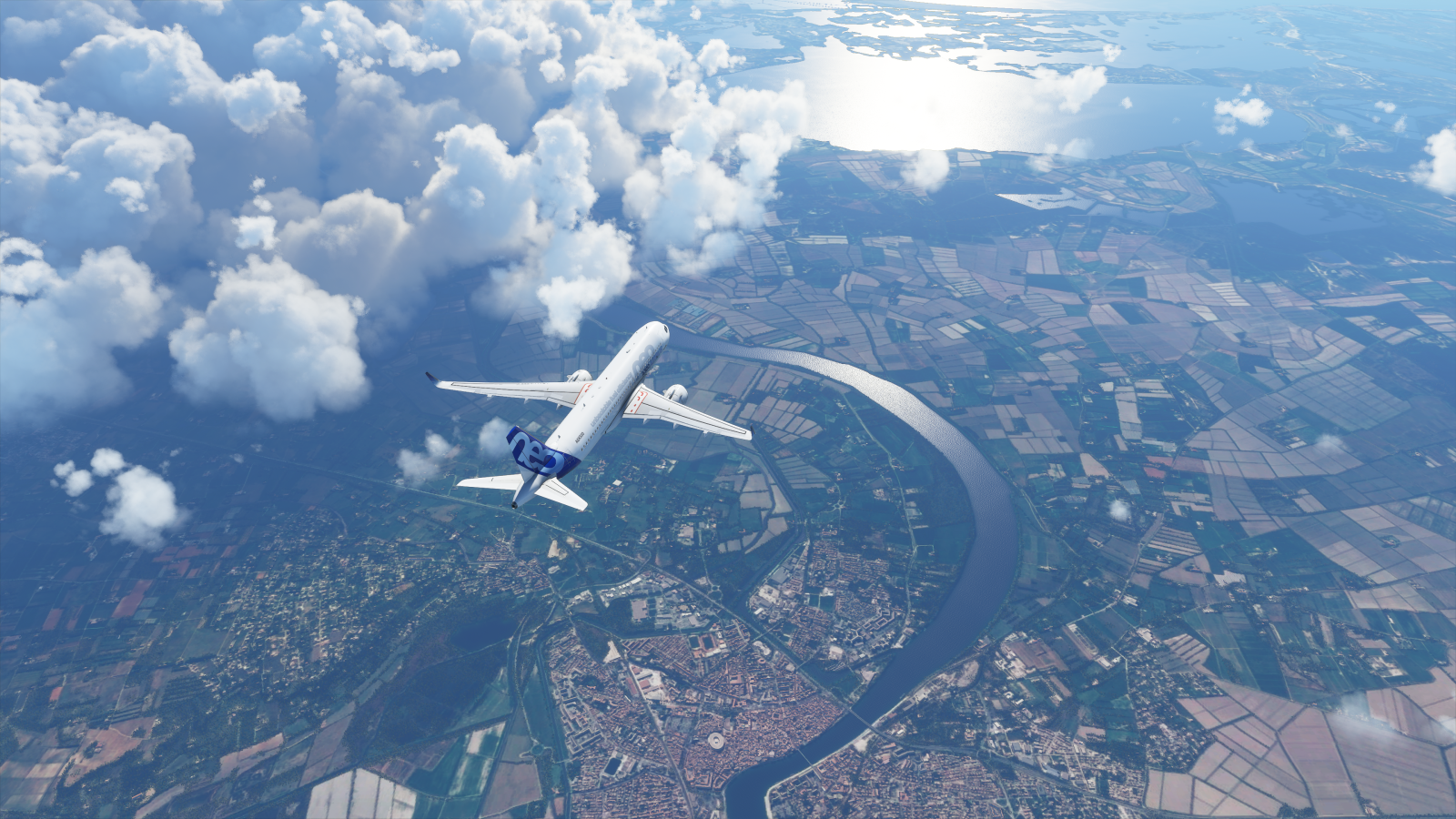
Microsoft Flight Simulator 2020 A320 in flight (Photo Courtesy of Microsoft Flight Simulator 2020)
Flight simulators have become an essential tool in modern aviation training, offering unparalleled opportunities to hone flying skills in a controlled and safe environment. These sophisticated systems are designed to mimic real-world flying, providing pilots with a realistic platform to practice everything from routine operations to handling unexpected emergencies.
Airlines, flight schools, and training centers are notorious for utilizing training devices to perfect the skills of their pilots, without the risks associated with actual flights. However, access to these devices can be a challenge, as most training establishments are limited in offering these tools to their pilots, outside of their scheduled flight training.
This limited availability creates a gap that can be effectively filled with a home flight simulator. By setting up a realistic home-based simulator, airline pilots can maintain proficiency, prepare for recurrent training, and explore unfamiliar aircraft types for new ratings in their own homes and on their own time, increasing their confidence and capability.
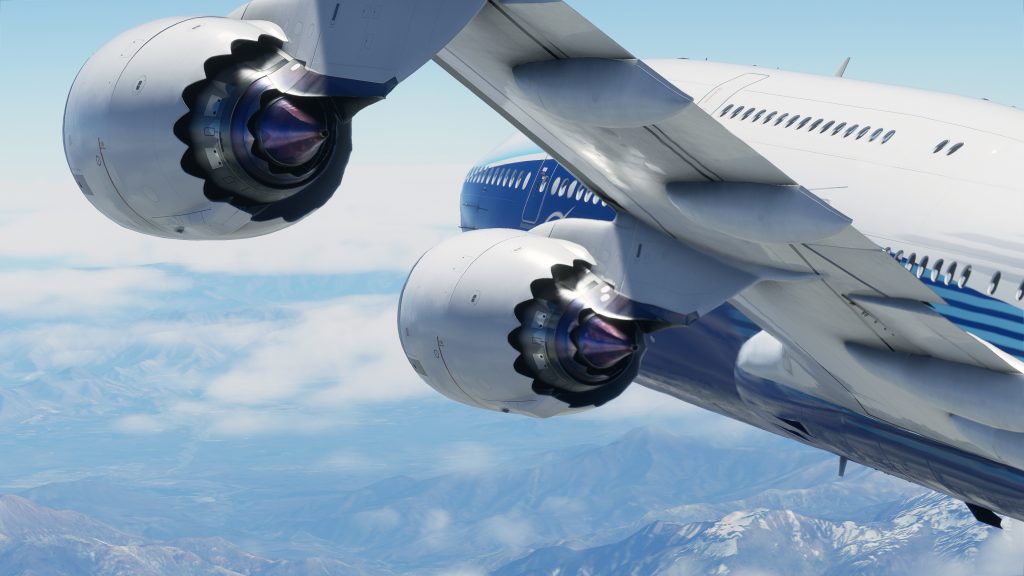
Microsoft Flight Simulator 2020 B747 in flight (Photo Courtesy of Microsoft Flight Simulator 2020)
Quick Look: The Ultimate Home Flight Simulator Setup for Airline Pilots
Essential Components of the Ultimate Home Flight Simulator Setup
A comprehensive flight simulator setup for airline pilots comprises several essential hardware and software components that play a pivotal role in creating an immersive andeffective training environment.
Best flight simulator software
TheMicrosoft Flight Simulator 2024 – Aviator Edition is the ultimate flight simulator software package for professional pilots. With a vast array of dynamically generated missions, users can explore various facets of an aviation career, such as medevac operations, search and rescue missions, aerial firefighting, and passenger transport. Moreover, its groundbreaking flight planner offers comprehensive support for both IFR and VFR map layers, along with sophisticated tools for route planning, fuel management, and payload optimization, making pre-flight preparations as close to reality as possible. Adding to its appeal, the simulator provides access to the largest fleet of aircraft ever available in a home setup, including 30 Microsoft-published Marketplace aircraft developed between 2021 and 2024.
Price: $199.99
Best flight simulator computer
DogHouse Systems and FLYING partnered to create the ultimate, high-end, turn-key flight sim PC with thisDogHouse Systems Flying Edition Gaming Desktop. Everything needed to get solid performance with Microsoft Flight Simulator 2024 – Aviator Edition andX-Plane 12 is built into this gaming PC. Comprehensive customization of this rig is available, including processing power, increased memory, and added storage. The key specifications include:
Processor: Intel Core i7-14700K 20 Cores/28 Threads 3.4 GHz Max Turbo 5.60 GHz or Intel Core i9-14900K 24 Cores/32 Threads 3.0 GHz Max Turbo 6.0 GHz
Graphics card: MSI GeForce RTX 4080 Super (16GB GDDR6)
Storage: 1-4TB Kingston KC3000 PCIe4.0 NVMe SSD for slot 1; 1-4TB Kingston SSD SKC3000S KC3000 PCIe4.0 NVMe for slot 2
Price: Starting at $3,695
Best flight simulator monitor
The SAMSUNG 49-inch Odyssey G93SC Series OLED Curved Gaming Monitor is a top-tier choice for advanced users seeking to elevate their flight simulation experience. The 49-inch Dual QHD screen offers an ultrawide display that mimics the sensation of a cockpit, further enhanced by the 1800R curvature that wraps around the user’s field of vision. The integration of AMD FreeSync Premium Pro ensures synchronized frame rates and the swift 240Hz refresh rate delivers fluid, stutter-free graphics vital for fast-paced aerial maneuvers. With an extraordinary 0.03ms response time, users experience hyper-fast responsiveness, reducing motion blur during flight sequences.
Regarded as the King of Flight Sim Rigs, the TR8 Pro Flight Simulator stands out for its unmatched quality and user-friendly assembly process. This rig is built with a two-inch industrial strength iron base, ensuring exceptional durability and stability. It offers a fully adjustable angle pedal mount with a distance slider, providing flexibility and precision for refined control. The premium seat sliders and bucket seat mounting brackets are engineered for comfort, allowing users to find the perfect seating position for long simulation sessions. Moreover, the integrated monitor stand further enhances the immersive experience by accommodating your display setup. The design includes a left/right mounting gear shifter and an adjustable wheel mount that allows angle, slide, and height adjustments to suit any pilot’s unique needs.
Price: Starting at $799
Best flight simulator avionics
The RealSimGear G1000 NXi Suite is a high-quality, ultra-realistic hardware interface for an at-home flight simulator, designed to replicate the avionics system found in real airplane cockpits. This suite includes the G1000 NXi Primary Flight Display (PFD), Multi-Function Display (MFD), and GMA audio panel. Each display features a dedicated IPS 10.4-inch wide-view angle high-quality HDMI display and backlit buttons. The system provides seamless connectivity to any PC via USB and HDMI cables, coming pre-loaded with RealSimGear drivers for an effortless plug-and-play operation. Compatible with prominent simulation software like X-Plane v11/12 (Windows only, not compatible with Mac versions) and Microsoft Flight Simulator (MSFS) 2020 (excluding the Xbox version), the G1000 suite is incredibly versatile. Furthermore, the suite offers flexibility in installation; it can be easily mounted into an existing panel or utilized with theRealSimGear desktop stand.
Price: $3,097
Best flight simulator flight controls
The Thrustmaster TCA Yoke and Throttle Pack – Boeing Edition is a flight sim yoke and throttle system officially licensed by both Boeing and Xbox, designed to work seamlessly with Xbox One, Xbox Series X|S, and PC. This precision-engineered pack’s cutting-edge features replicate the different controls, flight kinematics, and sensations experienced by real Boeing pilots. The flight yoke is built with a pendular suspension mechanism that mimics the feedback and resistance found in actual cockpits, providing realistic input and reaction. Furthermore, the throttle quadrant boasts a double lever system and a variety of programmable buttons, ensuring customizable controls that suit the individual needs of any pilot.
The Thrustmaster TCA Sidestick and Throttle Pack – Airbus Edition is an exemplary piece of flight simulator hardware, replicating with precision the actual Airbus joystick and throttle quadrant. Carefully licensed for Xbox Series X|S and compatible with PCs, this system boasts a remarkable degree of flexibility crucial for diverse flying tasks. Featuring 14 remappable action buttons, the system allows users to customize their controls extensively, adapting the setup to fit different flight simulation scenarios and airplane models effortlessly.
Price: $299.99
The Thrustmaster TPR Pedals incorporate a revolutionary rudder mechanism that features the exclusive Thrustmaster Pendul_R Technology. This unique, suspended mechanism ensures smooth and fluid movements, allowing pilots to experience realistic rudder control that mimics actual flight conditions. In conjunction with high-quality magnetic sensors, these pedals deliver exceptional precision, offering perfect accuracy even for minor adjustments.
Price: $599.99
Additional Accessories for the Ultimate Flight Simulation Experience
In addition to the must-have software and hardware accessories for the ultimate flight simulator setup, the following high-tech add-ons can take your virtual flying experience to the next level.
Best sound system
The Q Acoustics M20 Bluetooth Speakers provide immersive high-resolution stereo sound that truly enhances the flight simulation experience. Designed with precision, the speakers feature a 0.875-inch Dome Tweeter and a five-inch Woofer, delivering a rich frequency response ranging from 55Hz to 22kHz. Equipped with a powerful 128-watt RMS Integrated Amplifier, these speakers can fill a room with expertly balanced audio. The built-in Bluetooth 5.0 supports aptX HD, enabling seamless high-resolution audio streaming at up to 24-bit/48kHz, while the USB connection allows for an impressive max sample rate of 24-bit/192kHz, affording users incredible sound detail. With versatile input options including Optical, RCA line-level, Aux, USB Type B, and Subwoofer output, the Q Acoustics M20 adapts easily to various audio sources.
Price: $499
Best virtual reality system
Users can effortlessly dive into full immersion with the Meta Quest 3, bringing their flight simulator experience to life with stunning clarity. The brilliant 4K resolution, coupled with rich spatial audio, creates an environment where users feel as though they’re truly soaring through the virtual skies. Adding to the immersive appeal, the innovative Infinite Display technology on this device offers the widest field of view available in any Quest headset, ensuring users won’t miss a single detail of the action unfolding around them.
Price: $499.99
Best head tracking system
Bringing an entirely new dimension to your flight simulation setup, the TrackIr 5 Head Tracking System and Clip Bundle is a cutting-edge device that allows you to put your head in the game and take your PC gaming to astonishing new levels of realism and immersion. With the precision of infrared tracking, this system accurately detects your head movements, enabling you to control your in-game perspective simply by turning your head. This is made possible with unparalleled accuracy, capturing every twist and tilt with a 51.7-degree field of view and a remarkable 9-millisecond response time.
Price: $175
Best haptic pad
TheNext Level Racing Haptic Feedback Gaming Pad allows users to feel the flight simulation experience with advanced haptic immersion at an affordable price. Eight individual vibration motors offer a heightened level of haptic immersion, ensuring every bump and motion feels incredibly realistic. With the versatility of the 3.5 mm audio jack, the pad can seamlessly connect with a wide array of gaming consoles. Additionally, the pad’s universal design caters to a variety of chair styles, from gaming chairs to flight sim seats.
Price: $178.73
Let’s Maximize the True Potential of Your Flight Simulator Setup
To truly unlock the full capabilities of your flight simulator setup, it’s crucial to focus on both the integration of essential software and hardware components, as well as the customization of your environment. By meticulously arranging and fine-tuning these elements, you can create a realistic training setup that not only elevates your skills but also brings a deeper level of immersion and satisfaction to every virtual flight.
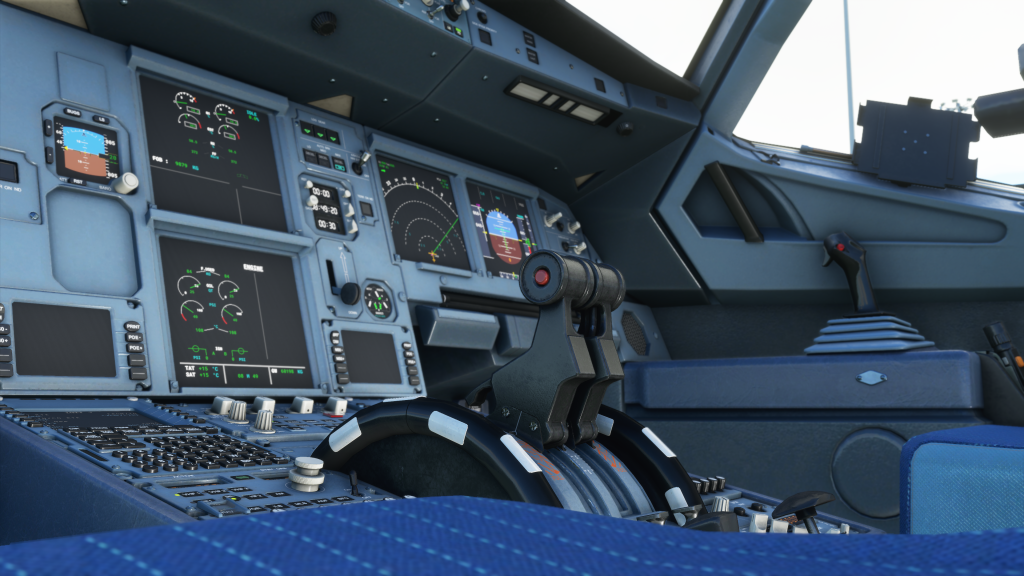
Microsoft Flight Simulator 2020 Airbus flight deck (Photo: Microsoft Flight Simulator 2020)
FAQ
What is the most realistic flight simulator for pilots?
Microsoft Flight Simulator 2024 and X-Plane 12 are the most realistic flight simulator software for pilots.
Is a flight simulator good for pilots?
Yes, flight simulators have become an essential tool in modern aviation training, offering unparalleled opportunities for pilots to hone their flying skills in a controlled and safe environment.
How much does it cost to set up a flight simulator?
The cost of setting up a flight simulator can vary significantly depending on the complexity and components involved. Entry-level setups might only require a few hundred dollars to assemble a modest, yet functional simulator. The price, however, increases to a range of $1,000 to $3,000 for intermediate setups. For avid enthusiasts or professionals looking for the ultimate flight simulation experience, high-end systems can surpass the $5,000 mark.
What do I need for a flight simulator setup?
A flight simulator setup requires reliable software, computer, monitor, seat and frame, flight controls, and avionics. To take the flight simulator setup to the next level, additional accessories such as a sound system, virtual reality system, head tracking system, and haptic pads may also be incorporated.
AirlineGeeks.com was founded in February 2013 as a one-person blog in Washington D.C. Since then, we’ve grown to have 25+ active team members scattered across the globe. We are all here for the same reason: we love deep-diving into the fascinating realm of the airline industry.
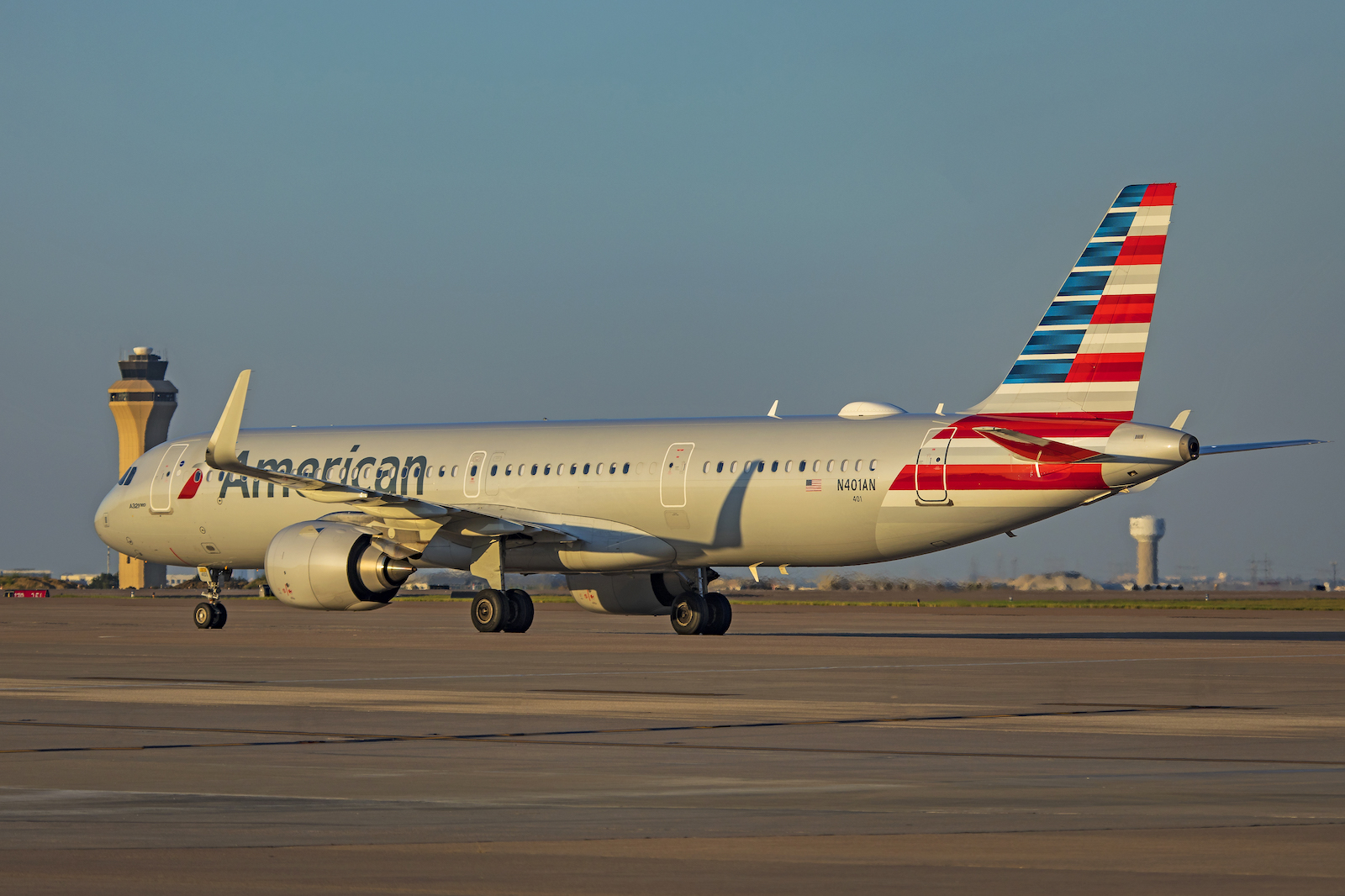
An American A321neo aircraft at Dallas/Fort Worth (Photo: AirlineGeeks | William Derrickson)
American plans to expand seasonal capacity in Anchorage, Alaska, adding more seats on a year-over-year basis. Starting in July, the Fort Worth, Texas-based airline will also exclusively serve the city with Airbus A321neo aircraft.
As first noted by Aeroroutes, the carrier will fly the 196-seat Airbus jet on the seasonal Chicago-Anchorage route, replacing the smaller Boeing 737 MAX 8. The aircraft change will take effect on July 5, 2025, and end on Sept. 2.
During this period, American will increase capacity between the continental U.S. and Alaska by 2% year over year, according to Cirium Diio schedule data. The airline also serves Anchorage from its Dallas/Fort Worth hub year-round, also with A321neo aircraft.
Previously, the carrier flew between its Phoenix hub and Anchorage, but it ended the route in 2022. American’s Oneworld Alliance partner Alaska Airlines also serves Chicago-Anchorage and Phoenix-Anchorage.
Ryan founded AirlineGeeks.com in February 2013 and has spent more than a decade covering the airline business. His work has been featured by CNN, WJLA, CNET, and Business Insider. His aviation experience spans airport operations, Part 135 regulatory compliance, and airline crew workforce planning, along with time behind the yoke of a Cessna 172 and interviews with airline executives. Ryan now serves as Group President of Firecrown Media’s Aviation Group. He holds a B.S. in Air Transportation Management and an MBA from Arizona State University and teaches Airline Management at Embry-Riddle Aeronautical University.
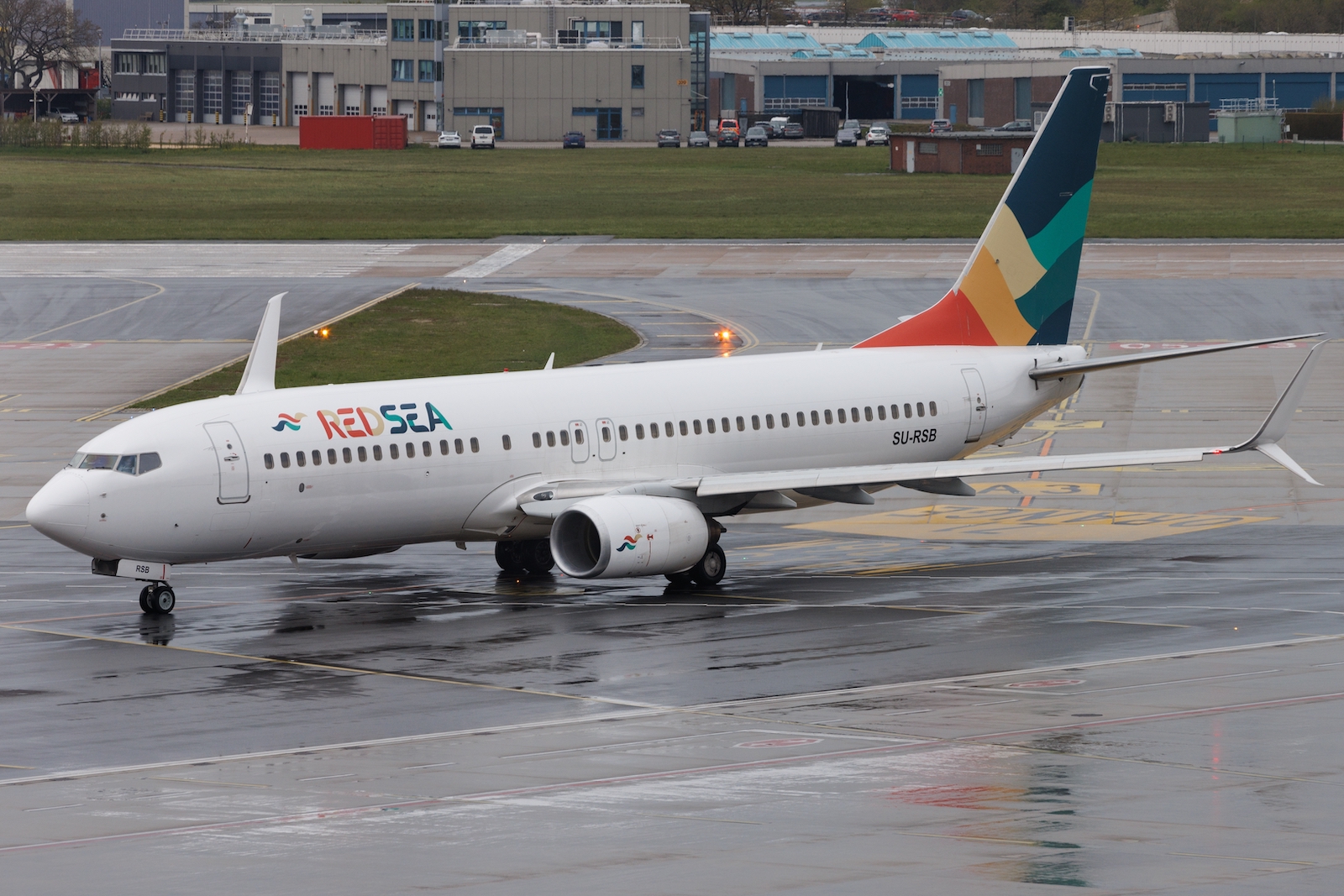
A Red Sea Airlines 737 (Photo: Shutterstock | Kevin Hackert)
Fokker Services Group (FSG) has brought one of Egypt’s newest carriers, Red Sea Airlines, into its Boeing 737NG Nose-to-Tail (NTT) program, which provides a broad array of component exchange services for the airline’s 737 fleet. The announcement was made on Oct. 16, 2024, at the MRO Europe event held in Barcelona.
In their statement, FSG emphasized their commitment to supporting the expanding fleet of Red Sea Airlines. According to FSG, this partnership will ensure uninterrupted fleet operations, contributing to the airline’s ongoing growth. The NTT program includes services for various components such as Integrated Drive Generators (IDGs), engine accessories, hydraulic actuators, valves, cockpit controls, and other essential parts.
Hazem Soltan, technical services and contract manager at Red Sea Airlines, said, “FSG has proven to be the reliable and adaptable partner we needed to guarantee component availability for our high-demand business model. We are confident that this partnership will be instrumental in supporting our growth strategy.”
FSG’s vice president of Sales and marketing, Leon Kouters, also commented on the deal, stating, “We are committed to delivering excellence in the Boeing 737NG aftermarket. Our expertise in design, production, and maintenance will continue to drive the success of this program. It is an honor to have Red Sea Airlines, our first Egyptian partner, join us in this endeavor.”
Red Sea Airlines began operations in September 2022, primarily offering non-scheduled passenger services. The airline currently serves a variety of international destinations, including Almaty, Astana, Bishkek, Chisinau, Copenhagen, Dubai, Katowice, Ljubljana, Madrid, Naples, Paris, Tashkent, Verona, and Yerevan.
In January 2024, Red Sea Airlines achieved IOSA certification. Additionally, the airline joined the International Air Transport Association (IATA) in April this year, becoming the ninth airline to do so this year, following other new members such as Madagascar Airlines, Air Hongkong, Clic Air, Himalayan Airlines, Discover Airlines, Aeroitalia, Greater Bay Airlines, and KM Malta Airlines.
At the Egypt International Airshow, held from Sept. 3-5, 2024, at El Alamein International Airport, Ahmed Mohamed El-Gendy, ground operations director for Red Sea Airlines, revealed to Times Aerospace that the airline had recently leased two additional Boeing 737-800 aircraft. These aircraft will bolster the airline’s existing fleet of three Boeing 737-800s, all configured with 189 seats.
With these new aircraft, Red Sea Airlines is set to expand its route network, with a particular focus on increasing services to Western Europe and the Middle East.
Victor Shalton's love for aviation can be traced to when he was 11-years-old. As a seasoned aviation writer, he takes pride in providing the best aviation coverage around the globe and is passionate about advancing his skills in the aviation space. In addition, he loves travelling, writing, arts and while his speaking engagements have taken him around the world, he is proud to call Nairobi home.
As more labor disputes continue to heat up and other agreements become amendable, Trump's response will set the tone for the GOP’s evolving union stance.
President Trump meets with airline CEOs about the COVID-19 pandemic. (Photo:
The White House from Washington, DC, Public domain, via Wikimedia Commons)
But, amid many ongoing airline labor disputes and an ever-evolving GOP position toward unions, a lot of questions remain on both sides of the bargaining table. Several groups remain in talks over new collective bargaining agreements, some of which are under National Mediation Board oversight.
Although the federal agency is officially independent, its board members are nominated by the president. The current three-person board is made up of two Democrats and a single Republican, all of whom have terms expiring during Trump’s upcoming presidency.
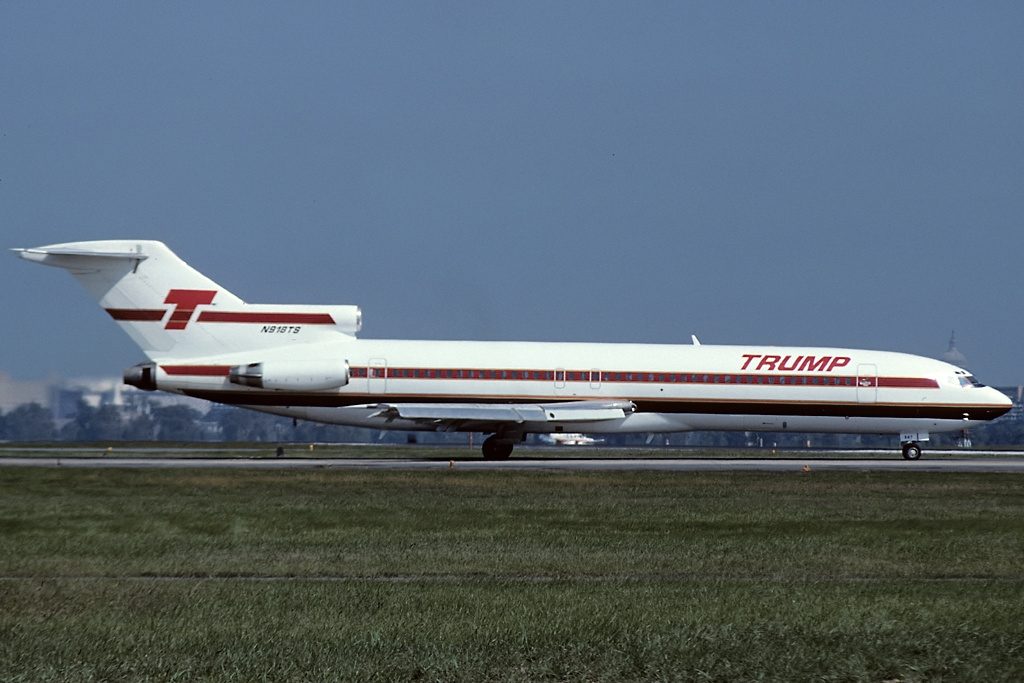
A Trump Shuttle 727 at DCA (Photo: Felix Goetting [GFDL 1.2 (http://www.gnu.org/licenses/old-licenses/fdl-1.2.html) or GFDL 1.2 (http://www.gnu.org/licenses/old-licenses/fdl-1.2.html)], via Wikimedia Commons)
Uncertainty Ahead
While Biden was largely viewed as one of the most pro-union presidents in recent history, he stayed far away from labor disputes sanctioned by the Railway Labor Act, which also covers air carriers. As bargaining heats up and the RLA’s Section 6 bargaining process is incrementally exhausted, it puts the sitting president in an extreme bind.
On one side of the coin, releasing a party from federal mediation could put strain on the economy. Conversely, barring a union group from striking carries enormous political liability.
U.S. President Joseph Biden speaks as he kicks off the AFL-CIO’s annual Tri-State Labor Day Parade in Philadelphia, Penn. (Photo: Shutterstock | OogImages)
In these cases, Biden praised the outcomes but did little to actually broker deals at the bargaining table. The White House tried to keep these disputes at arm’s length to avoid political turmoil.
Things could be different under a Trump administration, though. Traditionally, Republican presidents have been unafraid to take a heavy-handed approach to aviation labor, with a prime example being Ronald Reagan’s mass firing of air traffic controllers in 1981.
A Changing Union Stance?
The jury might still be out on how the GOP is changing its stance on unions. Notably, Teamsters President Sean O’Brien gave a fiery speech at the Republican National Convention but stopped short of endorsing any candidate.
The Teamsters’ airline division represents about 80,000 aviation employees across trades, including pilots, flight attendants, and mechanics.
As the airline industry bounced back from the COVID-era demand trough, unions – namely pilots – had enormous bargaining power, with some securing pay increases well above 30%. Many of these agreements will reopen for negotiations during Trump’s second term.
Delta’s multibillion-dollar pilot agreement becomes amendable in December 2026, and both United and American will follow in 2027.
The Air Line Pilots Association, which represents the majority of U.S. airline pilots, came out with a statement on Wednesday congratulating Trump.
“ALPA stands ready to work with the president-elect and the newly elected Congress on continuing our country’s important efforts to keep flying safe and advancing the piloting profession,” the statement said.
As more labor disputes continue to heat up and other agreements become amendable, the Trump administration’s response will set the tone for the GOP’s evolving union stance.
Editor’s Note: This story was updated on Friday, Oct. 8, 2024 at 3:52 p.m. ET to add FedEx pilots who are still without an updated contract.
Ryan founded AirlineGeeks.com in February 2013 and has spent more than a decade covering the airline business. His work has been featured by CNN, WJLA, CNET, and Business Insider. His aviation experience spans airport operations, Part 135 regulatory compliance, and airline crew workforce planning, along with time behind the yoke of a Cessna 172 and interviews with airline executives. Ryan now serves as Group President of Firecrown Media’s Aviation Group. He holds a B.S. in Air Transportation Management and an MBA from Arizona State University and teaches Airline Management at Embry-Riddle Aeronautical University.
Which Airlines Are Hiring Aviation Maintenance Technicians?
Explore the rewarding career of aviation maintenance technicians with insights on education, training, and certification paths for aspiring technicians.
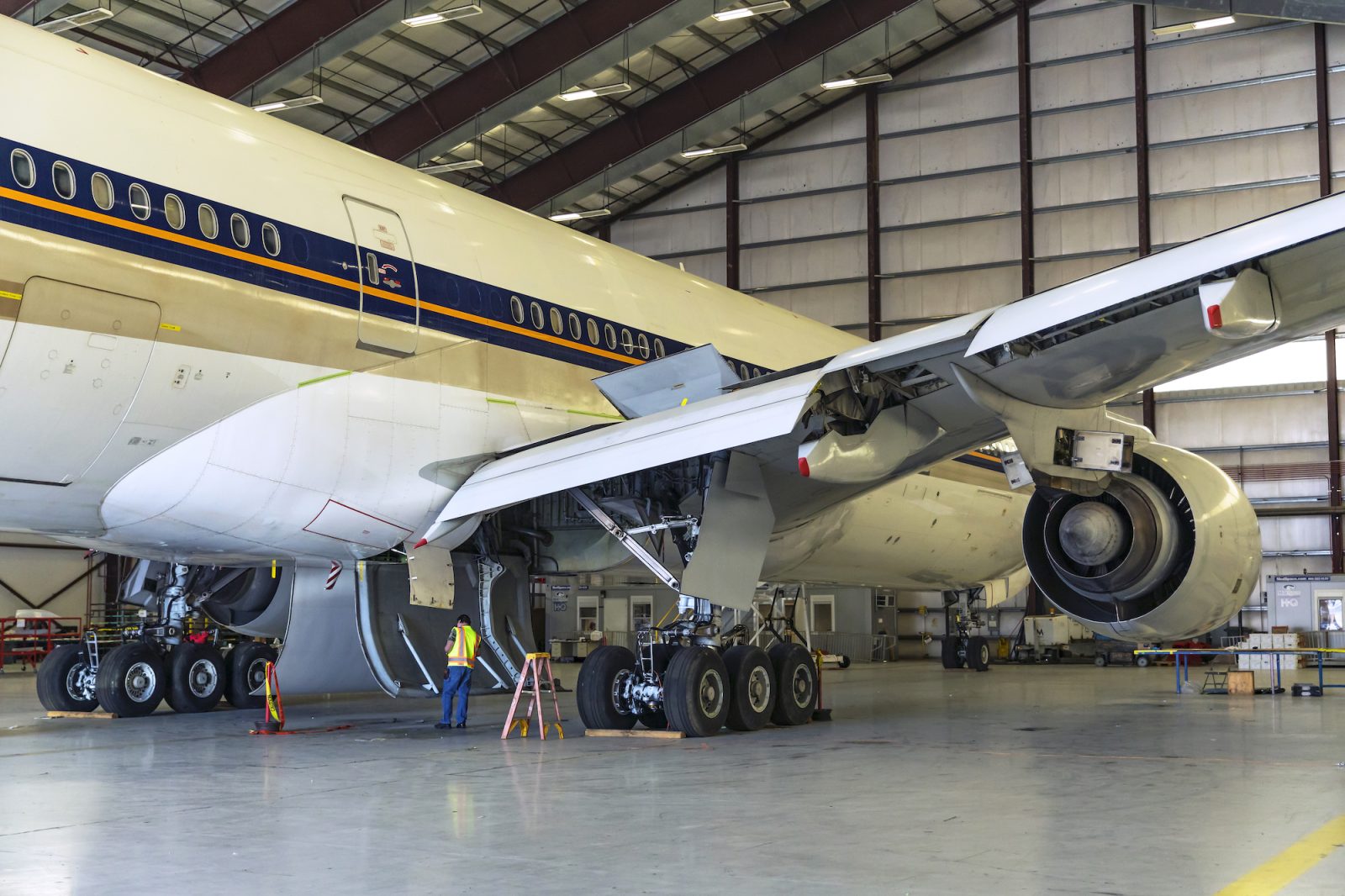
A mechanic works on a Boeing 777 in its hangar (Photo: AirlineGeeks | William Derrickson)
Aircraft Maintenance Technicians play a critical role in maintaining airplanes safety on a daily basis. Mechanics work tirelessly to make sure that discrepancies are resolved in an efficient and timely manner. They interact closely with flight crews, dispatchers, and ground handlers to ensure the best possible result for each flight.
Mechanics can take on a number of jobs in aviation. Some maintain aircraft at flight schools or travel with corporate flight departments to be accessible for repairs on the road. Just like pilots and cabin crews, many aspire to work for airlines, working on the biggest jets and most powerful engines. Airlines tend to pay their mechanics notably well in order to attract top talent.
Who is Hiring Mechanics?
The country’s biggest airlines are constantly hiring mechanics as they grow their fleets and expand operations. In fact, only a fraction of an airline’s aircraft are in the air at a time, as some aircraft must be on the ground for routine inspections or major repairs.
Delta is one such airline hiring across the country. Positions are open in multiple bases both for mainline Delta and regional partners such as Endeavor Air. American Airlines is also hiring maintenance technicians, and United Airlines is even hiring maintenance supervisors in several locations both in the U.S. and abroad.
Some foreign airlines also hire American mechanics at outstations across the U.S. This makes repairs and maintenance easier and cheaper than flying mechanics out or working with contractors. This is especially true in cities where these foreign airlines have significant operations, like New York, Los Angeles, Chicago, or Dallas.
How Much Do Mechanics Get Paid?
There is a wide range of salaries for A&P mechanics, but the median annual salary is $75,000. While the lowest starting salaries for mechanics in the U.S. are between $40,000 and $45,000, bigger airlines provide higher starting salaries; American Airlines, for example, starts at $67,000 for new mechanics. United pays mechanics upwards of $80,000 per year. The highest-paid mechanics can earn well over $110,000.
Many airlines also provide handsome signing bonuses worth at least $10,000 with extra for those with previous experience. Military experience can also be a plus, with some carriers giving preference to especially-experienced veterans.
How to Become a Mechanic
Prospective mechanics have two options to gain the certifications they need to join an airline. Many choose to go to a dedicated school, which can take between 24 and 30 months depending on the desired level of certification. Mechanics can also spend time working in an actual repair environment under the watchful eye of a certified mechanic before going in for exams.
Airlines tend to require certification to work on both Airframes and Powerplants. Mechanics certified for both are called A&P mechanics. There is additional training required to work on avionics. Eventually, mechanics can pursue their Inspector Authorization, which allows them to sign off on a wider range of inspections to release aircraft to service.
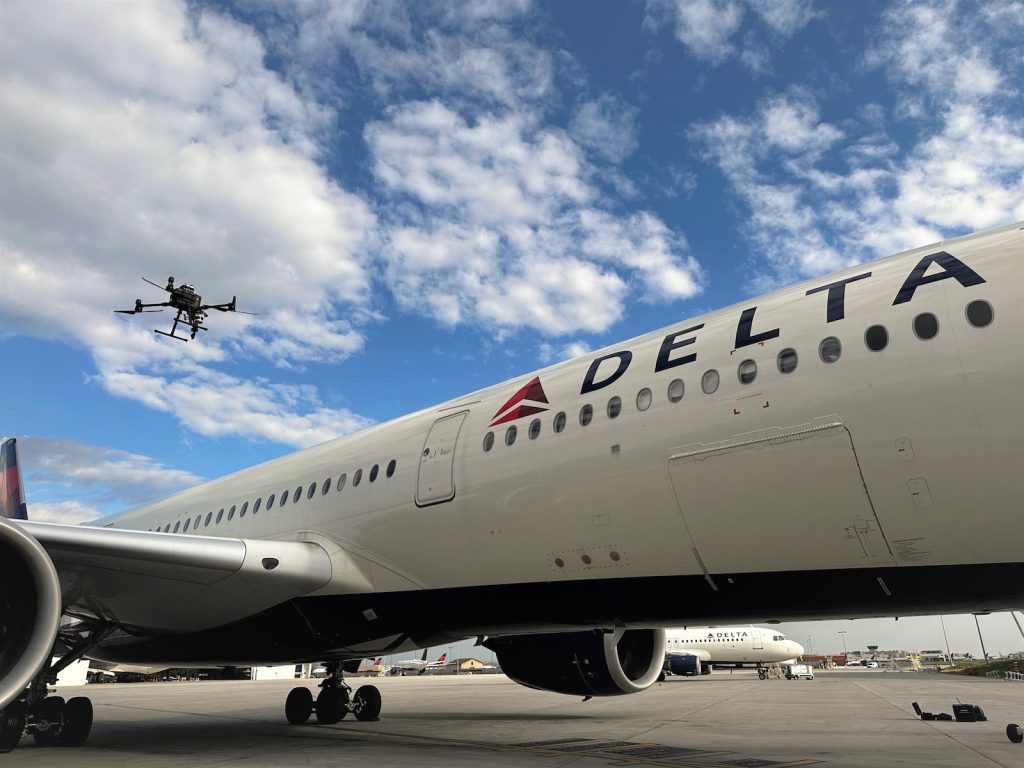
Delta is using drones for aircraft maintenance inspections. (Photo: Delta Air Lines)
In many cases, airlines have their mechanics specialize in a certain component to ensure expertise in that subject matter. Mechanics might, for example, work predominantly on engines, landing gear, or anti-ice systems so they can be intimately familiar with those topics. Some mechanics, however, do work the line doing routine inspections for aircraft waiting on flights later on.
Being a mechanic is a rewarding career. Maintenance technicians play a critical role in keeping aircraft flying safely and on time. From routine checks to line maintenance, mechanics are critical to smooth operations across the country.
John McDermott is a commercial pilot pursuing a career in professional flight. His passion for aviation began in an Ann Arbor bookstore with a tale of enemy pilots during World War 2, and he hasn't looked back. Besides flying and writing for AirlineGeeks, John volunteers with Professional Pilots of Tomorrow and travels whenever he gets the chance.
Avelo Receives Its 20th Aircraft
The carrier has a total of eight 737-700s in active service along with 11 737-800s, all of which had previous operators.
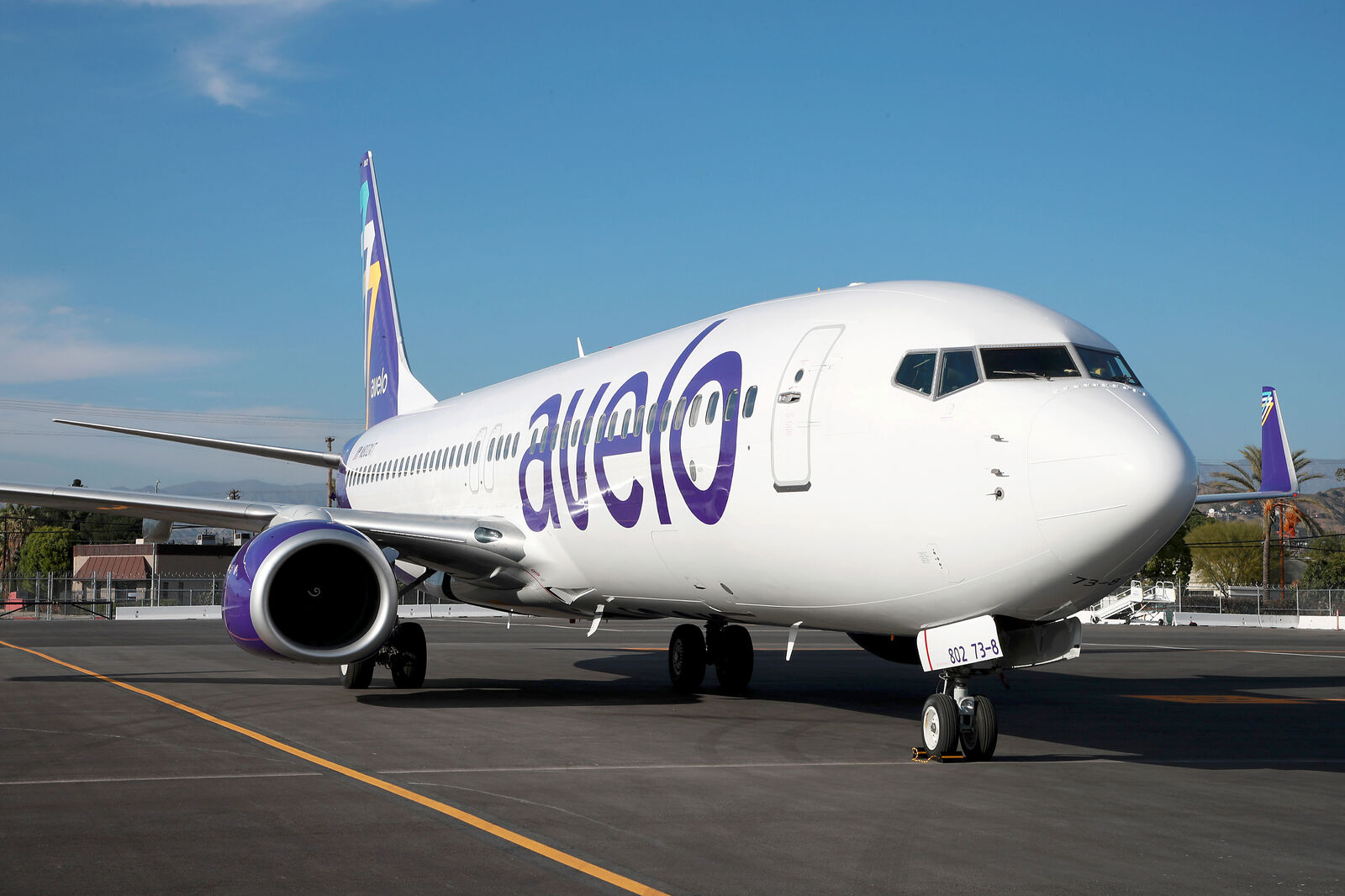
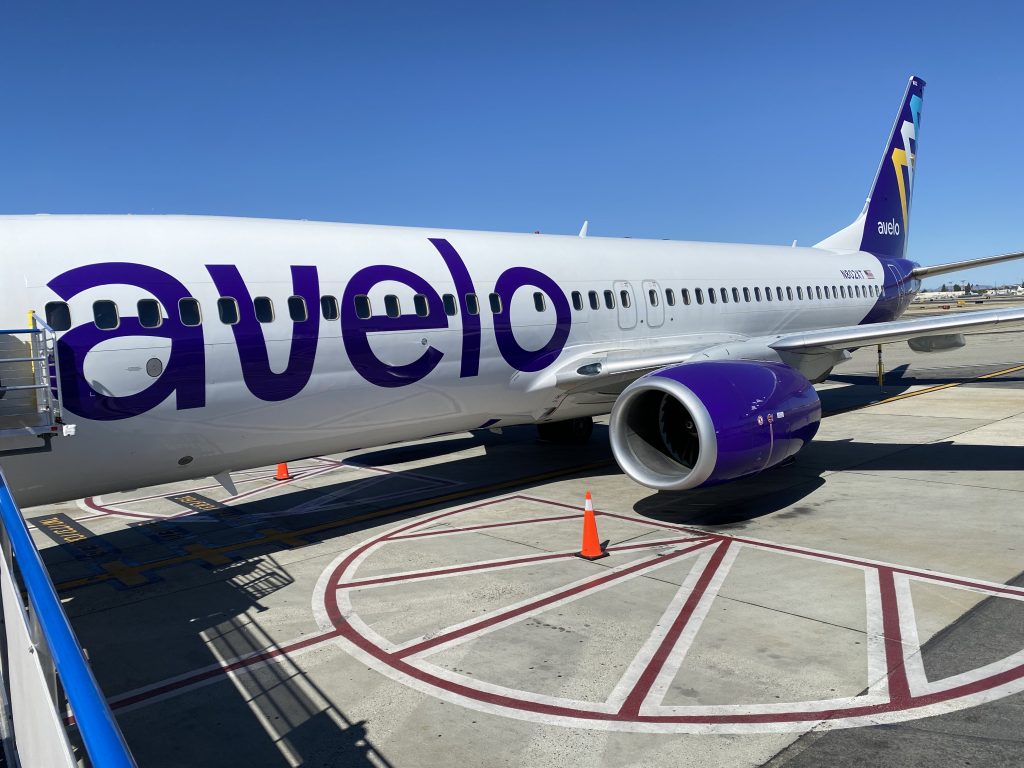
Avelo is set to introduce its 20th Boeing 737 aircraft this week, with plans for more jets in 2025. The ultra-low-cost carrier – which began operations in 2021 – continues to bridge the coasts, adding new flights from Bradley International Airport in Connecticut on Thursday.
In February, Avelo’s commercial chief, Trevor Yealy, told Aviation Week that the airline will add five more aircraft from GOL Linhas Aéreas. The Brazilian carrier filed for bankruptcy in January.
So far, per Cirium Fleet Analyzer, Avelo has received four ex-GOL 737-800s, with the fifth starting revenue service this week. The carrier has a total of eight 737-700s in service along with 11 737-800s, all of which had previous operators.
The airline’s average fleet age stands at just over 16 years old. Fleet data shows that its 20th aircraft was delivered to Avelo on Oct. 2, 2024, but has yet to begin revenue flights.
Registered as N812VL, the 20th 737 is owned by Carlyle Aviation Partners. After undergoing service entry checks in Miami and Dothan, Alabama, the 14-year-old jet is slated to enter service on Friday from the airline’s New Haven, Connecticut, base, per Flightradar24 tracking data.
During the first half of 2025, Avelo expects to receive two to four more aircraft, an airline spokesperson said.
Boarding Avelo’s first ever commercial flight in Burbank. (Photo: AirlineGeeks | Taylor Rains)
Network Expansion
On Thursday, Avelo began flights from Bradley Airport. Later, the airline is planning to add its first international flights to Cancun, Mexico, and Montego Bay, Jamaica.
In addition, the carrier announced more flights from Lakeland, Florida, on Thursday. Beginning on March 6, Avelo will operate twice-weekly flights from the central Florida city to Nashville, Tennessee.
Ryan founded AirlineGeeks.com in February 2013 and has spent more than a decade covering the airline business. His work has been featured by CNN, WJLA, CNET, and Business Insider. His aviation experience spans airport operations, Part 135 regulatory compliance, and airline crew workforce planning, along with time behind the yoke of a Cessna 172 and interviews with airline executives. Ryan now serves as Group President of Firecrown Media’s Aviation Group. He holds a B.S. in Air Transportation Management and an MBA from Arizona State University and teaches Airline Management at Embry-Riddle Aeronautical University.
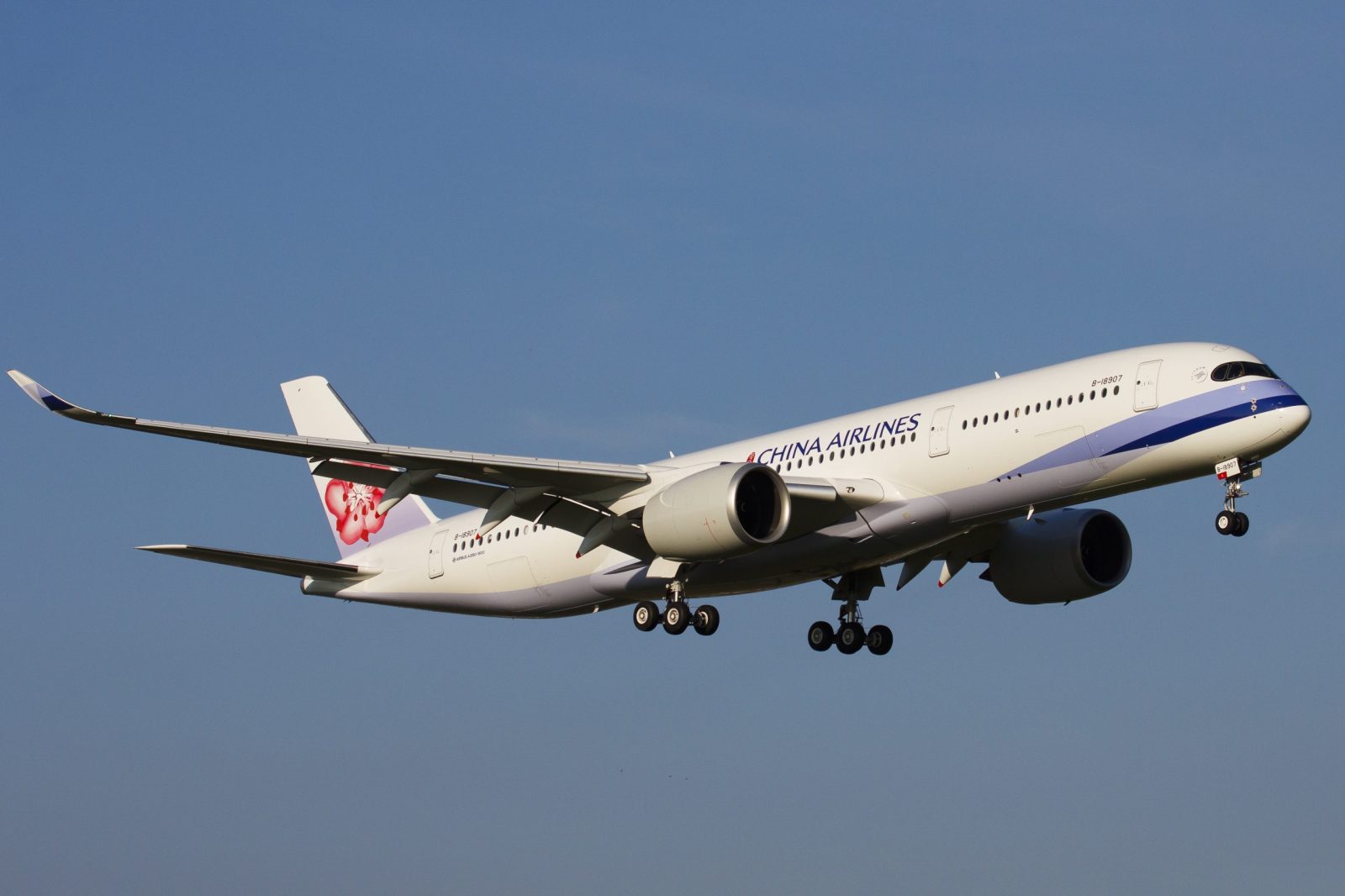
A China Airlines Airbus A350-900. (Photo: AirlineGeeks | Fabian Behr)
According to a Reuters report, Taiwan’s flag carrier, China Airlines, is entering the final stages of a multi-billion-dollar decision to acquire new long-haul jets, choosing a split order between Boeing and Airbus for its future fleet. This significant purchase, estimated to be worth nearly $4 billion with industry-standard discounts, could include as many as 20 new aircraft, evenly split between Boeing’s 777X and Airbus’ A350-1000.
The jets are expected to replace the airline’s aging fleet of Boeing 777-300ERs.
A Strategic Choice
The airline is also considering a separate freighter order, though no decisions have been finalized.
According to the report, while the airline’s board is expected to make a final decision on the jets soon, there is still no firm guarantee on the exact breakdown of models or figures in the potential deal. This order follows China Airlines’ 2022 acquisition of 16 Boeing 787-9s, aimed at replacing its older Airbus A330s.
Tolga is a dedicated aviation enthusiast with years of experience in the industry. From an early age, his fascination with aviation went beyond a mere passion for travel, evolving into a deliberate exploration of the complex mechanics and engineering behind aircraft. As a writer, he aims to share insights , providing readers with a view into the complex inner workings of the aviation industry.
Sign-up for newsletters & special offers!
Get the latest stories & special offers delivered directly to your inbox