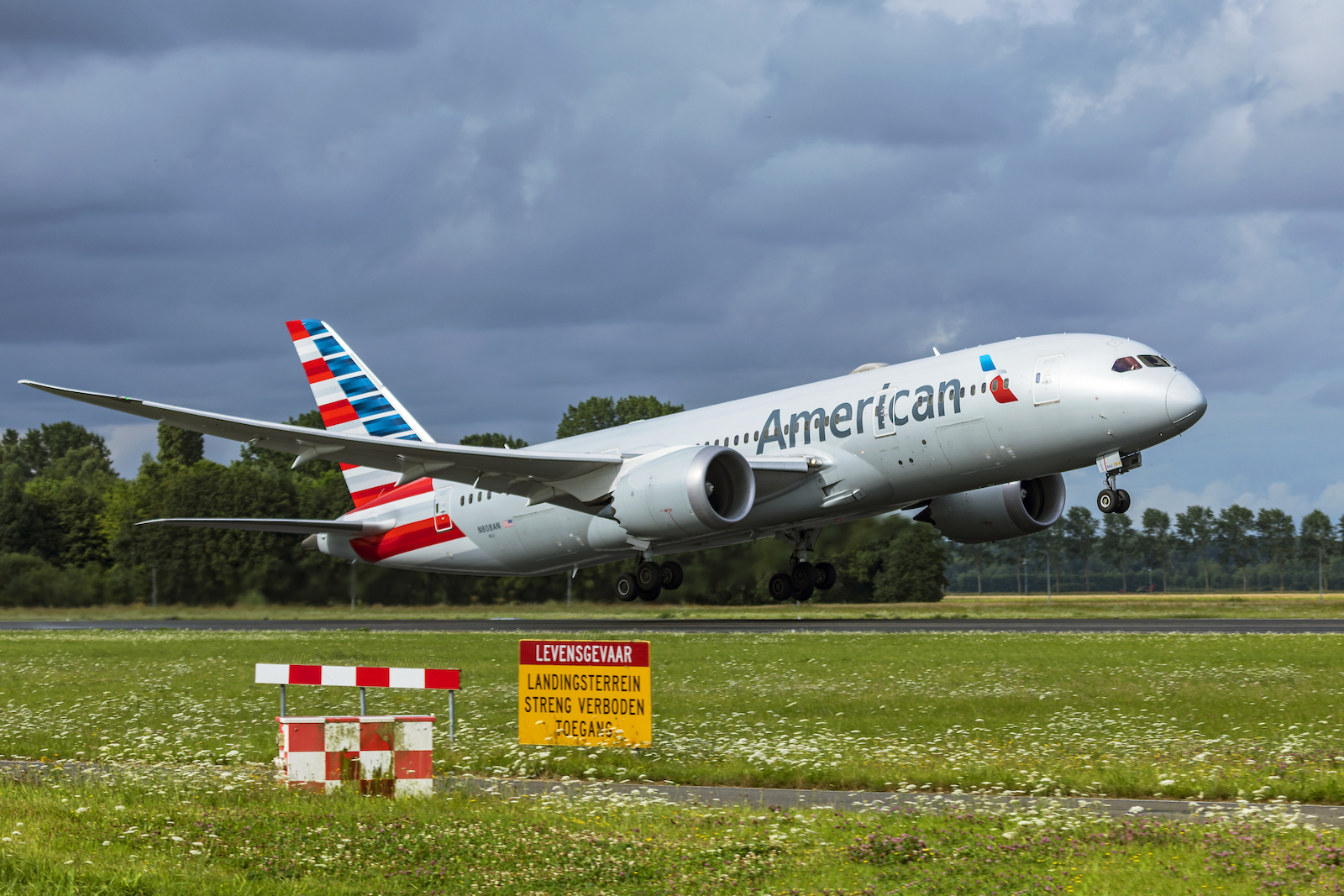
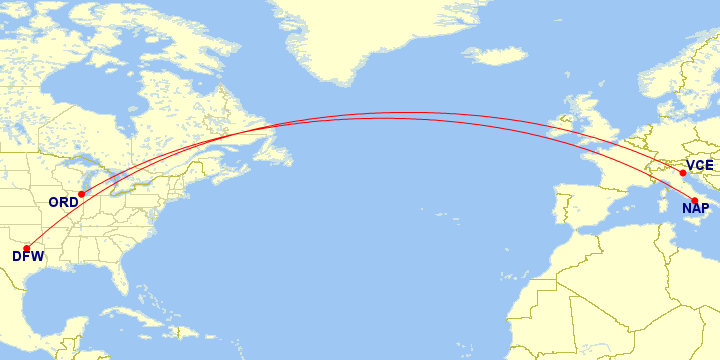
Beginning May 6, the Fort Worth-based carrier will add flights between Chicago O’Hare and Naples, becoming the only U.S. airline currently serving the route. The new service will operate daily on a Boeing 787-8 Dreamliner.
The airline also serves the Italian city from its Philadelphia hub, which began this year. American says it will offer more seats to Naples than any other U.S. airline next summer.
More Service from Dallas/Fort Worth
Starting June 5, the airline plans to connect Dallas/Fort Worth and Venice, building upon its existing service from Philadelphia. Flights will operate daily on a Boeing 777-200.
American adds two new routes in Summer 2025. (Photo: Great Circle Mapper)
“As Italy continues to remain popular for summertime travel, American is making it easier than ever for customers to shop, dine or unwind in their favorite destinations,” said Brian Znotins, American’s senior vice president of network and schedule planning, in a news release. “Whether reveling in the history of Rome or relaxing on a beach on the Mediterranean, American’s network will offer more ways for customers to plan their perfect itinerary.”
Seasonal Shake-Ups
American is also expanding other long-haul routes. Its recently-announced service from Miami to Rome will begin on June 5 instead of July.
In addition, the carrier is adding a second daily flight between Philadelphia and Rome, which will only operate during the summer months starting on June 5.
Ryan founded AirlineGeeks.com in February 2013 and has spent more than a decade covering the airline business. His work has been featured by CNN, WJLA, CNET, and Business Insider. His aviation experience spans airport operations, Part 135 regulatory compliance, and airline crew workforce planning, along with time behind the yoke of a Cessna 172 and interviews with airline executives. Ryan now serves as Group President of Firecrown Media’s Aviation Group. He holds a B.S. in Air Transportation Management and an MBA from Arizona State University and teaches Airline Management at Embry-Riddle Aeronautical University.
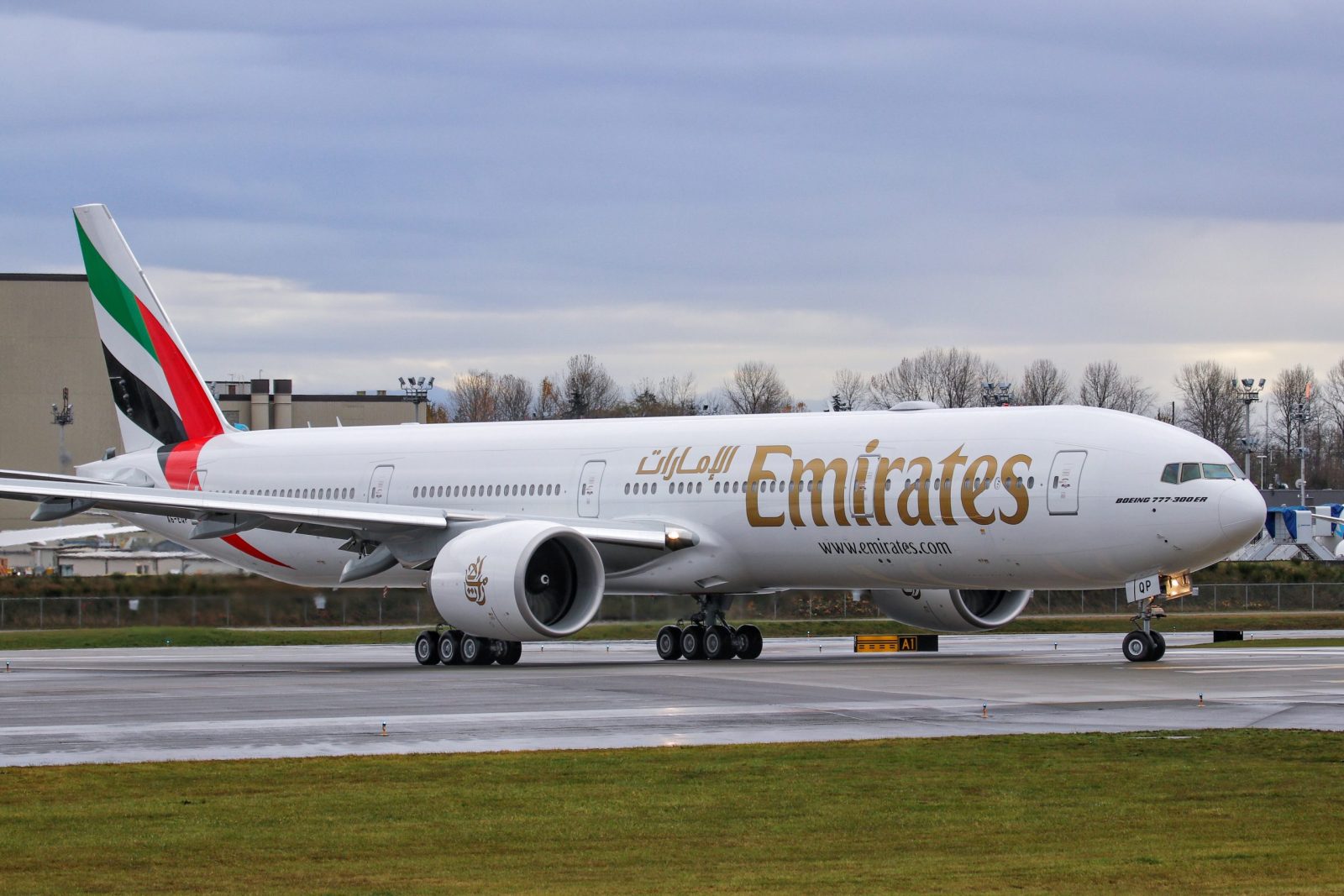
Emirates is the largest operator of Boeing 777-300ER aircraft with 134 jets in the fleet. (Photo: AirlineGeeks | Katie Zera)
Emirates announced plans to strengthen its African network further by introducing additional flights to Entebbe, Uganda, Addis Ababa, Ethiopia, and Johannesburg, South Africa.
Since its first flight to Africa in 1986, Emirates has steadily grown its presence on the continent, now serving 20 passenger and cargo destinations.
“Africa has long been a priority region for Emirates, and we are committed to deepening our strategic focus of expansion and continued investment on the continent,” said Adnan Kazim, Emirates’ deputy president and chief commercial officer, in a news release. “The introduction of additional frequencies to Uganda, South Africa, and Ethiopia helps support the region’s growth and provides critical links using Dubai as a key gateway to emerging economies across Asia and the Middle East.”
More Frequency
Effective October 27, Emirates has increased operations between Dubai and Entebbe from five weekly flights to a daily service. This Boeing 777-300ER flight adds 718 seats per week, connecting Entebbe to onward destinations like Canada, the U.S., India, and the U.K.
Starting Jan. 1, 2025, the carrier will increase frequency to Addis Ababa with a daily flight connecting Dubai.
Finally, a fourth daily flight to Johannesburg will be introduced on March 1, 2025, offering a morning departure from South Africa’s largest international airport. This brings Emirates’ operations back to pre-pandemic levels, with 49 weekly flights to South Africa, one of the airline’s most popular destinations on the continent.
Once all additional frequencies are activated, Emirates will offer 161 weekly flights between Africa and Dubai.
Tolga is a dedicated aviation enthusiast with years of experience in the industry. From an early age, his fascination with aviation went beyond a mere passion for travel, evolving into a deliberate exploration of the complex mechanics and engineering behind aircraft. As a writer, he aims to share insights , providing readers with a view into the complex inner workings of the aviation industry.
SkyWest Continues Push Toward CRJ-550
Currently, the regional airline giant operates a handful of the premium-heavy 50-seat jets for Delta Connection and soon United Express.
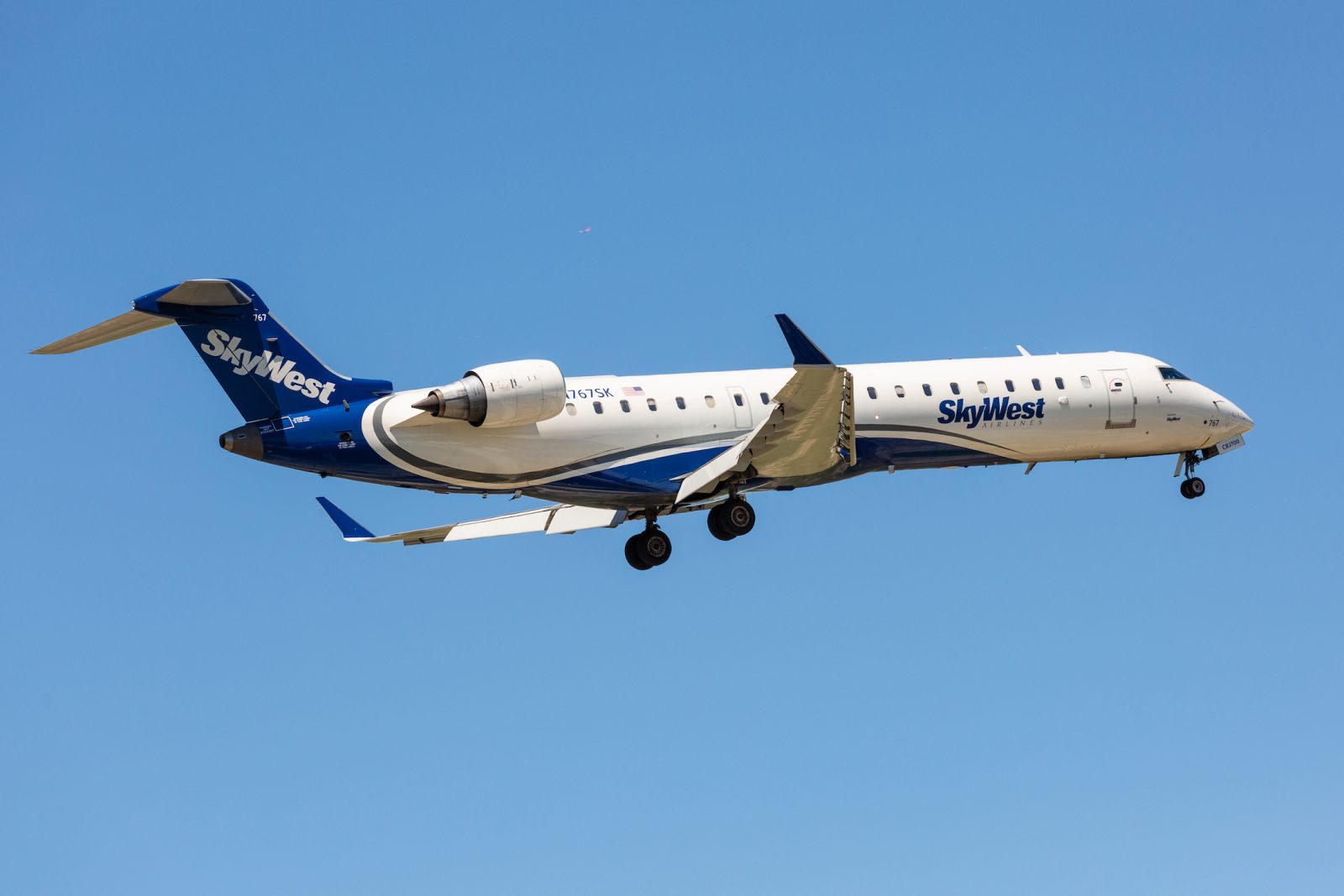
A SkyWest Airlines Bombardier CRJ-700 aircraft on final approach at O'Hare International Airport. (Photo: Shutterstock | Carlos Yudica)
SkyWest is expanding its CRJ-550 fleet with plans to add up to 40 more by 2026. Currently, the regional airline giant operates a handful of the premium-heavy 50-seat jets for Delta Connection and soon United Express.
In early October, United disclosed that it had inked an agreement with SkyWest for 11 CRJ-550s. The regional aircraft isn’t new to United’s network as GoJet operates 40.
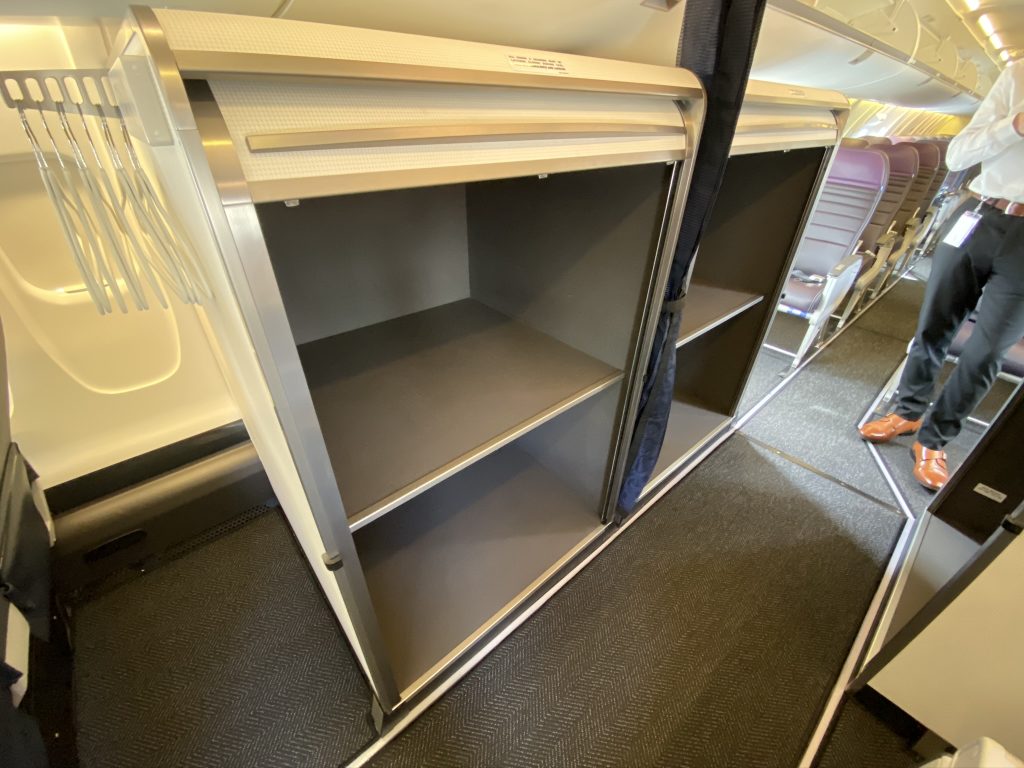
GoJet and United rolled out the CRJ-550 in 2019, which is a modified CRJ-700 with just 50 seats along with a snack bar and additional luggage storage.
Extra luggage storage on the CRJ-550 (Photo: Dylan Oakes)
On Thursday, SkyWest announced that its “multi-year” agreement with United includes 40 CRJ-550s, 11 of which will be bought used. The other 29 will be converted from existing CRJ-700s within SkyWest’s fleet.
“This aircraft is an ideal replacement for single-class CRJ-200s,” said Wade Steel, SkyWest’s chief commercial officer, during a third-quarter earnings call.
The additional CRJ-550s will include aircraft that are in storage and actively flying, Steel shared.
The company has already acquired one CRJ-550 in the third quarter with plans to add more aircraft between 2024 and 2026. Four jets are expected to enter service by the end of 2024.
According to Cirium Fleet Analyzer, SkyWest has 104 CRJ-700s currently in service along with 33 in storage. The carrier also plans to operate 19 CRJ-550s under the Delta Connection banner; a handful are already flying from Delta’s Detroit, Minneapolis, and Salt Lake City hubs.
Ryan founded AirlineGeeks.com in February 2013 and has spent more than a decade covering the airline business. His work has been featured by CNN, WJLA, CNET, and Business Insider. His aviation experience spans airport operations, Part 135 regulatory compliance, and airline crew workforce planning, along with time behind the yoke of a Cessna 172 and interviews with airline executives. Ryan now serves as Group President of Firecrown Media’s Aviation Group. He holds a B.S. in Air Transportation Management and an MBA from Arizona State University and teaches Airline Management at Embry-Riddle Aeronautical University.
Airlines Cry Foul After DOT Denies Reagan National Slots
Frontier, Spirit, and JetBlue each submitted objections to the Department of Transportation this week after being denied slots at Reagan National Airport.
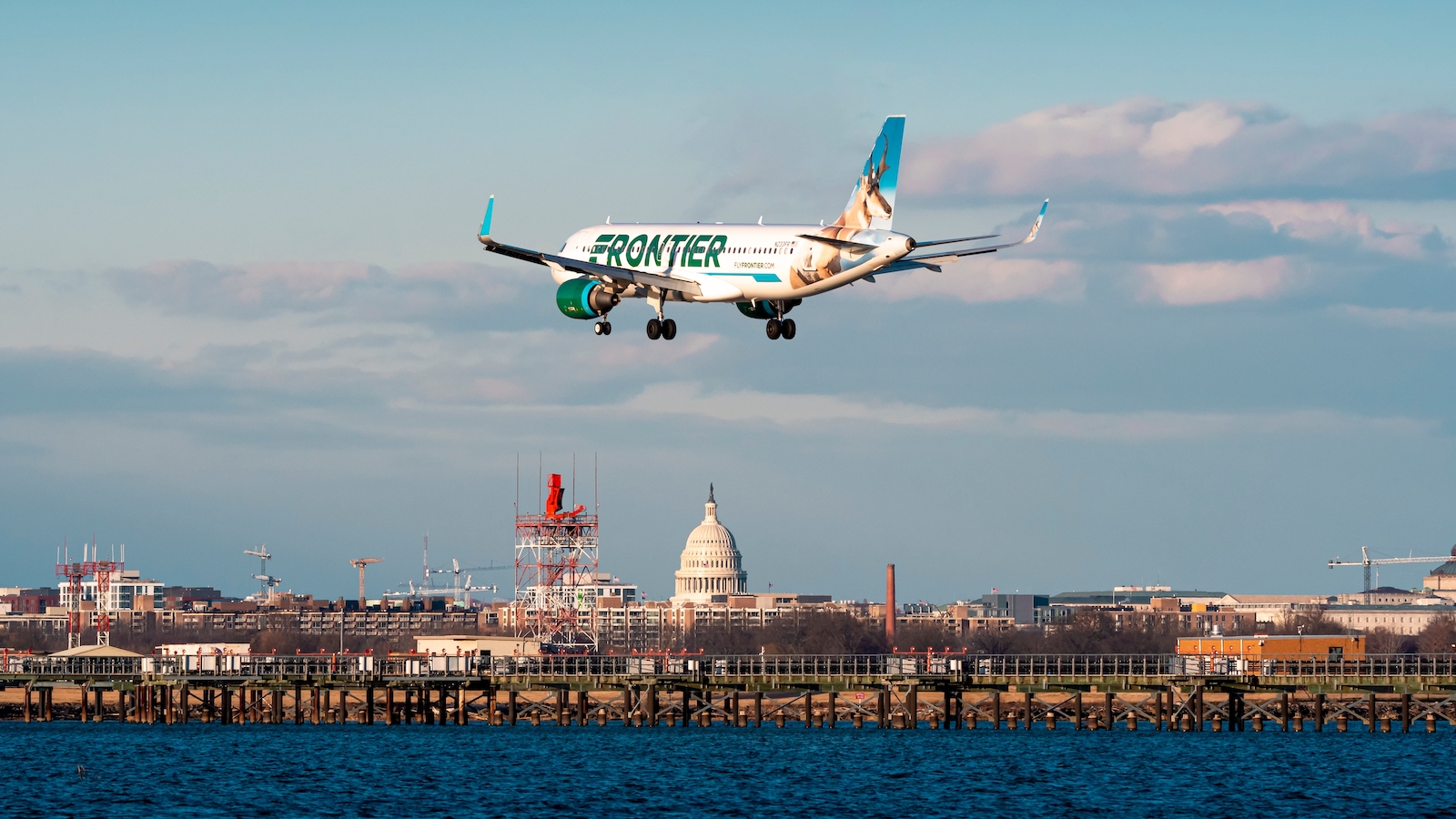
A Frontier A320-series aircraft (Photo: Shutterstock | Andrew Mauro)
Frontier, Spirit, and JetBlue each submitted objections to the Department of Transportation (DOT) this week after being denied slots at Reagan National Airport in Washington D.C.
The five slots were instead tentatively awarded to American, Delta, Alaska, Southwest, and United earlier this month. Eight carriers applied to be chosen under the criteria that they must enhance options for nonstop travel to “beyond-perimeter airports” that don’t have nonstop service to Reagan National as of the signing of the bill.
Reagan National is slot-controlled with the federal government allowing a limited number of flights outside the airport’s 1,250-mile perimeter.
Another criterion allowed airlines to be chosen if they had a positive impact on the overall level of competition in the markets.
The decision led to JetBlue and Frontier accusing the DOT of favoritism and skirting statutes, with Spirit hinting at litigating the matter.
Frontier Objects
In the first objection filed on Tuesday, Frontier argued that Alaska was ineligible to receive slots as a limited incumbent carrier under the established criteria.
Frontier stated the DOT had tentatively determined that Frontier, while an incumbent, was not a limited incumbent air carrier – making it ineligible to receive slots. The airline objected to this decision, stating that the DOT exceeded its authority by adding an exception for Alaska that wasn’t specified in the legislative text.
Citing the statute, Frontier argued that because Alaska and American have a codeshare agreement, they do not qualify for a new slot or exemption as a new entrant or limited incumbent air carrier. This is because the airport’s total number of slots and exemptions held by the two carriers exceeds 20.
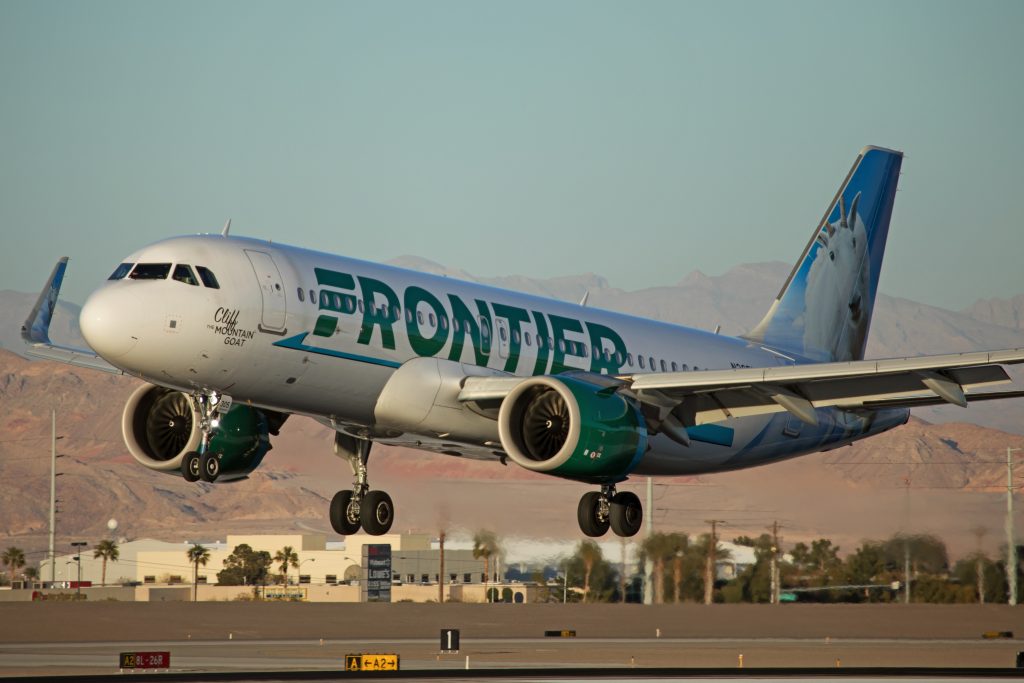
A Frontier A320neo landing in Las Vegas. (Photo: AirlineGeeks | William Derrickson)
“Despite Spirit raising this issue on June 26, 2024, prior to Alaska submitting its application on July 8, 2024, and both Spirit and Frontier raising it in their applications for slots in this proceeding, Alaska did not address this issue in its application or subsequent comments in this proceeding,” Frontier’s objection stated.
Frontier cites that instead, the DOT determined Alaska does not currently place the American code on any nonstop flight it operates at DCA, and would not be permitted to do so for any service operated with a new slot exemption award. Additionally, the relationship between Alaska and American does not include any slot-sharing provisions.
The ultra-low-cost carrier said that the DOT is not interpreting the statute in light of its legislative history or otherwise, but instead amending it to provide an exception that isn’t in the text.
Additionally, Frontier argued that in May through September 2024, approximately 57 of American’s daily flights from DCA were marketed under Alaska’s code to 53 different destinations. Frontier suggested that American’s code sharing provided Alaska with “meaningful access to the DCA market.”
Frontier asked that Alaska be barred from receiving slots in this proceeding as a limited incumbent carrier because of its code sharing with American and their combined slots at DCA exceeding the limit of 20 specified in the statute. Frontier also requested that the DOT modify its tentative ruling and award Frontier the two slot exemption slots.
The airline currently serves the airport with flights to Denver. Frontier had applied to operate a route between Luis Munoz Marin International Airport in San Juan, Puerto Rico and Reagan National.
Spirit Hints at Litigation
Spirit’s objection repeated Frontier’s assertion that Alaska is not a limited incumbent and should be disqualified from receiving those slots at Reagan National.
“Turning to the facts at DCA, American Airlines, which holds more than 50% of all DCA slots, and Alaska Airlines have had a strong codeshare relationship for over two decades,” Spirit’s objection stated. “Their agreement directly subjects both airlines to 49 U.S.C. § 41714(k). The most current slot data on the FAA website shows American operates 504 regular and commuter slots or exemptions, and Alaska holds 18 for a total of 522—well over the 20 slot/exemption threshold which automatically disqualifies Alaska as a limited incumbent.”
The airline refuted the DOT’s finding that Alaska did not receive any meaningful access to Reagan National via its relationship with American. The carrier stated Alaska and American had over 100 scheduled codeshare flights originating from the airport after expanding their codeshare relationship in May 2024.
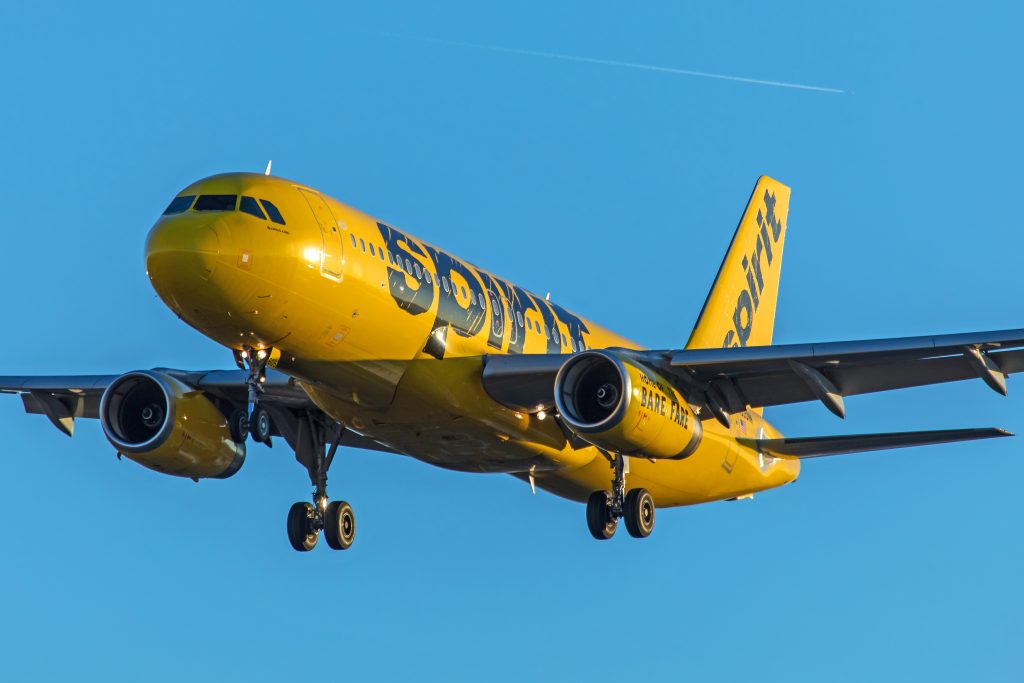
A Spirit Airlines A320 landing in Las Vegas. (Photo: AirlineGeeks | William Derrickson)
“Any federal Court of Appeals almost assuredly would find such a statement as lacking substantial evidentiary support and therefore arbitrary and capricious,” Spirit stated.
Spirit requested that the DOT reverse its tentative decision finding Alaska to be an eligible incumbent and award the two slots to Spirit instead.
Spirit had applied to operate routes between San Jose Mineta International Airport in San Jose, Calif. and Reagan National. The ultra-low-cost carrier ended service to Reagan National in 2012.
JetBlue Accuses DOT of Favoritism
In JetBlue’s objection, the carrier referenced past grievances with the DOT, stating the department has been inconsistent in its decision-making and has shown favoritism for high-fare legacy carriers.
“Despite broad proclamations and promises to make airline competition policy a top priority, DOT’s actual track record has inflicted on the travelling public the opposite of what it claims to be doing: it continues to make already dominant carriers even stronger, while preventing smaller carriers from growing and thus comparatively weakening them,” JetBlue stated.
“The examples of DOT’s inconsistences abound: DOT has allowed Delta-Aeromexico’s immunized joint venture to continue with antitrust immunity (despite a DOT finding that Mexico has violated the air transport agreement) while not even allowing the proposed low-fare carrier Allegiant-VivaAerobus joint venture to be considered,” JetBlue’s statement continued. “DOT and DOJ would not allow JetBlue to grow in New York with the Northeast Alliance or grow organically with the acquisition of Spirit, while subsequently allowing the Alaska-Hawaiian merger to proceed.”
Rather than single out any one airline, JetBlue’s objection urges the DOT to revisit its decision and not proceed with the final order.
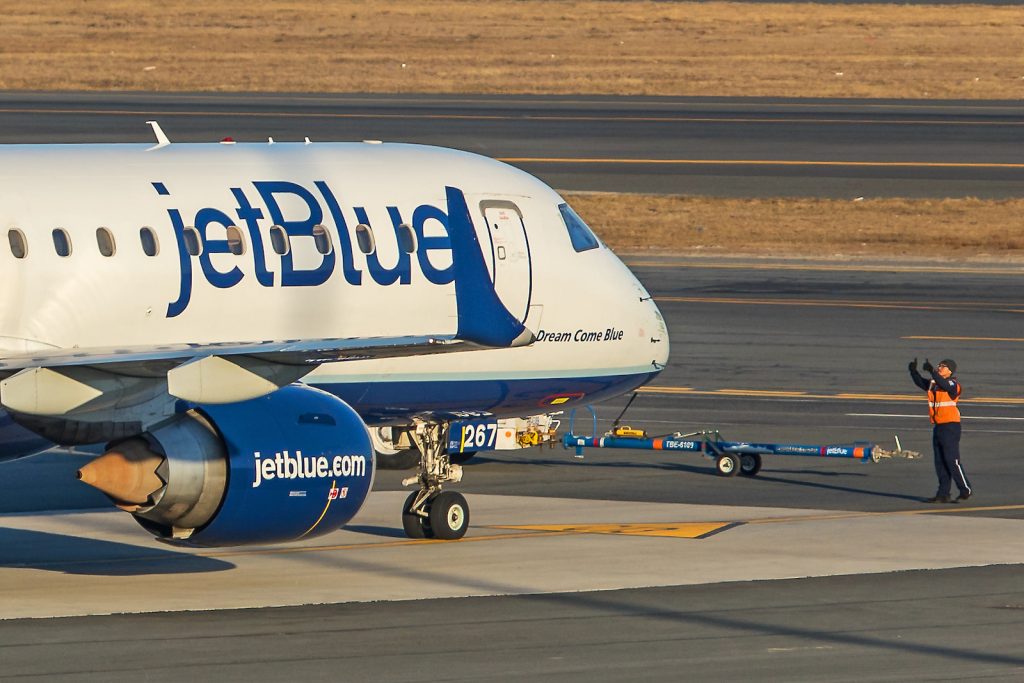
A JetBlue E190 in Boston (Photo: AirlineGeeks | William Derrickson)
“DOT’s abandonment in this case of its longstanding mission to enhance competition, and to instead blatantly reward the largest, legacy high-fare airlines is the regrettable latest chapter in U.S. aviation history,” the carrier said.
AirlineGeeks.com was founded in February 2013 as a one-person blog in Washington D.C. Since then, we’ve grown to have 25+ active team members scattered across the globe. We are all here for the same reason: we love deep-diving into the fascinating realm of the airline industry.
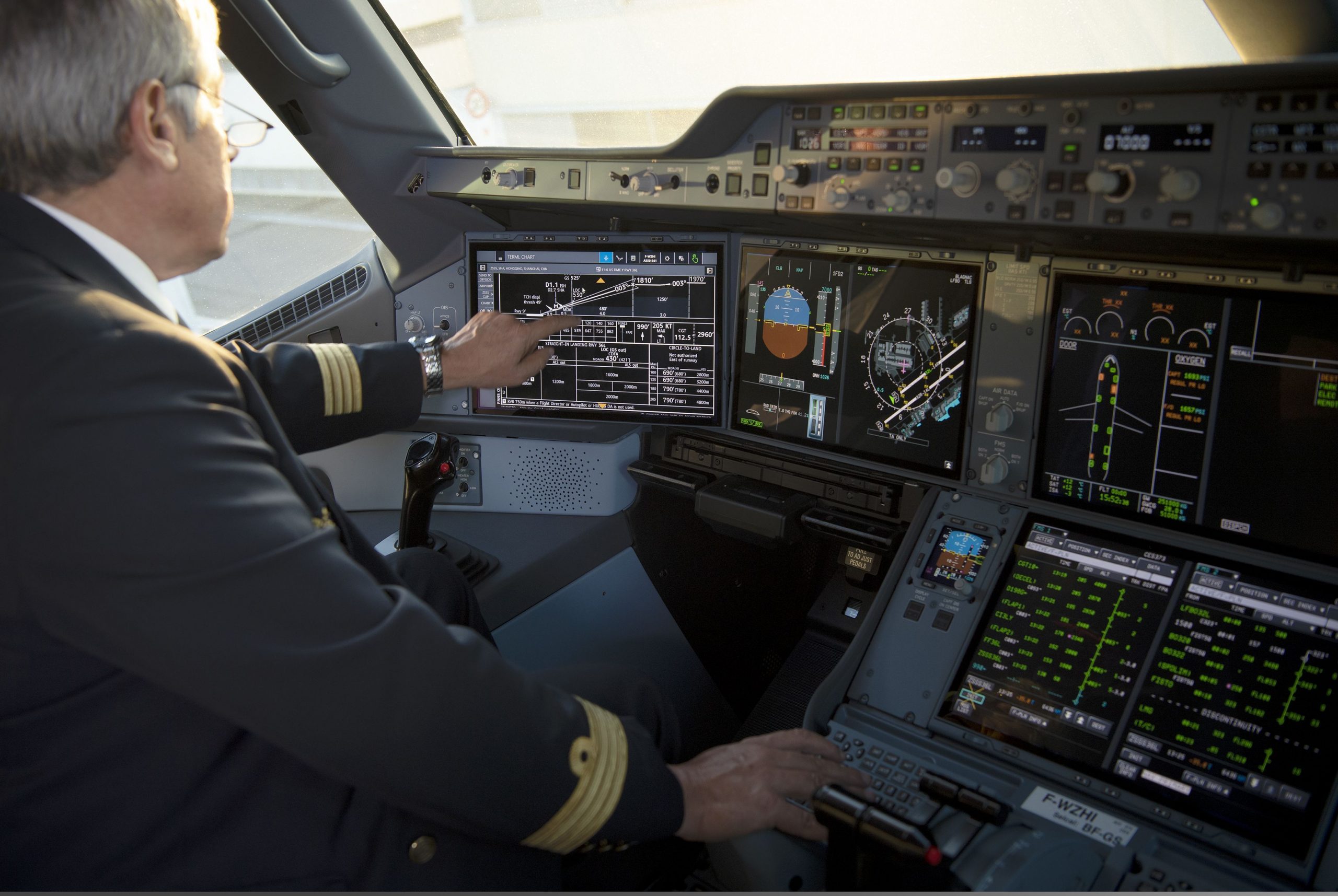
A pilot utilises one of the three new touchscreen displays in the A350. (Photo: Airbus)
Many passengers try to get some rest during long-haul flights. Like their passengers, crew members are also subject to the effects of fatigue. Airlines therefore staff many long-haul flights with multiple pilots to ensure that they can take turns flying the aircraft and get time to rest while in the air.
What Factors Determine the Number of Pilots Required?
The exact number of pilots required for a flight depends on several factors.
Government Regulations
Laws on pilot rest and duty hours vary between countries. The number of pilots required by law on long flights depends on the specific rules that govern an airline.
Airline Rules
Individual airlines establish their own flight time and duty time limitations. Many airlines make their rules stricter than what is required by law.
Flight Duration
The length of a flight is typically a key factor in rules set out by governments and airlines.
Crew Rest Facilities
In some cases, the rules governing duty hours vary depending on the crew rest facilities available on board the aircraft. Crew rest options could include bunk beds or designated seats in the passenger cabin.
Pre-Flight Rest Period
The amount of time off that a pilot has before a flight can also be a determining factor on how long they can fly for. Consequently, this affects the number of pilots required on long flights.
Time of Day
In some jurisdictions (such as the United States), the time of day at which the crew begins their shift is a relevant factor, as well as whether they are acclimatized to the time zone.
Duty Hours versus Flight Hours
The rules set by governments and airlines typically differentiate between duty and flight hours. Duty hours begin when a pilot signs in for duty, while flight hours only include the time spent flying the aircraft.
An Important Safety Requirement
Pilot fatigue poses a significant risk to the safety of the global air transportation system. Through their respective laws and rules, governments and airlines attempt to ensure that their crews are properly rested when they are flying.
As a result of these restrictions, airlines will sometimes have more than two pilots on their longer flights. This allows pilots to take turns sitting at the controls of the aircraft. Pilots are given assigned breaks, during which they can use the crew rest facilities to get some rest.
How Many Pilots Are Needed for a Long-Haul Flight?
Although the exact requirements vary between jurisdictions, countries typically require at least two pilots for most commercial passenger aircraft. In the United States, for example, Federal Aviation Administration (FAA) regulations stipulate that a minimum of two pilots are required on aircraft weighing more than 12,500 pounds.
The regulations surrounding long-haul flights are complicated. In the United States, the rules governing a particular flight depend on many of the factors described above. A two-pilot crew, for example, can have a maximum of eight to nine flight hours and a maximum of nine to 14 duty hours. The exact numbers within those ranges depend on the start time.
On top of that, the rules are different if the pilots are not “acclimated,” which is defined as “a condition in which a flightcrew member has been in a theater for 72 hours or has been given at least 36 consecutive hours free from duty.”
A Japan Airlines flight departs from Seattle (Photo: AirlineGeeks | Katie Zera)
These regulations mean that some shorter long-haul flights can be flown with two pilots. When it comes to longer flights, U.S. regulations consider the start time, number of pilots, and the type of rest facilities available. For example, a three-pilot crew on an aircraft with proper crew bunk beds who have a scheduled start time of 4:00 p.m. could have a maximum duty period of 16 hours. Meanwhile, a four-pilot starting at 8:00 a.m. on an aircraft where the crew rest facilities consist of lie-flat business class seats separated by a curtain would have a maximum duty period of 18 hours.
While governments set out laws surrounding duty hours and pilot rest, many airlines and unions choose to make their own rules more restrictive than what is legally required. This means that different airlines operating the same route may not have the same number of pilots on their flights.
Generally speaking, flights longer than eight or nine hours will require at least three pilots. Flights that are longer than 13 or 14 hours will typically require a fourth pilot. However, the exact number depends on the specific circumstances of a flight.
Andrew is a lifelong lover of aviation and travel. He has flown all over the world and is fascinated by the workings of the air travel industry. As a private pilot and glider pilot who has worked with airlines, airports and other industry stakeholders, he is always excited to share his passion for aviation with others. In addition to being a writer, he also hosts Flying Smarter, an educational travel podcast that explores the complex world of air travel to help listeners become better-informed and savvier travelers.
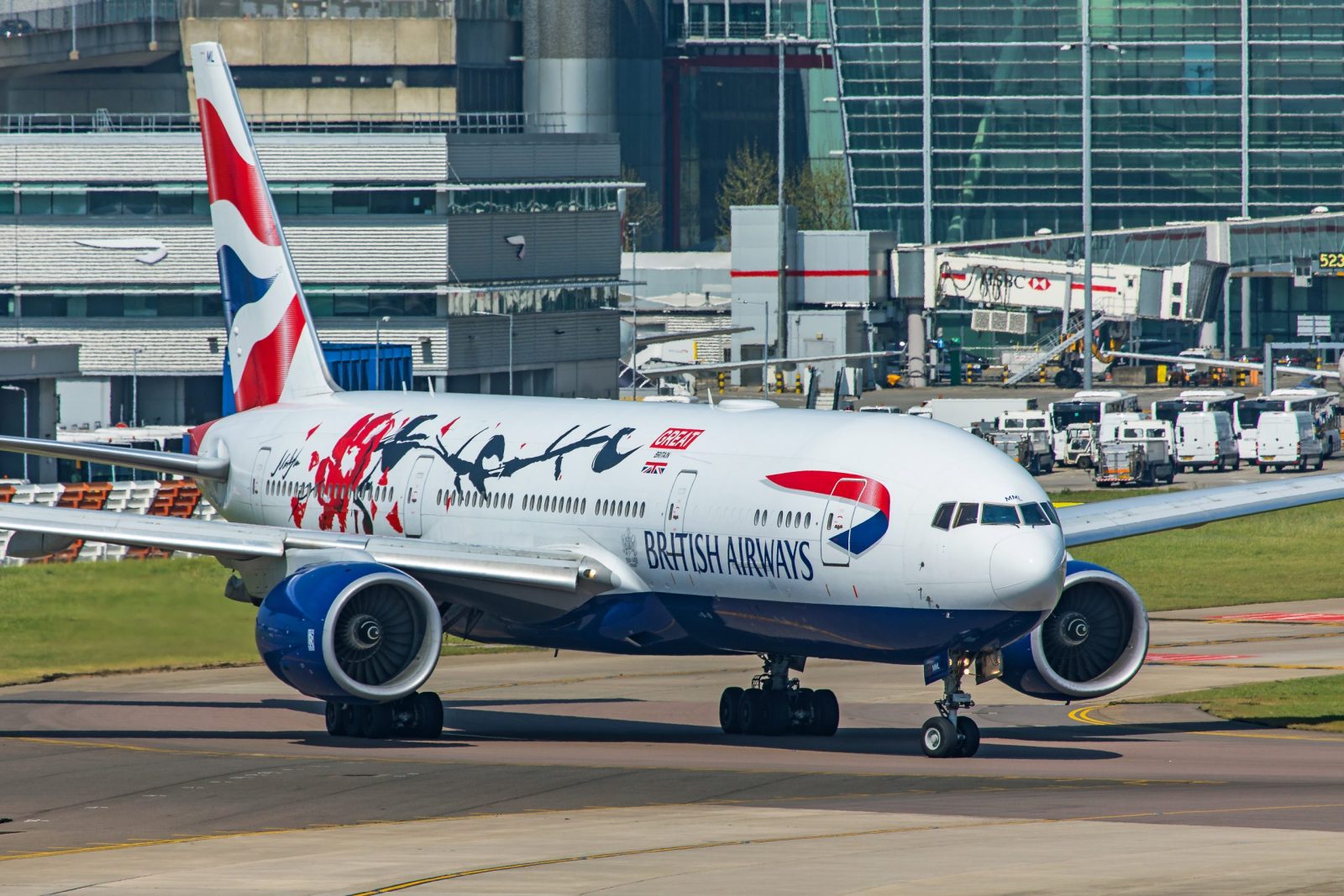
A British Airways Boeing 777 at London Heathrow. (Photo: AirlineGeeks | William Derrickson)
After a nearly five-year pause, British Airways has resumed its service to Bangkok with a Boeing 777-200 aircraft. The British flag carrier will operate three-times-a-week to the Thai capital city from London Gatwick. The route will see a further increase to five times per week in January and February 2025.
In response to the pandemic, the British airline suspended flights from London Heathrow to Bangkok in 2020. Later, the carrier provided the service to Bangkok by codesharing with Qatar Airways.
“We know that Bangkok has been a highly anticipated route restart, so we are thrilled to see it firmly back on our global route map,” Neil Chernoff, British Airways’ chief planning and strategy officer, said.
Trent 1000 Issues
The airline has successfully resumed its service to Thailand. However, it suffers a major setback in spreading its wings to other Asian countries. Earlier, the airline announced that the launch date of flights to Kuala Lumpur, Malaysia will be delayed by six months. In addition, the flight frequencies to Doha, Qatar will be halved as a result of delays in the delivery of engines and parts from Rolls-Royce. Its Trent 1000 engines power the Boeing 787 Dreamliners.
Moreover, the carrier has cancelled 103 flights between London Gatwick to New York-JFK from Dec. 12 for five months over the engine issues.
“We’ve taken this action because we do not believe the issue will be solved quickly,” British Airways said in a statement to the Financial Times.
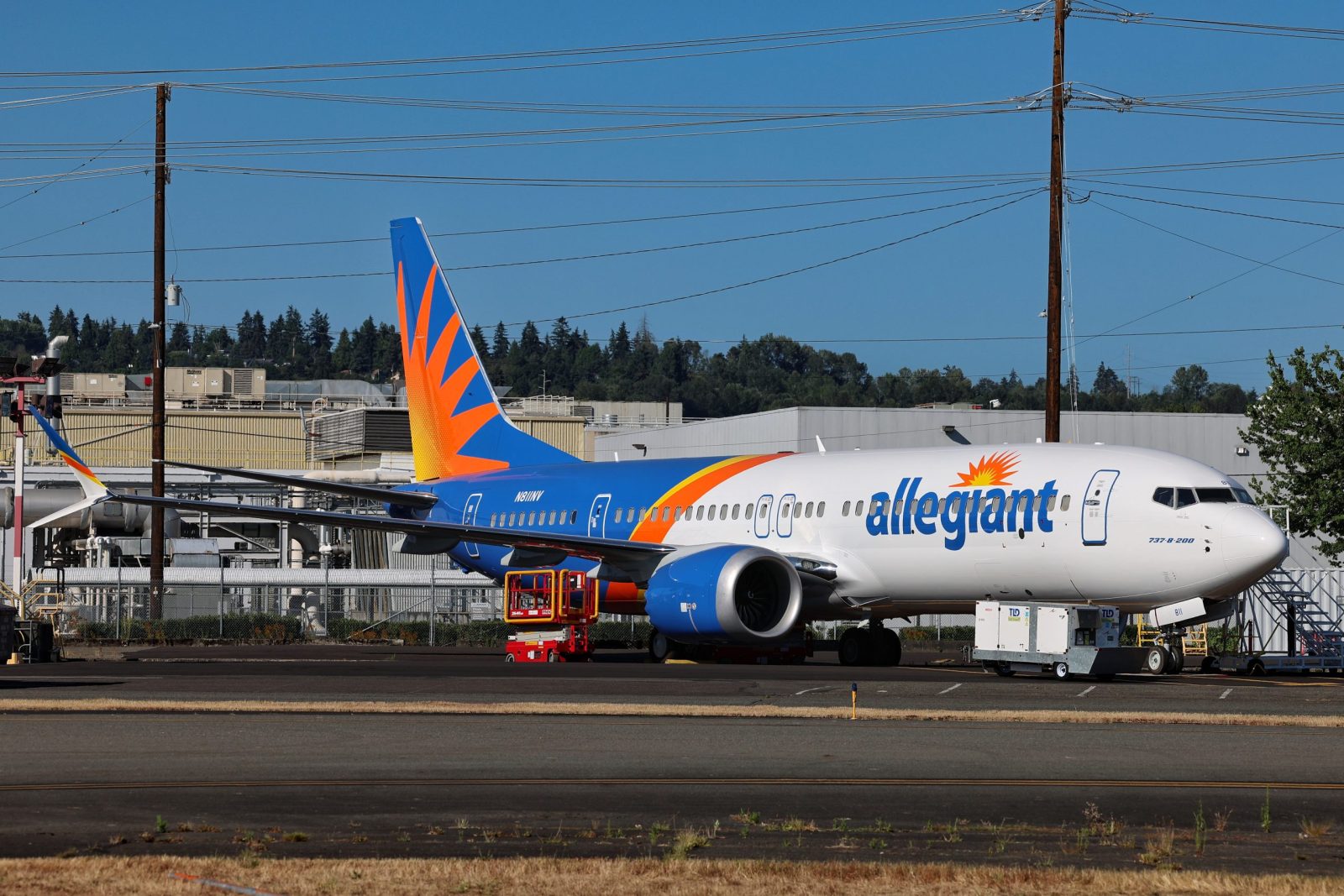
The airline took delivery of its first 737 MAX in September, which entered service on Oct. 20. Allegiant initially planned to take delivery of the new jet in early 2024.
“The Boeing strike has obviously created some additional uncertainty to our latest delivery forecast, and we don’t see this being firmed up until the strike has ended,” Allegiant chief Greg Anderson said during a third-quarter earnings call.
The carrier touted the 737 MAX’s efficiency over its current Airbus fleet, including a 26% improvement in fuel burn. Allegiant has 50 Boeing aircraft on firm order with options for 80 more.
“Based on delays resulting from the stoppage so far, we are planning to end the year with just one MAX aircraft in service alongside 121 A320 family airplanes,” the airline’s CFO Robert Neal added.
In 2025, the airline says it is planning for a “slower delivery profile” of Boeing aircraft, compounded by the strike. In addition, Neal shared that the company is revising its purchase agreement with the manufacturer.
Ryan founded AirlineGeeks.com in February 2013 and has spent more than a decade covering the airline business. His work has been featured by CNN, WJLA, CNET, and Business Insider. His aviation experience spans airport operations, Part 135 regulatory compliance, and airline crew workforce planning, along with time behind the yoke of a Cessna 172 and interviews with airline executives. Ryan now serves as Group President of Firecrown Media’s Aviation Group. He holds a B.S. in Air Transportation Management and an MBA from Arizona State University and teaches Airline Management at Embry-Riddle Aeronautical University.
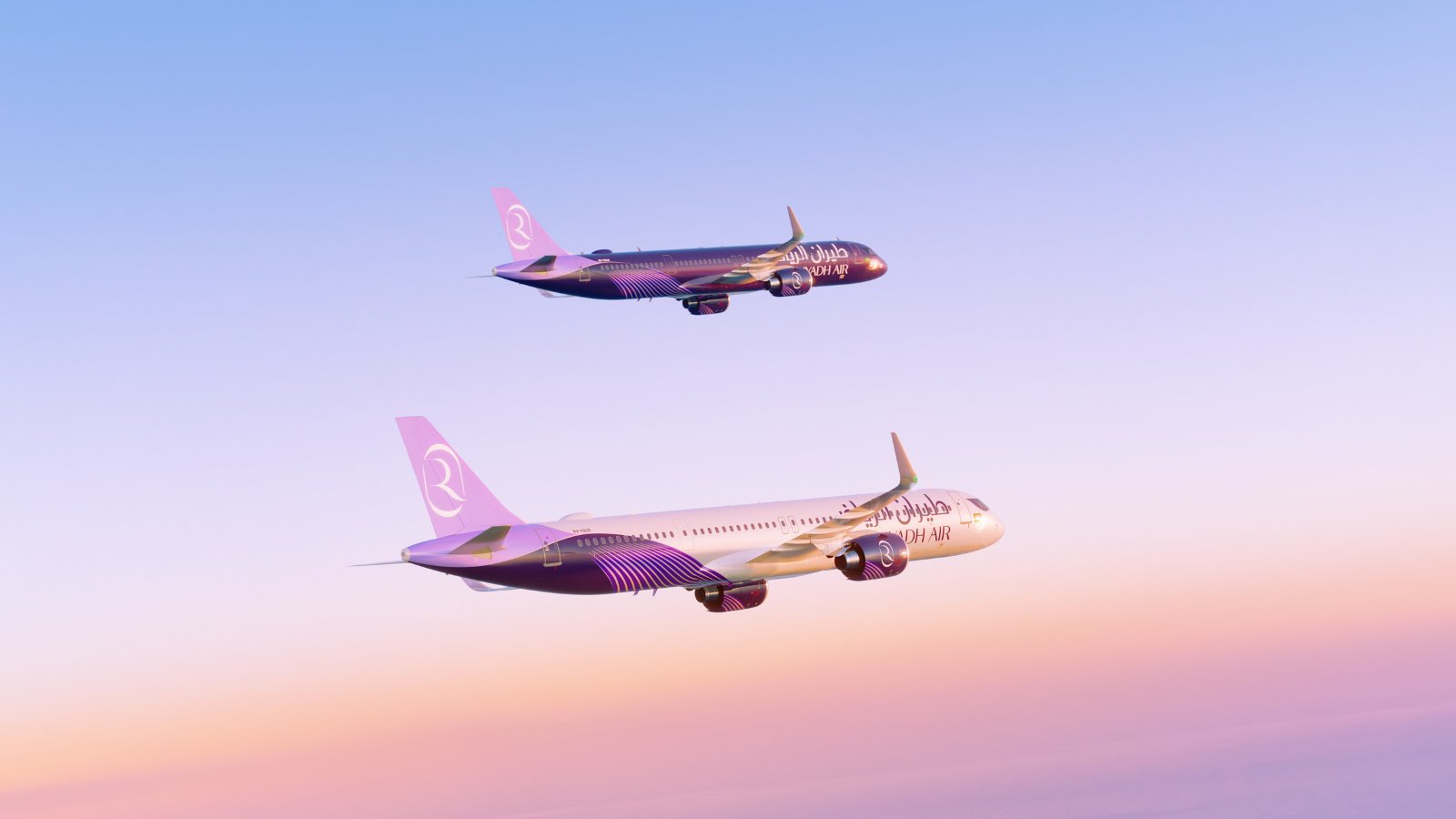
Riyadh Air placed a firm order for 60 A321neo jets from Airbus on Wednesday.
According to a news release from the manufacturer, the agreement was signed at the Future Investment Initiative (FII) in Riyadh, Saudi Arabia. The order marks a significant milestone for Riyadh Air, which was founded in March last year as a new premium international airline based in Saudi Arabia.
The signing ceremony was attended by His Excellency Yasir Al-Rumayyan, governor of the public investment fund for the Kingdom of Saudi Arabia and chairman of Riyadh Air, Riyadh Air CEO Tony Douglas, and Christian Scherer, chief executive officer for commercial aircraft at Airbus.
“This investment will not only enable us to support economic growth in the aviation industry, it will ensure Riyadh Air operates one of the most fuel efficient fleets,” Douglas said in the release. “It’ll be instrumental in helping Saudi Arabia achieve its decarbonisation goals. This deal strongly reinforces the positive economic impact of Saudi Arabia’s newest airline on both a global and local scale to facilitate the fast-growing Saudi aviation ecosystem.”
The A321neo is the largest in Airbus’ A320neo family of aircraft. To date, over 6,700 A321neo have been ordered by over 90 customers around the world.
“We are proud to welcome Riyadh Air as a new Airbus customer and partner,” Scherer said in the release. “The latest generation A321neo aircraft will bring exceptional efficiency to the airline’s operations, concrete contributions to its decarbonisation goals and comfort to its passengers. We look forward to working together to support the strong ambitions of Saudi aviation.”
AirlineGeeks.com was founded in February 2013 as a one-person blog in Washington D.C. Since then, we’ve grown to have 25+ active team members scattered across the globe. We are all here for the same reason: we love deep-diving into the fascinating realm of the airline industry.
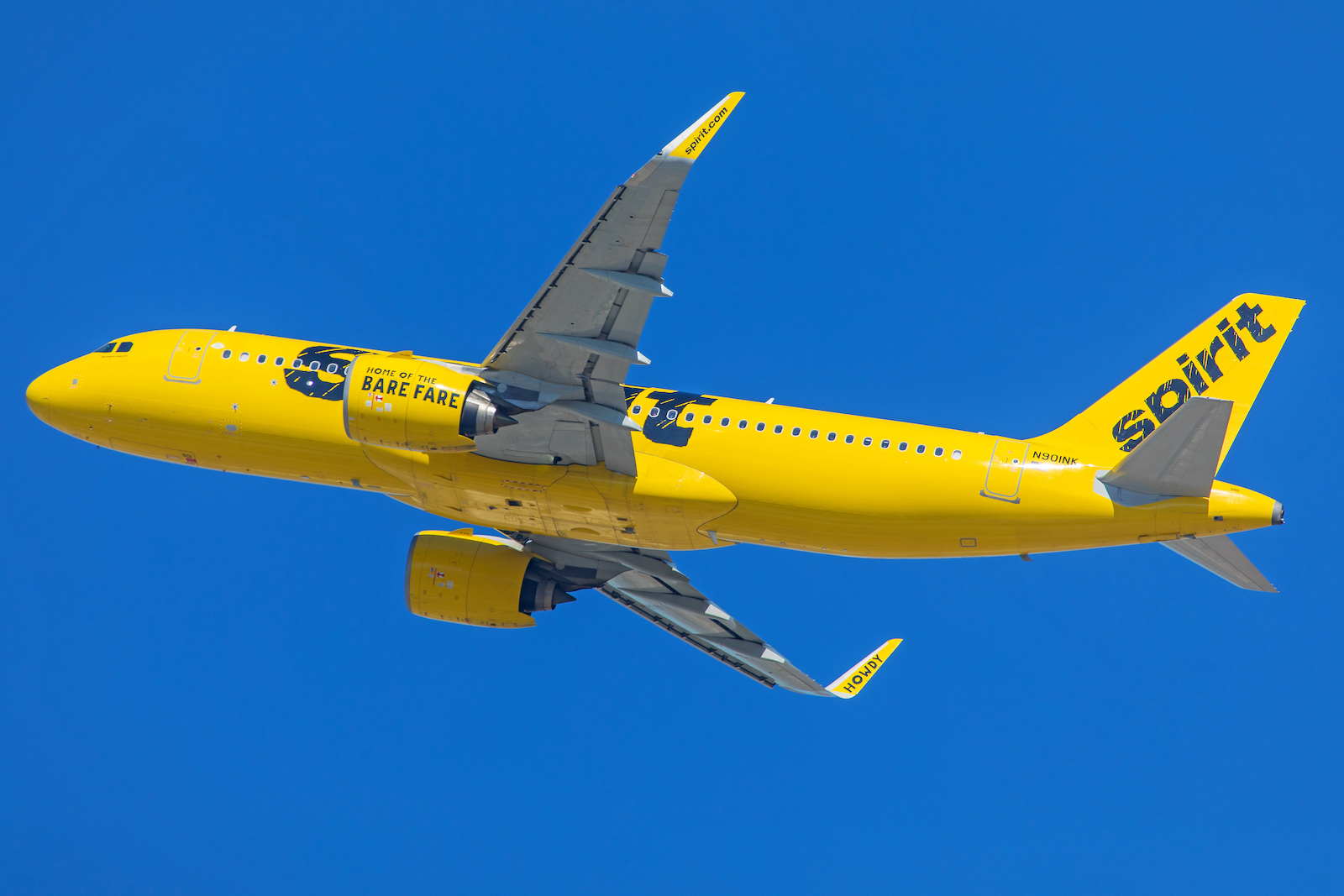
A Spirit A320neo in Los Angeles. (Photo: AirlineGeeks | William Derrickson)
Spirit is furloughing more pilots as part of an ongoing cost-cutting initiative. Just last month, the ultra-low-cost carrier placed 186 of its pilots on furlough.
The beleaguered airline continues to face mounting losses, reporting a net loss of $158 million in the second quarter. More losses are expected in its third-quarter earnings report.
Last week, the carrier said it finalized an agreement to sell 23 Airbus A320 and A321 aircraft, reducing its fleet by approximately 11% next year. Spirit still has several new A320neo and A321neo aircraft grounded due to Pratt & Whitney engine issues.
In addition, the carrier announced an $80 million plan to cut costs, which will primarily be driven by workforce reductions, Spirit said in a Securities and Exchange Commission filing. This plan will be implemented starting in early 2025.
About 330 of the airline’s 3,500 pilots are set to be furloughed in the coming months. The carrier is also downgrading roughly 120 captains.
A Spirit spokesperson confirmed the furloughs in a statement to AirlineGeeks.
“We are implementing a series of cost savings initiatives throughout our business, including a reduction in workforce, as part of our comprehensive plan to return to profitability,” the spokesperson said. “We have made the difficult decision to furlough approximately 330 Pilots, effective Jan. 31, 2025, to align with our expected flight volume. These decisions are never made lightly, and we are committed to treating all affected Team Members with the utmost care and respect during this process.”
All of this comes as Spirit and Frontier are reportedly revisiting merger talks, according to a Wall Street Journal report. The two airlines terminated their initial deal in 2022.
Ryan founded AirlineGeeks.com in February 2013 and has spent more than a decade covering the airline business. His work has been featured by CNN, WJLA, CNET, and Business Insider. His aviation experience spans airport operations, Part 135 regulatory compliance, and airline crew workforce planning, along with time behind the yoke of a Cessna 172 and interviews with airline executives. Ryan now serves as Group President of Firecrown Media’s Aviation Group. He holds a B.S. in Air Transportation Management and an MBA from Arizona State University and teaches Airline Management at Embry-Riddle Aeronautical University.
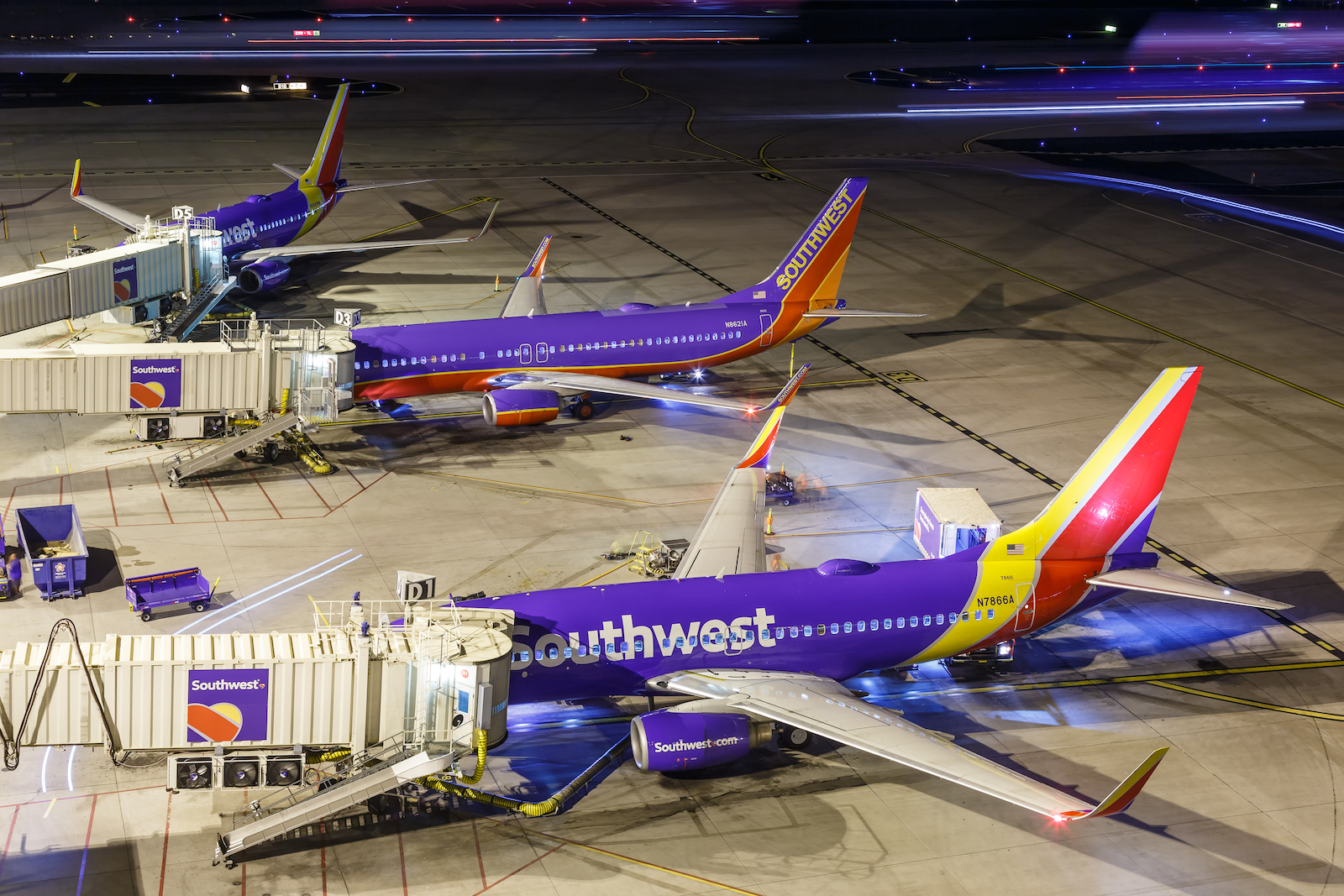
Southwest 737 aircraft in Phoenix (Photo: Shutterstock | Markus Mainka)
Southwest is adding more red-eye flights next summer along with expanded seasonal offerings. The Dallas-based airline extended its schedule through Aug. 4, 2025, on Wednesday.
More Red-Eye Flights
Next summer, the airline is adding 13 red-eye flights, bringing its total number of overnight flights to 33. These additional flights are both existing and new routes, including:
Honolulu to Los Angeles
Lihue, Hawaii, to Las Vegas
Long Beach, California, to Baltimore/Washington – new route
Ontario, California, to Baltimore/Washington – new route
Portland, Oregon, to Baltimore/Washington – new route
Sacramento, California, to Orlando, Florida
San Francisco to Baltimore/Washington and Nashville, Tennessee – both new routes
San Jose, California, to Baltimore/Washington – new route
Seattle to Baltimore/Washington, Chicago Midway, Houston Hobby, and Nashville
Ryan founded AirlineGeeks.com in February 2013 and has spent more than a decade covering the airline business. His work has been featured by CNN, WJLA, CNET, and Business Insider. His aviation experience spans airport operations, Part 135 regulatory compliance, and airline crew workforce planning, along with time behind the yoke of a Cessna 172 and interviews with airline executives. Ryan now serves as Group President of Firecrown Media’s Aviation Group. He holds a B.S. in Air Transportation Management and an MBA from Arizona State University and teaches Airline Management at Embry-Riddle Aeronautical University.