Southwest will soon partner with an international airline, a first in the Dallas-based carrier’s recent history. The new tie-up was announced as part of the airline’s Investor Day on Thursday.
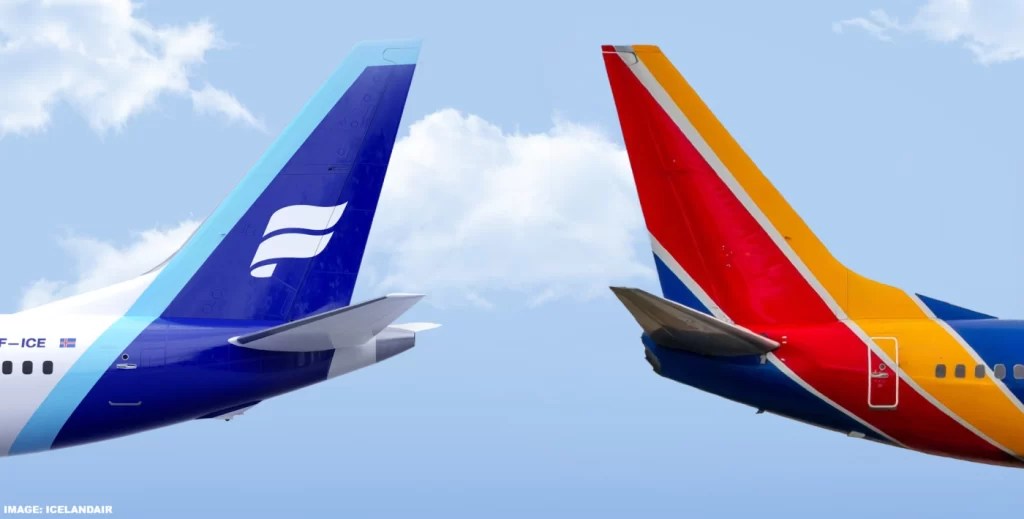
Slated to begin in 2025, Southwest will partner with Icelandair initially at its Baltimore/Washington base. The two airlines signed a Memorandum of Understanding (MOU) to launch the so-called “bilateral” partnership.
According to a press release from Icelandair, the new partnership will allow for connections between both airlines’ networks. The two carriers have yet to provide further information on codesharing or interline transfers.
“We are very excited to add Southwest to our impressive partnership portfolio and are honored to be chosen as their initial airline partner,” said Bogi Nils Bogason, Icelandair’s President and CEO in the release. “The partnership will unlock many exciting travel options for our customers, and our extensive network in Europe will open for Southwest customers. As part of our strategic focus on expanding our global partnership network, we seek out airlines known for exceptional service and connectivity. We welcome Southwest as a partner and look forward to working together to make the journeys of our mutual passengers smooth and enjoyable.”
Southwest and Icelandair aircraft (Photo: Icelandair)
Southwest’s commercial chief Ryan Green added that the airline “aims to serve our Customers and those of Icelandair on both sides of the Atlantic.”
In a presentation to investors, the carrier said it plans to add at least one more partner next year. Eventually, Southwest notes, these partner flights will be available for booking through its channels with assigned seating.
Ryan founded AirlineGeeks.com in February 2013 and has spent more than a decade covering the airline business. His work has been featured by CNN, WJLA, CNET, and Business Insider. His aviation experience spans airport operations, Part 135 regulatory compliance, and airline crew workforce planning, along with time behind the yoke of a Cessna 172 and interviews with airline executives. Ryan now serves as Group President of Firecrown Media’s Aviation Group. He holds a B.S. in Air Transportation Management and an MBA from Arizona State University and teaches Airline Management at Embry-Riddle Aeronautical University.
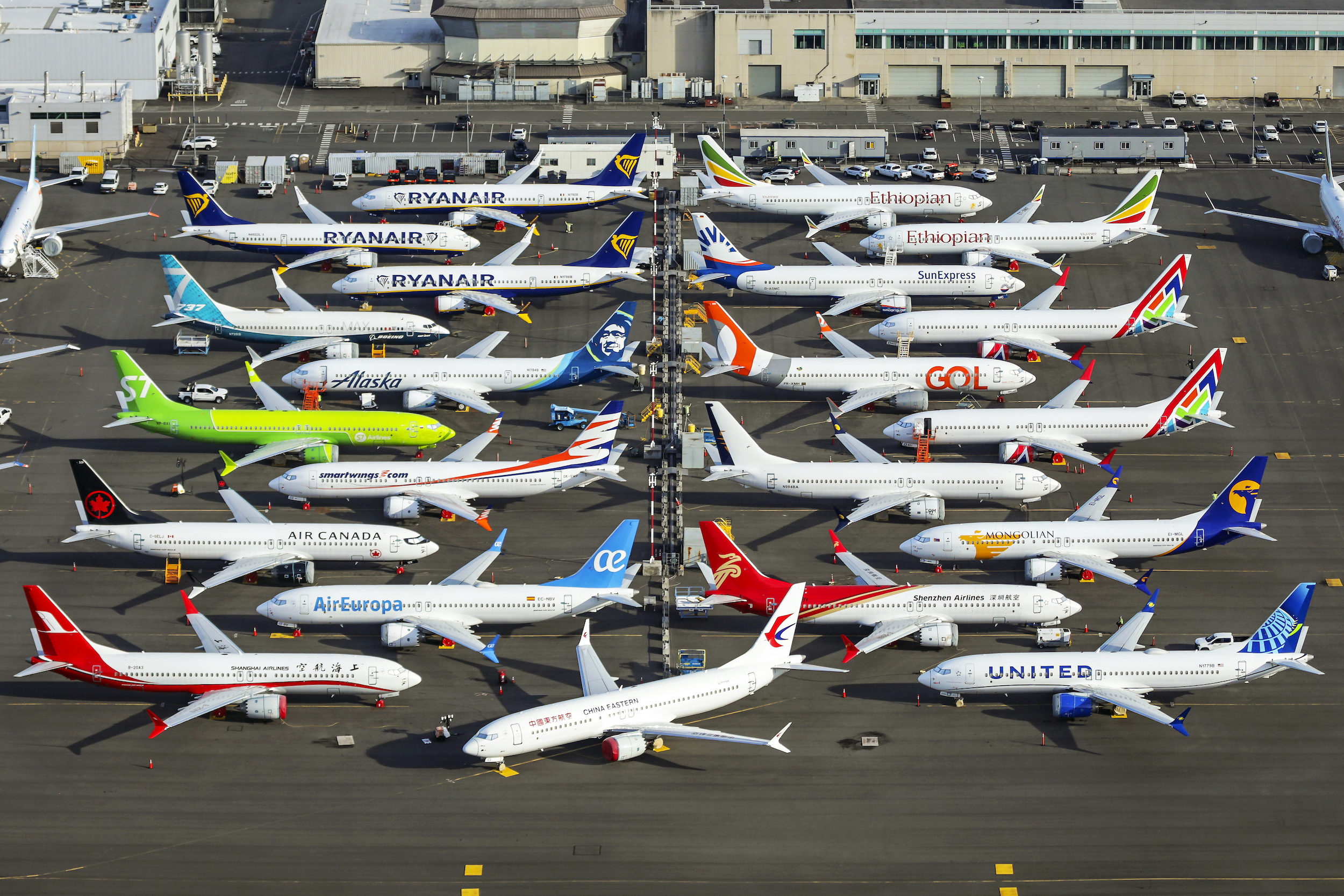
Boeing 737 MAX aircraft in storage at Boeing Field (Photo: AirlineGeeks | William Derrickson)
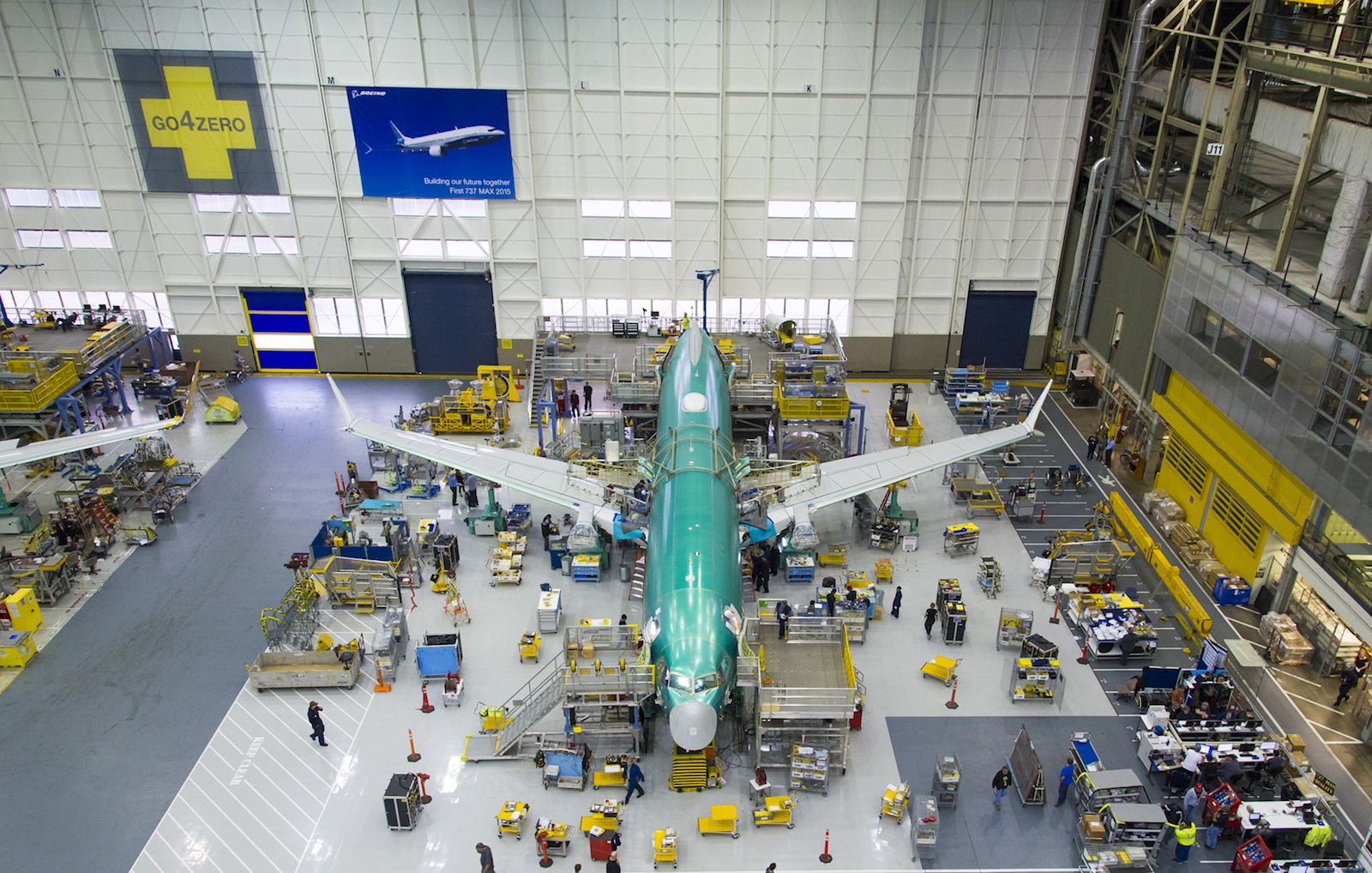
Boeing 737 production ground to a halt on Wednesday as the company continues to be riddled with costly strikes in the Pacific Northwest.
A Fortune report stated that two separate representatives from Boeing confirmed the production stoppage after a Tuesday Bank of America analyst note suggested production of the company’s best-selling jets had come to a “complete halt.”
This comes as 33,000 striking International Association of Machinists and Aerospace Workers (IAM) members refused to vote on Boeing’s “final offer” for a contract on Monday. IAM stated that the offer wasn’t negotiated with union representatives and did not go far enough to address members’ concerns.
The strikes are predicted to cause $3.5 billion in revenue losses for the Boeing Company by the end of September. A Bloomberg report analyzing the potential billions in revenue loss this month at Boeing stated that the largest driver of sales for the company is its 737 deliveries.
AirlineGeeks.com was founded in February 2013 as a one-person blog in Washington D.C. Since then, we’ve grown to have 25+ active team members scattered across the globe. We are all here for the same reason: we love deep-diving into the fascinating realm of the airline industry.
Alaska Pilots Secure Contract Extension, Raises Amid Merger
Pilots at Alaska Airlines — represented by the Air Line Pilots Association (ALPA) — ratified a two-year extension of their current contract on Tuesday.
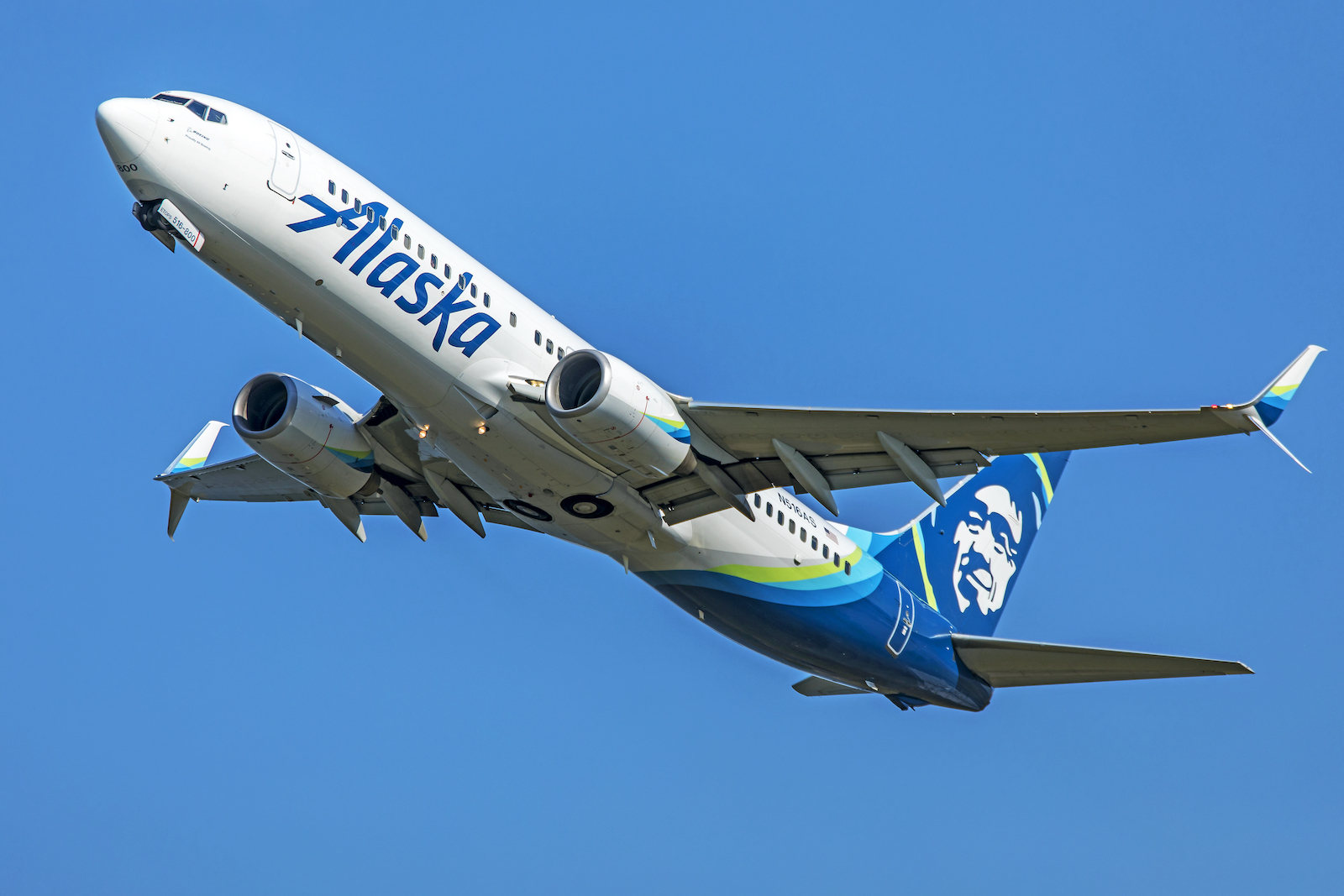
An Alaska Airlines 737-800. (Photo: AirlineGeeks | William Derrickson)
Pilots at Alaska Airlines — represented by the Air Line Pilots Association (ALPA) — ratified a two-year extension of their current contract on Tuesday. The extended agreement includes pay increases through 2026.
The Seattle-based airline and its pilots inked a new three-year collective bargaining agreement (CBA) in October 2022, which included pay raises of up to 23%. Earlier this month, Alaska and union leadership signed off on a tentative agreement that extended the current contract’s amendable date by 16 months.
ALPA currently represents both pilot groups at Alaska and Hawaiian. “Our pilot leadership is committed to creating a future we can all be proud of, while ensuring that our pilots are protected, and their priorities are upheld throughout the merger process as we negotiate the Joint Collective Bargaining Agreement (JCBA),” the union said in a statement following the merger’s completion.
Included in Alaska’s extended agreement are two pay increases. Pilots began voting on the tentative contract in early September.
These increases are slated to take place on Sept. 1, 2025, and on the same date in 2026 while including 4% raises each year along with market rate adjustments if applicable.
ALPA says this extension will allow JCBA negotiations to take center stage as both the union and airline work to integrate the two pilot groups. The union added that this agreement allows Alaska pilots to begin bargaining for a new CBA on June 5, 2026, should JCBA negotiations become delayed.
Ryan founded AirlineGeeks.com in February 2013 and has spent more than a decade covering the airline business. His work has been featured by CNN, WJLA, CNET, and Business Insider. His aviation experience spans airport operations, Part 135 regulatory compliance, and airline crew workforce planning, along with time behind the yoke of a Cessna 172 and interviews with airline executives. Ryan now serves as Group President of Firecrown Media’s Aviation Group. He holds a B.S. in Air Transportation Management and an MBA from Arizona State University and teaches Airline Management at Embry-Riddle Aeronautical University.
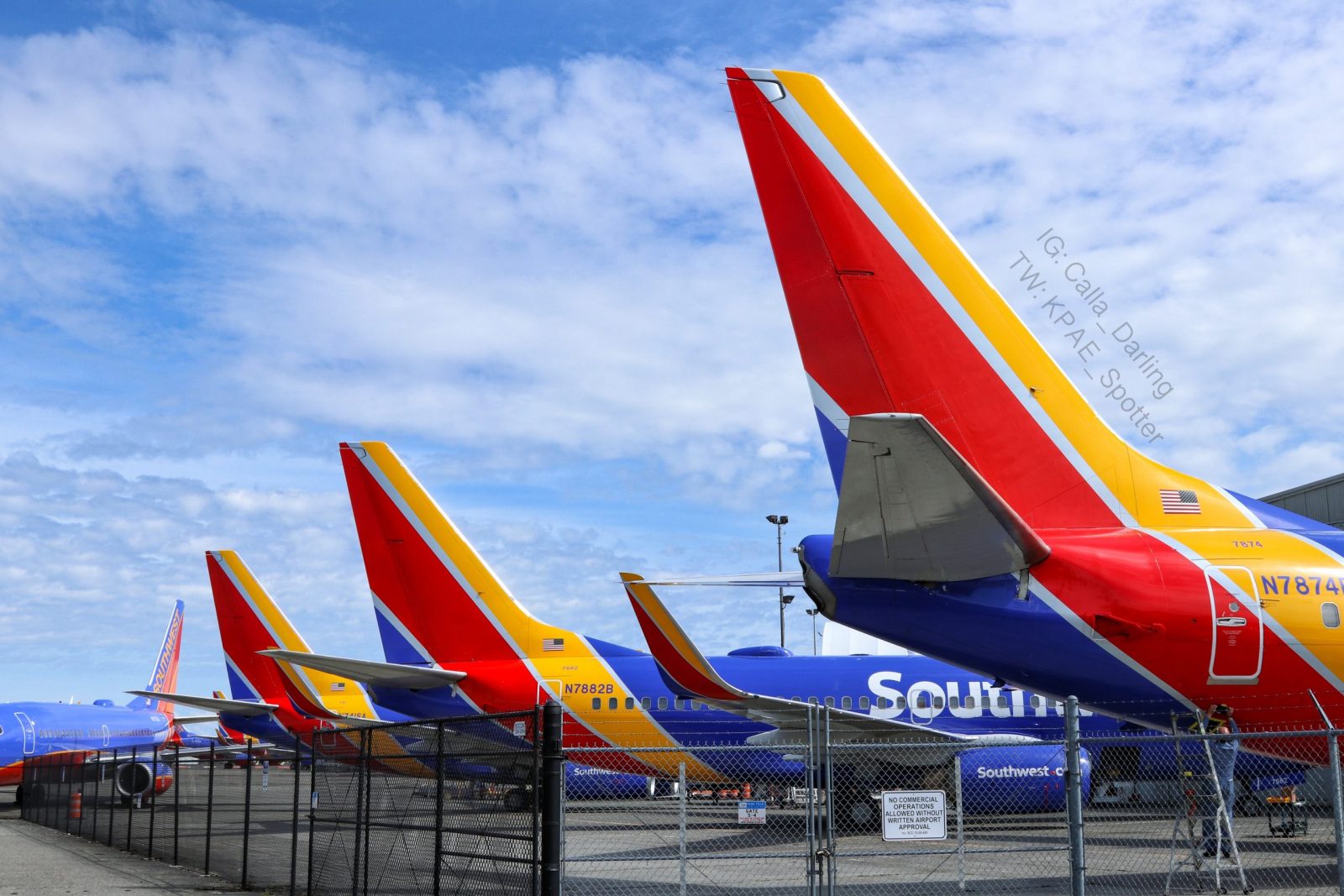
Southwest Boeing 737s at Paine Field. (Photo: AirlineGeeks | Katie Zera)
Southwest is shaking up its route network yet again, this time in Atlanta. As first reported by CNBC, the airline plans to reduce its presence at the world’s busiest airport and Delta fortress hub from 18 to 11 gates next year.
In addition, the Dallas-based carrier will reduce staffing at its Atlanta crew base. Approximately 140 pilots and 200 flight attendants could be displaced to other bases by April 2025, an internal memo viewed by CNBC said.
A relic of the 2011 merger with AirTran Airways, Southwest has continued to maintain a base in Atlanta with over 100 daily departures. In April, the airline announced plans to scale back its operations in the city to 94 departures per day.
“Although we try everything we can before making difficult decisions like this one, we simply cannot afford continued losses and must make this change to help restore our profitability,” the carrier said as part of the memo.
Airline network insider Enilria noted that routes to Cleveland; Jacksonville, Florida; Louisville, Kentucky; and Miami, among others, are likely impacted by the schedule reduction. Southwest may reduce its schedule in Atlanta to just 40 daily flights.
Other Schedule Changes
In its latest schedule iteration, the airline is adding four routes from Nashville, Tennessee, including Albuquerque, New Mexico; Albany, New York; Jackson, Mississippi; Memphis, Tennessee; Providence, Rhode Island; and Tulsa, Oklahoma. Southwest will also add red-eye flights from Hawaii to Las Vegas and Phoenix.
The airline is set to host its Investor Day in Dallas on Thursday.
Ryan founded AirlineGeeks.com in February 2013 and has spent more than a decade covering the airline business. His work has been featured by CNN, WJLA, CNET, and Business Insider. His aviation experience spans airport operations, Part 135 regulatory compliance, and airline crew workforce planning, along with time behind the yoke of a Cessna 172 and interviews with airline executives. Ryan now serves as Group President of Firecrown Media’s Aviation Group. He holds a B.S. in Air Transportation Management and an MBA from Arizona State University and teaches Airline Management at Embry-Riddle Aeronautical University.
An American A321 in Charlotte. (Photo: AirlineGeeks | William Derrickson)
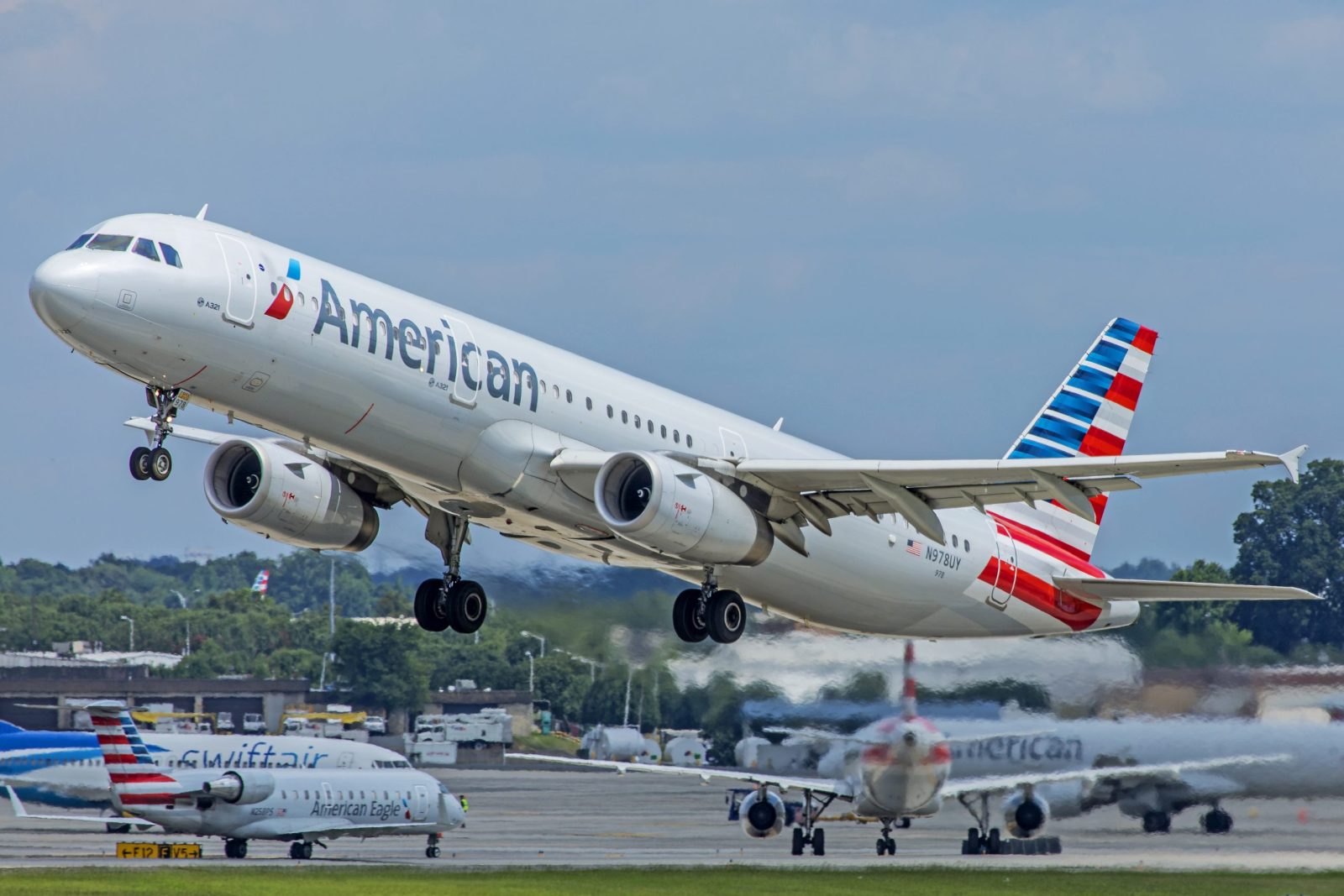
The Federal Aviation Administration (FAA) announced an investment of $290 million in Airport Improvement Program (AIP) funding to support the construction of a new fourth runway at Charlotte Douglas International Airport.
The project, which already broke ground in June 2023, aims to increase flight capacity and reduce delays at the world’s seventh-busiest airport. The airport anticipates construction of the $1 billion project to be completed by the fall of 2027.
“The FAA and the Biden-Harris Administration are pleased to assist CLT in ensuring the safest and most stress-free experience for travelers possible,” said FAA Associate Administrator for Airports Shannetta R. Griffin, in a news release. “The fourth runway project delivers on both goals – not only for travelers in and out of Charlotte, but for those visiting one of the nearly 200 cities with routes from CLT.”
In addition to the new runway, the grant will fund the completion of north and south end-around taxiways and other airfield improvements to enhance safety and increase capacity, the agency said.
Positioned west of Runway 18C/36C, the new runway will be roughly 10,000 feet long and is expected to significantly improve capacity at the airport.
“We are thrilled to receive this notable investment from the FAA,” said airport CEO Haley Gentry in the release. “The funding will enable the airport to continue progress on this crucial and nationally significant infrastructure project, boosting capacity and operational efficiency.”
Charlotte is American’s second-largest hub with approximately 700 flights per day. In 2023, the airline said it was eyeing plans for up to 800 daily flights with the new runway.
Ryan founded AirlineGeeks.com in February 2013 and has spent more than a decade covering the airline business. His work has been featured by CNN, WJLA, CNET, and Business Insider. His aviation experience spans airport operations, Part 135 regulatory compliance, and airline crew workforce planning, along with time behind the yoke of a Cessna 172 and interviews with airline executives. Ryan now serves as Group President of Firecrown Media’s Aviation Group. He holds a B.S. in Air Transportation Management and an MBA from Arizona State University and teaches Airline Management at Embry-Riddle Aeronautical University.
A Turkish Airlines A350-900XWB (Photo: AirlineGeeks | Katie Zera)
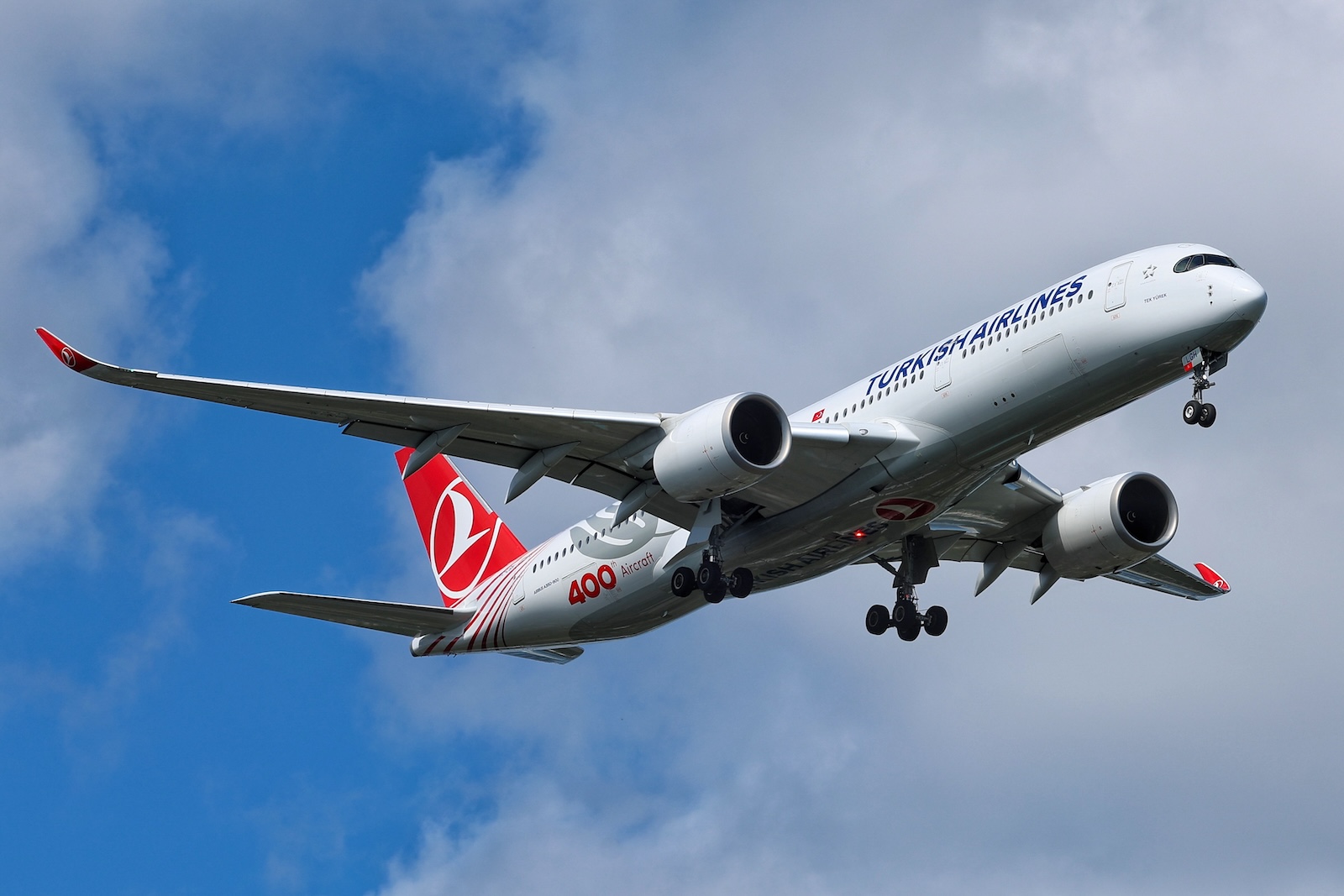
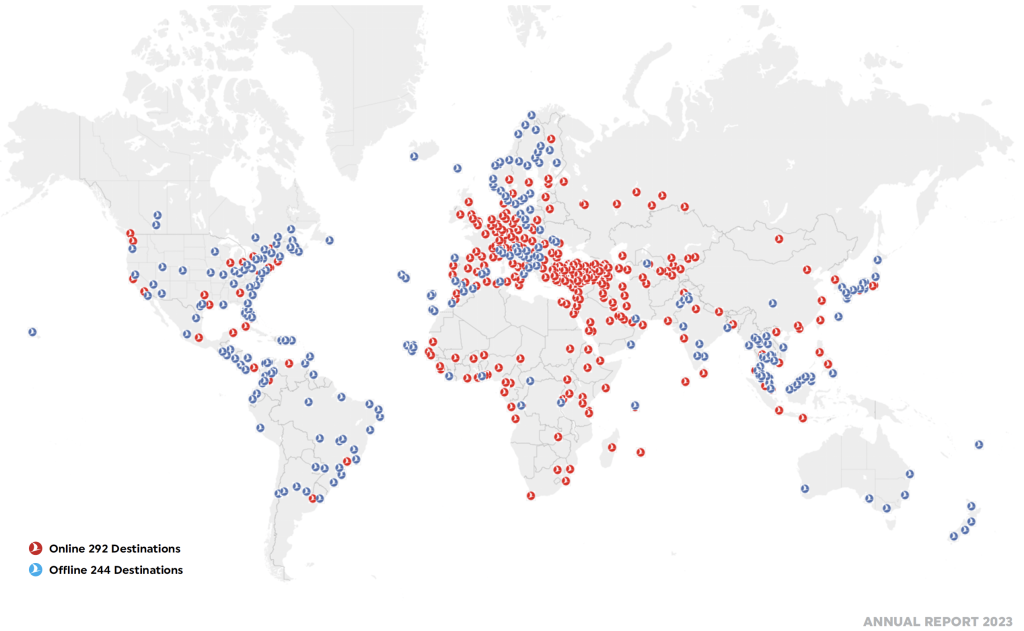
Turkish Airlines continues to push boundaries when it comes to expanding its destination network. According to a recently released factsheet, the carrier flies to 349 destinations in 130 countries and thus claims the title for the largest international flight network in the world.
Entering the Australian Market
Despite its vast network, Turkish Airlines has yet to connect its customers to all six inhabited continents. However, that’s about to change. The airline is expanding its fleet with new aircraft orders, including the Airbus A350-900 and A350-1000, which promise to extend its global reach even farther.
Earlier this year, the airline took its first step into Australia by launching a one-stop flight to Melbourne via Singapore. This marks the beginning of its Australian operations.
The next major milestone is expected in December this year, with the airline launching more one-stop services, including Santiago de Chile via São Paulo and Sydney via Kuala Lumpur. The Airbus A350-900 variant will operate these new routes.
The most significant news, however, concerns Sydney. Turkish has announced plans to operate a non-stop route to the city once it takes delivery of the Airbus A350-1000 in 2026. This will make Turkish Airlines one of the few global carriers to serve all six continents with non-stop flights.
Turkish Airlines online and offline destinations network at the end of 2023 (Photo: Turkish Airlines 2023 Annual Report)
Joining the Elite Circle
Only a select few airlines worldwide serve destinations on all six continents, and even fewer operate non-stop flights to those locations.
Turkish Airlines’ closest competitors, the Gulf Three — Emirates, Etihad Airways, and Qatar Airways — have historically set high ambitions. While all three once flew to all six continents, only Emirates and Qatar Airways continue to do so today.
In Europe, British Airways is the most extensive in this regard. The historical connections of the British Empire allow the U.K.’s largest airline to offer a one-stop flight to Sydney via Singapore. No other European network carrier offers anything comparable, making it the closest to operating on all six continents with a non-stop service.
In the U.S., the Big Three — American, Delta, and United — benefit from multi-hub models that connect the East and West Coasts to different parts of the world. However, American currently does not serve any African destinations, making it the only one of the three not to achieve global coverage.
Ethiopian Airlines, while close, doesn’t connect all continents. In Asia, several carriers come close, but only Air China serves all six continents. Meanwhile, Australia’s Qantas fulfills its role as the nation’s flag carrier, connecting its isolated country to the world with at least one destination in each continent.
A High Stakes Race
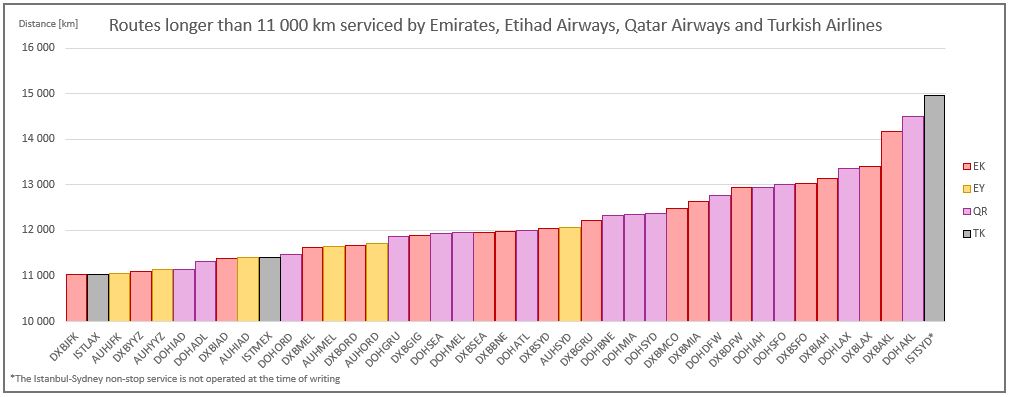
If serving six continents wasn’t enough, there is another way to tell the carriers apart. It is by looking at ones serving the most distant points on Earth from a respective hub. As with the increased mileage, the costs of serving such routes grow exponentially, nowhere could this feat be as important as in the Middle East.
All three famous Gulf carriers are serving as a significant benchmark for Turkish Airlines. Still, all three of them currently serve routes longer than anything in the Turkish carrier’s network. To be able to profitably serve such routes is a sign of operational efficiency and a strong network; something that could say more than any industry award.
Longest routes operated by the Gulf Three and Turkish Airlines (Photo: Filip Kopec)
Coincidently, or not, the rumoured non-stop connection from Istambul to Sydney could change that. With a great circle distance of 14,967 km, the route would surpass everything the Gulf carriers have in their portfolios. It would only fall short of Singapore Airlines’ record-breaking Singapore to New York ultra-long-haul routes, operated by Airbus A350-900ULR aircraft.
A passionate aviation enthusiast that started off his career as an aerospace engineer, but found his true calling on the commercial side of the airline business. Now as a finance guy among avgeeks and an avgeek among finance guys, he has experience working in the Revenue Divisions of three airlines. In his spare time he enjoys traveling, but admittedly sometimes is more about the journey than the destination.
TAAG Angola Airlines Takes Delivery of Its First Airbus A220-300
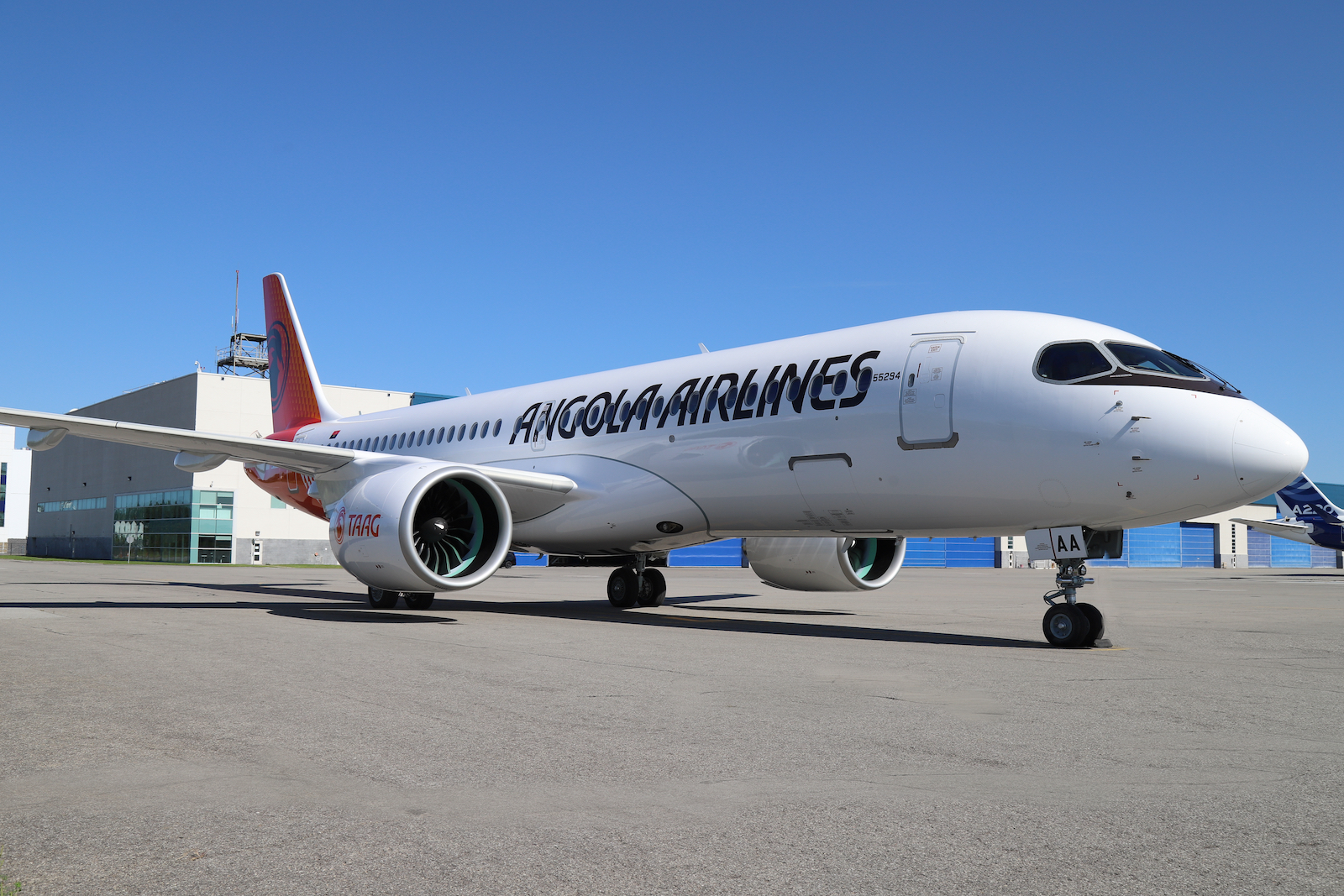
TAAG Angola Airlines announced it has taken delivery of its first Airbus A220-300 aircraft, which features a refreshed paint scheme.
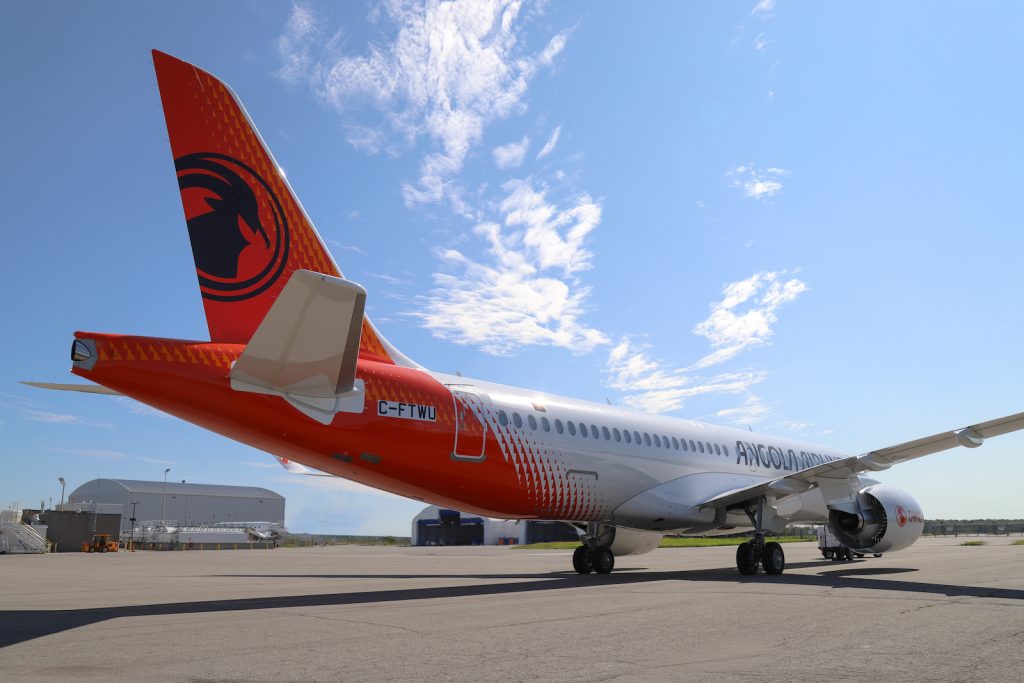
TAAG Angola Airlines announced it has taken delivery of its first Airbus A220-300, marking a significant step in the airline’s fleet modernization efforts. The new aircraft, registered as D2-TAA, showcases an updated livery featuring national symbols and traditional Angolan fabric patterns, the airline said in a statement on September 20, 2024. With a seating capacity of 137 passengers, including 12 in business class and 125 in economy, this aircraft is part of a larger order aimed at boosting the airline’s regional connectivity.
The A220-300, delivered from Airbus’s Mirabel site in Canada, is leased from Air Lease Corporation (ALC). The aircraft is part of TAAG’s broader strategy to enhance its fleet’s efficiency and performance, especially on local and regional routes. The A220’s improved fuel efficiency and lower operational costs are key advantages for the airline.
The new livery features the Palanca, a black antelope considered a national symbol, displayed on the aircraft’s tail and winglets. Additionally, the design incorporates the color scheme of Angola’s traditional fabric, known as “Samakaka.” This blend of cultural elements emphasizes TAAG’s connection to its roots while signaling a modernized future.
TAAG’s first A220 jet (Photo: Airbus)
Capable of flying non-stop up to 3,600 nautical miles (6,700 kilometers), the A220-300 is well suited to support TAAG’s expansion plans. Its next-generation design also aligns with the airline’s sustainability goals, offering 25% lower fuel consumption and CO2 emissions per seat compared to older aircraft. It also cuts NOx emissions by 40% compared to industry standards. Additionally, the A220 is capable of operating with up to 50% Sustainable Aviation Fuel (SAF), with Airbus aiming for 100% SAF compatibility by 2030.
TAAG Angola Airlines has ordered a total of 15 A220-300s. Six will be leased from Air Lease Corporation (ALC), with additional aircraft coming from Aviation Capital Group (four), Azorra (three), and Nordic Aviation Capital (NAC) (two). These aircraft will be used primarily for domestic and regional flights, offering significant reductions in fuel costs and environmental impact. TAAG plans to begin operations at the new Luanda International Airport, Dr. António Agostinho Neto, by the fourth quarter of 2024.
The airline initially expected to receive its first four A220-300s in early 2024. However, delivery was delayed, and the first aircraft arrives this month, following a previously anticipated August date. As the new planes join the fleet, TAAG will begin retiring its older Boeing 737-700 aircraft. To maintain operational stability during this transition, TAAG has dry-leased two Boeing 737-700s from ALC. The airline’s broader fleet renewal strategy also includes an order for four Boeing Dreamliners: two 787-9s and two 787-10s.
Victor Shalton's love for aviation can be traced to when he was 11-years-old. As a seasoned aviation writer, he takes pride in providing the best aviation coverage around the globe and is passionate about advancing his skills in the aviation space. In addition, he loves travelling, writing, arts and while his speaking engagements have taken him around the world, he is proud to call Nairobi home.
Negotiators for striking machinists and aerospace workers declined to vote on Boeing’s final contract offer hours after news broke about the proposal.
Boeing made what the company called its “best and final offer” for a renewed contract to 33,000 striking union workers on Monday afternoon. The International Association of Machinists and Aerospace Workers (IAM) announced later that evening that the union would not be taking a vote on the offer.
In a statement addressing Local Lodge 63 members in Oregon, the union said that Boeing notified IAM of the offer Monday morning before sending it out publicly.
“While your Negotiating Team was still reviewing the details, Boeing took it upon itself to disrespect our entire Union by sending this offer directly to all members and the media without any prior communication from your Union,” IAM’s statement said. “This offer was not negotiated with your Union; it was thrown at us without any discussion.”
IAM reaffirmed that this offer from Boeing was non-negotiated, and the union’s negotiating committee did not have any discussion or input in the offer.
“We have said all along that the Union would be available for direct talks with Boeing or, at a minimum, expected to continue mediated discussions when the company was ready,” the statement continued. “These direct dealing tactics are a huge mistake, damage the negotiation process, and attempt to go around and bypass your Union negotiating committee.”
Additionally, IAM stated that mediation broke down on September 18 after the union and Boeing failed to reach a suitable contract agreement.
“This proposal does not go far enough to address your concerns, and Boeing has missed the mark with this proposal,” IAM’s statement said. “They are trying to drive a wedge between our members and weaken our solidarity with this divisive strategy.”
IAM said that Boeing does not get to decide when or if its members vote, and the company’s offer deadline does not give the union enough time to present details to its membership or secure voting locations.
“It is vital that we negotiate a successful resolution to this strike,” the statement continued. “We contacted the company to demand they engage in either direct talks or a mediated discussion. The company has refused to meet for further discussion; therefore, we will not be voting on the 27th.”
What Was in Boeing’s Offer?
Boeing’s final contract offer would have bumped the company’s previous general wage increase offer of 25% to 30% and doubled the ratification bonus for employees from $3,000 to $6,000. It also would reinstate the AMPP performance and incentive plan for machinists while removing the proposed IAM 401(k) that was previously set to replace it.
Additionally, the offer would have increased Boeing’s 401(k) plan company match from 75% to 100% of the first 8% an employee contributed.
A news release emailed Monday afternoon by IAM International President Brian Bryant said that Boeing’s final contract proposal showed that executives could do better.
AirlineGeeks.com was founded in February 2013 as a one-person blog in Washington D.C. Since then, we’ve grown to have 25+ active team members scattered across the globe. We are all here for the same reason: we love deep-diving into the fascinating realm of the airline industry.
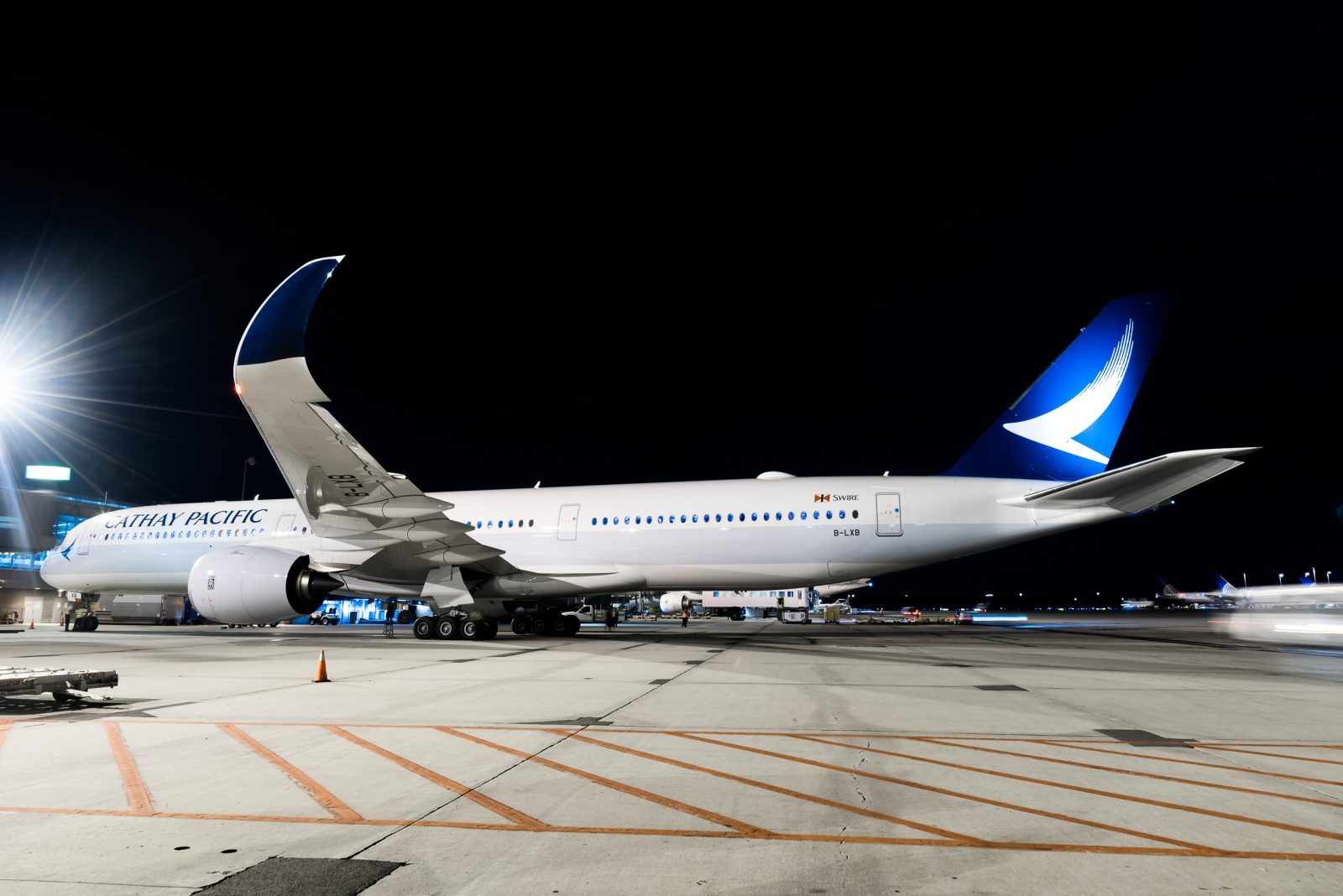
A Cathay Pacific A350-1000 at Washington Dulles (Photo: AirlineGeeks | Ben Suskind)
Cathay Pacific has announced that it will expand its North America network in 2025 with a new service to Dallas/Fort Worth. The Hong Kong-based airline will deploy its Airbus A350-1000 to operate the four-times-a-week service starting on April 24, 2025.
“Dallas-Fort Worth International Airport is one of the world’s busiest airports. With our Cathay Pacific codeshares as well as other flight options, customers can connect to over 190 domestic destinations in the United States.” Lavinia Lau, Cathay Group Chief Customer and Commercial Officer, said in a news release.
Hong Kong is desperate to strengthen its position as an aviation hub. Earlier this year, the city rolled out a new campaign to attract international airlines focusing on American and European destinations. Airlines launching new routes will be rewarded with an incentive for up to two years.
At 8,123 miles, the carrier’s new Hong Kong-Dallas/Fort Worth route will become its longest by distance. Cathay’s current longest route is between Hong Kong and New York-JFK.
In addition, Cathay Pacific will ramp up its flight frequencies to North America, including New York, San Francisco, Los Angeles, Boston, Chicago, Vancouver, and Toronto in the next year.
The airline will be operating 108 return flights between Hong Kong and North America by May 2025, up from the current 88 per week. The carrier also plans to open a new lounge at New York-JFK.
Spreading Its Wings Again
After years of the pandemic, Cathay Pacific got into gear and announced that it would invest over HK$100 billion ($12.8 billion) over the next seven years. Earlier this year, Cathay Pacific announced that it would modernize its fleet by acquiring 30 Airbus A330-900neo aircraft, expecting more than 100 new deliveries, with the rights to acquire over 80 additional aircraft in the future.
Meanwhile, the airline completed the buyback of all the warrants it had issued to the Hong Kong SAR Government during the pandemic.
Machinists Union Reviews Final Contract Offer From Boeing Amid Strike
Boeing has made what the company is calling its “best and final offer” for a renewed contract to 33,000 striking machinists and aerospace workers on Monday.
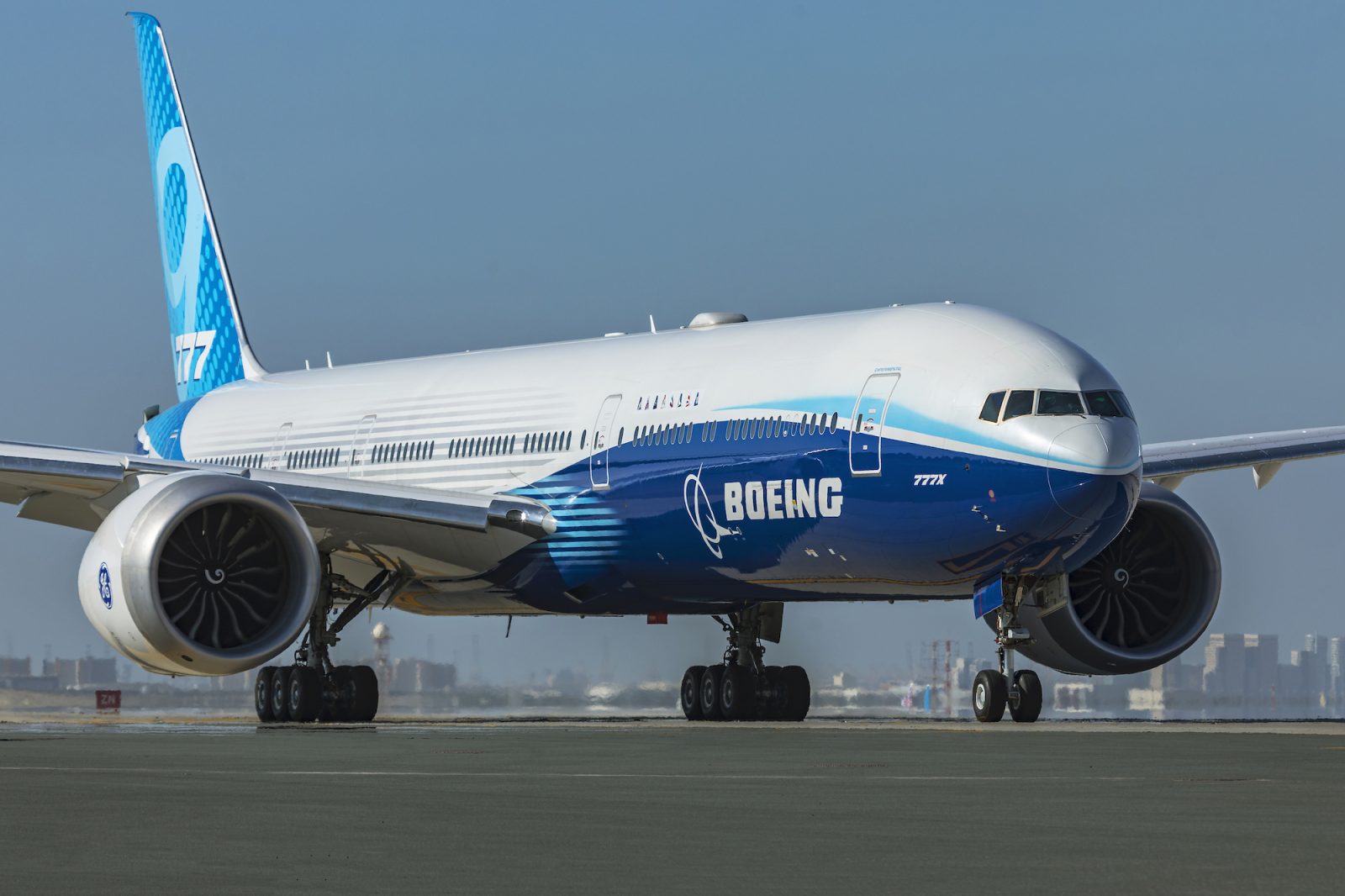
A Boeing 777X at the Dubai Airshow. (Photo: AirlineGeeks | William Derrickson)
Boeing has made what the company is calling its “best and final offer” for a renewed contract to 33,000 striking machinists and aerospace workers on Monday.
The International Association of Machinists and Aerospace Workers (IAM) has been on strike for nearly two weeks now after the union rejected Boeing’s offer for a renewed contract on Sept. 12.
The offer bumps Boeing’s previous general wages increase offer of 25% to 30% and doubles the ratification bonus for employees from $3,000 to $6,000. It also reinstates the AMPP performance and incentive plan for machinists while removing the proposed IAM 401(k) that was previously set to replace it.
Additionally, the offer increases Boeing’s 401(k) plan company match from 75% to 100% of the first 8% an employee contributes. The automatic 4% additionally contributed by the company remains the same.
Boeing stated that all other terms of the Tentative Agreement stay the same, and Monday’s offer is contingent on ratification by 11:59 p.m. this Friday.
In a news release emailed Monday afternoon, IAM International President Brian Bryant said that Boeing’s latest proposal shows that executives can do better.
“Right now, the latest proposal from the company is being reviewed. Some of the top priorities to achieve a settlement remain and always have been ensuring respect and fair pay, recognition of the sacrifices these workers have made, along with progress on retirement security and other key issues,” Bryant said in the release. “Boeing executives have always known they could do better and this proposal shows the company can do better. This news validates every step that hardworking Boeing employees have taken on the picket line thus far. Employees knew Boeing executives could do better, and this shows the workers were right all along. The proposal will be analyzed to see if it’s up to the task of helping workers gain adequate ground on prior sacrifices.”
AirlineGeeks.com was founded in February 2013 as a one-person blog in Washington D.C. Since then, we’ve grown to have 25+ active team members scattered across the globe. We are all here for the same reason: we love deep-diving into the fascinating realm of the airline industry.