Kalitta Air Faces $400,000 Penalty for FAA Violation
The Federal Aviation Administration has proposed a civil penalty of $400,000 against cargo airline Kalitta Air for allegedly operating flights in a prohibited region.
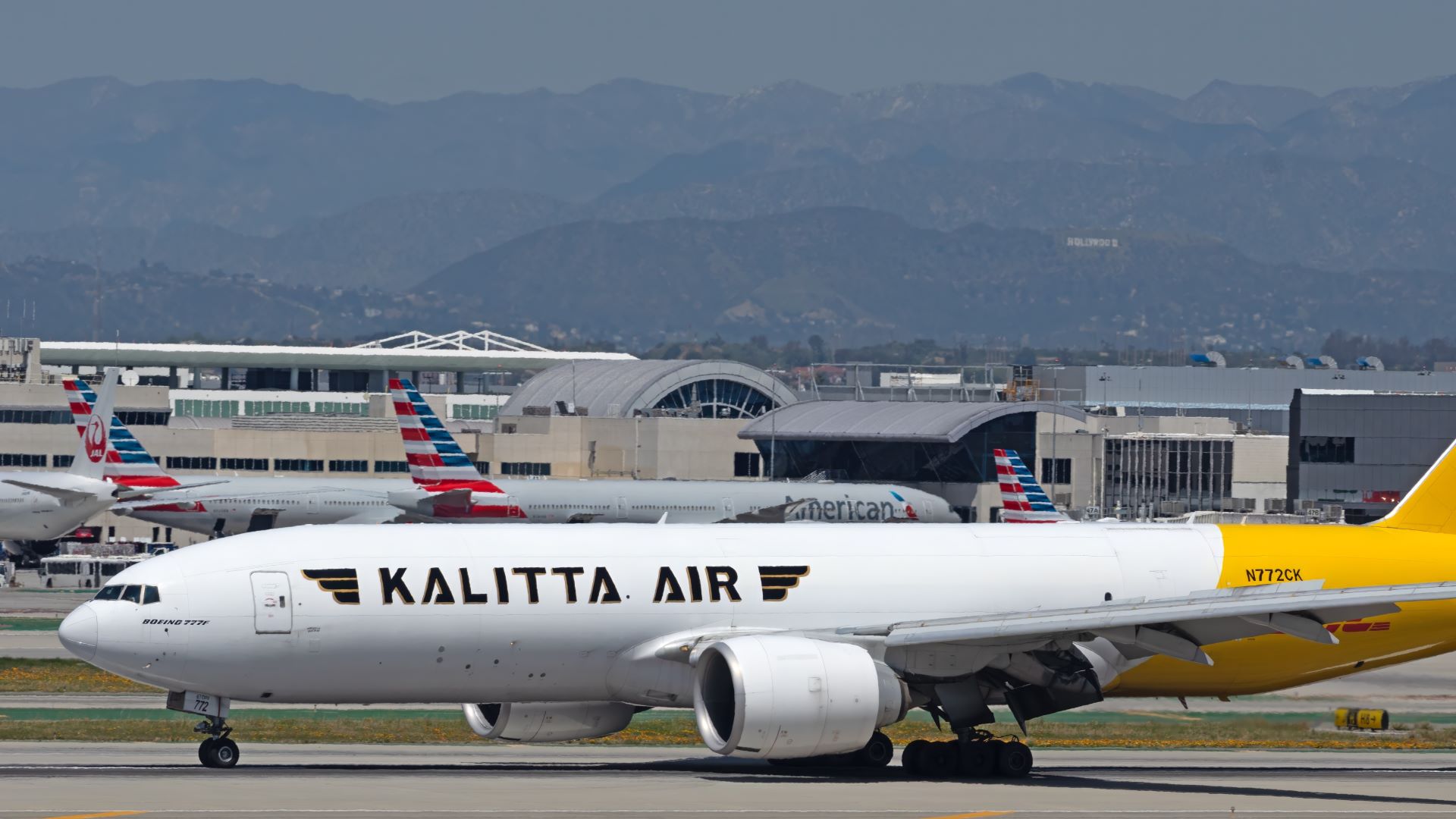
Kalitta Air operates five Boeing 777 freighters for DHL Express, including this one that went through Los Angeles International Airport on April 6. (Photo: Angel DiBilio | Shutterstock)
The Federal Aviation Administration has proposed a civil penalty of $400,000 against cargo airline Kalitta Air for allegedly operating flights in a prohibited region when certain aircraft have a faulty multimode receiver.
The agency announced Friday that Kalitta Air, based in Ypsilanti, Mich., used prohibited procedures on 44 flights between late December 2022 and Jan. 26, 2023. The Boeing 777 freighter did not have the required software needed to correct a fault in the navigation equipment. Multi-mode receivers receive land-and-satellite-based signals that enables precision navigation.
The violation stems from a 2020 order prohibiting aircraft with Collins GLU-2100 multimode receivers that had a specific type of software installed from operating in a part of the world where the loss of global positioning system data, or degraded GPS accuracy, was possible.
“This improper mapping within the operational software, if not addressed, could, during a high-precision approach with a GPS error, result in controlled flight into terrain,” the 2020 airworthiness directive said.
Airlines were instructed to revise flight manuals informing pilots of the banned areas if the navigational system can’t calculate its position within three-tenths of a nautical mile.
Kalitta, which operates five 777s for DHL Express, has asked to meet with the FAA to discuss the case. It is possible the penalty could be negotiated down. The company did not respond to a request for comment by time of publication.
Collins Aerospace has since released new software to rectify issues with the GPS software.
Editor’s Note: This story first appeared on FreightWaves.
AirlineGeeks.com was founded in February 2013 as a one-person blog in Washington D.C. Since then, we’ve grown to have 25+ active team members scattered across the globe. We are all here for the same reason: we love deep-diving into the fascinating realm of the airline industry.
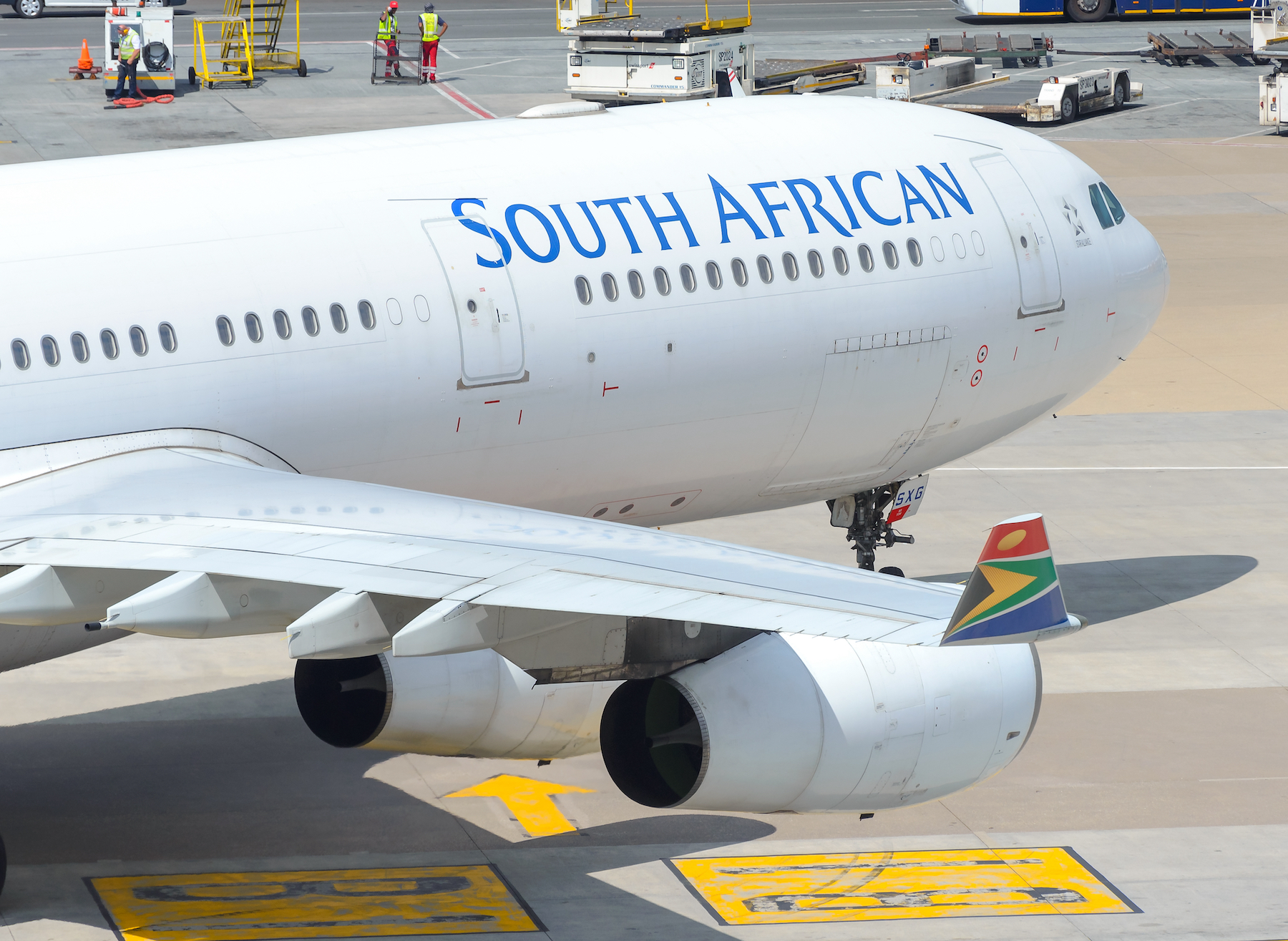
A South African Airways A340-300. (Photo: Shutterstock)
South African Airways (SAA) has introduced a new mobile app which passengers can use to improve their travel experience.
Embracing Technology
The airline is ramping up technology in its attempt to redefine itself as an international carrier of choice.
It seeks to give passengers added control over a number of transactions which they previously had to complete on the airline’s website or with the help of staff.
“This app is the ultimate travel companion. It puts convenience at your fingertips,” said Carla Da Silva, SAA General Manager for Sales, Marketing, eCommerce & Distribution in an interview.
Many airlines across the globe offer passengers the ability to buy flights, make changes, check-in, and issue their boarding passes via an app. This gives passengers more autonomy and flexibility over their travel plans.
Offering Convenience
The airline’s mobile app now allows passengers to complete a number of transactions digitally. South African Airways says it is committed to rebuilding the airline and enhancing travel experiences for its passengers.It is implementing this initiative to give passengers more choice and control over their flights.
“Passengers can check in seamlessly, directly from the app and can stay informed with real-time flight updates,” Da Silva added.
With the app, passengers can manage various aspects of their flights. Key features of the new SAA Mobile App include:
– Booking Flights: Searching and booking one-way or round-trip flights.
– Managing Bookings: Viewing and modifying flight bookings.
– Digital Boarding Passes: Convenient digital boarding passes.
– Check-In: Checking-in for flights directly via the app.
– Instant Notifications: Staying informed with real-time flight updates.
– Siri Integration: Adding upcoming trips to Siri for quick access.
– Smartwatch Sync: Synchronizing trips with a smartwatch for added convenience.
The SAA Mobile App is available on Android, iOS, and Windows. It offers a one-stop shop for managing flights and accessing travel information.
Rebuilding South African Airways
South African Airways previously operated a compact international route network, serving destinations on each continent. Since emerging from business rescue in post-Covid times, it has been rebuilding its former route network.
The airline has already resumed scheduled flights to Australia and South America. It intends to reintroduce services to the United States and Europe in the future, once it has sufficient aircraft to add additional routes to its growing route network.
Lorne is a South Africa-based aviation journalist. He was captivated and fascinated by flying from the day he took his first airline flight. With a passion for aviation in his blood, he has flown to destinations in all corners of the globe. Lorne has traveled extensively and lived in various countries. Drawing on his travels and passion for aviation, Lorne enjoys writing about airlines, routes, networks, and new developments.
Hong Kong International Airport Attracts New Routes
Hong Kong International Airport is offering lucrative incentives to airlines as it looks to grow its post-pandemic route portfolio.
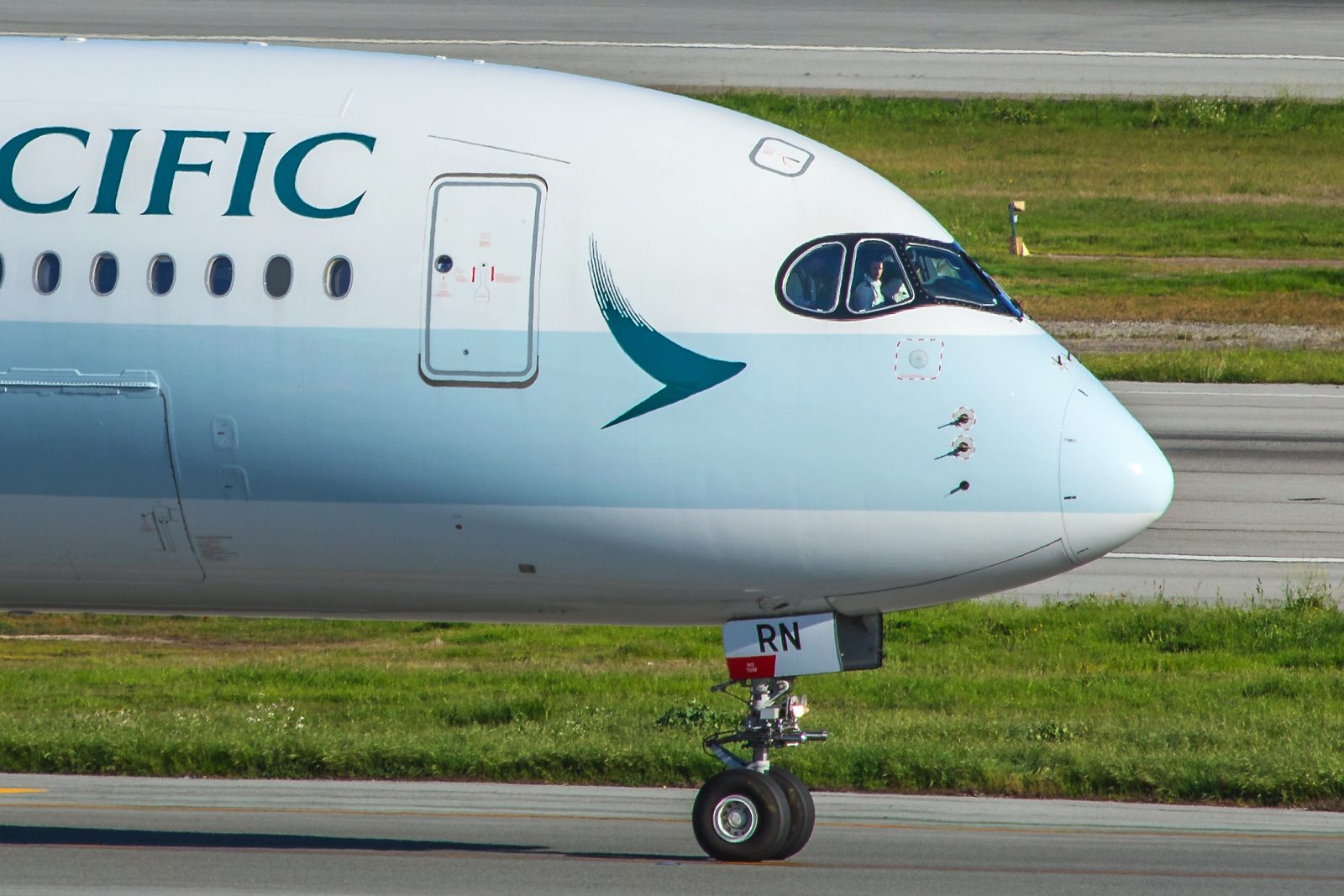
A Cathay Pacific A350 in San Francisco (Photo: AirlineGeeks | William Derrickson)
Hong Kong has launched a new campaign to strengthen its position as an international aviation hub. Every eligible flight operation is expected to be given HK$10,000 to HK$20,000 ($1,280 -2,560) in incentives.
Under the new program, airlines operating to new or expanded American and European destinations could be granted the incentive for three years. On the other hand, airlines launching new routes are eligible to be awarded the incentive for up to two years.
Low-cost carriers are expected to stand to benefit from the new policies. South Korea’s Jin Air, Taiwan’s StarLux Airlines, and HK Express are taking advantage of the new program, launching new regional services in the near future.
“Air network connectivity is pivotal to an international aviation hub like Hong Kong International Airport (HKIA). While we are confident in HKIA’s development in the long term, the new program serves to encourage home-based and foreign airlines to bring forward their launch of new routes and/or increase in frequency of flights connecting to HKIA,” Vivian Cheung, Acting Chief Executive Officer of Airport Authority Hong Kong, said.
According to HKIA, the airport currently serves 220 destinations with 120 airlines, a figure close to 2019. However, Hong Kong was left behind after the pandemic, the vibrant hub handled 4.07 million passengers in May, compared to 6.2 million during the same time in 2019.
Cathay Pacific Steps Up in 2025
The city struggles to expand its network, especially long-haul flight operations to compete with other airports in the region. The airport launched the new program to entice airlines as a result. Meanwhile, airfare is skyrocketed after the pandemic; more flight options can let passengers travel without breaking the bank.
Cathay Pacific plays a key role in the city’s aviation industry. The airline cancelled some long-haul flights in response to the pandemic, such as Washington, Seattle, and London Gatwick. However, there is no sign of resuming these routes thus far.
The airline currently operates 80% of its pre-pandemic passenger flights, expecting to reach 100% capacity within the first quarter of 2025. Last month, the group welcomed back its last aircraft from long-term overseas parking.
The unique aspect of American’s new route to Turks and Caicos is that it doesn’t go to Providenciales or even the country’s second-largest airport which is Grand Turk, it instead goes to the third and smallest airport in the country: South Caicos. The airline has announced that the route will begin on Feb. 15, 2025, and will run twice weekly on Wednesdays and Saturdays to its hub in Miami.
Up until now, every international flight going into the country has landed at Providenciales International Airport, the largest and busiest airport in the nation. In addition to the main airport of Providenciales, there are only two other airports in the country: Grand Turk and South Caicos, but they are both small and see only scheduled flights within the country. The only other airport that can even handle international flights is Grand Turk, but the international flights are charters during the peak tourist season.
South Caicos is a small airport, especially compared to the country’s main airport, and it currently only sees once or twice daily service on InterCaribbean Airways with the 19-seat DeHavilland Twin Otter. The airport itself in South Caicos is small too, with a small single-lane road into and out of the airport and a dirt parking lot, it will presumably need to see some renovations to handle the 76-seat Embraer E175s that American plans on flying there.
The small airport terminal in South Caicos (Photo: South Caicos Airport)
The Twin Otter that InterCaribbean flies also has the ability to ground board, while the E175 doesn’t meaning the airport also needs to get airstairs. According to the airport’s website, they have “no immigration or customs personnel at South Caicos” and aircraft “are required to clear customs at Providenciales before continuing to South Caicos.” So the airport has a lot of leg work and preparation ahead of them in the seven months leading up to American’s new flights.
Las Vegas Long-Haul
The Consumers Electronics Show, or CES for short, is held every January in Las Vegas, and while none of the three big U.S. airlines have a hub there, they do add limited long-haul routes around the time of the conventions. Delta will usually add a couple of long-haul flights to destinations in Europe along with destinations in Asia.
As first reported by Ishrion Aviation, American has added its long-haul flights for CES 2025. The airline has added routes to both London Heathrow as well as Tokyo Narita from Las Vegas, both of which will see nine round trip flights onboard the airline’s Boeing 777-200 aircraft.
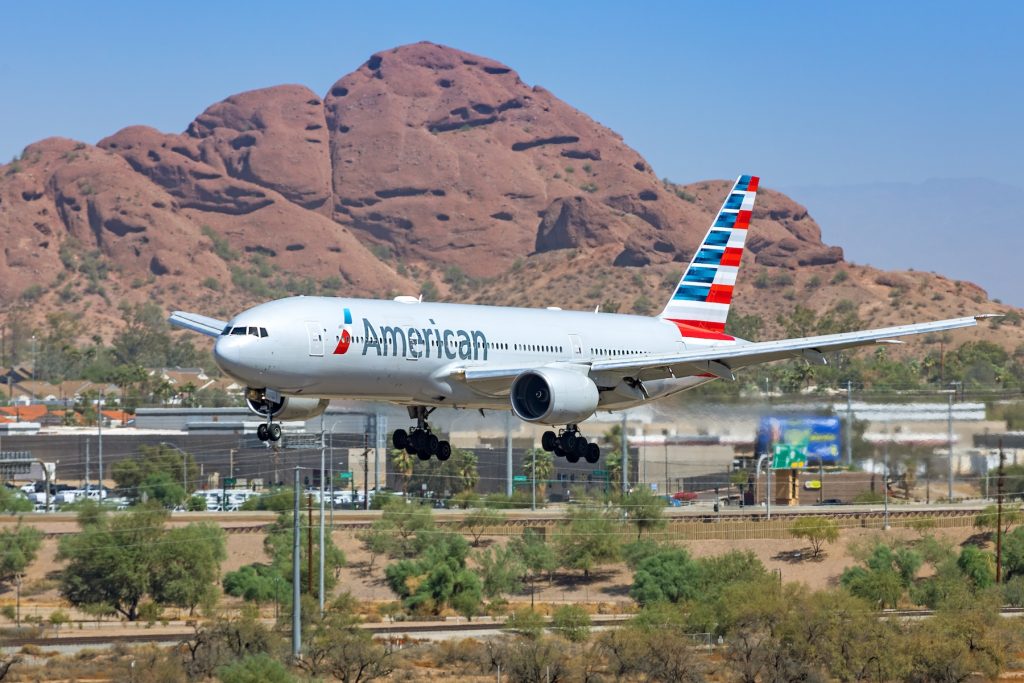
An American 777-200 in Phoenix (Photo: AirlineGeeks | William Derrickson)
Both routes will operate in the first two weeks of January 2025 with all nine round-trips to each destination being completed between the 3rd and 12th of the month. While American has served Las Vegas to Tokyo in the past, the route to London Heathrow is a new addition.
Last week, the Fort Worth-based airline confirmed that it was cutting a handful of routes as well, including a third daily Los Angeles to London flight and Miami to Santa Ana/Orange County. The airline’s Phoenix-London Heathrow service will also be reduced to seasonal-only.
Joey has always been interested in planes for as long as he can remember. He grew up in Central New York during the early 2000s when US Airways Express turboprops ruled the skies. Being from a non-aviation family made it harder for him to be around planes and would only spend about three hours a month at the airport. He was so excited when he could drive by himself, the first thing he did with his driver's license was get ice cream and go plane spotting for the entire day. He graduated from Western Michigan University in 2022 with a B.S. in Aviation Management & Operations and a Minor in Business, and currently works for a major airline in his hometown.
EgyptAir Launches Biweekly Flights to Djibouti and Mogadishu
EgyptAir has officially commenced its biweekly flights from Cairo to Djibouti and Mogadishu, starting on Friday, July 12, 2024.
An EgyptAir Boeing 737 in Vienna.
(Photo: AirlineGeeks | William Derrickson)
EgyptAir has officially commenced its biweekly flights from Cairo to Djibouti and Mogadishu, starting on Friday, July 12, 2024. This historic launch was marked by the presence of Egypt’s Minister for Foreign Affairs and Immigration, Badr Abdel-Aty, who led a delegation that included Minister of Civil Aviation Sameh El Hafny and representatives from various Egyptian authorities. The two-leg tour by EgyptAir signifies the first nonstop flights between Egypt and these two African nations, as noted by Foreign Ministry Spokesman Ahmed Abu Zeid.
“The initiation of direct flights between Egypt, Djibouti, and Somalia underscores our commitment to enhancing cooperation and strengthening the ties between our peoples, reflecting the deep historical and unique relationships among our countries,” stated Abu Zeid.
The new route aims to fortify cooperation and connections between Egypt, Djibouti, and Somalia, underscoring their longstanding historical ties. The inaugural flight, MS873, to Djibouti and Mogadishu, was operated by a Boeing 737-800 aircraft (registration SU-GEH) and will continue to fly every Thursday and Saturday.
Flight Schedule:
– MS873: Departs Cairo (CAI) at 23:35, arriving in Djibouti (JIB) at 03:30+1, then proceeds to Mogadishu (MGQ), arriving at 06:25+1.
– MS874: Departs Mogadishu (MGQ) at 07:25, arriving in Djibouti (JIB) at 09:20, then returns to Cairo (CAI), arriving at 14:15.
This new service adds to Mogadishu’s growing list of international flight routes, making it the ninth such route. Other international airlines already serving Mogadishu include Turkish Airlines, Qatar Airways, Ethiopian Airlines, Flydubai, Air Djibouti, Uganda Airlines, and Kenya Airways. While EgyptAir faces no direct competition on this route, Qatar Airways operates scheduled flights between Mogadishu’s Adan Abdulle International Airport and Djibouti’s Ambouli International Airport using Airbus A320 aircraft.
EgyptAir’s expansion strategy aims to penetrate larger global markets and attract new customers by offering more travel options. The airline announced this development on its Facebook page.
Victor Shalton's love for aviation can be traced to when he was 11-years-old. As a seasoned aviation writer, he takes pride in providing the best aviation coverage around the globe and is passionate about advancing his skills in the aviation space. In addition, he loves travelling, writing, arts and while his speaking engagements have taken him around the world, he is proud to call Nairobi home.
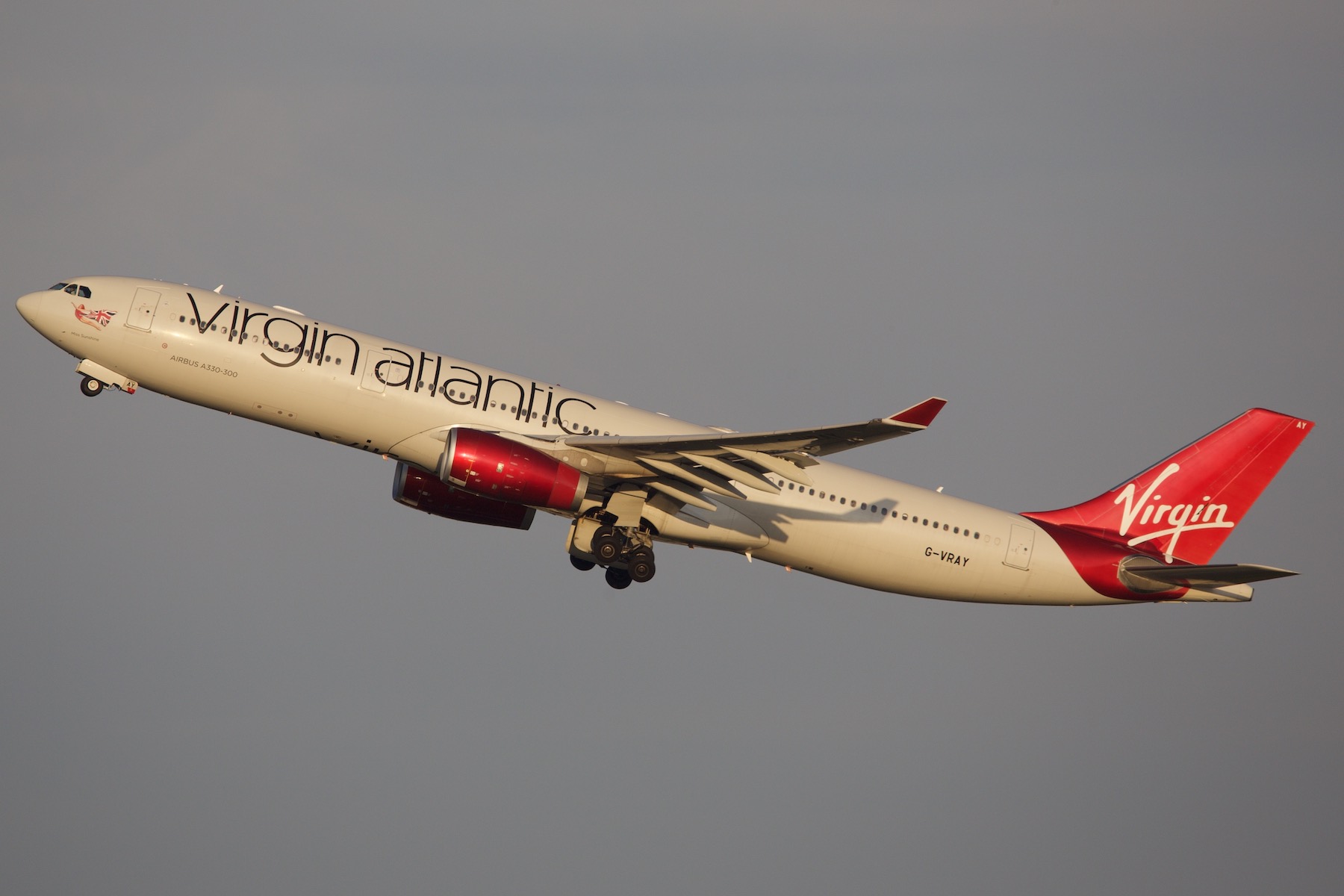
A Virgin Atlantic Airbus A330 (Photo: AirlineGeeks | Noah Escobar)
Virgin Atlantic announced that it will be suspending its flights between London Heathrow and Shanghai from Oct. 26, 2024. This decision comes as a result of the high costs associated with avoiding Russian airspace, which has led to longer flight times and increased fuel bills.
“Significant challenges and complexities on this route have contributed to the commercial decision to suspend flying to Shanghai,” an airline spokesperson told Bloomberg in a statement.
The airline has been operating the route since 1999, and its departure from Shanghai will leave it without any nonstop services to China. The airline has already cut other routes in the Asia-Pacific region, including Hong Kong, Lahore, and Islamabad, in recent years.
The move is part of a broader trend among airlines, with Qantas also withdrawing from the China market due to weak demand. Despite the challenges, Virgin Atlantic still maintains a code-share partnership with China Eastern, which it signed in January.
Ryan founded AirlineGeeks.com in February 2013 and has spent more than a decade covering the airline business. His work has been featured by CNN, WJLA, CNET, and Business Insider. His aviation experience spans airport operations, Part 135 regulatory compliance, and airline crew workforce planning, along with time behind the yoke of a Cessna 172 and interviews with airline executives. Ryan now serves as Group President of Firecrown Media’s Aviation Group. He holds a B.S. in Air Transportation Management and an MBA from Arizona State University and teaches Airline Management at Embry-Riddle Aeronautical University.
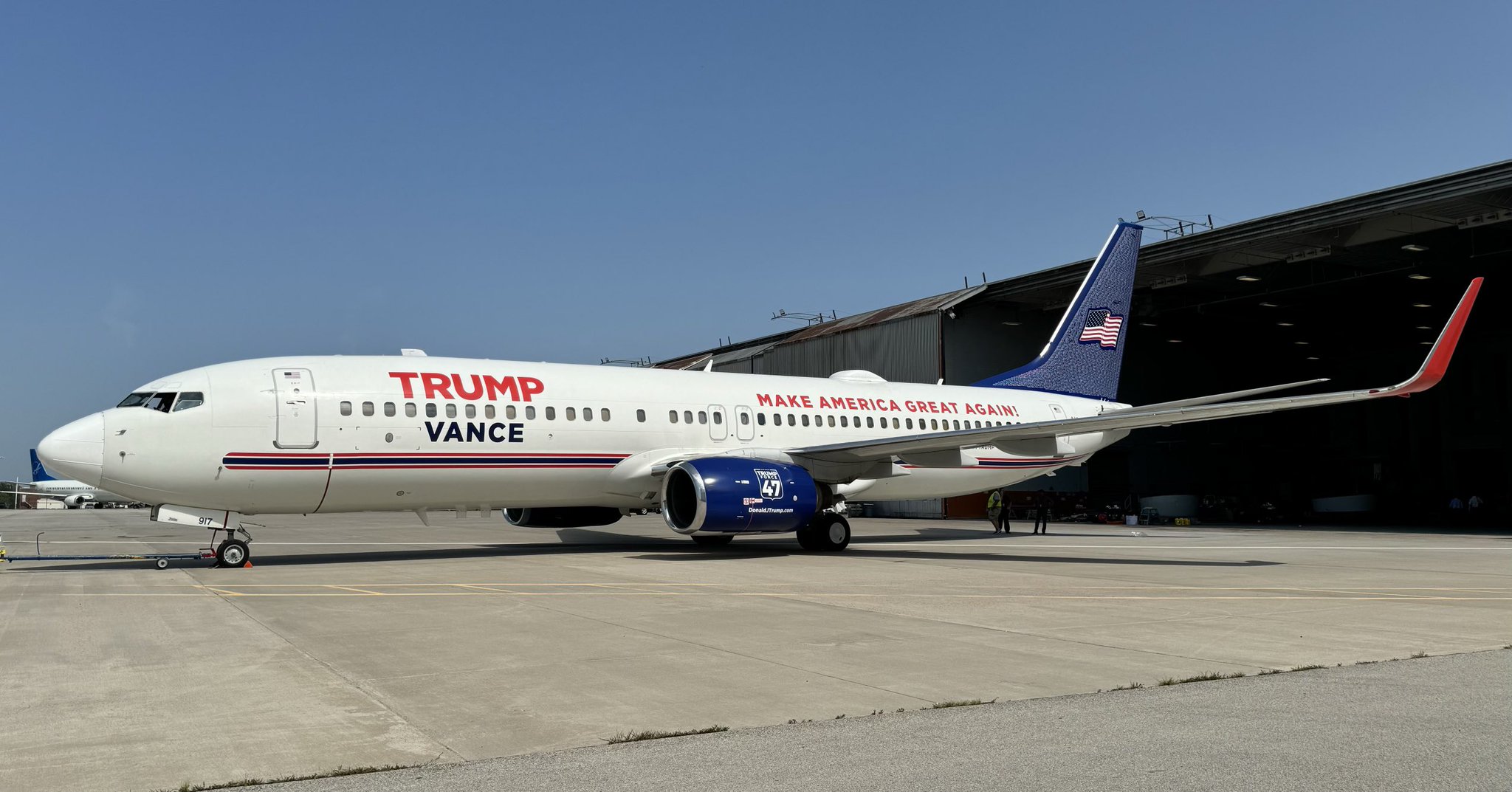
The Trump-Vance campaign 737 (Photo: Trump-Vance Campaign)
Staffers from the Trump-Vance campaign unveiled a new aircraft featuring branding for the 2024 Republican Presidential ticket on Monday, following the announcement of Trump’s vice presidential pick, Senator J.D. Vance of Ohio. The aircraft, different from Trump’s personal Boeing 757-200, is a 22-year-old 737 owned and operated by Eastern Air Express. The aircraft’s appearance was noted by various sources, including a tweet from Jack Sweeney, known for tracking celebrity and politician jets, who identified it as N917XA.
The jet’s unveiling came shortly after Trump’s announcement of Vance as his running mate.
N917XA was first delivered to Germany’s airBerlin in 1999 before later operating for charter company iAero. Earlier this year, iAero announced it would cease operations following a bankruptcy filing.
The aircraft is among a handful of 737s acquired by Eastern Air Express, which was rebranded under the Kansas City-based Eastern Airlines in 2023 following the acquisition of Hillwood Airways.
Campaign aircraft have a long-standing history of serving as backdrops for iconic moments on the trail. Both Obama and Bush used Boeing 757-200s for their campaigns. John McCain had a 737-400 dubbed the ‘Straight Talk Express.’
McCain’s campaign Boeing 737 in 2008 (Photo: Shutterstock)
In 2016, the Trump-Pence campaign also used an Eastern Airlines Boeing 737. Even with the 737 addition, Trump is still expected to use his own 757 on the trail.
Ryan founded AirlineGeeks.com in February 2013 and has spent more than a decade covering the airline business. His work has been featured by CNN, WJLA, CNET, and Business Insider. His aviation experience spans airport operations, Part 135 regulatory compliance, and airline crew workforce planning, along with time behind the yoke of a Cessna 172 and interviews with airline executives. Ryan now serves as Group President of Firecrown Media’s Aviation Group. He holds a B.S. in Air Transportation Management and an MBA from Arizona State University and teaches Airline Management at Embry-Riddle Aeronautical University.
Mechanics working on an aircraft (Photo: Shutterstock)
There has been a lot of talk about pilot hiring over the past few years. The post-pandemic era saw airlines hiring pilots in record numbers, but recruitment hasslowed down in recent months.
Meanwhile, many airlines are actively hiring for one particular behind-the-scenes job. Aviation Maintenance Technicians (AMTs) are in high demand throughout the United States and around the world.
The U.S. Bureau of Labor Statistics anticipates four percent growthfor aircraft and avionics mechanics through 2032. Aviation training company CAE projects a need for 138,000 AMTs by 2033. While only two out of the five largest U.S. airlines are currentlyhiring pilots, all of them are hiring AMTs.
AMTs play a critical role in the world of aviation and becoming one opens the door to a challenging and rewarding career. Here is what you need to know about being an Aviation Maintenance Technician:
What is an Aviation Maintenance Technician?
Aviation Maintenance Technician is the term for a licensed aircraft mechanic in the United States. There are two ratings under the Federal Aviation Administration’s (FAA) certification for AMTs: airframe and powerplant. Most jobs require applicants to have both, with the term “A&P” (airframe and powerplant) often being used interchangeably with AMT.
What Does an Aircraft Maintenance Technician Do?
The role of an Aircraft Maintenance Technician is wide-ranging. AMTs can work on any type of aircraft, ranging fromsmall general aviation planes towidebody jumbo jets. Similarly, AMTs can perform maintenance of all parts of an aircraft. An AMT’s work can consist of anything from making a small pre-departure repair to an airliner at an airport gate to working on an engine overhaul in ahangar.
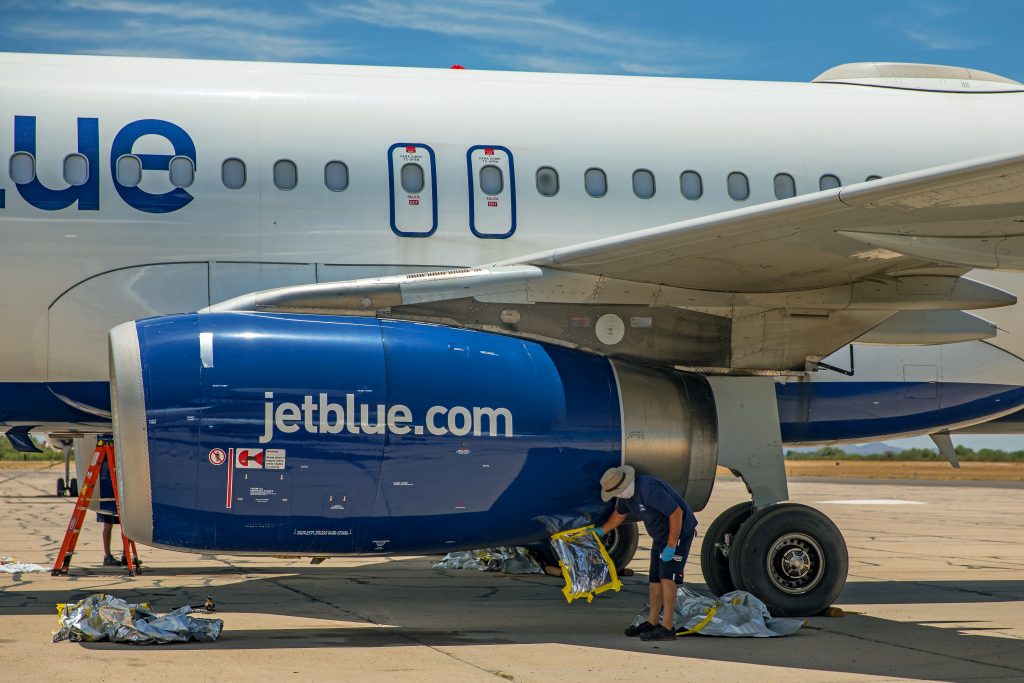
Maintenance crews remove engine covers from a JetBlue aircraft (Photo: AirlineGeeks | William Derrickson)
As a result, there are diverse career prospects for AMTs. While many choose to work for airlines, there are also opportunities to work for other employers likebusiness and charter companies, government bodies, and maintenance contractors.
How Much Does an Aviation Maintenance Technician Make?
According to the Bureau of Labor Statistics, the median salary for aircraft mechanics in 2023 was $75,400. The median annual pay for those working atairlines was $101,500
How Do I Become an Aviation Maintenance Technician?
The FAA requires AMTs to meet a set of basicrequirements before they can be licensed. Prospective AMTs must be at least 18 years of age and be fluent in English. In addition, they must meet either a training or experience requirement.
AMTs can meet the training requirement by graduating from an FAA-approved Aviation Maintenance Technician school or by completing the Joint Service Aviation Maintenance Technician Certification Council training course for military personnel.
Alternatively, they can demonstrate that they have had 18 months of practical work experience with airframes or powerplants or 30 months of experience with both systems.
After meeting these requirements, an AMT must pass three FAA exams (written, oral, and practical) before they can be licensed.
How Long Is Aviation Maintenance Technician School?
Most AMT training programs are designed to be completed between 14 and 24 months. The exact length can depend on the program and student.
Students learn about a wide variety of topics to prepare them for their future careers. Upon completing AMT school, graduates can apply for the FAA AMT certification.
Andrew is a lifelong lover of aviation and travel. He has flown all over the world and is fascinated by the workings of the air travel industry. As a private pilot and glider pilot who has worked with airlines, airports and other industry stakeholders, he is always excited to share his passion for aviation with others. In addition to being a writer, he also hosts Flying Smarter, an educational travel podcast that explores the complex world of air travel to help listeners become better-informed and savvier travelers.
The Nigerian government has revealed that it plans to purchase a VIP-configured Airbus A330 for governmental transport. The aircraft currently lies with an unnamed German Bank, with the value of the offer submitted being $100 million.
As reported by the Premium Times newspaper, the Airbus A330 is foreclosed. This means that it has been mortgaged by its owner, however, its owner has failed to keep up on mortgage payments and so it has been taken into the bank’s possession.
The aircraft was repossessed from a Saudi Sheikh who had broken the loan agreement by failing to make payments. While the offer from the Nigerian government stands at $100 million, the aircraft is apparently valued at $600 million, a number severely impacted by its VIP configuration.
According to ch-aviation, the main presidential aircraft of Nigeria consists of a 19-year-old Boeing 737-700. Because the Boeing 737 is currently in maintenance, the vice president’s 13-year-old Gulfstream G550 is often used instead. Also in the presidential fleet are a number of other executive aircraft, such as two Dassault Falcon 7Xs and a Gulfstream G500.
This would make the 14-year-old Airbus A330, reported to be registered as 5N-FGA, the largest aircraft ever to be in the Nigerian presidential fleet. It was recommended by the National Security Committee at the Nigerian House of Representatives last month that a larger aircraft be procured to reflect Nigeria’s powerhouse status on the continent.
The former Nigerian president, Muhammudu Buhari, promised to reduce the number of aircraft in the Presidential air fleet. However, these attempts went stale after an attempt to sell one of the Falcon 7Xs fell through. Maintenance costs on the fleet have since increased, meaning that buyers are unwilling to purchase the aircraft.
For now, the order is definitely not finalized, meaning that it could easily fall apart at any time. This is somewhat likely given that the offer submitted is worth one-sixth of the aircraft’s estimated value.
Sam Jakobi is a young aviation journalist based in London, U.K. A lifelong Airbus fan, he has adored aviation for as long as he can remember. Sam writes articles and conducts interviews with members of the aviation community.
LOT Polish Airlines Reports Record-Breaking 2023 Results
The Polish national carrier reached peak performance in 2023, quoting not only financial results, but also number of operations.
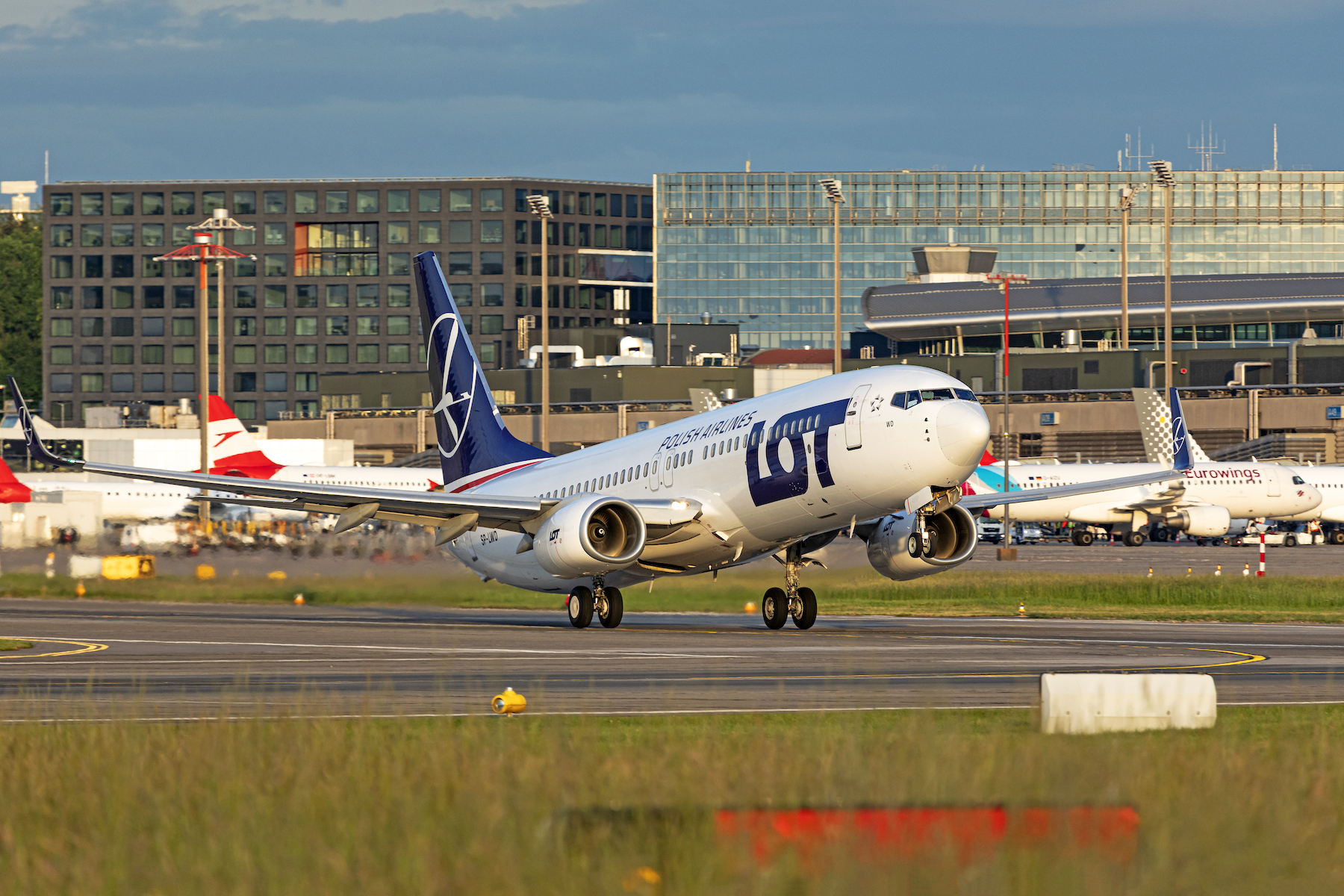
A LOT Polish Airlines Boeing 737-800 (Photo: AirlineGeeks | William Derrickson)
According to the press release from the company, the Polish national carrier achieved a record-breaking 10.1 billion PLN ($2.6 billion USD) in revenue and 1.1 billion PLN ($276 million USD) in net profit. The result was highly anticipated and pre-announced even before the end of 2023, but now it is safe to say that the airline’s management delivered on its promises.
Peak Performance
For LOT Polish Airlines, 2023 was its best year in history. Compared to last year’s financial performance, revenue grew by 21.9% with costs only rising by 7.9%. One of the key elements to such performance was a 9.7% fuel savings year-over-year, while the number of operations grew by 13% and the flight passenger carrying capacity of Available Seat Kilometers (ASKs) grew by 22%. Moreover, the fuel hedging generated another $22 million USD in financial gain for the carrier.
The financial result looks even better when compared to 2019. The airline’s revenue grew by 37.4% while costs rose 25%, resulting in nearly 15x higher than in 2019 net profit. The operating margin, as well as net margin, broke 10% in 2023, which was a far cry from 2019 when the carrier oscillated around 1% with its margins.
What did not contribute to the year-over-year growth was carried cargo. The carrier noted -35.5% in revenue, going down from $194 million USD to $125 million USD. That being said, cargo is not a major part of LOT’s business.
The peak performance was not only about the financials last year. LOT was named 4th most punctual airline in Europe by Cirium in 2023, which was mentioned by the company’s CEO, Michal Fijol: “LOT is punctual, hospitable and profitable. I would like to thank everyone who contributed to this success – it is thanks to their daily work that we can boast of such results.”
Looming State-Guaranteed Loans
In 2023 LOT Polish Airlines paid down the first tranche of the outstanding debt the carrier had taken on during the pandemic slowdown. From the total of $460 million USD borrowed, the first tranche amounted to 115 million USD, with the upcoming tranches to be paid down in the years 2024-2026.
The government support was a necessity in 2020, and most of the European national carriers used it within the means allowed by the European Commission. Now though, it is hindering the carriers’ ability to grow. It is worth noting that LOT’s entire record-breaking profit of 2023 will not be enough for the company to get rid of the loans completely. It needs another year, just like this one, and the global aviation prognosis for 2024 is not as optimistic.
On the Way to Meet 2028 Goals
Putting the results into a long-term perspective, in October 2023 LOT Polish Airlines announced a strategy for the years 2024-2028. Slowly but surely it is taking steps in the right direction. In 2023 the carrier bought out seven narrowbody planes from financial leasing taking the fleet ownership to 12%. The aim is to have a fleet of 110 aircraft, which will already grow in 2024 from 76 units at the end of 2023 to 86 with the planned deliveries this year.
The fleet is just the means to support the tangible goal of carrying 17 million passengers annually by 2028. This assumption goes in line with the planned Solidarity Transport Hub, the new airport currently under construction in Poland. LOT is supposed to be the backbone to jumpstart the new airport operations. The target number is achievable only if the carrier maintains an average of 11% annual growth rate in passengers carried.
A passionate aviation enthusiast that started off his career as an aerospace engineer, but found his true calling on the commercial side of the airline business. Now as a finance guy among avgeeks and an avgeek among finance guys, he has experience working in the Revenue Divisions of three airlines. In his spare time he enjoys traveling, but admittedly sometimes is more about the journey than the destination.
Sign-up for newsletters & special offers!
Get the latest stories & special offers delivered directly to your inbox