Citing aircraft delivery delays and normalizing attrition levels as reasons for the slowdown, airlines hired just over 3,600 pilots from January through June.
An American Boeing 787 in Los Angeles (Photo: AirlineGeeks | William Derrickson)
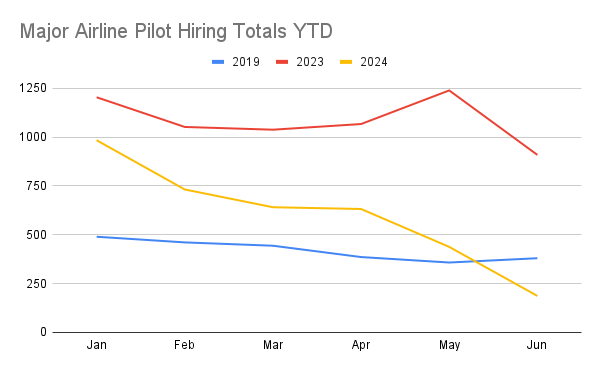
Major U.S. airlines substantially scaled back pilot hiring during the first half of 2024. Citing aircraft delivery delays and normalizing attrition levels as reasons for the slowdown, airlines hired just over 3,600 pilots from January through June, a decrease from the 6,509 hired during the same period in 2023.
Data from airline career consultancy group FAPA measures hiring trends at 13 major U.S. carriers. The largest year-over-year swing was at Delta, which hired 1,667 fewer pilots during the first half of 2024.
Delta announced plans to reduce hiring by roughly 50% earlier this year. “What we anticipate for the coming year is a very strong, yet more normalized, growth pattern,” the airline told pilots in a January memo viewed by the Wall Street Journal.
According to FAPA’s figures, Alaska, American, FedEx, JetBlue, Southwest, Spirit, United, and UPS did not hire in June. Last month, airlines hired a total of 187 pilots, down from the 909 in June 2023. It isn’t uncommon for airlines to slow hiring during the busy summer months, allowing training resources to be moved to the line.
UPS was the only carrier that hired more pilots year-over-year. With a new Postal Service contract in play, the cargo carrier hired 62 pilots between May and June with plans for a total of 300 new aviators.
Several major carriers — including American and Southwest — have announced plans to halt new hire classes through the end of 2024. Ultra-low-cost carrier (ULCC) Spirit is slated to furlough roughly 200 pilots in September.
Hiring totals at major U.S. carriers (Data: FAPA.aero)
Normalizing Trends
Many major carriers continue to face ongoing aircraft delivery delays, particularly at Boeing. Both Southwest and United have slashed their 2024 737 MAX delivery plans amid the manufacturer’s quality control woes.
Despite the year-over-year decrease, pilot hiring still remains well above pre-pandemic levels. During the first half of 2019, airlines hired 2,519 new pilots for an annual total of nearly 5,000, a far cry from last year’s 12,193.
“In fact, we hired and trained more pilots in 2023 than we have in the history of this airline, and we did it efficiently enough that we were actually a bit ahead of where we needed to be for the summer of 2024,” American’s Vice President of Flight Operations Russ Moore shared during a company briefing. “This allowed us to transition from a ‘hire and train as many as you can’ approach to a more traditional approach, which in and of itself reduced our hiring targets for 2024.”
Ryan founded AirlineGeeks.com in February 2013 and has spent more than a decade covering the airline business. His work has been featured by CNN, WJLA, CNET, and Business Insider. His aviation experience spans airport operations, Part 135 regulatory compliance, and airline crew workforce planning, along with time behind the yoke of a Cessna 172 and interviews with airline executives. Ryan now serves as Group President of Firecrown Media’s Aviation Group. He holds a B.S. in Air Transportation Management and an MBA from Arizona State University and teaches Airline Management at Embry-Riddle Aeronautical University.
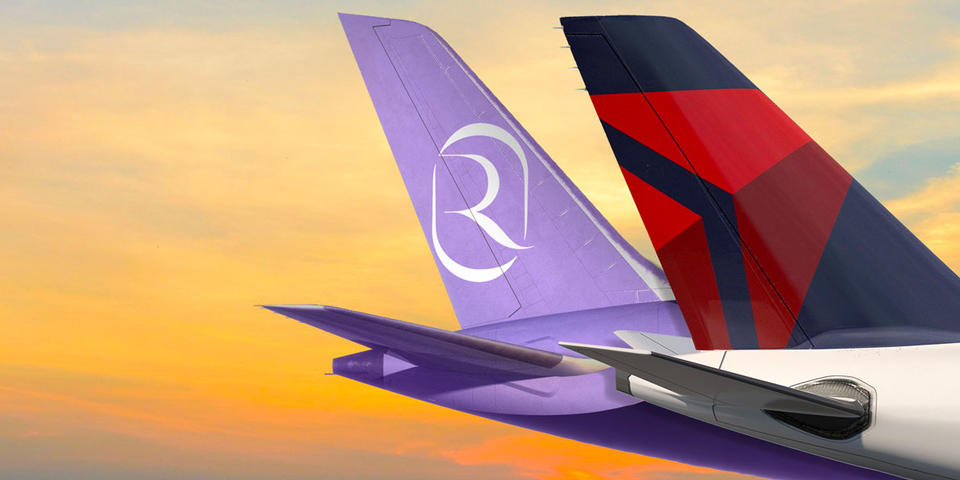
Delta Air Lines and Riyadh Air announced a new partnership on July 9, 2024 (Photo: Delta Air Lines)
Delta Air Lines and Saudi Arabian start-up carrier Riyadh Air have announced a new partnership. According to the airlines, the strategic agreement paves the way for increased connectivity and future growth opportunities.
Connecting the United States with Riyadh
The two carriers signed a memorandum of understanding at Delta’s headquarters in Atlanta on Tuesday, with the vision of a long-term multi-faceted relationship. According to the two companies, the partnership will include interline and codeshare connectivity, as well as cooperation in other business aspects like loyalty programs, maintenance, and ground handling. A joint venture between the two airlines is also being planned for the future.
Perhaps most notably, the agreement includes an intent to start Delta service between the United States and the Saudia Arabian capital of Riyadh. There are no U.S. airlines that currently serve Saudia Arabia, although Delta’s fellow SkyTeam member Saudia flies to a handful of U.S. destinations from Riyadh.
“This partnership with Riyadh Air will further Delta’s mission of connecting the world and open an array of new choices, benefits and destinations for our customers traveling to and from the Kingdom of Saudi Arabia,” said Delta Chief Executive Officer Ed Bastian. “Most importantly, Riyadh Air shares Delta’s commitment to providing an elevated customer experience, which is why we’re looking forward to building and expanding this partnership in the months and years ahead.”
Riyadh Air CEO Tony Douglas and Delta CEO Ed Bastian shake hands during the signing of the two airlines’ new memorandum of understanding on July 9, 2024 (Photo: Delta Air Lines)
Riyadh Air’s Growth Plans
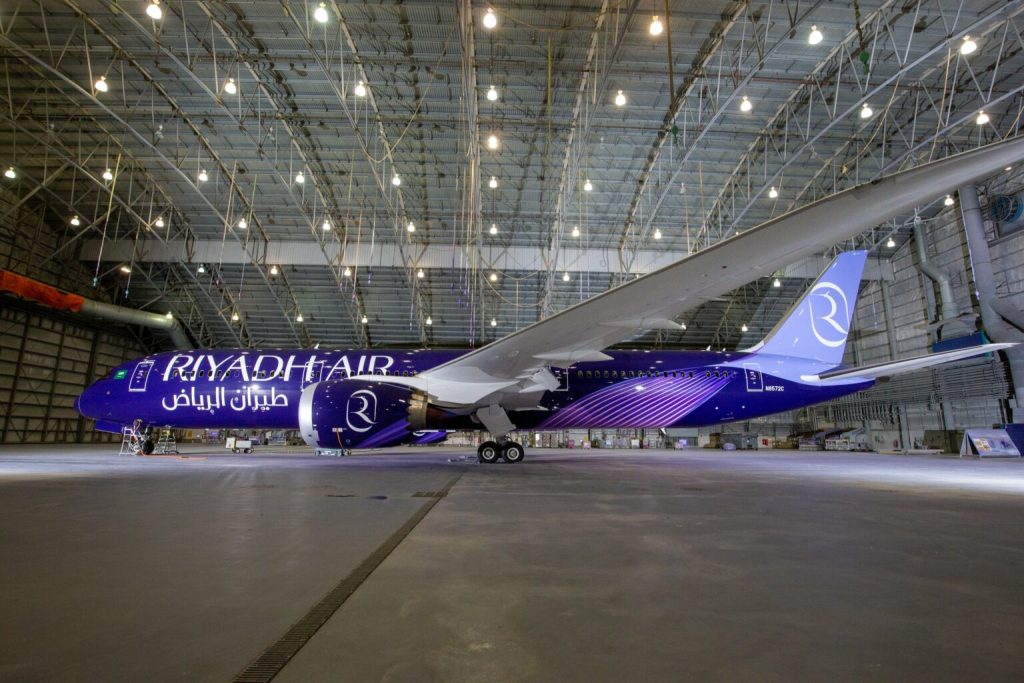
First announced in early 2023, Riyadh Air has been busy preparing for its 2025 launch. The airline has nearly 40 Boeing 787-9s on order, and has signed memorandum of understandings with a number of airlines including China Eastern Airlines and Egyptair. The latest announcement with Delta marks the airline’s first partnership with a U.S. carrier.
“We look forward to enjoying a very warm and productive relationship with Delta Air Lines, one of the largest and most successful airlines in the world. Riyadh Air and Delta Air Lines share common goals and pursue the highest standards in many areas including guest experience, loyalty, and sustainability, built upon great networks and strong connectivity,” said Riyadh Air CEO Tony Douglas.
Andrew is a lifelong lover of aviation and travel. He has flown all over the world and is fascinated by the workings of the air travel industry. As a private pilot and glider pilot who has worked with airlines, airports and other industry stakeholders, he is always excited to share his passion for aviation with others. In addition to being a writer, he also hosts Flying Smarter, an educational travel podcast that explores the complex world of air travel to help listeners become better-informed and savvier travelers.
Alaska Airlines is expanding its winter schedule with 18 new nonstop routes to various destinations across North America, Latin America, and the Caribbean.
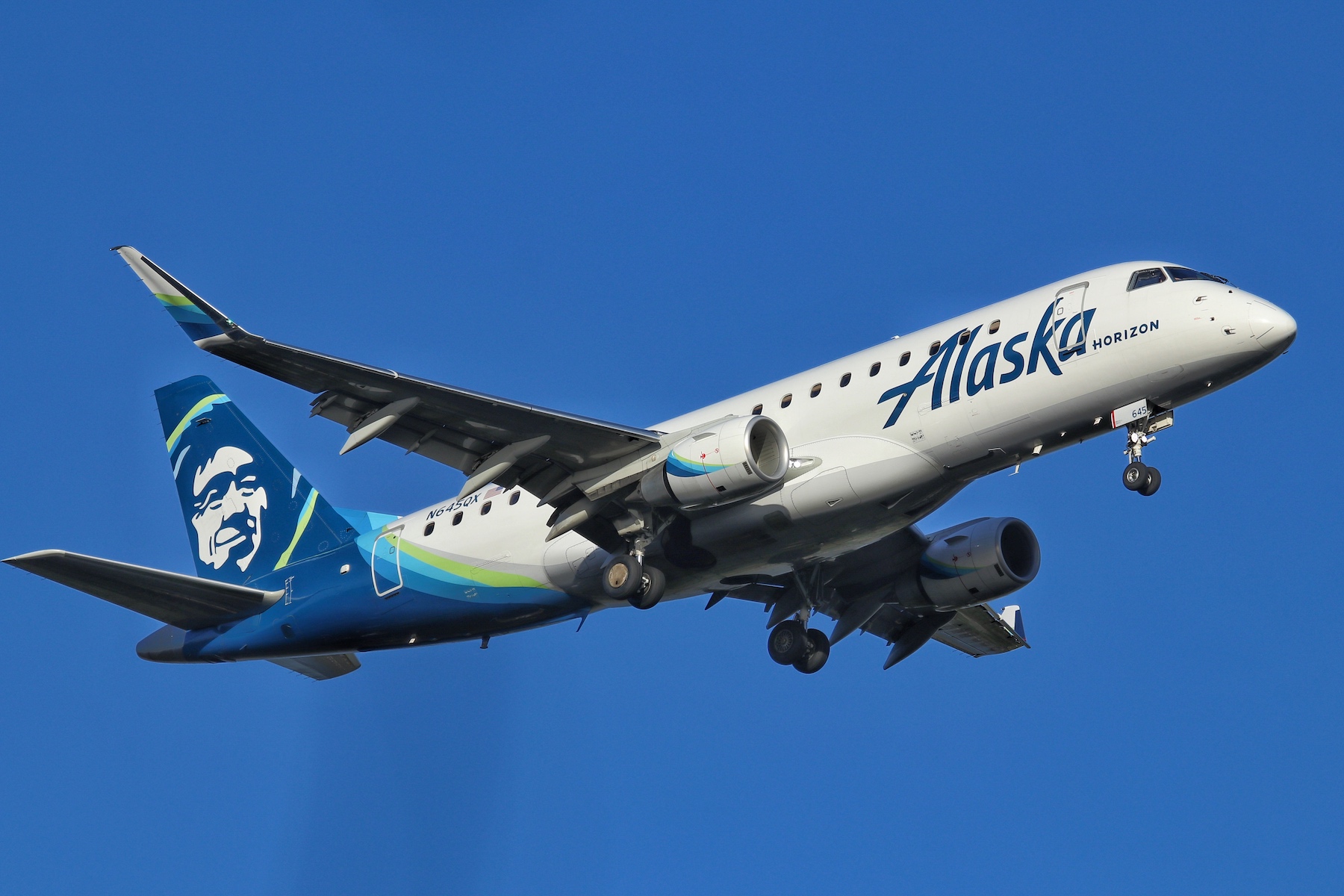
A Horizon Air E175 in Seattle (Photo: AirlineGeeks | Katie Zera)
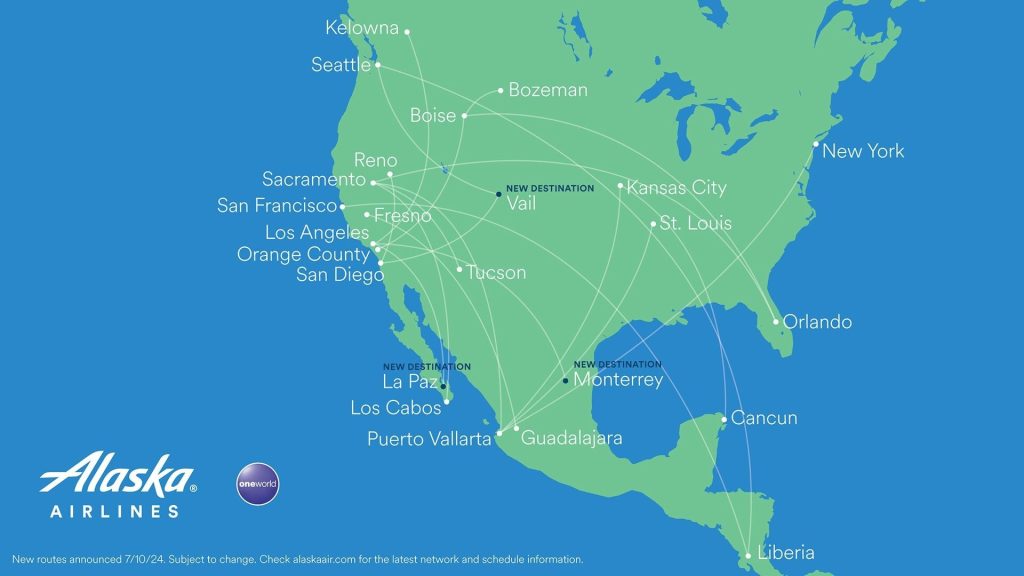
Alaska Airlines is expanding its winter schedule with 18 new nonstop routes to various destinations across North America, Latin America, and the Caribbean, according to a company press release on Wednesday. Many of the 18 added routes are seasonal, including one brand-new destination.
“We’re thrilled to offer convenient connection for guests across our network with this expansion – whether checking destinations off their bucket lists or setting off to their favorite winter getaways; we’ve put together an exciting range of options from tropical destinations across Mexico to the most popular ski slopes in North America,” said Kirsten Amrine, vice president of network planning and revenue management at Alaska in a news release.
Alaska’s new winter routes (Photo: Alaska Airlines)
New Ski Destinations
Vail, Colo. (from San Diego and Seattle) – a new destination in Alaska’s network starting Dec. 20, 2024 operated by an Embraer E175
Kelowna, B.C. (from Los Angeles) – starting Dec. 19, 2024 on an Embraer E175
Reno, Nev. (from San Diego) – starting Dec. 19, 2024 on an Embraer E175
More Flights in Boise
Boise, Idaho to Bozeman, Mont. – starting Dec. 19, 2024 on an Embraer E175
Boise, Idaho to Santa Ana – year-round service starting Dec. 19, 2024 on an Embraer E175
Boise, Idaho and Sacramento to Orlando – starting Jan. 7, 2025 and Jan. 6, 2025 respectively on a Boeing 737
Latin America Growth
Liberia, Costa Rica (from San Francisco and Seattle) – starting Dec. 21, 2024 on a Boeing 737
Guadalajara, Mexico (from Fresno) – starting Dec. 3, 2024 on a Boeing 737
Los Cabos, Mexico (from Sacramento) – expanding presence with five weekly nonstop flights
Puerto Vallarta, Mexico (from St. Louis, Kansas City, and New York-JFK) – starting Jan. 25, 2025 and Jan. 8 respectively on a Boeing 737
Cancun (from Kansas City) – starting Jan. 18, 2025 on a Boeing 737
All routes will operate seasonally with the exception of Santa Ana to Boise. The carrier just recently added new service to La Paz and Monterrey, Mexico.
Ryan founded AirlineGeeks.com in February 2013 and has spent more than a decade covering the airline business. His work has been featured by CNN, WJLA, CNET, and Business Insider. His aviation experience spans airport operations, Part 135 regulatory compliance, and airline crew workforce planning, along with time behind the yoke of a Cessna 172 and interviews with airline executives. Ryan now serves as Group President of Firecrown Media’s Aviation Group. He holds a B.S. in Air Transportation Management and an MBA from Arizona State University and teaches Airline Management at Embry-Riddle Aeronautical University.
EAA AirVenture is a bucket-list experience for pilots and aspiring aviators. This year, through an exciting partnership with Redbird Flight, AirlineGeeksis expanding its coverage of the largest airshow in the U.S. with a live daily broadcast from the airshow in Oshkosh, Wis.
If you plan to go to AirVenture this year, you can find our “Oshkosh LIVE” Redbird Studio on-site at Redbird Exhibit space 301, adjacent to Hangar A and facing Knapp Street. If you have never been to AirVenture, we hope tuning in to our daily coverage will inspire you to make the trip to Oshkosh one day.
If you’re simply unable to join this year, our goal is to ensure you don’t miss out on all of the excitement by bringing the experience to you live across several of our websites and social media channels.
What to Expect
Daily live segments hosted by editors from FLYING, KITPLANES, Plane & Pilot, AVweb, TheAviation Consumer, and AirlineGeeks will host daily live segments featuring interviews with the world’s top airshow performers, a look at some of the most rare aircraft in the world, tips for how to build your own aircraft or pursue a career in aviation, and features on the rich history that has shaped AirVenture.
When and Where to Watch
Our live broadcast will run daily, Monday through Thursday, July 22-July 25, from 8:30 a.m. to 12:30 p.m. CDT (9:30 a.m. to 1:30 p.m. EDT).
On Friday, July 26, we will livestream additional original content from the week throughout the day. You will find us broadcasting and streaming live across all of our brand websites—on the FLYING and AVweb YouTube Channels, as well as FLYINGand Plane & Pilot Facebook pages.
Follow us on Facebook or click subscribe to one of our YouTube channels and you’ll receive alerts that we are live!
We hope to see you in Oshkosh or that you’ll tune in to see all the exciting news and activity from this year’s EAA AirVenture.
AirlineGeeks.com was founded in February 2013 as a one-person blog in Washington D.C. Since then, we’ve grown to have 25+ active team members scattered across the globe. We are all here for the same reason: we love deep-diving into the fascinating realm of the airline industry.
An Airbus A330neo demonstrator aircraft.
(Photo: AirlineGeeks | William Derrickson)
Air Côte d’Ivoire, the national airline of Côte d’Ivoire, established in May 2012 by the Ivorian government, is seeking to raise $170 million (approximately 104 billion CFA francs) from reliable local or international banks or financial institutions.
This funding will be used to cover the remaining balance for the order of two A330-900neo aircraft placed by the airline with the aircraft manufacturer Airbus ordered from Airbus on Oct. 25, 2022.
The expected aircraft will be configured in 4 cabins with 240 seats planned. According to the delivery schedule, the first should arrive in Abidjan in the fourth quarter of 2024 and the second to the first quarter of 2025.
Air Côte d’Ivoire has already paid 97% of the Pre-Delivery Payments (PDP) for these aircraft. The desired financing will have a minimum maturity of 10 years, with $85 million planned for December 2024 (corresponding to the delivery date of the first aircraft) and another $85 million for April 2025 (for the second aircraft).
Offers must be sent no later than Sept. 12, 2024, at 17:00 (UTC), and will be reviewed the following day at 10:30 (UTC). The legal documentation must be finalized and signed no later than Oct. 30, 2024, and the first disbursement of funds is scheduled for Dec. 2, 2024.
These two widebody aircraft will enable Air Côte d’Ivoire to launch its intercontinental flights. Currently, the carrier serves 21 destinations in West and Central Africa, and five cities in Côte d’Ivoire. It operates a fleet of eleven aircraft with an average age of 11.3 years. Founded in May 2012, the Ivorian flag carrier began its commercial operations on Jan. 15, 2013. Between 2013 and 2023, it generated cumulative revenues of 1,001 billion FCFA (1.65 billion USD).
As part of this expansion plan, the airline announced in January 2024, that it would like to acquire five Airbus aircraft in 2024. The plan to expand its fleet says it will have 18 aircraft by 2031.
Victor Shalton's love for aviation can be traced to when he was 11-years-old. As a seasoned aviation writer, he takes pride in providing the best aviation coverage around the globe and is passionate about advancing his skills in the aviation space. In addition, he loves travelling, writing, arts and while his speaking engagements have taken him around the world, he is proud to call Nairobi home.
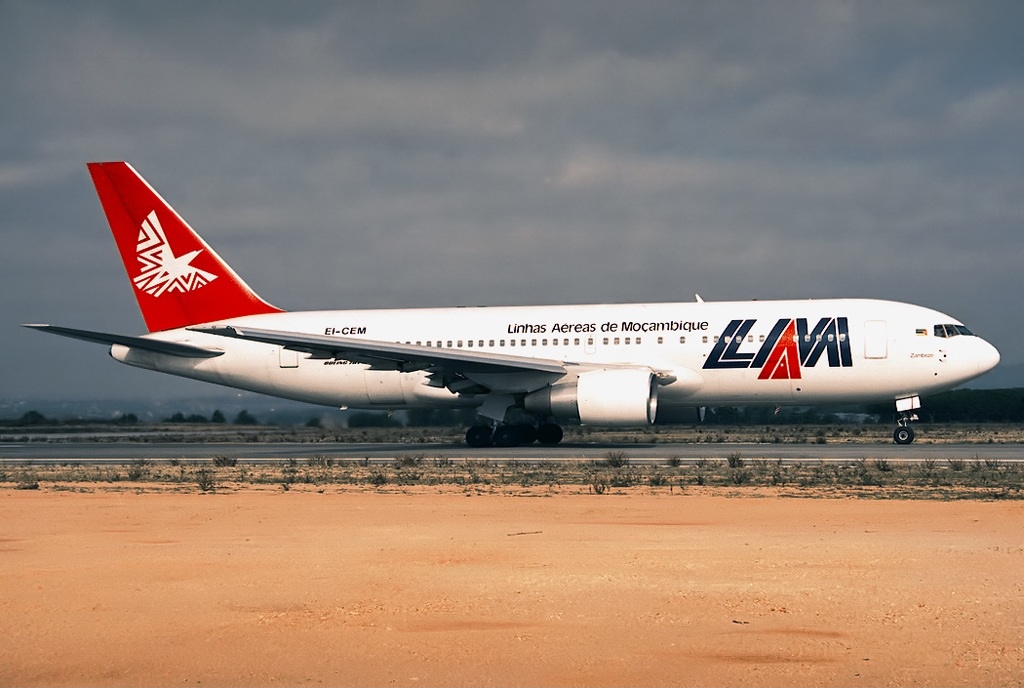
A LAM Mozambique Airlines Boeing 767 (Photo: Pedro Aragão, CC BY-SA 3.0 GFDL, via Wikimedia Commons)
The Civil Aviation Authority of Zimbabwe (CAAZ) has lifted a ban on Mozambique’s national carrier Linhas Aéreas de Moçambique (LAM).
Zimbabwe Bans LAM Mozambique Airlines
Savana Indepedencia reported that Mozambique’s national carrier was banned from using Zimbabwe’s airspace.
Due to the ban, LAM Mozambique Airlines was not able to fly over the airspace while operating scheduled flights.
Increased Operating Costs
This situation resulted in Mozambique’s flag carrier taking a longer route on one of its flights.
The longer route increases LAM’s operating costs, making the flight more costly for the airline as more jet fuel is used. The longer flight routing also leads to increased carbon emissions.
Longer Flying Times
A flight between Maputo and Lisbon took an additional 50 minutes on the Maputo – Lisbon routing, due to Zimbabwe’s airspace ban.
A typical flight between Maputo and Lisbon generally takes around 10 hours. However, due to the inability to use Zimbabwe’s airspace, LAM Mozambique’s flight to Lisbon took almost 11 hours.
Debt Issues
The reason for the banning allegedly related to outstanding payments owed by LAM Mozambique Airlines to Zimbabwe for the use of its airspace.
Savana Independencia reported on July 5 that Zimbabwe will allow flights operated by Mozambique’s national airline to fly across its airspace once again.
This is good news for LAM Mozambique Airlines as it will be able to cut costs and flying time when flying to Lisbon in Portugal.
Zimbabwe’s Civil Aviation Authority has not yet given reasons for the lifting of the ban.
A source from Zimbabwe’s Civil Aviation Authority told Savana Independencia that the lifting of the ban came about as a result of the intervention from a Mozambican executive who had dealings with Zimbabwe’s Civil Aviation Authority.
The unnamed source also mentioned continued negotiations between the parties, in light of the fact that Zimbabwe owes large sums of money to its neighbor Mozambique.
Zimbabwe allegedly owes large sums of money to Mozambique for the supply of electricity.
Lorne is a South Africa-based aviation journalist. He was captivated and fascinated by flying from the day he took his first airline flight. With a passion for aviation in his blood, he has flown to destinations in all corners of the globe. Lorne has traveled extensively and lived in various countries. Drawing on his travels and passion for aviation, Lorne enjoys writing about airlines, routes, networks, and new developments.
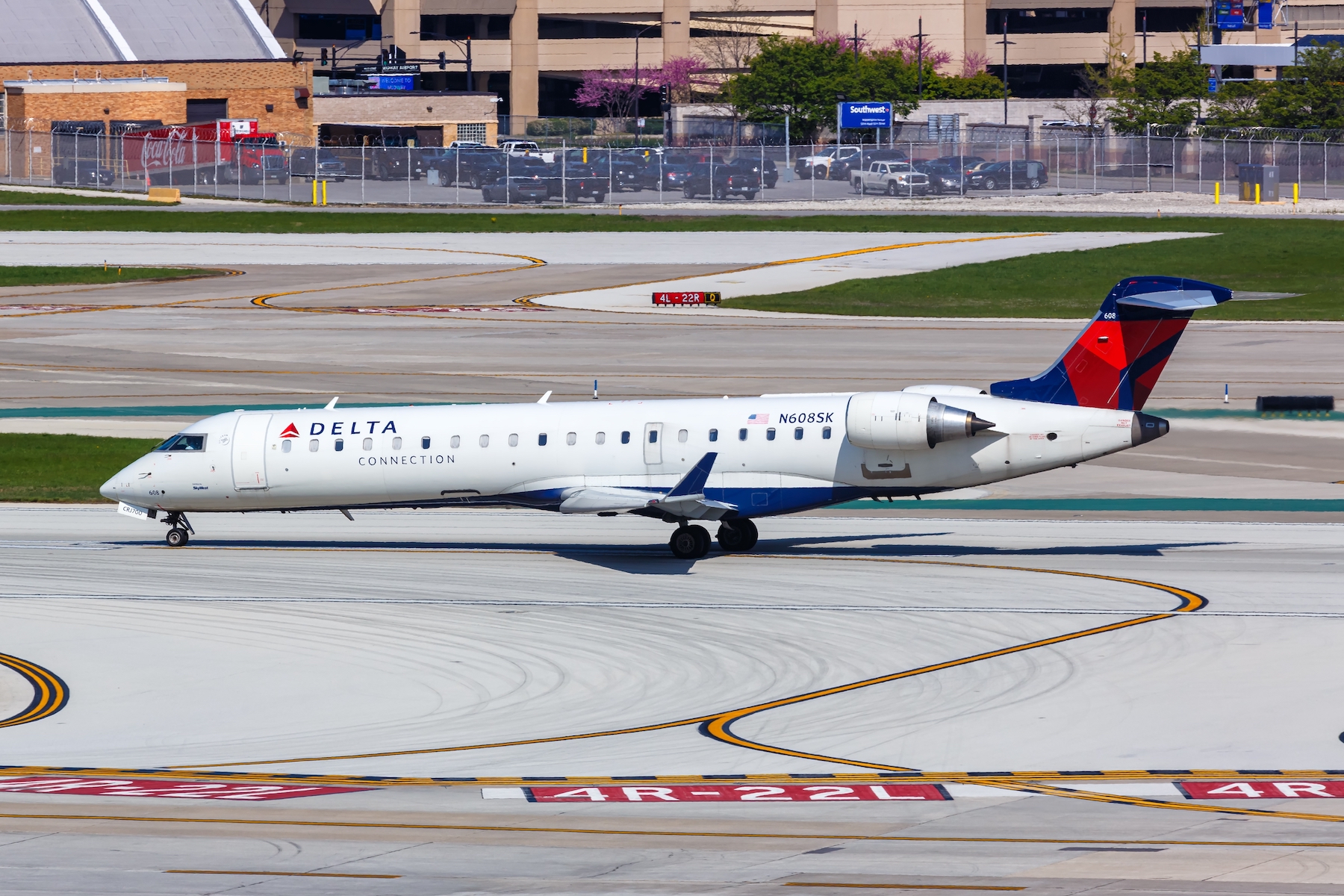
A Delta Connection CRJ-700 aircraft (Photo: Shutterstock)
SkyWest has begun CRJ-550 operations under the Delta Connection brand, a spokesperson from the regional airline confirmed to AirlineGeeks on Monday. The aircraft – which feature a less dense seating configuration compared to standard CRJ-700s – are slated to serve routes previously operated by the CRJ-200.
United first introduced the CRJ-550 back in 2019, which are operated by GoJet. Delta will be the second carrier to use the type within its regional network.
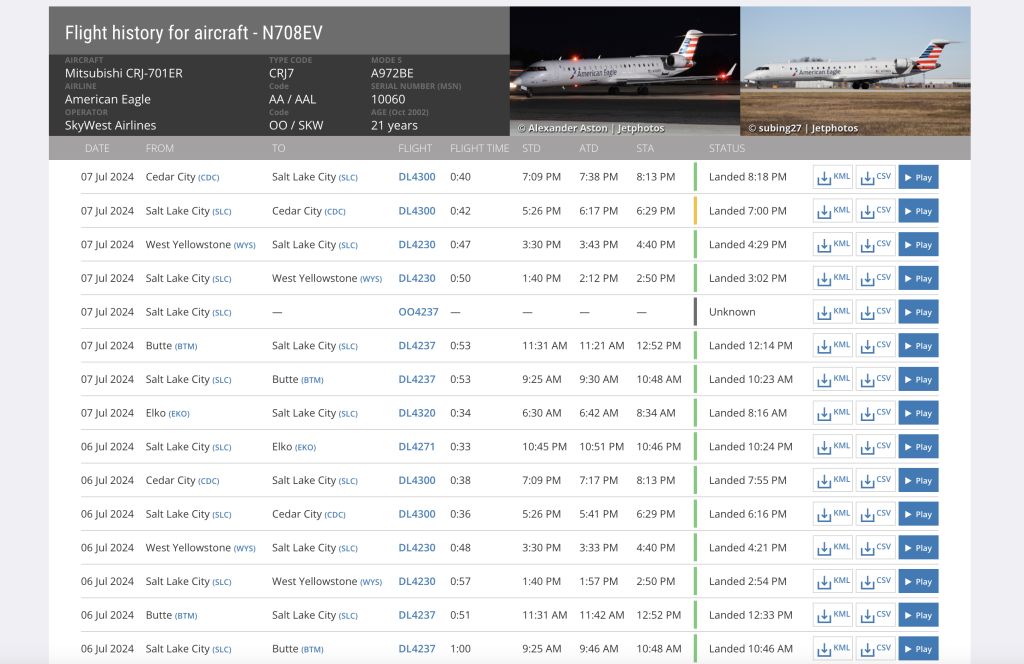
Data from both Flightradar24 and Planespotters.net shows the CRJ-550 flying from Delta’s Salt Lake City hub to Butte, Cedar City, and West Yellowstone among others. N708EV – one of the first aircraft to be converted – was retrofitted with 10 first class and 40 economy seats last month.
Delta has started flying the CRJ-550 on some routes. (Photo: Flightradar24)
According to Cirium Diio schedule data, the CRJ-550s are largely scheduled to serve subsidized Essential Air Service (EAS) markets from Salt Lake City, all of which were served by the CRJ-200. Delta retired the CRJ-200 from its network late last year before ‘temporarily’ returning it to service in recent weeks to “ensure adequate fleet resources.”
Ryan founded AirlineGeeks.com in February 2013 and has spent more than a decade covering the airline business. His work has been featured by CNN, WJLA, CNET, and Business Insider. His aviation experience spans airport operations, Part 135 regulatory compliance, and airline crew workforce planning, along with time behind the yoke of a Cessna 172 and interviews with airline executives. Ryan now serves as Group President of Firecrown Media’s Aviation Group. He holds a B.S. in Air Transportation Management and an MBA from Arizona State University and teaches Airline Management at Embry-Riddle Aeronautical University.
The United Kingdom used to be one of the powerhouses for building commercial airplanes. Therise of Airbus and the European Union eventually meant the country stopped assembling full airplanes.
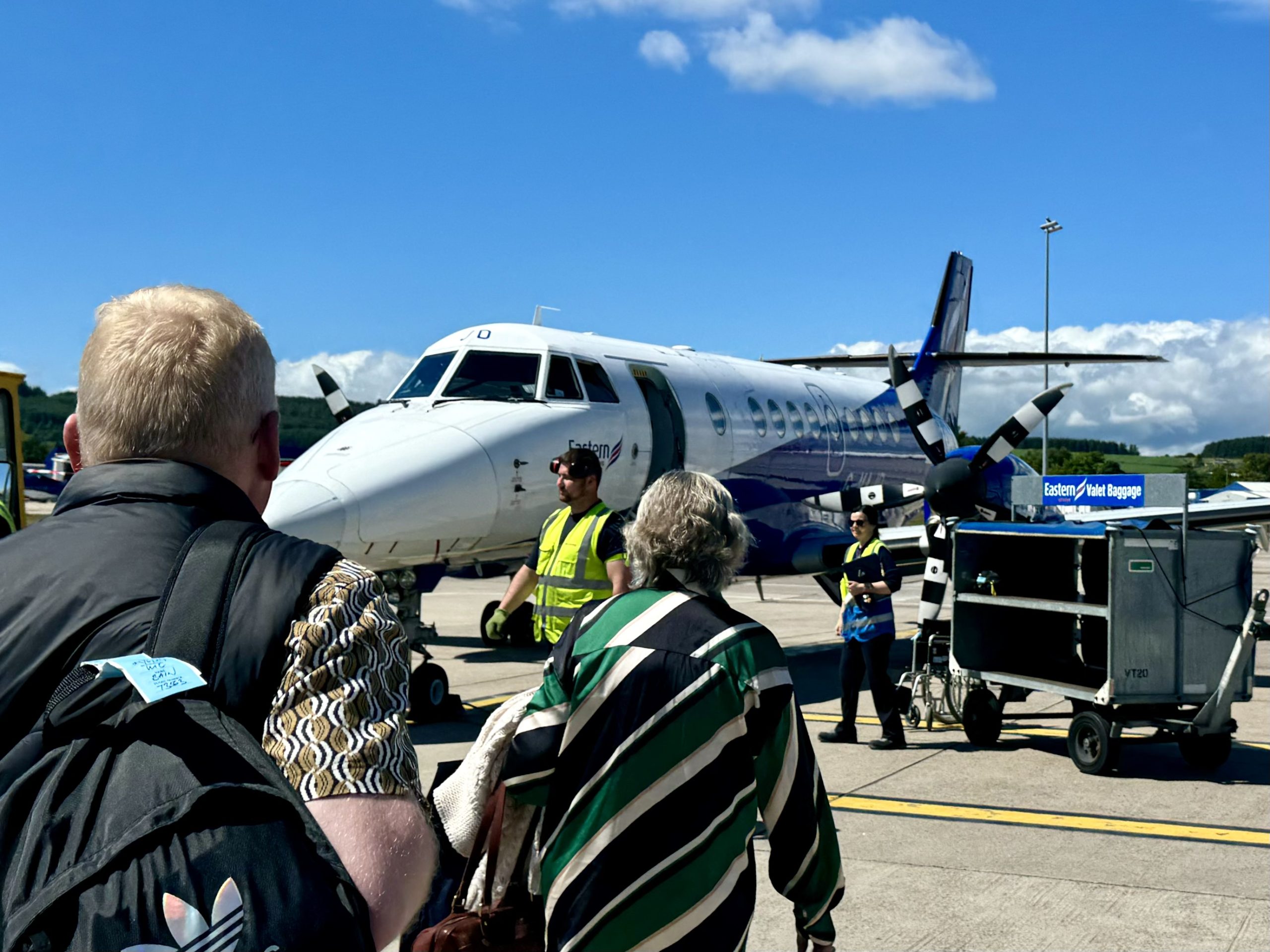
British Aerospace (BAE) used to be one of the major commercial airplane manufacturers in the world. It produced iconic airplanes such as the Trident, VC 10, BAE146, and the Jetstream. Recently, I had the opportunity to fly in rural Scotland on Eastern Airways’ Jetstream 41.
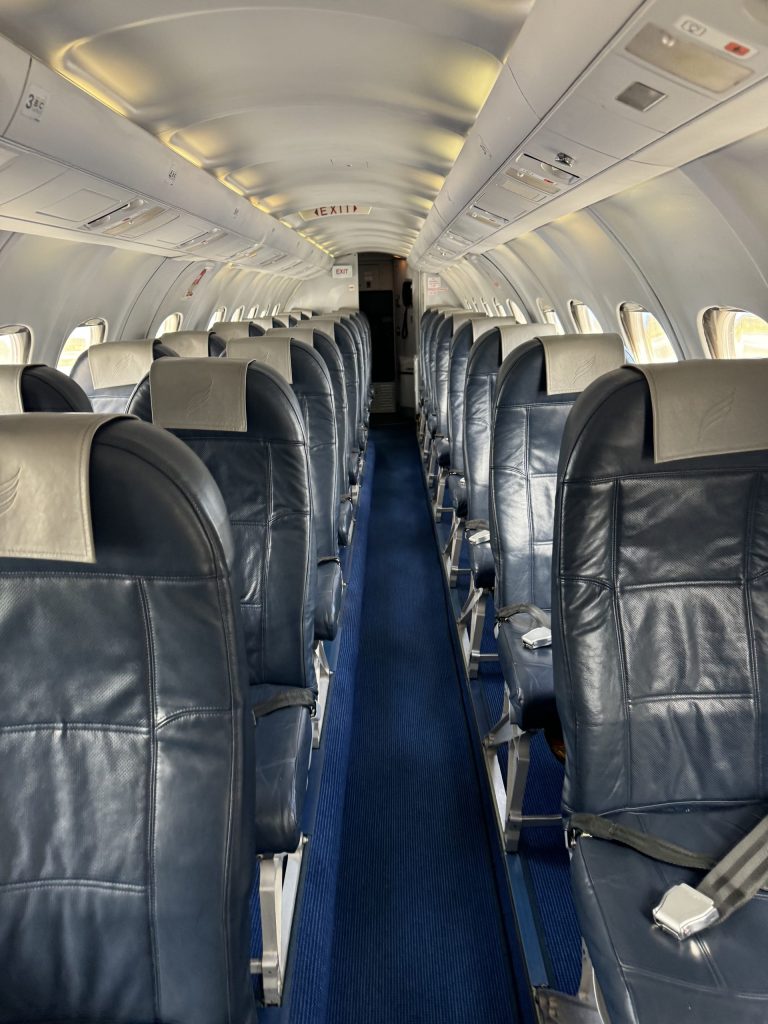
The BAE Jetstream 42 first carried passengers in 1992 and can carry 29 people in a 1-2 configuration. It’s the stretched version of the BAE Jetstream 31 which first flew in 1980. Eastern Airways is one of the only three airlines still operating the type based on data from planespotters.net.
BAE Jetstream 41 has a 1-2 configuration cabin that seats 29 passengers. (Photo: AirlineGeeks | Fangzhong Guo)
I flew on the company’s route between Aberdeen and Wick, Scotland. While the flight time was around 30 minutes one way, it would take five hours by road and nearly eight hours by train. Therefore, an air link is critical for the local community at Wick. Similar to remote communities in other parts of the world, the flight was made possible due to subsidization from the Scottish government.
Booking
The flight turnaround time in the U.K. was very short, presumably influenced by the likes of Ryanair and easyJet.The scheduled turnaround time for this flight was 25 minutes. The scheduled boarding time for the return leg was even before the scheduled arrival time for the inbound flight.
Therefore, the website does not support booking a same-day return trip on a single itinerary. I ended up making two separate bookings for this trip.
Pre-Flight
It surprised me that the airline offered online check-in and even seat selection for the flight. By default, the airline charges an additional fee for seat selection. However, like most airlines with seat selection fees, it will assign a seat for free during check-in. Since the aircraft has either an aisle or a window seat, I didn’t bother paying for one.
The airline does require a weigh-in for luggage, as weight and balance are critical to the safe operation of these smaller turboprop aircraft. However, the online check-in did not mention such a process. Since the aircraft does not have overhead storage, all hand luggage larger than purses will receive a valet tag, which requires you to drop off the luggage during boarding and pick it back up after the flight has arrived.
The value ticket allows 7 kg (15 lbs) for each passenger. Although I received a seat assignment during online check-in, the actual assignment on my boarding card was different. The check-in agent did not mention the change at all when she handed me the new boarding pass.
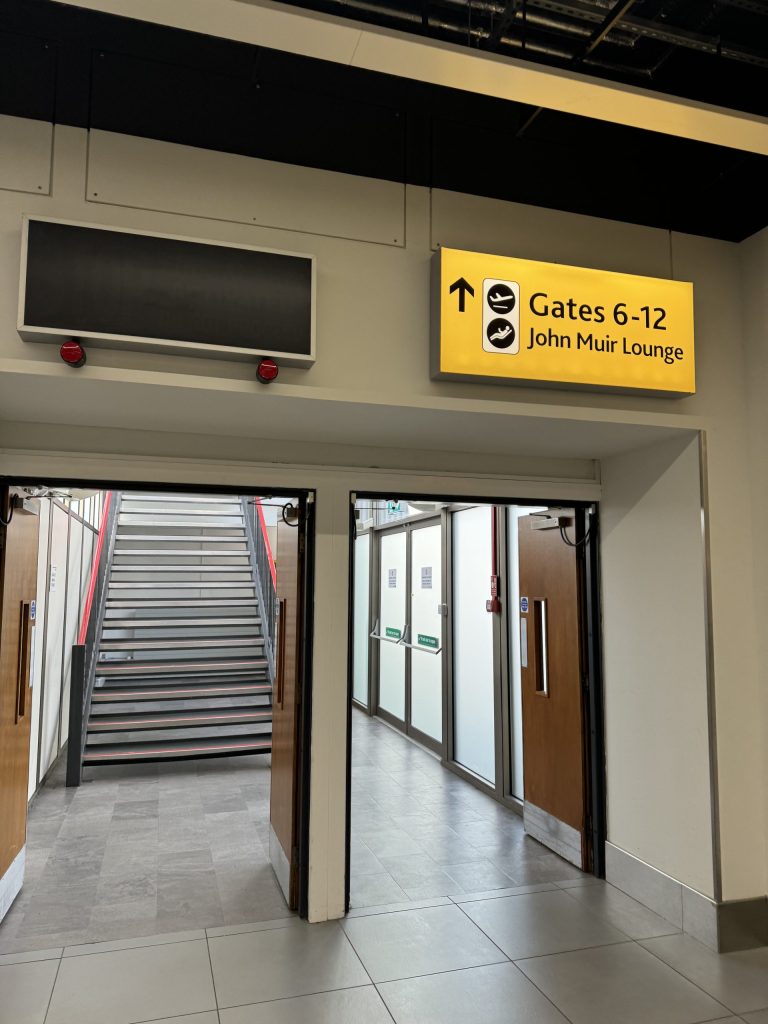
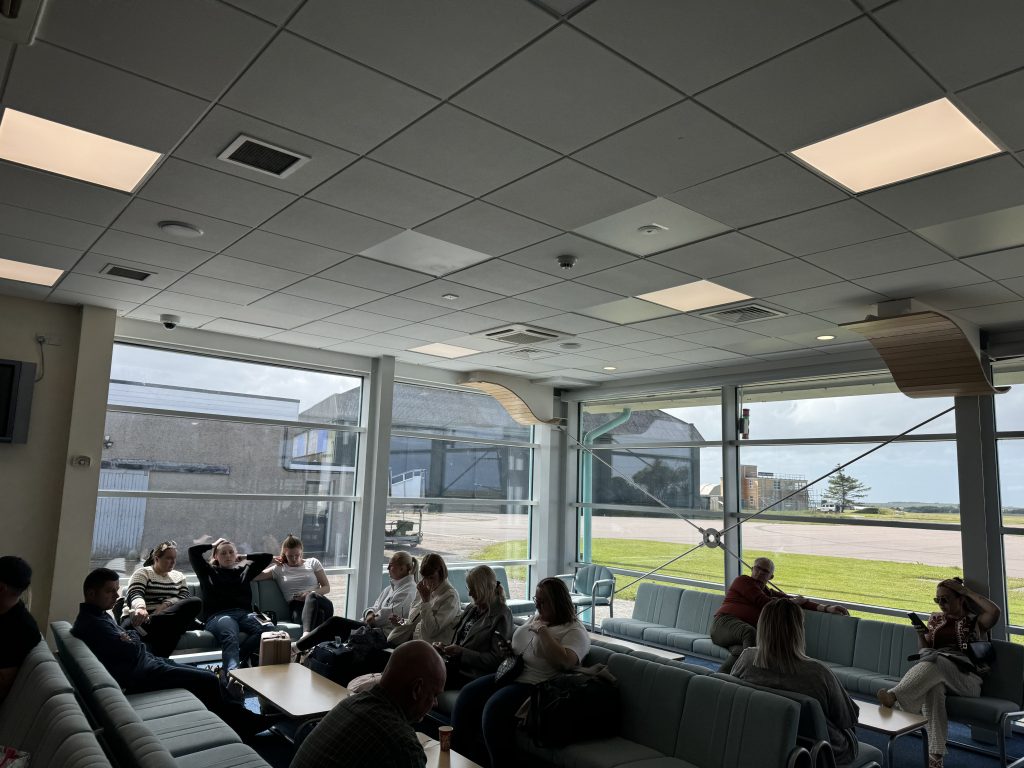
Eastern Airways uses the John Muir Lounge at Aberdeen International Airport. (Photo: AirlineGeeks | Fangzhong Guo)
The departure board displayed “go to lounge” for my flight before a gate was announced. However, I didn’t know what lounge it was referring to at first. The lounge my flight used is the John Muir Lounge. It has no connection to the famous nature writer, though. John Muir was the airside manager who worked in Aberdeen from 1988 to 2001.
The lounge was used by NHS patients who have traveled to Aberdeen for treatment and was named after him since he also fought cancer until passing away in 2022. The lounge felt cozy and like a community center.
The Flight
My flight boarded through gate 12, at the end of the facility at Aberdeen airport. The flight was reasonably full, especially considering it had a standard seat pitch for 29 passengers.
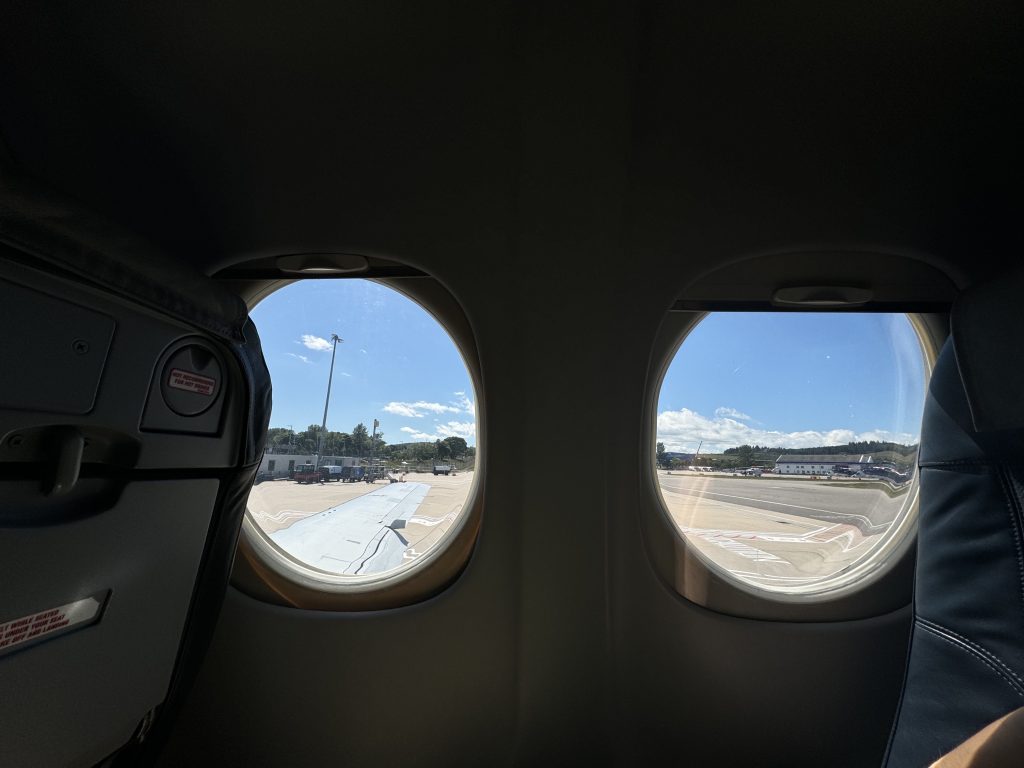
Each seat onboard the BAE Jetstream 41 has two windows, making the seat feel very spacious. (Photo: AirlineGeeks | Fangzhong Guo)
The plane has a few noticeable different design features from its smaller Jetstream 31/32 cousin, which is uncommon among aircraft in the same family. For instance, the cockpit has a door, unlike the Jetstream 32s at Contour Air which allows passengers to peek into the cockpit during flight.
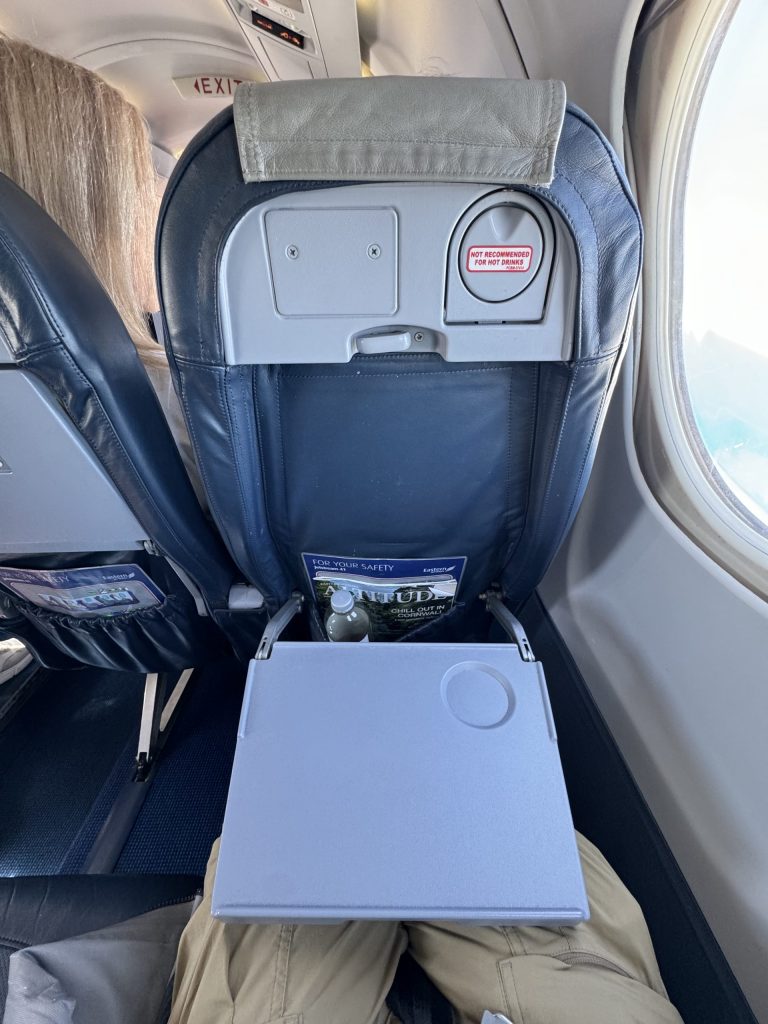
The BAE Jetstream 41’s seat has all the bells and whistles of a standard economy seat on jetliners. (Photo: AirlineGeeks | Fangzhong Guo)
The biggest difference though is the rear exit of the plane. The rare exit is on the right side of the plane while the Jetstream 32 has its door on the left.This difference in layout is quite a significant change between the two designs.
Eastern Airways still publishes and carries an inflight magazine.(Photo: AirlineGeeks | Fangzhong Guo)
In addition to the structural difference, the aircraft also has a very different interior from the seat to the PSUs. Each seat’s side wall is also concaved in to allow a small footstep and additional space for the passenger, which I think is a great improvement.
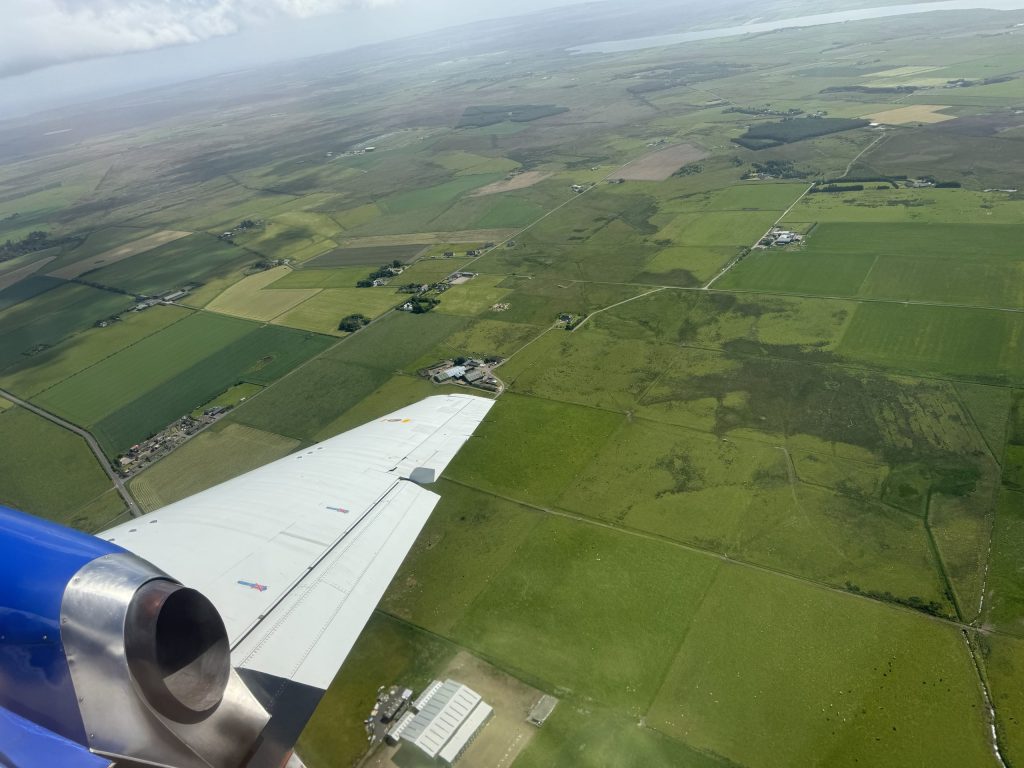
Flight over Scotland’s country side is quite scenic. (Photo: AirlineGeeks | Fangzhong Guo)
The flight itself was short and scenic. Overflying Scottish countryside seeing all the cows and sheep in the field was quite poetic as well. There was no inflight service since the actual flight time was less than 30 minutes. What’s interesting, though, was that passengers were held onboard until the ground crew had unloaded all the valet bags from the cargo hold. While it helped reduce the passenger’s time on the ramp, it meant customers needed to stay in the cabin longer without air conditioning.
Wick Airport
Wick John O’ Groats Airport played an important role in various reconnaissance missions during the Second World War. The airport has some historic photographs and models to show this part of the history in the terminal. Like many smaller airports of the same size, agents here work both the check-in counter and boarding. Therefore, there was no one to check me in when I deplaned from my flight.
Boarding area of the Wick John O’Groats Airport. (Photo: AirlineGeeks | Fangzhong Guo)
Since I was flying on a separate reservation and I did not check in at the counter before security screening commenced, I was worried that the airline would mark me as a no-show and drop me from the flight. Luckily, the agent found me by the time I passed security and logged my bag’s weight information.
The return flight was also quite packed on a Sunday afternoon, which shows how useful this connection is for the local communities. Overall it was a memorable experience to fly on one of the last British-built aircraft in the United Kingdom.
Fangzhong grew up near an OEM airport in northeastern China, where he developed his enthusiasm for aviation. Taking upon his passion, he's now working as an aircraft interior design engineer. Besides working in the aerospace industry, Fangzhong enjoys trying out different types of airplanes and seeing how airplane interiors have evolved. So far, he's flown on over 80 types of aircraft. He also planespots in his spare time. His rarest catches included the 747 Shuttle Carrier Aircraft and AN-225.
Garuda Indonesia Moves Forward With Pelita Air Merger
The slated merger has existed for a while but it some road blocks in recent months, first being announced in August 2023.
A Garuda Indonesia Boeing 777 in London.
(Photo: AirlineGeeks | William Derrickson)
The CEO of Indonesia’s flag carrier has confirmed that the airline will continue with the planned merger with Pelita Air. This would transform both airlines into a state-owned company, known by many as InJourney. This move can only happen once Garuda returns to positive equity, per ch-aviation.
The slated merger has existed for a while, first being announced in August 2023. The merger, which will also include Indonesian airline Citilink, hasn’t been able to go ahead due to financial issues. Garuda has been struggling to pay off $9.8 billion worth of debt since 2021.
It then exited the process of paying back debts a year later, having paid off $5.1 billion and undergone a fleet restructure, as well as reshaping its routes and operations. This still hasn’t managed to save the airline from financial issues, with its latest financial report stating that it is still at negative equity.
Commenting on the merger to an Indonesian House of Representatives meeting, Setiaputra said, “Discussions are ongoing regarding the merger’s model, timing, and how Garuda will be integrated InJourney.”
Sam Jakobi is a young aviation journalist based in London, U.K. A lifelong Airbus fan, he has adored aviation for as long as he can remember. Sam writes articles and conducts interviews with members of the aviation community.
Boeing Pleads Guilty in Criminal Case
The plea agreement still needs to be approved by a federal judge in Fort Worth, Texas, where the case is being prosecuted.
A Boeing 737 MAX 9 lands at Paine Field. (Photo: AirlineGeeks | Katie Zera)
Boeing has agreed to plead guilty to a criminal fraud conspiracy charge related to two fatal 737 MAX accidents that occurred in 2018 and 2019, according to a late-night court filing. The company has also agreed to pay a $243.6 million fine.
The case stems from an investigation by the U.S. Justice Department into Boeing’s actions while seeking certification for the 737 MAX from the Federal Aviation Administration (FAA).
In a statement to Reuters, a company spokesperson confirmed it had “reached an agreement in principle on terms of a resolution with the Justice Department.”
The crashes in Indonesia and Ethiopia killed a total of 346 people and led to the grounding of the 737 MAX fleet worldwide. Boeing has admitted to misleading the FAA about a new flight-control system called Maneuvering Characteristics Augmentation System (MCAS) for the 737 MAX, and the Justice Department concluded that Boeing failed to adhere to an earlier settlement agreement to avoid prosecution.
Under the terms of the plea deal, Boeing has agreed to accept responsibility for the conspiracy to defraud the federal government and to pay the fine. The company has also agreed to continue cooperating with the Justice Department’s ongoing investigation.
The agreement still needs to be approved by a federal judge in Fort Worth, Texas, where the case is being prosecuted. If the judge accepts the plea deal, Boeing will become a convicted felon.
Ryan founded AirlineGeeks.com in February 2013 and has spent more than a decade covering the airline business. His work has been featured by CNN, WJLA, CNET, and Business Insider. His aviation experience spans airport operations, Part 135 regulatory compliance, and airline crew workforce planning, along with time behind the yoke of a Cessna 172 and interviews with airline executives. Ryan now serves as Group President of Firecrown Media’s Aviation Group. He holds a B.S. in Air Transportation Management and an MBA from Arizona State University and teaches Airline Management at Embry-Riddle Aeronautical University.