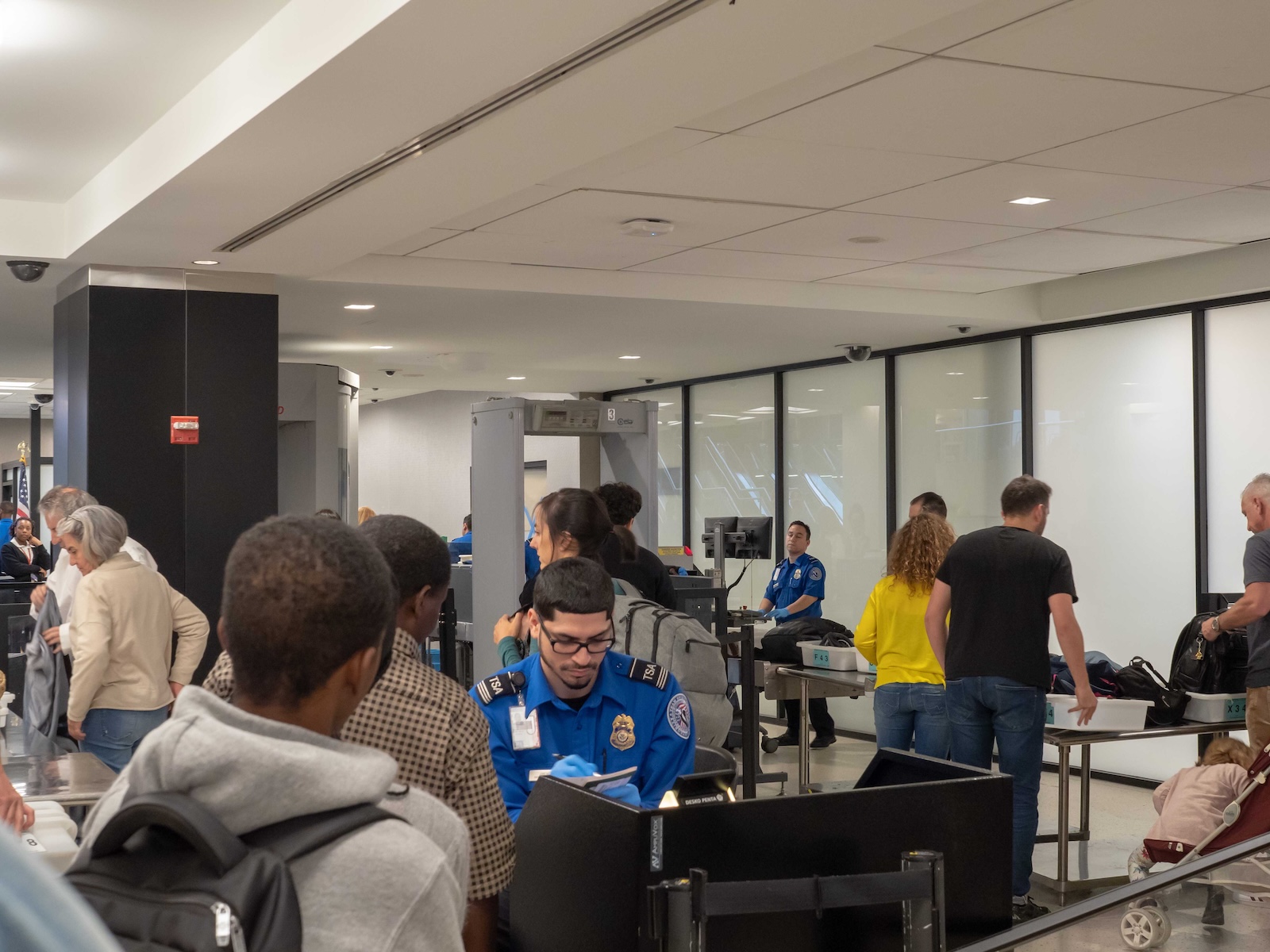
A TSA checkpoint. (Photo: Shutterstock | David Tran Photo)
The Trump administration is looking to privatize some elements of the TSA’s airport security screening operations.
In a budget proposal for fiscal year 2027 released on Friday, the White House said it wants to require small airports to enroll in the Screening Partnership Program, which allows qualified private companies to carry out passenger screening instead of TSA officers. Those employees must still adhere to TSA rules and use TSA-approved equipment.
“The airports that already use this program have demonstrated savings compared to federal screening operations,” the proposal stated. “The move would yield cost savings compared to federal screening and begin reform of a troubled federal agency.”
The text did not elaborate on how TSA is allegedly “troubled.”
Airport security has been in the national spotlight over the last several weeks due to the partial government shutdown. TSA officers have been working without pay, and a growing number were calling out of work or quitting the agency to find other jobs before President Donald Trump signed an executive order authorizing backpay. The situation has somewhat stabilized, with call-outs down and security lines moving more quickly, though wait times remain higher than usual at some major airports.
Airports that use private firms for security have not been affected by the partial shutdown, and their screening operations have continued as normal.
According to the TSA, airports currently enrolled in the Screening Partnership Program include San Francisco, Kansas City, Orlando Sanford in Florida, and Atlantic City in New Jersey, among others.
The administration could see partial privatization as a way to lessen the impact of future government shutdowns on commercial air transport.
Inclusion in a White House budget is no guarantee that a policy will become law. Spending plans must be passed by both houses of Congress, then signed by the president.
Passenger screening in the U.S. was handled entirely by private companies up until the terrorist attacks of Sept. 11, 2001. The TSA was created later that year. The Screening Partnership Program restored a small measure of private screening when it was introduced in 2004.
The partial government shutdown has not been resolved, and with Congress on a break, a final settlement may be weeks or even months away. Trump’s order provides backpay for TSA employees, but it is not clear if they will continue to be paid going forward as the partial shutdown continues.
Zach Vasile is a writer and editor covering news in all aspects of commercial aviation. He has reported for and contributed to the Manchester Journal Inquirer, the Hartford Business Journal, the Charlotte Observer, and the Washington Examiner, with his area of focus being the intersection of business and government policy.
Trump Targets Essential Air Service Again
The administration’s FY2027 budget would trim $372 million from the program while calling its spending “out of control.”
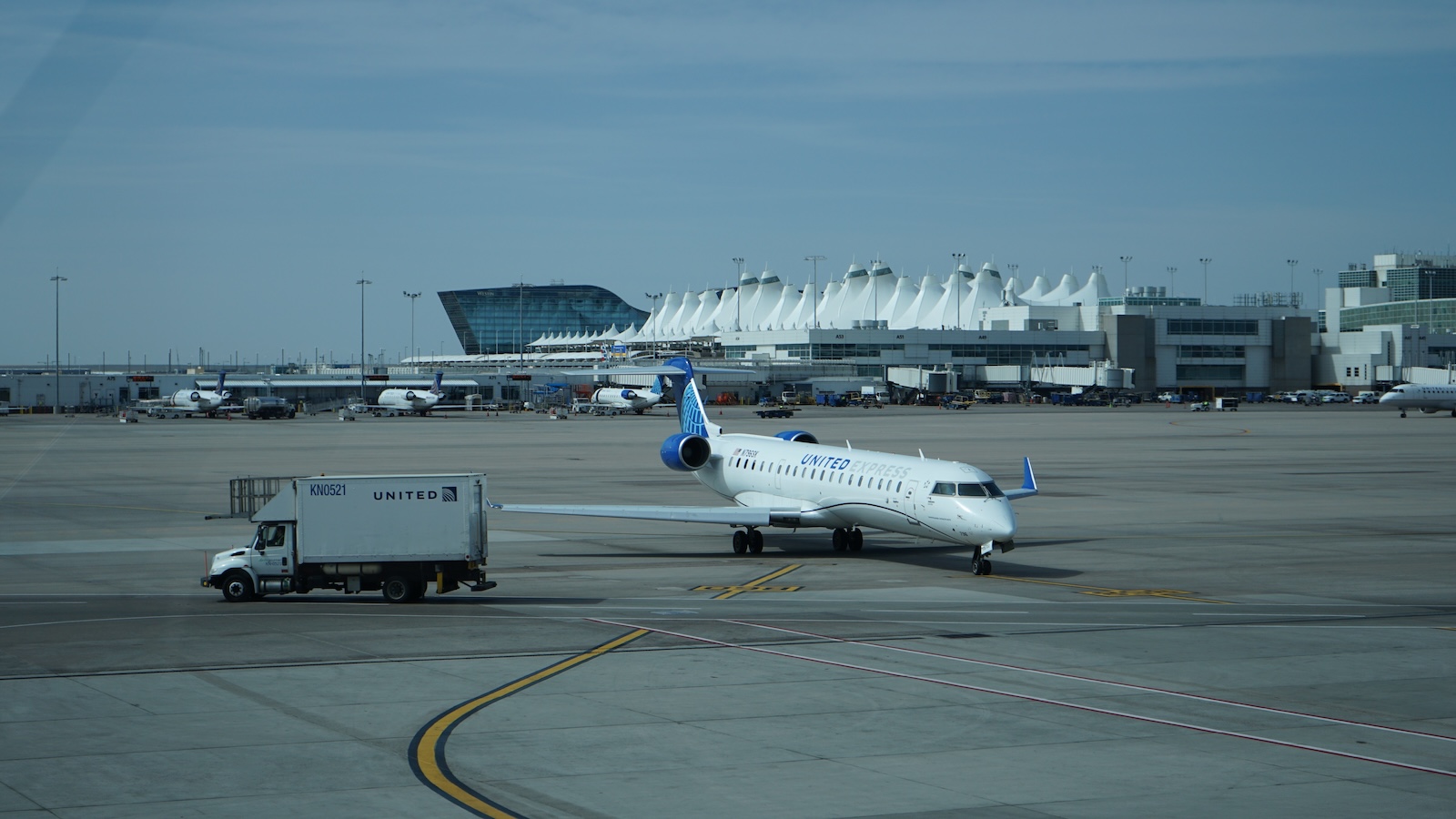
A United Express CRJ-700 in Denver (Photo: Shutterstock)
The Trump administration is again proposing to reduce federal support for the Essential Air Service program, this time targeting $372 million in discretionary funding as part of its fiscal year 2027 budget request.
Published on Friday, the budget says EAS “funnels taxpayer dollars to airlines to subsidize half-empty flights from airports that are within easy commuting distance from each other, while also failing to effectively provide assistance to most rural air travelers.” It adds that spending on the program is “out of control, more than doubling between 2021 and 2025.”
The administration said it would “rein in EAS subsidies” through what it described as a mix of reforms to eligibility rules and subsidy rates, while still maintaining the program. The budget does not outline those proposed changes in detail.
Repeated Attempts
The latest push follows a similar attempt in the administration’s FY2026 request. Congress ultimately rejected that proposal and provided $514 million for Essential Air Service in the enacted transportation funding bill, with Senate appropriators saying the measure rejected the White House’s earlier bid to cut the program by half and also prevented the Department of Transportation from “haphazardly terminating” EAS contracts.
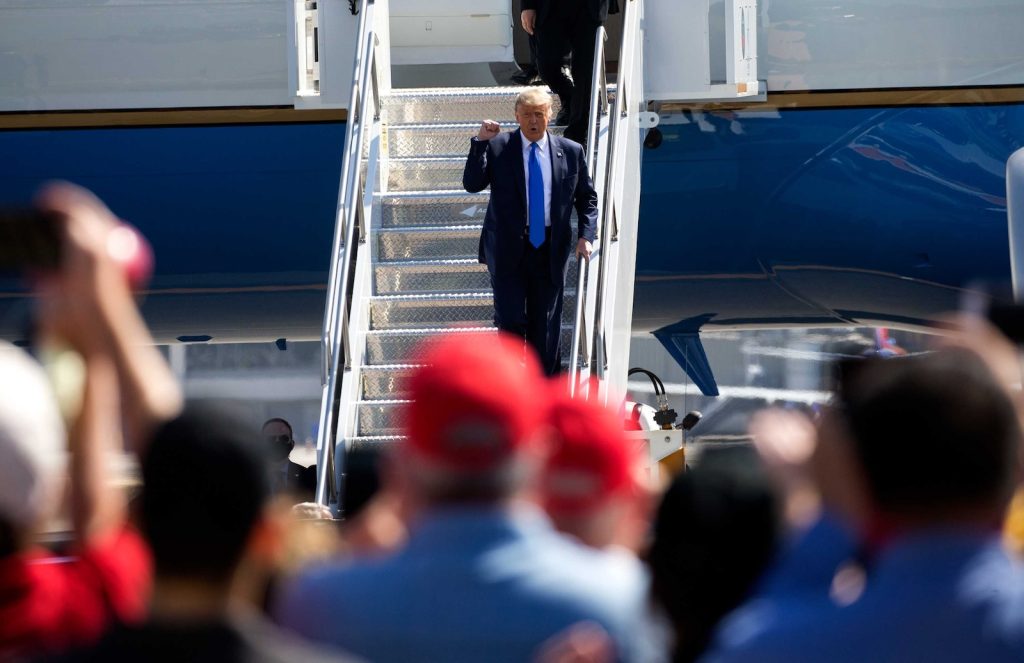
Trump gets off an aircraft (Photo: Shutterstock | Ringo Chiu)
The Department of Transportation says the program is meant to preserve access to the national air transportation system for smaller communities that otherwise may not receive scheduled air service. As of 2024, DOT said EAS supported 177 communities, including 65 in Alaska and 112 in the contiguous U.S., Hawaii, and Puerto Rico.
Essential Air Service has long drawn scrutiny in Washington, but it has also repeatedly survived proposed reductions. The FY2027 budget marks the second straight year the Trump administration has sought a major cut to the program.
Ryan founded AirlineGeeks.com in February 2013 and has spent more than a decade covering the airline business. His work has been featured by CNN, WJLA, CNET, and Business Insider. His aviation experience spans airport operations, Part 135 regulatory compliance, and airline crew workforce planning, along with time behind the yoke of a Cessna 172 and interviews with airline executives. Ryan now serves as Group President of Firecrown Media’s Aviation Group. He holds a B.S. in Air Transportation Management and an MBA from Arizona State University and teaches Airline Management at Embry-Riddle Aeronautical University.
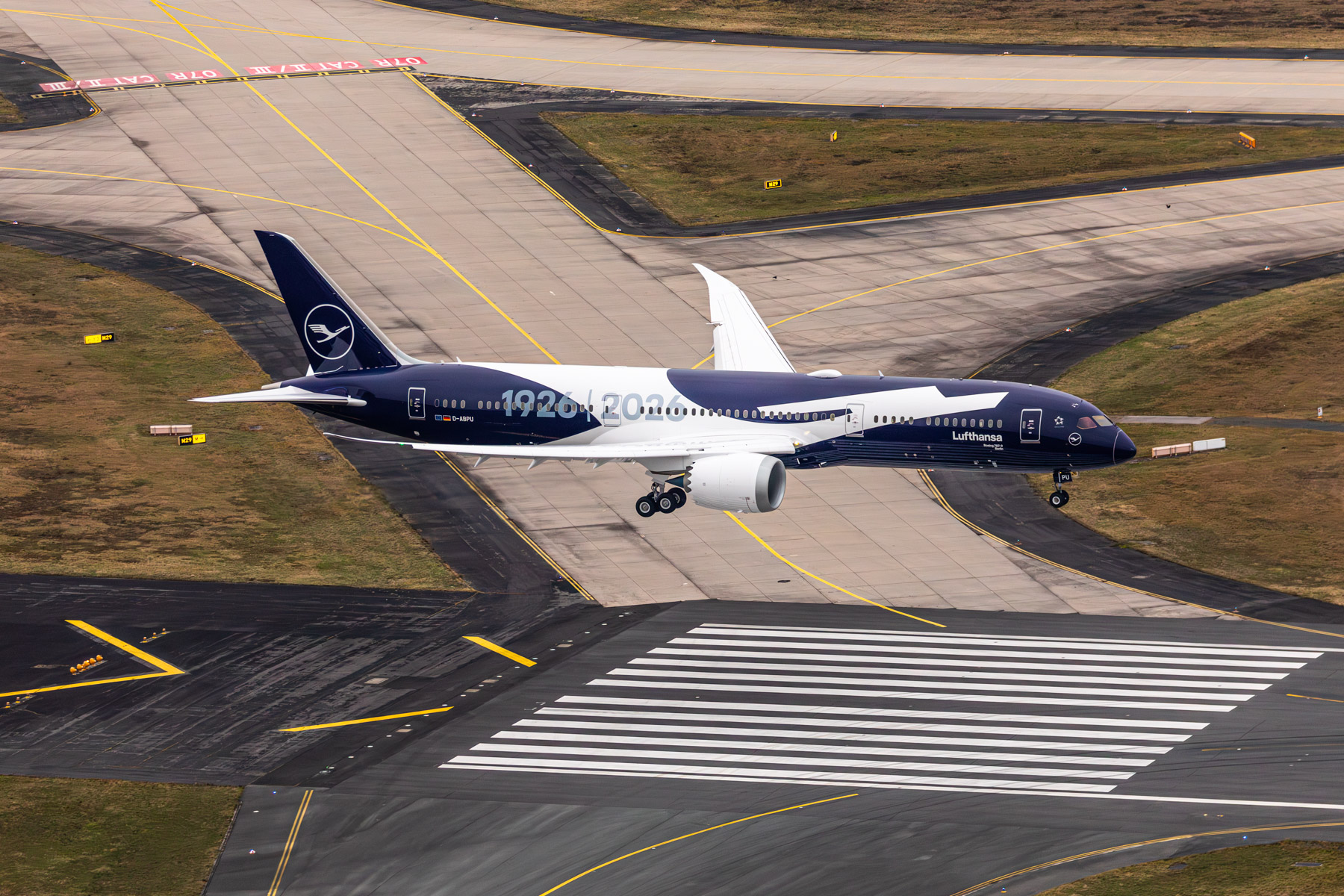
A Lufthansa aircraft with the 100th anniversary livery. (Photo: Lufthansa)
Lufthansa on Monday plans to retrace the original routes flown by its predecessor airline exactly 100 years ago.
As part of its centennial celebrations, the carrier will operate special flights from Berlin to Cologne and Zurich, mirroring service offered by Deutsche Luft Hansa on its first official day in business – April 6, 1926. Lufthansa dates its founding to Deutsche Luft Hansa’s formation that same year, though there is no legal connection between the two.
The festivities will start Monday morning when two long-haul aircraft, a Boeing 787-9 and an Airbus A350-900, depart for Berlin from Frankfurt and Munich, respectively. On board will be hundreds of Lufthansa Group employees and their partners, along with aviation journalists and influencers.
Both jets sport Lufthansa’s 100th anniversary livery, an oversized white crane against dark blue, which the carrier has been applying to several different aircraft types over the last few months.
A celebration will take place after both airplanes land at Berlin Brandenburg Airport, with around 600 people expected to attend. Then, at 3 p.m., they will depart again, the A350 for Cologne and the 787 for Zurich.
In 1926, Deutsche Luft Hansa operated from the now-closed Berlin Tempelhof Airport, and flew much smaller aircraft. A Fokker Grulich F II was used for the inaugural flight to Zurich and a Dorner Komet III D-580 operated the first connection to Cologne.
According to Lufthansa, a newlywed couple took the trip to Zurich, and only one passenger flew to Cologne.
Lufthansa will also give a nod to the cities and towns where the original flights made stopovers. The flight to Zurich will pass over Halle, Erfurt, and Stuttgart while en route, and the flight to Cologne will pass over Magdeburg.
Zach Vasile is a writer and editor covering news in all aspects of commercial aviation. He has reported for and contributed to the Manchester Journal Inquirer, the Hartford Business Journal, the Charlotte Observer, and the Washington Examiner, with his area of focus being the intersection of business and government policy.
Livery of the Week: JetBlue’s BluePrint
A technical, diagram-inspired design brings a new visual concept to the airline’s growing A220 fleet.
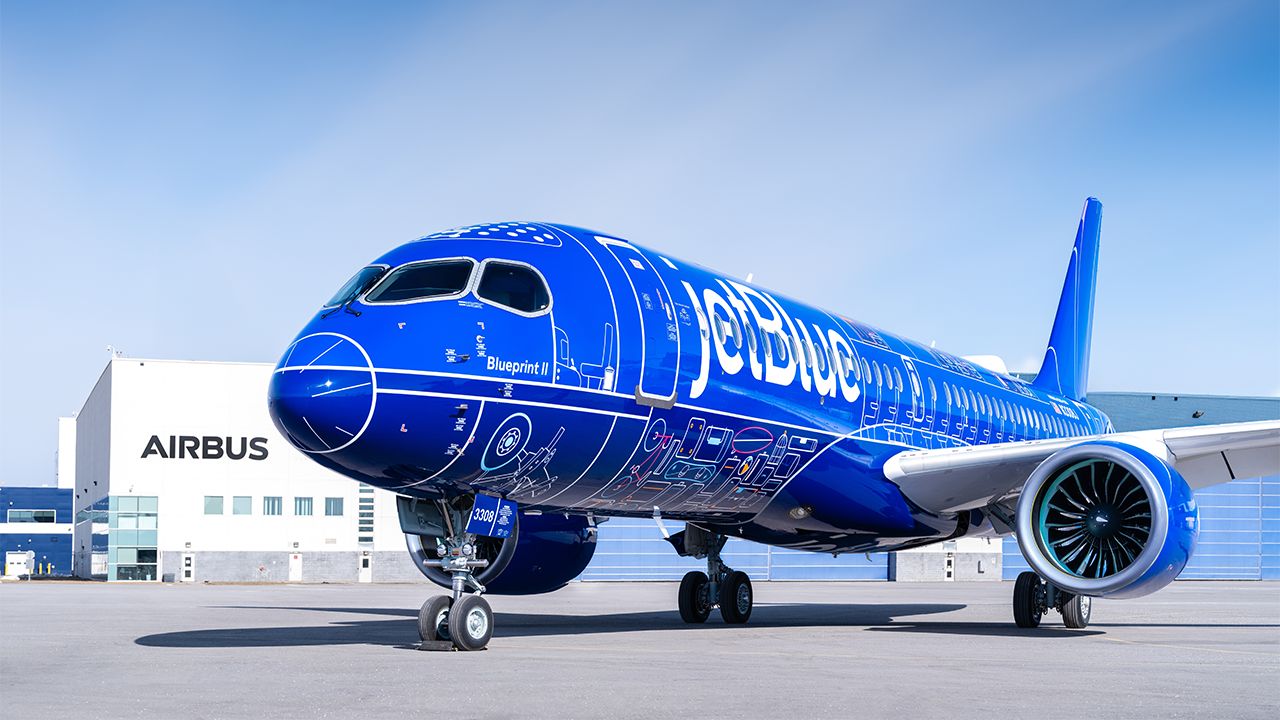
JetBlue's BluePrint livery on an A220 (Photo: JetBlue)
Editor’s Note: AirlineGeeks is proud to present our ‘Livery of the Week’ series. Every Friday, a team member will share an airline livery, which can be from the past, present, or even a special scheme. Some airline liveries are works of art. The complexity associated with painting around critical flight components and the added weight requires outside-the-box thinking from designers. The average airliner can cost upwards of $200,000 to repaint, creating a separate aircraft repainting industry as a result.
Have an idea for a livery that we should highlight? Drop us a line.
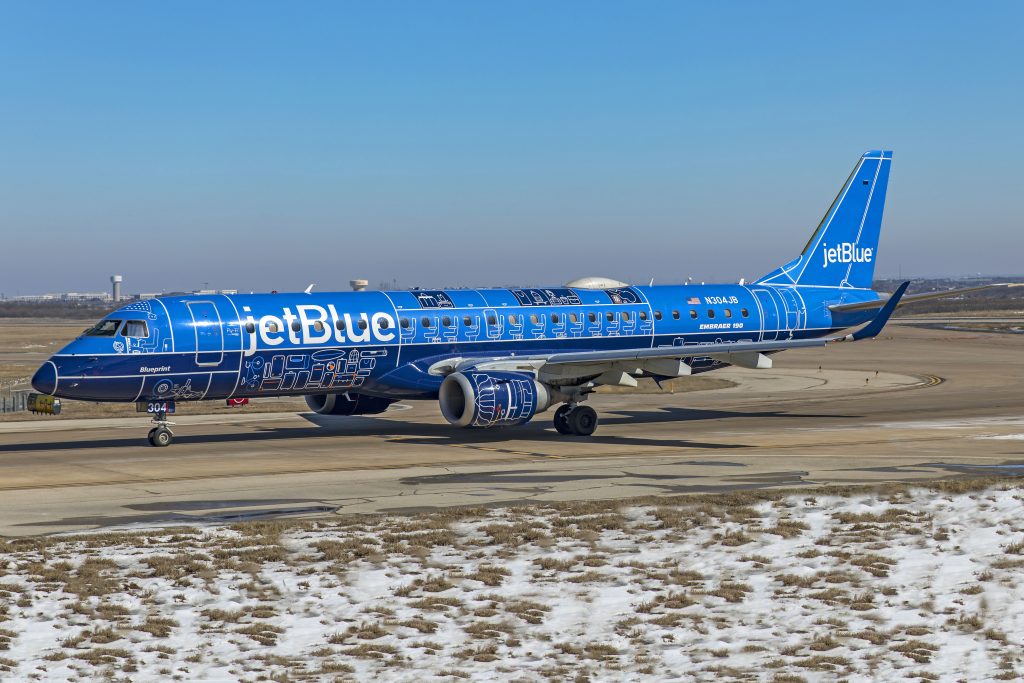
JetBlue’s “BluePrint” special livery is one of the airline’s more unique designs, drawing inspiration from aircraft schematics and technical drawings. Originally introduced on a now-retired Embraer E190, the livery is set to make a return — this time on one of JetBlue’s Airbus A220 aircraft.
The design features a white fuselage overlaid with thin blue lines, measurements, and aircraft outlines, mimicking the look of engineering blueprints used in aircraft design. The graphics extend across the full length of the aircraft, creating a layered and detailed appearance while maintaining a clean overall presentation.
A JetBlue Embraer ERJ-190 in the airline’s Blueprint livery. (Photo: AirlineGeeks | William Derrickson)
Unlike JetBlue’s more familiar tail-focused liveries, which typically use bold geometric patterns, the BluePrint scheme distributes its visual elements across the entire fuselage. The tail is comparatively understated, allowing the blueprint-style artwork to remain the focal point of the design.
“jetBlue” titles are positioned along the forward fuselage in dark blue, consistent with the airline’s standard branding. The engines and winglets are finished in complementary tones, tying the design together without detracting from the intricate linework across the aircraft body.
Looking for a new airplane model? Head over to our friends at the Midwest Model Store for a wide selection of airlines and liveries.
Ryan founded AirlineGeeks.com in February 2013 and has spent more than a decade covering the airline business. His work has been featured by CNN, WJLA, CNET, and Business Insider. His aviation experience spans airport operations, Part 135 regulatory compliance, and airline crew workforce planning, along with time behind the yoke of a Cessna 172 and interviews with airline executives. Ryan now serves as Group President of Firecrown Media’s Aviation Group. He holds a B.S. in Air Transportation Management and an MBA from Arizona State University and teaches Airline Management at Embry-Riddle Aeronautical University.
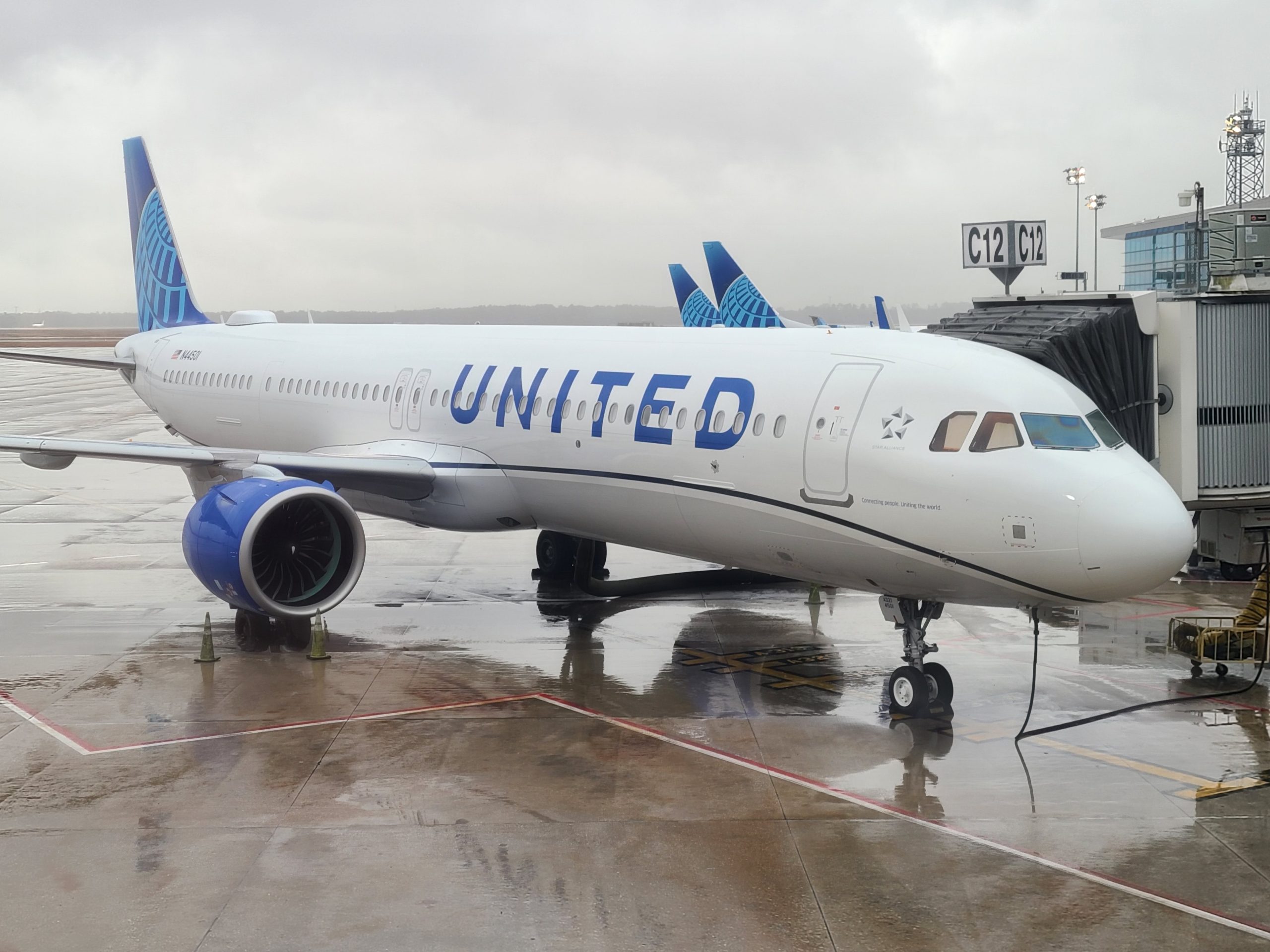
United Airbus A321neo. (Photo: AirlineGeeks | Andrew Chen)
United is increasing its fees for checked bags, becoming the second U.S. airline to do so in less than a week as jet fuel prices continue to climb.
The carrier said it is raising fees by $10 for most flights, which would bring the cost of a single bag to $50 without the prepay discount.
“United is raising first and second checked bag fees by $10 for customers traveling in the U.S., Mexico and Canada, and Latin America beginning with tickets purchased Friday, April 3,” the airline said in a statement.
In a separate note on its website, United said the fee for a third bag is going up by $50 in most markets.
United Chase credit card holders, Mileage Plus Premier members, active members of the military, and premium passengers can still check bags for free, United said, and in most markets customers will still get a $5 discount if they prepay for their bags online at least 24 hours before their flight.
“This is the first time in two years the airline has raised bag fees,” officials added.
United did not provide a reason for the fee increase, but skyrocketing fuel prices are likely a contributing factor. Energy prices have shot up globally since the start of the conflict in Iran in late February.
Zach Vasile is a writer and editor covering news in all aspects of commercial aviation. He has reported for and contributed to the Manchester Journal Inquirer, the Hartford Business Journal, the Charlotte Observer, and the Washington Examiner, with his area of focus being the intersection of business and government policy.
Caribbean Airlines Denies Report of Potential Shutdown
The carrier is reportedly seeking a bailout from the government of Trinidad and Tobago.
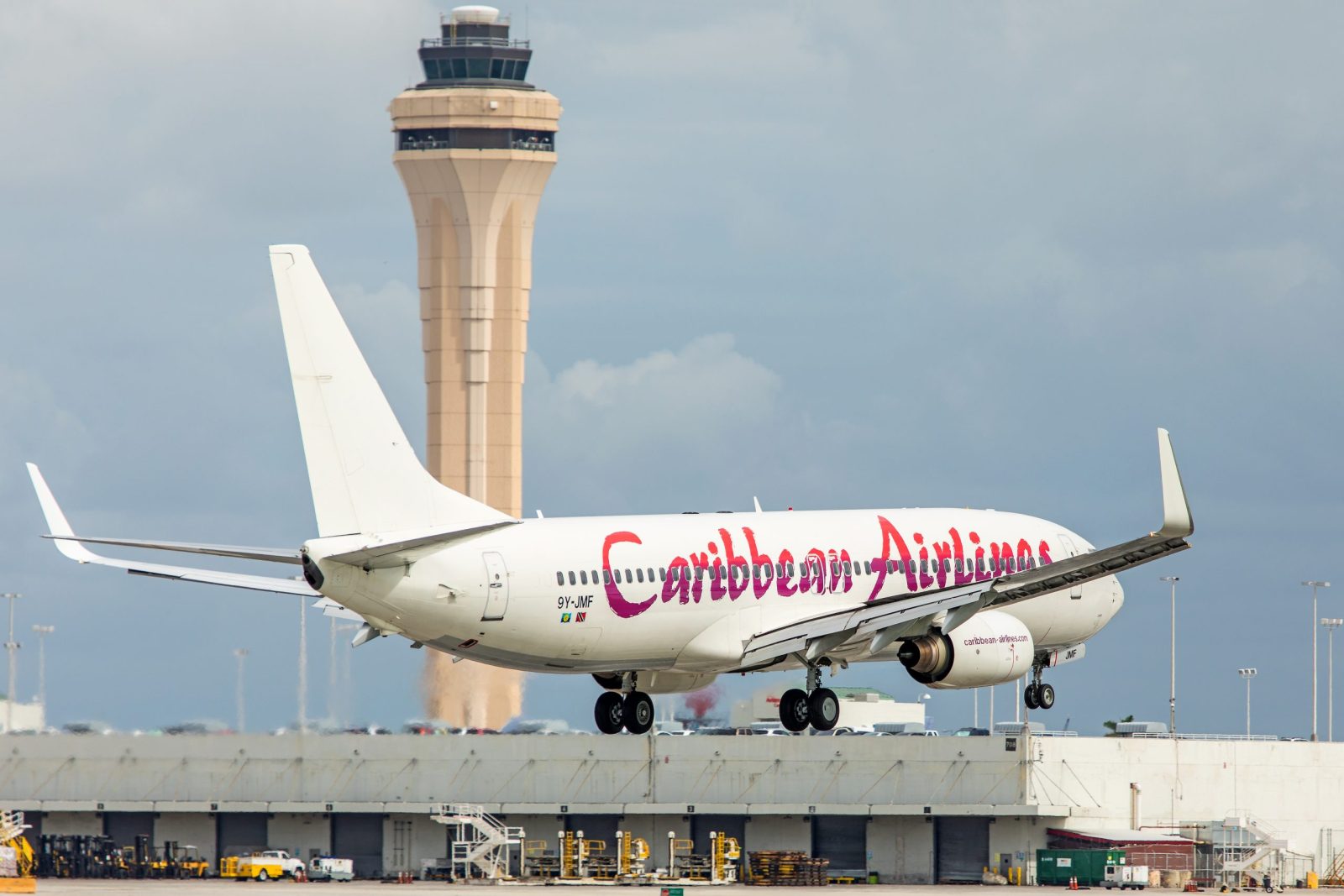
A Caribbean Airlines 737-800 landing in Miami. (Photo: AirlineGeeks | William Derrickson)
Caribbean Airlines this week denied a report that it is in dire financial straits and in danger of shutting down.
In a statement released Tuesday, the flag carrier of both Jamaica and Trinidad and Tobago alluded to a report from the Trinidad and Tobago Guardian claiming that airline leaders were seeking a bailout from the government of Trinidad and Tobago.
The article said Caribbean Airlines, often abbreviated as CAL, is looking for additional support as jet fuel prices rise in connection with the war in Iran. The newspaper reported that at least two directors believe the airline should go out of business or be sold.
“The airline’s board of directors categorically rejects any rumors suggesting that Caribbean Airlines is facing closure,” CAL said in response. “There has been no discussion regarding the closure of the airline. Caribbean Airlines continues to actively review its operations as part of ongoing efforts to strengthen the business and position the airline on a more stable and sustainable footing.”
Officials also confirmed that all flight operations are continuing as normal.
The airline did not specifically deny that it is seeking a bailout.
The Trinidad and Tobago Guardian said CAL recently approached the Ministry of Finance with measures it was willing to take to secure additional investment, including implementing a fuel surcharge on tickets and paring back low-revenue routes.
Relief could come in the form of a debt write-off worth about $1 billion, the newspaper said.
CAL serves destinations throughout the Caribbean and helps link the region to the U.S., with regularly scheduled flights to and from Miami, Fort Lauderdale, and Orlando in Florida and New York-JFK.
The airline is owned by the governments of Trinidad and Tobago and Jamaica, with Trinidad and Tobago holding the majority of the company.
CAL has experienced financial difficulties in the past and, according to the Guardian, has not released a properly audited financial statement in years.
Zach Vasile is a writer and editor covering news in all aspects of commercial aviation. He has reported for and contributed to the Manchester Journal Inquirer, the Hartford Business Journal, the Charlotte Observer, and the Washington Examiner, with his area of focus being the intersection of business and government policy.
Hawaiian Pilots Lose Rare Beard Exception
A new combined standard with Alaska takes effect this month.
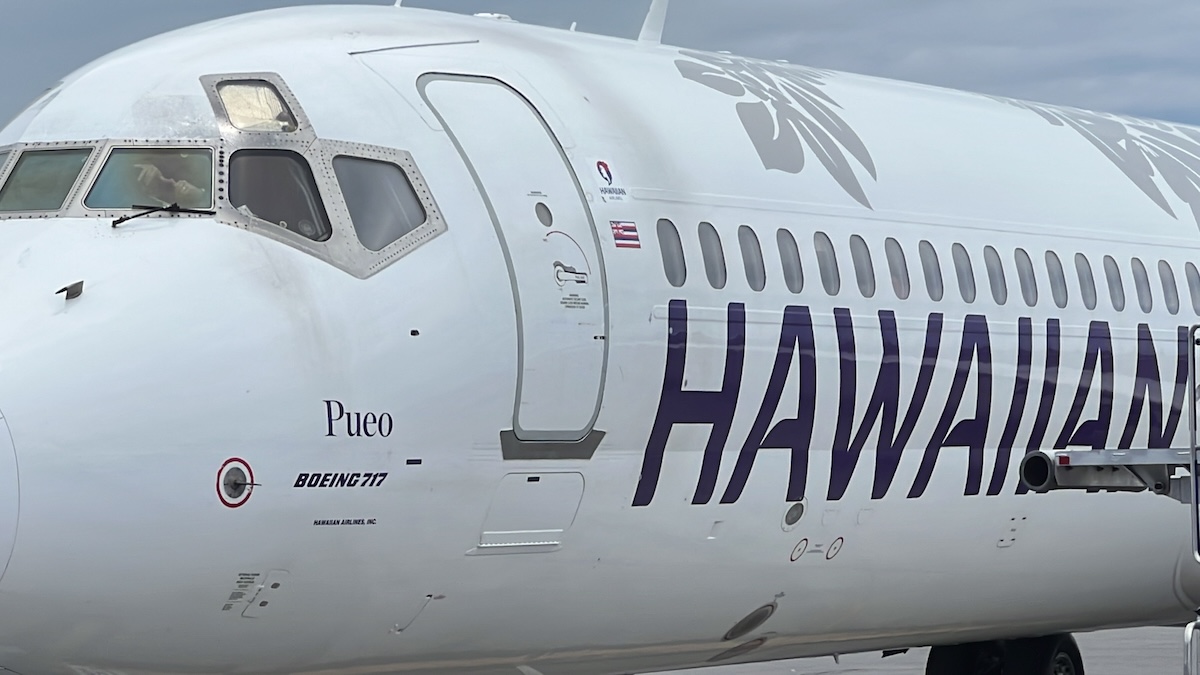
A Hawaiian Boeing 717 (Photo: Shutterstock | Ritu Manoj Jethani)
Hawaiian Airlines pilots will lose a long-standing and unusual allowance for beards as Alaska Air Group rolls out a combined pilot uniform and appearance policy following the carriers’ merger.
In an internal email dated March 23 seen by AirlineGeeks, Alaska System Chief Pilot Scott Day told pilots that a “significant” revision to the Flight Operations Manual would be released on April 1, including updates to the uniform and appearance policy. He said all Boeing 787 pilots would also begin transitioning to the Alaska uniform on April 20.
Day also flagged what he described as a major change in the revision, writing: “Going forward, facial hair must meet specific requirements to ensure compliance with FAA guidance and flight deck safety and beards will not be authorized.”
A March 27 follow-up message to Hawaiian pilots from Dave Mets – the company’s vice president of flight operations – offered additional detail on the decision.
In that note, Mets acknowledged the significance of the change, writing, “I recognize this is an important issue for many and do not want to be insensitive or vague about it in any way.” He added: “I fully understand that this is a policy decision many of you do not and may never agree with.”
Regulatory Review
Mets said the company had engaged with regulators multiple times over several years on the issue of beards and oxygen mask use, and said cockpit oxygen mask manufacturers have recommended against beards in the flight deck. He wrote that the FAA’s Civil Aerospace Medical Institute, or CAMI, had recently “reaffirmed its long-standing recommendation that for safety reasons, beards should not be allowed in the flight deck.”
The company’s decision comes even as the issue remains contested beyond U.S. airline policy circles. The FAA advisory circular often cited in beard-related mask guidance, AC 120-43, dates to 1987 and remains active. More recent research has pointed in a different direction.
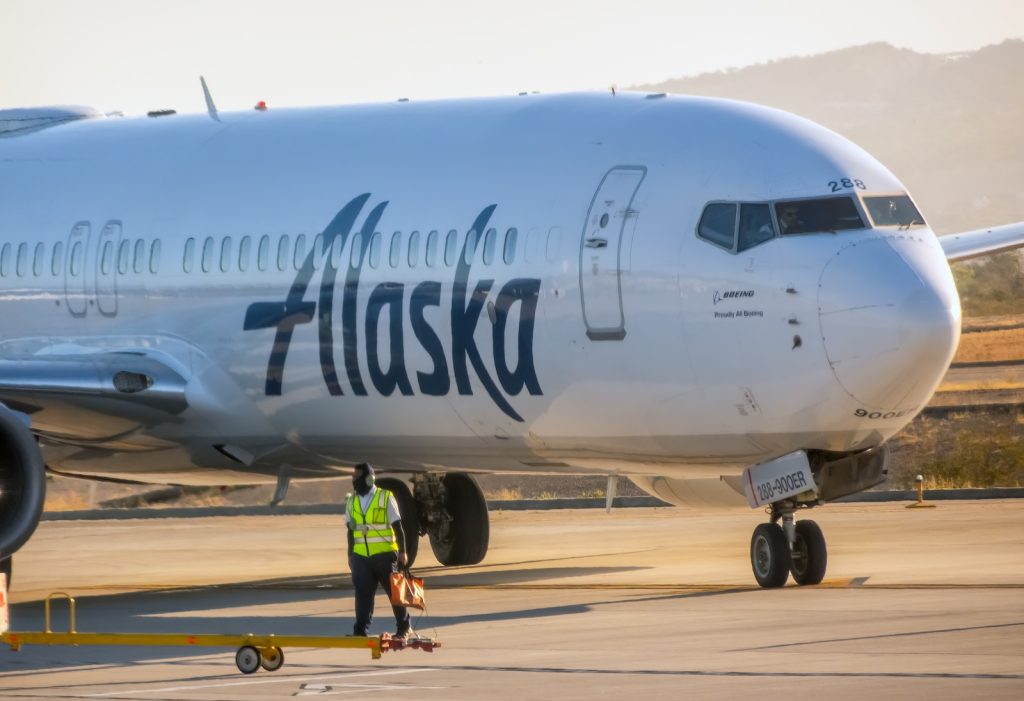
An Alaska Air 737 aircraft (Photo: Shutterstock | oasisamuel)
A 2024 Embry-Riddle Aeronautical University study found no evidence that facial hair caused mask leaks, hypoxia, or chemical exposure issues in testing involving commercial-style oxygen masks. Earlier research from Simon Fraser University likewise found facial hair did not compromise mask performance in its study, work the university said helped support Air Canada’s move to permit pilot beards.
He said the airline also reviewed FAA regulations, manufacturer specifications, and placards as part of a safety risk assessment tied to development of the combined policy. According to Mets, that review concluded: “our safest and most compliant path forward was to prohibit beards in the flight deck in our combined uniform policy.”
Mets also tied the issue to a recent real-world event, writing that “our own very recent experience with Alaska Flight 1282 demonstrated the seriousness of this topic as our pilots had to don their O2 masks due to the rapid decompression that occurred.”
The updated Flight Operations Manual reflects that change directly. The revised appearance standard says a well-groomed mustache remains approved, but “beards are not allowed.”
The move ends a policy that had made Hawaiian one of the few U.S. airlines to permit pilot beards. The broader issue has remained a point of debate across the industry.
‘Longstanding FAA Guidance’
In a statement to AirlineGeeks, Alaska said: “Safety is our priority, and Alaska and Hawaiian’s policy to prohibit facial hair for pilots across our combined airline is based on longstanding FAA guidance, as well as our own studies over many years.”
The company also sought to distinguish the beard decision from broader questions about Hawaiian’s identity within the merged airline.
Mets wrote that Alaska leadership has “absolutely no desire or intention to diminish the way Hawaiian Airlines and/or Hawaiian culture is celebrated and respected within our combined company,” pointing to continued investment in the Hawaiian brand, airport infrastructure, cabin upgrades, and other appearance-policy changes, including a more relaxed tattoo standard.
The Air Line Pilots Association represents pilots at both carriers.
“For decades, Hawaiian Airlines has maintained an outstanding safety record and nothing about that record suggests this change is necessary or warranted,” a spokesperson from Hawaiian’s ALPA Master Executive Committee said in a statement. “Beyond the operational question, several of our pilots with Native Hawaiian ancestry have made clear that this policy disregards the cultural and personal significance that facial hair holds within Hawaiian culture. ALPA takes those concerns seriously, and we believe the airline should as well. We are currently engaged with Alaska Airlines management to review this decision, and we are asking that the beard prohibition be rescinded. Our pilots deserve policies that reflect both the realities of their professional performance and respect for their cultural identities.”
The two pilot groups are still represented separately within ALPA and are currently negotiating a joint collective bargaining agreement. Under the union merger process, their seniority lists would be integrated only after that contract is ratified, with a single pilot group and master executive council to follow.
Editor’s Note: This story was updated on Monday, April 6 at 11:20 a.m. ET to add a statement from ALPA.
Ryan founded AirlineGeeks.com in February 2013 and has spent more than a decade covering the airline business. His work has been featured by CNN, WJLA, CNET, and Business Insider. His aviation experience spans airport operations, Part 135 regulatory compliance, and airline crew workforce planning, along with time behind the yoke of a Cessna 172 and interviews with airline executives. Ryan now serves as Group President of Firecrown Media’s Aviation Group. He holds a B.S. in Air Transportation Management and an MBA from Arizona State University and teaches Airline Management at Embry-Riddle Aeronautical University.
Flights from Beckley will depart at 2 p.m. on both days, and arrive in Myrtle Beach at 3:40 p.m. Flights from Myrtle Beach will depart at 4:30 p.m. on both days, and arrive in Beckley at 6:10 p.m.
“This new route underscores our commitment to expanding travel opportunities in underserved markets while making it easier than ever for travelers to enjoy a relaxing and memorable summer escape,” Contour President Ben Munson said in a news release.
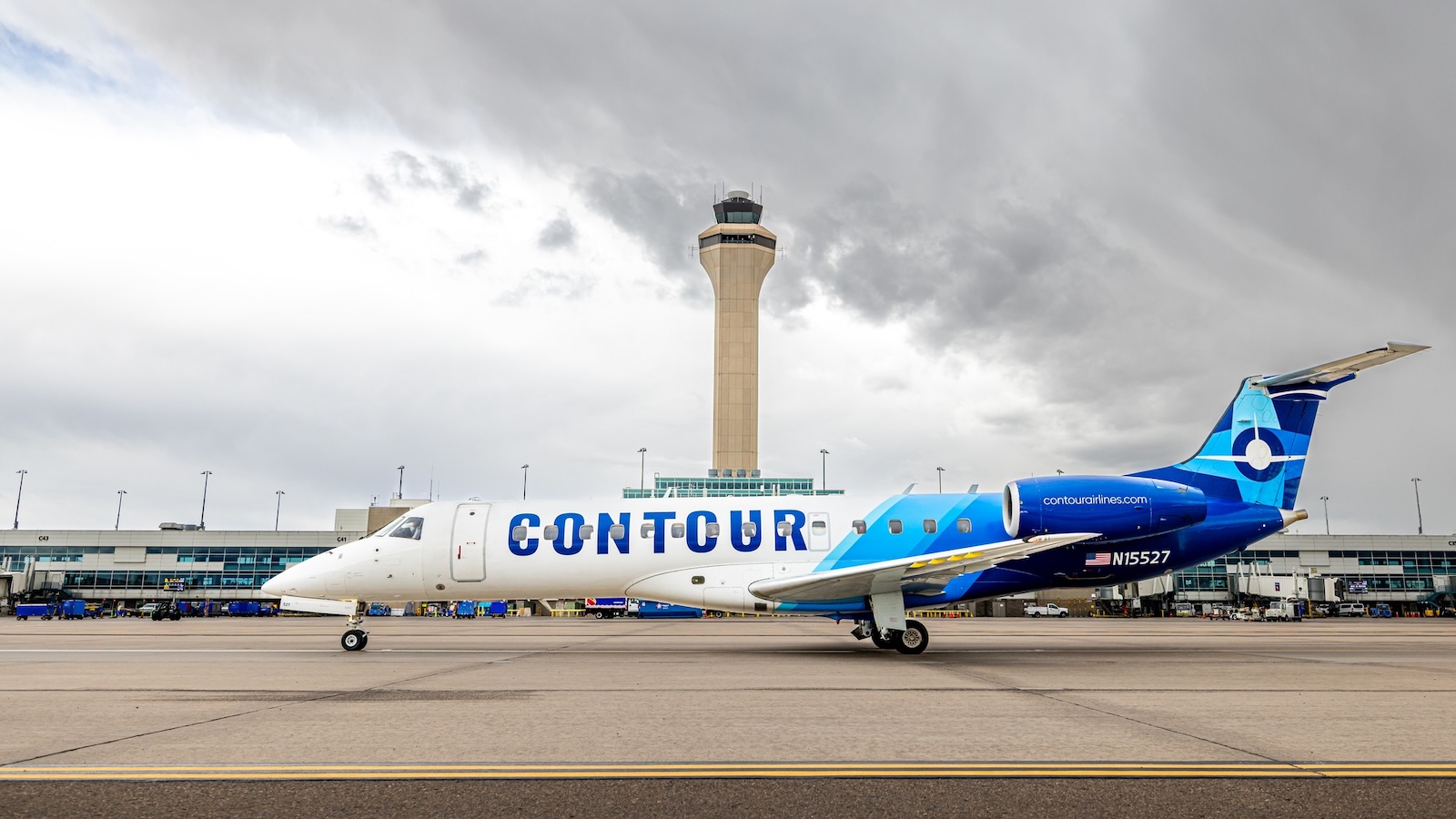
The airline plans to operate the route with a 30-seat regional jet.
Contour currently connects Beckley with Charlotte, North Carolina.
Zach Vasile is a writer and editor covering news in all aspects of commercial aviation. He has reported for and contributed to the Manchester Journal Inquirer, the Hartford Business Journal, the Charlotte Observer, and the Washington Examiner, with his area of focus being the intersection of business and government policy.
Lufthansa Considers Grounding Aircraft Over Fuel Costs, Supply
The German carrier is drawing up emergency plans based on changes in oil prices and consumer demand.
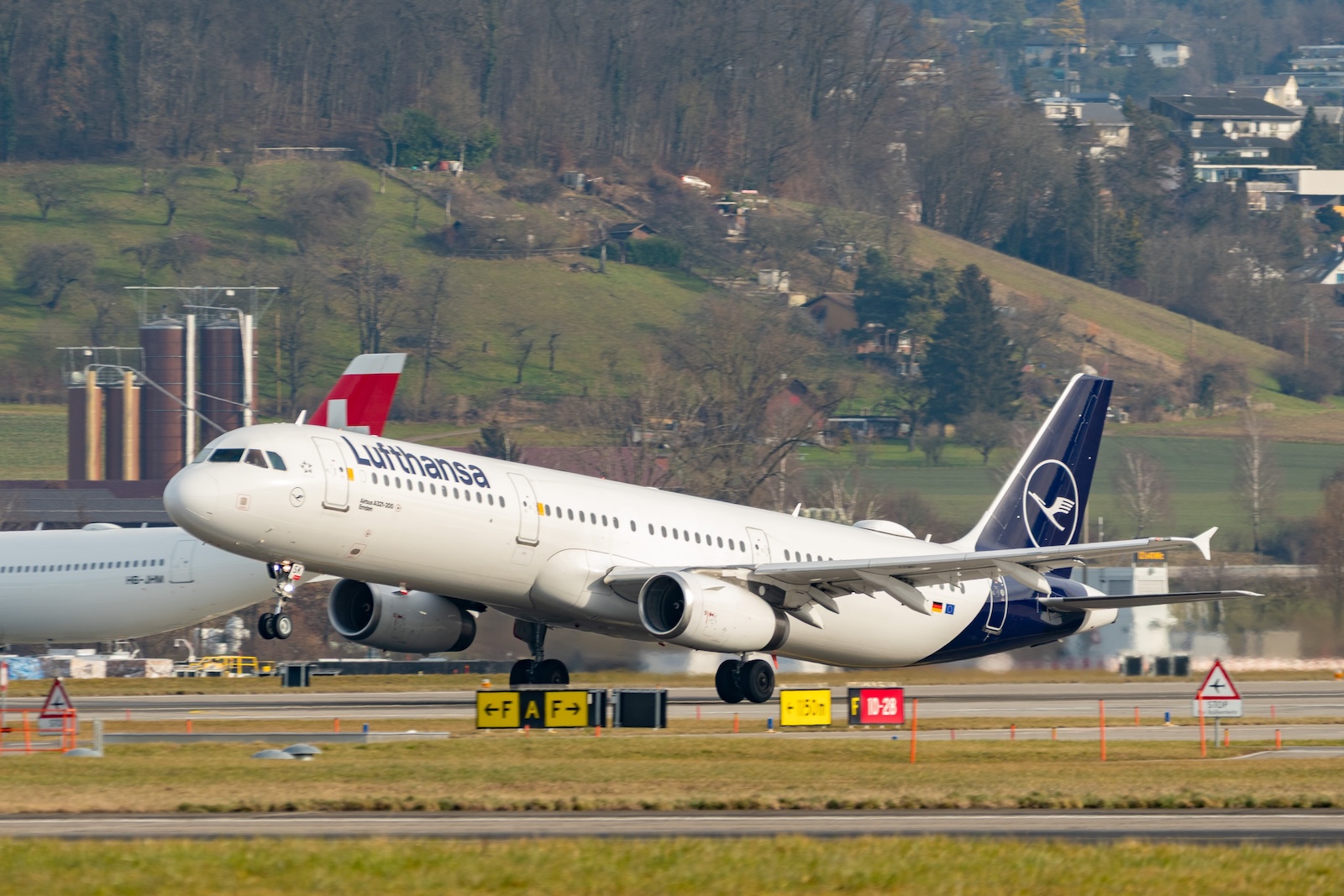
A Lufthansa Airbus A321. (Photo: Shutterstock | Robert Buchel)
Lufthansa is considering grounding aircraft in response to market disruptions caused by the war in Iran.
The airline is preparing several different emergency plans based on fluctuations in jet fuel prices and customer demand, CEO Carsten Spohr told employees earlier this week. One contingency would ground up to 40 aircraft, or about 5% of Lufthansa’s capacity.
German business newspaper Handelsblatt was first to report the carrier’s preparations.
It was not immediately clear which routes would be affected if Lufthansa followed through on the plan.
According to Bloomberg, the airline is bracing not just for higher fuel prices but the possibility of extremely limited supply in the near future. Oil tankers are once again passing through the hotly contested Strait of Hormuz to Iran’s south, but daily traffic is a fraction of prewar levels, keeping global prices high. Iran could effectively close the waterway at any time by again launching missiles and drones at ships, or simply threatening to.
And complications expand beyond the strait. Iran is bombing oil infrastructure in U.S.-allied countries such as Saudi Arabia, and producers in Asia are increasingly pulling back their output because their oil cannot reach customers.
About half of Europe’s jet fuel imports come from producers in the Middle East, leaving airlines there particularly exposed to wartime volatility.
As of Thursday morning, oil prices had climbed to $112 per barrel.
Earlier this week, Lufthansa Group announced a significant expansion of its airlines’ summer schedules, with increased service to destinations such as Chennai, Delhi, Hyderabad, and Bangalore. The company also signaled it will increase capacity to southern Europe, specifically Spain, Portugal, Italy, and Greece.
Zach Vasile is a writer and editor covering news in all aspects of commercial aviation. He has reported for and contributed to the Manchester Journal Inquirer, the Hartford Business Journal, the Charlotte Observer, and the Washington Examiner, with his area of focus being the intersection of business and government policy.
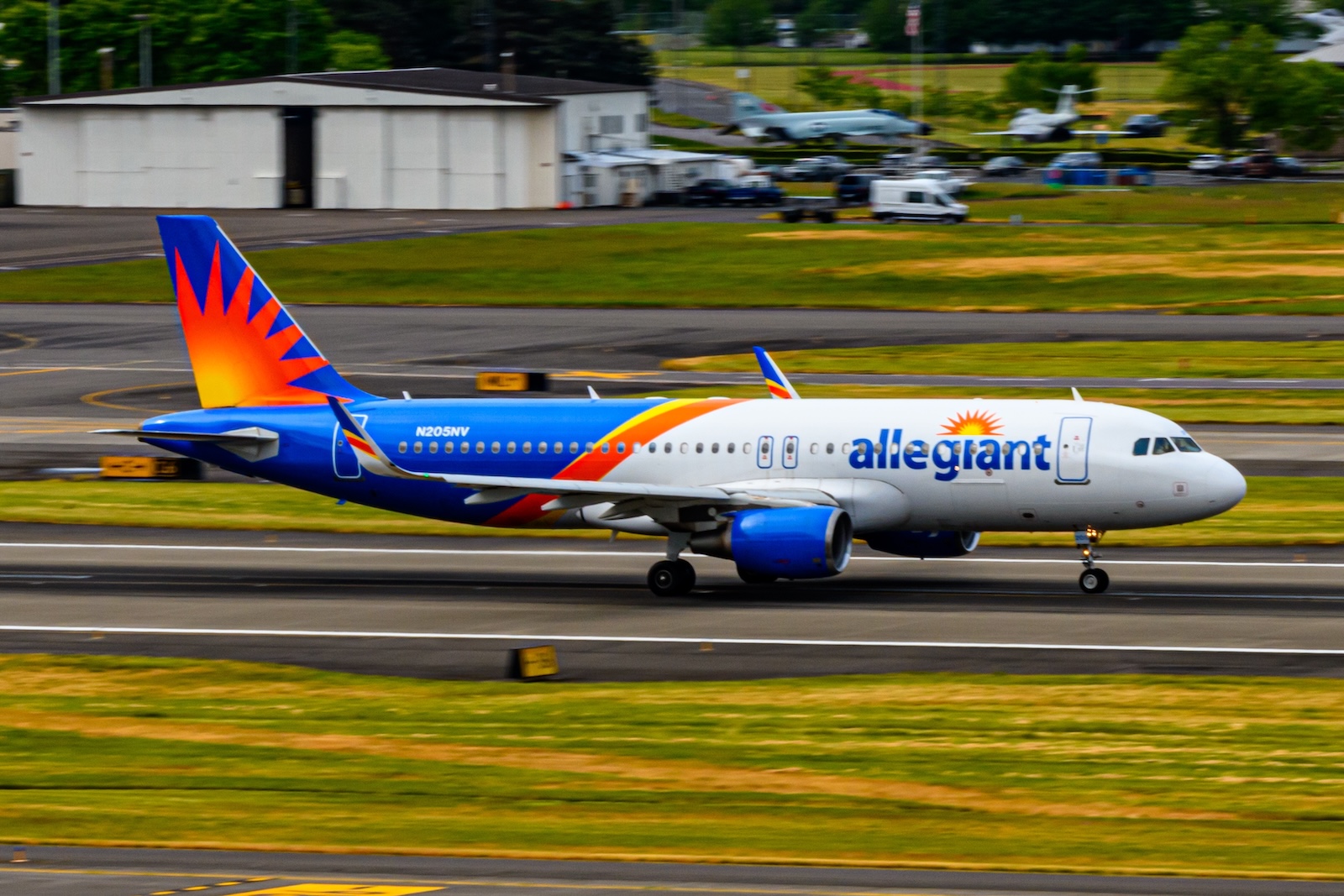
An Allegiant Airbus A320. (Photo: Shutterstock | Joe A. Kunzler)
Allegiant plans to close its crew base in Bellingham, Washington, airport officials announced Wednesday.
The Port of Bellingham, which operates Bellingham International Airport, said it was informed by Allegiant that the crew base will shut down in November. The move will change Allegiant’s crew scheduling, the port said, but the carrier has confirmed “it will continue operating all existing routes and maintaining its current flight schedule at BLI.”
Allegiant confirmed the closure in a statement to AirlineGeeks.
“After careful evaluation, we have made the difficult decision to close our base in Bellingham, effective Nov. 2,” the carrier said. “However, we will continue to operate the station past this date. This decision reflects changes in cross-border demand patterns and operating conditions. Please know this decision was not made lightly but is unavoidable at this time. Bellingham has long been an important part of our network, and we will continue to monitor the demand environment and adjust as market conditions evolve.”
The Port of Bellingham said Allegiant will transition to a “turn-based” model, where its crews and aircraft operate routes from other bases without overnight stays in Bellingham.
The agency acknowledged it is “disappointed” by the planned closure but emphasized that the broader community will see little or no direct impact.
“This decision is related to how Allegiant organizes its internal operations, not its commitment to the traveling public of Whatcom County,” Matt Rodriguez, director of aviation at Bellingham airport, said in a news release. “Allegiant will continue to serve BLI, and passengers will see no change to routes or service.”
The Port of Bellingham said Allegiant’s decision was influenced by fluctuating fuel costs, regional cost pressures, and changes in cross-border travel demand, particularly among Canadian travelers.
Allegiant connects Bellingham to Oakland, Burbank, San Diego, and Palm Springs in California, Las Vegas, and Phoenix-Mesa.
Zach Vasile is a writer and editor covering news in all aspects of commercial aviation. He has reported for and contributed to the Manchester Journal Inquirer, the Hartford Business Journal, the Charlotte Observer, and the Washington Examiner, with his area of focus being the intersection of business and government policy.
Sign-up for newsletters & special offers!
Get the latest stories & special offers delivered directly to your inbox