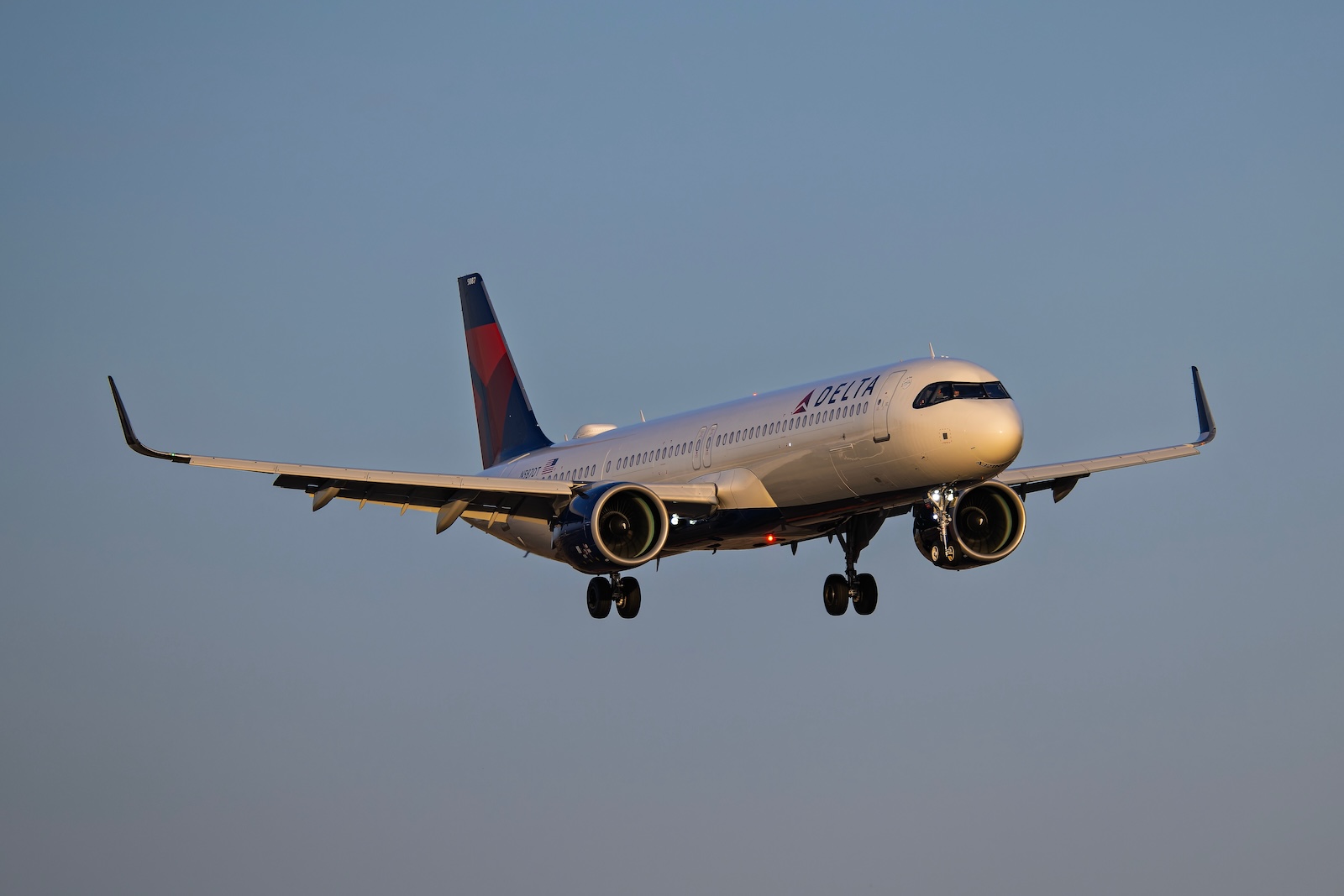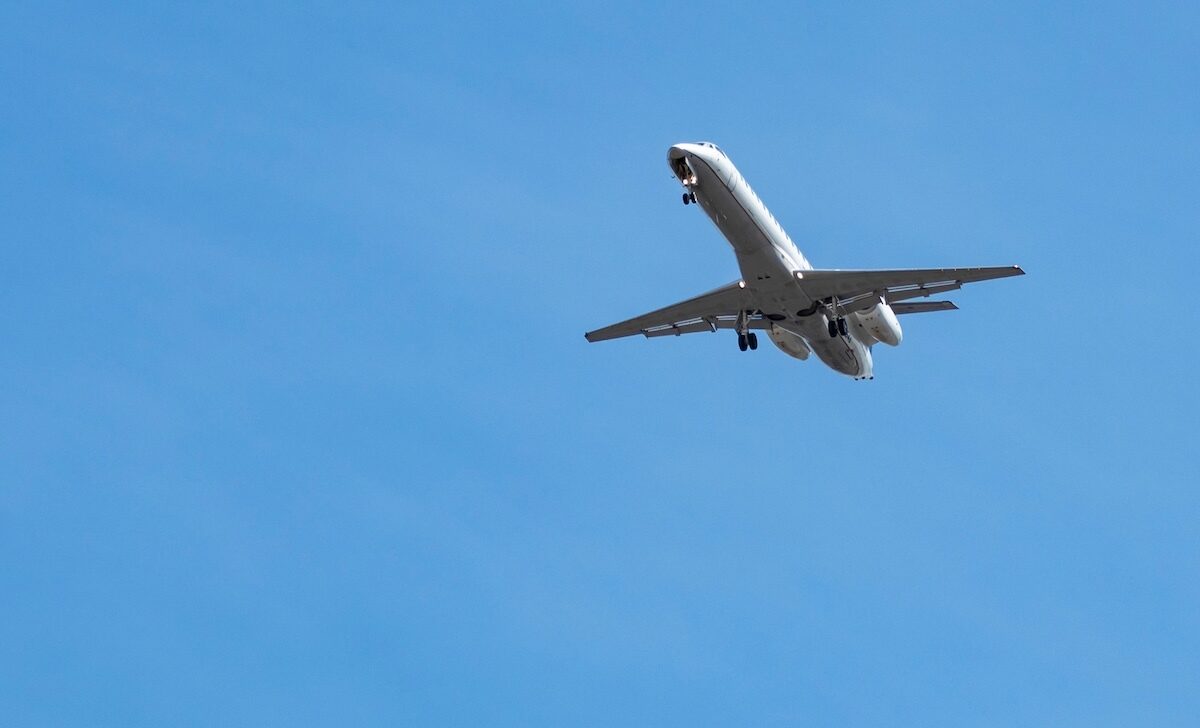











A Delta Connection CRJ-700 aircraft (Photo: Shutterstock)
Delta will end flights to and from Binghamton, New York, next month, leaving the upstate city without any scheduled commercial air service.
In a statement, an airline spokesperson said the final flight between Greater Binghamton Airport and Detroit will operate Feb. 14. The route is Delta’s last remaining connection at Binghamton.
“Customers with existing bookings will be reaccommodated, and Delta will continue to serve the region through nearby airports, including Syracuse (SYR), Elmira (ELM), and Ithaca (ITH), which together offer a broad range of destinations and increased connectivity across Delta’s network,” the spokesperson said.
The exit is part of an effort to better align Delta’s network with customer demand, the carrier added.
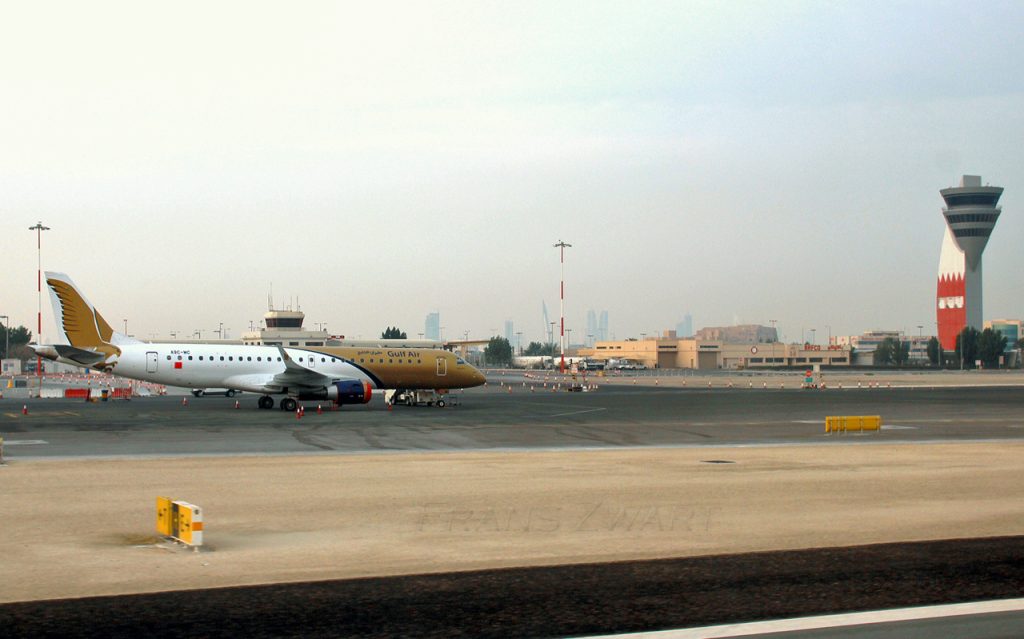
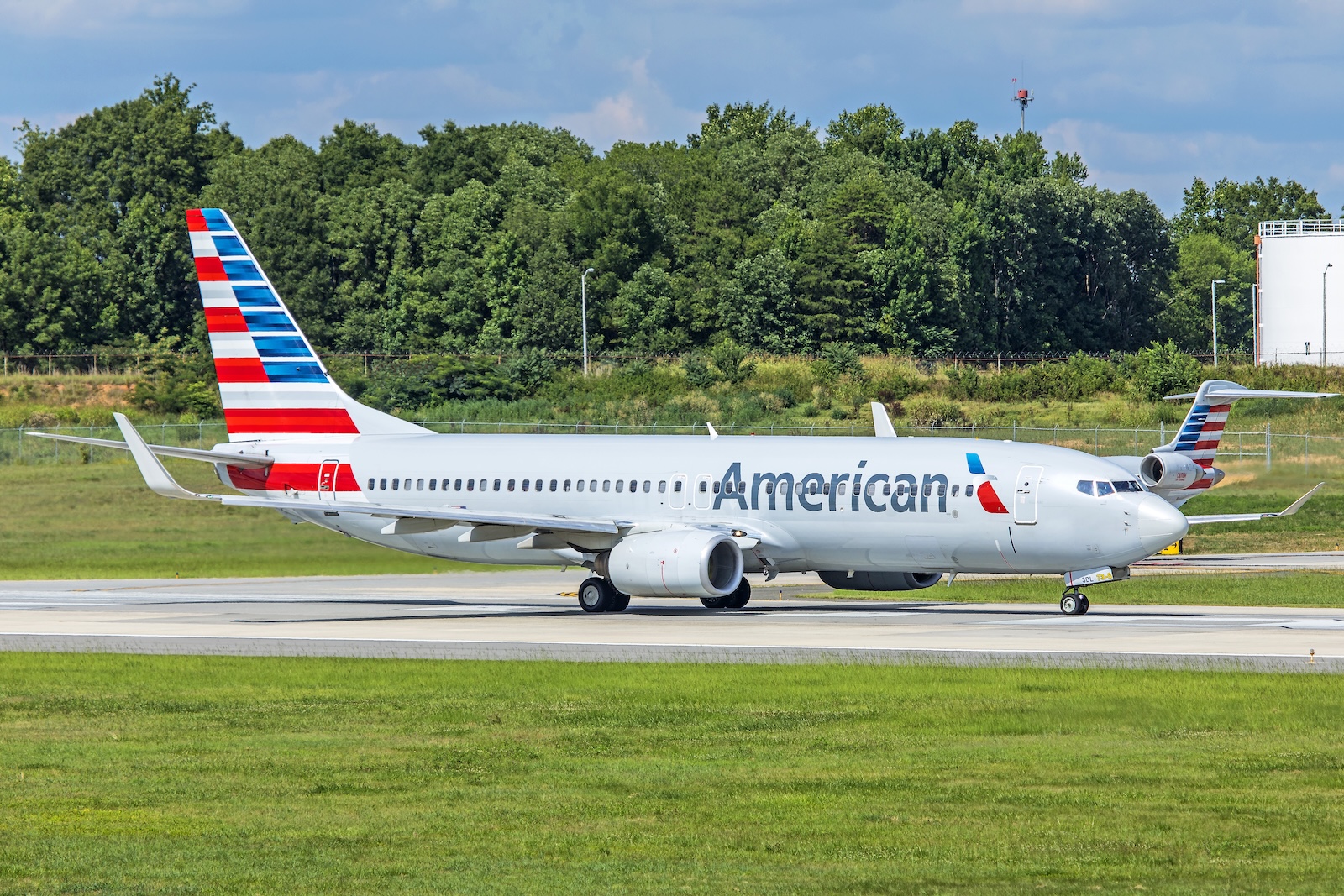
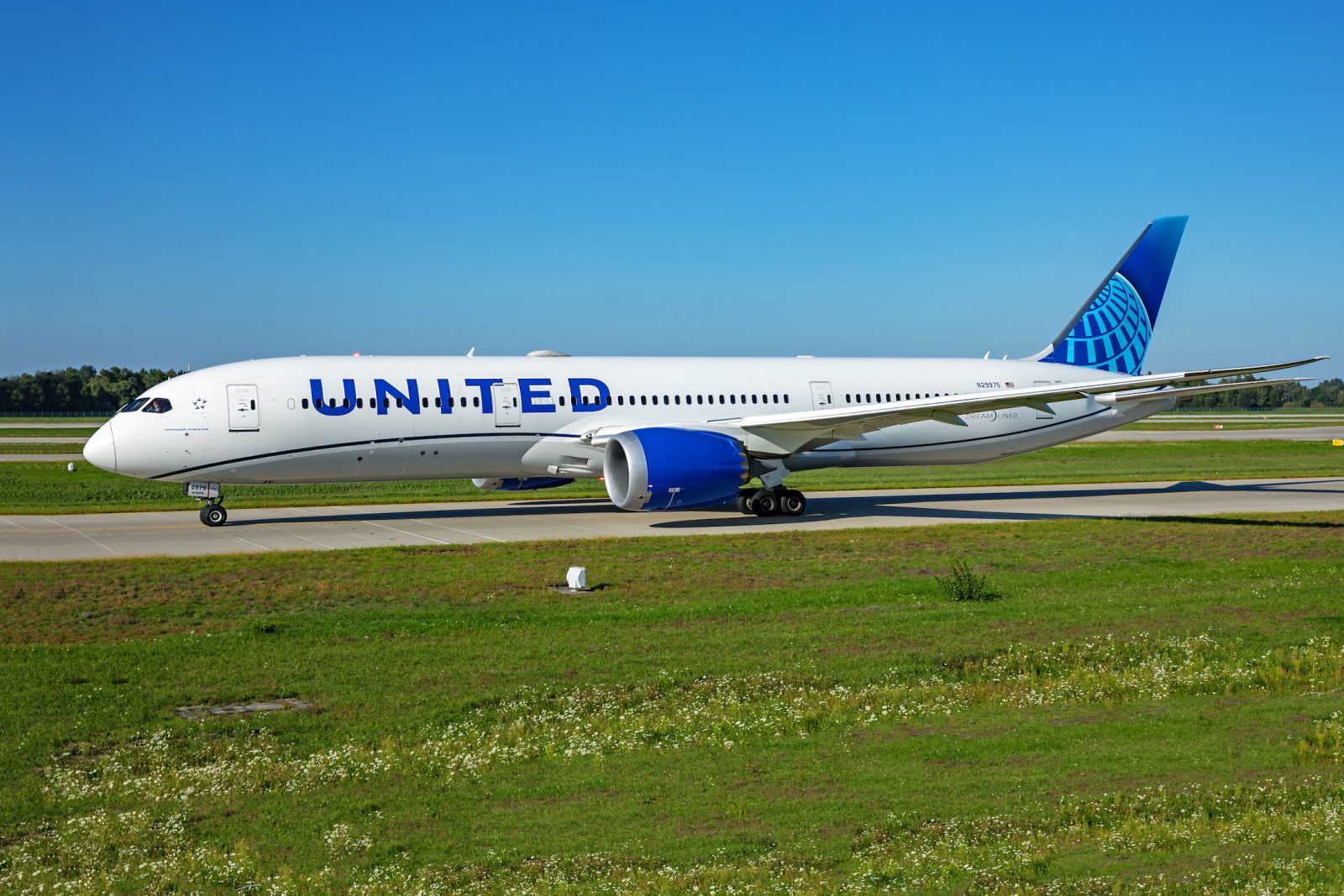
According to WIVT-TV, United and American withdrew from the airport nine years ago. Avelo briefly served the region between 2022 and 2024.
Airport officials said they are working closely with “state, local, and federal partners to re-establish passenger service as soon as possible.” They also said they are in talks with multiple airlines, but did not name them.
Zach Vasile is a writer and editor covering news in all aspects of commercial aviation. He has reported for and contributed to the Manchester Journal Inquirer, the Hartford Business Journal, the Charlotte Observer, and the Washington Examiner, with his area of focus being the intersection of business and government policy.
TSA Exits Oregon Airport
Salem has not had scheduled commercial air service since August 2025.
The TSA is reportedly removing its staff from an airport in Oregon that has been without commercial air service for several months.
The agency will no longer regulate Salem-Willamette Valley Airport, also known as McNary Field, according to the Salem Reporter. The change in status means the agency could remove equipment such as baggage and body scanners, X-ray machines, and metal detectors, the news outlet said.
It could take weeks or even months to “re-federalize” the airport if a new airline partner is eventually identified, a spokesperson for the city’s public works department told the Salem Reporter.
Salem-Willamette Valley Airport is owned by the City of Salem.
There have been no commercial flights to or from Oregon’s capital city since August, when ultra-low-cost carrier Avelo terminated operations there. The airline has since shut down its entire West Coast network.
Zach Vasile is a writer and editor covering news in all aspects of commercial aviation. He has reported for and contributed to the Manchester Journal Inquirer, the Hartford Business Journal, the Charlotte Observer, and the Washington Examiner, with his area of focus being the intersection of business and government policy.
Aircraft Leasing Group Orders 30 More A320s
The company is seeing continuing strong demand for A320neo-family aircraft.
The leasing company said the additional airplanes will help it meet strong demand from customers for the more fuel-efficient jets.
“Our enduring partnership with Airbus has been central to CALC’s growth,” CALC Executive Director and President Mike Poon said in a statement. “This latest order reflects our shared vision for innovation and sustainable aviation. We are proud to grow alongside Airbus and to continue providing our airline customers worldwide with high-value, modern aircraft solutions.”
Since 2012, the company has ordered a total of 282 Airbus aircraft, 203 of them from the A320neo family.
CALC is the largest independent aircraft lessor in China. Its customers include Air China, Cebu Pacific, China Eastern, China Southern, South African Airways, and Royal Jordanian, among others.
Zach Vasile is a writer and editor covering news in all aspects of commercial aviation. He has reported for and contributed to the Manchester Journal Inquirer, the Hartford Business Journal, the Charlotte Observer, and the Washington Examiner, with his area of focus being the intersection of business and government policy.
Grounded: Air Florida
The Miami-based airline’s post-deregulation success story was derailed by tragedy.
An Air Florida Boeing 737-200. (Photo: Peter Duijnmayer, GFDL 1.2 [http://www.gnu.org/licenses/old-licenses/fdl-1.2.html] or GFDL 1.2 [http://www.gnu.org/licenses/old-licenses/fdl-1.2.html], via Wikimedia Commons)
Grounded is AirlineGeeks.com’s look back at airlines that once shaped the industry but no longer take to the skies. Each story revisits a carrier that influenced routes, fleets, or fares—and explores what ultimately led to its final descent.
Hitting its stride in the late 1970s and early ‘80s, Air Florida embodied the heady and sometimes reckless atmosphere brought on by the deregulation of the U.S. airline industry. From its home base in Miami, it rolled out new routes across the Americas and Europe at a blinding rate, while relying on low prices, quirky promotions, and operational flexibility.
But Air Florida could not maintain its breakneck momentum for long. A disastrous crash, coupled with a downturn in the airline sector, brought the carrier’s run to an end after only 12 years of operations.
Intrastate Early Years
In the 1960s and ‘70s, Florida was booming. Northerners were increasingly moving south to escape the cold and high taxes, while immigrants from the Caribbean and South America brought new cultures and entrepreneurial dynamism. This influx supercharged the growth of cities like Miami and Fort Lauderdale, once sleepy beach towns that seemed to grow into prosperous cities almost overnight.
To capitalize on that growth, a group of investors headed by Miami businessman Eli Timoner founded Air Florida in 1971.
While difficult to imagine today, the regulatory environment of the time made it easier to launch an intrastate airline, which operated within a single U.S. state, than a new nationwide carrier. Following in the footsteps of companies like Pacific Southwest Airlines (California) and Southwest (which initially only served Texas), Air Florida linked its home base in Miami with in-state destinations like Orlando and St. Petersburg, using a fleet of Boeing 707s and later Lockheed L-188 Electras.
While Air Florida gradually expanded its network and established a presence in new cities like Gainesville and Tallahassee, it was unprofitable for most of the ‘70s under the intrastate model. The airline did not have enough cash on hand to meaningfully improve operations or acquire new jet aircraft. Passengers voted with their feet, booking with larger and more modern airlines that were quickly muscling into South Florida.
Turnaround
Air Florida might have folded in the late 1970s had it not been for the intervention of an investor group led by former Braniff Airways executive Ed Acker. Funds put up by the group allowed Air Florida to acquire DC-9 jets, and later, as business picked up, Boeing 737s. To emphasize its shift away from turboprop flying, the carrier adopted a new slogan: “All jet. All the time.”
An Air Florida DC-10. (Photo: Christian Volpati, GFDL 1.2 [http://www.gnu.org/licenses/old-licenses/fdl-1.2.html] or GFDL 1.2 [http://www.gnu.org/licenses/old-licenses/fdl-1.2.html], via Wikimedia Commons)
Acker took over as CEO and president of Air Florida in 1977. Energetic and ambitious, he retooled the airline’s business model and product, often with a tongue-in-cheek flair. Air Florida’s brand colors were changed, and passengers were greeted on board with orange juice-champagne mixtures called “Sunshine Sparklers.” A promotion from the period promised a free ticket on new routes for customers who approached and kissed a designated “Kiss Miss” gate employee.
On the business side, off-peak prices were dropped to help capture more of the budget market. Bookings picked up, and in 1979 the airline made a solid profit. By 1980, earnings were five times what they had been two years before. After a relatively short time at the helm, Acker was hailed as the “turnaround king,” and Air Florida as “the little airline that could.”
Acker’s arrival coincided with the deregulation of the U.S. airline industry, which allowed Air Florida to add destinations beyond its home state. The new CEO was an aggressive advocate for expansion, and between 1978 and 1981 the carrier launched dozens of new routes across the U.S., specifically to the Northeast, as well as to the Caribbean and Latin America. Outside Florida, some of its most important new markets were New York, Boston, Washington, D.C., White Plains, New York, Jamaica, and The Bahamas.
The delivery of longer-range aircraft, including the DC-10, extended Air Florida’s reach to London and Brussels, destinations that were unthinkable just a few years before.
Much of this expansion was financed through debt. While little noted at the time, Air Florida’s debt load would become a millstone around its neck as the aviation sector faced new financial pressures in the mid-1980s.
Acker departed the airline on a high note in 1981 to lead the struggling Pan Am, a position he saw as a worthy challenge.
1982 Crash, Decline, and Collapse
On Jan. 13, 1982, Air Florida Flight 90 crashed into the 14th Street Bridge over the Potomac River in Washington, D.C., just after takeoff from Washington National Airport (now Ronald Reagan Washington National Airport). The Boeing 737 hit several occupied vehicles and tore away a part of the bridge’s guardrail before hitting the river and smashing through its iced-over surface.
Crews recover Flight 90’s tail section from the Potomac River. (Photo: FAA, Public domain, via Wikimedia Commons)
The crash killed 78 people in total, and only five people on the airplane, four passengers and a flight attendant, survived. The location of the crash site, immediately south of downtown Washington, D.C., ensured heavy media coverage, and news crews filmed as rescuers pulled those still alive from the freezing cold river.
After an investigation, the NTSB attributed the crash to pilot error, severely damaging Air Florida’s reputation. Bookings plunged, and the airline once again found itself in dire financial straits.
Over the following two years, Air Florida’s leadership cut expenses by selling off aircraft and shrinking the fleet. Inexplicably, however, the carrier did not do much to simplify its network, and money-losing service to the Northeast and Europe continued despite intense competition. The airline hemorrhaged money quarter after quarter and finally declared bankruptcy in July 1984.
Air Florida had a brief second life operating flights under contract for Chicago’s Midway Airlines, using the name “Midway Express.” This run came to an end in 1985, when Midway officially acquired Air Florida and rebranded Midway Express. Midway itself would declare bankruptcy and cease operations in 1991.
Today, Air Florida is remembered as one of the quintessential cautionary tales of the immediate post-deregulation years. A corporate obituary published in The Washington Post remarked that the airline outgrew its management, and paid a steep price.
Zach Vasile is a writer and editor covering news in all aspects of commercial aviation. He has reported for and contributed to the Manchester Journal Inquirer, the Hartford Business Journal, the Charlotte Observer, and the Washington Examiner, with his area of focus being the intersection of business and government policy.
The Muscat-based carrier will operate service to Syria’s capital twice a week, from May 2, 2026. Flights will operate on Wednesdays and Sundays.
The service is intended to serve the Syrian community living in Oman while also extending Salam Air’s reach in the region.
“Choosing Damascus to be our next route, and to be the first Omani airline to operate to Syria, reflects our strategic and commercially driven approach to network expansion,” the airline’s chief commercial officer, Steven Allen, said in a statement. “This service has been carefully designed to meet clear travel needs between Oman and Syria.”
Expansion Plans
Salam Air currently has 15 Airbus A320/A321 aircraft in its fleet. It intends to expand its fleet to 25 aircraft by 2028.
Salam Air operates up to 80 flights per day, to 38 destinations. The carrier plans to grow its route network in 2026, with new destinations including Port Sudan, Medan, and Vienna on the horizon. The airline is expected to introduce these services in 2026.
Lorne is a South Africa-based aviation journalist. He was captivated and fascinated by flying from the day he took his first airline flight. With a passion for aviation in his blood, he has flown to destinations in all corners of the globe. Lorne has traveled extensively and lived in various countries. Drawing on his travels and passion for aviation, Lorne enjoys writing about airlines, routes, networks, and new developments.
IndiGo Raises Pilot Allowances After Scheduling Meltdown
The carrier canceled nearly 4,500 flights earlier this month.
Indian low-cost airline IndiGo is boosting allowances for pilots weeks after a scheduling crisis forced the cancellation of nearly 4,500 flights.
According to a report from The Times of India, the carrier is hoping to shore up morale after the disruptions, which came at the height of an important travel season in the country.
IndiGo captains will see their compensation for layovers rise from R 2,000 to R 3,000, or about $33, the news site said. First officers will receive R 1,500, up from R 1,000.
For deadheading trips, captains will get R 4,000, up from R 3,000, and first officers will receive R 2,000, up from R 1,500.
The increases will take effect on Thursday.
IndiGo is the largest airline in India by passenger volume and controls about 65% of the country’s domestic market.
The carrier reportedly failed to adjust its crew schedules to align with new mandates from the Directorate General of Civil Aviation, the country’s civil aviation regulator, triggering the cancellations earlier this month. The Ministry of Civil Aviation is now investigating the incident.
Zach Vasile is a writer and editor covering news in all aspects of commercial aviation. He has reported for and contributed to the Manchester Journal Inquirer, the Hartford Business Journal, the Charlotte Observer, and the Washington Examiner, with his area of focus being the intersection of business and government policy.
GAO: Small Airports ‘More Vulnerable’ as Air Service Lags
Report finds post-pandemic recovery has lagged at smaller airports, with funding gaps and airline industry shifts compounding challenges.
A United Express Embraer E175 (Photo: Shutterstock | Austin Deppe)
A new report from the U.S. Government Accountability Office finds that many of the nation’s smallest commercial airports continue to face challenges in securing and maintaining scheduled passenger air service, even as larger airports have largely recovered from the COVID-19 pandemic.
According to the GAO, air service at nonhub airports — defined as airports with less than 5% of annual U.S. passenger enplanements but more than 10,000 yearly boardings — declined sharply in 2020 and has not fully rebounded. By 2024, the average number of daily departures per route at nonhub airports remained 19% below 2018 levels, while large hub airports saw a smaller decline.
“Nonhub airports have experienced a slower recovery in air service compared to larger airports,” the GAO wrote, adding that these airports “generally have fewer routes and less frequent service, making them more vulnerable to service reductions.”
The report, issued in December and mandated by the FAA Reauthorization Act of 2024, analyzed Department of Transportation flight data from 2018 through 2024 and included interviews with federal officials, aviation stakeholders, and representatives from selected nonhub airports.
GAO found that nonhub airports not receiving Essential Air Service subsidies have faced particularly steep challenges.
From 2018 to 2024, more than 70% of non-EAS nonhub airports experienced declines in average daily departures per route. The report noted that connectivity at these airports declined more sharply than at EAS-supported airports, stating that “airports receiving EAS generally maintained more consistent access to the national air transportation system.”
A United CRJ-200 in Prescott, Arizona. (Photo: Shutterstock | photojohn830)
The Department of Transportation administers two primary programs aimed at supporting air service to small communities: the Essential Air Service program and the Small Community Air Service Development Program. While SCASDP grants are intended to help non-EAS communities attract new service, GAO found that demand for the program consistently exceeds available funding.
For fiscal year 2023, DOT received applications totaling more than $30 million but awarded just under $12 million in grants to 14 communities. GAO noted that “the amount of funding available through SCASDP has not kept pace with the financial incentives airlines now require to initiate service.”
Airport officials and other stakeholders told the agency that airlines increasingly expect larger revenue guarantees before committing aircraft to smaller markets. “Stakeholders reported that airlines’ minimum revenue guarantees have increased since the pandemic,” the report stated, while adding that SCASDP grants “often do not cover the full amount airlines seek.”
Not Enough Funding
Although the FAA Reauthorization Act of 2024 increased the program’s authorized funding level and provided DOT with greater flexibility to modify existing grants, GAO found that communities still face difficulties once grant funding ends. According to the report, “some communities have been unable to sustain service after the expiration of federal support.”
GAO also pointed to broader airline industry trends contributing to reduced service at nonhub airports, including airlines’ shift toward larger aircraft and lower flight frequencies in smaller markets. The report stated that airlines have adjusted their networks “to improve profitability by concentrating service in higher-demand markets,” a change that has reduced options for smaller communities.
Passenger leakage was also cited as an ongoing issue, with travelers in small communities choosing to drive to larger nearby airports. GAO noted that this behavior “can further weaken demand at nonhub airports, making it more difficult for communities to attract or retain service.”
The report did not include formal recommendations but outlined policy options previously raised by aviation stakeholders, such as increasing funding for small community air service programs or revising eligibility requirements. GAO noted that any changes to those programs would require congressional action.
Ryan founded AirlineGeeks.com back in February 2013 and has amassed considerable experience in the aviation sector. His work has been featured in several publications and news outlets, including CNN, WJLA, CNET, and Business Insider. During his time in the industry, he's worked in roles pertaining to airport/airline operations while holding a B.S. in Air Transportation Management from Arizona State University along with an MBA. Ryan has experience in several facets of the industry from behind the yoke of a Cessna 172 to interviewing airline industry executives. Ryan works for AirlineGeeks' owner FLYING Media, spearheading coverage in the commercial aviation space.
A JetBlue Airways Airbus A220 prepares for landing in Fort Lauderdale, Florida.
(Photo: AirlineGeeks | William Derrickson)
JetBlue is set to launch a new daily nonstop route from its New York-JFK hub next year.
New service to Cleveland will launch March 30, 2026, the carrier said Tuesday, and tickets are now on sale. JetBlue will operate the connection with an Airbus A220 aircraft.
“New York is not only a great destination and business hub, but it’s now another JetBlue gateway for Clevelanders and Northeast Ohioans,” Dave Jehn, JetBlue’s vice president of network planning and airline partnerships, said in a news release. “With our new route, Cleveland customers can choose what works best for them, unlocking even more access to JetBlue’s growing leisure network.”
The carrier currently connects Cleveland and Boston.
American and Delta also offer regular service between JFK and Cleveland.
Zach Vasile is a writer and editor covering news in all aspects of commercial aviation. He has reported for and contributed to the Manchester Journal Inquirer, the Hartford Business Journal, the Charlotte Observer, and the Washington Examiner, with his area of focus being the intersection of business and government policy.
Libya Looks to Establish New Airline
The country is working to revive its aviation industry after years of decline.
The country currently has two national carriers: Libyan Airlines and Afriqiyah Airways. These carriers are both state-owned entities.
The new airline is expected to connect the Libyan capital of Tripoli with various destinations in North Africa and the Middle East.
The initiative is part of Libya’s effort to grow its aviation sector, which has been in decline for several years.
“I am excited to lead the upcoming launch of this new carrier dedicated to connecting Libya with the wider region and the world,” Ziad Farhoud, the new CEO of Libyan United Airlines, said in a statement.
The airline hopes to build a fleet of Airbus A320 aircraft to support its regional routes.
Lorne is a South Africa-based aviation journalist. He was captivated and fascinated by flying from the day he took his first airline flight. With a passion for aviation in his blood, he has flown to destinations in all corners of the globe. Lorne has traveled extensively and lived in various countries. Drawing on his travels and passion for aviation, Lorne enjoys writing about airlines, routes, networks, and new developments.
Delaware Bill Would Increase Scrutiny of Avelo
The carrier is again facing backlash for its work with ICE.
An Avelo Boeing 737-800. (Photo: Shutterstock | Markus Mainka)
A bill put forward by lawmakers in Delaware could make it harder for ultra-low-cost carrier Avelo to do business in the state.
The resolution, sponsored by a state senator and a state representative, urges the Delaware River and Bay Authority to end incentives for any business that contracts with U.S. Immigration and Customs Enforcement (ICE) to facilitate deportations. Avelo has operated deportation flights for the federal government since May, and is specifically named in the bill.
The Delaware River and Bay Authority operates Wilmington Airport and has a marketing incentives agreement that reimburses Avelo for advertising at Wilmington.
The bill notes “significant discontent” among members of the public and elected officials that DRBA funds “are being used to support a company involved in ICE deportations that lack sufficient due process protections for individuals ICE has sought to be removed.”
The City of Wilmington has already passed a resolution discouraging contracts with companies that work with ICE.
Avelo is the only commercial airline currently operating flights to and from Wilmington. American connects Wilmington Airport to Philadelphia International Airport via motorcoach.
Avelo’s involvement in deportation flights has drawn scrutiny from immigration and civil rights activists and from officials in states like California, New Hampshire, and Connecticut. Over the weekend, protests were held outside airports where the carrier operates.
Avelo has defended its contract with ICE as a critical financial lifeline.
Zach Vasile is a writer and editor covering news in all aspects of commercial aviation. He has reported for and contributed to the Manchester Journal Inquirer, the Hartford Business Journal, the Charlotte Observer, and the Washington Examiner, with his area of focus being the intersection of business and government policy.
Sign-up for newsletters & special offers!
Get the latest stories & special offers delivered directly to your inbox