











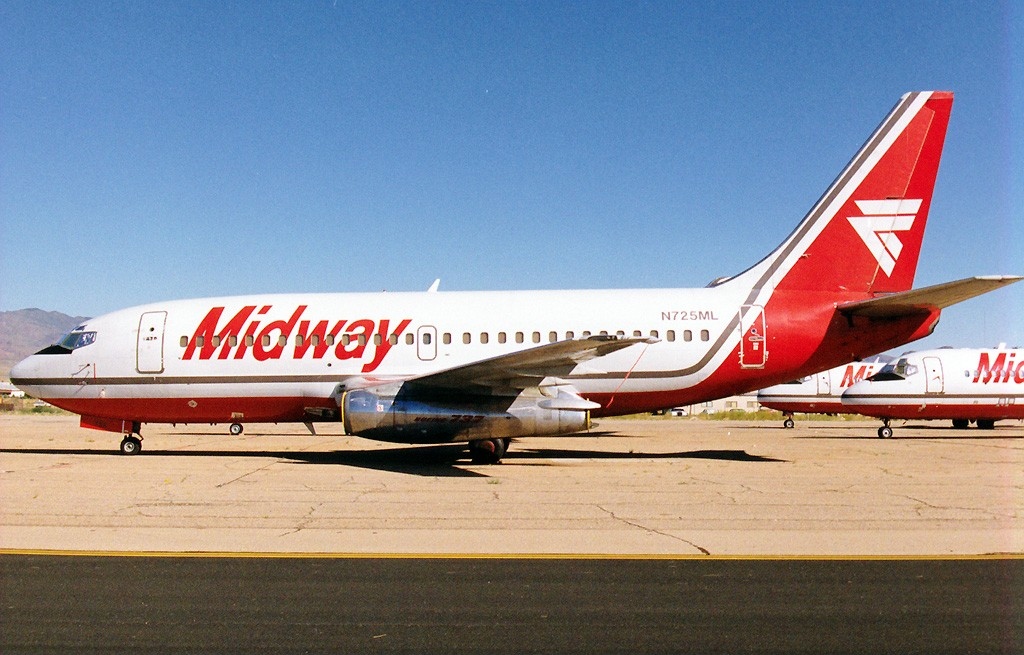


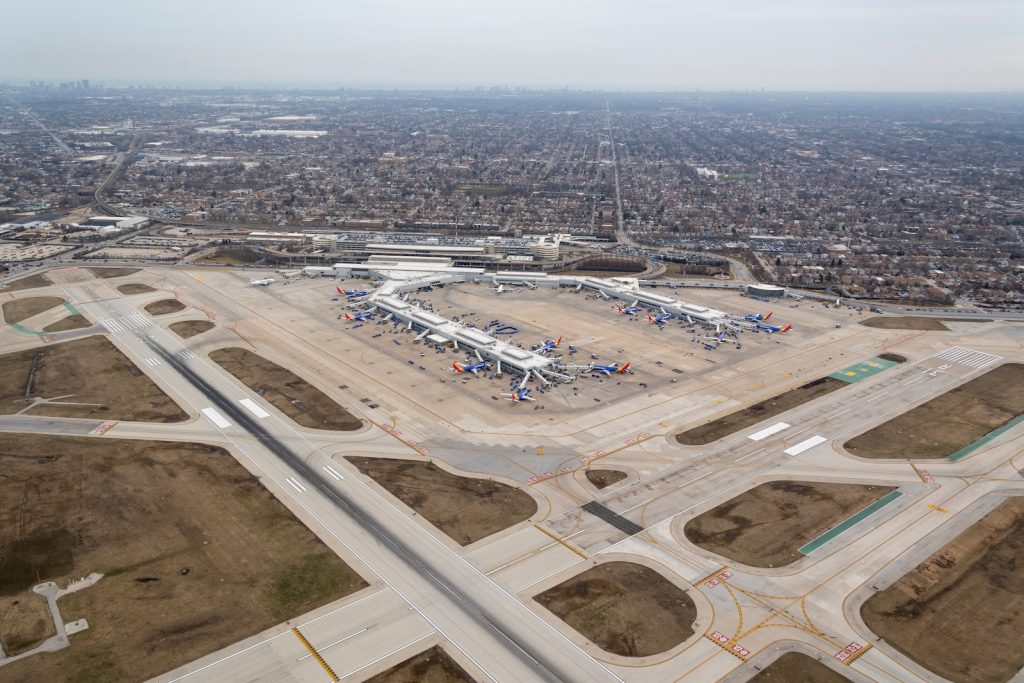
The airline executives and consultants who founded Midway Airlines wanted to do for Chicago’s Midway International Airport what Southwest Airlines had done for Dallas Love Field in Texas – that is, breathe new life into what had become a “ghost town.”
Midway, nestled on the city’s southwest side, had been one of the busiest airports in the U.S. But by the mid-1970s, most of the carriers serving Chicago had shifted operations to the much larger O’Hare, leaving Midway all but deserted.
Still, local figures in the industry saw an untapped market, and in 1976, led by former Hughes executive Irving Tague, they formed Midway Airlines, taking the name of the airport they hoped to revive.
Finding a Market
Midway’s launch came at an opportune time for startups. In 1978, President Jimmy Carter signed the Airline Deregulation Act, which removed federal control over routes, fares, and other aspects of the airline industry. The law not only sped up the process for certifying new airlines but also gave them much more leeway in determining their route strategy. While Midway was formed prior to the act’s passage, it was widely viewed as the first new carrier to emerge in the post-deregulation era.
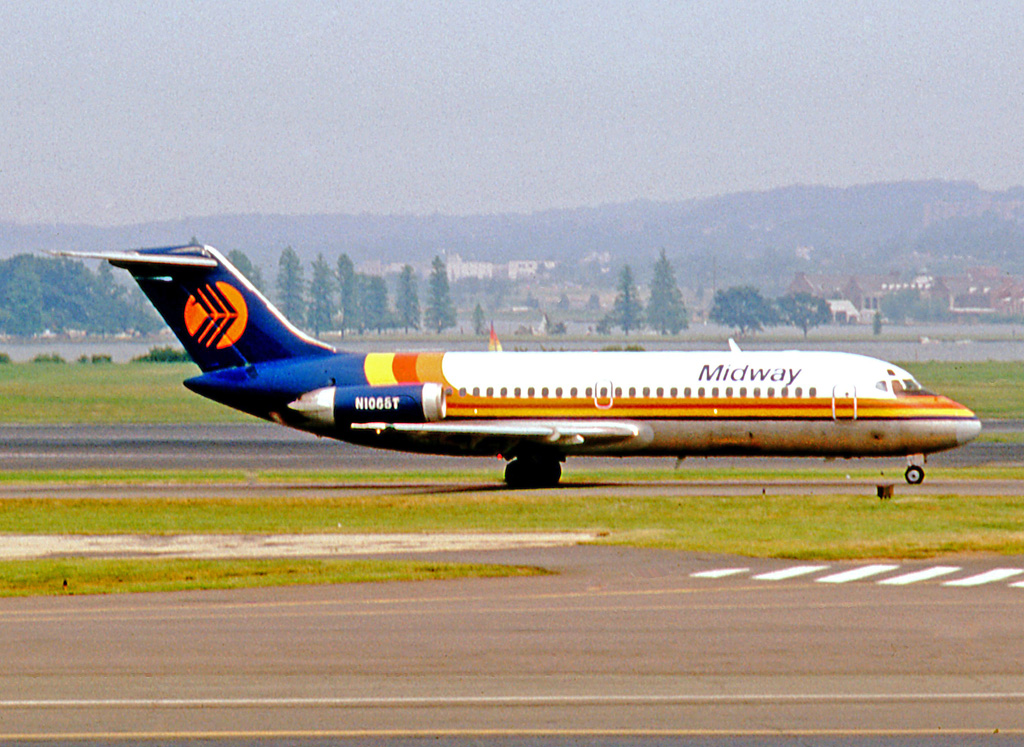
Midway started operations in 1979 with a fleet of three McDonnell Douglas DC-9 aircraft. Its first destinations were Cleveland, Detroit, and Kansas City.
The carrier found immediate success marketing no-frills service to travelers in Chicago and the Midwest more broadly who wanted to avoid the bustle and congestion of O’Hare. An early selling point was that Midway Airport, its base of operations, is located about 11 miles from downtown Chicago, while O’Hare is 18 miles away, which made a noticeable difference to customers using the city’s crowded and sometimes slow-going expressways and public transit.
Within a matter of years, Midway added St. Louis, New York-LaGuardia, Omaha, Washington National, Minneapolis, Philadelphia, and Tampa, Florida, to its route network, and acquired the assets of the failed low-cost carrier Air Florida.
By 1985, the airline had 17 destinations, a fleet of 26 aircraft, and over 2,000 employees.
With profits rolling in, Midway sometimes overextended itself. It launched additional subsidiaries like Midway Metrolink, which offered all-business class flights, and Chicago Airlink, which aimed to start helicopter service between Midway Airport, O’Hare, and Meigs Field on Lake Michigan. These ventures were canceled within a matter of years.
Peak Years and Restraint
The mid- to late 1980s were a difficult time for U.S. airlines, and a number of large carriers, including Eastern Air Lines, Pan Am, and People Express, recorded heavy losses. Midway was no longer as profitable as it once had been but it still continued to expand, carefully adding service to destinations that its leaders figured would be immediately rewarding, like Las Vegas, Miami, Phoenix, St. Croix, and St. Thomas.
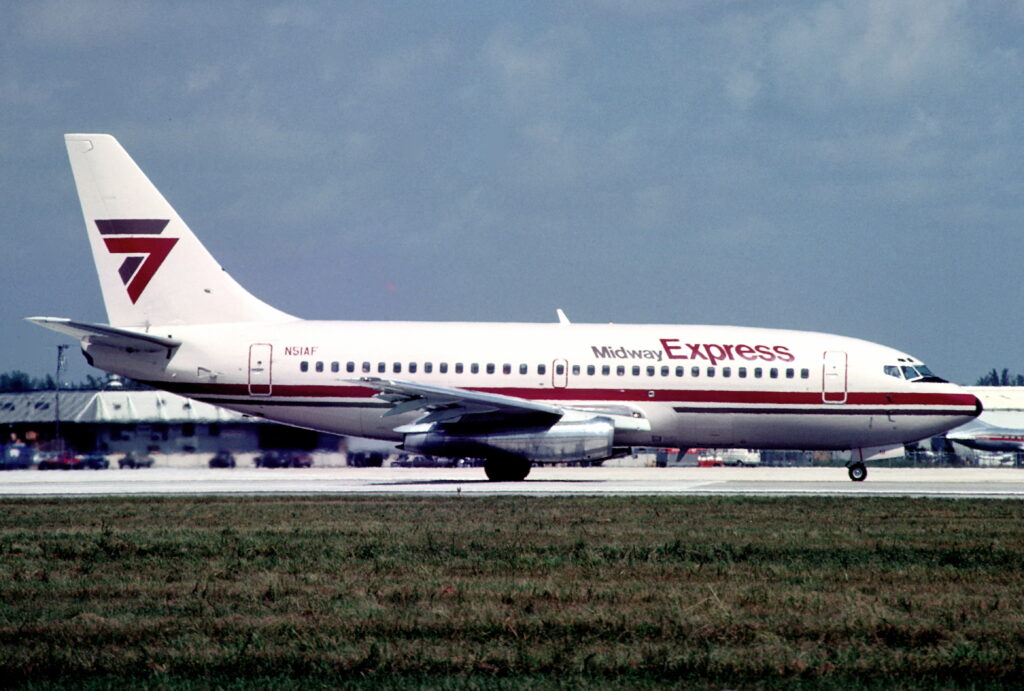
The carrier’s operational peak came in 1988-1989, when it was operating over 200 flights per weekday between its mainline service and its regional Midway Connection subsidiary.
Under David Hinson, a Midway founder who took over as chairman in 1985, the airline steered clear of its much larger competitors and looked for modest growth opportunities where it always had – at the margins. Hinson summed up his approach to the industry this way: “If you are careful and prudent, you can survive and do relatively well.”
Gamble on Philadelphia
In 1989, however, Midway made a decision that flew in the face of Hinson’s golden rule. The carrier paid $210 million to take control of the insolvent Eastern Air Lines’ gates and other assets in Philadelphia, where executives saw a chance to break into a new and lucrative market. Midway was reaching the limits of its potential growth in Chicago, they reasoned, and it was as good a time as any to set up a second hub.
Midway’s bet on Philadelphia was supposed to deliver revenue of $2 billion over two years, but world events threw a wrench into the works. The U.S. entered a recession in July 1990, which hurt air travel demand and drove down ticket prices, and in August the Gulf War began, sending the price of oil soaring. Midway pulled out of Philadelphia in October of that year.
The airline struggled to overcome the substantial losses of late 1989 and 1990 and ultimately filed for Chapter 11 bankruptcy protection in the spring of 1991. A last-minute rescue effort from Northwest Airlines fizzled out, and on Nov. 13, 1991, Midway ceased operations for good.
Long-Term Impact
While in business for only 15 years, Midway’s impact on air travel in Chicagoland is difficult to overstate. It proved the long-term viability of Midway Airport and gave millions of local residents – particularly those on Chicago’s South Side and in the southwest suburbs – an alternative to the colossal O’Hare.
Southwest earned some local goodwill by taking over Midway’s gates and routes at Midway Airport, and hiring some former employees. Today, Southwest is the dominant airline at the airport, carrying about 90% of passengers there.