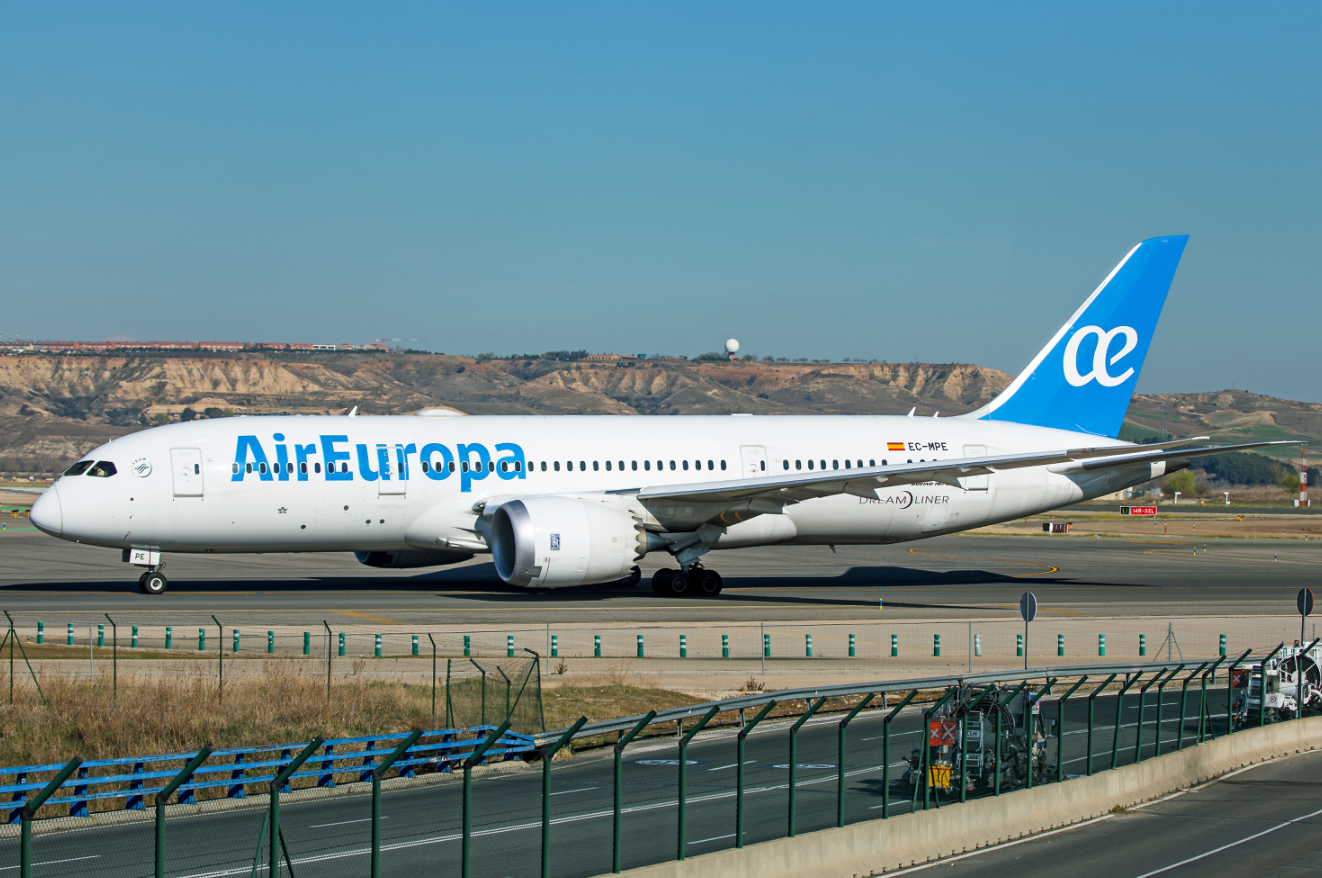
The connection will be the carrier’s first to Southern Africa.
Flights will operate three times weekly starting June 24. Air Europa will operate the route with a Boeing 787 Dreamliner.
Flights will depart Madrid on Mondays, Wednesdays, and Fridays, arriving in Johannesburg the following morning. The return flights will depart Johannesburg on Tuesdays, Thursdays, and Saturdays.
Taking Over From Iberia
Air Europa’s service will not be the first linking Spain and South Africa. Spain’s national carrier, Iberia, previously operated the Madrid-Johannesburg route but suspended it in 2019, citing low profitability.
Lorne is a South Africa-based aviation journalist. He was captivated and fascinated by flying from the day he took his first airline flight. With a passion for aviation in his blood, he has flown to destinations in all corners of the globe. Lorne has traveled extensively and lived in various countries. Drawing on his travels and passion for aviation, Lorne enjoys writing about airlines, routes, networks, and new developments.
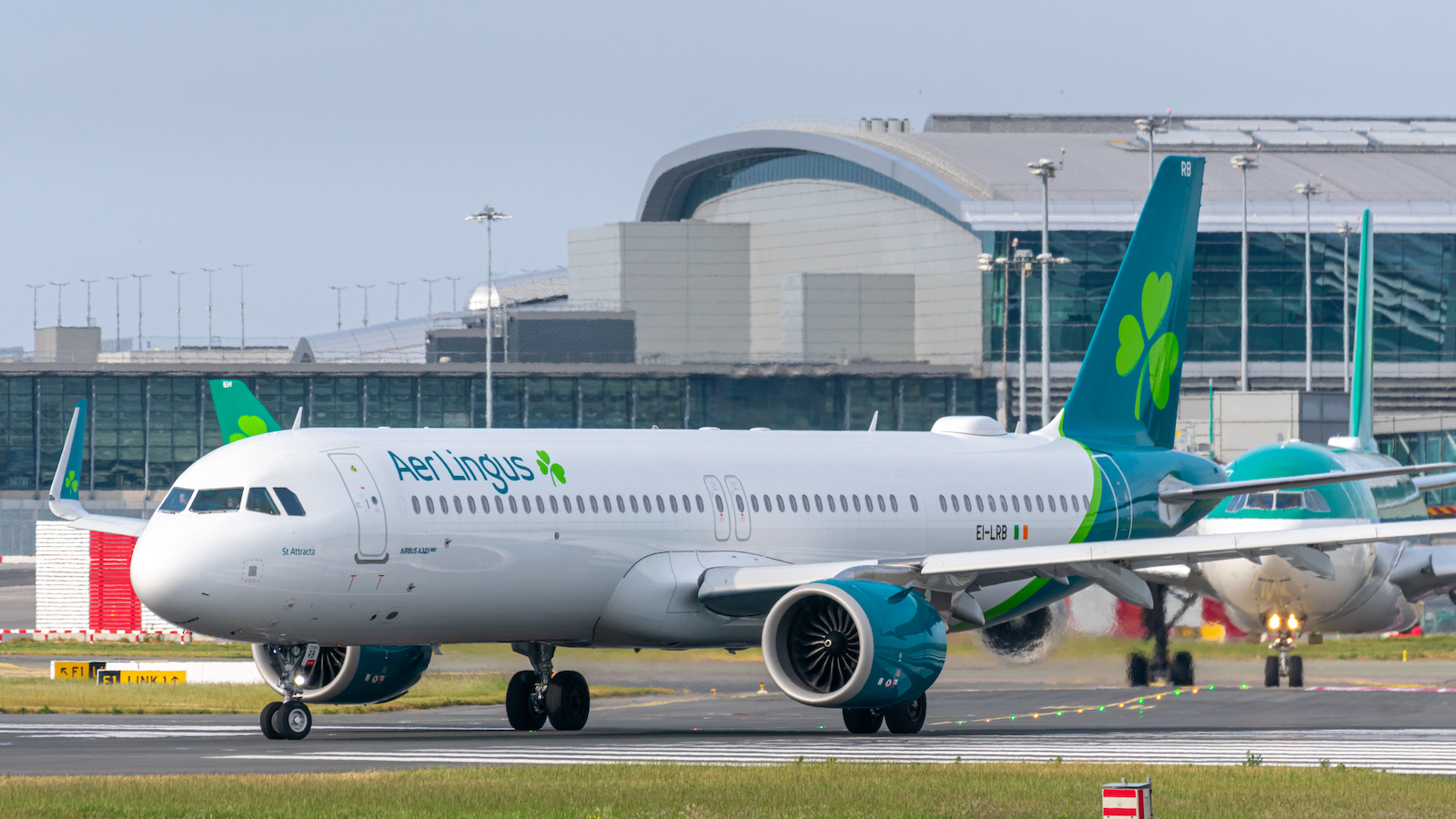
Aer Lingus Ending Transatlantic Ticket Sales From Manchester Base
The carrier said it is taking precautions in case the crew base is shut down.
“To minimize customer disruption in the event of a closure of the Manchester base… Aer Lingus is no longer selling transatlantic flights to/from Manchester for travel from 31 March 2026,” the airline’s statement read.
The carrier acknowledged last year that its Manchester operations were underperforming compared to those based in Ireland and said it may have to shutter its crew base there. Its most recent statement said only that it is “undergoing a period of uncertainty on transatlantic services” at Manchester.
Aer Lingus serves New York-JFK, Orlando, Florida, and Bridgetown, Barbados, from Manchester, as well as Dublin and Belfast.
There is no impact on mainline or regional flights between Manchester and Ireland, the carrier noted.
Aer Lingus confirmed to AirlineGeeks in November that it was entering a “collective consultation process” with representatives of workers in Manchester and would look at all available options for the base. Still, a complete shutdown remained a possibility.
In October, cabin crew based in Manchester held a four-day strike over a pay dispute. According to The Irish Times, the workers rejected a proposed wage increase because it would not do enough to close the pay gap between Manchester-based employees and Aer Lingus’ crews in Ireland.
Aer Lingus serves both New York-JFK and Orlando from Dublin, though not Bridgetown.
Zach Vasile is a writer and editor covering news in all aspects of commercial aviation. He has reported for and contributed to the Manchester Journal Inquirer, the Hartford Business Journal, the Charlotte Observer, and the Washington Examiner, with his area of focus being the intersection of business and government policy.
Emirates to Deploy A350 on Third Daily Cape Town Flight
Emirates officials said they are expanding the service to meet growing demand, particularly during peak periods.
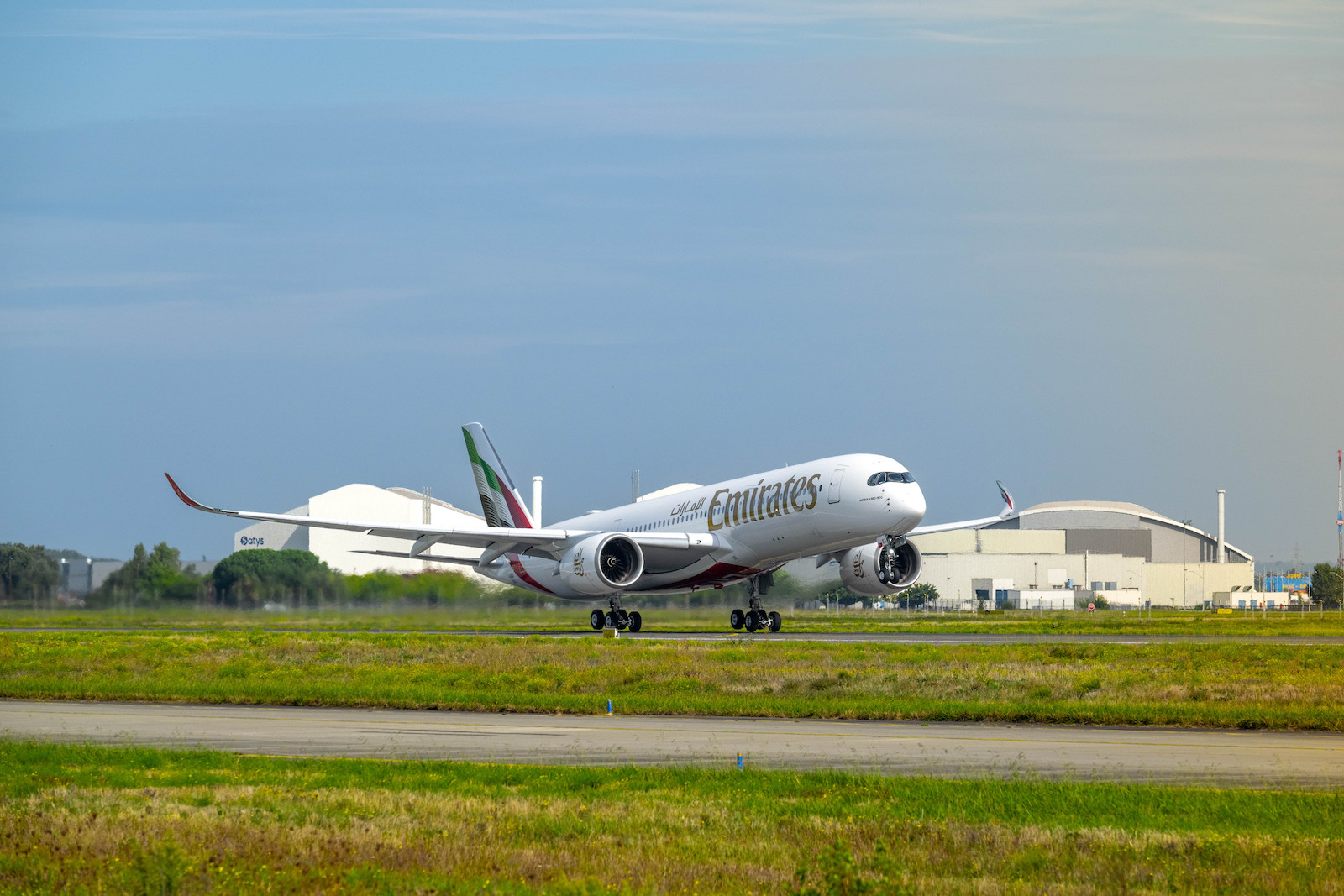
The additional flight will operate with an Airbus A350 aircraft, featuring Premium Economy, as well as the latest Business and Economy Class cabins. This will be the first time the Dubai-based airline will fly the A350 to Southern Africa.
“With the deployment of the next-gen A350 on the third daily service between Dubai and Cape Town, South Africa becomes the only African nation on our network to be served by all three aircraft types on the Emirates fleet,” Afzal Parambil, Emirates’ regional manager of Southern Africa, said in a news release. “This fleet mix provides the greatest flexibility for our customers to travel in and out of our three gateways, while still providing travelers with the world-renowned Emirates experience, on every flight.”
A350 on Emirates Routes
Emirates will use the A350 to connect Rome and Taipei starting May 1. The carrier also plans to use the type for a second daily service between Dubai and Copenhagen and a third daily service between Dubai and Phuket.
Lorne is a South Africa-based aviation journalist. He was captivated and fascinated by flying from the day he took his first airline flight. With a passion for aviation in his blood, he has flown to destinations in all corners of the globe. Lorne has traveled extensively and lived in various countries. Drawing on his travels and passion for aviation, Lorne enjoys writing about airlines, routes, networks, and new developments.
Frontier Parent Names New CEO
Former leader Barry Biffle stepped down late last year with little advance notice.
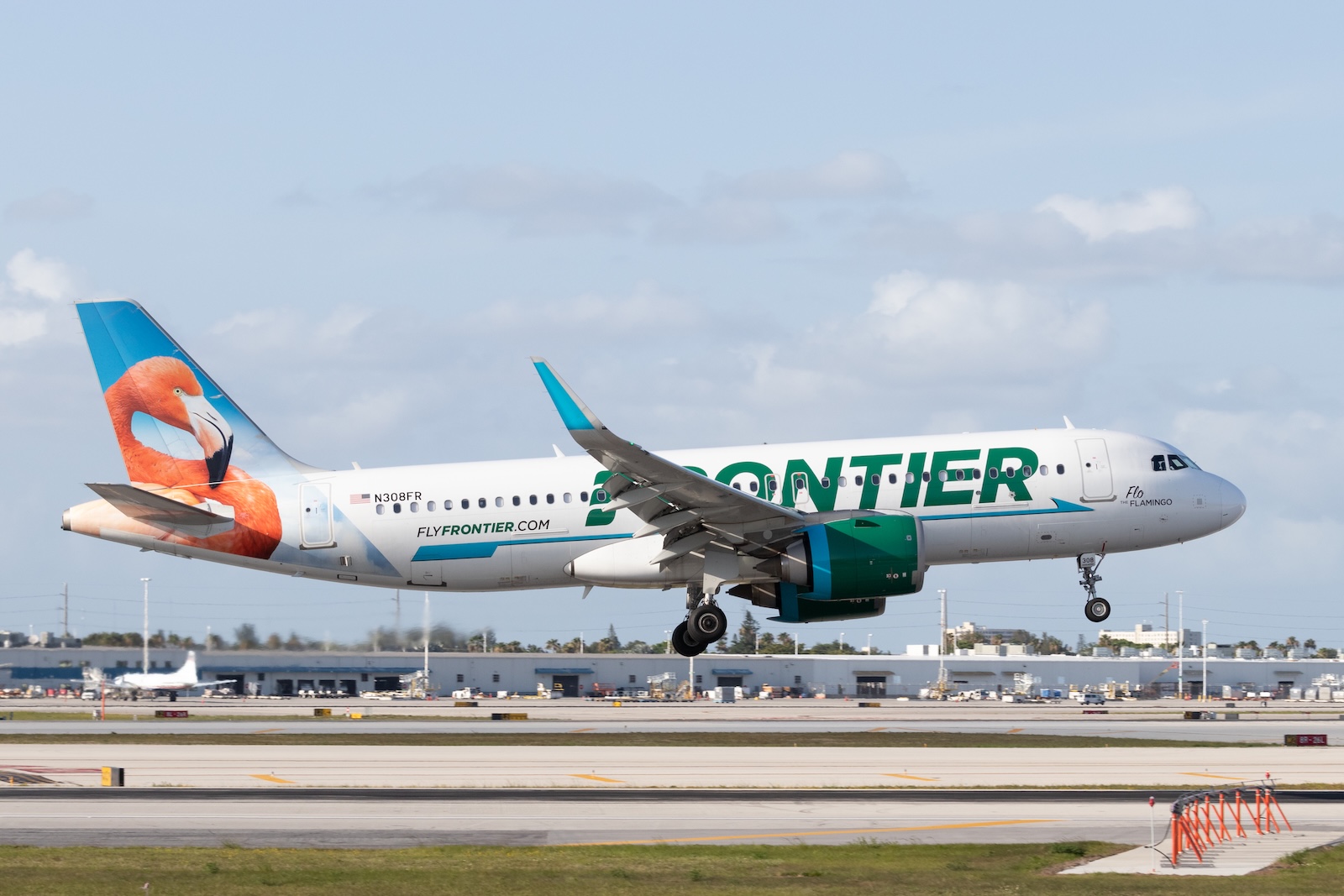
A Frontier A320neo aircraft. (Photo: Shutterstock | Omar F Martinez)
The parent company of Frontier Airlines has a new permanent CEO after a surprise shakeup in December.
The board of directors at Frontier Group Holdings elected James Dempsey president and CEO on Wednesday. Dempsey, who had already been serving as the company’s president, was named interim CEO in mid-December following the departure of longtime CEO Barry Biffle.
“Jimmy has demonstrated over his more than a decade at Frontier that he’s the right leader to drive our airline forward,” board chair Bill Franke said in a news release. “His expertise will help us capitalize on the opportunities we see ahead, preserve our industry-leading cost advantage, and guide Frontier into the future.”
Dempsey joined Frontier in 2014 as chief financial officer. He previously held senior management positions at Ryanair Holdings and PricewaterhouseCoopers.
“I look forward to continuing to work alongside Team Frontier and the board in our next chapter to execute and deliver long-term shareholder value,” Dempsey said in a statement.
Biffle, who served as CEO since March 2016, stepped down Dec. 15. Dempsey’s appointment as interim CEO became effective the same day it was announced, which is unusual in an industry where leadership changes are typically announced many months in advance.
Frontier did not explain why it was parting ways with Biffle. He stayed on in an advisory capacity until Dec. 31.
Zach Vasile is a writer and editor covering news in all aspects of commercial aviation. He has reported for and contributed to the Manchester Journal Inquirer, the Hartford Business Journal, the Charlotte Observer, and the Washington Examiner, with his area of focus being the intersection of business and government policy.
Alaska Places Its Largest Ever Aircraft Order
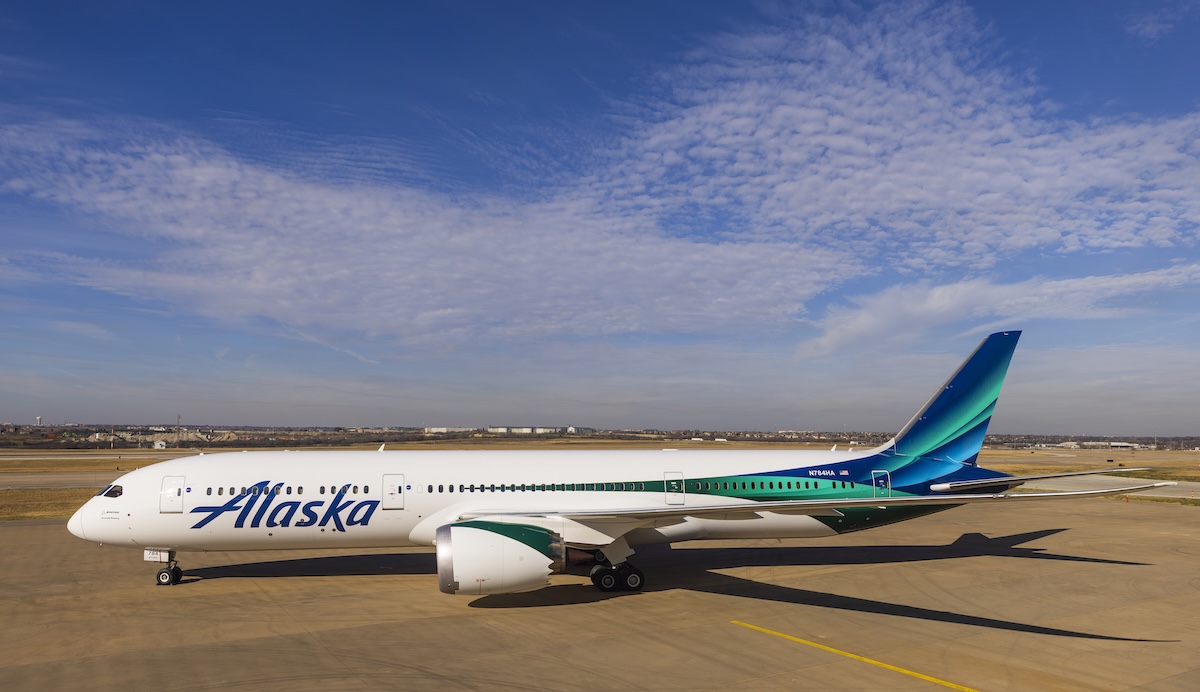
The carrier also unveiled the first 787 in its updated livery.
Alaska Boeing 787 Dreamliner. (Photo: Alaska Airlines)
Alaska Airlines this week placed the largest aircraft order in its history.
The carrier agreed to purchase 105 Boeing 737 MAX 10 aircraft and five 787 Dreamliners. The order includes options for 35 additional MAX 10 jets.
Deliveries will run through 2035, airline officials said, helping expand Alaska’s fleet while also replacing aging 737s.
“These planes will fuel our expansion to more destinations across the globe and ensure our guests travel aboard the newest, most fuel-efficient, and state-of-the-art aircraft,” Alaska Air Group CEO Ben Minicucci said in a news release. “We are incredibly proud to be partnering with Boeing, a Pacific Northwest neighbor and a company that stands as a symbol of American innovation and manufacturing.”
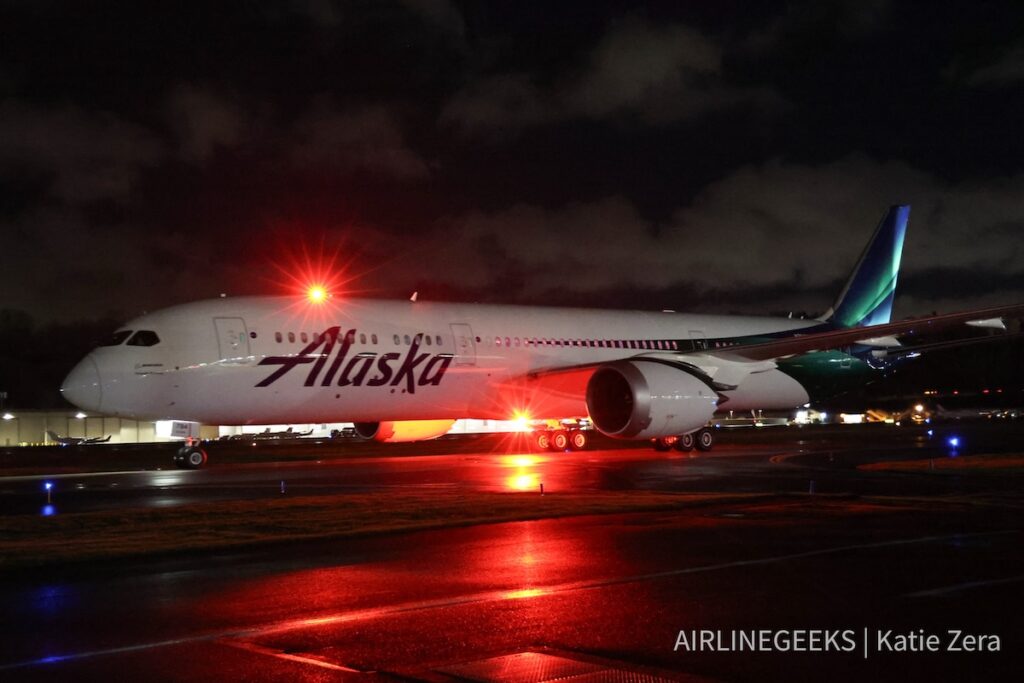
An Alaska Boeing 787-9 (Photo: AirlineGeeks | Katie Zera)
The carrier said it “retains the flexibility” to switch the MAX 10 to a different variant if needed.
The five additional 787s are expected to advance Alaska’s goal of reaching at least 12 long-haul international destinations from Seattle by 2030. The carrier has ordered 17 Dreamliners so far.
Alaska Air Group has five 787s across its network, with four operated by Hawaiian Airlines. The company acquired Hawaiian as a subsidiary in 2024.
Alaska’s total orderbook with Boeing now stands at 245 aircraft.
Global Livery
Alaska’s leaders are set to mark another milestone on Wednesday – the delivery of the carrier’s first 787, painted in the brand’s “global livery” colors.
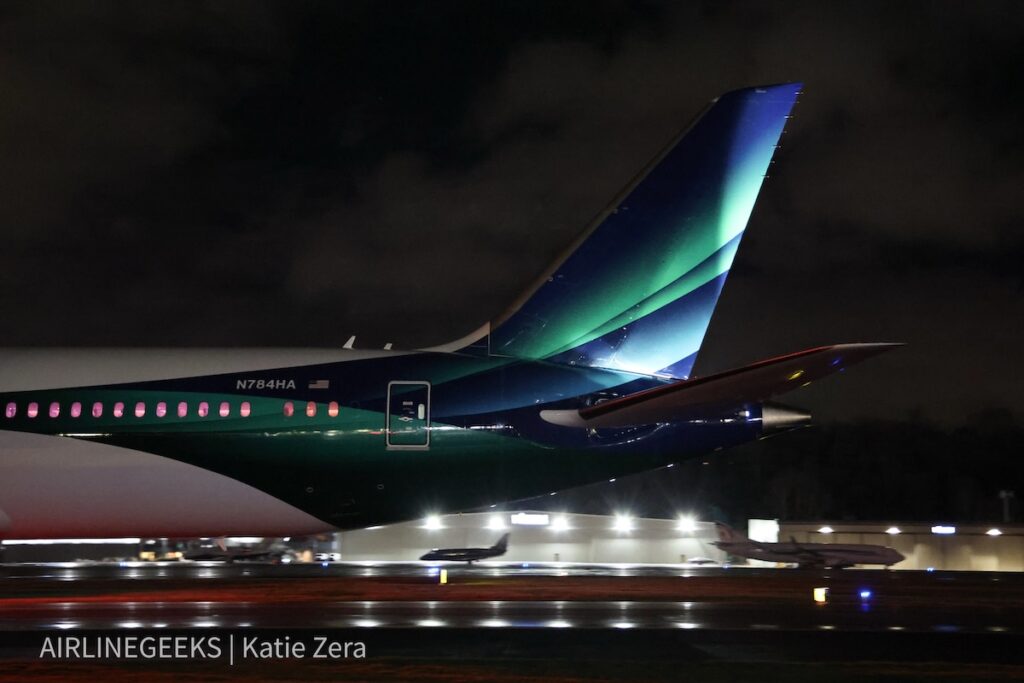
The 787-9’s exterior takes inspiration from the aurora borealis, featuring a palette of midnight blues and emerald greens, officials said. It took artists nearly 1,000 hours across 13 days to complete the livery.
An Alaska 787-9 (Photo: AirlineGeeks | Katie Zera)
Alaska will officially take delivery of the aircraft at a ceremony in Seattle on Wednesday morning, with representatives from Boeing and the U.S. Department of Transportation also in attendance.
Zach Vasile is a writer and editor covering news in all aspects of commercial aviation. He has reported for and contributed to the Manchester Journal Inquirer, the Hartford Business Journal, the Charlotte Observer, and the Washington Examiner, with his area of focus being the intersection of business and government policy.
Avelo Drops Deportation Flights
The carrier operated the flights for around nine months.
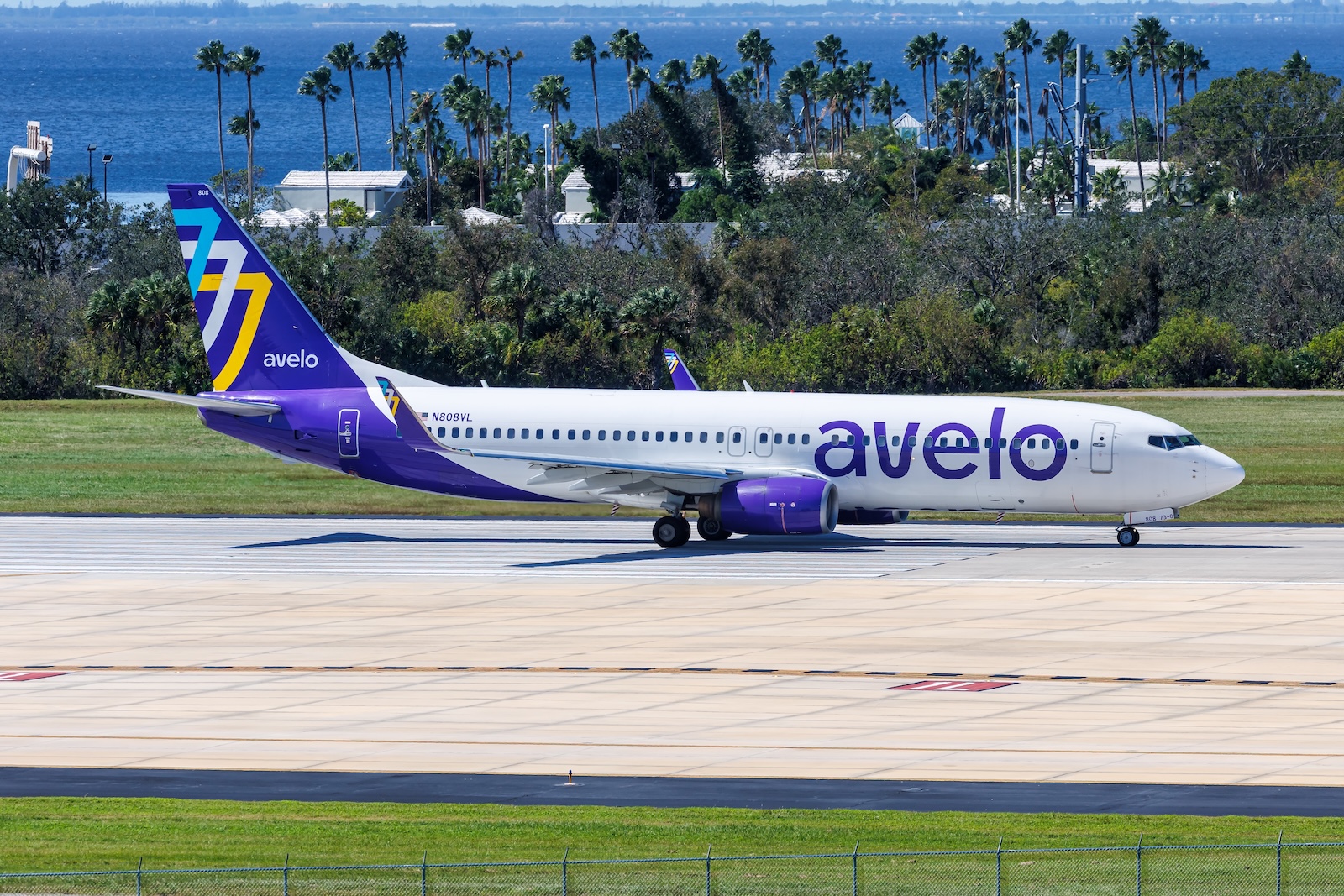
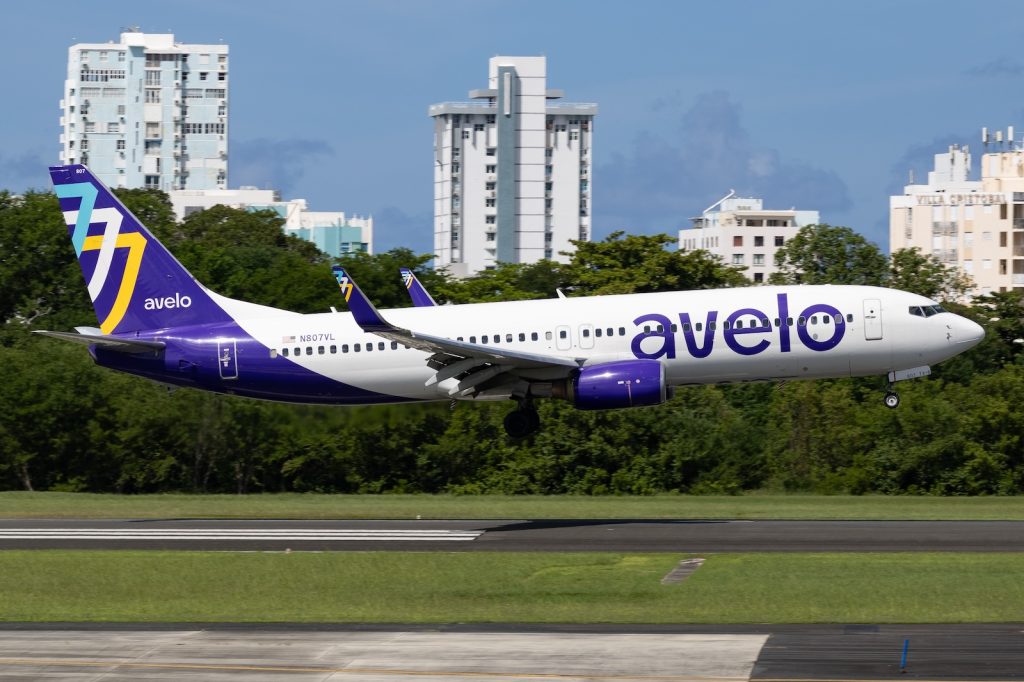
An Avelo Boeing 737-800. (Photo: Shutterstock | Markus Mainka)
Avelo will stop operating deportation flights for the federal government, ending a partnership that put the Houston-based carrier in an increasingly uncomfortable spotlight.
“Avelo will close the base at [Mesa Gateway Airport in Arizona] on January 27 and will conclude all participation in the Biden and Trump DHS charter program,” an airline spokesperson said in a statement to AirlineGeeks. “The program provided short-term benefits but ultimately did not deliver enough consistent and predictable revenue to overcome its operational complexity and costs.”
The carrier noted that it did not see a drop in customers as a result of the contract. In 2025, Avelo served 2.6 million customers on scheduled commercial service, up 11% from 2024 with minimal seat growth.
“With our unique combination of everyday low fares, easy and convenient to use base airports, delivered with leading reliability, it is no surprise that customers continue to embrace us,” the airline’s statement read.
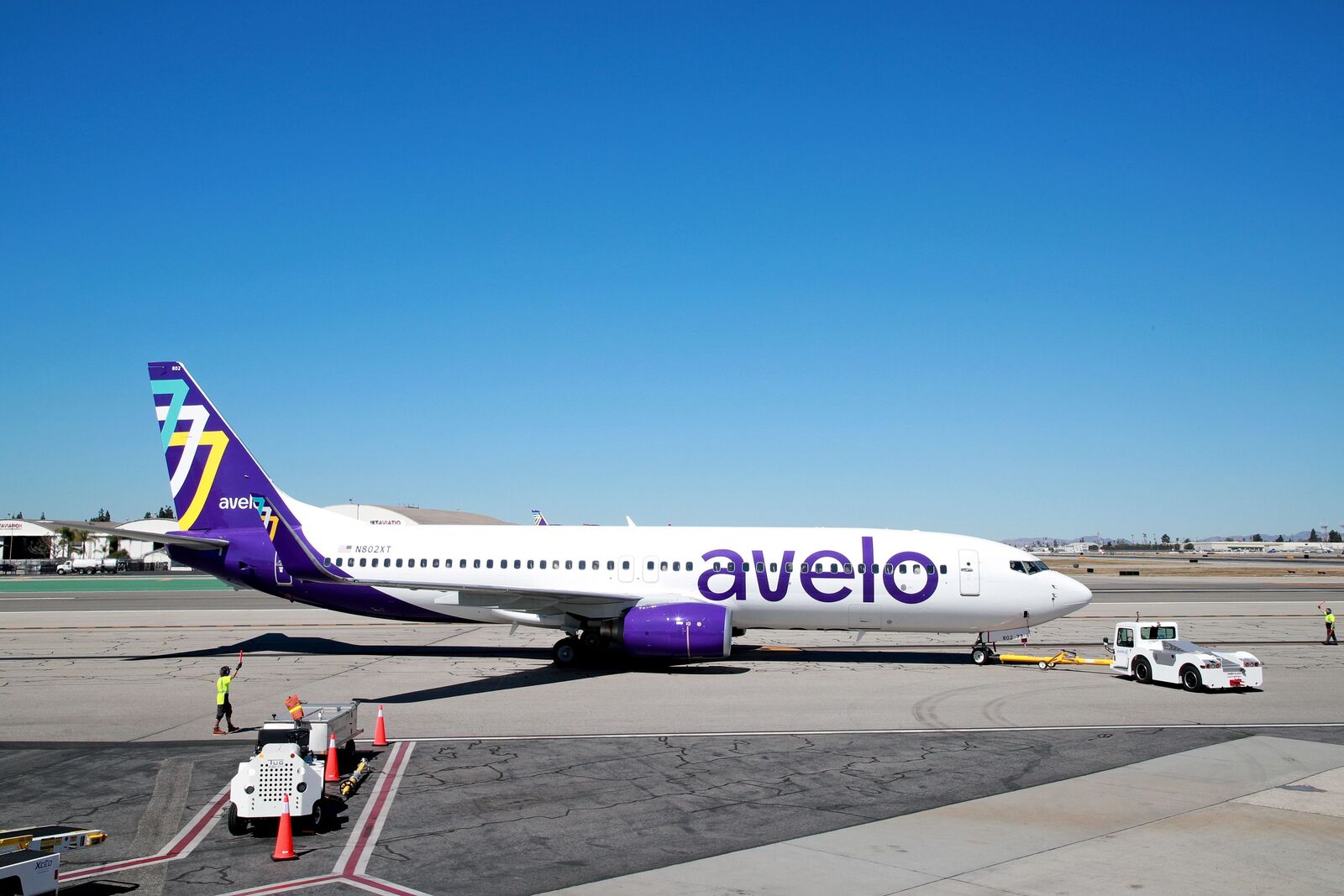
An Avelo Boeing 737-800 (Photo: Shutterstock | Edgardo M Moya)
In Delaware, state lawmakers had been considering a bill that would urge the operator of Wilmington Airport to reconsider marketing incentives for Avelo.
The decision to end deportation flights comes as Avelo prepares to restructure its commercial network. In addition to Mesa, the carrier is shutting down crew bases in Raleigh-Durham and Wilmington in North Carolina and ending some flights to and from those destinations. Avelo said it will focus its network around four smaller airports – New Haven, Connecticut; Wilmington, Delaware; Charlotte/Concord, North Carolina; and Lakeland, Florida.
Zach Vasile is a writer and editor covering news in all aspects of commercial aviation. He has reported for and contributed to the Manchester Journal Inquirer, the Hartford Business Journal, the Charlotte Observer, and the Washington Examiner, with his area of focus being the intersection of business and government policy.
Qatar Airways Completes Starlink Install on First 787s
Nearly 120 of the carrier’s widebody aircraft are now equipped with the satellite-based technology.
A Qatar Airways Boeing 787 Dreamliner. (Photo: AirlineGeeks | Katie Zera)
Qatar Airways this week became the first airline in the world to install Starlink on the Boeing 787 Dreamliner.
The Doha-based carrier said Wednesday that Starlink wireless internet service is now available on three of its 787-8s. The airline also finished Starlink installations across its A350 fleet in December, officials noted, marking another industry first.
Work on the A350s took about eight months.
“This progress cements the airline’s position as the global leader in Starlink-enabled long-haul and ultra-long-haul connectivity while also achieving the world’s first and largest Starlink-equipped A350 fleet – building on Qatar Airways’ legacy as the aircraft’s global launch customer,” the carrier said in a news release.
The airline finished rolling out Starlink across its 777 fleet in July.
Nearly 120 of Qatar Airways’ widebody jets – over half the carrier’s widebody fleet – are now equipped with the technology.
Starlink, which is owned by aerospace company SpaceX, provides wireless internet service from a constellation of more than 7,600 miniature satellites in low Earth orbit. It offers users ultra-high-speed connectivity at up to 500 mbps, which supports web-based functions like streaming and video calls.
Zach Vasile is a writer and editor covering news in all aspects of commercial aviation. He has reported for and contributed to the Manchester Journal Inquirer, the Hartford Business Journal, the Charlotte Observer, and the Washington Examiner, with his area of focus being the intersection of business and government policy.
Avelo to Close Three Crew Bases, Restructure Network
The carrier also plans to open a new base in Texas this year.
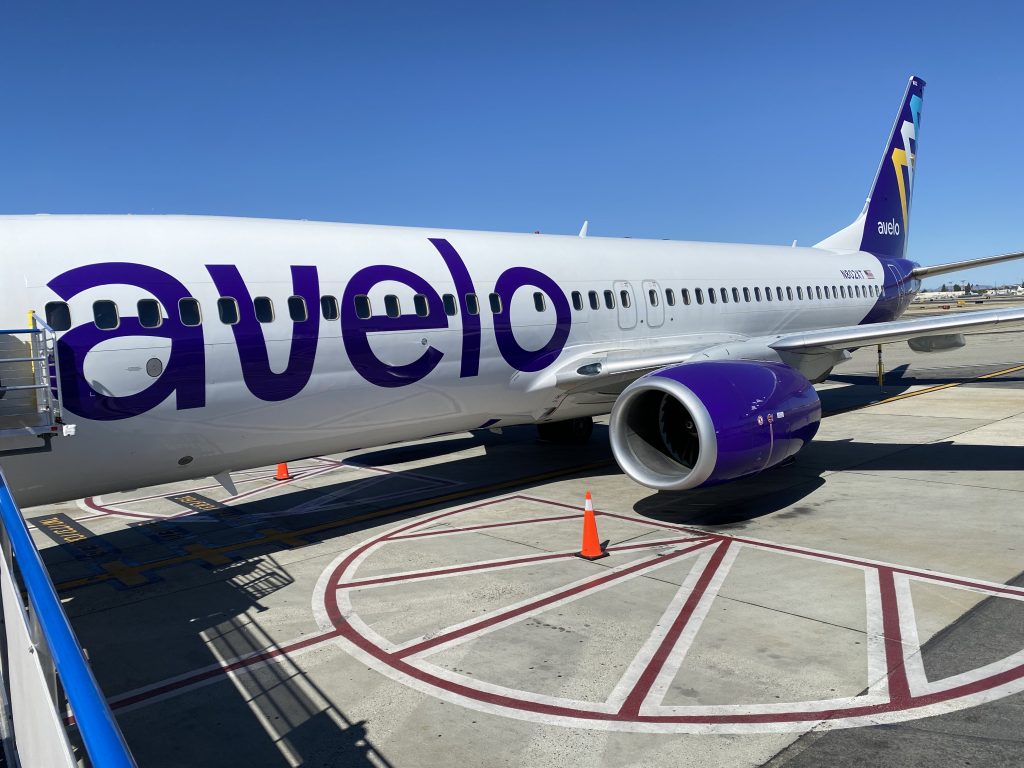
An Avelo Boeing 737 aircraft. (Photo: Avelo Airlines)
Ultra-low-cost carrier Avelo is restructuring its network and closing crew bases after a recent cash infusion.
In a statement, the airline said it will streamline its network around four current bases – New Haven, Connecticut; Wilmington, Delaware; Charlotte/Concord, North Carolina; and Lakeland, Florida. Crew bases in Mesa, Arizona, and Raleigh-Durham and Wilmington in North Carolina will close.
Avelo said it will continue serving Raleigh-Durham from New Haven and Rochester, New York, and Wilmington, North Carolina, from Nashville, Tennessee; New Haven; Tampa, Florida; and Baltimore/Washington.
It was not immediately clear when the bases would be shut down, and the carrier did not say if there would be layoffs.
Boarding Avelo’s first ever commercial flight in Burbank. (Photo: AirlineGeeks | Taylor Rains)
Airline officials acknowledged the restructuring will come with schedule changes “that will impact many customer itineraries” but did not disclose the affected routes. Passengers will be notified of relevant changes directly through email and text messages, they said.
Routes currently served by Avelo but not listed as continuing in its announcement include Raleigh to Grand Rapids, Michigan, and Albany, New York, and Wilmington, North Carolina, to Fort Lauderdale, Fort Myers, and Orlando in Florida; Detroit; Washington Dulles; Rochester; Manchester, New Hampshire; and Islip, New York.
Wilmington International Airport said in a statement Tuesday that all of the affected destinations are served by other airlines, including Delta, United, American, JetBlue, Breeze, and Sun Country. The changes will come into effect in late January, it said.
Avelo also said it will open a new crew base at McKinney National Airport in Texas later this year. The general aviation airport is currently building a commercial airline terminal, and Avelo is its first confirmed passenger airline.
Fleet Changes
Airline officials also announced plans to retire six Boeing 737-700 aircraft. This will leave Avelo operating mainly with the more efficient 737-800, they said.
The carrier in September ordered up to 100 Embraer E195‑E2s to modernize its fleet.
Zach Vasile is a writer and editor covering news in all aspects of commercial aviation. He has reported for and contributed to the Manchester Journal Inquirer, the Hartford Business Journal, the Charlotte Observer, and the Washington Examiner, with his area of focus being the intersection of business and government policy.
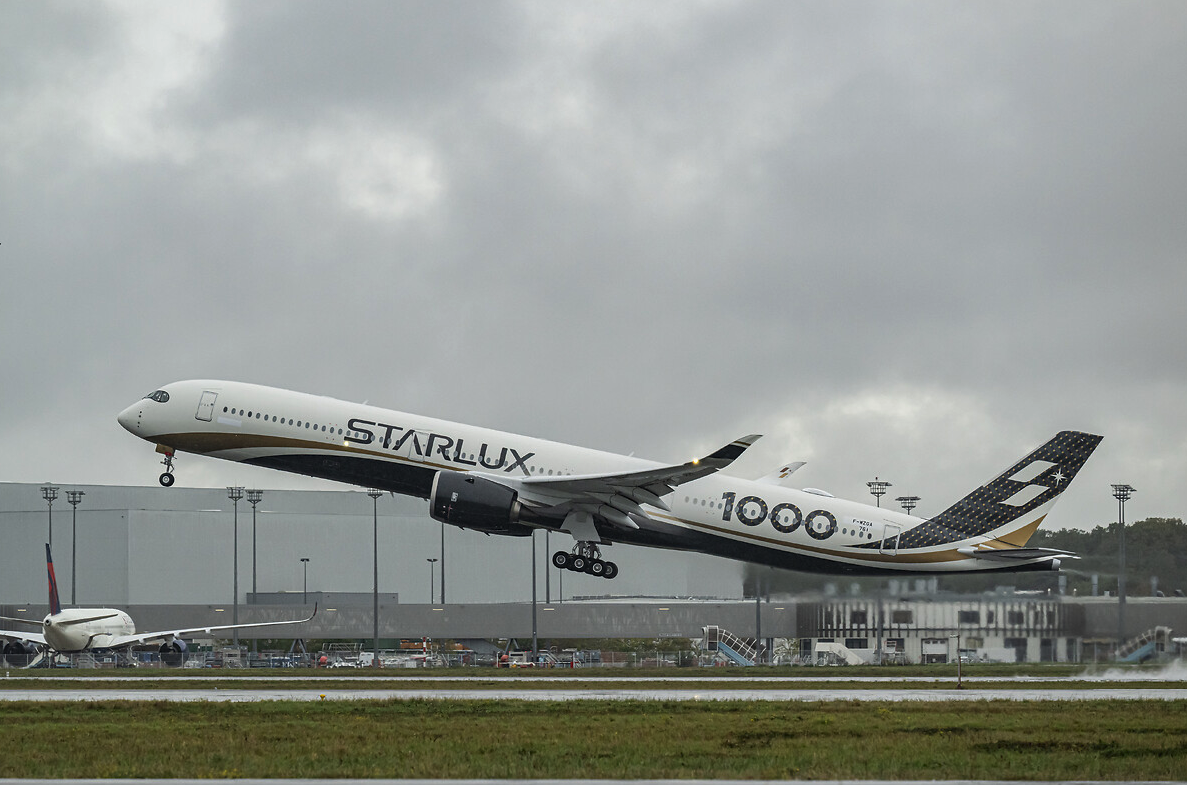
In a statement, Airbus said Starlux is now officially the eleventh operator of the variant worldwide.
The new jet will join Starlux’s 10 A350-900s on long-haul routes connecting Taipei with destinations in Europe and North America. It will also be used for select destinations within the Asia/Pacific region.
To mark the A350-1000’s arrival, the airline commissioned a special livery blending its brand colors with a carbon-fiber motif reflecting the composite materials used in the aircraft’s construction. The numerals “1000” have been painted on the airplane’s fuselage.
Starlux has ordered a total of 18 A350-1000s. Its current fleet consists of A350-900s, A330-900s, and A321neos.
Zach Vasile is a writer and editor covering news in all aspects of commercial aviation. He has reported for and contributed to the Manchester Journal Inquirer, the Hartford Business Journal, the Charlotte Observer, and the Washington Examiner, with his area of focus being the intersection of business and government policy.
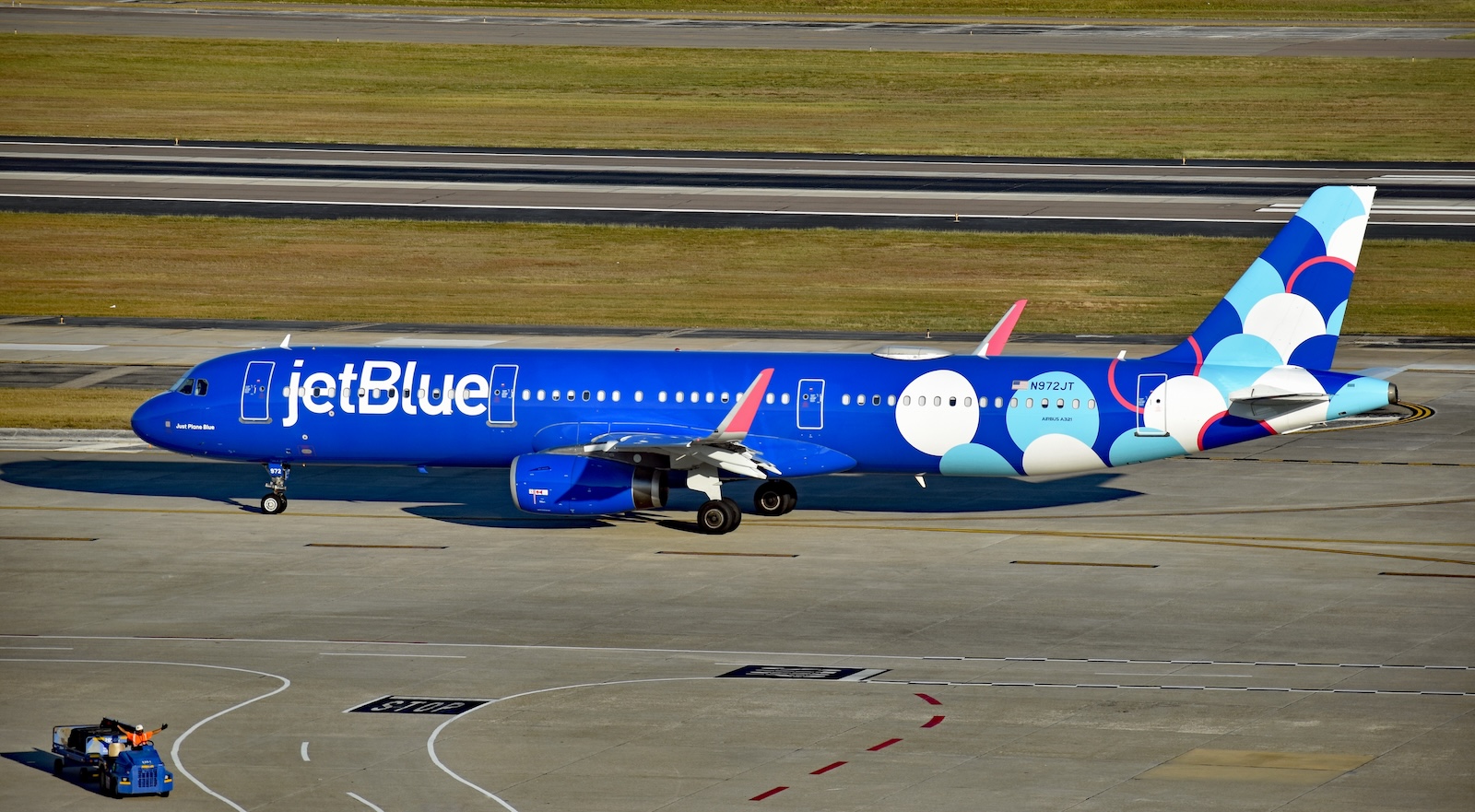
JetBlue Axes Three Routes
The carrier’s latest network shake-up includes exiting an international market.
The airline will end service between Boston and Dallas/Fort Worth, as well as between New York’s LaGuardia Airport and Tampa, according to aviation insider JonNYC on X. The final day of operation on both routes will be March 11.
The airline said the changes will allow it to redeploy aircraft and crews to “new and high-performing markets,” including adding additional frequencies between LaGuardia and Fort Lauderdale, Florida.
Customers booked on the Boston–Dallas/Fort Worth route will have the option to be rebooked via Fort Lauderdale or receive a full refund to their original form of payment. Those traveling on the LaGuardia–Tampa route may be rebooked from New York–JFK, connect through Fort Lauderdale, or opt for a full refund, the airline said.
International Cut
JetBlue will also end its seasonal service between New York–JFK and Tulum on March 11, exiting the Mexican leisure market entirely. The carrier noted it will continue to serve other major destinations in Mexico, including nearby Cancun.
An airline spokesperson confirmed these cuts to AirlineGeeks on Tuesday.
Other carriers have also scaled back service to Tulum since the destination’s new airport opened in late 2023. Several U.S. airlines that initially launched multiple routes have trimmed capacity or canceled flights as demand did not meet early projections. Delta cut seasonal service from Minneapolis–St. Paul and Detroit, while maintaining only its Atlanta–Tulum flights, and American ended its Charlotte–Tulum service earlier in 2025.
Ryan founded AirlineGeeks.com in February 2013 and has spent more than a decade covering the airline business. His work has been featured by CNN, WJLA, CNET, and Business Insider. His aviation experience spans airport operations, Part 135 regulatory compliance, and airline crew workforce planning, along with time behind the yoke of a Cessna 172 and interviews with airline executives. Ryan now serves as Group President of Firecrown Media’s Aviation Group. He holds a B.S. in Air Transportation Management and an MBA from Arizona State University and teaches Airline Management at Embry-Riddle Aeronautical University.