






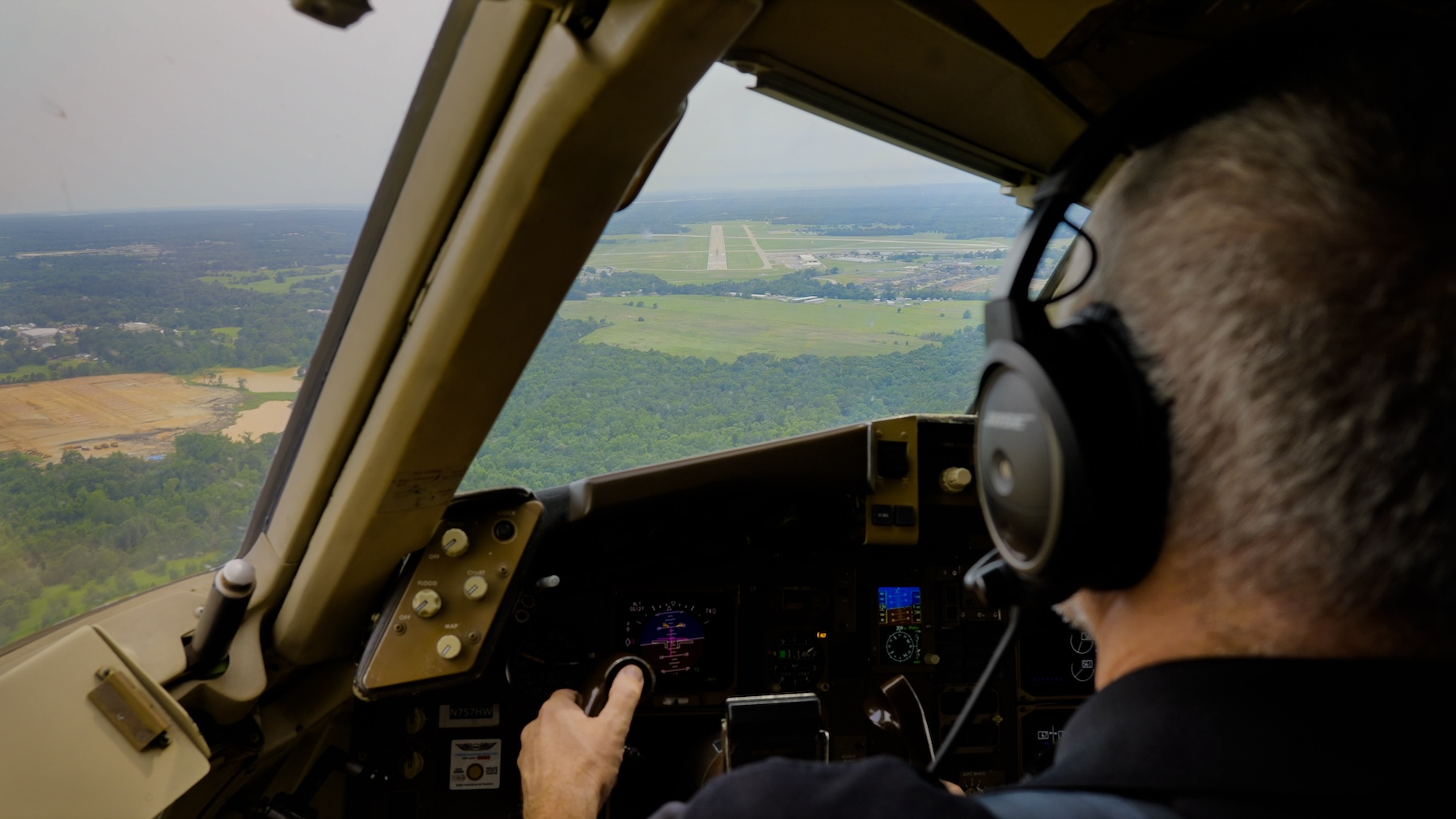

Runway incursions are on the rise in the U.S. Amid a flurry of high-profile near-collisions over the last two years, the National Transportation Safety Board (NTSB) cited data from the Federal Aviation Administration (FAA) that shows 2023 was the highest year in a decade for serious runway incursion events per one million airport operations.
The NTSB has pushed the FAA in recent months to install surface detection equipment at more airports. Currently, only 35 major airports have this technology available, which was credited with preventing a collision between a Boeing 777 and 737 at New York’s JFK in early 2023.
More airports are set to receive the technology as part of the FAA Reauthorization Act of 2024. With the broader adoption of airport surface detection equipment still far on the horizon, avionics manufacturers are looking to add incursion prevention capabilities right in the cockpit.
Honeywell Aerospace, which is in the process of developing the new technology, touts it as the ‘next big thing’ in aviation. The company calls the system Surface Alert (or ‘SURF-A’), adding that it can work hand-in-hand with existing airport-based surface detection equipment.
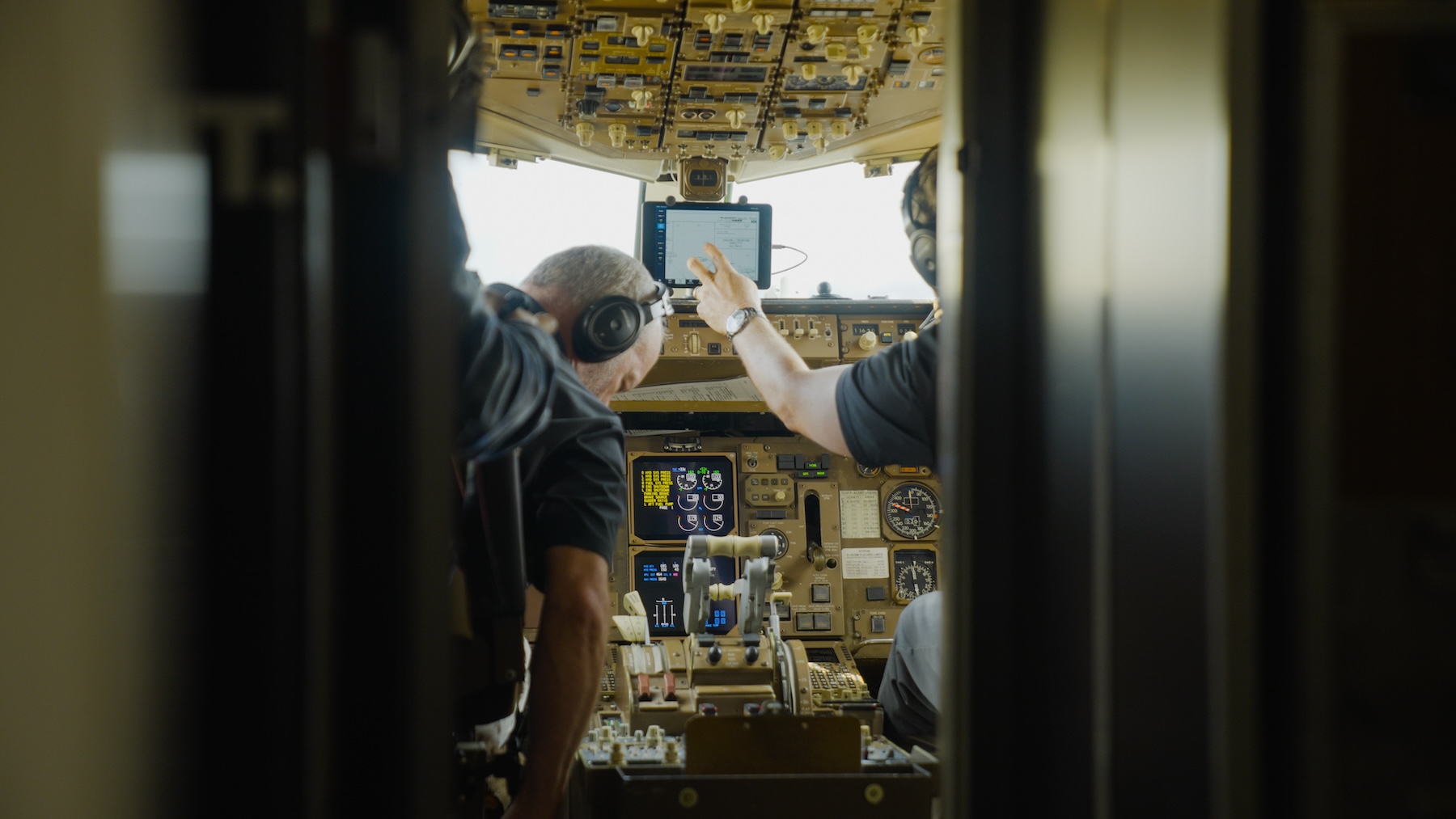
“We interviewed and visited a lot of our airline customers and they are interested now. And so we are, as a company, transitioning this from a research project to offering it for retrofit as well as for forward fit aircraft,” said Thea Feyereisen, a senior technical fellow at Honeywell, during a press event.
Building Upon Existing Capabilities
SURF-A joins Honeywell’s existing SMART-X system, which is already used on over 5,000 commercial aircraft. SMART-X helps pilots avoid wrong surface landings – such as the 2017 incident where an Air Canada flight nearly landed on a San Francisco taxiway – along with runway excursion events, including overruns.
The existing SMART-X system gives crews additional call-outs during critical phases of flight by utilizing various databases.
Honeywell hopes that SURF-A can become a so-called ‘third set of eyes’ for pilots by directly accessing ADS-B data from aircraft and vehicles in the runway engagement zone. This data then gives an audible and visual cue in the flight deck, alerting pilots to the potential danger.
With runway incursions increasing at an ‘unacceptable’ rate, Honeywell says, the company stepped up its efforts to roll out SURF-A. The technology initially began development in 2018.
For airlines and aircraft owners already using the company’s systems, Honeywell notes that adding SURF-A may be as simple as a software upgrade once it becomes certified.
Demonstrating the New Tech
Honeywell plans to have SURF-A certified within 18-24 months and has been conducting a variety of test flights with the new system activated. In December 2023, the aerospace company successfully tested the system on a handful of flights.
The company’s over 41-year-old Boeing 757-200 often tests the latest aviation tech, including engines with its mounted pylon. But now, the aircraft is being sent around the U.S. and even to London on a series of test flights, giving regulators, airline representatives, and reporters a first look at SURF-A.
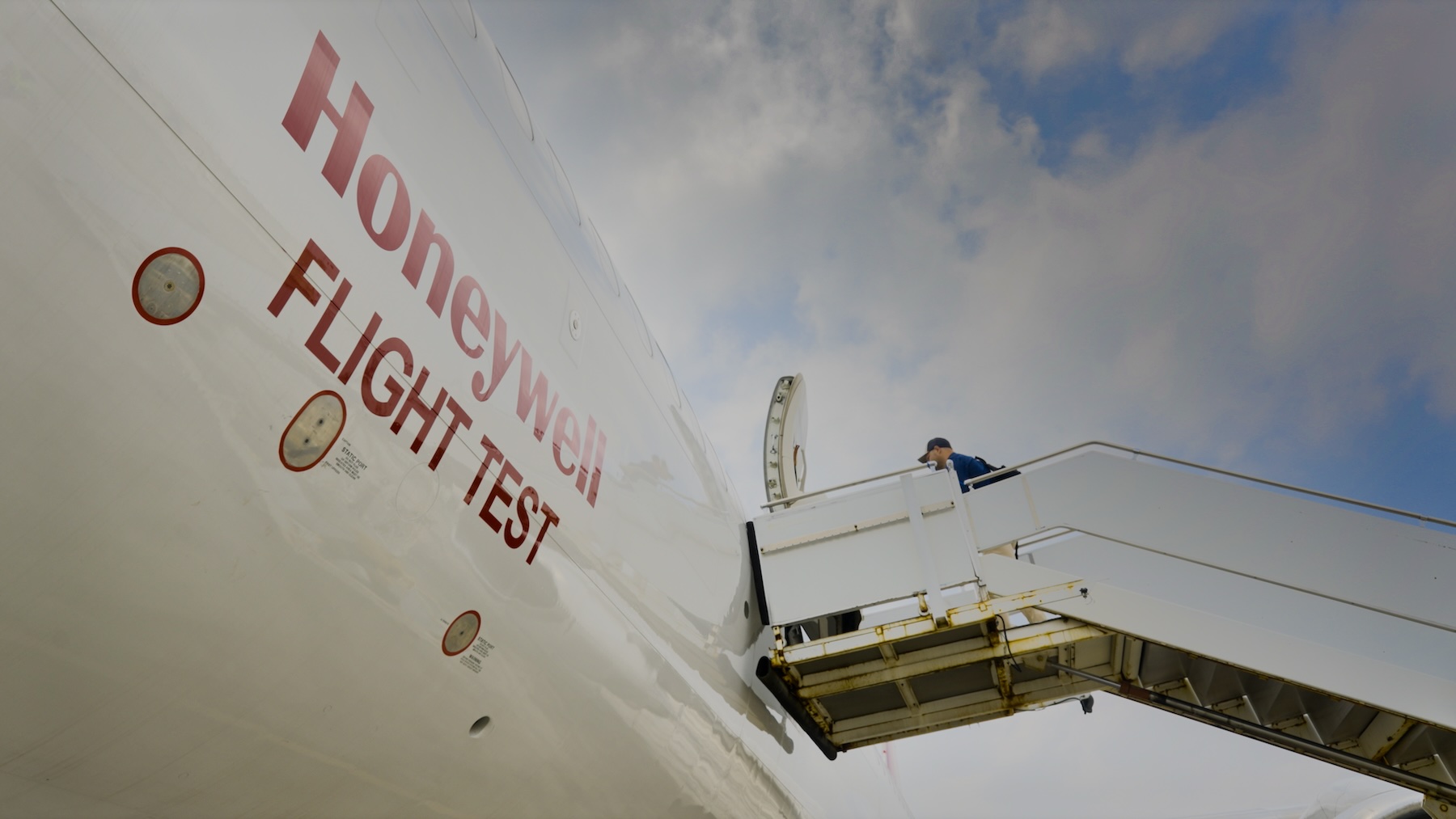
AirlineGeeks joined Honeywell on a June 4 test flight from Dallas’ Love Field Airport. In addition to demonstrating SMART-X’s capabilities, the company showcased SURF-A in action.
After departing Dallas Love Field, the test flight made a short trip to Pounds Regional Airport in Tyler, Texas. There Honeywell tested two high-profile runway incursions that mimicked the JFK incident and a February 2023 near-miss involving a FedEx 767 and Southwest 737 in Austin.
With another testbed aircraft – Honeywell’s Falcon 900 – as the intruder, the system alerted the pilots to each incursion with an audible “traffic on runway” announcement and bright yellow text on a flight display. The first alert comes 30 seconds prior to a collision and another 15 seconds before.
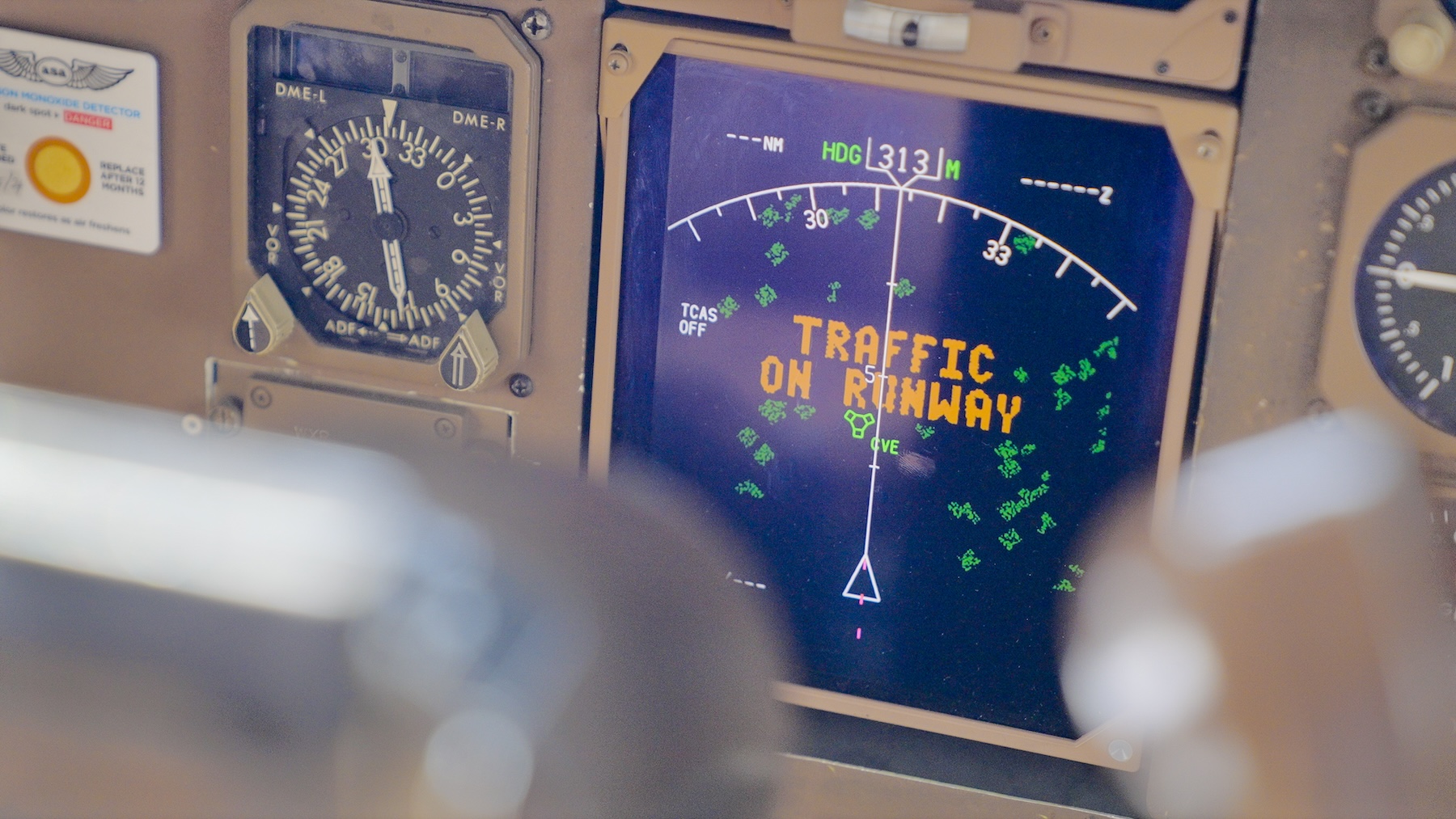
In terms of the JFK incident, Honeywell estimates that – had SURF-A been installed on the Delta 737 – the pilots would have known about the approaching American 777 roughly 12 seconds sooner. A final NTSB report on this incident is expected in the coming months.
Growing Interest
Following both the Austin and New York near-collision events, the NTSB issued some early recommendations for operators to consider systems like SURF-A in their flight decks.
“The NTSB recommended the FAA collaborate with aircraft and avionics manufacturers to develop a system that would alert flight crews of traffic on a runway or taxiway and traffic on approach to land and require that both newly manufactured and existing transport category airplanes have such systems installed,” the agency said in a recent press release.
During a June hearing on the Austin incident, NTSB Chair Jennifer Homendy said the industry is “trending in the wrong direction” regarding runway incursions. “You need technology that provides the backup…the additional layer of protection,” she added.