










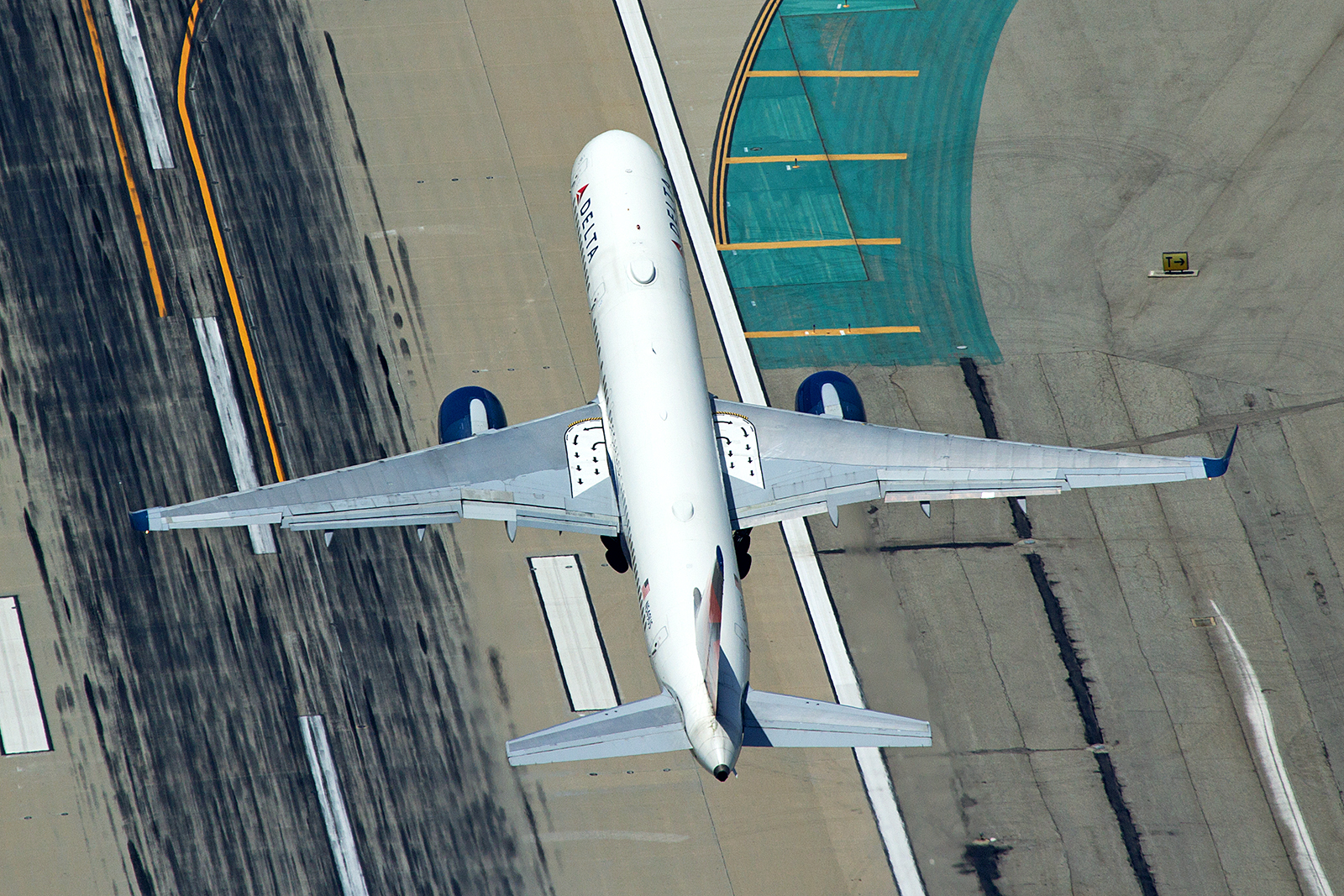


Airports are exceptionally complex pieces of infrastructure. Countless components need to function properly and efficiently in an environment where safety is the overarching priority.
The process of planning and designing airports is therefore a multifaceted and complicated one. From addressing environmental concerns like wildlife and drainage to ensuring that there is adequate parking capacity, airport planners have a dynamic and challenging job. Here is what you need to know about being an airport planner.
What is Airport Planning?
The Federal Aviation Administration (FAA) describes airport planning as “a systematic process that establishes a strategy for the efficient development of airports consistent with local, State and national goals.”
Airport planning rarely involves designing or planning a brand-new airport. Instead, most airport planners work on problems and projects for existing airports. This can include routine planned work, such as ensuring that airport facilities stay in compliance with government regulations.
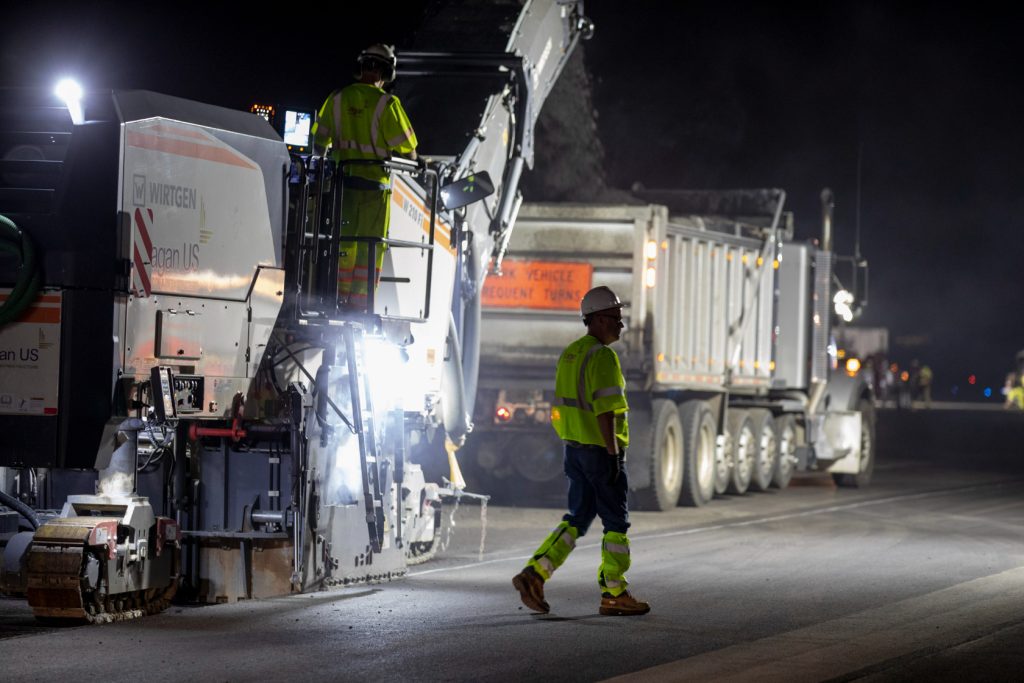
The work of airport planners can also include one-off projects. For example, large capital improvements like a new terminal or runway require extensive design and planning. Airports also undertake maintenance projects like rehabilitating the apron lighting or replacing jetways.
On a broader level, airport planning also takes a holistic look at the goals and needs of the airport. Considering factors like forecasted demand, regulatory changes, and infrastructure deterioration, an airport will develop plans to meet the future air transport needs of the area.
What Does an Airport Planner Do?
The work of an airport planner can vary depending on the airport and the individual’s qualifications and experience.
Some of the responsibilities of an airport planner can include data analysis and forecasting. This could include performing capacity and demand assessments, conducting planning studies, and creating models to estimate passenger and traffic flow.
Airport planners also prepare reports and presentations, work with internal and external stakeholders, and develop conceptual plans for future airport developments. They are also involved in the project management process when their plans come to fruition.
Employers of airport planners typically fall into one of two categories: airport authorities and professional service companies. Firstly, airports often have their own planners, employed either by the airport authority or the government body that is responsible for running the facility.
Meanwhile, there are consulting companies and engineering firms that also hire airport planners. These companies are hired by airports to provide planning and management services for specific projects and tasks.
What Skills and Qualifications Do You Need to Become an Airport Planner?
The role of an airport planner requires sound analytical and organizational skills. Being an airport planner also requires a strong set of other workplace skills. Communication, attention to detail, and the ability to work both independently and as a team are all valuable assets for prospective airport planners.
Airport planner jobs will also often require or value prior experience in a related field, such as project management, facility design, or other aviation roles. Some positions also have technical requirements such as the ability to use certain design software or modelling tools.
Most postings for airport planners require at least a bachelor’s degree in a related field such as architecture, transportation, aviation, or another related field. Some positions require a master’s degree or professional certifications in engineering or architecture.
How Much Do Airport Planners Make?
The salary of an airport planner varies depending on the employer and level of experience. Entry-level jobs in airport planning typically pay between $50,000 and $90,000 annually, while experienced airport planners can make upwards of $120,000 to $150,000 per year.
