













United and Air Canada have loaded reductions to their transborder operations between the United States and Canada for the upcoming summer season. The changes from the Star Alliance partners come at a time of strained relations between the two neighboring countries.
United Cuts Capacity on Three Routes
As flagged by AeroRoutes, United is cutting back on three Canadian routes.
The Chicago-based carrier previously planned a daily summer flight between Los Angeles and Toronto Pearson, but this service is being cancelled.
Meanwhile, United will reduce its existing three-times-daily service between Washington Dulles and Montreal to two flights daily. Similarly, the airline is reducing its Washington Dulles to Ottawa operations from four flights per day to three.
However, United is still moving forward with four previously planned new routes to Canada this summer:
- Chicago O’Hare – Edmonton
- Chicago O’Hare – Halifax
- Denver – Regina
- Houston – Edmonton
Air Canada Cancels Vancouver–Washington Route
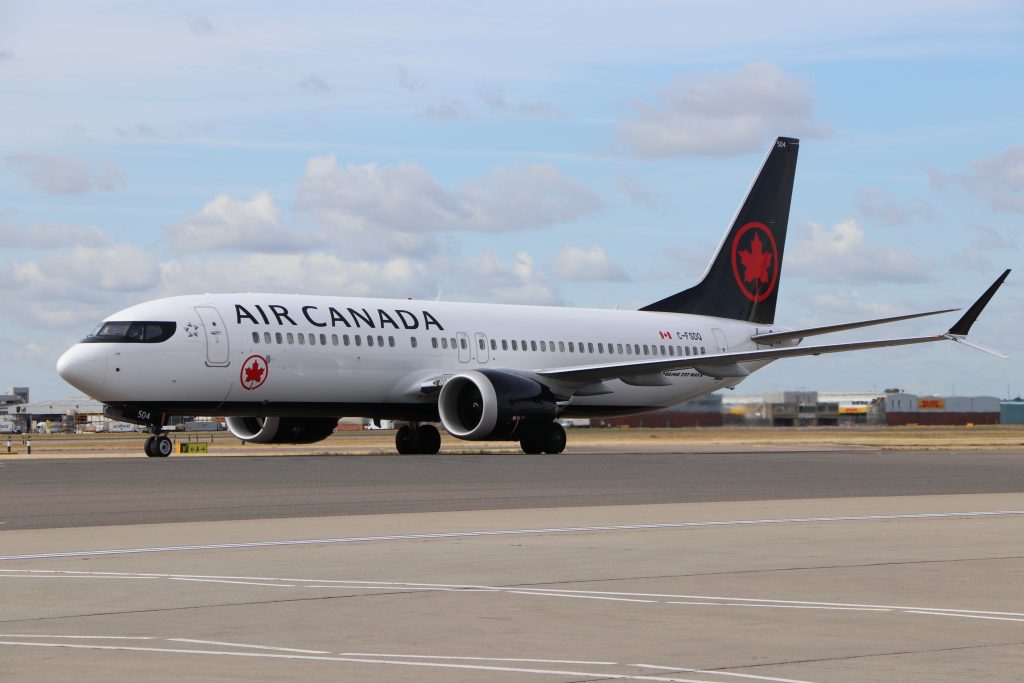
Air Canada – which has a transborder joint venture with United and is also a fellow Star Alliance member – is also cutting a route entirely for the upcoming summer season.
The airline has cancelled its service between Vancouver and Washington Dulles. Air Canada previously planned to fly the route five times per week during the summer months.
Capacity Reductions Amidst a Challenging Environment
Relations between Canada and the United States have been deteriorating since the Trump administration took office in the United States. As a result of the administration’s tariffs on Canadian imports and musings about annexing Canada as a state, many Canadians have begun reconsidering their cross-border travel plans.
Earlier this year, The Canadian Press reported that leisure bookings to American cities dropped 40% year-over-year in February, according to travel agency Flight Centre Travel Group Canada.
Earlier this month, Canadian ultra-low-cost carrier Flair Airlines revealed that it was cutting three U.S. routes. Air Canada had also previously stated that it was reducing capacity to popular American leisure destinations in anticipation of reduced demand.
