











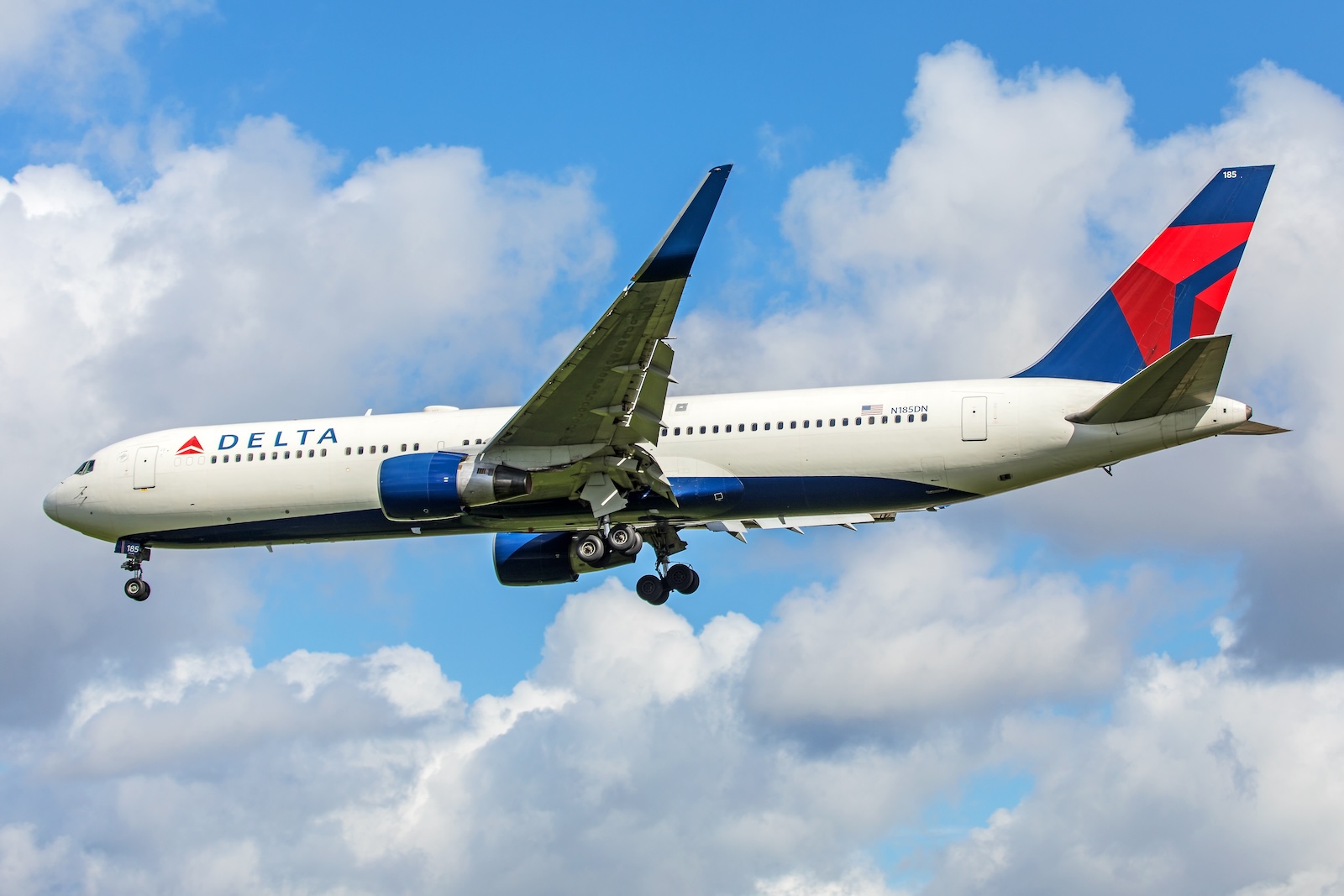

Delta on Thursday reinstated its full-year financial guidance for investors as CEO Ed Bastian indicated that, despite an initial slump in demand, summer travel is shaping up stronger than expected.
Delta’s new guidance for 2025 anticipates earnings per share between $5.25 and $6.25 and free cash flow between $3 and $4 billion. This is down from the airline’s first full-year forecast, which set earnings per share at $7.35. That outlook was pulled in April as the threat of U.S. tariffs, especially on Canada and Mexico, forced business and leisure travelers to reconsider their plans.
Bastian told CNBC that, after a difficult few months, bookings have largely stabilized.
“People are still traveling,” he said. “What they’ve done is they’ve shifted their booking patterns a little bit. They’re holding off making plans until they’re a little closer in to their travel dates. And so that’s shifted some of our bookings and yield management strategies.”
The airline is looking at scaling back capacity outside of high-demand periods and carrying out “surgical” cuts after the peak of the summer vacation season, Bastian added.
Delta closed the second quarter of 2025 with operating revenue of $15.5 billion, operating income of $2 billion, and earnings per share of $2.10. Revenue was up 1% over 2024.
Airline officials attributed the slightly better than expected performance to high-margin revenue streams, such as premium seats and Delta’s loyalty program. Expanded European and transpacific service boosted revenue from international operations by 2%.
Bastian told CNBC that the carrier will continue to invest in its premium products.
“Whether it’s the Delta lounges or the quality of the product on board, the premium products have had life cycles… and what we thought was state of the art six or seven years ago no longer is,” he said. “We’re continuing to upgrade and update it.”
American and Southwest also pulled their initial full-year guidance earlier this year as concerns grew about trade wars and a possible recession. United released two sets of guidance, one unchanged from its previous outlook and the other anticipating a significant economic slowdown.