











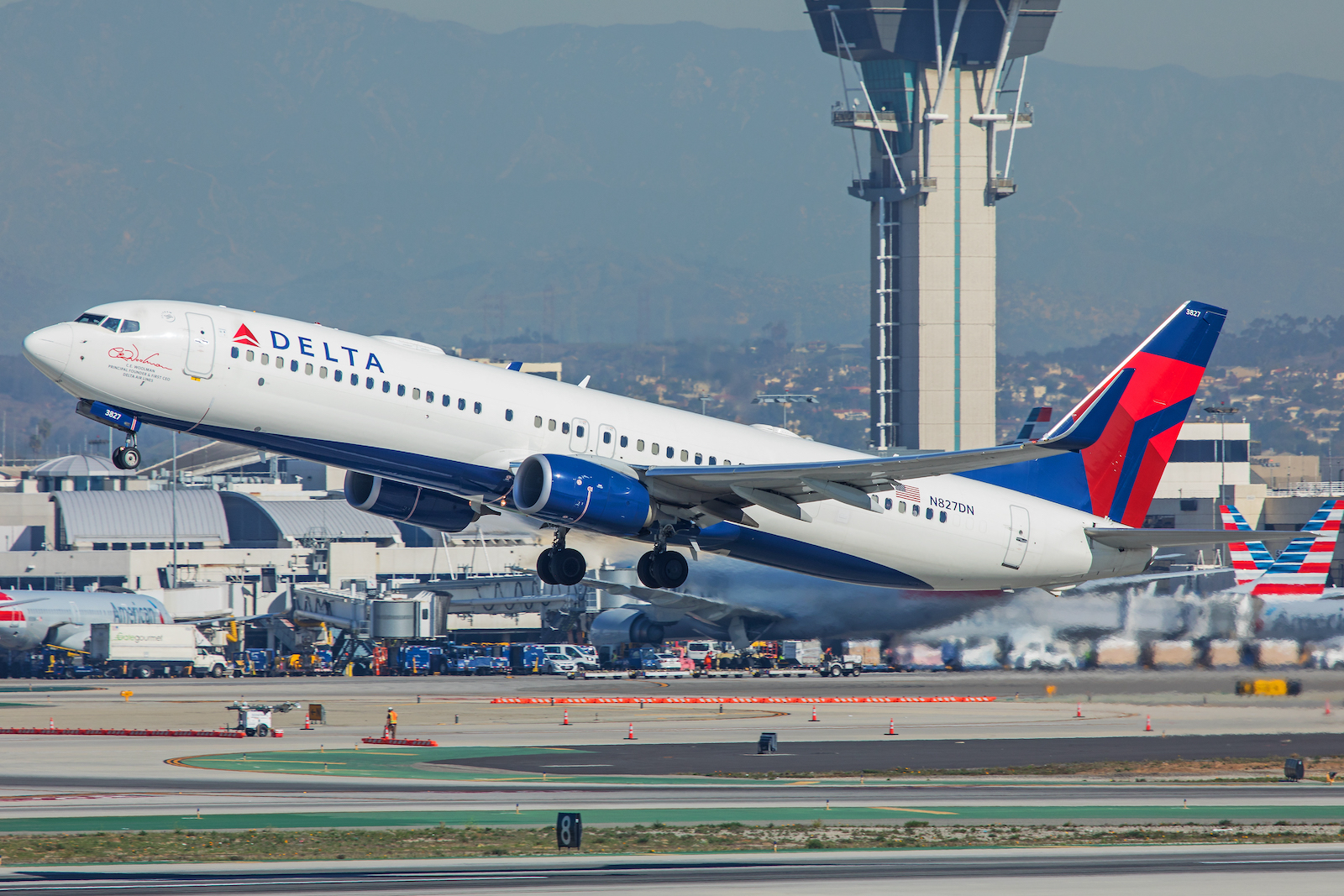


The U.S. Department of Justice is backing an effort by the Transportation Department to revoke the federal antitrust immunity agreement underlying Delta’s joint venture with Mexican flag carrier Aeroméxico.
Last month, the Transportation Department announced the two airlines no longer qualify for immunity from antitrust enforcement – granted by the federal government on a provisional basis in 2016 – because the Mexican government has illegally seized slots from U.S. carriers at Mexico City International Airport and forced U.S. all-cargo carriers out of the Mexico City market.
Delta and Aeroméxico now have until Oct. 25 to show why they still deserve that protection, or else their partnership will be “disapproved.” This would not necessarily dissolve the joint venture, though it would make it harder to operate and would probably force the airlines to end some aspects of their alliance.
The Justice Department weighed in for the first time on Aug. 8, giving its blessing to undo the immunity arrangement.
“DOJ supports DOT’s tentative decision to withdraw its approval and grant of antitrust immunity for the Delta/Aeroméxico Joint Venture,” the department wrote in a comment on the DOT’s case docket. “DOT conducted an analytically rigorous evaluation of the competitive effects of the Joint Venture consistent with its statutory authority and its public interest mandate to consider competitive market forces and the impact of actual and potential competition.”
Like the DOT, the Justice Department laid blame on the Mexican government for, in its view, undermining free market principles and locking U.S. carriers out of Mexico’s busiest international airport.
Delta and Aeroméxico have both protested the DOT’s decision, arguing it will cost workers their jobs and reduce service between the U.S. and Mexico.
‘Public Interest’ Questions
Delta and Aeroméxico, which is headquartered in Mexico City, have had a close relationship since the 1990s and began codesharing and coordinating on some operations in the 2010s. In 2015, the carriers put forward plans for an expanded partnership allowing them to share information and jointly determine routes. The size and market share of the two airlines meant they needed to secure immunity from U.S. antitrust regulations, and the DOT granted this protection in 2016, during the closing days of the Obama administration.
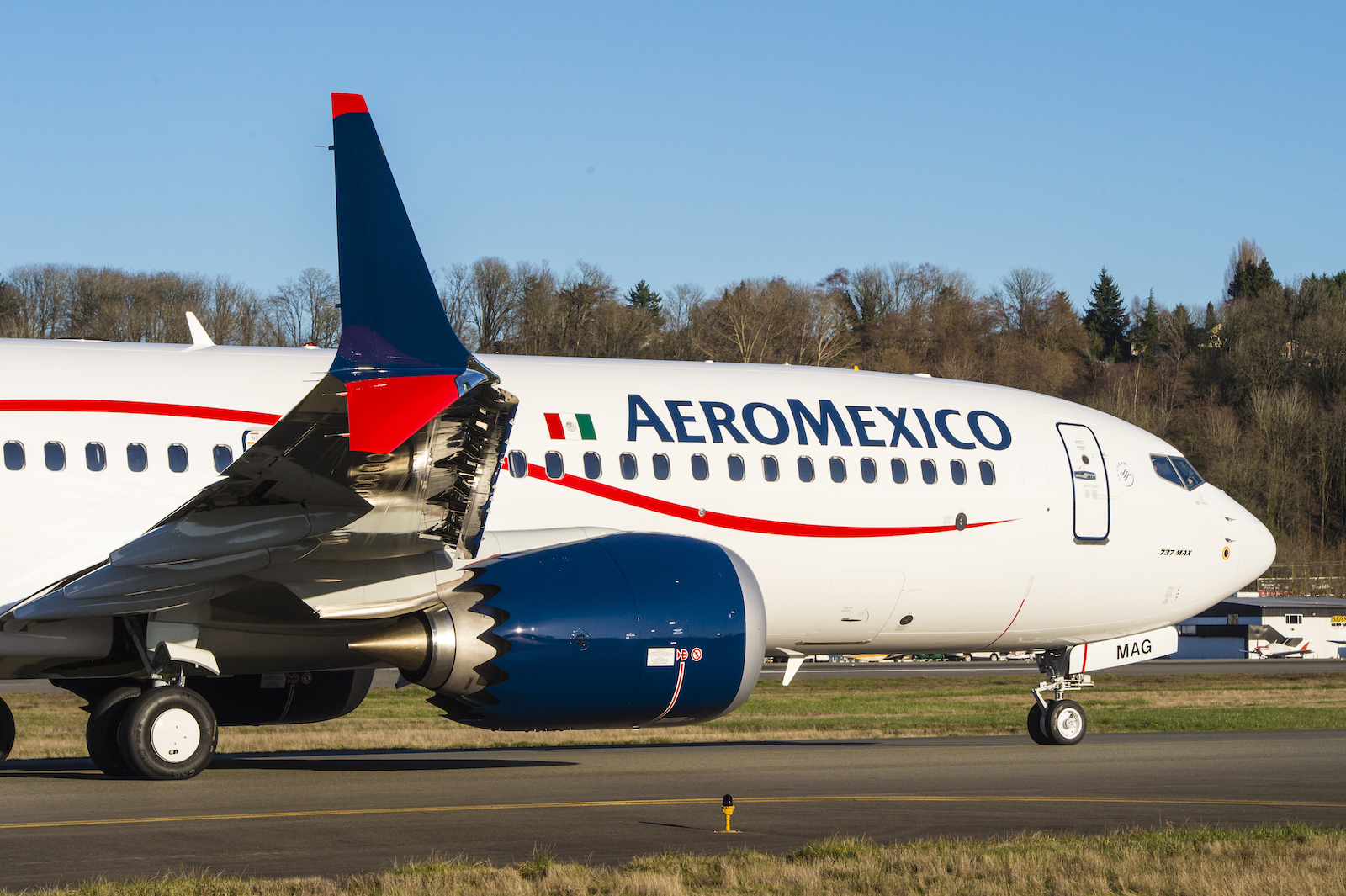
- An Aeromexico Boeing 737 MAX 8. (Photo: Boeing)
The deal set the stage for Delta to acquire up to 49% of Aeroméxico’s shares, and gave Delta a seat on Grupo Aeroméxico’s board. That stake was reduced after Aeroméxico’s restructuring, and Delta currently owns about 20% of the airline.
The immunity agreement was subject to renewal after five years, giving the federal government time to determine if it was serving the flying public’s interest as intended. Delta and Aeroméxico successfully petitioned for a delay, and when the matter came up again, they applied for a five-year extension.
This time around, though, the Transportation Department was more critical. Department regulators accused the Mexican government of arbitrarily changing and seizing slots at Mexico City International Airport, to the detriment of U.S.-based and other foreign carriers. Mexico’s lack of formal slot allocation procedures and apparently protectionist air travel policy was forcing U.S. carriers to reduce service, the department added, and undermining the cooperative, free market structure that the immunity agreement was meant to support.
The situation worsened in 2023 when the Mexican government, citing congestion problems, ordered U.S. cargo operators like FedEx and UPS to relocate from Mexico City International Airport to the recently opened Felipe Ángeles International Airport. Felipe Ángeles is considered a less desirable landing point for freight carriers, as it is further away from Mexico City and increases logistical hurdles.
By 2024, the Transportation Department had tentatively decided to dismiss Delta and Aeroméxico’s application and let the antitrust immunity agreement expire, and that position was reaffirmed with its announcement last month. Officials said the airlines’ joint venture had succeeded only in placing the majority of U.S.-Mexico air cargo operations under their control, and now that the two enjoyed a dominant position at Mexico City International Airport, further support from the U.S. government was not needed.
Carriers Weigh In
American and Allegiant have commented on the DOT’s docket in favor of sunsetting the Delta-Aeroméxico immunity agreement. Both airlines argue that the arrangement is unfair and hurts U.S.-Mexico travel instead of promoting it.
Allegiant also criticized the Transportation Department for pausing its review of a potential partnership with Mexican ultra-low-cost carrier Viva Aerobus, which it maintains would provide a better value for travelers.
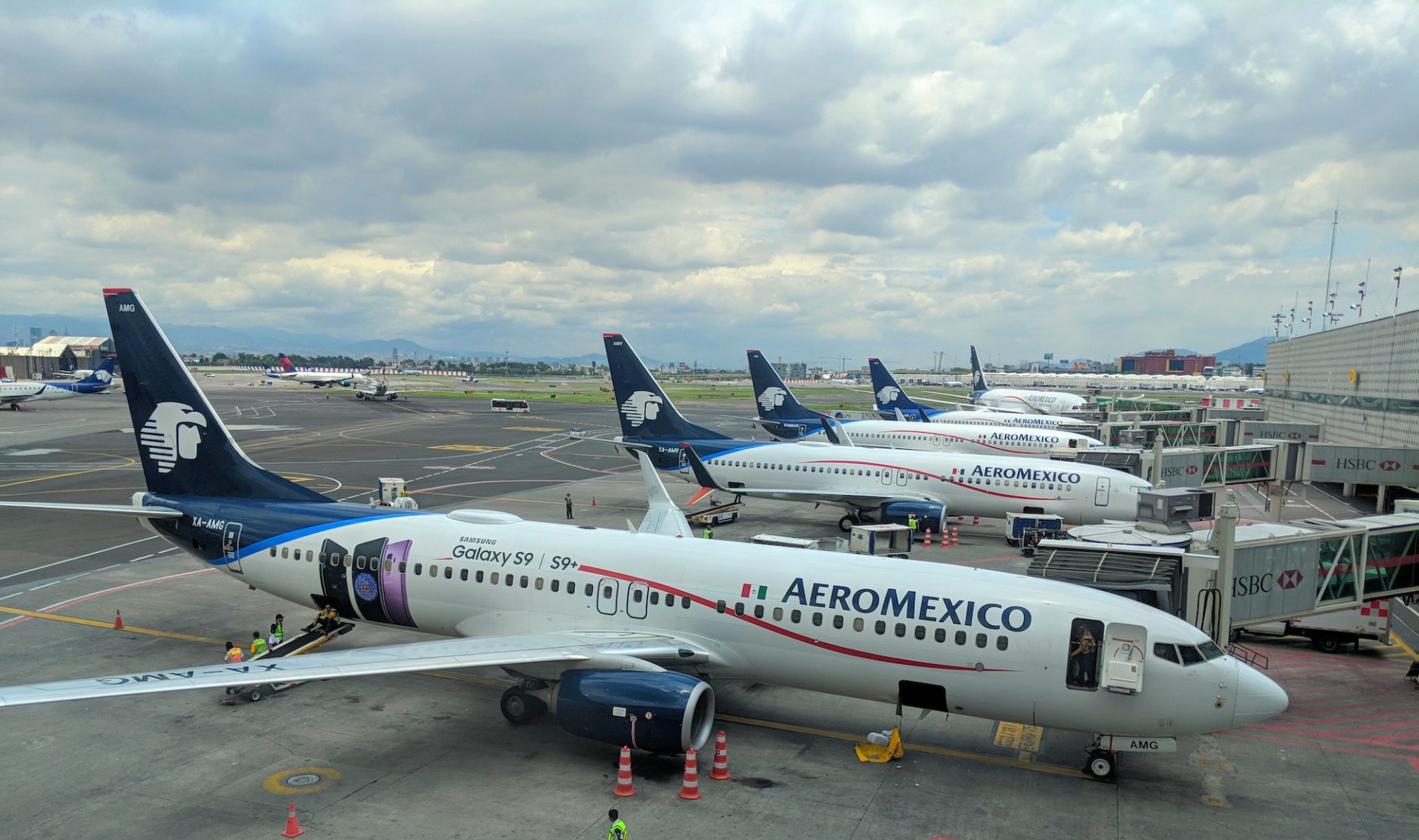
- Aeromexico’s Boeing 737s lined up at the gates of Mexico City’s Benito Juárez International Airport. (Photo: Shutterstock)
Delta, meanwhile, filed an objection to the department’s ruling and called its joint venture “unquestionably pro-consumer, pro-competitive, and pro-American.”
“[The partnership] unlocks hundreds of millions of dollars annually in benefits for U.S. citizens who travel to Mexico on a U.S. airline (Delta) and another airline with significant U.S. ownership (Aeroméxico),” the carrier wrote. “The joint venture generates nearly 4,000 U.S. jobs, more than $310 million of U.S. GDP, and more than $200 million of annual tourism spending in the United States. If Delta and Aeroméxico’s Joint Cooperation Agreement (“JCA”) is unwound, those economic benefits for the United States will evaporate and the market will be captured by the airlines’ competitors.”
Delta has also requested more time to formally reply to the Transportation Department’s requests for additional information about its joint venture with Aeroméxico.