











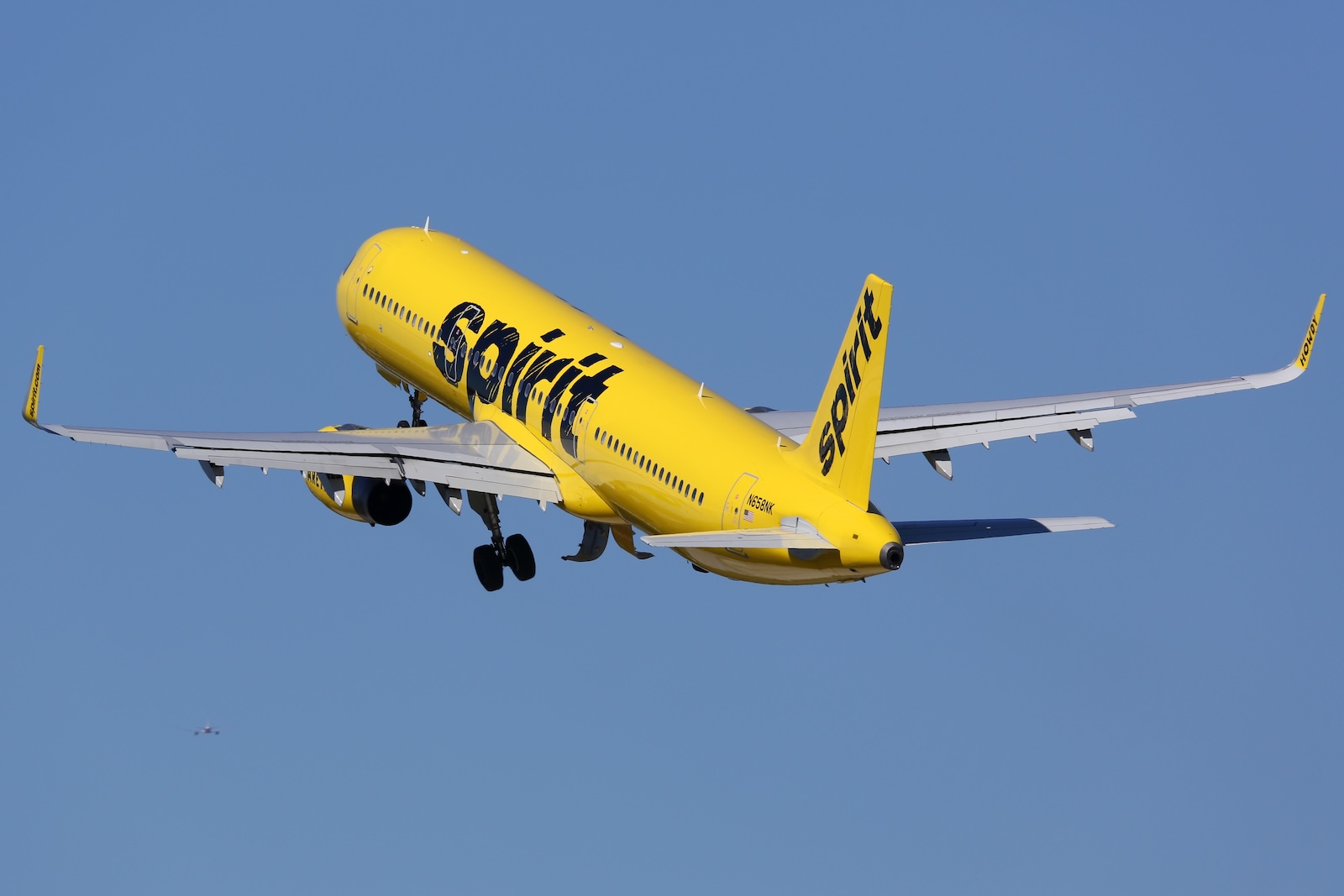


Spirit is looking at merging or selling itself to another airline and is already in talks with some potential partners.
In documents filed with the U.S. Securities and Exchange Commission, the struggling ultra-low-cost carrier said joining operations with a competitor may be the best path forward.
“The value maximizing outcome may be a merger or sale of the company; Spirit is actively working to explore all potential opportunities,” the filing stated. “The company is actively engaged in discussions with a number of interested counterparties.”
The documents do not name any specific companies.
Spirit is currently navigating its second Chapter 11 bankruptcy in a year’s time. As part of the restructuring process it has canceled aircraft leases, dropped unprofitable routes, and furloughed hundreds of pilots. It plans to cut additional pilot jobs and corporate staff in 2026, and will close its maintenance stations and warehouse operations in Baltimore and Chicago.
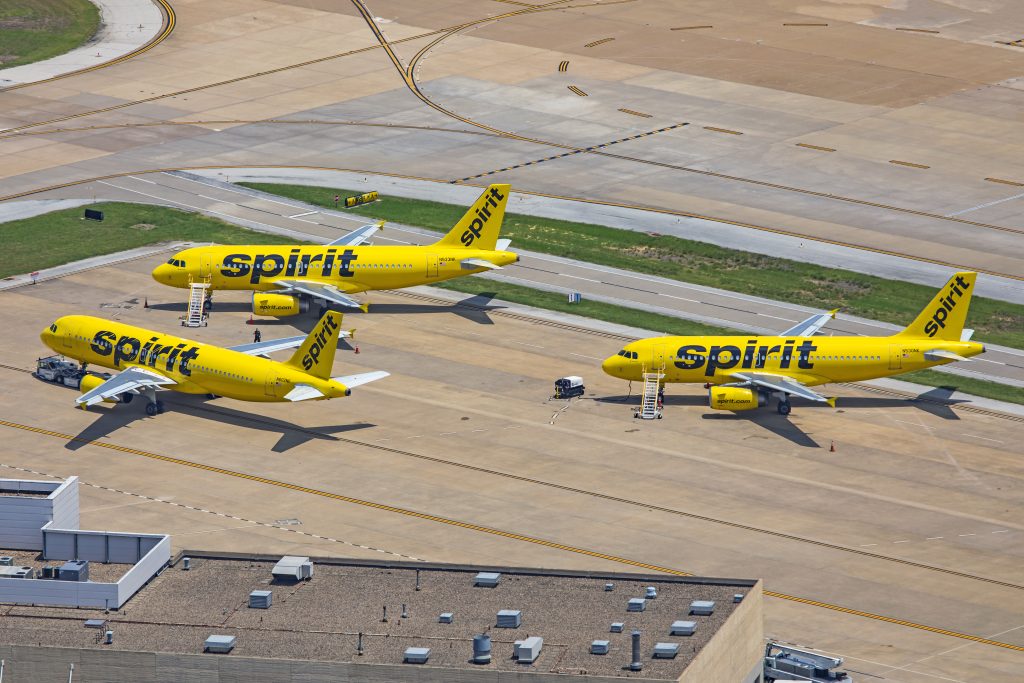
Spirit executives say the changes are needed to “right-size” the business and create a more sustainable network.
The carrier’s long-term transformation plan calls for the elimination of all “unprofitable flying,” cutbacks in airport gate rents, advertising spend, and non-core expenses, and a brand repositioning away from “budget travelers” and toward a “value-seeking audience.” Spirit had begun to move in that direction even prior to its second bankruptcy, rolling out extra-legroom seats and other perks as it sought to become the “premium” option among budget airlines.
In the same SEC filing, Spirit said it hopes to return to annual profitability – which it has not achieved since 2019 – by 2027.