











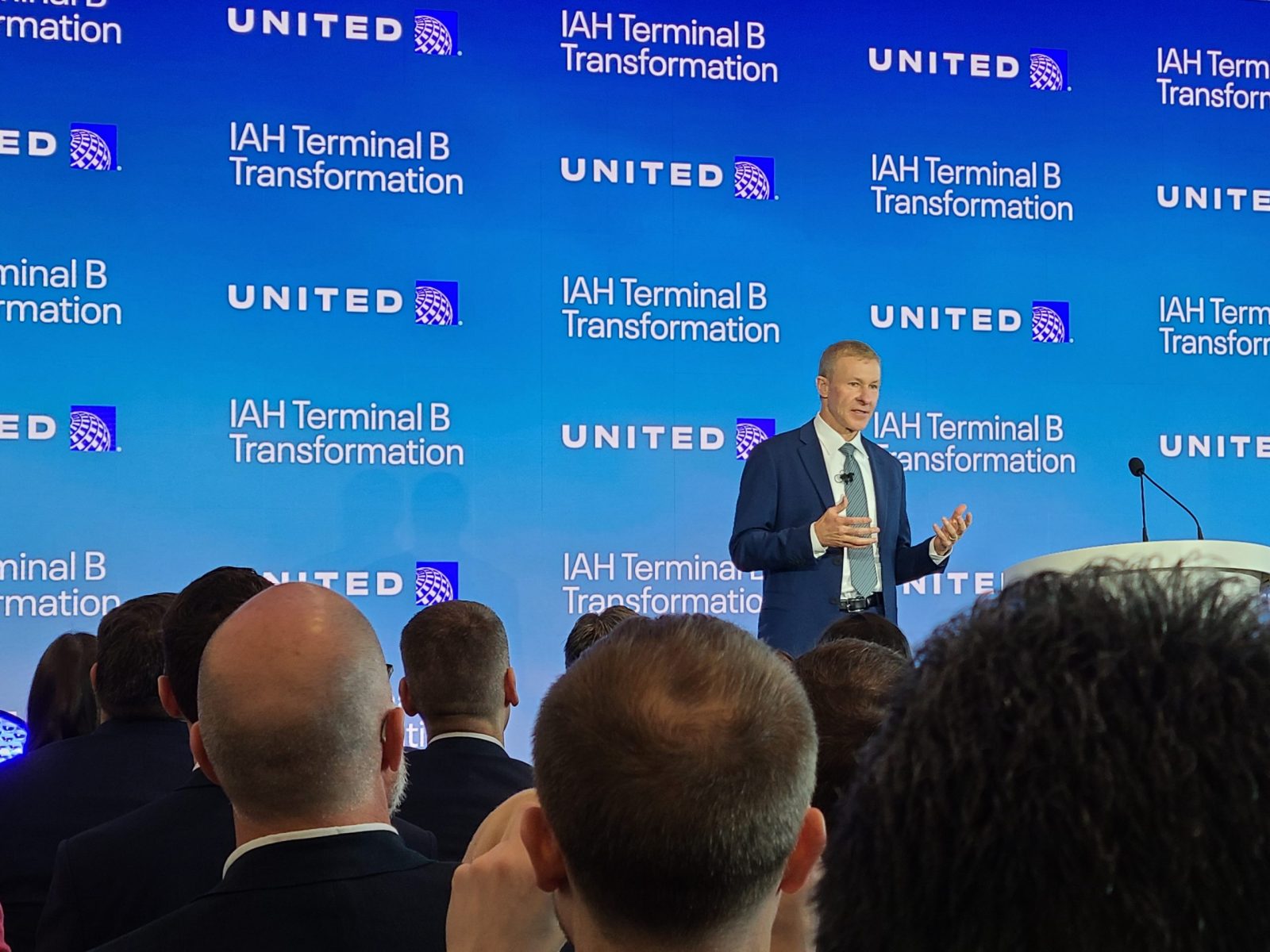


United CEO Scott Kirby is giving his side of the story after weeks of industry speculation about a possible combination with competitor American Airlines.
In a statement released Monday morning, Kirby confirmed that he approached American with the idea of a merger, but said no serious discussions ever took place.
“I approached American about exploring a combination because I thought we could do something incredible for customers together,” he said. “I always knew that the only way any merger could be successful (and approved) is if it was great for customers and with a willing partner that shared my big, bold vision… I was hoping to pitch that story to American, but they declined to engage and instead responded by publicly closing the door. And without a willing partner, something this big simply can’t get done.”
In a somewhat unusual move, Kirby then launched into a lengthy defense of a deal he acknowledged will not happen. A United-American merger, he said, would allow United to rapidly scale its “best-in-class” products, technology, and services, deliver more value to customers, and create “high-paying, unionized” jobs within the new airline.
Currently, foreign carriers fly about 65% of international long-haul seats into the U.S., Kirby noted, even though only 40% of the customers are foreign nationals. A larger U.S. airline could rebalance that “deficit,” he argued, while at the same time delivering jobs and new economic opportunities.
The CEO went on to highlight potential benefits for the airline manufacturing industry. The combined airline’s need for new aircraft “would have supported American manufacturing and domestic supply chains and driven even more job creation,” he said.
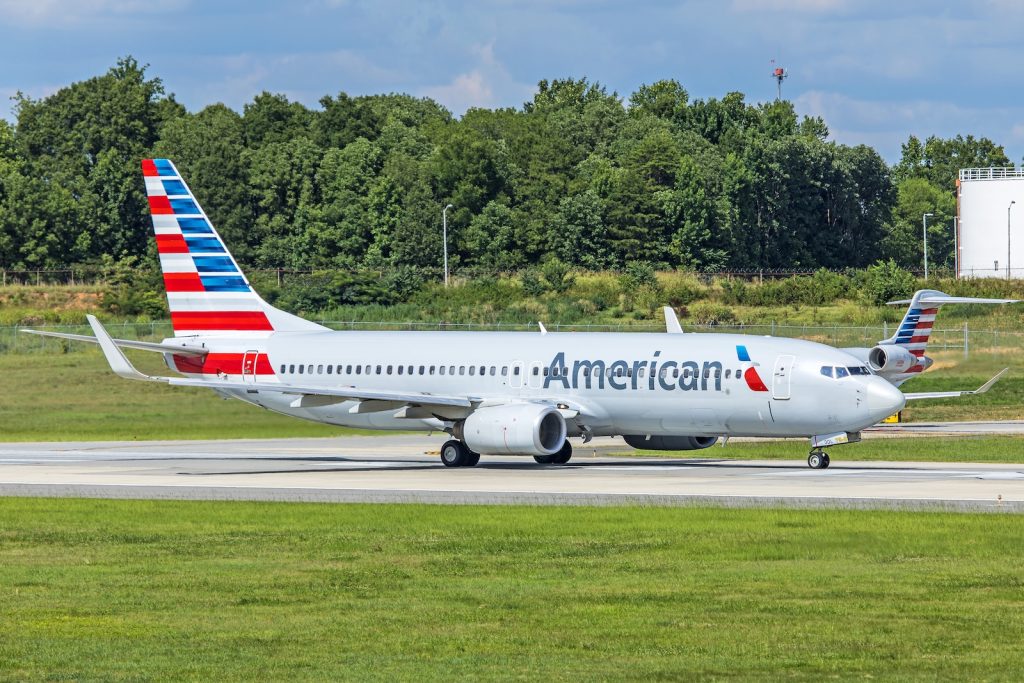
Pushing back on conventional wisdom, Kirby also argued that a United-American merger could have survived scrutiny from federal regulators.
“Since previous mergers have been about saving struggling airlines, previous legal and regulatory reviews have always focused on subtraction and what’s being lost,” he said. “But, a different kind of merger proposal – one that’s focused on growth, customer investments, and global competitiveness – would have been a different proposition altogether. And, while divestitures in certain domestic markets obviously would have been required, I believe regulators would have approved such a deal because they would have recognized the benefits to customers, our shared employees, and communities from coast-to-coast and around the world.”
Bloomberg broke the news earlier this month that Kirby had pitched the merger idea to the White House in February. The news sent shockwaves through the airline industry and drew generally skeptical reactions from analysts, who said the U.S. Justice Department’s Antitrust Division would almost certainly intervene to block such a deal over concerns about consolidation and price inflation.
On April 17, American said it had no interest in pursuing talks with United, but Kirby did not provide a public statement on the matter until Monday.
Neither the Justice Department nor the Transportation Department have weighed in, but President Donald Trump has said he does not support a United-American tie-up because it would, in his view, harm competition.
A merger between the two carriers would give the combined company a market share of just over 34%, a level of dominance not seen by any U.S. airline in years.