









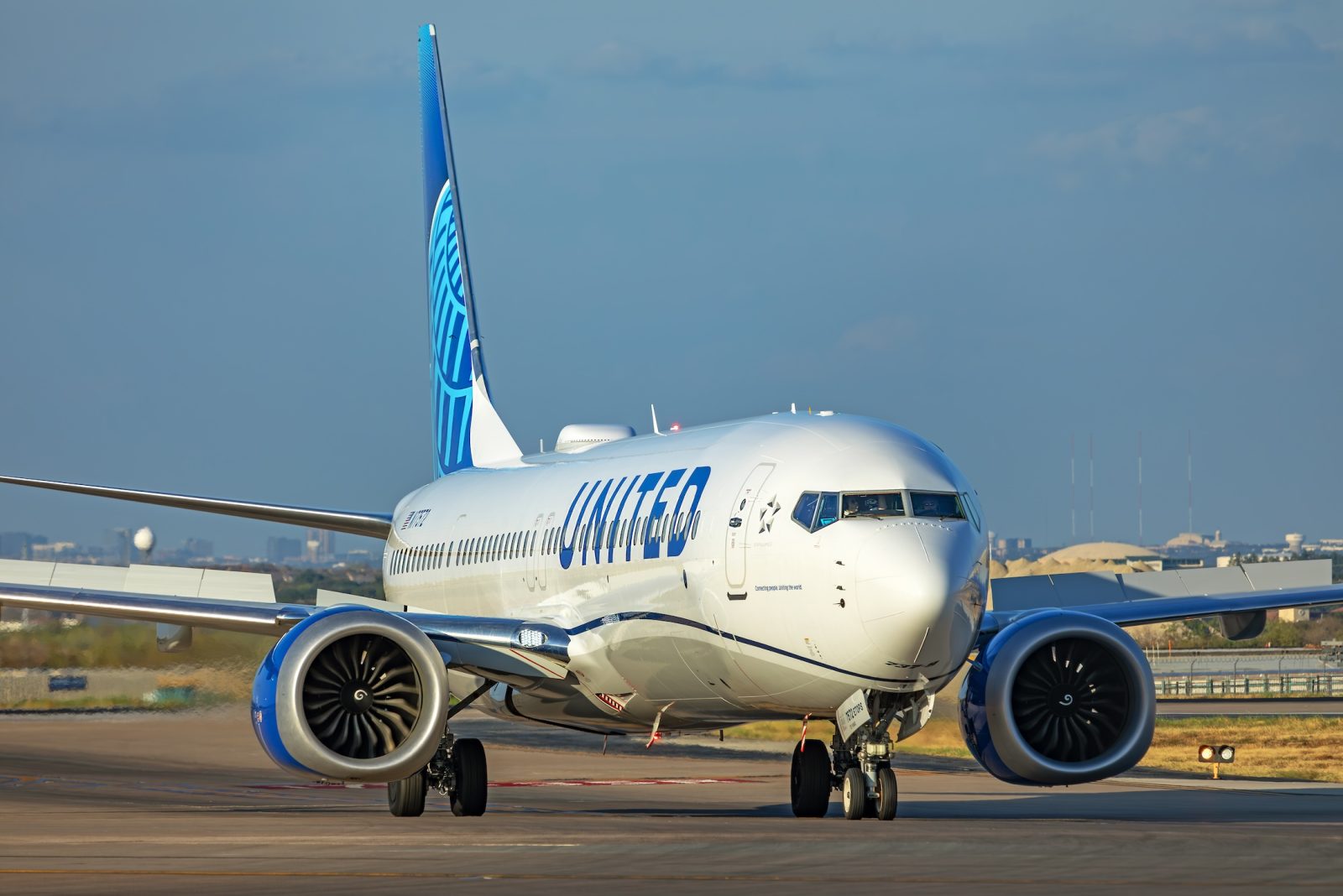

The National Transportation Safety Board has released its final report on an incident involving United flight 329 at Denver International Airport on Sept. 30, 2023. The Boeing 737 MAX 9 – registered as N37560 – experienced a rejected takeoff and subsequent brake fire, resulting in substantial damage but no injuries to the 173 people on board.
The NTSB’s investigation revealed that the probable cause was overheated brakes due to a so-called “extended taxi” at higher power settings. This was an attempt by the flight crew to burn off excess fuel to achieve the proper takeoff weight.
According to the report, the flight crew noticed before departure that the aircraft was over the maximum allowed takeoff weight for the runway conditions at the time. After multiple flight plan revisions from dispatch, including removing cargo and passengers, the crew opted to burn off about 1,000 pounds of extra fuel during an extended taxi.
The captain reported noticing abnormal acceleration during the takeoff roll, leading to an immediate rejection of the takeoff. The tower then observed and reported smoke and fire on the right side of the aircraft.
Substantial Damage
An inspection later found significant damage to the aircraft’s tires, wheel assemblies, and other components. The Nos. 1 and 2 tires had deflated, while the Nos. 3 and 4 tires had separated from their wheel assemblies. Tire fragments had impacted various areas of the airframe, and there was evidence of the right engine nacelle scraping the runway.
2023-09-30: United AL Boeing 737MAX9 (N37560, built 2023) received significant gear damage in a rejected take-off on runway 16R at Denver-Intl AP (KDEN), CO. Flight #UA329 to Boston stopped on the runway after a fire warning resulting in multiple tires burst and the right gear… pic.twitter.com/s9aopzEjdg
— JACDEC (@JacdecNew) October 4, 2023
The NTSB noted that the Boeing 737 lacks a brake temperature monitoring system, which might have alerted the crew to the overheating issue. The captain mentioned that other Boeing aircraft they had flown were equipped with such systems.
Following the incident, the aircraft remained out of service for approximately two weeks.