
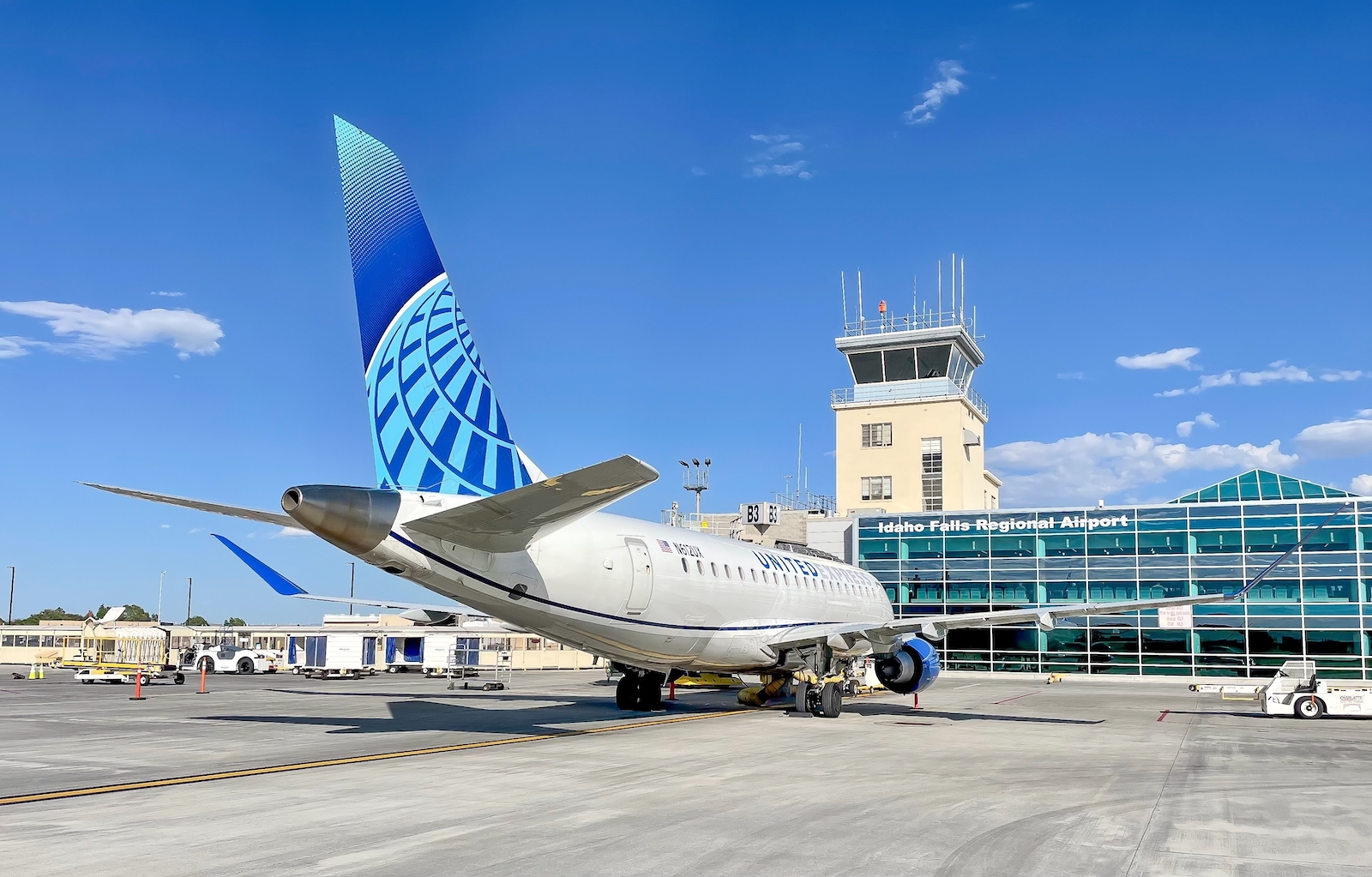

A new report from the U.S. Government Accountability Office finds that many of the nation’s smallest commercial airports continue to face challenges in securing and maintaining scheduled passenger air service, even as larger airports have largely recovered from the COVID-19 pandemic.
According to the GAO, air service at nonhub airports — defined as airports with less than 5% of annual U.S. passenger enplanements but more than 10,000 yearly boardings — declined sharply in 2020 and has not fully rebounded. By 2024, the average number of daily departures per route at nonhub airports remained 19% below 2018 levels, while large hub airports saw a smaller decline.
“Nonhub airports have experienced a slower recovery in air service compared to larger airports,” the GAO wrote, adding that these airports “generally have fewer routes and less frequent service, making them more vulnerable to service reductions.”
The report, issued in December and mandated by the FAA Reauthorization Act of 2024, analyzed Department of Transportation flight data from 2018 through 2024 and included interviews with federal officials, aviation stakeholders, and representatives from selected nonhub airports.
GAO found that nonhub airports not receiving Essential Air Service subsidies have faced particularly steep challenges.
From 2018 to 2024, more than 70% of non-EAS nonhub airports experienced declines in average daily departures per route. The report noted that connectivity at these airports declined more sharply than at EAS-supported airports, stating that “airports receiving EAS generally maintained more consistent access to the national air transportation system.”
The Department of Transportation administers two primary programs aimed at supporting air service to small communities: the Essential Air Service program and the Small Community Air Service Development Program. While SCASDP grants are intended to help non-EAS communities attract new service, GAO found that demand for the program consistently exceeds available funding.
For fiscal year 2023, DOT received applications totaling more than $30 million but awarded just under $12 million in grants to 14 communities. GAO noted that “the amount of funding available through SCASDP has not kept pace with the financial incentives airlines now require to initiate service.”
Airport officials and other stakeholders told the agency that airlines increasingly expect larger revenue guarantees before committing aircraft to smaller markets. “Stakeholders reported that airlines’ minimum revenue guarantees have increased since the pandemic,” the report stated, while adding that SCASDP grants “often do not cover the full amount airlines seek.”
Not Enough Funding
Although the FAA Reauthorization Act of 2024 increased the program’s authorized funding level and provided DOT with greater flexibility to modify existing grants, GAO found that communities still face difficulties once grant funding ends. According to the report, “some communities have been unable to sustain service after the expiration of federal support.”
GAO also pointed to broader airline industry trends contributing to reduced service at nonhub airports, including airlines’ shift toward larger aircraft and lower flight frequencies in smaller markets. The report stated that airlines have adjusted their networks “to improve profitability by concentrating service in higher-demand markets,” a change that has reduced options for smaller communities.
Passenger leakage was also cited as an ongoing issue, with travelers in small communities choosing to drive to larger nearby airports. GAO noted that this behavior “can further weaken demand at nonhub airports, making it more difficult for communities to attract or retain service.”
The report did not include formal recommendations but outlined policy options previously raised by aviation stakeholders, such as increasing funding for small community air service programs or revising eligibility requirements. GAO noted that any changes to those programs would require congressional action.