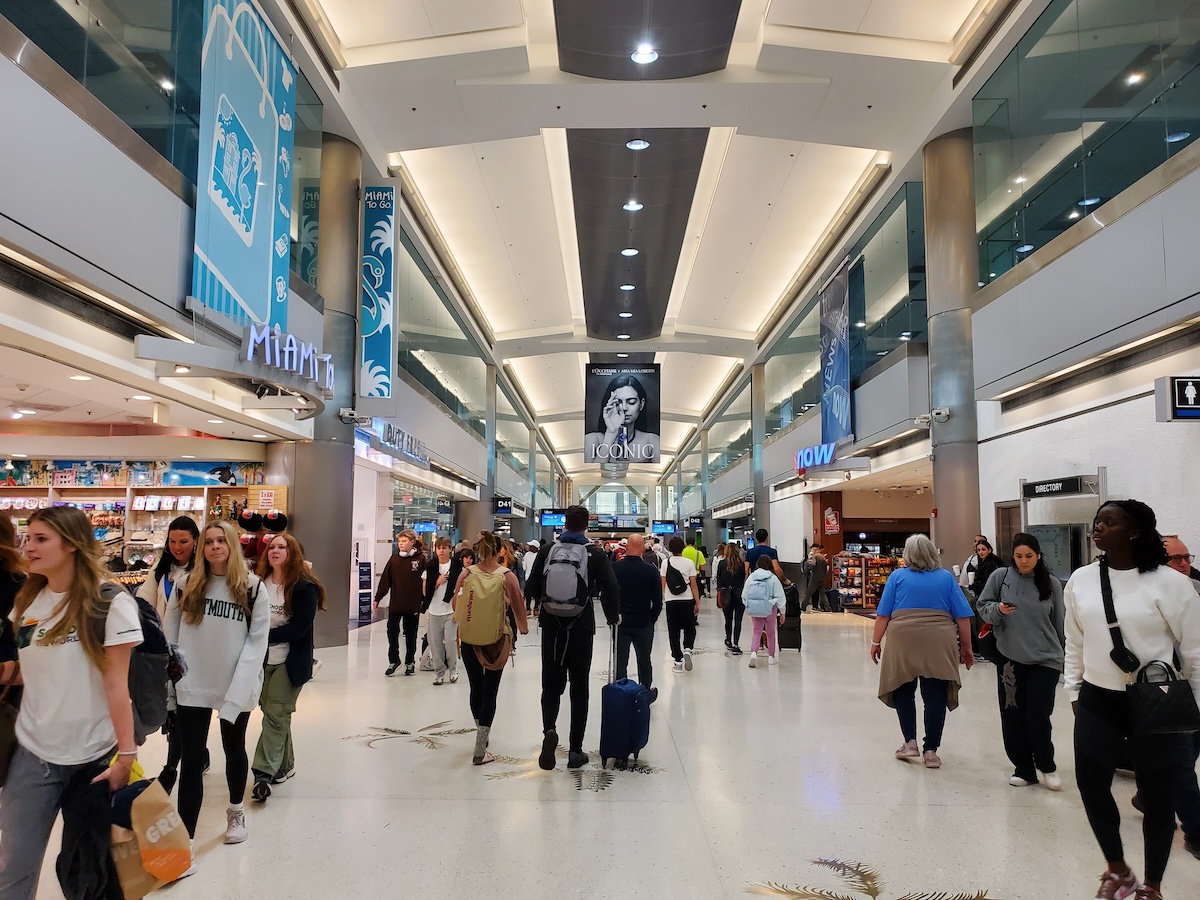
The agency said it expects flights to peak on Tuesday, with 52,185 connections. Wednesday will be only slightly less busy, with just over 50,000 flights.
On Thanksgiving Day itself there will be much less travel, the FAA predicts, with only 25,611 flights. As Americans start to head back home, flights will rebound, hitting a post-holiday peak of 51,268 on Sunday, Nov. 30.
The holiday rush comes just weeks after the federal government officially reopened and the FAA dropped mandatory limits on flights at 40 of the nation’s busiest airports. The reductions were meant to ease the burden on air traffic controllers, who were working without pay and whose ranks were thinned by call-outs.
“Thanks to the dedication of our air traffic controllers and every FAA employee, we are ready for the holiday rush and take pride in helping travelers reach their friends and families during this important time of year,” FAA Administrator Bryan Bedford said in a statement. “I am deeply grateful to our entire FAA team. Even through a period of record-high traffic, their unwavering commitment keeps the system running safely.”
Major U.S. airlines have largely echoed the position of the FAA and U.S. Department of Transportation, insisting that operations will be running smoothly and that passengers will likely not experience problems beyond the normal large crowds that are common around Thanksgiving every year.
The busiest travel days of the year in the U.S. are usually the Tuesday and Wednesday before Thanksgiving and the Sunday after, according to the TSA.
As of Monday at 2 p.m., there were around 3,000 flight delays in the U.S. and 228 cancellations, according to tracking website Flight Aware. Those numbers are roughly in line with the average travel day in the U.S.
Dallas/Fort Worth and Dallas Love Field saw the highest number of cancellations.
Zach Vasile is a writer and editor covering news in all aspects of commercial aviation. He has reported for and contributed to the Manchester Journal Inquirer, the Hartford Business Journal, the Charlotte Observer, and the Washington Examiner, with his area of focus being the intersection of business and government policy.
Lufthansa Plans ‘Anniversary Fleet’ With New Livery
The German airline will mark 100 years in business in 2026.
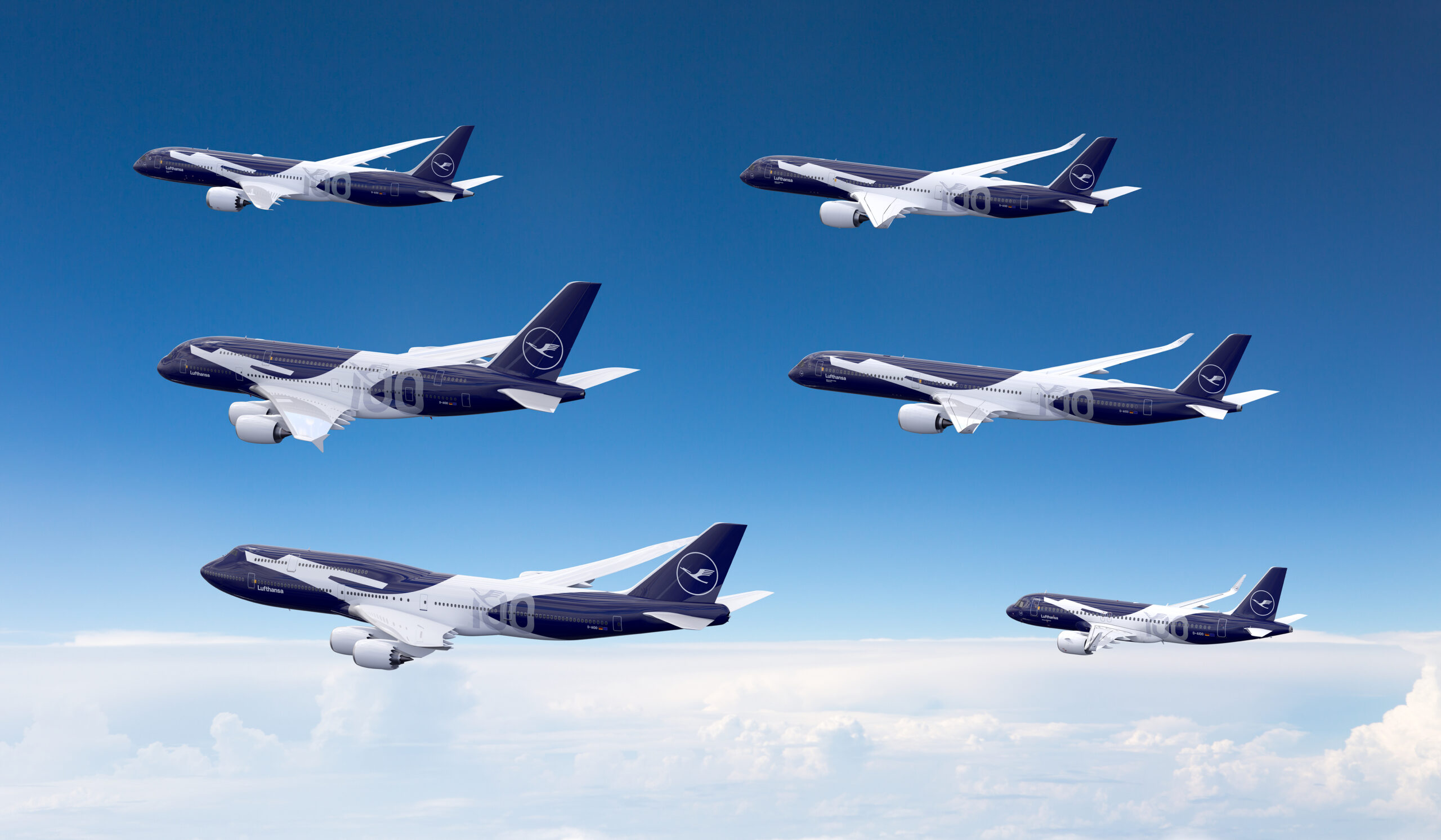
The blue, white, and gray design features Lufthansa’s easily recognizable crane spreading its wings into the wings of the aircraft. The numerals “100” will appear on the left side and underside of the fuselage, while “1926/2026” will be painted on the right side.
The livery will be applied to a Boeing 787 Dreamliner, a 747-8, an Airbus A380, an A350-1000, an A350-900, and an A320.
The “anniversary fleet” is expected to be completed and flying by the fall of 2026.
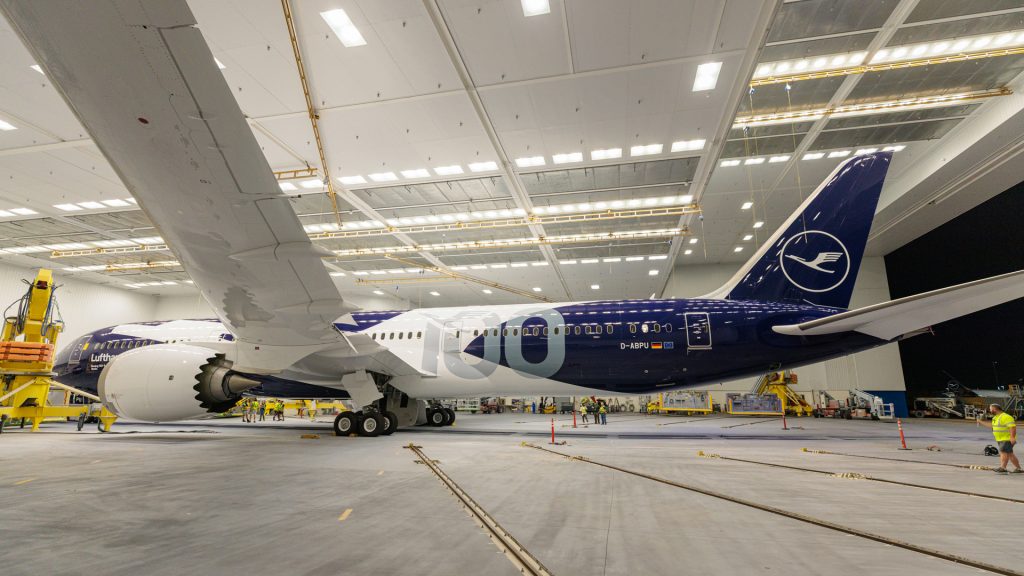
Lufthansa’s 100th anniversary livery being applied to a 787. (Photo: Lufthansa)
Lufthansa gave a first look at the 100-year livery back in September, when a 787-9 nicknamed “Berlin” was having the paint job applied at a facility in North Charleston, South Carolina. At the time, the airline suggested that only that aircraft would operate with the commemorative design.
Lufthansa traces its founding back to the 1926 formation of predecessor airline Deutsche Luft Hansa. The modern Lufthansa was organized in 1953 and uses the same crane symbol, which was designed by architect and graphic designer Otto Firle in 1918.
Zach Vasile is a writer and editor covering news in all aspects of commercial aviation. He has reported for and contributed to the Manchester Journal Inquirer, the Hartford Business Journal, the Charlotte Observer, and the Washington Examiner, with his area of focus being the intersection of business and government policy.
Spirit Begins Belize Flights
Despite its bankruptcy, the ultra-low-cost carrier is continuing to build connections between South Florida, Central America, and the Caribbean.
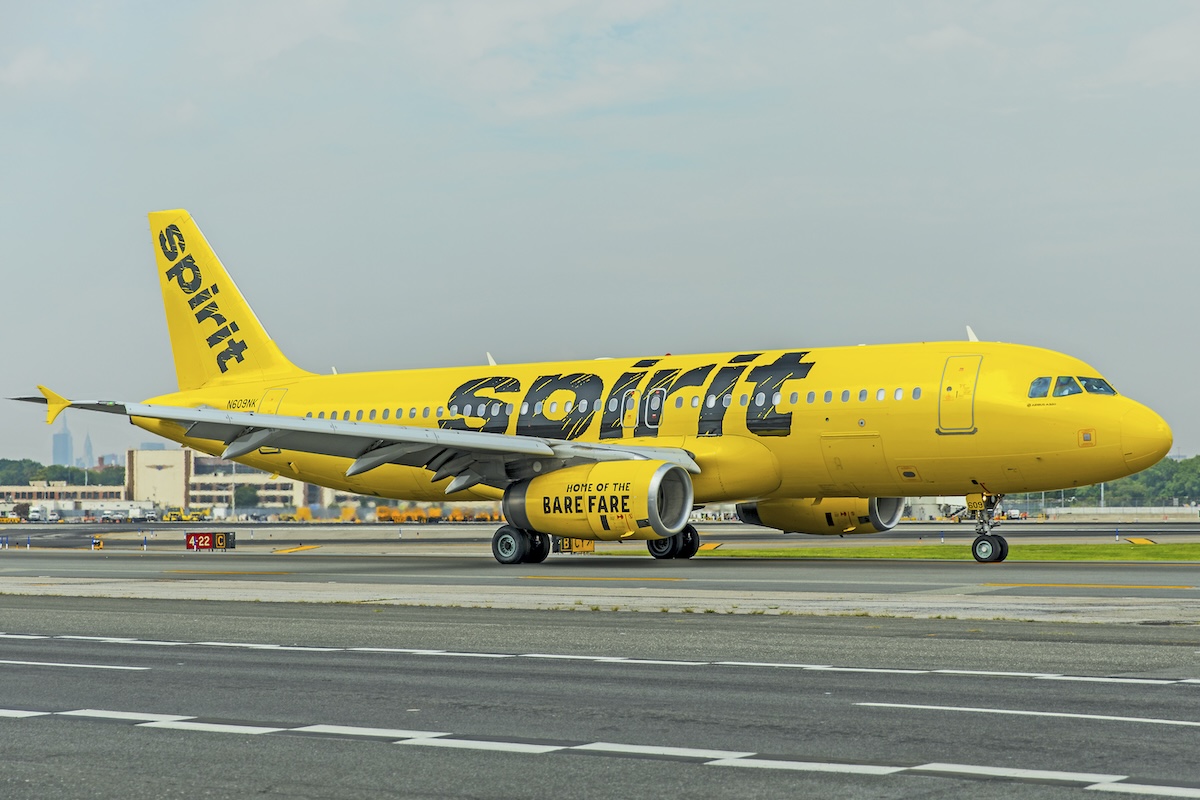
The ultra-low-cost carrier will operate the route three times weekly, on Mondays, Fridays, and Saturdays. Spirit now serves 24 international destinations from its base at Fort Lauderdale-Hollywood International Airport.
Spirit has slashed routes and exited markets as it works to reduce its debt and streamline operations, but it continues to build up its presence in Fort Lauderdale, seeing the city as critical to its planned post-bankruptcy rebound.
The airline launched flights from Fort Lauderdale to Key West on Nov. 6 and plans to start service to Grand Cayman on Dec. 4.
Spirit declared bankruptcy for a second time in August. It is now in the process of canceling aircraft leases, reworking its flight schedule, and negotiating reduced pay for air crews in an attempt to contain spending.
Zach Vasile is a writer and editor covering news in all aspects of commercial aviation. He has reported for and contributed to the Manchester Journal Inquirer, the Hartford Business Journal, the Charlotte Observer, and the Washington Examiner, with his area of focus being the intersection of business and government policy.
Airlines Cancel Flights to Venezuela
The FAA on Friday warned civilian operators about the “worsening security situation” in the country.
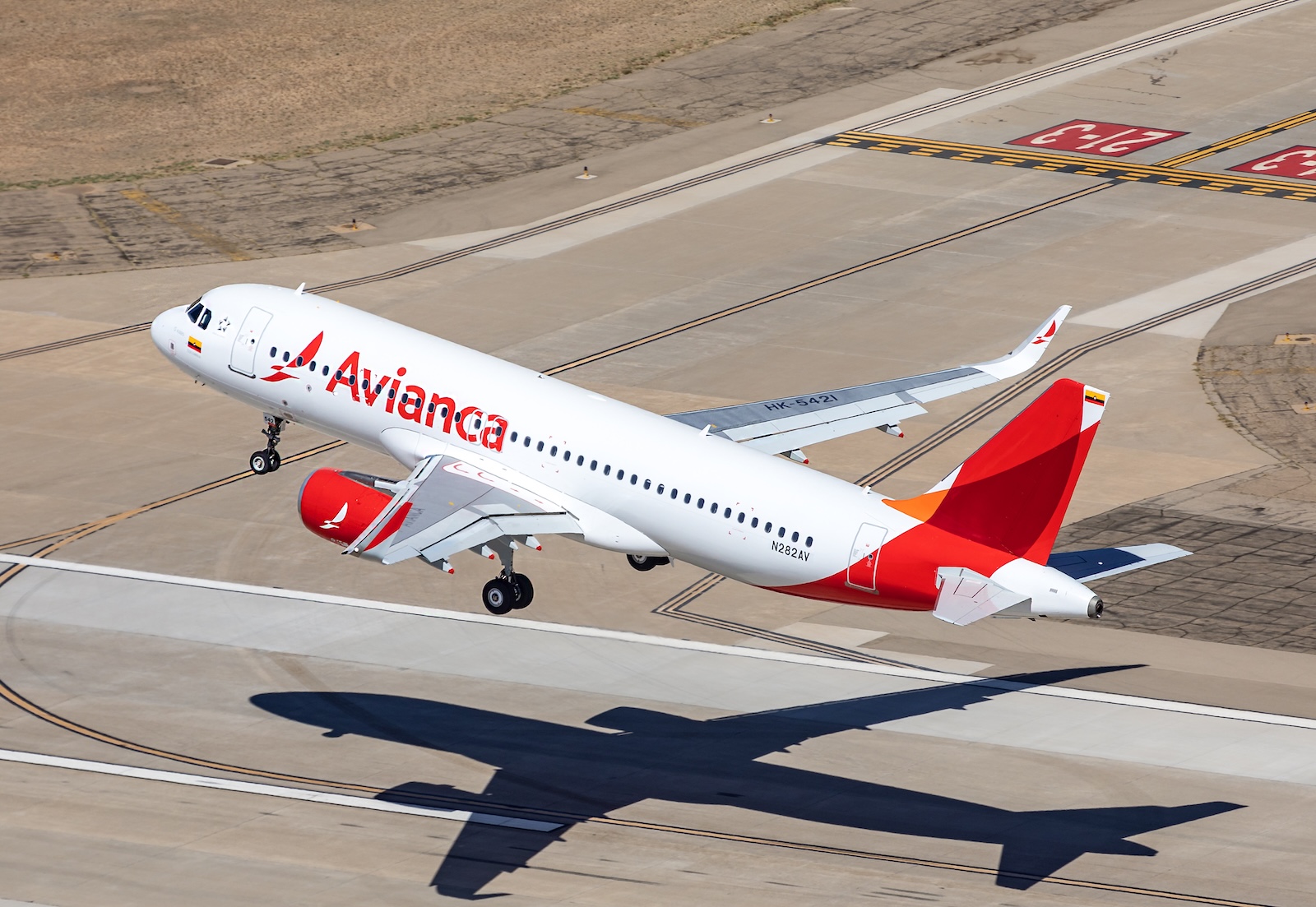
An Avianca Airbus A320. (Photo: AirlineGeeks | William Derrickson)
Several airlines have canceled flights to Venezuela amid heightened tensions with the U.S. and an apparent military buildup in the region.
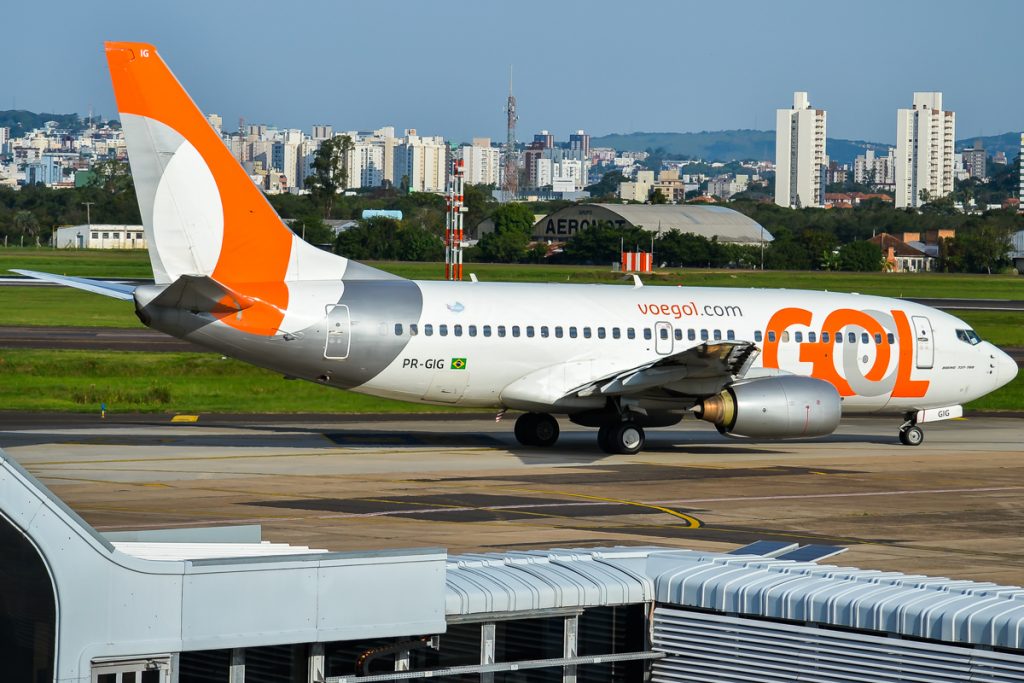
CBS News reported Monday that Spain’s Iberia, Portugal’s TAP, Chile’s LATAM, Colombia’s Avianca, Brazil’s GOL, and Trinidad and Tobago’s Caribbean Airlines have canceled flights to and from Venezuela. Turkish Airlines has suspended service to the country through Friday.
The U.S. Department of Homeland Security ended all nonstop passenger flights between the U.S. and Venezuela in 2019, but operators are still allowed to overfly the country.
United, American, and Delta confirmed that they have already stopped flying over Venezuela.
The flight suspensions came just days after the FAA issued a notice to airmen (NOTAM) warning about increased security risks in the area.
“Operators are advised to exercise caution when operating in the Maiquetia Flight Information Region (SVZM FIR) at all altitudes due to the worsening security situation and heightened military activity in or around Venezuela,” the notice said. “Threats could pose a potential risk to aircraft at all altitudes, including during overflight, the arrival and departure phases of flight, and/or airports and aircraft on the ground.”
A GOL 737-700 taxies in Porto Alegre, Brazil. (Photo: AirlineGeeks | João Machado)
The Maiquetia Flight Information Region covers Venezuela and parts of the southern Caribbean.
Relations between Washington and Caracas have been strained for decades, but they took a turn for the worse in September when the U.S. military began bombing alleged drug vessels departing from Venezuela and Colombia.
The Trump administration has also ordered U.S. Navy ships, including the aircraft carrier USS Gerald R. Ford, to the region to exert pressure on the government of President Nicolás Maduro. The White House maintains that Maduro and the highest levels of the Venezuelan regime are involved in drug trafficking and “narcoterrorism.”
Panama’s Copa Airlines, Spain’s Air Europa and PlusUltra, and Venezuela’s LASER are continuing to operate in Venezuelan airspace for now, according to CBS News.
Zach Vasile is a writer and editor covering news in all aspects of commercial aviation. He has reported for and contributed to the Manchester Journal Inquirer, the Hartford Business Journal, the Charlotte Observer, and the Washington Examiner, with his area of focus being the intersection of business and government policy.
Ghost Flights and Slot Protection
How international slot rules can lead airlines to operate near-empty flights just to keep valuable takeoff and landing rights.
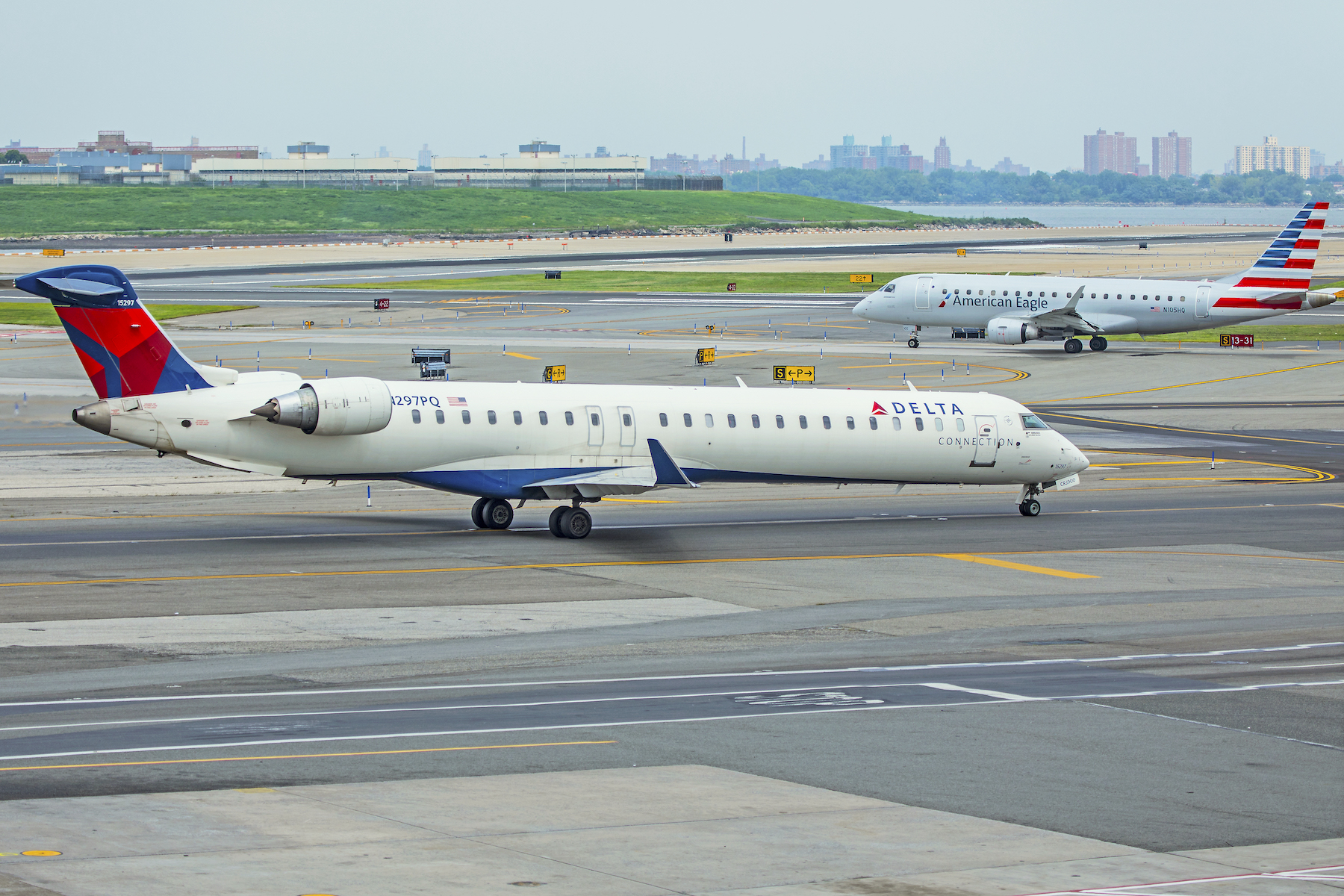
Regional aircraft at New York LaGuardia Airport. (Photo: AirlineGeeks | William Derrickson)
In early 2020, images of nearly empty jets flying across Europe and the U.S. went viral. These “ghost flights,” as they came to be known, weren’t carrying passengers — but they weren’t mistakes, either. They were operating to preserve one of the most valuable assets an airline can hold: its airport slots.
While the phenomenon captured global attention during the pandemic, the practice of flying under capacity to maintain access to slot-controlled airports has existed for decades. At its core lies the balance between regulatory compliance, competitive access, and multimillion-dollar assets.
What Is a Slot?
Put simply, a “slot” is essentially an airline’s permission to take off or land at a specific airport during a designated time. Major hubs such as London Heathrow, Tokyo Haneda, and New York-JFK have limited runway and terminal capacity, so regulators allocate these rights under formal slot coordination systems.
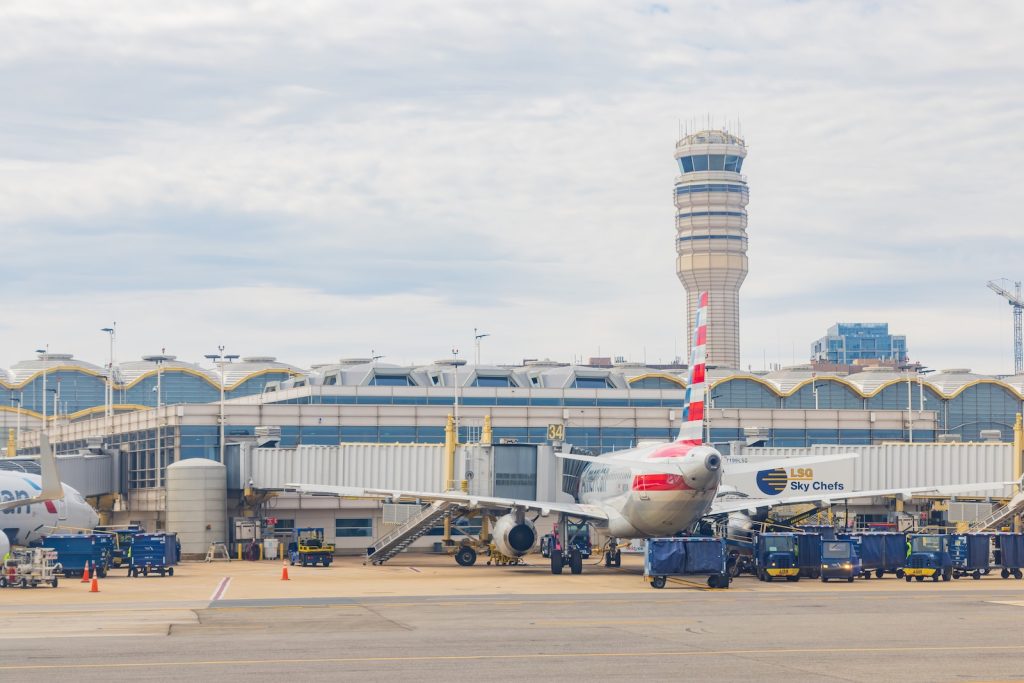
In the U.S., the FAA Slot Administration Office manages access at airports such as JFK, LaGuardia, and Washington Reagan National. Internationally, coordination is governed by the Worldwide Airport Slot Guidelines (WASG), jointly maintained by IATA, Airports Council International (ACI), and the Worldwide Airport Coordinators Group (WWACG).
Aircraft at Reagan National Airport (Photo: Shutterstock | Kit Leong)
Each slot pair — one takeoff and one landing — can be worth millions of dollars on the secondary market. In 2016, a single pair at Heathrow reportedly sold for more than $75 million, underscoring the financial stakes at congested airports.
The 80/20 Rule
Under the WASG system, airlines must use at least 80% of their allocated slots in a given season to retain them for the next scheduling period. If they fail to meet that threshold, the slots are subject to reallocation to competitors.
This requirement — often referred to as the “use-it-or-lose-it” rule — was designed to prevent airlines from hoarding valuable time slots without operating flights. However, it also incentivizes carriers to operate underperforming routes, especially during unexpected downturns, to meet utilization minimums.
During normal market conditions, the 80/20 rule maintains schedule integrity and fair access. But during crises — such as the COVID-19 pandemic — it can lead to flights departing nearly empty, simply to protect future slot rights.
Ghost Flights and the Pandemic Exception
When global travel demand collapsed in 2020, airlines faced a dilemma: cancel flights and risk losing slots, or operate with minimal passengers to preserve them. European carriers, in particular, continued operating thousands of so-called “ghost flights” with occupancy rates in the single digits.
In response, regulators introduced temporary waivers. The European Commission suspended the 80/20 rule in March 2020 and gradually reinstated it with reduced thresholds — 50% in 2021, then 64% by late 2022. The FAA issued similar flexibility, extending partial waivers for international carriers through the 2024 summer season.
Even so, some limited ghost flight activity continued as airlines sought to maintain operational patterns, crew proficiency, and network presence.
Why Slots Are So Valuable
Slots represent long-term strategic assets. Airlines use them to anchor connecting banks, feed alliances, and secure premium schedules. For example, a morning arrival slot at Heathrow aligns with transatlantic business demand, while a late-evening departure slot connects with U.S. outbound traffic.
At airports with no new capacity — like Heathrow, LaGuardia, or Haneda — slots rarely change hands. When they do, the transactions can rival the price of new aircraft. Bloomberg has reported slot-pair valuations ranging from $10 million to $75 million, depending on airport and time of day.
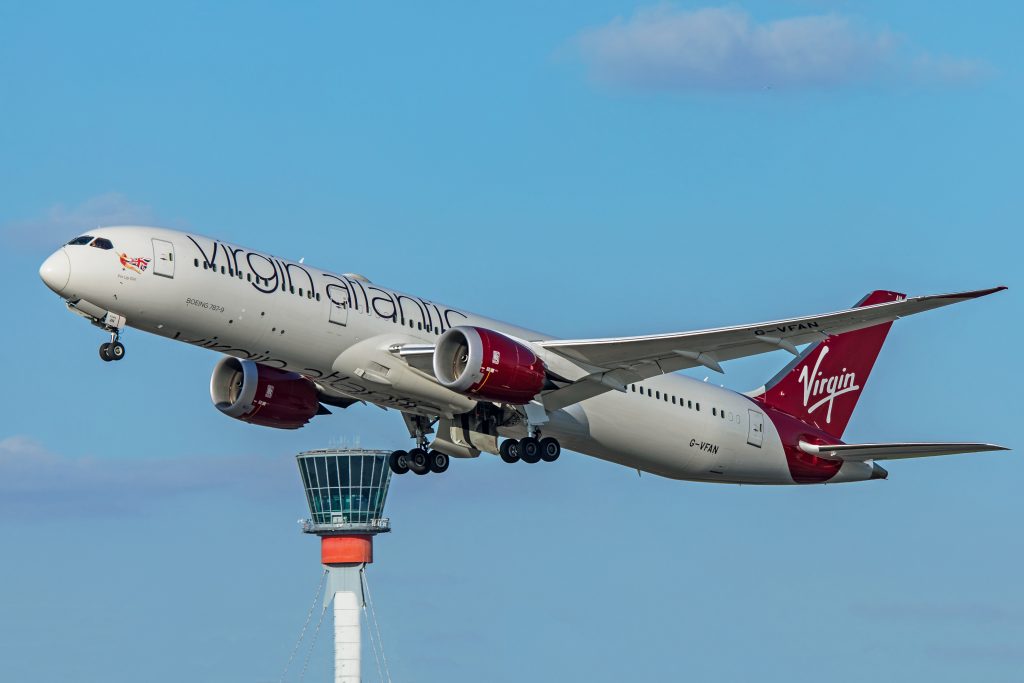
A Virgin Atlantic 787-9 departing London Heathrow. (Photo: AirlineGeeks | William Derrickson)
The Regulatory and Environmental Debate
Critics argue that operating empty or near-empty flights contradicts aviation’s sustainability commitments. The European Federation for Transport and Environment estimates that thousands of ghost flights in 2020–2021 generated more than 2.5 million tons of CO₂, despite carrying few passengers.
In response, regulators and industry groups have discussed more flexible slot policies during extraordinary circumstances. Proposals include dynamic thresholds, temporary pooling mechanisms, and priority reinstatement rights for airlines affected by crises.
IATA maintains that while the 80/20 rule can create inefficiencies, it remains essential to prevent anti-competitive slot hoarding. In 2023, IATA’s Director General Willie Walsh noted that “waivers should remain exceptional tools — used only when external conditions truly prevent normal operations.”
Beyond the Pandemic: Continued Relevance
Slot protection remains a central factor in network planning today. Even in recovery years, airlines may continue to operate marginal flights to maintain coordination rights ahead of future seasons. Carriers also adjust aircraft gauge — flying smaller regional jets or narrowbodies on low-demand routes — to meet slot usage minimums more efficiently.
The FAA and European regulators periodically review slot waivers in response to traffic volatility, labor shortages, or geopolitical disruptions.
Ryan founded AirlineGeeks.com in February 2013 and has spent more than a decade covering the airline business. His work has been featured by CNN, WJLA, CNET, and Business Insider. His aviation experience spans airport operations, Part 135 regulatory compliance, and airline crew workforce planning, along with time behind the yoke of a Cessna 172 and interviews with airline executives. Ryan now serves as Group President of Firecrown Media’s Aviation Group. He holds a B.S. in Air Transportation Management and an MBA from Arizona State University and teaches Airline Management at Embry-Riddle Aeronautical University.
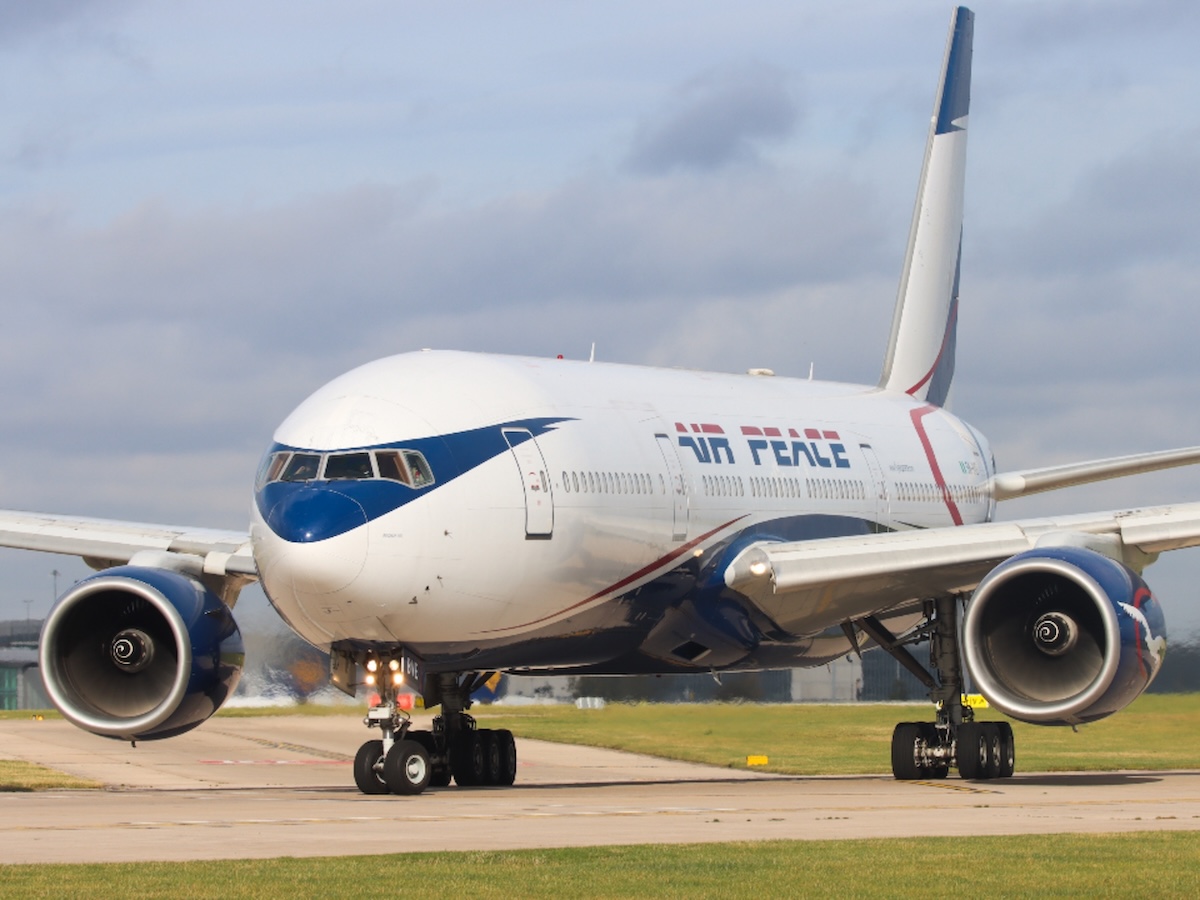
An Air Peace 777 (Photo: Shutterstock | Bradley Caslin)
Air Peace has sharply criticized ACMI provider SmartLynx Airlines after the sudden withdrawal of several Airbus A320 aircraft leased to support its domestic network. The Nigerian carrier says the aircraft were removed without prior notice, triggering widespread operational disruptions and financial losses exceeding $15 million.
Speaking to reporters in Lagos on Nov. 14, Chief Commercial Officer Nowel Ngala said the abrupt removal of ES-SAY, 9H-EDO, YL-LDM, and 9H-IVO came despite the aircraft being scheduled for active service across multiple routes. ES-SAY remains grounded in Lagos, while the other units were ferried to long-term storage in Lourdes/Tarbes, France.
All five jets, aged between 16 and 20 years, were sourced through SmartLynx’s Estonian, Maltese, and Latvian AOCs but are now idle under the control of their respective owners.
Ngala described the situation as a breach of contract and a direct violation of industry norms. Speaking to journalists in Lagos, he said the airline depended heavily on the additional capacity while 13 of its own aircraft were abroad undergoing scheduled maintenance.
“We consider this action by SmartLynx to be a serious breach of contract, fraudulent, and a premeditated scheme,” he said. “This withdrawal was done without prior notice. Over USD 5 million of our money, including more than USD 1 million in security deposits, is still with them. Their action has caused over USD 15 million in damages to Air Peace.”
Ngala alleges that SmartLynx accepted upfront payments while knowing they were in default to the true owners of the aircraft — a situation that, according to Air Peace, led the owners to subsequently recall the jets. He added that the sudden capacity gap resulted in significant delays and cancellations across the network.
SmartLynx Under Restructuring
The dispute comes as SmartLynx Airlines Latvia undergoes court-supervised restructuring, initiated on October 28, with a deadline to submit a restructuring plan by February 28, 2026. At the same time, previous shareholder Avia Solutions Group confirmed that it had sold its Maltese and Estonian SmartLynx units to Dutch fund Stichting Break Point Distressed Assets Management in early November.
ASG said the sale followed all legal requirements and that subsequent decisions, including fleet movements, are now under the new owners’ control. SmartLynx’s new management has not yet issued a public statement on the Air Peace allegations.
In addition to these four aircraft, further reporting from NEWSAERO shows that up to five A320s leased from the SmartLynx group exited Air Peace operations between 11 and 16 November, including YL-LCT and 9H-AOZ. The aircraft had arrived progressively between March and October 2025 to bolster domestic capacity during a period of heightened fleet pressure.
Despite the setback, Air Peace says the return of several of its own aircraft from maintenance is helping stabilise its schedule. Two units have already re-entered service, with more expected in the coming days.
The airline is simultaneously reshaping its fleet strategy. It recently introduced a Boeing 737-800 (OM-IEX) operated by Slovakia’s Air Explore, with a second unit on the way. Air Peace also received its first Boeing 737-700 under a dry-lease arrangement from AerCap — the first such lease completed by a Nigerian airline in a decade, following Nigeria’s alignment with the Cape Town Convention.
This year, Air Peace has added Embraer E190 and E195 aircraft, expanded its Boeing 777 fleet, and continues to progress a sizeable orderbook that includes 11 Embraer E195-E2s, 2 E175s, and 10 Boeing 737 MAX 8s. The carrier emphasized that its flagship long-haul operations — including its Boeing 777 service to London — remain unaffected by the dispute.
Victor Shalton's love for aviation can be traced to when he was 11-years-old. As a seasoned aviation writer, he takes pride in providing the best aviation coverage around the globe and is passionate about advancing his skills in the aviation space. In addition, he loves travelling, writing, arts and while his speaking engagements have taken him around the world, he is proud to call Nairobi home.
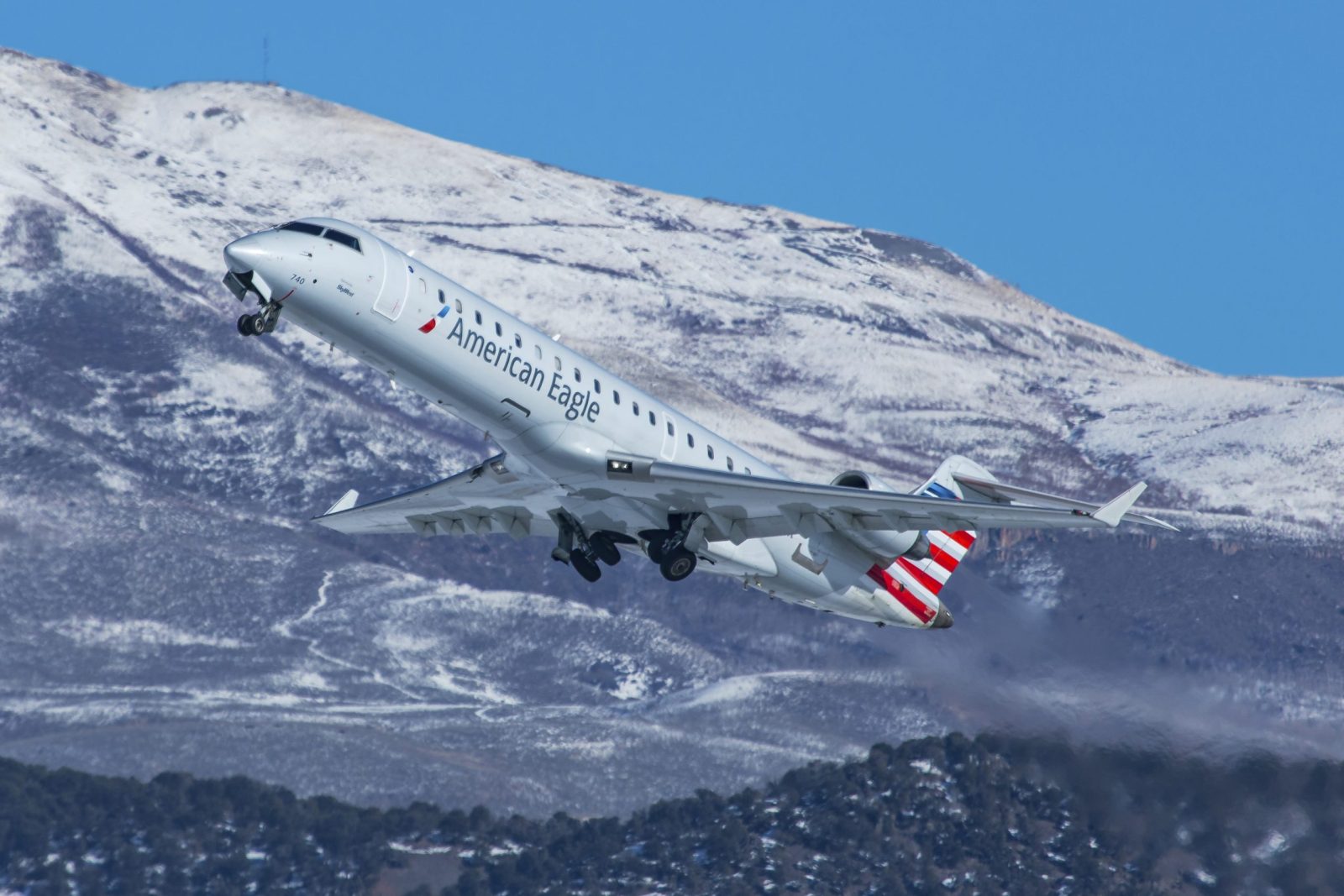
An American Eagle Bombardier CRJ-700 operated by SkyWest Airlines. (Photo: AirlineGeeks | William Derrickson)
American Airlines is adding service to two small airports in Virginia and West Virginia.
The carrier confirmed Friday that it will start service from Chicago O’Hare and Charlotte, North Carolina, to Shenandoah Valley Airport in Weyers Cave, Virginia, and Greenbrier Valley Airport near Lewisburg, West Virginia, in February 2026.
The flights will be subsidized through the U.S. Transportation Department’s Essential Air Service program, American said.
Separately, officials at Charlotte Douglas International Airport said this week that flights to Shenandoah Valley will start Feb. 3, while flights to Greenbrier Valley will commence Feb. 10.
Shenandoah Valley previously had a connection to Chicago with United Express. Those flights were “extremely popular” with residents, officials said.
“We are thrilled to welcome SkyWest Airlines back to the Shenandoah Valley market,” commission chairman Michael Heatwole said in a statement. “This new service represents an important step forward in expanding air connectivity for our region. We believe these routes will not only enhance travel opportunities for Shenandoah Valley residents but also support economic growth by strengthening business and tourism ties throughout the region.”
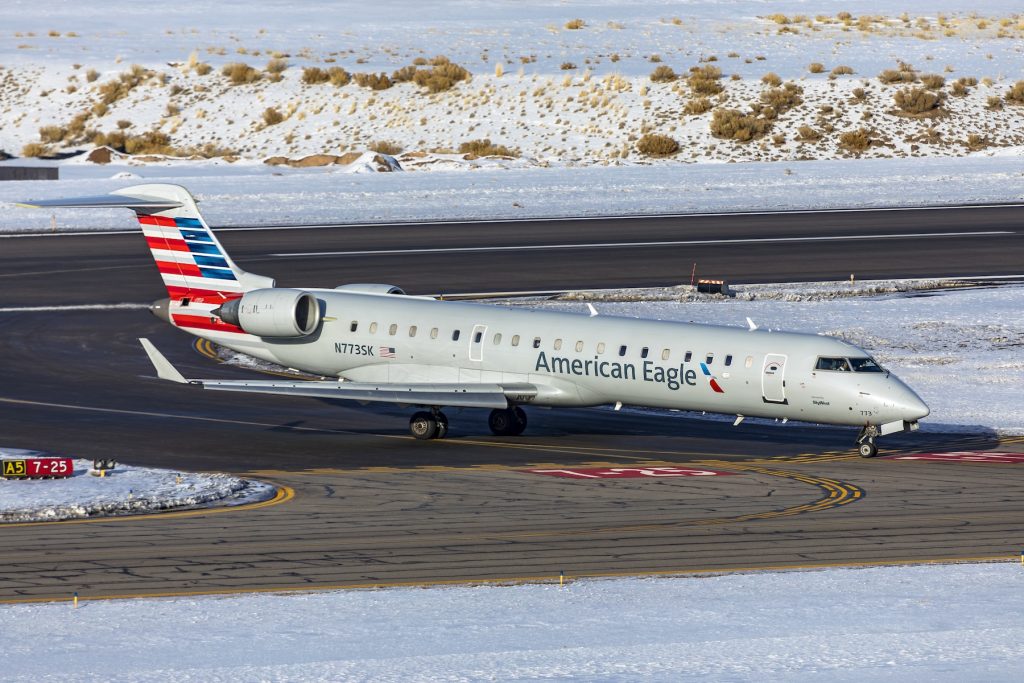
An American Eagle CRJ-700 aircraft operated by SkyWest. (Photo: AirlineGeeks | William Derrickson)
Currently, the airport is served only by Contour Airlines with a connection to Charlotte. The carrier will give up the route in February when American and SkyWest step in.
“We are deeply grateful to Contour Airlines for their service to our community over the past three years,” airport communications director Heather Ream said in a news release. “Their partnership has been invaluable in keeping the Shenandoah Valley connected, and we sincerely appreciate their commitment to our region and our travelers.”
Greenbrier Valley is also served by Contour and has a single connection to Charlotte.
According to DOT documents, American and SkyWest will operate service between Greenbrier Valley and Chicago and Charlotte through Oct. 31, 2029.
Zach Vasile is a writer and editor covering news in all aspects of commercial aviation. He has reported for and contributed to the Manchester Journal Inquirer, the Hartford Business Journal, the Charlotte Observer, and the Washington Examiner, with his area of focus being the intersection of business and government policy.
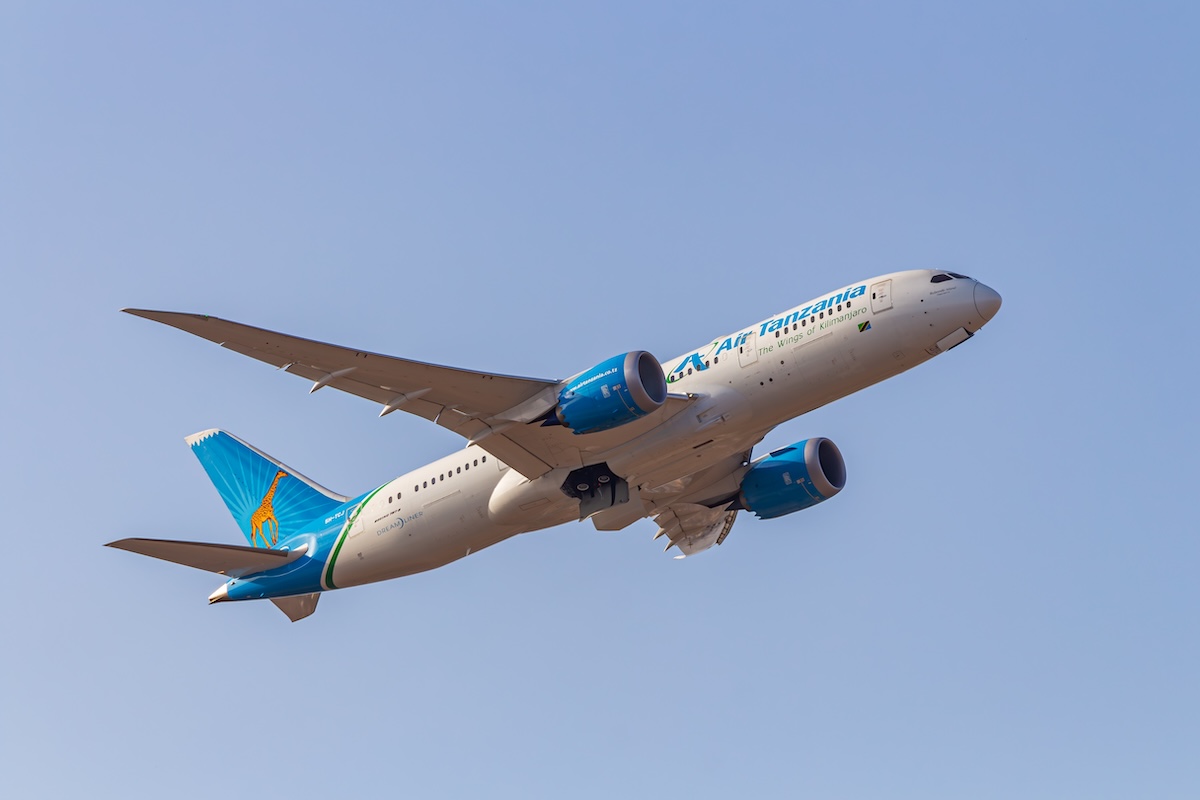
Livery of the Week: Air Tanzania
The national carrier’s striking tail motif highlights one of Tanzania’s most recognizable wildlife symbols.
An Air Tanzania Boeing 787-8 Dreamliner (Photo: Shutterstock | BoeingMan777)
Editor’s Note: AirlineGeeks is proud to present our ‘Livery of the Week’ series. Every Friday, a team member will share an airline livery, which can be from the past, present, or even a special scheme. Some airline liveries are works of art. The complexity associated with painting around critical flight components and the added weight requires outside-the-box thinking from designers. The average airliner can cost upwards of $200,000 to repaint, creating a separate aircraft repainting industry as a result.
Have an idea for a livery that we should highlight? Drop us a line.
Air Tanzania’s current livery features one of the most distinctive tail designs in Africa, incorporating a stylized giraffe print that has become a central element of the airline’s visual identity. The design pairs the pattern with the airline’s traditional blue and green colors, creating a high-contrast look meant to emphasize the country’s natural heritage.
The giraffe motif appears exclusively on the vertical stabilizer and extends onto the rear fuselage, forming a signature look that stands out on the carrier’s Boeing 787-8 Dreamliners, Airbus A220s, and De Havilland Dash 8-Q400 aircraft. While the remainder of the fuselage maintains a clean white base with blue titles, the tail treatment gives the aircraft an instantly recognizable silhouette on the ramp.
Air Tanzania introduced this branding as part of its fleet modernization effort beginning in the late 2010s, when new aircraft deliveries coincided with a refreshed corporate identity. The giraffe pattern was selected to reflect one of Tanzania’s national animals and to connect the airline more directly with the country’s tourism sector, which relies heavily on wildlife travel.
An Air Tanzania A220 (Photo: Airbus)
Aside from the tail, the livery follows a straightforward layout. “Air Tanzania” titles are applied in blue across the forward fuselage, accompanied by the airline’s Swahili tagline “The Wings of Kilimanjaro.” A small Kilimanjaro graphic appears near the nose, maintaining a design element used by earlier generations of the brand.
The carrier continues to apply the giraffe-tail scheme across both new deliveries and repainted aircraft, making it the standard look across the fleet.
Looking for a new airplane model? Head over to our friends at the Midwest Model Store for a wide selection of airlines and liveries.
Ryan founded AirlineGeeks.com in February 2013 and has spent more than a decade covering the airline business. His work has been featured by CNN, WJLA, CNET, and Business Insider. His aviation experience spans airport operations, Part 135 regulatory compliance, and airline crew workforce planning, along with time behind the yoke of a Cessna 172 and interviews with airline executives. Ryan now serves as Group President of Firecrown Media’s Aviation Group. He holds a B.S. in Air Transportation Management and an MBA from Arizona State University and teaches Airline Management at Embry-Riddle Aeronautical University.
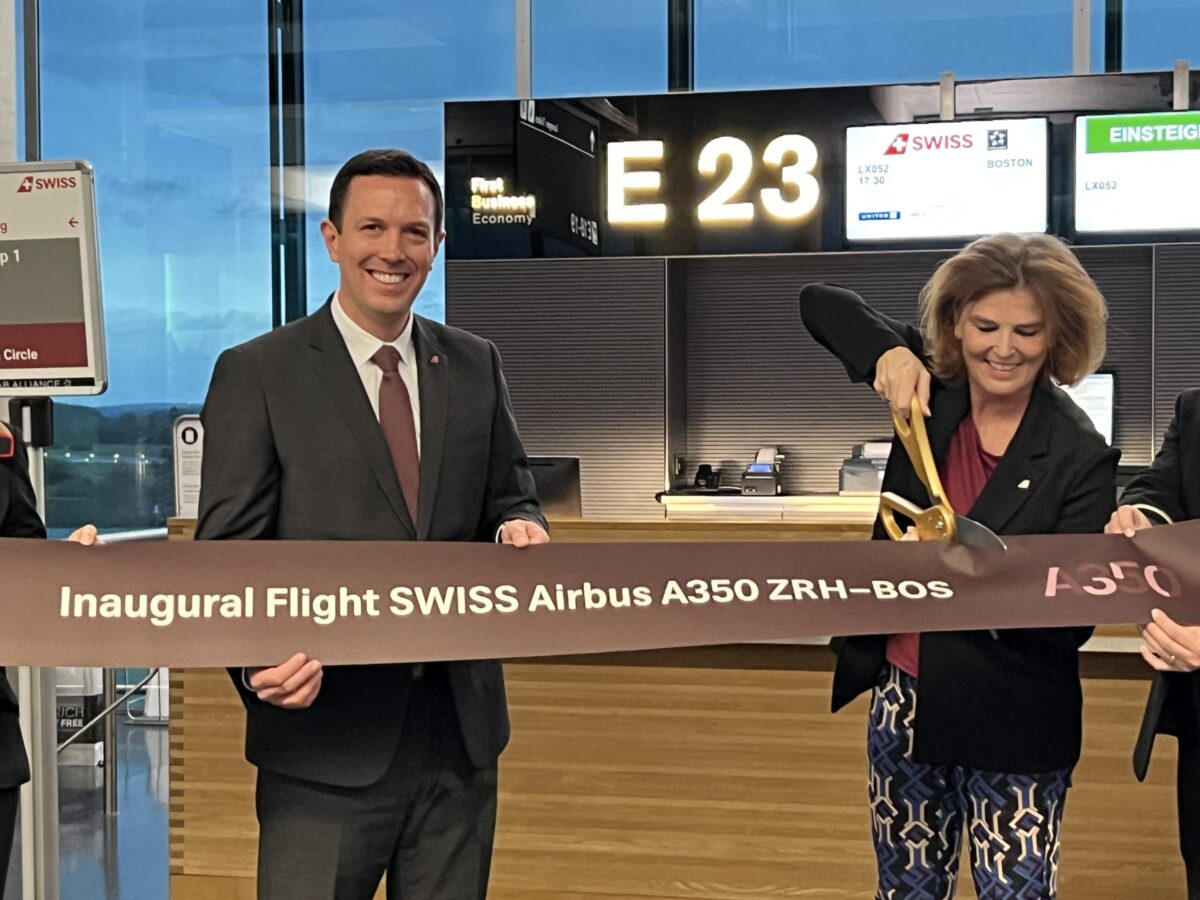
Jens Fehlinger, SWISS CEO, and Heike Birlenbach, SWISS CCO, at the ribbon cutting ceremony during the gate event for SWISS flight LX52 from Zurich to Boston. (Photo: SWISS)
The A350-900, registered as HB-IFA and nicknamed “Lausanne,” departed from Zurich and touched down at Boston Logan around 8:30 p.m. local time.
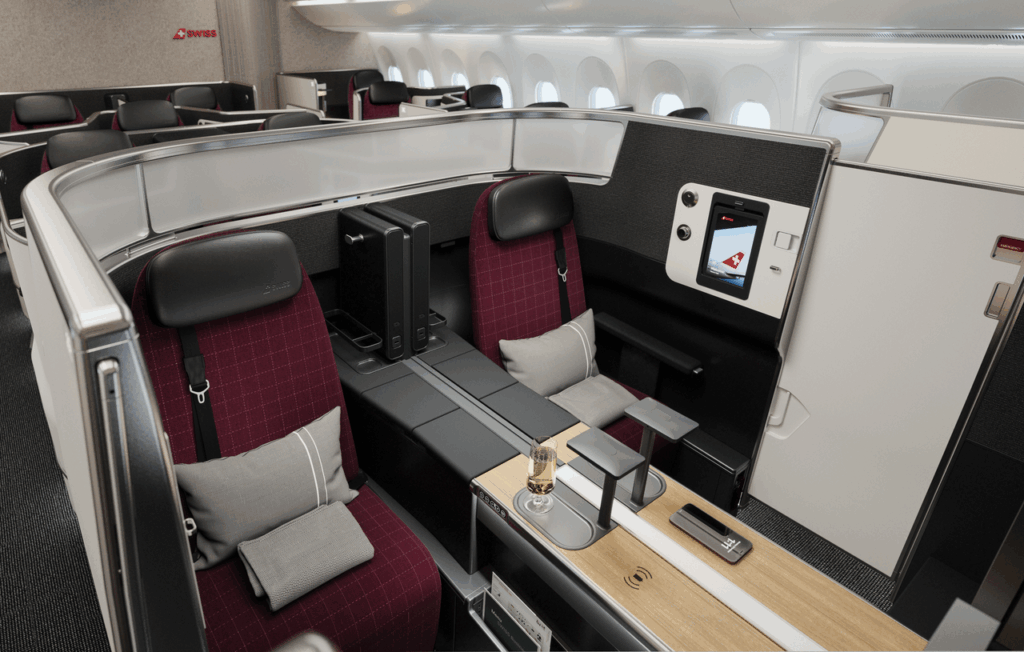
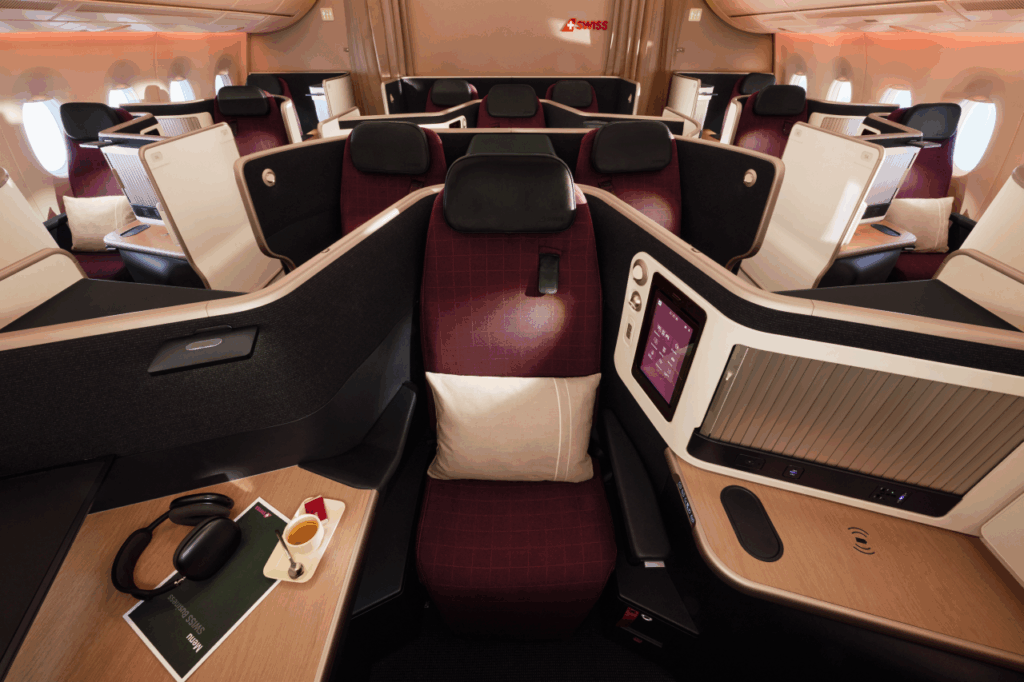
SWISS’ business-class seats on the A350. (Photo: SWISS)
SWISS leaders said that, in addition to the Zurich-Boston service, the aircraft will continue to operate short-haul flights within Europe so air crews can train with the type. Montreal will be the A350’s second long-haul destination.
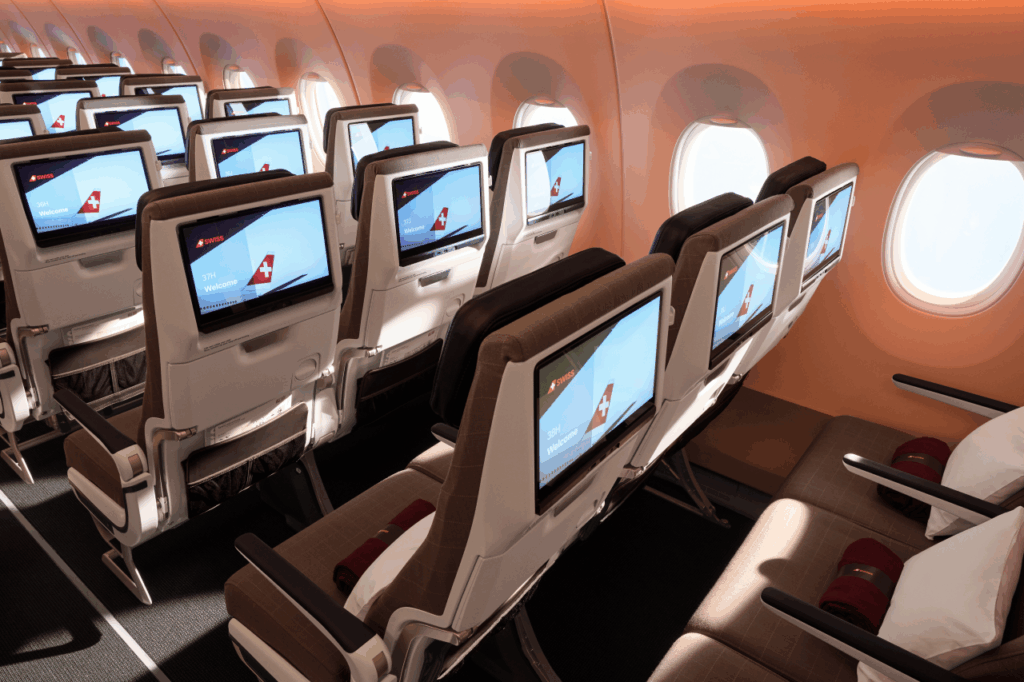
HB-IFA is the first aircraft in SWISS’ fleet to come fully fitted with the carrier’s new design concept, known as SWISS Senses. The layout incorporates a dark red-gray-beige color scheme, ergonomic lighting, and entertainment systems with larger screens.
The SWISS Senses first-class cabin comes with suites with sliding privacy doors, a wardrobe, a table, and fully lie-flat seats, as well as expanded food and drink options and amenity kits.
Thursday was the first time that transatlantic travelers had access to the SWISS Senses cabins.
SWISS’ economy class on the A350. (Photo: SWISS)
“Our new Airbus A350 marks the next step in our development, in technological, commercial, and guest experience terms,” SWISS CEO Jens Fehlinger said in a news release. “It’s quieter, more efficient, and more comfortable than any other aircraft we have operated to date. Investments of this kind don’t just sharpen our own competitive edge – they consolidate Switzerland’s place, too, in the air travel world.”
Zach Vasile is a writer and editor covering news in all aspects of commercial aviation. He has reported for and contributed to the Manchester Journal Inquirer, the Hartford Business Journal, the Charlotte Observer, and the Washington Examiner, with his area of focus being the intersection of business and government policy.
Aer Lingus Mulls Base Closure
The airline links Manchester with New York, Orlando, Florida, and Barbados.
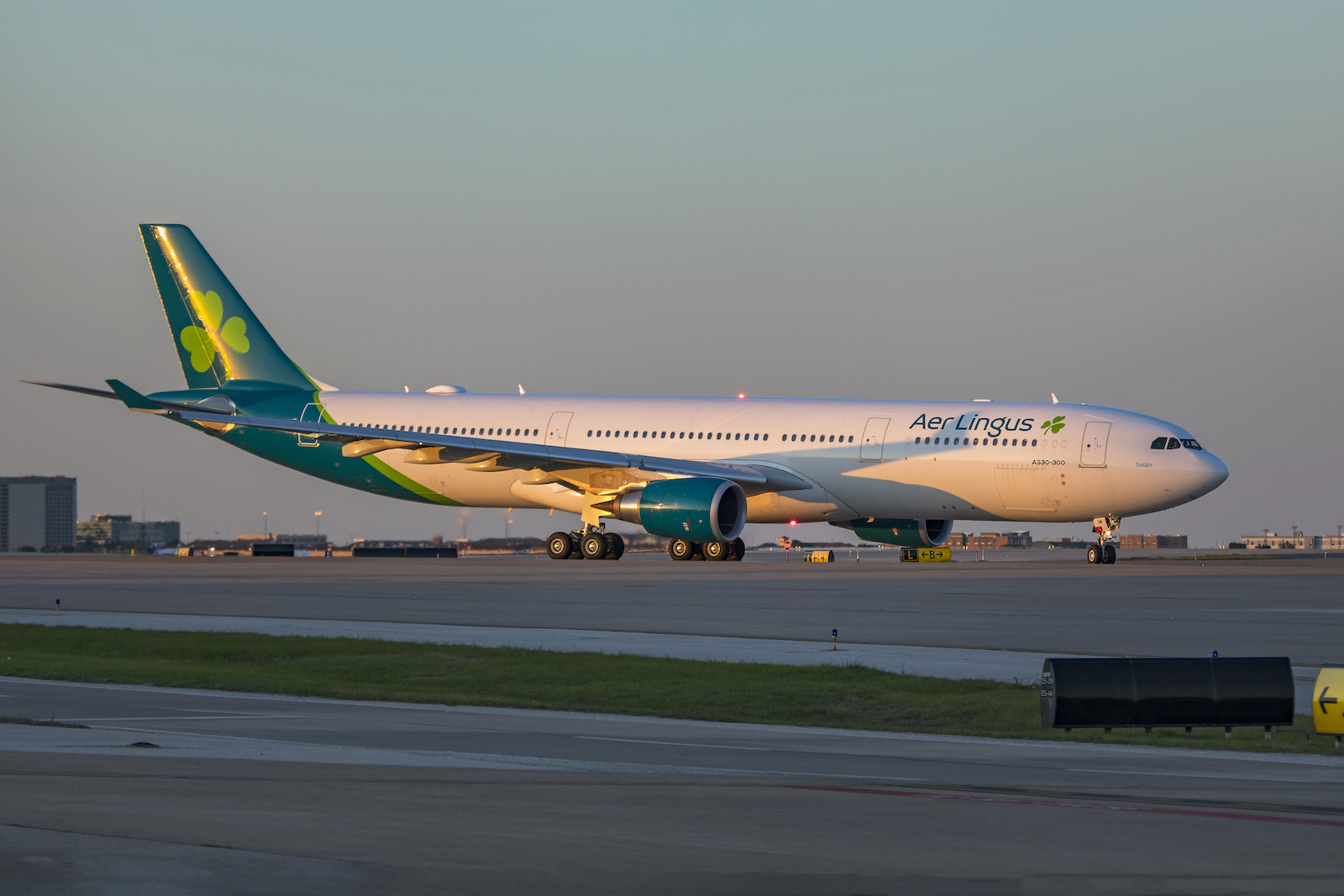
An Aer Lingus Airbus A330-300 (Photo: AirlineGeeks | William Derrickson)
Irish flag carrier Aer Lingus is considering closing its base in Manchester, England, from which it serves destinations such as New York-JFK and Orlando, Florida.
The Irish Times was first to report the airline’s deliberations, citing a memo issued to employees. An Aer Lingus spokesperson separately confirmed to AirlineGeeks that the carrier’s Manchester operation is underperforming, and that the base may need to be shut down.
“Aer Lingus can confirm that the company met with staff at its Manchester base to brief them on the performance of the base,” the spokesperson said. “Despite all of the work and best efforts of the team, the Manchester long-haul operating margin performance continues to significantly lag behind that of Aer Lingus’s Irish long-haul operating margin. This situation has prompted a necessary consideration of the long-term viability of the Manchester base.”
“Colleagues at the Manchester base were advised that Aer Lingus will now enter into a collective consultation process with their representatives,” the spokesperson added. “This process will explore all the options in respect of the base, however, staff were also advised that it will also include the possibility of a base closure. We acknowledge and fully appreciate that this is an uncertain and difficult time for colleagues based in Manchester and we will work closely with the management team and the staff in Manchester over the coming weeks, ensuring that they are kept fully informed and supported.”
The announcement comes just weeks after Aer Lingus cabin crew based in Manchester held a four-day strike over a pay dispute. According to The Irish Times, the workers rejected a proposed 12% pay increase and a $15 boost in their U.S. overnight allowance. The labor union representing the crew members said the offer did not do enough to close the pay gap between Manchester-based employees and Aer Lingus’ crews in Ireland.
The work stoppage affected 18 flights and about 4,000 passengers.
Besides New York and Orlando, Aer Lingus also connects Manchester with Dublin and Bridgetown, Barbados.
The Irish Times reported that, if the Manchester base closes, Aer Lingus will likely redeploy its resources to Dublin. The airline already serves New York-JFK and Orlando from Dublin, though not Bridgetown.
Zach Vasile is a writer and editor covering news in all aspects of commercial aviation. He has reported for and contributed to the Manchester Journal Inquirer, the Hartford Business Journal, the Charlotte Observer, and the Washington Examiner, with his area of focus being the intersection of business and government policy.
Sign-up for newsletters & special offers!
Get the latest stories & special offers delivered directly to your inbox