










Stories

Mesa Posts $14M Q3 Loss as Republic Merger Nears ‘Finish Line’

Carrier says shareholder approval clears the way for a Nov. 25 closing.

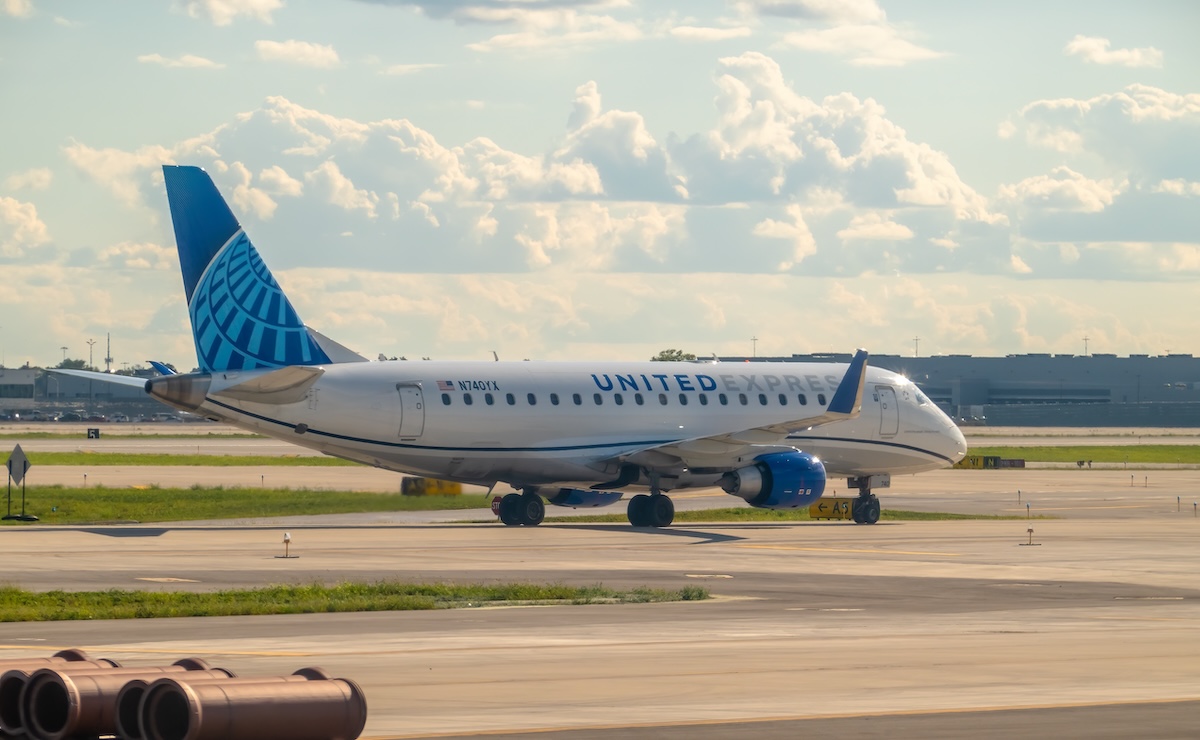
A United Express Embraer E175 operated by Republic Airways
A United Express Embraer E175 operated by Republic Airways. (Photo: Shutterstock | oasisamuel)

Regional carrier Mesa Airlines said Thursday that its merger with Republic Airways is on track to close on Nov. 25 after Mesa shareholders approved all related proposals this month. The update was included in the company’s financial results for the three and nine months that ended on Sept. 30.

Mesa reported third-quarter operating revenues of $90.7 million, compared to $128.9 million during the same period last year. The company posted a net loss of $14.1 million, compared to net income of $6.6 million a year earlier. 

Contract revenue in the quarter declined year over year, and Mesa noted increases in maintenance, materials, and repair expenses tied to its fleet programs. From January to September, Mesa reported operating revenues of $277.4 million and a net loss of $51.9 million, versus net income of $6.7 million during the same period last year.

Republic’s results were also included in the filing. The company reported operating revenues of $482.3 million for the quarter and $1.35 billion for the nine months. Republic recorded net income of $24.3 million for the third quarter and $71.5 million for the nine months.

‘Finish Line’

“We are pleased to be at the finish line for closing of the merger of Mesa with Republic,” said Jonathan Ornstein, Mesa chairman and CEO, in a news release. “I want to thank all of the people and partners that have supported Mesa for the past four decades as well as helped us reach this outcome today. Our recent results have demonstrated a stabilized operating and financial position, driven by our efforts to enhance utilization and block-hour production, sell surplus assets, and repay over two-thirds of our debt principal over the past year.”
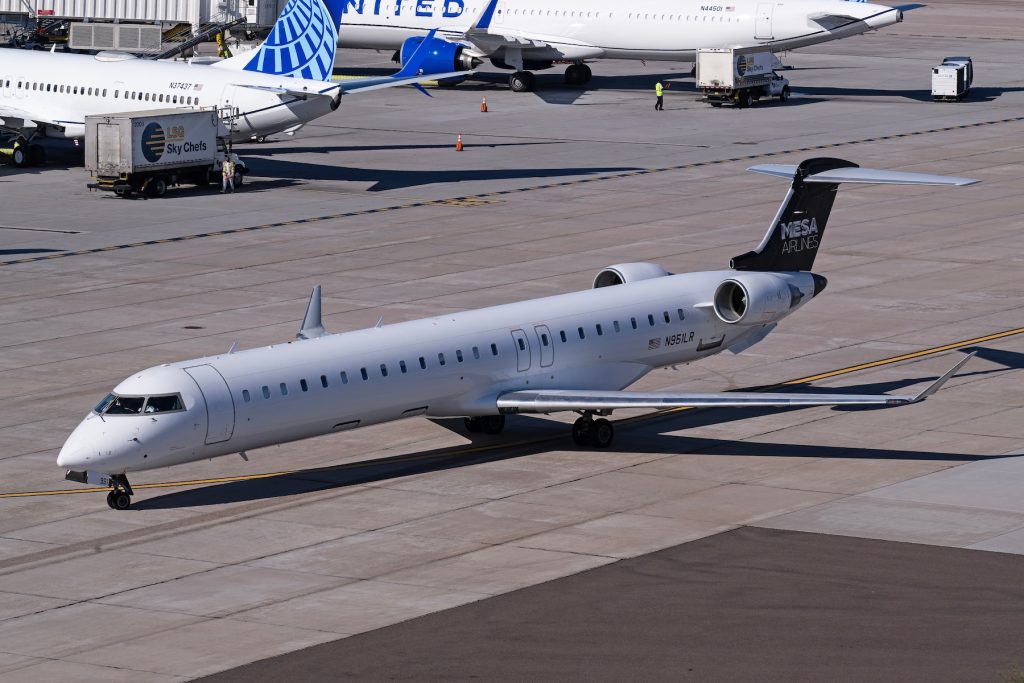
Mesa CRJ-900
A Mesa Airlines CRJ-900 in Phoenix. (Photo: Shutterstock | Robin Guess)

The company said the shareholder vote satisfied the final major hurdle for the merger, allowing the parties to move toward completing the transaction on the previously outlined timeline. Upon closing, Mesa stated that its common stock is expected to begin trading under a new ticker symbol associated with the combined carrier.

Mesa added that integration planning continues ahead of the expected Nov. 25 close, with financial and operational transition work underway as it prepares to join with Republic.

Ryan Ewing

Ryan founded AirlineGeeks.com in February 2013 and has spent more than a decade covering the airline business. His work has been featured by CNN, WJLA, CNET, and Business Insider. His aviation experience spans airport operations, Part 135 regulatory compliance, and airline crew workforce planning, along with time behind the yoke of a Cessna 172 and interviews with airline executives. Ryan now serves as Group President of Firecrown Media’s Aviation Group. He holds a B.S. in Air Transportation Management and an MBA from Arizona State University and teaches Airline Management at Embry-Riddle Aeronautical University.

Emirates Partners With OpenAI

The airline said it will deploy ChatGPT Enterprise throughout its business.

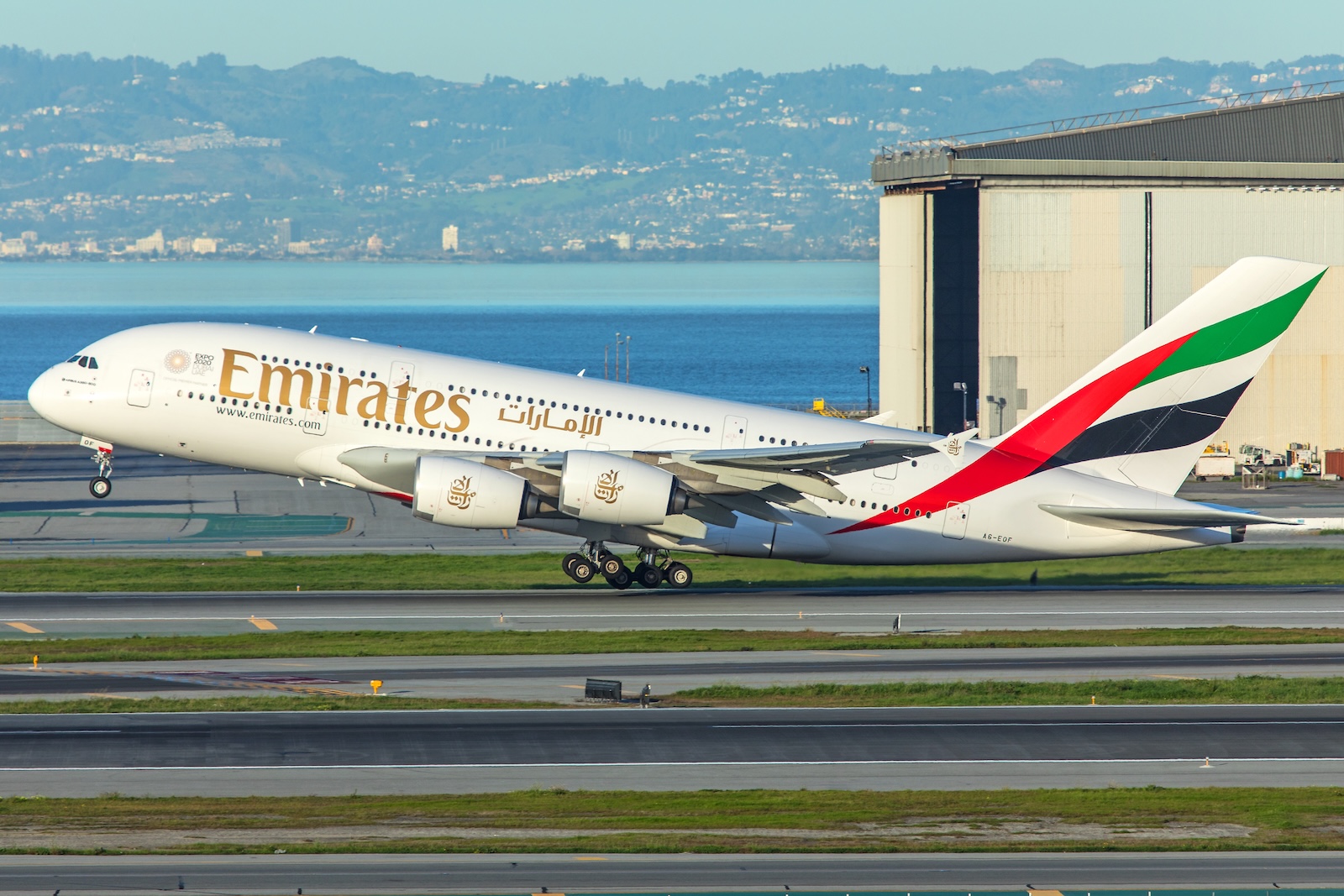
Emirates A380
An Emirates A380. (Photo: AirlineGeeks | William Derrickson)

Emirates announced Friday that it will integrate artificial intelligence technology into its operations through a new strategic partnership with OpenAI.

The Dubai-based carrier said it will deploy ChatGPT Enterprise – a version of the generative AI tool with enhanced privacy and security – throughout its business. It plans to study potential applications for the technology, develop an internal AI network, and set up an “AI Centre for Excellence.”

The airline did not provide any specific potential use cases.

Emirates leaders said the deal with OpenAI will give the carrier early access to “cutting edge” research and development projects.

“We see enormous potential for AI technology to support our business requirements, helping us tackle complex commercial challenges, strengthening our operations, and enhancing the customer experience,” Ali Serdar Yakut, Emirates’ executive vice president of information technology, said in a statement. “Closely working with OpenAI will make our technology investments both strategic and scalable, enabling us to deliver enhanced value to our employees and customers, fundamentally changing how we innovate, deliver value, and maintain our competitive edge in the industry.”

Emirates said it will support the rollout by organizing “tailored AI literacy programs” and running joint sessions with Emirates and OpenAI executives to explore practical applications. The two companies’ IT teams will collaborate to establish best practices for the technology, the airline said.

Several major carriers are known to be experimenting with AI, and a smaller number have begun integrating the technology into certain customer-facing functions. Delta, for instance, has rolled out an AI-powered tool called “Concierge” and is using AI to guide online ticket prices in certain markets.

Zach Vasile

Zach Vasile is a writer and editor covering news in all aspects of commercial aviation. He has reported for and contributed to the Manchester Journal Inquirer, the Hartford Business Journal, the Charlotte Observer, and the Washington Examiner, with his area of focus being the intersection of business and government policy.

Allegiant Pilots Protest at U.S. Airports

The pilots are calling for a new labor contract after years of delays.

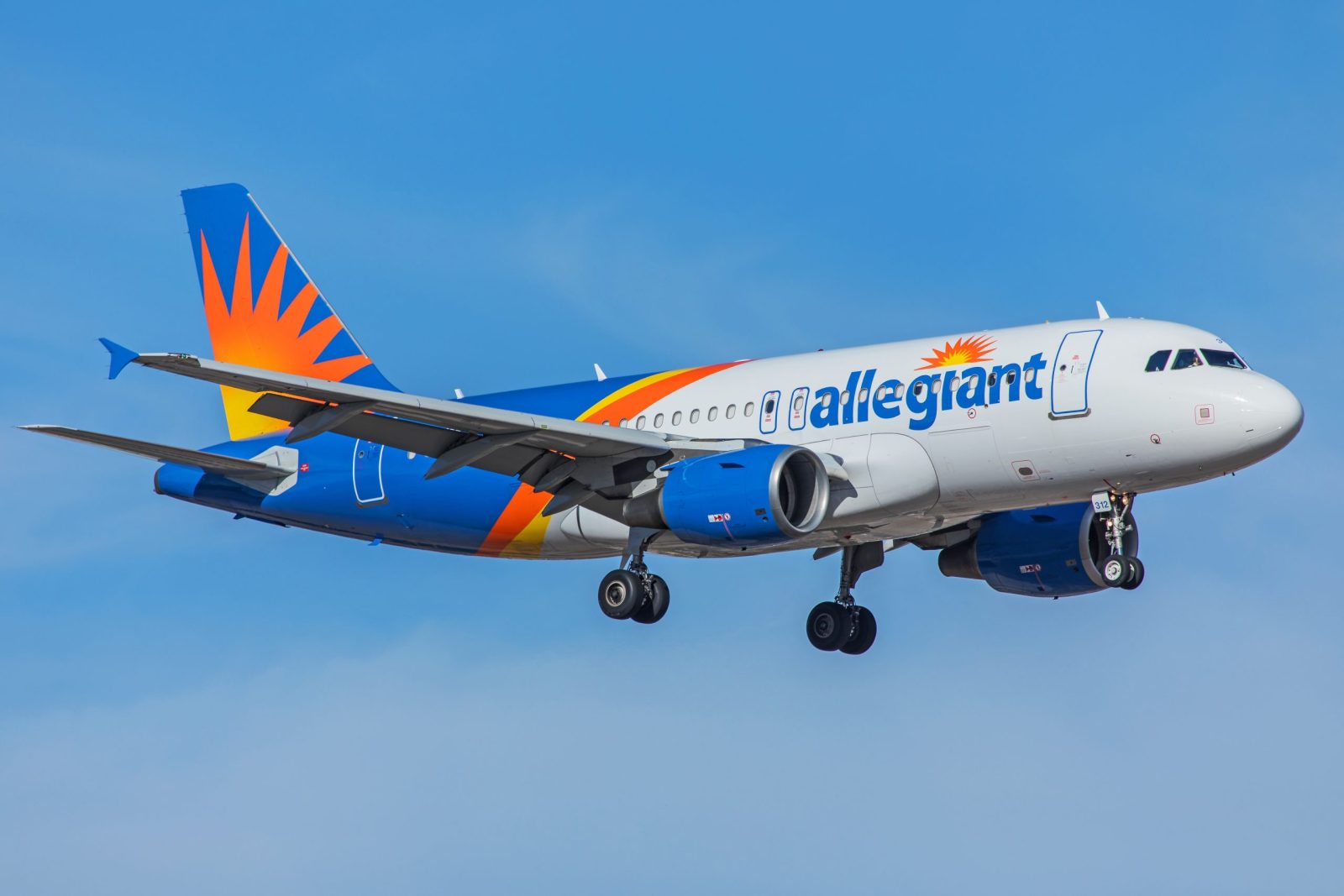
Allegiant A319
An Allegiant A319 in Las Vegas. (Photo: AirlineGeeks | William Derrickson)

Allegiant pilots picketed outside airports on Tuesday as they called for higher pay and improvements in scheduling.

Teamsters Local 2118 said more than 1,400 pilots at 22 airport bases across the U.S. came together to demand a “fair contract” after several years of negotiations.

According to local media reports, pilot protests took place in Indianapolis; Des Moines, Iowa; Appleton, Wisconsin; Cincinnati, Ohio; Fort Lauderdale and Punta Gorda, Florida; Flint, Michigan; Nashville, Tennessee; and Lehigh County, Pennsylvania, among other locations.

Allegiant and the Teamsters are currently in talks mediated by the National Mediation Board.

In a statement, the union local criticized the airline for asking for concessions “while investing in everything except their dedicated pilots.”

“By failing to offer a fair contract, Allegiant is losing talented and experienced pilots to competitor airlines and jeopardizing local routes,” the local said. “Teamsters pilots are simply asking to be respected and fairly compensated for the work they do every day and are picketing to remind the company that without pilots, their planes don’t fly.”

Allegiant Responds

Allegiant said Tuesday that it has put forward a “competitive package” that includes an immediate 50% average increase in hourly wages that scales to 70% over five years. It also offered a 50% increase in direct contributions to pilots’ retirement benefits, “extensive scheduling and quality of life improvements,” and a retention bonus, among other benefits.

The carrier emphasized that Tuesday’s pickets were not a work stoppage, and said none of the conditions for a strike under the Railway Labor Act had been met.

“We are operating our full schedule and do not anticipate any disruptions related to the informational picketing,” the airline said. “Our customers can continue to book and travel with confidence.”

Allegiant also offered an explanation for the apparent delay in negotiations.

“IBT Local 2118 has changed its negotiating team multiple times and was placed into an emergency trusteeship by the national union, which has impacted the negotiating process,” the carrier said. “Despite these unexpected changes, Allegiant remains steadfast in its commitment to working in good faith to secure a deal for our pilots.”

According to Reuters, the pilots are working under a contract that was ratified in 2016 and became amendable in 2021.

Zach Vasile

Zach Vasile is a writer and editor covering news in all aspects of commercial aviation. He has reported for and contributed to the Manchester Journal Inquirer, the Hartford Business Journal, the Charlotte Observer, and the Washington Examiner, with his area of focus being the intersection of business and government policy.

Investigators Trace 737 Windshield Impact to Lost Weather Balloon

The NTSB outlines the sequence of events at 36,000 feet.

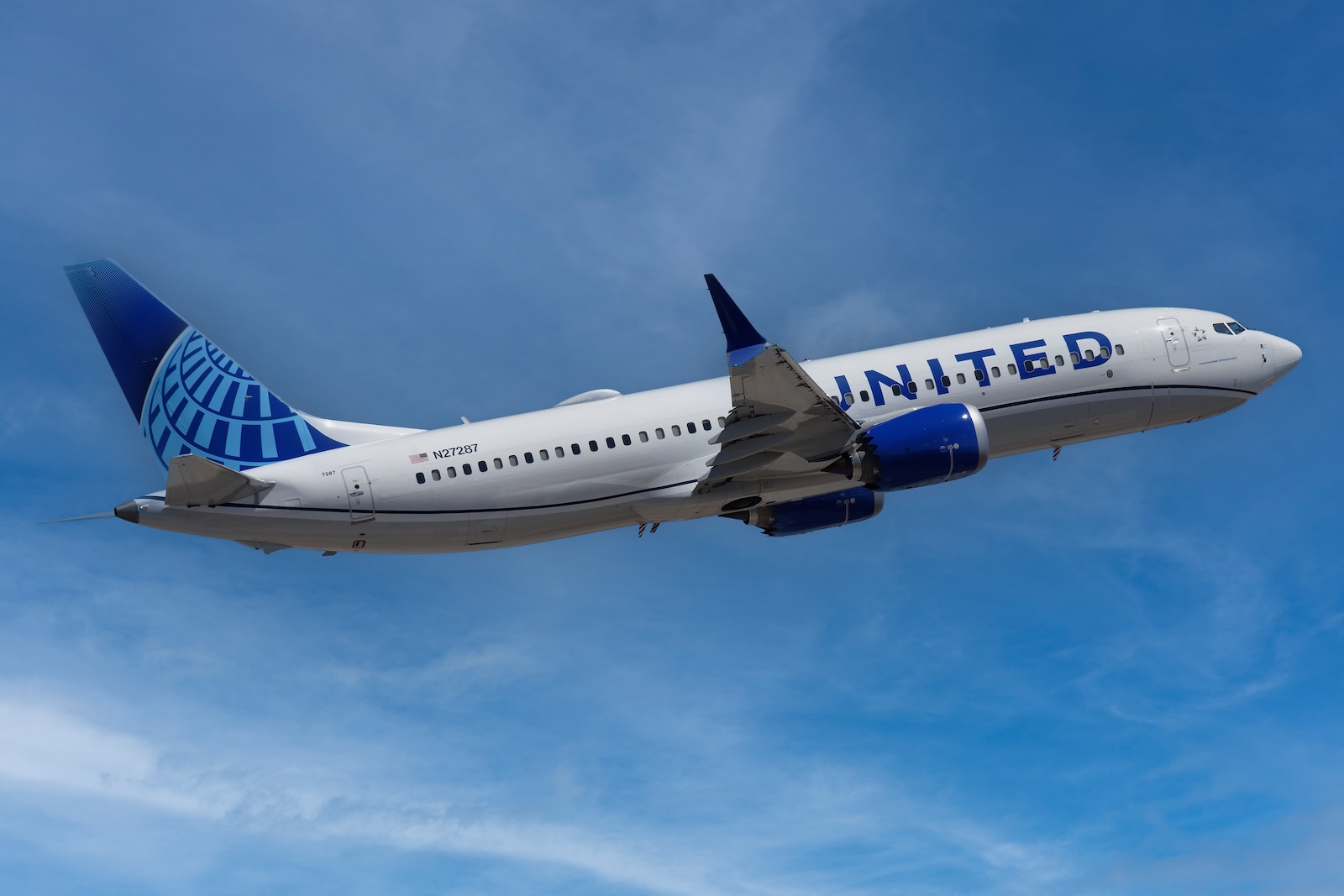
United 737 MAX 8
A United 737 MAX 8 (Photo: Shutterstock | Robin Guess)

The National Transportation Safety Board has released its preliminary report on an incident involving a United Boeing 737 MAX 8 that diverted to Salt Lake City after its windshield was struck during cruise near Moab, Utah, on Oct. 16. The aircraft was operating as United 1093 from Denver to Los Angeles.

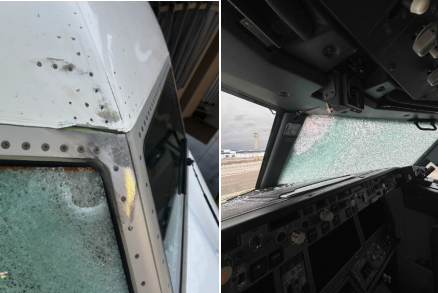
According to the report, the captain saw an object ahead shortly before a significant impact struck the first officer’s forward windshield at 36,000 feet. Glass entered the cockpit, and the captain received minor injuries to his right arm. 

Pressurization remained stable, and the first officer took control while the crew completed checklists and communicated with dispatch. A window overheat alert on the first officer’s side later illuminated, and the crew addressed it using the required procedures.

Damage to windshield on United 737 MAX 8 (Photo: NTSB)

The captain briefed passengers, flight attendants prepared the cabin, and the aircraft began a descent into the airport. The landing on runway 16L was uneventful, and the airplane taxied to the gate under its own power. The captain received medical treatment at the gate. No other injuries were reported.

During the initial review, investigators contacted operators and agencies regarding nearby aircraft, reentry objects, or balloon activity. WindBorne Systems reported that it had lost communication with one of its Global Sounding Balloons in the same vicinity and timeframe. The balloon, launched the previous day from Spokane, last transmitted at approximately 35,936 feet as it passed through Utah.

WindBorne described the system as a lightweight, unmanned free balloon. It consists of a thin-film envelope, avionics, and a low-density ballast system designed to minimize potential impact forces. 

“WindBorne has always strived to exceed the safety and operational standards outlined in 14 CFR Part 101, which governs high-altitude balloon systems,” the company said in a statement following the NTSB’s report. “However, the UA1093 incident has reinforced our commitment to continuous improvement, and we have acted immediately to further strengthen safeguards.”

The report also outlines the multilayer construction of the 737’s windshield, which is certified to withstand a four-pound bird strike and maintain structural integrity even with the failure of an outer pane. The damaged windshield was removed and sent to the NTSB Materials Laboratory for examination.

Preliminary flight data showed the aircraft traveling southwest at a groundspeed of about 395 knots at the time of the impact, nearly opposite the balloon’s last reported track.

Editor’s Note: This story was updated on Friday, Nov. 21, 2025, at 9:55 a.m. ET to add a statement from WindBorne.

Ryan Ewing

Ryan founded AirlineGeeks.com in February 2013 and has spent more than a decade covering the airline business. His work has been featured by CNN, WJLA, CNET, and Business Insider. His aviation experience spans airport operations, Part 135 regulatory compliance, and airline crew workforce planning, along with time behind the yoke of a Cessna 172 and interviews with airline executives. Ryan now serves as Group President of Firecrown Media’s Aviation Group. He holds a B.S. in Air Transportation Management and an MBA from Arizona State University and teaches Airline Management at Embry-Riddle Aeronautical University.

Frontier Adds Two New Routes, Resumes More

The carrier’s latest network expansion connects seven airports.

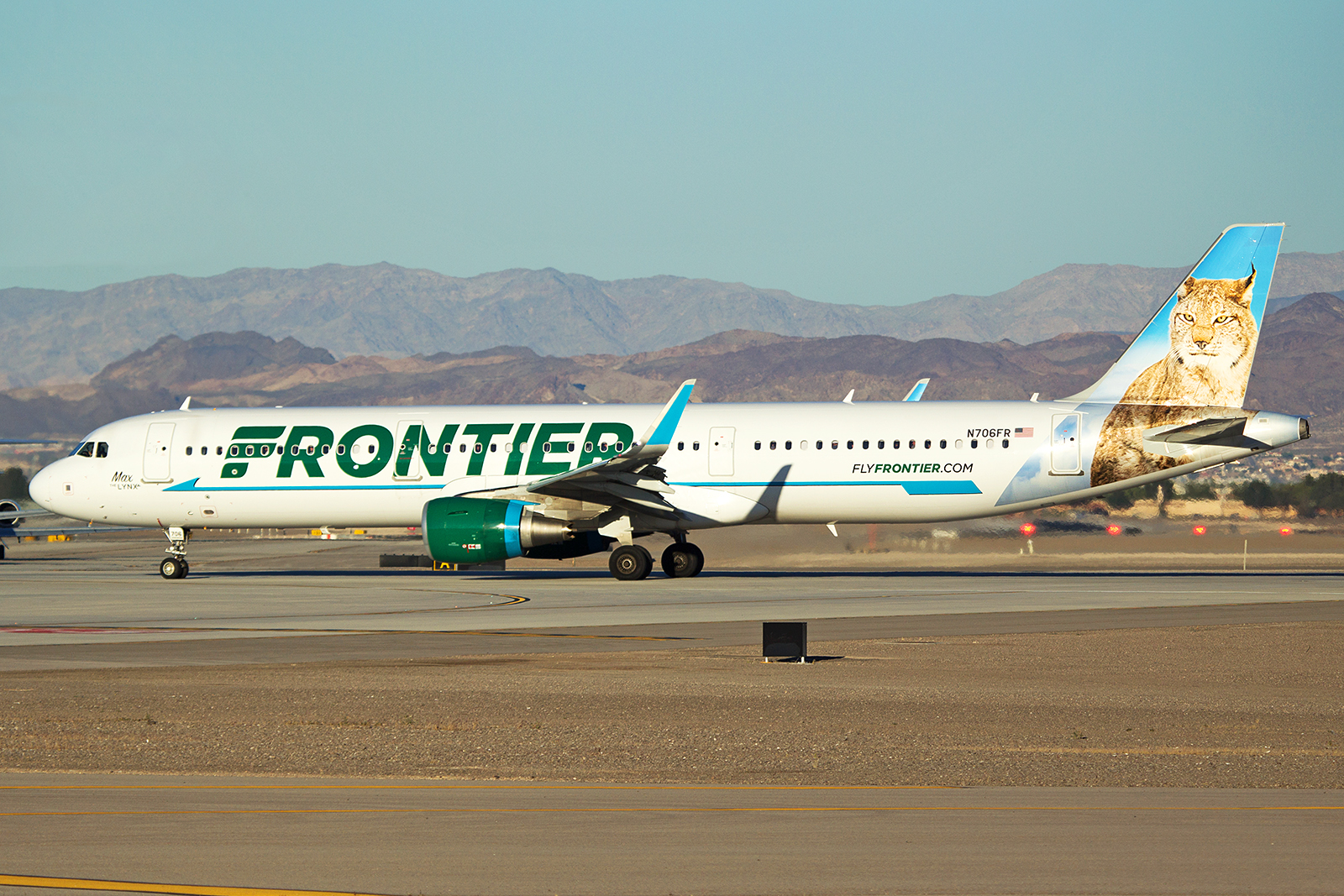
A Frontier A321 in Las Vegas. (Photo: AirlineGeeks | William Derrickson)

Frontier will expand its domestic network early next year with four routes launching across seven U.S. airports, the carrier announced Thursday. The additions will begin in January and February 2026.

The first route will launch on Jan. 21, when Frontier starts three-times-weekly service between Newark, New Jersey, and Orlando, Florida. The ultra-low-cost carrier last served this market in 2022. 

On Jan. 22, the airline will add twice-weekly flights linking Salt Lake City and Tucson, Arizona. 

Two additional routes will begin on Feb. 13. Frontier will start three-times-weekly service between Miami and Chicago, along with twice-weekly service connecting Orlando and Pensacola, Florida.

Frontier last linked Chicago and Miami in 2022, according to Cirium Diio schedule data.

“These new routes will offer consumers more affordable connections across the United States beginning in early 2026,” said Josh Flyr, vice president of network and operations design at Frontier, in a news release.

Ryan Ewing

Ryan founded AirlineGeeks.com in February 2013 and has spent more than a decade covering the airline business. His work has been featured by CNN, WJLA, CNET, and Business Insider. His aviation experience spans airport operations, Part 135 regulatory compliance, and airline crew workforce planning, along with time behind the yoke of a Cessna 172 and interviews with airline executives. Ryan now serves as Group President of Firecrown Media’s Aviation Group. He holds a B.S. in Air Transportation Management and an MBA from Arizona State University and teaches Airline Management at Embry-Riddle Aeronautical University.

Air Canada Plans Cross-Brand Fleet Upgrade

The airline is installing new seats, entertainment systems, and wireless internet service.

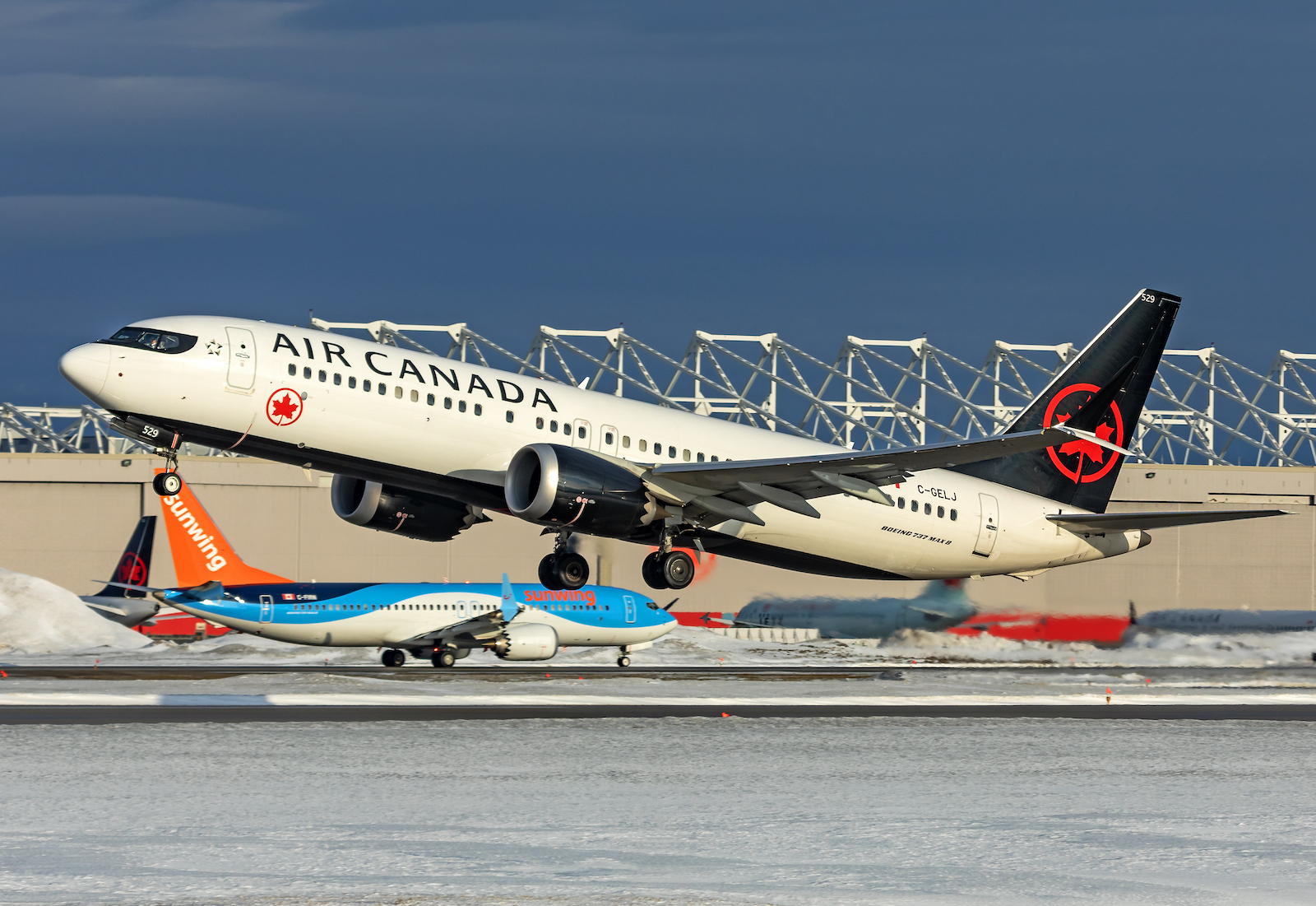
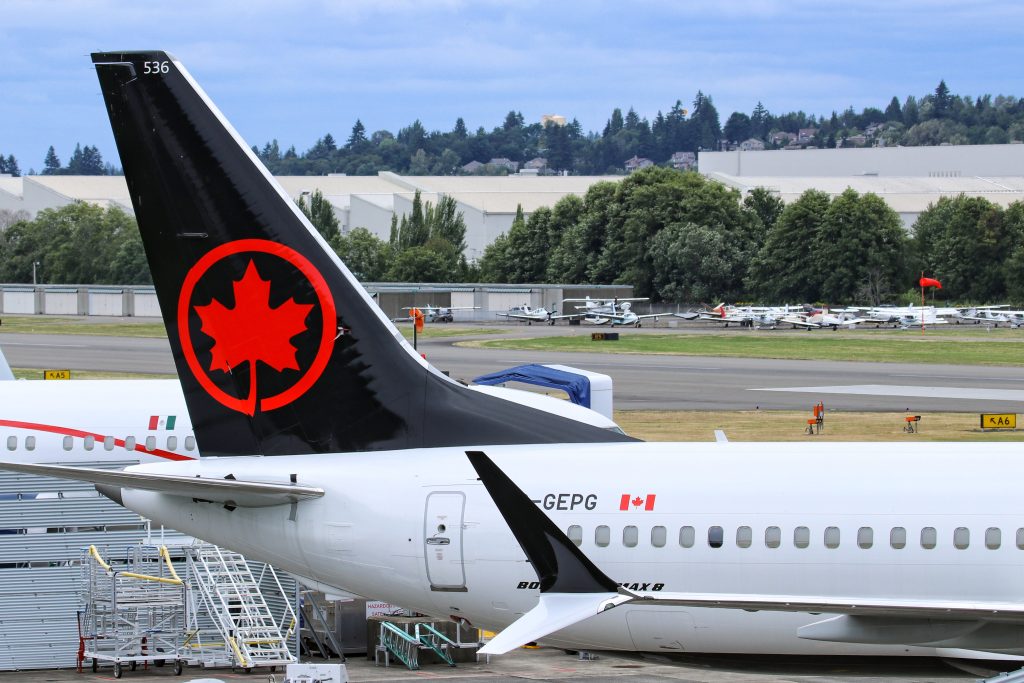
Air Canada 737 MAX
An Air Canada Boeing 737 MAX 8. (Photo: AirlineGeeks | William Derrickson)

Canada’s largest airline announced Thursday that it will reshuffle aircraft across its brands and install refreshed cabins with new seats, improved entertainment systems, and upgraded wireless internet.

Air Canada plans to transition all of its Boeing 737 MAX aircraft to subsidiary Air Canada Rouge, while moving Rouge’s Airbus A320s and A321s into the mainline fleet.

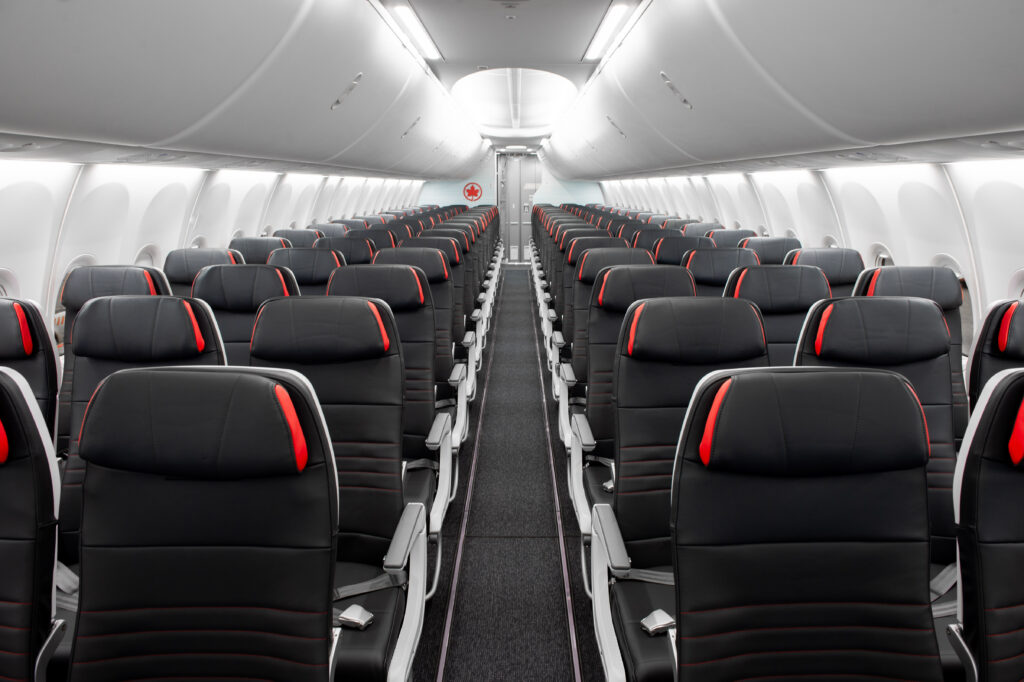
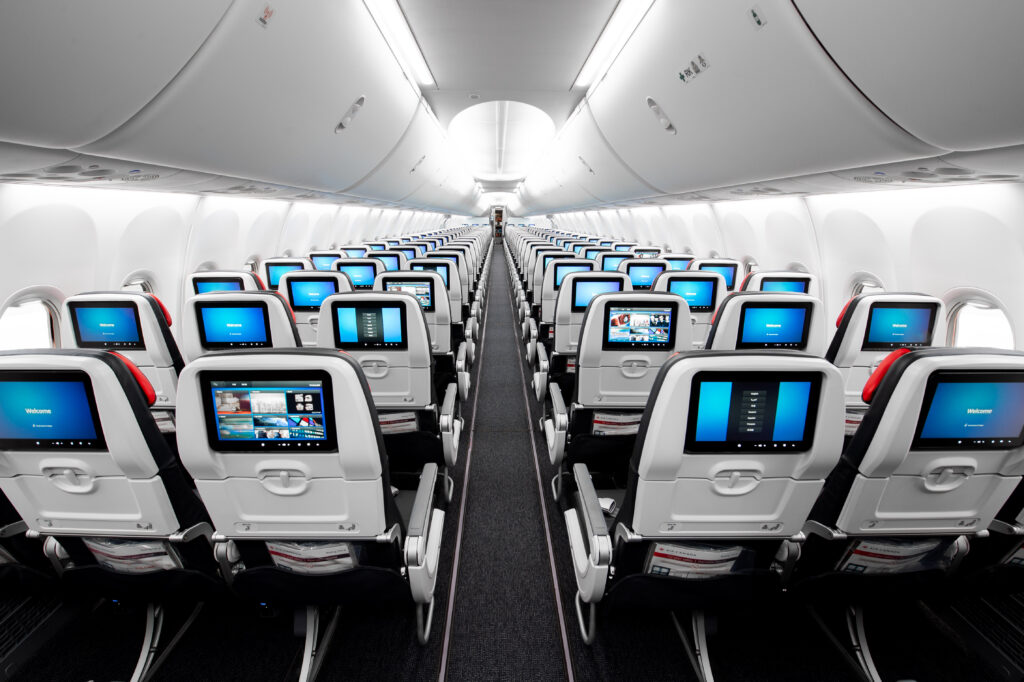
Mainline aircraft will be fitted with new reclining seats, personal screens, and Wi-Fi service. Air Canada officials said the new design scheme for mainline cabins – which will be adopted across the company’s brands – is meant to be “modern, accessible, and warm,” while also distinctly Canadian.

The upgrade work is already underway, the carrier noted, and 15 A321s are currently operating with the refurbished cabins.

Air Canada's new 737 MAX interior
Air Canada’s new 737 MAX interior. (Photo: Air Canada)

Rouge’s 737 MAX 8 jets will be reconfigured to accommodate 12 Business Class seats, 18 Preferred extra-legroom Economy seats, and 147 Standard Economy seats. Like the mainline fleet, the aircraft will get new seats and entertainment systems. Wireless internet will be made available for free for Aeroplan members.

Air Canada Express’ Embraer E175s and Mitsubishi CRJ-900s, operated by Jazz Aviation, will also get new cabins starting in 2026. The Express subsidiary’s 25 De Havilland Dash 8-400 aircraft have already been set aside for a full cabin redesign, which includes new seating, new interiors, and Wi-Fi.

Air Canada also plans to offer complimentary beer, wine, and premium snacks on all flights in its North American network.

Air Canada's new 737 MAX interior
Air Canada’s new 737 MAX interior. (Photo: Air Canada)

Growing A220 Fleet

Airline officials added Thursday that they will continue to invest in the A220, which has become increasingly central to Air Canada’s domestic and transborder operations. The carrier has an additional 26 A220-300s on order and will introduce its new design standard on future deliveries starting in March 2026.

As part of the cross-fleet reorganization, Air Canada Rouge will open a new crew base in Vancouver, “providing more choices for leisure travelers from Western Canada,” the airline said. It did not provide an opening date for the facility.

Zach Vasile

Zach Vasile is a writer and editor covering news in all aspects of commercial aviation. He has reported for and contributed to the Manchester Journal Inquirer, the Hartford Business Journal, the Charlotte Observer, and the Washington Examiner, with his area of focus being the intersection of business and government policy.

United Plans Exit From Two Long-Haul Markets

The carrier confirmed upcoming service cuts in Africa and Europe, including a 20-year-old route.

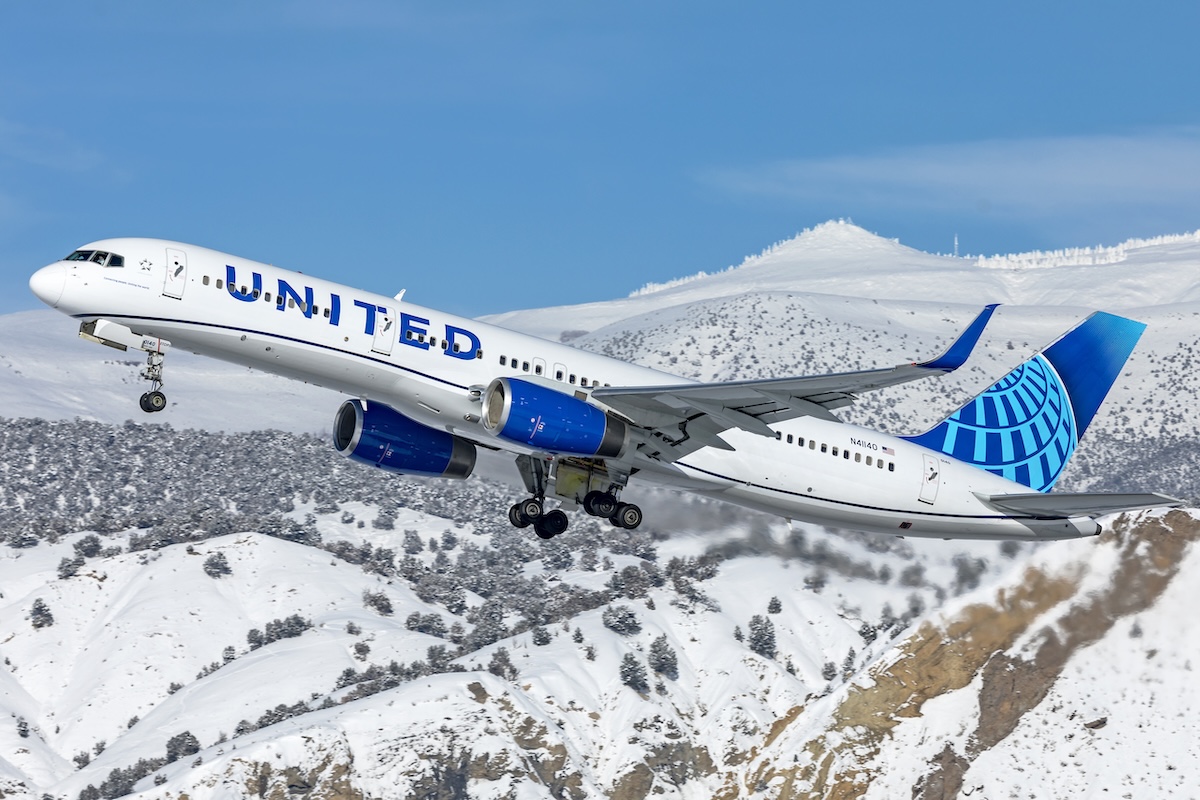
A United 757-200
A United 757-200. (Photo: AirlineGeeks | William Derrickson)

United will discontinue service in two long-haul markets next year, the carrier confirmed on Wednesday, citing routine schedule adjustments driven by aircraft availability, market dynamics, and other operational factors.

Service between Washington Dulles and Dakar, Senegal, will end on March 5. United began flying the route three times weekly on May 23, 2025. A spokesperson said customers booked to travel after the final date “may reach out to United to be reaccommodated on a partner airline or to request a refund.”

Ishrion Aviation first reported the network changes.

European Cut

In Europe, United will also withdraw from Stockholm, Sweden, after roughly two decades. The airline said seasonal service between its Newark, New Jersey, hub and the Swedish capital will not return for the Summer 2026 season. 

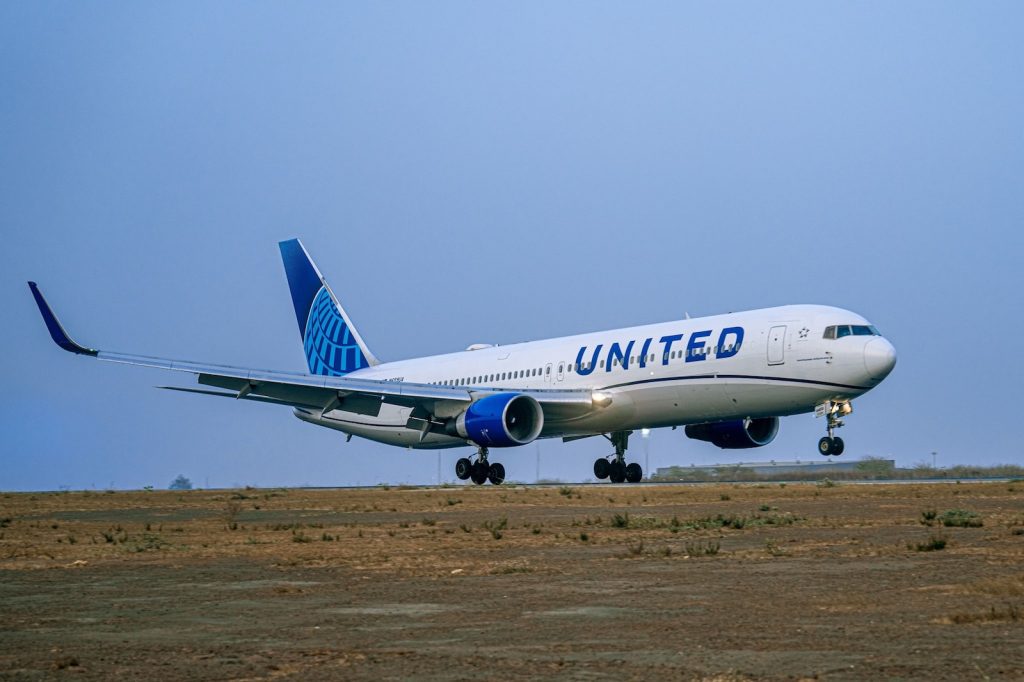
United 767-300
A United Boeing 767-300 lands in Dakar (Photo: United)

The route traces its origins to Continental, which launched the service in June 2005. Customers ticketed on or after June 4 may similarly contact the airline to arrange alternative travel or request a refund, United said.

“We regularly make changes to our schedule due to aircraft availability, market dynamics and other factors,” the spokesperson said.

Ryan Ewing

Ryan founded AirlineGeeks.com in February 2013 and has spent more than a decade covering the airline business. His work has been featured by CNN, WJLA, CNET, and Business Insider. His aviation experience spans airport operations, Part 135 regulatory compliance, and airline crew workforce planning, along with time behind the yoke of a Cessna 172 and interviews with airline executives. Ryan now serves as Group President of Firecrown Media’s Aviation Group. He holds a B.S. in Air Transportation Management and an MBA from Arizona State University and teaches Airline Management at Embry-Riddle Aeronautical University.

New Capital Plan Calls for Terminal Rebuilds at LaGuardia, Newark

The Port Authority of New York and New Jersey is looking to spend $45 billion on infrastructure improvements through 2035.

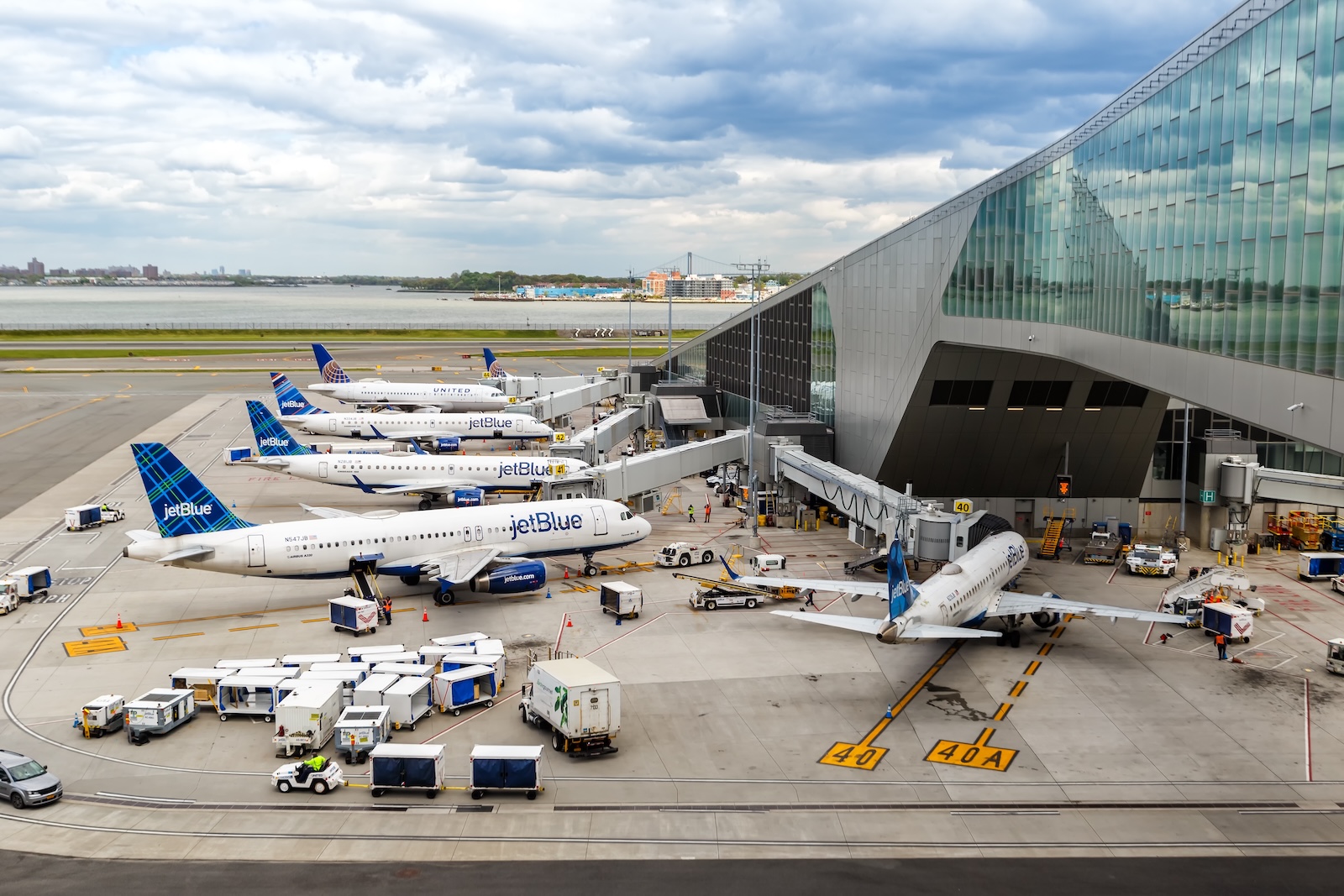
United and JetBlue aircraft
United and JetBlue aircraft. (Photo: Shutterstock | Markus Mainka)

Big changes could be in store for two major airports in the New York metro area.

The Port Authority of New York and New Jersey recently proposed a 10-year, $45 billion capital plan that would launch ambitious reconstruction and renovation projects at LaGuardia Airport and Newark Liberty International Airport.

According to an overview released last week, the plan envisions replacing LaGuardia’s 85-year-old Terminal A “to meet demand and continued passenger growth.” Officials said they would build a new terminal while protecting the facility’s historic two-story rotunda.

Funds would also be allocated to a new bus service at the airport and a new taxi hold lot at Terminal B.

At Newark, the Port Authority proposed a public-private partnership to oversee construction of a “new, world-class, light-filled, and inspiring” Terminal B.

The port district set aside about $55 million in 2024 to study its options for the existing Terminal B, which is 52 years old and increasingly outmoded.

Officials would also expand Newark’s Terminal A with new gates, fund the new AirTrain Newark people mover system, and add a third major taxiway to reduce flight delays and simplify the airport’s roadway network.

The capital plan also sets aside funds to complete ongoing work at John F. Kennedy International Airport, build a new bus terminal in Midtown Manhattan, improve the PATH rail system, and rehabilitate bridges and tunnels.

The first gates at JFK’s new Terminal One and Terminal 6 are expected to open in 2026. Funding for those projects was allocated under the prior 2017-2025 capital strategy.

The Port Authority has scheduled six public hearings next month to gather feedback on its new plan.

Zach Vasile

Zach Vasile is a writer and editor covering news in all aspects of commercial aviation. He has reported for and contributed to the Manchester Journal Inquirer, the Hartford Business Journal, the Charlotte Observer, and the Washington Examiner, with his area of focus being the intersection of business and government policy.

Air Canada, Emirates Extend Partnership Through 2032

The carriers plan to add more codeshare routes and strengthen cooperation on cargo.

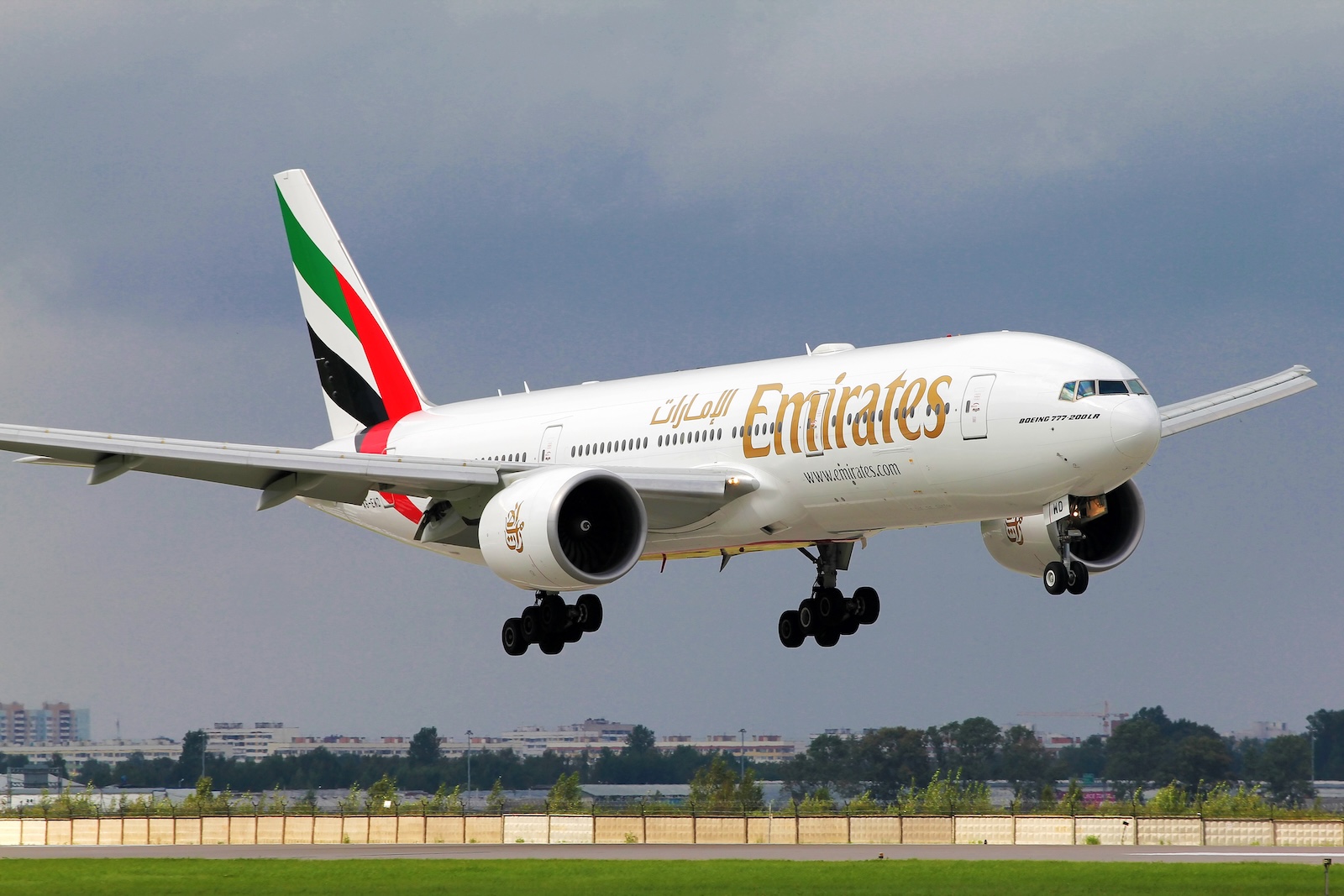
Emirates 777-200
An Emirates 777-200LR. (Photo: Shutterstock | JetKat)

Air Canada and Emirates are extending their codeshare, interline, and loyalty agreements through at least 2032, the two carriers announced Wednesday.

In a joint statement, officials with both airlines said they will expand cooperation on cargo operations, add new perks for customers, and grow the number of available codeshare routes.

Air Canada and Emirates launched their strategic partnership in 2022.

“This agreement strengthens our international strategy by supporting our daily, year-round service between Toronto and Dubai and providing customers and shippers seamless connections to destinations across the Indian subcontinent, the Middle East, and Southeast Asia,” Mark Galardo, Air Canada’s executive vice president, chief commercial officer, and president of cargo, said in a news release. “Renewing this partnership is great news, not just for our customers – many of whom have family, cultural, or business ties to these regions – but also for Canada, as it enhances our ability to connect the country to the world amid evolving trade and travel patterns.”

The Air Canada-Emirates codeshare network currently includes 56 routes and 37 destinations in Canada and the U.S. Over the summer, three new Air Canada-operated routes were added: Toronto-Minneapolis, Montreal-Calgary, and Vancouver-Los Angeles.

Air Canada 737 MAX 8
An Air Canada 737 MAX 8. (Photo: AirlineGeeks | Katie Zera)

Air Canada also places its code on 19 routes operated by Emirates to the Indian subcontinent, the Middle East, and Southeast Asia.

Air Canada’s Aeroplan members and Emirates’ Skywards members can earn and redeem points on each others’ networks. Eligible Aeroplan customers also have access to Emirates’ lounges at Dubai International Airport.

Air Canada operates from Dubai International’s Terminal 3.

The carriers said Wednesday that they plan to extend reciprocity in redemptions to each others’ premium economy cabins. A start date for the new benefit was not announced.

Emirates said increased cooperation with Air Canada and its other partners will help set the stage for a smooth move from Dubai International Airport, its current operations hub, to Al Maktoum International Airport, also known as Dubai World Central. The transition will take place after 2032.

Zach Vasile

Zach Vasile is a writer and editor covering news in all aspects of commercial aviation. He has reported for and contributed to the Manchester Journal Inquirer, the Hartford Business Journal, the Charlotte Observer, and the Washington Examiner, with his area of focus being the intersection of business and government policy.

Spirit Pilots Set for 8% Pay Cuts

The carrier is looking to slash around $100 million in costs associated with its pilot contract.

A Spirit Airbus aircraft
A Spirit Airbus aircraft (Photo: Shutterstock | Carlos Yudica)

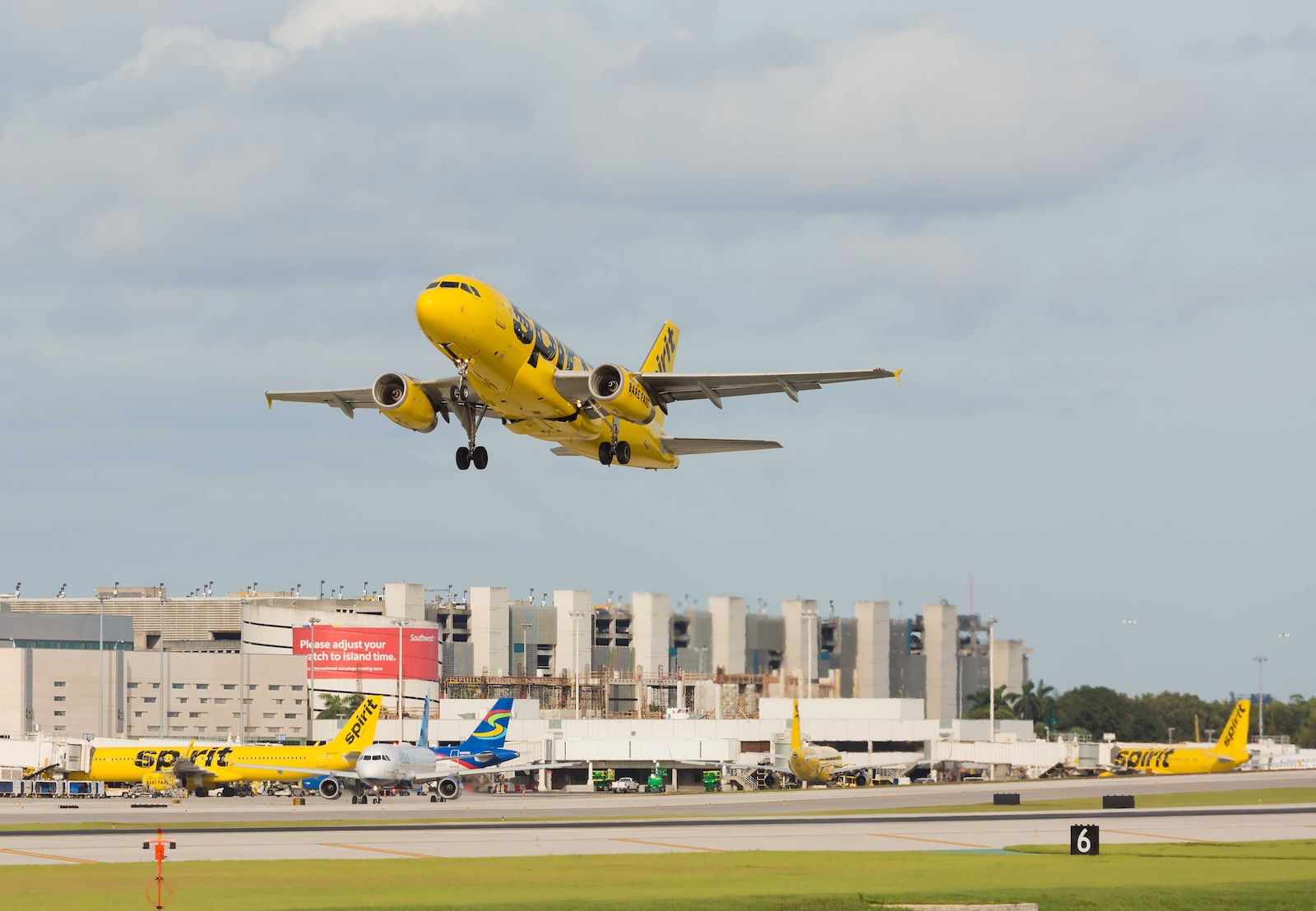
Spirit will slash the salaries for its roughly 2,400 pilots in another cost-cutting move for the beleaguered carrier. These cuts come after the airline furloughed over 500 pilots this year, with more planned in 2026.

The ultra-low-cost carrier – which filed for bankruptcy for the second time in August – will dock hourly pilot wages by 8%. Union leaders approved a tentative agreement this week that is still pending final sign-off from Spirit’s pilots.

This deal comes after months of “difficult bargaining,” said Captain Ryan Muller, chair of the Spirit Airlines Master Executive Council at ALPA, in a statement to AirlineGeeks. 

Negotiations between the union and airline were done “under the shadow of a potential Section 1113 filing, a bankruptcy process that would have carried an uncertain and worse outcome than a consensual agreement,” Muller added. “By reaching an agreement, we have preserved the ability for pilots, not the court, to decide the terms of any agreement.”

Spirit did not respond to a request for comment. The Air Line Pilots Association (ALPA) confirmed the tentative agreement, which also requires bankruptcy court approval.

$100 Million in Cuts

In September, Spirit’s chief operating officer, John Bendoraitis, said it needs to save $100 million a year on its pilot contract, according to Business Insider. 

These savings, Bendoraitis added, are to help “secure the company’s future.” For the third quarter, Spirit reported a net loss of $317.5 million.

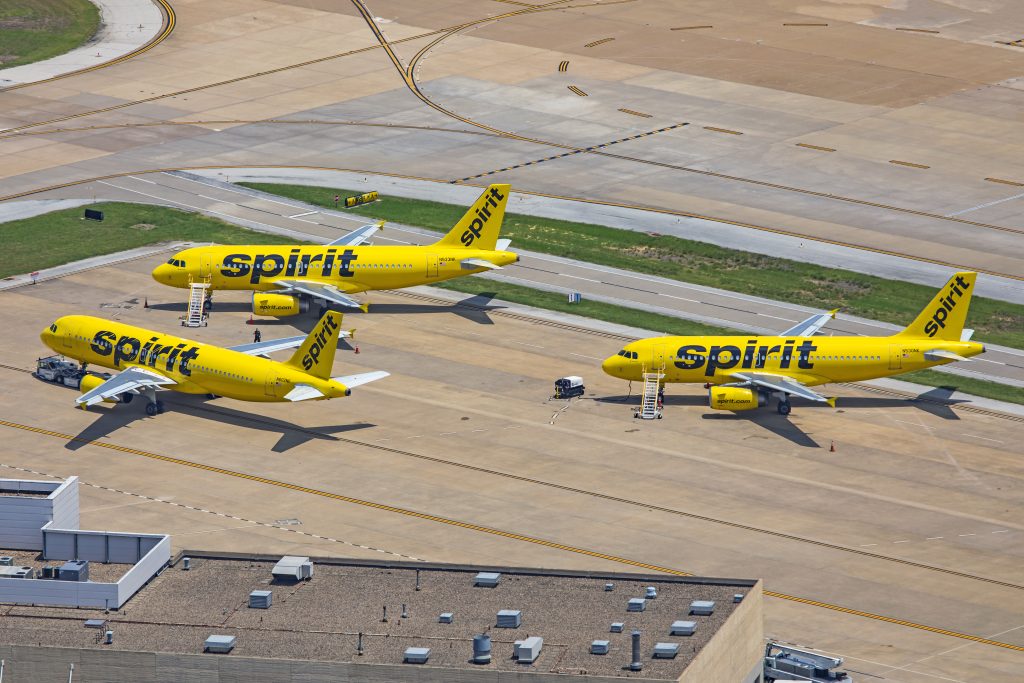
Spirit aircraft
Spirit Airbus jets (Photo: AirlineGeeks | William Derrickson)

Also part of the deal with its pilots, Spirit will decrease 401(k) defined contributions from 16% to 8%, effective Jan. 1. Pay restoration is slated for Aug. 1, 2028, with a 4% increase, followed by another 4% on Jan. 1, 2029. The 401(k) contribution will be restored to 16% by July 1, 2029, union officials told pilots.

The airline’s flight attendants are also in the process of negotiating changes to their contract.

Ryan Ewing

Ryan founded AirlineGeeks.com in February 2013 and has spent more than a decade covering the airline business. His work has been featured by CNN, WJLA, CNET, and Business Insider. His aviation experience spans airport operations, Part 135 regulatory compliance, and airline crew workforce planning, along with time behind the yoke of a Cessna 172 and interviews with airline executives. Ryan now serves as Group President of Firecrown Media’s Aviation Group. He holds a B.S. in Air Transportation Management and an MBA from Arizona State University and teaches Airline Management at Embry-Riddle Aeronautical University.
Sign-up for newsletters & special offers!

Get the latest stories & special offers delivered directly to your inbox

SUBSCRIBE