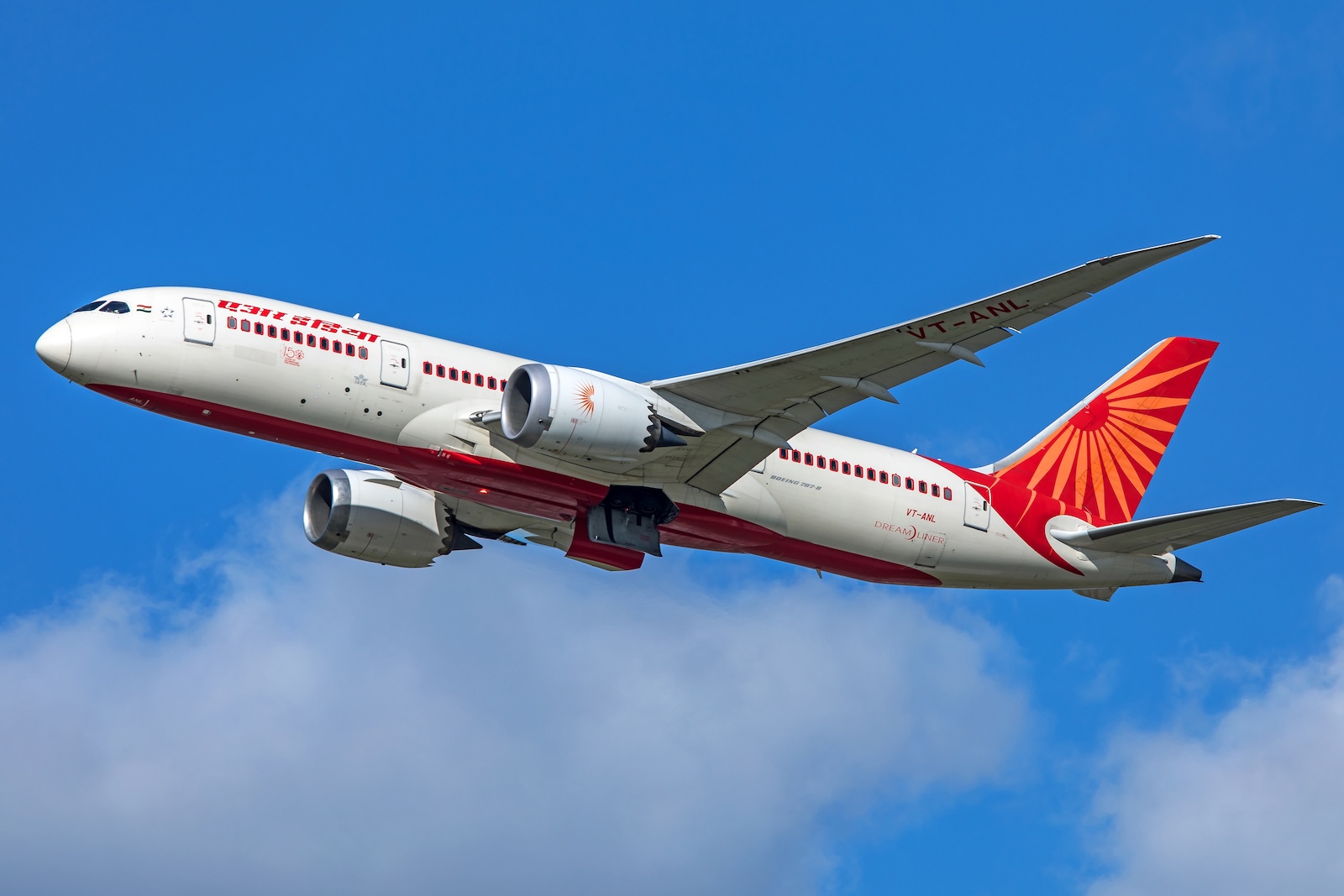
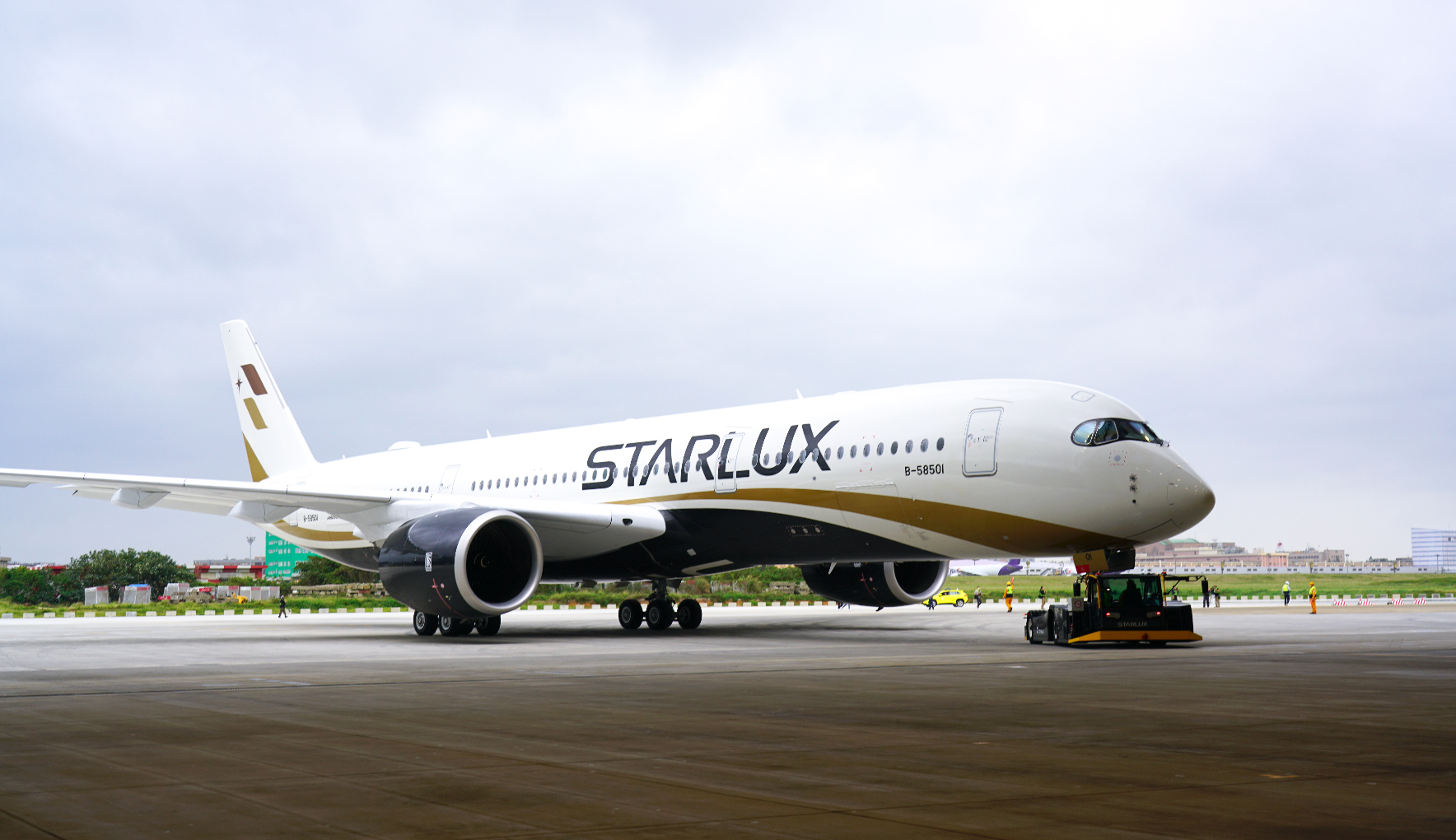
The incentive is part of a profit-sharing arrangement that delivered almost eight months of extra pay to employees in fiscal year 2024 and about six and a half months of extra pay in fiscal year 2023.
The airline told Channel News Asia that profit sharing is worked out according to a “longstanding formula” negotiated by the different employee unions.
The news came the same day Singapore Airlines released its full-year earnings for 2024-25, including record profits of $2.8 billion. The airline’s fiscal year ends on March 31 and starts on April 1.
Singapore Airlines’ gains were largely fueled by the merger of its former subsidiary Vistara with Air India, which netted the carrier a one-off non-cash accounting gain of $1.1 billion. The airline said demand for air travel and cargo remains strong, though passenger traffic growth lagged behind the fleet’s capacity expansion. Operating profits declined to $1.7 billion from $2.7 billion in the prior fiscal year.
Zach Vasile is a writer and editor covering news in all aspects of commercial aviation. He has reported for and contributed to the Manchester Journal Inquirer, the Hartford Business Journal, the Charlotte Observer, and the Washington Examiner, with his area of focus being the intersection of business and government policy.
How AI Helps British Airways Keep Flights On Time
British Airways said that, with the implementation of artificial intelligence, rates of on time flights at Heathrow rose to 86%, up from 46%.
The airline reported that, with the implementation of AI tools, on-time departures at the carrier’s home base at Heathrow Airport in London have climbed to 86%, up dramatically from 2008, when that figure stood at 46%. Last month, two-thirds of all the airline’s flights leaving Heathrow took off ahead of their departure time, double the rate for April 2023 and up almost 20% from April 2024.
“The tech colleagues have at their fingertips has been a real gamechanger for performance, giving them the confidence to make informed decisions for our customers based on a rapid assessment of vast amounts of data,” British Airways Chairman and CEO Sean Doyle said in a statement. “It’s exciting that our industry is able to harness this capability, which will develop even further in the months years to come.”
A British Airways Boeing 787-8 Dreamliner (Photo: AirlineGeeks | William Derrickson)
British Airways said the development of AI tools is part of a broader £100 million investment in operational resilience, equivalent to about $132 million. The effort has allowed the airline to hire over 100 data scientists since 2023.
New Resources
Among the new programs is a tool that helps British Airways employees allocate landing space at Heathrow based on analysis of passengers’ travel patterns and connecting flights. The system has reduced missed connections at the airport and saved about 160,000 minutes of delays since its rollout, the airline said. A similar tool is being used to highlight routes that could face holdups, allowing teams to better allocate resources to make sure those flights still take off on time.
The airline’s Runway Support program helps mitigate the effects of travel disruptions by pulling in and analyzing massive amounts of information about schedules, passengers, and crews to calculate the most appropriate response.
Depending on the circumstances, the AI may recommend canceling a flight, delaying a departure, or switching passengers to a different aircraft. Runway Support has been used to model 163 disruptions across 2024 and 2025.
British Airways is also using AI to predict the weather and its effect on travel. This tool helps reroute flights that could face poor flying conditions and communicates those plans directly to British and European air traffic control centers. The predictive technology has prevented 243,000 minutes of delays so far.
A number of airlines are now testing and rolling out AI-assisted programs to enhance operations, including United, whose Connection Saver is designed to help passengers make their connecting flights on time. American is trying out similar technology at some of its hub airports starting this summer.
British Airways said it plans to test and debut more AI tools in the coming months, including new apps for pilots, cabin crew teams, and aircraft dispatch teams to help speed up departures.
Zach Vasile is a writer and editor covering news in all aspects of commercial aviation. He has reported for and contributed to the Manchester Journal Inquirer, the Hartford Business Journal, the Charlotte Observer, and the Washington Examiner, with his area of focus being the intersection of business and government policy.
Porter Drops U.S. Route After Seven Months
Porter is the latest Canadian airline to scale back service to the U.S., joining a growing list of high-profile route cuts in recent months.
As first flagged by Aeroroutes, the airline will not resume flights between Toronto and San Diego, a route that began in December. With this service cut, Porter will completely exit the San Diego market.
An airline spokesperson confirmed the route cut to AirlineGeeks, adding that Toronto-to-San Diego flights will end on June 25.
“We never want to leave any market. However, we are prioritizing operational reliability over the summer period, which requires additional spare aircraft capacity,” the spokesperson added in an email.
At just over 2,000 miles, the route is among Porter’s longest. The carrier also serves San Francisco and Los Angeles in California.
Porter Airlines E195-E2 cabin (Photo: AirlineGeeks | Andrew Chen)
“This was a logical decision as San Diego is a newer addition to our network, having launched last December, and unfortunately hasn’t met our performance expectations,” the spokesperson continued. “The market and passenger preferences will continue guiding us as we make network decisions.”
Ryan founded AirlineGeeks.com back in February 2013 and has amassed considerable experience in the aviation sector. His work has been featured in several publications and news outlets, including CNN, WJLA, CNET, and Business Insider. During his time in the industry, he's worked in roles pertaining to airport/airline operations while holding a B.S. in Air Transportation Management from Arizona State University along with an MBA. Ryan has experience in several facets of the industry from behind the yoke of a Cessna 172 to interviewing airline industry executives. Ryan works for AirlineGeeks' owner FLYING Media, spearheading coverage in the commercial aviation space.
A Cape Air Tecnam P2012 Traveller lifts off. (Photo: Cape Air)
Cape Air announced the deployment of its Tecnam P2012 Traveller aircraft to its Caribbean network, with operations beginning this month. The Hyannis, Massachusetts-based airline has been utilizing this aircraft model in the U.S. Northeast and Montana since 2019 and was a key partner in its development, alongside Lycoming engines and Garmin avionics.
An airline spokesperson told AirlineGeeks that the newer aircraft will be spread across various routes in the Caribbean.
Linda Markham, Cape Air president and CEO, stated, “We are excited to introduce the Tecnam P2012 Traveller to our Caribbean network, offering our passengers a modern, stylish, and highly capable twin-engine aircraft perfect for connecting smaller communities.”
A Cape Air Tecnam P2012 Traveller (Photo: AirlineGeeks | Joey Gerardi)
She added, “We are confident that this innovative aircraft will provide an exceptional flying experience for the passengers and communities we serve. We look forward to seeing the Traveller enhance our service throughout the Caribbean.”
The aircraft is equipped with Garmin G1000 Nxi avionics and powered by two 375 HP Lycoming piston engines. Passenger amenities include air conditioning, USB ports, armrests, cup holders, fresh air outlets, and increased legroom.
Founded in 1989, Cape Air serves 31 cities in the U.S. and the Caribbean. The airline has grown from operating three daily flights between Provincetown and Boston to managing a fleet of 98 aircraft, conducting over 300 flights per day, and serving approximately 400,000 passengers annually.
Ryan founded AirlineGeeks.com back in February 2013 and has amassed considerable experience in the aviation sector. His work has been featured in several publications and news outlets, including CNN, WJLA, CNET, and Business Insider. During his time in the industry, he's worked in roles pertaining to airport/airline operations while holding a B.S. in Air Transportation Management from Arizona State University along with an MBA. Ryan has experience in several facets of the industry from behind the yoke of a Cessna 172 to interviewing airline industry executives. Ryan works for AirlineGeeks' owner FLYING Media, spearheading coverage in the commercial aviation space.
United Flight Attendants Slam Airline Over New Seats
The Association of Flight Attendants-CWA (AFA) has stated that United is “demanding concessions from flight attendants” while announcing its new interiors.
A United 787-9 Dreamliner. (Photo: AirlineGeeks | William Derrickson)
The Association of Flight Attendants-CWA (AFA) has stated that United is “demanding concessions from flight attendants” while announcing its new Dreamliner interiors on Tuesday.
United’s new Boeing 787-9 Dreamliner cabin design has 99 premium seats and a new business class called Polaris Studio. Meanwhile, the AFA is arguing against proposed concessions in its ongoing labor bargaining with the airline.
A news release published by the union representing 28,000 United flight attendants stated that no other contract across the industry in this round of bargaining included concessions.
“Service doesn’t happen without us,” said AFA International President Sara Nelson and United AFA President Ken Diaz, in the release. “United has the money to invest in an industry-leading Flight Attendant contract with ‘premium’ compensation, work rules, and cabin interiors.
The release noted United CEO Scott Kirby’s 246% increase in compensation over the last two years “while leaving flight attendants nearly four years past due on a raise and contract.”
“Today’s announcement adds insult to injury,” Nelson and Diaz said in the release. “Scott Kirby has no business demanding concessions while stuffing his own pockets with gold and beating his chest about United being the best. Right now, he’s just beating competitors by failing to pay us – the people who make United fly.”
A United Elevated interior in a Boeing 787-9 Dreamliner. (Photo: United Airlines)
The union stated that negotiations are ongoing in Chicago this week as part of three weeks of back-to-back intensive bargaining with aims toward reaching a tentative agreement.
United’s Labor Fight Continues
United and the AFA have been renegotiating its 2016 ratified contract since August 2021.
The AFA is negotiating for a double-digit pay increase, pay for time at work on the ground, retroactive pay to the amendable date, schedule flexibility, and work rule improvements, among other benefits.
In August 2024, flight attendants in the union voted to authorize a strike if an agreement with United could not be reached. This authorization allowed the union to request a release from the National Mediation Board, which could lead to a 30-day “cooling off” period and strike deadline.
The AFA has yet to exercise this option in its negotiations with United.
AirlineGeeks.com was founded in February 2013 as a one-person blog in Washington D.C. Since then, we’ve grown to have 25+ active team members scattered across the globe. We are all here for the same reason: we love deep-diving into the fascinating realm of the airline industry.
A Qatar Airways Boeing 787 Dreamliner. (Photo: AirlineGeeks | Katie Zera)
Qatar has agreed to purchase up to 210 aircraft from Boeing during a visit from President Donald Trump in the country’s capital city of Doha.
The purchase is part of a broader $1.2 trillion economic agreement between the U.S. and Qatar signed by Trump on Wednesday. It includes $243.5 billion in economic deals between the two countries as well as a record-setting sale of Boeing aircraft and GE Aerospace engines to Qatar Airways.
According to a White House statement, Boeing and GE Aerospace have secured a $96 billion order from Qatar Airways to purchase up to 210 American-made Boeing 787 Dreamliner and 777X aircraft powered by GE Aerospace engines.
“This is Boeing’s largest-ever widebody order and largest-ever 787 order,” the White House stated. “This historic agreement will support 154,000 U.S. jobs annually, totaling over 1 million jobs in the United States during the course of production and delivery of this deal.”
A Boeing 777X test bed flares for landing on a test flight. (Photo: AirlineGeeks | Katie Zera)
“We are deeply honored that Qatar Airways has placed this record-breaking order with Boeing, one that solidifies their future fleet with our market-leading widebody airplane family at its center,” said Stephanie Pope, president and CEO of Boeing Commercial Airplanes, in the Boeing news release. “Our team is looking forward to building 787s and 777s for Qatar Airways into the next decade as they connect more people and businesses around the world with unmatched efficiency and comfort.”
The deal also includes a plethora of investments between U.S. and Qatar business and defense sectors.
Qatar Airways has been growing its fleet with ongoing deliveries of Boeing 787-9 and Airbus A350-1000 aircraft in recent years.
“We are happy to announce our agreement with Boeing and our partnership in the largest aircraft order in our history,” said Engr. Badr Mohammed Al-Meer, CEO of Qatar Airways Group, in the Boeing news release. “A critical next step for Qatar Airways on our path as we invest in the cleanest, youngest and most efficient fleet in global aviation. This so we can meet the strong demand in the airline as we seamlessly connect passengers to the world better than anyone.”
“After two consecutive years of record-breaking commercial performance and with this historic Boeing aircraft order we’re not simply chasing scale, we’re building strength that will allow us to continue to deliver our unmatched products and customer experiences,” he continued. “We thank our Boeing partners for answering the call and look forward to a future of continued smart growth together.”
Wednesday’s order comes one day after Senator Ted Cruz (R-Texas) raised espionage concerns over a 747-8i gifted by the royal family of Qatar to Trump as a temporary Air Force One while the president awaits his own aircraft delivery from Boeing.
The luxury aircraft has been called a “palace in the sky” due to its features.
AirlineGeeks.com was founded in February 2013 as a one-person blog in Washington D.C. Since then, we’ve grown to have 25+ active team members scattered across the globe. We are all here for the same reason: we love deep-diving into the fascinating realm of the airline industry.
A Boeing 787-10 in North Charleston (Photo: AirlineGeeks | Chuyi Chuang)
Boeing has agreed to settle a wrongful death lawsuit filed by the family of deceased whistleblower John “Mitch” Barnett.
The settlement, filed in a federal court on Monday, concludes a nearly two-month wrongful death lawsuit filed by Barnett’s family a year after his death in March 2024. The details of the settlement were not provided in court documentation.
In the lawsuit, Barnett’s family claimed he was driven to suicide after “retaliation, harassment and maltreatment” from the company led him to be diagnosed with post-traumatic stress disorder.
Barnett, a seasoned quality inspector at the aircraft manufacturer, drew national attention to Boeing’s quality control issues with its 787 Dreamliner program.
John Barnett in a Netflix documentary (Photo: Netflix)
The Federal Aviation Administration began investigations into Boeing’s quality control processes after a door plug flew off an Alaska 737 MAX 9 in February 2024, a month before Barnett committed suicide.
He was suing Boeing under the provisions of the AIR21 Whistleblower Protection Program, and was scheduled to take a follow-up deposition for the lawsuit before he was found dead in his truck in Charleston, South Carolina.
AirlineGeeks reached out to prosecuting attorney David Boies for comment.
AirlineGeeks.com was founded in February 2013 as a one-person blog in Washington D.C. Since then, we’ve grown to have 25+ active team members scattered across the globe. We are all here for the same reason: we love deep-diving into the fascinating realm of the airline industry.
Bricker says Sun Country should “absolutely” be a willing participant in industry M&A activity, but noted that he doesn’t “spend a lot of time worrying about it.”
“I think the industry uniformly benefits from consolidation because it rationalizes capacity,” he said at a Bank of America investors summit on Tuesday. “But we’re small, we’re independent, [and] we’re weird. So we’re not a natural fit. There’s no puzzle piece that goes naturally anywhere.”
Sun Country posted a net income of approximately $37 million in the first quarter, with its earnings being on the higher end compared to its low-cost peers. In addition to its scheduled airline business, the company maintains a larger charter and freighter operation.
“So Spirit [and] Frontier haven’t made operating cash flow since COVID. JetBlue is in that camp too,” he added during the event. “Allegiant is working on trying to go back into being an airline and down into their core business. There are two startups in the space that haven’t made money yet.”
Bricker called this saturation “irrational.”
“It’s unsustainable. … I think there needs to be some action. I’m kind of disappointed with the Spirit bankruptcy and what it produced,” he continued.
Although Bricker says he isn’t actively placing bids, he noted that “we’re gonna be ready to take advantage of any opportunities that are out there.”
Ryan founded AirlineGeeks.com back in February 2013 and has amassed considerable experience in the aviation sector. His work has been featured in several publications and news outlets, including CNN, WJLA, CNET, and Business Insider. During his time in the industry, he's worked in roles pertaining to airport/airline operations while holding a B.S. in Air Transportation Management from Arizona State University along with an MBA. Ryan has experience in several facets of the industry from behind the yoke of a Cessna 172 to interviewing airline industry executives. Ryan works for AirlineGeeks' owner FLYING Media, spearheading coverage in the commercial aviation space.
United confirmed it has ordered 40 more A321neos as it expands its share of Airbus aircraft, a possible buffer against delays in deliveries from Boeing.
United has ordered an additional 40 jets from Airbus.
Airbus listed the order in an order and delivery report in March but did not disclose who the buyer was. United confirmed to AirlineGeeks on Wednesday that it had exercised options for 40 additional A321neos, with deliveries expected after 2030.
United has been building up its stock of Airbus aircraft over the last several years. In 2019 it ordered 50 A321XLRs and two years later agreed to buy 70 A321neos.
In October 2023 the airline ordered an additional 60 A321neos, boosting its total expected delivery of A321s to 180 aircraft at the time. It is also in the process of leasing 40 A321neos, with deliveries expected in 2026-27.
According to PlaneSpotters.net data, United currently has 37 A321s in service.
United officials have discussed using Airbus aircraft to fill some gaps created by the delayed delivery of Boeing’s 737 MAX 10.
According to Reuters, United officials said Tuesday that the airline might not take delivery of the MAX 10 until 2027 or 2028 because of delays in getting the aircraft certified for use.
Zach Vasile is a writer and editor covering news in all aspects of commercial aviation. He has reported for and contributed to the Manchester Journal Inquirer, the Hartford Business Journal, the Charlotte Observer, and the Washington Examiner, with his area of focus being the intersection of business and government policy.
United Pushes Back 737 MAX 10 Delivery
United is facing more delays for its long-awaited Boeing 737 MAX 10 aircraft, the largest variant of the single-aisle jet.
A Boeing 737 MAX 10 (Photo: AirlineGeeks | William Derrickson)
United is facing more delays for its long-awaited Boeing 737 MAX 10, the largest variant of the single-aisle jet. The aircraft is still pending approval from the Federal Aviation Administration.
Speaking to Reuters, United’s chief commercial officer, Andrew Nocella, said Tuesday that the carrier may not receive the MAX 10 until 2027 or 2028. The type was already removed from the airline’s fleet plan.
‘More Bullish’
Earlier this year, United leadership expressed optimism on the MAX 10, despite the ongoing delays.
“ With Boeing starting to make some real progress in improving their business, we’re becoming more bullish on the MAX 10,” United’s chief financial officer, Mike Leskinen, said during an earnings call.
A Boeing 737 MAX 10 EcoDemonstrator wearing United’s ‘SAF is the Future’ livery. (Photo: AirlineGeeks | Fangzhong Guo)
As it awaits the MAX 10, United says it remains pleased with the smaller MAX 9, calling it a “great aircraft.” The airline has nearly 100 MAX 9 aircraft in its fleet, with more planned.
The Chicago-based carrier ordered the MAX 10 variant in 2017 with plans for 100 aircraft. At the time, Boeing had planned to deliver the first aircraft in late 2020.
Ryan founded AirlineGeeks.com back in February 2013 and has amassed considerable experience in the aviation sector. His work has been featured in several publications and news outlets, including CNN, WJLA, CNET, and Business Insider. During his time in the industry, he's worked in roles pertaining to airport/airline operations while holding a B.S. in Air Transportation Management from Arizona State University along with an MBA. Ryan has experience in several facets of the industry from behind the yoke of a Cessna 172 to interviewing airline industry executives. Ryan works for AirlineGeeks' owner FLYING Media, spearheading coverage in the commercial aviation space.