The carrier recently launched service between Taipei and Ontario, California, its fourth destination in the U.S. It is also slated to add service to Phoenix.
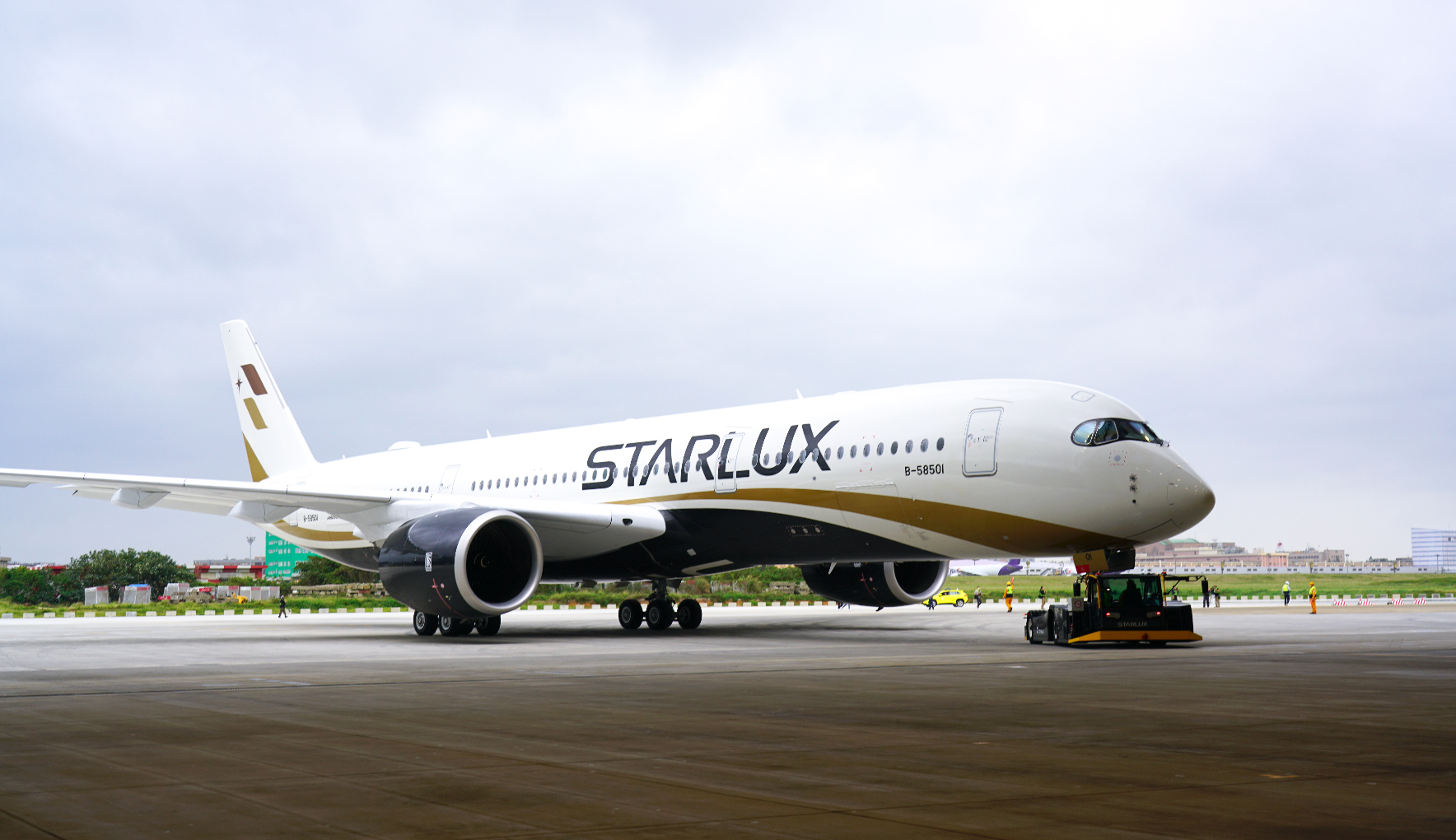
Starlux's first Airbus A350-900 at Taiwan Taoyuan International Airport after its delivery flight. (Photo: Starlux)
Starlux Airlines of Taiwan has signed a new agreement with Airbus for 10 more A350-1000 widebody jets.
Announced at the Paris Air Show on Wednesday, the deal brings Starlux’s total A350 order to 18 aircraft.
“This aircraft offers efficiency, range, and comfort, making it the perfect fit for our strategy to optimise long-haul operations while delivering an exceptional passenger experience,” said Starlux CEO Glenn Chai in a news release. “As we continue to strengthen our international network, the A350-1000 will play an important role in driving growth, sustainability, and operational flexibility.”
Starlux, which has its headquarters in Taipei, operates an all-Airbus fleet of 28 aircraft, including A350-900s, A330neos, and A321neos. It has a total of 30 aircraft on order with Airbus, including A350-1000s and A350F freighters.
Zach Vasile is a writer and editor covering news in all aspects of commercial aviation. He has reported for and contributed to the Manchester Journal Inquirer, the Hartford Business Journal, the Charlotte Observer, and the Washington Examiner, with his area of focus being the intersection of business and government policy.
NTSB Warns of Smoke Risk on Boeing 737 MAX
According to the NTSB, the flight deck rapidly filled with “acrid white smoke” so thick that the captain had difficulty seeing the instrument panel.
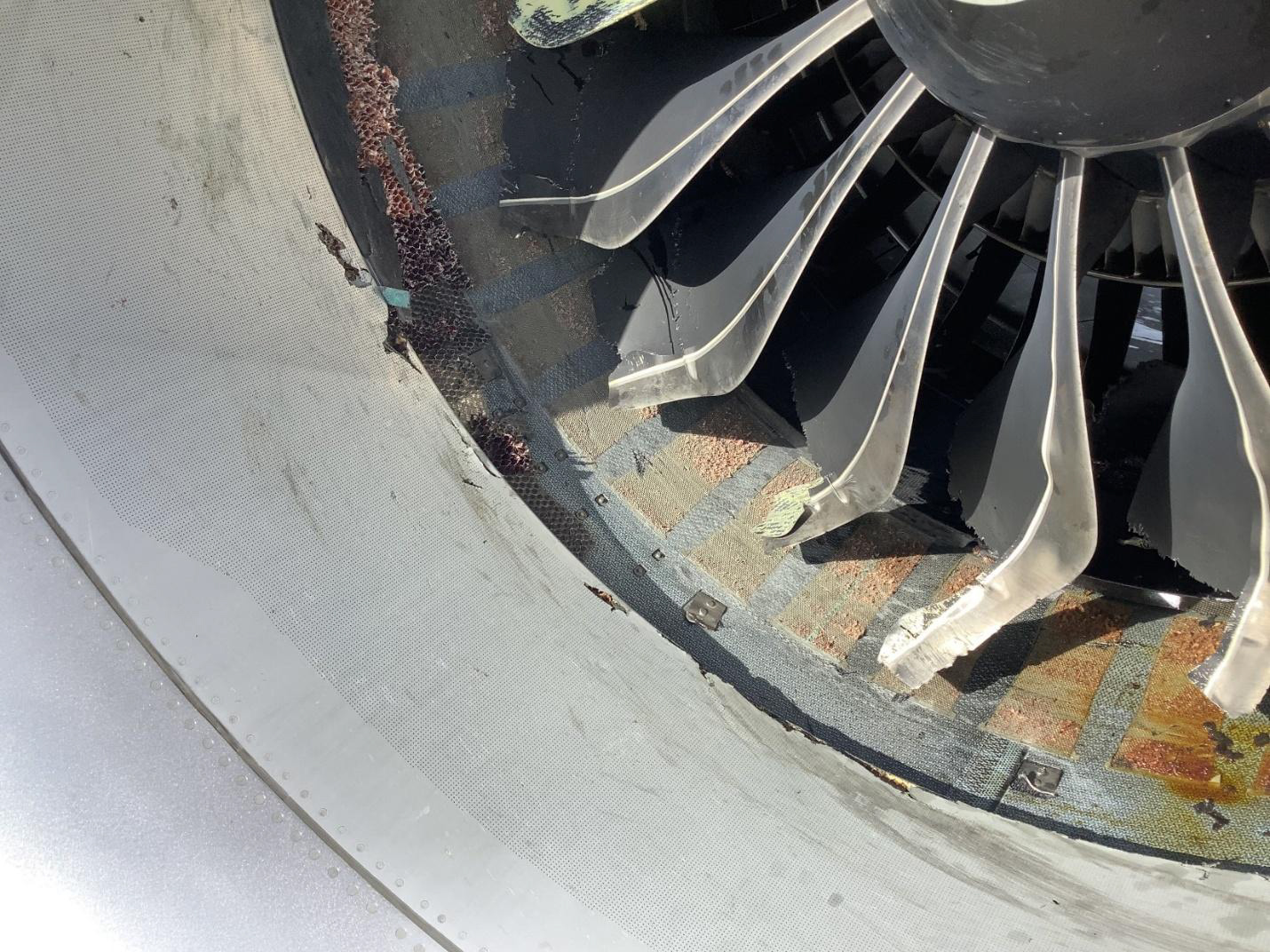
Close-up photo of damage to the 737 MAX's left engine (Photo: Southwest Airlines, via NTSB)
The National Transportation Safety Board has issued urgent safety recommendations following incidents where smoke entered the cockpit and cabin of Boeing 737 MAX aircraft equipped with CFM International LEAP-1B engines.
“The NTSB found that the engine load reduction device, or LRD, a safety feature designed to reduce the severity of vibrations transmitted from a damaged engine to the airframe, can result in damage to the engine oil system,” the agency stated in its Wednesday report.
Recent Incidents
The recommendations stem from two separate incidents involving Southwest flights. On December 20, 2023, Southwest flight 554, a Boeing 737 MAX 8, departed from Louis Armstrong New Orleans International Airport when a bird was ingested into the left engine shortly after takeoff.
According to the NTSB investigation, the flight deck rapidly filled with “acrid white smoke” so thick that the captain had difficulty seeing the instrument panel. The first officer called for oxygen masks, and the pilots were able to clear the smoke after following emergency procedures. The aircraft returned to New Orleans without injuries to any of the 139 people on board.
A similar incident occurred on March 5, 2023, when Southwest flight 3923 ingested a bird into its right engine during departure from Havana. In this case, vapor fog filled the passenger cabin, prompting an emergency return to the airport.
The NTSB determined that in both incidents, activation of the Load Reduction Device caused tubes supplying oil to the engine sump to become dislodged. This allowed oil to enter the core compressor upstream of the pneumatic bleed ports that supply air to the cabin and cockpit.
“The oil was exposed to high temperatures and resulted in smoke and fumes that were then fed into the cockpit,” the NTSB report explained.
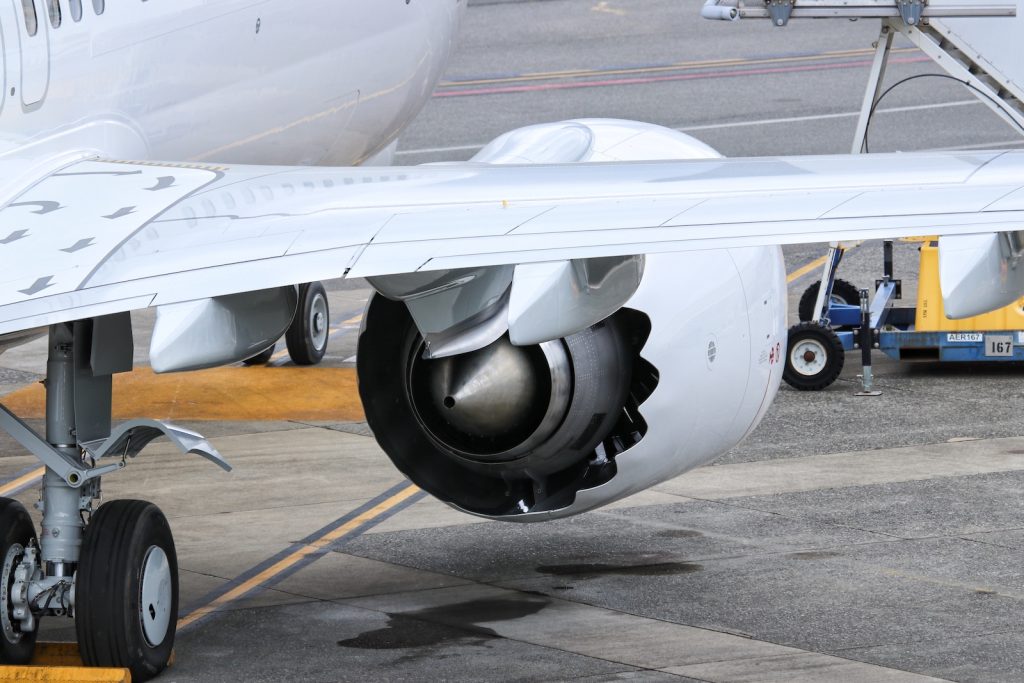
A CFM LEAP-1B engine on a 737 MAX (Photo: AirlineGeeks | Katie Zera)
Investigators found that when the first officer pulled the engine fire switch during the New Orleans incident, the smoke quickly dissipated because the pressure regulating shutoff valve automatically closed, preventing further contaminated air from entering the aircraft.
Jennifer Homendy, NTSB Chair, signed the report containing five safety recommendations addressing the issue.
Urgent Recommendations
The NTSB’s “urgent” recommendation to the Federal Aviation Administration calls for ensuring that “operators inform flight crews of airplanes equipped with CFM International LEAP-1B engines of the circumstances described in National Transportation Safety Board Aviation Investigation Report AIR-25-03, emphasizing Boeing’s changes to the quick reference handbook and flight crew operations manual so pilots are aware of actions to take if they encounter smoke in the cockpit or cabin after load reduction device activation.”
The report noted that Boeing has already updated its flight crew operations manual and quick reference handbook to include engine failure with smoke or fumes as a condition requiring immediate action.
Additionally, the NTSB recommended that aviation regulators work with CFM and Boeing to develop and implement software modifications that would prevent or limit smoke from entering aircraft cabins during LRD activation incidents.
“Even though pilot action can mitigate the amount of smoke released into the cockpit or cabin after LRD activation on CFM LEAP-1B engines, CFM International and Boeing’s planned software modification, once incorporated, would likely close the pressure regulating shutoff valve more quickly, thus minimizing the quantity of smoke and reducing the flight crew’s workload,” the NTSB concluded.
The agency also directed the FAA, European Union Aviation Safety Agency, and Civil Aviation Administration of China to determine if similar risks exist with LEAP-1A engines used on Airbus A320neo aircraft and LEAP-1C engines on Commercial Aircraft Corporation of China C919 airplanes.
Ryan founded AirlineGeeks.com in February 2013 and has spent more than a decade covering the airline business. His work has been featured by CNN, WJLA, CNET, and Business Insider. His aviation experience spans airport operations, Part 135 regulatory compliance, and airline crew workforce planning, along with time behind the yoke of a Cessna 172 and interviews with airline executives. Ryan now serves as Group President of Firecrown Media’s Aviation Group. He holds a B.S. in Air Transportation Management and an MBA from Arizona State University and teaches Airline Management at Embry-Riddle Aeronautical University.
Egyptian flag carrier Egyptair has ordered an additional six A350-900s from Airbus.
The deal, announced Wednesday at the Paris Air Show, brings Egyptair’s total order of A350-900s to 16, the two companies said in a statement.
Egyptair officials said the addition of the widebody A350 to its fleet in the coming years will support future long-haul routes.
“Today’s announcement reflects our commitment to integrating the next-generation aircraft into our fleet,” said Egyptair CEO and Chairman Ahmed Adel. “It will enable us to meet rising demand for long-haul travel, support our network expansion plans over the next five years, and contribute to Egypt’s broader efforts to promote more sustainable air transport.”
Egyptair currently operates a mix of Airbus and Boeing airplanes, including the A330-300, the A320neo, and the 787-9.
An EgyptAir Boeing 787-9 Dreamliner preparing to depart for Cairo using sustainable aviation fuel. (Photo: AirlineGeeks | Katie Zera)
Airbus has booked over 200 orders for new aircraft since the Paris Air Show began earlier this week, signing agreements with All Nippon, LOT Polish Airlines, and Riyadh Air, among others.
Zach Vasile is a writer and editor covering news in all aspects of commercial aviation. He has reported for and contributed to the Manchester Journal Inquirer, the Hartford Business Journal, the Charlotte Observer, and the Washington Examiner, with his area of focus being the intersection of business and government policy.
Iberia Plans New North American Routes
As part of a new investment and fleet expansion plan, Spanish flag carrier Iberia is launching routes to Philadelphia, Toronto, and Monterrey, Mexico.
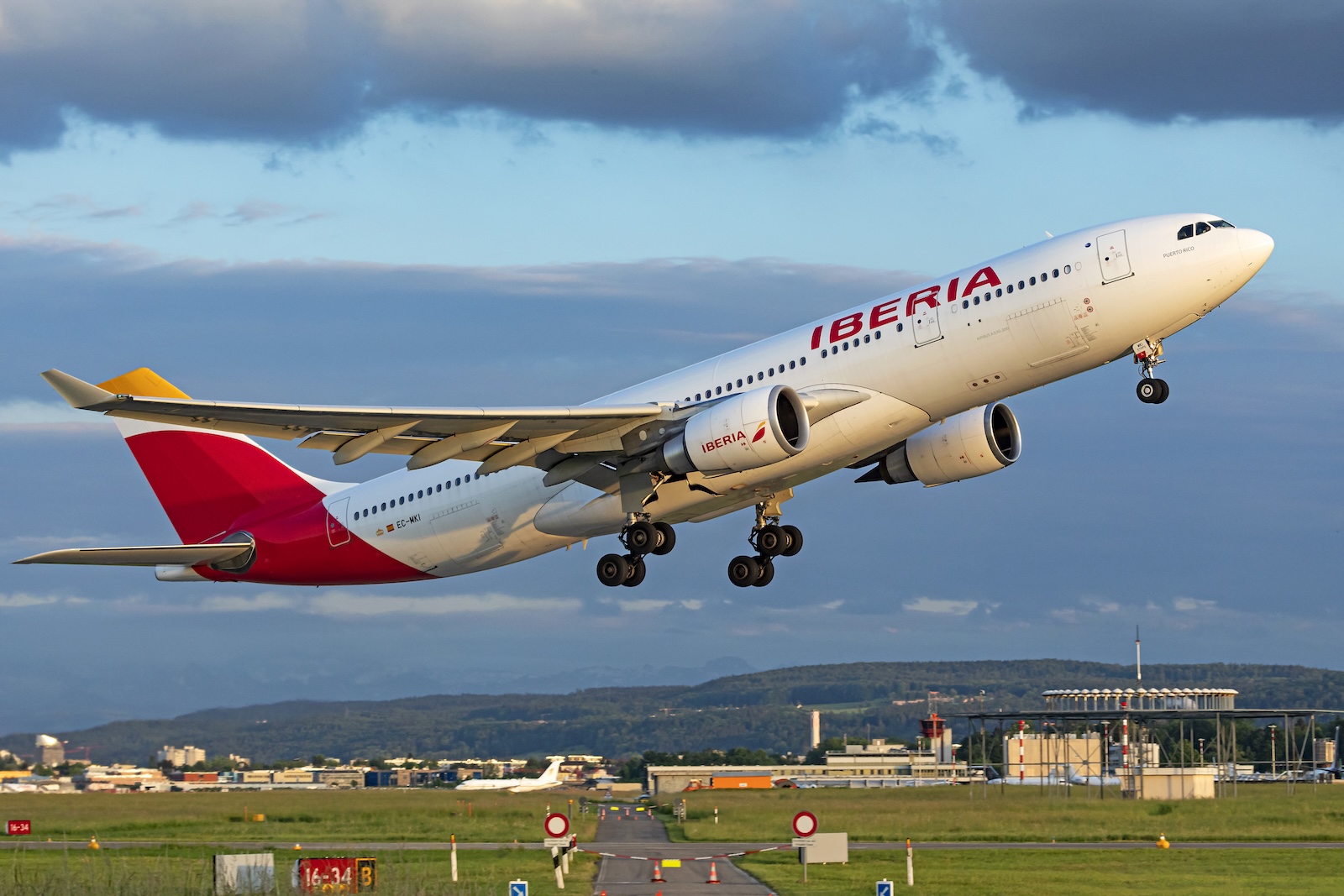
An Iberia A330-200. (Photo: AirlineGeeks | William Derrickson)
Spanish flag carrier Iberia plans to launch new routes to North America as part of a sweeping five-year strategic plan.
In a statement released Wednesday, the airline said it is adding Philadelphia, Toronto, and Monterrey, Mexico, as destinations, though it did not provide a timeframe.
Iberia said it is prioritizing new routes across the Atlantic as it scales up its long-haul fleet from 45 aircraft to approximately 70. In March, the carrier announced plans to launch service between Madrid and Orlando, Florida, and Recife and Fortaleza, Brazil.
Iberia’s strategic plan, known as Flight Plan 2030, aims to increase annual profitability to between 13.5% and 15%, which would allow the airline to reinvest about €6 billion, or $6.9 billion. Aside from growing its fleet, Iberia wants to refurbish all of its long-haul aircraft cabins, hire an average of 1,000 new workers per year, and transform Madrid–Barajas Airport, its home base, into a major European air hub.
Iberia also plans to develop its maintenance center near Madrid-Barajas, currently known as La Muñoza, into “Ciudad Iberia,” a cutting-edge aerospace technology and innovation complex. The carrier expects to move its corporate headquarters to the site in the coming years.
In the U.S., the carrier is also looking to increase existing service to San Francisco and San Juan, Puerto Rico.
Zach Vasile is a writer and editor covering news in all aspects of commercial aviation. He has reported for and contributed to the Manchester Journal Inquirer, the Hartford Business Journal, the Charlotte Observer, and the Washington Examiner, with his area of focus being the intersection of business and government policy.
JSX Adding Turboprop Aircraft
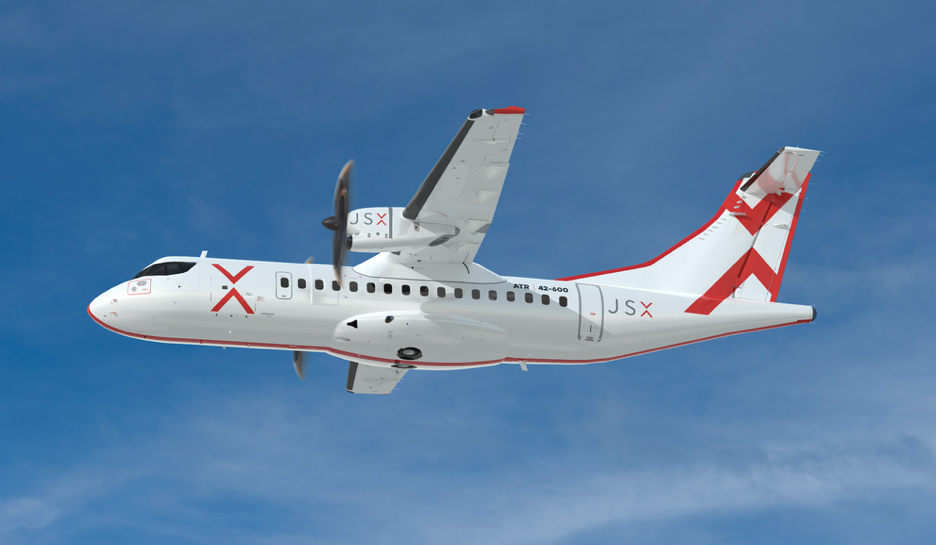
According to ATR, the -600 series aircraft will allow JSX to access more than 1,000 additional airports in the U.S. traditionally served by private aircraft.
ATR Aircraft announced Tuesday at the Paris Air Show that Dallas-based JSX intends to begin operating ATR 42-600 aircraft by the end of 2025. The move marks ATR’s entry into the U.S. public charter market, with JSX planning to lease two ATR 42-600s to expand its semi-private network across the country.
The aircraft will enable JSX to reach additional private terminals, fixed-base operators (FBOs), and underserved airports throughout the U.S., the carrier said.
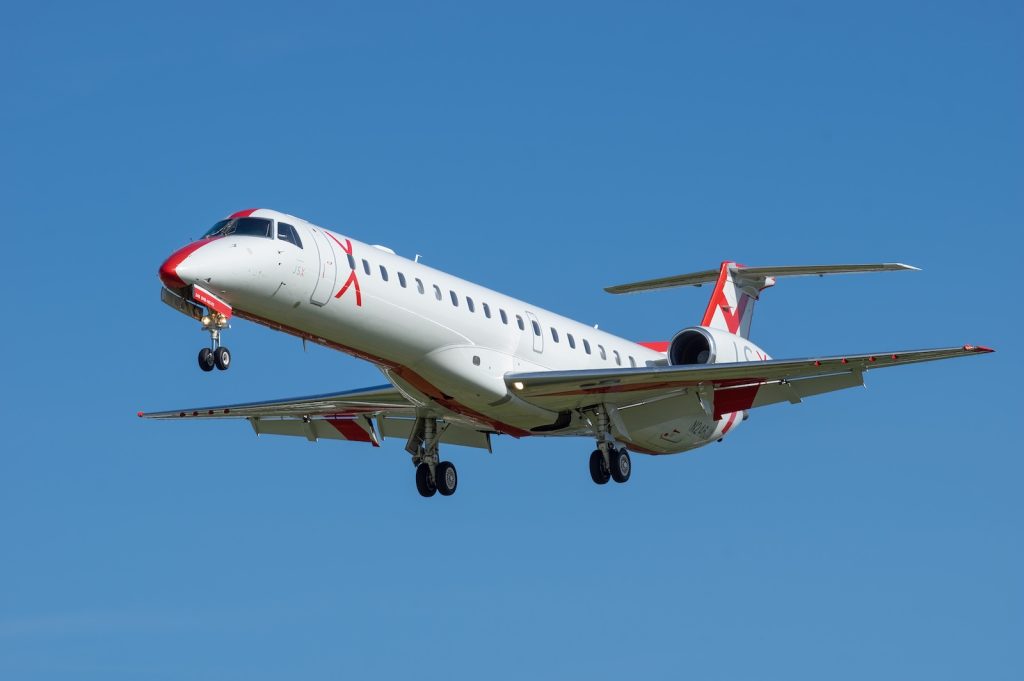
JSX’s ATR 42-600s will feature the manufacturer’s HighLine premium cabin configuration. Plans call for the aircraft to be outfitted with 30 business-class-style seats, similar to JSX’s Embraer jets.
A JSX Embraer aircraft (Photo: Shutterstock | Angel DiBilio)
In addition, JSX says it will work to add Starlink Wi-Fi to the ATR fleet.
The announcement also includes a letter of intent (LOI) for a potential future order of up to 25 ATR aircraft, including 15 firm and 10 options. These would consist of either ATR 42-600s or ATR 72-600s, both configured with 30 seats.
More Routes
According to ATR, the -600 series aircraft will allow JSX to access more than 1,000 additional airports in the U.S.
“The ATR-600 series will bring over 1,000 new airports into reach for JSX, expanding access to reliable public charter flights across the great United States. Many of these airports were, until now, reserved only for those who had the means to fly private,” said Alex Wilcox, JSX’s CEO, in a news release. “I am confident that our Customers will love the ATR product, not just for the variety of new routes it allows JSX to operate, but also for its quiet cabin and comfortable seating.”
JSX’s current fleet consists of nearly 50 Embraer E135 and E145 aircraft.
Ryan founded AirlineGeeks.com in February 2013 and has spent more than a decade covering the airline business. His work has been featured by CNN, WJLA, CNET, and Business Insider. His aviation experience spans airport operations, Part 135 regulatory compliance, and airline crew workforce planning, along with time behind the yoke of a Cessna 172 and interviews with airline executives. Ryan now serves as Group President of Firecrown Media’s Aviation Group. He holds a B.S. in Air Transportation Management and an MBA from Arizona State University and teaches Airline Management at Embry-Riddle Aeronautical University.
In addition to this confirmed order, SkyWest secured slots with Embraer for 44 additional E175 aircraft, with expected delivery dates between 2028 and 2032.
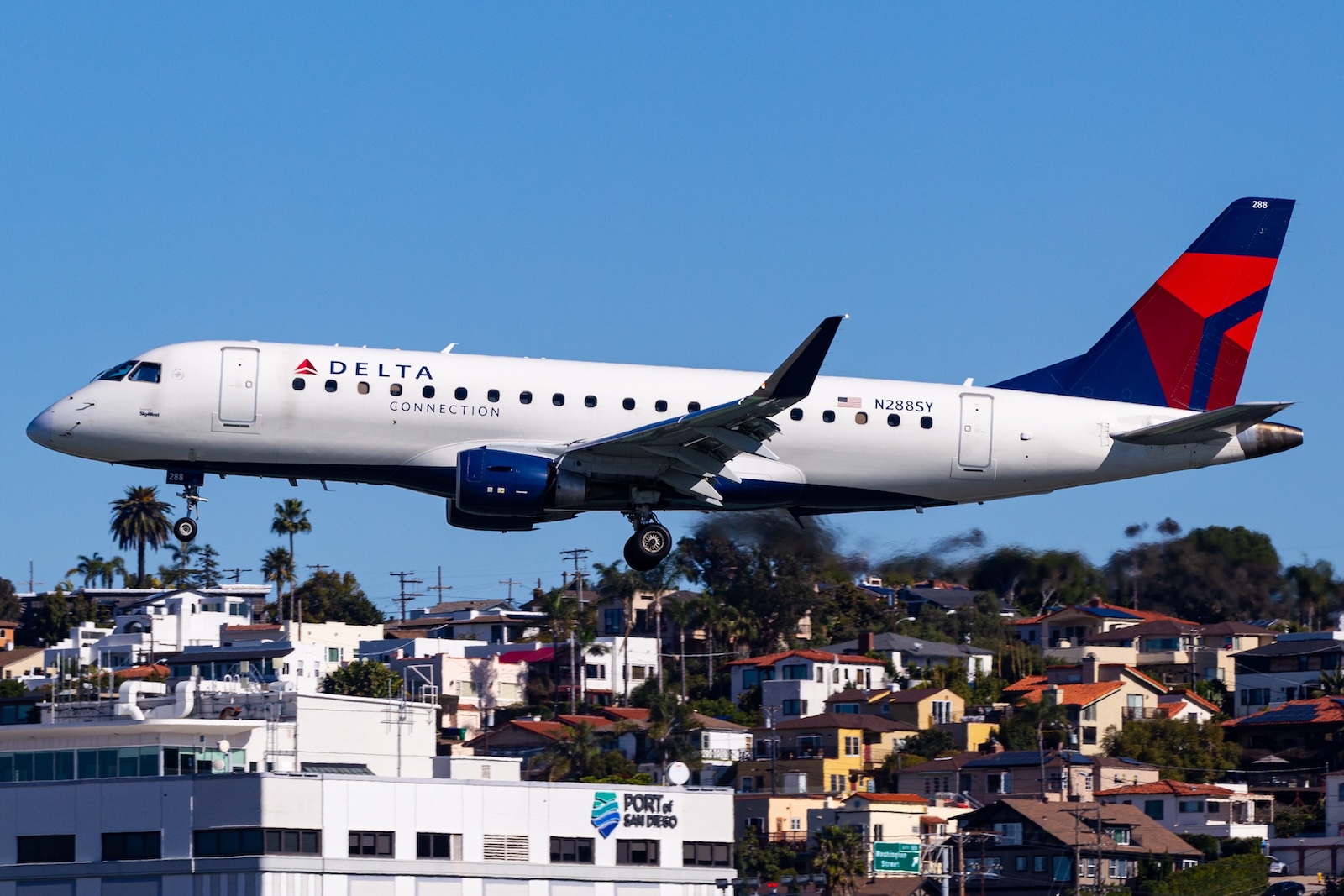
A SkyWest E175 operating for Delta Connection. (Photo: Shutterstock | Wenjie Zheng)
Regional carrier SkyWest plans to purchase and operate 16 new Embraer E175 aircraft under a multi-year contract with Delta. Deliveries of these aircraft are scheduled to begin in 2027.
The 16 new jets are expected to replace 11 Bombardier CRJ-900 and five CRJ-700 aircraft, the airline said.
In addition to this confirmed order, SkyWest secured slots with Embraer for 44 additional E175 aircraft, with expected delivery dates between 2028 and 2032. These future aircraft deliveries remain contingent on SkyWest finalizing agreements with one or more of its airline partners.
The company also holds purchase rights for 50 more E175 aircraft.
“We’re pleased to strengthen our Delta partnership and to continue to grow our E175 fleet,” said Chip Childs, president and CEO of SkyWest, in a statement. “This aircraft order enables us to advance our long-term fleet strategy, enhance our dual-class footprint, and continue to lead the industry in delivering an exceptional product for Delta and each of our flying partners.”
The deal – valued at $3.6 billion – was announced Monday at the Paris Air Show. Embraer’s commercial chief, Arjan Meijer, described it as a “mega order.”
SkyWest is the largest E-jet operator in the world with 263 aircraft in service and 16 on order. The regional airline operates on behalf of American, Delta, United, and Alaska.
Ryan founded AirlineGeeks.com in February 2013 and has spent more than a decade covering the airline business. His work has been featured by CNN, WJLA, CNET, and Business Insider. His aviation experience spans airport operations, Part 135 regulatory compliance, and airline crew workforce planning, along with time behind the yoke of a Cessna 172 and interviews with airline executives. Ryan now serves as Group President of Firecrown Media’s Aviation Group. He holds a B.S. in Air Transportation Management and an MBA from Arizona State University and teaches Airline Management at Embry-Riddle Aeronautical University.
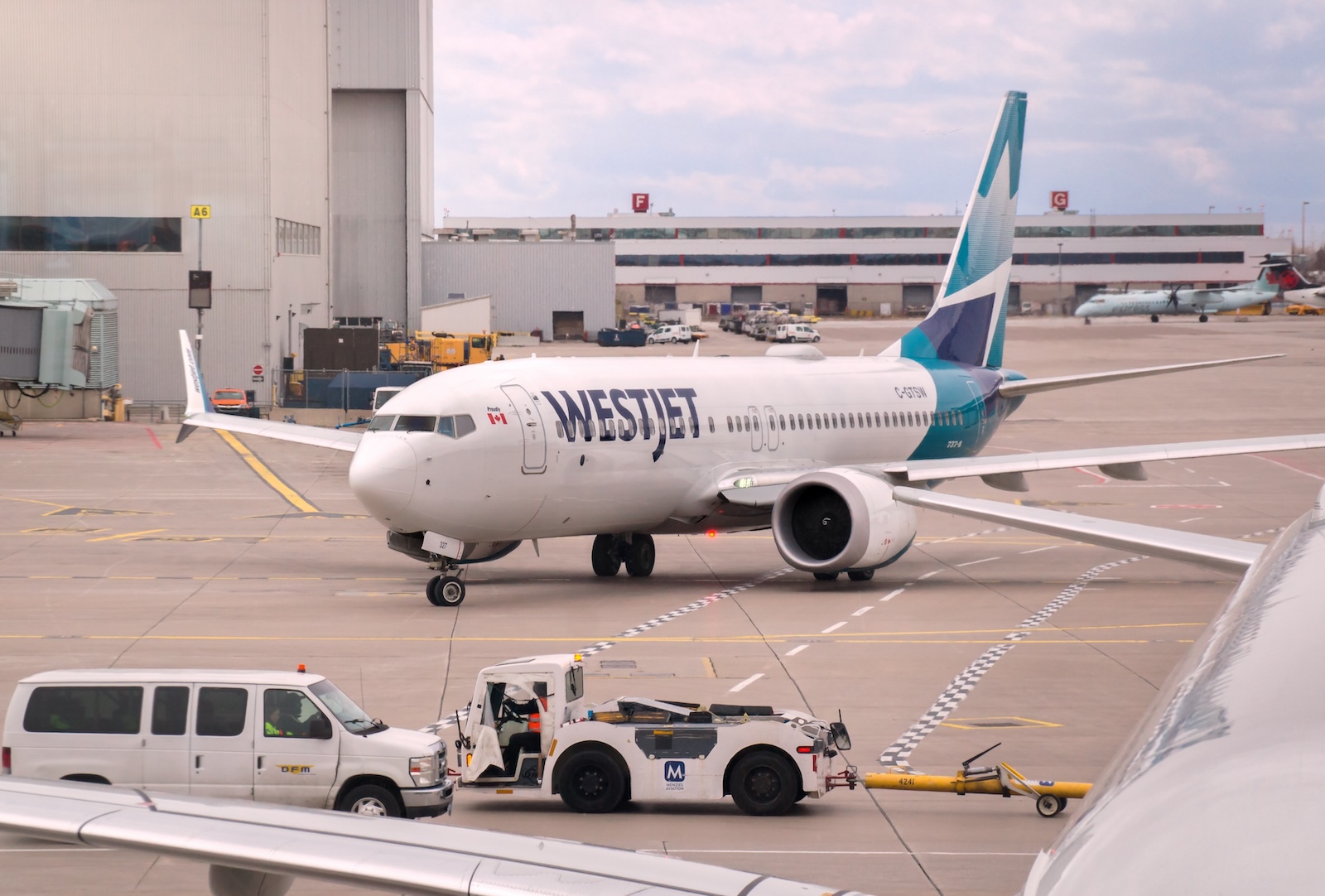
A WestJet Boeing 737 MAX. (Photo: Shutterstock | Vadim Rodnev)
Canadian airline WestJet said it is dealing with the effects of a “cybersecurity incident” and warned customers about possible service interruptions and errors while using its website and mobile app.
In a series of messages starting last Friday and extending over the weekend, the carrier said it had “activated specialized internal teams” and contacted law enforcement and Transport Canada to “investigate the matter and limit impacts.”
The breach interfered with access to certain services and software systems, WestJet said, but had no effect on its flight operations.
The airline apologized to customers and said it “continues to make progress on safeguarding our digital environment.”
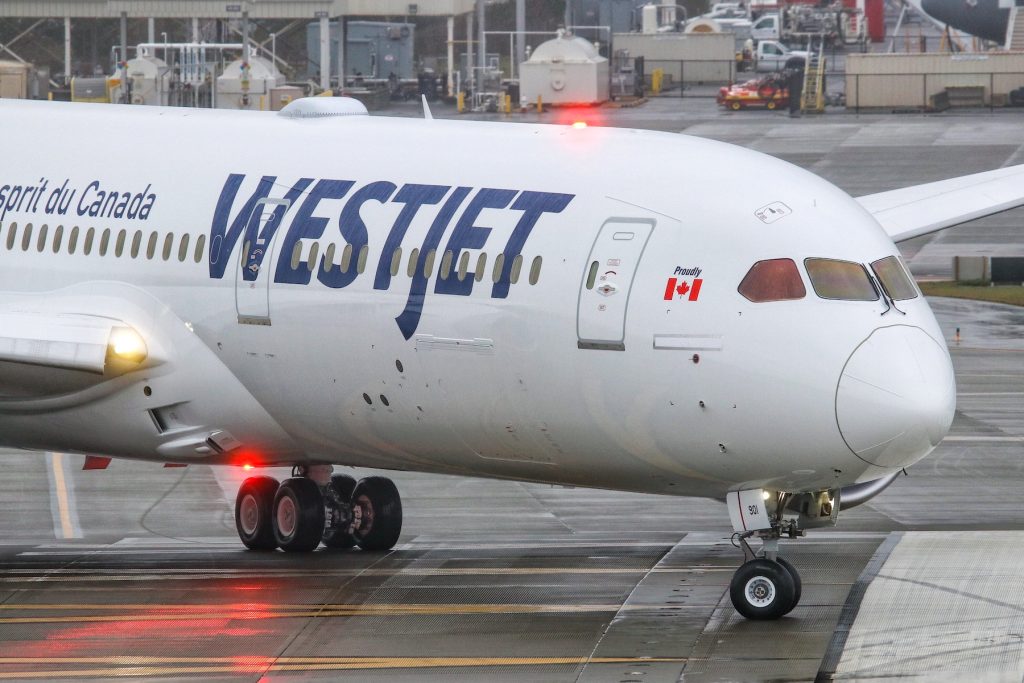
A WestJet Boeing 787 Dreamliner (Photo: AirlineGeeks | Katie Zera)
“As we continue work to determine the extent and overall impact of the cybersecurity incident, some guests may temporarily encounter intermittent interruptions or errors while using the WestJet app and/or WestJet.com and we are working to resolve these issues,” WestJet said in its latest statement, released on Sunday. “Our operations remain safe and stable and are not impacted by the situation. WestJet is grateful to our guests, our people, and our partners for their support and patience. Regular updates will continue to be provided as more details can be shared.”
The cyberattack appeared to coincide with a meeting of the G7 countries in Kananaskis, Alberta. The summit ended on Tuesday.
Zach Vasile is a writer and editor covering news in all aspects of commercial aviation. He has reported for and contributed to the Manchester Journal Inquirer, the Hartford Business Journal, the Charlotte Observer, and the Washington Examiner, with his area of focus being the intersection of business and government policy.
United Resuming Route After Six Years
The airport will now offer service to all of United's mainland U.S. hubs, including Chicago O’Hare, Houston, San Francisco, Los Angeles, Denver, and Newark.
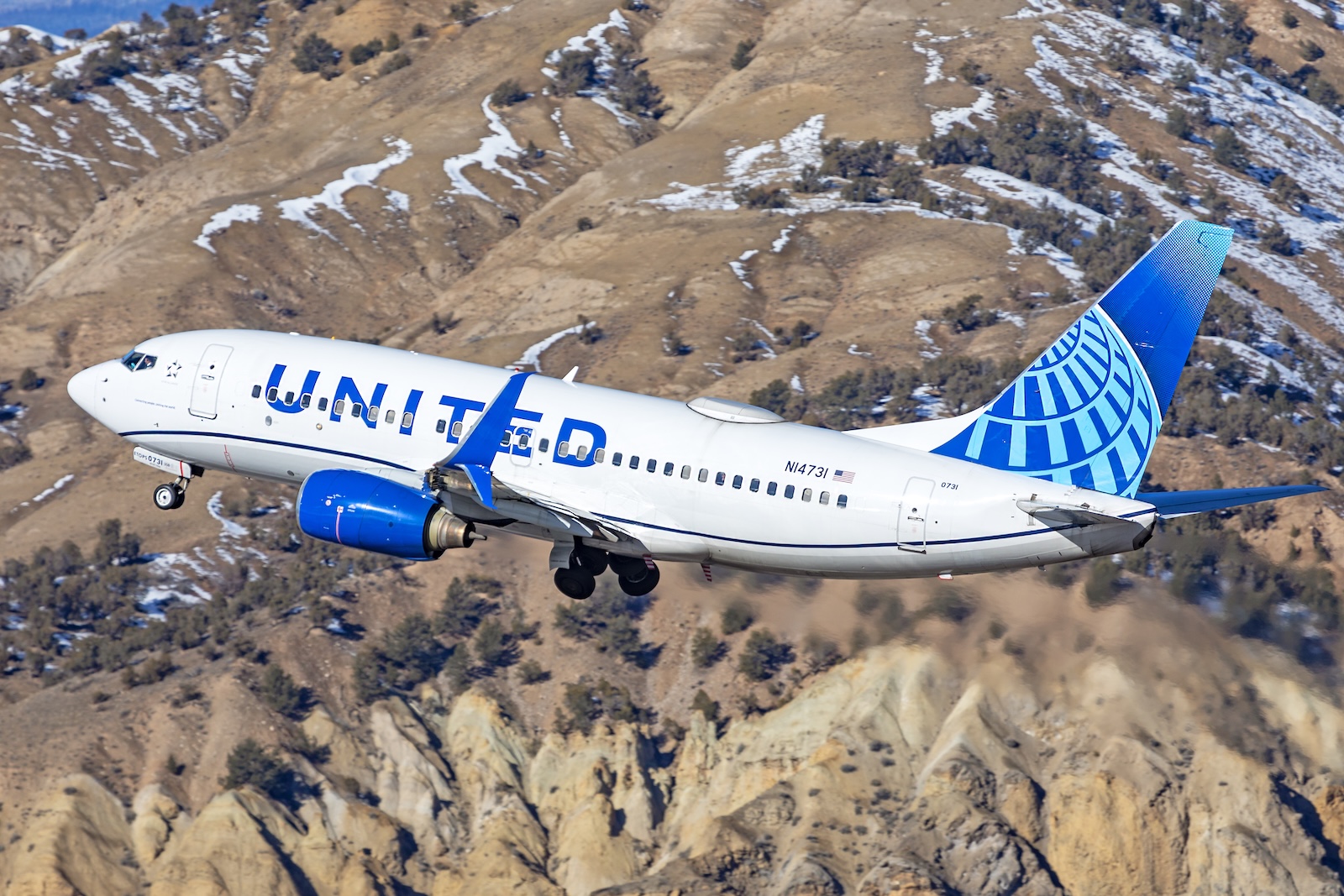
A United 737-700 in Vail, Colorado. (Photo: AirlineGeeks | William Derrickson)
United plans to revive a route last served by the airline in March 2019.
Beginning on Dec. 20, the carrier will reconnect its Washington Dulles hub and Vail/Eagle County in Colorado with non-stop service. This route will be seasonal, the county announced on Tuesday.
Flights will operate once weekly on Saturdays through April 4, 2026 with a Boeing 737-700.
With this new route, Vail will offer service to all of United’s mainland U.S. hubs, including Chicago O’Hare, Houston, San Francisco, Los Angeles, Denver, and Newark, New Jersey. Airport officials said Vail was now part of the airline’s so-called “7-Hub Club.”
“We are thrilled to welcome United Airlines’ new service to Washington Dulles,” said David Reid, director of aviation at Eagle County Regional Airport, in a news release. “This route is a testament to the strong demand for direct access to our incredible mountain communities and significantly strengthens our connectivity to the East Coast. Joining United’s ‘7-Hub Club’ is a major milestone for EGE.”
In addition to Vail, United will also resume flights between Washington Dulles and Jackson Hole, Wyoming, this winter, per Cirium Diio schedule data. This Saturday-only route will also launch on Dec. 20, operated by a Boeing 737-700.
Ryan founded AirlineGeeks.com in February 2013 and has spent more than a decade covering the airline business. His work has been featured by CNN, WJLA, CNET, and Business Insider. His aviation experience spans airport operations, Part 135 regulatory compliance, and airline crew workforce planning, along with time behind the yoke of a Cessna 172 and interviews with airline executives. Ryan now serves as Group President of Firecrown Media’s Aviation Group. He holds a B.S. in Air Transportation Management and an MBA from Arizona State University and teaches Airline Management at Embry-Riddle Aeronautical University.
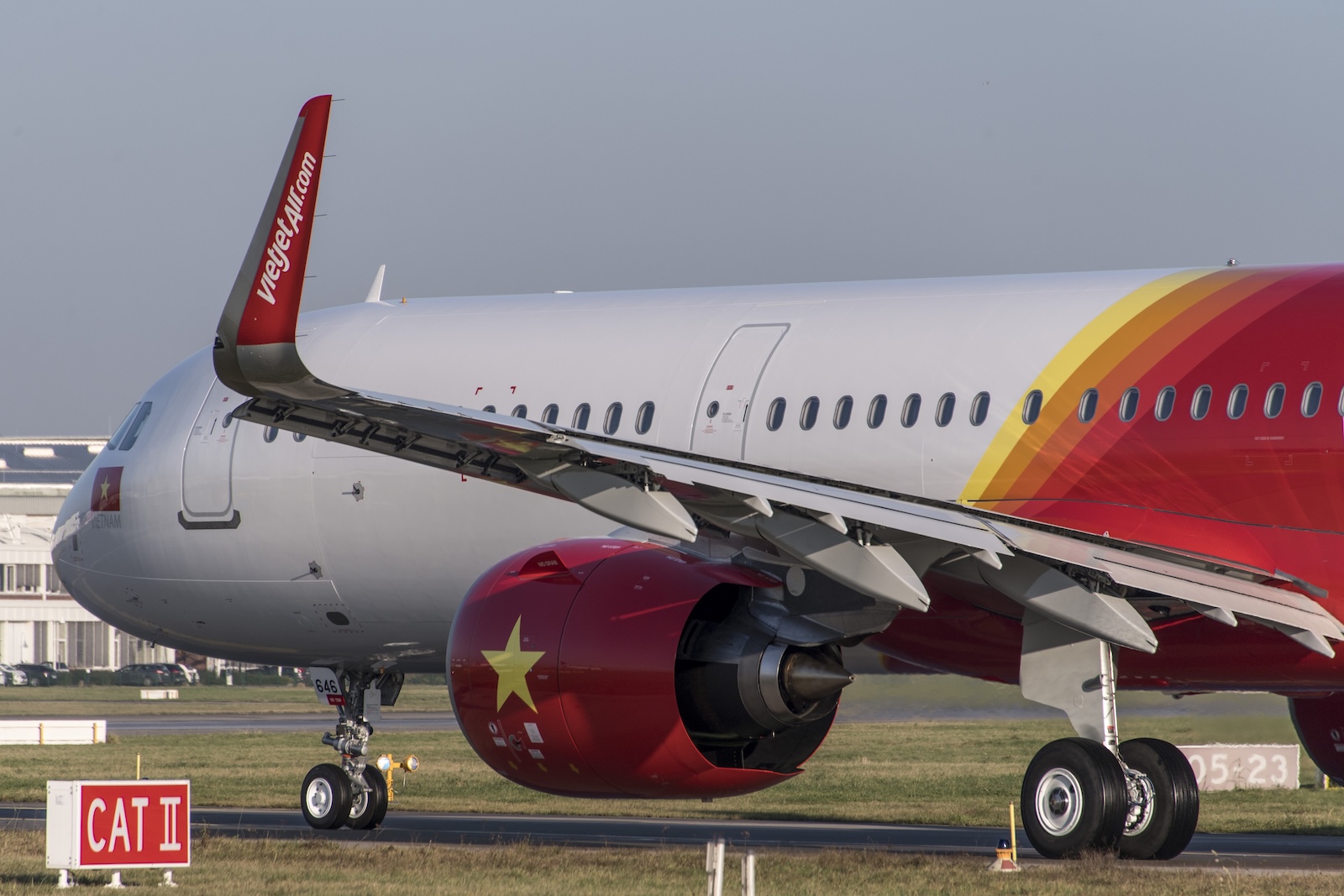
“Today’s agreement with Airbus is more than a commercial contract,” said VietJet Chairwoman Nguyen Thi Phuong Thao. “It is a significant milestone that marks the beginning of VietJet’s new journey: a journey of global expansion, new growth drivers, enhanced connectivity, and the development of a sustainable aviation ecosystem powered by ambition and transformation.”
Just last month, the airline upped its order of A330neo widebody aircraft by 20, bringing its total order of A330s to 40. VietJet officials said those airplanes will help strengthen the carrier’s presence in the Asia/Pacific market while supporting future long-haul flights to and from Europe.
VietJet currently operates a fleet of over 120 aircraft, mostly made by Airbus, and has placed orders for over 400 more with both Airbus and Boeing. It serves destinations in East and Southeast Asia, as well as India and Australia.
Zach Vasile is a writer and editor covering news in all aspects of commercial aviation. He has reported for and contributed to the Manchester Journal Inquirer, the Hartford Business Journal, the Charlotte Observer, and the Washington Examiner, with his area of focus being the intersection of business and government policy.
How the ‘Big Beautiful Bill’ Could Impact D.C. Airports
A Senate version of President Donald Trump’s One Big Beautiful Bill Act would force the renegotiation of leases for Washington, D.C. airports.
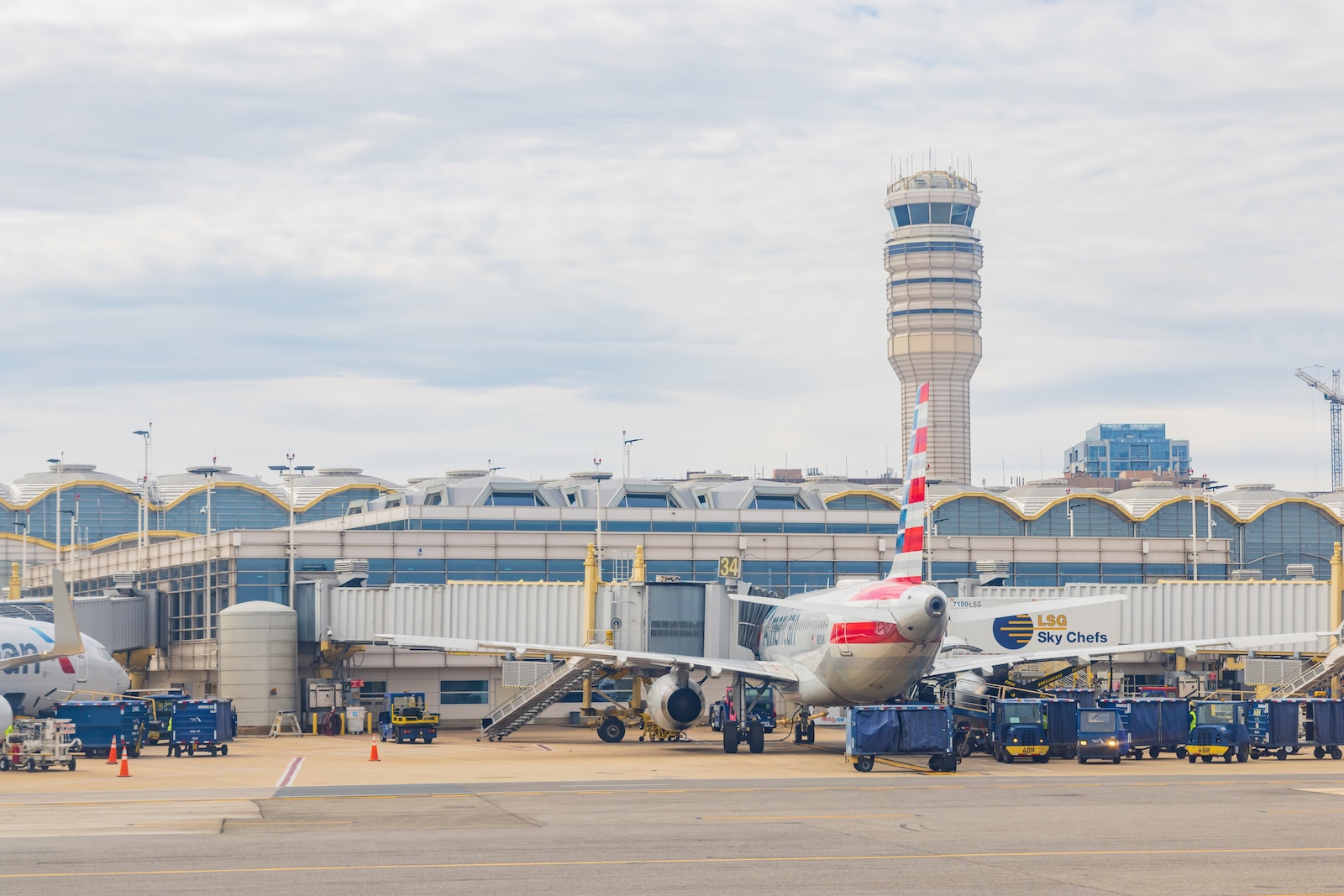
Aircraft at Reagan National Airport (Photo: Shutterstock | Kit Leong)
New language inserted into President Donald Trump’s One Big Beautiful Bill Act would force the renegotiation of leases for Washington, D.C. airports, which could raise costs for airlines and, in turn, passengers.
The Senate Committee on Commerce, Science, and Transportation produced a version of the budget reconciliation plan that would order the federal government to renegotiate leases with the Metropolitan Washington Airports Authority for operations at Ronald Reagan Washington National Airport and Washington Dulles International Airport.
MWAA has leased Reagan National and Dulles from the federal government since 1987. The two sides recently signed a new lease agreement that would run through the year 2100, but the proposed legislation would effectively scrap that deal and force renegotiations at 10-year intervals.
Notably, the Big Beautiful Bill raises rates on the MWAA much more sharply than the existing agreement would have. The authority currently pays $7.5 million to lease both airports, and that figure would double starting in 2027 if the Senate version is ultimately passed and signed into law. From then on, the cost for the leases could never be less than $15 million in 2025 dollars.
“That would drive up costs to the airports,” Virginia Sen. Mark Warner told WTOP in Washington this week.
Warner said rates are being raised to make up for deficits created by other sections of the Big Beautiful Bill.
“That number in cost savings would mean that the airports authority would have to eat those costs that would simply be then passed on to the airlines, that would then be passed on to the passengers,” he said.
In a statement, MWAA told WTOP that it doesn’t make a profit from running the airports and uses extra revenue to contain costs and support maintenance and infrastructure projects.
The version of the One Big Beautiful Bill Act passed by the U.S. House of Representatives last month includes billions in spending for defense and border security, including earmarks for uncrewed aircraft systems and kamikaze-style drones. The act also imposes work requirements on Medicaid recipients, increases the child tax credit, and limits the ability of states to impose restrictions on the development of artificial intelligence.
Senate Republicans have said they hope to pass their version of the bill by July 4.
Zach Vasile is a writer and editor covering news in all aspects of commercial aviation. He has reported for and contributed to the Manchester Journal Inquirer, the Hartford Business Journal, the Charlotte Observer, and the Washington Examiner, with his area of focus being the intersection of business and government policy.
Sign-up for newsletters & special offers!
Get the latest stories & special offers delivered directly to your inbox