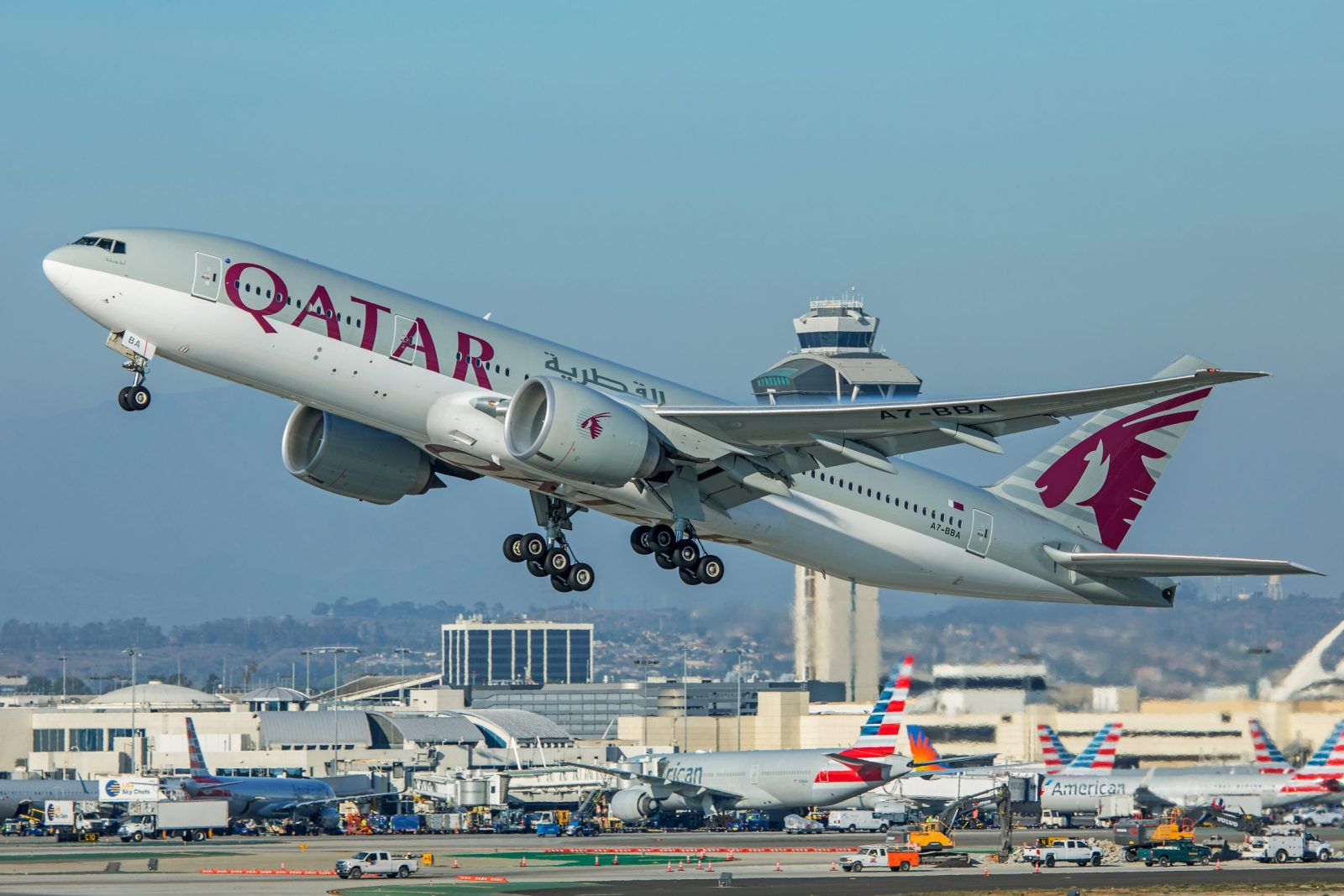
A Qatar Airways 777-200LR departs LAX. (Photo: AirlineGeeks | William Derrickson)
After a week of military strikes between Israel and Iran, Qatar is the latest country in the Middle East to shut down its airspace over safety concerns in the region.
A spokesperson for Qatar’s Ministry of Foreign Affairs posted on X Monday morning that air traffic would be temporarily suspended in the country “in order to ensure the safety of citizens, residents, and visitors.”
An earlier social media post by the ministry stated that advisories from embassies to their citizens in Qatar “do not reflect the existence of specific threats.”
On Sunday, Qatar Airways posted a statement on X confirming there would be schedule changes for flights to Doha as the airline continues to monitor the situation in the region.
AirlineGeeks.com was founded in February 2013 as a one-person blog in Washington D.C. Since then, we’ve grown to have 25+ active team members scattered across the globe. We are all here for the same reason: we love deep-diving into the fascinating realm of the airline industry.
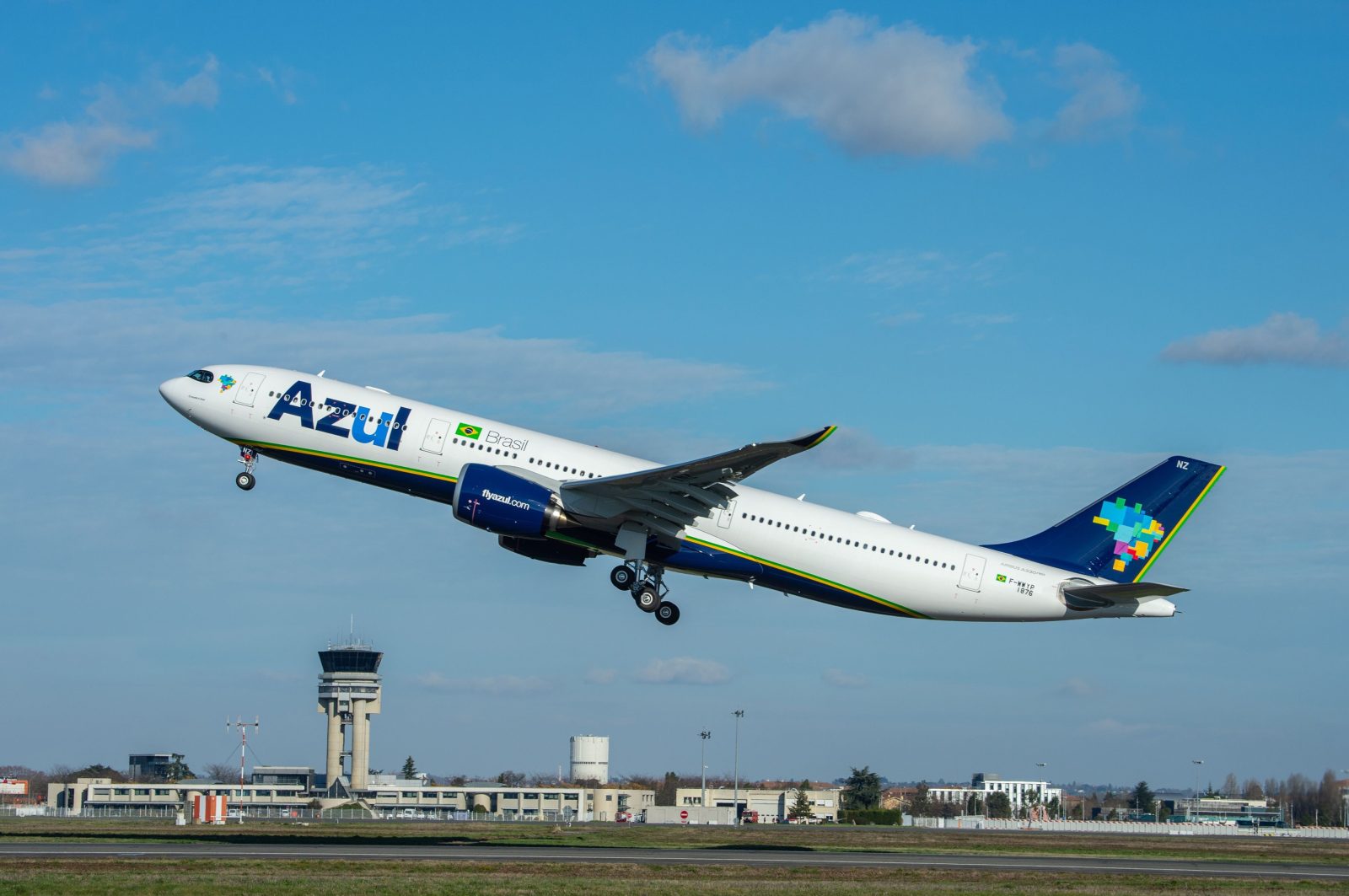
Azul Brazilian Airlines reportedly plans to drop three routes to and from Fort Lauderdale, Florida, in the coming months.
According to a report from Ishrion Aviation, the carrier will end service between Fort Lauderdale and the Brazilian cities of Belo Horizonte and Manaus, as well as the Caribbean island of Curaçao. The Fort Lauderdale-Manaus route will end Aug. 9, while the routes to and from Belo Horizonte and Curaçao will end Aug. 10, Ishrion said.
After Aug. 10, Azul will operate only two flights from Fort Lauderdale, to the Brazilian cities of Belém and Campinas.
The airline only added the Curaçao route in December, when it also increased the frequency of flights to Belo Horizonte.
Azul filed for Chapter 11 bankruptcy protection in the U.S. late last month after taking on considerable debt at the height of the COVID-19 pandemic. It has agreed to work with American, United, and aircraft leasing company AerCap to reorganize its operations, including streamlining its fleet and reducing its lease obligations.
As part of the deal, Azul will get an infusion of $1.6 billion in financing, with the long-term goal of erasing over $2 billion in debt. Also included is a provision for another $950 million in equity financing once the Chapter 11 process is complete.
A spokesperson from the airline did not respond to AirlineGeeks’ request for comment.
Zach Vasile is a writer and editor covering news in all aspects of commercial aviation. He has reported for and contributed to the Manchester Journal Inquirer, the Hartford Business Journal, the Charlotte Observer, and the Washington Examiner, with his area of focus being the intersection of business and government policy.
Air India Cuts More Flights
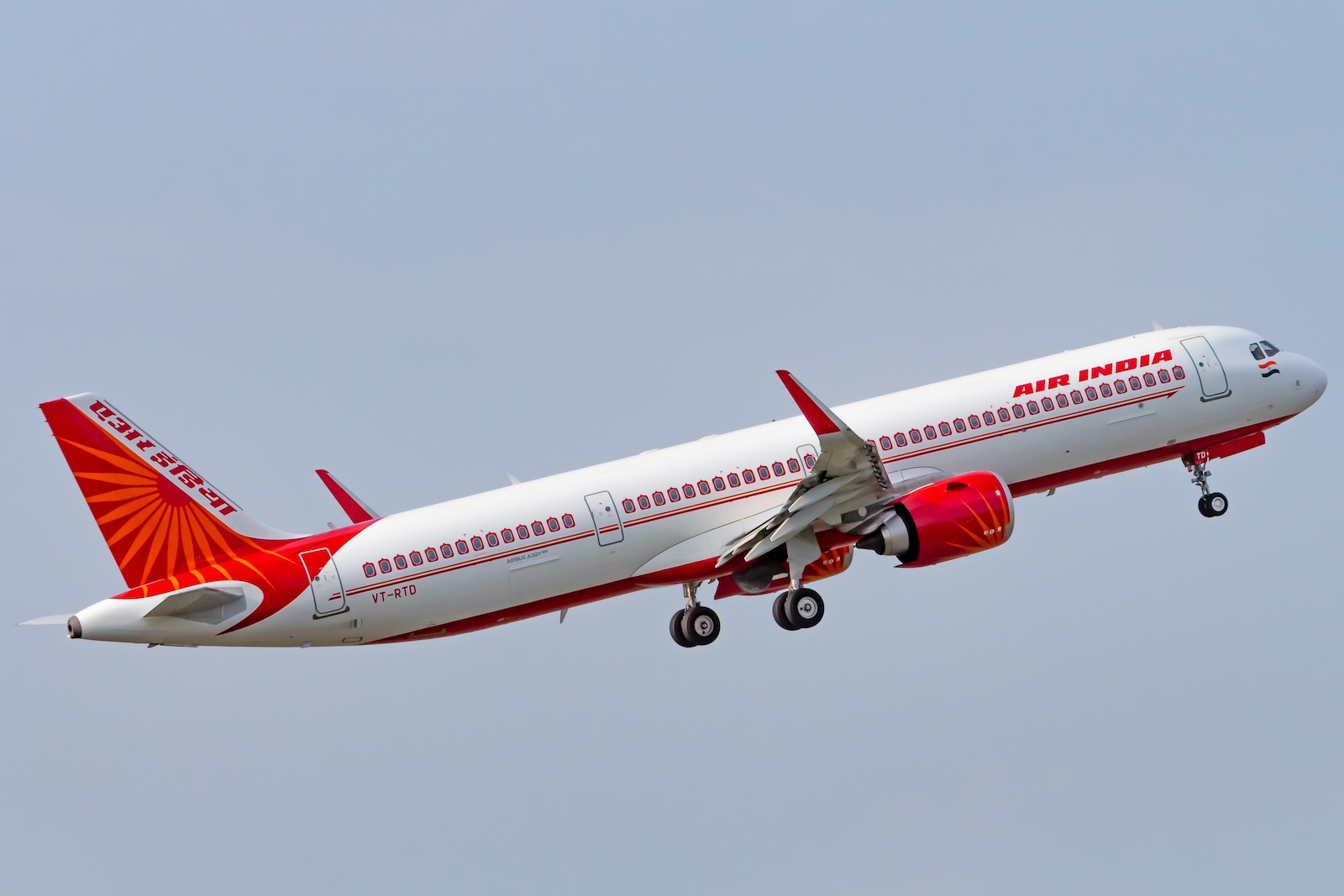
Air India on Sunday announced cuts to its overall narrowbody network as it works to stabilize operations in the wake of a deadly crash.
The changes, which amount to a less than 5% cut to the carrier’s narrowbody network, will remain in place until at least July 15.
“These reductions are aimed at strengthening Air India’s network-wide operational stability and minimising last-minute inconvenience to passengers,” the airline said in a social media post. “Air India apologises to the passengers affected by these curtailments and is proactively contacting affected passengers to offer re-accommodation on alternative flights, complimentary rescheduling, or full refunds as per their preference.”
Affected Routes
Three routes will be suspended completely until July 15: Bengaluru, India, to Singapore; Pune, India, to Singapore; and Mumbai to Bagdogra, India. All three are currently flown seven times a week.
Nineteen other routes will see a reduction in frequency. This includes service between Delhi and Mumbai (176 times weekly to 165 times weekly); Delhi and Kolkata (70 times weekly to 63 times weekly); Delhi and Hyderabad, India (84 times weekly to 76 times weekly); Mumbai and Kolkata (42 times weekly to 30 times weekly); and Mumbai and Goa, India (34 times weekly to 29 times weekly).
Last week, Air India announced cuts to its long-haul network, targeting flights using the 787 and 777. Because the aircraft are undergoing increased inspections, their availability for service has been reduced. Those cuts will also remain in place until at least July 15.
Air India and India’s national civil aviation authority are investigating the cause of the June 12 Dreamliner crash with the assistance of experts from the U.S. and the U.K. All but one of the 242 people on board the flight, which was bound for London Gatwick, were killed when the 787 lost altitude and hit the campus of a medical college in Ahmedabad in western India. Dozens of people on the ground were also killed.
Zach Vasile is a writer and editor covering news in all aspects of commercial aviation. He has reported for and contributed to the Manchester Journal Inquirer, the Hartford Business Journal, the Charlotte Observer, and the Washington Examiner, with his area of focus being the intersection of business and government policy.
Amid Expansion, Iberia Considering Even More U.S. Routes
The airline in March announced plans to link its main hub in Madrid with Orlando, Florida, and earlier this week said it will add Philadelphia to its network.
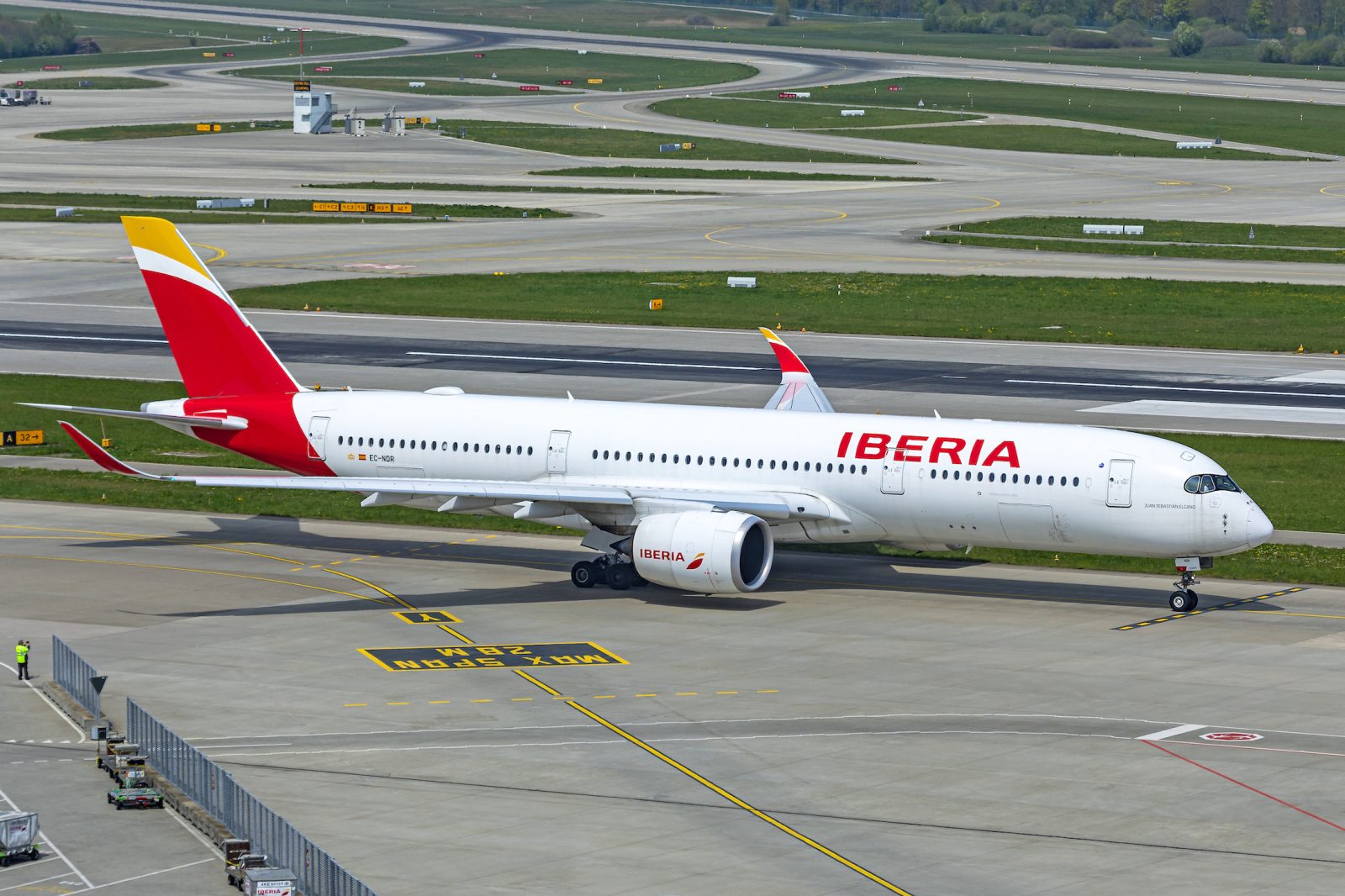
An Iberia A350-900 (Photo: AirlineGeeks | William Derrickson)
Spanish flag carrier Iberia is reportedly planning additional routes to the U.S. beyond those already announced.
The airline in March announced plans to link its main hub in Madrid with Orlando, Florida, and earlier this week said it will add Philadelphia to its network. Now, Mexican newspaper El Economista is reporting that Iberia is also considering launching service to and from Atlanta, Detroit, Las Vegas, and Seattle.
The newspaper said those cities are being looked at because of their “high tourism and business potential.”
It is not clear when the airline would aim to launch those flights if they are ultimately confirmed.
The route to Orlando will begin Oct. 26, while the start date for Philadelphia has not been announced. The carrier is also expected to set dates for the launch of service to Toronto and Monterrey, Mexico, later this year.
Outside the U.S., Iberia is also reportedly considering routes to and from Cancún and Guadalajara in Mexico; Puerto Principe, Haiti; Calí and Medellín in Colombia; Belem, Natal, and Salvador de Bahía in Brazil; Santa Cruz de la Sierra, Bolivia; Asunción, Paraguay; and Córdoba, Argentina.
If realized, the potential routes would come online as Iberia pursues a five-year, $6.9 billion reinvestment strategy known as Flight Plan 2030. The money will be used to grow Iberia’s fleet of long-haul aircraft from 45 to around 70, refurbish all of its long-haul cabin interiors, and hire an average of 1,000 new workers per year.
The airline also plans to develop its maintenance center near Madrid-Barajas, currently known as La Muñoza, into “Ciudad Iberia,” a cutting-edge aerospace technology and innovation complex. The carrier expects to move its corporate headquarters to the site in the coming years.
Zach Vasile is a writer and editor covering news in all aspects of commercial aviation. He has reported for and contributed to the Manchester Journal Inquirer, the Hartford Business Journal, the Charlotte Observer, and the Washington Examiner, with his area of focus being the intersection of business and government policy.
Airline Withdraws EAS Proposal Over DOT Delays
The carrier expressed that the “prolonged timeline has impacted our ability to effectively allocate resources and plan our operations..."
Sterling Airways has formally withdrawn its proposal for the Essential Air Service (EAS) program in St. Mary’s, Alaska, citing significant delays in the Department of Transportation’s award process.
The withdrawal was announced in a letter dated June 12, addressed to the Essential Air Service Division of the U.S. Department of Transportation.
Sterling Airways operates regional flights throughout Alaska with Saab 2000 aircraft.
In its communication, the carrier expressed that the “prolonged timeline has impacted our ability to effectively allocate resources and plan our operations in a responsible and strategic manner.”
Wayne Heller, president and CEO of Sterling Airways, personally signed the withdrawal letter, stating: “We appreciate the opportunity to participate in the EAS program and remain committed to supporting regional air service in Alaska. We hope to continue working with the Department on future opportunities that align with our operational capabilities and timelines.”
Sterling has been a significant contributor to Alaska’s regional air transportation network, connecting remote communities to larger transportation hubs. Several of the state’s airports are subsidized under the EAS program.
St. Mary’s is also served by Grant Aviation, Ravn Alaska, and Ryan Air.
Ryan founded AirlineGeeks.com in February 2013 and has spent more than a decade covering the airline business. His work has been featured by CNN, WJLA, CNET, and Business Insider. His aviation experience spans airport operations, Part 135 regulatory compliance, and airline crew workforce planning, along with time behind the yoke of a Cessna 172 and interviews with airline executives. Ryan now serves as Group President of Firecrown Media’s Aviation Group. He holds a B.S. in Air Transportation Management and an MBA from Arizona State University and teaches Airline Management at Embry-Riddle Aeronautical University.
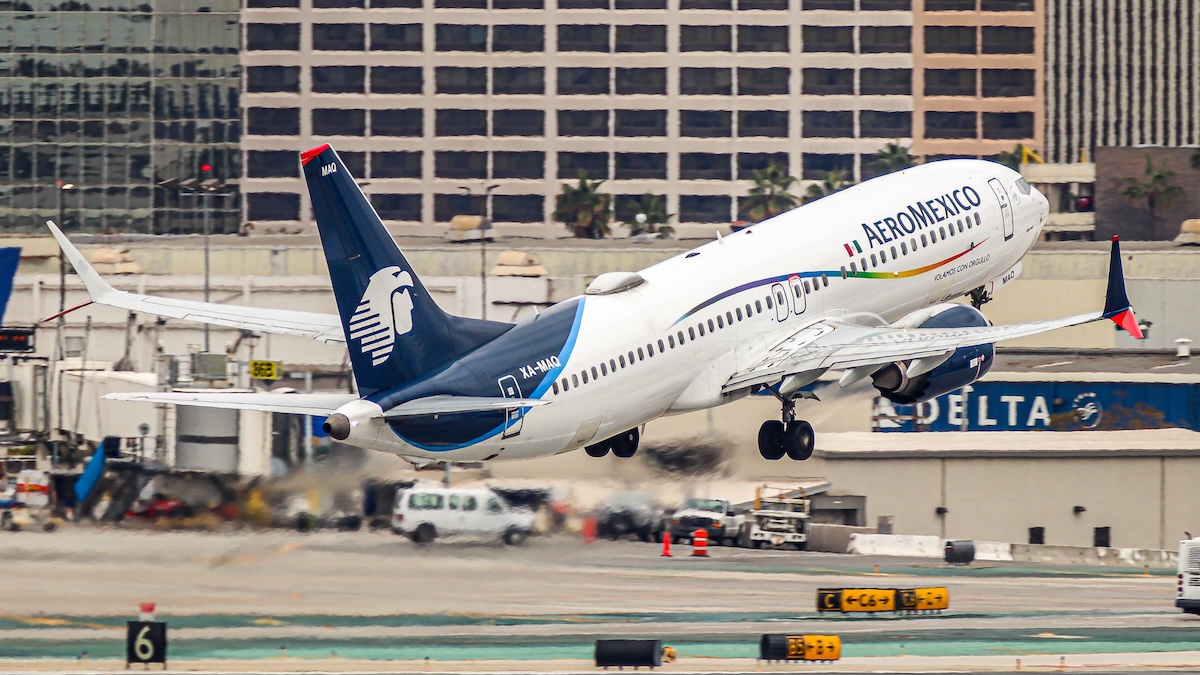
An Aeromexico Boeing 737 MAX. (Photo: Shutterstock | Bradley Caslin)
Aeromexico is planning to add more service to the United States later this year. The carrier has added more routes to the U.S. in recent months, including flights to Phoenix, Tampa, and Raleigh, North Carolina.
Starting on Dec. 19, the Mexican airline will bolster its North Carolina presence with new service between Cancun and Raleigh/Durham. Flights are scheduled to operate daily until the end of April.
In addition, Aeromexico plans to link its Mexico City hub and San Juan, Puerto Rico. This route is planned to start on Oct. 29, per Cirium Diio schedule data.
The carrier’s Mexico City-to-San Juan flights will operate four times per week.
A Boeing 737 MAX 8 will operate both of the airline’s new routes.
Editor’s Note: Data referenced in this article was provided by aviation analytics company Cirium.
Ryan founded AirlineGeeks.com in February 2013 and has spent more than a decade covering the airline business. His work has been featured by CNN, WJLA, CNET, and Business Insider. His aviation experience spans airport operations, Part 135 regulatory compliance, and airline crew workforce planning, along with time behind the yoke of a Cessna 172 and interviews with airline executives. Ryan now serves as Group President of Firecrown Media’s Aviation Group. He holds a B.S. in Air Transportation Management and an MBA from Arizona State University and teaches Airline Management at Embry-Riddle Aeronautical University.
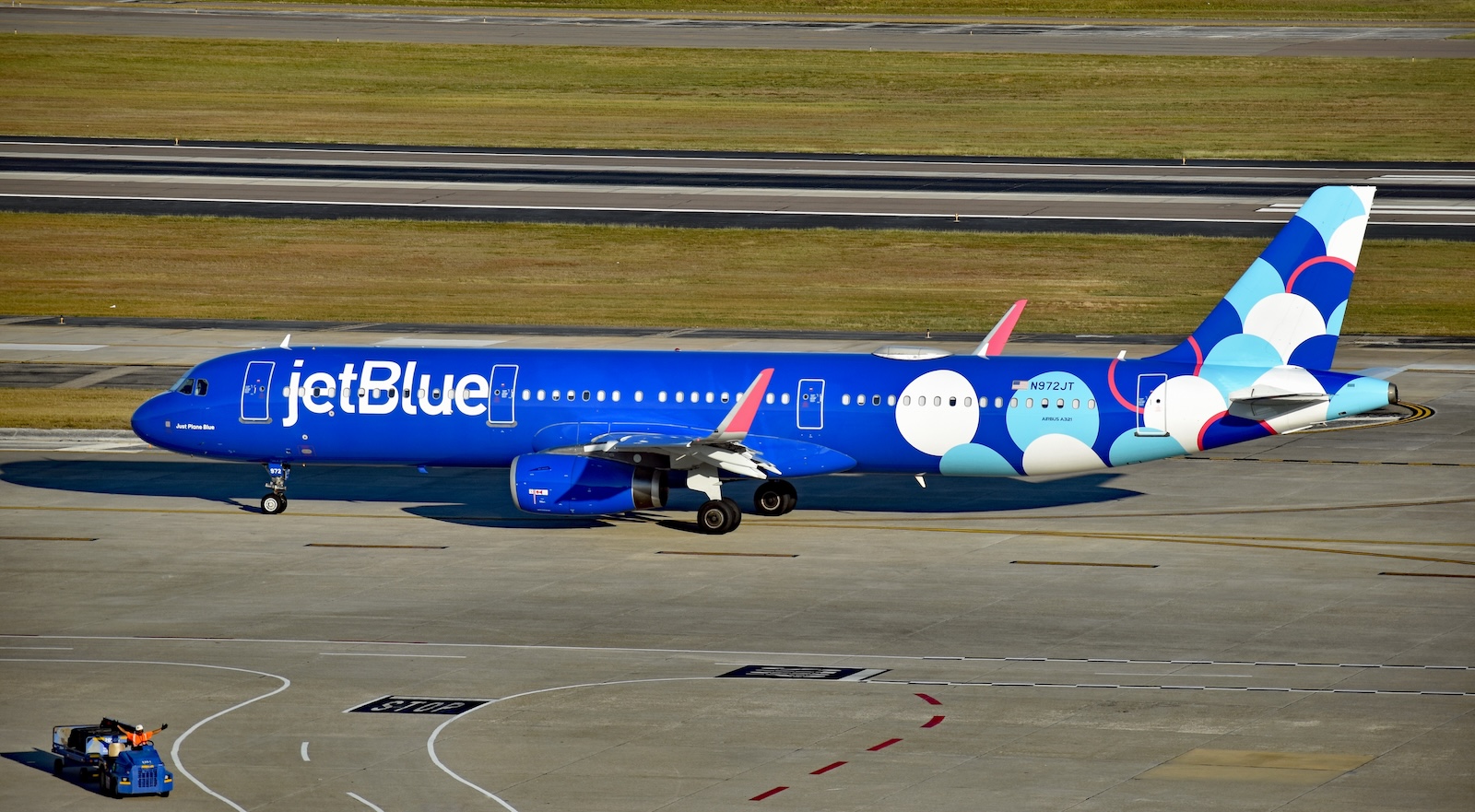
A JetBlue A321 (Photo: Shutterstock | Avi Johnson)
In its latest network shake-up, JetBlue is making sweeping cuts to several routes. The New York-based airline will also close one of its stations.
On Friday, the carrier told employees that it would end all service to Miami. JetBlue began serving the South Florida airport in 2021.
The airline’s last flight to Miami from its Boston hub is currently slated for Sept. 2, according to Cirium Diio schedule data. JetBlue told employees in a memo viewed by AirlineGeeks that this route was not meeting financial expectations.
“Without the American Airlines partnership to support those 1-2 daily flights, our South Florida focus will be on Fort Lauderdale and West Palm Beach – and we have a new partnership with Brightline to make connections within that market,” the carrier said.
More Cuts
JetBlue will also suspend flights on a handful of other routes.
“We are also tweaking flying on a handful of routes that we were flying less than daily service (think 1-3 times a week), that were already seasonal, highly unprofitable, or that we had added to support the operation,” the company stated.
Flights between San Juan, Puerto Rico, and Cancun will end in August. During the summer, this route operated once per week, but increases in the winter.
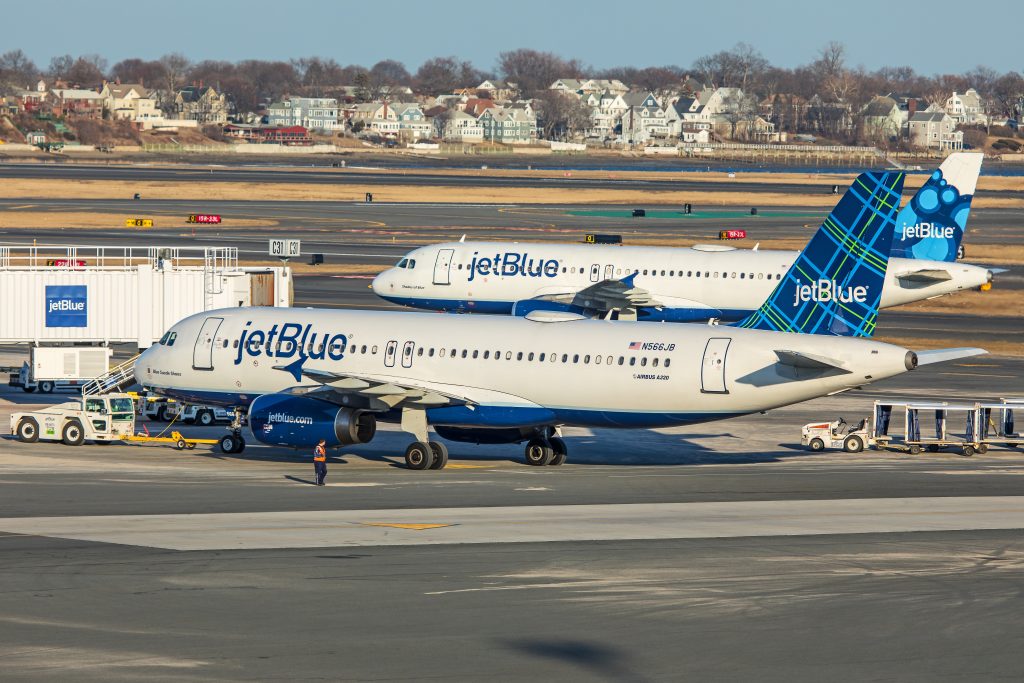
A JetBlue Airbus A320 on the ground in Boston. (Photo: AirlineGeeks | William Derrickson)
In addition, the carrier’s brand-new route between New York-JFK and Manchester, New Hampshire, will cease for the season in September, one month ahead of schedule, and is not currently planned to resume next year.
The carrier’s daily transcontinental service from Boston to Seattle will now operate seasonally, ending in October and resuming in April 2026.
Seasonal flights between Boston and Grenada were slated to resume in November. However, they’ve now been removed from the airline’s schedule.
Along the same lines, flights from Buffalo, New York, to West Palm Beach, Florida, were scheduled to resume in October. They’ve also been removed from JetBlue’s schedule.
Despite these cuts, the airline teased new routes in its memo, including more Mint service. An announcement on these changes is planned for later this month, the carrier said.
Editor’s Note: Data referenced in this article was provided by aviation analytics company Cirium.
Ryan founded AirlineGeeks.com in February 2013 and has spent more than a decade covering the airline business. His work has been featured by CNN, WJLA, CNET, and Business Insider. His aviation experience spans airport operations, Part 135 regulatory compliance, and airline crew workforce planning, along with time behind the yoke of a Cessna 172 and interviews with airline executives. Ryan now serves as Group President of Firecrown Media’s Aviation Group. He holds a B.S. in Air Transportation Management and an MBA from Arizona State University and teaches Airline Management at Embry-Riddle Aeronautical University.
United is set to expand its transatlantic operations from Dublin, announcing increased capacity and flight frequency to the U.S. starting this year.
The carrier will extend its second daily Dublin-to-Newark service to operate “nearly year-round,” the airline said, while also upgrading its Dublin-Chicago O’Hare route to a full-year operation.
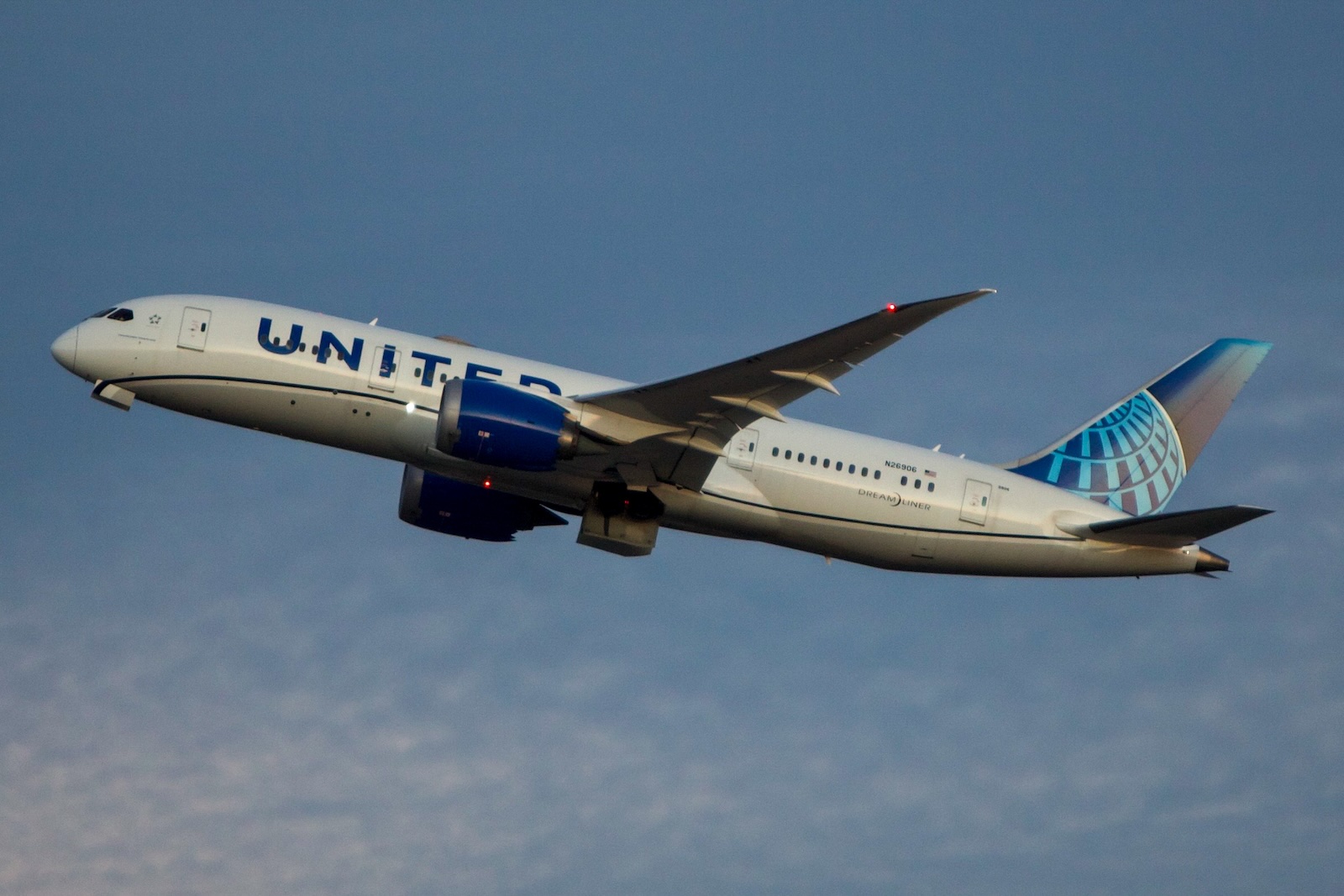
With these adjustments, United will offer more seats and flights from Dublin than any other U.S. airline on a year-round basis, it stated. The move follows the airline’s recent summer 2025 growth, which includes doubling its seasonal service to Washington Dulles from once to twice daily and introducing a Boeing 787-8 Dreamliner on its seasonal Chicago route.
The Chicago-based airline projects a 50 percent increase in its overall seat offering between Dublin and the U.S. by 2026 compared to 2024 levels.
Expanded Dublin Schedule Details
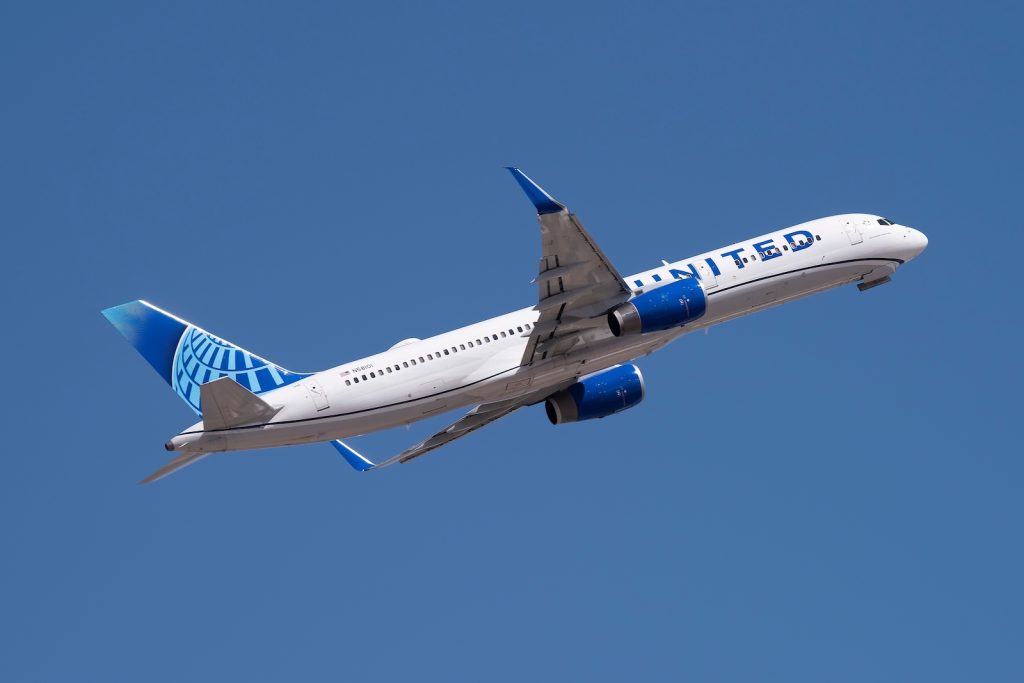
Between Dublin and its Newark hub, United will operate two daily flights. One flight will use a Boeing 777-200ER, while the other will use a 757-200.
Service to Chicago O’Hare will also run daily throughout the year. Aircraft types on this route will alternate between the Boeing 787-8 Dreamliner during peak periods and the Boeing 767-300ER in winter months.
A United Boeing 757-200 aircraft (Photo: Shutterstock | Robin Guess)
On the Dublin-Washington Dulles route, United will maintain two daily summer departures using 757-200 aircraft.
The airline has operated from Ireland since 1998 and also serves Shannon with seasonal nonstop flights to Newark and Chicago.
Ryan founded AirlineGeeks.com in February 2013 and has spent more than a decade covering the airline business. His work has been featured by CNN, WJLA, CNET, and Business Insider. His aviation experience spans airport operations, Part 135 regulatory compliance, and airline crew workforce planning, along with time behind the yoke of a Cessna 172 and interviews with airline executives. Ryan now serves as Group President of Firecrown Media’s Aviation Group. He holds a B.S. in Air Transportation Management and an MBA from Arizona State University and teaches Airline Management at Embry-Riddle Aeronautical University.
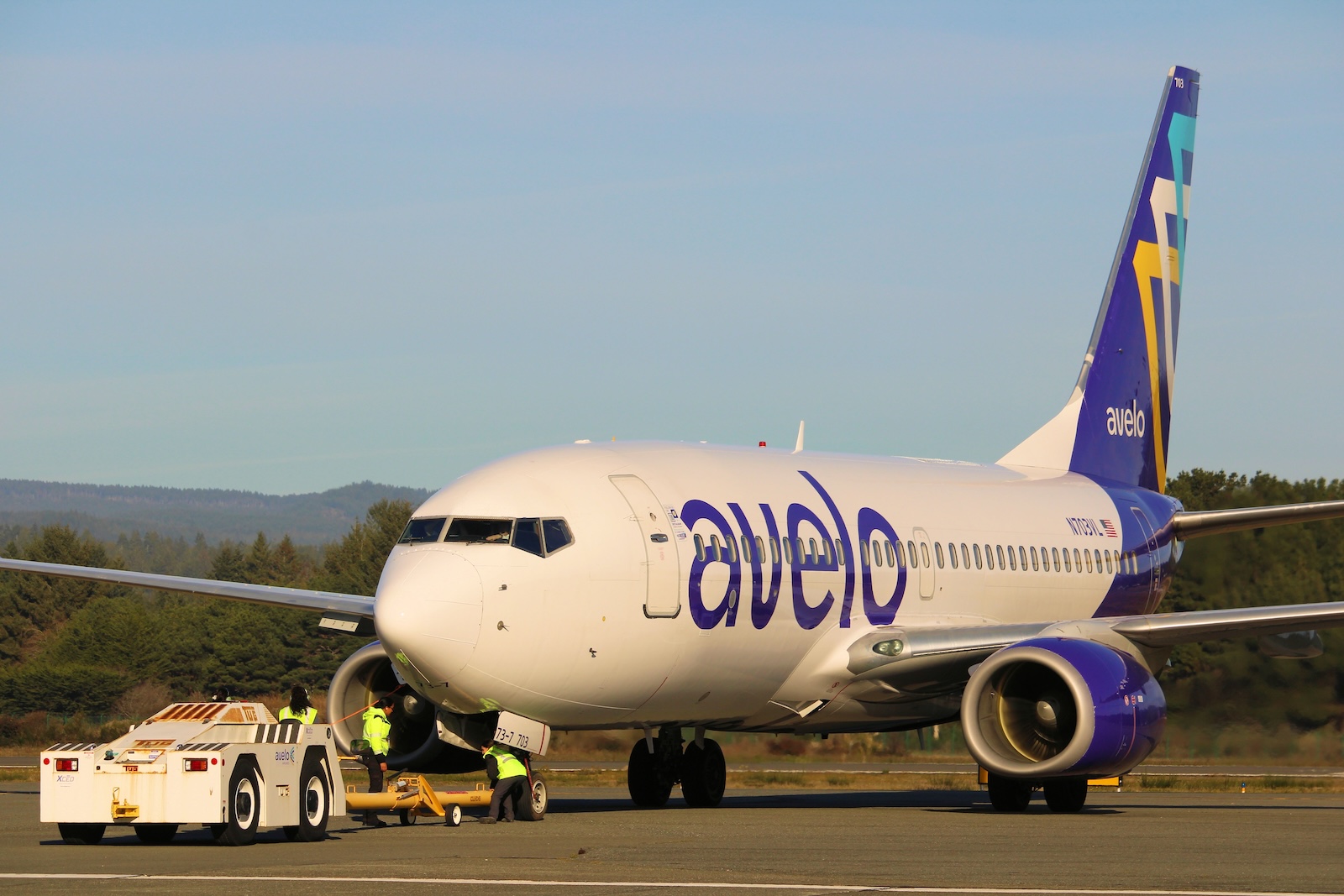
It had previously been reported that an unnamed budget airline was considering expanding operations to McKinney National Airport, just north of Dallas, but Avelo was only identified Thursday through a public records request from local station WFAA.
Avelo already flies out of Dallas/Fort Worth International Airport, but the carrier is now looking to offer service at smaller and “more convenient” airports, according to the documents obtained by the station.
Avelo is headquartered in Houston and has its largest hub at Tweed-New Haven Airport in Connecticut. It flies to destinations in the continental U.S., Puerto Rico, the Dominican Republic, Jamaica, and Mexico.
Renderings of McKinney Airport terminal (Photo: City of McKinney)
McKinney is a general aviation airport located in Collin County. In 2023, the city of McKinney proposed issuing $200 million in bond funds to pay for an expansion that would accommodate commercial air traffic, but residents voted it down. Still, the city government has moved forward with the project, gathering funds from other sources, including federal loans and state economic development incentives. A general contractor was named in February.
Third Commercial Airport
McKinney residents, meanwhile, have continued to raise concerns about traffic, noise, and possible environmental harm.
According to WFAA, the director of McKinney airport said talks with potential airline partners were ongoing and suggested a letter of intent had been signed, but would not make it public. The station filed a Public Information Act request to get it, and the Texas attorney general’s office later ruled in WFAA’s favor. The airport responded by releasing a document naming Avelo, though it still has not released the letter of intent, the station reported.
When asked for comment, Avelo said it had “nothing additional to add beyond the publicly disclosed agreements.”
Once the buildout at McKinney is complete, it will be the third major airport with scheduled passenger flights in the DFW Metroplex, behind Dallas/Fort Worth and Dallas Love Field.
Zach Vasile is a writer and editor covering news in all aspects of commercial aviation. He has reported for and contributed to the Manchester Journal Inquirer, the Hartford Business Journal, the Charlotte Observer, and the Washington Examiner, with his area of focus being the intersection of business and government policy.
Air India Cutting Flights as It Inspects 787s, 777s
Air India is temporarily suspending some routes and reducing service on others as it carries out inspections of Boeing’s 787s and 777s in the wake of a deadly crash.
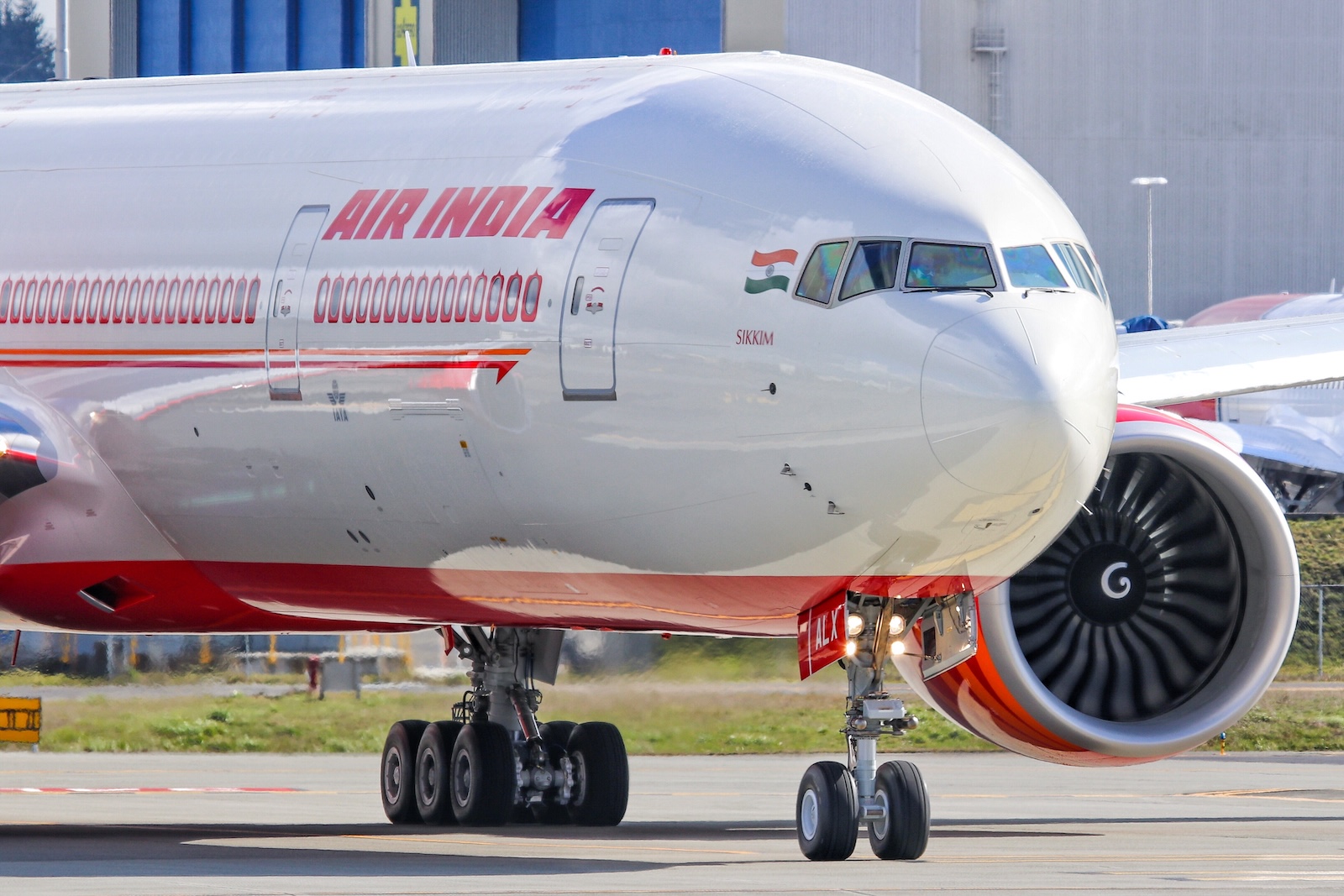
An Air India Boeing 777-300ER (Photo: AirlineGeeks | Katie Zera)
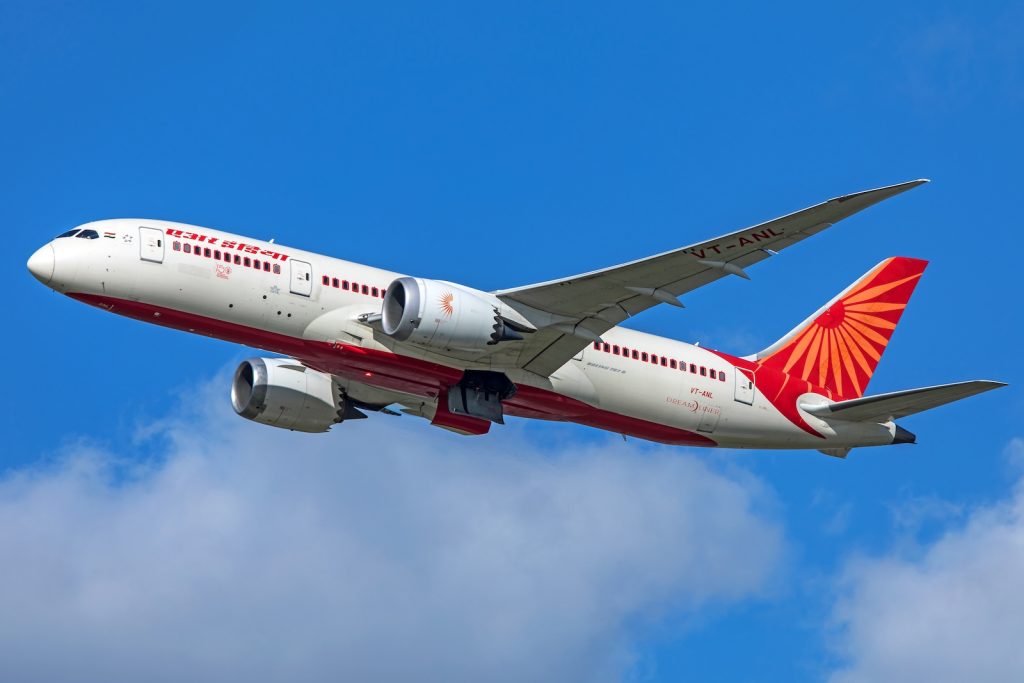
Air India is temporarily dropping some international flights in the aftermath of a Boeing 787 crash last week that killed at least 270 people.
The airline said Thursday that it is carrying out “enhanced pre-flight safety checks” on its Dreamliners and 777s, which will reduce their availability for service. As a result, some routes are being suspended, while others will operate with reduced frequency.
India’sEconomic Times reported that the cuts will scale back Air India’s international widebody service by 15%.
The changes will begin Saturday and remain in place until at least July 15, the carrier said.
Three routes will be completely suspended: Delhi to Nairobi, Kenya, currently flown four times a week; Amritsar, India, to London Gatwick, flown three times weekly; and Goa to London Gatwick, also flown three times weekly.
Many more routes will see a reduction in frequency. This includes service between Air India’s hub in Delhi and major airports like London Heathrow, Paris, Sydney, Seoul, and Tokyo.
An Air India Boeing 787-8 Dreamliner (Photo: AirlineGeeks | William Derrickson)
North America Cuts
For North America, service between Delhi and Toronto will be reduced from 13 times a week to seven times a week; Delhi and Vancouver from seven times weekly to five times weekly; Delhi and San Francisco from 10 times weekly to seven times weekly; Delhi and Chicago from seven times weekly to three times weekly; and Delhi and Washington Dulles from five times weekly to three times weekly.
“Air India apologises to the passengers affected by these curtailments, and is proactively contacting affected passengers to offer re-accommodation on alternative flights, complimentary rescheduling, or full refunds as per their preference,” the airline said.
Air India and India’s national civil aviation authority are investigating the cause of the June 12 crash with the assistance of experts from the U.S. and the U.K. All but one of the 242 people on board the flight, which was bound for London Gatwick, were killed when the 787 lost altitude and hit the campus of a medical college in Ahmedabad. Dozens of people on the ground were also killed.
Zach Vasile is a writer and editor covering news in all aspects of commercial aviation. He has reported for and contributed to the Manchester Journal Inquirer, the Hartford Business Journal, the Charlotte Observer, and the Washington Examiner, with his area of focus being the intersection of business and government policy.
Sign-up for newsletters & special offers!
Get the latest stories & special offers delivered directly to your inbox