Stories

Boeing Nearing Deal to Avoid Prosecution For 737 MAX Crashes

The U.S. Department of Justice has reportedly offered Boeing a non-prosecution agreement regarding a criminal negligence lawsuit the company is facing for two fatal plane crashes in 2018 and 2019.

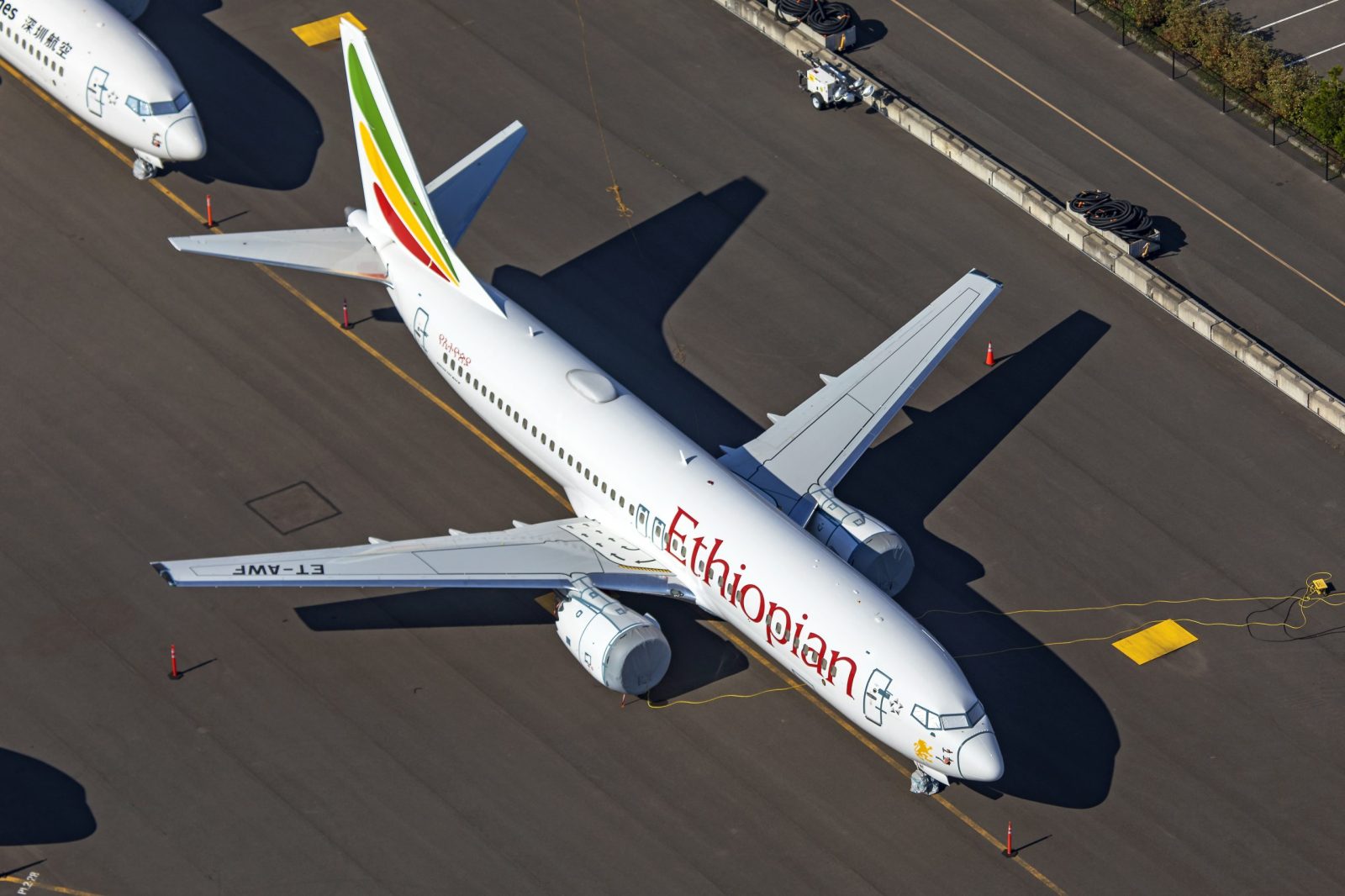
Ethiopian 737 MAX
An Ethiopian Airlines 737 MAX 8. (Photo: AirlineGeeks | William Derrickson)

The U.S. Department of Justice has reportedly offered Boeing a non-prosecution agreement in a criminal negligence lawsuit the company is facing for two fatal plane crashes in 2018 and 2019.

A Reuters report on Friday cited “people familiar with the matter” who said the company reached the agreement with the DOJ pending a judge’s approval. If approved, the agreement would see Boeing avoid facing felony charges.

Presiding U.S. District Judge Reed O’Connor had previously ordered the case to go to trial on June 23 after Boeing backed out of a guilty plea agreement in March.

Attorney Erin Applebaum, a partner at the law firm representing the 34 families who lost loved ones in 2019’s Ethiopia Airlines crash, issued an emailed statement Friday condemning the reported plan.

“We are deeply disappointed, but not surprised, by the Justice Department’s apparent plan to offer Boeing a Non-Prosecution Agreement,” she stated. “While DOJ claims no final decision has been made, their scripted presentation made it clear that the outcome has already been decided. Boeing has never stood trial for the 346 lives lost due to its admitted crimes. Now, DOJ is prepared to let the company walk away, again, with no more than a financial penalty.”

“Worse, they appear to be using the promise of compensation as leverage, positioning a $444.5 million payout to the families as a substitute for justice,” her statement continued. “This isn’t justice. It’s a backroom deal dressed up as a legal proceeding, and it sends a dangerous message: in America, the rich and powerful can buy their way out of accountability.”

AirlineGeeks has reached out to Boeing for comment.
AirlineGeeks.com Staff

AirlineGeeks.com was founded in February 2013 as a one-person blog in Washington D.C. Since then, we’ve grown to have 25+ active team members scattered across the globe. We are all here for the same reason: we love deep-diving into the fascinating realm of the airline industry.

Livery of the Week: Air Canada Jetz

In what the airline described as a “twist” on its regular livery, two Air Canada Airbus A320-200s feature an all-black livery.

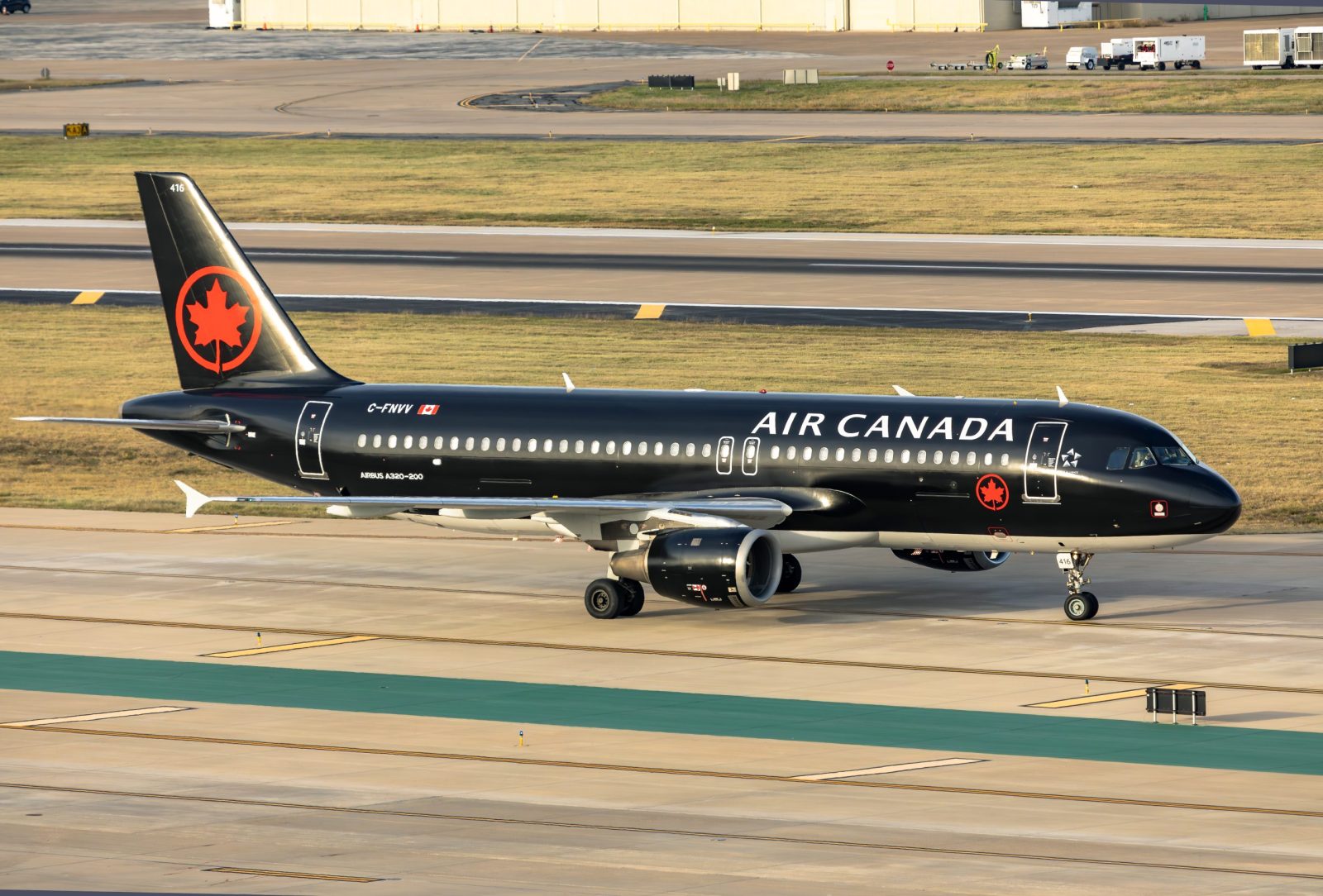
Air Canada Jetz A320
An Air Canada Jetz Airbus A320 in an all-black livery (Photo: AirlineGeeks | William Derrickson)

Editor’s Note: AirlineGeeks is proud to present our ‘Livery of the Week’ series. Every Friday, a team member will share an airline livery, which can be from the past, present, or even a special scheme. Some airline liveries are works of art. The complexity associated with painting around critical flight components and the added weight requires outside-the-box thinking from designers. The average airliner can cost upwards of $200,000 to repaint, creating a separate aircraft repainting industry as a result. 

Have an idea for a livery that we should highlight? Drop us a line. 

Air Canada’s livery famously features the flag carrier’s distinctive maple leaf roundel. While the airline has had multiple liveries over the years that feature the national symbol, its current paint job has a modern white design with black and red accents. However, two aircraft in its fleet have a notably different look.

In what the airline described as a “twist” on its regular livery, two Air Canada Airbus A320-200s feature an all-black livery. The lettering and maple leaf roundels are in the same place, but the fuselage is mostly black instead of white.

An Air Canada Jetz Airbus A320-200 taking off from Washington Dulles International Airport (Photo: AirlineGeeks | Noah Escobar)

When the livery was first revealed in 2023, Air New Zealand poked fun at the Canadian carrier due to the paint job’s similarities with Air New Zealand’s all-black livery.

These two jets are 32-year-old aircraft registered as C-FMSX and C-FNVV and are part of the Air Canada Jetz fleet. Air Canada Jetz is the company’s charter division, operating flights for groups like sports teams, political campaigns, and band tours.

The airline’s charter operation has four A320s, with the other two being in the regular Air Canada livery. Each aircraft is configured with 70 business class seats.

Looking for a new airplane model? Head over to our friends at the Midwest Model Store for a wide selection of airlines and liveries.

Andrew Chen

Andrew is a lifelong lover of aviation and travel. He has flown all over the world and is fascinated by the workings of the air travel industry. As a private pilot and glider pilot who has worked with airlines, airports and other industry stakeholders, he is always excited to share his passion for aviation with others. In addition to being a writer, he also hosts Flying Smarter, an educational travel podcast that explores the complex world of air travel to help listeners become better-informed and savvier travelers.

Duffy on Essential Air Service: ‘More With Less’

Duffy added that he understood “how meaningful” the program is to many communities but that he will be looking at changes.

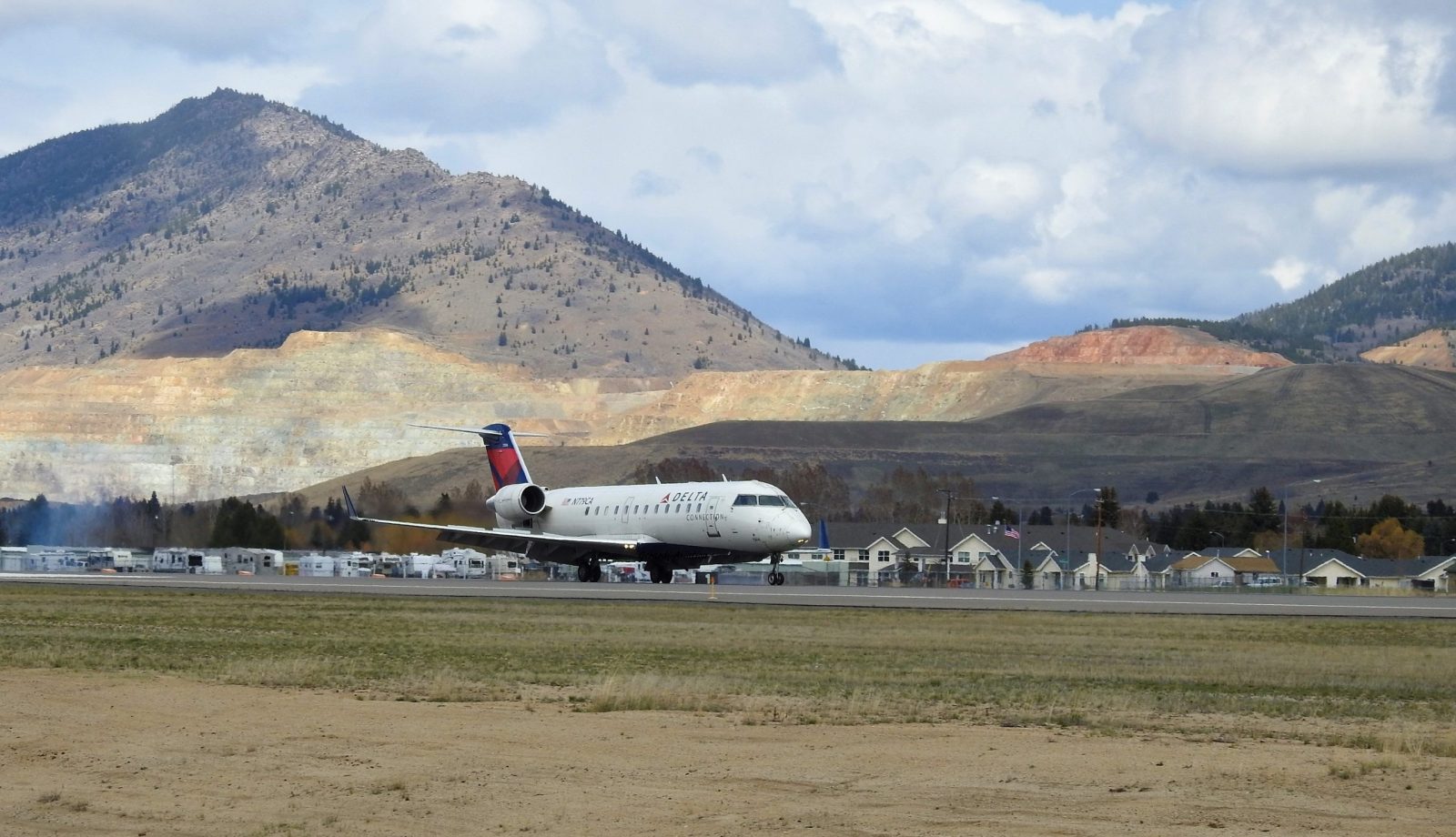
Delta CRJ-200
A Delta Connection CRJ-200 in Butte, Mont. (Photo: AirlineGeeks | Joey Gerardi)

The Essential Air Service program is on the Trump administration’s radar for budget cuts, with plans to cut the program by around $308 million.

This proposal was included in the White House’s “Skinny Budget,” which would cut billions in federal spending if enacted by Congress.

In its discretionary funding request for 2026, the Trump administration claims that the EAS program “funnels taxpayer dollars to airlines to subsidize half-empty flights from airports that are within easy commuting distance from each other, while also failing to effectively provide assistance to most rural air travelers.”

The administration further states that spending on these subsidies is “out of control.”

Duffy Comments

The Department of Transportation oversees the nearly $400 million program. It selects air carriers to serve rural communities and issues subsidies.

Transportation Secretary Sean Duffy was grilled in a Senate hearing on Thursday; several Senators asked about the department’s plans for the 47-year-old program.

“I anticipated I was going to get a number of questions from virtually everyone on this panel about this program,” he said. “I understand your concern. I am going to work on trying to bring efficiencies to the program, [and] bring costs down.”

Over 160 airports qualify under the EAS program, and about 60 of those are in Alaska.

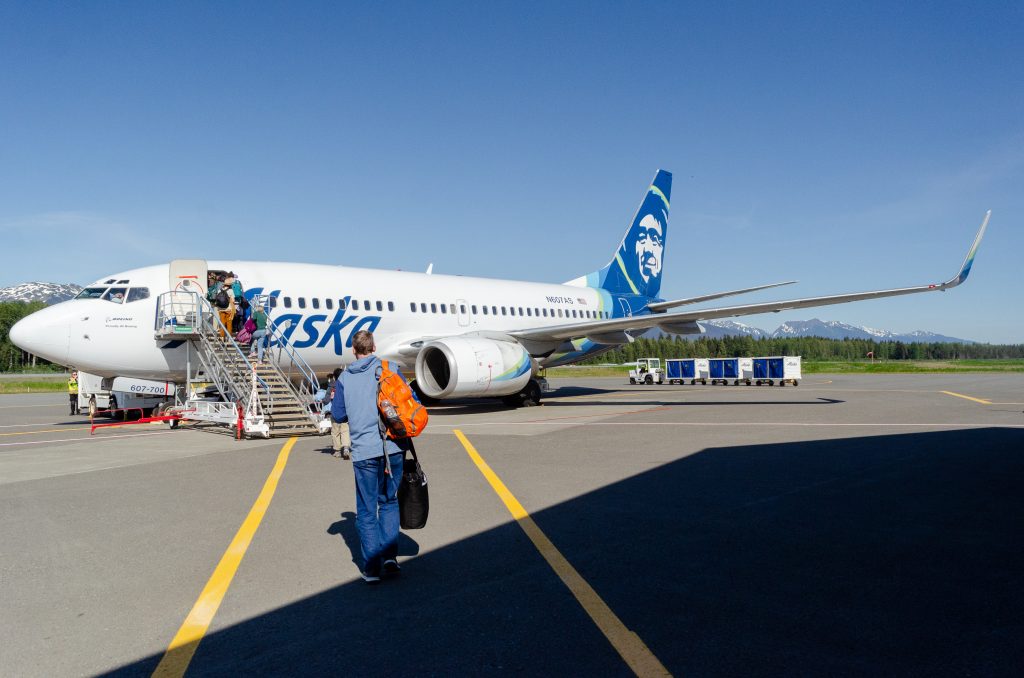
A Boeing 737-700 on the ramp of Gustavus Airport in Gustavus, Alaska. (Photo: AirlineGeeks | Fangzhong Guo)

Duffy added that he understood “how meaningful” the program is to many communities but that he will be looking at changes. He said the DOT plans to work with senators on these shake-ups, including “how we think we can do more with less.”

Sen. Susan Collins responded to Duffy during the hearing, saying, “I think you’re going to need to do more with more.” Collins represents Maine, which has some of the most valuable Essential Air Service contracts in the Lower 48.

Ryan Ewing

Ryan founded AirlineGeeks.com in February 2013 and has spent more than a decade covering the airline business. His work has been featured by CNN, WJLA, CNET, and Business Insider. His aviation experience spans airport operations, Part 135 regulatory compliance, and airline crew workforce planning, along with time behind the yoke of a Cessna 172 and interviews with airline executives. Ryan now serves as Group President of Firecrown Media’s Aviation Group. He holds a B.S. in Air Transportation Management and an MBA from Arizona State University and teaches Airline Management at Embry-Riddle Aeronautical University.

Etihad Adds Sixth U.S. Destination

This market will become the airline’s sixth destination in the U.S., joining New York, Chicago, Washington Dulles, Boston, and Atlanta.

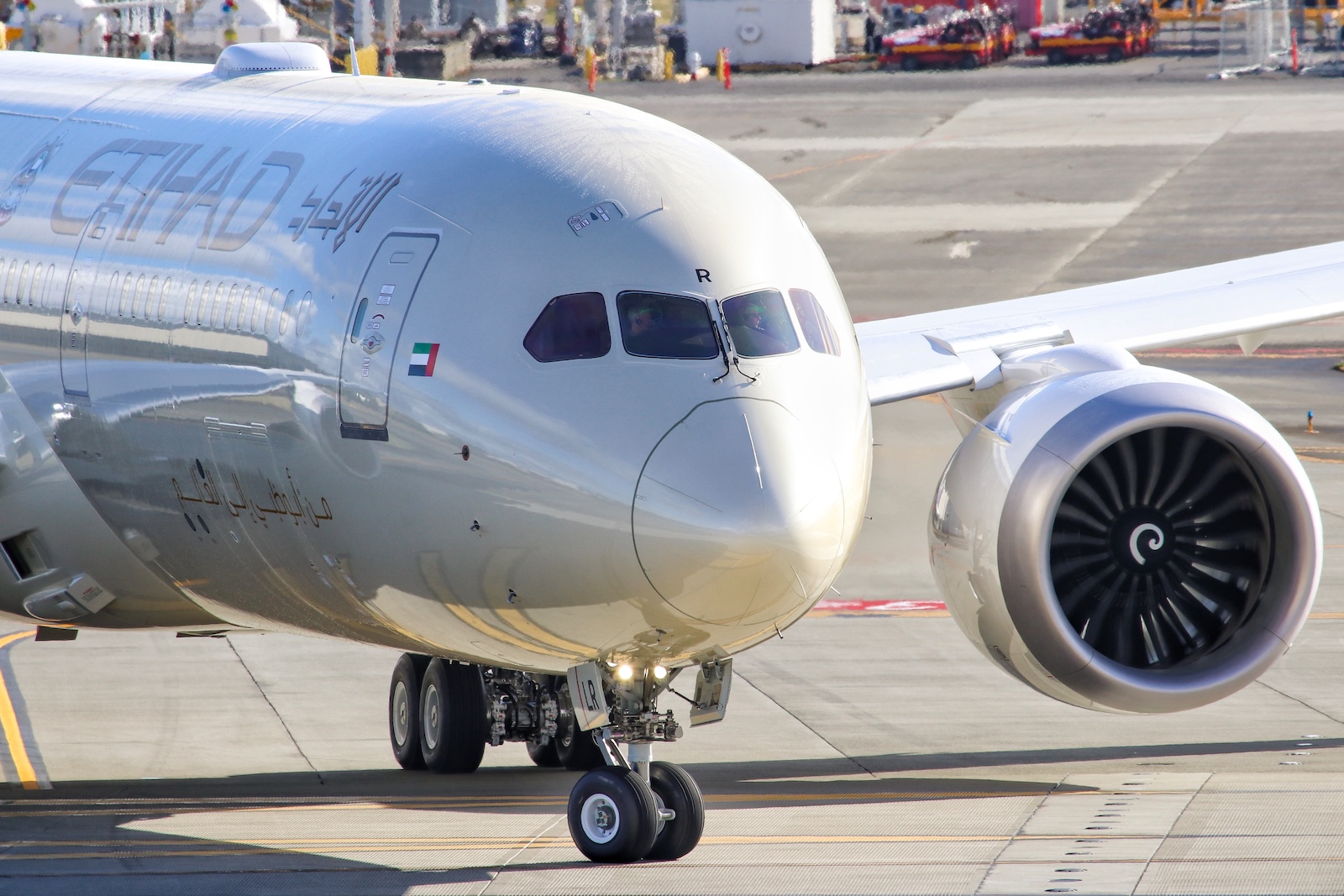
Etihad Boeing 787 Dreamliner
An Etihad Boeing 787-9 Dreamliner. (Photo: AirlineGeeks | Katie Zera)

Etihad Airways will introduce new nonstop flights between Abu Dhabi and the U.S. next year.

Starting on May 4, 2026, the carrier will link its Abu Dhabi hub and Charlotte, North Carolina. This new service will operate four times a week using its Boeing 787-9 Dreamliner.

Charlotte will become the airline’s sixth destination in the U.S., joining New York, Chicago, Washington Dulles, Boston, and Atlanta, with the latter service set to begin on July 2.

The flight schedule is designed with early morning departures from Abu Dhabi and midday returns from Charlotte, the carrier shared. Flights are already available for sale.

“Charlotte represents a strategic addition to our U.S. network, unlocking direct access to one of the country’s most dynamic and fast-growing regions,” said Antonoaldo Neves, chief executive officer, Etihad Airways, in a news release. “We’re excited to be the first airline from our region to serve this market, and we look forward to connecting more travellers to Abu Dhabi and beyond.”

While Charlotte is a hub for American, it only sees service from a handful of international airlines. Air Canada and Volaris serve the market year-round, while Lufthansa offers long-haul flights to Munich.

Ryan Ewing

Ryan founded AirlineGeeks.com in February 2013 and has spent more than a decade covering the airline business. His work has been featured by CNN, WJLA, CNET, and Business Insider. His aviation experience spans airport operations, Part 135 regulatory compliance, and airline crew workforce planning, along with time behind the yoke of a Cessna 172 and interviews with airline executives. Ryan now serves as Group President of Firecrown Media’s Aviation Group. He holds a B.S. in Air Transportation Management and an MBA from Arizona State University and teaches Airline Management at Embry-Riddle Aeronautical University.

Regional Airline Gives Commuter Route Another Try

SeaPort Airlines is launching commuter service between Portland and Seattle, years after an earlier version of the carrier filed for bankruptcy.

A PC-12 aircraft
A PC-12 aircraft (Photo: Shutterstock | Nadezda Murmakova)

A revived regional airline is offering commuter flights between Portland, Oregon, and Seattle that it says will dramatically cut down travel time for its passengers.

SeaPort Airlines announced Thursday that its Portland-Seattle service will start May 20, with flights departing as frequently as every 45 minutes at peak times. The airline will fly between a private terminal at Portland International Airport and King County International Airport, commonly known as Boeing Field, in Seattle.

SeaPort officials said the route will save travelers the time and hassle of driving between the two cities on Interstate 5 and flying to and from the busy Seattle–Tacoma International Airport.

“We’re here to give you your time back,” said Kent Craford, chairman and CEO of Kalinin Holdings, SeaPort’s parent company. “Arrive at the airport 20 minutes before your flight, park right by the door, walk in, and go. Do your business on the other end and still get back home in time for dinner. Same-day, roundtrip travel is possible again.”

The airline will operate the route using Pilatus PC-12 aircraft, which can carry nine passengers and cargo.

Previous Bankruptcy

Craford co-founded an earlier incarnation of SeaPort Airlines in 2008. The carrier was popular for its high-frequency commuter air service and flew routes across the Pacific Northwest and the South. It struggled to maintain profitability, however, and filed for Chapter 11 bankruptcy protection in 2016, which was converted to Chapter 7 liquidation one year later.

Craford, who left the original SeaPort in 2009, recently told OregonLive that the airline misunderstood the market.

“Their mistake was turning away from the eponymous SeaPort route,” he said.

Craford went on to launch Juneau-based regional airline Alaska Seaplanes. The relaunched SeaPort Airlines is a sister company of Alaska Seaplanes, and Craford emphasized that it is “the same in name” but a “totally different” entity with a highly experienced team.

Zach Vasile

Zach Vasile is a writer and editor covering news in all aspects of commercial aviation. He has reported for and contributed to the Manchester Journal Inquirer, the Hartford Business Journal, the Charlotte Observer, and the Washington Examiner, with his area of focus being the intersection of business and government policy.

United Opens $16 Million Flight Attendant Training Center

The 20,000-square-foot facility is located near the airline’s Dulles hub – which also saw significant investment from the airline in December 2024.

United 737 at Washington Dulles
A United Boeing 737 rotating out of Washington Dulles. (Photo: AirlineGeeks | Peter Weiland)

United opened its $16 million flight attendant training center in Chantilly, Virginia, on Thursday.

According to a Northern Virginia Magazine report, the 20,000-square-foot facility is located near the airline’s Dulles hub – which also saw significant investment from the airline in December 2024.

Construction on the new training facility that will teach up to 650 flight attendants monthly began last fall.

The facility includes simulators for six aircraft types and training equipment for practice with CPR, life vests, fire extinguishers, and more. It also has four classrooms used for additional training sessions.

The report stated that new flight attendants still must receive their initial flight attendant qualifications at the airline’s Houston facility. The new facility near Washington, D.C., however, will offer another location for additional recurrent training required every 18 months.

Flight attendants from the D.C. region will have first dibs at training in the new facility for now.

AirlineGeeks reached out to United for comment.

AirlineGeeks.com Staff

AirlineGeeks.com was founded in February 2013 as a one-person blog in Washington D.C. Since then, we’ve grown to have 25+ active team members scattered across the globe. We are all here for the same reason: we love deep-diving into the fascinating realm of the airline industry.

India Cancels Celebi Aviation Permit Over Non-Compliance

India's aviation authority has revoked the ground handling permit of Celebi Aviation's subsidiary, impacting its operations at major airports.

Celebi India providing ground handling services at Delhi Airport.
Celebi India providing ground handling services at Delhi Airport. (Photo: Celebi)

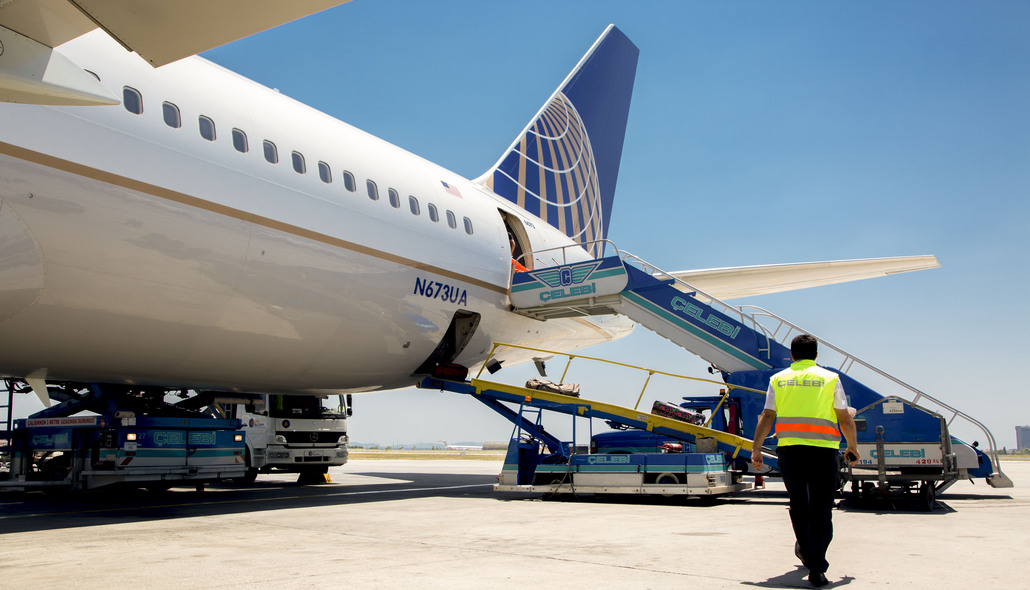
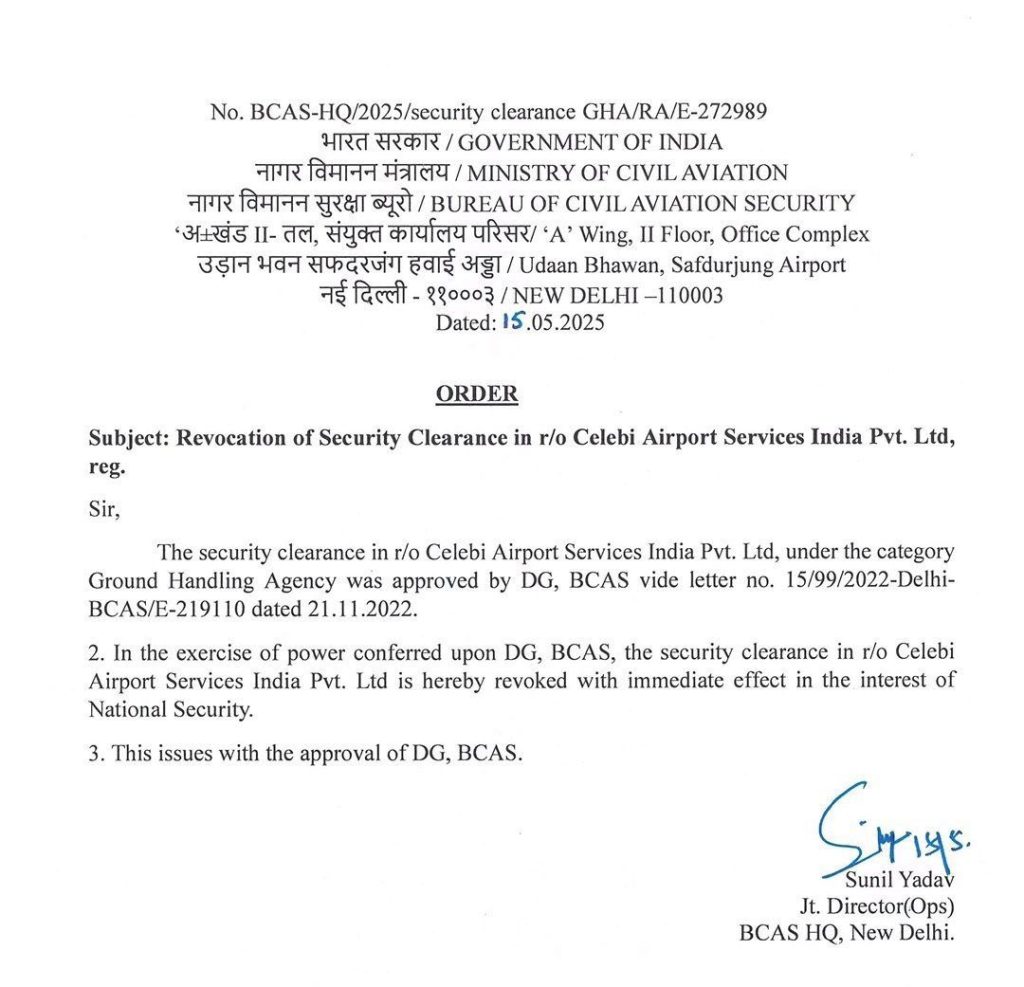
Indian civil aviation authorities have revoked the ground handling permit of Celebi Aviation’s Indian subsidiary, citing regulatory non-compliance, a move that could disrupt operations at several major airports.

The Directorate General of Civil Aviation (DGCA) announced the decision, which impacts Celebi’s operations at nine airports across the country, including key hubs like Delhi, Mumbai, and Bengaluru. Celebi has been a significant provider of ground handling and cargo services at these locations since entering the Indian market in 2009.

Celebi Aviation Holding Inc., which is 65% owned by international investors (from countries including the U.S., Canada, Saudi Arabia, Singapore, Italy, UAE, and others) and 35% by the Celebioglu Family, continues its uninterrupted operations at airports in Turkey, Hungary, Germany, Tanzania, and Indonesia. In 2024, the company’s consolidated revenue was approximately $585 million.

BCAS revokes Celebi’s security clearance in India
(Photo: BCAS)

Celebi’s Response

Celebi Aviation described the decision by Indian civil aviation authorities to revoke its permit as “regrettable and unjustified.” The company stated that it has always adhered to all laws and regulations and will appeal the decision. Celebi also emphasized its significant contributions to the Indian economy, noting that it has provided employment to approximately 10,000 Indian citizens and invested over $250 million in the country.

The company further stated that it “will pursue all administrative and legal remedies to clarify these unfounded allegations and to reverse the imposed orders.”

The revocation of Celebi’s permit is expected to cause significant disruptions in ground handling services at several major Indian airports. Airlines operating at these airports may face operational challenges as they seek alternative ground handling service providers. The Airports Authority of India (AAI) has indicated that interim arrangements are being made to ensure continuity of services.

Celebi Aviation, headquartered in Turkey, entered the Indian market in 2007 and has since become one of the country’s prominent ground handling service providers. The company operates at nine airports, including Delhi, Mumbai, Chennai, Bengaluru, Hyderabad, Cochin, Ahmedabad, Mopa (Goa), and Kannur.

In addition to ground handling, Celebi manages cargo operations at Delhi airport through a joint venture with Delhi International Airport Ltd (DIAL).

Tolga Karadeniz

Tolga is a dedicated aviation enthusiast with years of experience in the industry. From an early age, his fascination with aviation went beyond a mere passion for travel, evolving into a deliberate exploration of the complex mechanics and engineering behind aircraft. As a writer, he aims to share insights , providing readers with a view into the complex inner workings of the aviation industry.

Singapore Airlines Employees Getting Large Profit-Sharing Bonus

Singapore Airlines is paying employees a bonus under its profit-sharing program worth about seven and a half months of salary.

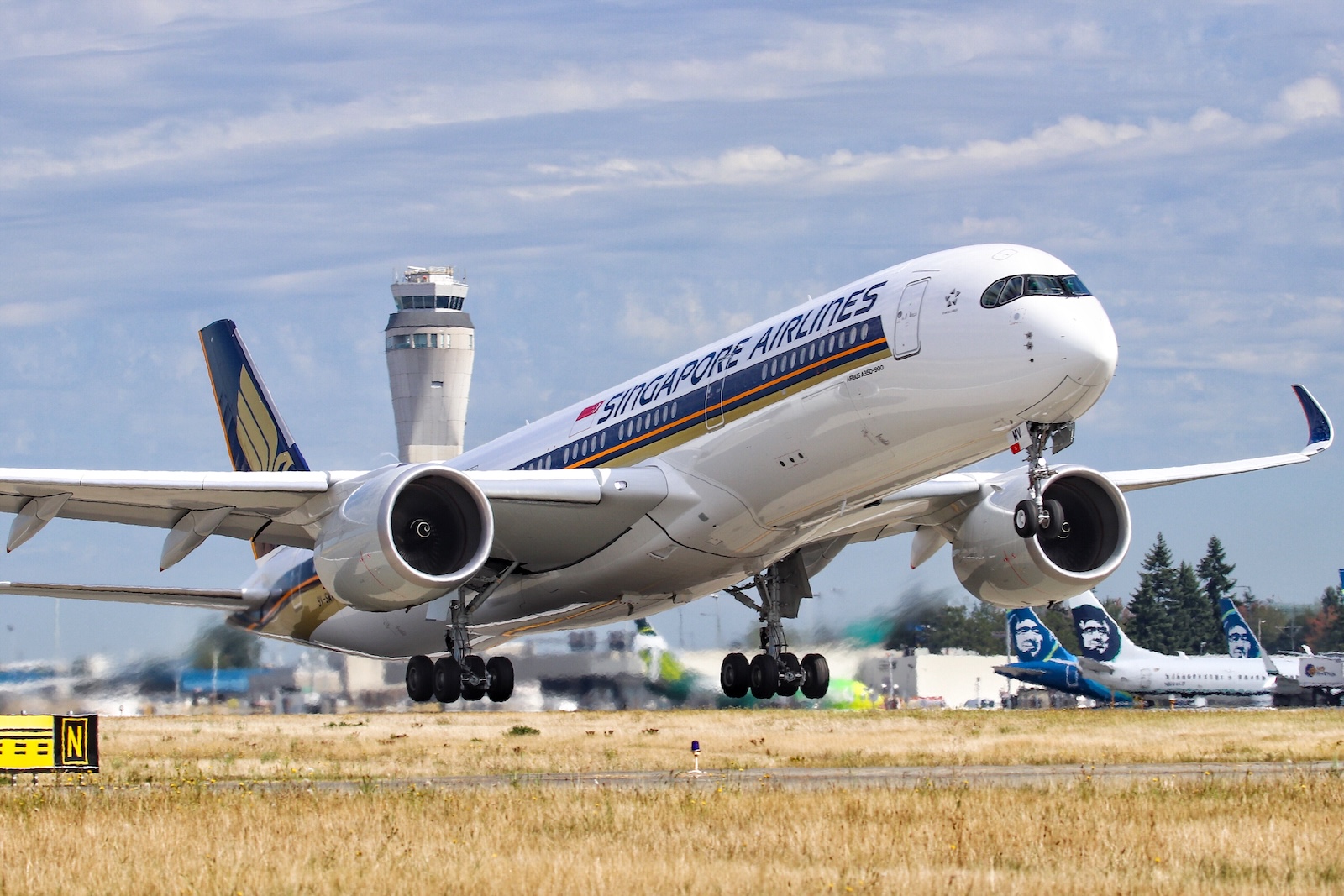
A Singapore Airlines Airbus A350
A Singapore Airlines Airbus A350-900. (Photo: AirlineGeeks | Katie Zera)

Employees of Singapore Airlines are getting a bonus equal to about seven and a half months of pay, The Business Times reported Thursday.

The incentive is part of a profit-sharing arrangement that delivered almost eight months of extra pay to employees in fiscal year 2024 and about six and a half months of extra pay in fiscal year 2023.

The airline told Channel News Asia that profit sharing is worked out according to a “longstanding formula” negotiated by the different employee unions.

The news came the same day Singapore Airlines released its full-year earnings for 2024-25, including record profits of $2.8 billion. The airline’s fiscal year ends on March 31 and starts on April 1.

Singapore Airlines’ gains were largely fueled by the merger of its former subsidiary Vistara with Air India, which netted the carrier a one-off non-cash accounting gain of $1.1 billion. The airline said demand for air travel and cargo remains strong, though passenger traffic growth lagged behind the fleet’s capacity expansion. Operating profits declined to $1.7 billion from $2.7 billion in the prior fiscal year.

The carrier employs about 18,000 staff members.

Zach Vasile

Zach Vasile is a writer and editor covering news in all aspects of commercial aviation. He has reported for and contributed to the Manchester Journal Inquirer, the Hartford Business Journal, the Charlotte Observer, and the Washington Examiner, with his area of focus being the intersection of business and government policy.

How AI Helps British Airways Keep Flights On Time

British Airways said that, with the implementation of artificial intelligence, rates of on time flights at Heathrow rose to 86%, up from 46%.

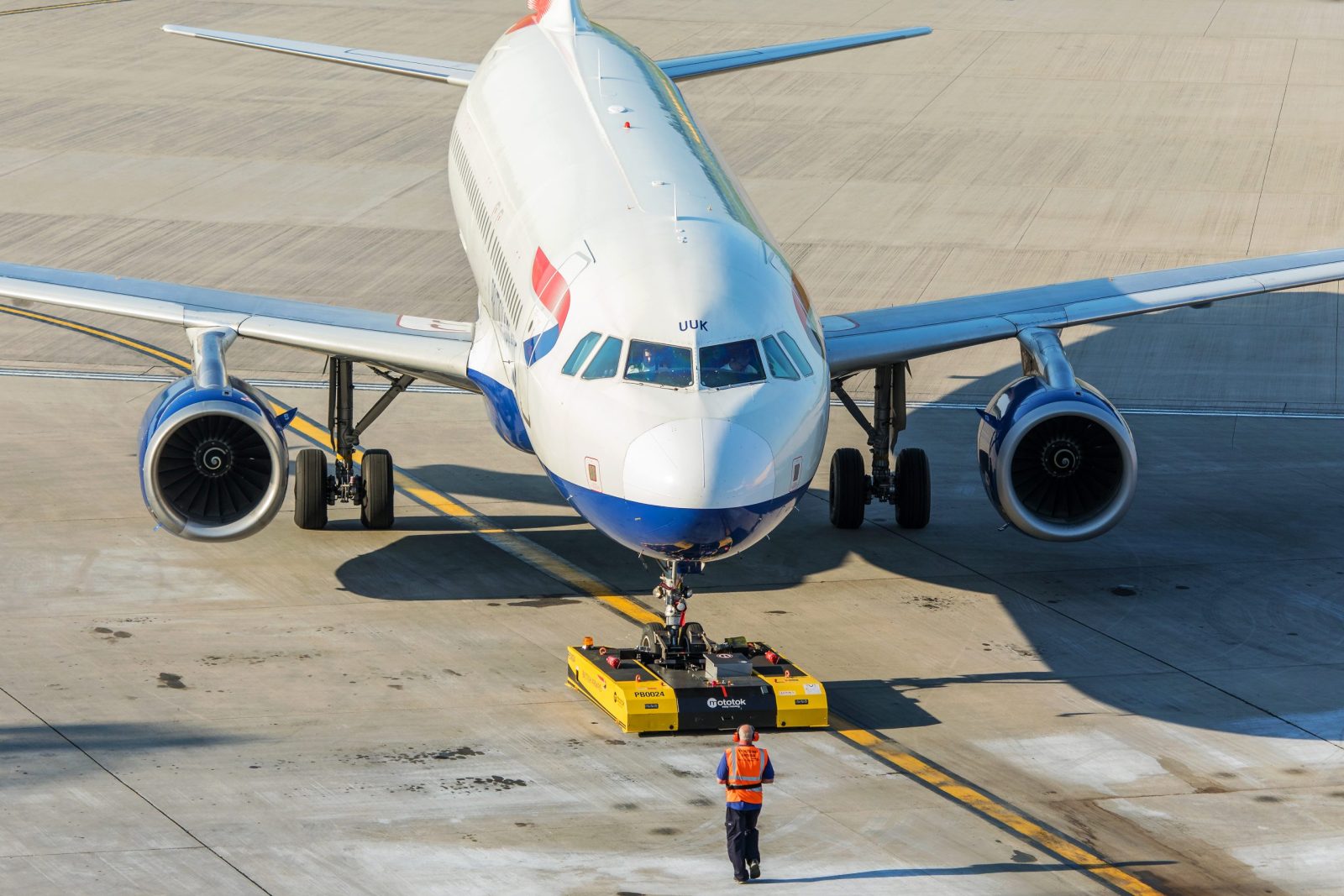
British Airways Airbus A320
A British Airways Airbus A320 being pushed back at Heathrow. (Photo: AirlineGeeks | William Derrickson)

British Airways is using artificial intelligence to help keep its flights on schedule.

The airline reported that, with the implementation of AI tools, on-time departures at the carrier’s home base at Heathrow Airport in London have climbed to 86%, up dramatically from 2008, when that figure stood at 46%. Last month, two-thirds of all the airline’s flights leaving Heathrow took off ahead of their departure time, double the rate for April 2023 and up almost 20% from April 2024.

“The tech colleagues have at their fingertips has been a real gamechanger for performance, giving them the confidence to make informed decisions for our customers based on a rapid assessment of vast amounts of data,” British Airways Chairman and CEO Sean Doyle said in a statement. “It’s exciting that our industry is able to harness this capability, which will develop even further in the months years to come.”

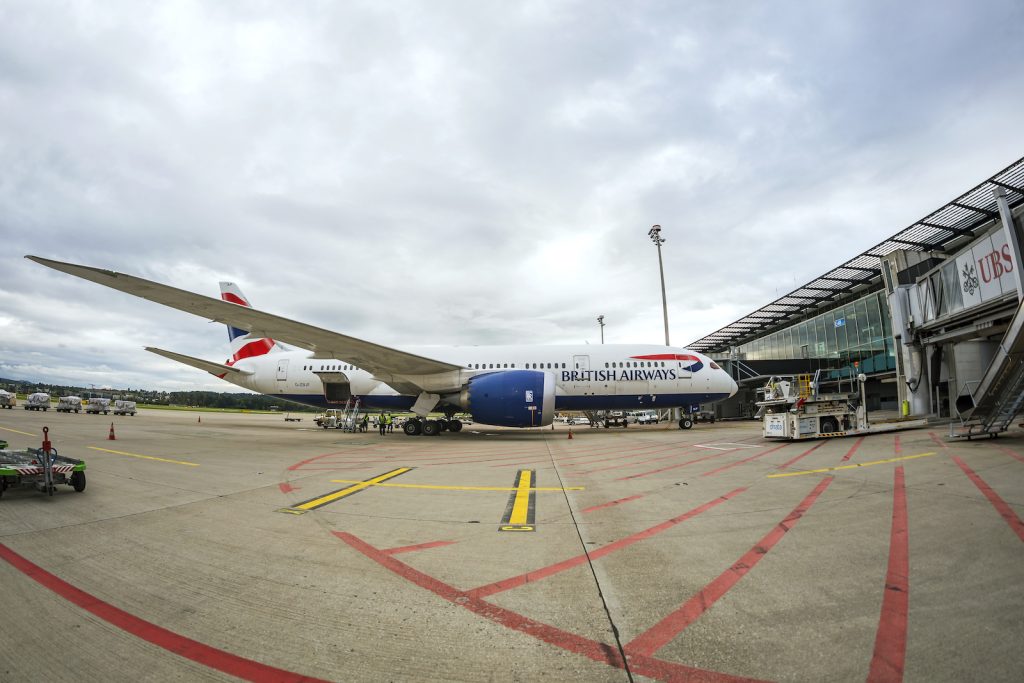
A British Airways Boeing 787-8 Dreamliner (Photo: AirlineGeeks | William Derrickson)

British Airways said the development of AI tools is part of a broader £100 million investment in operational resilience, equivalent to about $132 million. The effort has allowed the airline to hire over 100 data scientists since 2023.

New Resources

Among the new programs is a tool that helps British Airways employees allocate landing space at Heathrow based on analysis of passengers’ travel patterns and connecting flights. The system has reduced missed connections at the airport and saved about 160,000 minutes of delays since its rollout, the airline said. A similar tool is being used to highlight routes that could face holdups, allowing teams to better allocate resources to make sure those flights still take off on time.

The airline’s Runway Support program helps mitigate the effects of travel disruptions by pulling in and analyzing massive amounts of information about schedules, passengers, and crews to calculate the most appropriate response.

Depending on the circumstances, the AI may recommend canceling a flight, delaying a departure, or switching passengers to a different aircraft. Runway Support has been used to model 163 disruptions across 2024 and 2025.

British Airways is also using AI to predict the weather and its effect on travel. This tool helps reroute flights that could face poor flying conditions and communicates those plans directly to British and European air traffic control centers. The predictive technology has prevented 243,000 minutes of delays so far.

A number of airlines are now testing and rolling out AI-assisted programs to enhance operations, including United, whose Connection Saver is designed to help passengers make their connecting flights on time. American is trying out similar technology at some of its hub airports starting this summer.

British Airways said it plans to test and debut more AI tools in the coming months, including new apps for pilots, cabin crew teams, and aircraft dispatch teams to help speed up departures.

Zach Vasile

Zach Vasile is a writer and editor covering news in all aspects of commercial aviation. He has reported for and contributed to the Manchester Journal Inquirer, the Hartford Business Journal, the Charlotte Observer, and the Washington Examiner, with his area of focus being the intersection of business and government policy.

Porter Drops U.S. Route After Seven Months

Porter is the latest Canadian airline to scale back service to the U.S., joining a growing list of high-profile route cuts in recent months.

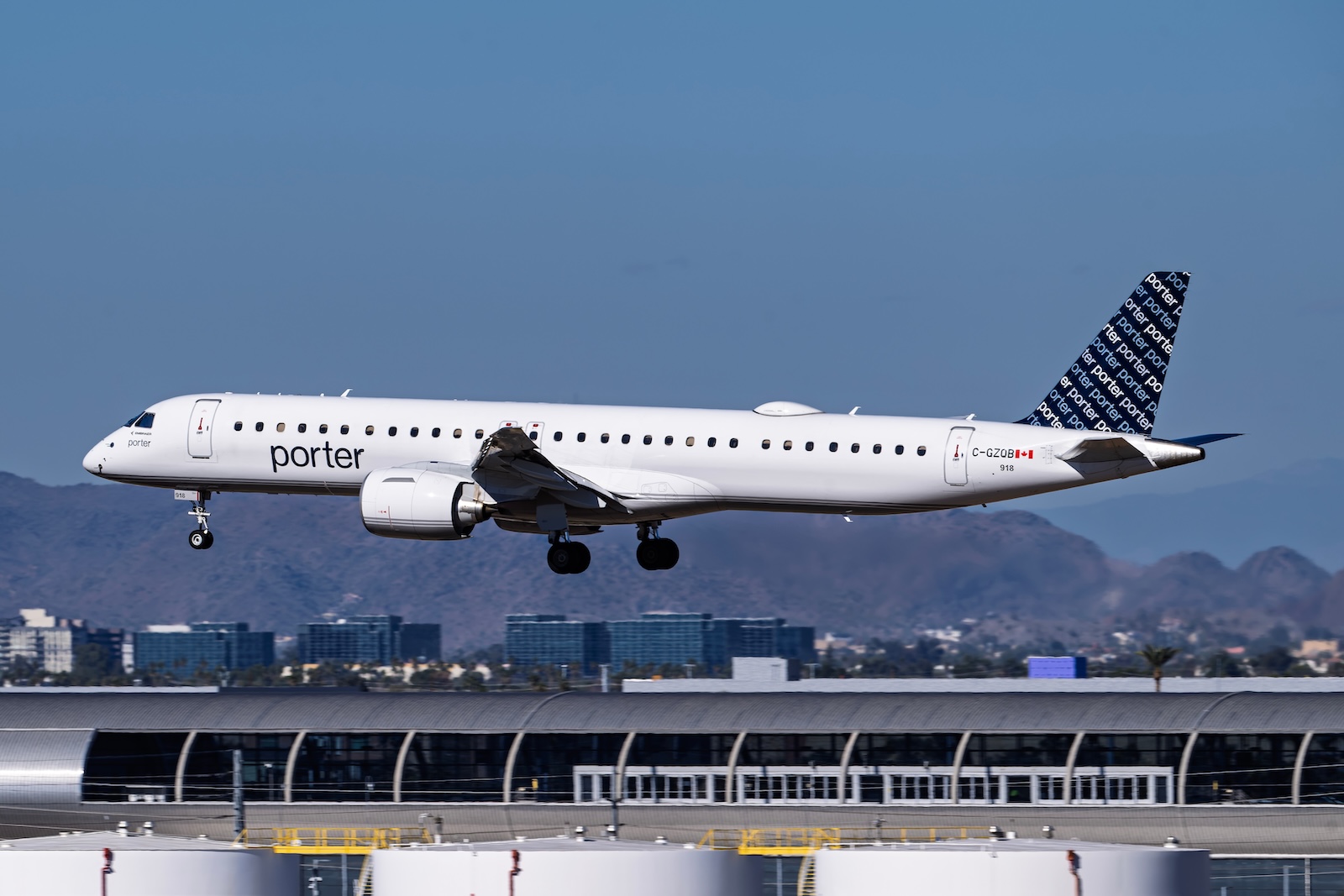
Porter Embraer jet
A Porter Airlines Embraer jet. (Photo: Shutterstock | Robin Guess)

Porter is the latest Canadian airline to scale back service to the U.S., joining a growing list of high-profile route cuts in recent months. The carrier will halt service on one of its newest routes.

As first flagged by Aeroroutes, the airline will not resume flights between Toronto and San Diego, a route that began in December. With this service cut, Porter will completely exit the San Diego market.

An airline spokesperson confirmed the route cut to AirlineGeeks, adding that Toronto-to-San Diego flights will end on June 25.

“We never want to leave any market. However, we are prioritizing operational reliability over the summer period, which requires additional spare aircraft capacity,” the spokesperson added in an email.

At just over 2,000 miles, the route is among Porter’s longest. The carrier also serves San Francisco and Los Angeles in California.

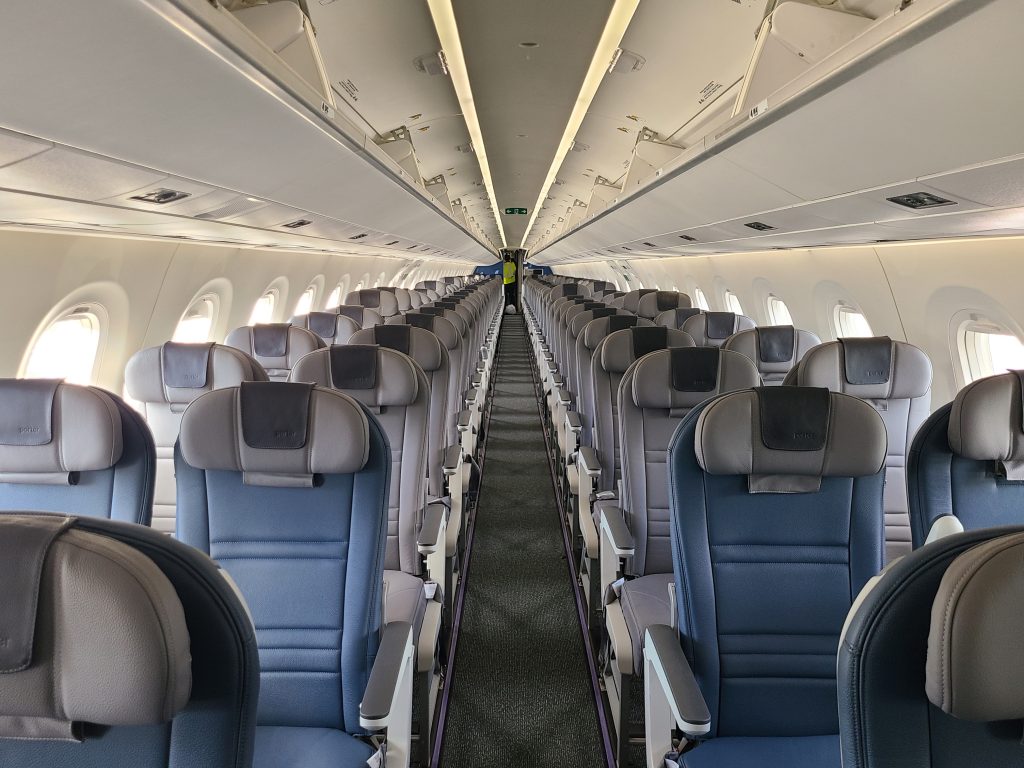
Porter Airlines E195-E2 cabin (Photo: AirlineGeeks | Andrew Chen)

“This was a logical decision as San Diego is a newer addition to our network, having launched last December, and unfortunately hasn’t met our performance expectations,” the spokesperson continued. “The market and passenger preferences will continue guiding us as we make network decisions.”

Demand Lull

Other Canadian airlines have made transborder route cuts in recent months. Last month, WestJet slashed its Vancouver, British Columbia, to Austin, Texas, route before it even launched.

A March report from OAG said transborder bookings have dropped by 70%.

Ryan Ewing

Ryan founded AirlineGeeks.com in February 2013 and has spent more than a decade covering the airline business. His work has been featured by CNN, WJLA, CNET, and Business Insider. His aviation experience spans airport operations, Part 135 regulatory compliance, and airline crew workforce planning, along with time behind the yoke of a Cessna 172 and interviews with airline executives. Ryan now serves as Group President of Firecrown Media’s Aviation Group. He holds a B.S. in Air Transportation Management and an MBA from Arizona State University and teaches Airline Management at Embry-Riddle Aeronautical University.
Sign-up for newsletters & special offers!

Get the latest stories & special offers delivered directly to your inbox

SUBSCRIBE

Uh-oh! It looks like you're using an ad blocker.

Our website relies on ads to provide free content and sustain our operations. By turning off your ad blocker, you help support us and ensure we can continue offering valuable content without any cost to you.

We truly appreciate your understanding and support. Thank you for considering disabling your ad blocker for this website