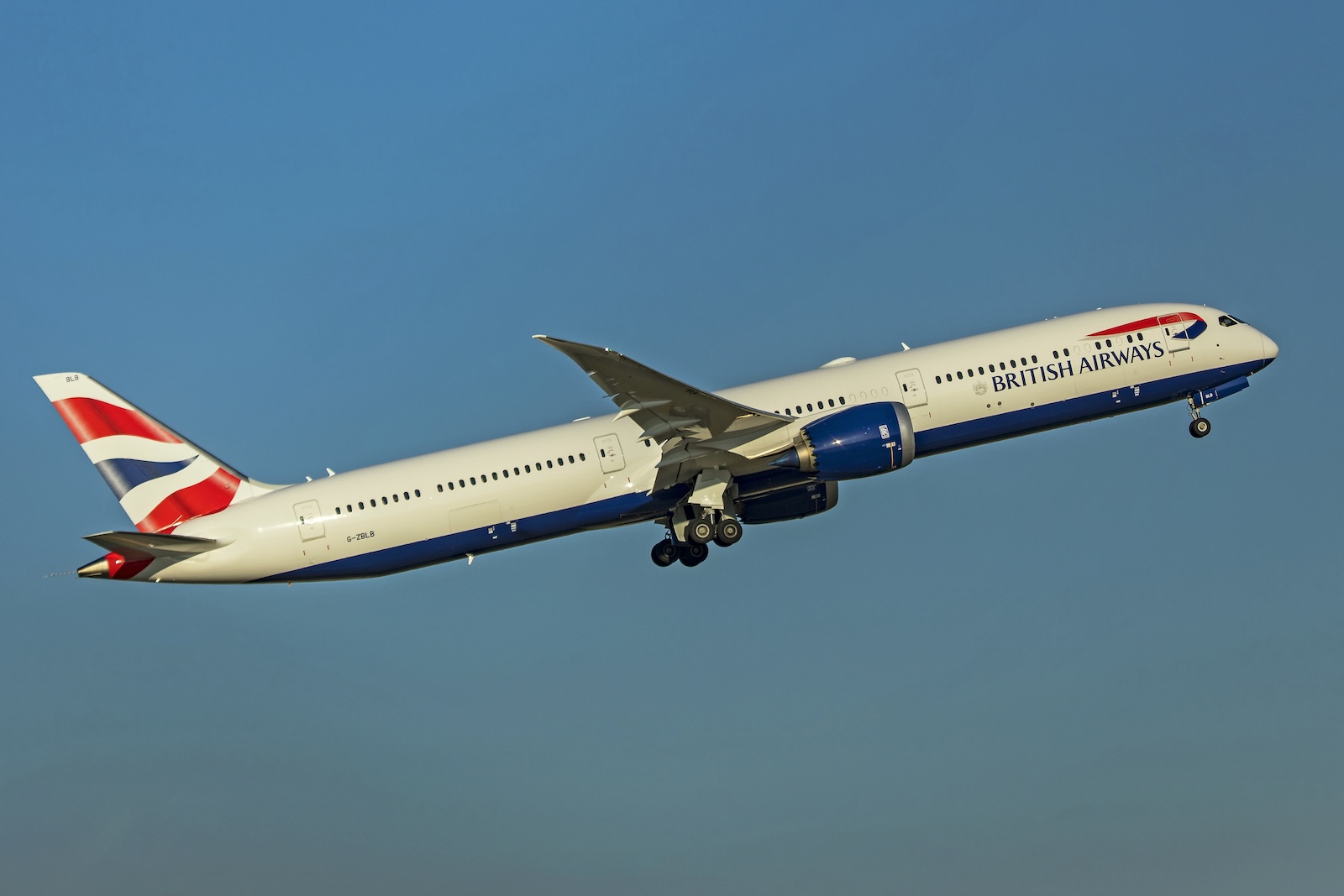
A British Airways 787-10 (Photo: AirlineGeeks | William Derrickson)
IAG, the parent company of British Airways, placed an order for 32 Boeing 787-10 aircraft. The acquisition comes after the announcement of a trade deal between the U.S and the U.K.
In addition, IAG is also buying 21 Airbus A330-900neo aircraft assigned to Aer Lingus, Iberia, and LEVEL.
The first Airbus A330neo takes off in Toulouse (Photo: AirlineGeeks | Fabian Behr)
The deal disclosed the options exercised in March for an additional 18 aircraft, including six Boeing 777-9s, six Airbus A350-900s, and six A350-1000s, according to Reuters.
Luis Gallego, Chief Executive of IAG, said the order was a “milestone and would strengthen our core market.”
The 787s will be powered by General Electric engines, and the Airbus aircraft will be powered by Rolls-Royce engines. The order is part of a trade deal between the two countries.
Of the proposed 53 aircraft, 35 would serve to replace existing aircraft or, for LEVEL, supplement short-term leases, the airline group said. The new orders would also “allow 18 aircraft for growth in IAG’s core markets.”
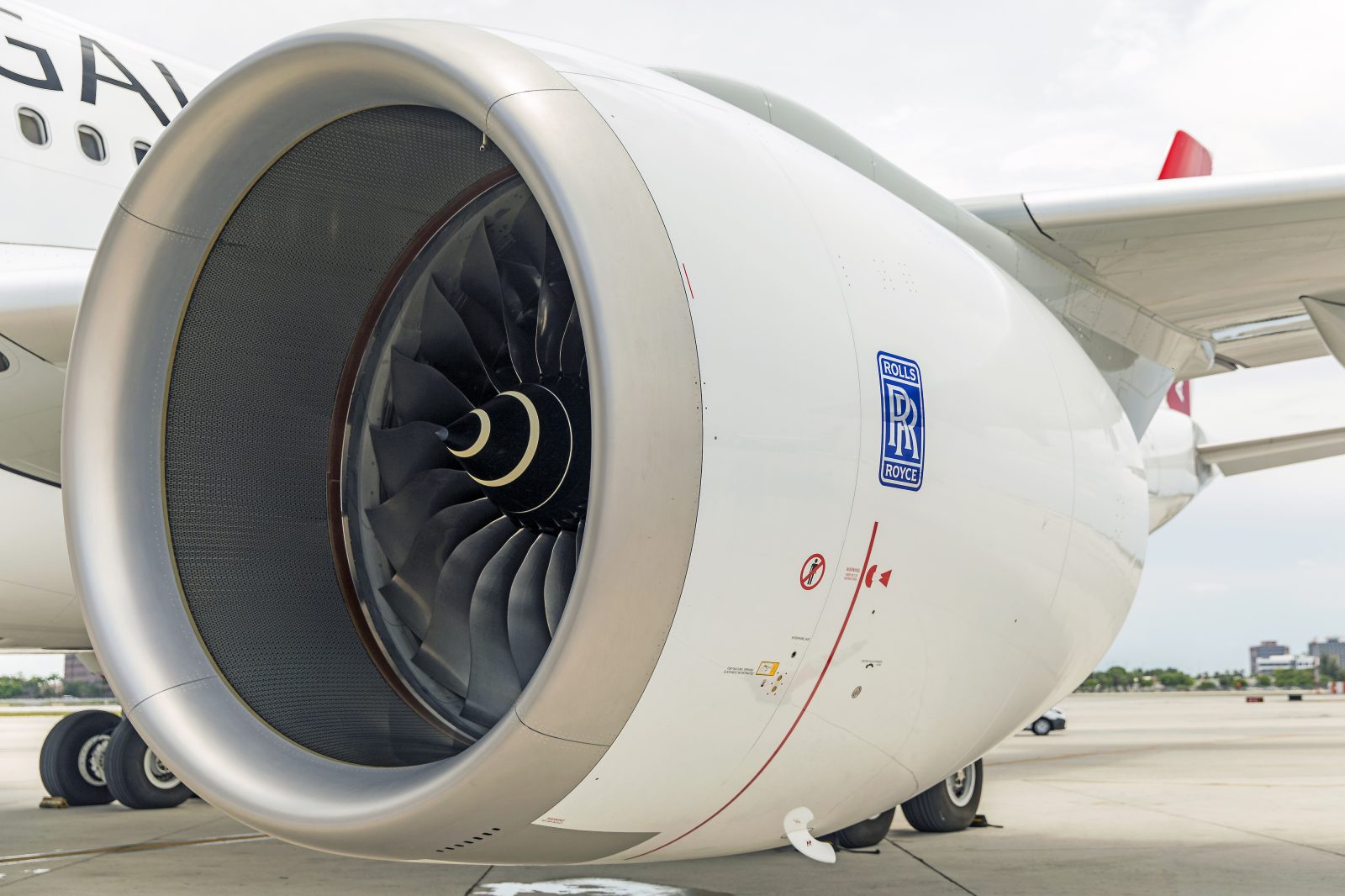
Rolls-Royce engines power the A330neo. (Photo: AirlineGeeks | William Derrickson)
A trade deal being worked out between the United States and the United Kingdom contains a tariff carveout for aircraft engine manufacturer Rolls-Royce.
During a press conference at the White House on Thursday, Commerce Secretary Howard Lutnick said the administration plans to exempt Rolls-Royce engines and other “plane parts” from the 10% baseline tariff imposed on most UK imports.
Rolls-Royce engines are used on a number of Airbus aircraft as well as some Boeing 777s and 787s.
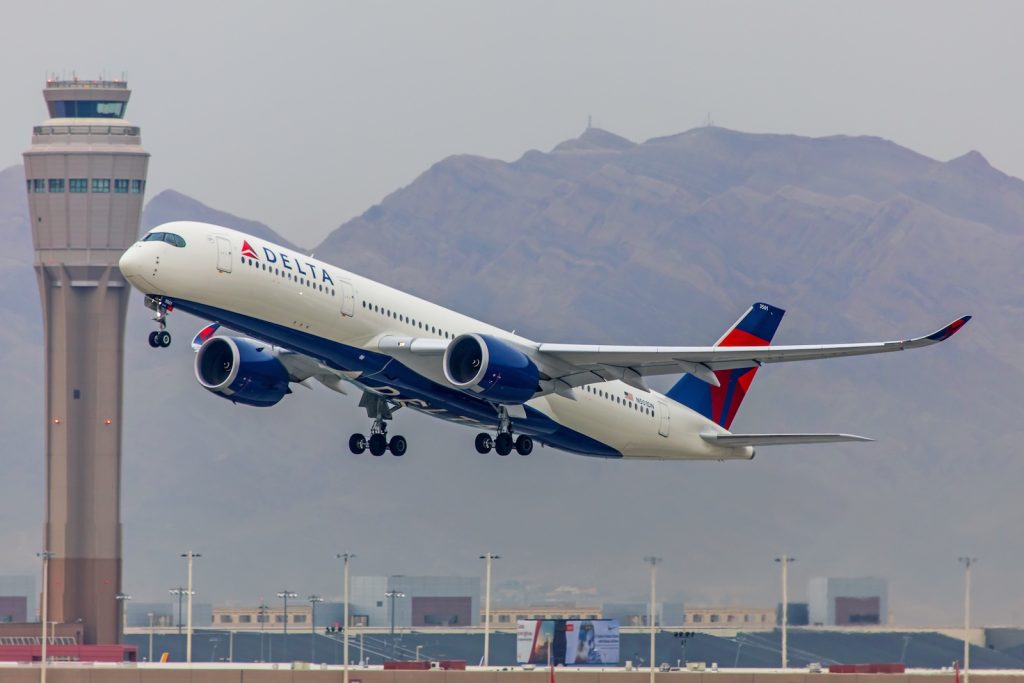
The Rolls-Royce Trent XWB powers the Airbus A350, which Delta operates. Rolls-Royce’s Trent 7000 powers the A330neo, also flown by Delta in the U.S.
A Delta A350-900 aircraft (Photo: AirlineGeeks | William Derrickson)
Lutnick’s comments came as an aside as President Donald Trump discussed the broader trade agreement between the two countries. For several minutes Trump spoke with Prime Minister Keir Starmer on the phone as the press listened, and both leaders praised the deal as a defining moment in the U.S.-U.K. relationship. The agreement has not been finalized, but both Trump and Starmer said they expect it will be soon.
White House officials said the new trade terms will rebalance what had been an unfair system for American workers and companies while also helping Britain protect its own citizens economically. The country will now accept American products that it previously did not, including heavy machinery and beef, they said.
“They’re opening up their country,” Trump added. “Their country is a little closed and we appreciate it.”
The President also told reporters that he’s agreed to lower tariffs on British automobiles. The rate had been 25%, but that figure has been lowered to 10% for high-end cars made by companies like Bentley, Jaguar, and Rolls-Royce. Luxury cars are “special” and limited in number, Trump said, so they do not threaten the viability of major American automakers.
Rolls-Royce Holdings, which makes aircraft engines and marine propulsion systems, is a separate company from Rolls-Royce Motor Cars Limited, which makes automobiles.
Zach Vasile is a writer and editor covering news in all aspects of commercial aviation. He has reported for and contributed to the Manchester Journal Inquirer, the Hartford Business Journal, the Charlotte Observer, and the Washington Examiner, with his area of focus being the intersection of business and government policy.
Airline CEOs Unite Behind New Air Traffic Control System
CEOs from major U.S. airlines have come together in support of a new plan aimed at modernizing air traffic control systems across the nation.
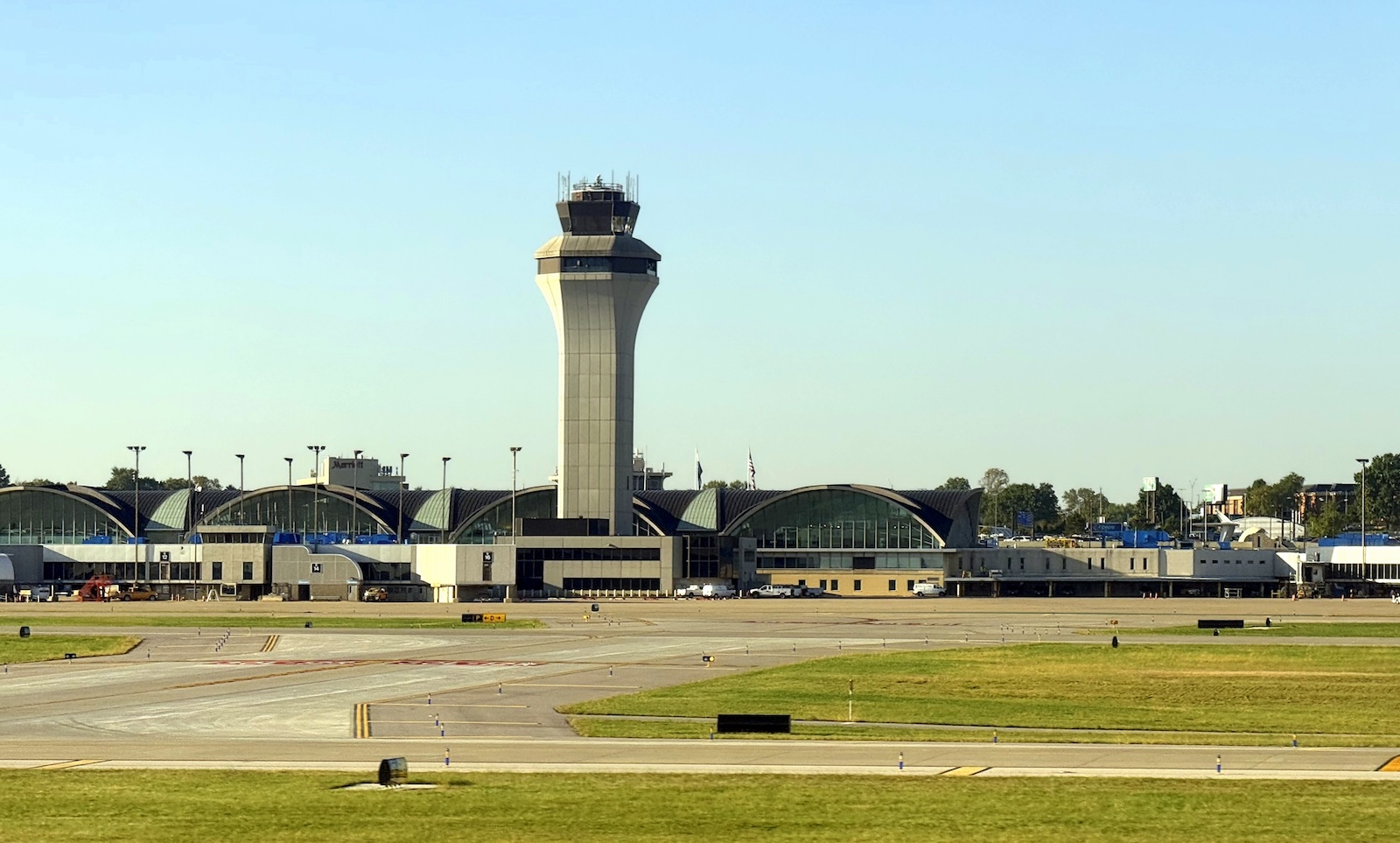
Air traffic control tower in St. Louis. (Photo: Shutterstock | ArtByArthur)
CEOs from major U.S. airlines have come together in support of a new federal plan aimed at modernizing air traffic control systems across the nation.
Department of Transportation Secretary Sean Duffy announced the new plan to overhaul America’s air traffic control technology during a press conference Thursday afternoon.
The plan, which Duffy said will cost tens of billions of dollars, will address long-needed upgrades to all front-facing and backend systems for controllers with new hardware and software.
The three-year plan also includes installing new telecommunications, fiber lines and radios, as well as new ground radars and sensors at airports.
“After DCA, I committed that I was going to look over the horizon and see what issues we do have and how we can fix them to make sure we don’t have more families that go through what the DCA families have gone through,” Duffy said during the press conference. “This is a way to honor. This is a way to respect. This is a way to pay it forward and to do the right thing to keep our families and our communities safe when they use our airspace.”
Speaking at the conference were United CEO Scott Kirby, American CEO Robert Isom, Delta CEO Ed Bastian, JetBlue CEO Joanna Geraghty, and Southwest CEO Robert Jordan.
Kirby thanked all aviation workers for their commitment to safety, and Jordan affirmed there was “widespread agreement” that a solution for aging air traffic control technology was needed.
“We’re taking quick and decisive action,” Isom said. “And that’s not just with this plan, but it’s also in the wake of [flight] 5342 to address helicopter traffic in DCA and throughout the country as well. American operates more flights, employs more people than any other airline in network. [For] our customers, our team members, and all of us in this industry, we need a more robust and modern air traffic control system to get people where they want to go safely and on time.”
Geraghty said that because JetBlue is the only airline headquartered in New York City, they know a lot about air traffic control delays and challenges.
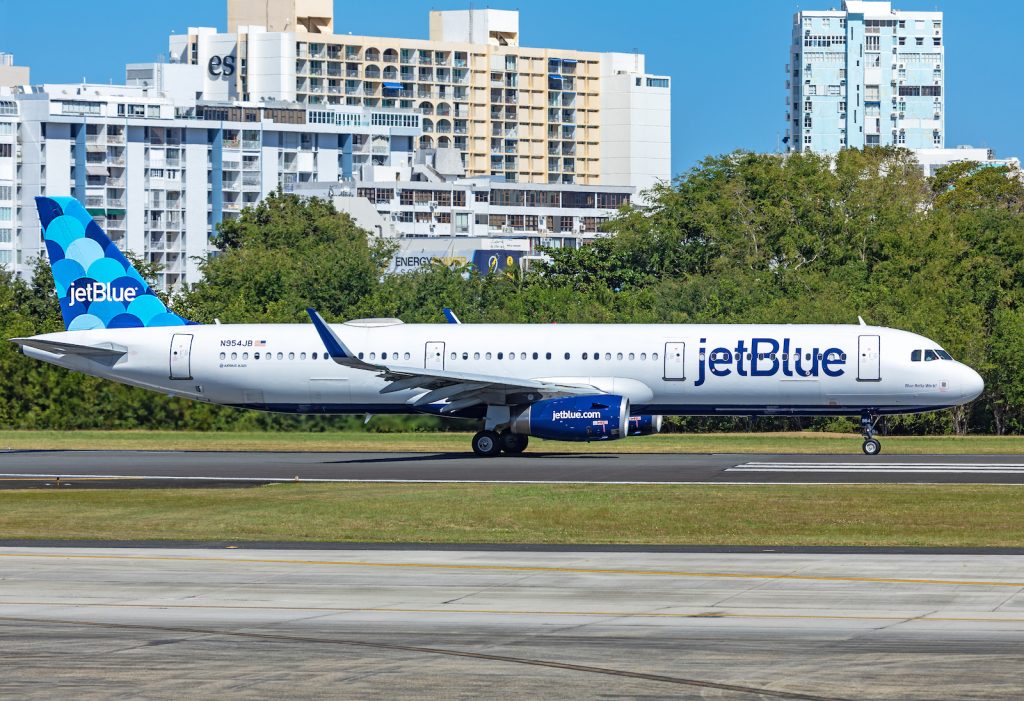
A JetBlue A321 aircraft (Photo: AirlineGeeks | William Derrickson)
“This has quite literally been our number one priority for decades,” she said. “I am proud to stand here today with what appears to be a solution and a path to move forward. Thank you, mister secretary. JetBlue is here to do our part.”
Bastian pointed to ongoing issues at New Jersey’s Newark Liberty International Airport and 2023’s nationwide NOTAM outage as recent examples of outdated systems bogging down American aviation.
“It’s hard to believe and, frankly, unacceptable that many of the systems our air traffic rely on today are more than 60 years old,” he said. “It’s past time that we change that. So it’s an honor to be here today among so many of our industry partners while getting a first look at what the secretary has put forward.”
AirlineGeeks.com was founded in February 2013 as a one-person blog in Washington D.C. Since then, we’ve grown to have 25+ active team members scattered across the globe. We are all here for the same reason: we love deep-diving into the fascinating realm of the airline industry.
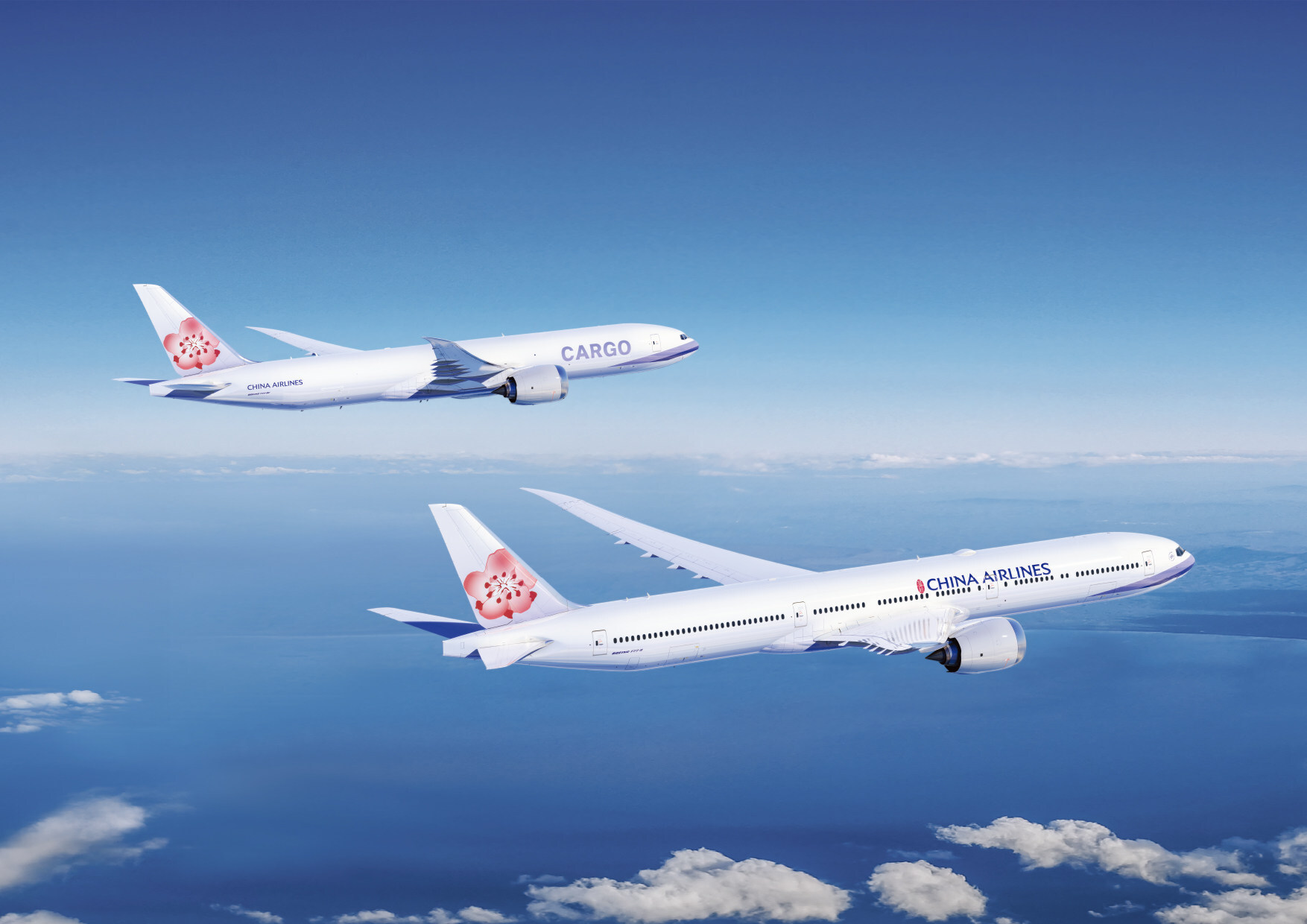
Boeing rendering of a 777-9 and 777-8F in China Airlines livery (Photo: PRNewsFoto | Boeing)
China Airlines has placed a significant order for Boeing 777X aircraft, including both passenger and freighter models, positioning the Taiwanese flag carrier to enhance its long-haul capabilities in an increasingly competitive global market. The deal, announced Thursday, includes a firm commitment for 10 777-9 passenger jets and four 777-8 freighters, with options for an additional nine aircraft.
The order, valued at billions of dollars at list prices, underscores China Airlines’ strategy to modernize its fleet and capitalize on the rebound in international travel, particularly on key routes connecting Asia with North America and Europe.
Fleet Renewal and Cargo Growth
“The advanced technology and features of the 777-9 will provide our customers with the best-in-class flying experience, while the 777-8 Freighter’s range and fuel-efficiency will enable us to maintain a leadership position in aircargo,” stated China Airlines Chairman Kao Shing-Hwang.
The 777-9, the largest twin-engine aircraft ever built, promises a 20% improvement in fuel efficiency and reduced emissions compared to older generation aircraft it will replace, such as the Boeing 777-300ER and potentially some of the airline’s remaining Boeing 747-400 freighters.
The 777-9’s capacity to seat up to 426 passengers in a two-class configuration will allow China Airlines to increase passenger numbers on key long-haul routes, including flights to Los Angeles, New York, Frankfurt, and London Heathrow. These routes are highly competitive, with carriers like EVA Air (China Airlines’ main Taiwanese competitor), as well as various North American and European airlines, vying for market share.
The order for four 777-8 freighters signals China Airlines’ commitment to strengthening its cargo operations. The 777-8F offers a similar payload to the Boeing 747 freighter, a workhorse of air cargo, but with a significant 30% improvement in fuel efficiency and emissions, along with a notably quieter noise footprint.
With over 520 orders for the aircraft globally, China Airlines joins an exclusive group of airlines recognizing the potential of this next-generation wide-body. The delivery of these aircraft, expected to begin around 2029, will coincide with China Airlines also inducting new Airbus A350-1000s.
Tolga is a dedicated aviation enthusiast with years of experience in the industry. From an early age, his fascination with aviation went beyond a mere passion for travel, evolving into a deliberate exploration of the complex mechanics and engineering behind aircraft. As a writer, he aims to share insights , providing readers with a view into the complex inner workings of the aviation industry.
Emirates Employees to Get Large Bonus After Record Earnings
Emirates scored record revenues and profits owing to high customer demand, and company officials said they are rewarding employees with a 22-week bonus.
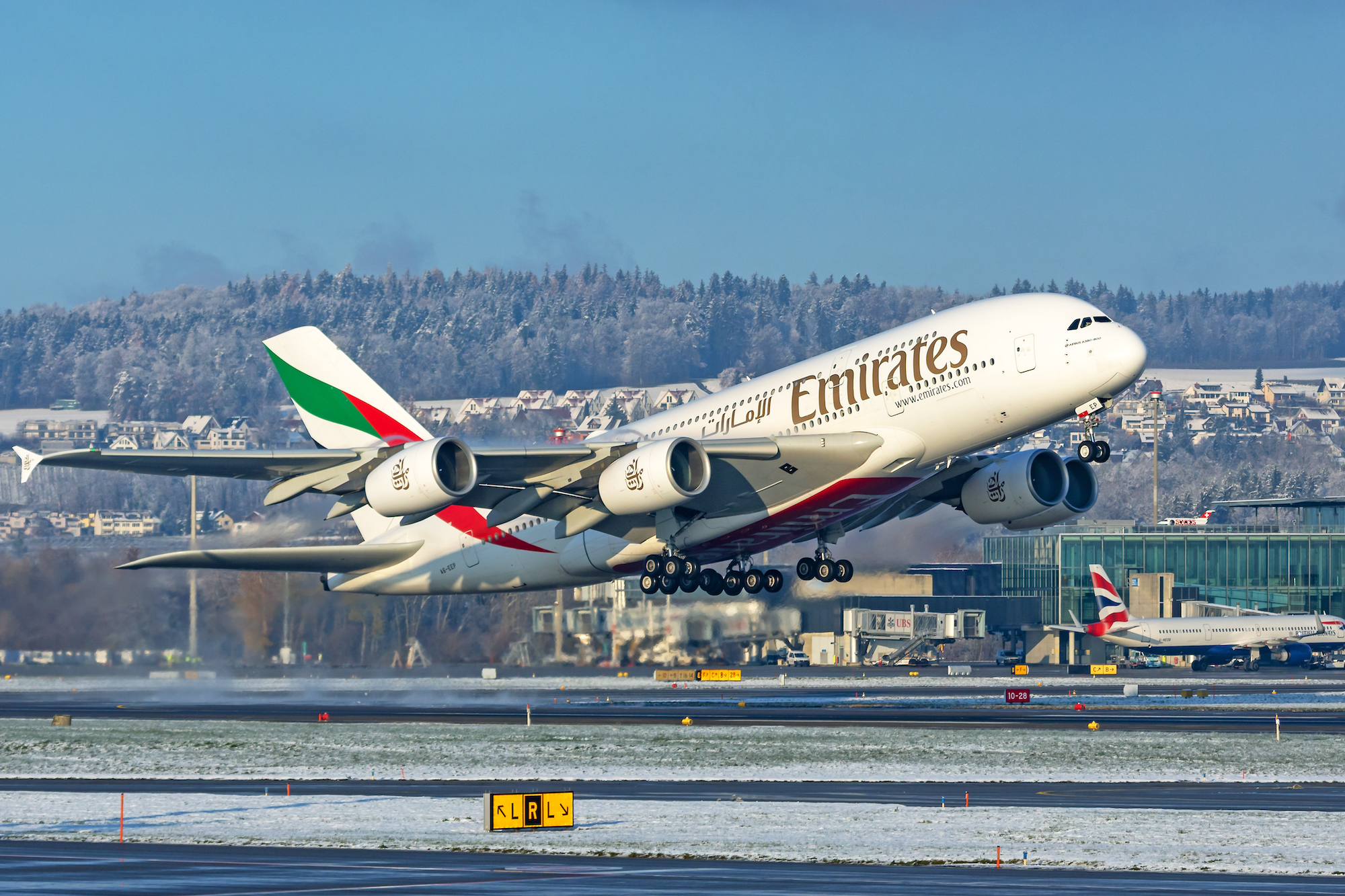
An Emirates Airbus A380. (Photo: AirlineGeeks | William Derrickson)
Emirates Group, the parent company of UAE flag carrier Emirates, will pay eligible employees a massive 22-week bonus after producing its strongest ever annual financial results.
The bonus was first reported by Bloomberg, which saw an internal memo announcing the payments.
By comparison, Delta, which was the most profitable U.S. airline in 2024, recently gave employees the equivalent of five weeks of extra pay as part of its profit-sharing program.
Emirates Group on Thursday reported yearly revenues of $39.6 billion, up 6% from the prior year, and profits of $6.2 billion, up 18% from the prior year. Both figures are record highs for the company. The group’s profit margin, meanwhile, surged to 14.9%, another peak. After-tax profits came to $5.6 billion.
Emirates Group’s financial year runs from April 1 to March 31 and includes earnings from parts of 2024 and 2025.
New Heights
Company officials linked the standout performance to increasing demand from customers, an upsurge in cargo transportation, comparatively lower fuel costs, and expanded seating capacity provided by the Airbus A350.
Also a factor is the group’s growing commercial air network, which in the last year added flights to and from Bogota, Colombia and Madagascar and restarted routes to and from Phnom Penh, Cambodia, Lagos, Nigeria, Adelaide, Australia, and Edinburgh, Scotland. It also strengthened service at 21 existing locations to meet higher demand.
Emirates Group includes its eponymous airline and the Dubai National Air Travel Agency, commonly known as dnata, which provides cargo and ground handling services at over 100 airports worldwide.
Standalone results for Emirates included revenues of $34.9 billion and profits of $5.8 billion. After-tax profits came to $5.2 billion.
Emirates has been among the world’s most profitable airlines for several years. In 2024, based on that performance, it paid employees a 20-week bonus.
Zach Vasile is a writer and editor covering news in all aspects of commercial aviation. He has reported for and contributed to the Manchester Journal Inquirer, the Hartford Business Journal, the Charlotte Observer, and the Washington Examiner, with his area of focus being the intersection of business and government policy.
‘The Only Way:’ United CEO Says Major Change Needed to Fix Newark
United CEO Scott Kirby said Newark Liberty International Airport is overextended and should revert back to a slot controlled model.
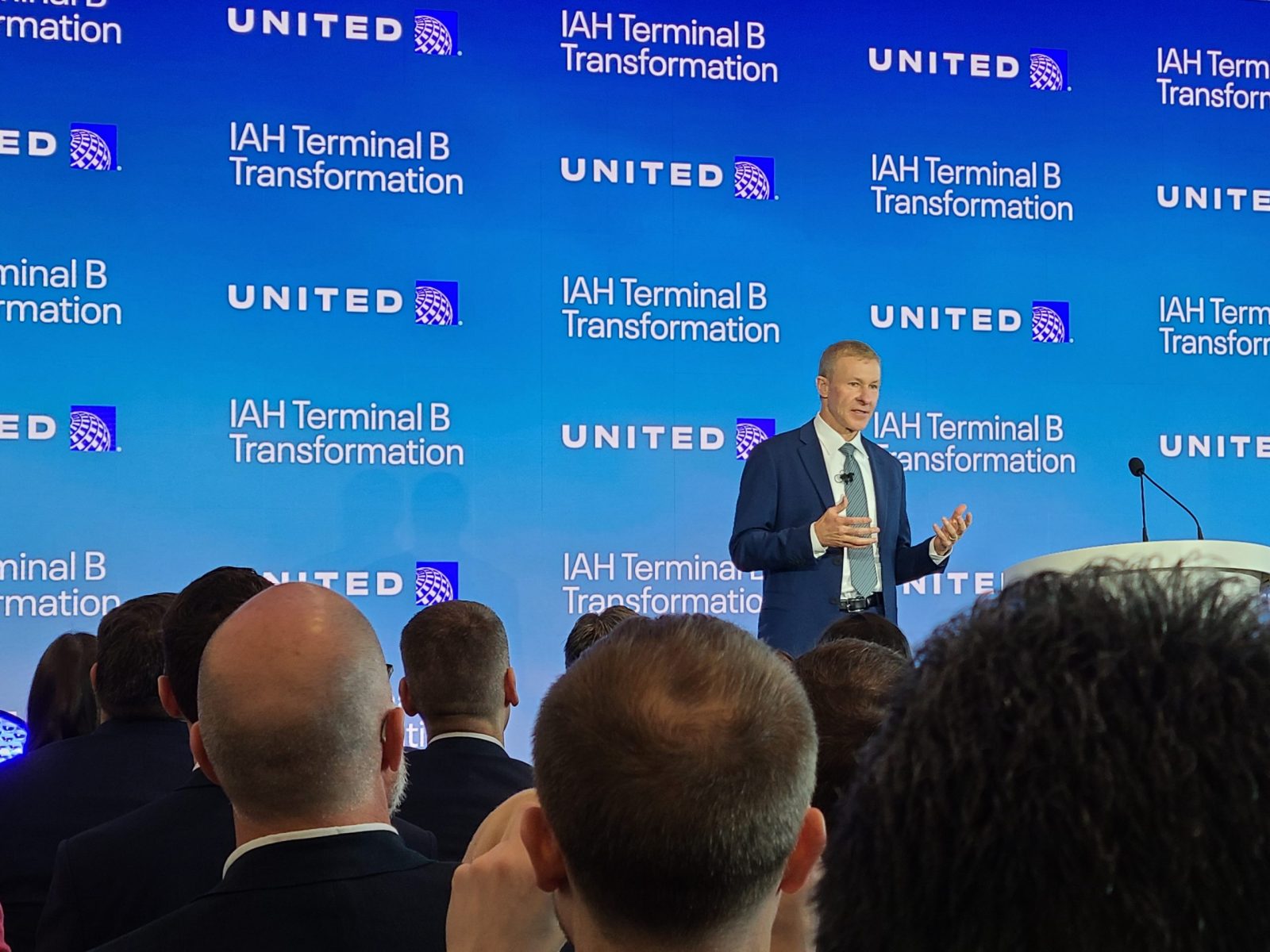
United Airlines CEO Scott Kirby addresses members of the Houston business community at an event showcasing the Terminal B transformation project. (Photo: AirlineGeeks | Andrew Chen)
United CEO Scott Kirby again weighed in on the dysfunction at Newark Liberty International Airport this week, defending the Federal Aviation Administration’s ability to keep travel there safe but also calling for Newark to return to a flight management system it moved away from almost a decade ago.
In a letter to United employees shared with Live and Let’s Fly, Kirby first said the FAA would not be allowing flights into or out of Newark if the safety of passengers was at risk. When issues like technology failures or staffing shortages occur, he added, the FAA and airlines deliberately slow down their schedule and cancel flights to ensure safety standards continue to be met.
“In short, neither the FAA nor United pilots will ever compromise on safety,” Kirby said.
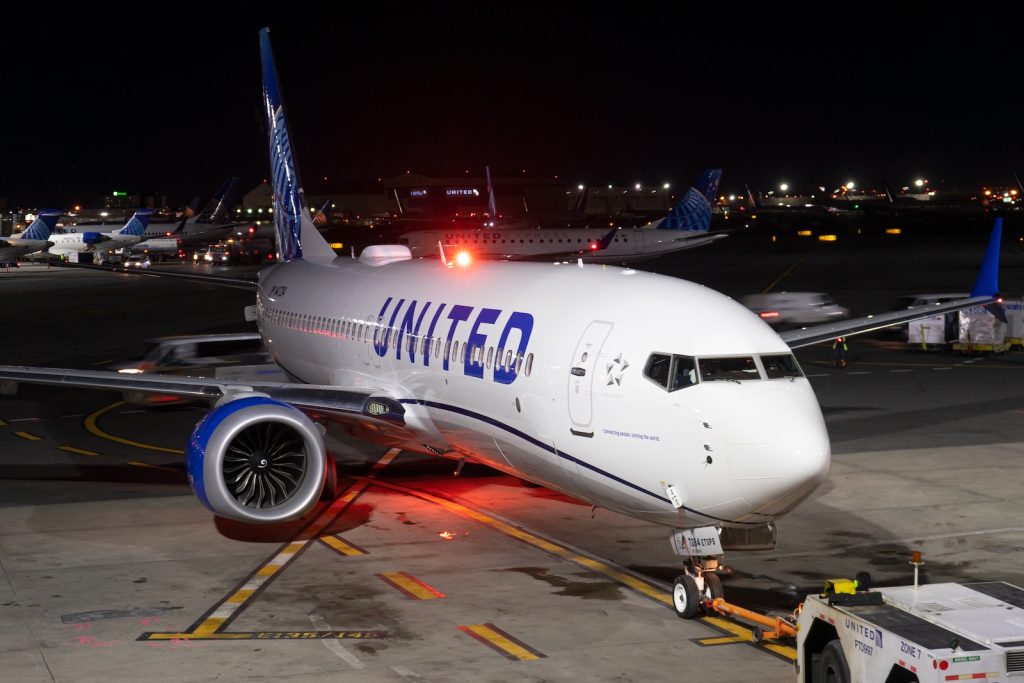
A United Boeing 737 MAX aircraft in Newark (Photo: Shutterstock | GingChen)
But delays and cancelations are taking a toll on travelers and carriers, he continued, and a permanent fix will require adjusting Newark’s traffic to a more manageable level.
“In ideal weather, with full staffing and with perfectly functioning technology, the FAA tells us that the airport can only handle 77 flights per hour,” Kirby said. “And yet the FAA regularly approves schedules of 80-plus flights per hour almost every day between 3 p.m. and 8 p.m. This math doesn’t work. Especially when there is weather, staffing issues, or technology breakdowns – the airspace, taxiways, and runways get backed up and gridlock occurs.”
The United CEO said Newark is so overextended because in 2016, the FAA took the airport off of its slot control system, in which airlines are given specific windows of time, or “slots,” for takeoffs and landings. The system is meant to help airports manage traffic when the number of flights exceeds their maximum hourly capacity.
“EWR [Newark] is the only large airport in the world that no longer has this basic common-sense rule,” Kirby said.
He recommended Newark be restored to a Level 3 slot-controlled airport, which would put it in the same league as John F. Kennedy International Airport, LaGuardia Airport, and Ronald Reagan Washington National Airport.
Relisting is the “only way to achieve 77 flights per hour,” he said.
Proposed Fixes
The disruptions at Newark stem from a combination of air traffic control staffing shortages, equipment failures, and construction on one of the airport’s three runways used for commercial flights. On April 28, air traffic controllers briefly lost contact with aircraft at and around the airport, triggering the first wave of cancelations and delays and raising serious concerns about the state of the ATC system’s equipment.
The fiasco has continued into this week, and members of Congress are now calling for an investigation into Newark’s operations.
As part of his proposed solution, Kirby said the FAA will have to modernize the ATC system and get the FAA facility that oversees Newark fully staffed. The national ATC system has been understaffed for years, with Transportation Secretary Sean Duffy estimating a gap of about 3,000 air traffic controllers.
Kirby faced some criticism last week after stating in a letter to United customers that 20% of the air traffic controllers overseeing Newark “walked off the job.” The labor union representing air traffic controllers said some ATC personnel were exercising an option under their contract to seek psychological help after a traumatizing experience.
The FAA, meanwhile, announced a series of measures on Wednesday designed to alleviate some of Newark’s problems, including upgraded ATC technology. The agency, together with the Department of Transportation, is expected to lay out a more sweeping, system-wide overhaul of ATC at a press conference on Thursday.
The department has already announced cash incentives to encourage young people to become air traffic controllers, as well as bonuses to retain more experienced air traffic controllers who have not yet reached the mandatory retirement age.
Thursday’s announcement is expected to focus on ATC technology and facilities, which Duffy and President Donald Trump have described as severely outdated. Trump has spoken about the possibility of handing the redesign of the ATC system to a single large company with expertise in the area, naming IBM and Raytheon as examples.
Zach Vasile is a writer and editor covering news in all aspects of commercial aviation. He has reported for and contributed to the Manchester Journal Inquirer, the Hartford Business Journal, the Charlotte Observer, and the Washington Examiner, with his area of focus being the intersection of business and government policy.
Breeze Adds Two New Cities, 21 Routes
Breeze is adding service to two new destinations while also launching new routes from existing airports throughout its network.
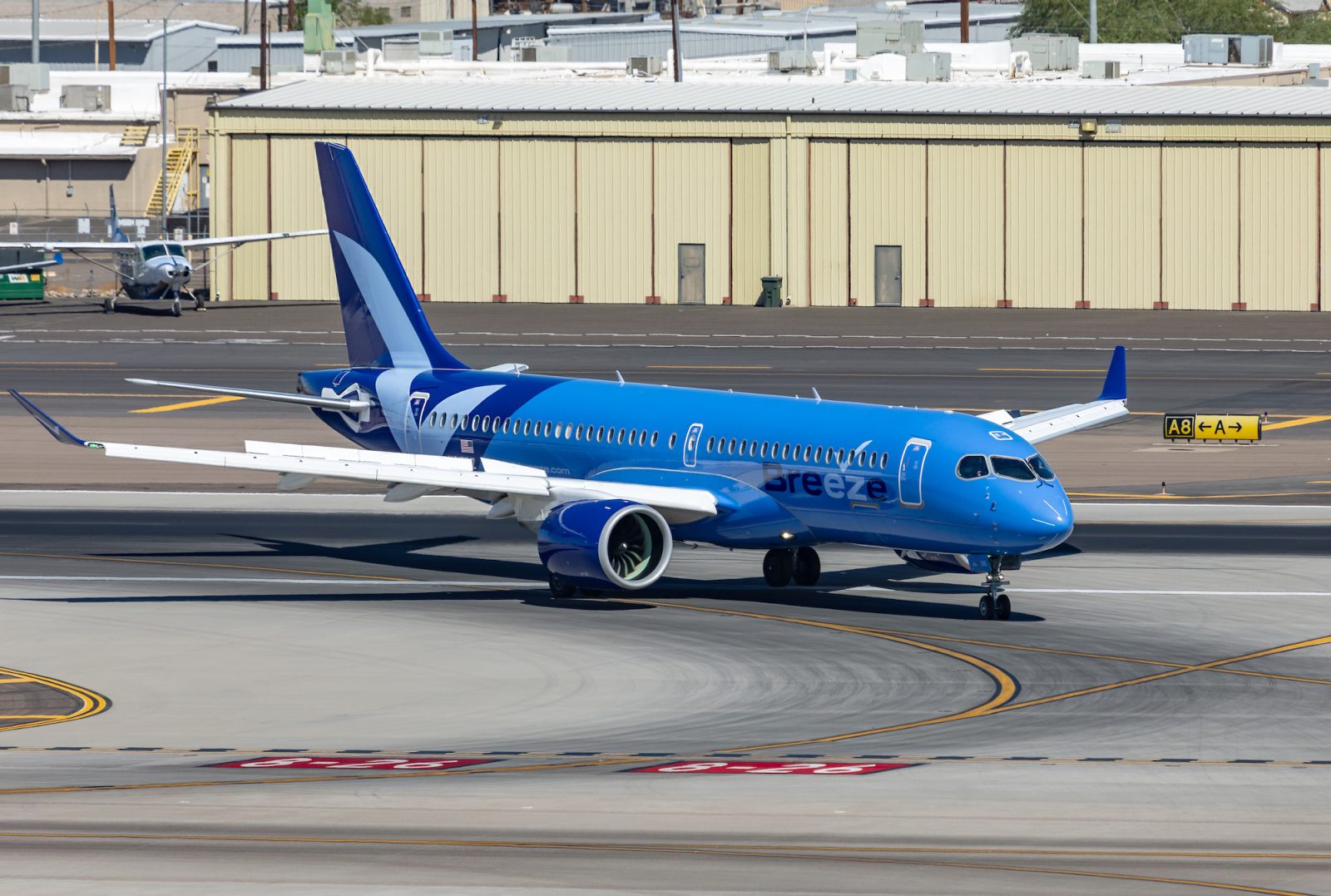
A Breeze A220 in Phoenix. (AirlineGeeks - William Derrickson)
Low-cost carrier Breeze is expanding service to two new cities: Fort Lauderdale, Florida, and Salisbury, Maryland.
Starting Oct. 1, Breeze will offer non-stop flights between Salisbury and Orlando on Mondays and Fridays. Non-stop flights between Fort Lauderdale and Akron, Ohio, will begin Nov. 5, operating on Wednesdays and Saturdays, while a non-stop route connecting Fort Lauderdale and Wilmington, North Carolina, will launch on Nov. 7, running Mondays and Fridays.
Salisbury is a commercial center of the Delmarva Peninsula and close to Ocean City, Maryland, a popular vacation destination.
New Routes
Also announced Wednesday were new routes to and from airports where Breeze already has a presence.
Much of the buildup is centered on Akron and Wilmington, with six and five new destinations, respectively, but the airline is also adding routes to and from Bentonville-Fayetteville in Arkansas; Daytona Beach, Jacksonville, Key West, Orlando, Pensacola, Tampa, and West Palm Beach in Florida; Lansing, Michigan; Islip and Rochester in New York; Manchester, New Hampshire; Memphis; Myrtle Beach, South Carolina; New Orleans; Raleigh-Durham in North Carolina; and Savannah, Georgia.
Breeze officials attributed the expansion to demand from customers. The airline said it has added seven cities and 40 new routes just this year.
Zach Vasile is a writer and editor covering news in all aspects of commercial aviation. He has reported for and contributed to the Manchester Journal Inquirer, the Hartford Business Journal, the Charlotte Observer, and the Washington Examiner, with his area of focus being the intersection of business and government policy.
Allegiant CEO: ‘Industry Needs Less Supply’
Asked about consolidation on the Tuesday call, Anderson didn’t rule out M&A activity at Allegiant. Though he noted it “isn’t necessarily a requirement.”
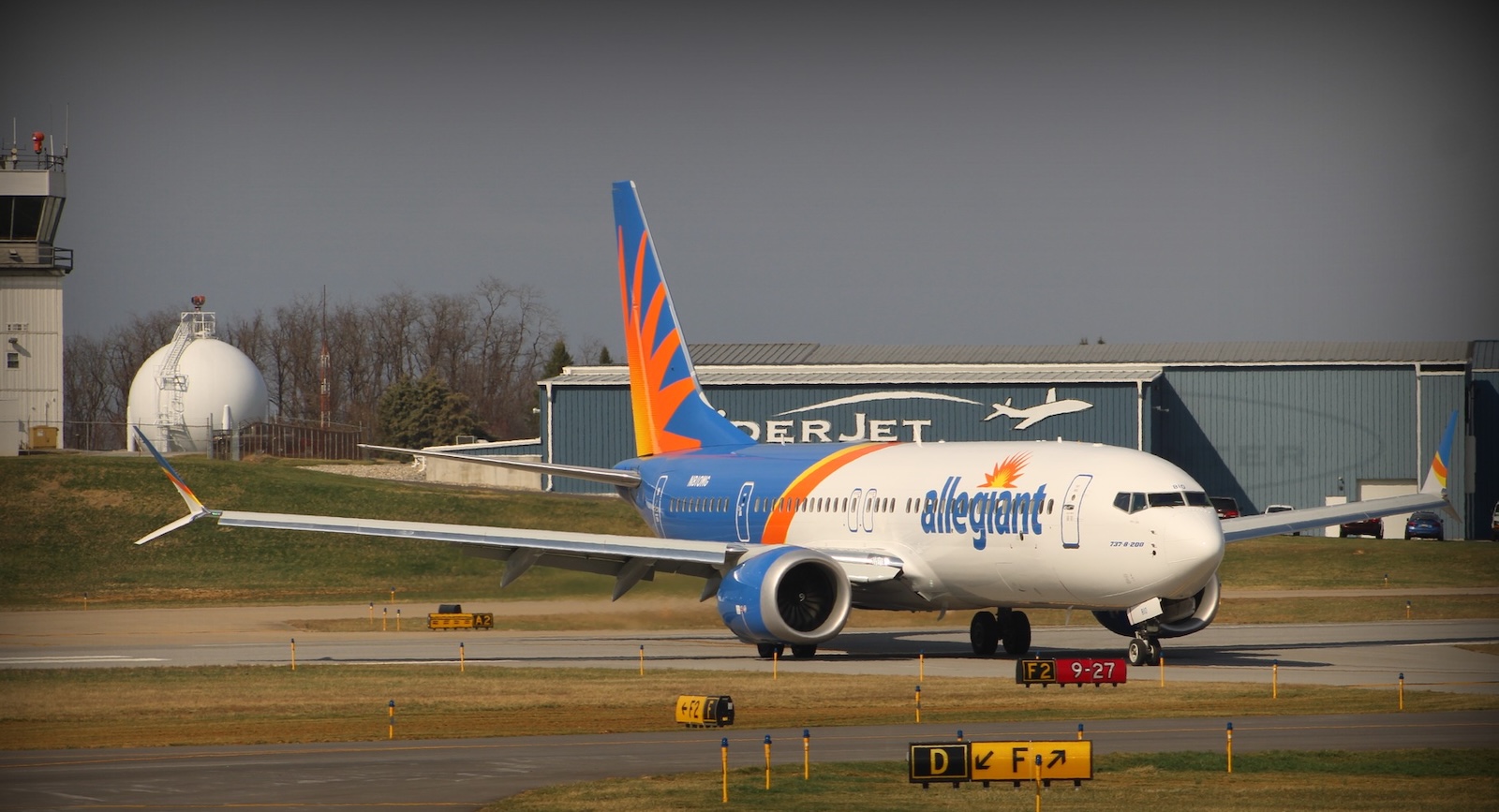
An Allegiant 737 MAX (Photo: Hagerstown Regional Airport)
Allegiant CEO Greg Anderson thinks further industry consolidation will be critical in the low-cost space “with the rising cost environment,” he said during the airline’s first-quarter earnings call on Tuesday.
“I think consolidation or M&A … we’re all aligned that the industry needs less supply, particularly in the low-fare space,” Anderson stated. “Leisure fares have not kept up obviously with the rising cost environment. And clearly, there are some low-cost carriers [whose] models are struggling.”
Asked about consolidation on the Tuesday call, Anderson didn’t rule out M&A activity at Allegiant. Though he noted it “isn’t necessarily a requirement.”
“I think we still have a great model with great assets, network, the product set, the flexibility, and all that to continue to outperform in a downturn and emerge in a relative stronger position,” he added. “That said, our focus is and always will be to drive shareholder value and should – we should always be open to any opportunities that are in support of that.”
Ryan founded AirlineGeeks.com in February 2013 and has spent more than a decade covering the airline business. His work has been featured by CNN, WJLA, CNET, and Business Insider. His aviation experience spans airport operations, Part 135 regulatory compliance, and airline crew workforce planning, along with time behind the yoke of a Cessna 172 and interviews with airline executives. Ryan now serves as Group President of Firecrown Media’s Aviation Group. He holds a B.S. in Air Transportation Management and an MBA from Arizona State University and teaches Airline Management at Embry-Riddle Aeronautical University.
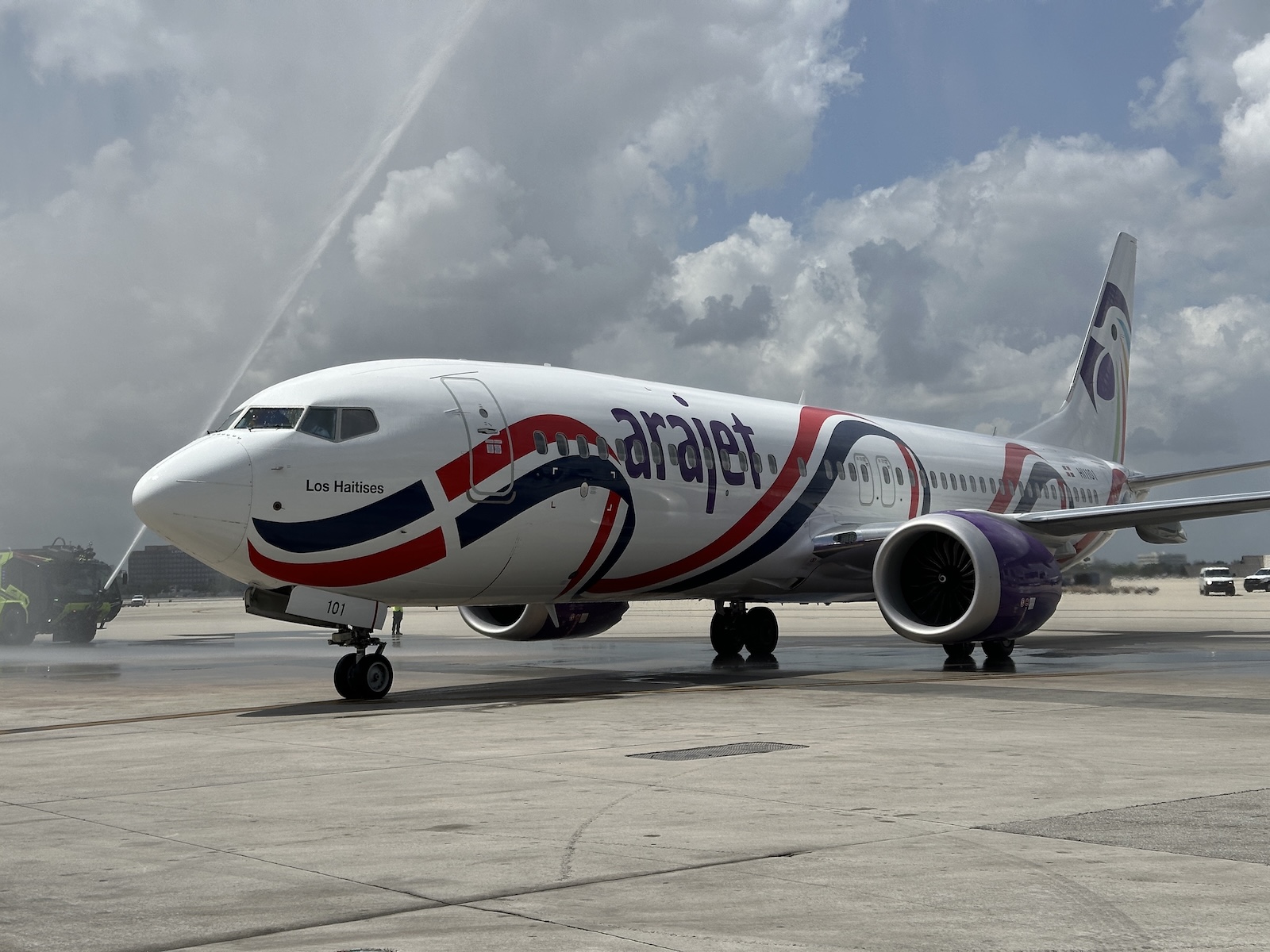
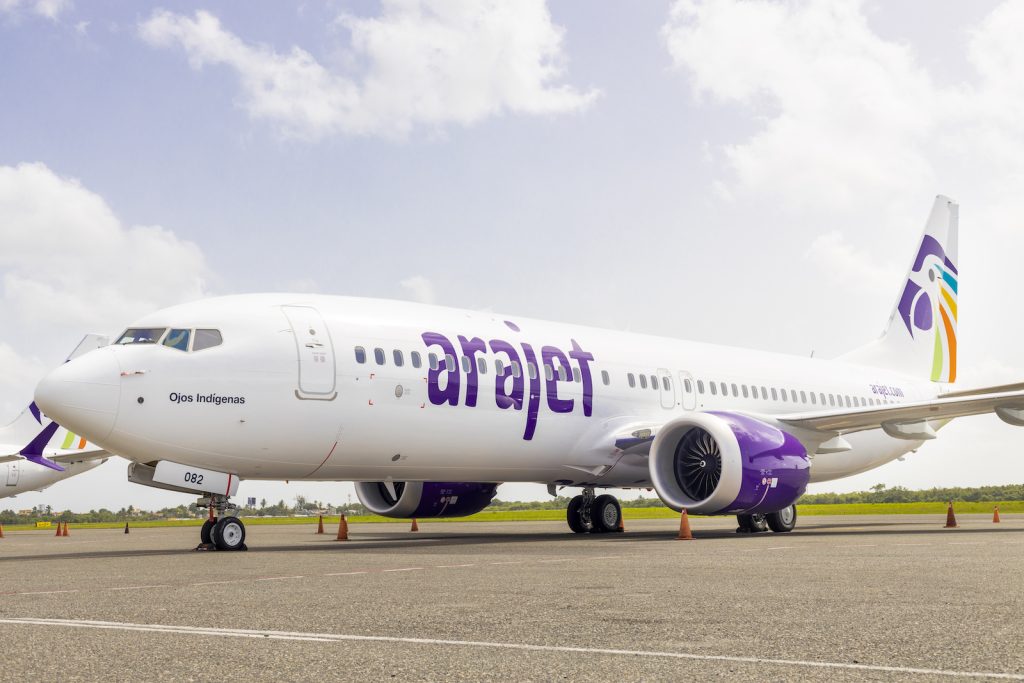
Arajet’s newest route comes after plans to expand in four U.S. markets in March. At the time, the carrier served 22 international destinations in 18 countries.
Low-cost Dominican Republic-based airline Arajet has announced it is expanding in the U.S. with a nonstop service route between Boston Logan International Airport and Las Americas Santo Domingo Airport.
According to an Arajet news release emailed to AirlineGeeks, the new route will launch on Nov. 20, 2025. It will have four flights per week and offer over 20 connecting destinations to Mexico, Jamaica, Aruba, Colombia, and more.
Boston flights will go on sale Wednesday.
An Arajet 737 MAX (Photo: Arajet)
“The Boston area is home to one of the largest Dominican communities in the U.S. and serves as a key hub for education, business, and tourism,” said Victor Pacheco, CEO and founder of Arajet, in the release. “With this addition, Arajet’s presence in major U.S. markets will capture strong demand for low-fare, high-quality service between North America and Latin America, reflecting our commitment to building a bridge between the regions and opening new travel opportunities for both leisure and business travelers.”
Boston will become Arajet’s second gateway in the Northeast, complementing existing service from Newark Liberty International Airport. Boston flights will be operated by Arajet’s fleet of Boeing 737 MAX aircraft on Wednesdays, Thursdays, Fridays and Sundays.
AirlineGeeks.com was founded in February 2013 as a one-person blog in Washington D.C. Since then, we’ve grown to have 25+ active team members scattered across the globe. We are all here for the same reason: we love deep-diving into the fascinating realm of the airline industry.
Qantas will reintroduce services between Perth and Johannesburg in December.
Last month, the airline released an operational plan including services between Perth and Johannesburg on its schedule. The airline has now confirmed that this service will begin later this year.
The route will be offered three times a week. It will be operated with an Airbus A330 aircraft. The inaugural Perth-Johannesburg service is expected to take off on Dec. 7. However, this date is subject to government and regulatory approval.
Relaunch of Auckland Flights
The announcement of this new route coincides with the reintroduction of Qantas flights from Perth to Auckland, New Zealand. Qantas discontinued seasonal services between Perth and Auckland in January 2018.
“By connecting Perth directly with Auckland and Johannesburg, we’re supporting the local economy by opening valuable inbound tourism opportunities for Western Australia, as well as generating new jobs for the state. These routes also enable further growth throughout Australia with connections across our domestic network.” Qantas International’s CEO, Cam Wallace stated, in a media release.
Overcoming Logistical Obstacles
This is, however, not the first time Qantas has offered services between Perth and Johannesburg. The airline operated this route for a brief period a few years ago. Sustainability in the Sky reports that the service was suspended due to logistical issues at Perth Airport, resulting in flights departing and arriving at different terminals.
The resumed service has been made possible by funding allocated from the Federal Government to the Australian Border Force and the Department of Agriculture Fisheries and Forestry to deliver additional border services at airports. The funding enables Perth Airport to invest in additional staffing, equipment and facilities that increase border and biosecurity capacity and thus allow the airport to receive more international flights.
Lorne is a South Africa-based aviation journalist. He was captivated and fascinated by flying from the day he took his first airline flight. With a passion for aviation in his blood, he has flown to destinations in all corners of the globe. Lorne has traveled extensively and lived in various countries. Drawing on his travels and passion for aviation, Lorne enjoys writing about airlines, routes, networks, and new developments.
Sign-up for newsletters & special offers!
Get the latest stories & special offers delivered directly to your inbox