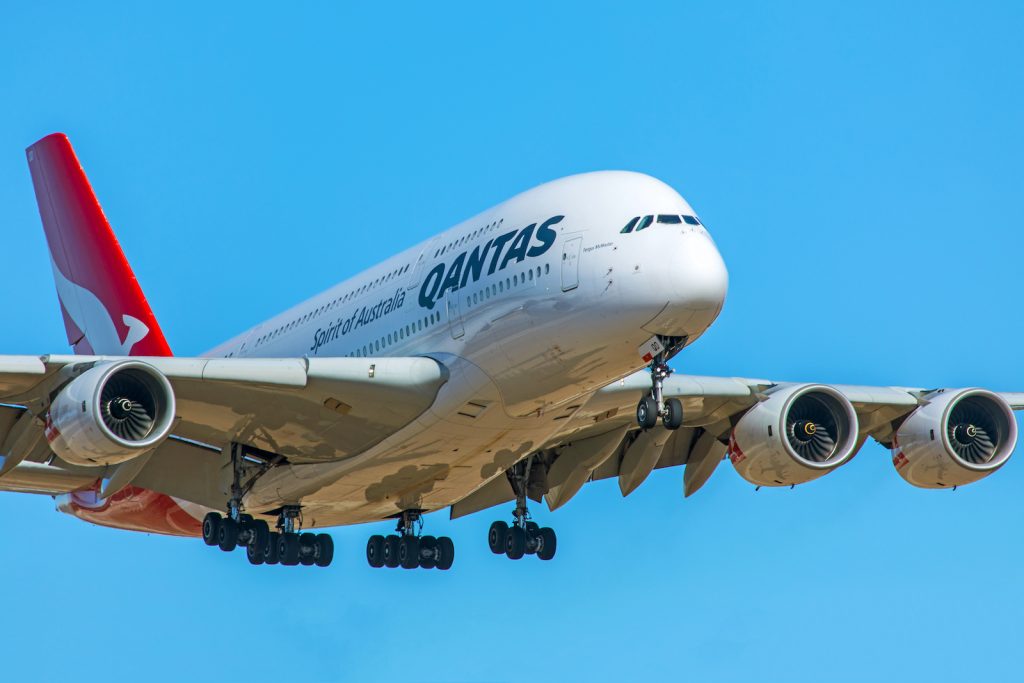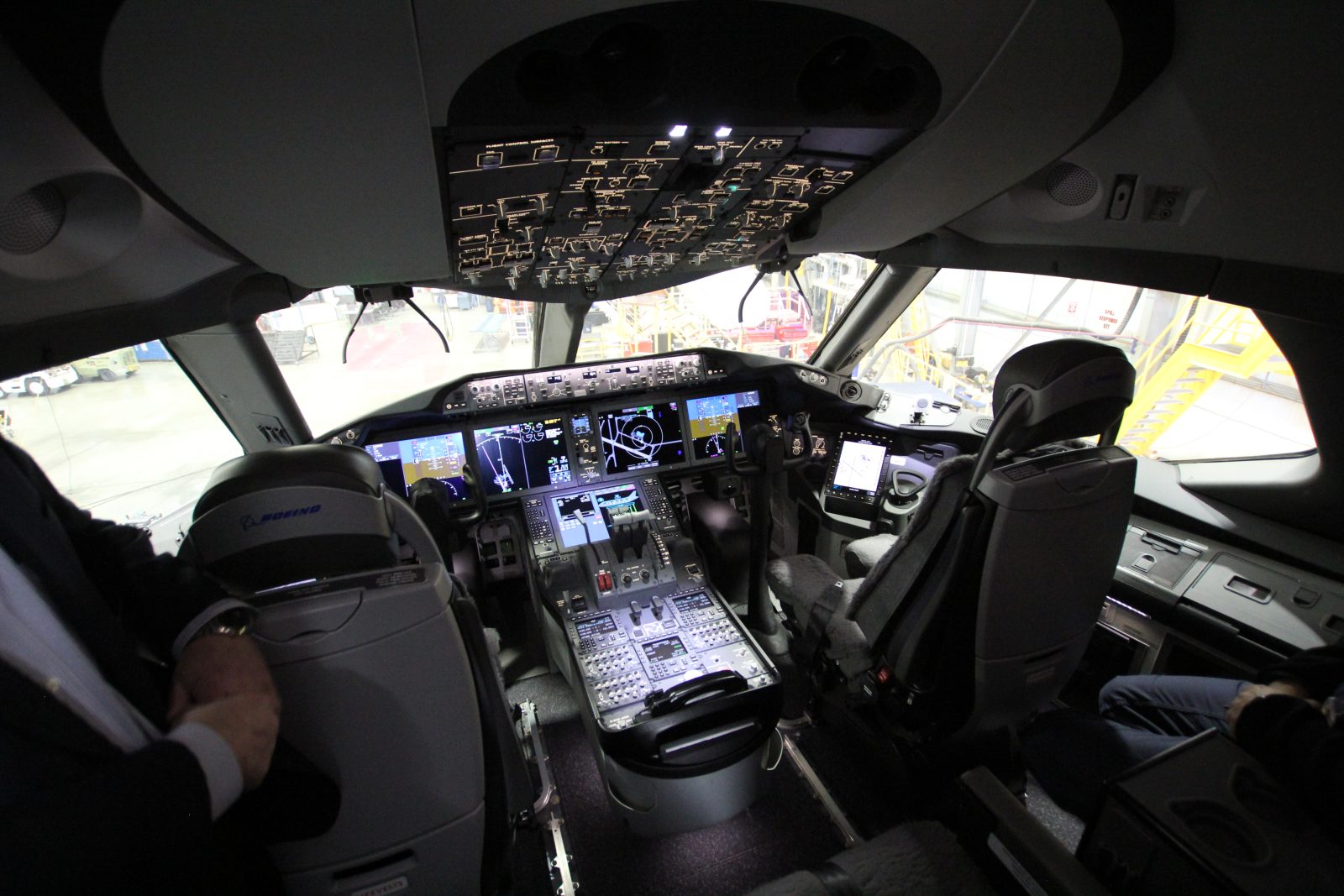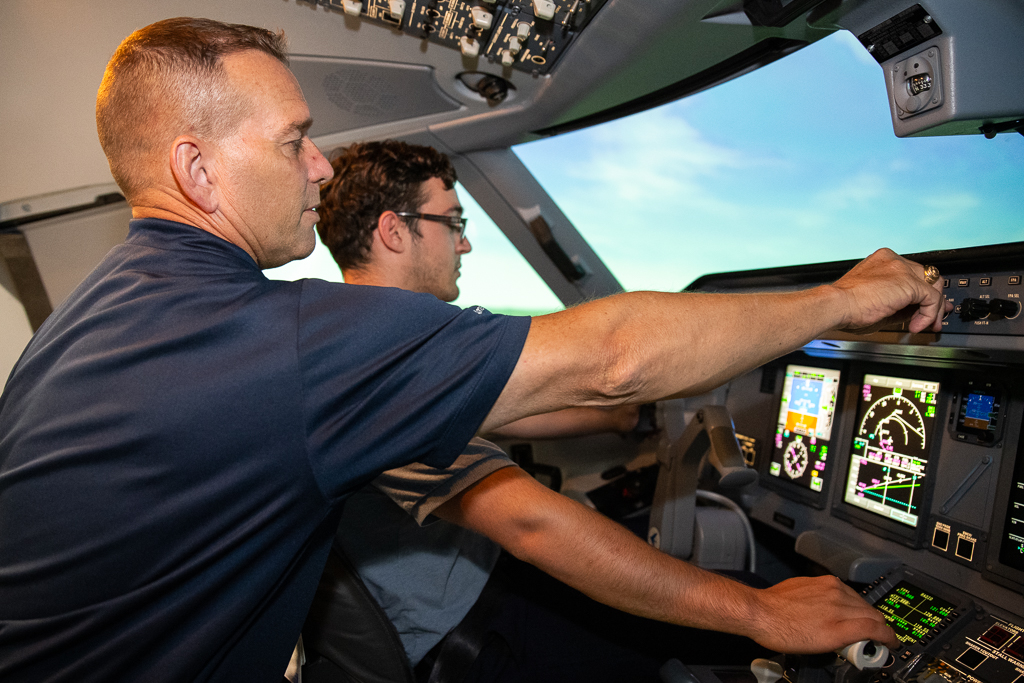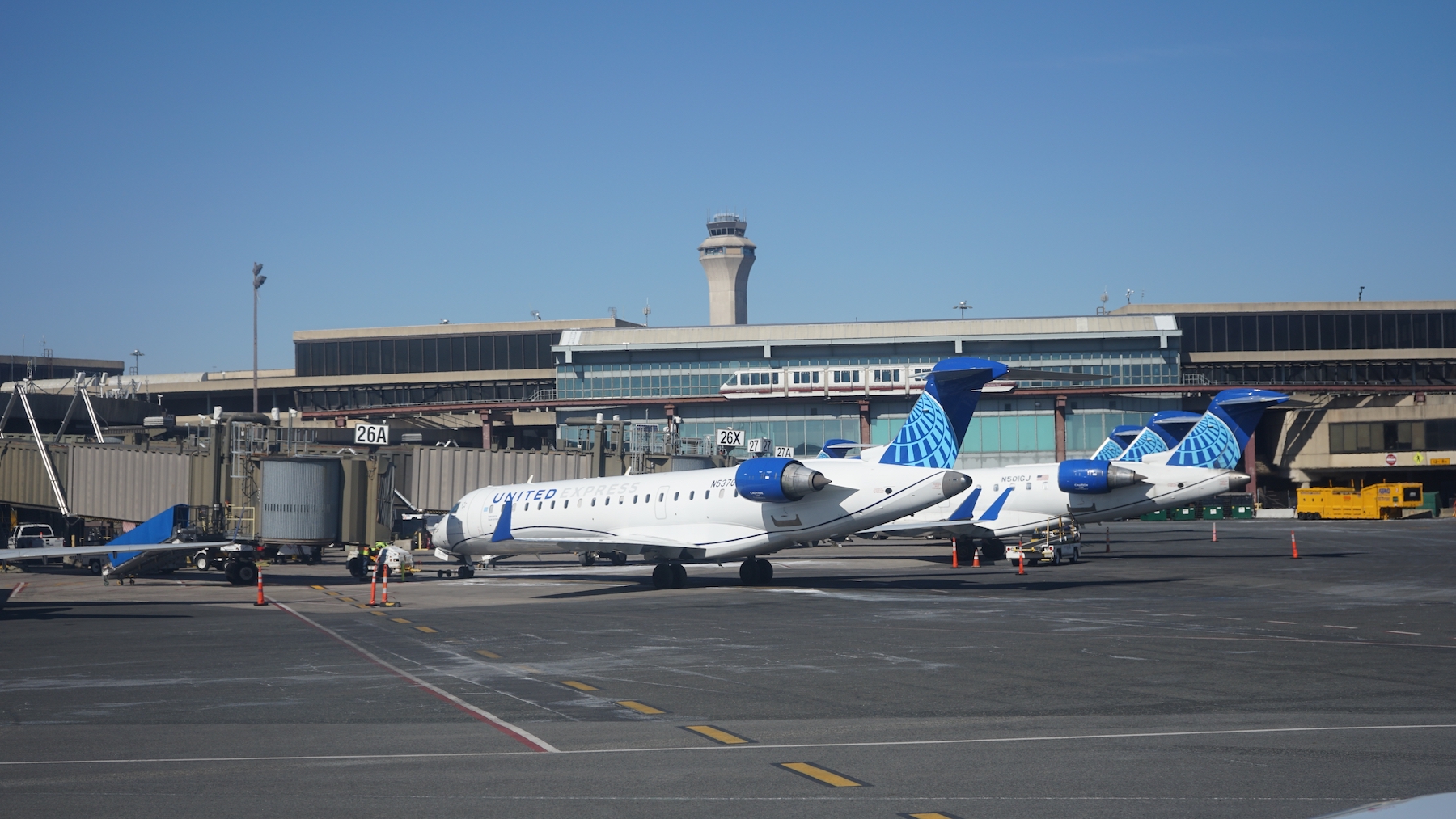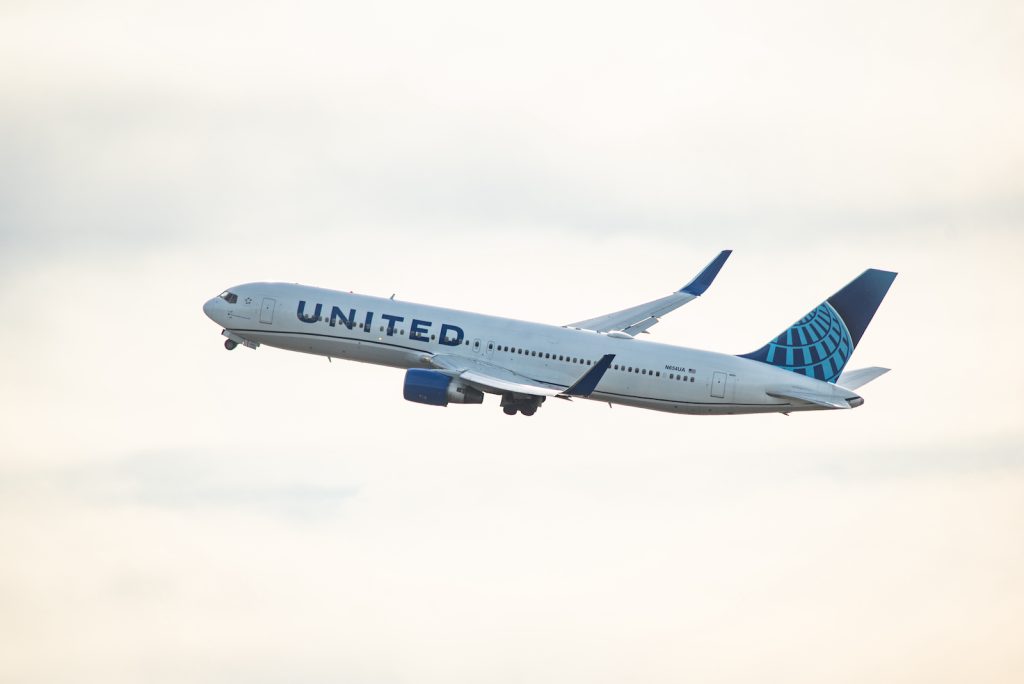










A United Boeing 737-800. (Photo: Shutterstock | Markus Mainka)
United and Air Canada have loaded reductions to their transborder operations between the United States and Canada for the upcoming summer season. The changes from the Star Alliance partners come at a time of strained relations between the two neighboring countries.
United Cuts Capacity on Three Routes
As flagged by AeroRoutes, United is cutting back on three Canadian routes.
Meanwhile, United will reduce its existing three-times-daily service between Washington Dulles and Montreal to two flights daily. Similarly, the airline is reducing its Washington Dulles to Ottawa operations from four flights per day to three.
However, United is still moving forward with four previously planned new routes to Canada this summer:
Chicago O’Hare – Edmonton
Chicago O’Hare – Halifax
Denver – Regina
Houston – Edmonton
Air Canada Cancels Vancouver–Washington Route
Air Canada – which has a transborder joint venture with United and is also a fellow Star Alliance member – is also cutting a route entirely for the upcoming summer season.
The airline has cancelled its service between Vancouver and Washington Dulles. Air Canada previously planned to fly the route five times per week during the summer months.
An Air Canada Boeing 737 MAX taxies to its gate. (Photo: AirlineGeeks | James Dinsdale)
Capacity Reductions Amidst a Challenging Environment
Relations between Canada and the United States have been deteriorating since the Trump administration took office in the United States. As a result of the administration’s tariffs on Canadian imports and musings about annexing Canada as a state, many Canadians have begun reconsidering their cross-border travel plans.
Earlier this year, The Canadian Press reported that leisure bookings to American cities dropped 40% year-over-year in February, according to travel agency Flight Centre Travel Group Canada.
Earlier this month, Canadian ultra-low-cost carrier Flair Airlines revealed that it was cutting three U.S. routes. Air Canada had also previously stated that it was reducing capacity to popular American leisure destinations in anticipation of reduced demand.
Andrew is a lifelong lover of aviation and travel. He has flown all over the world and is fascinated by the workings of the air travel industry. As a private pilot and glider pilot who has worked with airlines, airports and other industry stakeholders, he is always excited to share his passion for aviation with others. In addition to being a writer, he also hosts Flying Smarter, an educational travel podcast that explores the complex world of air travel to help listeners become better-informed and savvier travelers.
“Delta will suspend nonstop service between Boston and Honolulu effective November 20, 2025, as we continue to adjust our schedule to align with consumer demand. Impacted customers will be directly notified by Delta, and we apologize for the inconvenience,” an airline spokesperson said in a statement.
Citing demand, Delta will also end service between Atlanta and Oakland, California, in June. The carrier will continue to serve Oakland from Salt Lake City.
“Delta will suspend service between Atlanta and Oakland effective June 8, 2025, due to demand,” the spokesperson said. “Impacted customers will be directly notified by Delta and we apologize for the inconvenience.”
This route was suspended in 2019 before the airline resumed it in 2024. Flights operated on a seasonal basis with daily Boeing 737-900ER flights.
Ryan founded AirlineGeeks.com back in February 2013 and has amassed considerable experience in the aviation sector. His work has been featured in several publications and news outlets, including CNN, WJLA, CNET, and Business Insider. During his time in the industry, he's worked in roles pertaining to airport/airline operations while holding a B.S. in Air Transportation Management from Arizona State University along with an MBA. Ryan has experience in several facets of the industry from behind the yoke of a Cessna 172 to interviewing airline industry executives. Ryan works for AirlineGeeks' owner FLYING Media, spearheading coverage in the commercial aviation space.
American is enhancing its network with new routes and expanded services. The airline will introduce five new routes, including to Cancun and Punta Cana.
An American Boeing 737-800. (Photo: AirlineGeeks | William Derrickson)
American Airlines is enhancing its network with new routes and expanded services. The airline will introduce five new routes to Cancun, Mexico, and Punta Cana, Dominican Republic, in addition to more domestic flights.
Starting Nov. 8, American will become the first airline with regularly scheduled international flights from Oklahoma. The carrier will offer a Saturday-only flight from Oklahoma City to Cancun on a Boeing 737 aircraft.
Four New Punta Cana Routes
Punta Cana will see four new routes from Indianapolis; Nashville, Tennessee; Pittsburgh; and Raleigh-Durham, North Carolina, starting Dec. 6, with Boeing 737 aircraft.
Flights in these markets will also operate once per week on Saturdays.
An American 737-800 landing at DFW Airport (Photo: AirlineGeeks | William Derrickson)
“American’s comprehensive global network is designed to give customers more access to the destinations they want to visit,” said Brian Znotins, American’s senior vice president of network planning, in a news release. “Together with new routes, more flights on popular routes and extended seasons to major destinations, American’s schedule is designed for travelers to get away to sun, sand and more next winter.”
New Domestic Routes
On Oct. 6, American will begin the only nonstop service from Los Angeles to Des Moines, Iowa, and from Phoenix to Little Rock, Arkansas. Both routes will operate daily with Embraer E175 aircraft, an airline spokesperson said.
Starting on Dec. 19, the airline will offer new service from its Charlotte, North Carolina, hub to Aspen, Colorado. These flights will operate on Fridays, Saturdays, and Sundays, with CRJ-700 aircraft.
Ryan founded AirlineGeeks.com back in February 2013 and has amassed considerable experience in the aviation sector. His work has been featured in several publications and news outlets, including CNN, WJLA, CNET, and Business Insider. During his time in the industry, he's worked in roles pertaining to airport/airline operations while holding a B.S. in Air Transportation Management from Arizona State University along with an MBA. Ryan has experience in several facets of the industry from behind the yoke of a Cessna 172 to interviewing airline industry executives. Ryan works for AirlineGeeks' owner FLYING Media, spearheading coverage in the commercial aviation space.
Ugandan flag carrier, Uganda Airlines, has recently announced that it will start connecting the capital of the United Kingdom with its main hub, Entebbe.
A Uganda Airlines Airbus A330neo.
(Photo: AirlineGeeks | William Derrickson)
Ugandan flag carrier, Uganda Airlines, has recently announced that it will start connecting the capital of the United Kingdom with its main hub, Entebbe.
The flights would connect London’s second-largest airport, London Gatwick, with Entebbe, which serves Uganda’s capital, Kampala. Commencing on May 18, they would be operated using Uganda Airlines’ largest aircraft, the Airbus A330-800neo.
Uganda Airlines plans to operate the route four times a week, marking the first time it’s connected Uganda and the U.K. in nearly a decade. It also marks the carrier’s first reentry into Europe as a part of Uganda Airlines’ broader expansion plan, which had previously been on hold due to the COVID-19 pandemic.
However, the route was met with some backlash in the U.K. British tabloid newspaper The Sun claimed that the British Foreign Secretary, David Lammy, had ordered a suspension of the route due to human rights concerns in Uganda. These claims were later denied by Uganda Airlines, who said: “Our foreign carriers permit remains valid and has not been revoked.”
In addition, the route is planned to be followed by a specific cargo-only flight in the future.
Uganda Airlines CEO, Jenifer Bamuturaki, praised the establishment of the new route, claiming in a press conference that: “This route marks the end of our establishment phase and sets us on the course for long-term growth. It connects Uganda to critical business and tourism markets in Western Europe and beyond.”
Sam Jakobi is a young aviation journalist based in London, U.K. A lifelong Airbus fan, he has adored aviation for as long as he can remember. Sam writes articles and conducts interviews with members of the aviation community.
Why Airline Pilots Should Buy Their Own Airplane
So, why not explore the possibilities? As an airline pilot, the sky’s the limit when you have your own set of wings waiting in the hangar.
Pilot executing pre-flight procedures in a commercial airliner cockpit before takeoff. (Photo: Shutterstock | l i g h t p o e t)
As an airline pilot, you spend countless hours in the cockpit of commercial jets, navigating the skies and delivering passengers safely to their destinations. But have you ever considered the benefits of owning your own aircraft?
While it may seem like a significant investment, having a personal plane can offer numerous advantages for airline pilots both professionally and personally. Let’s look at some reasons why you should consider purchasing your own aircraft.
Maintaining Currency and Proficiency
One of the most practical benefits of owning an aircraft is the ability to maintain your currency and proficiency as a pilot. As a pilot, you’re required to meet specific flight time and landing requirements to stay current.
Owning your own plane allows you to easily schedule flights and practice maneuvers outside your regular work hours. This additional flight time can help you sharpen your skills, stay up to date with procedures, and even explore new techniques in a more relaxed environment.
Now I know what a lot of you are thinking: “I’m an ATP, I don’t need to worry about currency.” That might be true, but the legal vs. safe idea plays a heavy role here.
A Convenient Commuting Option
For many airline pilots, commuting to their base or starting point for flights can be a significant challenge. Owning a personal aircraft can transform your commute from a potential headache into an enjoyable part of your routine.
San Juan Airlines Cessna 172 taxiing at Anacortes Airport. (Photo: AirlineGeeks | Fangzhong Guo)
Instead of dealing with commercial flight schedules, delays, or cancellations, you can fly yourself to your base on your own terms. This flexibility can reduce stress, save time, and even allow you to live further from major hubs while still maintaining a manageable commute.
Family Vacations Become Adventures
With your own aircraft, family vacations become more than just trips—they become explorations. You can access remote and scenic destinations that commercial airlines rarely serve, from quiet coastal hideaways to secluded mountain retreats.
Whether it’s a last-minute weekend getaway or a carefully planned holiday, private aircraft ownership allows you to maximize your time at your destination rather than wasting hours navigating airport security, baggage claims, and layovers.
Think about the memories you could create with sunrise flights over breathtaking landscapes, landing at a small airfield near a pristine lake for a weekend of fishing, or flying into a charming countryside town for an intimate family retreat. Owning an aircraft transforms travel into a personalized experience, one where every journey is as enjoyable as the destination itself.
Beyond leisure, private aircraft ownership also provides a sense of security and independence. If an emergency arises, you can get where you need to be quickly and efficiently, without being at the mercy of commercial airline schedules. Whether it’s a family gathering, a special occasion, or simply a desire to escape the routine, owning your own plane ensures that distance is never a barrier to meaningful experiences.
The Joy of Recreational Flying
Owning your own plane isn’t just about convenience—it’s about bringing back the simple joy of flying. You probably became a pilot because you loved the feeling of being in the air, the excitement of takeoff, and the freedom that comes with it. But after years of strict schedules, repetitive routes, and the pressures of commercial aviation, that excitement can start to fade. Having your own aircraft changes that. It lets you fly for yourself again—on your terms, just for the love of it.
Ampaire’s Electric EEL, a modified Cessna 337. (Photo: Ampaire)
Picture this, instead of following the same flight plans day after day, you can take off whenever you want, just because you feel like it. Maybe it’s a calm evening flight to unwind after a long week, a low pass over a beautiful stretch of countryside, or a spontaneous trip to a quiet airfield for breakfast. There’s no schedule, no passengers to worry about—just you, the aircraft, and the open sky.
Financial Considerations and FLYING Finance
While the benefits of aircraft ownership are numerous, it’s essential to consider the financial aspects. Fortunately, there are financing options available specifically designed for pilots. FLYING Finance offers tailored aircraft financing solutions that understand the unique needs and circumstances of airline pilots. Their programs can help make aircraft ownership more accessible, with competitive rates and flexible terms that align with a pilot’s career trajectory and financial situation.
When exploring financing options with FLYING Finance, you’ll find that they take into account factors such as your professional experience, income stability, and the potential for the aircraft to contribute to your career development. This specialized approach can make the dream of aircraft ownership more attainable than you might think.
Owning your own airplane makes flying fun again. If you are anything like me, flying became more of a job than fun. Aircraft ownership reminds you why you fell in love with aviation in the first place. Whether you’re exploring new places, sharpening your skills, or simply taking off for the sheer joy of it, owning your own aircraft lets you experience flying the way it was meant to be free, personal, and endlessly rewarding.
So, why not explore the possibilities? The sky’s the limit when you have your own set of wings waiting in the hangar.
Editor’s Note: This article is sponsored by FLYING Finance.
AirlineGeeks.com was founded in February 2013 as a one-person blog in Washington D.C. Since then, we’ve grown to have 25+ active team members scattered across the globe. We are all here for the same reason: we love deep-diving into the fascinating realm of the airline industry.
American's first A321XLR taxiing in Hamburg. (Photo: Tobias Gudat)
American’s first A321XLR is out of the paint shop at Airbus’ manufacturing facility in Hamburg, Germany. The Fort Worth, Texas-based airline has 50 of the long-range jets on order.
In 2019, the carrier ordered the aircraft type, which included the conversion of 30 of American’s existing A321neo slots. With an order for 85 additional A321neo aircraft last year, the airline became the world’s largest operator of A320 family jets.
American’s first A321XLR (Photo: Tobias Gudat)
Its first A321XLR was spotted on Tuesday in American’s livery, albeit without the front logo. The carrier expects to receive its first XLR later this year, which will initially debut on transcontinental routes.
The jet will also feature American’s new Flagship Suites in business class. It will replace the carrier’s three-class A321T aircraft in the transcon market.
Later, American plans to stretch the aircraft’s range. Routes for the aircraft could include secondary markets in the U.K., Spain, and Portugal, the carrier’s network planning chief, Brian Znotins, told The Points Guy.
Ryan founded AirlineGeeks.com back in February 2013 and has amassed considerable experience in the aviation sector. His work has been featured in several publications and news outlets, including CNN, WJLA, CNET, and Business Insider. During his time in the industry, he's worked in roles pertaining to airport/airline operations while holding a B.S. in Air Transportation Management from Arizona State University along with an MBA. Ryan has experience in several facets of the industry from behind the yoke of a Cessna 172 to interviewing airline industry executives. Ryan works for AirlineGeeks' owner FLYING Media, spearheading coverage in the commercial aviation space.
A TAP Airbus A330neo. (Photo: Shutterstock | Juliano Galvao Gomes)
TAP Air Portugal is optimistic about expanding more in the U.S., Chief Customer Officer Sofia Lufinha shared. The Portuguese flag carrier announced a batch of new routes starting this summer, including Porto to Boston, Terceira to San Francisco, and Lisbon to Los Angeles.
The City of Angels will become TAP’s eighth U.S. destination when it launches on May 16. Initially, flights will operate three times per week, before an additional flight is added on May 25.
TAP’s first flight from the Azores arriving in Boston. (Photo: TAP Air Portugal)
What’s on the Horizon
During an interview with AirlineGeeks on Friday, Lufinha added that the airline has big plans in the U.S. even beyond its previously announced routes for summer 2025.
“ There’s huge opportunities in the U.S., and we are exploring all the routes and even increasing frequencies, which is something that we still have opportunities to do,” she shared.
“ This is something that we are really keen to offer to our customers to have a very comfortable journey and also to bring a bit of Portugal to Miami,” Lufinha continued. “Indeed, Miami is a [very important market] for TAP. And the U.S. as a whole is a very important market for TAP with the big growth in the last [few] years.”
In 2024, she said, TAP carried 1.6 million passengers between the U.S. and Portugal. This is six times more volume than a decade ago.
Slot restrictions at its main hub in Lisbon have limited some growth opportunities, Lufinha noted. But she hinted at future expansions from other Portuguese cities.
“We cannot grow a lot because we have restrictions in terms of our airports in Lisbon, at least on our hub … . So part of our growing will also be outside of Lisbon,” she said.
Ryan founded AirlineGeeks.com back in February 2013 and has amassed considerable experience in the aviation sector. His work has been featured in several publications and news outlets, including CNN, WJLA, CNET, and Business Insider. During his time in the industry, he's worked in roles pertaining to airport/airline operations while holding a B.S. in Air Transportation Management from Arizona State University along with an MBA. Ryan has experience in several facets of the industry from behind the yoke of a Cessna 172 to interviewing airline industry executives. Ryan works for AirlineGeeks' owner FLYING Media, spearheading coverage in the commercial aviation space.
These include Tokyo Narita and Seoul, South Korea, in 2025. By 2030, the carrier is slated to add 12 long-haul international destinations from Seattle.
Starting on Sept. 12, the carrier will connect Seattle and Seoul with five weekly flights. Like its other long-haul route, this market will be served with a Hawaiian Airlines Airbus A330-200.
Move to Dreamliner
Later, though, Alaska says it plans to add the Boeing 787-9 Dreamliner to this route. Currently, Hawaiian has just two 787s in its fleet, with more planned for delivery.
A Hawaiian Boeing 787 Dreamliner (Photo: Hawaiian Airlines)
“With our robust network, we can connect our guests through our global gateway in Seattle for convenient nonstop service to Seoul and Tokyo, with additional connections to other Asian destinations with our global partners,” said Alaska’s commercial chief, Andrew Harrison, in a news release. “As we grow our global network from Seattle in the coming years, we’ll announce new international routes to dynamic destinations that we know our guests are going to love to visit.”
Ryan founded AirlineGeeks.com back in February 2013 and has amassed considerable experience in the aviation sector. His work has been featured in several publications and news outlets, including CNN, WJLA, CNET, and Business Insider. During his time in the industry, he's worked in roles pertaining to airport/airline operations while holding a B.S. in Air Transportation Management from Arizona State University along with an MBA. Ryan has experience in several facets of the industry from behind the yoke of a Cessna 172 to interviewing airline industry executives. Ryan works for AirlineGeeks' owner FLYING Media, spearheading coverage in the commercial aviation space.
Gary Sinise on a dedicated E175 (Photo: Envoy Air)
Envoy Air has dedicated an aircraft to the Gary Sinise Foundation. The dedication honors the organization’s work supporting service members, first responders, and their families, the carrier said.
The Embraer E175 features custom-made decals, interior signage, winglet designs, and a unique registration number, N316GS. Representatives from American and Envoy presented the surprise dedication to actor and humanitarian Gary Sinise earlier this year, ahead of a Lt. Dan Band charter flight departing from Los Angeles.
Interior of E175 dedicated to Gary Sinise (Photo: Envoy Air)
Sinise is known for his role as Lt. Dan in the 1994 film “Forrest Gump.”
“To say I’m deeply humbled by this surprise from my dear friends at American Airlines and Envoy would be an understatement,” said Sinise. “American has been a deeply committed partner in our mission at the Gary Sinise Foundation. They continue to show up in all sorts of unique and effective ways to support our nation’s heroes and their families and for that I am so very grateful.”
Envoy is a wholly owned regional subsidiary of American Airlines. Both airlines have a long-standing relationship with the Gary Sinise Foundation.
Envoy Air dedicates aircraft to Gary Sinise (Photo: Envoy Air)
Each year, the carriers provide charter flights for various programs such as Soaring Valor, Lt. Dan Band, and Snowball Express.
Ryan founded AirlineGeeks.com back in February 2013 and has amassed considerable experience in the aviation sector. His work has been featured in several publications and news outlets, including CNN, WJLA, CNET, and Business Insider. During his time in the industry, he's worked in roles pertaining to airport/airline operations while holding a B.S. in Air Transportation Management from Arizona State University along with an MBA. Ryan has experience in several facets of the industry from behind the yoke of a Cessna 172 to interviewing airline industry executives. Ryan works for AirlineGeeks' owner FLYING Media, spearheading coverage in the commercial aviation space.
Iberia is set to add new destinations to its network this winter. Currently, the Spanish airline serves eight markets in the U.S.
Beginning on Oct. 26, the carrier will add four-times-weekly service from Madrid to Orlando, Florida. This brand-new route will be flown with an Airbus A330 aircraft.
Service between Madrid and Orlando will operate on Mondays, Wednesdays, Fridays, and Sundays. The city will also become Iberia’s second destination in Florida, joining Miami.
“We are truly pleased to announce the opening of these three new routes next winter season. Thanks to our relationship with Disney Destinations, we believe Orlando can become the star destination for the upcoming Christmas season,” said María Jesús López Solás, director of sales, customers, network development, and alliances at Iberia, in a news release.
Brazil Expansion With A321XLR
In addition, Iberia plans to add two destinations in Brazil in the winter: Recife and Fortaleza. Both markets will be served from Madrid by an Airbus A321XLR, with Recife launching on Dec. 13 and Fortaleza on Jan. 19, 2026.
Flights to Recife and Fortaleza will initially operate three times per week. Starting in February 2026, Fortaleza will see four-times-weekly service, and Recife will increase to five weekly flights.
Iberia expands in Brazil (Photo: gcmap.com)
At 3,897 miles, Recife will become Iberia’s longest scheduled A321XLR route. The current titleholder is Madrid to Washington Dulles at 3,817 miles.
Ryan founded AirlineGeeks.com back in February 2013 and has amassed considerable experience in the aviation sector. His work has been featured in several publications and news outlets, including CNN, WJLA, CNET, and Business Insider. During his time in the industry, he's worked in roles pertaining to airport/airline operations while holding a B.S. in Air Transportation Management from Arizona State University along with an MBA. Ryan has experience in several facets of the industry from behind the yoke of a Cessna 172 to interviewing airline industry executives. Ryan works for AirlineGeeks' owner FLYING Media, spearheading coverage in the commercial aviation space.