Stories

Delta Drops Three Routes

The flights had already been suspended for the summer.

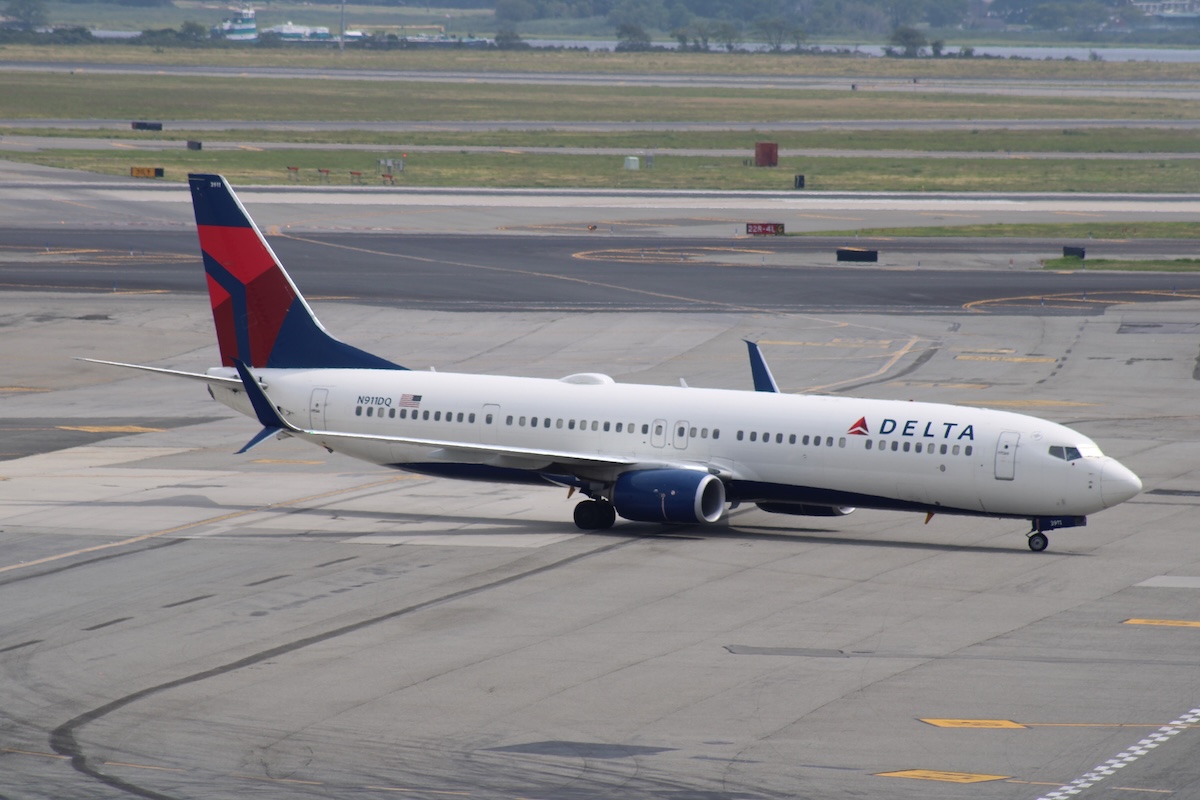
A Delta Boeing 737 in New York
A Delta Boeing 737 in New York (Photo: Shutterstock | The Global Guy)

Delta has permanently removed three routes from its schedule following temporary suspensions earlier this summer.

The carrier is discontinuing service from New York-JFK to Houston, Memphis, and St. Louis. The changes were loaded into Delta’s schedule on July 25.

All three routes last operated on June 7 and were originally scheduled to resume in early September. Delta has now removed the flights beyond the temporary suspension period, according to Cirium Diio schedule data.

“As part of our routine network planning, Delta is discontinuing service between New York-JFK and Houston, Memphis, and St. Louis,” an airline spokesperson said in a statement. “We apologize for any inconvenience this may cause and will contact affected customers directly to discuss alternative travel options.”

Delta will continue serving all three cities from New York LaGuardia. The airline currently operates four daily flights to Houston, three to Memphis, and four to St. Louis from LaGuardia.

Ryan Ewing

Ryan founded AirlineGeeks.com in February 2013 and has spent more than a decade covering the airline business. His work has been featured by CNN, WJLA, CNET, and Business Insider. His aviation experience spans airport operations, Part 135 regulatory compliance, and airline crew workforce planning, along with time behind the yoke of a Cessna 172 and interviews with airline executives. Ryan now serves as Group President of Firecrown Media’s Aviation Group. He holds a B.S. in Air Transportation Management and an MBA from Arizona State University and teaches Airline Management at Embry-Riddle Aeronautical University.

FAA Warns of Delays, Cancellations as Storms Slam East Coast

The agency is advising travelers to check the status of their flight with their airline.

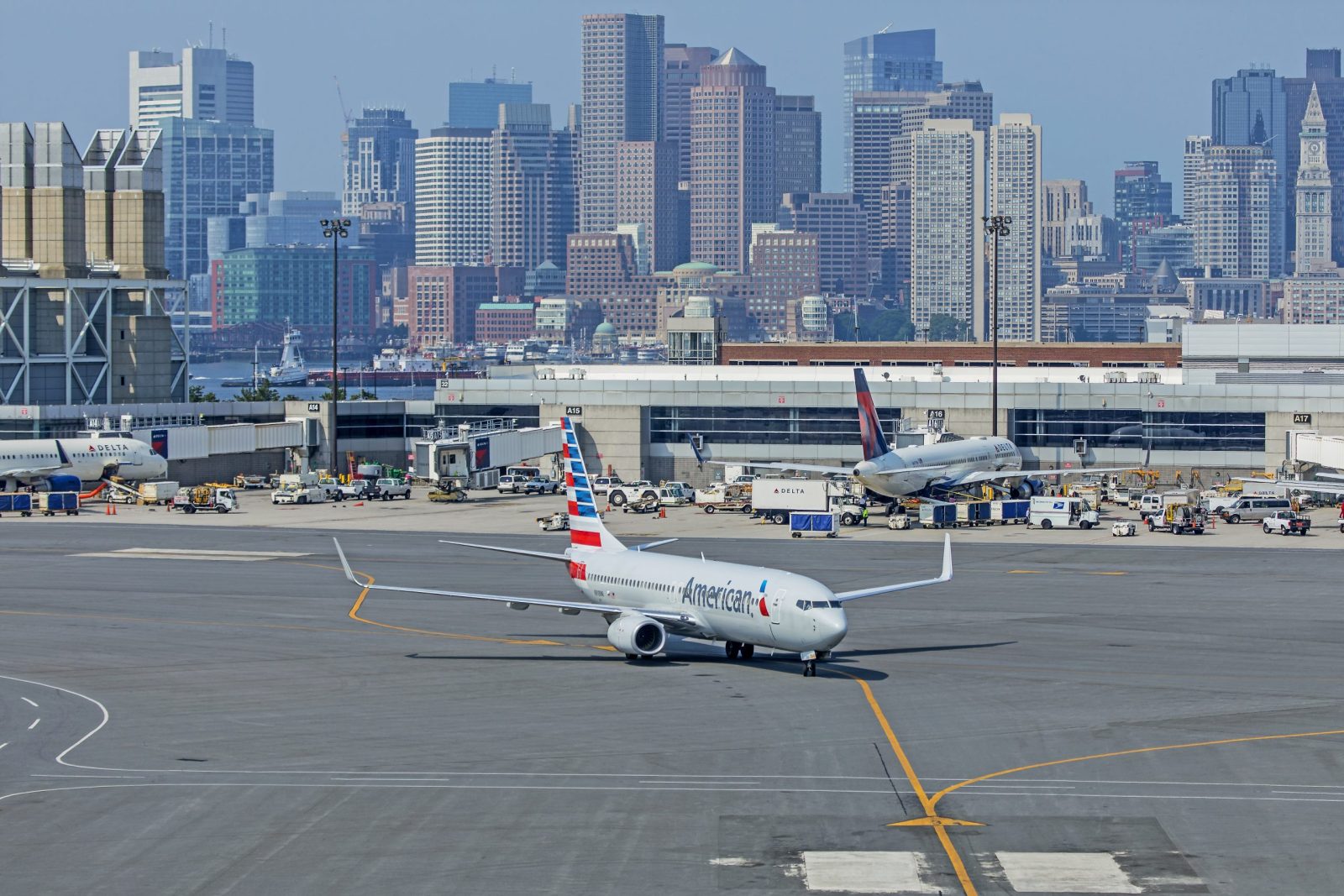
Boston ramp
Aircraft on the ramp in Boston. (Photo: AirlineGeeks | William Derrickson)

A huge line of powerful storms sweeping through the eastern U.S. will likely cause flight delays and cancellations through Tuesday night, the FAA warned.

In a statement, the agency said flash flooding and high winds could significantly impact operations at some of the nation’s busiest airports.

“We’ll do everything we can to get you to your destination, but this tough stretch of weather will likely result in delays and cancellations because safety comes first,” the FAA said.

The agency advised travelers flying into or out of New York-JFK, LaGuardia, Boston Logan, Reagan National, Philadelphia, and Newark, New Jersey, to check the status of their flight with their airline.

Forecasts from the National Weather Service on Tuesday highlighted the risk of torrential rains and possible tornados as the front moves east. While residents from New England to northern Georgia will likely see some impact, the most severe storms are expected to hit the Mid-Atlantic.

Zach Vasile

Zach Vasile is a writer and editor covering news in all aspects of commercial aviation. He has reported for and contributed to the Manchester Journal Inquirer, the Hartford Business Journal, the Charlotte Observer, and the Washington Examiner, with his area of focus being the intersection of business and government policy.

Delta to Resume Regional Route

Flights will start in November.

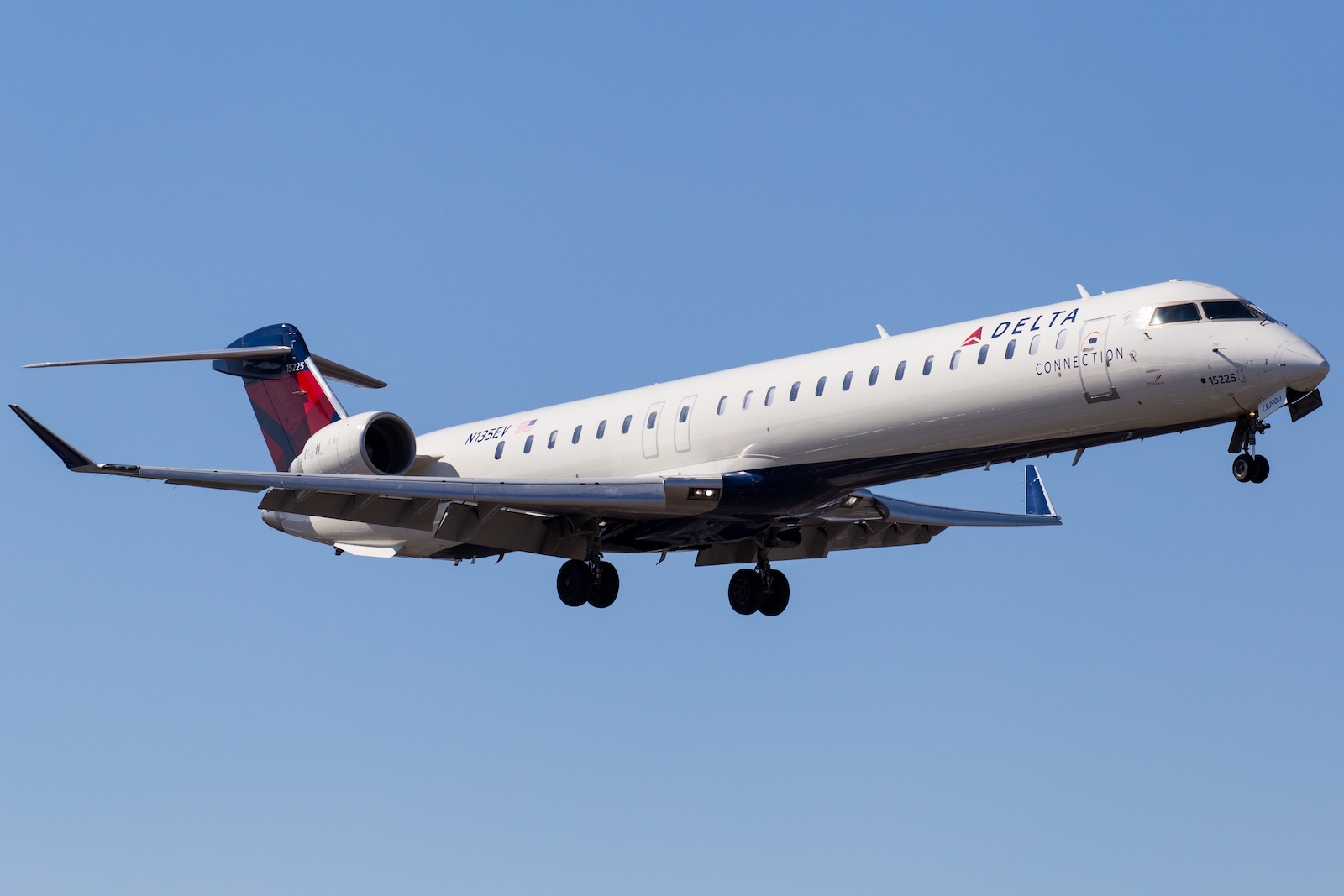
A Delta Connection CRJ-900 aircraft. (Photo: Shutterstock | Wenjie Zheng)

Delta is relaunching a connection between North Carolina and Florida’s Gulf Coast.

Raleigh-Durham International Airport announced Tuesday that Delta will start service to Fort Myers, Florida, on Nov. 21. Flights will operate daily using Bombardier CRJ-900 aircraft.

Tickets are now available for purchase.

The carrier last served this market in 2020.

Raleigh-Durham is a focus city for Delta, with connections to over 20 destinations in the U.S., Mexico, and the Caribbean. The carrier currently serves four Florida cities from Raleigh-Durham – Miami, Fort Lauderdale, Orlando, and Tampa.

Zach Vasile

Zach Vasile is a writer and editor covering news in all aspects of commercial aviation. He has reported for and contributed to the Manchester Journal Inquirer, the Hartford Business Journal, the Charlotte Observer, and the Washington Examiner, with his area of focus being the intersection of business and government policy.

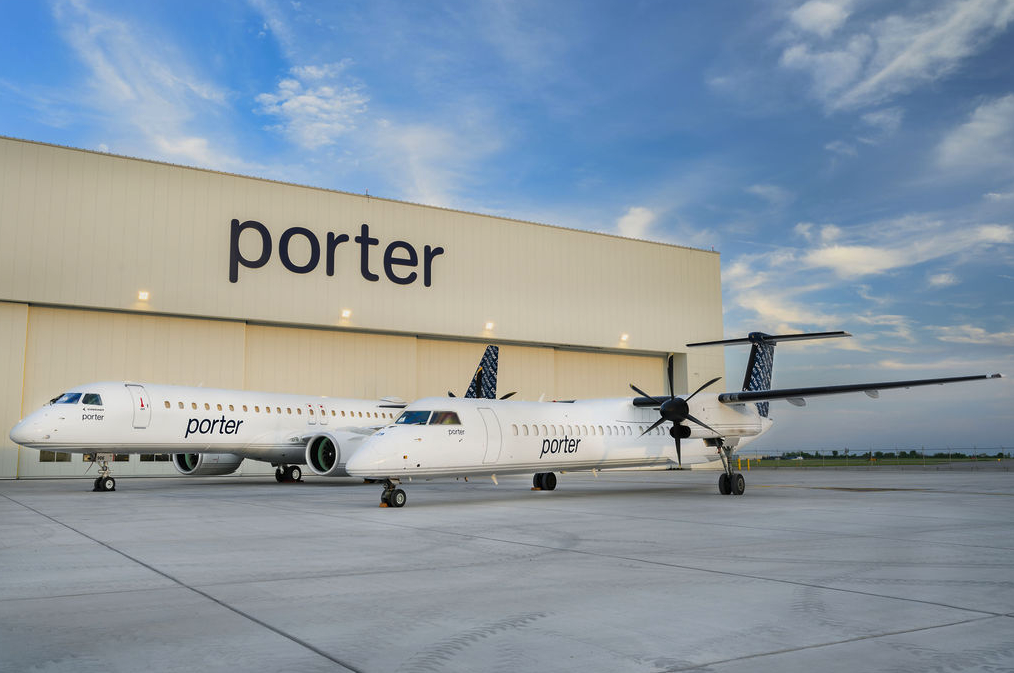
Porter Overhauls Dash 8-400 Interiors

The carrier is installing new seats, lighting, and carpeting.

Porter aircraft. (Photo: Porter Airlines)

Canadian airline Porter is upgrading cabin interiors across its De Havilland Dash 8-400 fleet.

The carrier said all 29 of its Dash 8s are being fitted with the latest Expliseat TiSeat 2V, the lightest aircraft seat in its category. The seats come with redesigned seat and back cushions, custom developed for Porter, as well as updated tray tables and an integrated personal electronic device holder.

Other cabin enhancements for the Dash 8 fleet include LED mood lighting, LED reading lights, and new carpeting.

The first overhauled airplanes are already back in service, Porter said Monday.

“Updating seats, along with other cabin upgrades, will noticeably refresh and modernize the overall environment,” Kent Woodside, executive vice president and chief operating officer at Porter, said in a news release. “Porter is known for providing a globally recognized flying experience, and we’ll continue prioritizing comfort and genuine hospitality as part of our standards. We are pleased to be the first Canadian airline operating with enhanced Dash 8 cabins.”

Porter flies its Dash 8s on regional routes in eastern Canada and the U.S. Besides the Dash 8, the airline also operates the Embraer E195-E2.

Zach Vasile

Zach Vasile is a writer and editor covering news in all aspects of commercial aviation. He has reported for and contributed to the Manchester Journal Inquirer, the Hartford Business Journal, the Charlotte Observer, and the Washington Examiner, with his area of focus being the intersection of business and government policy.

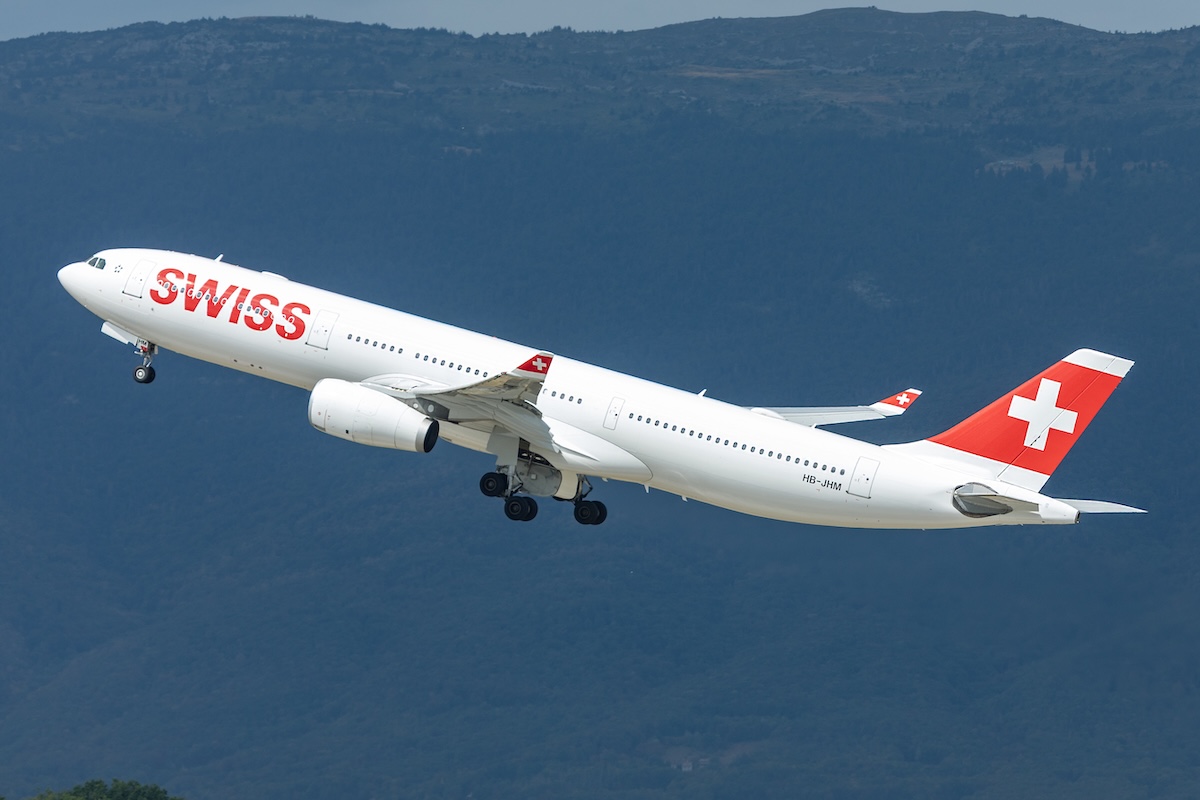
SWISS A330 Makes Emergency Landing in Maine

The crew reported smoke in the cabin.

A SWISS Airbus A330
A SWISS Airbus A330 (Photo: AirlineGeeks | William Derrickson)

A Swiss International Air Lines flight heading for New York-JFK diverted to Bangor, Maine, on Monday after the crew reported smoke in the cabin.

According to the FAA, the SWISS Airbus A330 landed safely at Bangor International Airport around 12 p.m. local time. No injuries to the crew or passengers were reported.

The flight originated in Zurich.

Local media outlets reported that the runway at Bangor International was closed for about an hour while airport personnel and first responders addressed an “aircraft emergency.”

It was not immediately clear what caused the smoke or where it originated from.

The FAA said it is investigating the incident.

Zach Vasile

Zach Vasile is a writer and editor covering news in all aspects of commercial aviation. He has reported for and contributed to the Manchester Journal Inquirer, the Hartford Business Journal, the Charlotte Observer, and the Washington Examiner, with his area of focus being the intersection of business and government policy.

JetBlue to Introduce New ‘BlueFirst’ First Class

The carrier unveiled a new fare tier system this week.

A JetBlue A320. (Photo: AirlineGeeks | William Derrickson)

JetBlue on Monday announced its first domestic first-class product, known as “BlueFirst,” and said the option will become available to travelers later this year.

BlueFirst cabins will be added to all aircraft without Mint, the carrier’s business-class offering. The airline did not say exactly when BlueFirst will make its debut.

JetBlue has never had a traditional first-class product, with that niche somewhat filled by Mint, which is offered on some transcontinental and international routes.

The carrier offered few other details about BlueFirst, but said its name will “make it instantly recognizable and understandable to customers.”

The announcement came the same day JetBlue unveiled a new tiered fare system for seat classes. Starting within the next few days, customers will be presented with four “experience” options – Main, EvenMore, BlueFirst, and Mint – then asked to select a fare tier within that class.

Main is the new name for what had been JetBlue’s Core economy cabin.

The tiers are, from lowest price to highest, Base, Standard, and Flex.

All tiers come with a carry-on covered, but Base does not include seat selection and there is a fee for changing or canceling a flight. Both Standard and Flex waive fees for changes and cancellations and give customers the option of choosing their own seat, but Flex allows for full refunds, while Standard provides a travel credit.

Base passengers earn one TrueBlue point for every $1 spent, while Standard and Flex offer three points per dollar.

“With the introduction of BlueFirst and our recently improved EvenMore experience, we want to make sure customers can easily find the JetBlue experiences they are looking for,” JetBlue President Marty St. George said in a news release. “In two simple clicks, customers will be able to book what’s right for them. First, the onboard experience, and then the fare option depending on their preferences around seat selection and refundability.”

JetBlue’s move toward a tier system mirrors similar changes at United – which has a strategic partnership with JetBlue – and Delta. All three carriers have said the tiers give customers more control over their experience, while at the same time making premium seats more accessible.


Zach Vasile

Zach Vasile is a writer and editor covering news in all aspects of commercial aviation. He has reported for and contributed to the Manchester Journal Inquirer, the Hartford Business Journal, the Charlotte Observer, and the Washington Examiner, with his area of focus being the intersection of business and government policy.

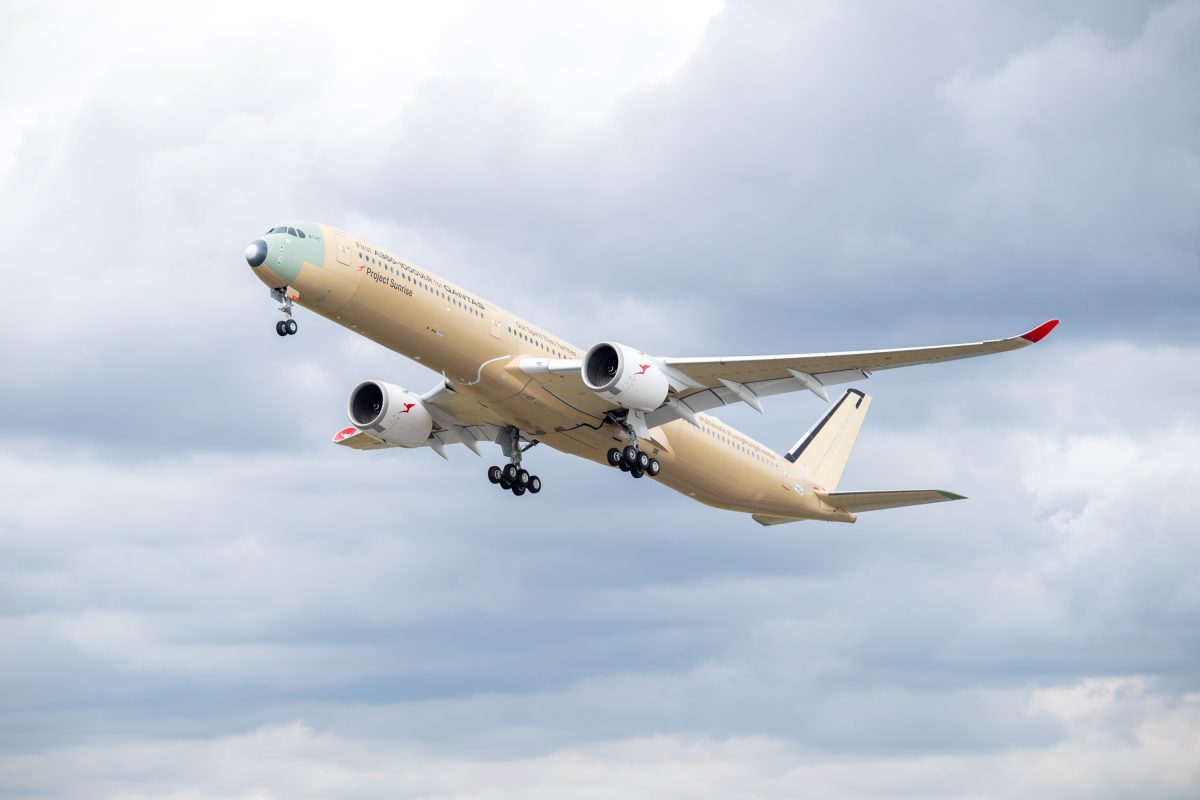
Airbus Tests A350-1000ULR With First Flight to Australia

Qantas will use the ultra-long-range type to connect the east coast of Australia with London, New York, and other far-off destinations.

The first flight of the Airbus A350-1000ULR. (Photo: Airbus)

Airbus’ ultra-long-range A350-1000ULR touched down in Australia for the first time on Friday as the type continues flight testing ahead of planned deliveries to Qantas.

The jet departed Airbus’ facility in Toulouse, France, and flew for about 19 hours before landing in Melbourne. Qantas said the -1000ULR was operated by four Airbus test pilots and five engineers, who evaluated the aircraft’s systems, including its additional 20,000-liter fuel tank, which will allow for flights of up to 22 hours without stops.

Two Qantas pilots will join the Airbus crew on the journey back to France, which is scheduled for Monday.

The A350-1000ULR is being built custom for Qantas as part of “Project Sunrise,” the carrier’s yearslong plan to serve far-flung locales such as London and New York nonstop from Australia’s east coast. The carrier announced in June that London will be its first Project Sunrise destination, with flights from Sydney tentatively scheduled to begin in October 2027.

The airplane that made the journey from Toulouse to Melbourne was produced for testing purposes and will not join Qantas’ fleet. The first -1000ULR intended for the airline, nicknamed “Vega,” is currently taking shape on Airbus’ final assembly line. It is scheduled for delivery in April 2027.

Qantas has so far ordered 12 -1000ULRs.

Zach Vasile

Zach Vasile is a writer and editor covering news in all aspects of commercial aviation. He has reported for and contributed to the Manchester Journal Inquirer, the Hartford Business Journal, the Charlotte Observer, and the Washington Examiner, with his area of focus being the intersection of business and government policy.

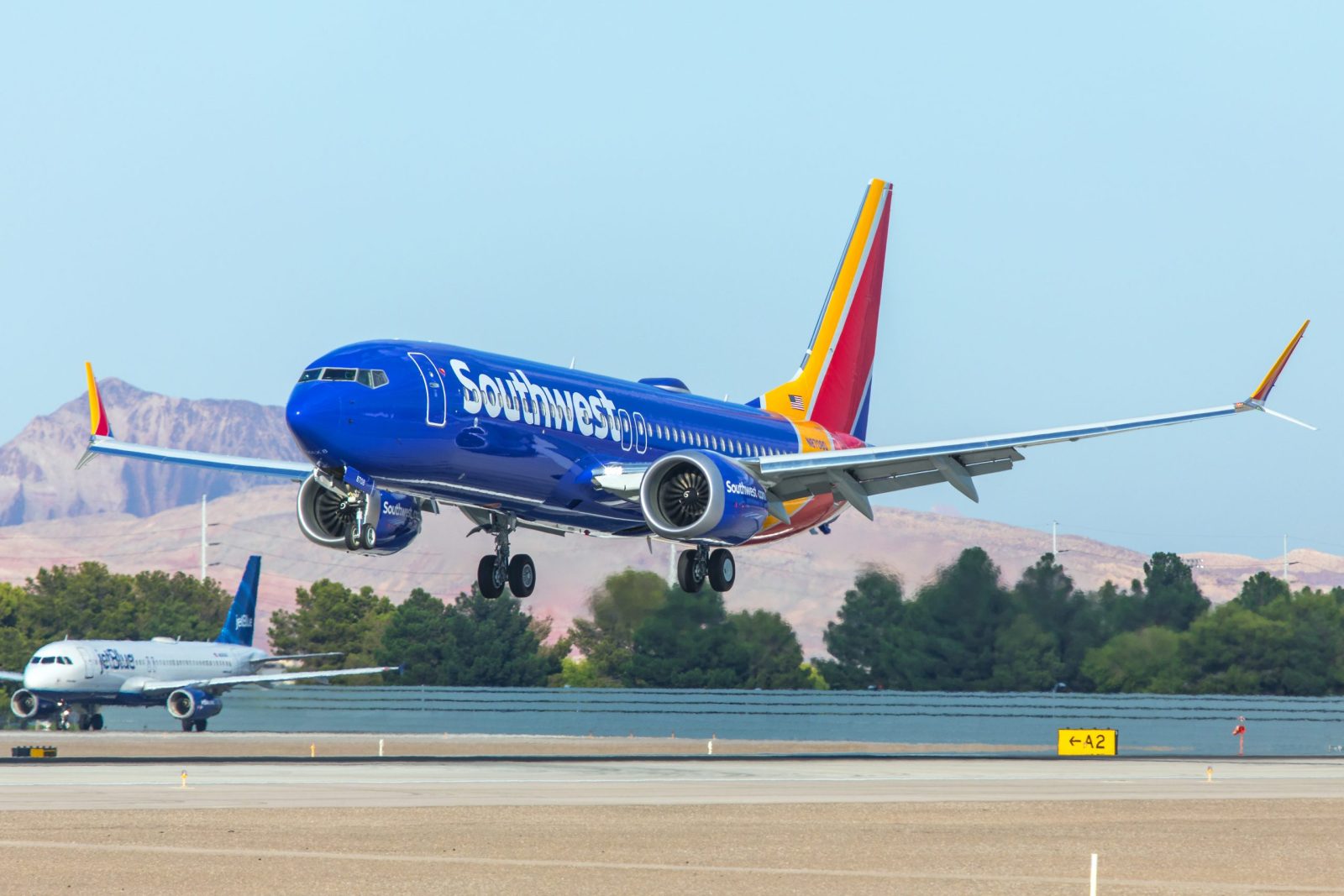
Southwest Moving Forward With Plans for Airport Lounges

CEO Bob Jordan said the spaces will likely be co-branded with Chase.

Southwest 737 MAX
A Southwest 737 MAX 8 in Las Vegas. (Photo: AirlineGeeks | William Derrickson)

Southwest is continuing planning for a network of airport lounges that will likely be co-branded with credit card partner Chase.

On an earnings call Thursday, Southwest CEO Bob Jordan said lounges are a logical next step as the carrier’s existing leisure and business products mature and more customers acquire Rapid Rewards cards. The cards are issued by Chase.

“We fully intend to continue to expand the co-brand offering and opportunities for our customers,” he said. “I know I’ve teased the lounges. That’s something, obviously, that there’s work underway.”

Jordan did not go into detail about the lounges but emphasized their potential value as part of the broader Southwest-Chase partnership.

“We’re not ready to formally announce that yet,” he said of the lounges. “The whole purpose, again, is to expand co-brand opportunities, expand the card set, and provide to our customers something that they really, really want.”

In keeping with its former low-cost strategy, Southwest does not currently operate any airport lounges. But Jordan has discussed adding them for almost a year, noting that passengers increasingly expect perks and benefits outside of their flight.

A lounge network would also square with Southwest’s new business direction, which centers on maximizing profits and introducing premium-type options and services for passengers willing to spend more. The carrier did away with some of its best known discounts, including free checked bags, under pressure from activist investor Elliott Management.

Southwest in October won approval to develop and open its first lounge at Daniel K. Inouye International Airport in Honolulu. Company officials have not announced or confirmed the project, and it is not clear when it will open to eligible customers.

Zach Vasile

Zach Vasile is a writer and editor covering news in all aspects of commercial aviation. He has reported for and contributed to the Manchester Journal Inquirer, the Hartford Business Journal, the Charlotte Observer, and the Washington Examiner, with his area of focus being the intersection of business and government policy.

Report: United Approached Delta About Potential Merger

Delta leaders weighed the benefits, but talks ultimately did not advance.

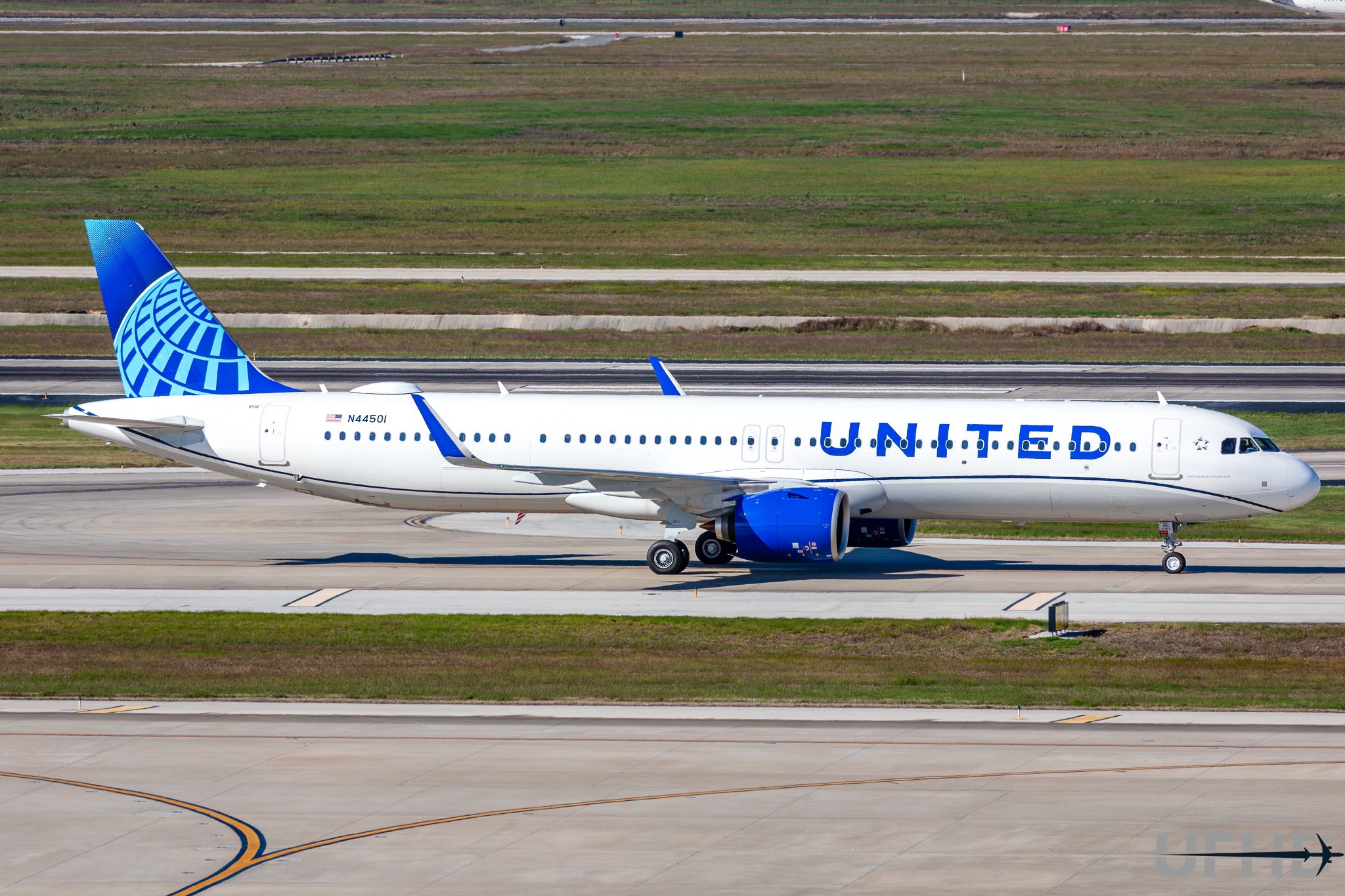
United's first A321neo arrives in Houston. (Photo: @unitedflyerhd)

Months before United reached out to American Airlines to discuss a potential blockbuster merger, it made the same approach to Delta, The Wall Street Journal reported Sunday.

Citing unnamed sources with knowledge of the matter, the Journal said United CEO Scott Kirby contacted Delta CEO Ed Bastian last year to pitch a linkup between the two carriers. Delta’s leadership met and talked over the idea, but discussions with United ultimately did not advance, the newspaper reported.

It was not immediately clear why the discussions stalled, or how the two companies viewed their chances of getting such a large deal approved.

Neither United nor Delta has commented publicly on the story.

If accurate, the Journal’s report suggests that Kirby was, for a time, more serious about setting up an acquisition or merger with a competitor airline than was previously known.

Earlier this year, United made waves when it approached American about potentially joining operations. The deal would have brought together two of the country’s largest commercial airlines and given the combined company a market share of just over 34%, a level of dominance not seen by any U.S. carrier in years.

Bloomberg reported that Kirby presented the idea to American executives and to President Donald Trump, perhaps expecting the administration to provide some leeway for such a transformative agreement.

Analysts predicted that the U.S. Justice Department would still reject the tie-up as anticompetitive, citing regulators’ decisions on much smaller attempted mergers over the past several years.

The speculation prompted American to release a public statement distancing itself from the merger talks. It said it had no interest in combining with United, and was confident in its own plan to improve its profitability.

A United-Delta merger would have created an even larger entity, at least by some metrics. Based on figures from the Bureau of Transportation Statistics, the two airlines combined control almost 35% of domestic air travel.

United and Delta are also the two most profitable U.S.-based airlines.

Kirby said in June that he had backed away from the idea of a large-scale merger and suggested that “consolidation” was probably not in United’s near future.

Zach Vasile

Zach Vasile is a writer and editor covering news in all aspects of commercial aviation. He has reported for and contributed to the Manchester Journal Inquirer, the Hartford Business Journal, the Charlotte Observer, and the Washington Examiner, with his area of focus being the intersection of business and government policy.

In First, Southwest Ships Jet Fuel to the West Coast

The carrier sent millions of gallons to Los Angeles over supply concerns.

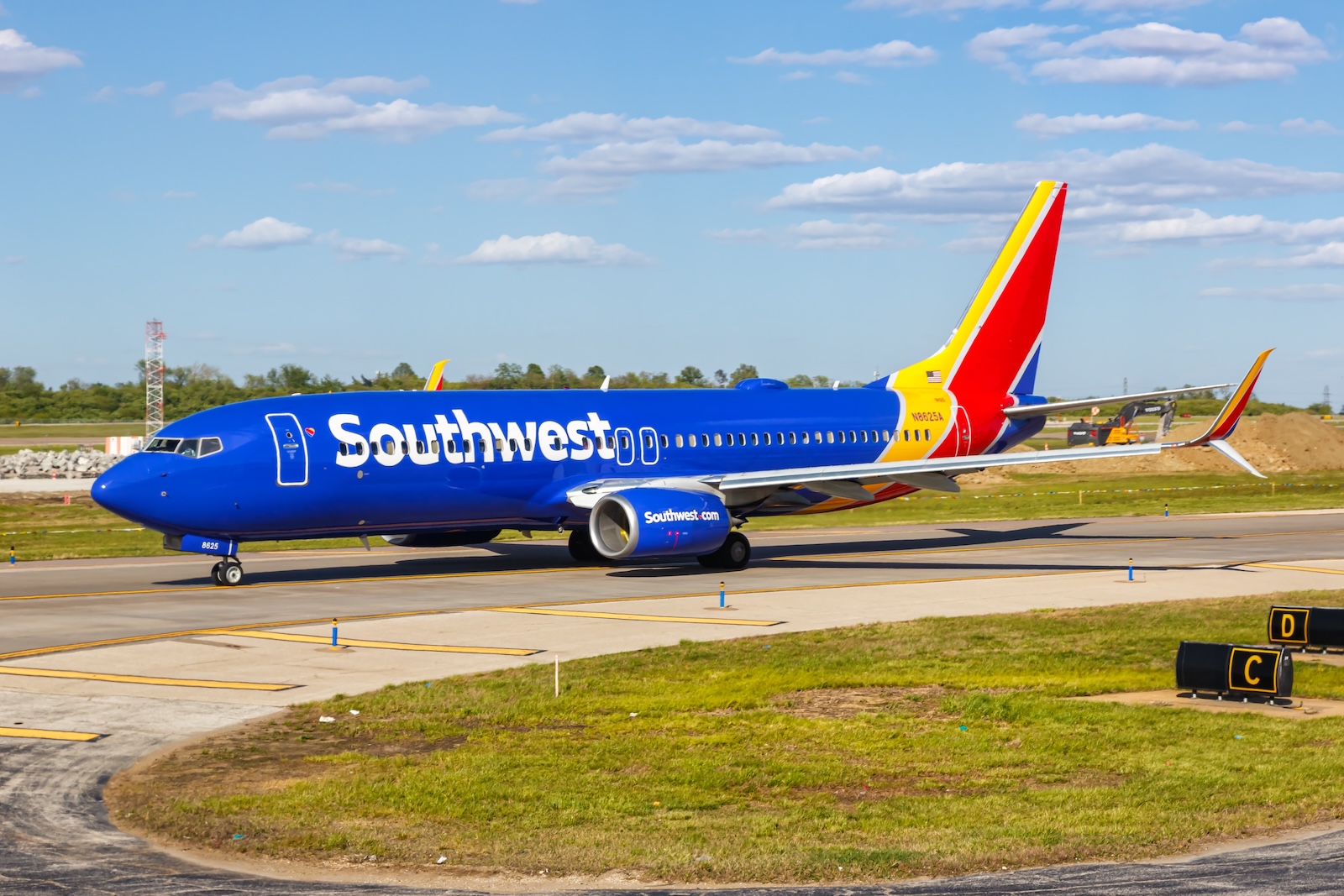
Southwest 737-800
A Southwest Boeing 737-800. (Photo: Shutterstock | Markus Mainka)

Southwest took an unconventional approach to stabilizing its jet fuel supply earlier this year when it hired a ship to transport barrels of Jet-A from Texas to California.

Southwest CFO Tom Doxey told CNBC that the shipment took place in May, when fuel prices were nearing a peak. The West Coast is more dependent on fuel imports than most other parts of the country, and as a result prices had surged and there were concerns about supply at airports, especially in California.

“It brought like a week’s supply to the West Coast at a time when supply was most constricted… when it was most at risk,” Doxey said.

According to CNBC, the ship carried about 12.6 million gallons of fuel from Houston, through the Panama Canal, to Los Angeles.

To complete the shipment, Southwest used a waiver of the Jones Act, which normally requires shipments between U.S. ports to be made with a U.S.-owned ship. President Donald Trump waived that rule in March in an effort to ease oil prices, which spiked after Iran effectively closed the Strait of Hormuz.

Higher jet fuel prices ate into airline earnings in the second-quarter and forced some carriers to suspend routes and ground less efficient aircraft. Southwest reported Wednesday that it incurred about $900 million of additional fuel expense year-over-year in the period between April 1 and June 30.

The airline told CNBC that concerns over supply have abated since May.

Zach Vasile

Zach Vasile is a writer and editor covering news in all aspects of commercial aviation. He has reported for and contributed to the Manchester Journal Inquirer, the Hartford Business Journal, the Charlotte Observer, and the Washington Examiner, with his area of focus being the intersection of business and government policy.
Sign-up for newsletters & special offers!

Get the latest stories & special offers delivered directly to your inbox

SUBSCRIBE

Uh-oh! It looks like you're using an ad blocker.

Our website relies on ads to provide free content and sustain our operations. By turning off your ad blocker, you help support us and ensure we can continue offering valuable content without any cost to you.

We truly appreciate your understanding and support. Thank you for considering disabling your ad blocker for this website