A Florida court has ordered the seizure of multiple jets from charter company Caribbean Sun Airlines, operating under the name World Atlantic Airlines.
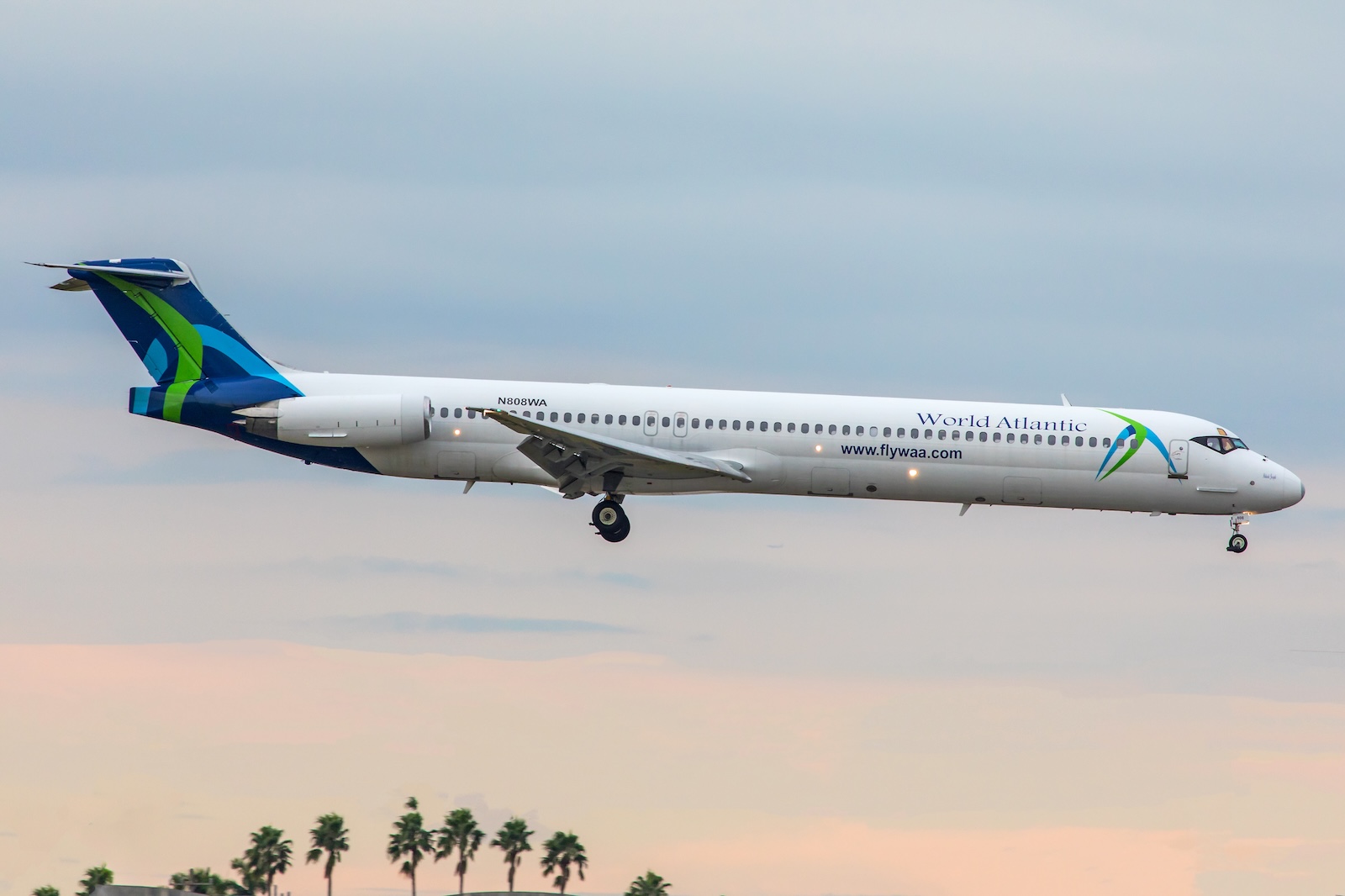
A World Atlantic Airways MD-80 aircraft (Photo: AirlineGeeks | William Derrickson)
A Florida circuit court has ordered the seizure of at least two aircraft from charter company Caribbean Sun Airlines, operating under the name World Atlantic Airlines.
The decision comes after a nearly year-long legal battle between the Miami-Dade-based company and its lessors at Blue Diamond General Investments.
The lawsuit stems from a spoken agreement between the two companies, allowing Blue Diamond to lend its aircraft to World Atlantic for charter flight services. In return, World Atlantic was expected to compensate Blue Diamond for each flight.
On April 11, 2024, Blue Diamond filed a complaint in the 11th Judicial Circuit Court for Miami-Dade County, stating that World Atlantic breached their agreement by using the aircraft for other customers and not paying the investment firm its share.
The complaint also alleged that World Atlantic failed to adhere to a payment schedule in order to resolve the matter.
In total, Blue Diamond contended it was owed over $1.8 million for services rendered and the use of its aircraft. Invoices attached to the complaint listed flights to Havana, Matanzas, and Santiago in Cuba, as well as other Caribbean airports, and added up to over $1.3 million.
Blue Diamond Takes Its Aircraft Back
The lawsuit came to a climax on March 21, when the court ordered a prejudgment writ of attachment and garnishment allowing Blue Diamond to seize its aircraft from World Atlantic until its debts were paid.
According to reporting by The Business Journals, which broke the story, the seizure has stopped World Atlantic’s operations. The report stated the aircraft are being held at Miami International Airport by the Miami-Dade Sheriff’s office and can’t be flown until the debt is paid or the writs are overturned.
The jets listed for court order for seizure included McDonnell Douglas MD-83 jets under the following tail and serial numbers: N801WA (53291), N802WA (53052), and N804WA (49345).
According to the Federal Aviation Administration’s aircraft registry, the respective serial numbers for each MD-83 listed matches a 1987, 1990, and 1992 model all registered under Caribbean Sun Airlines.
Editor’s Note: This story was updated on Friday, April 11, 2025 at 8:55 a.m. ET to accurately reflect the number of aircraft seized.
AirlineGeeks.com was founded in February 2013 as a one-person blog in Washington D.C. Since then, we’ve grown to have 25+ active team members scattered across the globe. We are all here for the same reason: we love deep-diving into the fascinating realm of the airline industry.
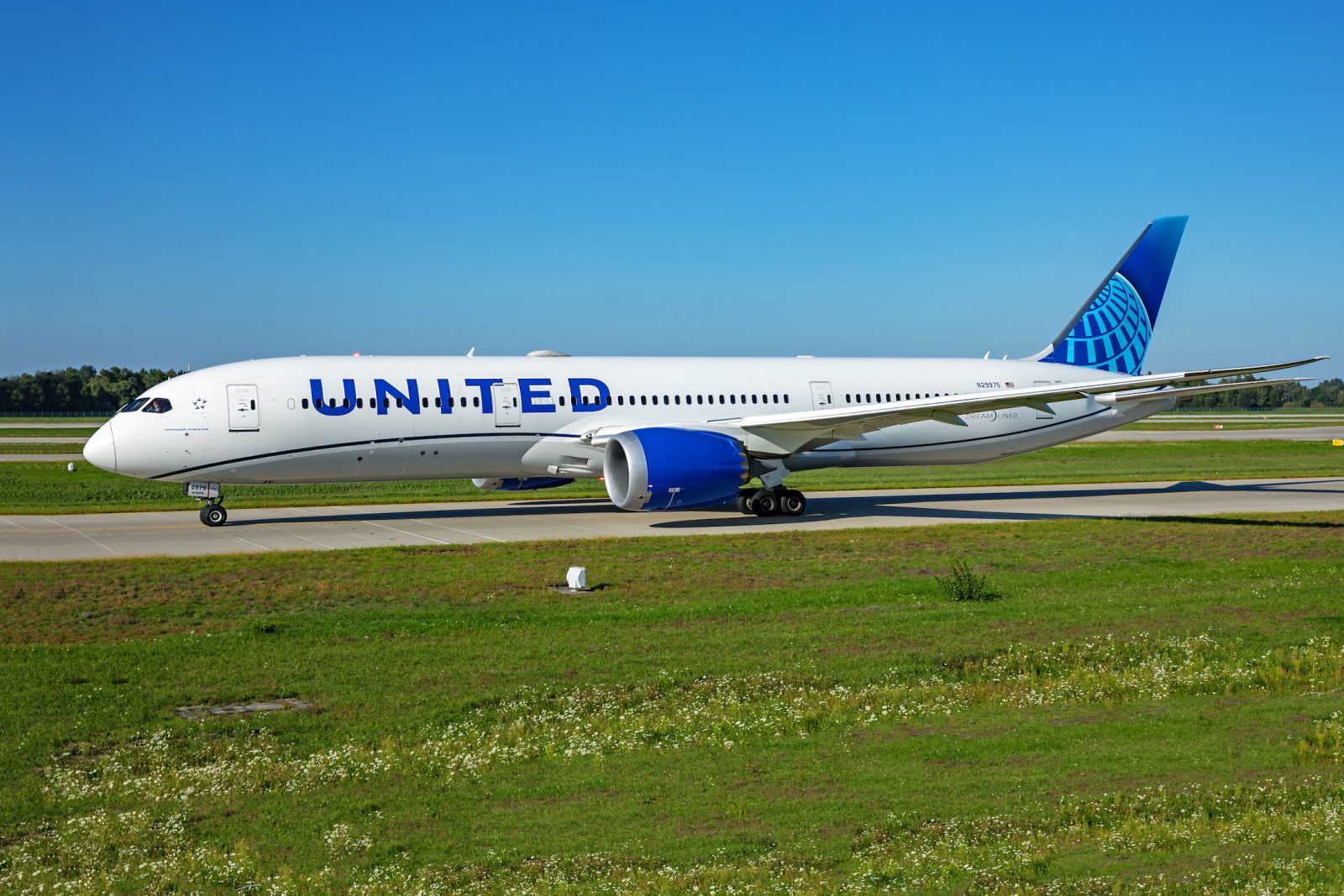
A United 787-9 Dreamliner. (Photo: AirlineGeeks | William Derrickson)
United is set to add new destinations to its route map this winter, becoming the only U.S. airline to serve these markets. The routes are scheduled to begin later this year.
In Asia, the Chicago-based airline will begin serving Bangkok, Thailand, and Ho Chi Minh City, Vietnam. Additionally, the airline is set to launch the first-ever nonstop service between the U.S. and Adelaide, Australia, while also increasing service to Manila, Philippines.
New Service to Asia
Starting Oct. 26, United will launch daily flights to Bangkok and Ho Chi Minh City from Hong Kong. These routes will provide one-stop connections for travelers from Los Angeles and San Francisco, the airline says.
These routes will be operated with Boeing 787-9 Dreamliner aircraft. Hong Kong-to-Ho Chi Minh City is not completely new to the airline’s network, having last been served in 2016.
The airline previously served Bangkok from Tokyo Narita until 2014, per Cirium Diio schedule data.
Nonstop Service to Adelaide
United is set to launch the first nonstop flights between the U.S. and Adelaide on Dec. 11. The three-times-weekly seasonal service will operate from the airline’s San Francisco hub.
The airline currently serves three Australian cities: Sydney, Melbourne, and Brisbane. A Boeing 787-9 will operate the San Francisco-to-Adelaide route.
Expanded Service to Manila
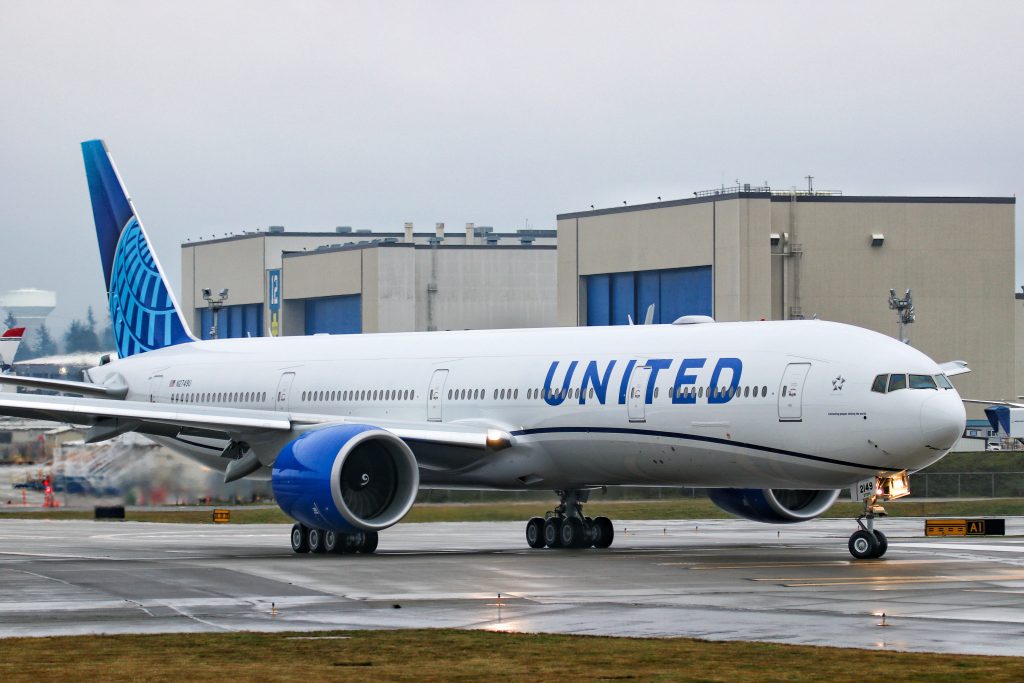
In response to growing demand, United says it will introduce a second daily flight between San Francisco and Manila beginning October 25. Flights will be operated by a Boeing 777-300ER.
A United 777-300ER at Paine Field. (Photo: AirlineGeeks | Katie Bailey)
With these new additions, United will now serve 32 destinations across the Pacific.
“At United, we’re changing the way people think about where they travel – by offering the greatest access to see and explore the world, whether it’s for relaxation, adventure or business,” said Patrick Quayle, senior vice president, global network planning and alliances at United, in a news release. “We offer more than the best schedule and travel options – we connect customers to sought after destinations and opportunities to explore new, vibrant cities.”
Tickets for the Adelaide and new Manila flights are available now. Ticket sales for Bangkok and Ho Chi Minh City will be announced at a later date.
Ryan founded AirlineGeeks.com in February 2013 and has spent more than a decade covering the airline business. His work has been featured by CNN, WJLA, CNET, and Business Insider. His aviation experience spans airport operations, Part 135 regulatory compliance, and airline crew workforce planning, along with time behind the yoke of a Cessna 172 and interviews with airline executives. Ryan now serves as Group President of Firecrown Media’s Aviation Group. He holds a B.S. in Air Transportation Management and an MBA from Arizona State University and teaches Airline Management at Embry-Riddle Aeronautical University.
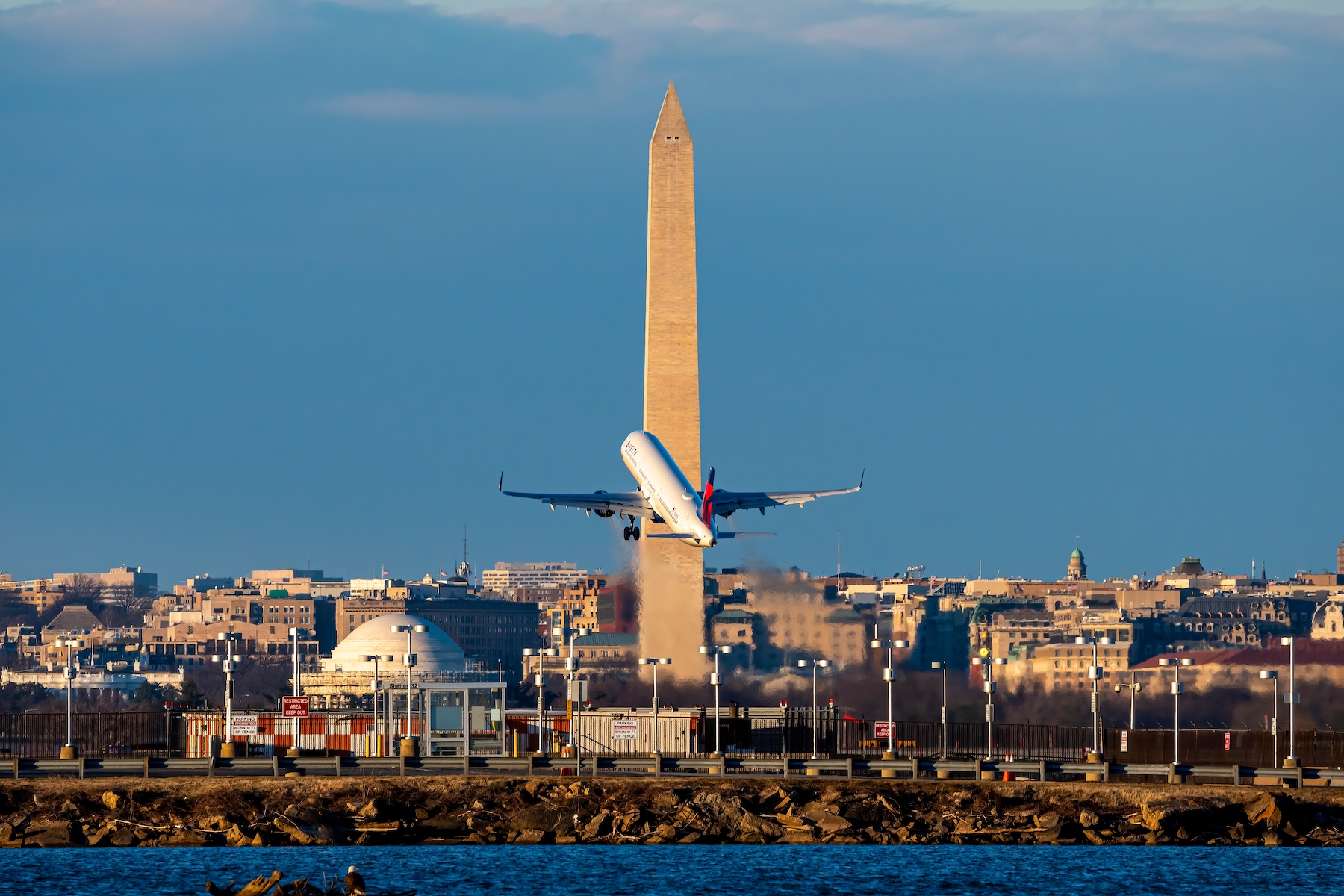
A Delta aircraft takes off from Washington DCA. (Photo: Shutterstock | Andrew Mauro)
The National Transportation Safety Board (NTSB) is investigating a near-miss between a Delta jet and U.S. Air Force training aircraft near Ronald Reagan Washington National Airport.
The NTSB posted on X Monday that it would investigate Friday’s “loss of separation” between the Delta Airbus A319 and a group of Air Force T-38s.
NTSB is investigating Friday’s loss of separation between a Delta Airbus A319 and a group of Air Force T-38 Talon jets near DCA.
According to an NPR report, the incident happened while four T-38 Talons were heading to Arlington National Cemetery in Virginia for a flyover. T-38s are supersonic training aircraft, according to the U.S. Air Force.
The NPR report, citing the Federal Aviation Administration, stated that Delta flight 2983 was flying from Washington D.C. to Minneapolis when a TCAS alert sounded off in the cockpit showing that another aircraft was nearby.
Air traffic controllers then gave corrective instructions to both aircraft, which averted a collision.
The close call came nearly two months after January’s fatal collision between a PSA Airlines jet and a U.S. Army Black Hawk helicopter at the D.C. airport.
Increased stress following the crash has taken its toll on workers in the sector. A day before Friday’s near miss, two air traffic controllers at DCA reportedly got into a fight, leading to injuries.
AirlineGeeks.com was founded in February 2013 as a one-person blog in Washington D.C. Since then, we’ve grown to have 25+ active team members scattered across the globe. We are all here for the same reason: we love deep-diving into the fascinating realm of the airline industry.
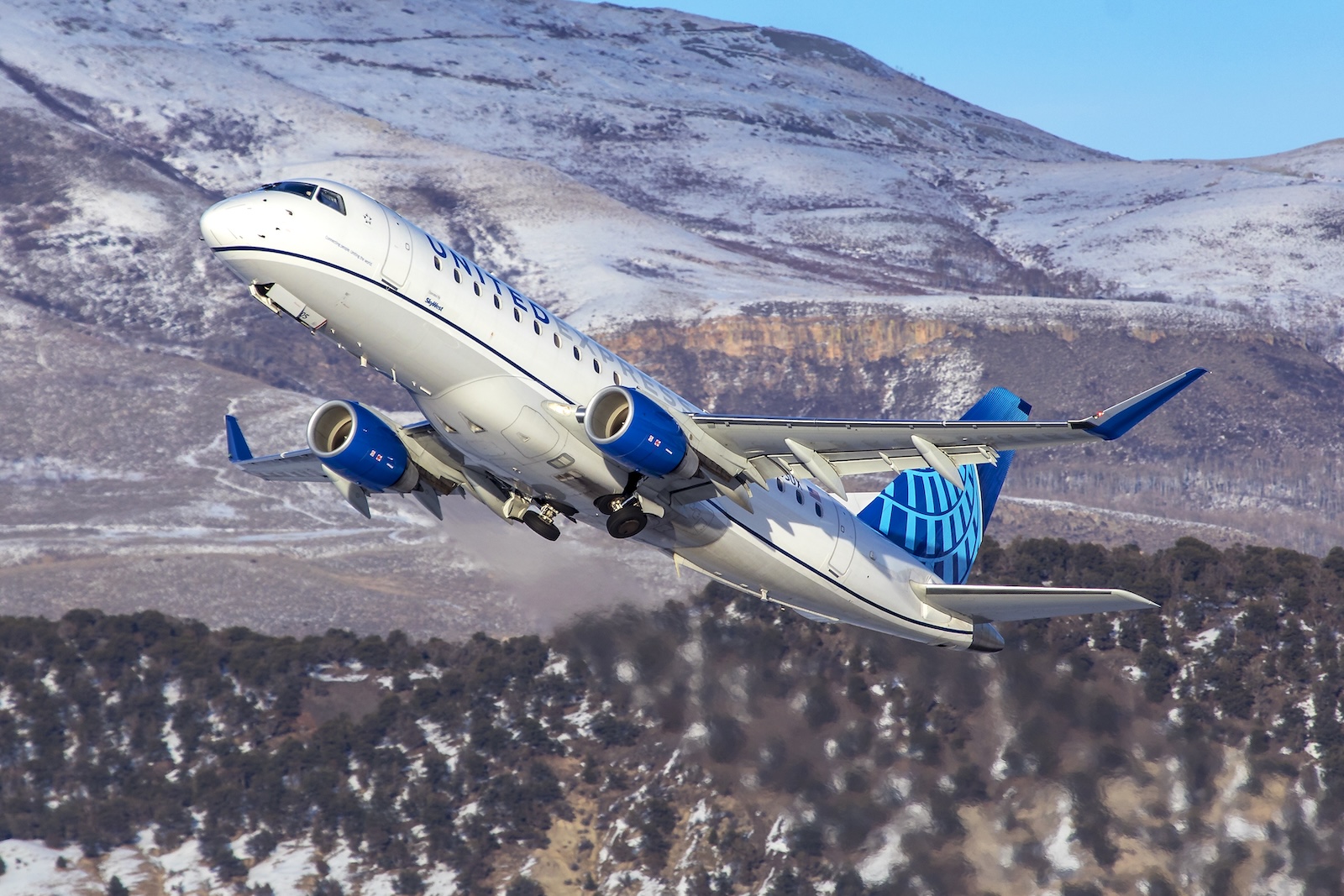
A United Express Embraer E175 (Photo: AirlineGeeks | William Derrickson)
United has obtained approval from the Federal Aviation Administration to operate Starlink-equipped aircraft. The air carrier made the announcement Monday, adding that the first customer flights will begin in May of this year, which is less than eight months since the deal was first announced.
According to United, the FAA issued a Supplemental Type Certificate (STC) for the Embraer 175, and the airline expects the first commercial flight with Starlink will be a United Express Embraer 175.
The company noted that United will also run a “beta test” of the new technology on select flights between now and the first customer flight in May.
“We know customers are going to love this experience, and we think it will give them yet another reason to choose United,” said Grant Milstead, United’s vice president of digital technology. “We’re working closely with Starlink and the FAA to finish installs on our regional fleet this year and bring the best inflight experience in the sky to more and more people.”
Earlier this month, United unveiled the Starlink install process, underscoring the technical operations benefits associated with the equipment, including size and weight as well as the ease of install and maintenance. According to United, the Starlink system, when compared to non-Starlink equipment, allows for a faster and simpler install, is lighter requiring less fuel to operate and is more reliable and weather-proofed.
The airline is working with the FAA to acquire an STC to install Starlink on every United aircraft type getting the new equipment which includes more than 16 total regional and mainline aircraft models.
According to the FAA, the process to secure each STC can include design, installation, testing and submitting the package for FAA approval.
Starlink, engineered and operated by SpaceX is the world’s first and largest satellite constellation using a low Earth orbit. Starlink delivers broadband internet capability that is 50 times faster than that which is currently in place on aircraft.
The airline’s roll-out of this new technology will continue to roll forward, with approximately 40 regional jet installs planned monthly. United expects that the entire two-cabin regional fleet, which consists of more than 300 planes – will be completed by end of year.
Editor’s Note: This story first appeared on FlyingMag.com.
AirlineGeeks.com was founded in February 2013 as a one-person blog in Washington D.C. Since then, we’ve grown to have 25+ active team members scattered across the globe. We are all here for the same reason: we love deep-diving into the fascinating realm of the airline industry.
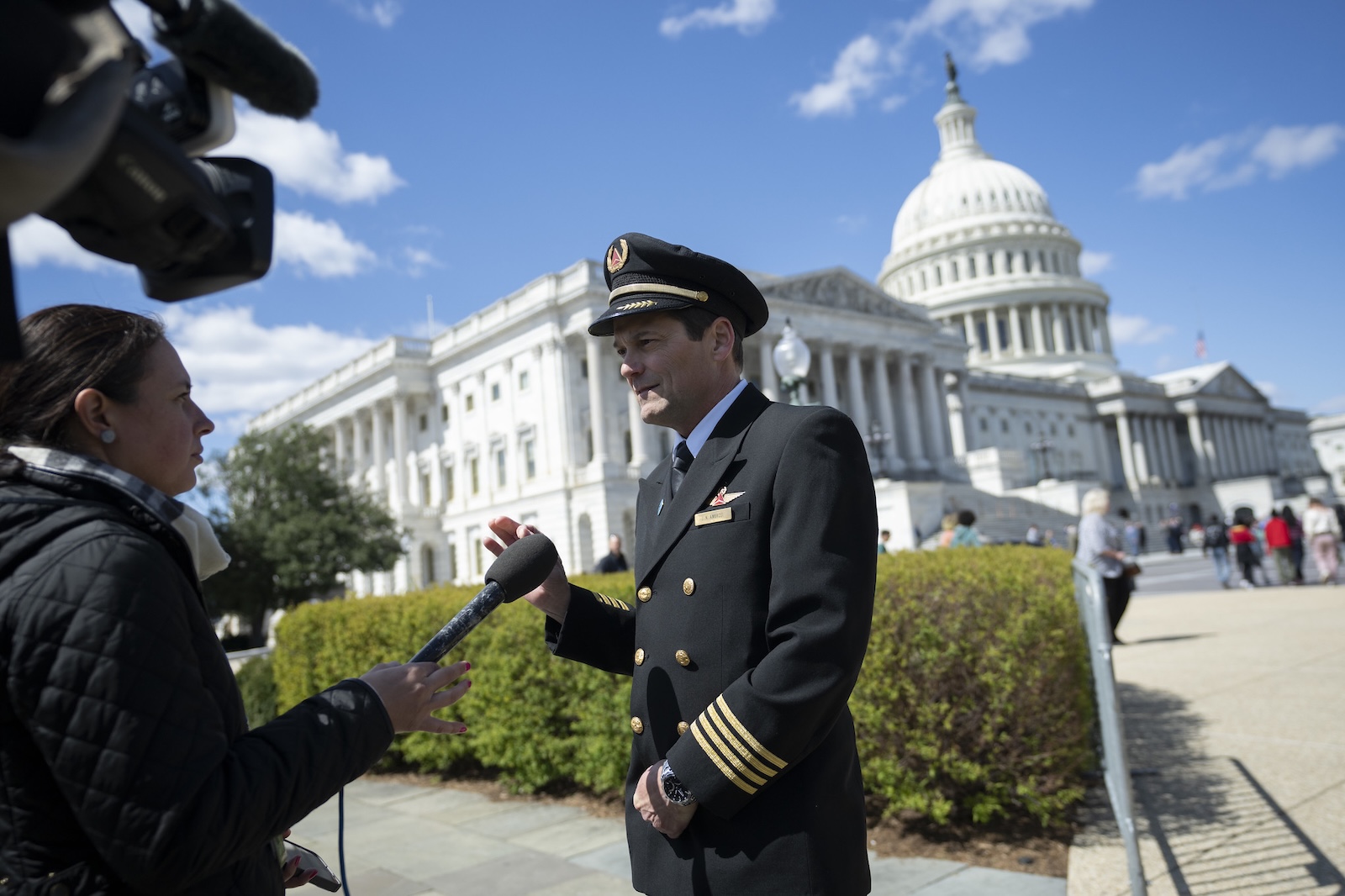
Air Line Pilots Association (ALPA) President Capt. Jason Ambrosi delved into the debated pilot shortage and shake-ups in Washington during a Friday interview with AirlineGeeks.
In discussing what some say is a pilot shortage, Ambrosi likened it to a “supply chain issue.” He explained, “During COVID, nobody knew that a vaccine could be available that quick. Nobody knew that … the industry would successfully lobby for three rounds of payroll support.”
The unexpected speed of industry recovery after COVID-19 led to this bottleneck, he said. “It was a bottleneck because we need to get those pilots back to train the other direction,” he added.
Ambrosi emphasized that the real challenge was not in the number of pilots but in the logistics of retraining and repositioning them quickly enough to match the resurgence of air travel demand. “Give us 18 months, and you’ll see,” he remarked, noting that airlines have now reached full staffing capacity, with some even starting to furlough pilots as demand stabilizes.
In an April 2024 social media post, ALPA claimed the pilot shortage “isn’t real.” The union’s comments came as Congress was weighing whether to raise the mandatory pilot retirement age to 67.
“… In fact, there’s a surplus of airline pilots,” the post stated. “Yet Congress is considering raising the pilot retirement age to 67, which will hurt air travel.”
This bill ultimately failed and never ended up in the FAA Reauthorization Act of 2024.
“In my first hearing with Congress after taking this job in 2023, I was getting pummeled about, ‘Oh, we’re in pilot shortage. Pilot shortage. Raise the age. Pilot shortage. Pilot shortage,’” Ambrosi said. “I said, give us 18 months, and you’ll see. Well, 18 months later, everybody’s fully staffed.”
Despite some recent furloughs – including for pilots at Spirit, which are represented by ALPA – along with an overall slowdown in pilot hiring, Ambrosi said he had “a feeling that there’s going to be more pilot jobs here in the not-too-distant future, especially with all the flight schools cranking people out as fast as they can.”
Single-Pilot Operations
A hot topic last summer, Airbus and European regulators began initial discussions around reducing the number of pilots in the flight deck. This has prompted pushback from labor groups, and even some airlines, including Delta CEO Ed Bastian.
When it comes to single-pilot operations, Ambrosi strongly reiterated ALPA’s commitment to keeping a minimum of two pilots in the cockpit at all times.
He said, “We’ve successfully put a minimum of two pilots in the flight deck plan, which is already in nine of our agreements, including Delta’s and United’s.”
Despite robust support in the U.S., Ambrosi acknowledged potential economic pressures from international markets if single-pilot operations gain traction elsewhere. He stated, “I want to make sure that our airlines are healthy and we can compete on a global scale.”
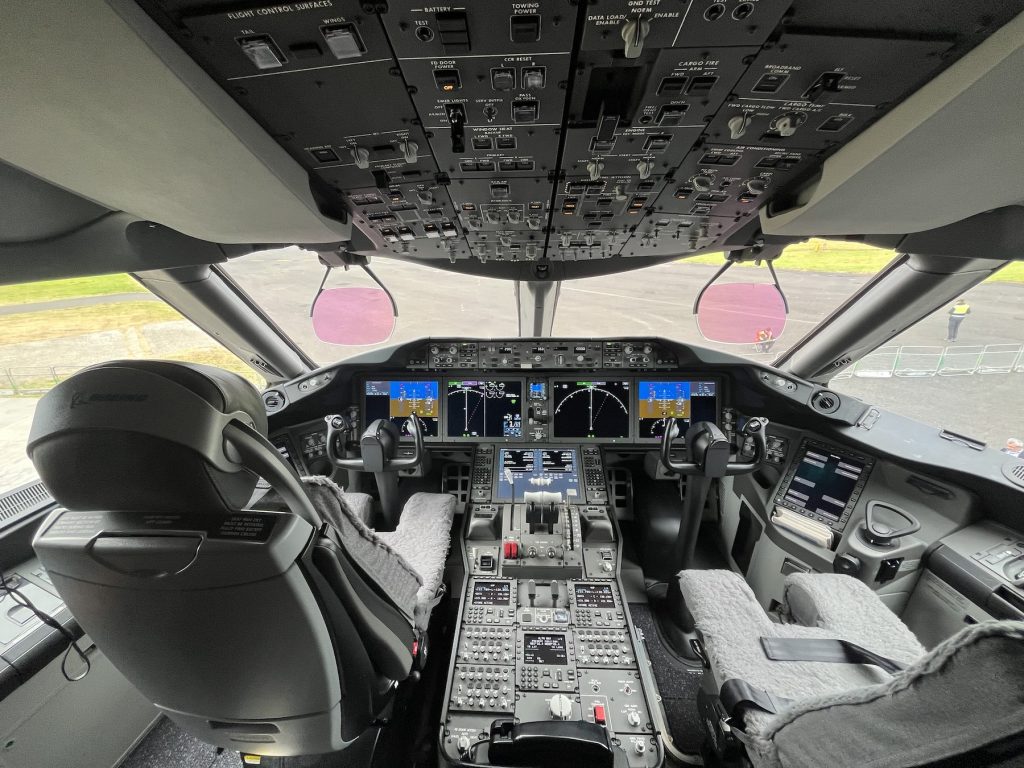
Inside a Boeing 787 Dreamliner flight deck at the Farnborough Airshow (Photo: AirlineGeeks | William Derrickson)
He elaborated on ALPA’s measures in Europe to prevent single-pilot operations, particularly its role in influencing the European Union Aviation Safety Agency’s shift toward a more deliberate approach. He noted, “They’ve retitled it to smart cockpits rather than the extended minimum crew operations or single-pilot crews, and they basically said they’re not in any hurry.”
However, he emphasized the importance of continued vigilance, asserting, “We have to keep our foot on the gas all the time and not fall asleep.”
“In his role as Republic CEO, he was a significant proponent for watering down the first officer qualification and training rules that came out of the 2010 FAA bill,” shared Ambrosi during the interview. “They put forth a proposal that was mostly lacking in what would be equivalent to military-type training.”
Republic CEO Bryan Bedford (Photo: Republic Airways | YouTube)
ALPA communicated its apprehensions to Transportation Secretary Sean Duffy, aiming for constructive dialogue with Bedford. Ambrosi remarked, “Rather than coming out and opposing Mr. Bedford, we just shared our concern … . [W]e look forward to hearing his opinions now that he’s a regulator. … [Y]ou have different motivations and you answer to different people if you are an airline CEO versus the regulator.”
Legislative and Safety Standards
On the topic of legislative changes, especially with a new administration now in office, Ambrosi recognized the possibility of revising pilot qualification and retirement age rules, yet he deemed it improbable given the lack of legislative push.
He staunchly defended the United States’ rigorous “1,500-hour rule,” declaring, “We shouldn’t feel bad because we have a higher standard than the rest of the world. We also have a higher safety record than the rest of the world by a long shot.”
The U.S. has among the highest qualification requirements for first officers. While the 1,500-hour rule is well known, many pilots join airlines via accredited educational programs and the military, each requiring fewer training hours.
“What we had in the ’90s was you could have a pilot in the right seat of an airliner with 200 or 250 hours, which was mostly unprepared for airline ops,” added Ambrosi. “I lived it as a captain in the regionals back in the ’90s. That stuff still happens in Europe. So just because they do it certainly doesn’t make it right.”
Ryan founded AirlineGeeks.com in February 2013 and has spent more than a decade covering the airline business. His work has been featured by CNN, WJLA, CNET, and Business Insider. His aviation experience spans airport operations, Part 135 regulatory compliance, and airline crew workforce planning, along with time behind the yoke of a Cessna 172 and interviews with airline executives. Ryan now serves as Group President of Firecrown Media’s Aviation Group. He holds a B.S. in Air Transportation Management and an MBA from Arizona State University and teaches Airline Management at Embry-Riddle Aeronautical University.
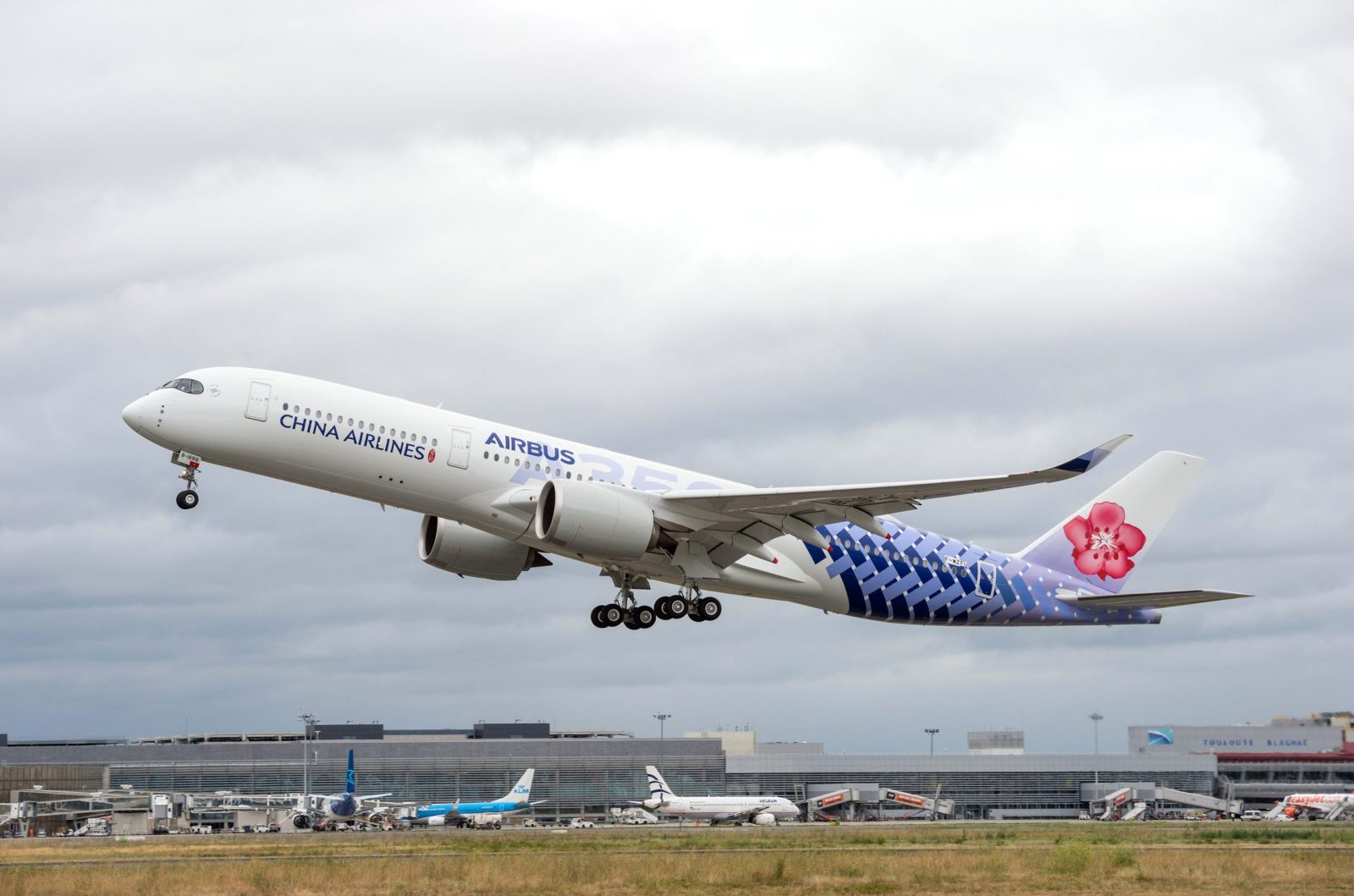
China Airlines' Airbus A350-900 B-18918 in the world's first and only co-branded Airbus livery (Photo: Airbus)
Taiwan’s China Airlines inked a firm order with Airbus for ten A350-1000s. The new aircraft are expected to be delivered by 2029.
“We are confident that the A350-1000, with its superior range, fuel efficiency and comfort, will play a key role in transforming our long-haul operations,” Kao Shing-Hwang, chairman of China Airline, said in a statement.
He is optimistic about the future after the airline is seeing a double-digit growth in the Asia-Pacific region. China Airlines currently operates 15 A350-900s on long-haul routes.
New Aircraft to Serve North America and Europe
The A350-1000s, featuring Rolls-Royce Trent XWB-97 engines, could carry 346 to 348 passengers in a three-class configuration. The new aircraft are expected to serve North America and Europe, such as New York and London.
Also, the Taiwanese carrier has been given an option to acquire five more aircraft, according to local media.
In addition, the carrier hasn’t stopped enhancing its fleet. Boeing is also expected to make a deal with the airline for ten 777-9 jets in April or May.
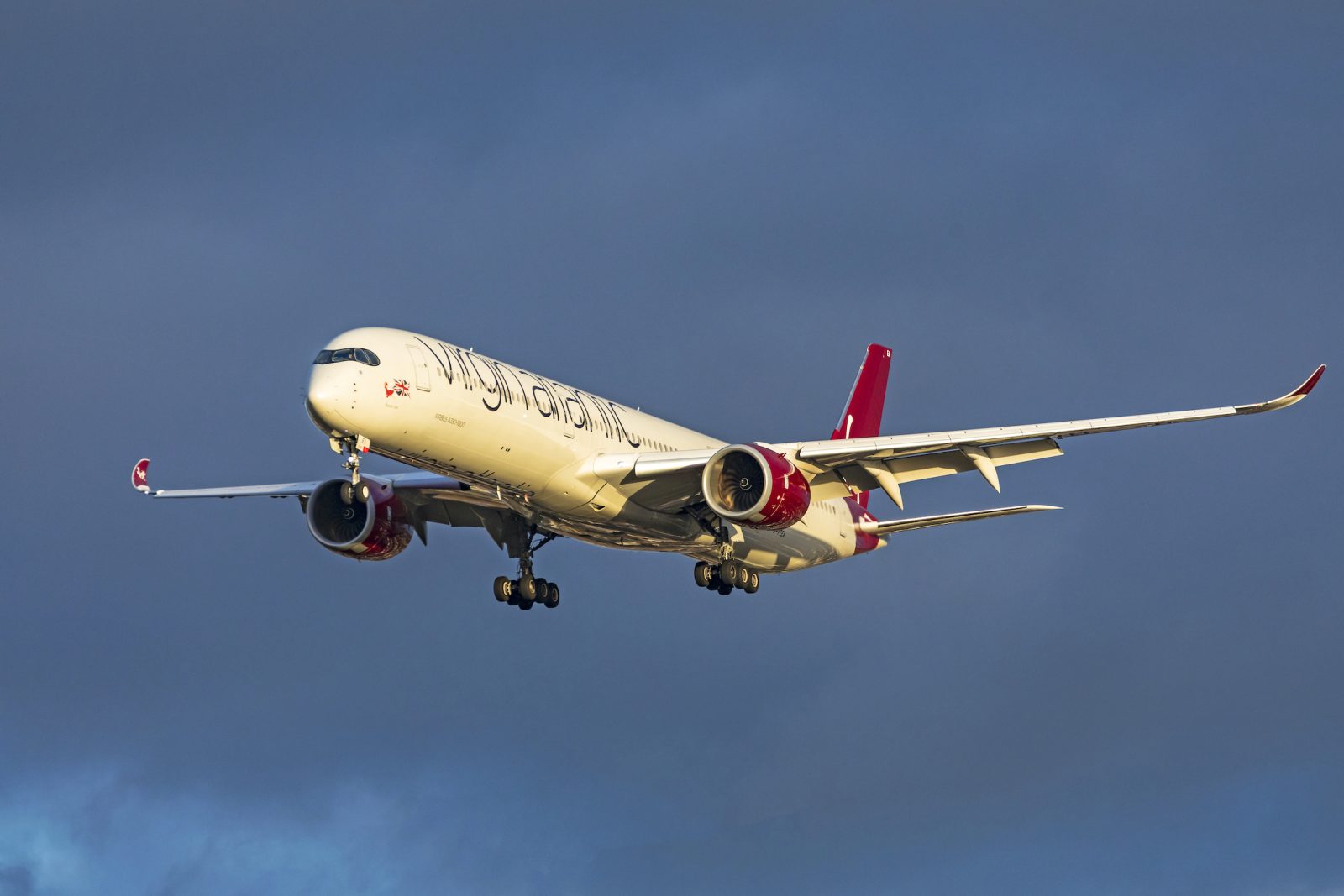
A Virgin Atlantic A350-1000. (Photo: AirlineGeeks | William Derrickson)
British carrier Virgin Atlantic Limited, owned 51% by Virgin Group and 49% by Delta, published on Monday its financial results for the year ending on Dec. 31, 2024.
The company reported revenues for £3.3bn ($4.26bn) resulting in an Earnings Before Interest and Tax (EBIT) of £230m ($297.14m), and almost five-fold increase compared over the £48m ($62m) profit posted in 2023 and almost double the profits delivered in 1999, which was so far the best year in the airline’s 40-year history.
The company attributed its strong performance to the 7.6% growth in capacity and to the launch of its Unlimited Availability reward seats for members of its frequent flyer program Flying Club.
Virgin Atlantic Holidays, the company’s tour operator, has regained its leadership in the Florida market where it re-established itself as the number one carrier, generating £517m ($668m) of revenue, equal to more than 15% of its total turnaround.
The carrier’s cargo unit delivered a £236m ($305m) revenue, helping the airline achieve a cash position of £443m ($572m), including a £174m ($225m) pandemic-related debt repayment.
A Modern Fleet and New Destinations
In July 2024, the airline completed its fleet transformation: now, the company flies 45 long-haul aircraft (19 Airbus A330-900s, 12 A350-1000s, and 14 Boeing 787-9s) with an average age of 6.9 years. During 2024, the airline experienced some reliability issues due to the reduced availability of Rolls Royce Trent 1000 engines powering its Boeing 787 aircraft, however, it achieved a 98.6% dispatch reliability.
The airline generates almost one-third of its revenue (£1bn or $1.29bn) in the United States, where it flies to 11 destinations from London Heathrow, Manchester, and Edinburgh in the United Kingdom. Virgin Atlantic flies to a total of 26 seasonal or year-round destinations in 13 countries and is planning to expand its network in 2025 with four more destinations.
At the beginning of the IATA 2025 Northern Summer season, on Mar. 30, the airline is launching for the first time flights to Riyadh in Saudi Arabia and will resume flights to Toronto, Cana; da, after a hiatus of over a decade. Later in the year, Virgin Atlantic is also planning to resume flights to Tel Aviv, Israel, and Cancun, Mexico.
Shai Weiss, CEO of Virgin Atlantic, commented“Our performance in 2024 marked a big step forward in our mission to become the ‘most loved travel company and sustainably profitable’, with record revenues and operating profit achieved in our fortieth year. We returned to profitability for the first time since the pandemic, repaid a large chunk of debt and faced into operational challenges by taking decisive action. […]
“2024 was a turning point for Virgin Atlantic and the culmination of our transformation. We have a plan in place for 2025, with much to look forward to including a new app, new routes to Toronto, Riyadh and Cancun, a new clubhouse in Los Angeles and greater stability for our operation.”
Vanni fell in love with commercial aviation during his undergraduate studies in Statistics at the University of Bologna, when he prepared his thesis on the effects of deregulation on the U.S. and European aviation markets. Then he pursued his passion further by obtaining a Master’s Degree in Air Transport Management at Cranfield University in the U.K. followed by holding several management positions at various start-up carriers in Europe (Jet2, SkyEurope, Silverjet). After moving to Canada, he was Business Development Manager for IATA for nine years before turning to his other passion: sports writing.
Ethiopian Airlines Enters VIP Market
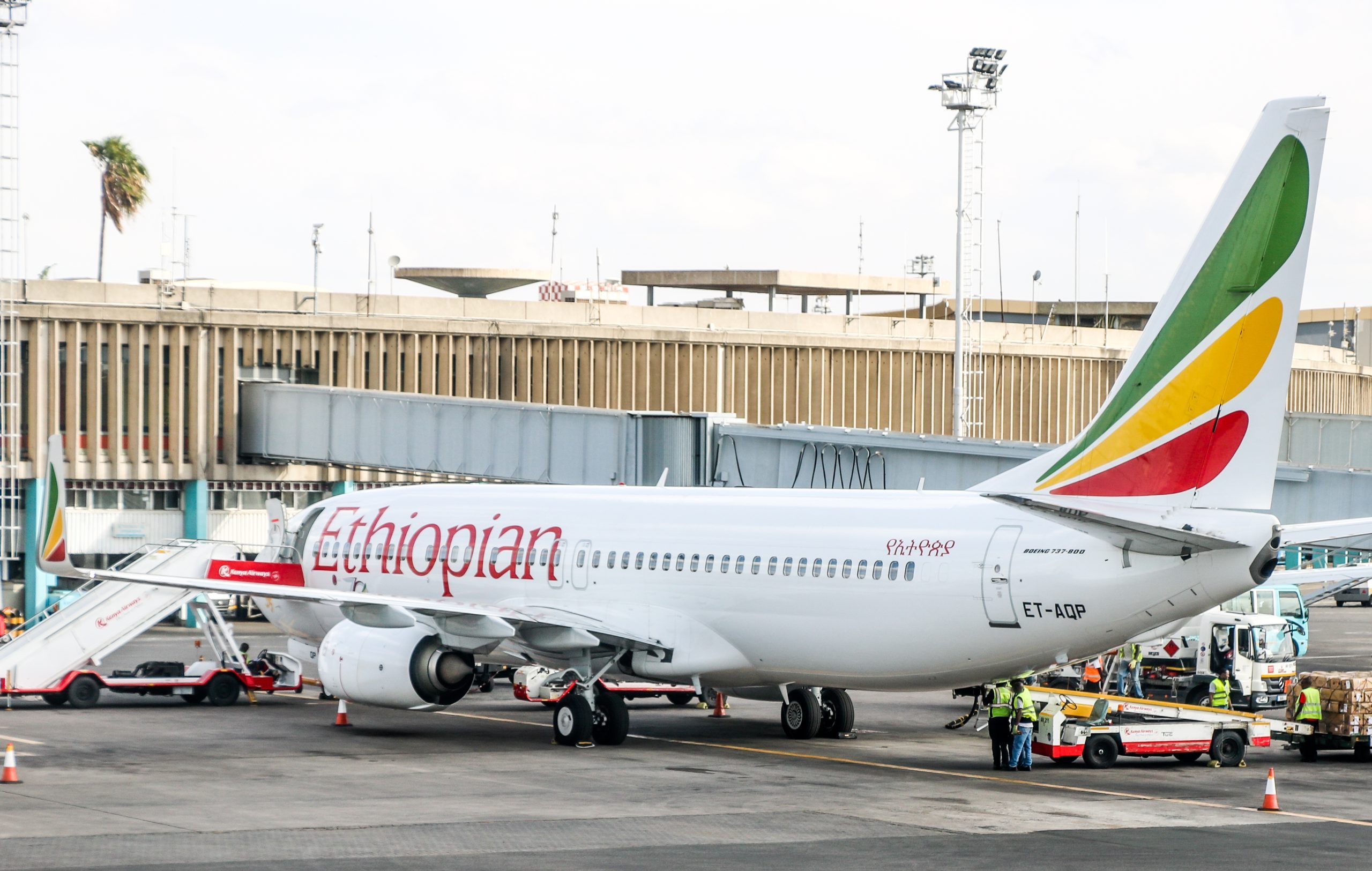
Ethiopian Airlines has ventured into the premium aviation market with the acquisition of its first Boeing aircraft dedicated to VIP travel.
An Ethiopian Airlines Boeing 737. (Photo: AirlineGeeks | Parker Davis)
Ethiopian Airlines has ventured into the premium aviation market with the acquisition of its first Boeing aircraft dedicated to VIP travel. On March 17, the airline unveiled a 15-year-old Boeing 737-800 Business Jet, an addition to its fleet that will serve dual purposes: supporting Ethiopia’s governmental needs and offering exclusive charter services to high-end private clients.
The Boeing 737-800, now registered as ET-BBH, is a customized business jet designed to deliver an unparalleled travel experience. Featuring a spacious cabin with premium seating, enhanced privacy, and top-tier amenities — including advanced entertainment systems, Wi-Fi connectivity, and gourmet dining options — the aircraft is tailored for small, elite groups.
This acquisition marks a new chapter for Ethiopian Airlines as it taps into the burgeoning business aviation segment. Group CEO Mesfin Tasew hailed the aircraft as a milestone in the airline’s strategy to diversify its portfolio and meet the needs of Africa’s investors and business community.
“As Africa’s leading carrier, we are always looking for ways to enhance our offerings and meet the unique demands of our diverse clientele. With the addition of this Boeing 737-800 Business Jet, we are elevating our charter service to new heights, ensuring that our customers enjoy unparalleled luxury, convenience, and world-class service. This is yet another step in our commitment to fostering business and investment opportunities across Africa and beyond,” Tasew said.
Victor Shalton's love for aviation can be traced to when he was 11-years-old. As a seasoned aviation writer, he takes pride in providing the best aviation coverage around the globe and is passionate about advancing his skills in the aviation space. In addition, he loves travelling, writing, arts and while his speaking engagements have taken him around the world, he is proud to call Nairobi home.
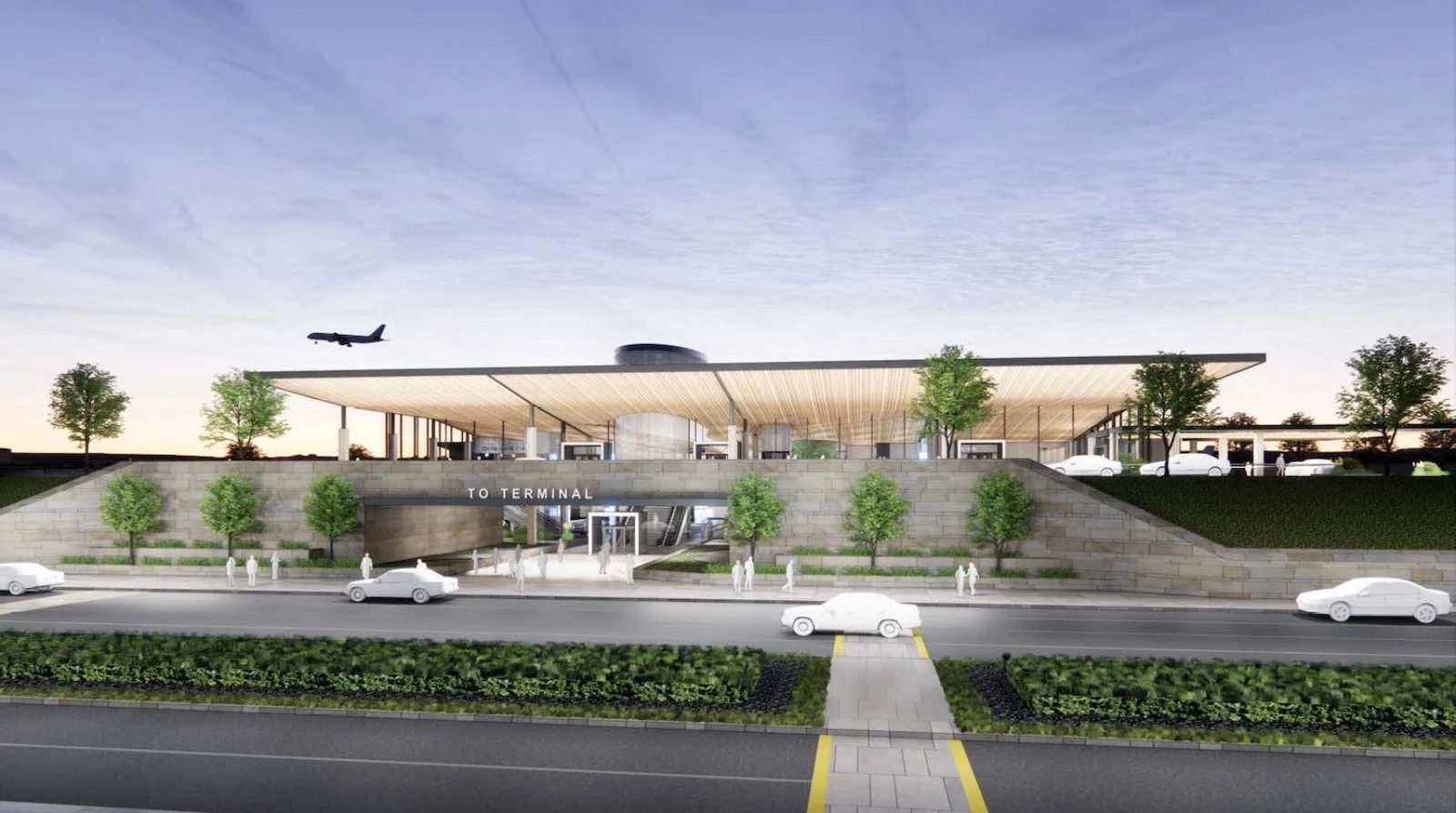
A third airport in the Dallas/Fort Worth Metroplex is one step closer to reality. Last week, the McKinney National Airport received $52.4 million in funding.
This funding will go towards readying the airport for commercial service, including a 45,000-square-foot passenger terminal. Back in January, the city said the terminal would initially feature three gates, with the ability to expand to five.
Taxiway, fuel farm, and landside improvements are also planned with the new funding. The airport is located roughly 30 miles north of Dallas and has only received general aviation traffic.
The project is slated to start in May, finishing by July 2026. Commercial flights are scheduled to begin at the airport in late 2026, according to Community Impact.
One airline is already interested in serving the airport. McKinney Mayor George Fuller told Star Local Media that the city is under a nondisclosure agreement with a carrier.
He said it flies from smaller markets to major cities in the U.S., exclusively operating 737 aircraft.
Ryan founded AirlineGeeks.com in February 2013 and has spent more than a decade covering the airline business. His work has been featured by CNN, WJLA, CNET, and Business Insider. His aviation experience spans airport operations, Part 135 regulatory compliance, and airline crew workforce planning, along with time behind the yoke of a Cessna 172 and interviews with airline executives. Ryan now serves as Group President of Firecrown Media’s Aviation Group. He holds a B.S. in Air Transportation Management and an MBA from Arizona State University and teaches Airline Management at Embry-Riddle Aeronautical University.
A Delta A220 at Paine Field. (Photo: AirlineGeeks | Katie Zera)
An attorney for Delta has served one of the carrier’s former pilots with a cease and desist letter over “false and defamatory” statements posted on social media about last month’s Endeavor Air crash.
According to a March 7 blog post by the retired Delta pilot, Karlene Petitt alleged that the airline was trying to “silence” her and published the letter from Delta attorney David Balser.
Balser’s letter, sent to Petitt on Feb. 27, demanded she stop making false statements regarding the experience of the captain on Delta Connection flight 4819, operated by Endeavor Air.
Following the crash in Toronto, Petitt posted several times on X questioning Delta’s training. In one post, she said the airline CEOs “should be fired.”
Endeavor Air CRJ-900 wreckage (Photo: TSB of Canada)
“Flight 4819 was involved in a single-aircraft accident at Toronto Pearson International Airport (YYZ) around 2:15 PM ET on Monday, February 17, 2025,” the cease and desist letter stated. “Since that date, you have published false and defamatory information related to Flight 4819’s Captain.”
The letter then lists several specific posts made by Petitt.
“These statements about the Flight 4819 Captain are false,” the letter stated. “As Delta stated on its website on February 20, 2025, ‘[a]ssertions that he failed training events are false’ and ‘[a]ssertions that he failed to flow into a pilot position at Delta Air Lines due to training failures are also false.’”
“These statements are defamatory and harmful to Delta’s reputation because they falsely allege that Delta knowingly allowed a captain with inadequate skill, deficient credentials, or insufficient training to pilot aircraft for Endeavor Air,” it continued. “Delta demands that you correct or clarify the false statements identified above … . To the extent you have made other similar false statements in other places of publication not identified herein, Delta further demands that you correct or clarify those statements as well.”
Additionally, the cease and desist demanded that Petitt retain all documents and other materials related to her discussion of Flight 4819 “in anticipation of potential litigation.”
“Assertions that [the pilot] failed training events are false. Assertions that he failed to flow into a pilot position at Delta Air Lines due to training failures are also false,” the carrier said in a news release.
AirlineGeeks reached out to Delta’s attorney for comment.
This isn’t Petitt’s first time tangling with Delta’s legal department.
While still a pilot at Delta, Petitt sued the airline for retaliation in 2016 after she raised safety issues about its flight operations. In 2022, a Department of Labor administrative law judge approved a settlement between the two parties.
According to her LinkedIn profile, she later retired from the airline in January 2023.
AirlineGeeks.com was founded in February 2013 as a one-person blog in Washington D.C. Since then, we’ve grown to have 25+ active team members scattered across the globe. We are all here for the same reason: we love deep-diving into the fascinating realm of the airline industry.