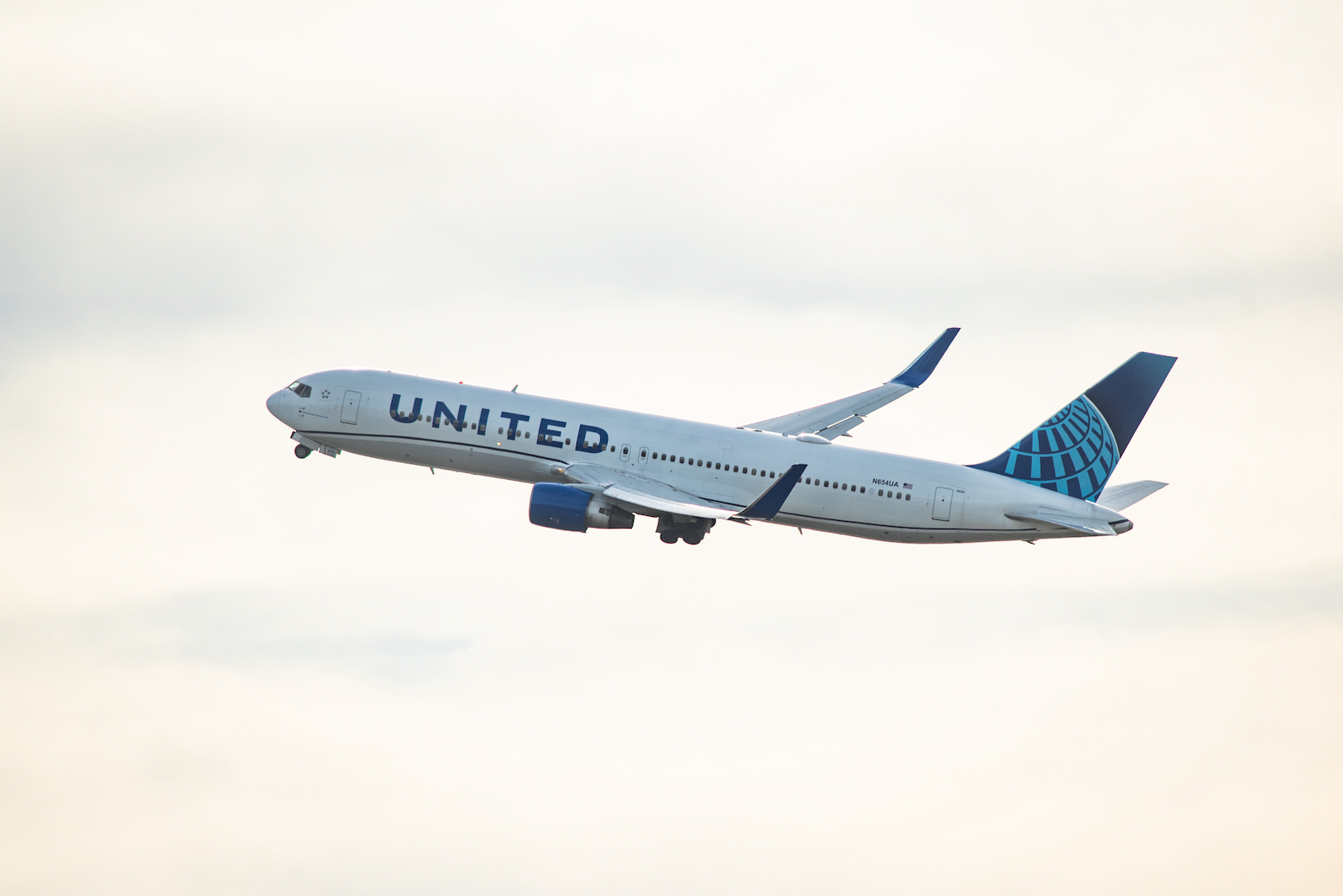
A United Boeing 767-300 departs from Newark (Photo: Shutterstock | KMarsh)
United released a statement Tuesday calling for more Federal Aviation Administration air traffic controllers at the approach facility for Newark, where the carrier says a staffing shortage is forcing reduced traffic flows to its hub.
In the airline’s statement shared to X/Twitter by Reuters’ David Shepardson, the carrier said this has impacted the last 12 days in November alone, including last Friday through Monday.
“The FAA shortage has been especially acute at its TRACON center for Newark airspace, forcing it to reduce traffic flows to our Newark hub so that FAA can manage air traffic safely,” United said. “… This is why it continues to be imperative for FAA to rebuild staffing levels so travelers can depend on safe, efficient air travel.”
According to a report by The Air Current, several Newark air traffic controllers have claimed recent equipment failures and radar outages have traumatized them, leading to workers’ compensation claims and paid leave. The Newark sector has long undergone understaffing issues due to cultural and workplace problems, The Air Current also reports.
United said understaffing at the FAA is causing significant disruptions for its travelers during the already busy holiday travel season at the Newark Liberty International Airport in New Jersey. The airline said that since Nov. 1, over 343,000 United travelers have been disrupted by delays, cancellations, long taxi times, and longer flight times related to air traffic control delays for Newark.
“This is more than 28,000 customers disrupted on each day of air traffic control staffing shortfalls,” the carrier continued.
On Nov. 15 alone, United said 1,800 customers were disrupted by canceled flights, and over 24,000 were disrupted by gate and taxi delays.
“On Nov. 23 alone, gate delays, taxiing or air delays disrupted 45,644 customers,” the carrier continued. “In November, on normal days our flights arrived an average of 5 minutes early. On days with FAA staffing triggers, that fell to an average of 25 minutes late.”
United says it has been working closely with the FAA to share schedule information so they can adjust their traffic management initiatives.
“The single most consequential thing anyone can do to improve the flying experience is to fully staff the FAA,” United’s statement concluded.
AirlineGeeks.com was founded in February 2013 as a one-person blog in Washington D.C. Since then, we’ve grown to have 25+ active team members scattered across the globe. We are all here for the same reason: we love deep-diving into the fascinating realm of the airline industry.
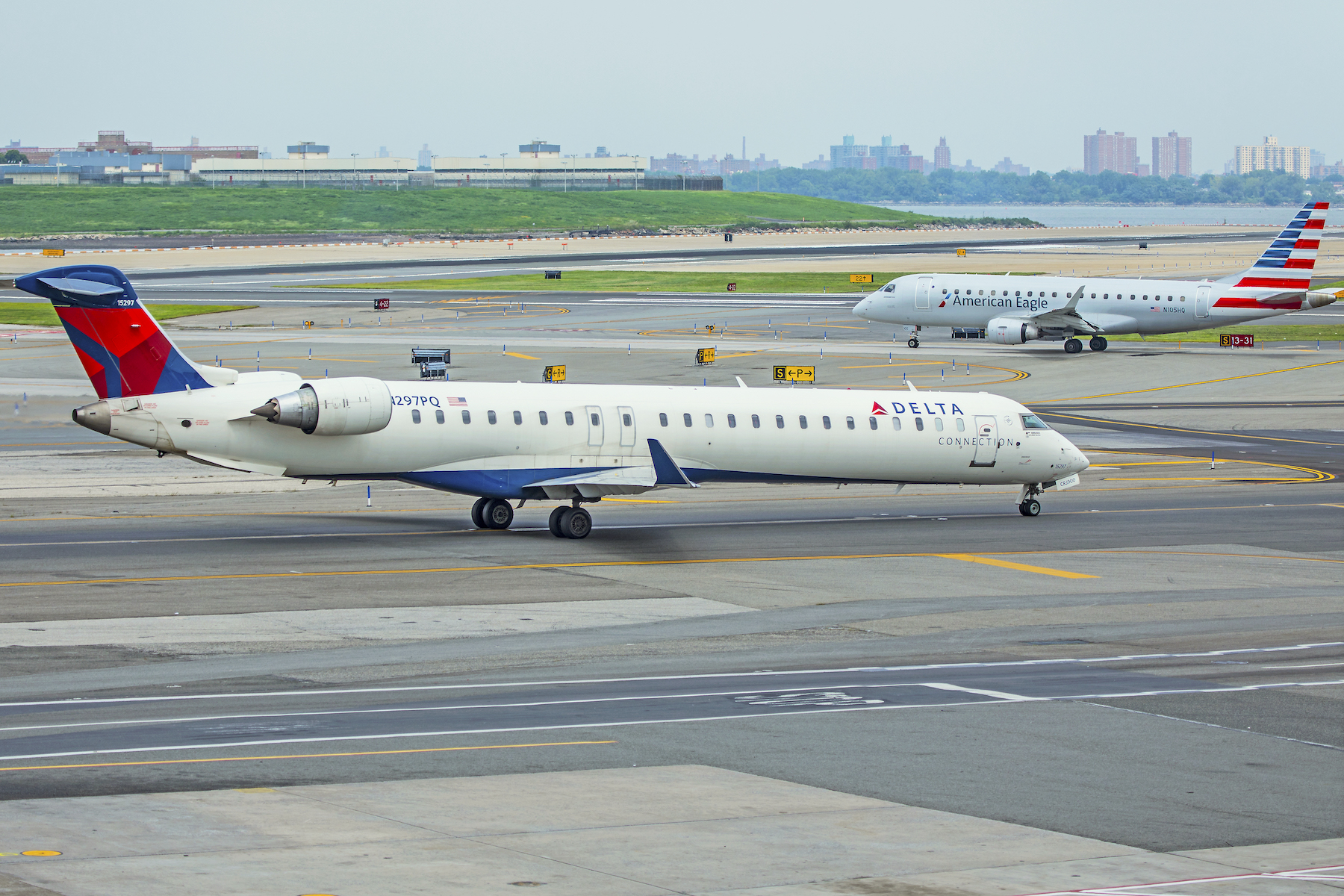
Regional aircraft at New York LaGuardia Airport. (Photo: AirlineGeeks | William Derrickson)
As travel rebounded after the COVID-19 pandemic, major airlines rushed to hire new pilots. This pulled pilots from regional airlines and led to a hiring spree that lasted over two years. However, with Boeing production delays and new issues involving engines on popular Airbus narrowbodies, hiring at major and regional airlines alike slowed to a near-halt.
Recently, though, some mainline carriers have announced plans to restart pilot classes in early 2025, signaling a potential rebound in pilot hiring. Regional affiliates have announced plans to resume hiring with the expectation of higher pilot attrition.
Other regionals are still hiring in the process of recovering to pre-pandemic operation levels. Though hiring is slow, some regional airlines do still have spots open for new first officer hopefuls.
Picking Who to Fly For
There are a number of factors that go into picking a regional. Many people decide based on flow agreements, or lack thereof, to their major airline of choice. Some wholly-owned regionals guarantee flows to their parent company airlines.
Some applicants apply based on which bases a given airline has. Eliminating commutes can have significant benefits on quality of life and work/life balance and make it easier to pick up extra trips to build more time. Other factors include opportunities for growth into managerial, training, or line-check positions.
Which Regional Airlines Are Hiring?
Republic Airways, which operates flights on behalf of each legacy airline in the U.S., is currently hiring both first officers and captains. The airline operates one of the largest dedicated fleets of Embraer E175 aircraft in the country and offers guaranteed interviews with Delta and United. Bases include Boston, Chicago, Columbus, Indianapolis, Louisville, New York, Philadelphia, and the District of Columbia.
SkyWest Airlines, the largest regional airline in the U.S., is also hiring new first officers. The company operates both the Bombardier CRJ series as well as the Embraer E175. With bases across the country, SkyWest has options for a variety of crewmembers. Like Republic, the airline operates for each major airline in the U.S.
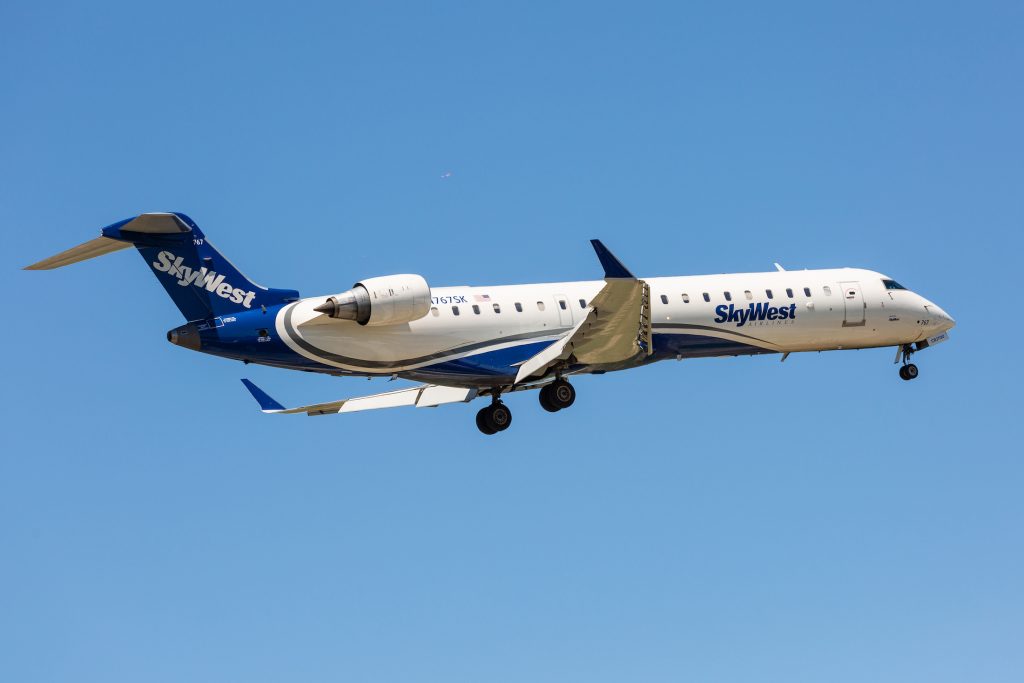
A SkyWest Airlines Bombardier CRJ-700 aircraft on final approach at O’Hare International Airport. (Photo: Shutterstock | Carlos Yudica)
Wholly-owned American Airlines regionals can also be expected to restart first officer hiring shortly, as the carrier has plans to resume hiring in January 2025. This will provide more room at regionals as their most experienced pilots flow to mainline.
Piedmont Airlines, notably, is already hiring again on the Embraer E145. PSA Airlines is also hiring new first officers again.
Delta Air Lines’ wholly owned subsidiary, Endeavor Air, is also searching for new first officers, The carrier flies the Bombardier CRJ series out of Atlanta, New York, and Detroit.
On the West Coast, Horizon Air is hiring new first officers for its partnership with Alaska Airlines. The company is particularly interested in hiring “Experienced First Officers” at each base.
When Will Hiring Pick Up Again?
Airline pilot hiring is cyclical. It varies greatly based on a number of factors such as external political, social, and health events. Delivery and maintenance issues with Boeing and Airbus airplanes are mostly to blame for slowing down major airline hiring and, therefore, regional hiring.
However, hiring always picks back up. As major airline pilots continue to retire and aircraft deliveries pick up, hiring will likely increase back to higher levels.
John McDermott is a commercial pilot pursuing a career in professional flight. His passion for aviation began in an Ann Arbor bookstore with a tale of enemy pilots during World War 2, and he hasn't looked back. Besides flying and writing for AirlineGeeks, John volunteers with Professional Pilots of Tomorrow and travels whenever he gets the chance.
20 Aviation-Themed Holiday Gifts for Pilots and AvGeeks
Navigate the skies of gift-giving with AirlineGeeks' aviation-themed holiday guide crafted for pilots and aviation enthusiasts.
An American Airlines employee dressed as Santa prepares to wing walk a Snowball Express flight from Washington-Reagan (Photo: AirlineGeeks | Ryan Ewing)
Are you having a tough time shopping for the aviation enthusiast in your life? Pilots and AvGeeks are a unique breed of individuals who are fascinated by all things aircraft and aviation. Their passion for planes often makes them hard to shop for, as they seek unique items that reflect their deep interest in the skies. Thankfully, we have you covered with this perfectly curated list of practical, as well as unique holiday gift ideas. From vintage airplane models to advanced flight simulators, our guide features a wide array of options sure to delight any pilot and AvGeek.
Quick Look: Top 20 Aviation-Themed Holiday Gifts for Pilots and AvGeeks
MotoArt PlaneTags are collectible aviation tags made from the skin of retired aircraft. They are a unique way to own a piece of aviation history, offering not just a tangible connection to the skies but also a conversation starter. Each PlaneTag is upcycled from retired airplanes, giving them a second life as mementos, as well asAvGeek, aviation enthusiast, or pilot gifts. PlaneTags can serve as keychains, luggage accessories, or flight bag swag.
TheMidwest Model Store specializes in high-quality die-cast model airplanes, making it an ideal destination for aviation enthusiasts who appreciate detailed replicas of their favorite aircraft. They offer a diverse range of models, including commercial airliners that captivate AvGeeks with their precision and accuracy, military jets like the agile F-16 Fighting Falcon, and vintage aircraft such as the legendary P-51 Mustang. Customers consistently praise the store for its competitive prices, while their prompt and efficient shipping ensures that orders arrive swiftly for the holiday season.
Price: $45.99 and up
A sizable collection of airplane models on display at Volaris’ Mexico City headquarters (Photo: AirlineGeeks | Justin Sinanan)
Best aviation-themed merch
Aeroswag offers a variety of fun aviation-themed products, including phone cases, coffee mugs, coasters, bookends, neckties, socks, tumblers, and more. Their collection provides an excellent opportunity for AvGeeks to display their passion for aviation in their everyday lives. Aeroswag even allows customers to turn their gift recipient’s favorite airport into customized products like T-shirts, hats, and towels, adding an individualized touch that is sure to be appreciated.
Price: $4 and up
Best flight simulator
TheDogHouse Systems Flying Edition turn-key flight sim rig is the perfect gift for tech-savvy AvGeeks, offering an innovative and immersive experience that elevates virtual flying to new heights. This comprehensive system comes fully equipped with the latest technology to ensure exceptional performance with popular software likeMicrosoft Flight Simulator 2024 andX-Plane 12. To enhance realism and enjoyment, consider incorporating accessories from reputable companies likeLogitech G,Thrustmaster, andRealSimGear, which can transform this setup intothe ultimate flight simulator.
TheAirplane Globe Whiskey Decanter is a unique and stylish gift for aviation enthusiasts and whiskey lovers. It features a globe-shaped decanter with an intricate, hand-blown airplane inside, and comes with four glasses. The set is made from lead-free glass and has a handcrafted oak wooden base. It can hold up to 1000ml of your gift recipient’s favorite liquor.
Price: $190
Best online pilot training
Sporty’s Pilot Training+ Membership is an all-inclusive subscription that unlocks Sporty’s complete library of award-winning video courses. One thing all pilots know is thatlearning never ends in the aviation industry. This membership offers an incredible resource for pilots, both novice and experienced, to enhance their skills continually and stay up to date with the latest developments in aviation. With over $1,500 worth of online training, including over twenty diverse courses and more than 70 hours of engaging video content, the subscription ensures comprehensive coverage of fundamental and advanced topics.
TheBose A30 aviation headset is a top-of-the-line aviation headset designed for pilots. It offers high-quality performance every pilot appreciates, including active noise cancellation, audio clarity, comfort, durability, and versatility. Designed with high-quality materials, the Bose A30 ensures not just superior audio capabilities but also resilience and long-lasting performance, making it a smart investment for aviation professionals who demand nothing but the best.
TheGarmin D2 Mach 1 Pro is a high-end aviator smartwatch designed specifically for pilots. This premium gadget features a brilliant 1.4-inch AMOLED touchscreen display, up to 25 days of battery life, and a built-in LED flashlight. Pilots will appreciate the holistic suite of aeronautical tools this watch offers. For their life outside of flying, the watch includes 30-plus sports apps, 24/7 health monitoring, and advanced sleep monitoring, making it an essential multi-tool in any pilot’s arsenal whether they are in the cockpit or on the ground.
A subscription toFLYING Magazine is a fantastic gift and resource for pilots and aviation enthusiasts. Each issue is a little collectible, with its high-quality paper, striking visuals, airplane-themed cover, and engaging content. It is the most widely read aviation publication in the world and covers a wide range of topics, including aircraft selection, safety, maintenance, technology, training, and gear reviews.
Price (per year): Digital Only ($29.95); Print & Digital ($45); The Ultimate Bundle $149.99
Best flight bag
TheASA Crew Trip Bag is a briefcase-style flight bag meticulously designed to meet the needs of professional pilots, ensuring both functionality and style. It is made from high-quality, weather-resistant ballistic material and features a ripstop nylon interior. The bag includes a large main compartment, multiple inner and outer pockets, and padded electronics pouches capable of holding devices up to thirteen inches in size. Its robust design is specifically engineered to withstand the rigors of frequent travel, and it offers a clean, professional look that aligns perfectly with the polished image expected in the aviation industry.
Price: $199.95
Best aviator jacket
TheLeather MA-1 Jacket by Flight Outfitters is a classic and iconic piece of aviation apparel, originally designed for military pilots. It is made from genuine cowhide leather for durability and comfort and features a classic MA-1 cut with a storm flap behind the zipper to block out the cold. This jacket’s heritage dates to the 1950s and continues to be a favorite among aviation enthusiasts and fashion aficionados alike. Whether your gift recipient is an AvGeek looking to celebrate their passion or simply someone who appreciates a well-crafted jacket, the Leather MA-1 is a commendable choice that marries history with contemporary utility.
Costa’s Rincon Sunglasses are a popular choice for aviation and outdoor enthusiasts, combining style with function to meet the demands of high-altitude flight. The polarized lenses provide excellent glare reduction, while the 100% UV protection helps shield the eyes from harmful rays. Additionally, the durable, scratch-resistant design ensures the sunglasses can withstand the rigors of aviation use, making them a long-lasting companion for pilots and AvGeeks alike.
Price: $280
Best flashlight
TheDual Color LED Flashlight is an excellent, practical gift for pilots. This flashlight has both white and red LEDs, controlled by separate switches. The white light is great for routine use, while the red light is perfect for preserving night vision, a crucial feature during night flights or in low-light cockpit situations. The flashlight is made from aircraft-grade aluminum, making it rugged and durable. This easy-to-use flashlight operates on three AAA batteries, providing a runtime of up to 1.25 hours, which is sufficient for extended flights.
Price: $49.95
Best propeller replica
This handcraftedClassic Wooden Propeller with Brass Edging is not only a captivating decorative piece but also an artifact that embodies the essence of early aviation engineering. Painstakingly carved from rich mahogany, its craftsmanship speaks to the era of pioneering flight, when wooden propellers first graced the skies. The brass edging adds both aesthetic appeal and historical authenticity. Spanning an impressive six feet in length, this replica commands attention in any room. Aviation enthusiasts and collectors alike will appreciate its heritage and artistry, making it an ideal gift for those who hold a passion for the golden age of aviation.
Price: $199.99
Best water bottle
TheStanley IceFlow Fast Flow Water Bottle is a great choice for pilots who must stay hydrated on the go. The water bottle’s double-wall vacuum insulation keeps drinks cold for up to 24 hours and iced for 4 days. Made from recycled 18/8 stainless steel, it is lightweight, durable, and BPA-free. The leakproof, angled lid allows for quick and easy pouring, drinking, and cleaning. Available in a variety of colors and sizes, the Stanley IceFlow Fast Flow Water Bottle combines practicality with style, catering to the individual preferences of aviation professionals.
Price: Starting at $30 (16 Oz)
Best charging kit
Sporty’s Flight Gear Smart Charging Kit is designed to keep your gift recipient’s aviation electronics charged and organized in-flight. The 20,000mAh battery with multiple ports ensures they have plenty of power for all their devices. The kit includes a USB-A to Lightning cable for iPhones and iPads, and a USB-A to USB-C cable for devices like the iPad Pro 11-inch and Garmin Aera 760. This charging kit is the perfect gift for keeping cockpit electronics powered up and organized, offering peace of mind to any pilot or aviation enthusiast who relies on their devices during flight operations.
Price: $99.95
Best carry-on bag
TheTravelpro 22” Expandable Rollaboard Flight Crew 5 is a highly durable and versatile piece of luggage designed specifically for flight crews. Made from high-density 1682d ballistic nylon fabric with a water, stain, and abrasion-resistant Duraguard coating, this bag is built to last. Despite its robust construction, the carry-on bag weighs just under ten pounds, making it lightweight for its size. Whether navigating busy terminals or enduring long-haul international flights, the Travelpro Rollaboard is the dependable companion that flight crews depend on.
Price: $199.95
Best earbuds
TheApple AirPods 4 are the latest entry-level wireless earbuds from Apple. Their active noise cancellation feature helps pilots to drown out the ambient noise during long commutes or flights, while the comfortable fit ensures they can be worn for extended periods without discomfort. The AirPods’ extended battery life and seamless integration with Apple devices make them a convenient and practical choice for busy aviators.
ThePilot Wings Leather Wallet and Passport Holder Set is a stylish and practical gift for aviation enthusiasts. The wallet is made from genuine leather and is debossed with the Pilot Wings shield. It includes four credit card slots, two currency compartments, a leather ramp pass insert with two see-through compartments, and a detachable six-slot photo holder. The passport holder is also made from genuine leather and is debossed with the Pilot Wings logo. It includes six additional holders for debit/credit cards, IDs, and an additional slot for currency. This beautifully coordinated set not only caters to the organizational needs of a frequent traveler but also reflects their passion for aviation in the most sophisticated manner.
Price: $69.99
Best iPad case
TheiPad Cooling Kneeboard/Mountable Case is a thoughtful and functional gift that any pilot would appreciate. The case is designed for iPad Pro 11 GEN 1 / 2024 Air 11″ / Air Gen 4/5 and is lightweight, can be powered by the iPad or a USB-C cable, and contains advanced CPU cooling technology. The case can be used either as a mountable case or kneeboard and is compatible with all MYGOFLIGHTMounts andArmorGlas.
Price: $329
Buy the Holiday Gift for the Pilot or AvGeek in Your Life Today
As the holiday season approaches, finding the perfect aviation gifts can be a daunting task, especially for AvGeeks with such a unique passion. Our curated gift guide seeks to cater to the distinctive tastes and needs of every pilot and AvGeek, ensuring your gift is both thoughtful and well-received.
Each item has been carefully chosen for its high quality, uniqueness, and the joy it can bring to your aviation enthusiast. Skip the long store lines and secure the ideal aviation gifts for your loved one today by making your purchase online before it is too late.
AirlineGeeks.com was founded in February 2013 as a one-person blog in Washington D.C. Since then, we’ve grown to have 25+ active team members scattered across the globe. We are all here for the same reason: we love deep-diving into the fascinating realm of the airline industry.
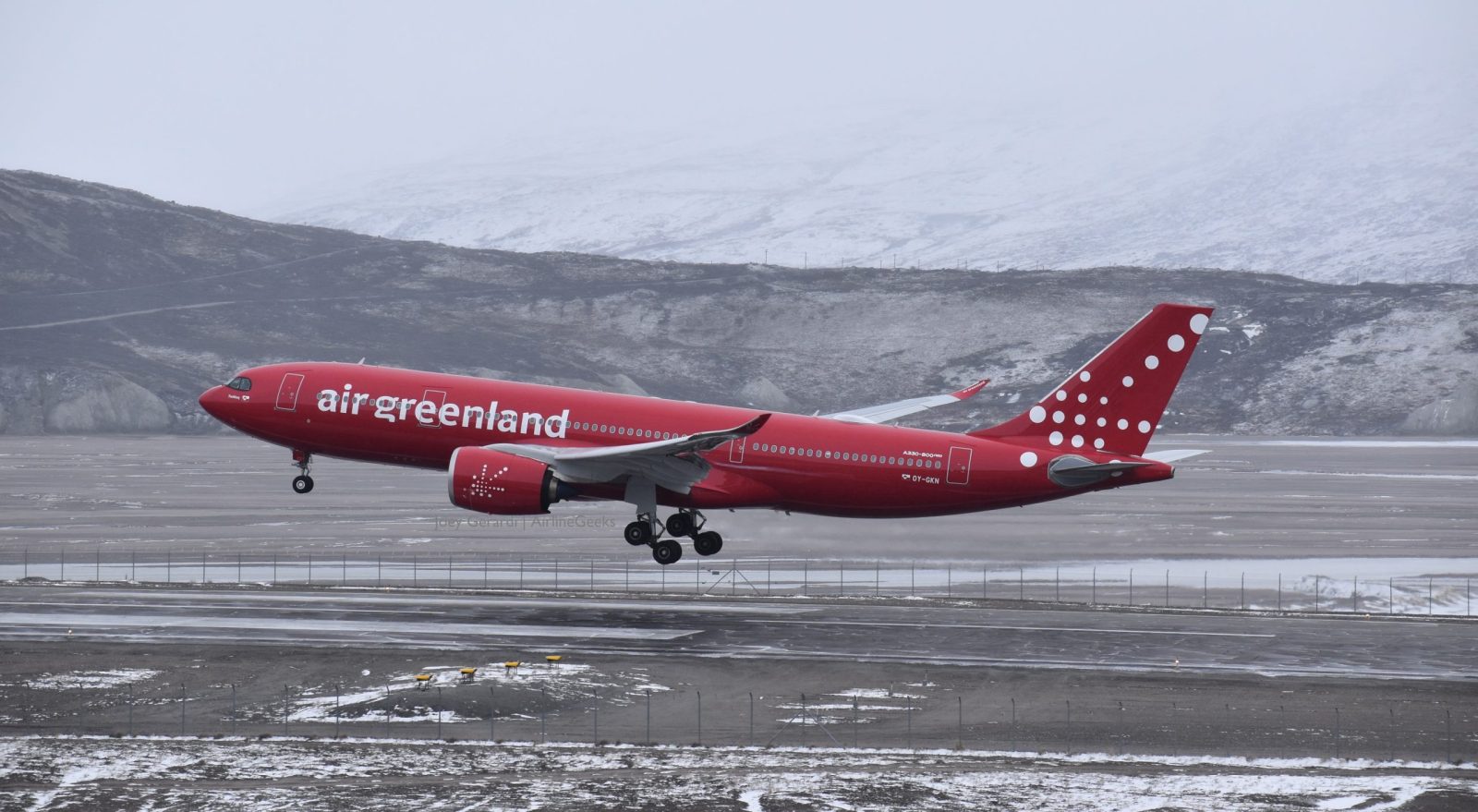
Air Greenland's sole Airbus A300-800neo seconds before touching down in Kangerlussuaq (Photo: AirlineGeeks | Joey Gerardi)
For most, if not all of Air Greenland’s history, Kangerlussuaq — a town of roughly only 500 people — has been the lifeblood of the country as it features one of the only runways in the entire nation that is long enough to handle Air Greenalnd’s flagship aircraft. Recently, it was the only airline to offer scheduled jet service to the country. But, that is all about to change this week.
After many years of planning and construction, the new longer runway and instrument approach systems opened in the country’s capital of Nuuk, and the airline will move its Copenhagen service to the airport. This also means that all of the connecting traffic from Kangerlussuaq to outer cities in the country will also be moving to Nuuk.
Nuuk’s new instrument approach system (Photo: Greenland Airports)
The following services will be changed during the hub switch from Kangerlussuaq down to Nuuk:
Service from Kangerlussuaq to both Narsarsuaq and Maniitsoq will end completely and move to Nuuk; the last day of service from both communities to Kangerlussuaq was Nov. 26, 2024. Maniitsoq saw six flights per week with no flights on Sunday, and Narsarsuaq saw eight flights a week, with service twice daily on Mondays and Fridays and no flights on Sundays.
Aasiaat and Ilulissat service from Kangerlussuaq will also both completely end and move to Nuuk; the last day from these communities is Nov. 27, 2024. Aasiaat saw between one and two flights per day depending on the season with none of them operating on Sundays, and Ilulissat is one of the most popular tourist destinations in the country seeing at least three flights per day during the winter months and sometimes six flights during the summer season.
Service to Sisimiut from Kangerlussuaq will not end completely but will go from two to three flights per day to only three flights per week. The more frequent service will end on Nov. 27, 2024, and the thrice weekly flights will only occur on Mondays, Wednesdays, and Fridays.
The busiest flight within the country is by far the route between Kangerlussuaq and the country’s capital of Nuuk, which is also where the airline’s headquarters is. Currently, the flights operate at least six to eight times per day but this will stop after Nov. 27, 2024, dropping down to only three flights per week. These flights will be operated on Mondays, Wednesdays and Fridays.
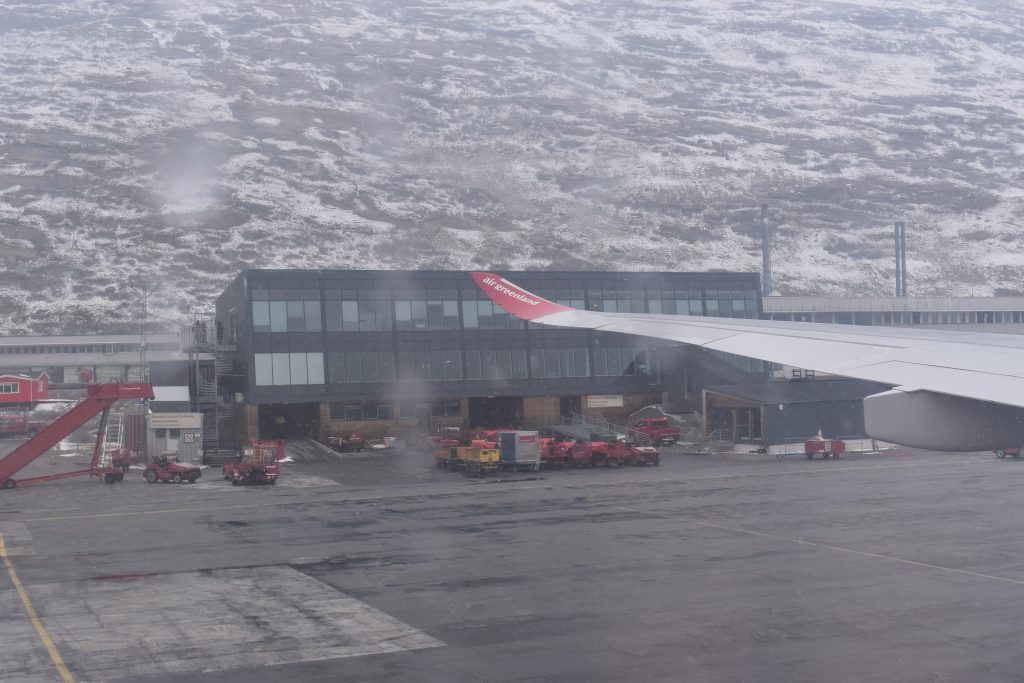
The terminal in Kangerlussuaq (Photo: AirlineGeeks | Joey Gerardi)
Widebody Service Changes
Perhaps the biggest year-round change of service will be on the airline’s flagship Airbus A330-800neo, whose last flight has already happened and will be the first aircraft larger than a Dash-8~200 to land in Nuuk on Nov. 28, 2024. The final A330 flight from Kangerlussuaq was an emotional occasion and the entire town gathered at the airport for its send-off.
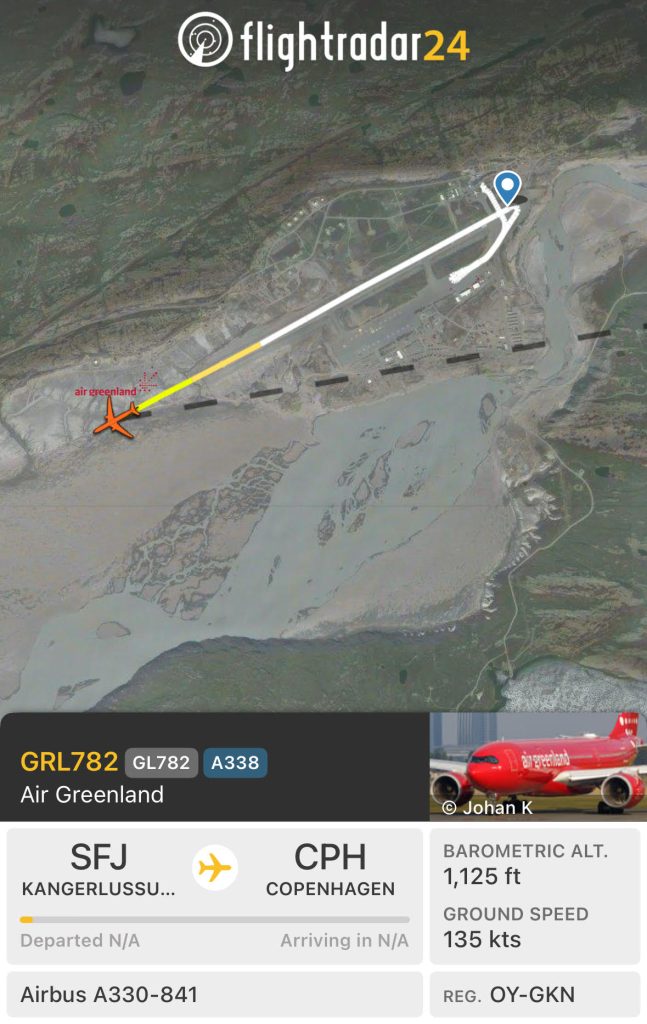
A Flightradar24 screenshot of Air Greenland’s A330 leaving from Kangerlussuaq for the final time (Photo: Flightradar24)
The new runway in Nuuk is considered a win for the country, but it is bittersweet for a lot of residents of Kangerlussuaq as the town was largely built around the airport and its flights with many of the shops opening and closing around the airline’s route to Copenhagen. The hotels and restaurants in the community also cater to tourists who are connecting.
However, with the carrier going from at least 14 flights per day during the winter (not including Sundays) to just six, a lot of the residents in Kangerlussuaq are moving down to Nuuk this month, as their jobs no longer exist in Kangerlussuaq or can’t be sustained without the influx of passengers.
That isn’t to say the airport will never see large aircraft service again, as it probably will. Kangerlussuaq is still the location of a cruise port, so it will still occasionally have charter flights.
AirlineGeeks had a chance to go on Air Greenland’s A330-800neo flight out of Kangerlussuaq, the trip report of which can be found here. We also had the chance to go on the longest Dash-8~200 flight in the world which is operated by the airline from Iceland to Nuuk, and will also no longer be operating soon, as with the new runway, the service will be upgraded to a leased Boeing 737 from Jettime.
Joey has always been interested in planes for as long as he can remember. He grew up in Central New York during the early 2000s when US Airways Express turboprops ruled the skies. Being from a non-aviation family made it harder for him to be around planes and would only spend about three hours a month at the airport. He was so excited when he could drive by himself, the first thing he did with his driver's license was get ice cream and go plane spotting for the entire day. He graduated from Western Michigan University in 2022 with a B.S. in Aviation Management & Operations and a Minor in Business, and currently works for a major airline in his hometown.
Reagan National Completes $110 Million Runway Overhaul
Ronald Reagan Washington National Airport completed its roughly $110 million runway rehabilitation project earlier this month.
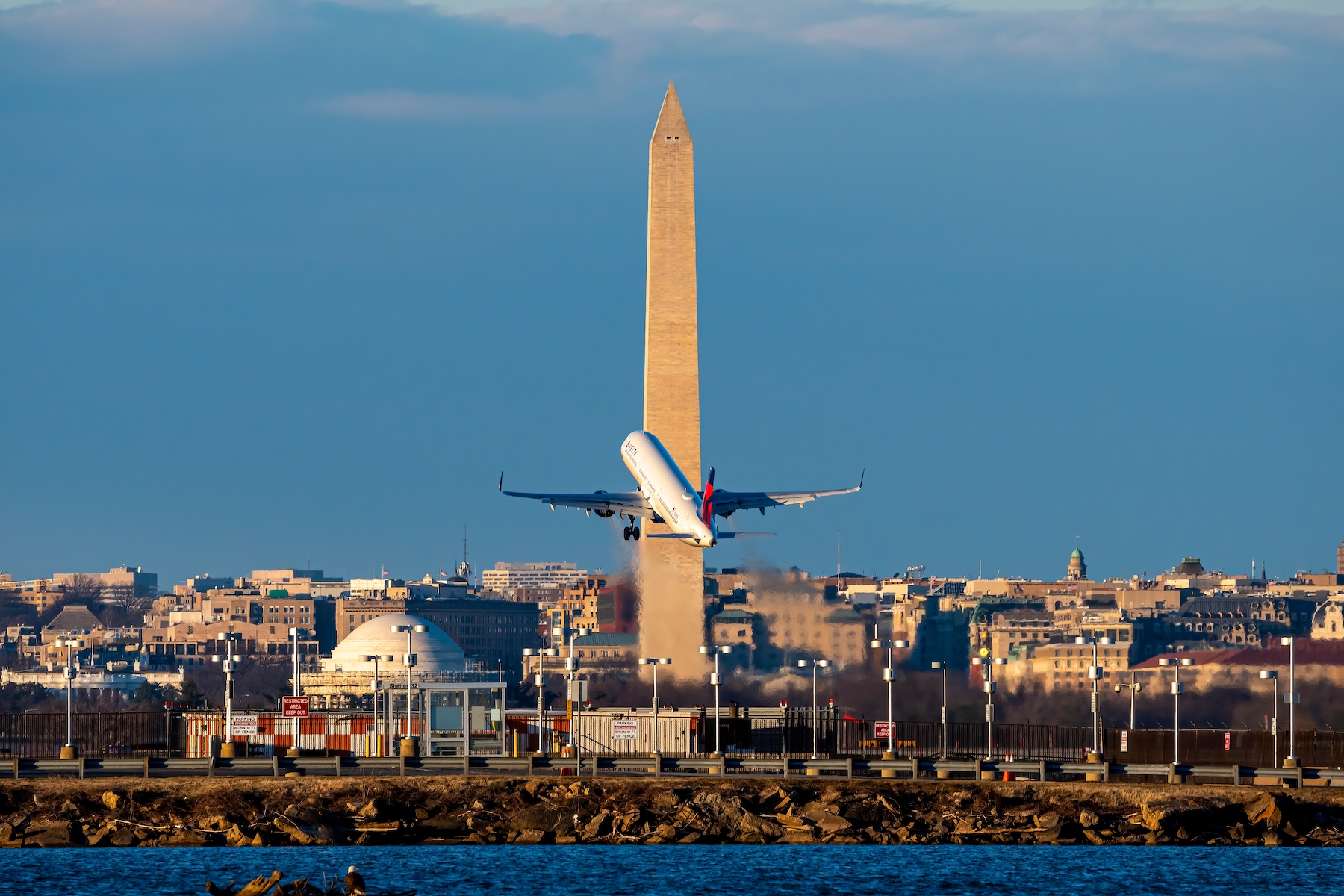
A Delta aircraft takes off from Washington DCA. (Photo: Shutterstock | Andrew Mauro)
Ronald Reagan Washington National Airport completed its roughly $110 million runway rehabilitation project earlier this month, concluding 19 months of overnight work to resurface asphalt and base materials along the airport’s primary runways.
A news release from the Metropolitan Washington Airports Authority (MWAA) stated that the accomplishment was made possible by the airport’s operations and the Airports Authority engineering and leadership teams, along with the support and collaboration of air carriers and Lagan Construction.
“The project’s success also can be attributed to several other crucial elements, including the proactive approach of the Airport Operations team in crafting a comprehensive plan with a timeline accounting for every minute of the runway closures,” the release stated. “This effort was helped by the cooperation of the airlines, which adjusted flight schedules.”
The complex paving effort started in May 2023 where crews continually worked overnight from 11 p.m. to 6 a.m. when fewer aircraft operations took place. Airlines had to rearrange their schedules, and construction crews would work against the clock each night to reopen the airfield.
Construction crews work late nights to keep a major artery to the Nation’s Capital open. (Photo: MWAA)
“There is a lot of coordination…because of the project,” James Keogh – the project’s manager from Lagan Aviation and Infrastructure, which specializes in runway overhauls – told AirlineGeeks during an interview in Dec. 2023. “We have a fairly definitive timeline…generally 11 p.m. to 6 a.m. and the airlines are aware of this.”
During that interview, Keogh said this runway project differs from construction on a typical roadway.
“One of the big differences is the polymer bitumens that we use in the mix to give it additional strength and performance at greater variances in temperature and things like that,” he shared. “The specific allocation and the tolerance on it is generally tighter than on a highway…[it’s] more stringent and the implications of not achieving that can be costly.”
Reagan National’s main runway – 1/19 – is the busiest in the nation with approximately 819 daily arrivals and departures. Together, the two intersecting runways being repaved required 177,000 tons of asphalt – all produced onsite. Base materials for this project were replaced between six and eight inches deep to ensure longer durability.
MWAA also replaced the lighting system on most of the airfield as part of the runway restoration project. Priyam Shah, construction project manager for MWAA, told AirlineGeeks in the same interview that this electrical work was also a big undertaking.
“You don’t see that there is so much electrical work involved in a runway project, but there is a lot,” Shah said. “When the planes hit the center of the runway, these lights do take a lot of heavy impacts, and they are [a] very important part of a [instrument] landing system.”
AirlineGeeks.com was founded in February 2013 as a one-person blog in Washington D.C. Since then, we’ve grown to have 25+ active team members scattered across the globe. We are all here for the same reason: we love deep-diving into the fascinating realm of the airline industry.
A WestJet 737-800 at LAX (Photo: AirlineGeeks | William Derrickson)
Austin-Bergstrom International Airport is slated to receive yet another new route beginning in 2025. Last week, Delta announced new flights between Austin and Jacksonville, Florida.
WestJet plans to expand its presence in the Texas capital, adding new flights to Vancouver. The route is scheduled to commence on May 11, 2025, operating three times per week on a Boeing 737-800.
“As we continue to strengthen our service across Western Canada, we are proud to add new WestJet service between Vancouver and Austin as part of our expanded summer schedule,” said Daniel Fajardo, WestJet vice president of network and schedule planning, in a news release.
The Canadian airline currently flies from Austin to Calgary. It will go head-to-head with Air Canada, which also flies between Vancouver and Austin.
Ryan founded AirlineGeeks.com in February 2013 and has spent more than a decade covering the airline business. His work has been featured by CNN, WJLA, CNET, and Business Insider. His aviation experience spans airport operations, Part 135 regulatory compliance, and airline crew workforce planning, along with time behind the yoke of a Cessna 172 and interviews with airline executives. Ryan now serves as Group President of Firecrown Media’s Aviation Group. He holds a B.S. in Air Transportation Management and an MBA from Arizona State University and teaches Airline Management at Embry-Riddle Aeronautical University.
Prior to the COVID-19 pandemic, both American and Delta operated semi-hourly flights between the two airports. These frequencies ebbed and flowed between 2021 and 2022, before dropping substantially in 2023.
With air traffic control constraints in the New York area, airlines quickly took advantage of slot waivers to reduce the risk of irregular operations. As a result, frequencies between D.C. and New York took a hit.
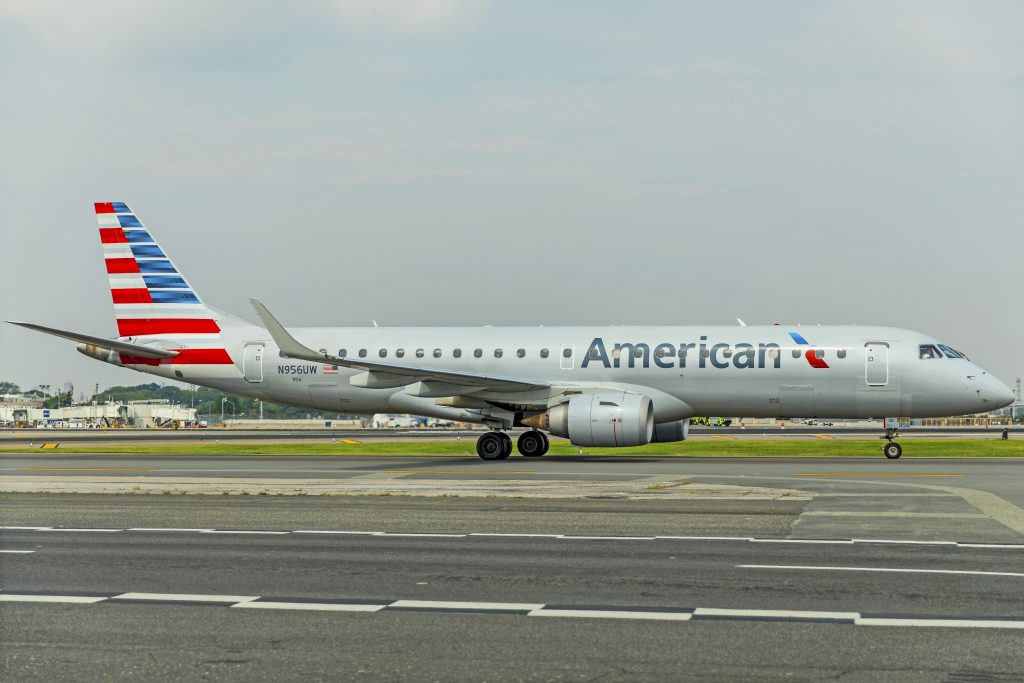
An American E190 at LaGuardia Airport, which previously operated many of the carrier’s East Coast shuttle flights. (Photo: AirlineGeeks | William Derrickson)
Doubling Down
Starting next year, United is slated to ramp up service between its Newark hub and Reagan National. As first reported by Aeroroutes, the airline will add 10 more daily flights on the route.
United currently operates seven daily flights between Reagan National and Newark. That number will increase to 17 frequencies in each direction effective May 22, 2025.
During the same timeframe, American and Delta will continue with between seven and nine daily flights from LaGuardia to D.C., according to Cirium Diio schedule data.
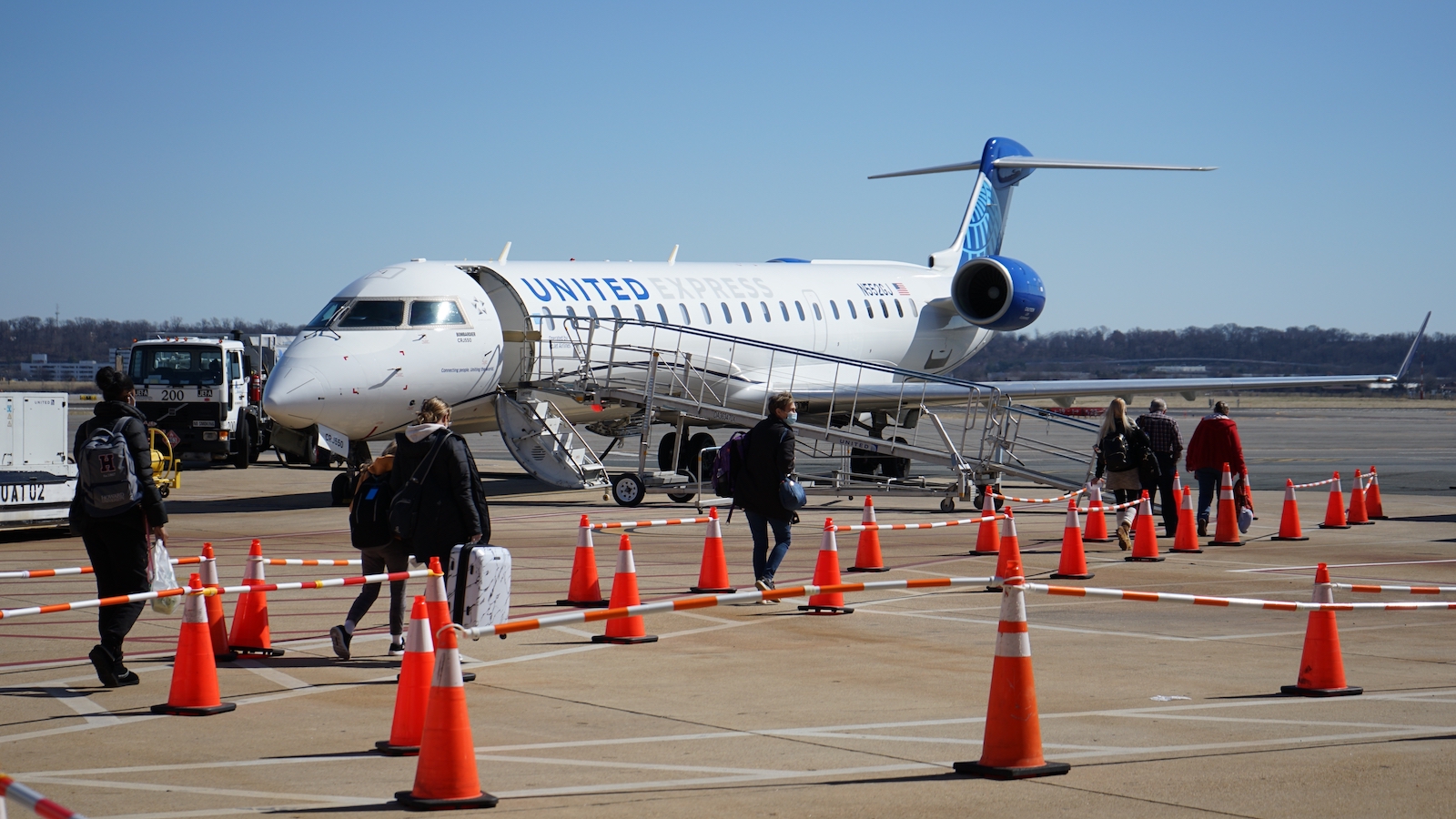
Most of United’s flights are scheduled to depart every hour on the hour beginning at 6 a.m. with the last departure at 9:00 p.m. from Newark. D.C.-Newark flights will be operated by GoJet’s CRJ-550 aircraft, which feature 10 first class seats and 40 in economy.
This service cadence is not entirely new on the route. United previously offered up to 18 frequencies between early 2021 and mid-2023, before scaling down service through 2024.
In an email to AirlineGeeks, a spokesperson from the airline stopped short of confirming the frequency increase, instead saying: “We’re continually evaluating our schedules based on what best serves our customers and the needs of the business and the operation.”
A report from airline watchdog Enilria notes that the airline removed service between Newark and three Northeast markets to allow for the additional D.C.-Newark flights. Now, United could reverse course on this shake-up. The current New York-area slot waivers are set to expire in October 2025.
Editor’s Note: This story was updated on Tuesday, Nov. 26, 2024 at 4:32 p.m. ET to add comments from United.
Ryan founded AirlineGeeks.com in February 2013 and has spent more than a decade covering the airline business. His work has been featured by CNN, WJLA, CNET, and Business Insider. His aviation experience spans airport operations, Part 135 regulatory compliance, and airline crew workforce planning, along with time behind the yoke of a Cessna 172 and interviews with airline executives. Ryan now serves as Group President of Firecrown Media’s Aviation Group. He holds a B.S. in Air Transportation Management and an MBA from Arizona State University and teaches Airline Management at Embry-Riddle Aeronautical University.
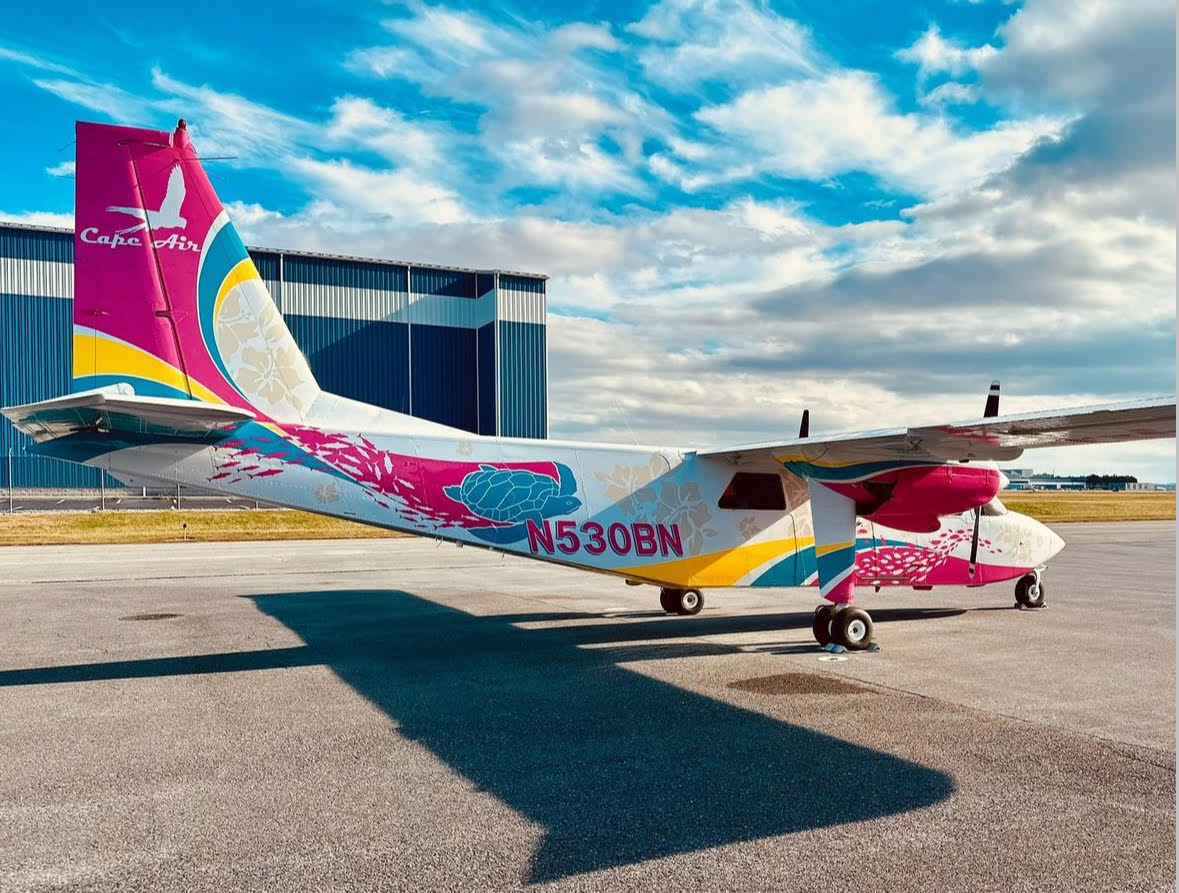
Cape Air's newest special livery (Photo: Cape Air)
Massachusetts-based Cape Air has unveiled a new livery on one of its aircraft, which will be a treat for those in the Caribbean, specifically San Juan. Cape Air has just entered its 35th year, a major feat for a small commuter airline that began modestly with a single initial route from Boston to Provincetown, Mass., u=in Cape Cod.
Cape Air eventually expanded out of the Cape throughout the Northeastern United States and now operates a hub in Montana and a sizable operation in the Caribbean. The new livery, which showcases the airline’s commitment to that market, is found on N530BN, one of the airline’s only four Britten Norman Islanders.
The aircraft only flies on routes from San Juan to Virgin Gorda as well as Culebra.
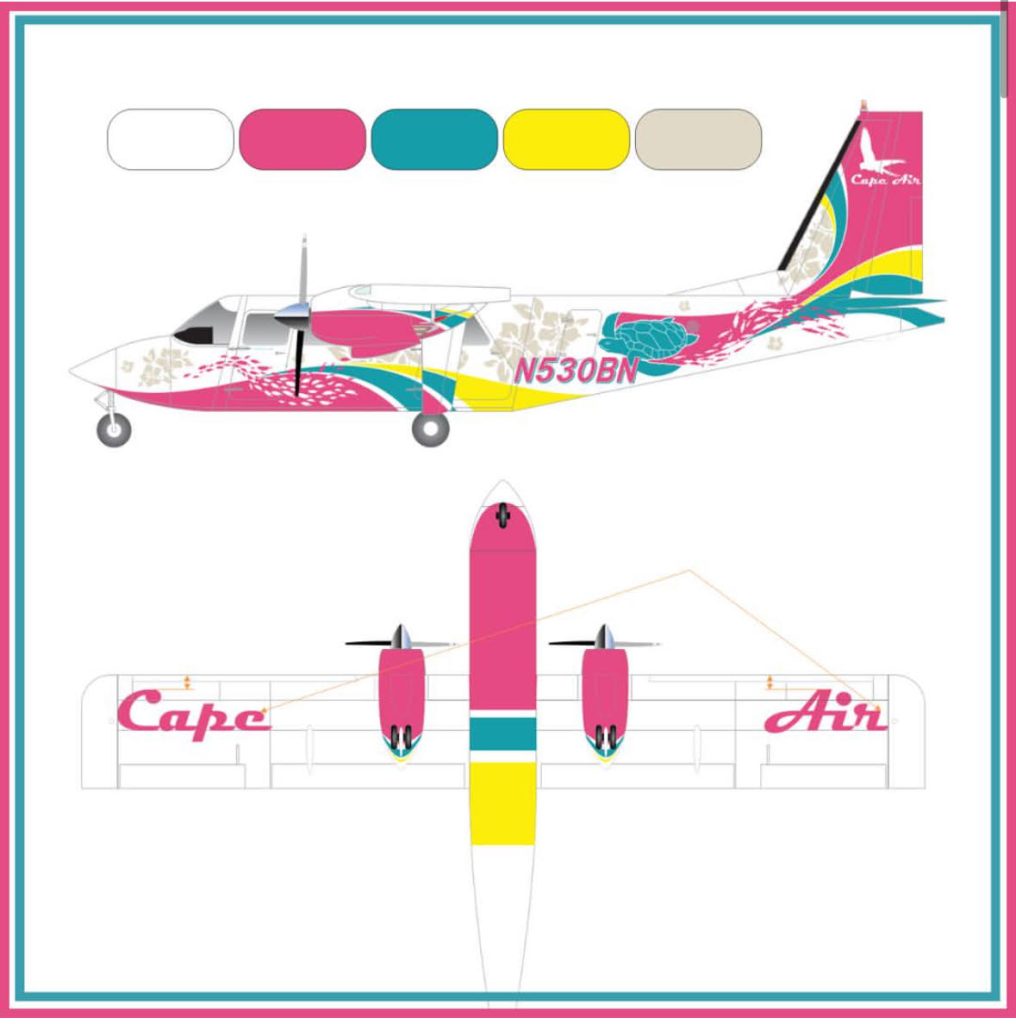
When the airline initially announced the livery on its social media channels, the carrier stated it was “inspired by the beauty of the Caribbean” and carries the “essence of the region.” The livery featured several bright colors, as well as flowers, turtles, fish, and of course the airline’s logo on the tail.
A diagram of Cape Air’s new livery (Photo: Cape Air)
Joey has always been interested in planes for as long as he can remember. He grew up in Central New York during the early 2000s when US Airways Express turboprops ruled the skies. Being from a non-aviation family made it harder for him to be around planes and would only spend about three hours a month at the airport. He was so excited when he could drive by himself, the first thing he did with his driver's license was get ice cream and go plane spotting for the entire day. He graduated from Western Michigan University in 2022 with a B.S. in Aviation Management & Operations and a Minor in Business, and currently works for a major airline in his hometown.
Spirit Posts $308 Million Third-Quarter Loss
Spirit reported a net loss of $308 million for the quarter ending Sept. 30, 2024, according to a Monday filing with the SEC.
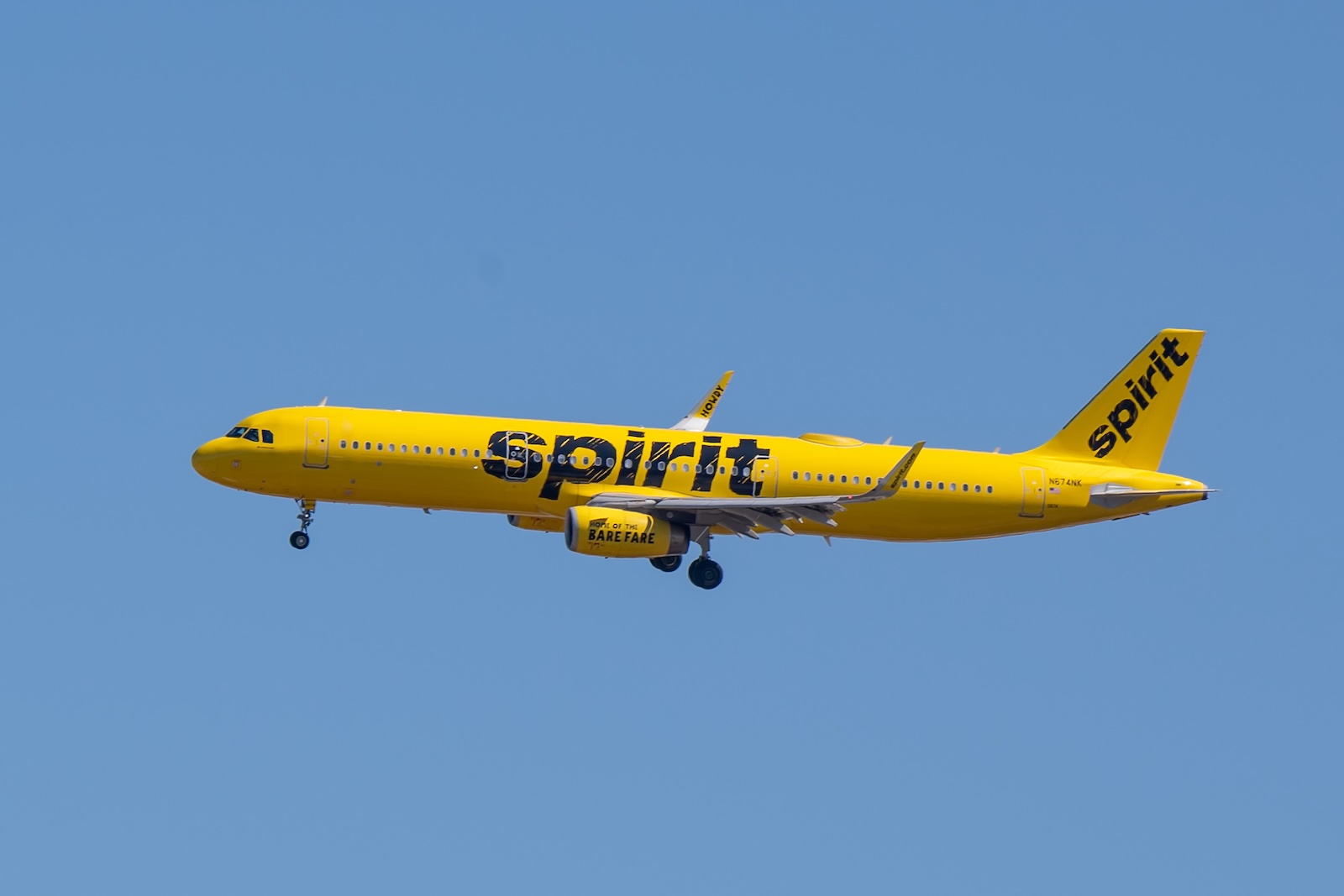
A Spirit Airbus A321 (Photo: Shutterstock | Ron Adar)
Spirit reported a net loss of $308 million for the third quarter, according to a delayed filing with the Securities and Exchange Commission on Monday.
The carrier blamed an increasingly challenging pricing environment and the short-term impact of certain policy changes – such as the removal of change and cancellation fees– as negatively affecting revenue performance.
During the same period in 2023, the airline reported a net loss of nearly $158 million. The beleaguered airline has continually posted quarterly losses since the COVID-19 pandemic in 2020.
“In addition, challenging market conditions, including increasing costs, have impacted the Company’s performance,” Spirit stated in its report. “The Company expects these trends to continue for at least the remainder of 2024, which creates uncertainty in operating results.”
Spirit filed for bankruptcy protection on Nov. 18. In Monday’s earnings filing, the carrier recounted that it received approval from the bankruptcy court for a variety of “first day” motions to continue its ordinary course of operations during the Chapter 11 case.
Spirit stated there is a high degree of risk and uncertainty associated with the Chapter 11 cases.
“The outcome of the Chapter 11 Cases is dependent upon factors that are outside of the Company’s control, including actions of the Bankruptcy Court,” the filing stated.
On Nov. 18, Spirit received written notice from the New York Stock Exchange (NYSE) notifying the carrier that shares of its common stock would be delisted from the NYSE per its Chapter 11 filing. Trading of said shares was also suspended immediately.
Casting Doubt
In the same filing, Spirit cast doubt on its ability to continue operating as normal.
“Based on such evaluation and management’s current plans, which are subject to change and include implementation of discretionary cost reduction strategies and the sale of certain of its owned aircraft, management believes there is substantial doubt about the Company’s ability to continue as a going concern.”
Ryan founded AirlineGeeks.com in February 2013 and has spent more than a decade covering the airline business. His work has been featured by CNN, WJLA, CNET, and Business Insider. His aviation experience spans airport operations, Part 135 regulatory compliance, and airline crew workforce planning, along with time behind the yoke of a Cessna 172 and interviews with airline executives. Ryan now serves as Group President of Firecrown Media’s Aviation Group. He holds a B.S. in Air Transportation Management and an MBA from Arizona State University and teaches Airline Management at Embry-Riddle Aeronautical University.
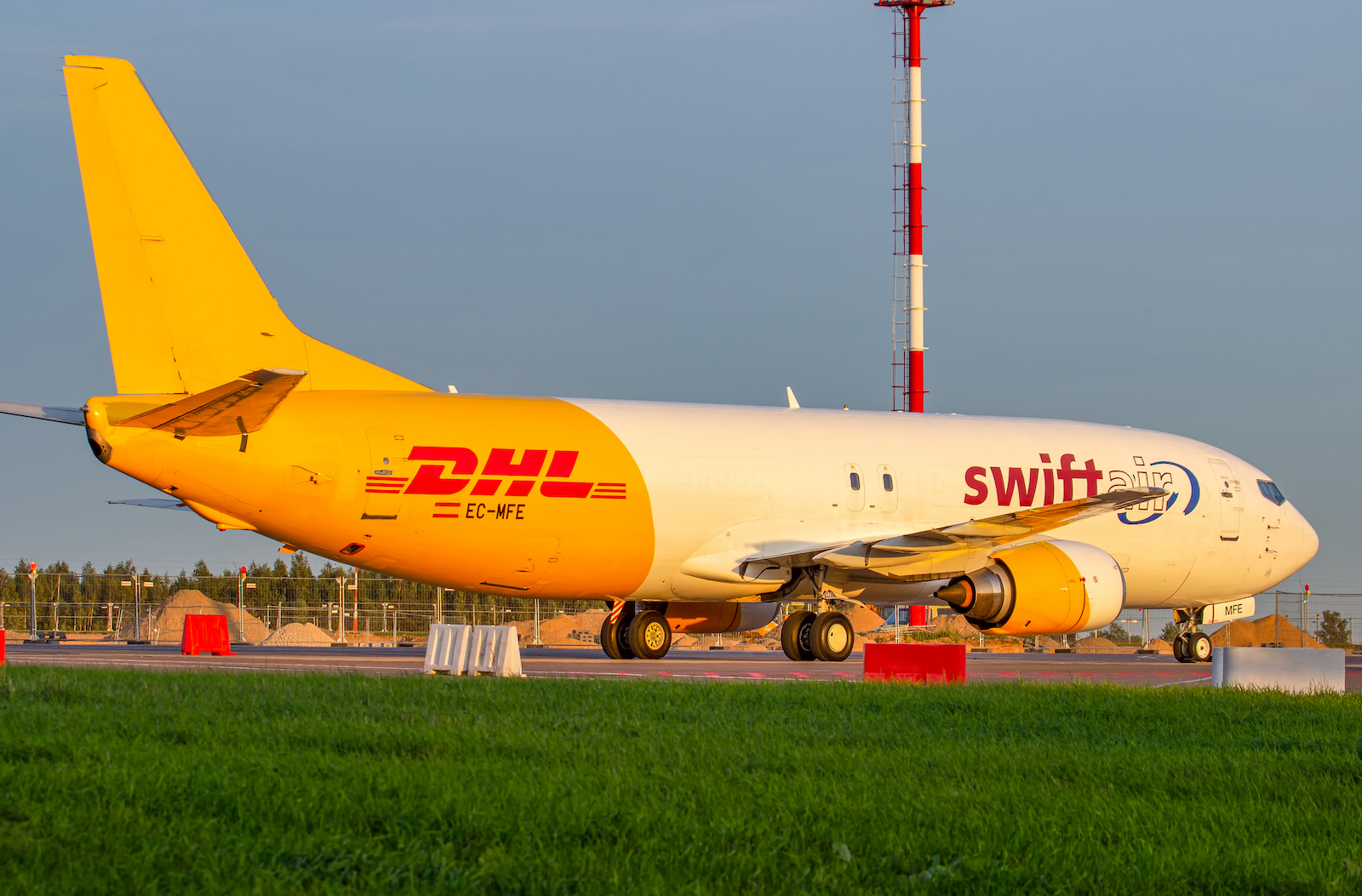
A DHL 737-400 aircraft (Photo: Shutterstock | Adomas Daunoravicius)
One crew member is dead and three others hospitalized after a DHL 737-400 freighter crashed on approach to the Vilnius International Airport in Lithuania.
The cargo flight was operated by Madrid-based carrier Swiftair on behalf of DHL. It had taken off from Leipzig, Germany, and was scheduled to land in Vilnius.
The Boeing 737 crashed around 4:30 a.m. central European time (CET) on Monday as it tried to land at the airport, exploding into a fireball after it plowed into the courtyard of a house, according to Lithuanian officials.
Thirteen residents were evacuated from a building near the crash site without injuries, authorities said.
German logistics company DHL said the cargo aircraft was making an “emergency landing” in Vilnius.“We can confirm that today, at approximately 4:30 am CET, a Swiftair aircraft, operated by a service partner on behalf of DHL, performed an emergency landing about half a mile from VNO Airport while en route from Leipzig, Germany to VNO Airport,” DHL said in a statement to CBS.
Lithuanian counter-intelligence chief Darius Jauniskis told reporters during a news conference Monday that officials are investigating the cause of the crash and have not ruled out sabotage, CBS and others reported.
“We cannot reject the possibility of terrorism. We have warned that such things are possible, we see an increasingly aggressive Russia … but at the moment we can’t make attributions or point fingers, because we don’t have such information,” Jauniskis said.
Early Monday morning, a cargo plane crashed into a residential building near Vilnius Airport in Liepkalnis, according to preliminary data. As a representative of the Fire Protection and Rescue Department (PAGD) told LRT RADIO, at least one person was killed and one was injured. pic.twitter.com/7enowhI2n6
Western security officials have said that incendiary devices that ignited on planes in Germany and the United Kingdom in July were part of a covert Russian operation that aimed to start fires aboard cargo and passenger flights heading to the U.S. and Canada, the Wall Street Journal reported.
Editor’s Note: This story first appeared on FreightWaves.
AirlineGeeks.com was founded in February 2013 as a one-person blog in Washington D.C. Since then, we’ve grown to have 25+ active team members scattered across the globe. We are all here for the same reason: we love deep-diving into the fascinating realm of the airline industry.