Stories

DOT Awards Nearly $12 Million for Small Community Air Service

14 communities received federal funding to pursue new routes, restore discontinued flights, or support existing service.

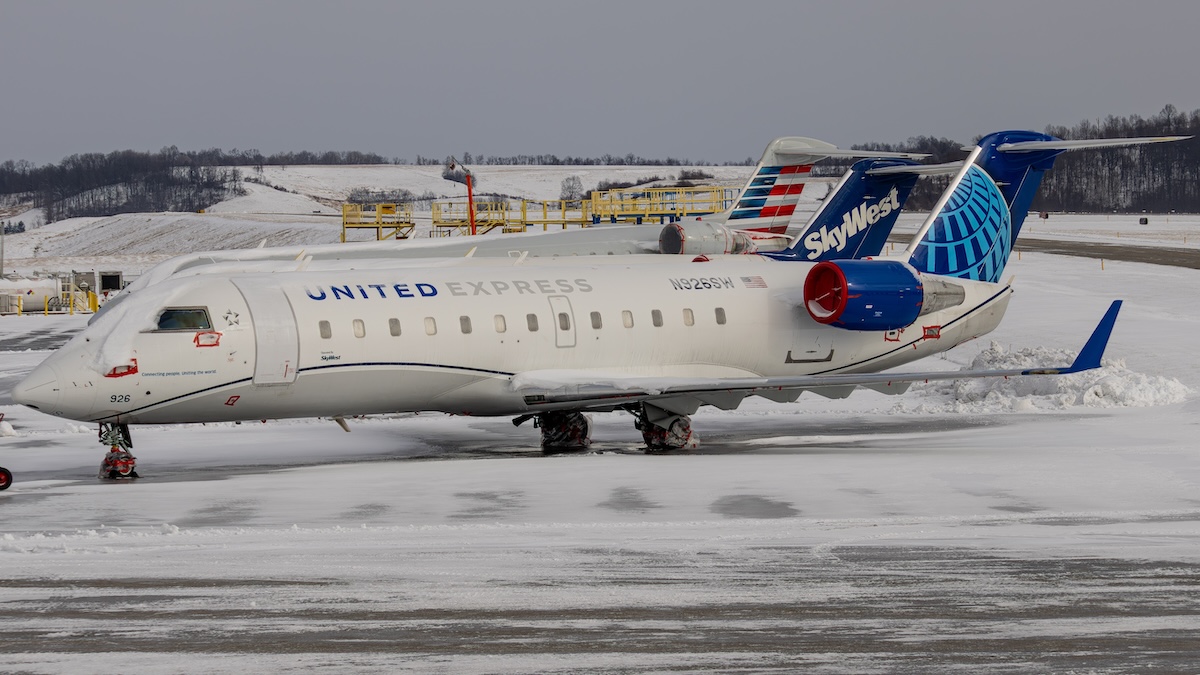
United and American CRJ aircraft
United and American CRJ aircraft (Photo: Shutterstock | Victor De Leon)

The U.S. Department of Transportation has awarded nearly $12 million to 14 communities seeking to improve or expand commercial air service.

The grants were issued through the Small Community Air Service Development Program, commonly known as SCASDP. The federal program provides funding for initiatives such as revenue guarantees, marketing campaigns, startup costs, and air service studies.

DOT received 60 applications from communities in 32 states and territories. Four were deemed ineligible, leaving 56 applicants seeking nearly $49 million. The agency ultimately selected 14 projects in 14 states for a combined $11.975 million.

Most of the selected communities plan to use their grants for revenue guarantees, which reduce an airline’s financial risk when launching a new route. Receiving an award does not guarantee that the proposed service will begin. Each community must first enter into a grant agreement with DOT and reach a separate arrangement with an airline.

Dutch Harbor, Alaska – $375,000

Dutch Harbor, also known as Unalaska, will use its award to conduct a regional air service sustainability, affordability, and reliability study.

The study will examine the operational and economic conditions needed to sustain air service to the geographically isolated community. Dutch Harbor cited high and variable fares, airline turnover, and recurring service disruptions in its application.

Flagstaff, Arizona – $800,000

Flagstaff plans to use its grant for a revenue guarantee and marketing campaign supporting service to either Denver or Salt Lake City.
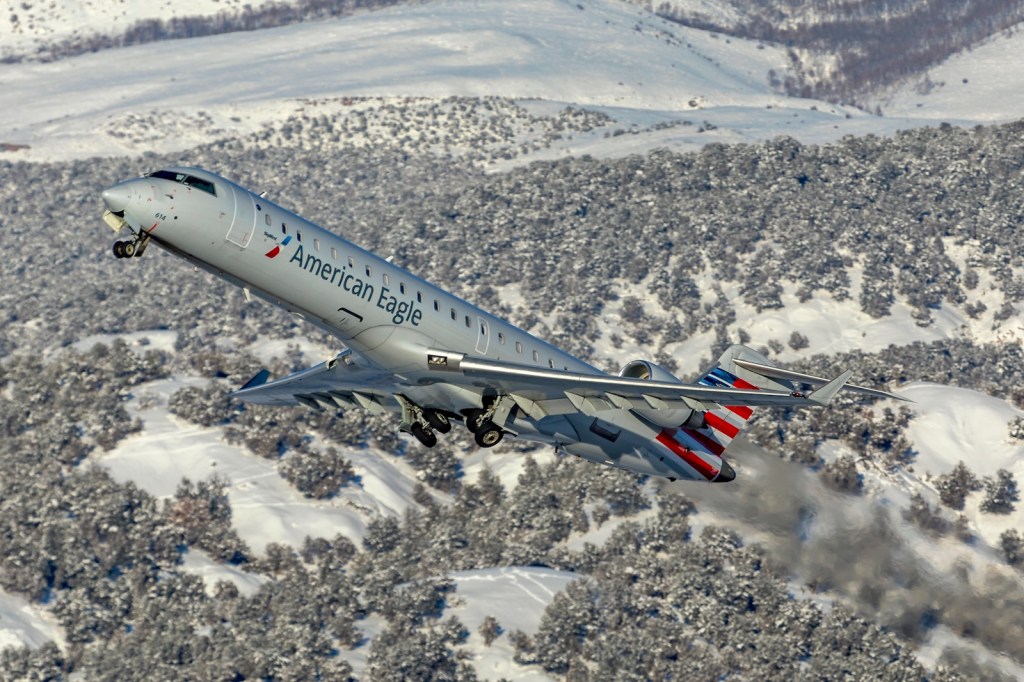
An American Eagle CRJ-700 aircraft (Photo: AirlineGeeks | William Derrickson)

The proposal is intended to restore Denver service or establish a new Salt Lake City route while bringing a second airline to Flagstaff Pulliam Airport. United submitted a letter supporting Denver service, while SkyWest expressed support for a Salt Lake City route.

Grand Junction, Colorado – $950,000

Grand Junction received funding for a revenue guarantee and marketing support for new nonstop service to Houston.

The community identified Houston as an important market because of economic ties between western Colorado’s energy industry and corporate offices in Texas. United submitted a letter of support for the proposal.

Tallahassee, Florida – $1.5 Million

Tallahassee received the largest award in this grant cycle. The funding will support a revenue guarantee, airline startup costs, and marketing for restored nonstop service to Houston.

Tallahassee lost its Houston route in 2021. The community said restoring the flight would address existing demand and provide additional westbound connecting opportunities. United and SkyWest submitted letters of support.

Augusta, Georgia – $800,000

Augusta plans to pursue new nonstop service to Chicago O’Hare using a revenue guarantee and marketing program.

The community cited above-average fares and identified Chicago as its fourth-largest origin-and-destination (O&D) market. American and United submitted letters supporting the proposal.

Cedar Rapids, Iowa – $1 Million

Cedar Rapids will use its award to support new daily service to a New York-area airport.

The proposal allows for service to New York-JFK, LaGuardia, or Newark. Cedar Rapids identified New York as its largest unserved market and said the route could reduce passenger leakage to other airports. United provided a letter of support.

West Lafayette, Indiana – $250,000

West Lafayette received a marketing-only grant to support its existing United Express service to Chicago O’Hare.
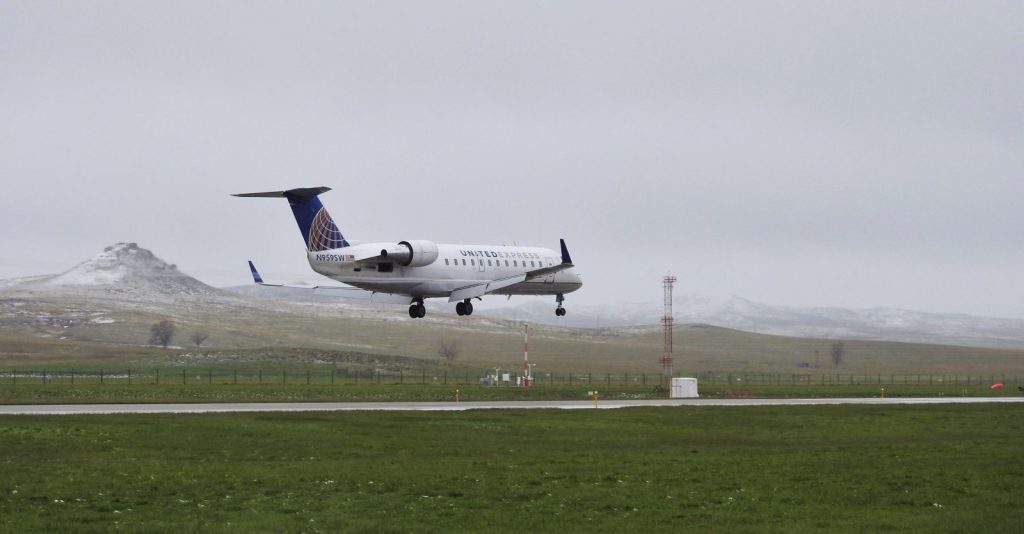
United CRJ-200
A United Express CRJ-200 operated by SkyWest arriving into Gillette-Campbell County Airport (Photo: AirlineGeeks | Joey Gerardi)

SkyWest, operating as United Express, restored scheduled flights to Purdue University Airport in 2024 after a nearly 20-year absence. 

Wichita, Kansas – $1 Million

Wichita plans to use its grant for a revenue guarantee and marketing program supporting year-round daily service to an East Coast hub.

Possible destinations include Charlotte or one of the three major New York-area airports. Wichita identified New York as its largest unserved market and cited higher-than-average fares for East Coast travel. American provided a letter of support.

Baton Rouge, Louisiana – $1 Million

Baton Rouge received funding for a revenue guarantee supporting new daily nonstop service to Chicago O’Hare.

The community said the route could increase competition, lower fares, and improve access for companies operating in the region’s energy sector. American and SkyWest submitted letters of support.

Traverse City, Michigan – $750,000

Traverse City plans to pursue daily United service to either Los Angeles or San Francisco.

The airport currently lacks nonstop service west of the Rocky Mountains. The grant will fund a revenue guarantee and marketing campaign targeting one of the two California markets. United submitted a letter of support.

Jackson, Mississippi – $1 Million

Jackson will use its award to pursue the restoration of daily Chicago O’Hare service on either American or United.

United discontinued the route in 2020. Jackson said restoring the service would improve connectivity for the region’s government, healthcare, education, manufacturing, and energy sectors. Both American and United provided letters of support.

New Bern, North Carolina – $750,000

New Bern plans to use its grant for a revenue guarantee supporting daily service to Washington Dulles.

The community said the route would improve access to the national air transportation system and support regional businesses, military operations, higher education, and tourism. United and SkyWest submitted support letters.

Latrobe, Pennsylvania – $850,000

Latrobe received funding to help restore low-cost service to Florida and Myrtle Beach, South Carolina.

Spirit ended service at Arnold Palmer Regional Airport in May, leaving the airport without scheduled commercial flights after 16 years of Spirit operations. The grant will support a revenue guarantee and marketing campaign for replacement service. An unidentified airline submitted a confidential letter of support.

Mosinee, Wisconsin – $950,000

Mosinee plans to use its award to restore service between Central Wisconsin Airport and Detroit.

The Detroit route ended in 2022. The community said its loss contributed to higher fares and increased passenger leakage to competing airports. SkyWest submitted a letter of support for the proposal.

What Happens Next

Each recipient must sign a grant agreement with the DOT before spending federal funds. The program operates on a reimbursement basis, meaning communities must first pay eligible expenses and then seek reimbursement.

Grants involving studies generally remain active for three years, marketing awards for four years, and projects involving revenue guarantees for five years. The revenue guarantee itself may subsidize airline service for no more than three years.

Airline letters of support indicate interest in a project but do not obligate a carrier to launch the proposed route. Communities must still negotiate agreements with airlines, and some previously funded SCASDP proposals have not resulted in new service.
Ryan Ewing

Ryan founded AirlineGeeks.com in February 2013 and has spent more than a decade covering the airline business. His work has been featured by CNN, WJLA, CNET, and Business Insider. His aviation experience spans airport operations, Part 135 regulatory compliance, and airline crew workforce planning, along with time behind the yoke of a Cessna 172 and interviews with airline executives. Ryan now serves as Group President of Firecrown Media’s Aviation Group. He holds a B.S. in Air Transportation Management and an MBA from Arizona State University and teaches Airline Management at Embry-Riddle Aeronautical University.

Delta Flight Diverts After Fumes Reported in Cabin

Three people were transported to a hospital after complaining of headaches and nausea.

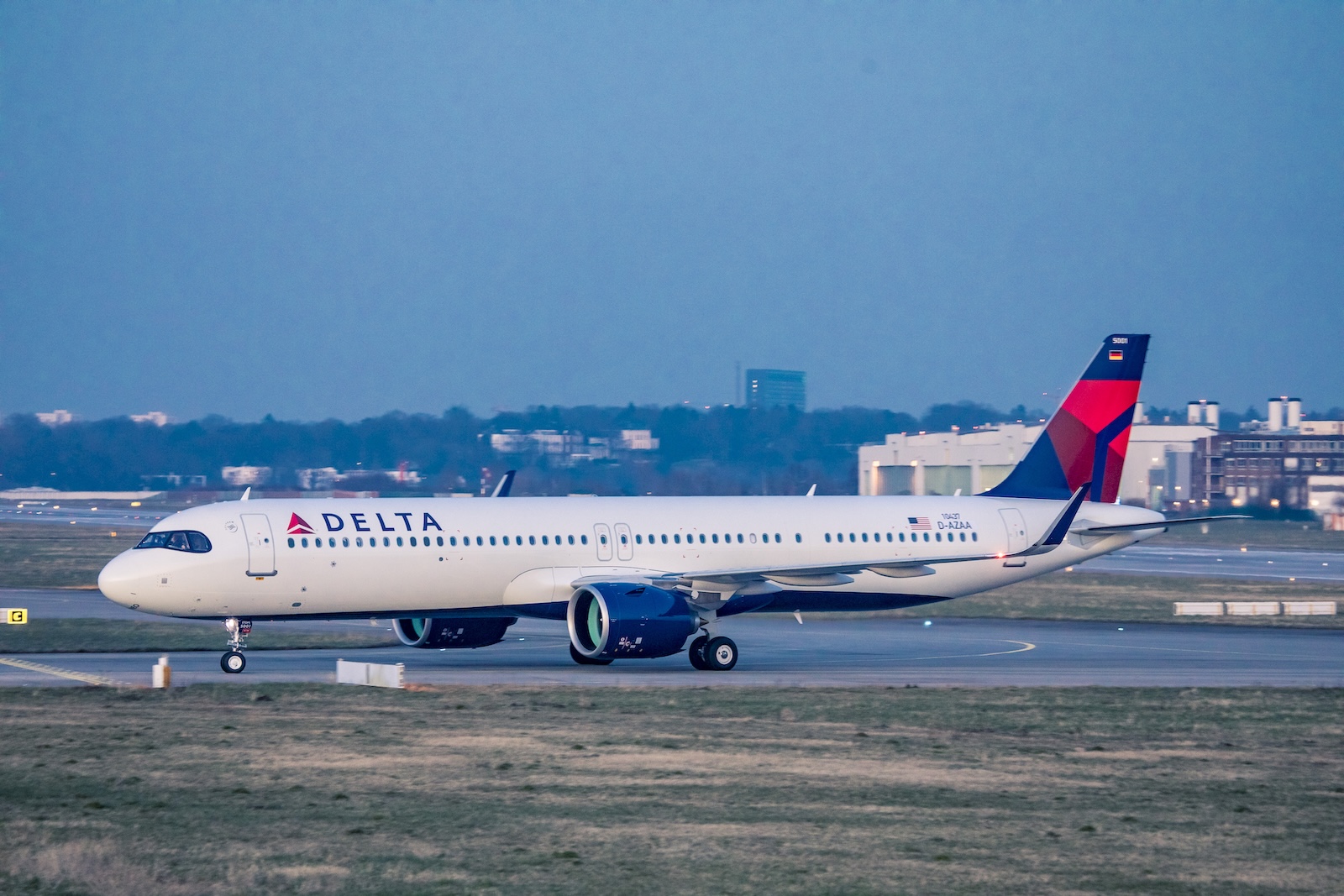
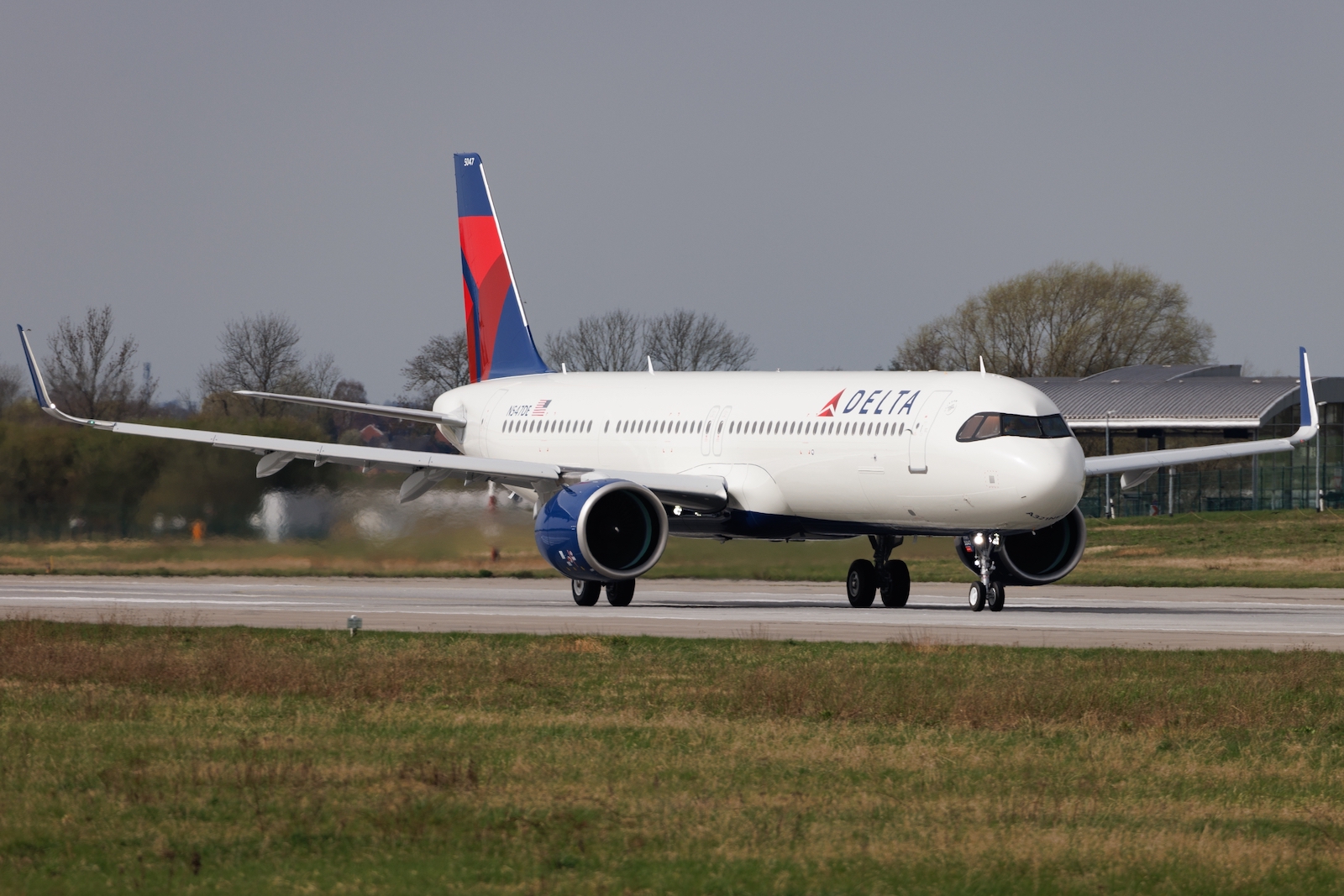
A Delta A321neo
A Delta Airbus A321neo. (Photo: Shutterstock | Kevin Hackert)

Four people received medical treatment after fumes forced a Delta flight to divert from Seattle to Honolulu on Saturday.

Fumes were detected on board shortly after the Airbus A321neo took off from Kahului Airport in Maui, according to KHON-TV. Just under an hour after departure, the aircraft landed at Daniel K. Inouye International Airport in Honolulu.

EMS personnel responded to the scene after some on board complained of headaches and nausea, KHON reported. Three people were transported to a hospital, and another person was treated at the airport.

“Nothing is more important than the safety of our customers and people,” Delta said in a statement. “That’s why the flight crew followed procedures to divert to Honolulu when fumes were observed after departure from Maui. We’re reaching out to our customers to apologize for the experience, including refunds of their airfare.”

The passengers exited the airplane using stairs, the carrier said, and were bused to the terminal.

The aircraft will be evaluated by Delta technicians.

Tracking data from FlightAware shows Delta operated a flight from Honolulu to Seattle on Sunday, together with the regularly scheduled flight from Kahului to Seattle.

Zach Vasile

Zach Vasile is a writer and editor covering news in all aspects of commercial aviation. He has reported for and contributed to the Manchester Journal Inquirer, the Hartford Business Journal, the Charlotte Observer, and the Washington Examiner, with his area of focus being the intersection of business and government policy.

New Rule Limits Airline Responsibility for Flight Disruptions

The change will narrow the list of events that qualify passengers for compensation.

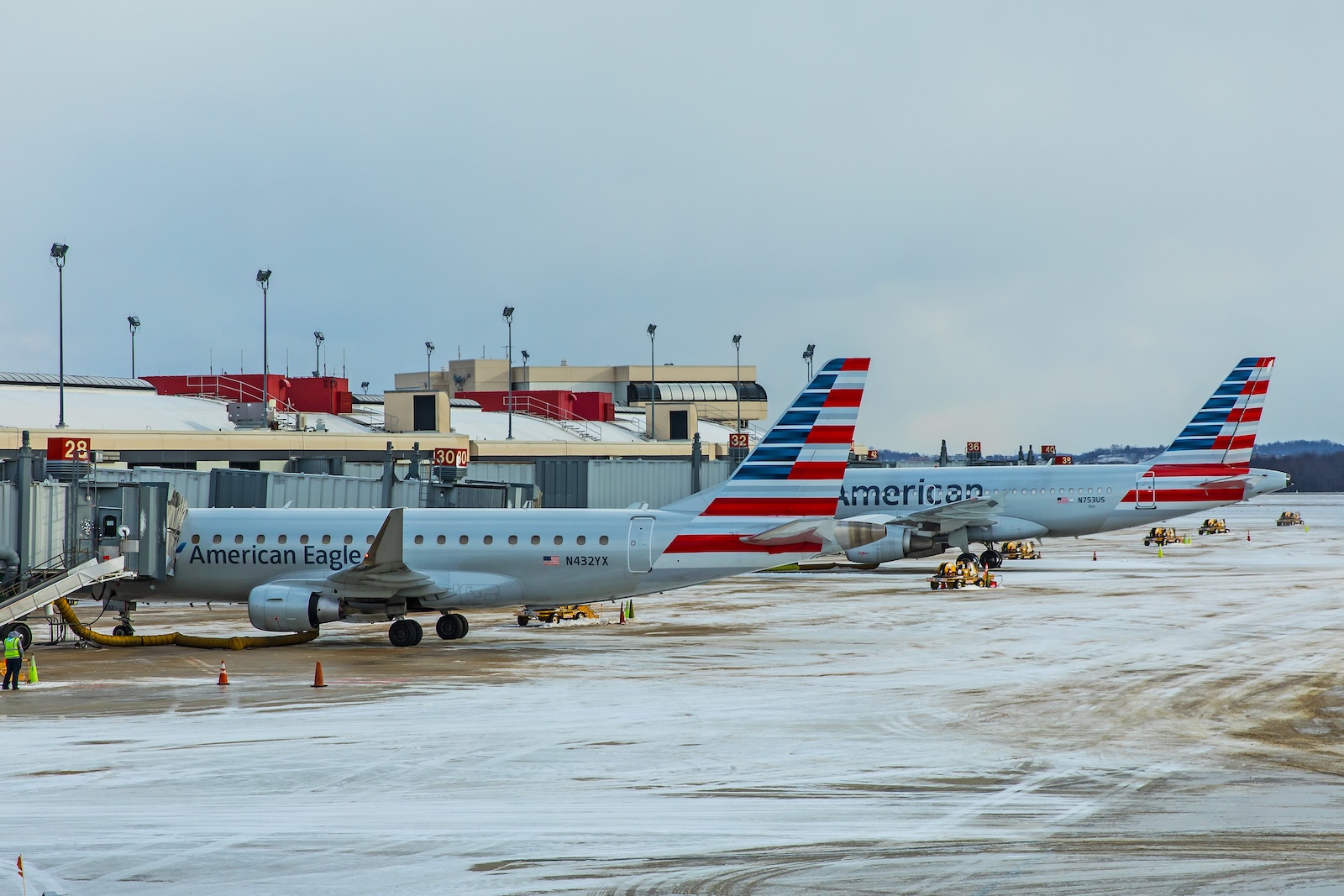
American Airlines aircraft in Pittsburgh
American Airlines aircraft in Pittsburgh. (Photo: AirlineGeeks | William Derrickson)

Travelers looking to secure compensation after a flight delay or cancellation will have even fewer protections after a new federal rule comes into effect next month.

The revision will move 10 specific events outside the realm of an air carrier’s responsibility, meaning they will likely face less pressure to provide compensation, such as free meals or hotel vouchers, to inconvenienced passengers.

Federal law requires refunds for certain flight disruptions, but other forms of compensation are governed by airlines’ internal procedures. And those policies often hinge on whether the cause of the disruption is within the company’s control, such as a maintenance issue, or external, such as bad weather.

Regulators said the new classification system is fairer to airlines and spares them the “negative reputational impacts” that come with being held directly responsible for delays or cancellations. The rule was included in the FAA Reauthorization Act of 2024 and will take effect Oct. 19.

The 10 circumstances that will no longer be considered under the airline’s control are:

Aircraft cleaning necessitated by the death of a passenger;

Aircraft damage caused by extreme weather, foreign object debris, or sabotage;

A baggage or cargo loading delay caused by an outage of a bag system not controlled by a carrier or its contractor;

Cybersecurity attacks (provided that the air carrier is in compliance with applicable cybersecurity regulations);

A shutdown or system failure of government systems that directly affects the ability of an air carrier to conduct flights safely and is unexpected;

Overheated brakes due to a safety incident resulting in the use of emergency procedures;

Unscheduled maintenance, including in response to an airworthiness directive, manifesting outside a scheduled maintenance program that cannot be deferred or must be addressed before flight;

An emergency that required medical attention through no fault of the carrier;

The removal of an unruly passenger;

An airport closure due to the presence of volcanic ash, wind, or wind shear.

In a note published in the Federal Register, the U.S. Department of Transportation acknowledged that customers will lose out on potential compensation for delays and cancellations because carriers will be held blameless.

“In addition to the benefits and cost savings of the final rule, it is expected that the total value of amenities and compensation currently provided by air carriers to consumers will be reduced under this final rule because of the 10 delineated causes of delay and cancellation that will now be excluded from the Air Carrier category in 14 CFR 234.4,” the note states.

The DOT said the new rule is best described as a “transfer of value from consumers back to air carriers.” The department did not attach a figure to the likely financial impact on travelers.

Zach Vasile

Zach Vasile is a writer and editor covering news in all aspects of commercial aviation. He has reported for and contributed to the Manchester Journal Inquirer, the Hartford Business Journal, the Charlotte Observer, and the Washington Examiner, with his area of focus being the intersection of business and government policy.

737 MAX 10 Certification Coming ‘Very Soon,’ Boeing CEO Says

Kelly Ortberg also gave an update on the 777X.

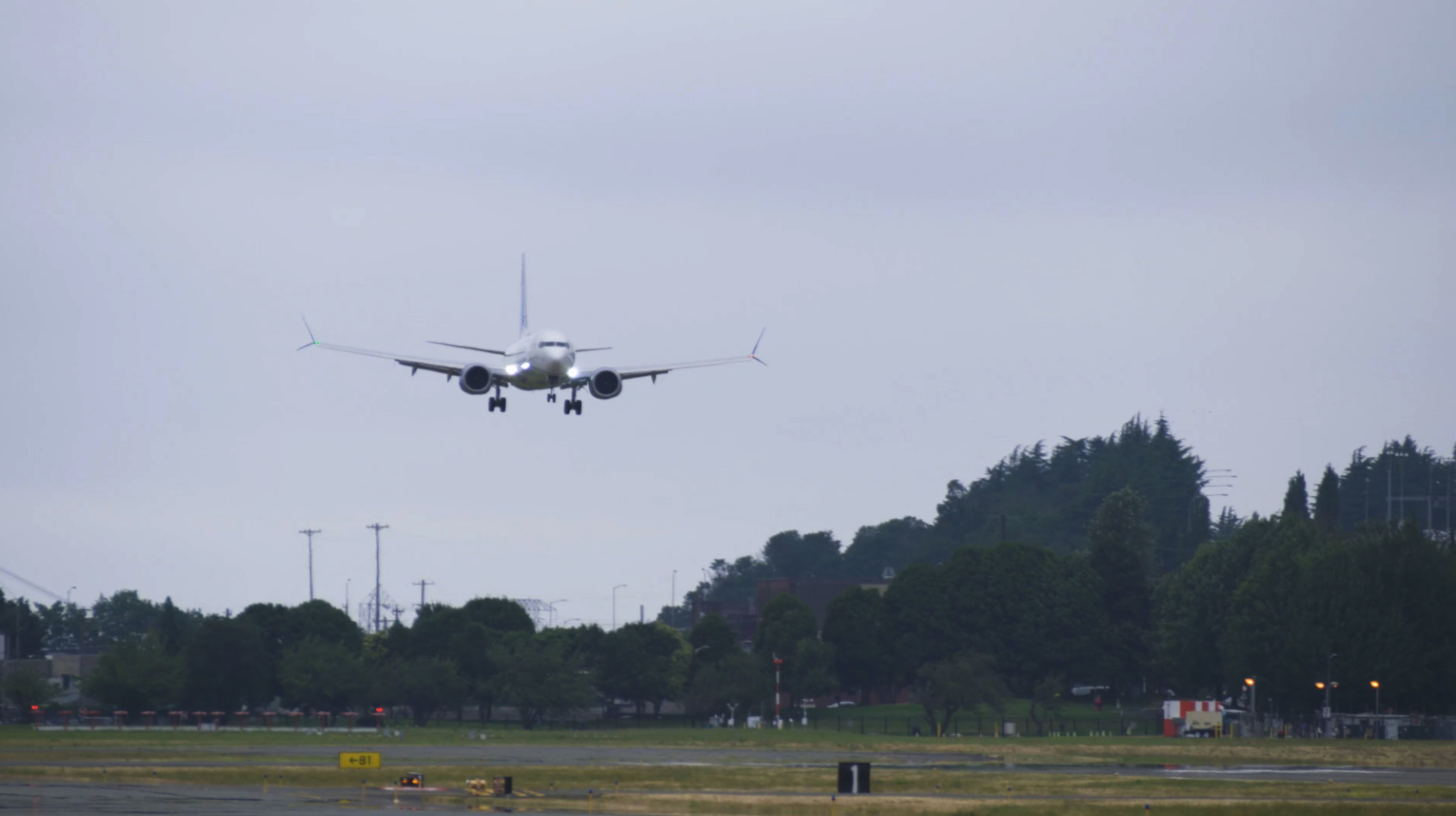
The final test flight of Boeing's 737 MAX 10.
The final test flight of Boeing's 737 MAX 10. (Photo: Ryan Coe - Boeing)

Boeing’s long-delayed 737 MAX 10 should be certified by the FAA “very soon,” CEO Kelly Ortberg said this week.

“When I left Seattle yesterday, I think we had three deliverables to complete,” Ortberg told the audience at Morgan Stanley’s Laguna Conference on Wednesday. “The FAA work is quite a bit larger to review all that documentation than on the Dash 7, but we’re in close coordination with them and working on that and so I think you’re going to see that certification very soon.”

Ortberg reiterated that flight testing for the largest MAX variant is complete, and all that remains is the “documentation phase.”

“All the real work is done now,” he said.

Ortberg also said that the European Union Aviation Safety Agency flew the MAX 10 last week and was “very complimentary” of the aircraft.

Boeing has already started building its first production MAX 10s in Washington. The variant makes up roughly 30% of the company’s current backlog.

The MAX 10’s target certification date has slipped several times over the last six years, mainly due to supply chain issues, fallout from the 2018-19 MAX crisis, and problems with the model’s anti-ice system. Progress toward certification has picked up in the last two years, however.

777X Update

Ortberg also gave an update on the similarly delayed 777X when asked by Morgan Stanley analyst Kristine Tan Liwag about media reports that some buyers have concerns that the type’s technology may already be out of date.

The CEO said there has been no change in its initial ordered units, and that any concerns are being addressed directly with clients.

“They’re contract discussions we’re having with our customers,” he said. “And I think we’ve got that well understood and well contained within our estimate to complete out. I don’t want to negotiate publicly on who’s getting what airplane, but I think that’s not a big issue for us. It’s something we’ve contemplated.”

Elaborating on the 777X’s progress, Ortberg said flight tests are continuing, though the type still does not have Extended-range Twin-engine Operations Performance Standards (ETOPS) certification. The holdup is a mid-seal issue on the engines, he said.

“Until we get the mid-seal certification plan complete, we can’t get authorization to start that ETOPS,” he said. “We’re expecting that very soon. GE is working that diligently. I think they have to do a little more testing than what we originally planned. I think they’re still confident in the fix. So, we’ve got to get that done.”

Some testing may spill over into next year, Ortberg continued, but Boeing still expects to start deliveries of the 777X in 2027.

Zach Vasile

Zach Vasile is a writer and editor covering news in all aspects of commercial aviation. He has reported for and contributed to the Manchester Journal Inquirer, the Hartford Business Journal, the Charlotte Observer, and the Washington Examiner, with his area of focus being the intersection of business and government policy.

CommuteAir Cleared for International Charter Flights

The carrier named its first charter destination outside the U.S., and said flights will start in November.

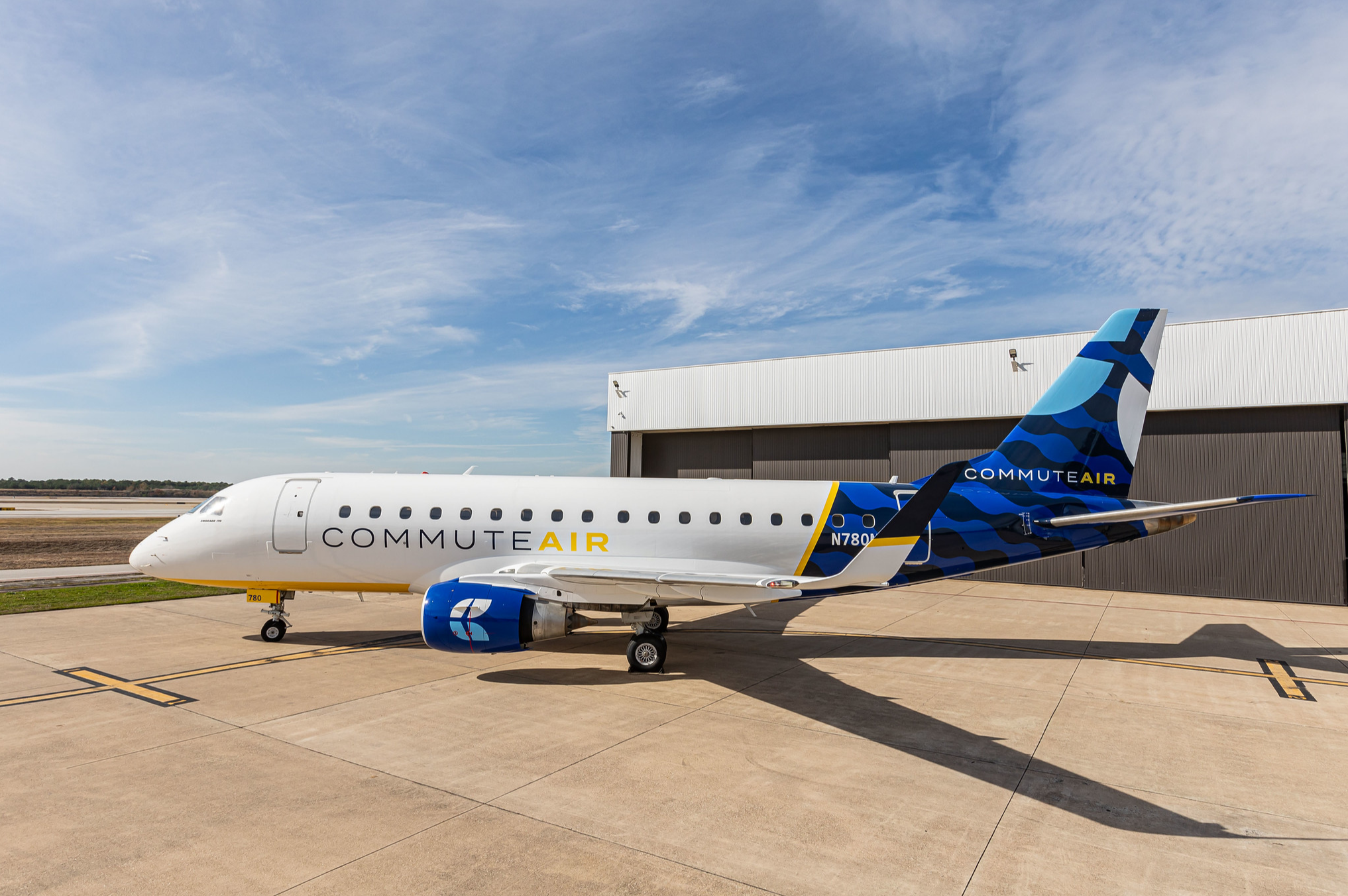
A CommuteAir E170. (Photo: CommuteAir)

Regional airline CommuteAir will begin flying international charters later this year.

The carrier said it recently received permission from the U.S. Department of Transportation to operate charter flights to countries covered by Open Skies agreements.

CommuteAir’s first international charter flights will operate to the Bahamas, using 76-seat Embraer E170s. Flights will start in November, the airline said.

“Receiving Open Skies authority is an important step in the continued growth of our charter business,” CommuteAir President and CEO Rick Hoefling said in a news release. “As we prepare to launch our first international charter flights later this year, we’re excited to offer customers and partners a reliable, comfortable, and flexible charter solution backed by decades of operating experience. This authority also supports our long-term strategy to expand and diversify our charter business.”

CommuteAir operates commercial passenger flights exclusively on behalf of United as United Express. It operates over 200 flights per day using ERJ 145 aircraft, and has hubs at Washington Dulles and Houston.

The carrier uses E170s for charter flights, which were previously limited to destinations within the U.S.

Zach Vasile

Zach Vasile is a writer and editor covering news in all aspects of commercial aviation. He has reported for and contributed to the Manchester Journal Inquirer, the Hartford Business Journal, the Charlotte Observer, and the Washington Examiner, with his area of focus being the intersection of business and government policy.

Livery of the Week: ANA

The Japanese carrier’s familiar blue-and-white design has remained largely recognizable for more than four decades.

An All Nippon Airways 777 in Los Angeles.
An All Nippon Airways 777 in Los Angeles. (Photo: AirlineGeeks | William Derrickson)

Editor’s Note: AirlineGeeks is proud to present our ‘Livery of the Week’ series. Every Friday, a team member will share an airline livery, which can be from the past, present, or even a special scheme. Some airline liveries are works of art. The complexity associated with painting around critical flight components and the added weight requires outside-the-box thinking from designers. The average airliner can cost upwards of $200,000 to repaint, creating a separate aircraft repainting industry as a result. 

Have an idea for a livery that we should highlight? Drop us a line.

All Nippon Airways’ standard livery is built around two shades of blue that have become closely associated with the Japanese carrier. While ANA has introduced some of aviation’s more recognizable special liveries over the years, its regular fleet continues to wear a design whose roots stretch back to the early 1980s.

ANA introduced its Triton Blue color scheme in 1982 as part of the airline’s 30th anniversary. The redesign retained a lighter shade known as Mohican Blue from the carrier’s previous aircraft appearance while introducing a darker color that ANA named Triton Blue.

The name itself carries meaning. ANA named the darker shade after Triton, the sea god of Greek mythology who was believed to calm storms. The airline connected the name with the concept of safe flight, giving what might otherwise be a simple corporate color a direct connection to aviation.

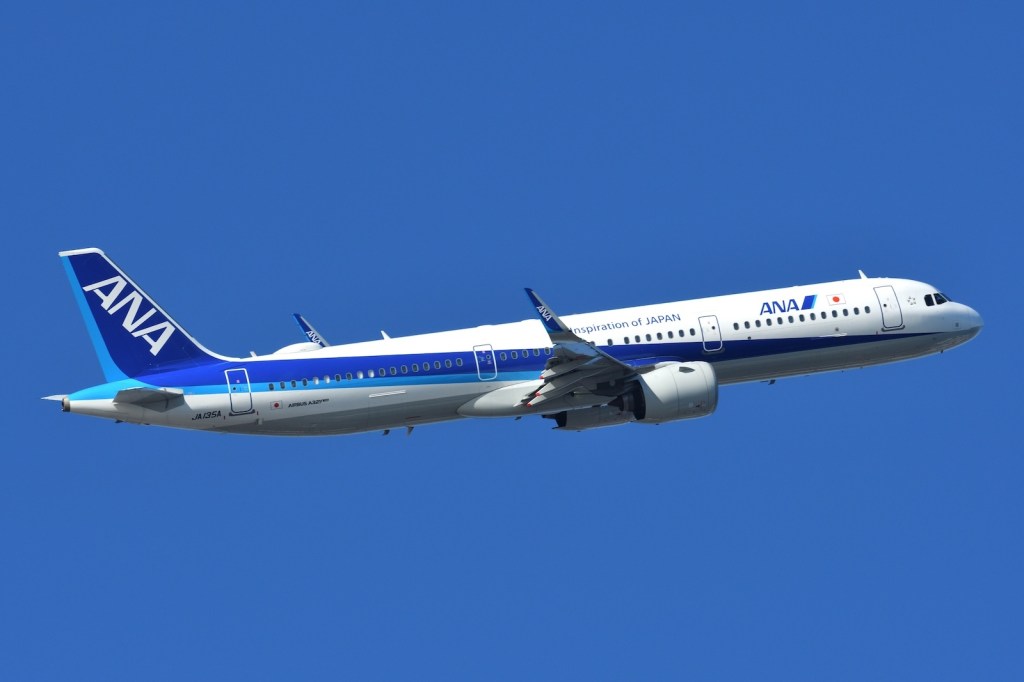
On today’s aircraft, the two shades form diagonal bands that sweep upward across the rear fuselage toward the vertical stabilizer. The darker Triton Blue dominates the tail, where ANA’s white block-letter logo provides the aircraft’s primary identifying feature.

The remainder of the fuselage is predominantly white. Large “ANA” titles appear near the forward portion of the aircraft, while many of the carrier’s international aircraft also carry the “Inspiration of JAPAN” tagline along the fuselage.

An ANA A321neo
An All Nippon Airways Airbus A321neo. (Photo: Shutterstock | viper-zero)

The design has appeared on generations of ANA aircraft. Boeing 747s, 767s and 777s have all worn variations of the scheme, along with Airbus narrowbodies and several other types that have since left the carrier’s fleet.

ANA’s Boeing 787 Dreamliner fleet has become particularly closely associated with the colors. The airline was the launch customer for the 787, taking delivery of the first aircraft in 2011. Its first two Dreamliners received a special design featuring oversized “787” titles, but aircraft delivered afterward transitioned to ANA’s standard livery.

Today, the scheme can be found on aircraft ranging from Airbus A320-family jets to Boeing 737s, 767s, 777s and 787 Dreamliners. ANA’s three Airbus A380s are a notable exception, wearing the colorful sea turtle-inspired “Flying Honu” liveries used on the carrier’s Hawaii operation.

ANA has also used its aircraft as canvases for numerous special designs, including Pokémon jets, Star Wars-themed aircraft and commemorative schemes. Those liveries have come and gone, but the underlying blue-and-white identity has remained remarkably consistent.

More than four decades after Triton Blue first appeared on an ANA aircraft, the combination of the dark blue tail, lighter blue accent and white fuselage continues to define the carrier’s standard fleet.

Looking for a new airplane model? Head over to our friends at the Midwest Model Store for a wide selection of airlines and liveries.

Ryan Ewing

Ryan founded AirlineGeeks.com in February 2013 and has spent more than a decade covering the airline business. His work has been featured by CNN, WJLA, CNET, and Business Insider. His aviation experience spans airport operations, Part 135 regulatory compliance, and airline crew workforce planning, along with time behind the yoke of a Cessna 172 and interviews with airline executives. Ryan now serves as Group President of Firecrown Media’s Aviation Group. He holds a B.S. in Air Transportation Management and an MBA from Arizona State University and teaches Airline Management at Embry-Riddle Aeronautical University.

Breeze Adds New Route

Flights will start in December.

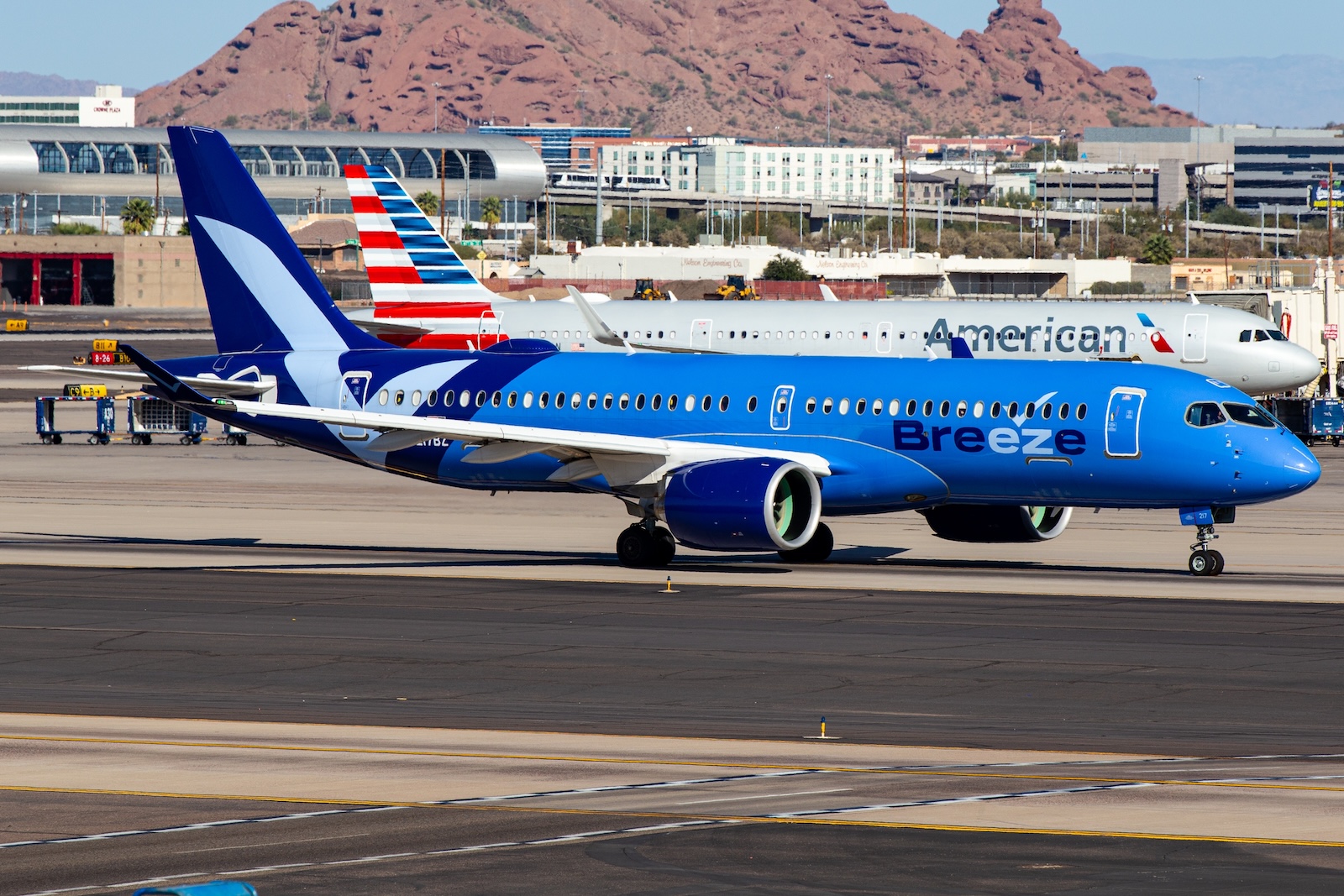
A Breeze A220
A Breeze A220. (Photo: Shutterstock | Wenjie Zheng)

Breeze is launching a new route to Florida this winter.

Starting Dec. 18, the low-cost airline will connect Greenville–Spartanburg International Airport in South Carolina with West Palm Beach, Florida. Flights will operate twice weekly, on Mondays and Fridays.

Breeze said the connection is seasonal, but did not provide an end date.

Breeze currently connects Charleston, South Carolina, and West Palm Beach; officials said the new route will help Upstate South Carolina residents reach the Florida coast.

The airline currently serves four destinations in Florida from Greenville-Spartanburg – Tampa, Orlando, Fort Myers, and Fort Lauderdale.

Zach Vasile

Zach Vasile is a writer and editor covering news in all aspects of commercial aviation. He has reported for and contributed to the Manchester Journal Inquirer, the Hartford Business Journal, the Charlotte Observer, and the Washington Examiner, with his area of focus being the intersection of business and government policy.

Delta Adds New Routes, Flights

The carrier is growing its network on the West Coast.

Delta A321neo
A Delta A321neo. (Photo: Delta)

Delta announced three domestic routes on Friday, including two from its hub at Los Angeles International Airport.

Starting Dec. 19, the carrier will offer twice-daily service between Los Angeles and Monterey, California. Flights will be operated by Delta Connection using Embraer E175 aircraft.

The carrier last served Monterey in 2008, according to Cirium Diio schedule data.

A mainline connection linking Los Angeles and Philadelphia will come online June 7, 2027, for the summer travel season. Flights will operate daily using Airbus A321neos.

Also on Dec. 19 of this year, Delta will start daily service between Salt Lake City and Monterey.

“We’re continuing to invest in more ways for customers to experience everything California has to offer,” Amy Martin, vice president of network planning at Delta, said in a news release. “With new service to Monterey from both Los Angeles and Salt Lake City, alongside our continued growth at LAX, we’re creating more opportunities for customers to connect to the places they want to go while building on our long-term commitment to Los Angeles and the West.”

The carrier will also add frequencies on several existing routes from Los Angeles. Service from Los Angeles to Boston will increase to five times daily; Raleigh-Durham, North Carolina, to twice daily; San Diego to five times daily; Seattle to eight times daily; Houston to three times daily; Cincinnati, Ohio, to twice daily; and San Antonio to three times daily.

Zach Vasile

Zach Vasile is a writer and editor covering news in all aspects of commercial aviation. He has reported for and contributed to the Manchester Journal Inquirer, the Hartford Business Journal, the Charlotte Observer, and the Washington Examiner, with his area of focus being the intersection of business and government policy.

American CEO: Higher Fuel Prices May Mean Capacity Cuts

Demand remains strong, Robert Isom said, but adjustments could be required if fuel costs do not moderate.

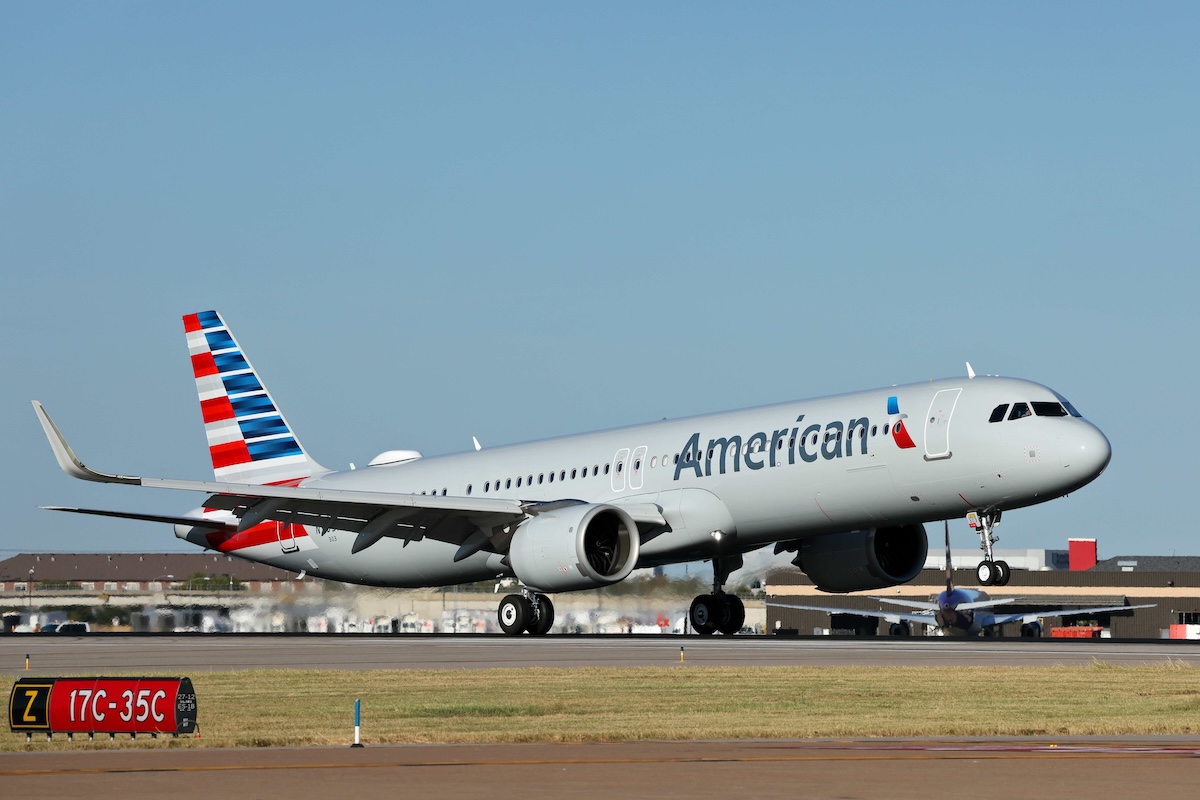
An American A321XLR
An American A321XLR. (Photo: DFW Airport)

American Airlines may look at cutting flights if jet fuel prices remain as high as they are right now, the carrier’s CEO said this week.

Speaking at the Morgan Stanley Laguna Conference in California on Wednesday, Robert Isom said American is doing a good job of “recapturing” much of the extra expense tied to fuel but may have to reevaluate its capacity planning in the coming months.

“If fuel prices remain as high as they are right now, I think that that’s going to require some adjustments in terms of our capacity planning as we take a look into the future,” he said.

But Isom was quick to stress that demand remains strong, unit revenue is up, and premium is continuing its outstanding run, placing American on solid financial ground.

Jet fuel prices doubled earlier this year during the war in Iran and the closure of the Strait of Hormuz. The global price of crude oil, from which jet fuel is refined, has climbed even higher in recent weeks as Iran clamps down on traffic in the strait and fighting intensifies in Yemen. Militants in Iraq recently bombed the East-West Crude Oil Pipeline in Saudi Arabia, a critical bypass for the strait, forcing Saudi Aramco to temporarily shut it down.

‘Race to the Top’

Isom also spoke at length about ongoing and planned efforts to improve the customer experience. He referenced investments in Flagship suites, the expansion of Starlink wireless internet, the return of seatback entertainment screens, and new airport lounges.

In the coming years, American will debut new lounges at a rate not seen in decades, Isom said. He did not give any hints about where those lounges will be.

The CEO also touched on American embrace of premium products, noting that 30% of the airline’s seats are now generating 50% of its revenue. The share of premium seats will only grow as the airline takes delivery of new airplanes, such as the Airbus A321XLR, and works out new configurations, he said.

When asked how American will fare in a “race to the top” environment where almost all carriers, even budget airlines, are adding and expanding premium offerings, Isom said the company’s advantages, including the scale of its North American network and the size of its fleet, give him confidence.

“I kind of like the set-up for the industry,” he said. “I think we have a head start and we’ve got the most growth, we have the most opportunity ahead of us.”

American trails behind competitors United and Delta in profitability, and that gap has become a source of friction between the airline’s leadership and certain work groups. Isom and other executives maintain that critical investments – some years in the making – are starting to bear fruit, though they acknowledge that fuel costs have slowed progress.

Zach Vasile

Zach Vasile is a writer and editor covering news in all aspects of commercial aviation. He has reported for and contributed to the Manchester Journal Inquirer, the Hartford Business Journal, the Charlotte Observer, and the Washington Examiner, with his area of focus being the intersection of business and government policy.

Lufthansa Places Its First Order for 737 MAX 10

Deliveries are scheduled to begin in the early 2030s.

Boeing 737 MAX 10
Boeing's 737 MAX 10 at Boeing Field. (Photo: AirlineGeeks | Katie Zera)

Lufthansa Group is expanding its planned fleet of Boeing 737 MAX aircraft with its first order of the MAX 10.

The airline group said Thursday that it has exercised options for 20 MAX 10 jets. The options were included in a 2023 order for 40 MAX 8s.

The 20 aircraft have a combined list value of approximately $3.4 billion, Lufthansa officials said. The company’s order book for the 737 MAX family now totals 60 aircraft.

Deliveries of the MAX 10s are expected to begin in the early 2030s.

Lufthansa Group said the new jets will gradually replace older Airbus A320-family aircraft across its subsidiary airlines.

The long-delayed MAX 10 recently completed its final test flight and is believed to be very close to FAA certification. Boeing initially planned to have the variant certified by 2020, but the global grounding of all MAX variants in 2019, heightened regulatory scrutiny, and persistent problems with the model’s anti-ice system caused repeated delays. Progress toward certification has picked up over the last two years.

Zach Vasile

Zach Vasile is a writer and editor covering news in all aspects of commercial aviation. He has reported for and contributed to the Manchester Journal Inquirer, the Hartford Business Journal, the Charlotte Observer, and the Washington Examiner, with his area of focus being the intersection of business and government policy.
Sign-up for newsletters & special offers!

Get the latest stories & special offers delivered directly to your inbox

SUBSCRIBE