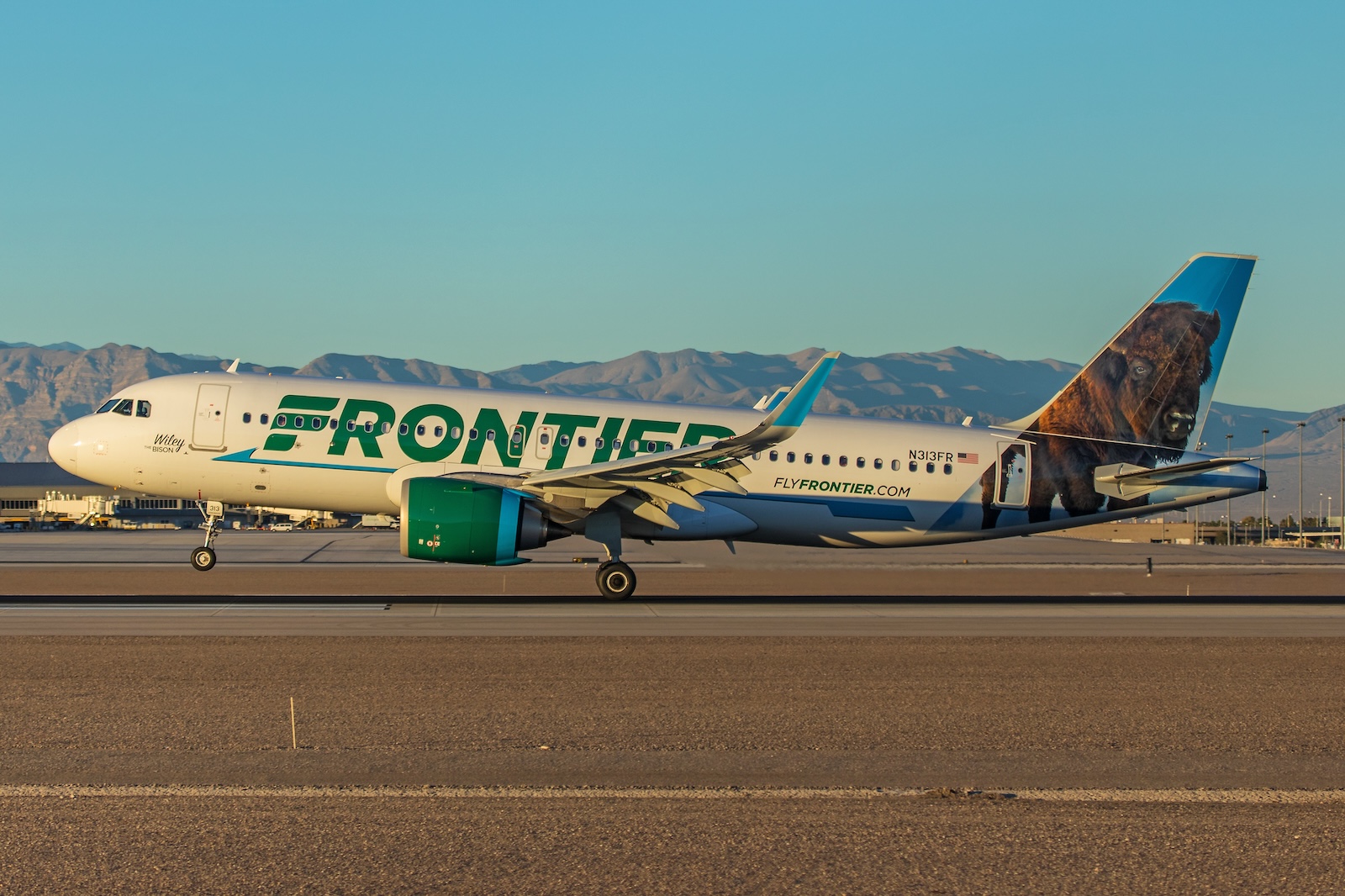
A Frontier Airbus A320neo (Photo: AirlineGeeks | William Derrickson)
Frontier is launching a new nonstop route from Detroit.
Starting Nov. 20, the ultra-low-cost airline will connect Detroit and New York-LaGuardia. Flights will operate daily during the holiday season, then switch to three times weekly.
Frontier operates at all three major New York-area airports, but does not currently connect New York and Detroit.
Like several other routes added by Frontier in recent weeks, Detroit-LaGuardia was formerly operated by the now-defunct Spirit Airlines. Frontier has made a point of reactivation former Spirit routes to capture market share.
“Frontier’s continuing growth at DTW means more affordable flight options to more destinations, which is a win for cost-conscious consumers looking for their new value airline of choice,” Josh Flyr, vice president of network and operations design at Frontier, said in a news release.
Frontier will also increase frequencies on existing routes from Detroit to Miami, Orlando, Fort Lauderdale, and Tampa. The airline did not say exactly how many new flights will be added, or when they will commence.
Zach Vasile is a writer and editor covering news in all aspects of commercial aviation. He has reported for and contributed to the Manchester Journal Inquirer, the Hartford Business Journal, the Charlotte Observer, and the Washington Examiner, with his area of focus being the intersection of business and government policy.
Cape Air Selects Cessna Grand Caravan EX for Montana Operations
The turboprop aircraft will be introduced in 2027, the carrier said.
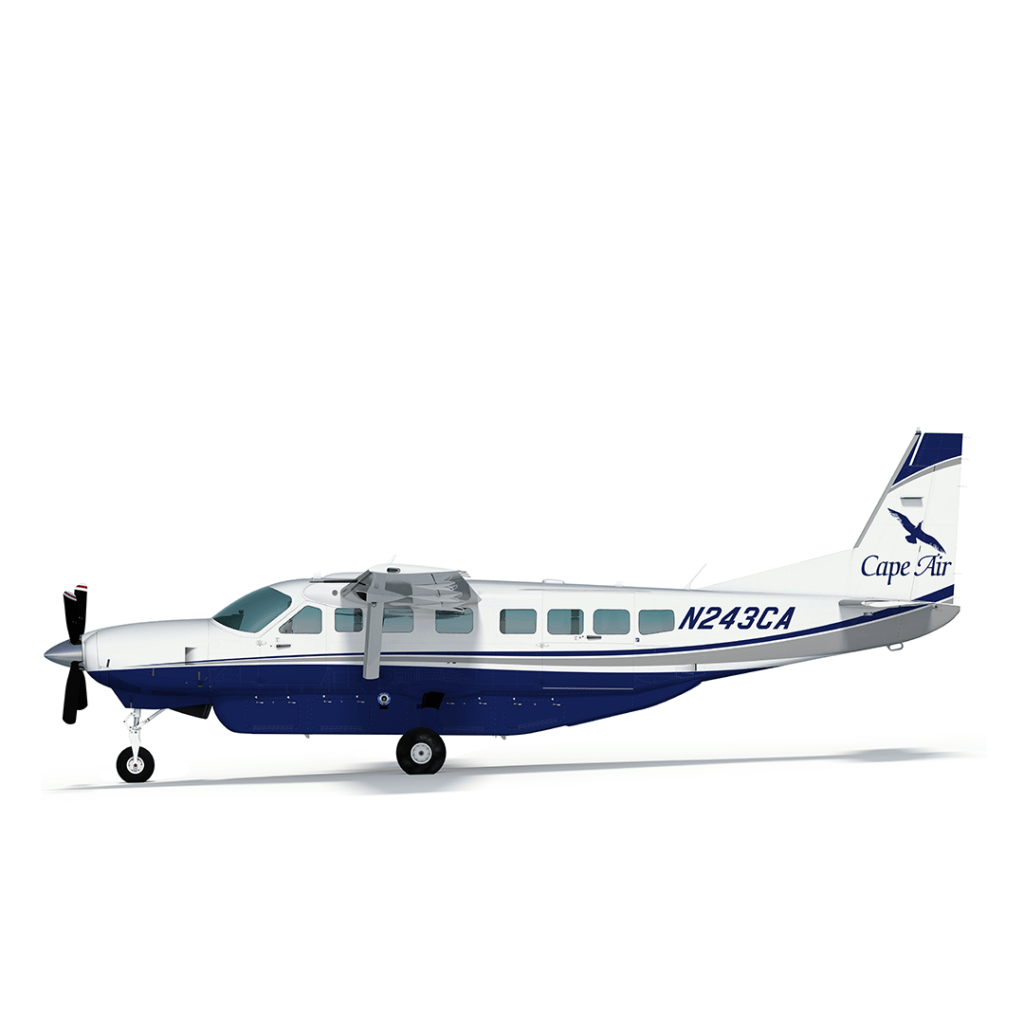
Cessna Grand Caravan EX. (Photo: Textron Aviation)
Massachusetts-based Cape Air has ordered eight Cessna turboprop aircraft to support its regional operations in Montana.
The carrier said it selected the Cessna 208B Grand Caravan EX to replace the Tecnam P2012 Traveller, which currently serves Cape Air’s Montana network. The first of the new Grand Caravans will enter service in Montana in 2027, the airline said, and the fleet transition should be complete by the end of that year.
The airplanes will be equipped with a belly cargo pod, providing significantly increased baggage and storage capacity.
“The communities we serve in Eastern Montana are unique, and we’re proud to continue investing in air service that meets their needs,” Mike Migliore, Cape Air’s president and CEO, said in a news release. “The Cessna Grand Caravan EX is a proven, dependable aircraft that will provide additional flexibility for passengers traveling with baggage, sporting equipment, work gear, and other essential items. It is a great fit for our Montana operation and reinforces our long-term commitment to the communities we serve.”
A rendering of a Cessna 208B Grand Caravan EX with Cape Air livery. (Credit: Cape Air)
The new aircraft will fly Cape Air’s routes connecting Billings with Havre, Glasgow, Glendive, Sidney, and Wolf Point.
The P2012 Travellers will remain in service as the Grand Caravan is phased in, officials said.
Cape Air is headquartered in Hyannis, Massachusetts, and operates short-haul flights in the Northeast, eastern Montana, and the eastern Caribbean.
Zach Vasile is a writer and editor covering news in all aspects of commercial aviation. He has reported for and contributed to the Manchester Journal Inquirer, the Hartford Business Journal, the Charlotte Observer, and the Washington Examiner, with his area of focus being the intersection of business and government policy.
American, Condor Sign Interline Deal
The partners will use four U.S. airports as gateways.
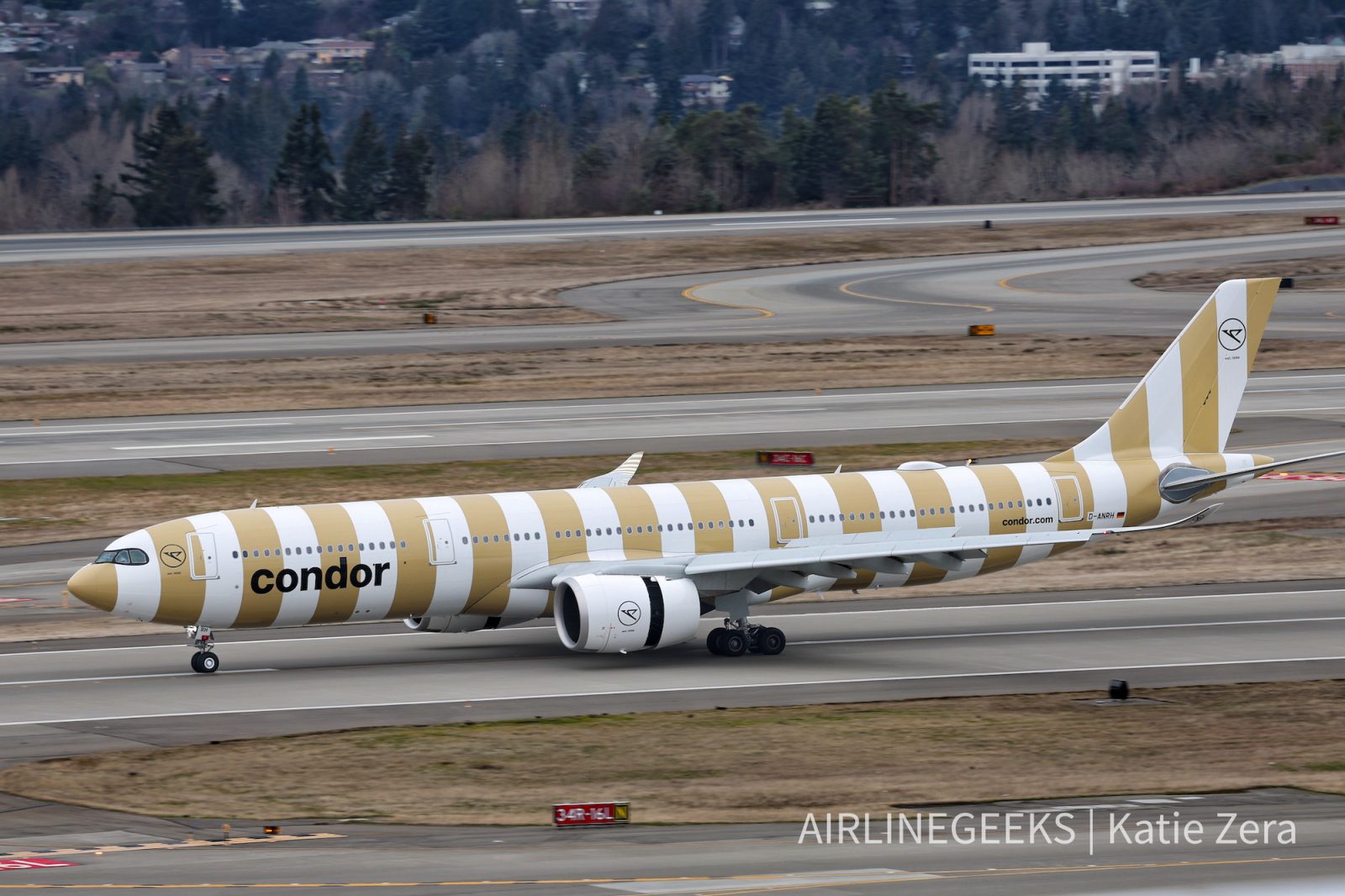
A Condor A330neo in Seattle. (Photo: AirlineGeeks | Katie Zera)
American Airlines and German airline Condor are now interline partners.
The carriers announced Wednesday that customers will be able to book connecting American-Condor flights with a single ticket, and with through-checked baggage.
The agreement will make it easier for European travelers to access American’s North American network, officials said, while helping U.S. passengers reach popular destinations such as Paris, Rome, Vienna, Barcelona, and Zurich via Condor’s hub in Frankfurt.
The partners will initially use New York-JFK, Boston, and Los Angeles as gateways. Chicago O’Hare will join that list when Condor’s nonstop service from Frankfurt begins in May 2027.
“Combining our extensive North American network with Condor’s presence in Germany and Europe creates a winning proposition for our mutual customers,” Jeff Ogar, American’s managing director of alliances, said in a news release.
American and Condor said new joint itineraries will be available for booking on their websites and through travel agencies “soon.”
Zach Vasile is a writer and editor covering news in all aspects of commercial aviation. He has reported for and contributed to the Manchester Journal Inquirer, the Hartford Business Journal, the Charlotte Observer, and the Washington Examiner, with his area of focus being the intersection of business and government policy.
Airports Enlist AI Holograms as Guides
“Amelia,” a wayfinding avatar, is helping travelers navigate Boston Logan.
"Amelia" on a Proto display at Boston Logan. (Photo: Proto)
Travelers navigating unfamiliar airports are getting a futuristic new resource – artificial intelligence-powered holograms that can point them to a gate, advise them on parking, and even call up TSA wait times.
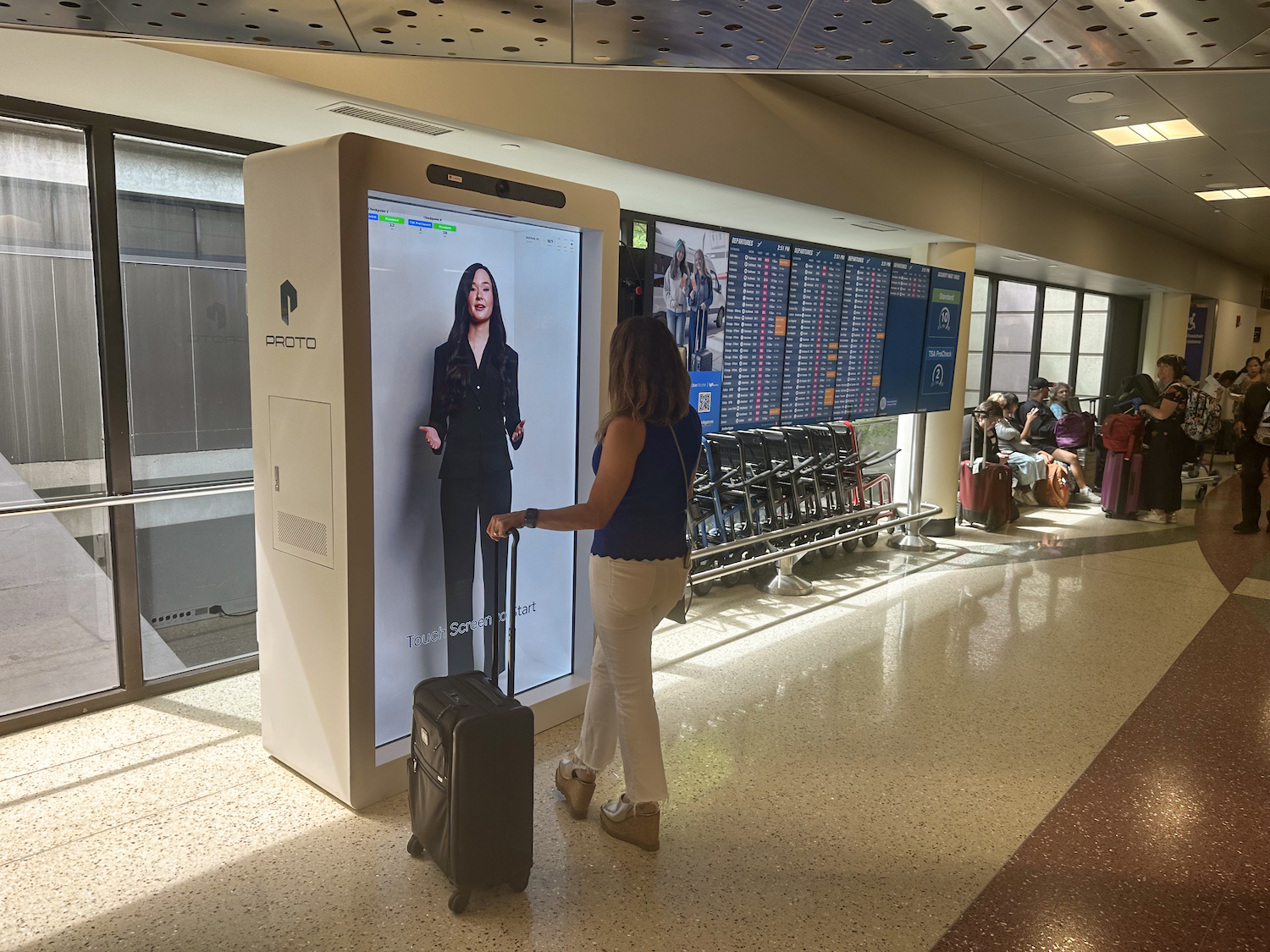
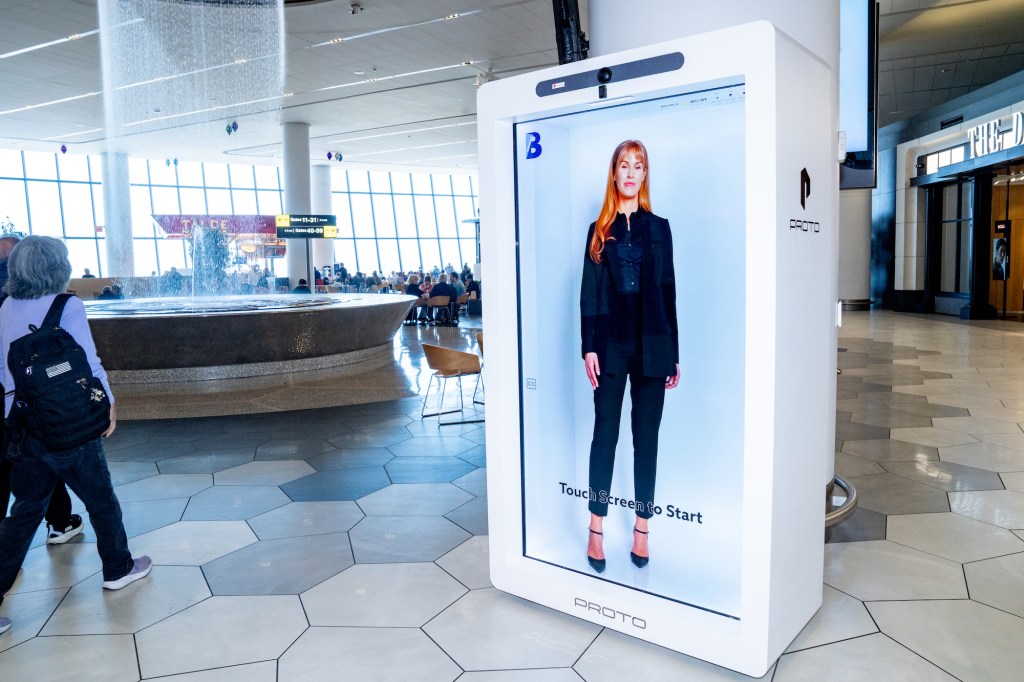
Hologram displays developed by Los Angeles company Proto Hologram have been installed at numerous U.S. airports in recent years, and just recently landed at Boston Logan. From nine separate display boxes positioned across Logan, a lifesize AI character named Amelia interacts with travelers and answers their questions. She can respond to and answer questions in several languages, and her current repertoire of airport knowledge includes 400 points of interest, set to increase to 1,000 by the end of the year.
“It’s like an all-knowing person is giving you this information, even after work hours when there aren’t humans immediately available to talk to,” Proto founder and chairman David Nussbaum told AirlineGeeks. “If you have ever been lost in a strange city, salvation is finding someone to help you.”
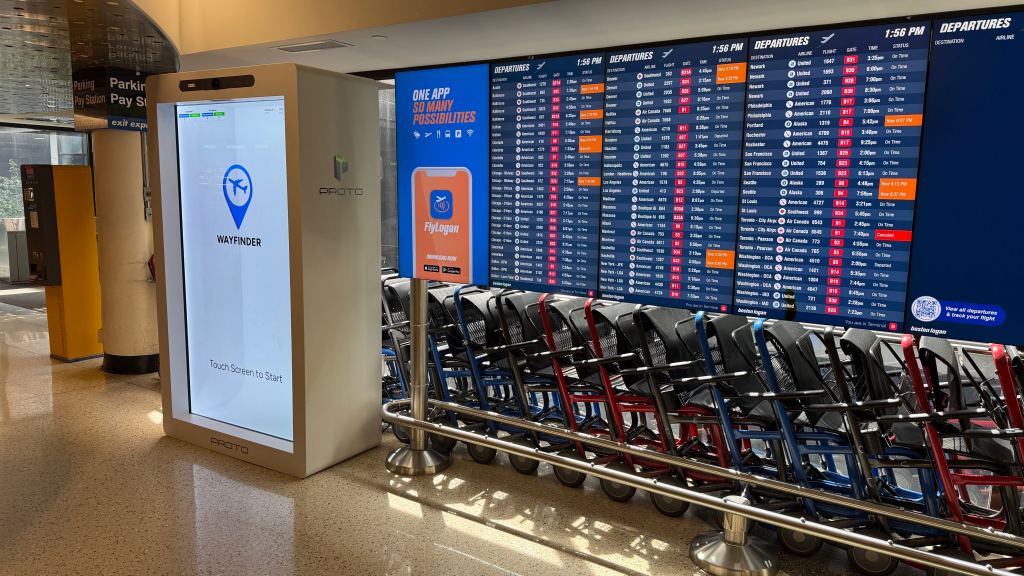
The version of Proto installed at Logan is the closest representation of the technology’s actual abilities, Nussbaum said. While other airports have used the holograms mainly for marketing, advertisements, and entertainment, Amelia is a “wayfinding avatar” designed to answer questions and act as a guide. The nine displays at Logan recognize their own location within the airport, and will give directions tailored to the traveler directly in front of them.
A Proto display at LaGuardia. (Photo: Proto)
To reduce the likelihood of a wrong turn, users can scan a QR code on the display screen and get a map with directions to their destination sent to their phone. And if a conversation reaches a point where the technology cannot produce an answer, it will contact a human agent, and have the agent call the passenger on their phone.
Feedback from travelers has been positive. Nussbaum said he was concerned that usage would start strong when the displays were first introduced and then decline, but so far passenger engagement has remained robust, with members of the public interacting with Proto holograms “every hour of every day” since launch.
Amelia was developed specifically for the Massachusetts Port Authority, which operates Logan. Nussbaum said other airports opting for a wayfinding avatar would likely want their own AI ambassador, which Proto would help them plan and design.
‘Right In Our Wheelhouse’
Proto’s technology has found a wide range of applications. Its displays now beam AI characters and real people, including musicians and comedians, into shopping malls, stadiums, and event venues. Celebrities and corporate executives use Proto holograms to appear before audiences they cannot reach in person. The company is also expanding into healthcare and education settings.
A Proto display at Boston Logan. (Photo: Matt Leighton)
But Nussbaum said airports and other travel industry customers have been and will remain a critical part of Proto’s business.
“I don’t think there’s going to be a bigger area than travel and hospitality,” he said. “That’s right in our wheelhouse.”
Besides Boston Logan, Proto displays have been installed at New York-JFK, LaGuardia, San Francisco, Pittsburgh, Dayton, Ohio, Jacksonville, Florida, Louisville, Kentucky, and Nashville, Tennessee, as well as the Delta Flight Museum in Georgia. The company expects to announce partnerships with more airports “very soon.”
Nussbaum said the company’s biggest business opportunity at present is the software that powers the holograms. Proto recently decoupled the software from the hardware of the display box, meaning clients can now get Proto holograms on their existing screens, though they would lack the depth and visual texture of the 3-D versions. Nussbaum said this separation could one day allow AI helpers to appear across many screens within an airport.
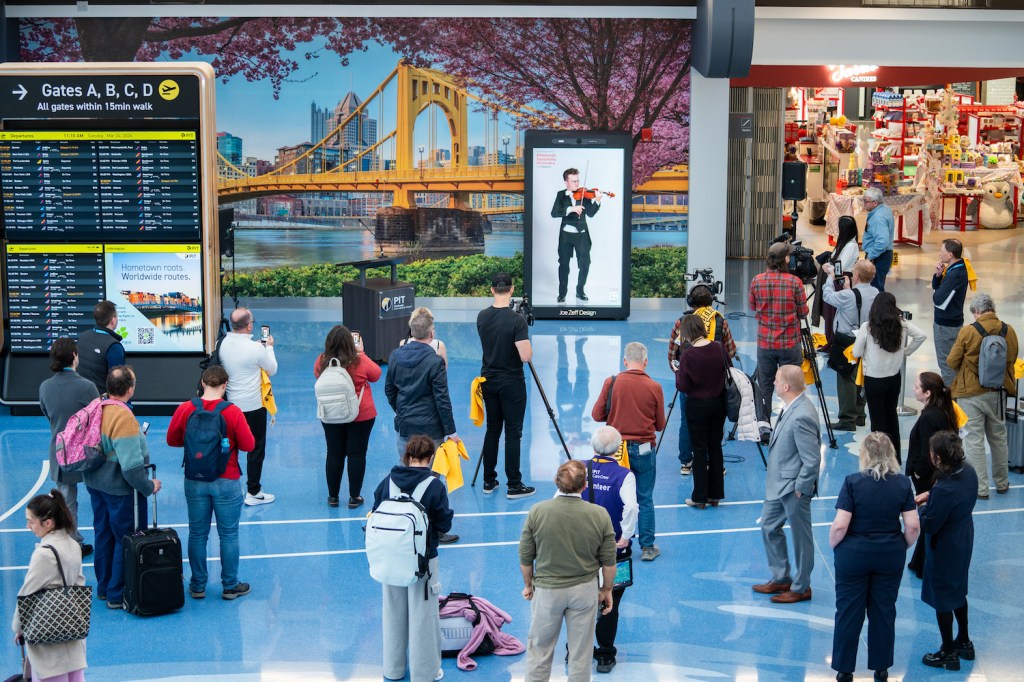
A musician performs via hologram at Pittsburgh International Airport. (Photo: Proto)
Other avenues for growth include the development of AI brand ambassadors and applications that help travelers hundreds or thousands of miles apart communicate with each other face-to-face.
“I think talking to each other is a lost art,” Nussbaum said. “I love the idea that you can have real people engaging in real time regardless of where they are in the world.”
Zach Vasile is a writer and editor covering news in all aspects of commercial aviation. He has reported for and contributed to the Manchester Journal Inquirer, the Hartford Business Journal, the Charlotte Observer, and the Washington Examiner, with his area of focus being the intersection of business and government policy.
New Airline to Land at Kentucky Airport
With the change in operators comes a new destination on the East Coast.
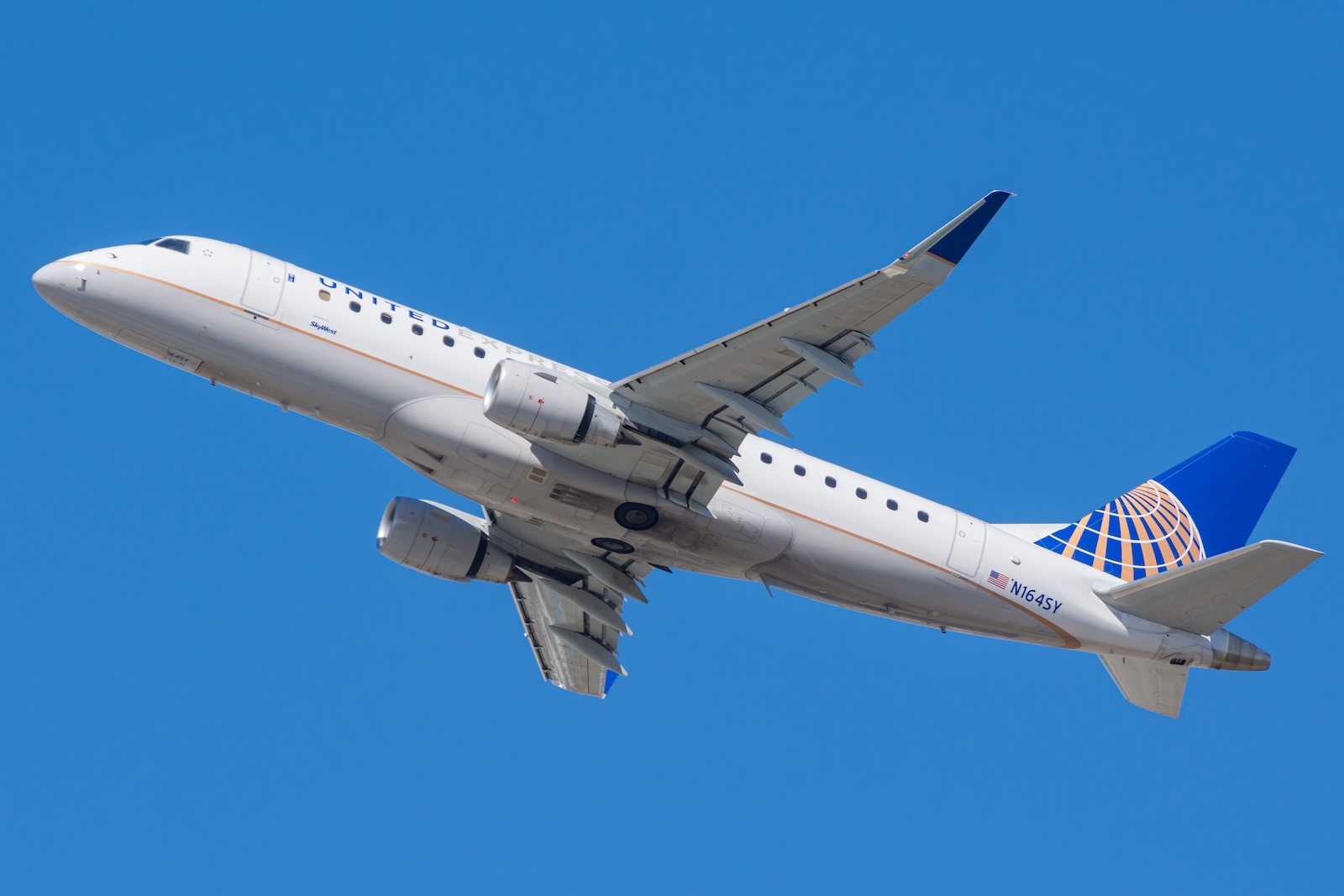
United Express flights operated by SkyWest will commence Oct. 13, taking over from Contour Airlines. SkyWest will connect Owensboro with Chicago O’Hare and Washington Dulles.
Contour currently offers service to O’Hare and Charlotte, North Carolina. It is the only airline at Owensboro.
The U.S. Department of Transportation selected SkyWest to take over EAS at the airport in June. The carrier’s service term runs through July 31, 2030.
According to DOT filings, SkyWest has agreed to operate 12 round trips per week between Owensboro and O’Hare. The airline plans to serve Washington, D.C., twice daily through Oct. 24, then switch to daily.
Regulators said there will be no gap in service between Contour ending operations at Owensboro and SkyWest starting its own.
Owensboro is located in western Kentucky along the Ohio River, which forms the state line with Indiana.
Zach Vasile is a writer and editor covering news in all aspects of commercial aviation. He has reported for and contributed to the Manchester Journal Inquirer, the Hartford Business Journal, the Charlotte Observer, and the Washington Examiner, with his area of focus being the intersection of business and government policy.
Breeze Pilots Request Federal Mediation in Contract Negotiations
Breeze Airways Embraer 190 at Palm Beach International Airport. (Photo: AirlineGeeks | Vanni Gibertini)
Pilots at low-cost carrier Breeze Airways are asking the federal government to step in amid apparently stalled negotiations for a new collective bargaining agreement.
ALPA, which represents the pilots, said this week that it has filed a request with the National Mediation Board asking the agency to appoint a federal mediator to assist in the bargaining process.
“Serving notice to the NMB is a necessary next step for our pilot group,” Alex Kluge, chair of the Breeze ALPA Master Executive Council, said in a news release. “After nearly four years in negotiations, Breeze management has shown that it is either unwilling or unable to bargain in good faith on its own. Federal mediation gives our pilots a structured, enforceable path toward the industry-standard contract they have earned.”
In a statement, Breeze acknowledged that ALPA is seeking outside mediation but disputed the union’s characterization of their talks, saying progress has been made.
“We respect the union’s decision to request mediation; however, we do not agree with ALPA’s claims that Breeze has been unwilling or unable to bargain in good faith,” the airline said.
“ALPA and Breeze have made meaningful progress at the bargaining table and have successfully reached tentative agreements on many sections of the contract, including exchanging passes on additional outstanding sections the same week that ALPA indicated they would be seeking the intervention of a mediator,” the statement continued. “Breeze remains committed to building on this progress and bargaining in good faith to reach a fair agreement that recognizes the important contributions of our pilots while supporting the long-term success and sustainability of Breeze.”
Breeze’s pilots voted to join ALPA in 2022. Negotiations for their first collective bargaining agreement have been underway since early 2023.
ALPA said that, in the years since, only a “small fraction” of contract sections have reached tentative agreements. Only two sections have been tentatively agreed upon since January 2025, the union said.
ALPA sued Breeze earlier this year over alleged violations of the Railway Labor Act, which governs labor relations in the airline sector. The union accused Breeze of bargaining in bad faith and working to undermine ALPA’s position as the legitimate representative of its pilots.
The carrier’s ultimate aim, ALPA said, is to get their pilots to decertify.
Breeze told AirlineGeeks at the time that ALPA’s claims do not reflect the reality of the negotiations.
Zach Vasile is a writer and editor covering news in all aspects of commercial aviation. He has reported for and contributed to the Manchester Journal Inquirer, the Hartford Business Journal, the Charlotte Observer, and the Washington Examiner, with his area of focus being the intersection of business and government policy.
Lufthansa to Certify Drag-Reducing ‘Shark Skin’ for A330
The coating will be tested on an A330-300 from Discover Airlines.
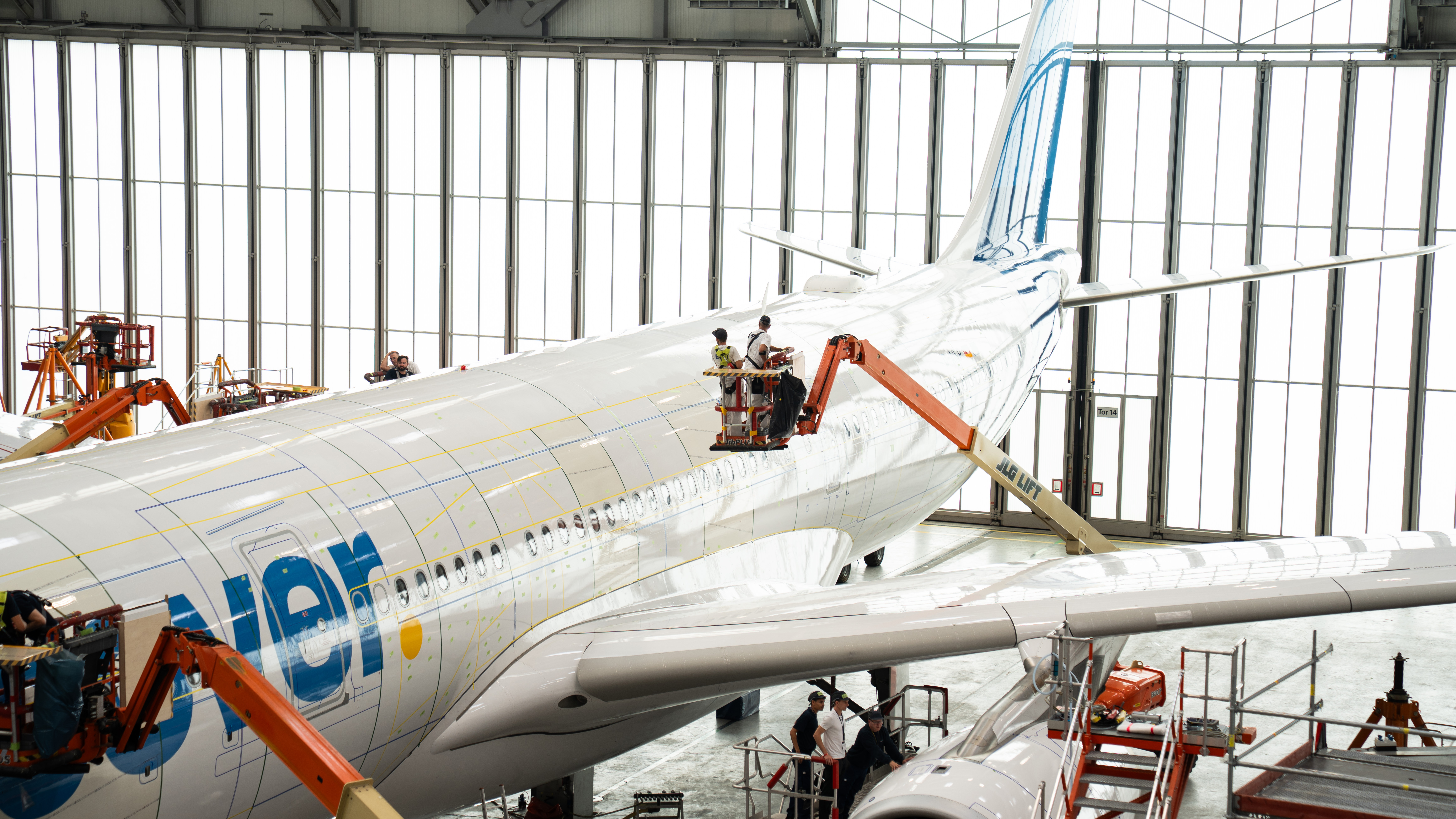
Crews applying AeroShark to an aircraft. (Photo: Lufthansa Group)
Lufthansa Group will pursue certification for its in-house “shark skin” – a drag-reducing aircraft coating – on the Airbus A330.
The airline conglomerate said this week that its “AeroShark” solution will be applied to an A330-300 operated by subsidiary Discover Airlines. The aircraft will undergo several weeks of testing both before and after the special coating is applied at Lufthansa Technik’s facility in Dresden.
The AeroShark film uses microscopic grooves modeled on actual shark skin to reduce drag on aircraft exteriors, which in turn lowers fuel consumption and carbon emissions. Currently, the coating is applied only to an aircraft’s fuselage and engine cowlings.
The technology was developed jointly by Lufthansa Technik and Surventis, and its certification is supported by a partnership with Mastercard.
The European Union Aviation Safety Agency has already approved Lufthansa Group’s use of the AeroShark system on the Boeing 777-300ER, the 777-200ER, and the 777F. The process now underway would certify AeroShark for the A330-200 and -300.
“AeroShark is an excellent example of how innovations from the Lufthansa Group can make concrete contributions to greater efficiency and lower emissions,” Grazia Vittadini, chief technology officer at Lufthansa Group, said in a news release. “With the planned certification for the Airbus A330ceo, we are tapping into the potential of another significant portion of the global long-haul fleets.”
As of July, 22 Lufthansa Group long-haul aircraft were equipped with AeroShark.
Lufthansa Technik and Surventis are also working to develop a new version of the coating that can be applied to an aircraft’s wings and horizontal and vertical stabilizers.
Zach Vasile is a writer and editor covering news in all aspects of commercial aviation. He has reported for and contributed to the Manchester Journal Inquirer, the Hartford Business Journal, the Charlotte Observer, and the Washington Examiner, with his area of focus being the intersection of business and government policy.
ALPA Pushes JetBlue for Stronger Response to Bad Weather, ATC Shortages
Both issues have been particularly pronounced in the Northeast, where the airline has a significant footprint.
A JetBlue Airbus A320 on the ground at New York's John F. Kennedy International Airport. (Photo: AirlineGeeks | Shaquille Khan)
JetBlue could and should be doing more to mitigate the operational fallout from events such as bad weather and air traffic control staffing shortages, the union representing its pilots said.
In a Labor Day message to members, Wayne Scales, head of the JetBlue pilots segment at ALPA, said he and other members of the Master Executive Council are urging the airline to take steps to prevent flight delays from spiraling into large-scale service interruptions.
“Claiming summer operations have been challenging is a massive understatement,” Scales said. “This summer took a toll with long days, repeated disruptions, and too much seemingly preventable chaos.”
ALPA provided a copy of the message to AirlineGeeks on Tuesday.
According to Scales, delays and cancellations have been made worse by the very systems meant to control and resolve such issues. Pilots have had to contend with delayed scheduled modifications, some of which make little operational sense and fail to comply with the terms of their collective bargaining agreements, he said. Other persistent problems include lack of accommodations during difficult stretches and long wait times on calls to crew services.
“Management is responsible for recovering the airline from disruptions,” Scales said. “They must also take responsibility for deteriorating employee morale and the waning confidence our pilots have in the way the company is run. The MEC has sounded this alarm with senior management in response to this summer’s abysmal performance, we’ve had straightforward and open dialogue about the concerns of our pilots, and we’ve called on them to provide you a clear and comprehensive action plan.”
Scales acknowledged that weather conditions and ATC staffing levels are outside the control of any carrier but argued that JetBlue still has a responsibility to deal with those events in a way that lessens the impact on crews and passengers.
“Storms and air traffic constraints will happen; no airline can fully eliminate operational disruptions,” he said. “What management can control is how prepared JetBlue is to respond – and how effectively it recovers.”
JetBlue did not immediately respond to a request for comment on Scales’ remarks but told Reuters earlier this week that it undertook extensive preparations for the summer travel season.
“The unpredictability of weather and air traffic control constraints makes it significantly harder to plan ahead and can cause disruptions to compound quickly,” the carrier said. “This is exacerbated for JetBlue given our outsized footprint in the Northeast.”
Airlines across the country have faced challenges from inclement weather and air traffic control staffing shortages this summer, but both issues have been particularly acute in the Northeast. JetBlue has hubs at New York-JFK and Boston and serves other large, medium, and small airports across the region.
ALPA has publicly criticized JetBlue when weather and controller problems caused complications for member pilots and customers. In a statement released July 20, Scales said the airline’s scheduling system experienced an outage during a spate of severe storms.
“JetBlue management claims that they are working to stabilize the airline and build consumer trust only to have these systems collapse week after week, weather incident after weather incident,” he said at the time.
JetBlue and ALPA are currently negotiating a new contract. The pilots’ current agreement became amendable in February 2025.
Zach Vasile is a writer and editor covering news in all aspects of commercial aviation. He has reported for and contributed to the Manchester Journal Inquirer, the Hartford Business Journal, the Charlotte Observer, and the Washington Examiner, with his area of focus being the intersection of business and government policy.
Air France to Open Its Largest International Lounge at JFK’s New Terminal One
The space will span 29,000 square feet, cover two levels, and seat over 400 travelers.
The carrier said Tuesday that the space will cover two levels and seat over 400 people. It will include dining areas, a bar featuring French wines and champagne, and spaces for beauty treatments, relaxation, and work.
The airline is developing the lounge in collaboration with design agency MARKS Brandimage.
Air France said the new lounge will be its largest outside of France.
The lounge will be open to Air France La Première and Business customers, Flying Blue Elite Plus members, and eligible travelers flying with KLM and SkyTeam partner airlines. The carrier said an exclusive space inside the lounge will be reserved for Flying Blue Ultimate members.
Air France plans to transfer all of its flights at JFK to the New Terminal One starting next year. It did not say exactly when the lounge will open.
“With our move to New Terminal One and the opening of this new lounge, we are taking our premium travel experience to a new level, continuing to invest not only in the flight itself, but providing elegance in every moment of the journey,” Nicolas Henin, senior vice president for North America at Air France-KLM, said in a news release. “We want our travelers to experience the best of Air France, with French hospitality, gastronomy, and savoir-faire at the heart of the experience, and this exceptional new lounge will be a true showcase of that ambition.”
The New Terminal One is expected to open in phases between 2027 and 2030. Construction work on the facility has been ongoing since 2022.
Zach Vasile is a writer and editor covering news in all aspects of commercial aviation. He has reported for and contributed to the Manchester Journal Inquirer, the Hartford Business Journal, the Charlotte Observer, and the Washington Examiner, with his area of focus being the intersection of business and government policy.
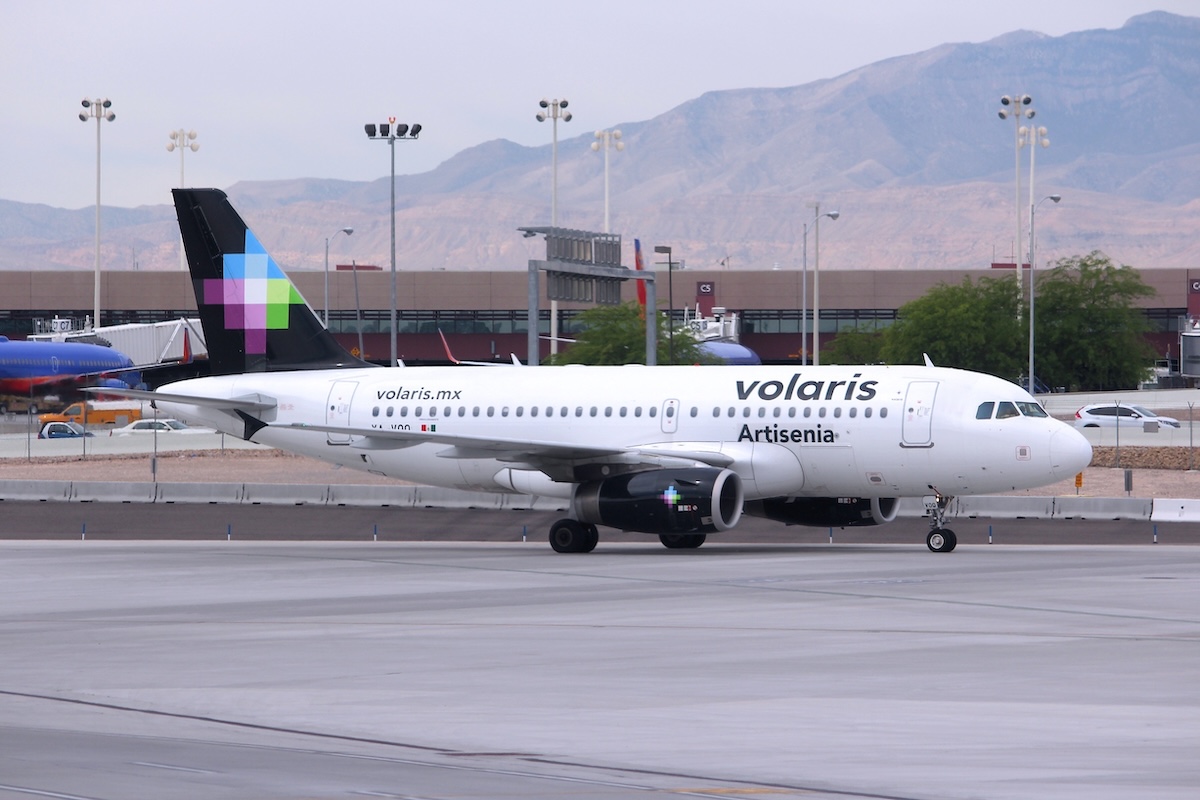
Mexican budget airline Volaris is continuing to grow its U.S. network from Guadalajara.
Raleigh-Durham International Airport in North Carolina announced last week that Volaris will offer flights to Guadalajara starting Oct. 16. The airline subsequently said that it will add two more U.S. markets around the same time – Boston Logan and Nashville, Tennessee.
Both connections will come online Oct. 15.
Volaris also said it will move up the start of two previously announced routes, to Atlanta and Washington Dulles, to Oct. 15. Those connections were first made public in August.
“Guadalajara is one of the pillars of our connectivity strategy,” Holger Blankenstein, executive vice president of commercial and operations at Volaris, said in a news release. “From here, we are extending our wings to new U.S. cities so our customers can travel more, discover new destinations, visit their loved ones, and take advantage of new opportunities, always with accessible fares, direct flights, and the quality of service that defines Volaris.”
Tickets for all five upcoming routes are now available for purchase.
Zach Vasile is a writer and editor covering news in all aspects of commercial aviation. He has reported for and contributed to the Manchester Journal Inquirer, the Hartford Business Journal, the Charlotte Observer, and the Washington Examiner, with his area of focus being the intersection of business and government policy.
Sign-up for newsletters & special offers!
Get the latest stories & special offers delivered directly to your inbox