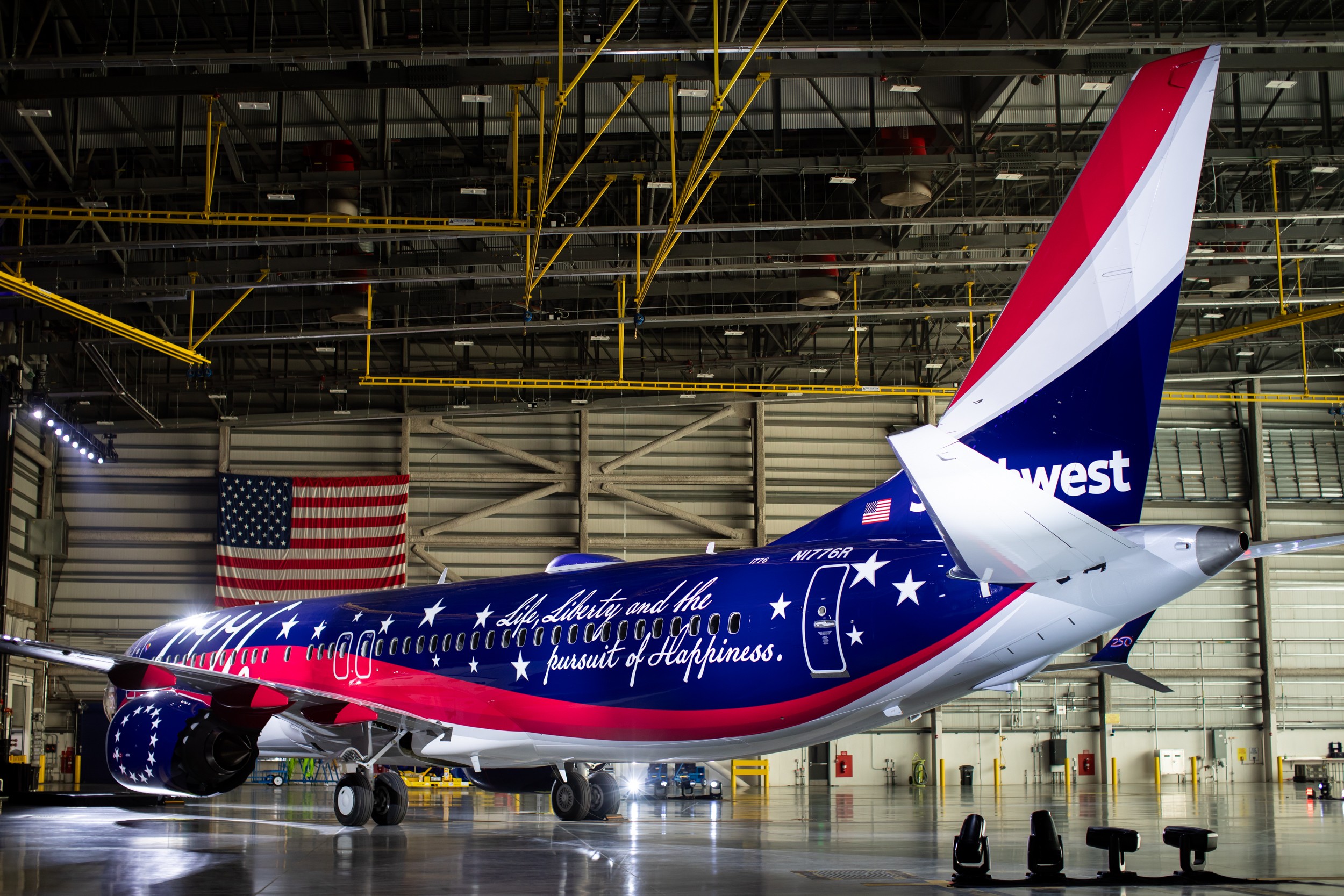
Southwest and flight-tracking website FlightAware are making it easier for planespotters and fans to follow the carrier’s new patriotic livery, Independence One.
Starting Tuesday and continuing through Sept. 9, FlightAware will represent the specially painted aircraft – a Boeing 737 MAX 8 – with a custom icon of 13 stars encircling a red-white-and-blue jet.
Southwest unveiled Independence One on April 27, and it entered service two days later with a flight from Dallas/Fort Worth to Philadelphia. It was designed specifically for the country’s 250th anniversary celebrations, which are now underway in Washington, D.C., and across the U.S.
Fittingly, the aircraft is registered as N1776R.
“Southwest Airlines is proud to honor this incredible milestone for America with Independence One, and since we unveiled the new livery in April, we’ve seen a lot of Heart for the design and interest in where it is flying,” Whitney Eichinger, Southwest’s senior vice president and chief communications officer, said in a news release. “We are excited to partner with FlightAware to make tracking our new livery easier, whether you are flying Southwest or plane spotting from the ground.”
Independence One features long red, white, and blue stripes down the length of its fuselage and tail assembly; 13 stars for the original colonies; circles of stars on each engine cowling, recalling the Betsy Ross flag; the date “1776” written in giant quill script; and the phrase “Life, liberty, and the pursuit of happiness,” taken from the Declaration of Independence.
Independence One is one of three U.S.-themed aircraft in Southwest’s fleet, the others being “Freedom One,” which was introduced in 2021, and the more recent “Liberty One.”
Zach Vasile is a writer and editor covering news in all aspects of commercial aviation. He has reported for and contributed to the Manchester Journal Inquirer, the Hartford Business Journal, the Charlotte Observer, and the Washington Examiner, with his area of focus being the intersection of business and government policy.
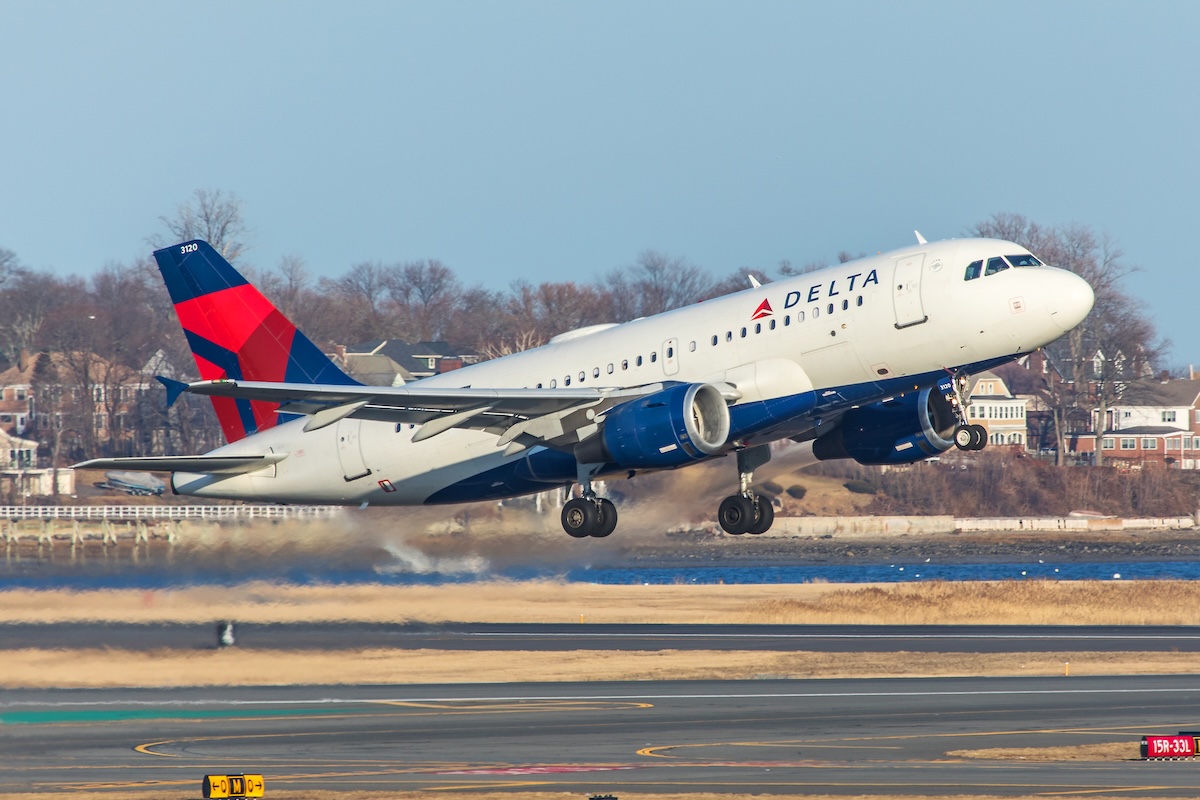
Delta Adds Flights for 2027 Masters
The carrier will ramp up service at Augusta Regional Airport for the April tournament.
The carrier announced it will upgrade existing service to Augusta from Atlanta while adding temporary connections from New York-JFK, LaGuardia, Boston, Detroit, Los Angeles, Minneapolis, Newark, New Jersey, Reagan National, Austin, Texas, Nashville, Tennessee, and Cincinnati, Ohio.
“With nearly 100 additional flights, expanded mainline service, and strong connectivity across our hubs, we’re making it easier than ever for our customers to get to Augusta, while reinforcing Delta’s role as the airline best equipped to connect fans to the world’s biggest golf events,” Amy Martin, vice president of network planning at Delta, said in a statement.
The airline will operate up to 20 daily departures for the tournament during peak travel days. On its Atlanta-Augusta route, Delta will use larger mainline aircraft for daily roundtrip flights.
The full schedule of temporary connections is:
LaGuardia: Up to 2x daily service during peak days; 18 flights in total.
Boston: Daily service across select days; nine flights in total.
Detroit: Daily service across select days; nine flights in total.
Minneapolis: Daily service across select days; nine flights in total.
Newark: Daily service across select days; nine flights in total.
Reagan National: Daily service throughout the tournament; nine flights in total.
Austin: Daily service throughout the tournament; nine flights in total.
JFK: Daily service across most days; eight flights in total.
Nashville: Service aligned to peak tournament days; six flights in total.
Cincinnati: Service aligned to peak tournament days; six flights in total.
Los Angeles: Select long-haul flights; four flights in total.
The Masters Tournament is held each year at Augusta National Golf Club.
Zach Vasile is a writer and editor covering news in all aspects of commercial aviation. He has reported for and contributed to the Manchester Journal Inquirer, the Hartford Business Journal, the Charlotte Observer, and the Washington Examiner, with his area of focus being the intersection of business and government policy.
Royal Jordanian Crew Member Killed in New York Bus Crash
The chartered bus was carrying crew from a flight that had arrived at JFK from Amman.
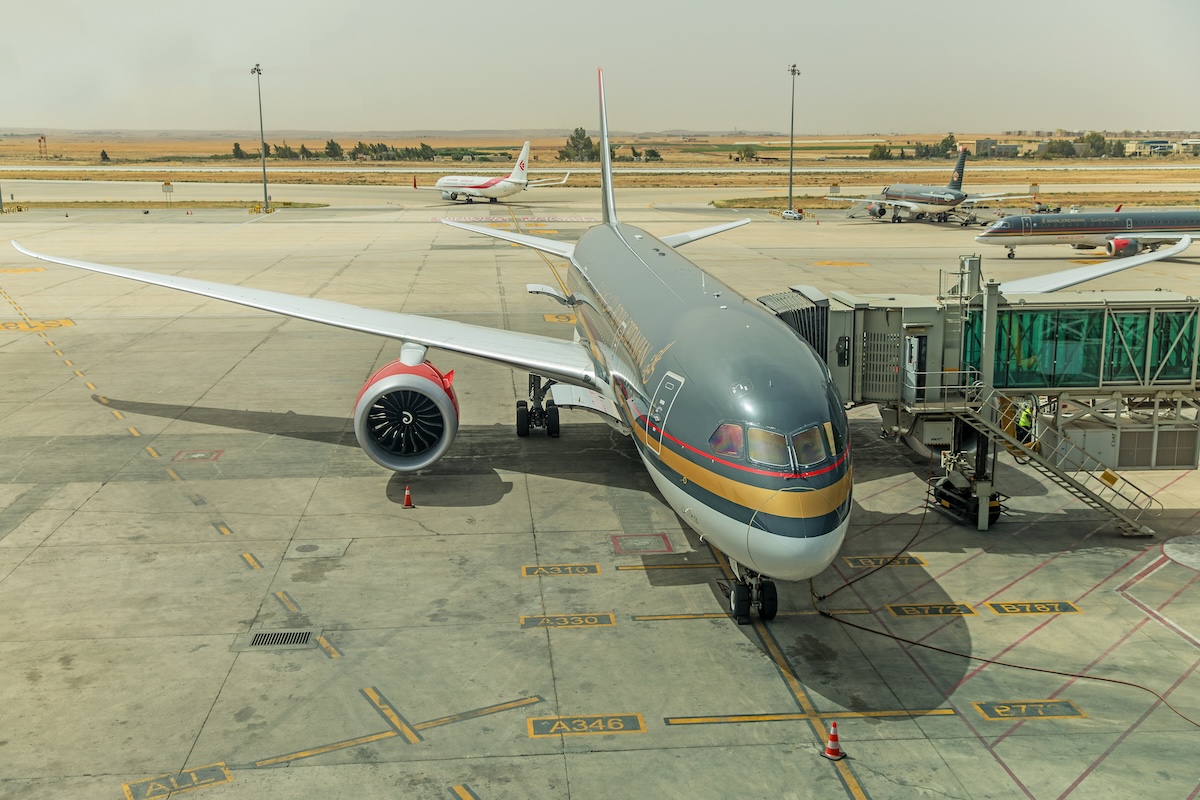
A Royal Jordanian Boeing 787 Dreamliner (Photo: AirlineGeeks | William Derrickson)
Two people were killed after a chartered bus carrying Royal Jordanian crew members crashed late Monday night on the Long Island Expressway in Queens, New York.
The crash happened around 11:45 p.m. near the Greenpoint Avenue exit in Maspeth, according to local reporting from WABC. The bus was transporting crew members from Royal Jordanian Flight 8261, which had arrived at New York-JFK from Amman, Jordan, just before 9:45 p.m. local time.
The bus was carrying 15 airline crew members from JFK to their accommodations when the collision occurred. The airline said one crew member died, while the remaining injured crew members were in stable condition and receiving medical care.
WABC reported that the bus first collided with two vehicles before striking the center divider. It then overturned into the opposite lanes of traffic and hit two additional vehicles. The driver of the bus and one passenger were pronounced dead, according to the report.
One driver in an eastbound vehicle was taken to a hospital in critical condition, while three other drivers were reported to be in stable condition.
“The airline expressed its profound sorrow over this unfortunate incident, offering its condolences and sympathies to the family of the deceased, and wishing the injured a speedy recovery,” Royal Jordanian said in a statement on Tuesday.
The crash shut down the Long Island Expressway in both directions for several hours before all lanes reopened. The cause of the accident remains under investigation.
Ryan founded AirlineGeeks.com in February 2013 and has spent more than a decade covering the airline business. His work has been featured by CNN, WJLA, CNET, and Business Insider. His aviation experience spans airport operations, Part 135 regulatory compliance, and airline crew workforce planning, along with time behind the yoke of a Cessna 172 and interviews with airline executives. Ryan now serves as Group President of Firecrown Media’s Aviation Group. He holds a B.S. in Air Transportation Management and an MBA from Arizona State University and teaches Airline Management at Embry-Riddle Aeronautical University.
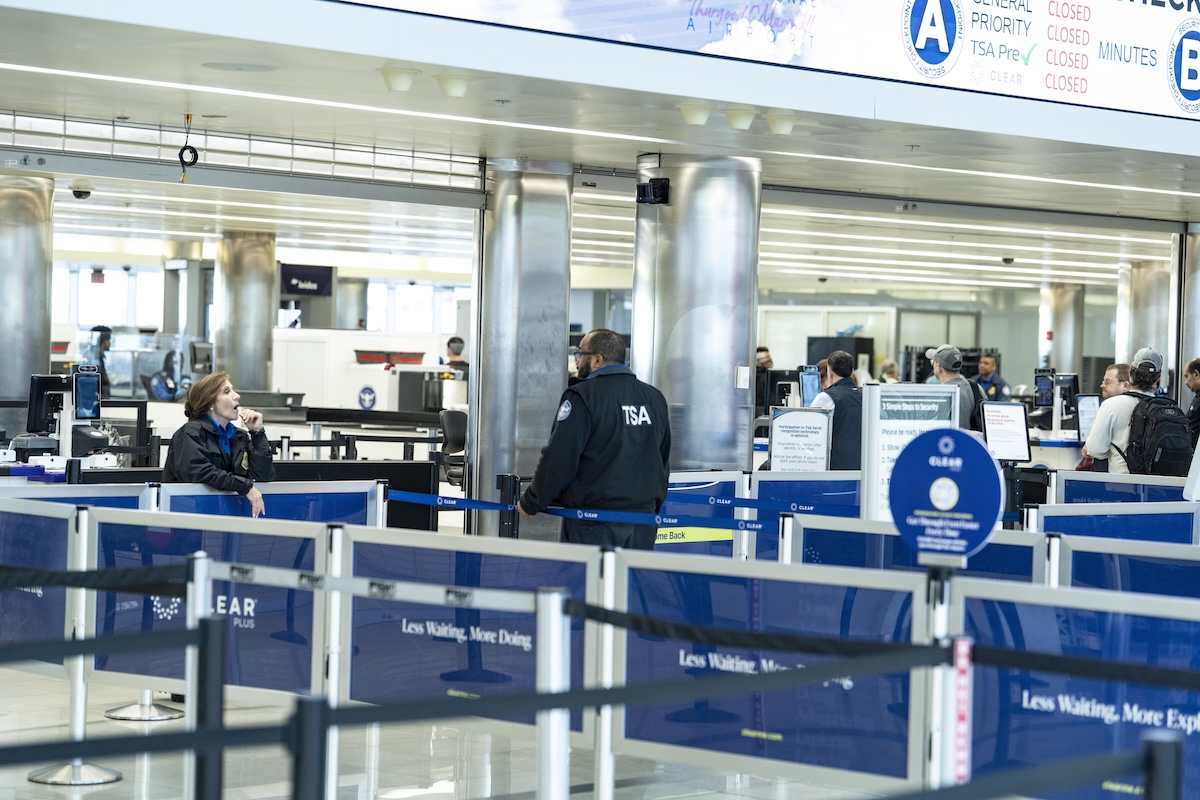
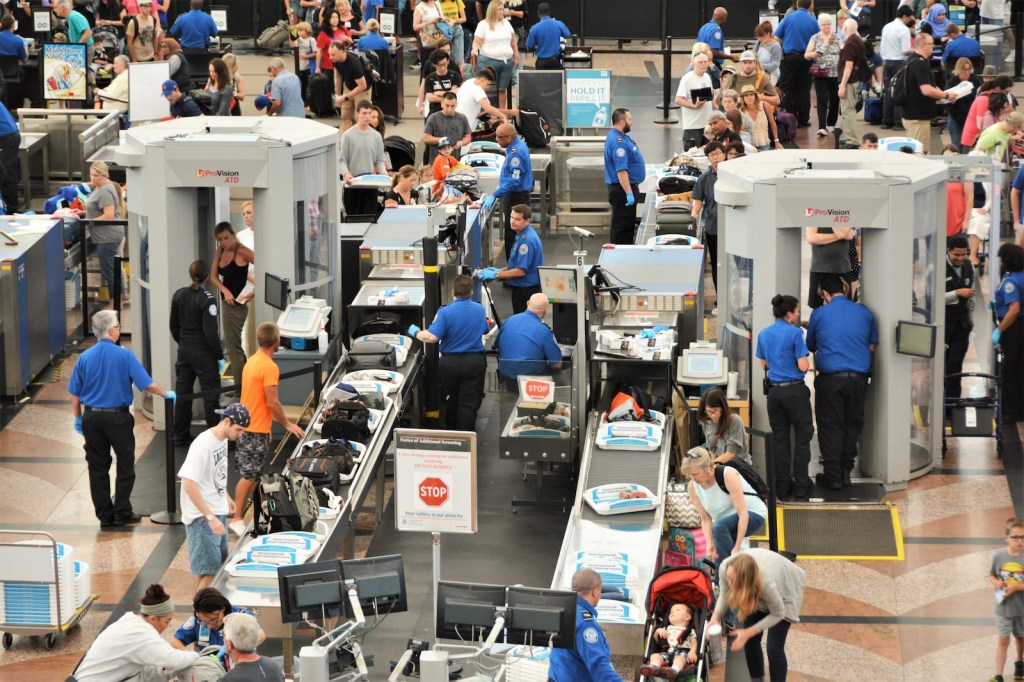
TSA officer stands in a checkpoint (Photo: Shutterstock | DT phots1)
The Transportation Security Administration has set the fee for the new program that will replace Known Crewmember, outlining additional details as the agency prepares to bring the crew screening process under its own control.
In a Federal Register notice published Tuesday, TSA said participating aircraft operators will pay $19 per employee, per year for the Crewmember Access Point program, also known as CMAP. The fee becomes effective Jan. 1, 2027.
TSA now says it plans to begin rolling out CMAP access points this summer as existing Known Crewmember access points are phased out. The agency noted that the transition will occur on a rolling basis across the country, allowing for “operational testing and equipment deployment that is consistent with budgetary needs.”
The current Known Crewmember program, commonly referred to as KCM, has been managed by trade group Airlines for America since it was implemented in 2011. TSA said it will assume responsibility for administering KCM functions by the end of calendar year 2026, at which point the program will be renamed CMAP.
Known Crewmember provides eligible pilots, flight attendants, and certain other crewmembers with expedited access to sterile areas at most U.S. airports. The program was created to meet a statutory requirement for a system that properly identifies authorized flight deck and cabin crewmembers at screening checkpoints.
Process Changes
Under the existing setup, eligible aircraft operators subscribe to the program through Airlines for America. Crewmembers present airline-issued identification and an acceptable form of identification at designated access points staffed by TSA. TSA personnel then scan a crewmember’s assigned KCM barcode and verify the individual against the A4A database.
That process will change under CMAP.
TSA said it will use crewmember information submitted by aircraft operators through the agency’s existing Master Crew List and Master Personnel List programs. Operators participating in CMAP will be required to identify which crewmembers have consented to participate in the program.
The agency said crewmembers included in those lists are already subject to security threat assessments, including criminal history, immigration, and terrorism checks.
At designated CMAP access points, TSA will take a digital photograph of each crewmember. The agency’s system will compare that photograph to an individual’s image in federal databases. If there is a biometric match, the crewmember will be eligible for expedited access to the sterile area.
If there is not a match — or if the crewmember is randomly selected for what the agency calls “unpredictable screening” — the individual will be directed to a TSA passenger checkpoint for screening.
A TSA checkpoint. (Photo: Shutterstock | Jim Lambert)
TSA said moving the program from A4A to the federal government will improve cybersecurity, strengthen identity verification, and allow the agency to better use crewmember information as part of its aviation security oversight responsibilities.
Crewmembers traveling on official business or domestically for personal reasons will continue to qualify for expedited access under the new program, the agency stated.
The $19 annual fee will be billed to participating aircraft operators based on the number of crewmembers enrolled in CMAP. If an operator does not pay within 30 days of the invoice date, its crewmembers may be removed from the program and become ineligible for expedited screening.
TSA said it developed the fee to recover program costs over a five-year period. The agency plans to review the fee at least once every two years and will provide public notice if the amount changes.
The program will be limited to domestic aircraft operators regulated under Part 1544. It will not be available to foreign air carriers regulated under Part 1546.
Ryan founded AirlineGeeks.com in February 2013 and has spent more than a decade covering the airline business. His work has been featured by CNN, WJLA, CNET, and Business Insider. His aviation experience spans airport operations, Part 135 regulatory compliance, and airline crew workforce planning, along with time behind the yoke of a Cessna 172 and interviews with airline executives. Ryan now serves as Group President of Firecrown Media’s Aviation Group. He holds a B.S. in Air Transportation Management and an MBA from Arizona State University and teaches Airline Management at Embry-Riddle Aeronautical University.
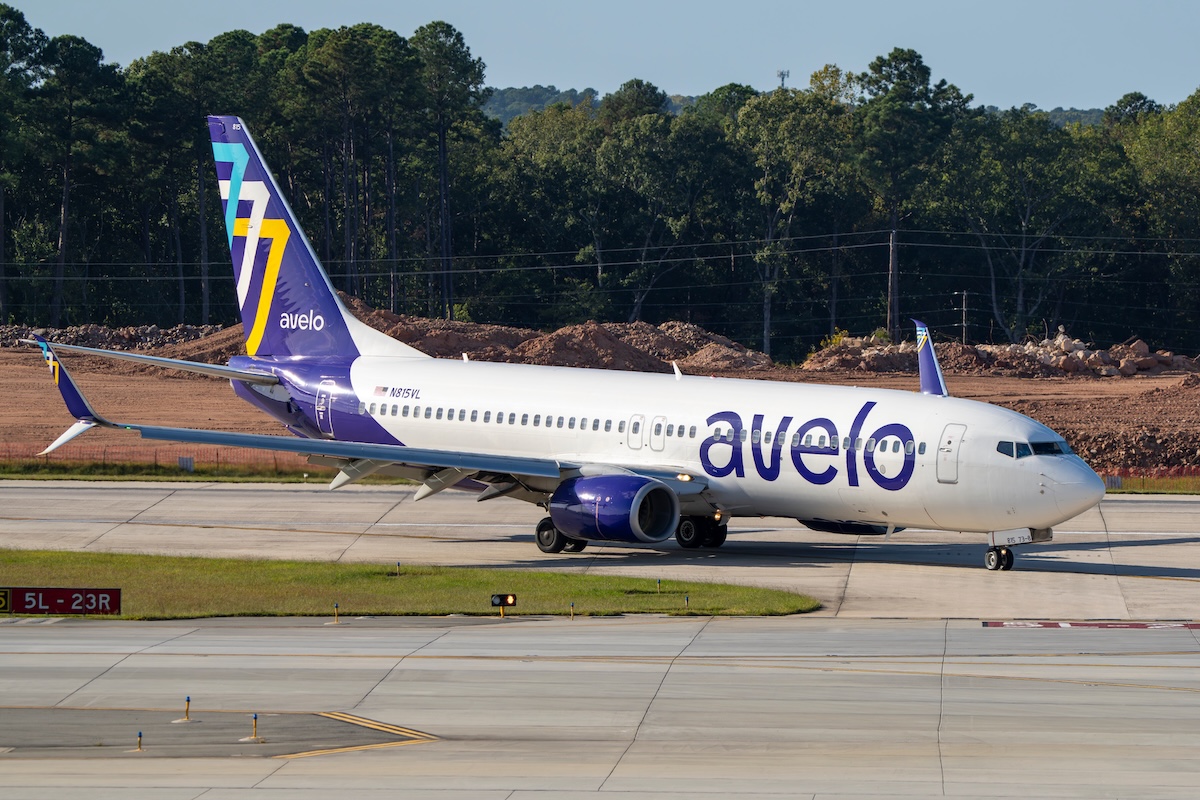
An Avelo Boeing 737-800. (Photo: Shutterstock | Jeiel Shamblee)
Avelo will launch commercial flights from McKinney National Airport in North Texas later this year, marking the airport’s first scheduled passenger service.
The carrier said it will begin flights from the airport on Nov. 11, initially linking McKinney with Fort Myers, Florida. Service to Las Vegas and Orlando, Florida, will follow on Nov. 12, while flights to Fort Lauderdale and Tampa, Florida, are slated to begin Nov. 19.
Avelo will operate the routes with Boeing 737-800 aircraft. The airline also plans to open a base in McKinney, with two aircraft stationed at the airport.
The airline said the new base will create more than 100 local jobs, including pilots, flight attendants, aircraft mechanics, and airport personnel.
“Avelo was built for moments like this, and we are thrilled to be the launch and anchor airline at McKinney,” Avelo founder and CEO Andrew Levy said in a news release. “As a proud Texas-born company, we are excited to grow our presence in North Texas and Collin County, one of the fastest growing areas in America.”
Fort Myers service will operate twice weekly on Wednesdays and Saturdays. Las Vegas and Tampa flights will each operate four times per week, while Fort Lauderdale and Orlando will each see five weekly flights.
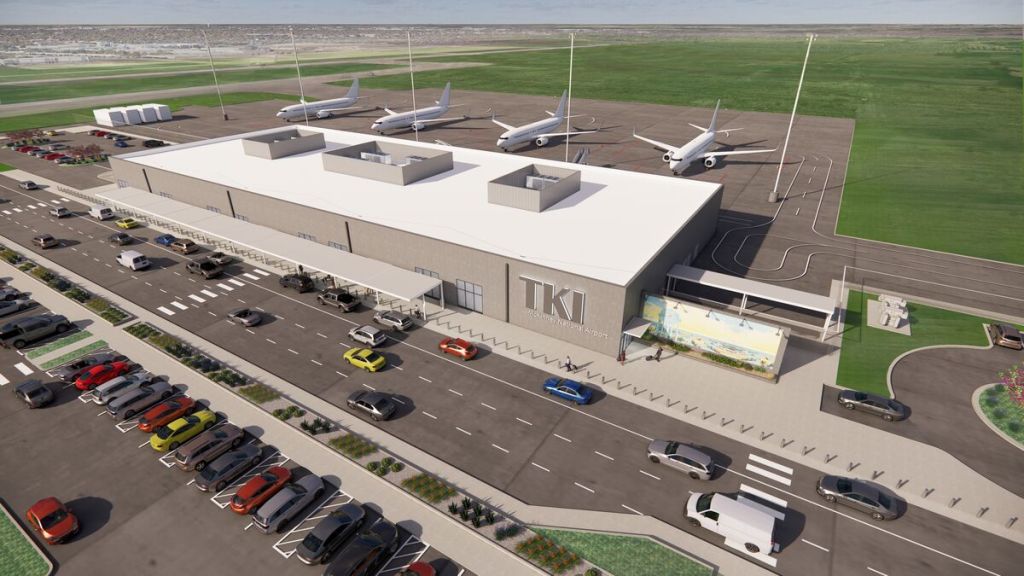
McKinney Airport terminal (Photo: City of McKinney)
McKinney secured $52.4 million in funding commitments earlier this year for commercial-service infrastructure, including a passenger terminal, taxiway, fuel farm, and other improvements. The airport has long served general aviation traffic.
The new service will make McKinney another commercial airport in the Dallas/Fort Worth Metroplex, alongside Dallas/Fort Worth International Airport and Dallas Love Field. DFW Airport CEO Chris McLaughlin said last year that he was not concerned about McKinney’s commercial airport plans, citing the ability of large metro areas to support multiple airports.
Ryan founded AirlineGeeks.com in February 2013 and has spent more than a decade covering the airline business. His work has been featured by CNN, WJLA, CNET, and Business Insider. His aviation experience spans airport operations, Part 135 regulatory compliance, and airline crew workforce planning, along with time behind the yoke of a Cessna 172 and interviews with airline executives. Ryan now serves as Group President of Firecrown Media’s Aviation Group. He holds a B.S. in Air Transportation Management and an MBA from Arizona State University and teaches Airline Management at Embry-Riddle Aeronautical University.
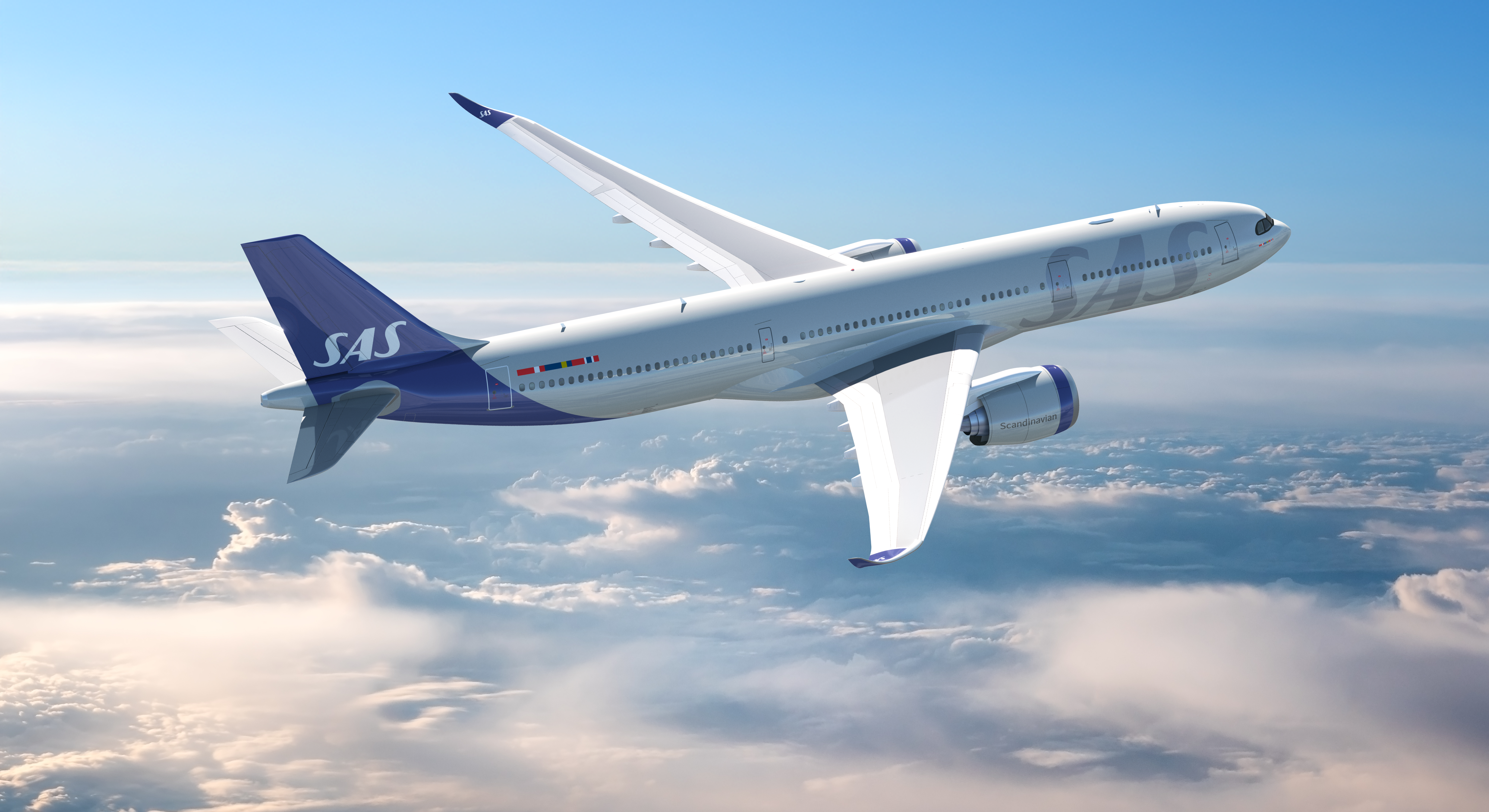
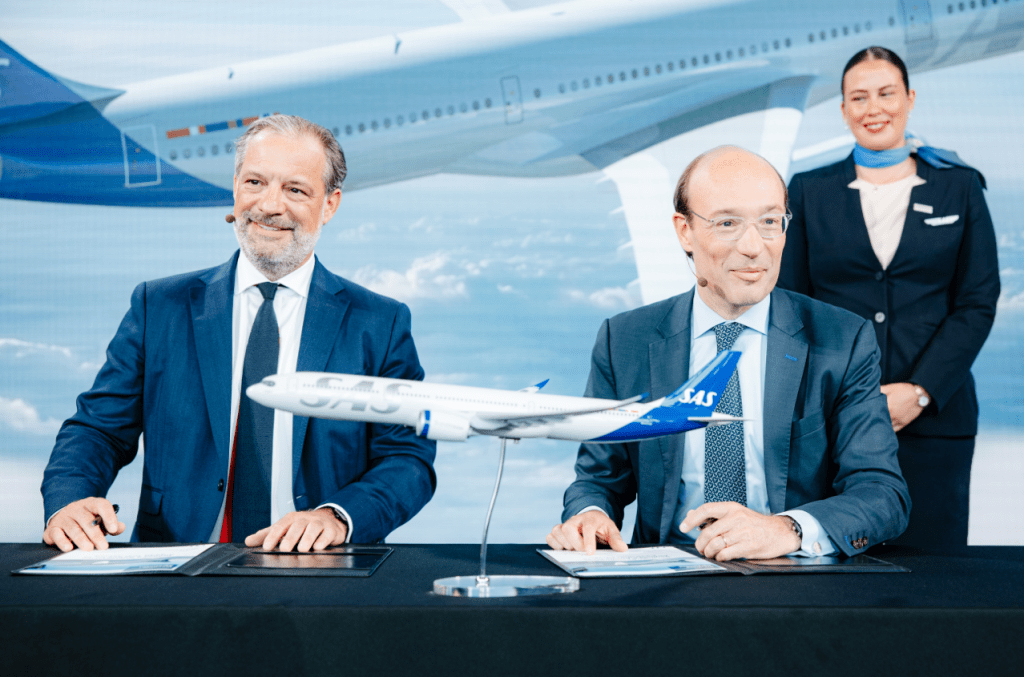
Scandinavian Airlines will modernize its passenger fleet with up to 40 new Airbus widebody aircraft, the carrier announced Tuesday.
The airline’s latest order with Airbus includes both A330-900neo aircraft – which SAS does not currently operate – and A330-300s. Officials said the total list price is over $10 billion.
“This is the largest investment in our company’s history and a clear signal of our confidence in the future,” SAS President and CEO Anko van der Werff said in a news release.
Benoît de Saint-Exupéry, executive vice president of commercial aircraft sales at Airbus, and SAS CEO Anko van der Werff.
The airline’s leadership said the A330neo specifically will help improve route economics and environmental performance while also enhancing the customer experience.
SAS serves as the joint flag carrier of Denmark, Norway, and Sweden. It flies mainly within Europe but also offers long-haul connections to North America, the Middle East, South Asia, and East Asia.
Zach Vasile is a writer and editor covering news in all aspects of commercial aviation. He has reported for and contributed to the Manchester Journal Inquirer, the Hartford Business Journal, the Charlotte Observer, and the Washington Examiner, with his area of focus being the intersection of business and government policy.
American to Return to Florida Airport After 25-Year Pause
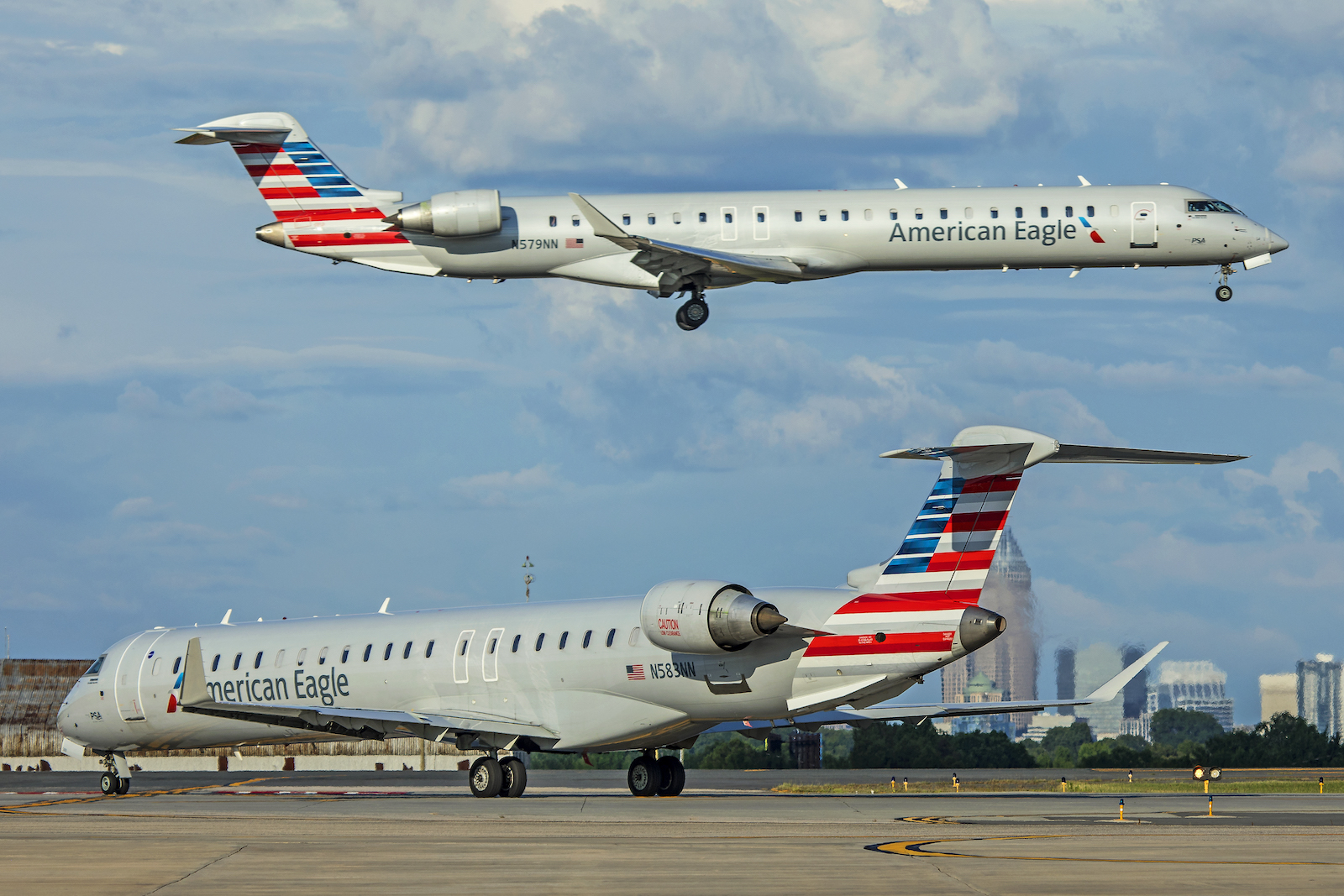
American Eagle CRJ-900 aircraft in Charlotte. (Photo: AirlineGeeks | William Derrickson)
After almost 20 years without service from a major air carrier, Naples, Florida, is getting reconnected.
American Airlines will serve Naples Airport from its hub in Charlotte, North Carolina, the carrier confirmed to AirlineGeeks on Monday. Flights will start on Dec. 2.
“American is proud to connect Naples to our unmatched network across the U.S.,” the airline said in a statement. “New nonstop service to our Charlotte hub will give customers in Southwest Florida convenient one‑stop access to nearly 180 destinations worldwide. We look forward to welcoming customers onboard and continuing our collaborative partnership with the Naples Airport and community.”
Tickets for the service became available for purchase over the weekend.
Meeting attendees split on the issue, with some favoring Americana’s return to Naples and others raising concerns about aircraft noise and motor vehicle traffic around the airport.
Naples Airport is mainly used for general aviation. It has one commercial operator, JSX, which offers seasonal flights to White Plains, New York.
American previously served Naples via American Eagle until pulling out in 2001. US Airways terminated service there in 2003, and Delta, which offered Delta Connection flights via Atlantic Southeast Airlines, withdrew in 2007.
Zach Vasile is a writer and editor covering news in all aspects of commercial aviation. He has reported for and contributed to the Manchester Journal Inquirer, the Hartford Business Journal, the Charlotte Observer, and the Washington Examiner, with his area of focus being the intersection of business and government policy.
United Adds New Destination in South America
Flights from two U.S. cities will start in December.
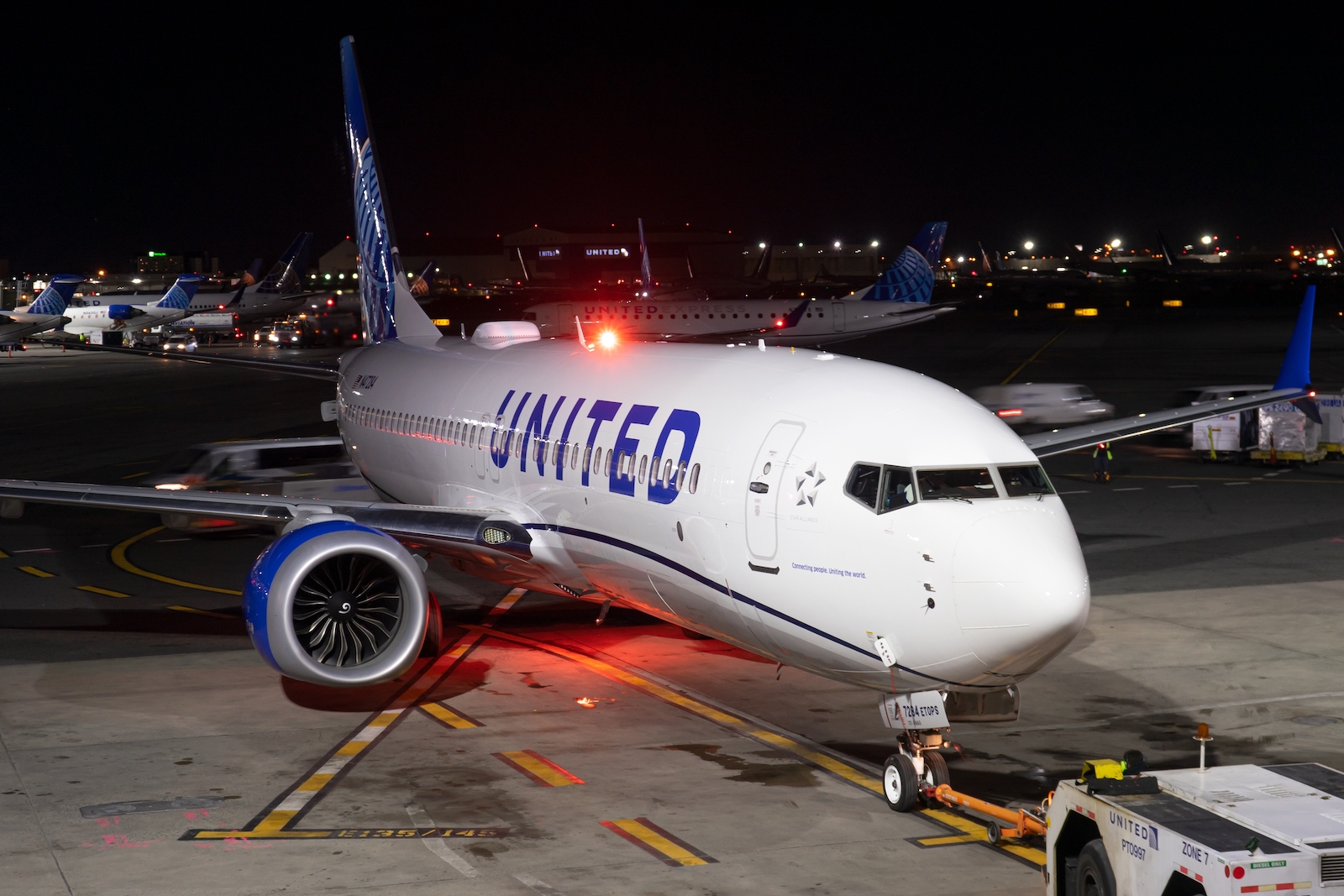
A United Boeing 737 MAX aircraft in Newark. (Photo: Shutterstock | GingChen)
United will launch two routes to a new destination in South America this winter.
Starting Dec. 17, the carrier will connect Washington Dulles and Houston with Cartagena, Colombia. Flights from both cities will operate four times per week during the winter season, on Tuesdays, Thursdays, Saturdays, and Sundays. United will fly both routes using Boeing 737s.
“Colombia has been an important part of United’s Latin America network for more than 30 years, and our new service to Cartagena reflects our continued investment in the country and commitment to offering customers new and distinct travel experiences,” Patrick Quayle, senior vice president of network planning and global alliances at United, said in a news release.
United currently serves two destinations in Colombia – Bogota and Medellín. Cartagena is located north of those two cities, on Colombia’s Caribbean coast.
Quayle said the new service will give travelers access to “a different side of the country.”
Tickets for both flights are now available for purchase.
Zach Vasile is a writer and editor covering news in all aspects of commercial aviation. He has reported for and contributed to the Manchester Journal Inquirer, the Hartford Business Journal, the Charlotte Observer, and the Washington Examiner, with his area of focus being the intersection of business and government policy.
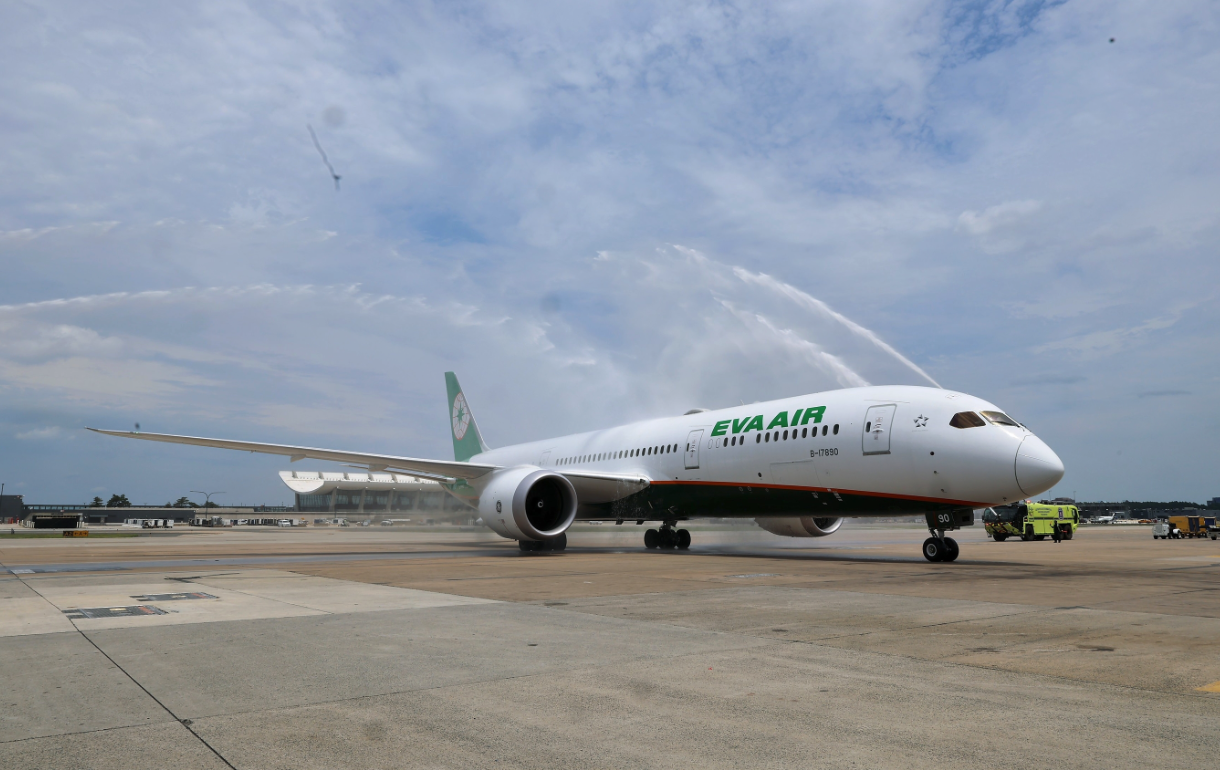
“Washington Dulles International Airport serves as a vital gateway to the nation’s capital area,” EVA Air President Clay Sun said in a news release. “We are immensely grateful for the strong support from all our partners and guests that made expanding our network into the heart of America possible… This new route will seamlessly enhance EVA Air’s network across the eastern United States, delivering premium service to both business and leisure travelers alike.”
With the addition of Washington Dulles, EVA Air now serves 10 destinations in North America.
Zach Vasile is a writer and editor covering news in all aspects of commercial aviation. He has reported for and contributed to the Manchester Journal Inquirer, the Hartford Business Journal, the Charlotte Observer, and the Washington Examiner, with his area of focus being the intersection of business and government policy.
American Flight Halts Takeoff After Business Jet Enters Same Runway
The incident took place Friday at Miami International Airport.
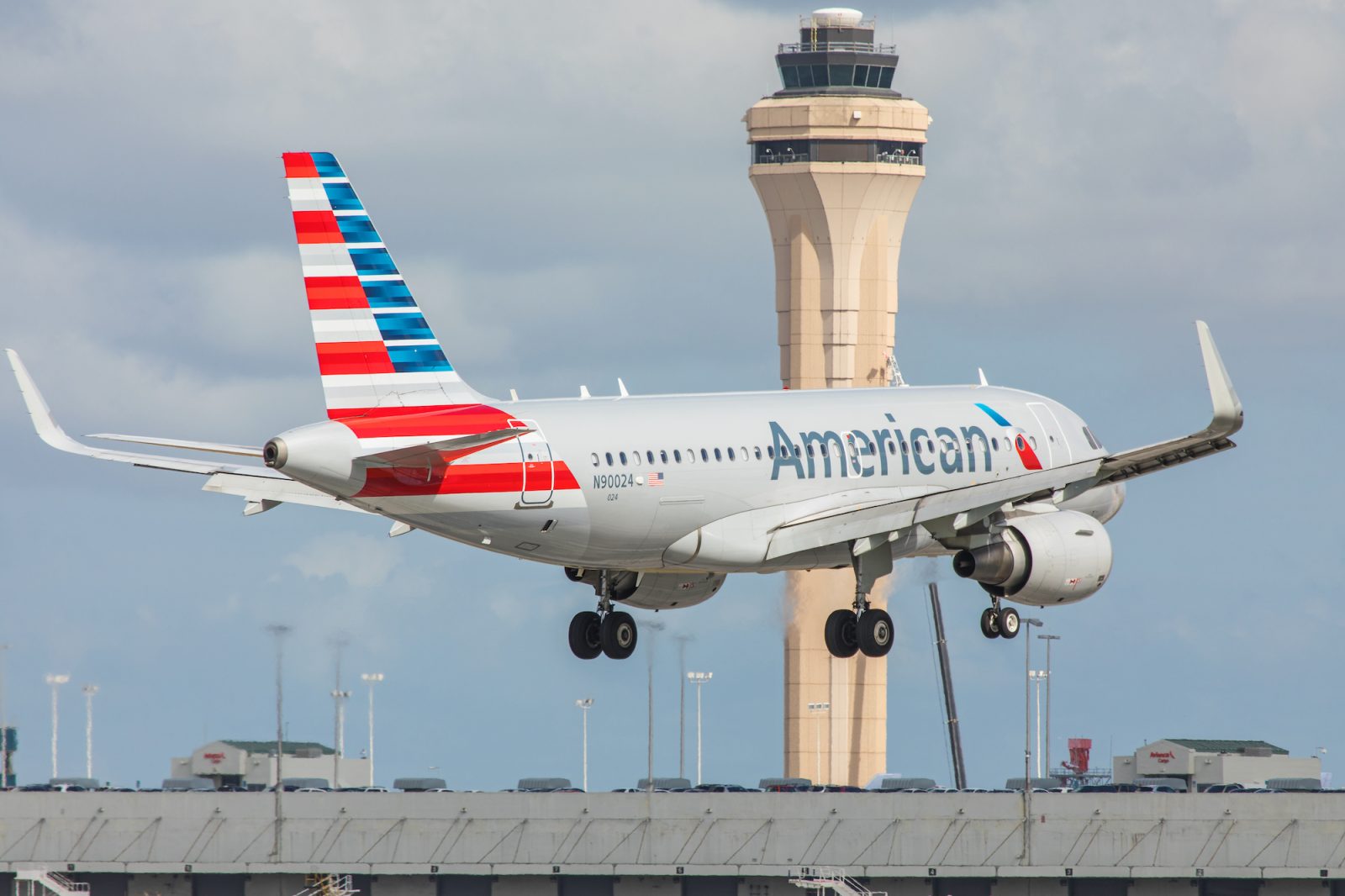
An American A319 landing in Miami. (Photo: AirlineGeeks | William Derrickson)
An American Airlines flight from Miami to Bermuda was forced to reject takeoff Friday evening to avoid a collision on the runway.
The crew of the American Airbus A319, operating as Flight 308, spotted a business jet entering the same runway as they were accelerating for departure and aborted takeoff. The two aircraft came within about a third of a mile of each other.
Air traffic control recordings captured a tense exchange between a controller and one of the business jet’s pilots.
“Four Quebec Sierra, you just crossed an active runway, hold shorter eight runway eight, left,” the controller said.
“You just told me to cross the runway, sir,” the pilot responded.
“No, we said Amerijet 461,” the controller shot back.
No injuries were reported on either airplane, and Flight 308 departed for Bermuda later that night.
Aerotime reported that the business jet involved in the incident is an Embraer Phenom 300 operated by fractional ownership company NetJets. NetJets told the outlet that the aircraft was under the operational control of a third-party maintenance vendor when the close call took place.
Zach Vasile is a writer and editor covering news in all aspects of commercial aviation. He has reported for and contributed to the Manchester Journal Inquirer, the Hartford Business Journal, the Charlotte Observer, and the Washington Examiner, with his area of focus being the intersection of business and government policy.
Sign-up for newsletters & special offers!
Get the latest stories & special offers delivered directly to your inbox