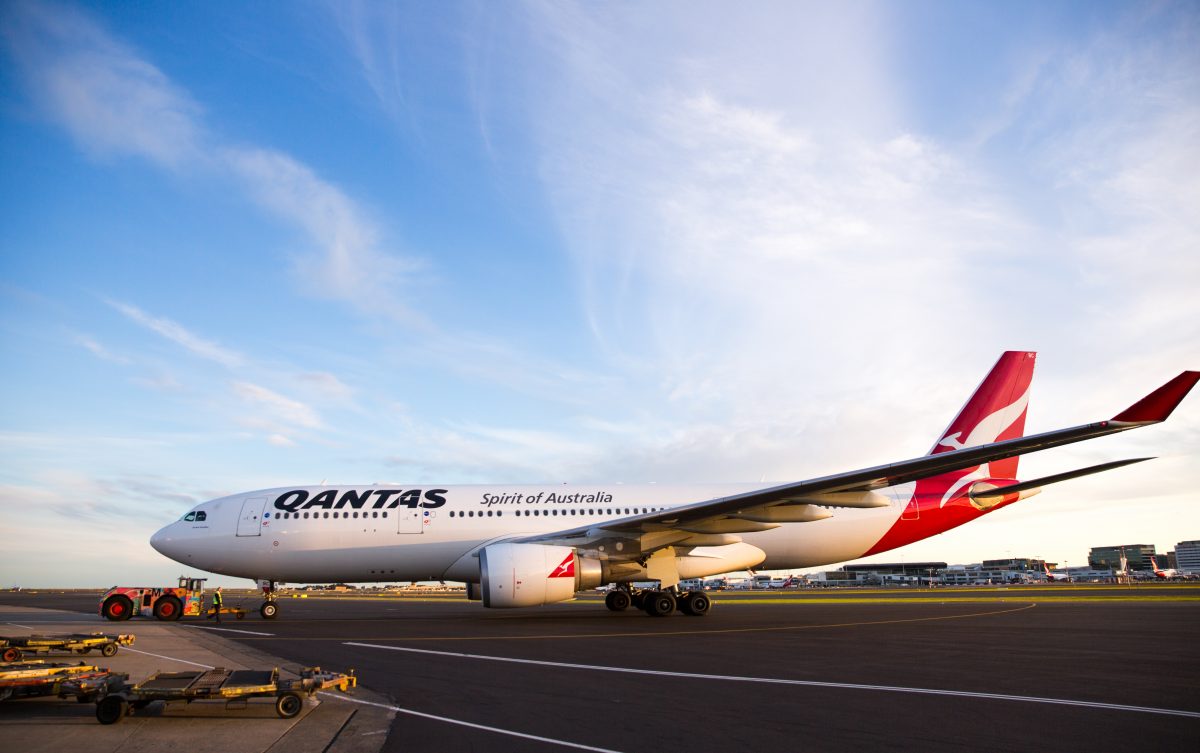
Qantas is growing its U.S. network, adding a new route beginning in 2025. The Australian flag carrier says the new route will increase capacity by over 40,000 seats annually.
Starting on May 1, 2025, Qantas will add service between Melbourne and Honolulu. The company’s low-cost subsidiary Jetstar currently operates the same route, which will end on April 30, 2025.
The new route is scheduled to operate three times per week on an Airbus A330-200 aircraft.
“We are thrilled to continue to enhance our network in America with the launch of a new route from Melbourne to Honolulu, bringing a new, tropical destination to our Melbourne customers,” Qantas International CEO Cam Wallace said in a news release.
Both Qantas and Jetstar operate flights between Sydney and Honolulu with up to eight flights per week between the two carriers. Hawaiian Airlines also serves the Sydney-Honolulu route.
Editor’s Note: This story was updated on Sept. 4, 2024 at 10:07 a.m. ET to clarify Cam Wallace’s role as CEO of Qantas International.
Ryan founded AirlineGeeks.com in February 2013 and has spent more than a decade covering the airline business. His work has been featured by CNN, WJLA, CNET, and Business Insider. His aviation experience spans airport operations, Part 135 regulatory compliance, and airline crew workforce planning, along with time behind the yoke of a Cessna 172 and interviews with airline executives. Ryan now serves as Group President of Firecrown Media’s Aviation Group. He holds a B.S. in Air Transportation Management and an MBA from Arizona State University and teaches Airline Management at Embry-Riddle Aeronautical University.
Air Arabia, a carrier based in Sharjah, United Arab Emirates, reported results for the first half of 2024. This lesser known airline operating from multiple hubs across the Arab world is gearing up to be a significant player on the low-cost market.
Consistently Profitable
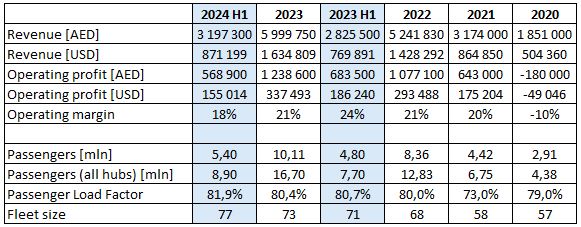
Since Air Arabia started publishing results in 2006, it has been consistently profitable, excluding the incomparable year of 2020. The first half of 2024 is no different; the company reported revenue of $871 million with an operating profit of $155 million. Compared to the first half of the prior year this is a 13% increase in revenue but a -17% decrease in operating profit.
Sheikh Abdullah Bin Mohammad Al Thani, Chairman of Air Arabia, commented on this development: “Despite the robust passenger demand, the aviation industry continued to experience slower yield growth and rising costs during the second quarter of this year, driven by economic and geopolitical uncertainties, currency fluctuations, fuel price volatility, and supply chain disruptions that have led to increased inflationary pressures. Air Arabia’s ability to sustain its growth momentum and achieve such solid profitability amidst these challenges reflects the resilience of our business model and the strength of our management team.”
The carrier is growing its fleet of Airbus A320 family aircraft, adding four frames already this year. Despite the fleet growth, the airline can deploy its capacity on such markets that the overall load factor performance is still in an upward trajectory, reaching 81,9% so far in 2024.
This figure, together with the growing fleet size, corresponds to 8.9 million passengers carried in the first half of the year. If the 15.8% growth is maintained throughout the year, the company might expect to reach around 19 million passengers carried in 2024.
Air Arabia’s key performance indicators (Photo: Filip Kopec, based on the carrier’s published data)
The Arabian Carrier
Air Arabia is an Emirati low-cost airline, established in 2003 in Sharjah, United Arab Emirates. The company came into existence through an Amiri decree issued by Sultan bin Muhammad Al-Qasimi, the Ruler of Sharjah and member of the Supreme Council of the United Arab Emirates.
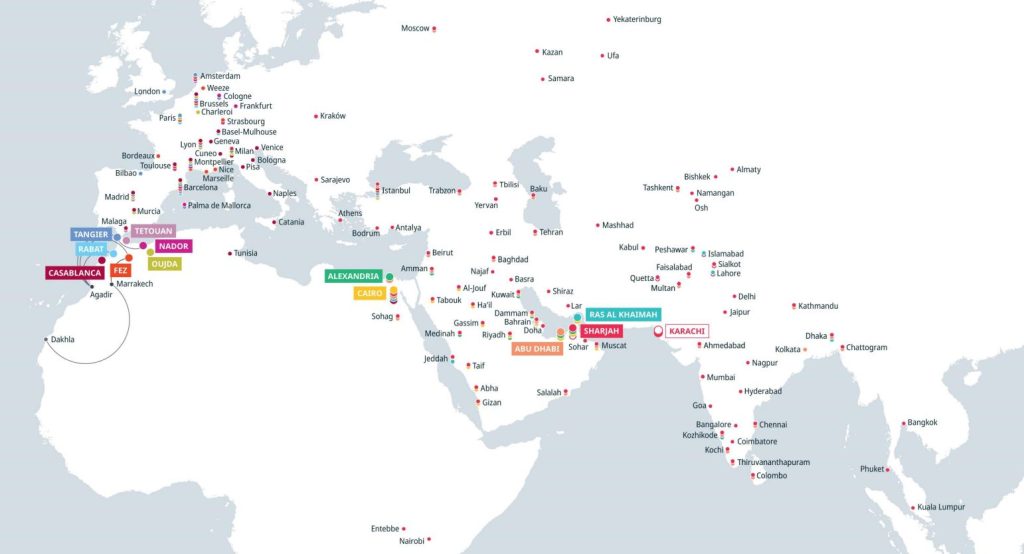
The main base of the carrier is located on the Sharjah International Airport, though over the years the company established multiple hubs and joint ventures in the Arab world. The main brand of Air Arabia is operating in Sharjah and Ras Al-Khaimah, two of the seven emirates forming the federation, with 47 airplanes in use.
In 2020 the company opened its third UAE base in Abu Dhabi, after signing an agreement with Etihad Airways. Now Abu Dhabi is the third biggest base for Air Arabia by number of aircraft located with 10 frames at the end of the first half of 2024.
In 2009 and 2010 Air Arabia went for a significant international expansion, opening bases in Morocco and Egypt respectively. Currently, all the bases in Africa have 15 aircraft, with 11 stationed in multiple bases in Morocco and four in Egypt. The most recent venture of the carrier is the formation of Fly Jinnah in Pakistan in late 2021.
Air Arabia’s global network (Photo: Air Arabia)
The joint venture with Pakistani conglomerate Lakson Group was set to operate domestic and international routes from Pakistan. The airline quickly ramped up operations, now having assigned five aircraft from the Air Arabia’s fleet and locating its main base in Karachi, Pakistan.
A passionate aviation enthusiast that started off his career as an aerospace engineer, but found his true calling on the commercial side of the airline business. Now as a finance guy among avgeeks and an avgeek among finance guys, he has experience working in the Revenue Divisions of three airlines. In his spare time he enjoys traveling, but admittedly sometimes is more about the journey than the destination.
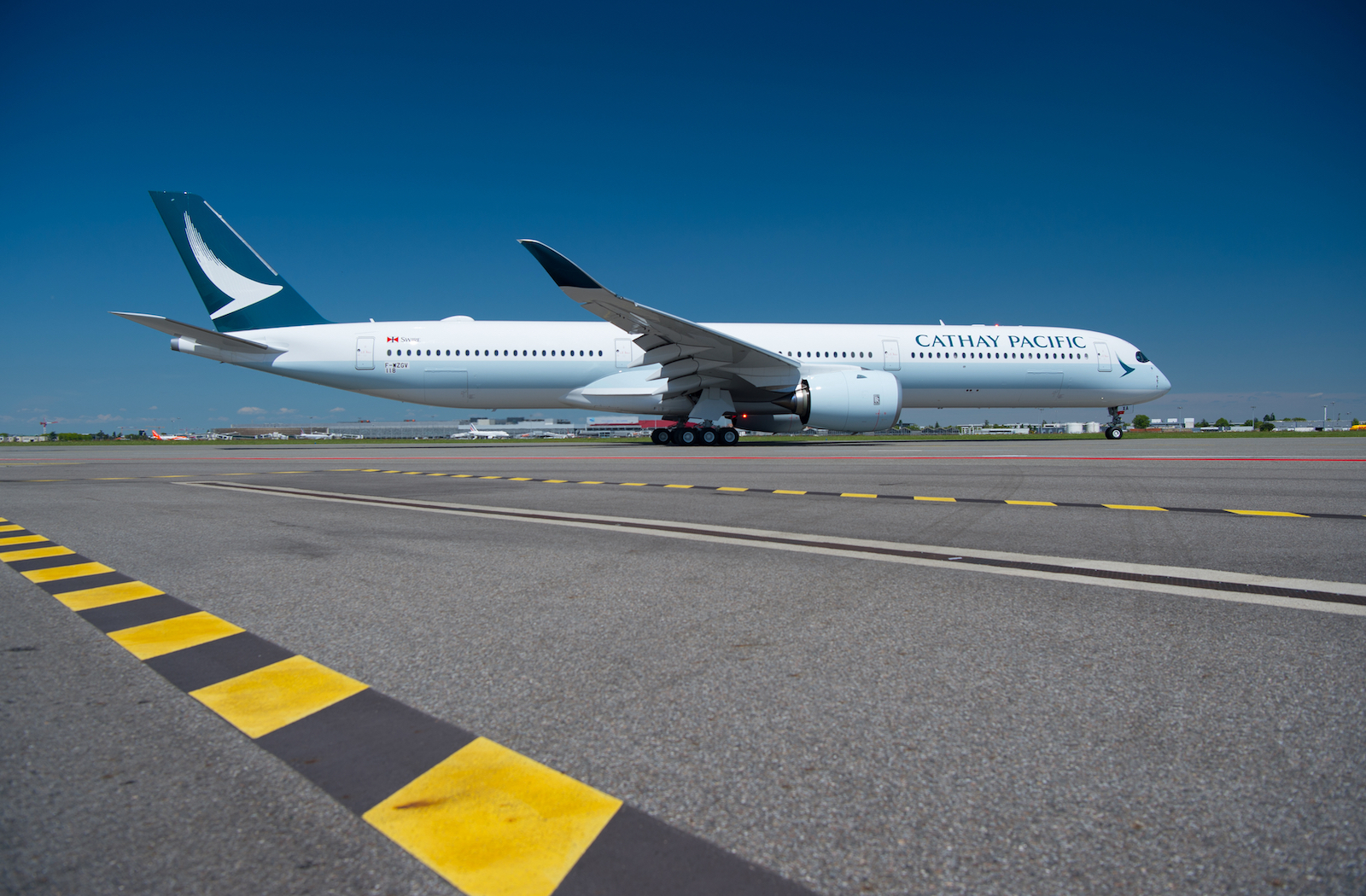
A Cathay Pacific Airbus A350-1000. (Photo: Airbus)
Cathay Pacific has found engine component issues affecting the carrier’s Airbus A350s. The airline’s A350 fleet is powered by Rolls Royce XWB-84 engines for the -900 and XWB-97s for the -1000 variant.
The initial call to concern was due to Cathay Pacific flight CX383 returning to Hong Kong instead of its intended destination of Zurich on Sunday. According to Bloomberg, the airline stated the flight returned to Hong Kong due to engine troubles. Flight 383 was operated by ship B-LXI, an Airbus A350-1000 delivered to the carrier In February 2019, according to AirFleets.net.
Cathay Pacific did not specifically state which engine component sustained issues requiring it to return to Hong Kong, however, it noted that the carrier’s entire fleet of 48 A350s would need to be inspected and the failed component replaced.
In an effort to replace the parts in a timely and efficient manner, the carrier announced the cancellation of 48 flights continuing into Tuesday, September 3. According to FlightRadar24, CX524 to Tokyo Narita and CX659 to Singapore on Tuesday are both operated by Airbus A350-900 aircraft and appear to be part of the airline’s cancellations.
In a statement to the Financial Times, Cathay confirmed that the carrier has the spare parts required to replace the affected components in the engines; with the correction not expected to take an extended period of time. While this is the first of component failures for the Rolls Royce XWB series engines, Emirates President Tim Clark has been a public voice speaking out against the manufacturer’s XWB engine due to additional maintenance requirements and associated costs.
Not All Bad News
The positive for Airbus, Rolls Royce, and engine operators is that this fix, at the time of writing, does not require extensive ground time for the aircraft. This is in significant contrast to the troubles involving the PW1100G-JM engines which have grounded jets for several months.
Zach’s love for aviation began when he was in elementary school with a flight sim and model planes. This passion for being in the air only intensified throughout high school when he earned his Private Pilot Certificate. He then attended Embry-Riddle Aeronautical University, earning his certificates and ratings to later flight instruct and share his passion for aviation with others. He now resides in the North East living out his dream as an airline pilot.
SAS Joins SkyTeam Alliance
Five months after the initial announcement, the carrier completed the deal in what CEO Anko Van der Werff called “a new era for SAS.”
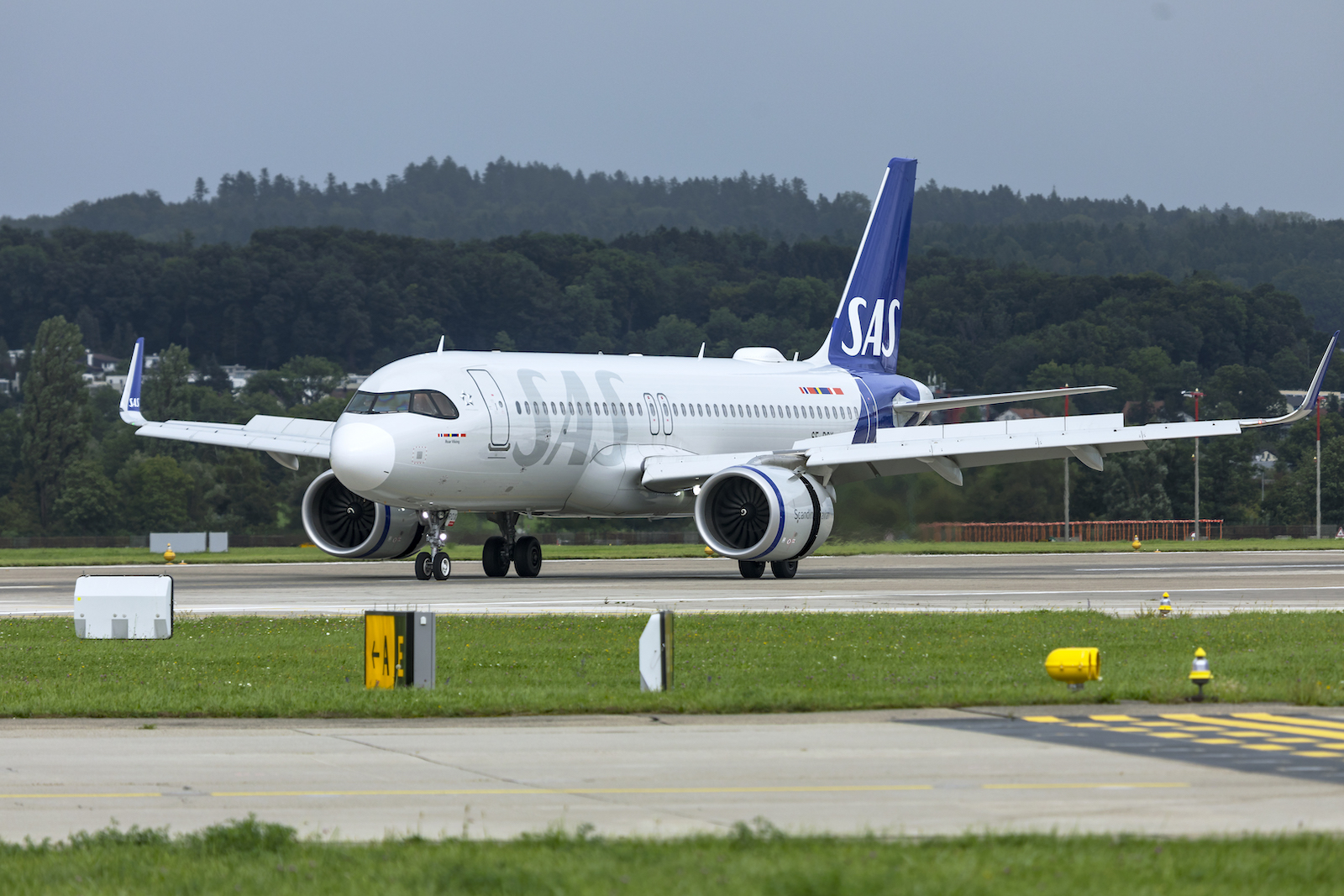
An SAS Airbus A320neo (Photo: AirlineGeeks | William Derrickson)
SAS announced on Sunday that it had officially joined the SkyTeam alliance. Five months after the initial announcement, the carrier completed the deal in what CEO Anko Van der Werff called “a new era for SAS.”
What’s Behind the Move?
SAS, the flag carrier for Norway, Sweden, and Denmark, claimed that the Star Alliance which it was formerly a member of didn’t bring enough to the table. After filing for Chapter 11 bankruptcy and restructuring the company, Mr. van der Werff said that SAS was looking for opportunities to start a joint venture or deeper integration, but the Star Alliance couldn’t provide this.
The move was largely predicted after Air France-KLM, a key player in SkyTeam, acquired a 19.9% stake in the company following financial troubles.
What Does the Move Bring to SAS?
The new move allows SAS to have an entirely different route network by connecting passengers to SkyTeam partners. In fact, the Scandinavian carrier has already started reshaping its routes, deploying aircraft to destinations such as Atlanta to allow for connection onto Delta.
SAS’ CEO announced in an Instagram post that the carrier would announce a new long-haul destination later this month. There are many possibilities as to what this might be, but some speculate that the destination could be a Delta hub.
The airline might not be the only carrier looking to join SkyTeam, with the Star Alliance potentially losing a second member. South Korea-based Asiana Airlines could make the move after talks of an acquisition by SkyTeam member Korean Air.
The planned merger is making slow process, despite facing backlash from regulatory bodies over worries of a potential monopoly in the Korean and East Asian markets.
Sam Jakobi is a young aviation journalist based in London, U.K. A lifelong Airbus fan, he has adored aviation for as long as he can remember. Sam writes articles and conducts interviews with members of the aviation community.
Delta Axes Two International Routes
Delta is cutting two international routes this winter, the Atlanta-based airline confirmed in a statement to AirlineGeeks on Friday.
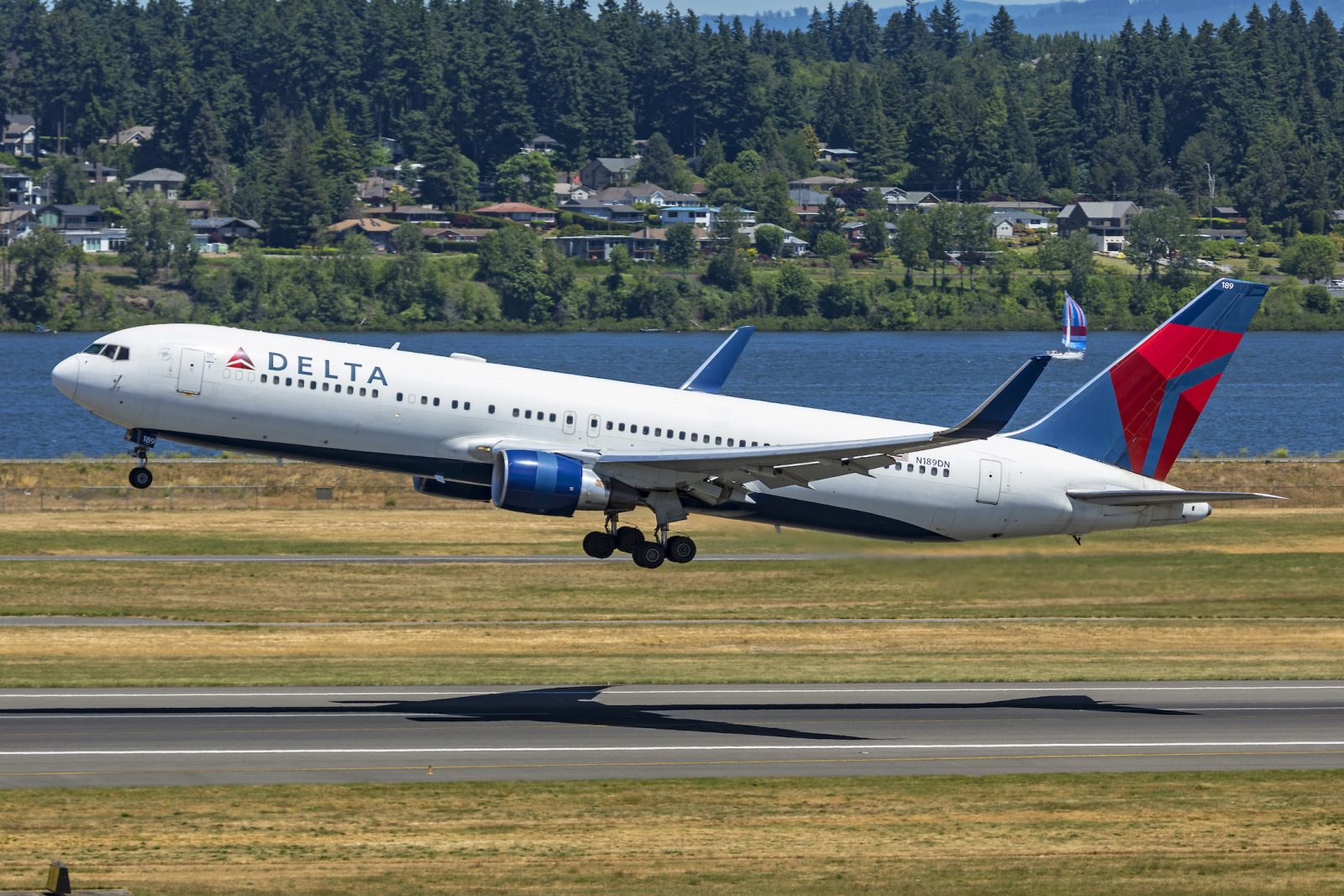
A Delta 767-300. (Photo: AirlineGeeks | William Derrickson)
Delta is cutting two international routes this winter, the airline confirmed in a statement on Friday. Markets in both Latin America and Europe are set to be affected by the changes.
Starting on Oct. 26, 2024, Delta says it will discontinue service to Stuttgart, Germany, which had just been resumed in March 2023. The airline served the German city from its Atlanta hub with four-times-weekly service on a Boeing 767-300.
Stuttgart is home to automakers Porsche and Mercedes-Benz, which also base their U.S. operations in Atlanta. Delta’s flight was Stuttgart’s only transatlantic route.
In a statement to AirlineGeeks, an airline spokesperson confirmed the market exit.
“Delta will discontinue service to and from Stuttgart on October 26, 2024, as we adapt our schedule to align with consumer demand,” they said. “Delta customers will have access to and from Stuttgart through Delta partners Air France and KLM. Delta’s service at Frankfurt, Munich, and Berlin will continue.”
Latin America Cut
Farther south, Delta is also cancelling its daily service between New York-JFK and Bogota, the spokesperson also confirmed. The market exit will take effect on Oct. 26, 2024.
The airline also serves Bogota from Atlanta with twice-daily flights in addition to routes served by its joint venture partner LATAM.
Commenting on the carrier’s Latin America network during a first-quarter 2024 earnings call, Delta President Glen Hauenstein said profitability in the region “remains solid.”
“Unit revenues are expected to be down double digits due to pressure in short-haul leisure markets. These markets are expected to see healthy improvements in the second half of the year as supply and demand comes back into balance,” he added.
Ryan founded AirlineGeeks.com in February 2013 and has spent more than a decade covering the airline business. His work has been featured by CNN, WJLA, CNET, and Business Insider. His aviation experience spans airport operations, Part 135 regulatory compliance, and airline crew workforce planning, along with time behind the yoke of a Cessna 172 and interviews with airline executives. Ryan now serves as Group President of Firecrown Media’s Aviation Group. He holds a B.S. in Air Transportation Management and an MBA from Arizona State University and teaches Airline Management at Embry-Riddle Aeronautical University.
There are three types of notices typically issued by the FAA. Ranging from a ‘complete prohibition to operate,’ to ‘prohibition below a certain altitude,’ and to ‘operate with caution,’ the FAA prohibitions and notices apply to U.S.-registered aircraft and airlines, as well as flights that carry the code of a U.S. carrier.
In practice, airlines avoid certain available airspaces out of precaution. The risk for civilian aircraft can be high and airlines are relying on themselves to assess the situation. For instance, the recent suspension of flights to Tel Aviv is an example of proactive suspension out of precaution.
Middle East
The FAA has issued no-fly orders for the Iranian, Syrian, and Yemeni airspaces, or the Tehran FIR (Flight Information Region). The agency has altitude prohibition for Iraqi airspace, banning operations under FL320 (32,000 feet).
Warnings for operating with caution have been issued for the Persian Gulf airspace below the Tehran FIR and the vicinity of the Damascus FIR of Syria. Airlines are advised to not fly close to those regions.
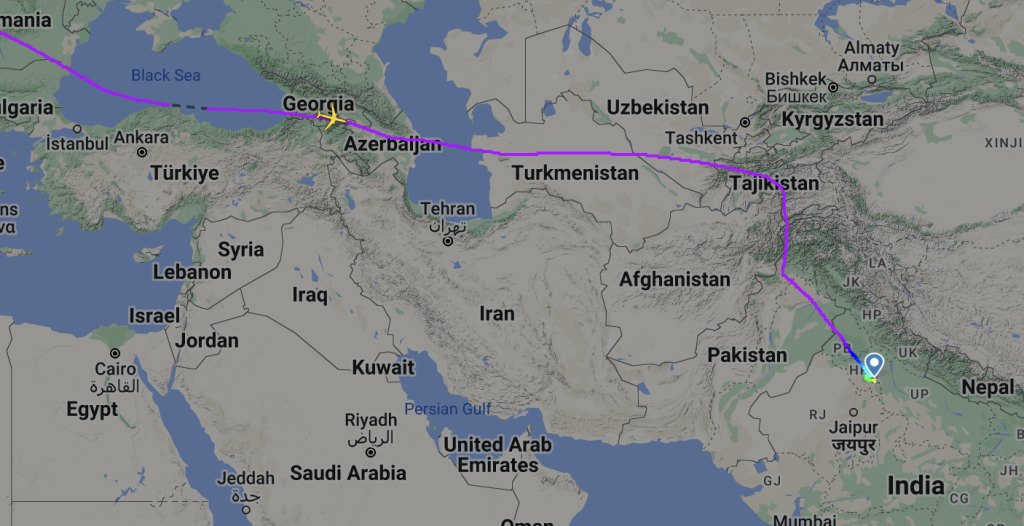
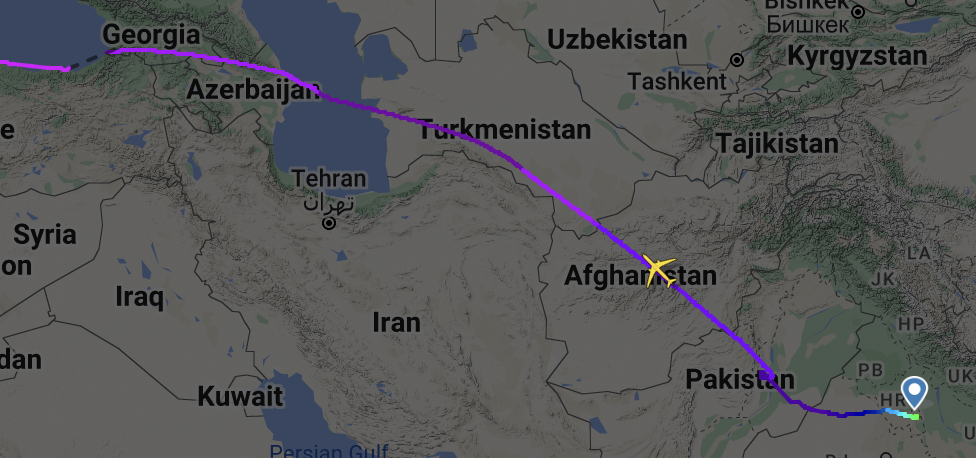
The flight path of United 82 from Newark to Delhi, circumvented Afgan and Iranian airspaces. (Photo: flightrader24)
The Afgan airspace is slightly more complicated, with one navigational route, the P500-G500, being available at FL300 and above while the rest of the country is available at FL320 and above. Looking at the routings used by U.S.-based carriers in the past several months, the Afgan airspace is avoided altogether despite being available at higher altitudes.
The flight path of British Airways 142 using P500-G500 over Afghanistan. (Photo: flightrader24)
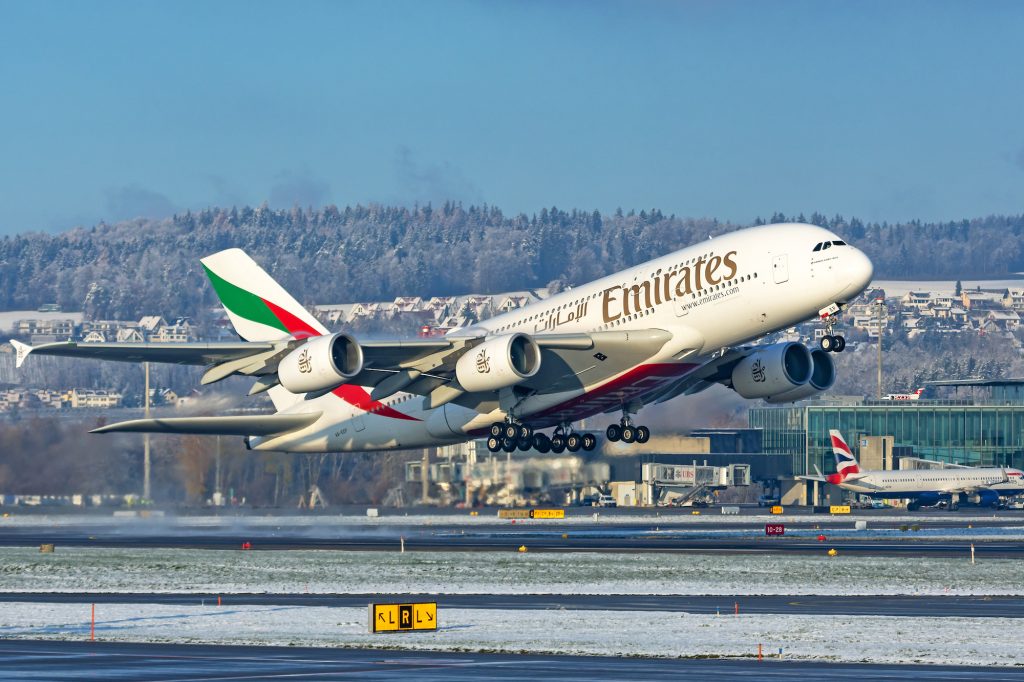
The Middle Eastern airspace bans by the FAA have directly impacted flights between the U.S. and India, with increased flight times. Despite the relatively low number of U.S. flights in the region, many carry codes of U.S. carriers. Earlier this year, Emirates was fined by the DOT for using the Bangdad FIR, or Iraqi airspace while carrying the JetBlue code, and Virgin Atlantic has also been fined for using the same airspace when carrying the Delta code.
An Emirates Airbus A380 (Photo: AirlineGeeks | William Derrickson)
Africa
Due to the ongoing civil war in the country, operation in Libyan airspace is prohibited. This does not have an impact on U.S. airlines, but flights between Europe and Southern Africa require rerouting.
For Somalia, operations are only permitted at FL260 and above. An exception is given to flights in and out of Dijoubti (HDAM/JID), presumably for chartered civilian flights serving the US military installations at the airport.
Europe
The restricted national airspaces in Europe are the result of the ongoing conflict in Ukraine. The Ukrainian airspace is currently unavailable to all commercial aircraft regardless of nationality, while Russian and Belarusian airspaces are unavailable for some countries, including the U.S., due to political reasons. The FAA has issued a NOTAM prohibiting the use of the entirety of Belarusian, Russian, and Ukrainian airspace.
U.S. carriers’ transpacific networks have been severely impacted by the inaccessibility of Russia. Specifically, flights from the East Coast to easterm Asia are impossible to fly non-stop, while flights from the West Coast, as well as flights to India, need to take significant detours to avoid Russian airspace, adding hours of journey time and cost.
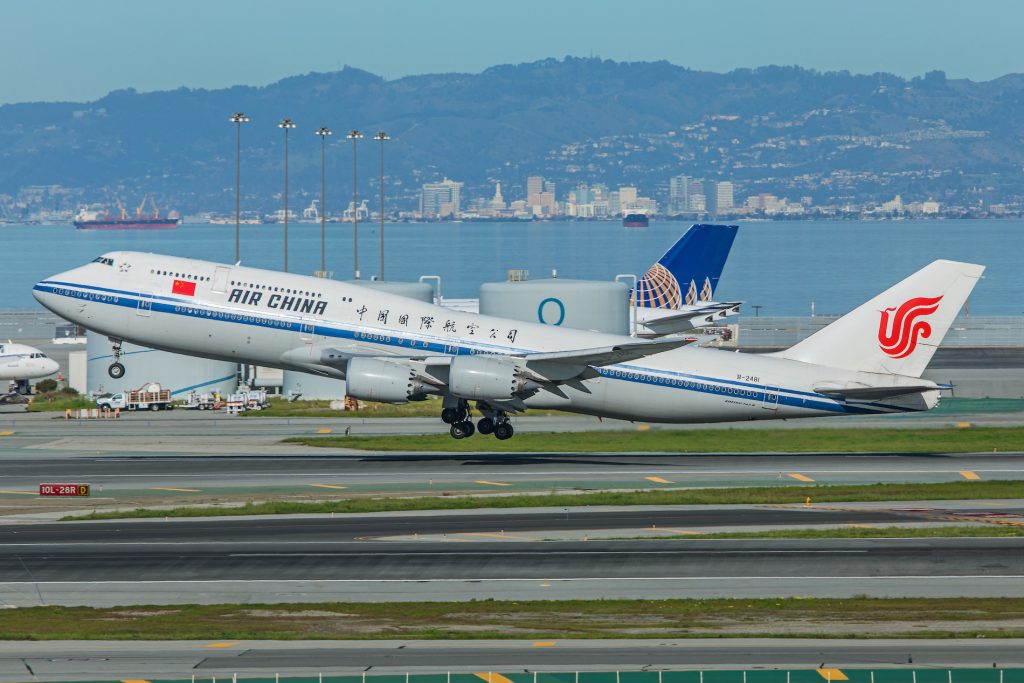
An Air China 747-8i (Photo: AirlineGeeks | William Derrickson)
For both the transpacific and Euro-Asia markets, there are ongoing debates around an ‘unleveled playing field’ as various Asian countries, including China, India, Vietnam, the UAE, and Qatar, still permit their airlines to fly over Russia and Belarus, creating an unfair advantage. The ban has contributed to several flight cancellations, while airlines such as Iberia did not resume flights to the Far East after the Russian invasion.
Outside of the abovementioned regions, the sole prohibition is on North Korea. A total prohibition on operation in the airspace is in place and has mainly resulted in minor detours on flights to East Asia.
Editor’s Note: All the NOTAMs can be updated regularly. EASA and other agencies also have guidelines and warnings that may differ from the FAA.
Anthony is an aviation enthusiast who grew up around the world from St. Louis to Singapore, and now lives in Amsterdam. He loves long-haul flying and finds peace in the sound of engine cruising. He aspires to share his passion for the sky though writing and providing another angle on the stories.
Livery of the Week: EVA Air’s Latest ‘Hello Kitty’ Design
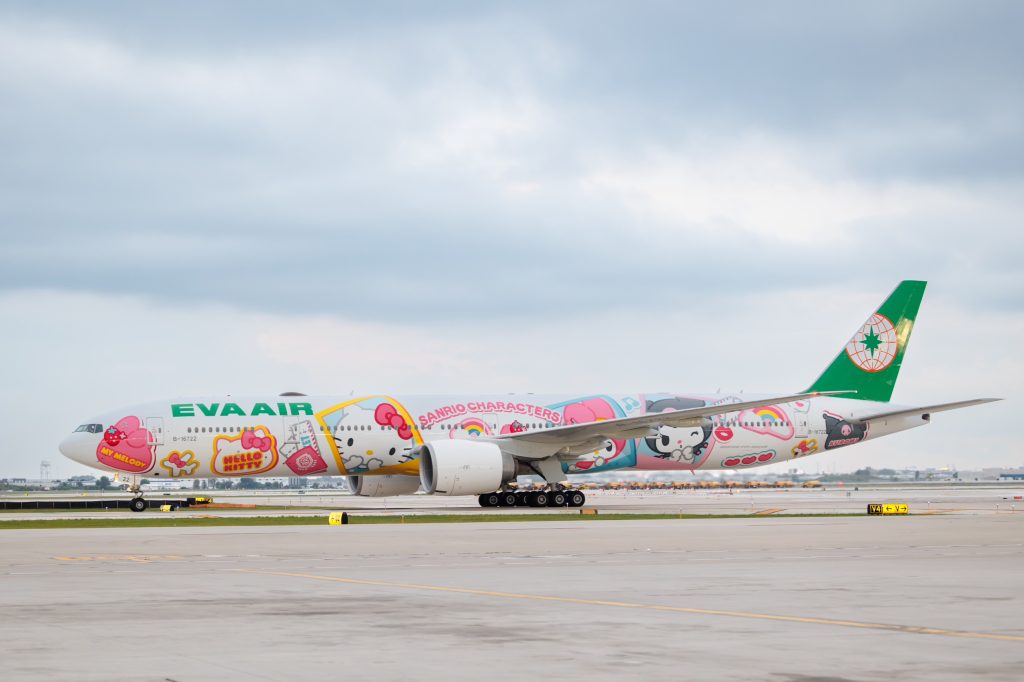
EVA Air has unveiled its newest Hello Kitty-themed aircraft, the ‘Hello Kitty Besties Jet,' which debuted on the carrier's Chicago route.
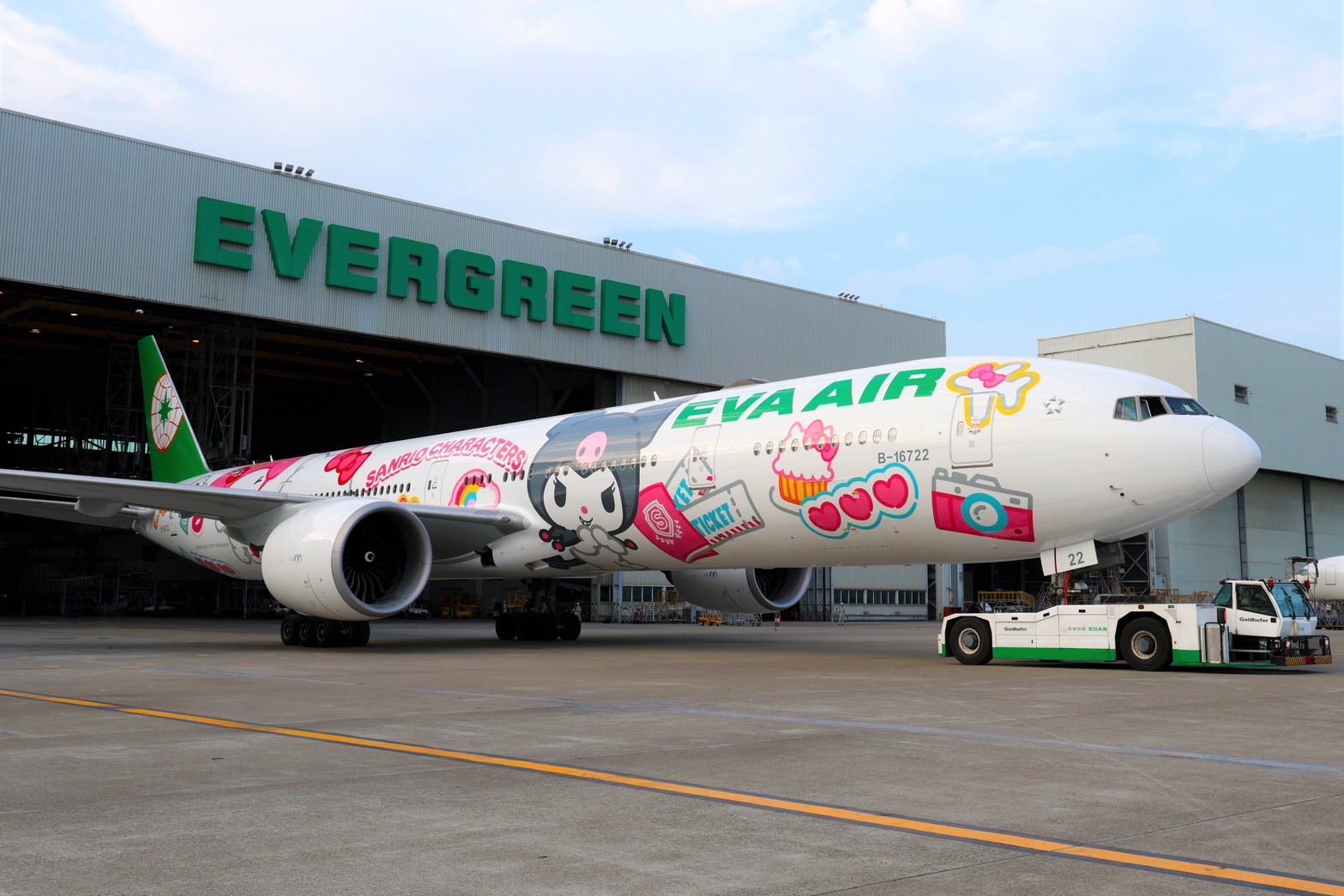
EVA Air recently unveiled a new special livery (Photo: EVA Air)
Editor’s Note: AirlineGeeks is proud to present our ‘Livery of the Week’ series. Every Friday, a team member will share an airline livery, which can be from the past, present, or even a special scheme. Some airline liveries are works of art. The complexity associated with painting around critical flight components and the added weight requires outside-the-box thinking from designers. The average airliner can cost upwards of $200,000 to repaint, creating a separate aircraft repainting industry as a result.
Have an idea for a livery that we should highlight? Drop us a line.
EVA Air has unveiled its newest Hello Kitty-themed aircraft, the ‘Hello Kitty Besties Jet.’ The jet’s inaugural flight, BR55, departed from Chicago O’Hare International Airport on August 29, bound for Taiwan. Passengers on this special flight received commemorative gifts.
The newly designed aircraft will operate the Chicago-Taipei route regularly, with flights scheduled for Tuesdays, Thursdays, and Saturdays during the summer and Mondays, Wednesdays, and Fridays during the winter season.
“Chicago is a vital leisure and commercial hub in the United States, and we’re excited to launch Hello Kitty Besties Jet on the Chicago-Taipei route. Our Hello Kitty jets have earned a range of awards and accolades, and we look forward to continuing to deliver the exceptional care and high standards our passengers have come to expect when flying with EVA Air,” said EVA President Clay Sun in a press release.
EVA Air’s latest Hello Kitty livery (Photo: EVA Air)
Passengers stepping aboard the aircraft will be surrounded by a branded atmosphere, with Hello Kitty elements adorning the entire cabin. The aircraft’s interior and exterior designs feature beloved Sanrio characters like Hello Kitty, My Melody, and the ever-popular Kuromi. Passengers can also expect specially designed headrests and custom tableware during meal service.
With the addition of the livery, EVA Air now has four routes featuring Hello Kitty-themed aircraft. The Chicago route will be served by the Hello Kitty Besties Jet, while the Clark route will continue to be flown by the BAD BADTZ-MARU Travel Fun jet. The Celebration Flight and Joyful Dream jets will continue to alternate service on the Bali and Cebu routes.
Looking for a new airplane model? Head over to our friends at the Midwest Model Store for a wide selection of airlines and liveries.
Ryan founded AirlineGeeks.com in February 2013 and has spent more than a decade covering the airline business. His work has been featured by CNN, WJLA, CNET, and Business Insider. His aviation experience spans airport operations, Part 135 regulatory compliance, and airline crew workforce planning, along with time behind the yoke of a Cessna 172 and interviews with airline executives. Ryan now serves as Group President of Firecrown Media’s Aviation Group. He holds a B.S. in Air Transportation Management and an MBA from Arizona State University and teaches Airline Management at Embry-Riddle Aeronautical University.
On Thursday, the New York-based airline told employees it would reduce capacity by roughly a quarter at Washington Reagan National Airport (DCA) this winter.
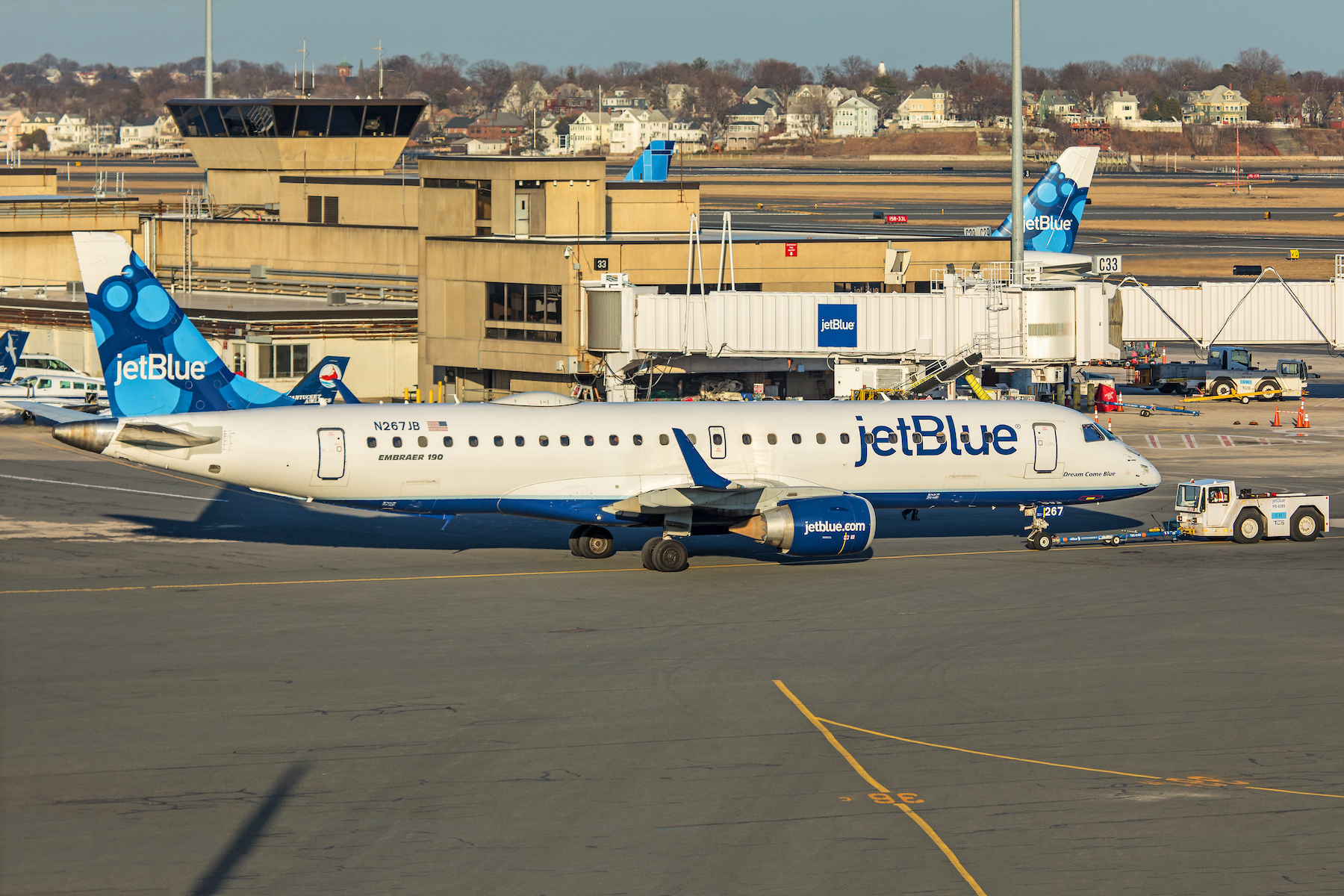
A JetBlue Embraer E190 in Boston. (Photo: AirlineGeeks | William Derrickson)
JetBlue is further reducing capacity in an ongoing effort to cut costs. On Thursday, the New York-based airline told employees it would reduce capacity by roughly a quarter at Washington Reagan National Airport (DCA) this winter.
As first noted by xJonNYC on Twitter/X, JetBlue will scale back its daily flights from the slot-controlled airport to 20, down from 27. In a memo, the carrier said the cuts would take effect between Oct. 27, 2024 and March 29, 2025.
The airline currently serves Boston, Fort Lauderdale, Fort Myers, Nassau, Orlando, San Juan, and West Palm Beach from DCA along with seasonal flights to Martha’s Vineyard and Nantucket.
Flights between DCA and Boston, Fort Lauderdale, Orlando, along with West Palm Beach will all see daily service reductions. The carrier’s route from the Nation’s Capital to Fort Myers will be axed altogether.
In addition, the airline does not plan to resume service from Washington to New York-JFK as originally planned; the route had been paused since early 2024. Earlier this year, JetBlue applied for one of five newly available slot pairs at DCA, seeking to add a second daily flight to San Juan.
Pilot Buyouts
Along with the capacity cuts, JetBlue is reportedly looking at plans to offer voluntary early buyout offers to its pilots, according to several sources familiar with the matter.
Ryan founded AirlineGeeks.com in February 2013 and has spent more than a decade covering the airline business. His work has been featured by CNN, WJLA, CNET, and Business Insider. His aviation experience spans airport operations, Part 135 regulatory compliance, and airline crew workforce planning, along with time behind the yoke of a Cessna 172 and interviews with airline executives. Ryan now serves as Group President of Firecrown Media’s Aviation Group. He holds a B.S. in Air Transportation Management and an MBA from Arizona State University and teaches Airline Management at Embry-Riddle Aeronautical University.
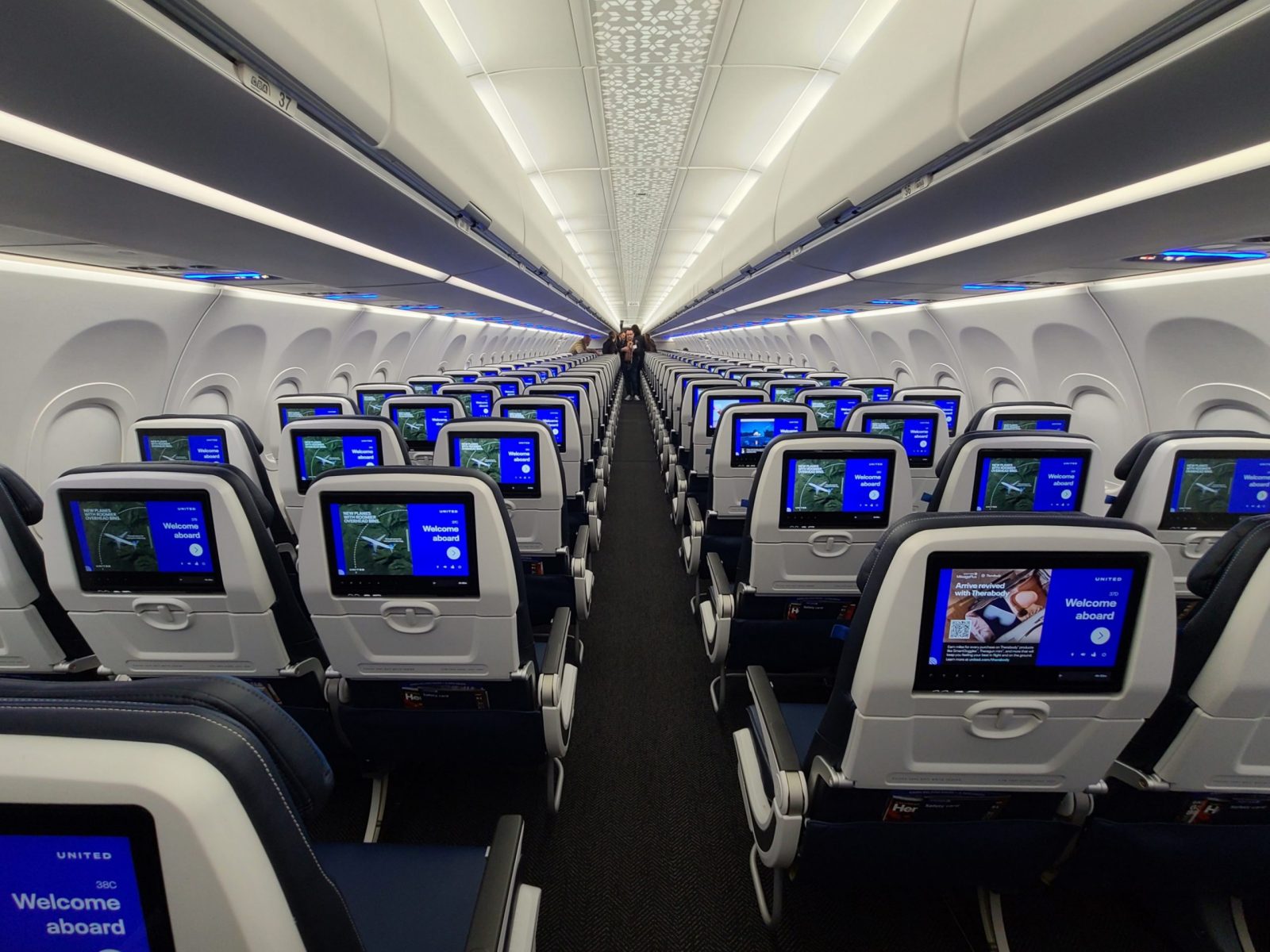
United Airlines' Airbus A321neo cabin (Photo: AirlineGeeks | Andrew Chen)
United Airlines flight attendants, represented by the Association of Flight Attendants-CWA (AFA), voted overwhelmingly to authorize a strike on Thursday.
According to an AFA news release, flight attendants voted 99.99% yes to a strike should management fail to agree to several demands including: a double-digit pay increase, pay for time at work on the ground, retroactive pay to the amendable date, schedule flexibility and work rule improvements, job security, retirement benefits and more.
“We deserve an industry-leading contract,” said Ken Diaz, president of the United chapter of AFA, in the release. “Our strike vote shows we’re ready to do whatever it takes to reach the contract we deserve. We are the face of United Airlines and planes don’t take off without us. As Labor Day travel begins, United management is reminded what’s at stake if we don’t get this done.”
The release states this is the first time since bankruptcy negotiations in 2005 that flight attendants at United voted on strike authorization.
Thursday’s strike authorization comes after the Association of Professional Flight Attendants (APFA) prepared for a strike during labor contract negotiations with American Airlines earlier this summer. The APFA and American eventually reached a tentative agreement.
Now that the AFA has authorized a strike, the union could request a release from the National Mediation Board (NMB) leading to a 30-day “cooling off” period and strike deadline.
“The United management team gives themselves massive compensation increases while Flight Attendants struggle to pay basic bills,” Diaz continued in the release. “The 99.99% yes vote is a clear reminder that we are unified in the fight against corporate greed and ready to fight for our fair share of the profits we create.”
AFA states that it has a trademarked strike strategy known as CHAOS or Create Havoc Around Our System. With CHAOS, a strike could affect the entire system or a single flight. The release states that the union decides when, where and how to strike without notice to management or passengers.
United flight attendants filed for federal mediation with NMB over eight months ago and have been working under an amendable contract for nearly three years.
AirlineGeeks.com was founded in February 2013 as a one-person blog in Washington D.C. Since then, we’ve grown to have 25+ active team members scattered across the globe. We are all here for the same reason: we love deep-diving into the fascinating realm of the airline industry.
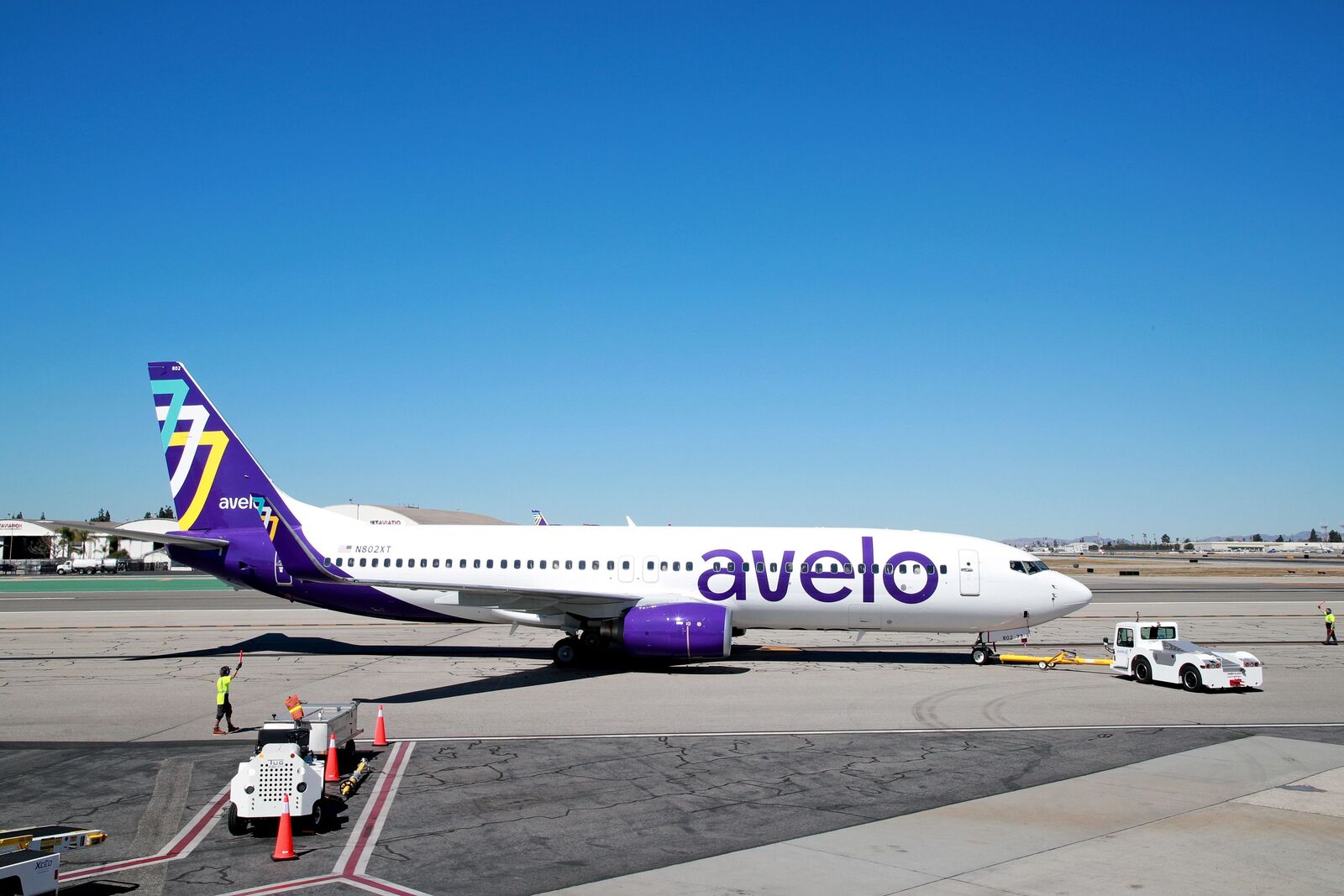
An Avelo Boeing 737 aircraft. (Photo: Avelo Airlines)
On Monday, Avelo operated its last flight to Redding, Calif., one of the airline’s first routes since it began flying in 2021. The ultra-low-cost airline previously served its Burbank base from the Northern California city, along with Las Vegas.
Avelo confirmed plans to exit the Redding market in June, citing a change in ground handling contractors.
“We recently learned the business partner supporting Avelo’s airport operations at Redding Regional Airport (RDD) will no longer be serving RDD. This decision also enables us to better utilize our resources elsewhere in Avelo’s system.” a spokesperson for the carrier told the Record Spotlight.
The airline reportedly contracted with ground handler Trego Dugan Aviation, a family-owned Nebraska-based firm that provides various services to commercial and general aviation operators. Trego Dugan handles both above and below-wing activities for its clients, including baggage loading, passenger boarding, etc.
At a June Shasta County Board of Supervisors meeting, Trego Dugan general manager Jared Culver explained that the company would be leaving California altogether. According to the Record Spotlight, Culver did not know why the company was pulling out of the state.
Trego Dugan joins a growing list of companies leaving California. Earlier this month, oil giant Chevron announced plans to leave the state.
The ground handling provider did not respond to AirlineGeeks’ request for comment. An Avelo spokesperson did confirm the market exit was related to the ground handling change.
Per several news reports, Avelo attempted to find a new contractor to handle its Redding flights, but was unsuccessful. Both Alaska and United continue to serve Redding with flights to Los Angeles, San Francisco, and Seattle.
Ryan founded AirlineGeeks.com in February 2013 and has spent more than a decade covering the airline business. His work has been featured by CNN, WJLA, CNET, and Business Insider. His aviation experience spans airport operations, Part 135 regulatory compliance, and airline crew workforce planning, along with time behind the yoke of a Cessna 172 and interviews with airline executives. Ryan now serves as Group President of Firecrown Media’s Aviation Group. He holds a B.S. in Air Transportation Management and an MBA from Arizona State University and teaches Airline Management at Embry-Riddle Aeronautical University.