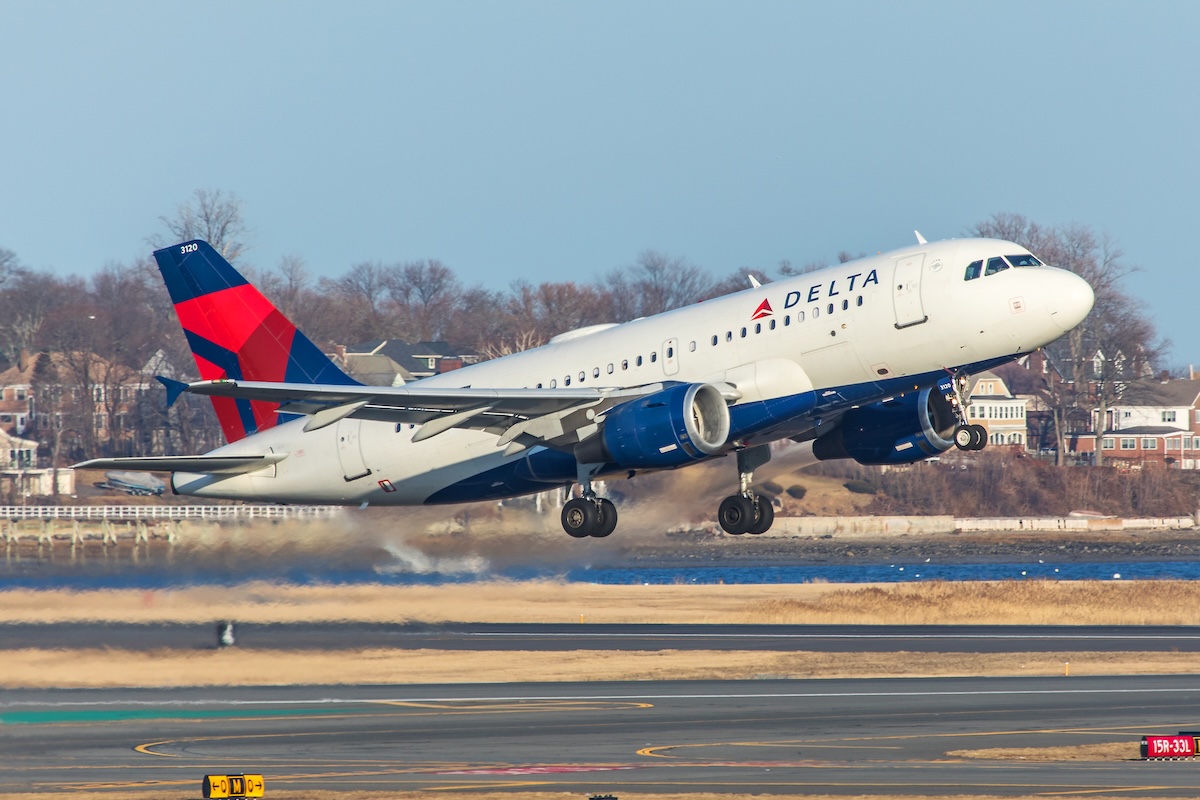
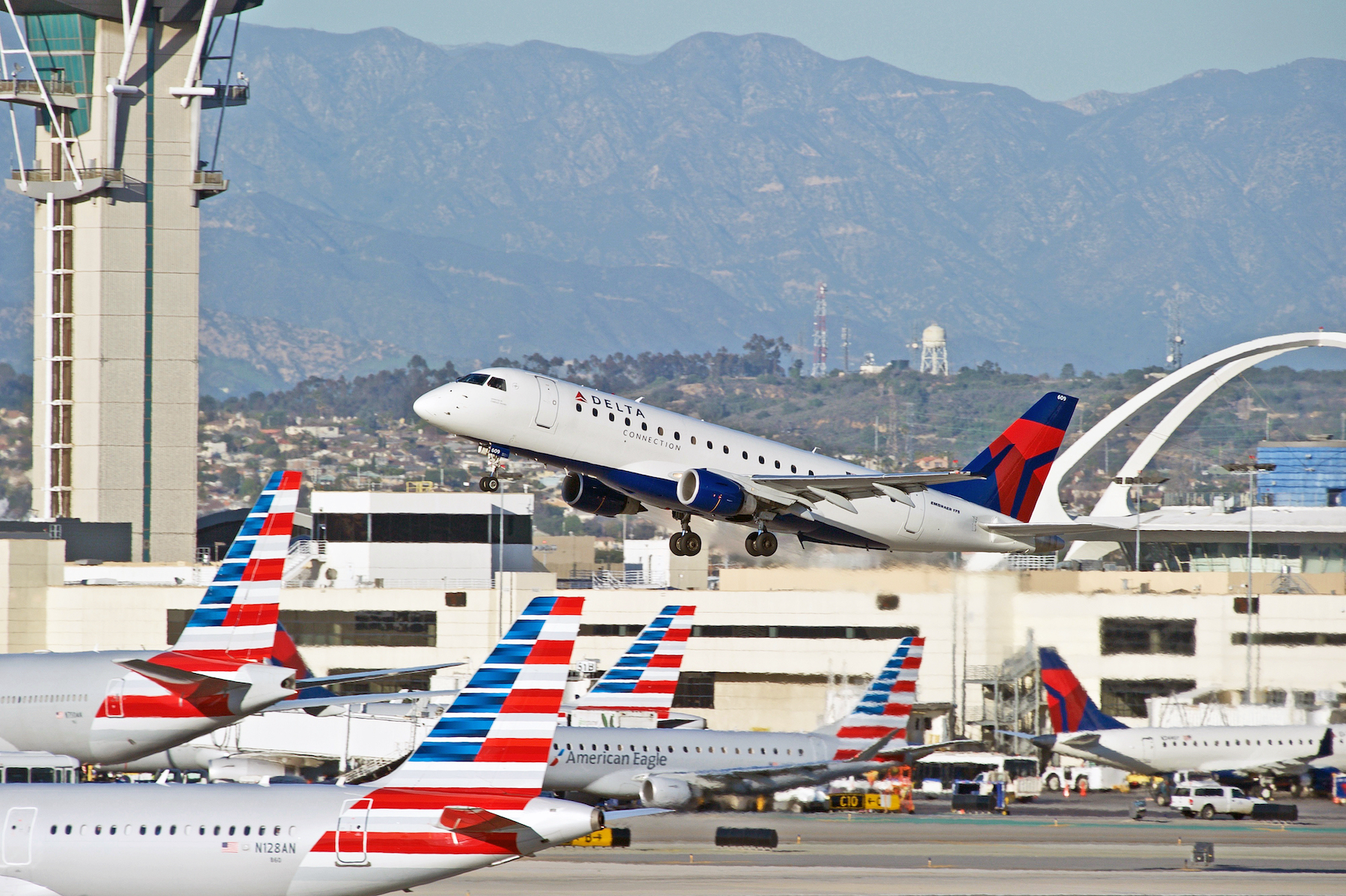
A Delta Airbus A319. (Photo: AirlineGeeks | William Derrickson)
Delta is expanding service at a destination in central Texas.
Starting Oct. 6, the carrier will connect Austin, Texas, with San Jose, California. The new route will add flexibility for passengers traveling between the South and the West Coast, airline officials said.
Delta already serves the Bay Area from Austin via San Francisco.
The carrier also said it will add a third daily frequency between Austin and Orlando, Florida. Delta links Austin to several destinations in Florida, including Miami, Tampa, and Jacksonville.
Both flights will operate using Airbus A319 aircraft.
Austin is a “focus city” for Delta, and the airline has greatly expanded operations and service there in recent years.
Zach Vasile is a writer and editor covering news in all aspects of commercial aviation. He has reported for and contributed to the Manchester Journal Inquirer, the Hartford Business Journal, the Charlotte Observer, and the Washington Examiner, with his area of focus being the intersection of business and government policy.
Qantas Gives First Look Inside Its A350-1000ULR
The aircraft is expected to enter service next year.
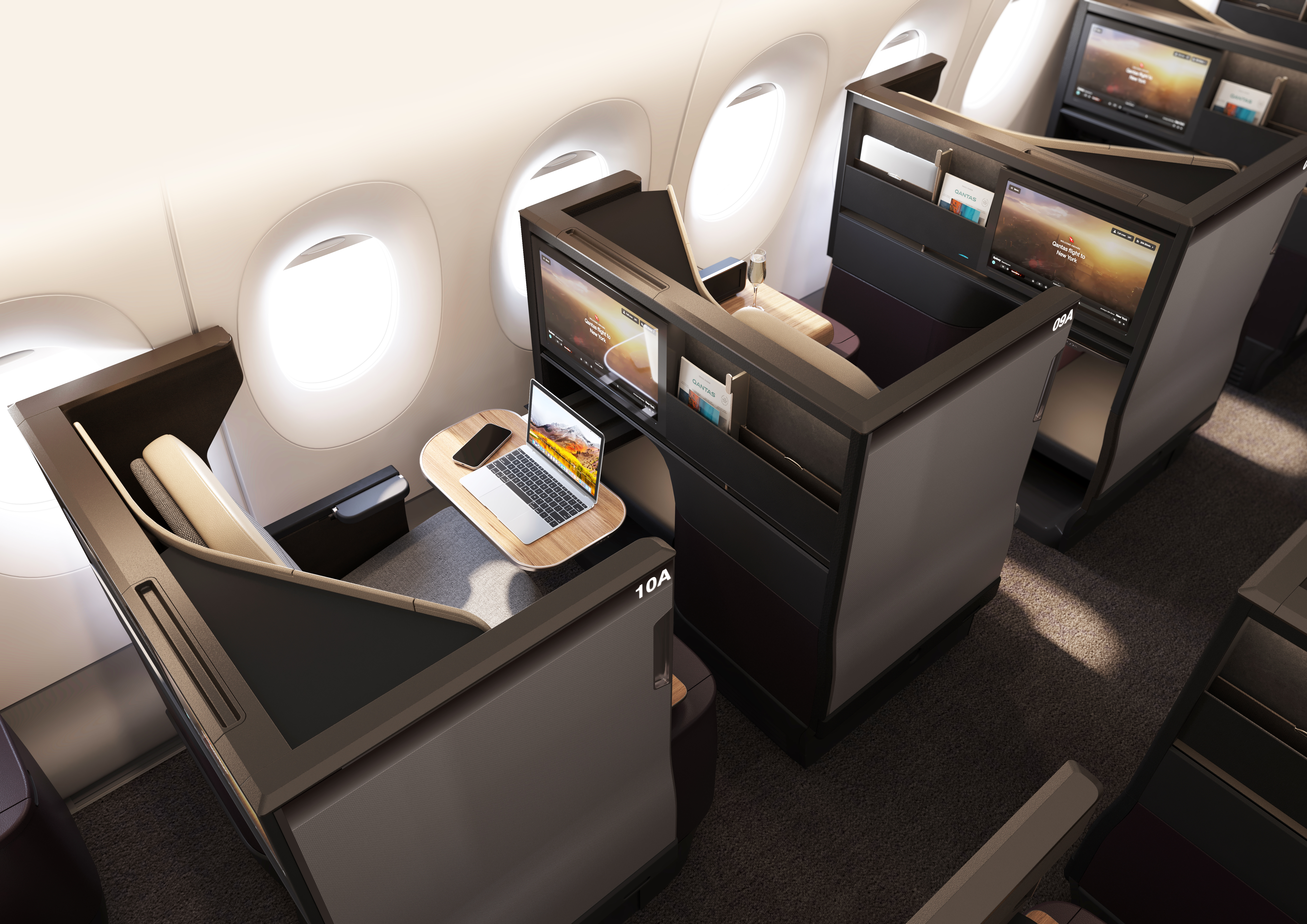
A rendering of seats on Qantas' new A350-1000ULR. (Credit: Qantas)
Qantas is adding amenities and a wellness center to keep passengers comfortable and healthy on its new Airbus A350-1000ULR, an aircraft that will fly for up to 22 continuous hours as it links the east coast of Australia to destinations in North America and Europe.
Notably, the airplane will have only 238 passenger seats, the lowest seat density of any A350 variant. There will be six premium First suites in a 1-1-1 configuration, 52 business-class suites in a 1-2-1 configuration, 40 premium economy seats in a 2-4-2 configuration, and 140 economy seats configured 3-3-3.
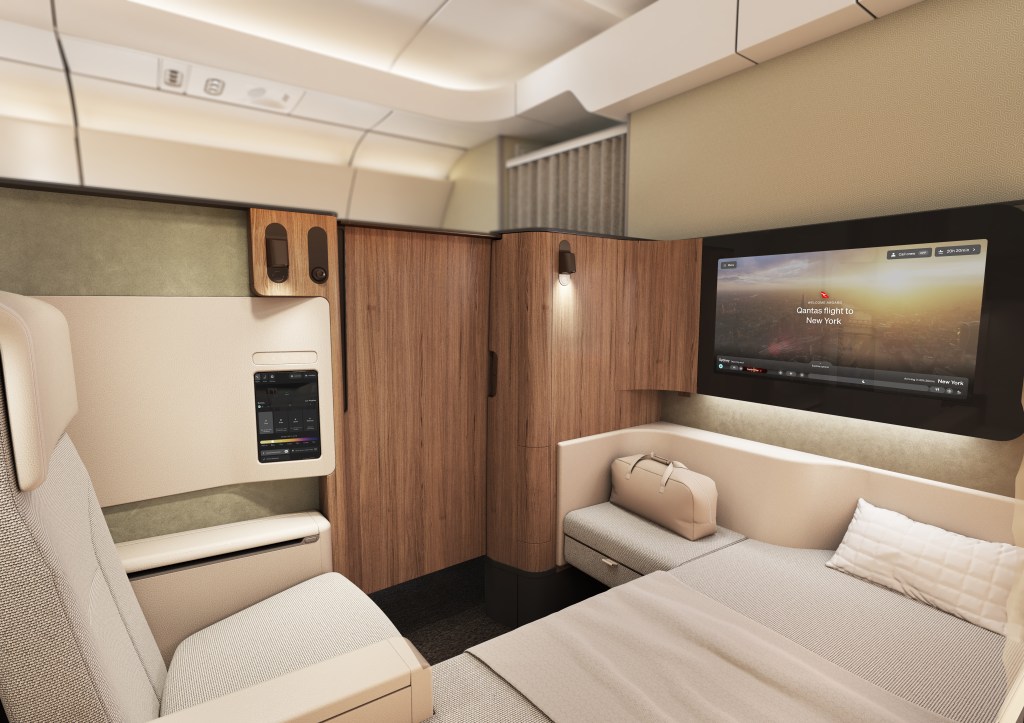
A rendering of an enclosed First suite on Qantas’ A350-1000ULR. (Credit: Qantas)
First suites come with an 80-inch flat bed, a separate reclining armchair, work and dining space for one or two people, a full-length wardrobe, multiple storage areas, and lighting synced to customers’ circadian rhythm.
Business suites also include an 80-inch flat bed, as well as a dining table and work surface.
Other amenities, including multi-layered memory foam seat cushions, ergonomic lighting, wireless internet service, and entertainment systems, are being made available across all cabins.
Loaded on each seatback screen is a “journey planner,” which shows when meals are served and when the cabin dims for rest. Qantas said the tool will help passengers arrange their time on ultra-long-haul flights.
A rendering of a business suite on Qantas’ A350-1000ULR. (Credit: Qantas)
A “Wellbeing Zone,” set up between the premium economy and economy cabins, will feature sculpted wall panels and mounted stretch handles for exercise, plus screens for a “guided movement program” and a “hydration station.” The space will be the first on any airline dedicated solely to passenger wellbeing, officials said.
The airline did not say how large the Wellbeing Zone will be, or how many passengers will be able to use it at one time.
The A350-1000ULR is being built custom for Qantas as part of “Project Sunrise,” the carrier’s yearslong plan to serve destinations such as London and New York nonstop from Australia’s east coast. The first two -1000ULRs are currently undergoing testing in France.
Earlier this week, Qantas announced that London will be the first Project Sunrise destination, with flights from Sydney starting in October 2027.
Zach Vasile is a writer and editor covering news in all aspects of commercial aviation. He has reported for and contributed to the Manchester Journal Inquirer, the Hartford Business Journal, the Charlotte Observer, and the Washington Examiner, with his area of focus being the intersection of business and government policy.
Report: U.S. House to Hold Hearing on Airline Competition
The head of Airlines For America is expected to testify.
The U.S. House of Representatives subcommittee overseeing antitrust matters will hold a hearing next week on competition in the U.S. airline industry, according to a report from Reuters.
The hearing, scheduled for June 24, is titled “The 30,000 Foot View: Competition and Regulation in the U.S. Airline Industry,” the outlet reported Wednesday. Chris Sununu, CEO of Airlines For America, the largest airline trade group in the country, is expected to testify.
It was not immediately clear when the hearing was announced or how Reuters found out about it. The official online calendar for the House Judiciary Committee’s Subcommittee on the Administrative State, Regulatory Reform, and Antitrust does not currently show any hearings scheduled for June 24.
It was also not clear what prompted the hearing, though airlines have been in the news recently as fares and baggage fees climb. Carriers around the world are scrambling to stay ahead of volatile jet fuel prices, which effectively doubled this spring after Iran closed the Strait of Hormuz.
Higher fuel prices ultimately triggered the collapse of ultra-low-cost carrier Spirit, which had been on track to emerge from bankruptcy. The airline went out of business on May 2.
The Biden administration in 2024 announced a broad investigation of competition in U.S. air travel, with a focus on price inflation and alleged “junk fees.” The inquiry was assigned to the Justice Department and the Transportation Department, but close to two years later, neither agency has commented on the probe or produced any findings. It is possible that the investigation was quietly canceled with the change in administrations in January 2025.
Zach Vasile is a writer and editor covering news in all aspects of commercial aviation. He has reported for and contributed to the Manchester Journal Inquirer, the Hartford Business Journal, the Charlotte Observer, and the Washington Examiner, with his area of focus being the intersection of business and government policy.
Horizon Air Flight Attendants Vote to Authorize Strike
The AFA-CWA cited “seriously delayed bargaining” and “outrageously low economic proposals” from the airline’s management.
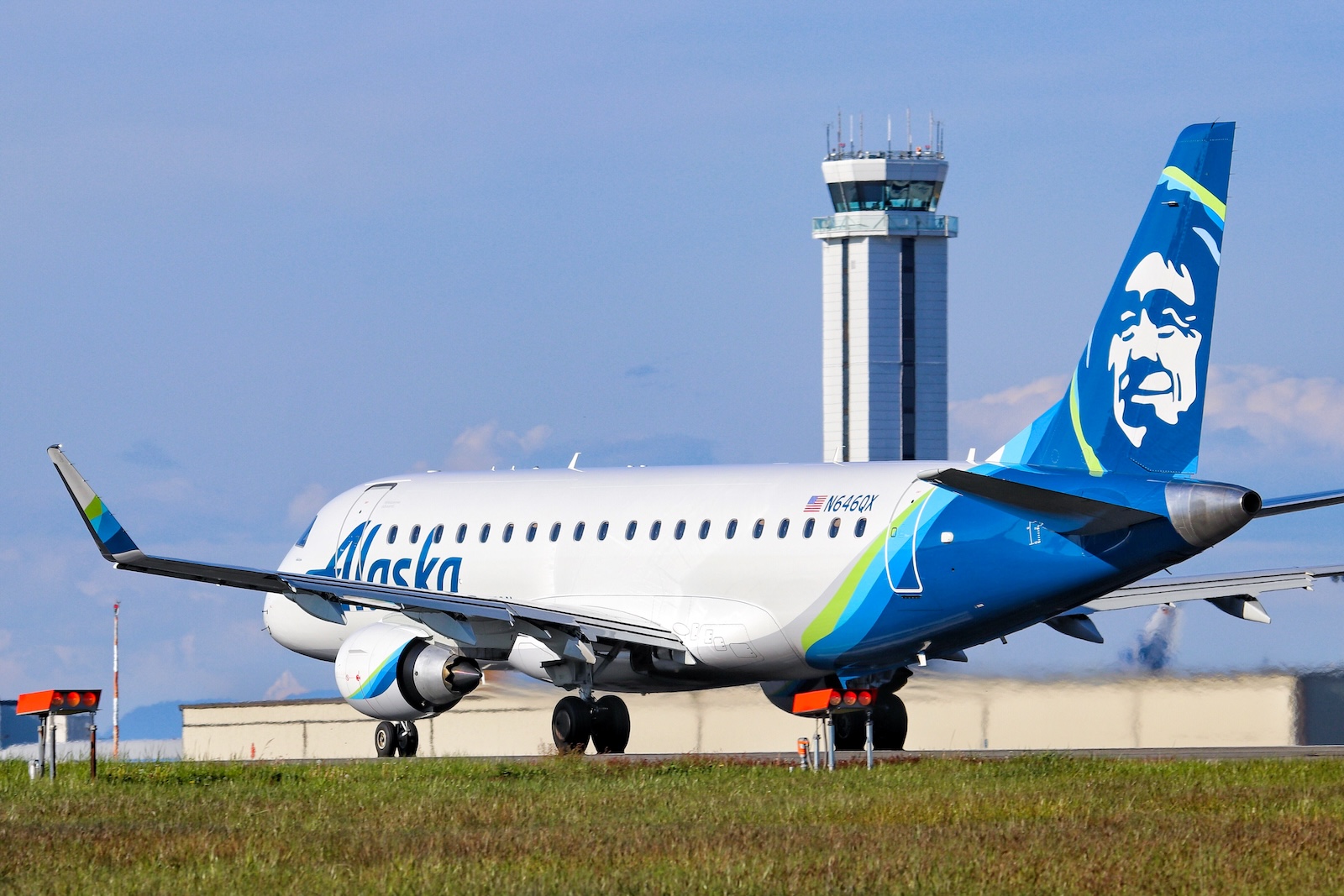
An Alaska E175 operated by Horizon Air. (Photo: AirlineGeeks | Katie Zera)
Flight attendants at Alaska Air Group subsidiary Horizon Air took the first step toward a potential work stoppage this week as frustration over contract negotiations comes to a head.
The Association of Flight Attendants-CWA announced Tuesday that its Horizon chapter, which includes 650 workers, voted by 99.8% to authorize a strike.
Union officials said the vote was an answer to “seriously delayed bargaining” and “outrageously low economic proposals” from Horizon management. The flight attendants are seeking pay increases, better benefits, increased pay for time at work, including while boarding aircraft, and work rule improvements, according to AFA-CWA.
The vote does not necessarily mean that Horizon flight attendants will walk off the job, only that they could in the future. The union said its right to strike is triggered when the National Mediation Board declares negotiations are deadlocked, and both parties are released into a 30-day “cooling off” period.
The flight attendants filed for federal mediation in January 2025.
“Our 99.8% vote shows Horizon and Alaska management that we will do whatever it takes to get the contract we have earned,” Lisa Davis Warren, president of the Horizon chapter of AFA-CWA, said in a statement. “We have dedicated our lives to Horizon and the communities that we serve. We are simply asking for the pay, benefits, and improvements we have earned.”
If a strike is declared, AFA-CWA would use a rolling strategy that could affect a single flight, several flights, or the entire Horizon Air network, officials said. Management and passengers would not be notified ahead of time.
Alaska Air Group told The Seattle Times on Tuesday that a strike authorization is a common step in contract negotiations and will not immediately impact operations. The company also said it is confident it will reach an agreement with AFA-CWA.
Alaska Air Group also owns Alaska Airlines and Hawaiian Airlines.
Zach Vasile is a writer and editor covering news in all aspects of commercial aviation. He has reported for and contributed to the Manchester Journal Inquirer, the Hartford Business Journal, the Charlotte Observer, and the Washington Examiner, with his area of focus being the intersection of business and government policy.
U.S. Airlines Lost Close to $1B in First Quarter
Carriers were stung by higher fuel prices stemming from the war in Iran.
American and Delta aircraft in Los Angeles. (Photo: Shutterstock)
U.S. airlines lost $966 million in the first quarter of 2026, a sharp reversal from robust gains through most of last year.
The figure was released Tuesday in a report from the U.S. Bureau of Transportation Statistics, which collected data from all 22 scheduled passenger carriers in the country. The bureau is required to publish information on airline income on a quarterly basis by the Office of Management and Budget.
For comparison, U.S. airlines lost around $200 million in the first quarter of 2025. Net income surged to $4 billion in the second quarter of that year, with a more modest $1.6 billion posted in Q3 and $600 million reported in Q4.
The Bureau of Transportation Statistics did not explicitly link the loss to any single factor or factors, though spending on fuel increased during the quarter as fighting in the Middle East effectively shut down the Strait of Hormuz and damaged oil infrastructure in several countries.
Second-quarter statistics will likely reflect even greater fuel expenses in the April-June period.
The report noted that earnings from fares as a percentage of total income dipped slightly, while baggage fees made up some of the ground.
The 17 U.S. airlines that fly internationally posted an after-tax net loss of $435 million in the first quarter.
Zach Vasile is a writer and editor covering news in all aspects of commercial aviation. He has reported for and contributed to the Manchester Journal Inquirer, the Hartford Business Journal, the Charlotte Observer, and the Washington Examiner, with his area of focus being the intersection of business and government policy.
Riyadh Air Approved to Operate in U.S.
The start-up carrier applied for a foreign air carrier permit and exemption authority in May.
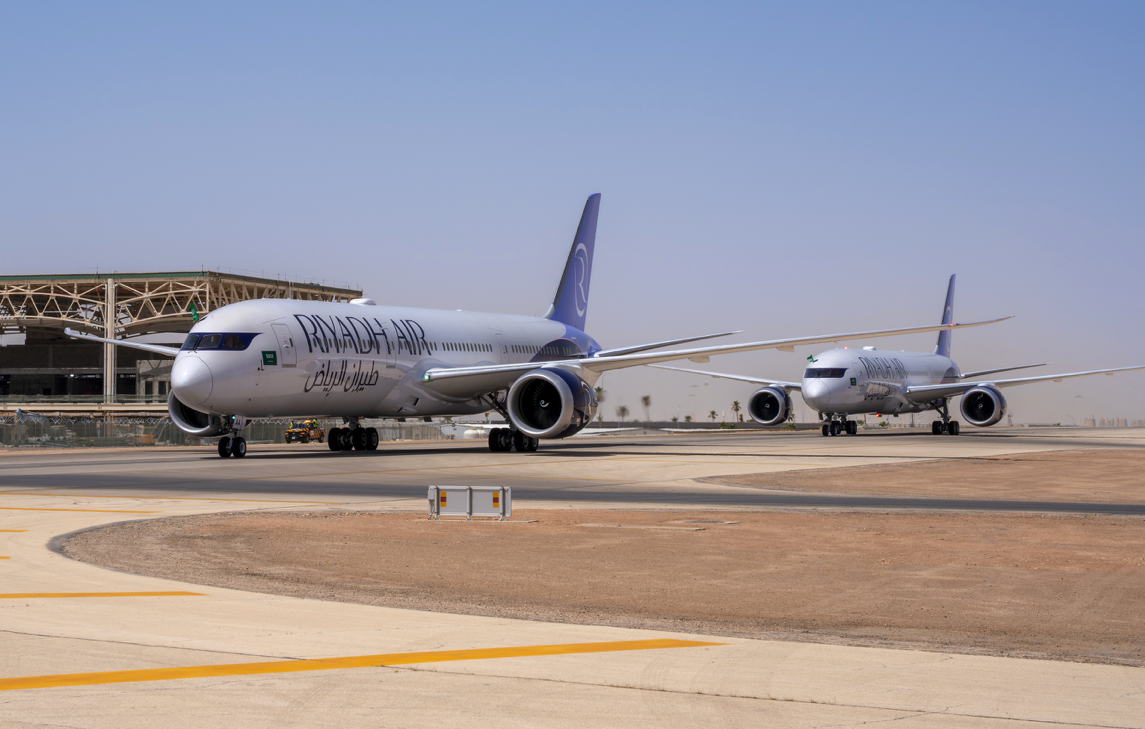
Riyadh Air’s first two 787 Dreamliners arrive in Riyadh. (Photo: Riyadh Air)
The Department of Transportation has signed off on Riyadh Air’s request to start flights to and from the U.S.
In a decision issued Tuesday, the department said additional air service from Saudi Arabia is “consistent with the public interest.” It also found that Riyadh Air is financially and operationally capable of supporting new connections.
The carrier has not said which destinations in the U.S. it will look to serve, and the DOT’s ruling did not provide any clues.
Riyadh Air launched its first regularly scheduled, fully public commercial route, between Riyadh and London Heathrow, earlier this month. Another five destinations have been added to the carrier’s schedule – Manchester, Dubai, Cairo, Madrid, and Jeddah, Saudi Arabia – but so far none in North America.
All six routes will operate with the Boeing 787-9 Dreamliner.
Riyadh Air has said it will add over 100 destinations by 2030.
Saudi Arabia’s older flag carrier, Saudia, currently serves New York-JFK, Washington Dulles, and Los Angeles, as well as Toronto in Canada.
Zach Vasile is a writer and editor covering news in all aspects of commercial aviation. He has reported for and contributed to the Manchester Journal Inquirer, the Hartford Business Journal, the Charlotte Observer, and the Washington Examiner, with his area of focus being the intersection of business and government policy.
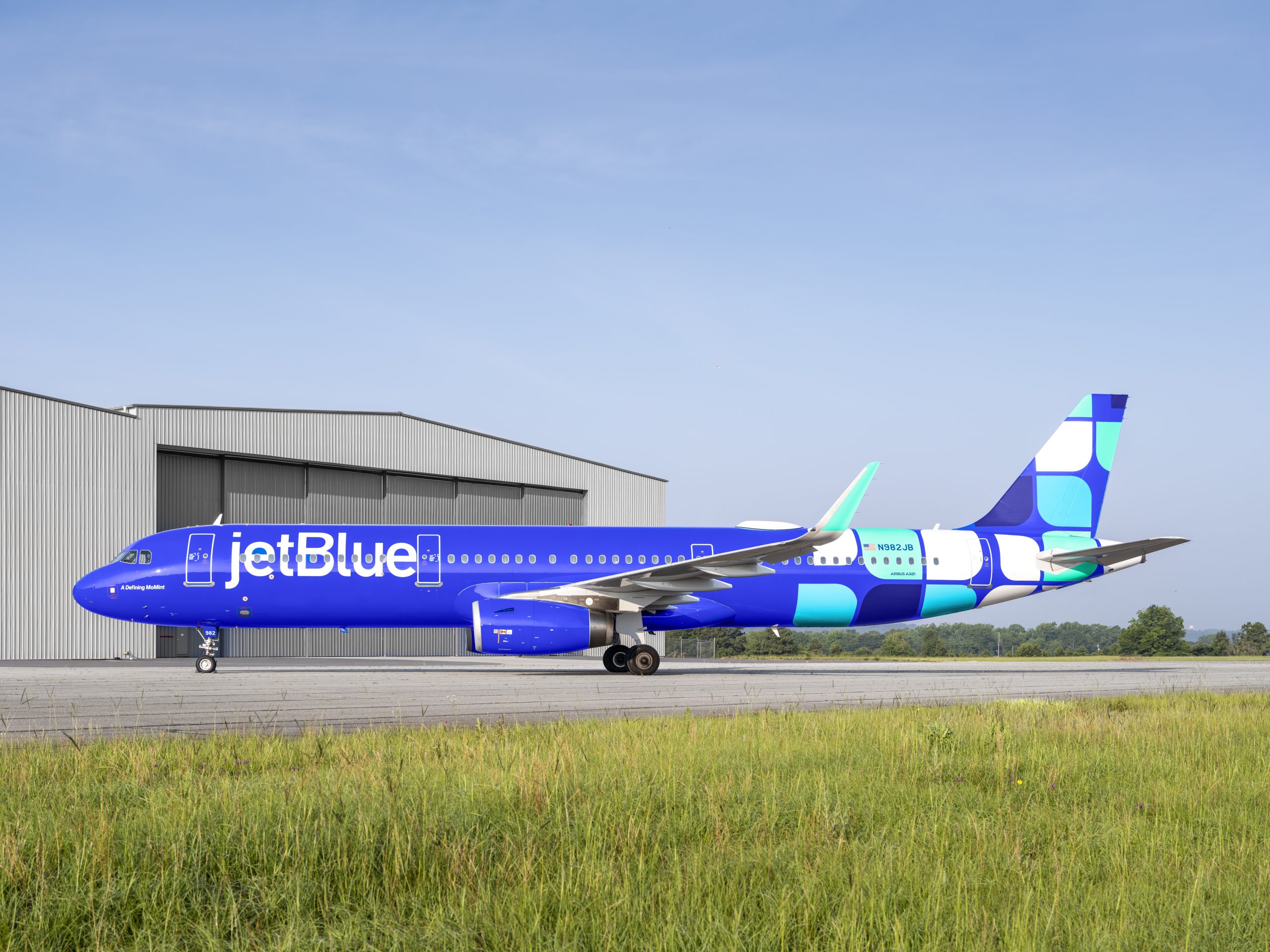
Additional Mint flights between Fort Lauderdale and Los Angeles and San Francisco will come online this winter. Exact start dates were not provided.
Mint is JetBlue’s business class product; cabins come with lie-flat seats, curated dining, and other amenities. The offering is mainly available on transatlantic and transcontinental routes operated with the Airbus A321 and A321neo.
“Customers in Fort Lauderdale continue to choose JetBlue for a better coast-to-coast experience, and these additions give them even more of what they value most: more flights, more premium options, and the comfort of Mint on key West Coast routes,” Daniel Shurz, JetBlue’s senior vice president of revenue, network, and enterprise planning, said in a news release.
JetBlue expects to operate around 150 daily flights from Fort Lauderdale this winter.
Zach Vasile is a writer and editor covering news in all aspects of commercial aviation. He has reported for and contributed to the Manchester Journal Inquirer, the Hartford Business Journal, the Charlotte Observer, and the Washington Examiner, with his area of focus being the intersection of business and government policy.
Qantas Names First Ultra-Long-Haul ‘Project Sunrise’ Destination
Service will start next year, using the carrier’s custom-built Airbus A350-1000ULR.
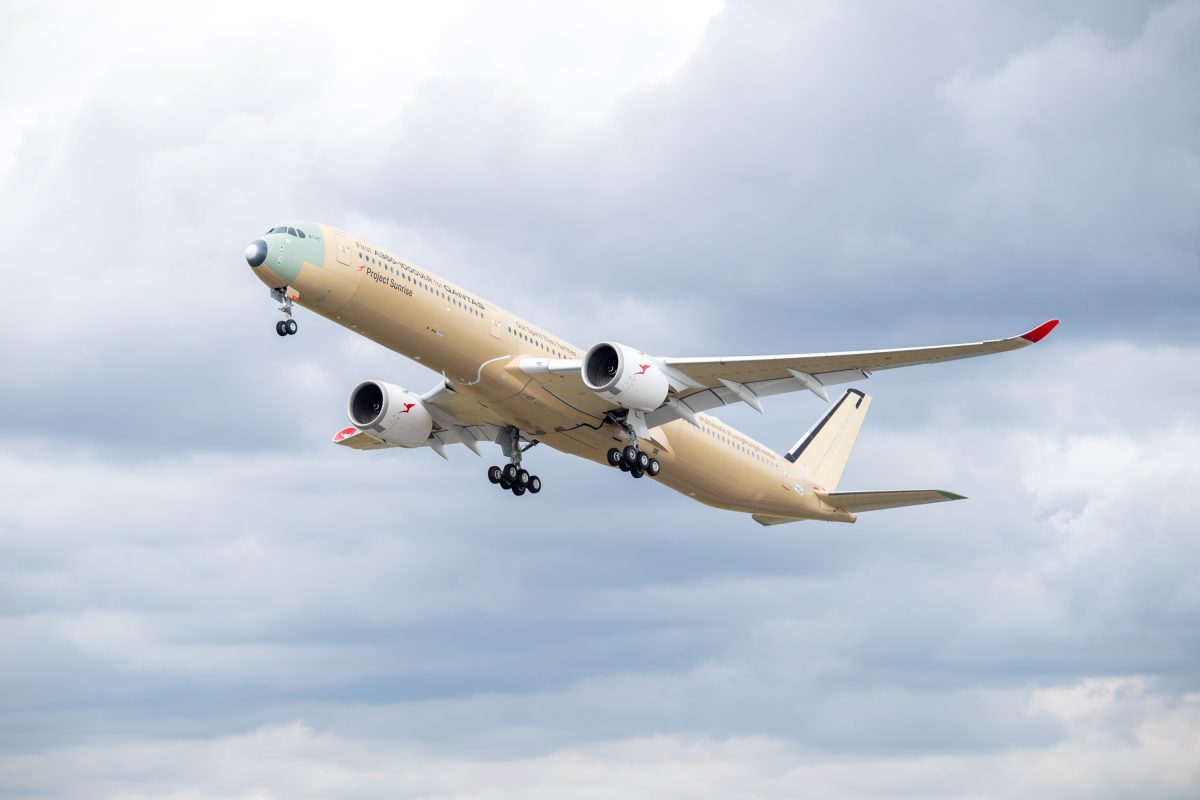
The first flight of the Airbus A350-1000ULR. (Photo: Airbus)
Qantas is inching closer to the operational phase of “Project Sunrise,” its yearslong effort to connect the east coast of Australia with far-flung destinations in North America and Europe.
Qantas currently serves London from Perth, on the west coast of Australia, and from Sydney with a stop in Singapore. Both of those routes will continue when the new nonstop connection comes online, officials said.
Nonstop flights to London have been a central objective of Project Sunrise since its launch in 2017, but with New York also a priority, it was unclear which city would lead Qantas’ ultra-long-haul expansion. The carrier said Wednesday that nonstop flights from Sydney to New York are next in line, with a launch date expected to be announced next year.
Tickets for the Sydney-London service will become available for purchase in February 2027.
“We made a commitment in 2017 that Qantas would conquer the final frontier of long-haul aviation and connect Australia’s east coast directly to London, something that has never before been possible,” Qantas Group CEO Vanessa Hudson said in a news release. “From October 2027, that promise becomes reality.”
Hudson said nonstop flights to London will save customers up to four hours of travel time. She also noted that the A350-1000ULR has been specially designed to help occupants stave off the effects of jetlag on long journeys.
Qantas’ first two -1000ULRs are currently undergoing testing in France. A total of 12 are on order with Airbus.
The type has been fitted with an extra fuel tank, allowing it to fly for up to 22 continuous hours.
Qantas is training some of its A330 pilots for the new aircraft with a simulator in Sydney, and on British Airways flights in the U.K. Some pilots will also fly with Cathay Pacific in the coming months.
Qantas first operated what it calls the “Kangaroo Route” between Australia and the U.K. in 1947. At the time, the service required seven stops.
Zach Vasile is a writer and editor covering news in all aspects of commercial aviation. He has reported for and contributed to the Manchester Journal Inquirer, the Hartford Business Journal, the Charlotte Observer, and the Washington Examiner, with his area of focus being the intersection of business and government policy.
American Chief Strategy Officer, Vice Chairman Steve Johnson to Retire
Officials credited Johnson with rebuilding the carrier’s sales and distribution strategy and strengthening its network.
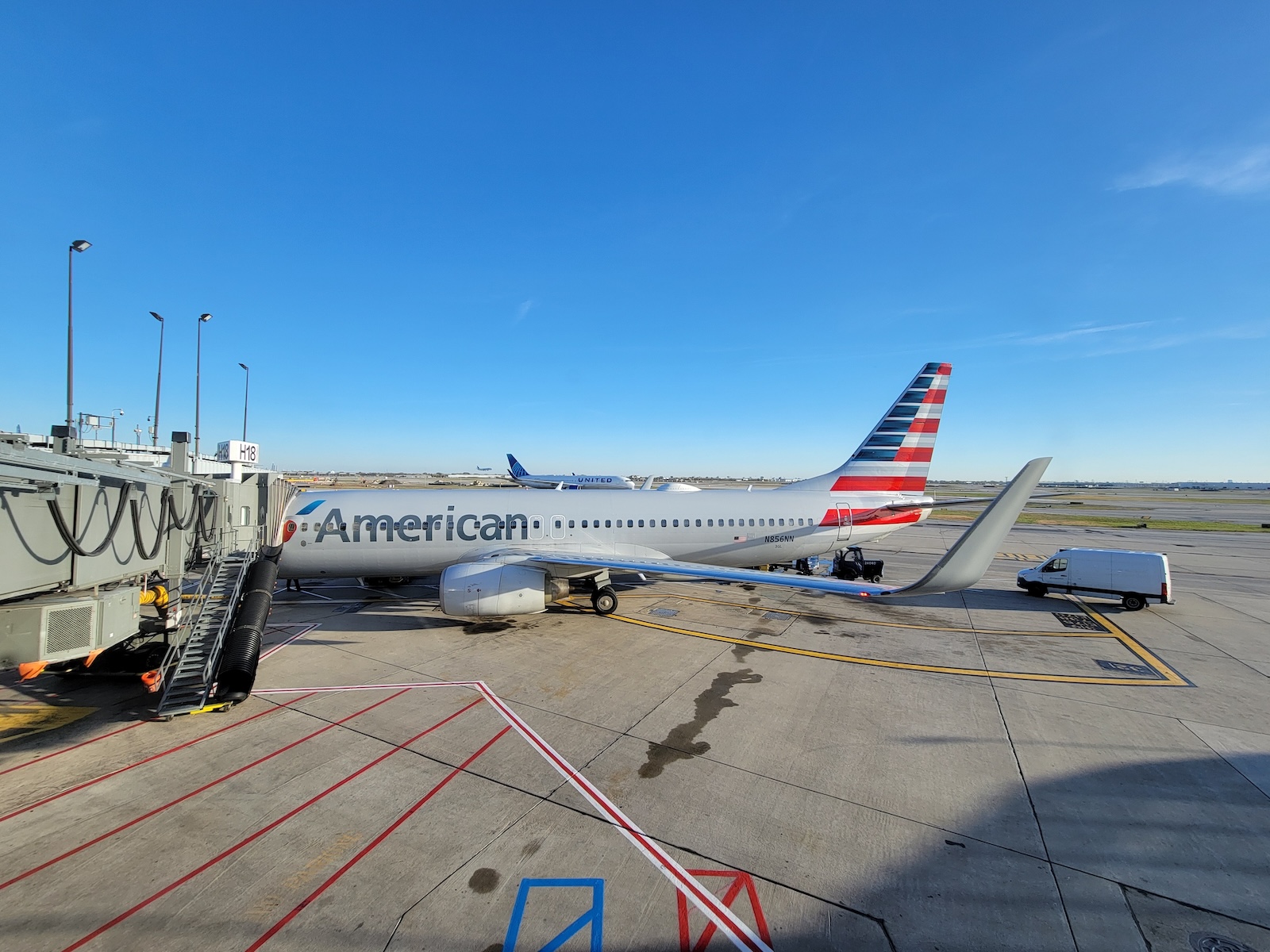
American Boeing 737 at O'Hare. (Photo: Shutterstock | Nate Hovee)
Steve Johnson, chief strategy officer and vice chairman at American Airlines, will retire at the end of the year, the carrier announced this week.
The airline notified the U.S. Securities and Exchange Commission of Johnson’s planned retirement in a filing on Sunday. The document does not say who will succeed Johnson in either of his roles.
In an internal memo, American leaders credited Johnson with rebuilding the carrier’s sales strategy, strengthening its network, and reaching a “groundbreaking” partnership agreement with Citi, the issuer of American’s co-branded AAdvantage credit cards.
“To say he has played an important role at our airline is an understatement,” CEO Robert Isom said in the message. “On a personal note, Steve has been a trusted counselor, and he will be missed by many throughout the airline, including me. We are excited to have Steve for another few months, and we will have more to say about his career and celebrate his contributions as we get closer to his retirement.”
Steve Johnson (Photo: American Airlines)
According to American, Johnson joined America West Airlines in 1995. He later went to work for private equity firm Indigo Partners, then joined US Airways in 2009. American acquired US Airways in 2013.
Johnson led American’s corporate affairs organization before being named to his current position. Later, while serving as vice chairman, he stepped in to lead the carrier’s commercial organization “during a critical period to stabilize and reinvigorate the airline’s commercial approach,” American said.
Zach Vasile is a writer and editor covering news in all aspects of commercial aviation. He has reported for and contributed to the Manchester Journal Inquirer, the Hartford Business Journal, the Charlotte Observer, and the Washington Examiner, with his area of focus being the intersection of business and government policy.
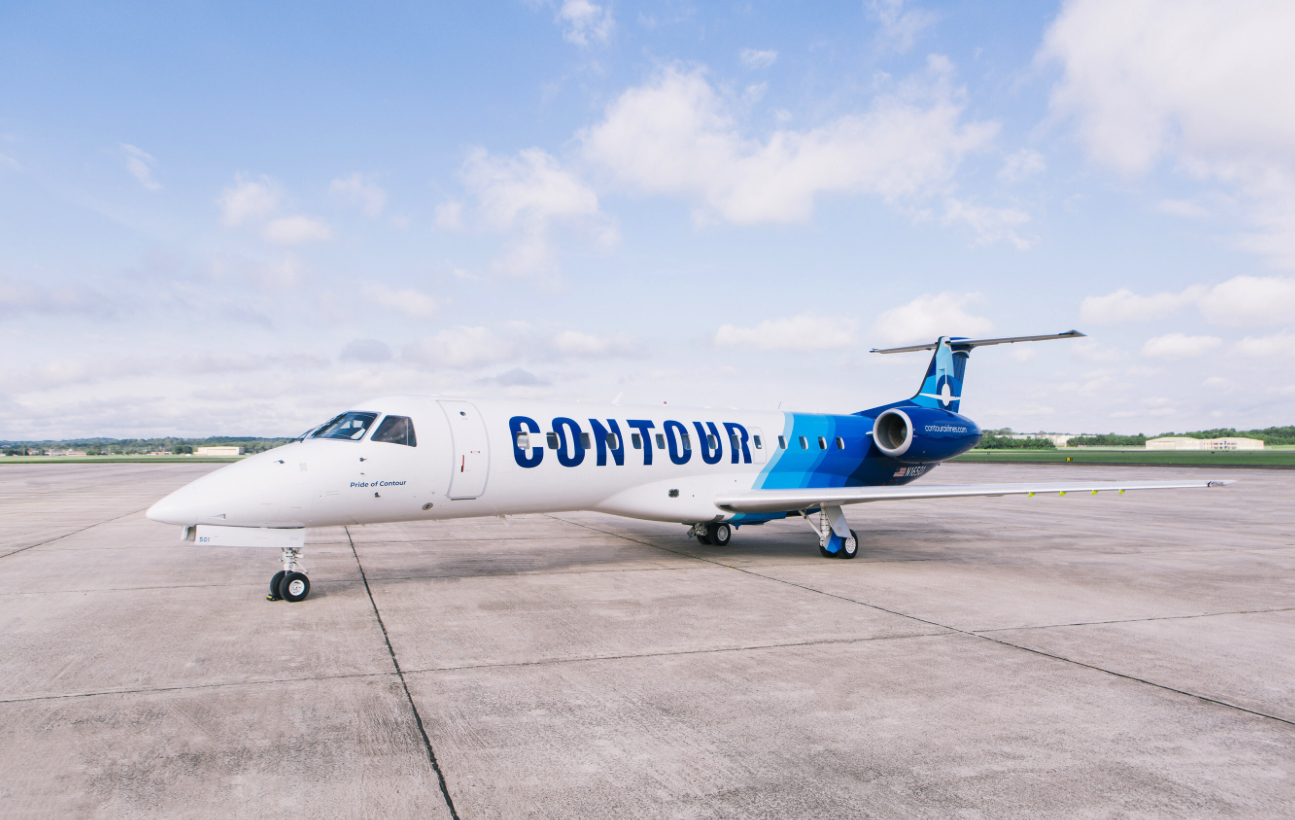
Flights to Kirksville will operate on Mondays, Tuesdays, Thursdays, Fridays, and Saturdays, while the return service to Dallas will run on Mondays, Wednesdays, Thursdays, Fridays, and Sundays.
Contour currently connects Kirksville with Chicago O’Hare, with daily flights.
“This new route significantly expands travel opportunities for residents and businesses throughout the region by connecting Kirksville to one of the largest and most connected airports in the world,” Contour President Ben Munson said in a news release. “Combined with our continued daily Chicago O’Hare service, travelers now have even greater flexibility and access to destinations nationwide.”
Contour operates primarily in the South, Midwest, and Southwest, as well as the Caribbean. From Dallas/Fort Worth, it serves Fort Leonard Wood and Cape Girardeau in Missouri; Tupelo, Mississippi; and El Dorado, Arkansas.
Zach Vasile is a writer and editor covering news in all aspects of commercial aviation. He has reported for and contributed to the Manchester Journal Inquirer, the Hartford Business Journal, the Charlotte Observer, and the Washington Examiner, with his area of focus being the intersection of business and government policy.
Sign-up for newsletters & special offers!
Get the latest stories & special offers delivered directly to your inbox